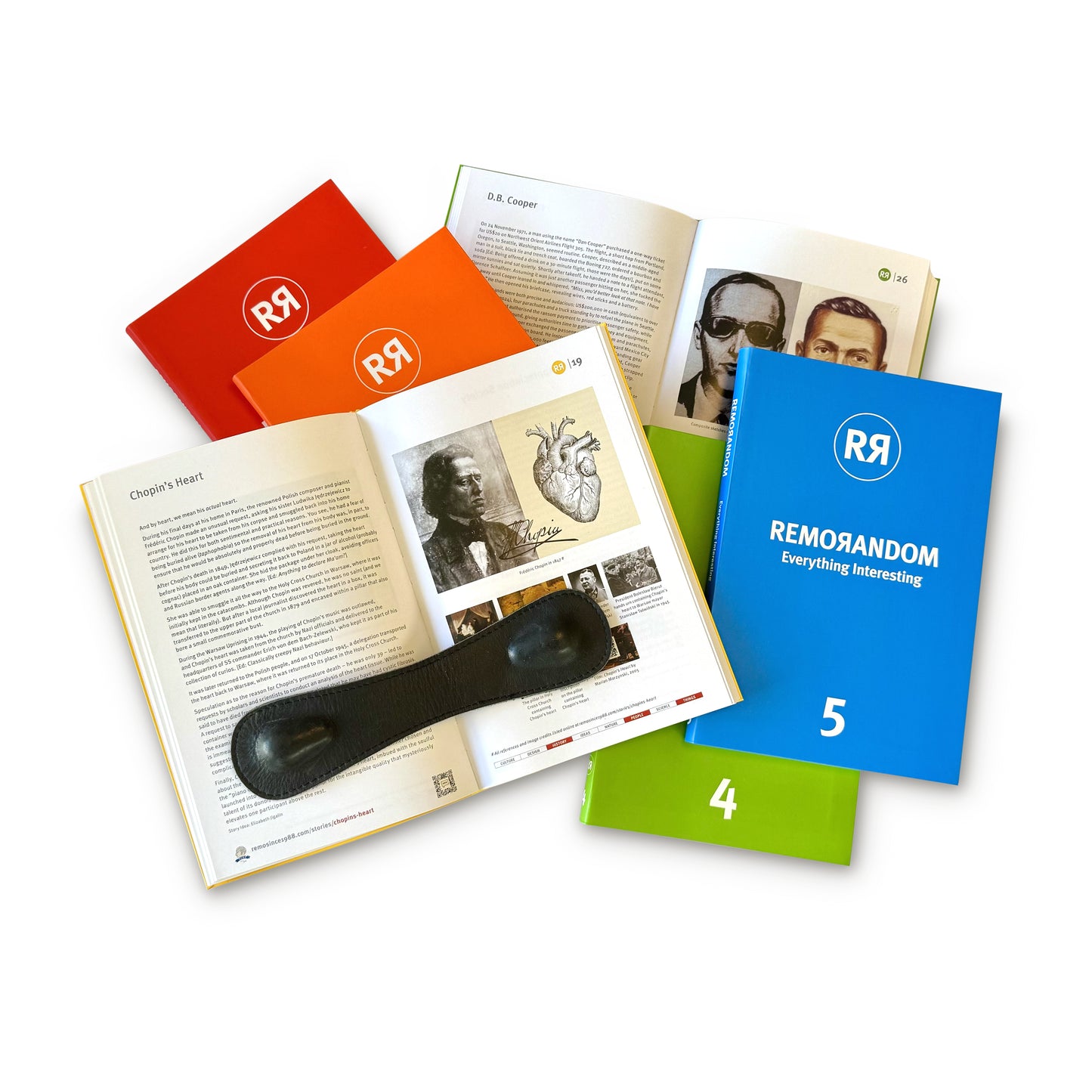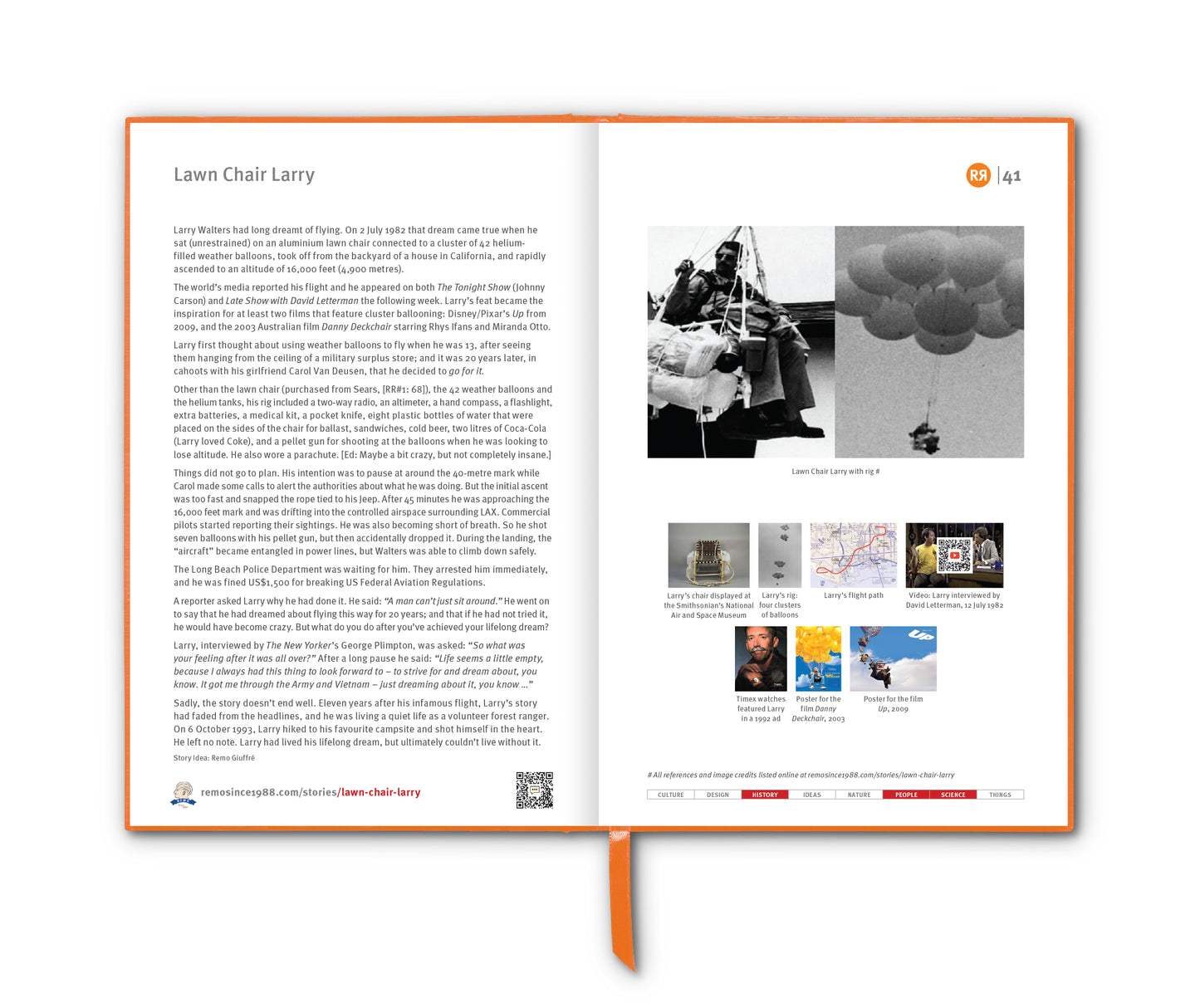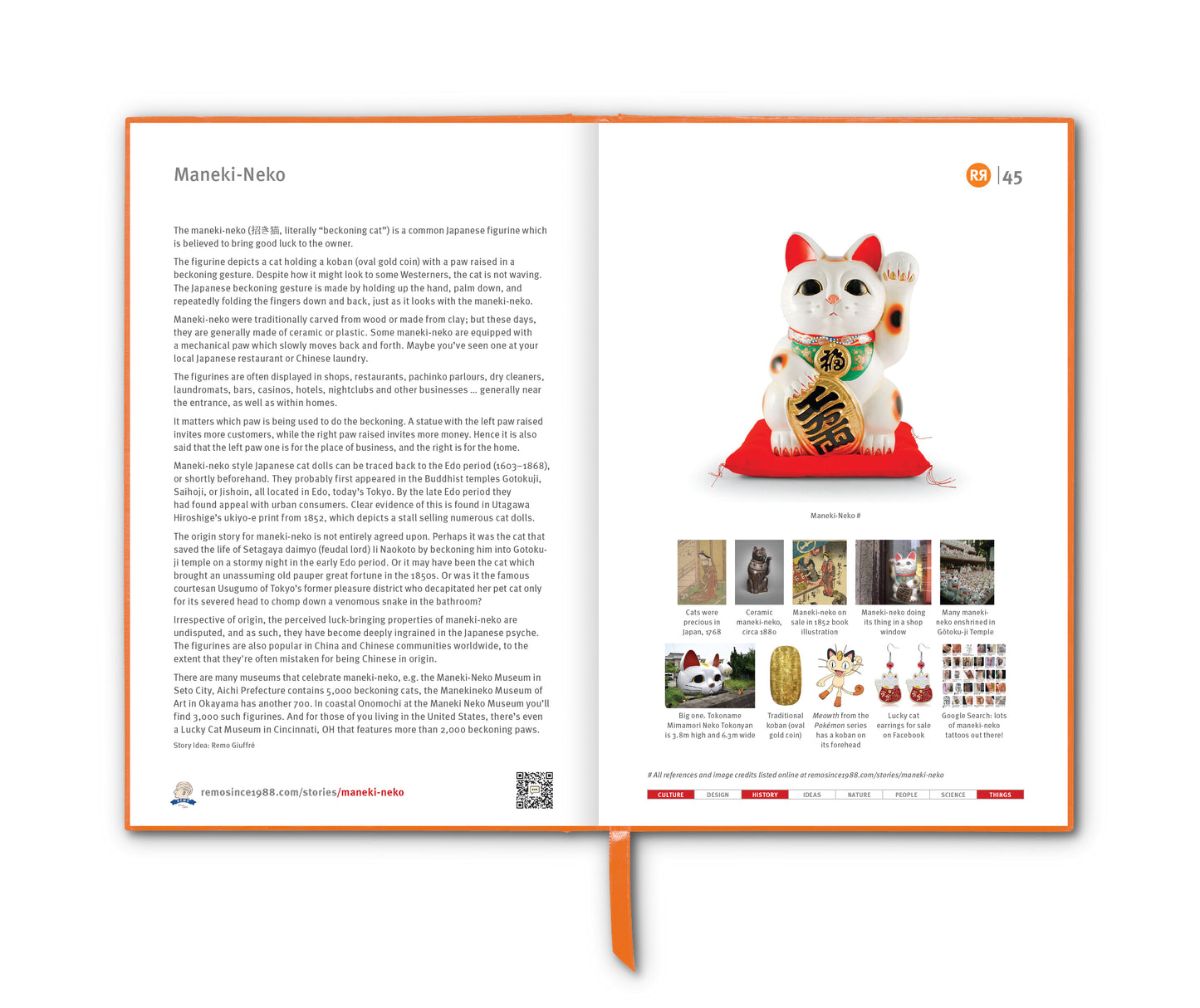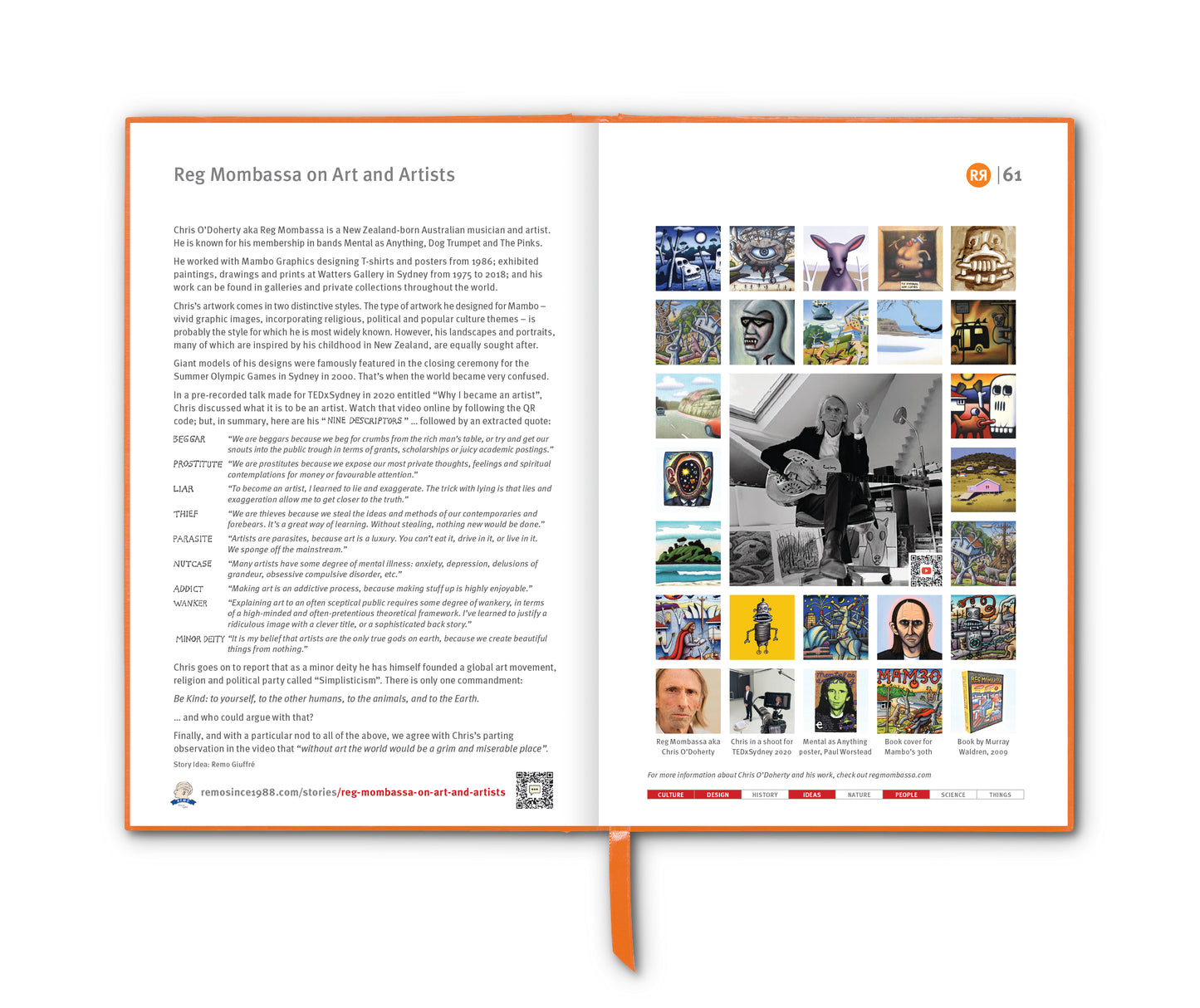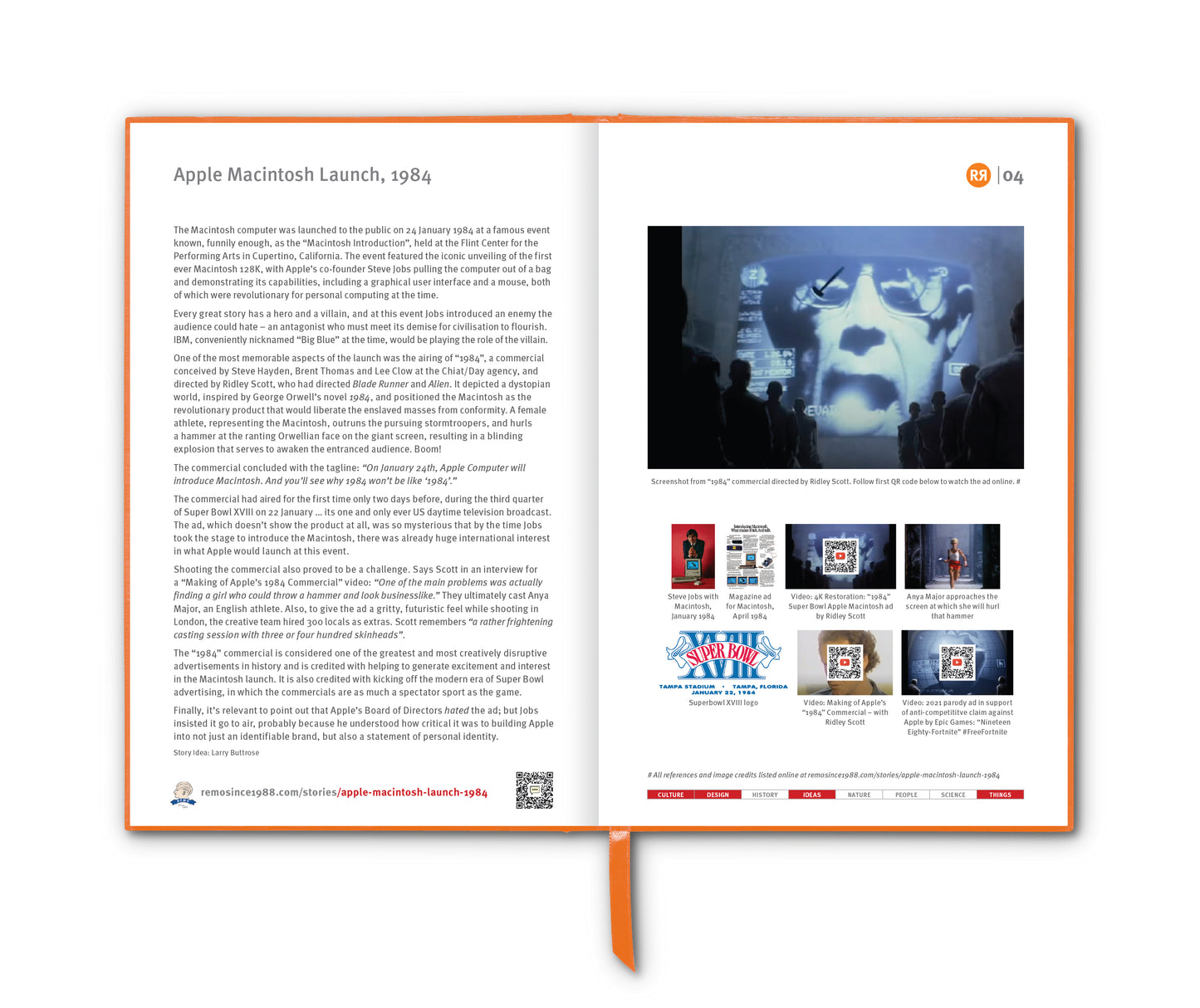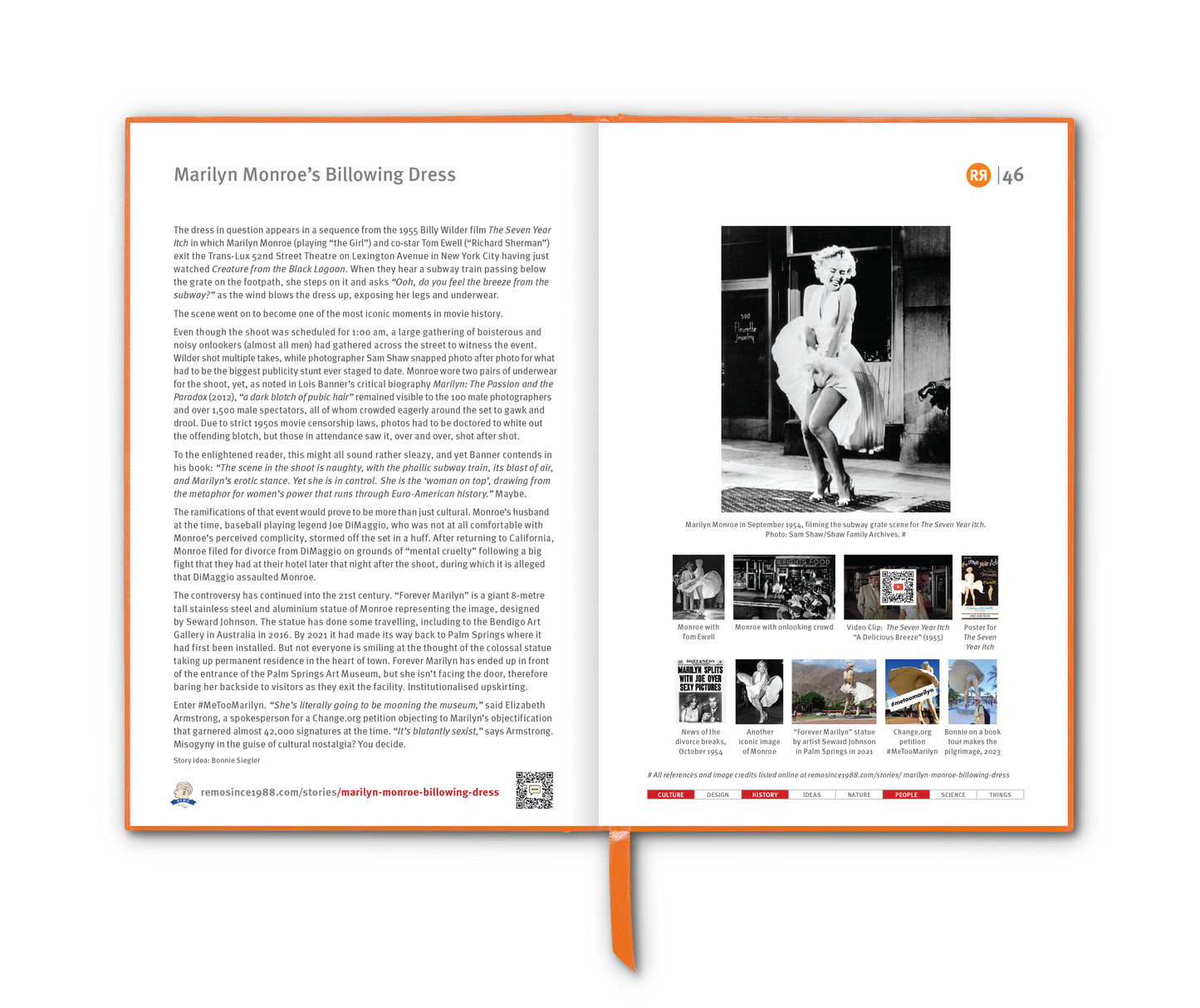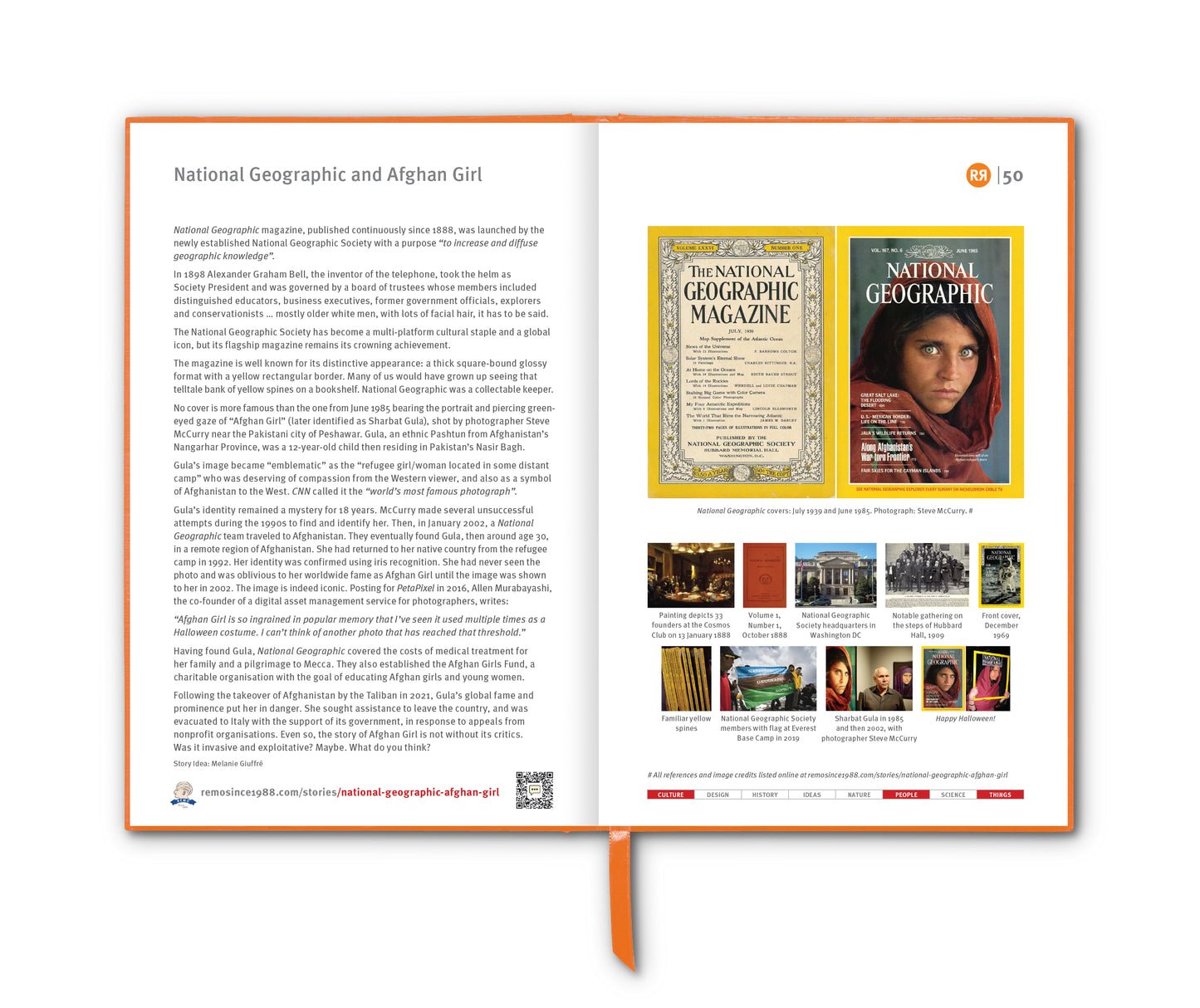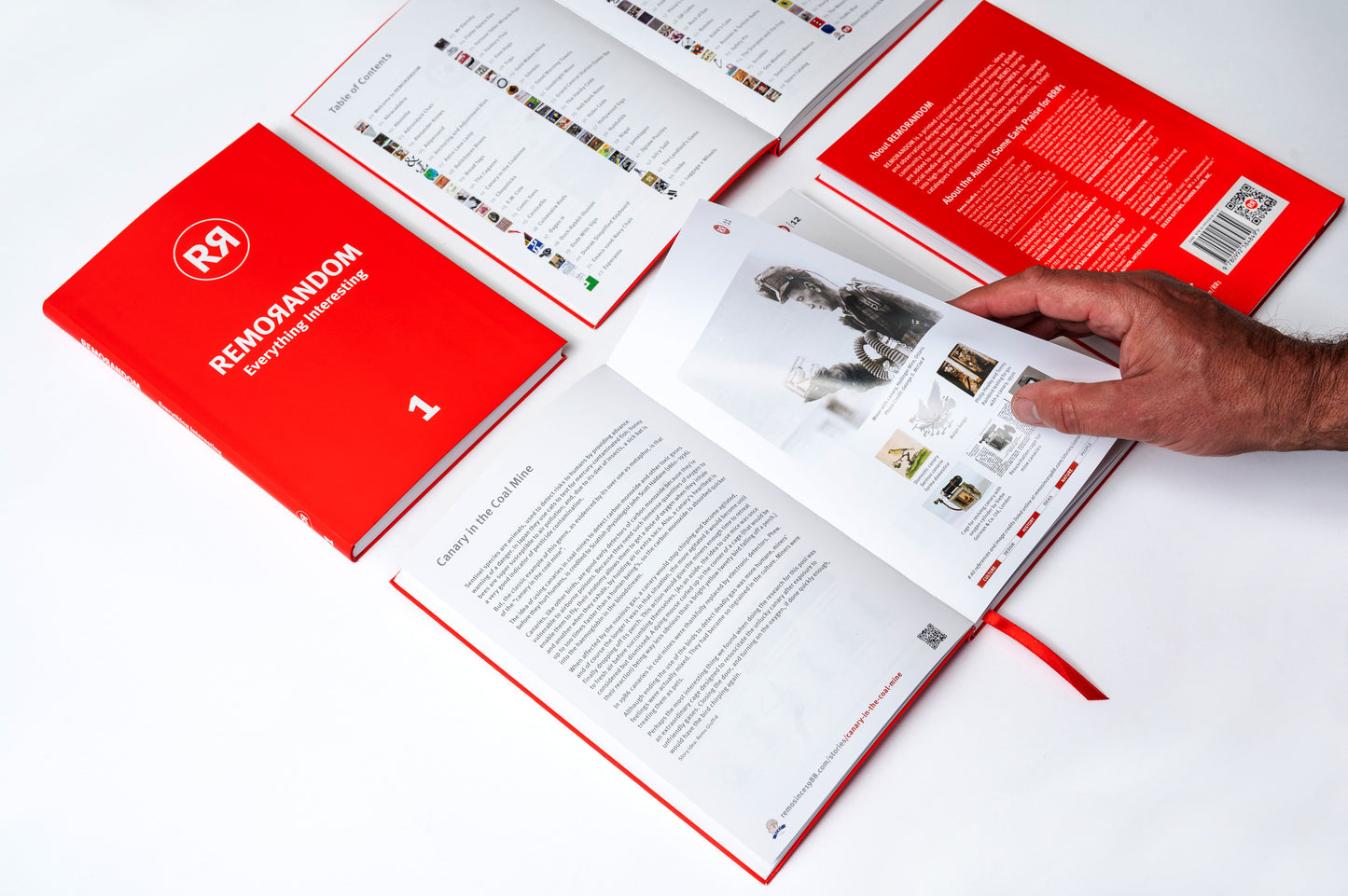

Check out our new Milk Crate design HERE.
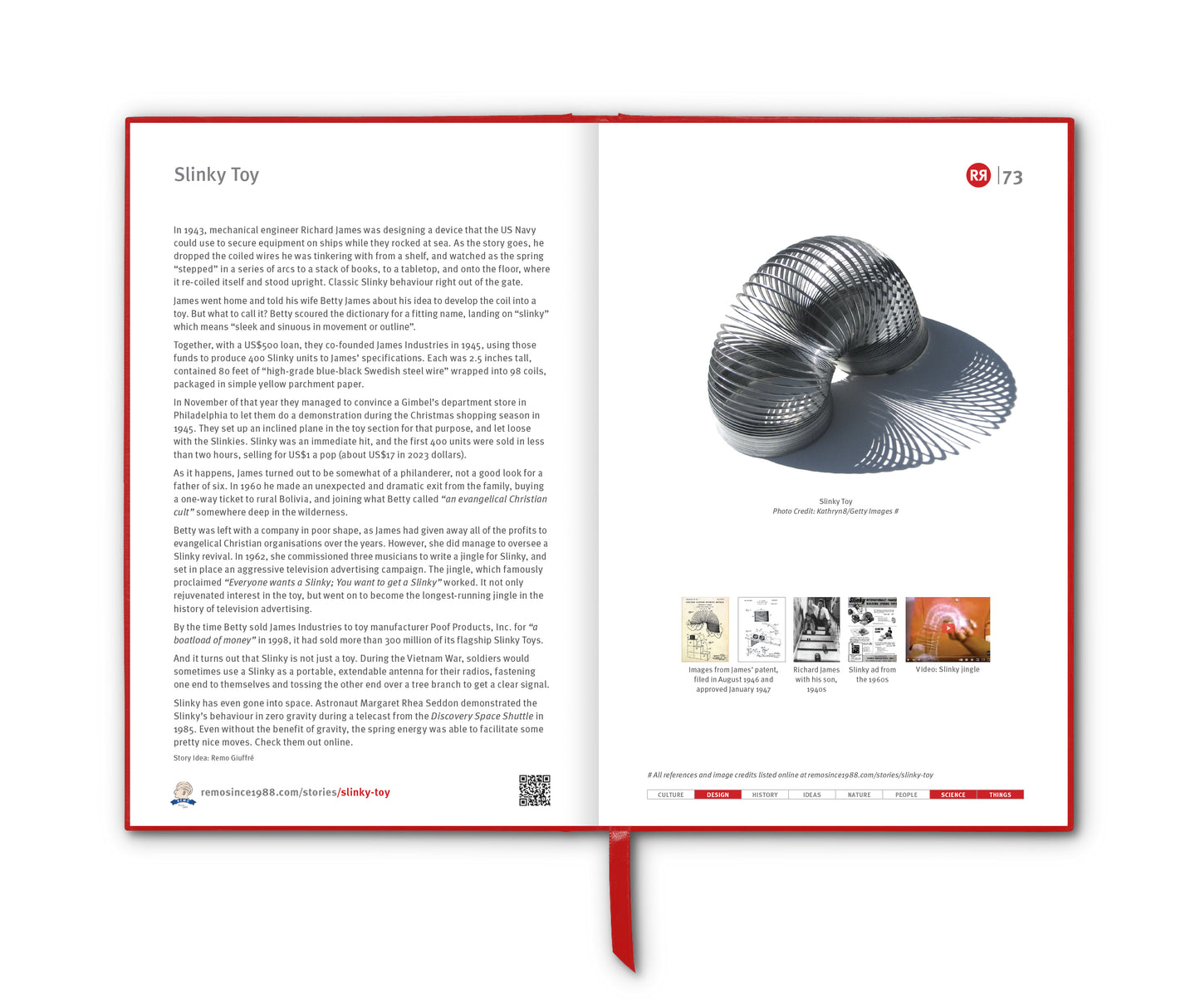
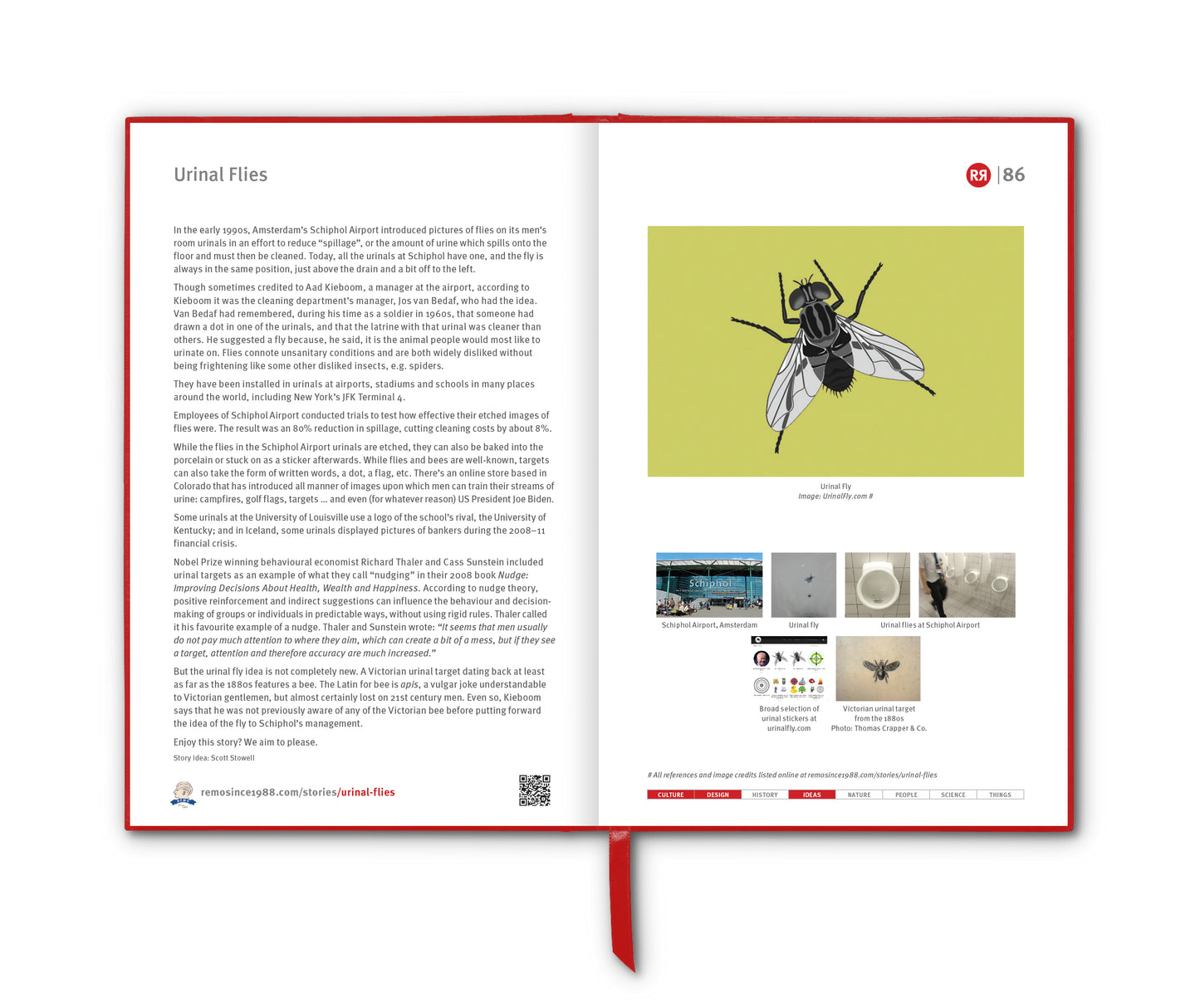
Originally designed to transport bottles of milk safely, the plastic milk crate has escaped its original purpose to become a multifunctional design classic in its own right.
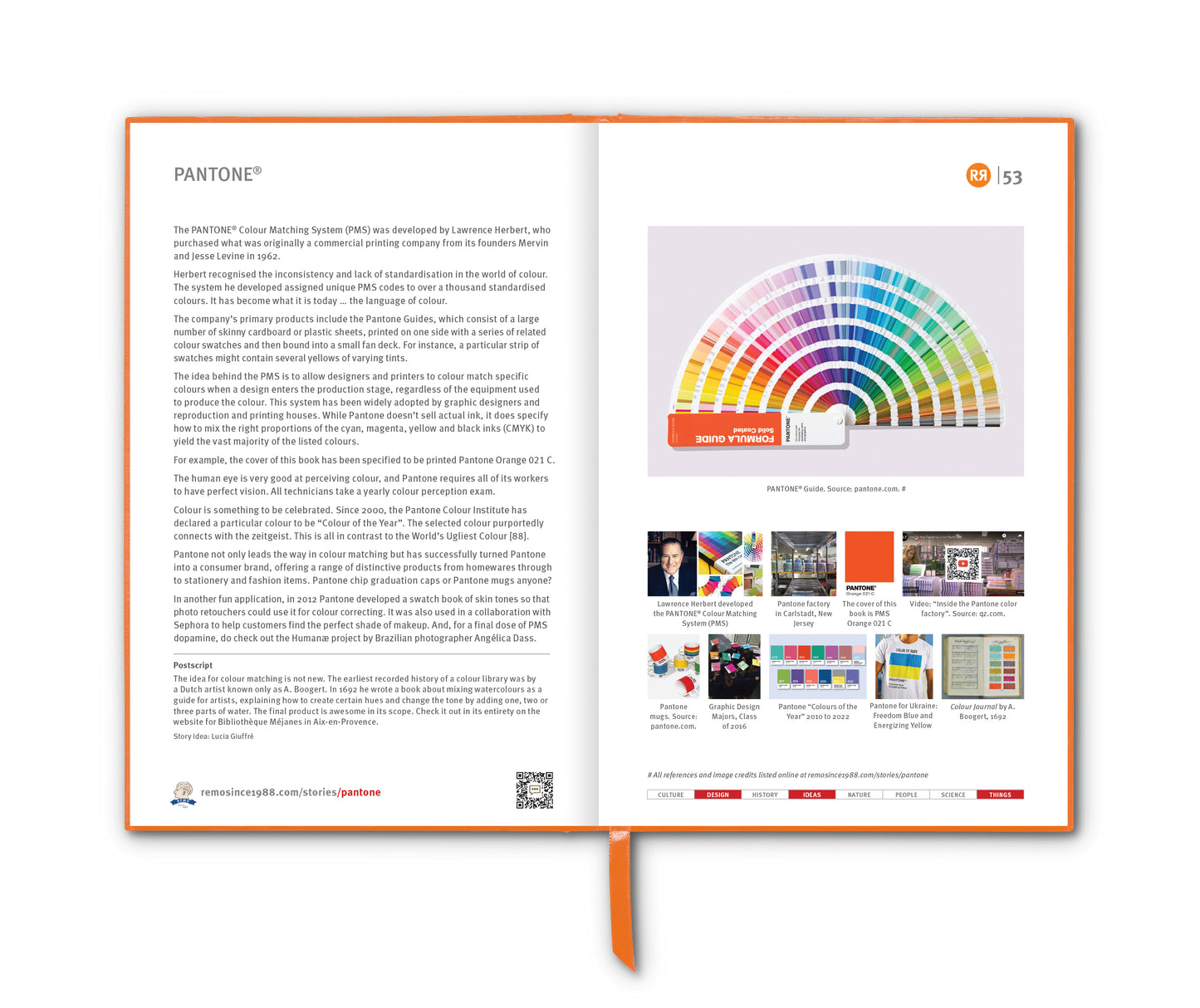
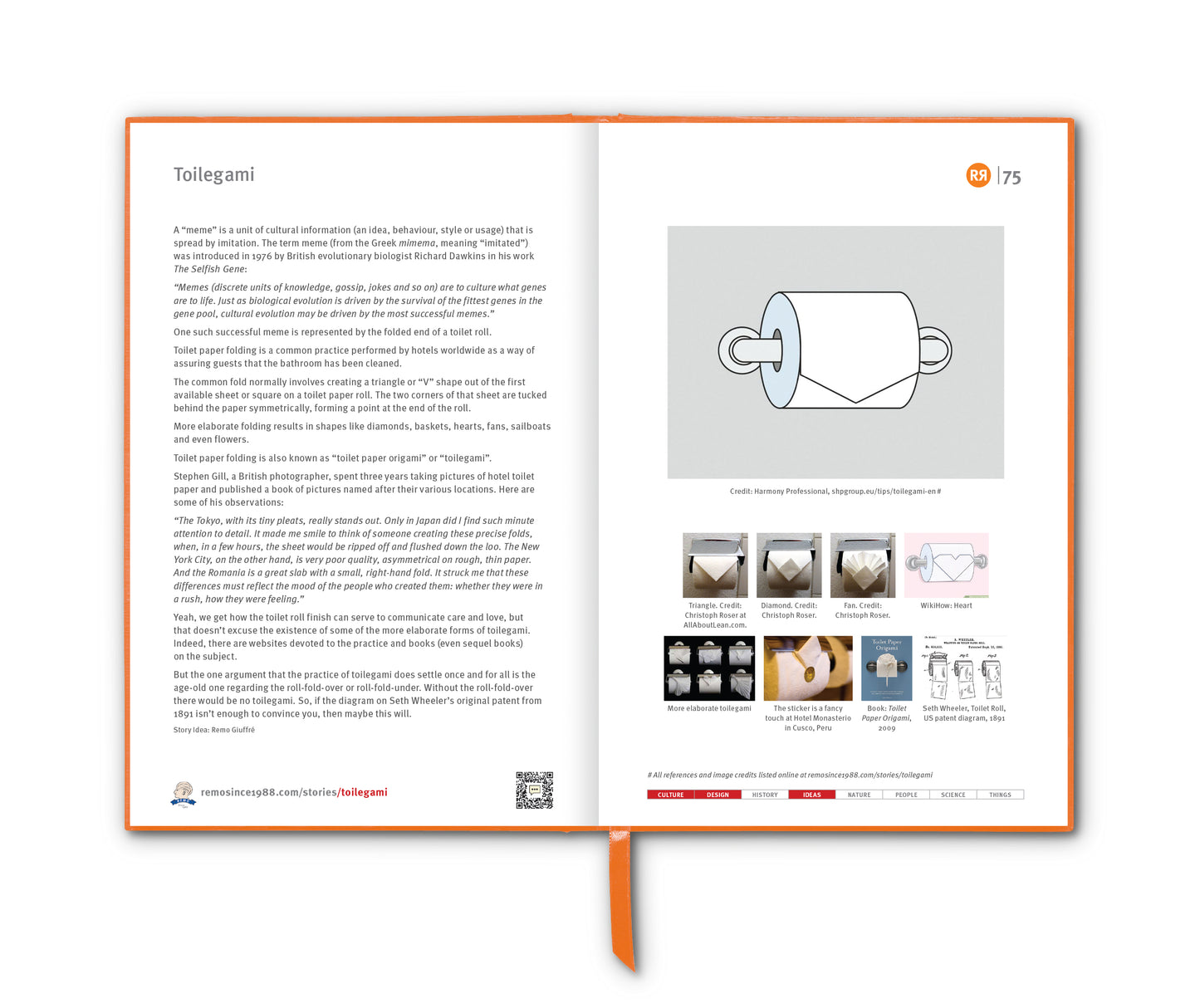
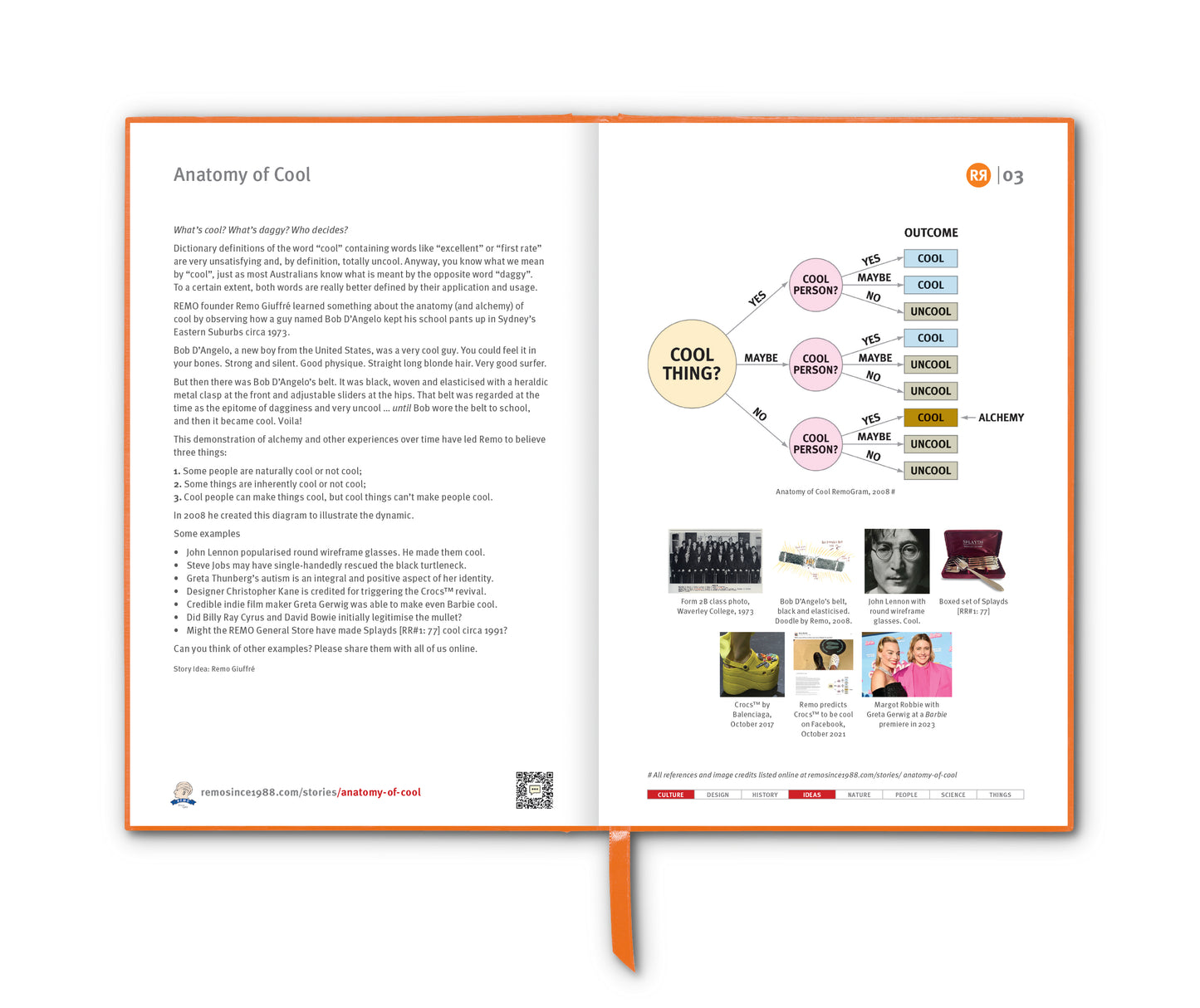
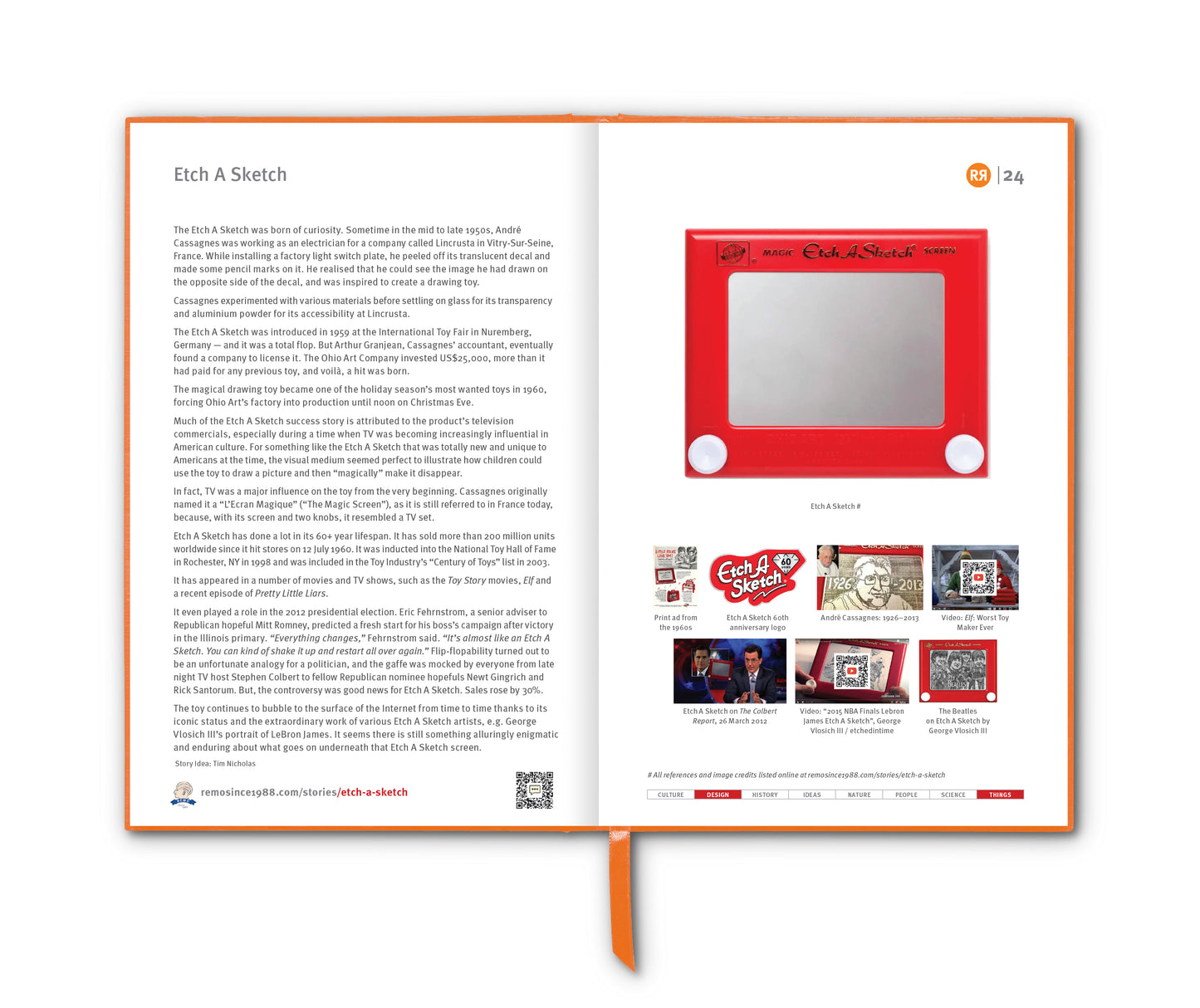
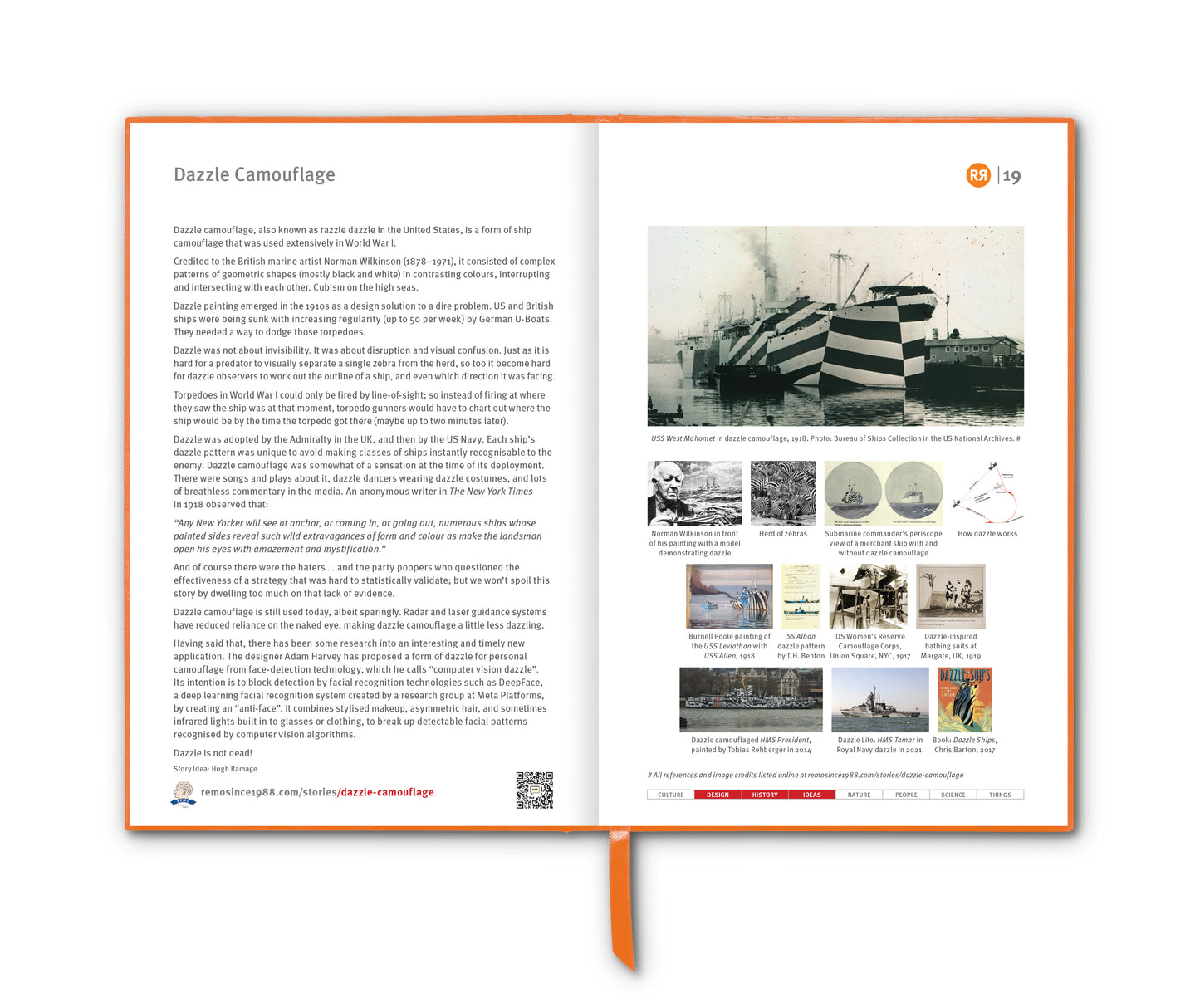
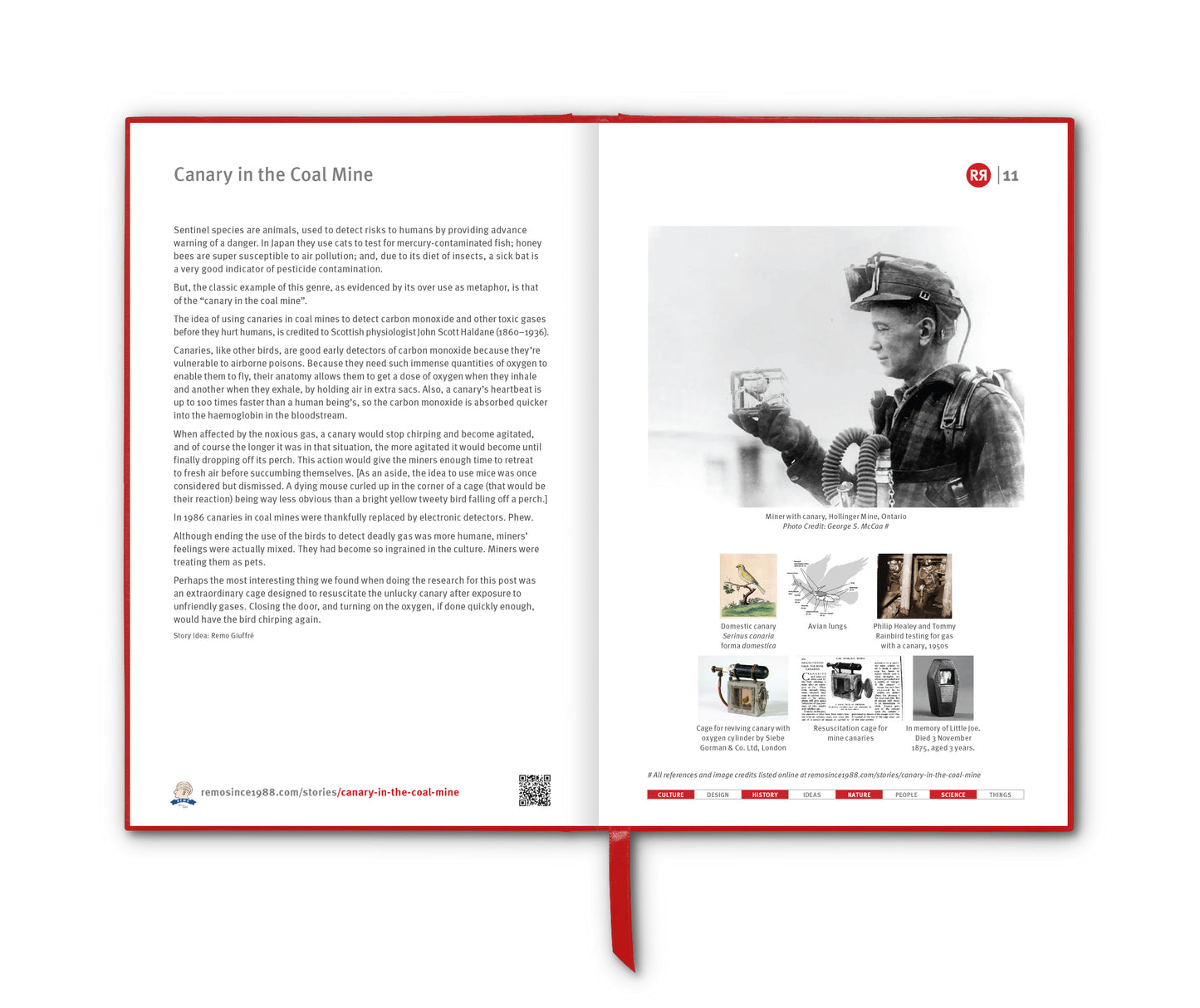
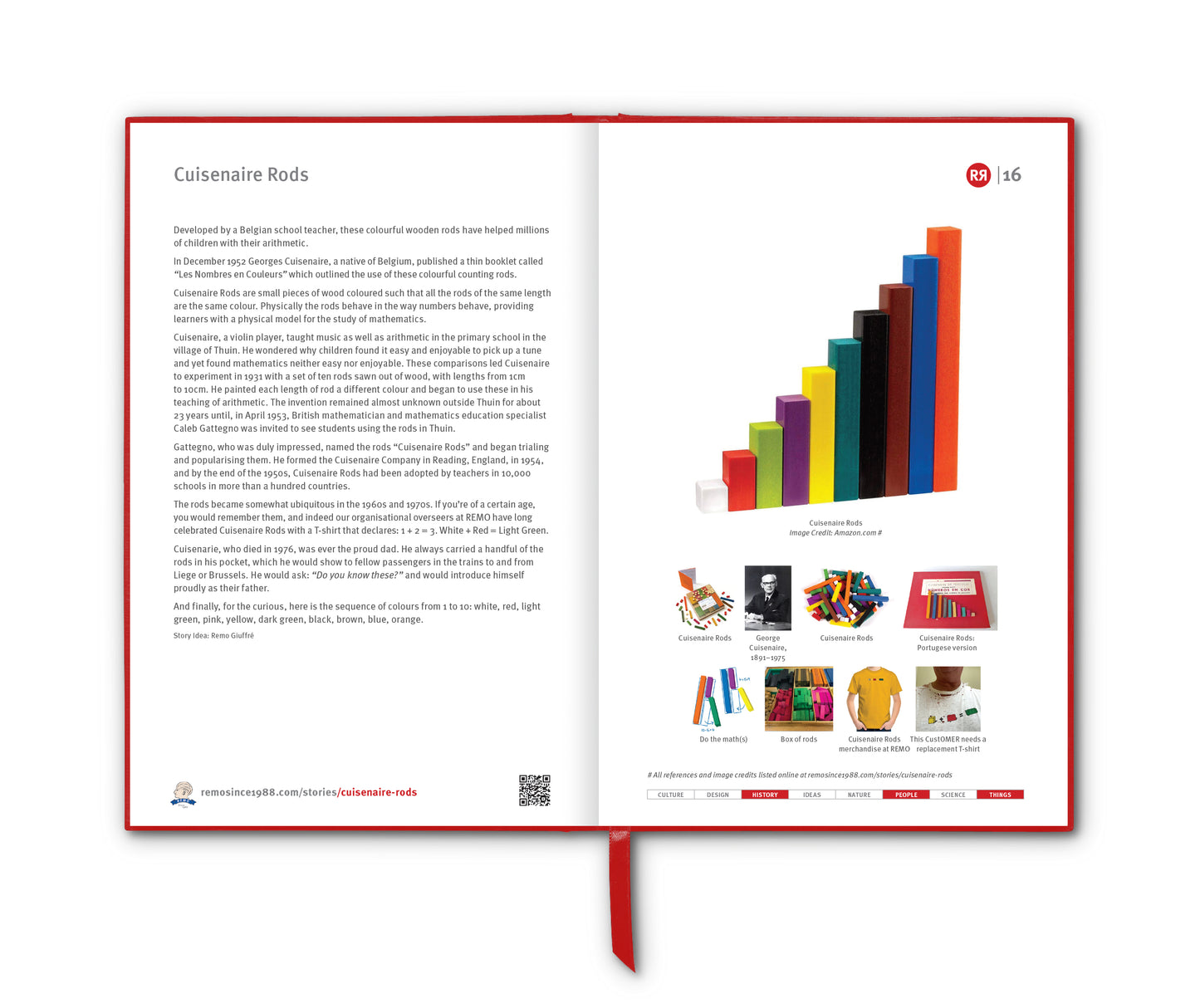
Early milk crates were made from wood and later metal, providing dairies with a practical way to move heavy glass bottles between factories, delivery trucks and shops. The modern plastic milk crate emerged in Australia during the 1950s and 1960s, when engineer Geoff Milton (101 and still kicking in 2026), working for the Dairy Farmers Co-operative Milk Company in New South Wales, developed a durable injection-moulded plastic version. The design proved so effective that it became an industry standard and spread around the world. A similar crate was designed by J. Houston Rehrig of Pasadena, California and patented in the United States in 1966.
What makes a milk crate special is its impressive functionality. Its open sides reduce weight while maintaining strength. Its dimensions allow efficient stacking and transport. Its reinforced corners withstand rough handling. It is a classic example of industrial design in which every feature serves a purpose.
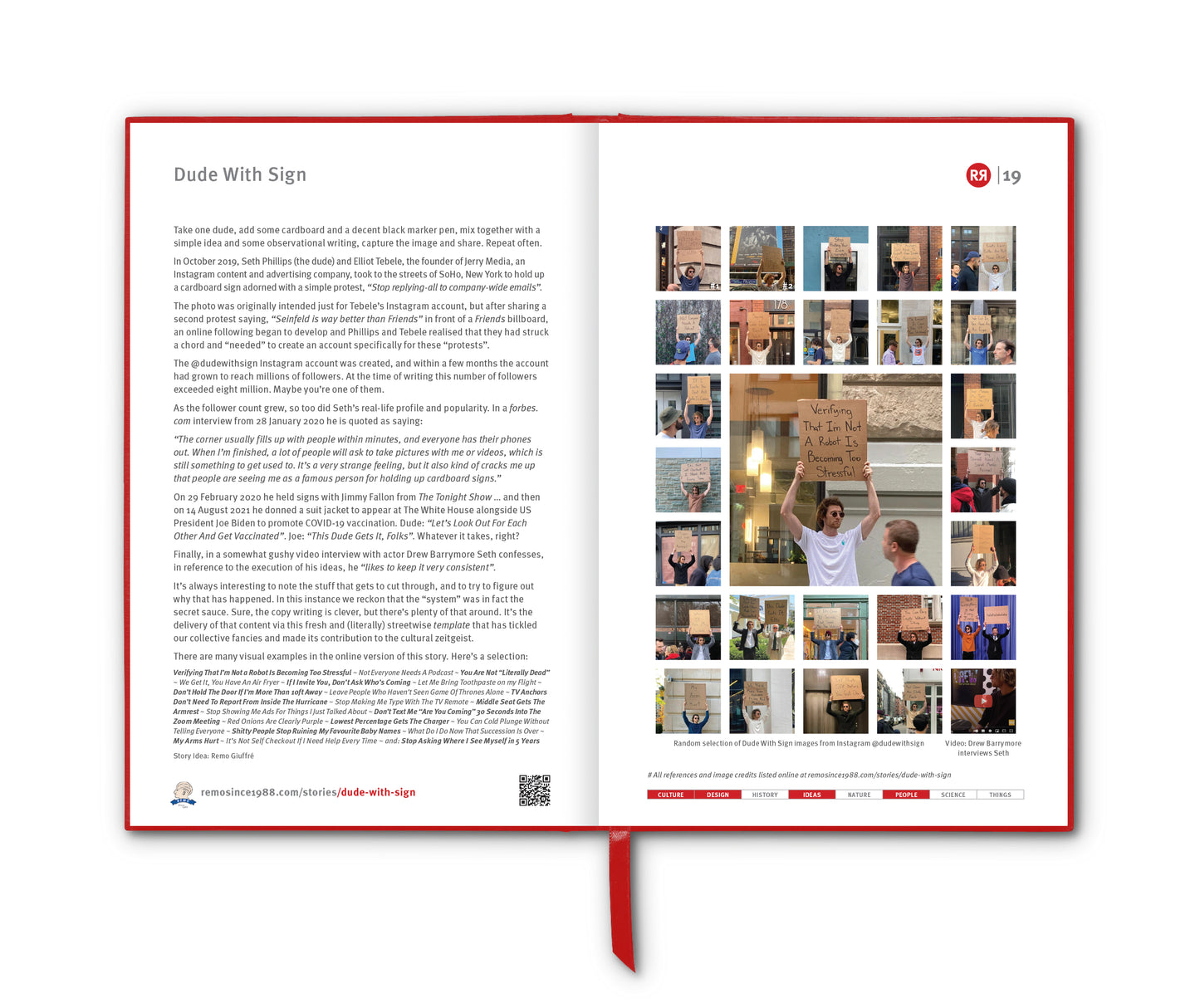
The crate's greatest compliment may be the number that have been stolen. [Ed: Go on – admit it.] For decades, milk crates mysteriously disappeared from behind supermarkets and convenience stores. Dairies have spent millions replacing missing crates, many of which found second lives as storage boxes, bookshelves, bicycle baskets, tool carriers and makeshift furniture. In many countries, milk crates remain the property of the dairy companies, making their unofficial adoption technically a form of theft.
Milton’s initial design – solid on the sides – was even more tempting. “People were using them to store toys and potatoes, fair dinkum," Milton says. "Our crate losses were not insignificant." So, the team designed a new mould die for a crate with gaps on the sides – just large enough for potatoes to slip through.
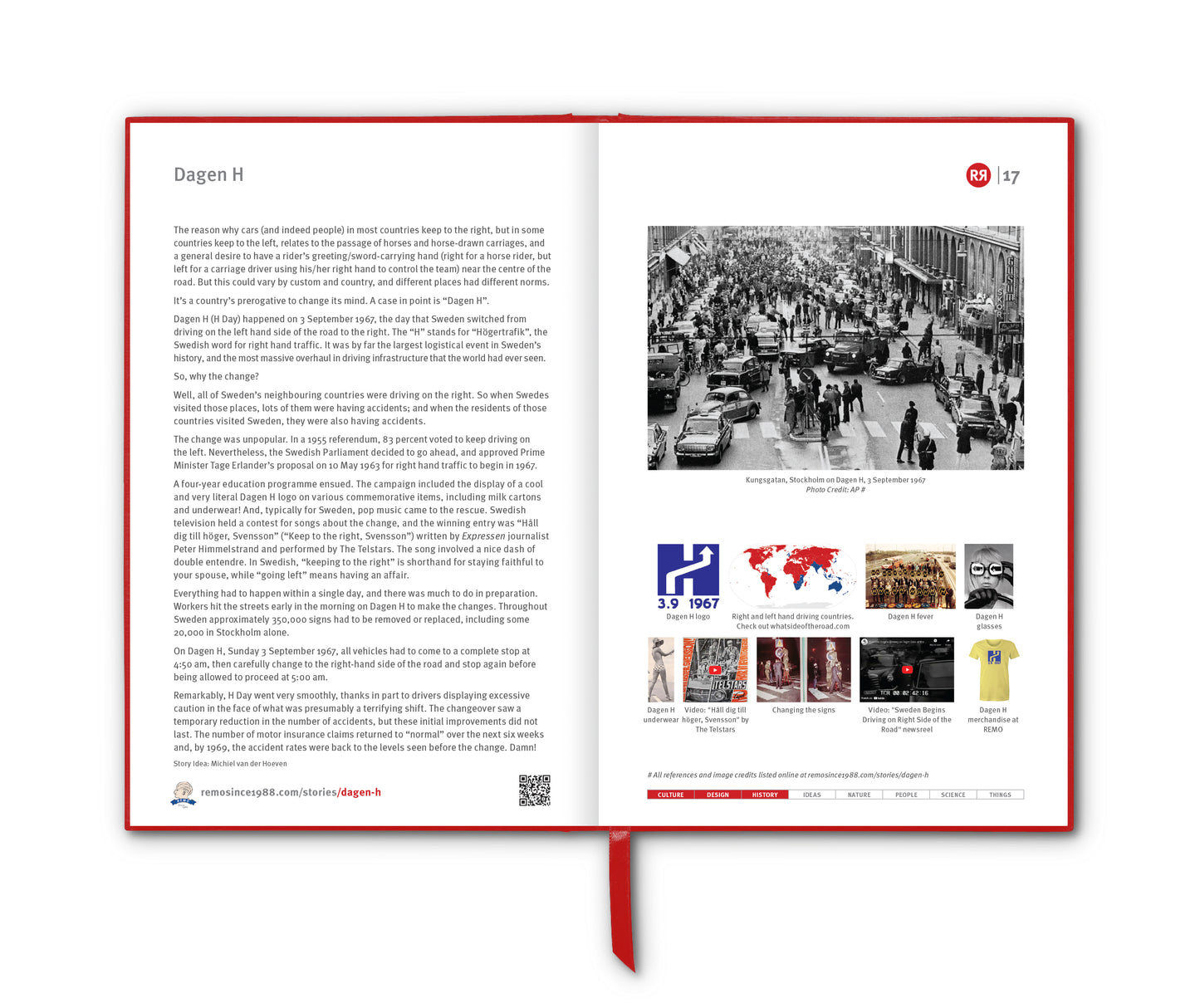
Few objects have crossed social boundaries so effortlessly. In university dormitories during the 1970s and 1980s, milk crates became the default furniture of young people on tight budgets. A stack of crates could become a bedside table, record shelf or television stand. Vinyl record collectors still prize them because LPs fit almost perfectly inside (a happy accident). Musicians transport cables and equipment in them. Gardeners use them for harvesting produce. Photographers stand on them to gain extra height. Cafes use them as outdoor seating.
Artists have also embraced the crate. Contemporary sculptors and installation artists have used stacks of milk crates (or giant versions) to explore themes of labour, consumption and everyday life. Their familiar grid pattern makes them instantly recognisable.
Today, dedicated consumer versions are sold specifically for storage and home organisation. [Ed: Hello IKEA!] Some feature lids, wheels, dividers or fold-flat designs. Yet despite these innovations, the basic form remains remarkably unchanged.
Story Idea: Sheridan Jobbins
_________________________________
References
wikipedia.org/wiki/Milk_crate
dairycrates.com/milk-crate-history
smh.com.au/entertainment/art-and-design/a-tall-order-for-the-humble-milk-crate-amuses-its-inventor
smh.com.au/entertainment/art-and-design/crate-moments-in-art-history
smh.com.au/national/making-australia-crate-again-in-2019
reddit.com/r/AskOldPeople/comments/1frtizb/where_did_all_those_milk_crates_come_from
Images
1. Geoff Milton, a former engineer with Dairy Farmers, was behind the milk crate design we know and love today. Photo credit: Steven Siewert
2. J. Houston Rehrig US milk crate patent from 1966
3. Milk crate tables in a cafe
4. Milk crate book shelves. We've all been there.
5. The milk crate has featured in Christmas decorations, including this one at Berry, NSW
6. LP records in a milk crate
7. Crate furniture by Segev Moisa
8. ET takes a ride in a milk crate
9. Crateman spotted on a building in Melbourne