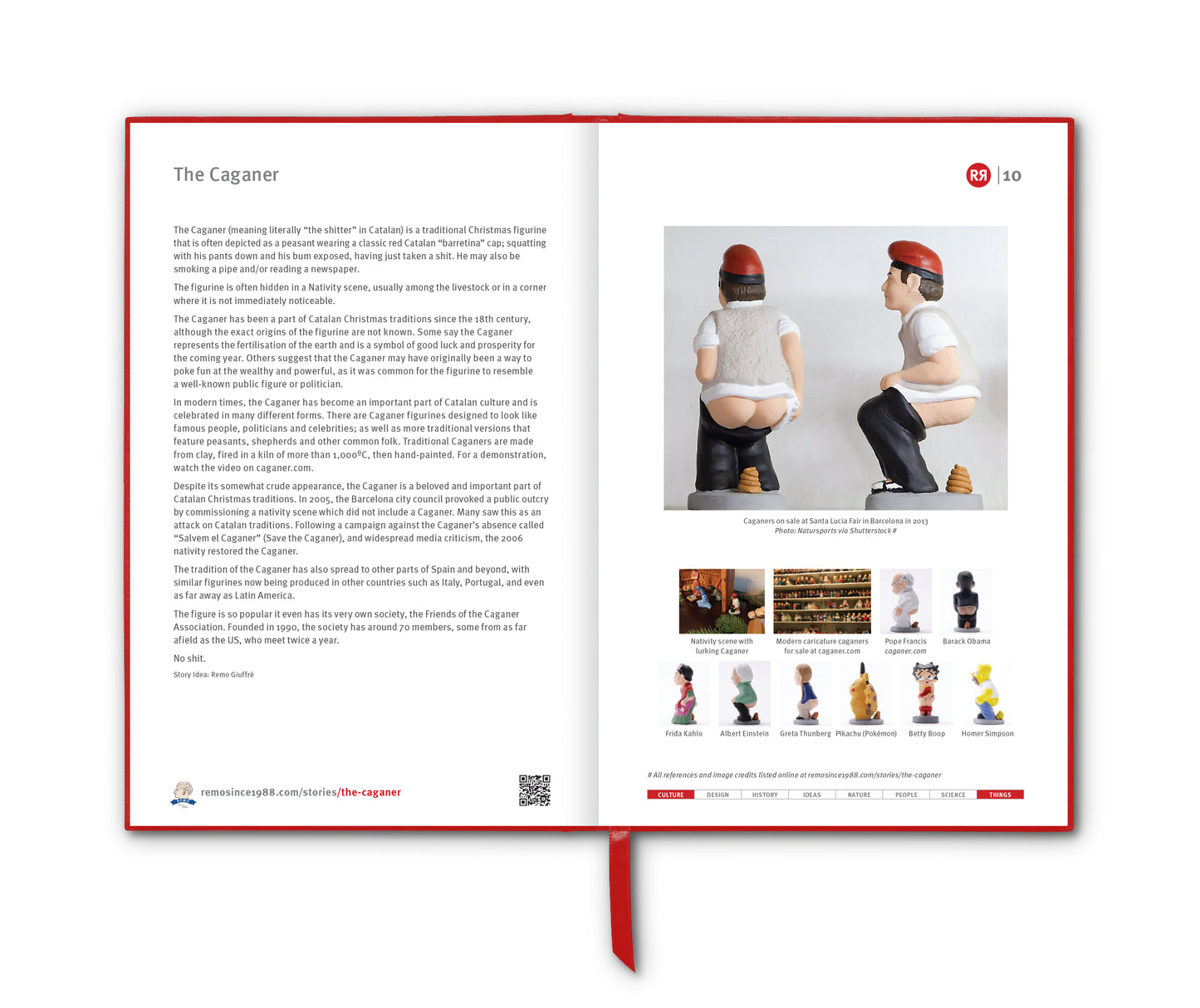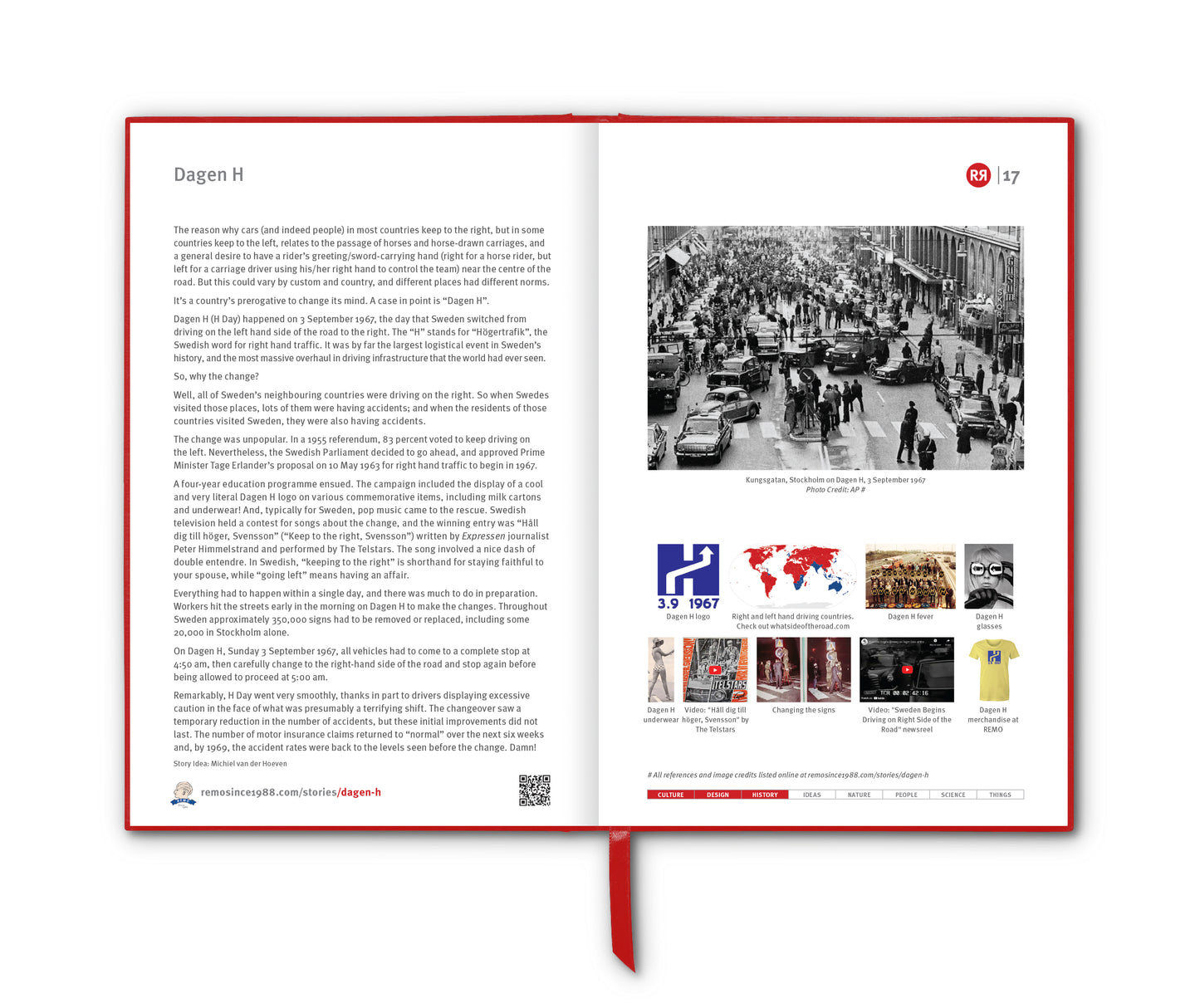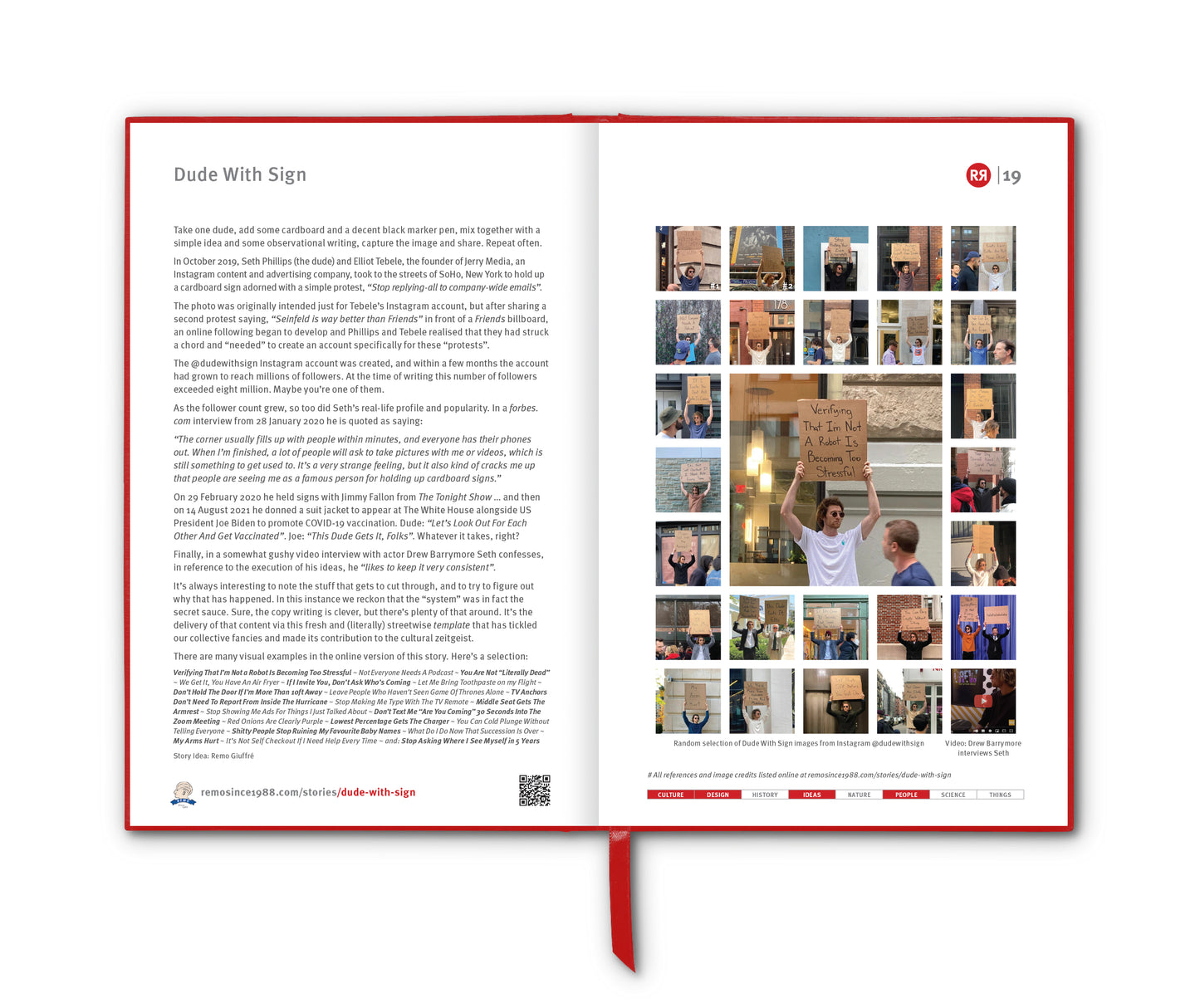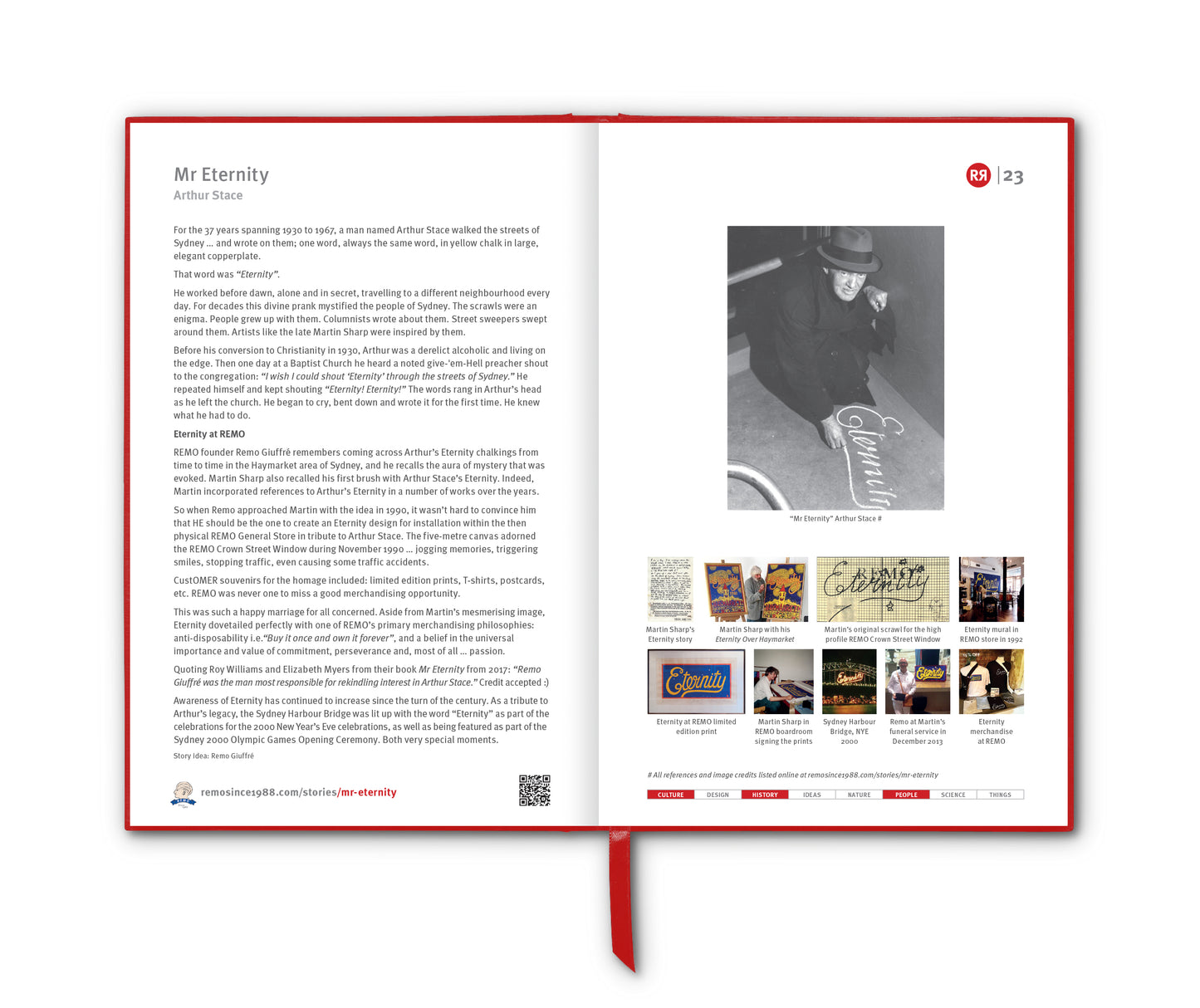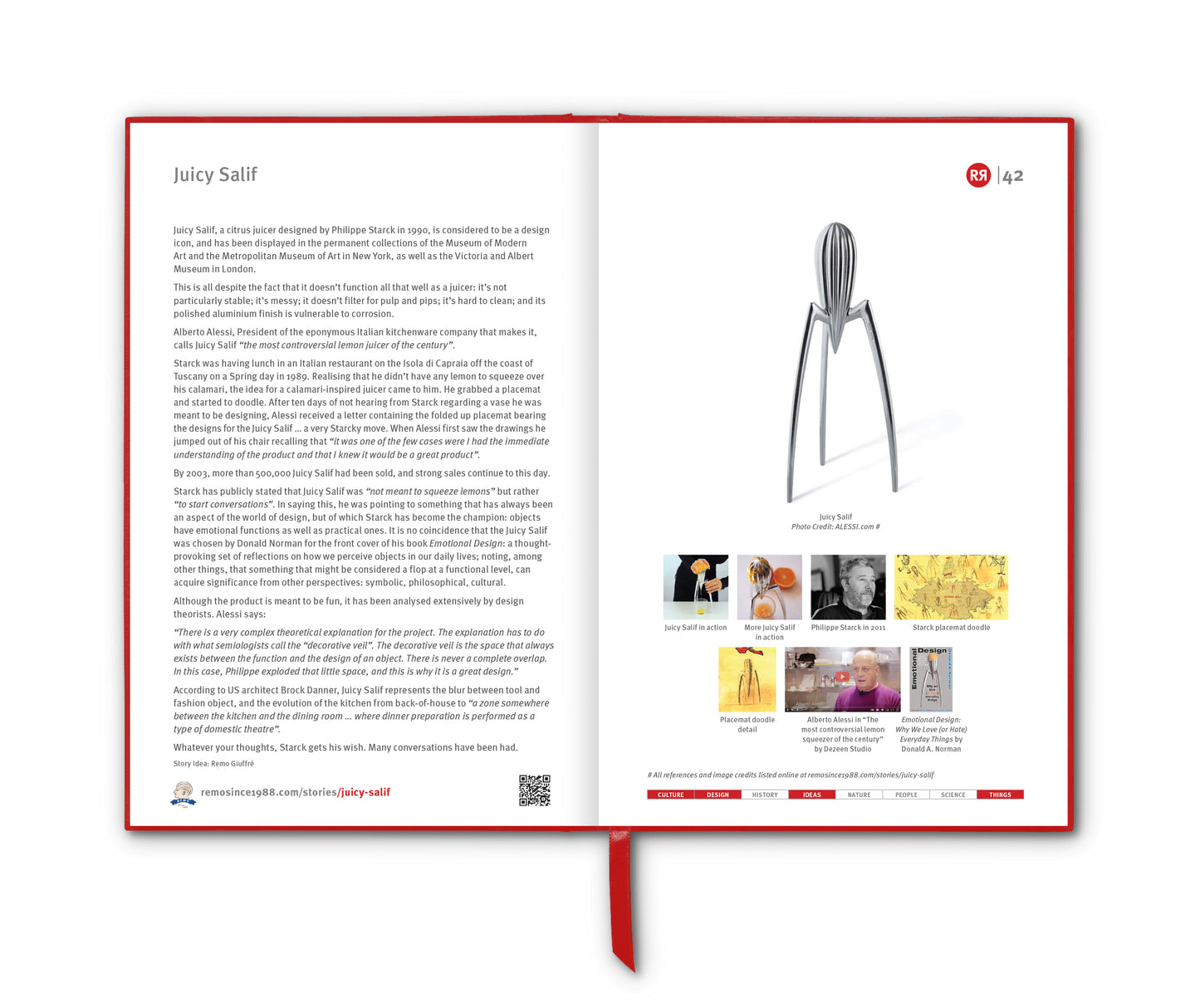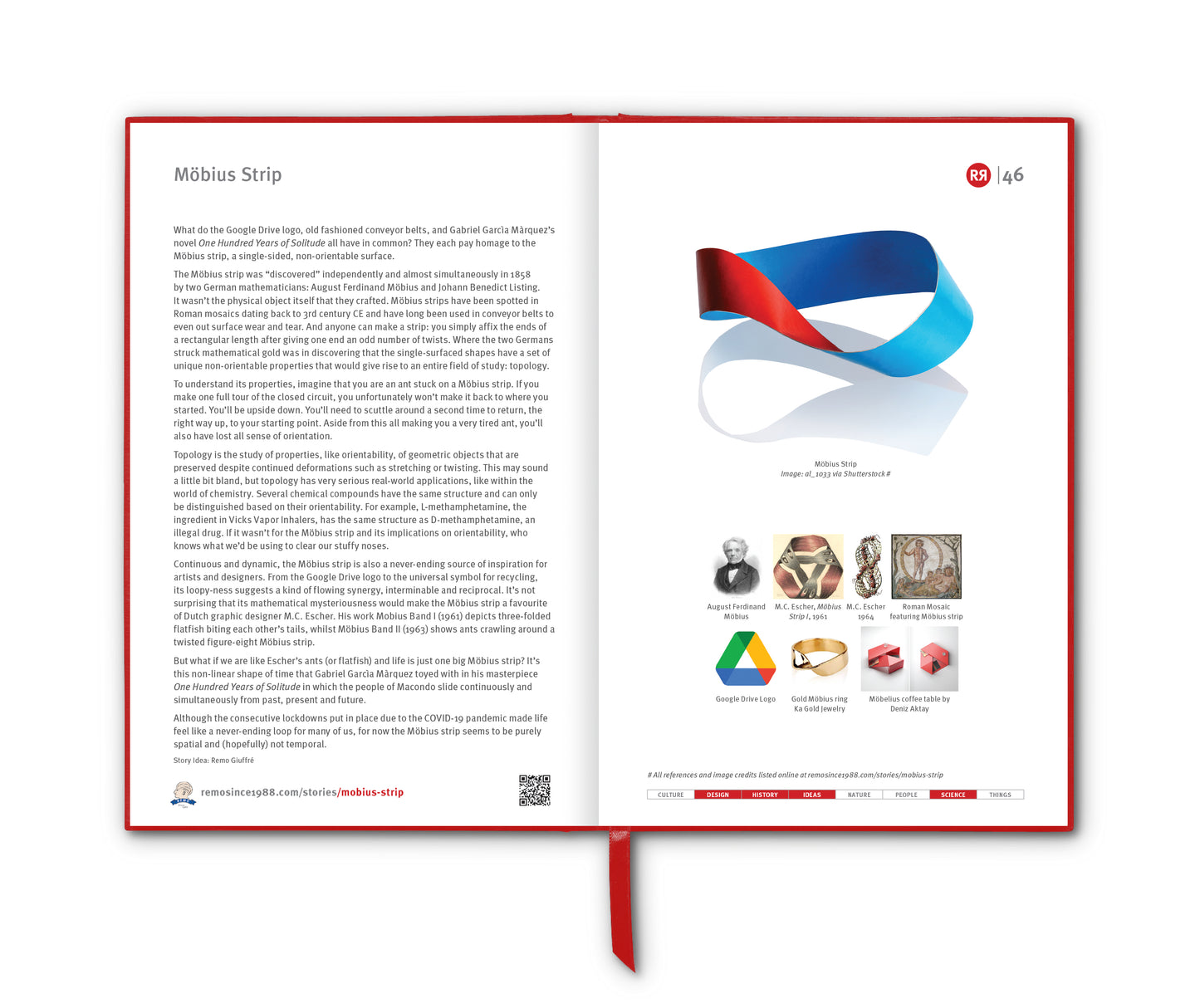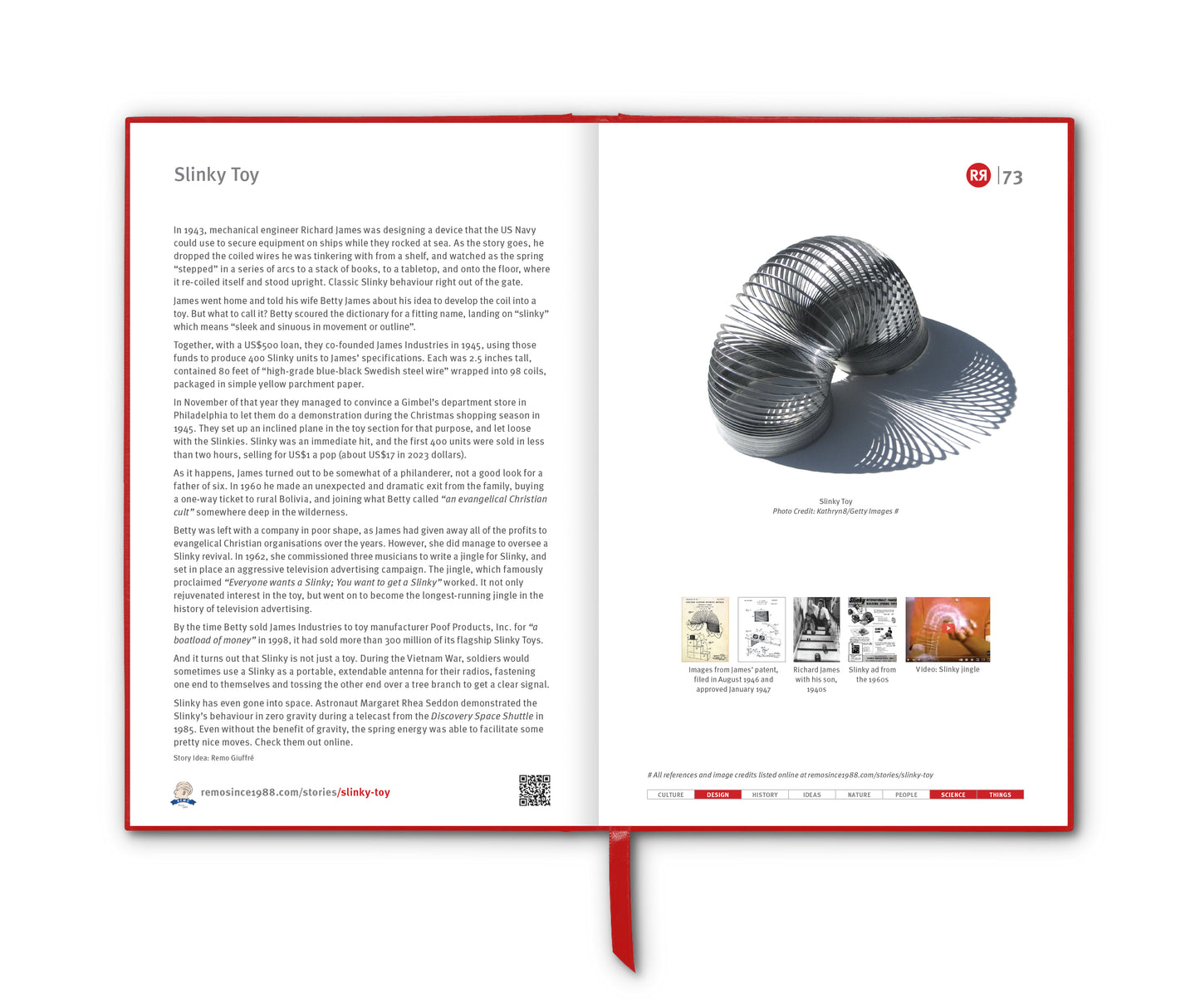

Murphy’s Law is the familiar adage that “anything that can go wrong will go wrong”. It expresses a darkly humorous observation about the tendency of systems – and life – to fail at the least convenient moment. Though often invoked jokingly when dropped toast lands butter-side down, the phrase has a specific mid-20th-century origin in American engineering culture.
The most widely accepted origin story traces Murphy’s Law to 1949 at the US Air Force’s high-speed rocket-sled experiments at Edwards Air Force Base in California. The project was overseen by test pilot and engineer John Paul Stapp, who was studying the effects of rapid deceleration on the human body. One of the engineers on the team, Edward A. Murphy Jr., reportedly became frustrated when a set of sensors was installed incorrectly during testing. According to one account, Murphy remarked that if there were two ways to install the device and one of them was wrong, someone would choose the wrong way. Stapp later summarised the lesson for reporters as a general principle of engineering: if something can go wrong, it will. The phrase “Murphy’s Law” quickly stuck.
As with many popular sayings, alternative origin stories circulate. Some suggest that Murphy himself never formulated the phrase exactly as it is known today; others argue that Stapp coined it while crediting Murphy. Another version claims the saying was already circulating informally among engineers before the rocket-sled experiments. Regardless of the exact wording or authorship, the concept spread rapidly through aerospace and engineering communities during the 1950s and 1960s.
Murphy’s Law is often confused with Finagle’s Law, a closely related but more cynical maxim popular among American scientists and science-fiction fans. Finagle’s Law is usually stated as “anything that can go wrong, will – at the worst possible moment”. It emphasises the malicious timing of failure. The term gained wider currency in science-fiction fandom and is sometimes attributed to early contributors to the magazine Astounding Science Fiction. In practice, however, Murphy’s Law absorbed many of Finagle’s darker variations, and the two are now often used interchangeably.
Some commentators link Murphy’s Law metaphorically with the scientific concept of entropy from thermodynamics. Entropy describes the tendency of closed systems to move toward disorder rather than order. While Murphy’s Law is not a scientific principle, the comparison resonates: complex systems naturally drift toward failure unless actively maintained. Engineers therefore interpret Murphy’s Law less as fatalism than as a design philosophy – anticipate every possible failure and build safeguards against them.
From its technical beginnings, Murphy’s Law quickly entered popular culture. By the 1970s it had become a staple of office humour, appearing in cartoons, books of aphorisms, and workplace folklore. Variants multiplied: “If you drop a tool, it will roll to the least accessible place”, or “The queue you choose will move slowest”. The phrase now functions as a shorthand explanation for everyday mishaps.
_____________________
References
wikipedia.org/wiki/Murphy%27s_law
abc.net.au/science/k2/moments/gmis9906.htm
military.com/history/real-life-murphy-and-how-murphys-law-came-be.html
Images
1. Edward A. Murphy Jr > 1971 cartoon
2. Dr. John Paul Stapp
3. Lt. Col. John Stapp riding the rocket sled Gee Whiz in 1949. Credit: US Air Force
4. Stapp during acceleration and deceleration tests in 1949. Credit: US Air Force
5. Astounding Science Fiction magazine, April 1950
6. Illustration: George Retseck