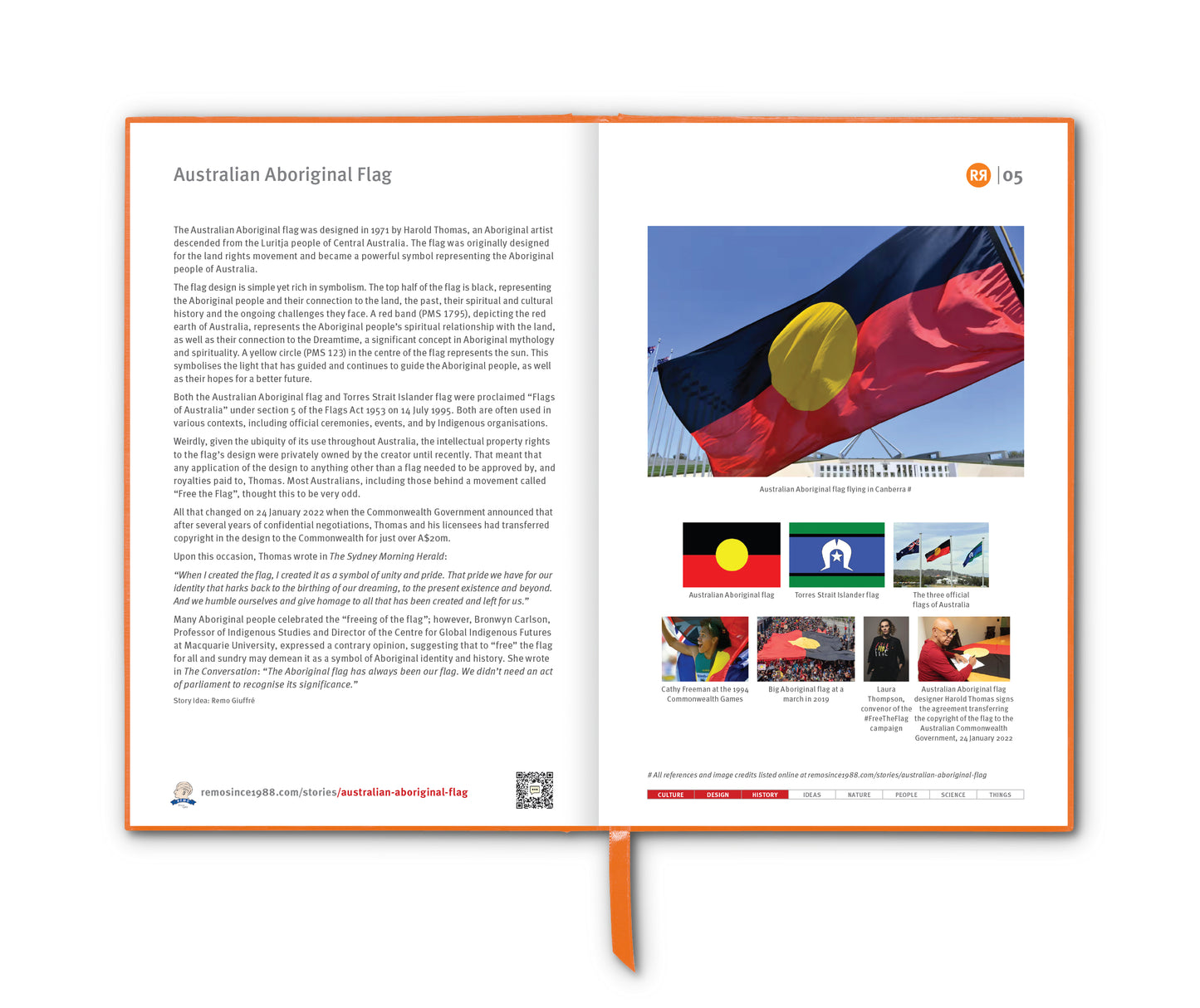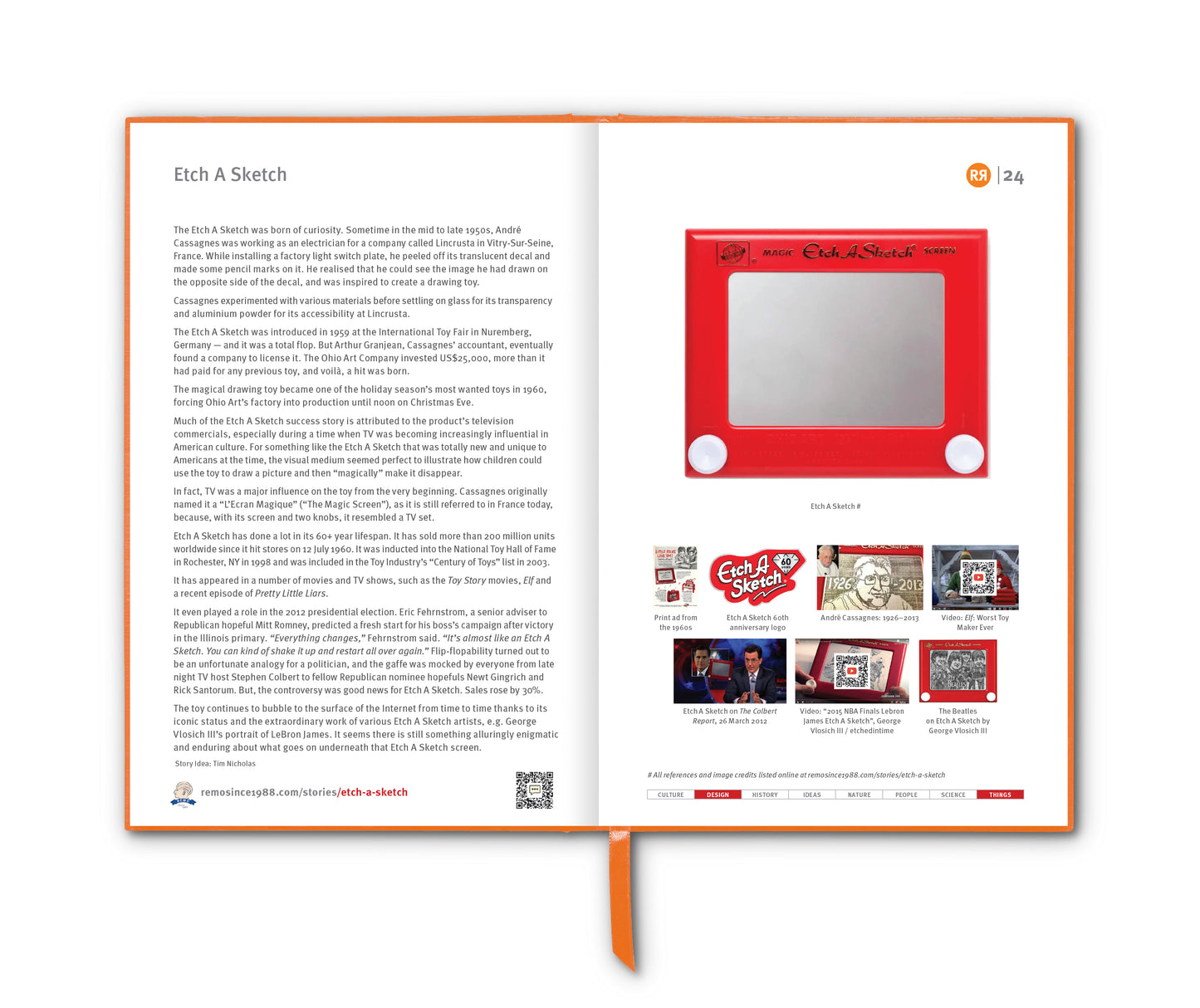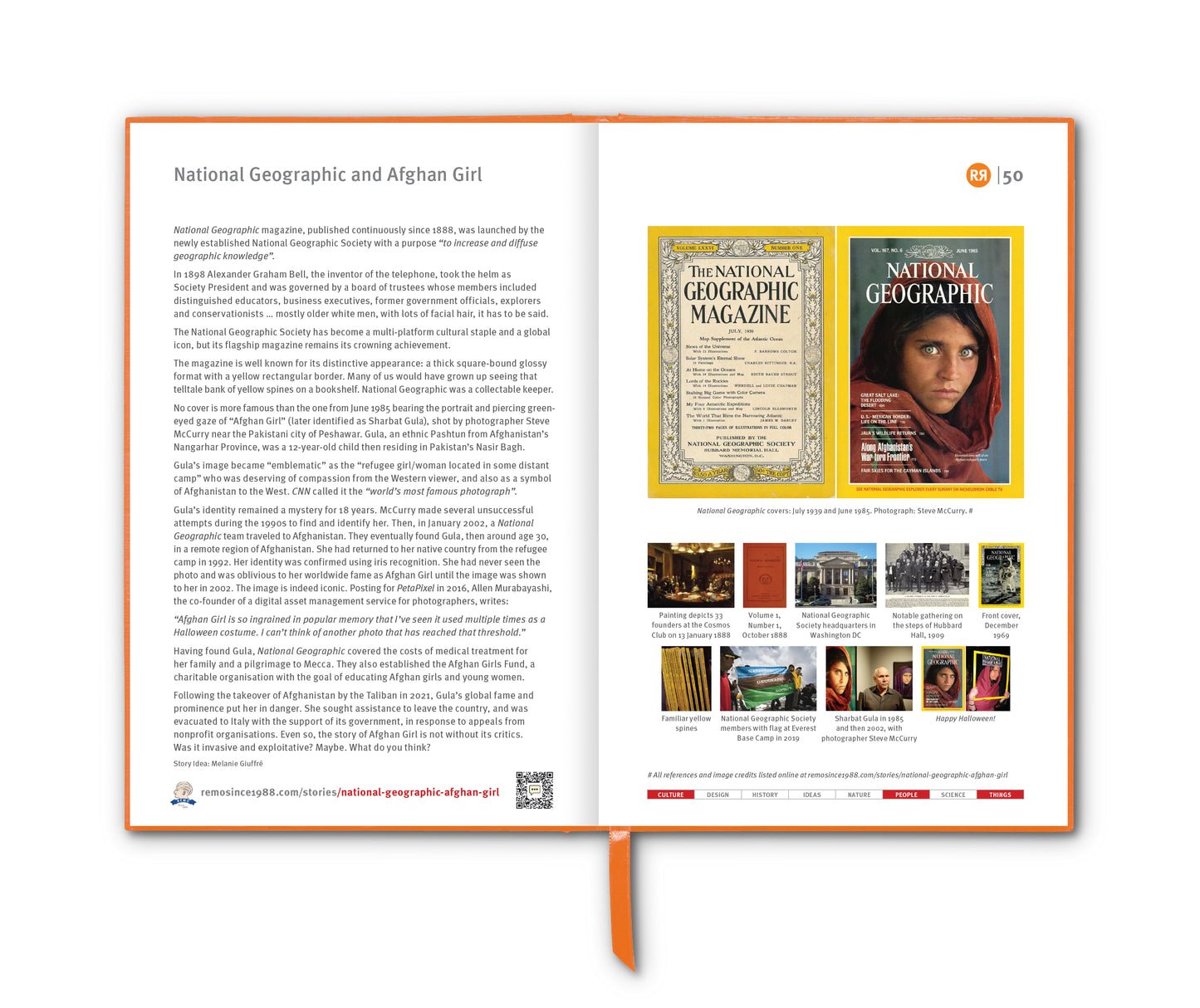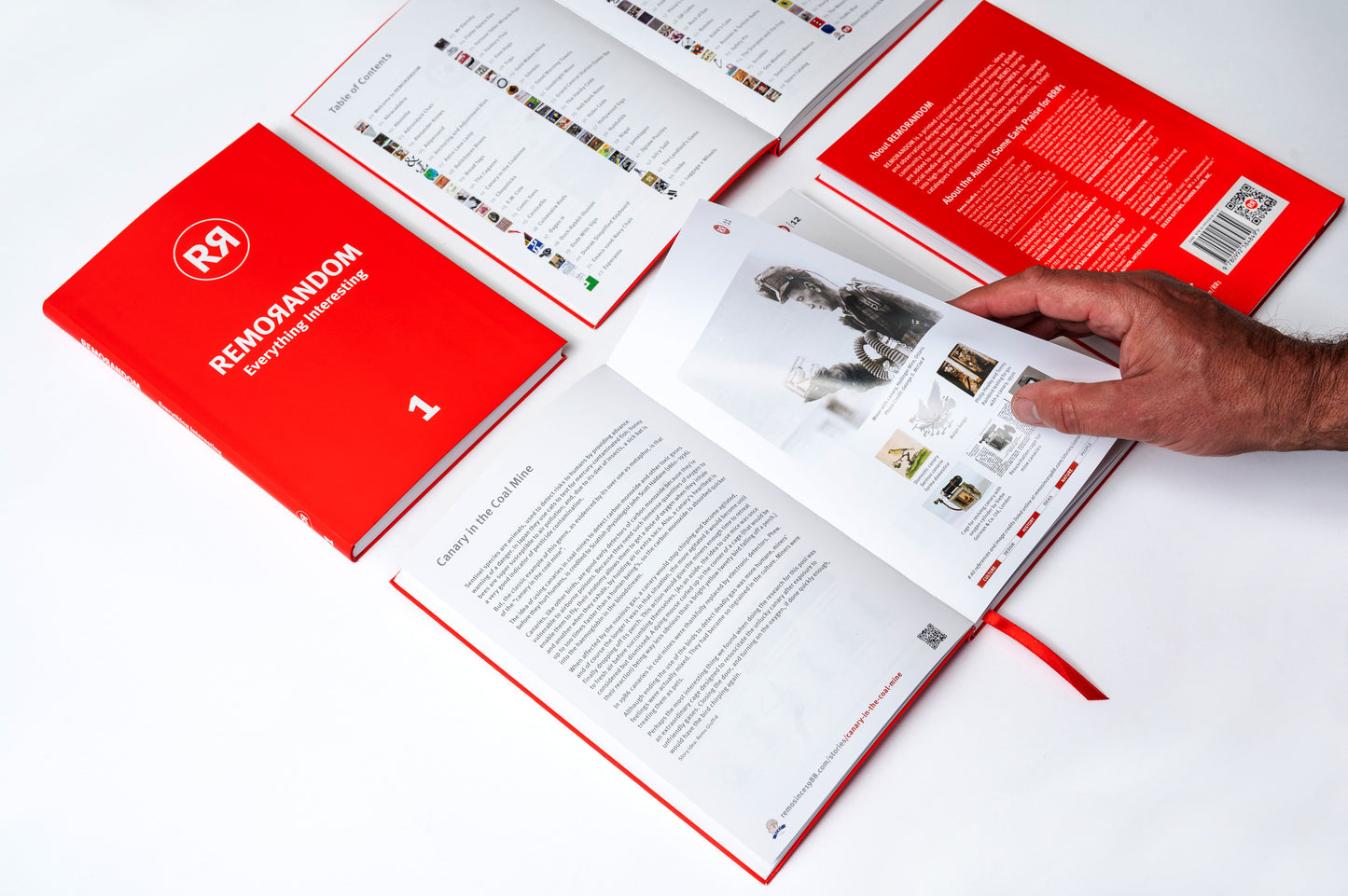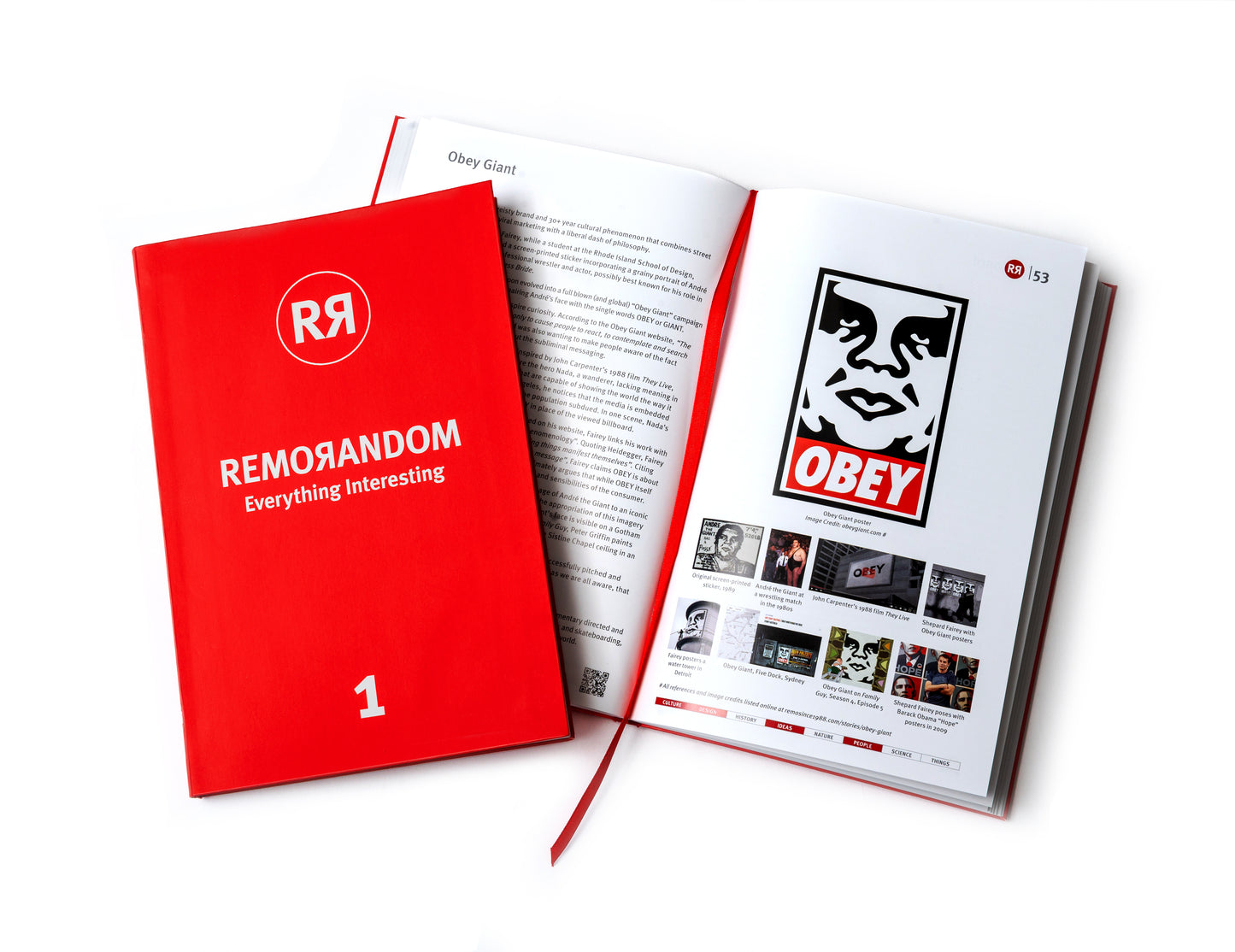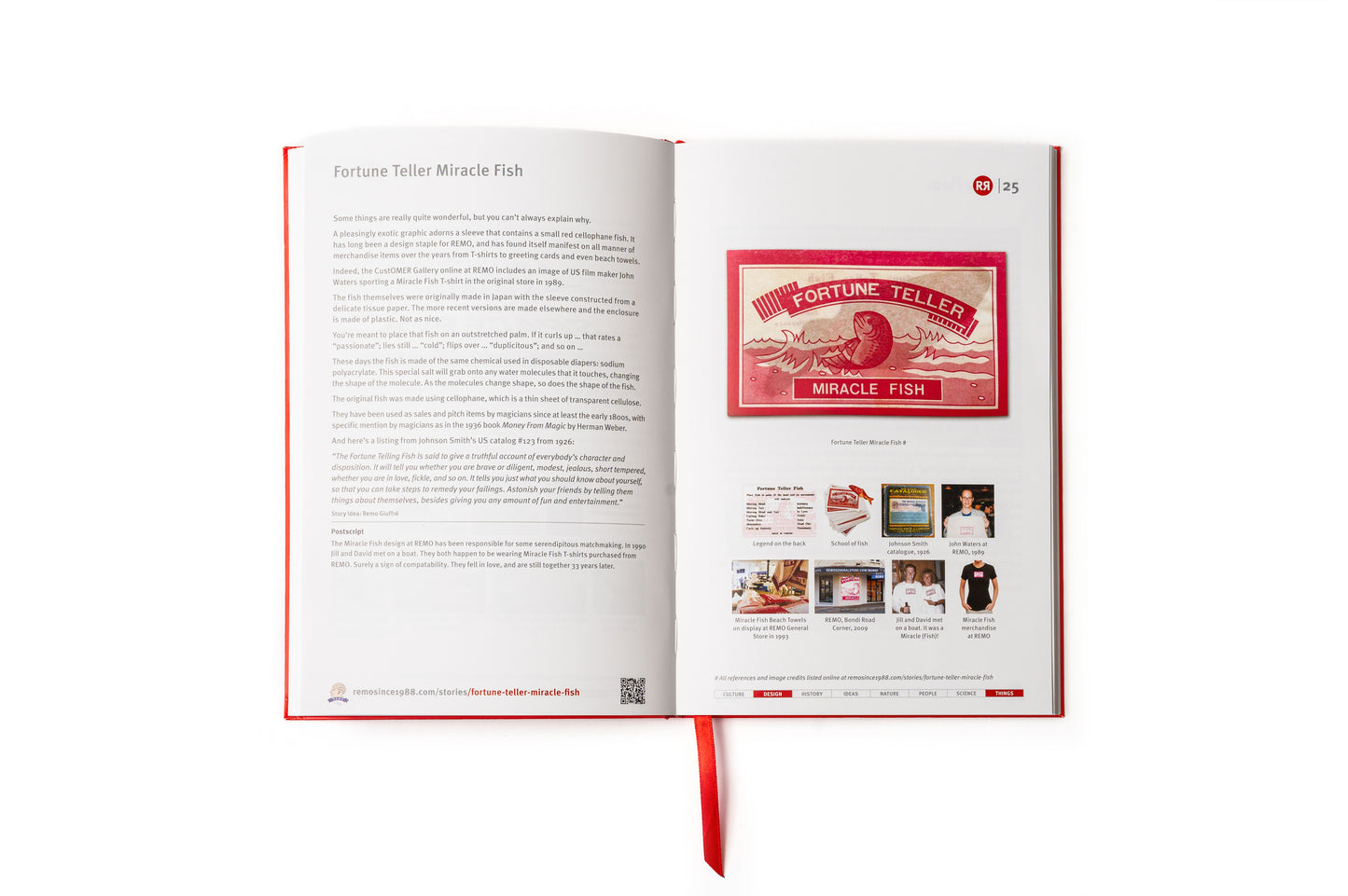

Neon is a chemical element; it has the symbol Ne and the atomic number 10. It is the second noble gas in the periodic table. Neon began as a scientific curiosity and evolved into one of the defining visual languages of the modern city: the neon sign.
The element itself was discovered in 1898 by British chemists William Ramsay and Morris Travers, who observed its striking red-orange glow when electricity passed through the gas. Travers later described it as a “blaze of crimson light” that was unforgettable.
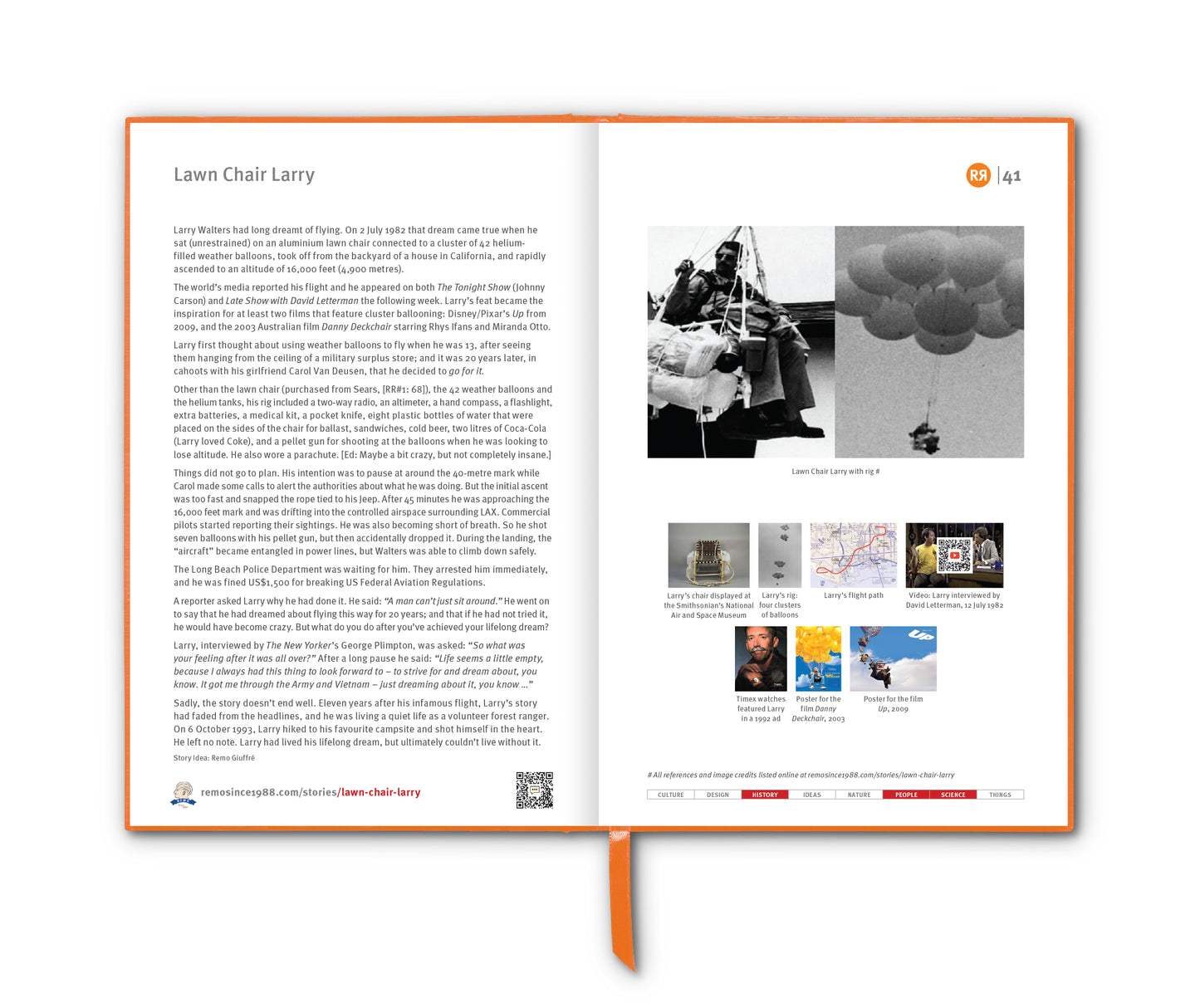
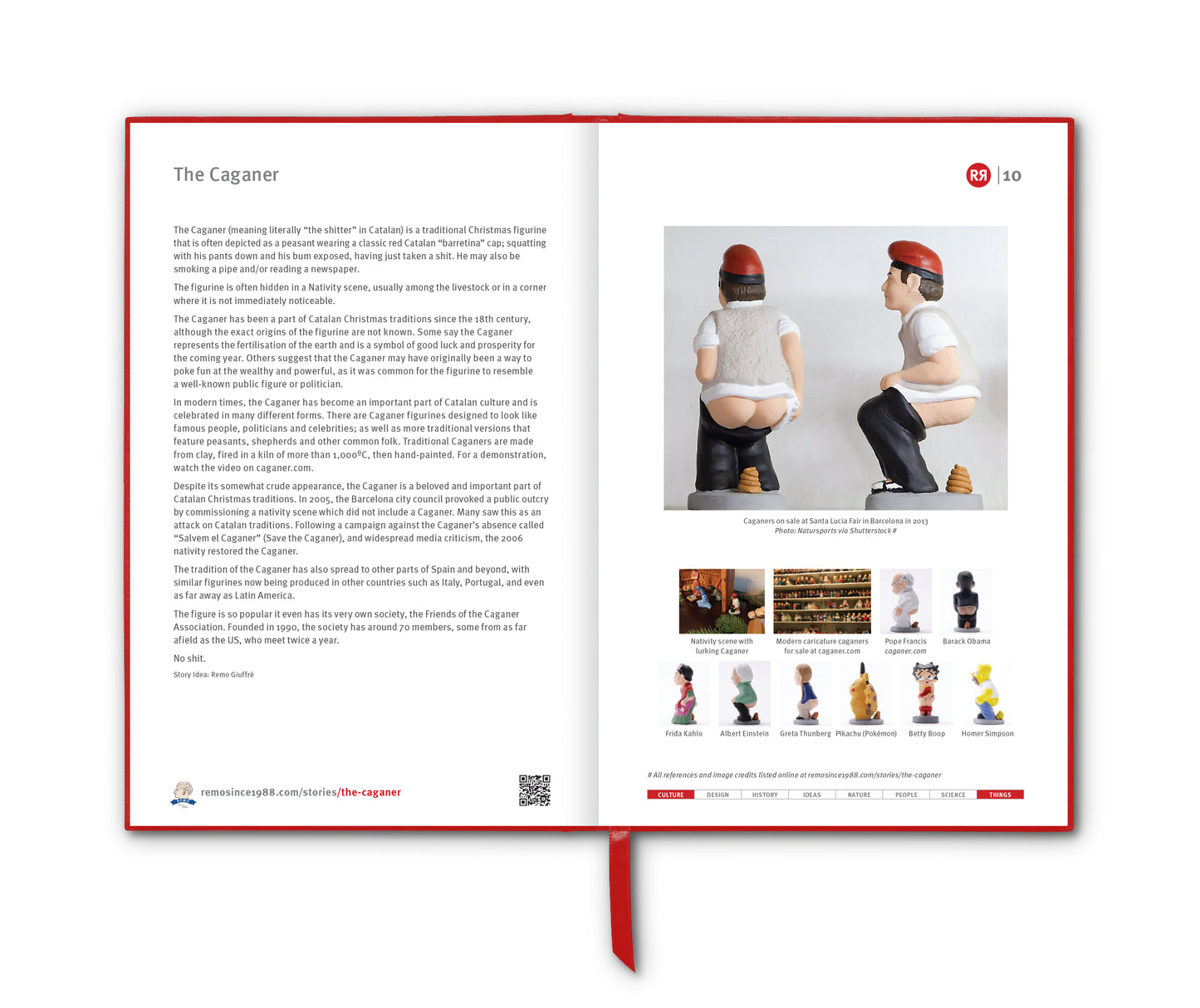
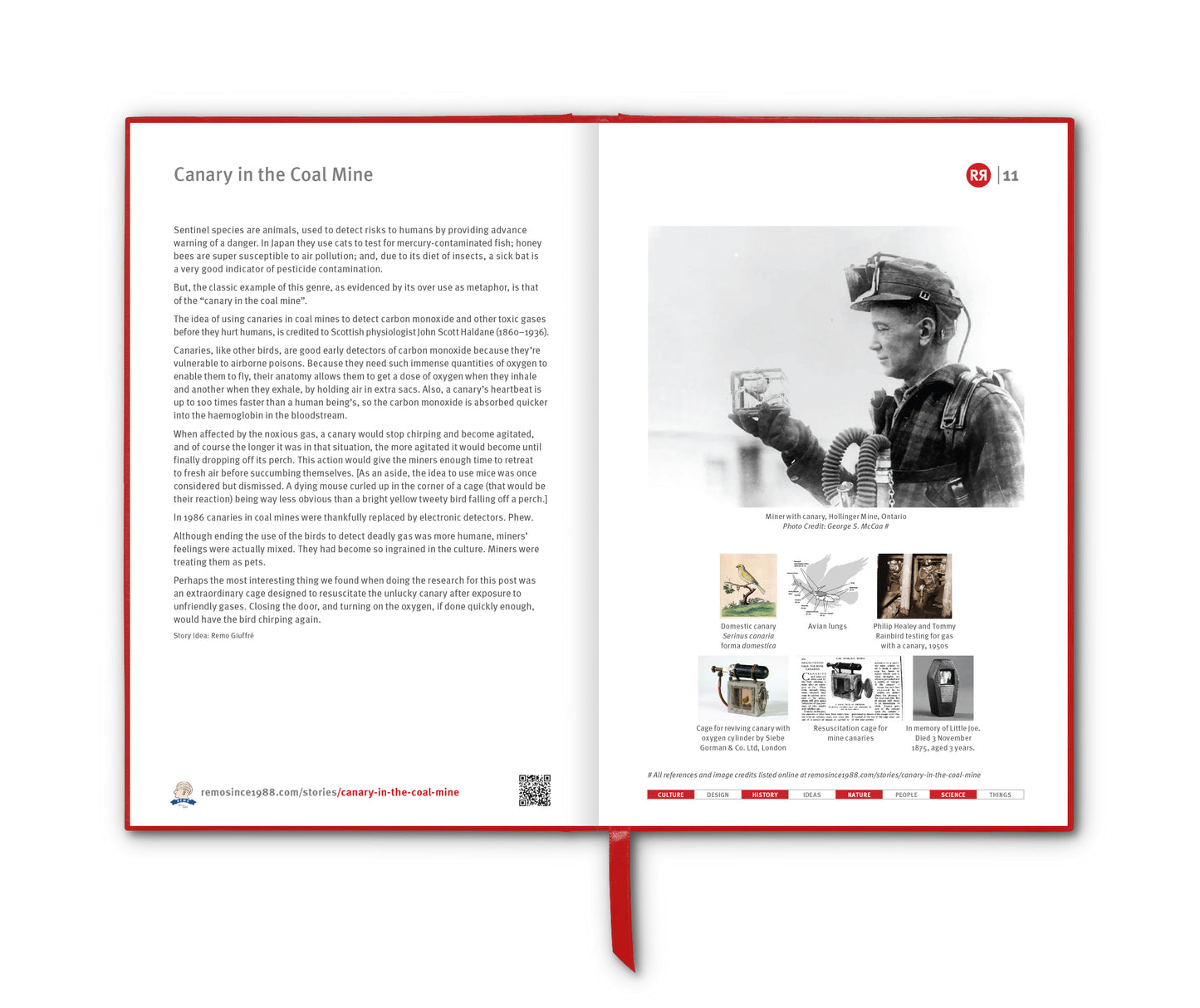
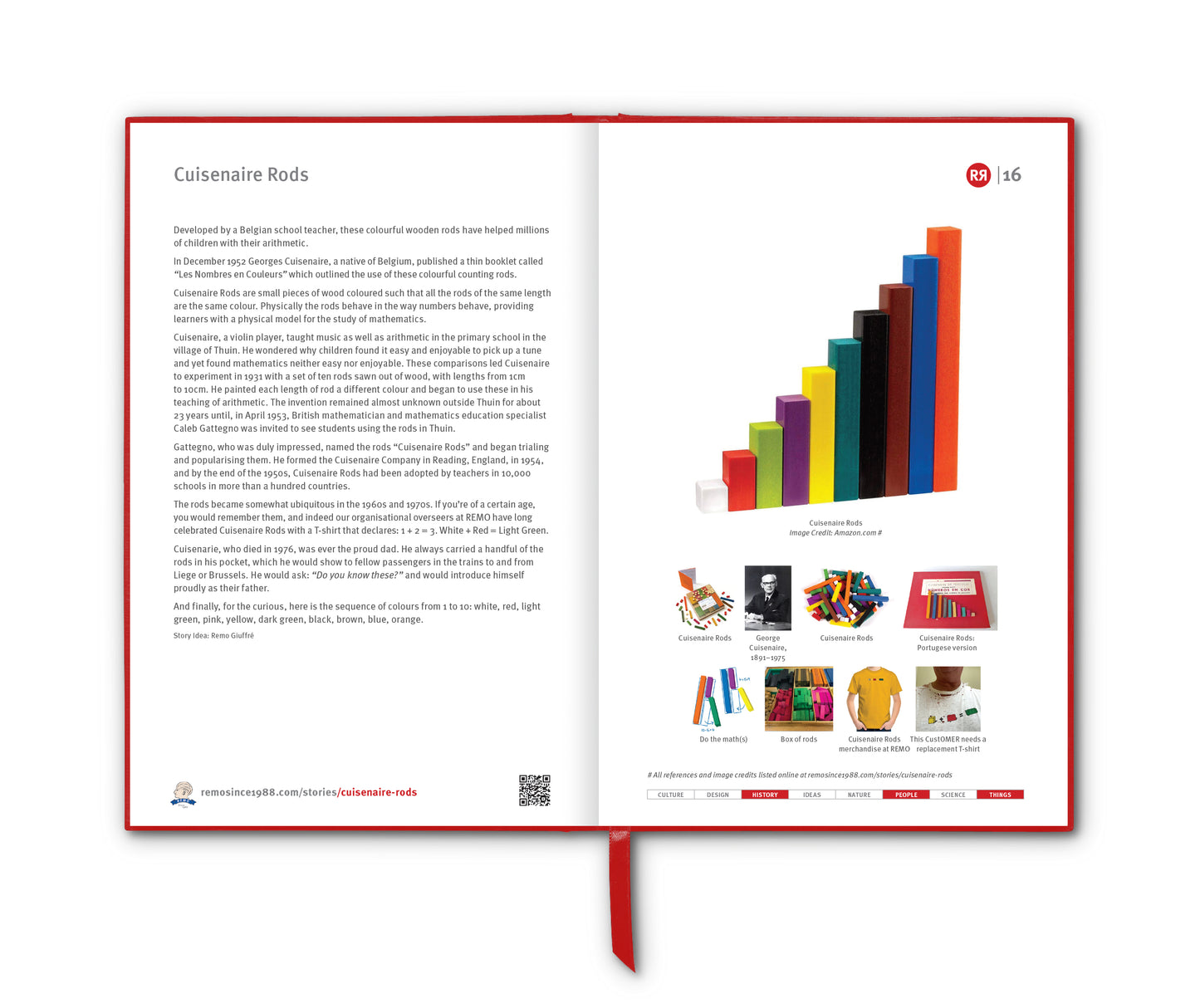
The leap from laboratory novelty to commercial spectacle happened thanks to French engineer Georges Claude. Around 1910, Claude demonstrated neon lighting at the Paris Motor Show, using long glass tubes filled with neon gas that glowed brilliantly when electrified. Paris quickly embraced the technology. By 1913, the Italian vermouth brand Cinzano had a giant neon sign illuminating the city skyline, and the Paris Opéra soon followed.
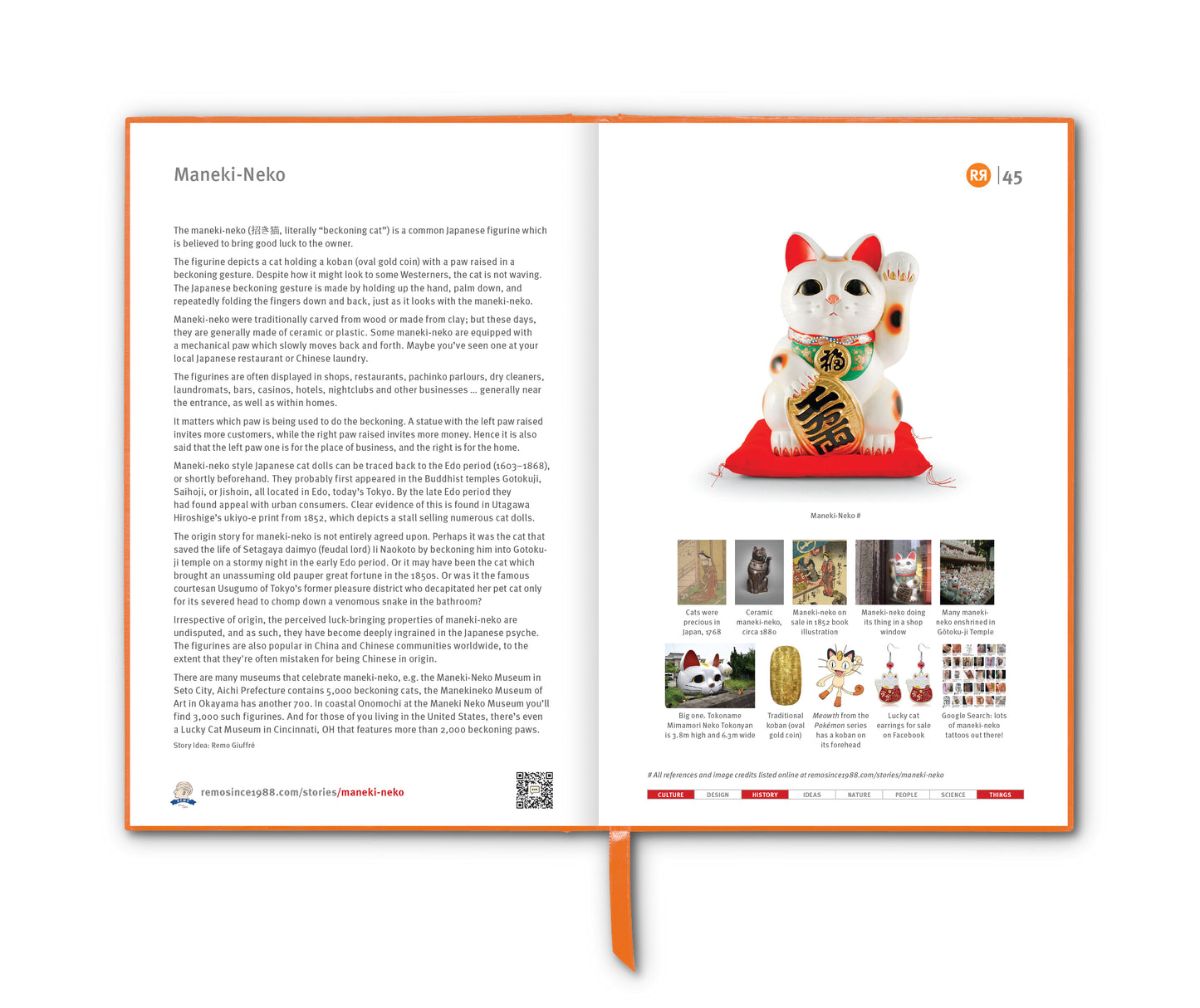
Neon arrived in America in 1923 when Claude sold two glowing “Packard” signs to a Los Angeles car dealership. The signs reportedly caused traffic jams as pedestrians stopped to stare at what became known as “liquid fire.” From there, neon spread rapidly across the United States. By the 1930s and 1940s, downtown districts from New York to Chicago to Las Vegas pulsed with animated signs advertising hotels, diners, theatres and motels. Times Square became the world’s most famous concentration of neon spectacle, while Las Vegas transformed neon into an architectural art form.
Neon’s cultural impact extended well beyond advertising. It became shorthand for urban excitement, nightlife, glamour and sometimes loneliness. Film noir directors used neon reflections on rain-soaked streets to evoke mystery and alienation. Writers including Raymond Chandler celebrated its hypnotic glow in depictions of Los Angeles after dark. In the postwar decades, neon became inseparable from roadside America – motels, bowling alleys and drive-ins all competing for attention with increasingly elaborate animated signs.
Technological advances later expanded neon beyond its signature orange-red. By adding argon, mercury and phosphor coatings, sign makers could produce vivid blues, greens, pinks and whites. Neon artisans developed a specialised craft, hand-bending glass tubes with remarkable precision.
From the 1970s onward, cheaper fluorescent and LED lighting threatened traditional neon, leading to the disappearance of many classic signs. Yet preservation movements emerged in response. Museums and collectors began rescuing vintage signage, particularly in Las Vegas and Hong Kong, recognising neon as an important form of cultural heritage. Artists including Tracey Emin and Bruce Nauman also embraced neon as an artistic medium.
A rich exploration of this history appears in the 2015 documentary Neon by Australian filmmaker Lawrence Johnston. The film travels through cities including New York, Las Vegas, Tokyo and Havana, celebrating neon’s beauty, craftsmanship and enduring romance while documenting efforts to preserve it in an LED age.
Story Idea: Lawrence Johnston
_____________________________
References
wikipedia.org/wiki/Neon
wikipedia.org/wiki/Neon_sign
theguardian.com/culture/2015/jul/06/new-york-city-neon-signs-nathans-russ-and-daughters
theguardian.com/artanddesign/shortcuts/2015/apr/26/neon-bible-the-woman-who-shaped-the-las-vegas-skyline
Images
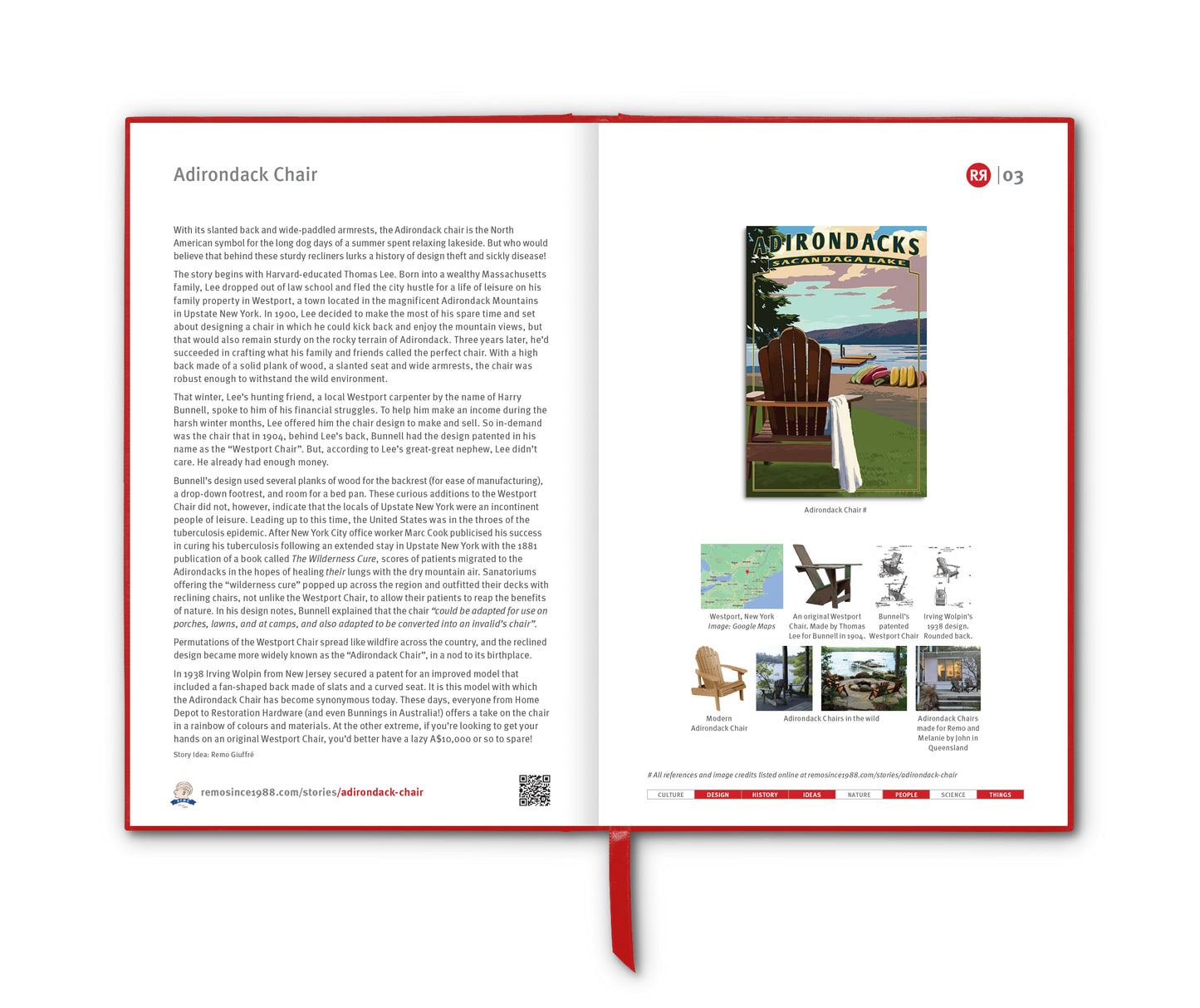
1. Open sign in Yellow Springs, Ohio. Photo credit: Aaron Pruzaniec
2. Neon filled discharge tube shaped like the element’s atomic symbol "Ne". Photo credit: Rhododendrites
3. Georges Claude in 1926
4. Marquee sign for a theatre in Auburn, CA, 1936 (restored 2006). Photo credit: Nick Ares
5. Postcard: Times Square, 1940
6. Famous Welcome to Las Vegas neon sign
7. A neon sample display case in a glass studio. Photo credit: Pslawinski
8. Sydney's Coca Cola sign. Photo credit: Farrell Photography via Shutterstock
9. Love Is What You Want, Tracey Emin, 2015
10. Welcome (Shaking Hands), 1985 by Bruce Nauman. Photo credit: Saatchi Gallery
11. Video: Neon documentary trailer, 2015