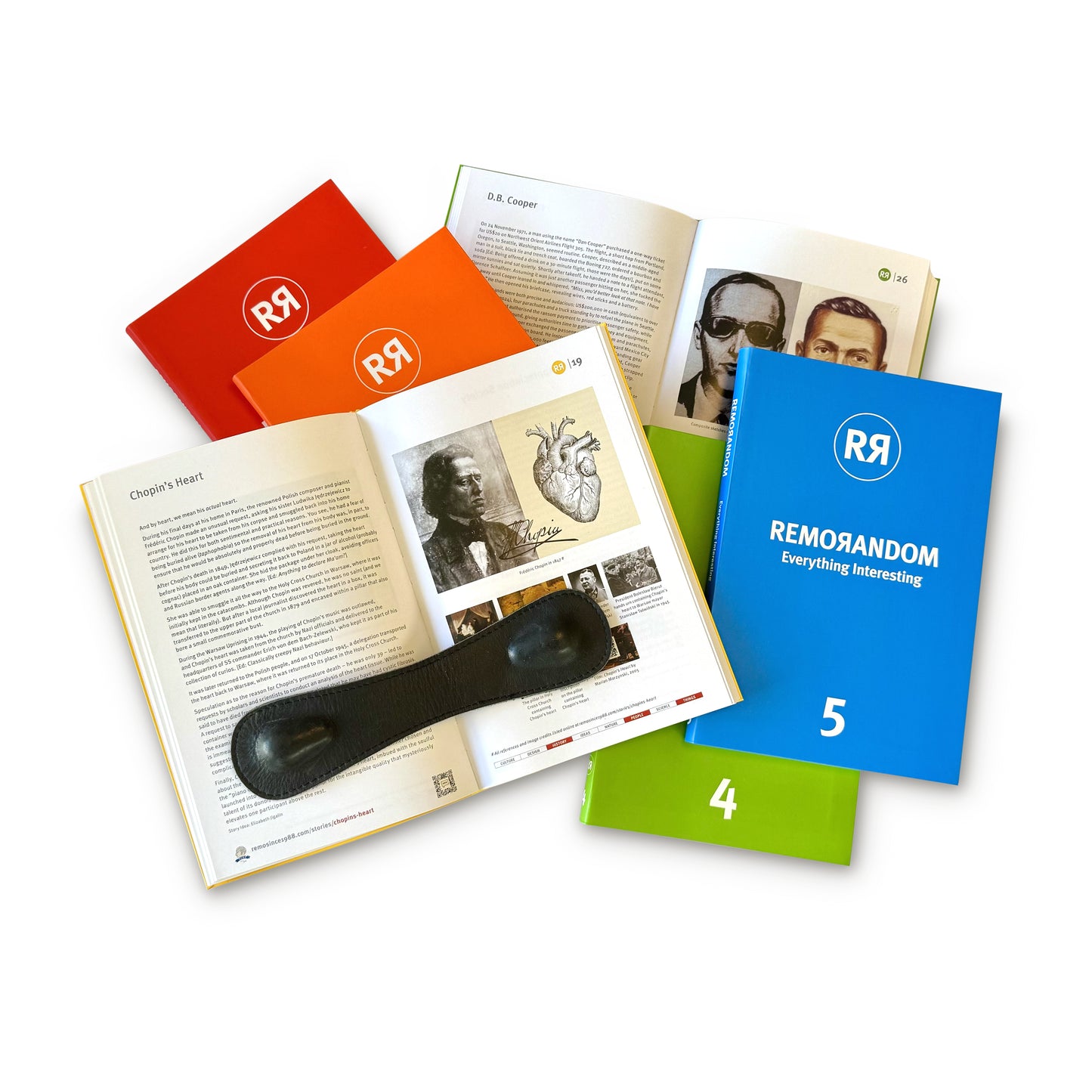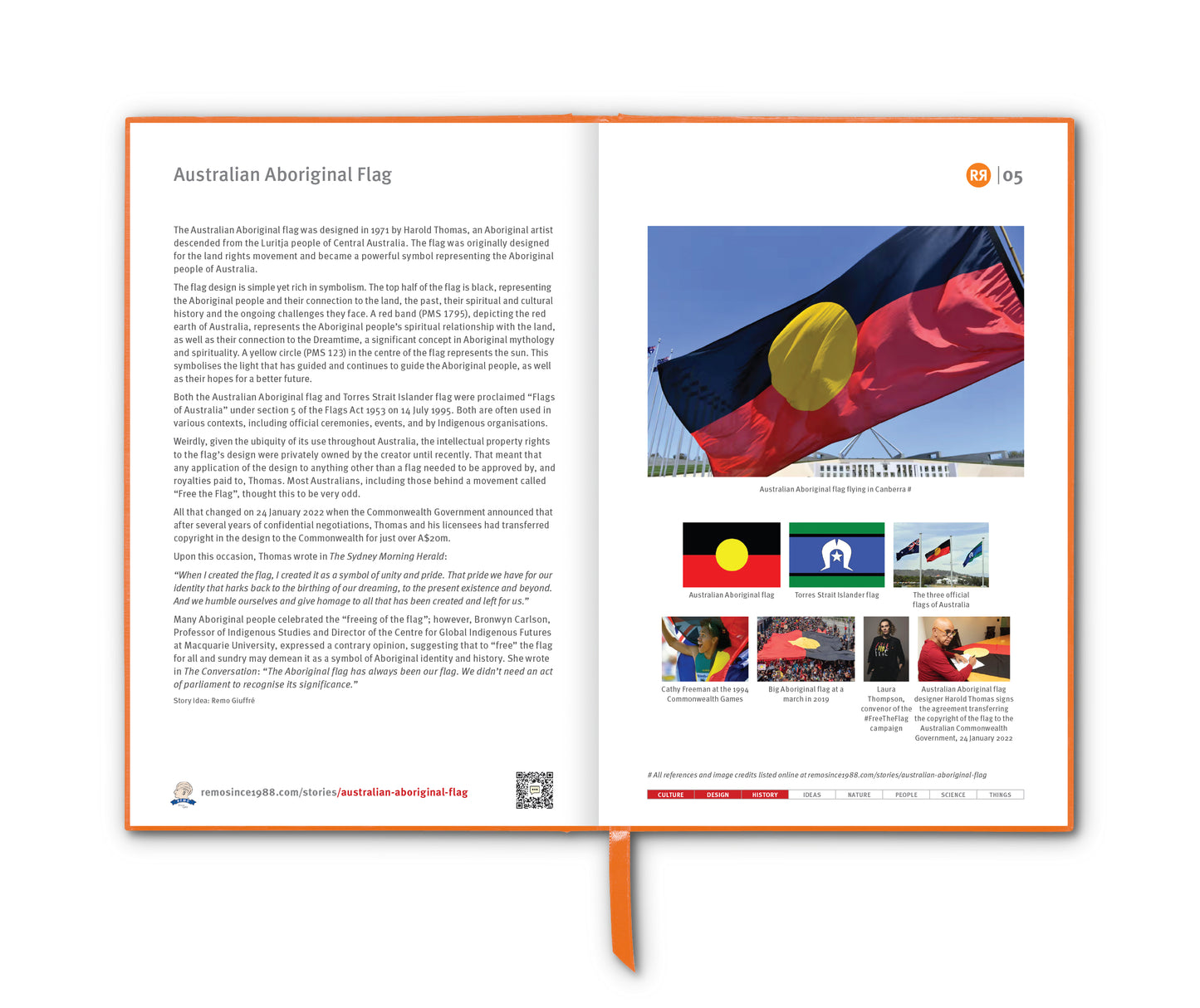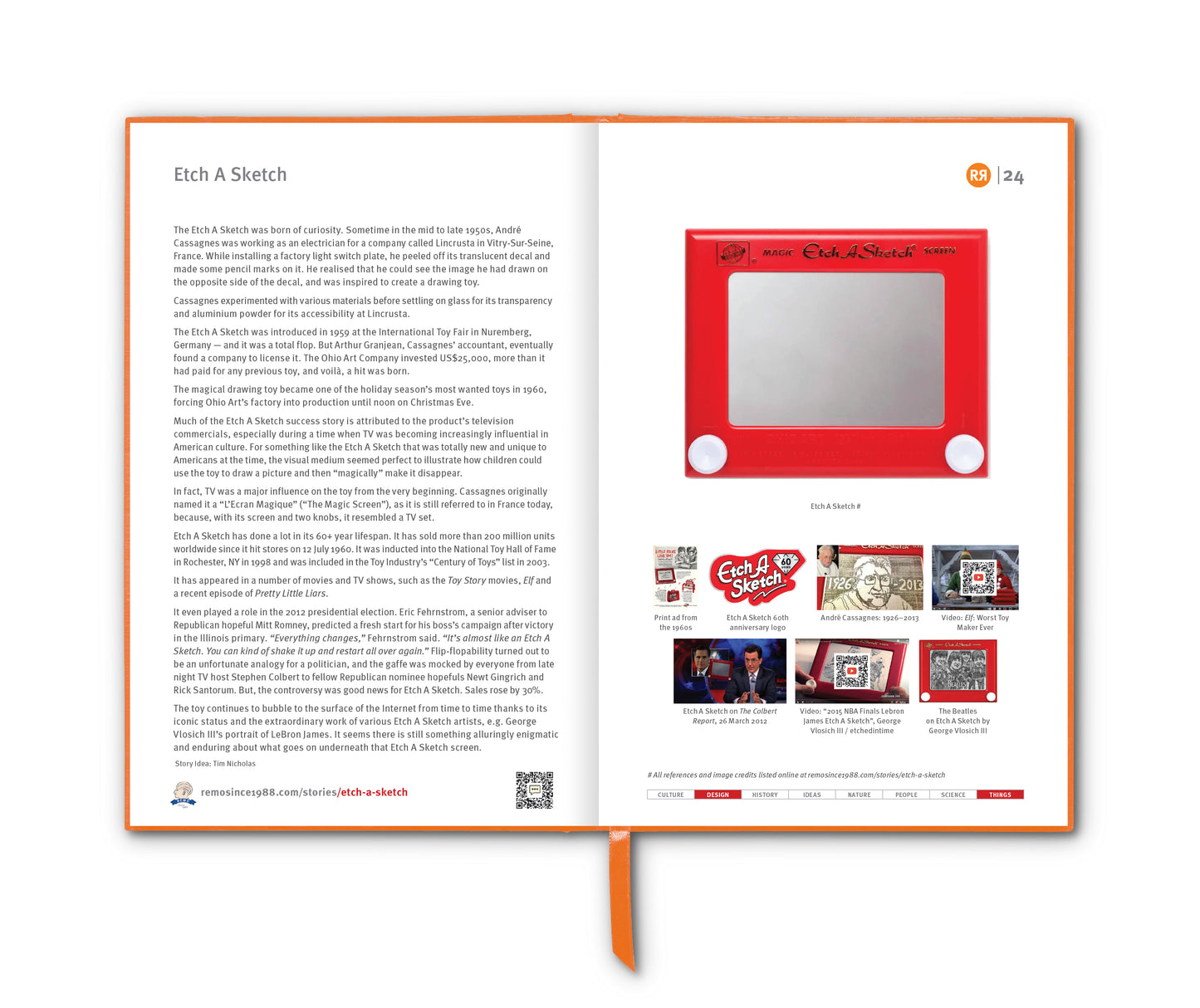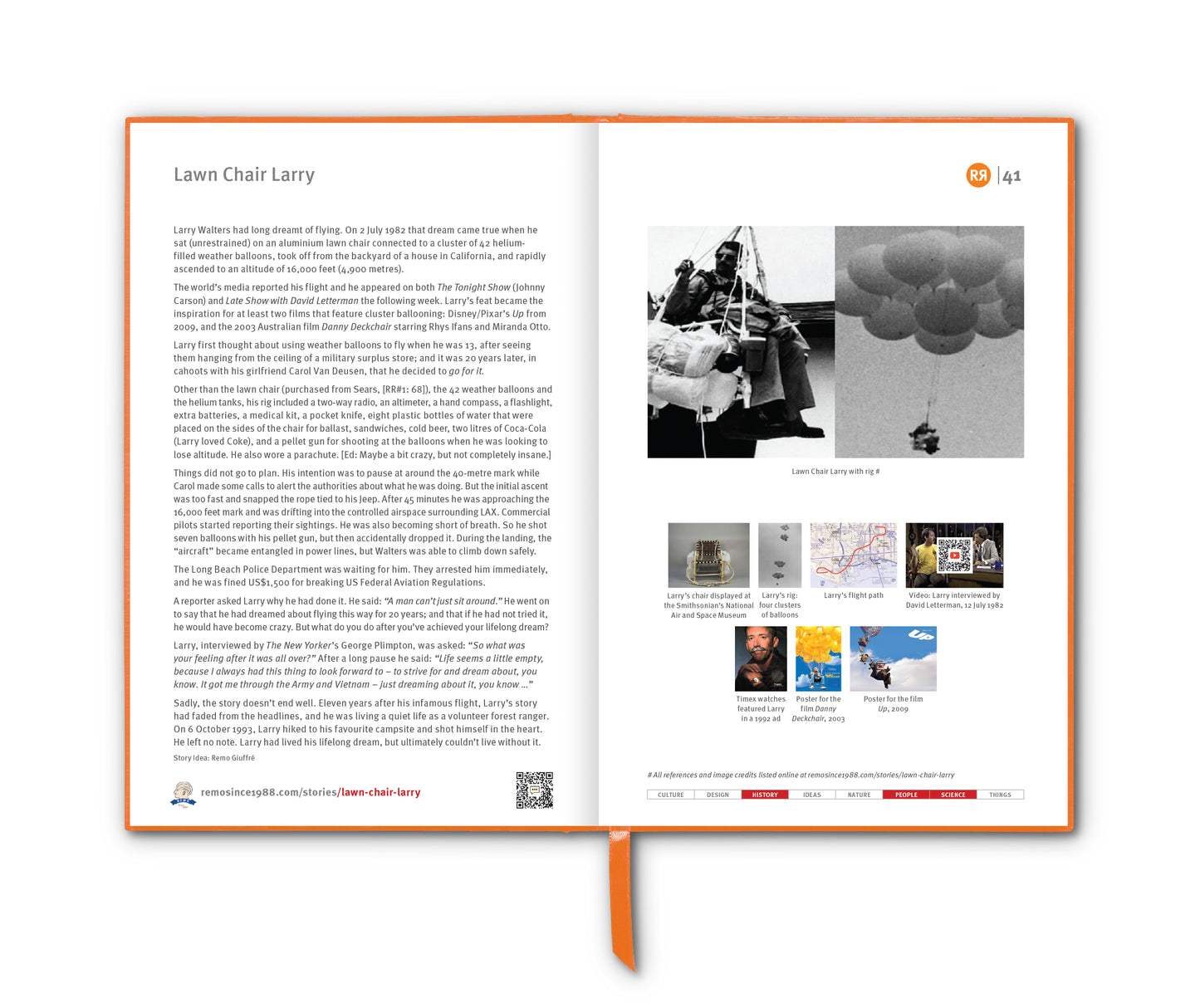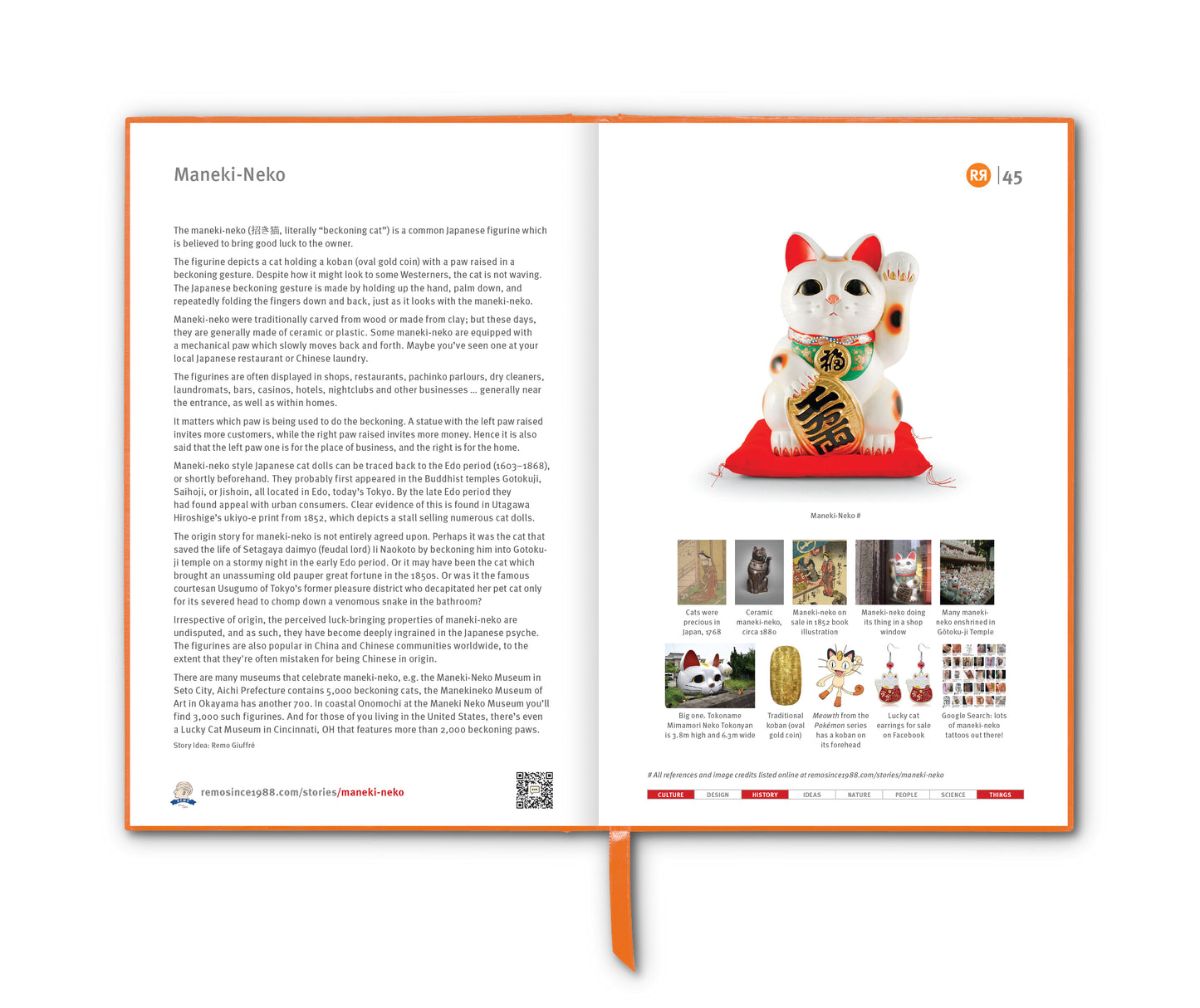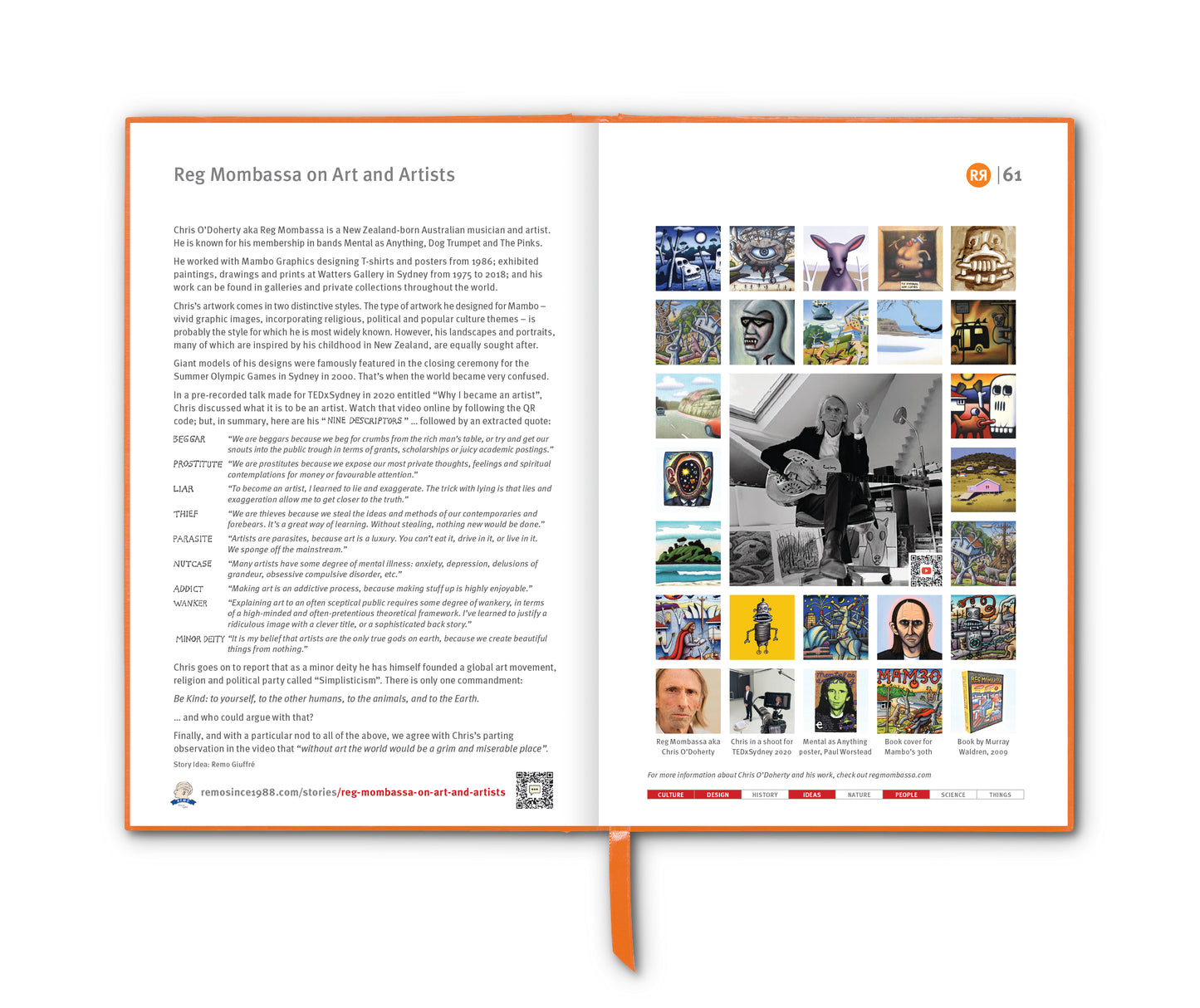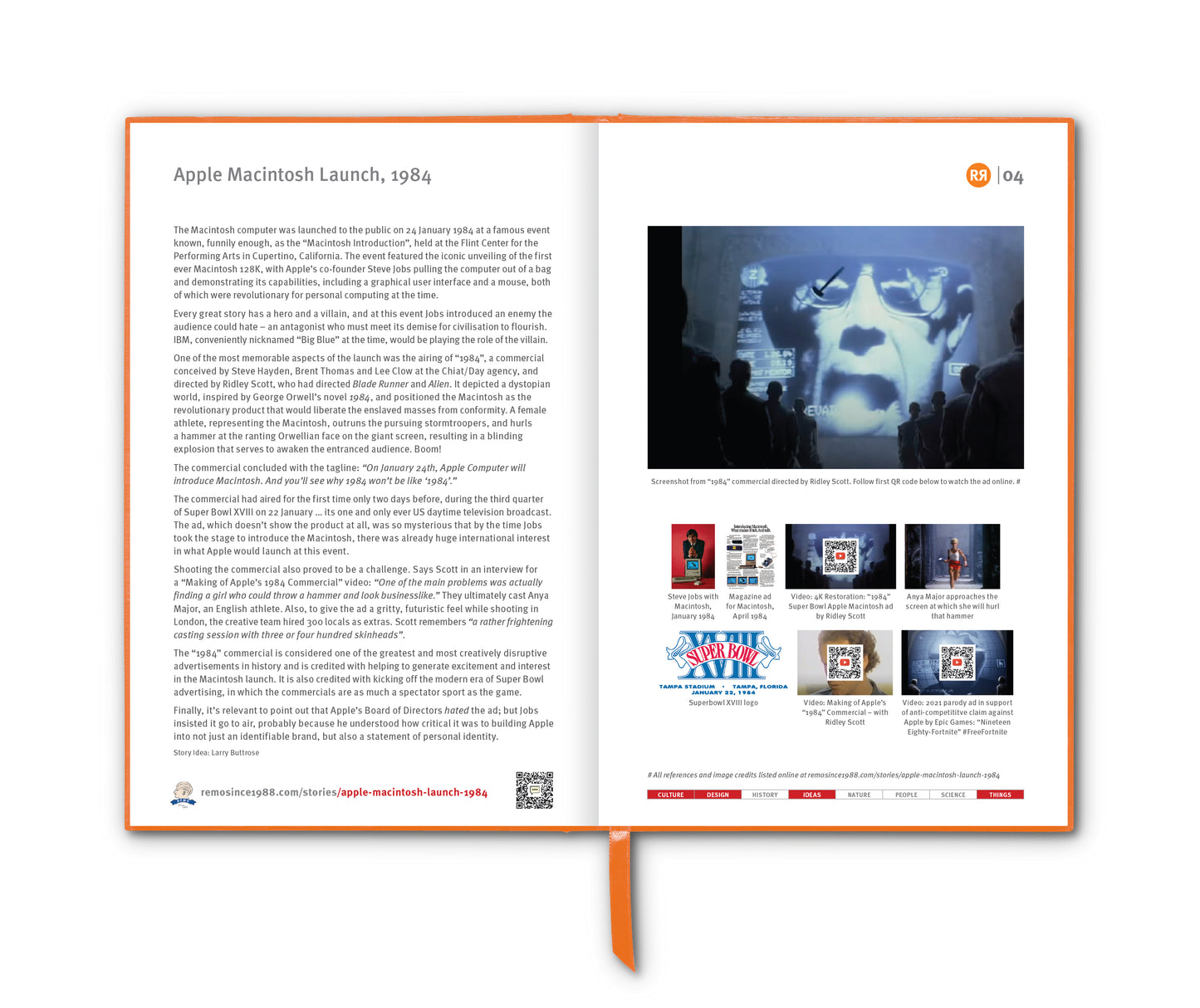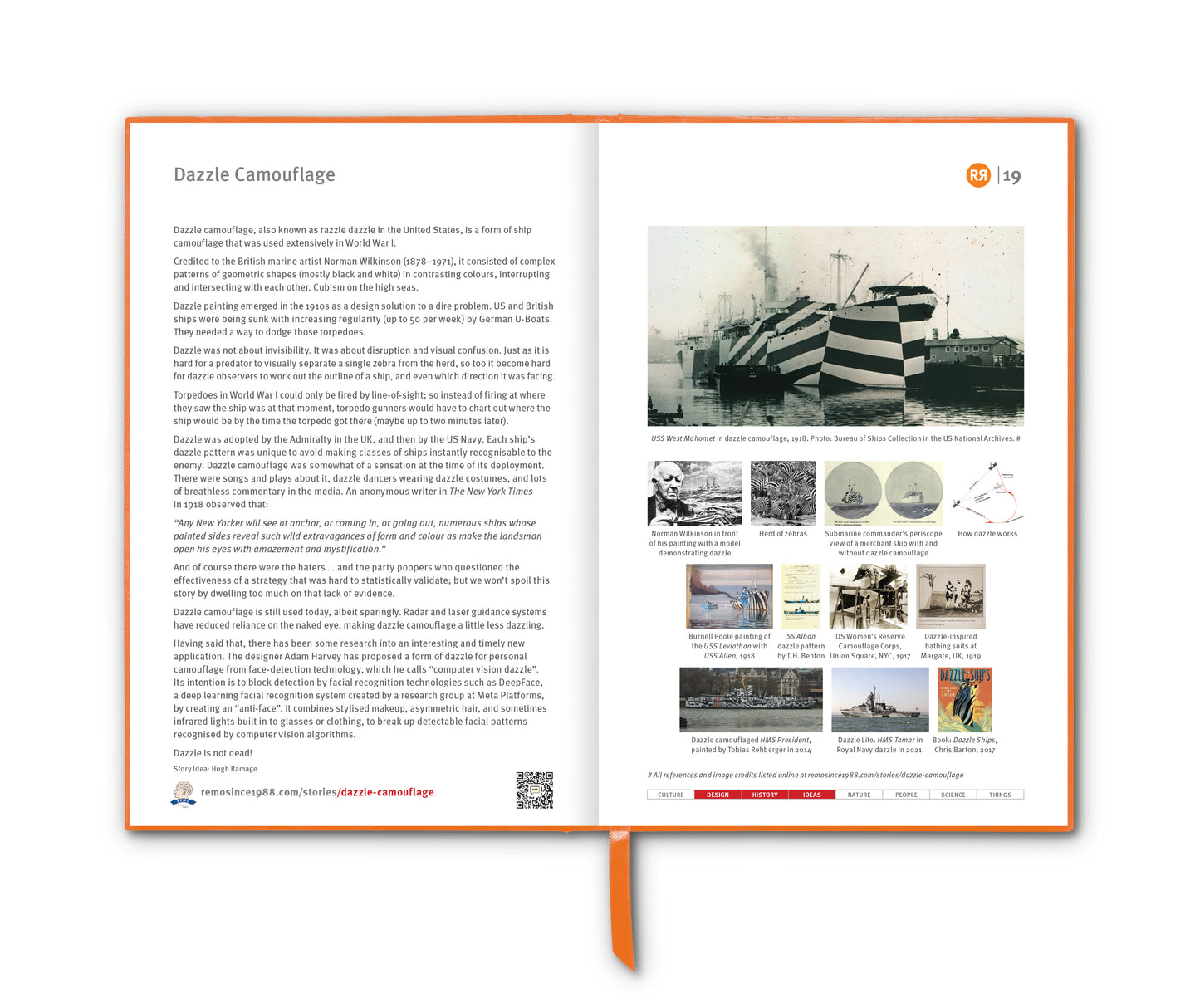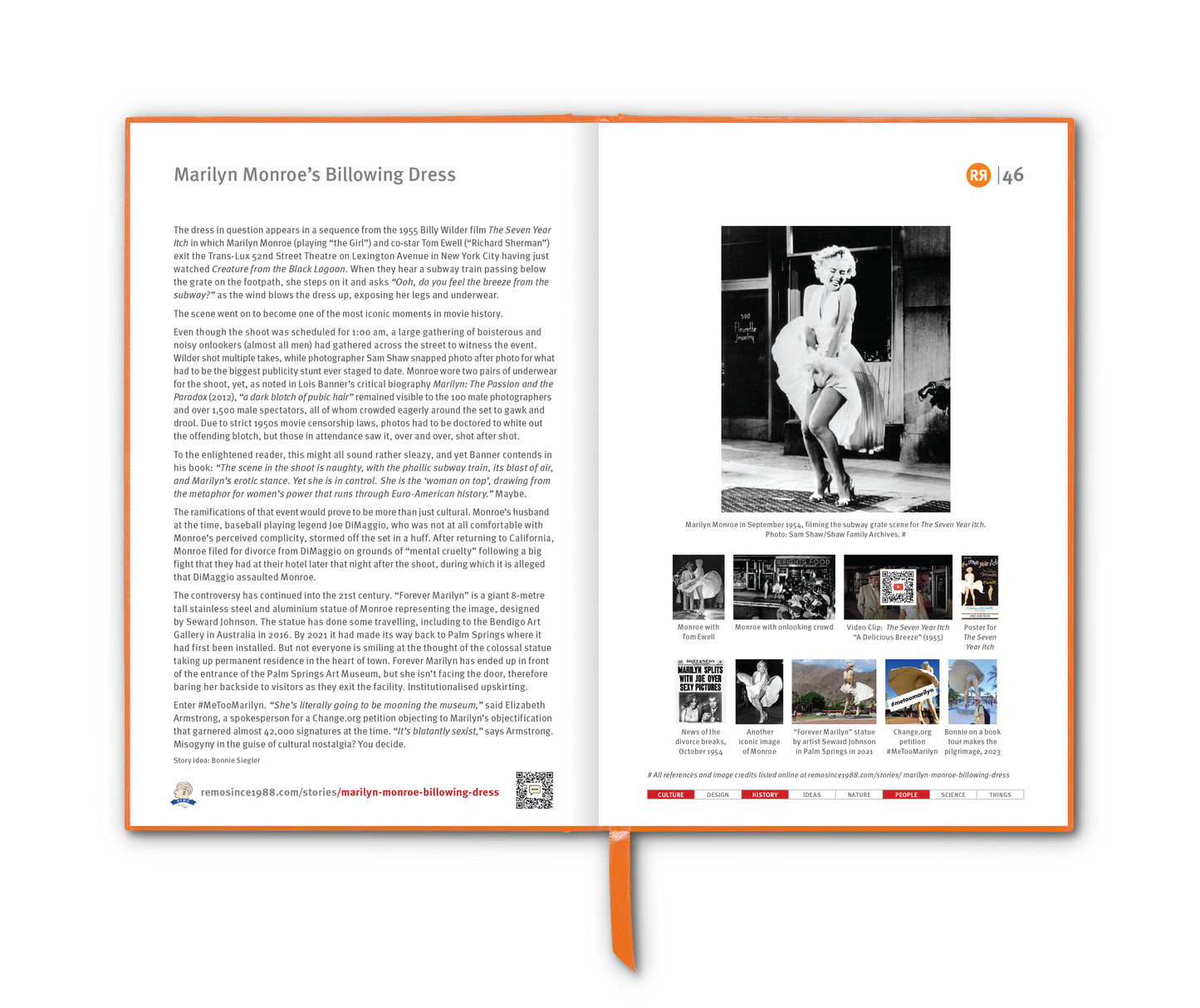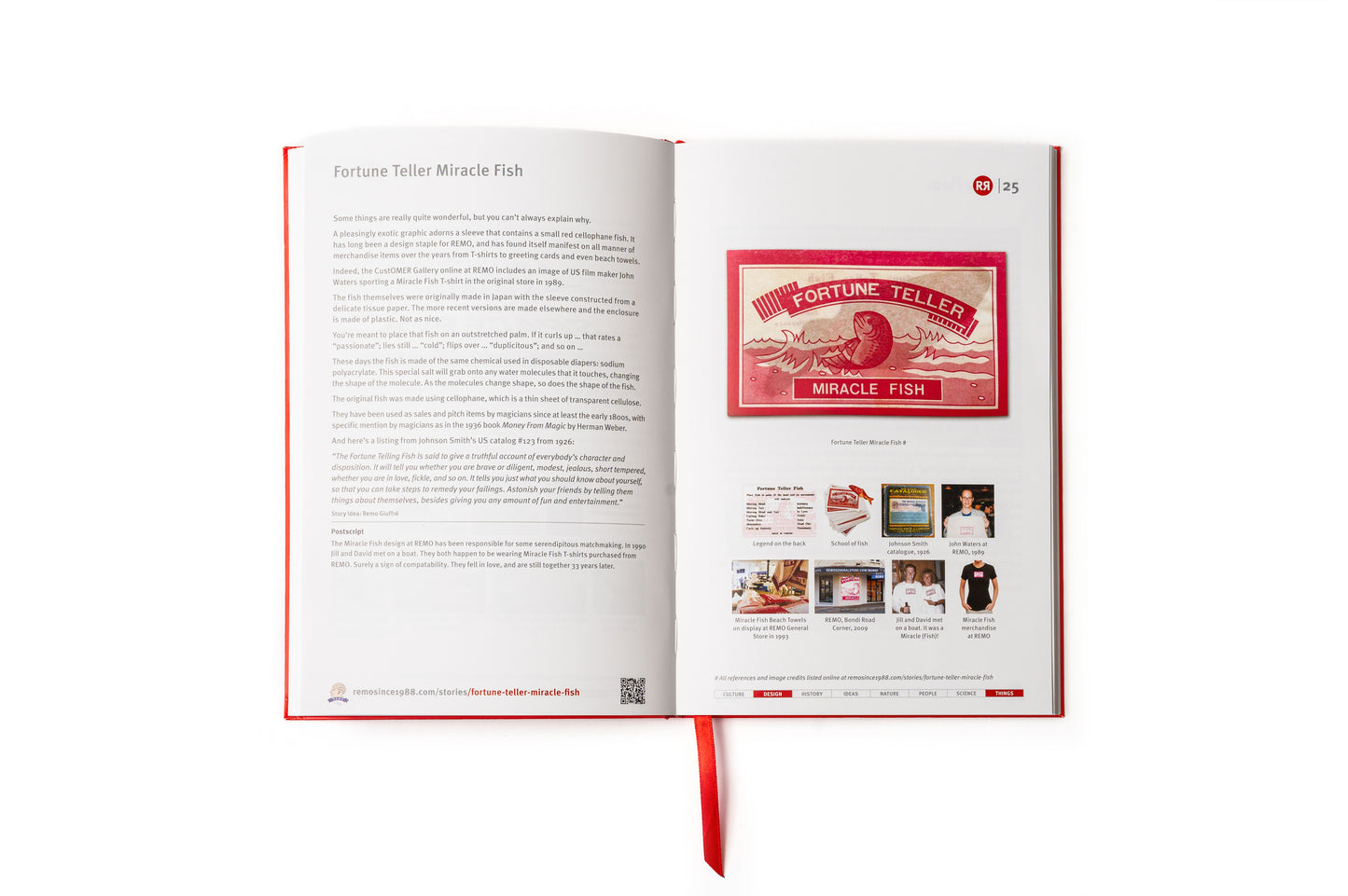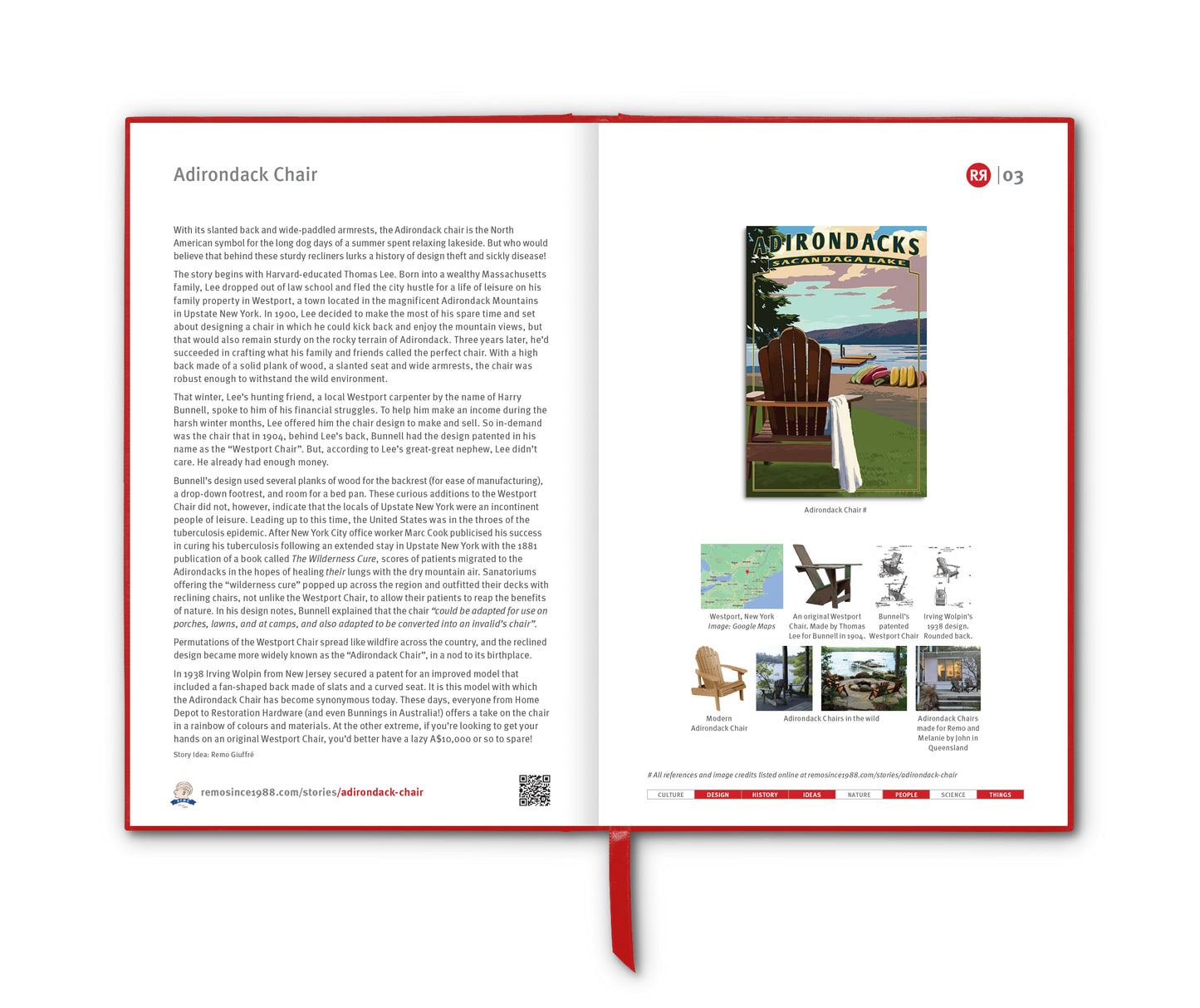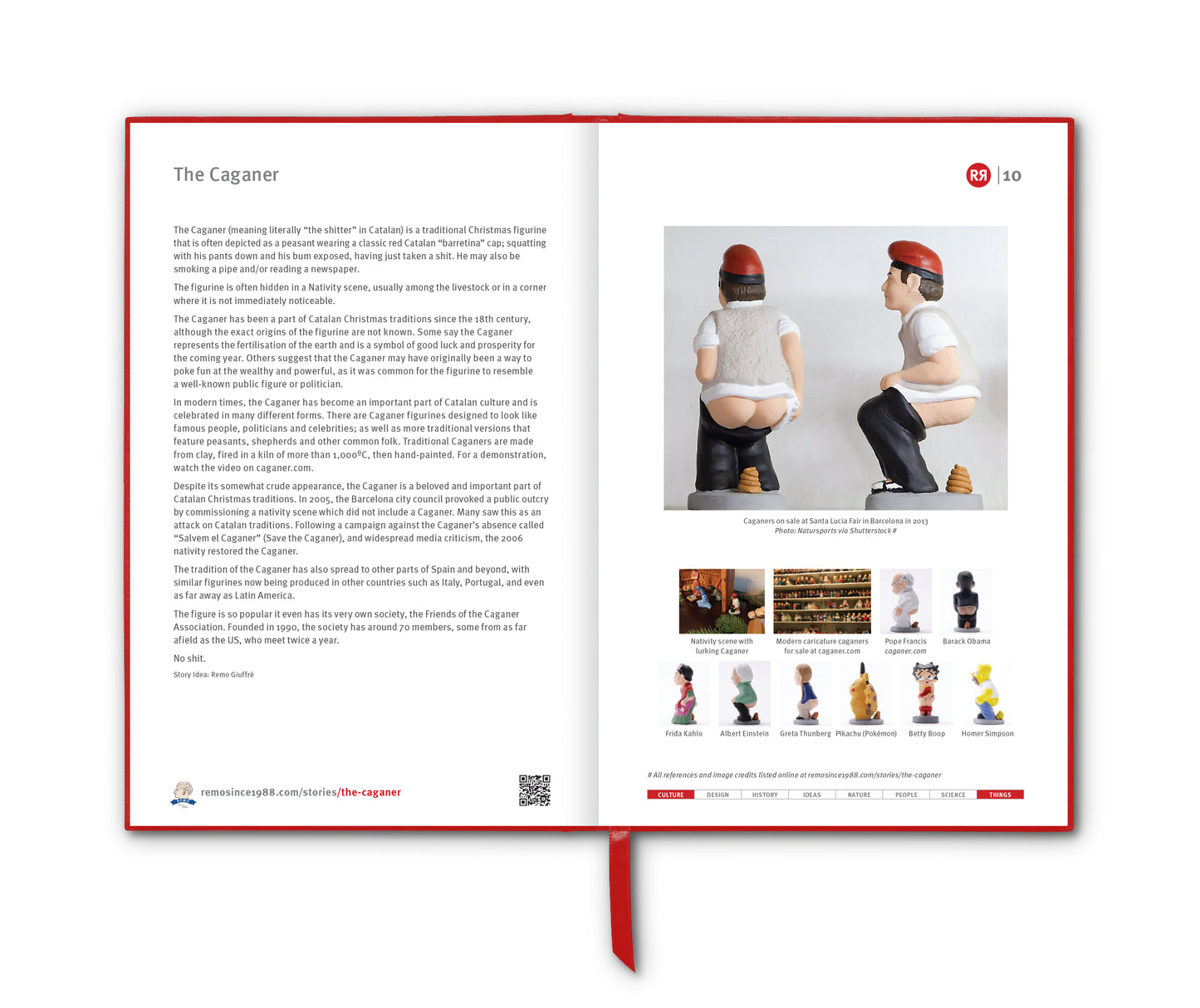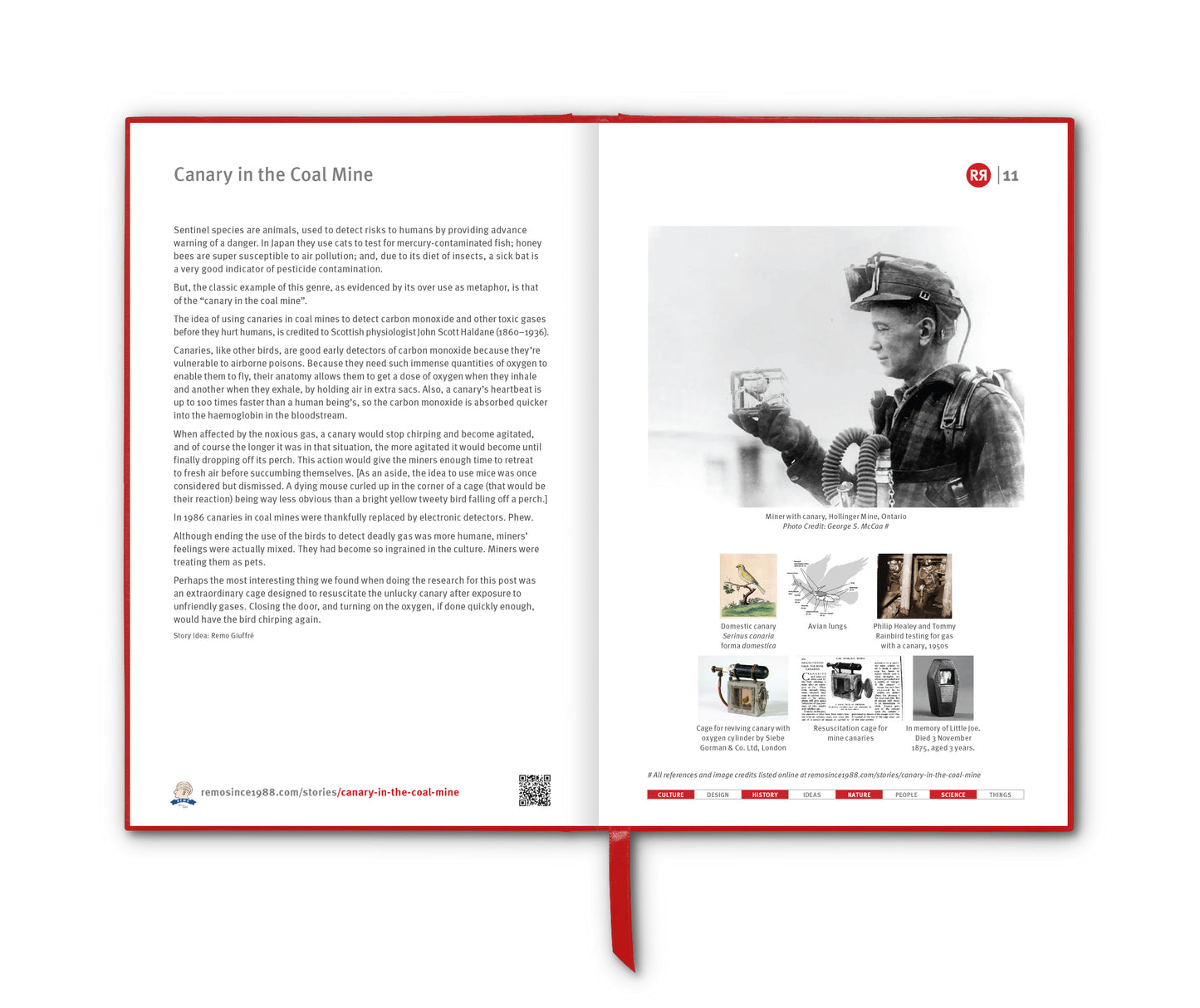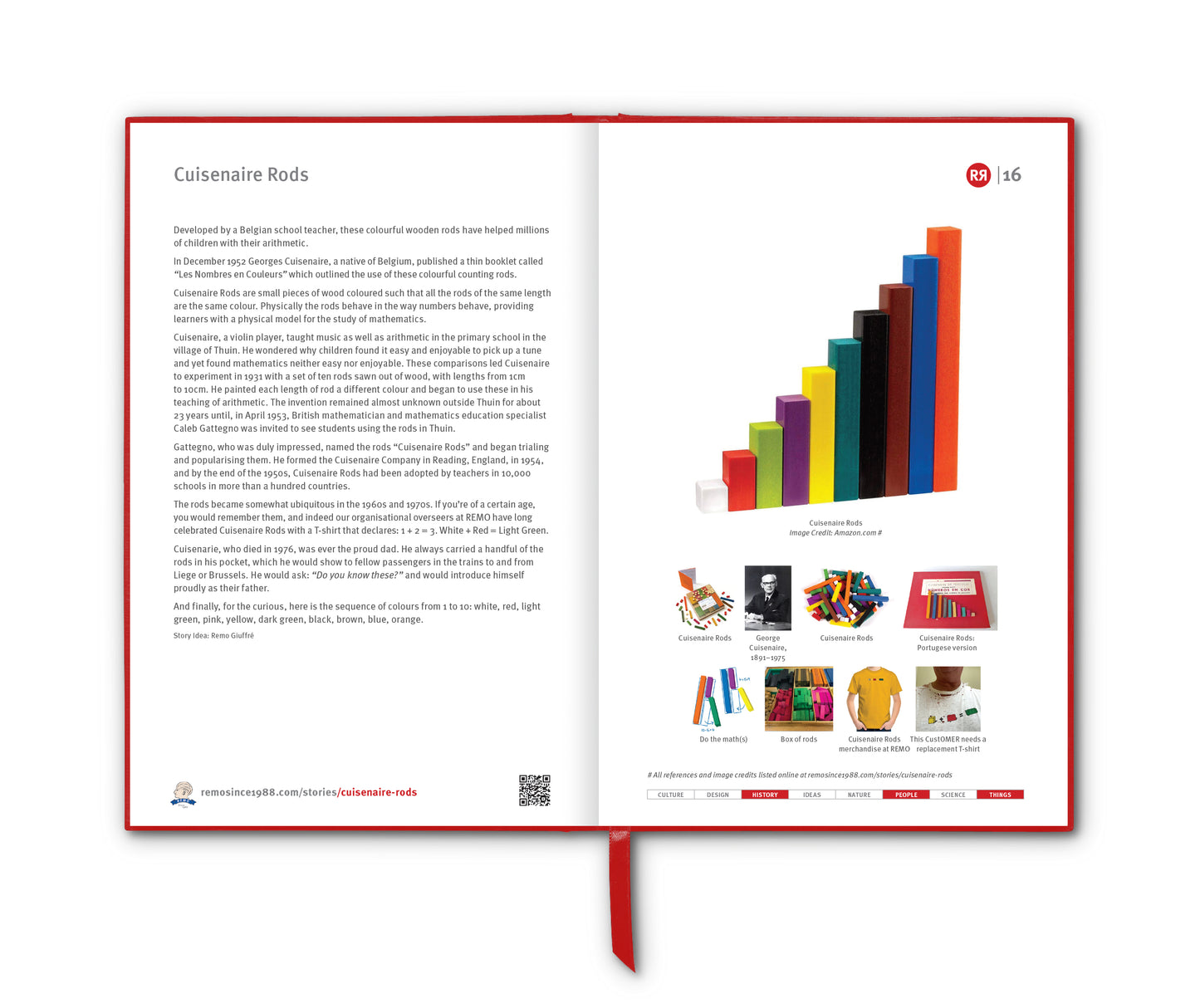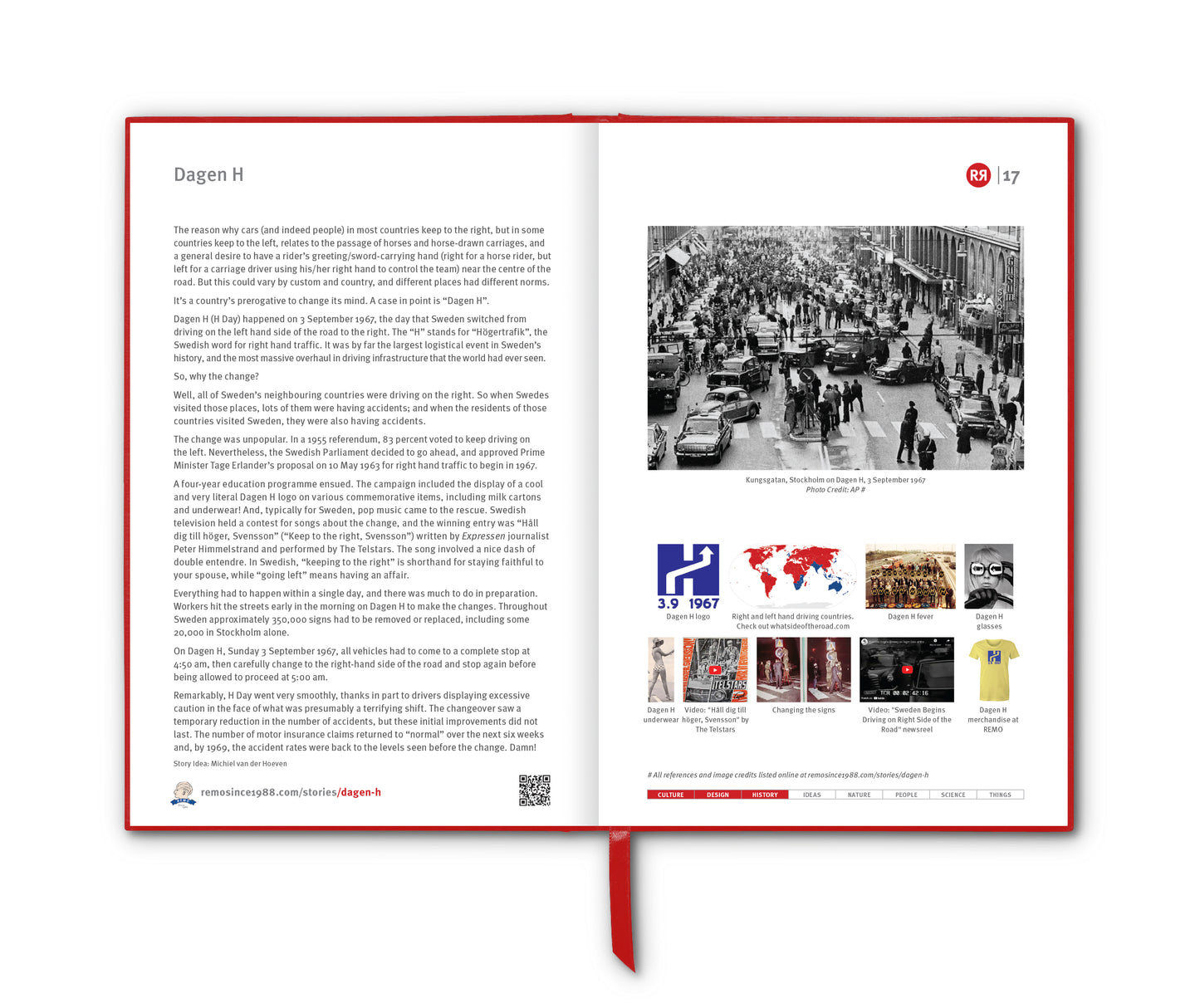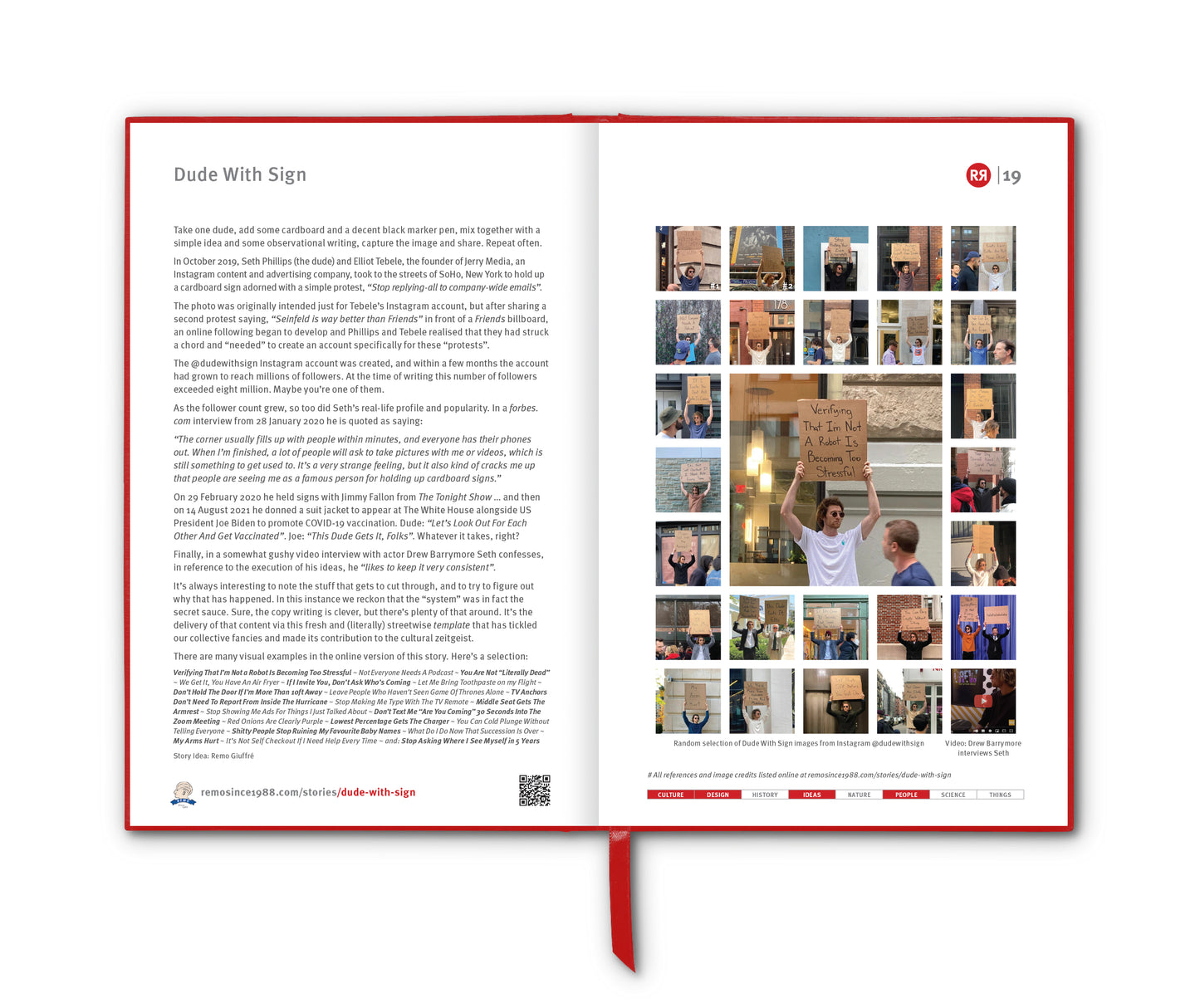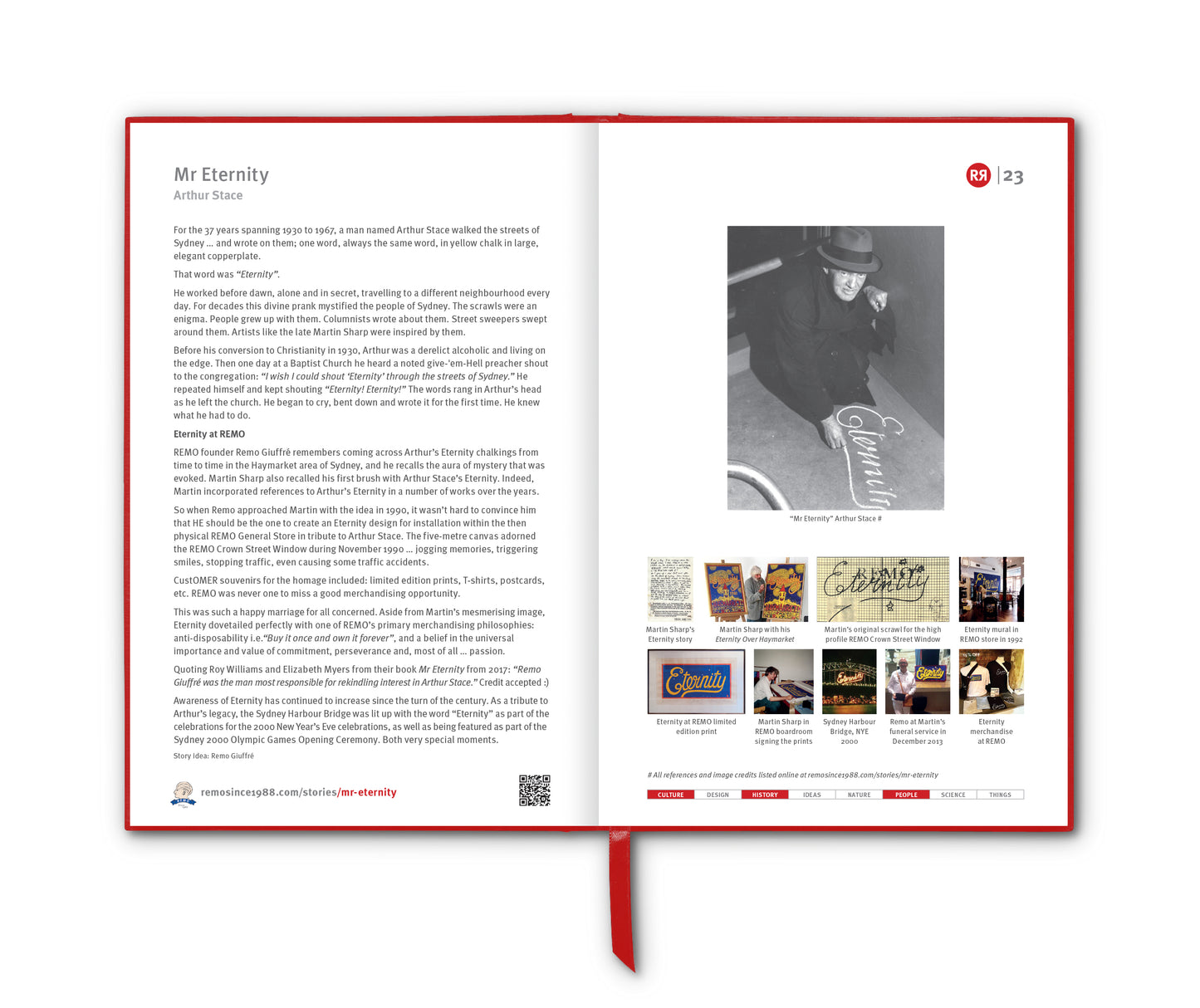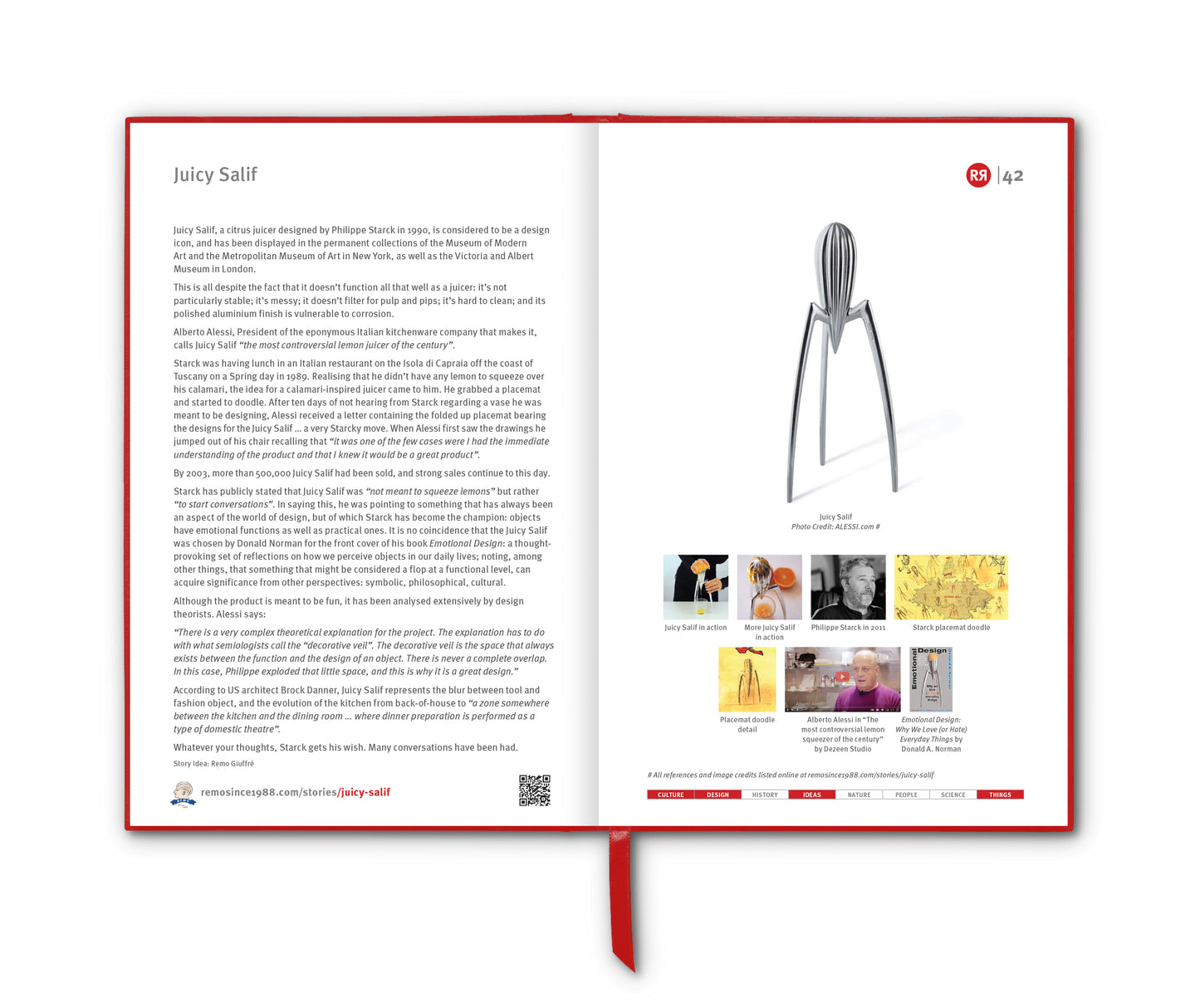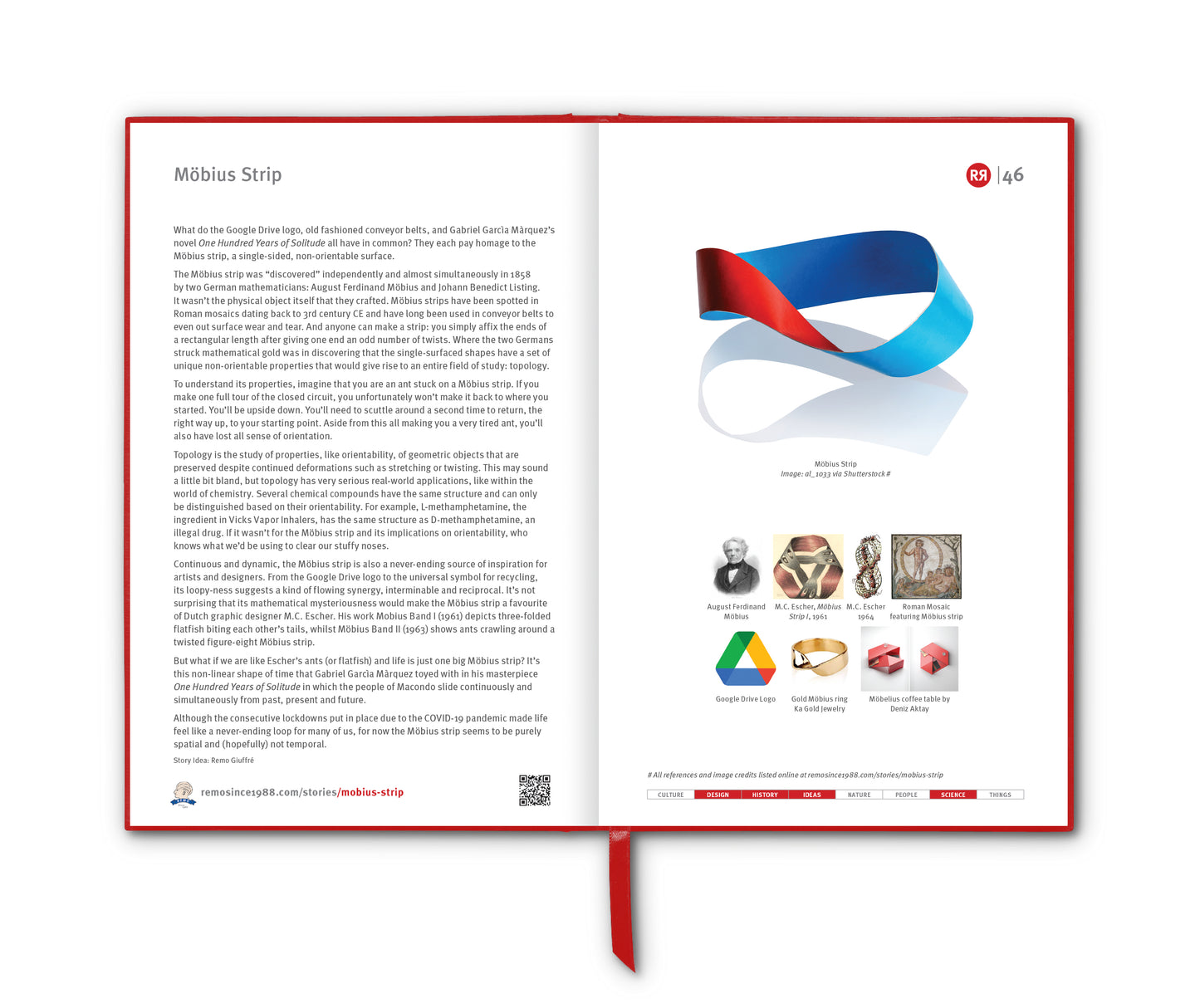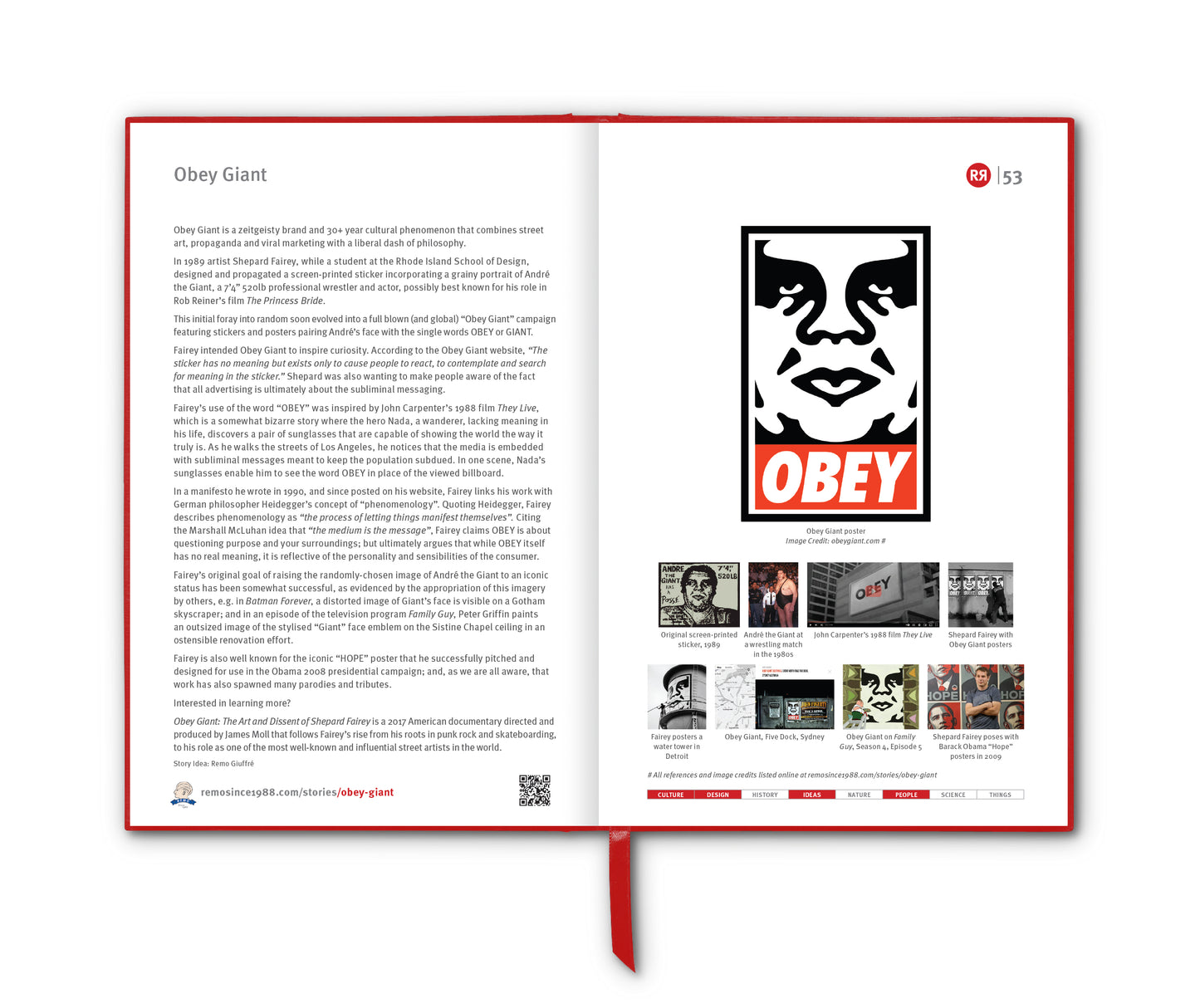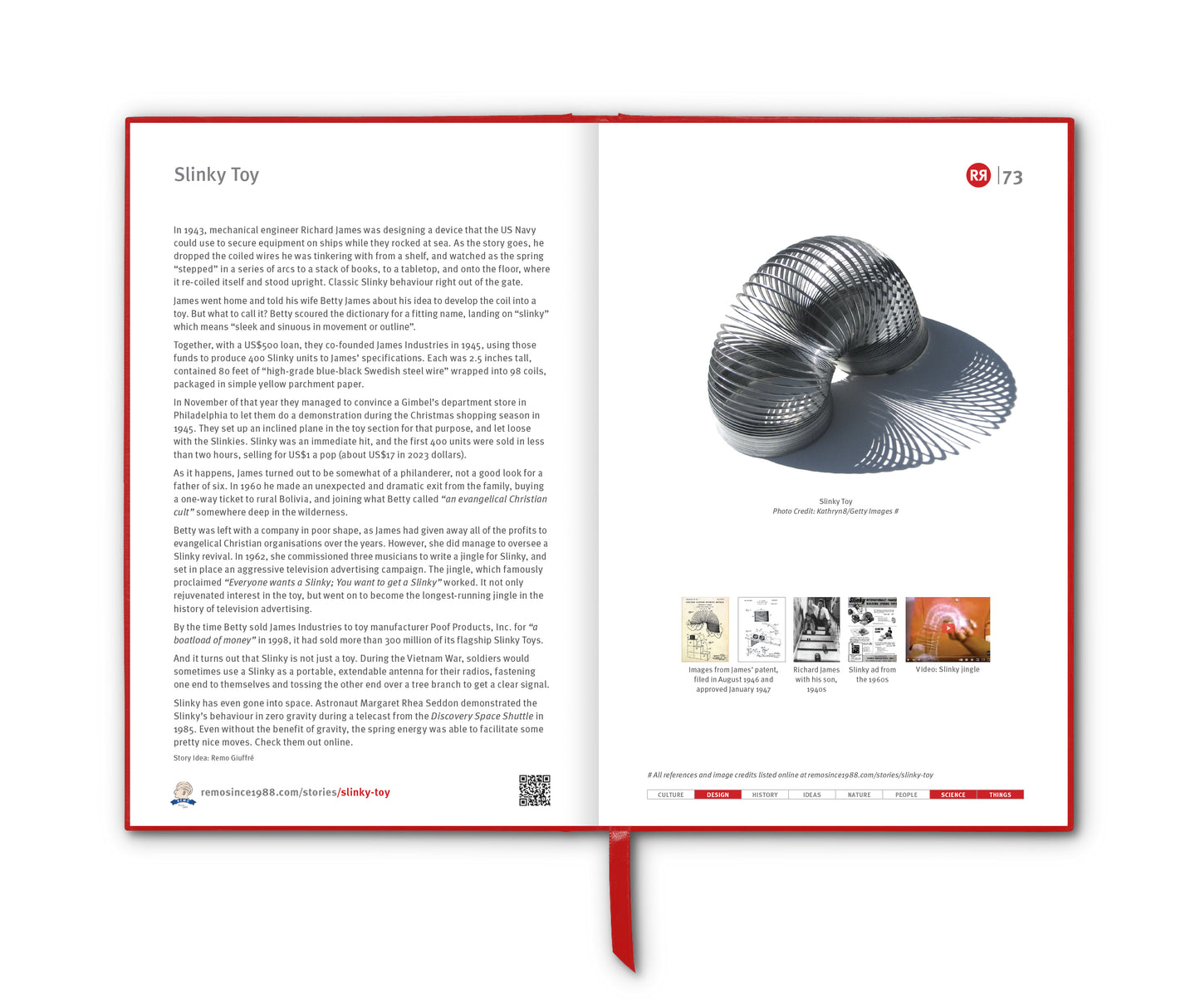

The Nobel Prize traces its origin to the final will and testament of Alfred Nobel, a Swedish chemist, industrialist, and inventor best known for developing dynamite in 1867. Nobel accumulated substantial wealth through patents and industrial enterprises. In 1895, one year before his death, he drafted a will directing that the bulk of his fortune be used to establish annual prizes for those who had “conferred the greatest benefit to humankind” in physics, chemistry, physiology or medicine, literature and peace. The specificity and scope of the will surprised Nobel’s family and colleagues, and its execution required several years of negotiation. The Nobel Foundation, formed in 1900, became responsible for managing the bequest and organising the awards, first presented in 1901.
The prize in Peace was deliberately entrusted not to a Swedish institution but to the Norwegian Parliament’s Nobel Committee. At the time, Norway and Sweden were in a political union, and Nobel may have regarded Norway as a more neutral venue for peace adjudication. The literature prize was designed to recognise not only artistic merit but also what Nobel described as “ideal direction”, a phrase that has shaped debates about the prize’s cultural and ideological leanings.
Across its history, the Nobel Prize has celebrated a range of transformative achievements. Marie Curie remains one of its most iconic laureates, winning the Physics Prize in 1903 (shared with Pierre Curie and Henri Becquerel) and the Chemistry Prize in 1911 for her pioneering work on radioactivity. Albert Einstein’s 1921 Physics Prize, awarded for his explanation of the photoelectric effect rather than relativity, reflects the committee’s cautiousness toward then-controversial theories. In literature, writers ranging from Rabindranath Tagore to Toni Morrison have been recognised. The Peace Prize has gone to global figures including Martin Luther King Jr., Mother Teresa, Nelson Mandela and organisations such as Médecins Sans Frontières and the United Nations. Browse the complete list of all Nobel Prize recipients HERE.
Interestingly, the Nobel Prize in Economic Sciences is not part of Nobel’s original will; it was established in 1968 by Sweden’s central bank in his memory. The Nobel medals for Peace, Physics, Chemistry, Medicine and Literature each have distinct designs, and during the Second World War, the gold medals of German laureates were dissolved in aqua regia by Hungarian chemist George de Hevesy to prevent confiscation by the Nazis. They were later reprecipitated and restruck.
Controversies have also marked the prize’s history. The Peace Prize has been criticised both for politically charged awards and for omissions. The 1973 award to Henry Kissinger and Lê Đức Thọ for the Vietnam War ceasefire sparked international protest; Thọ declined the prize. Mahatma Gandhi, widely seen as a symbolic candidate for peace, was never awarded, and the committee later described this as a historical regret. More recently, the US President Donald Trump let it be known that he had a major hankering for the 2025 Peace Prize. He didn’t get it. [Ed: Nor did Hell freeze over.]
In literature, choices have sometimes baffled critics, as with the 2016 award to Bob Dylan, which ignited debate about the boundaries of literature itself.
All in all, and more than a century on, the Nobel Prize remains one of the world’s most recognisable honours, reflecting both the aspirations and the complexities embedded in Alfred Nobel’s late-life vision.
PS: Dynamite is often confused with TNT, but the two are chemically and historically distinct. Nobel invented dynamite by stabilising nitroglycerin; TNT, a different and far more stable explosive, arrived later and became the military standard. The popular mix-up isn’t scientific at all. We can mostly blame early Hollywood westerns and mid-century cartoons, which routinely depicted bright red “TNT” sticks with fizzing fuses, even though real TNT is rarely packaged that way.
___________________________________
References
wikipedia.org/wiki/Nobel_Prize
nobelprize.org/
instagram.com/nobelprize
Images
1. Alfred Nobel's will, which stated that 94% of his total assets should be used to establish the Nobel Prizes.
2. Alfred Nobel in 1986
3. Dynamite © The Nobel Foundation Archive
4. The first Nobel Prize award ceremony at the Musical Academy in Stockholm
5. Medal © Nobel Prize Outreach. Photo: Clément Morin
6. The Nobel Prize award ceremony in Stockholm, 10 December 2023. © Nobel Prize Outreach. Photo: Nanaka Adachi
7. President Barack Obama receivews the Nobel Prize medal and diploma in Oslo on 10 December 2009. Photo credit: White House (Pete Souza)
8. Bob Dylan's certificate © The Nobel Foundation 2016
9. Nobel Prize Museum © Nobel Prize Outreach. Photo: Anna Svanberg
10. Although keen for the award, Donald Trump did NOT win the Nobel Peace Prize in 2025.
11. ChatGPT has done a decent job of this