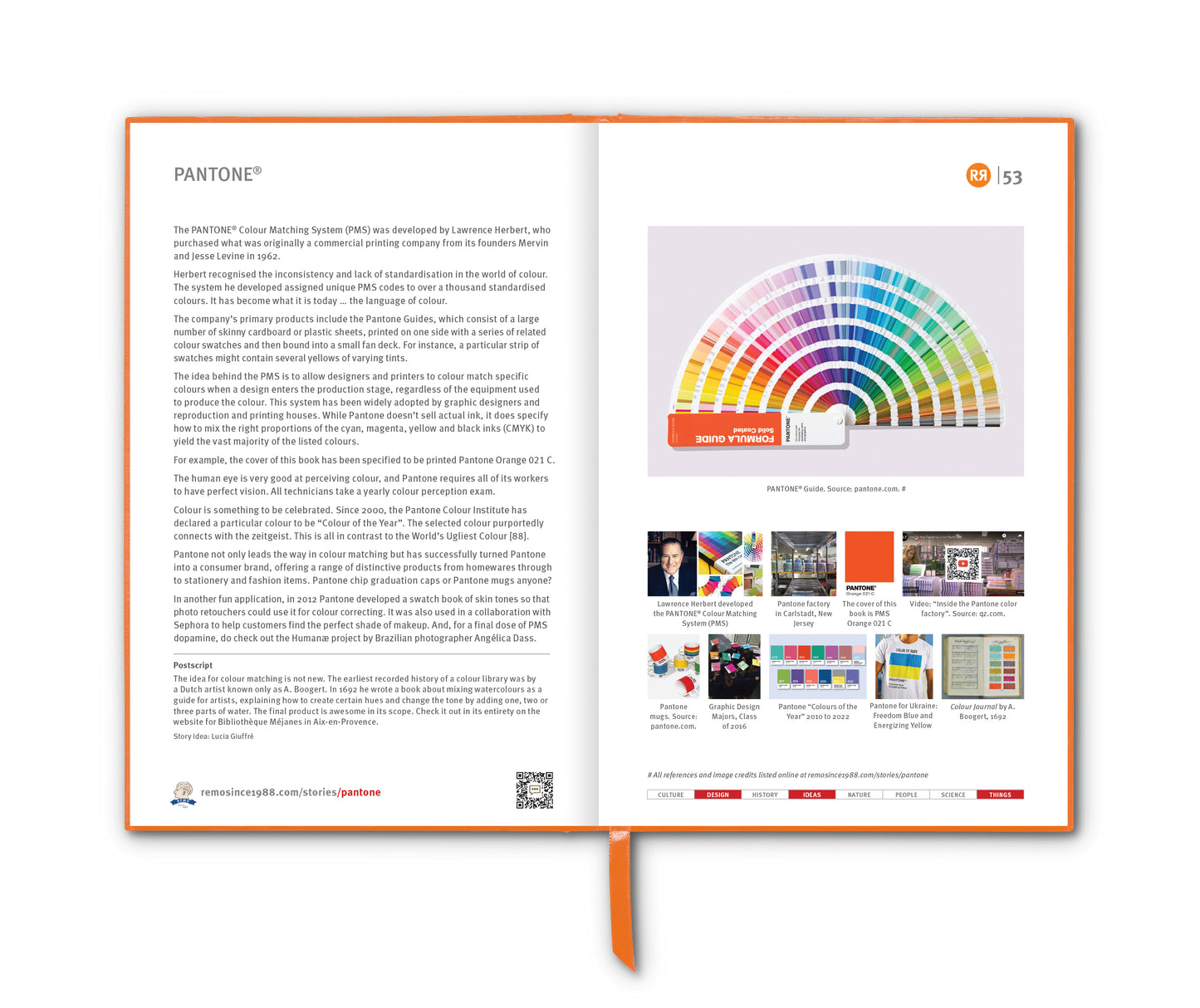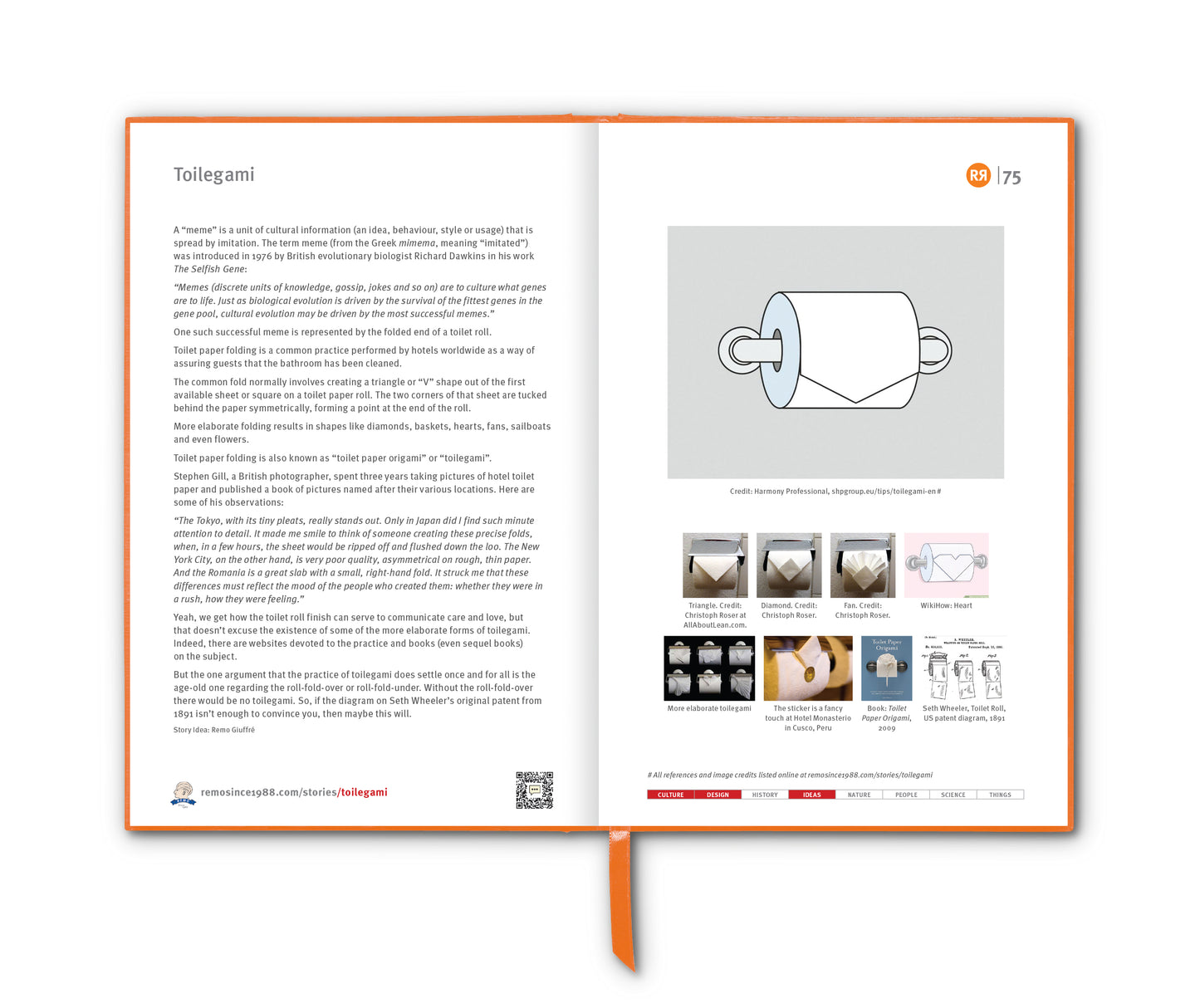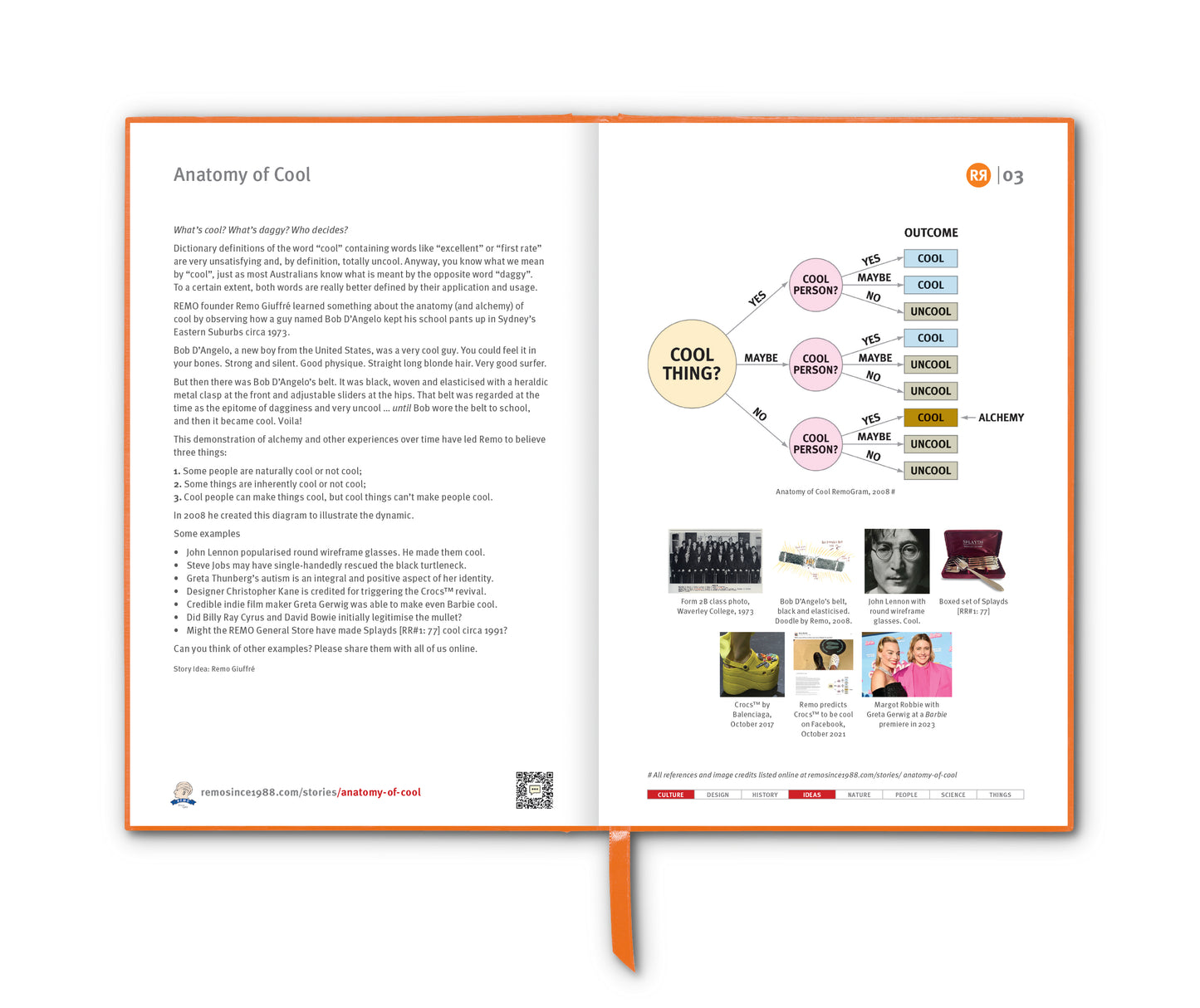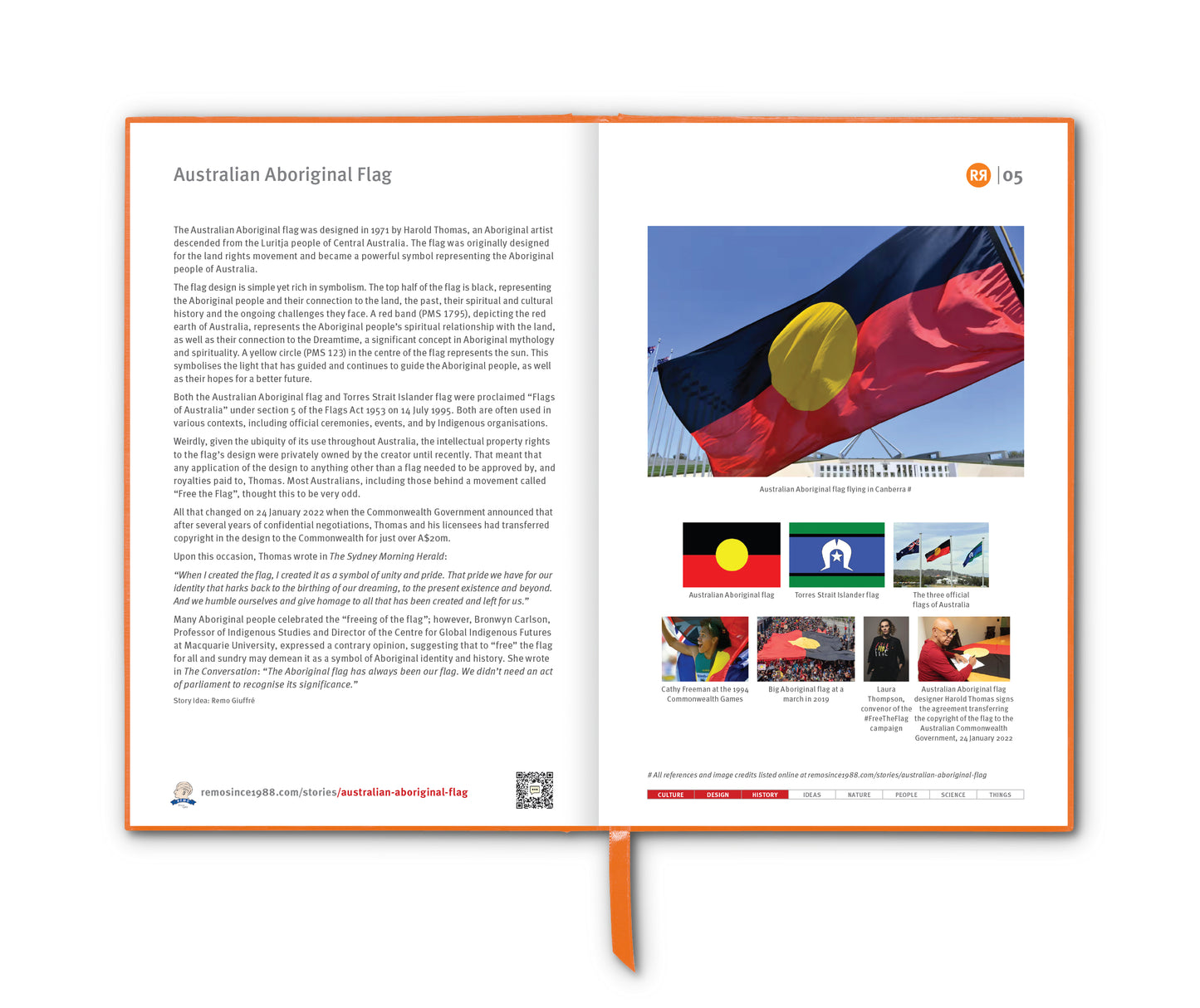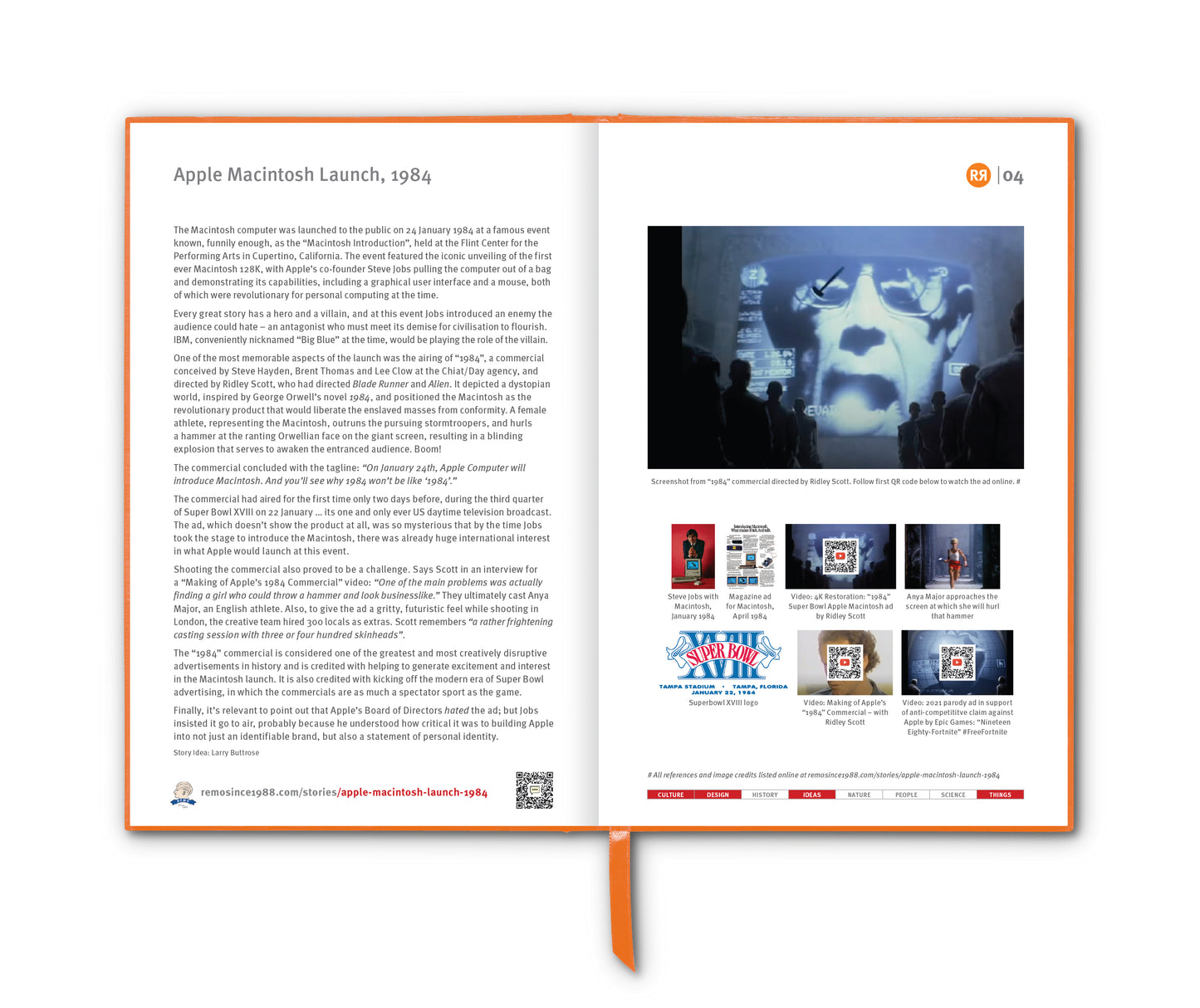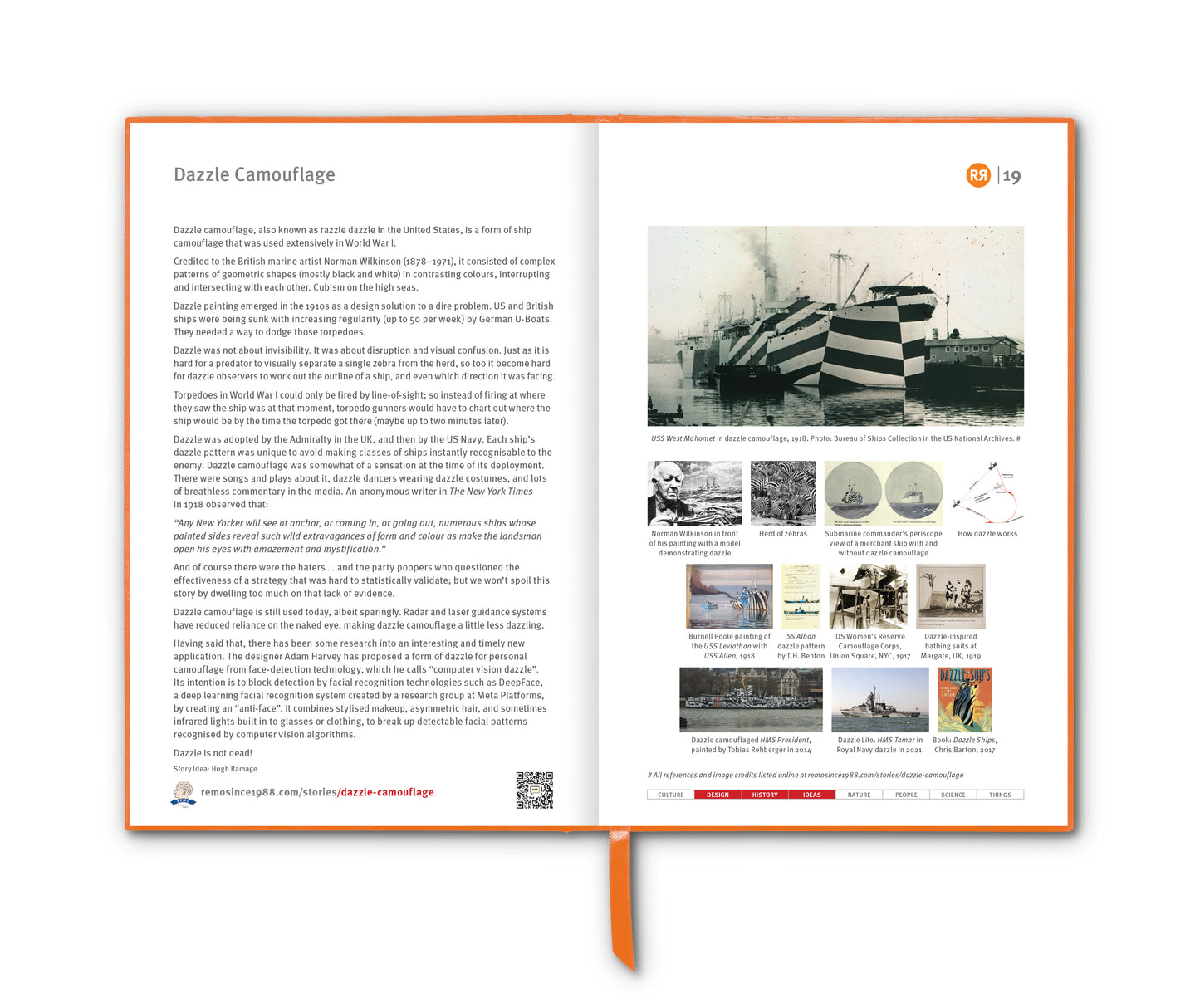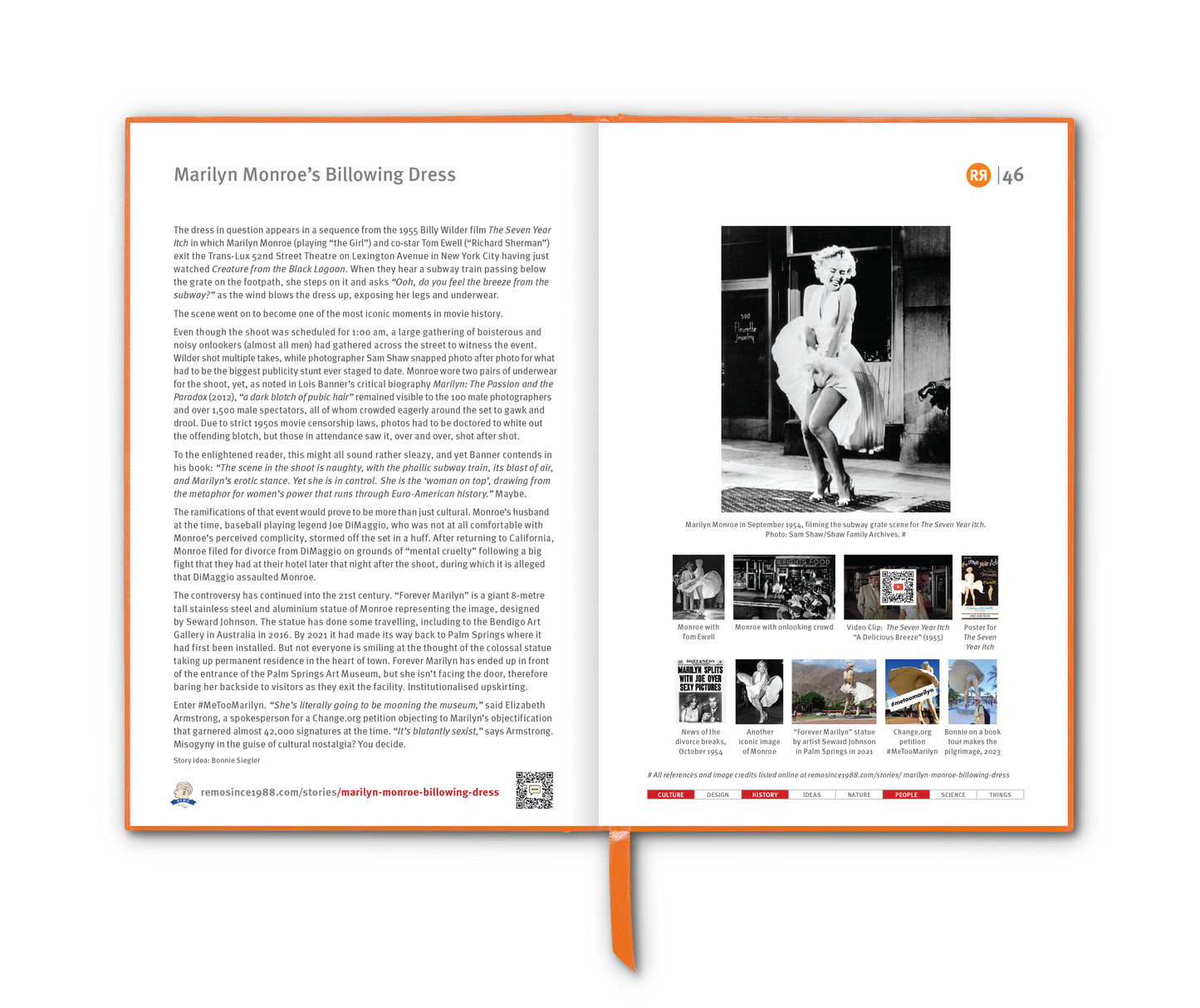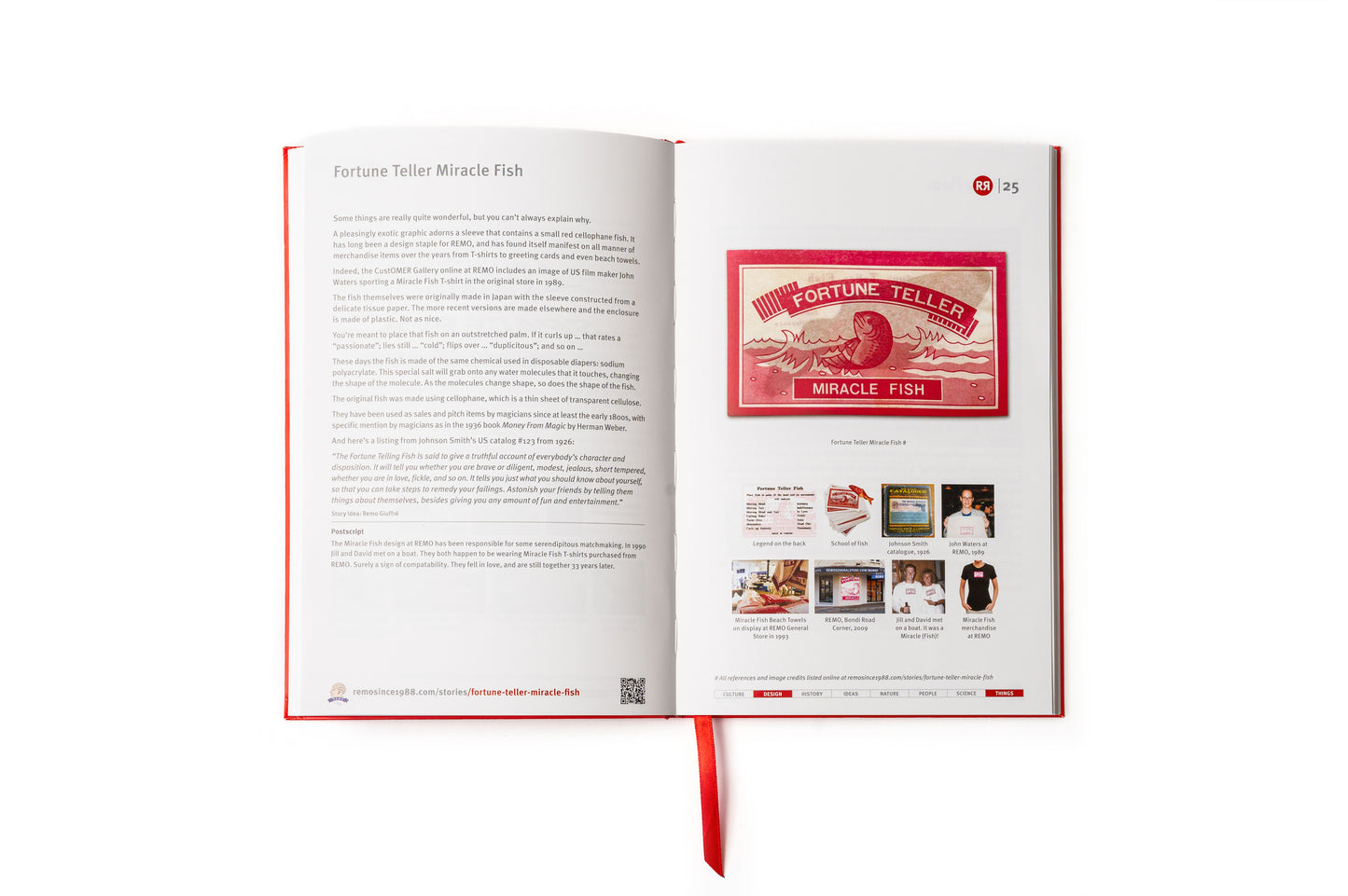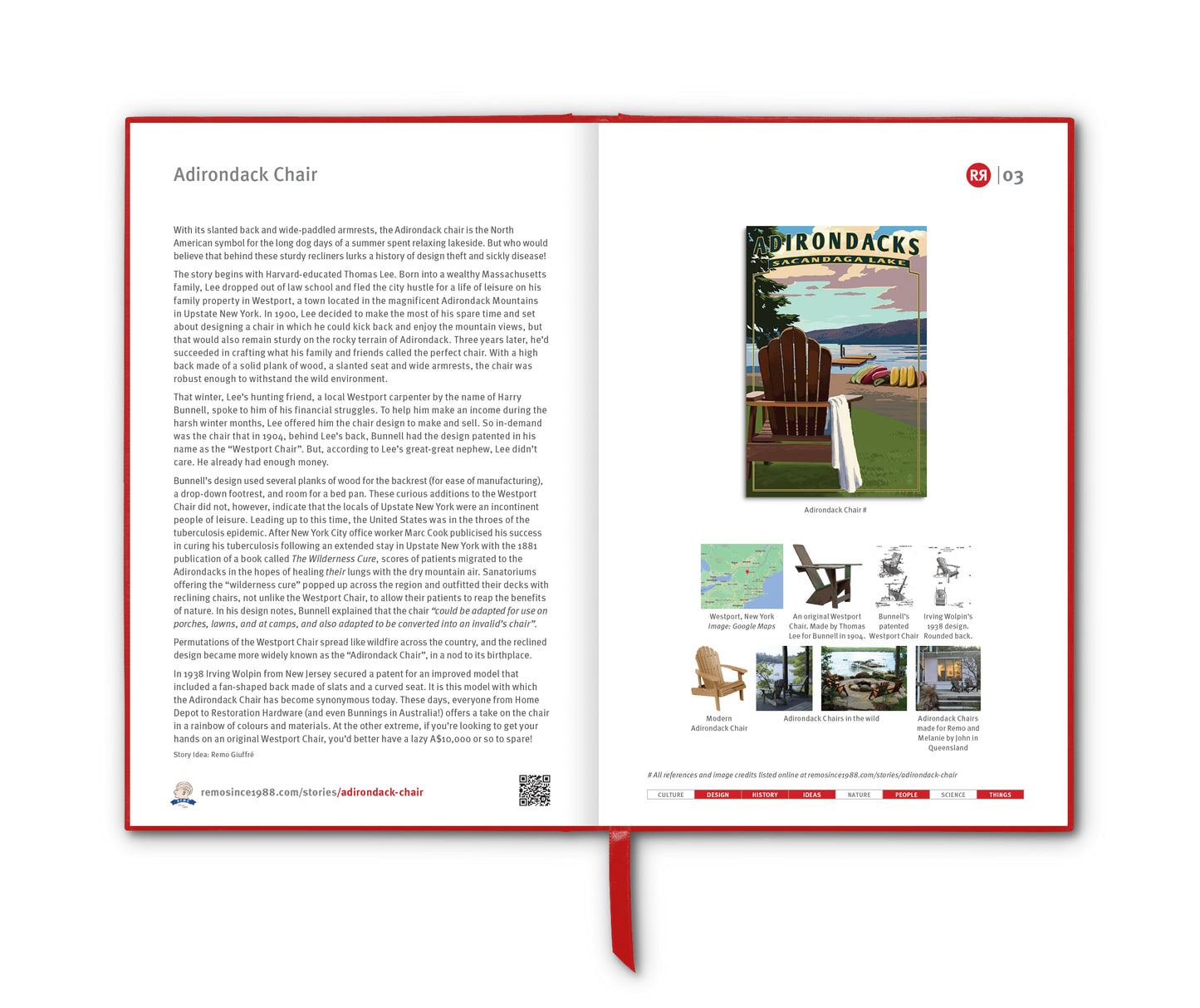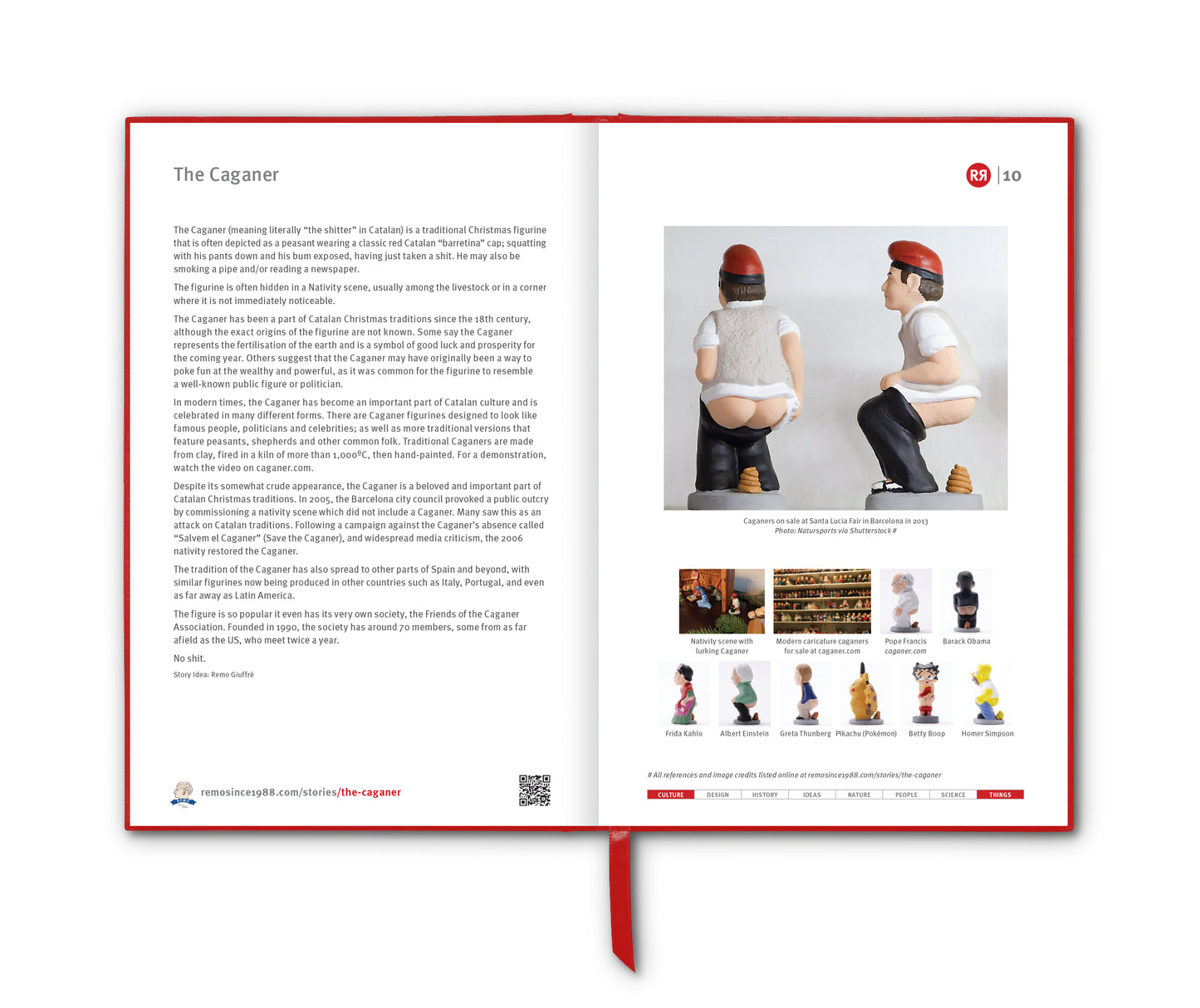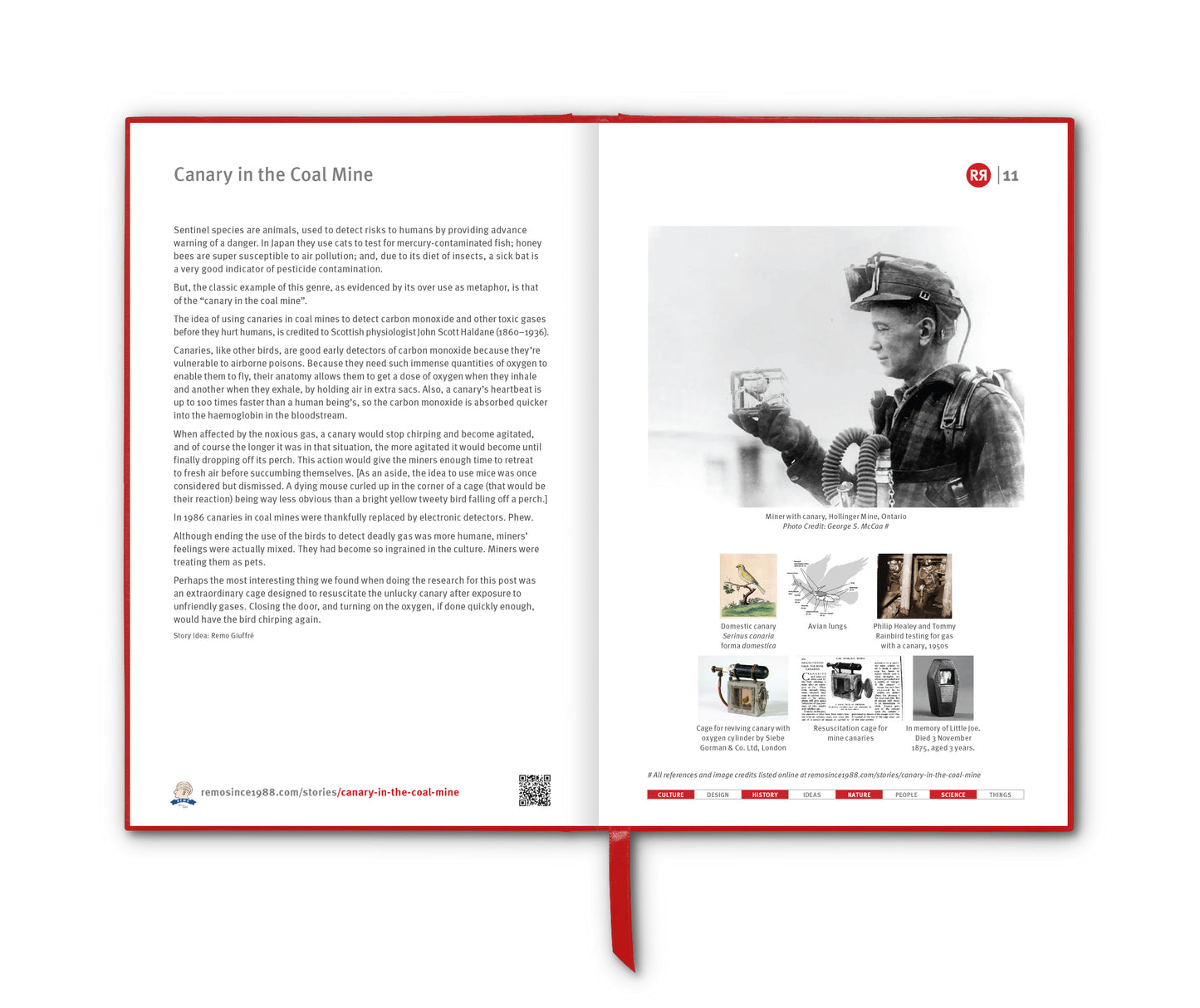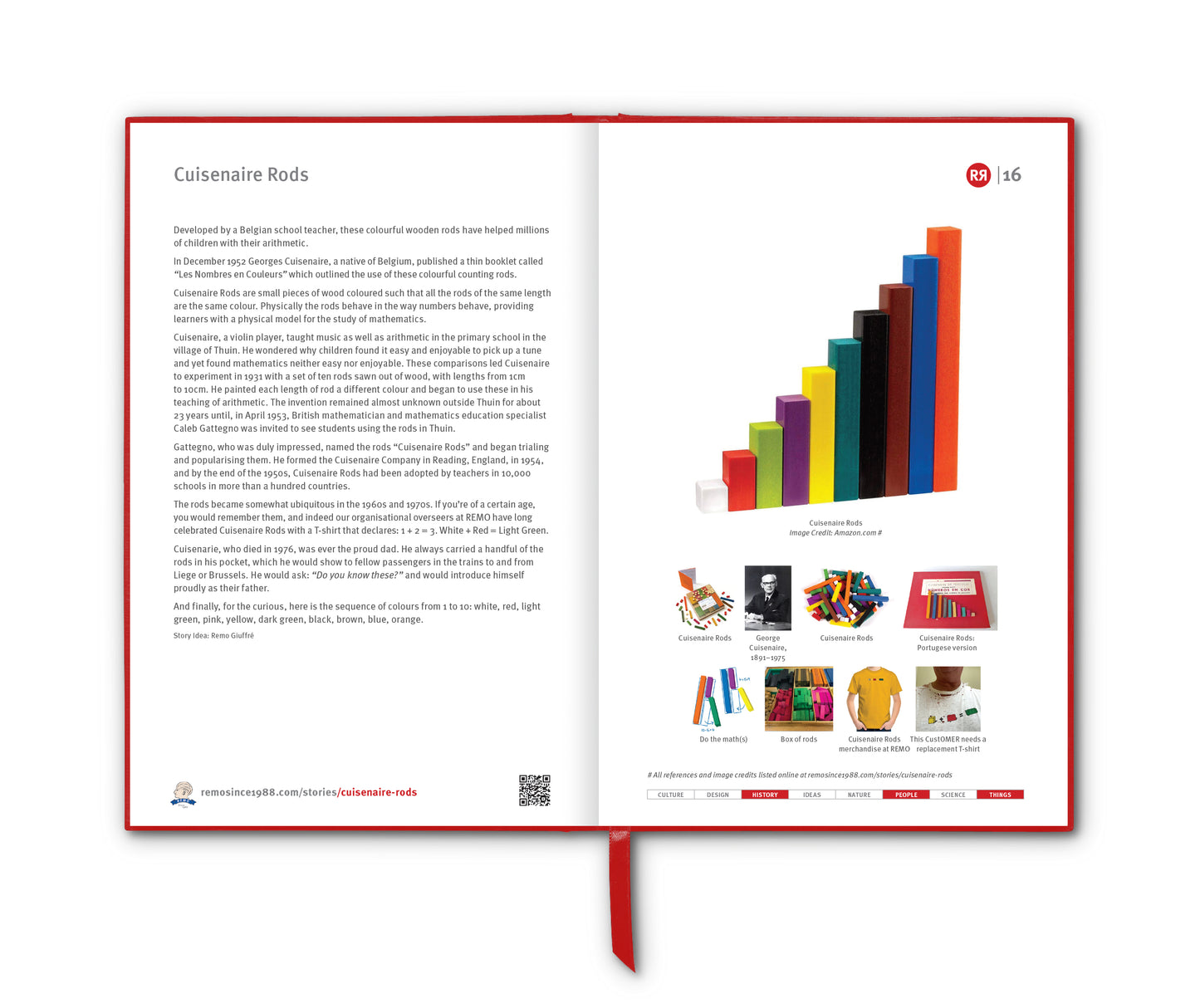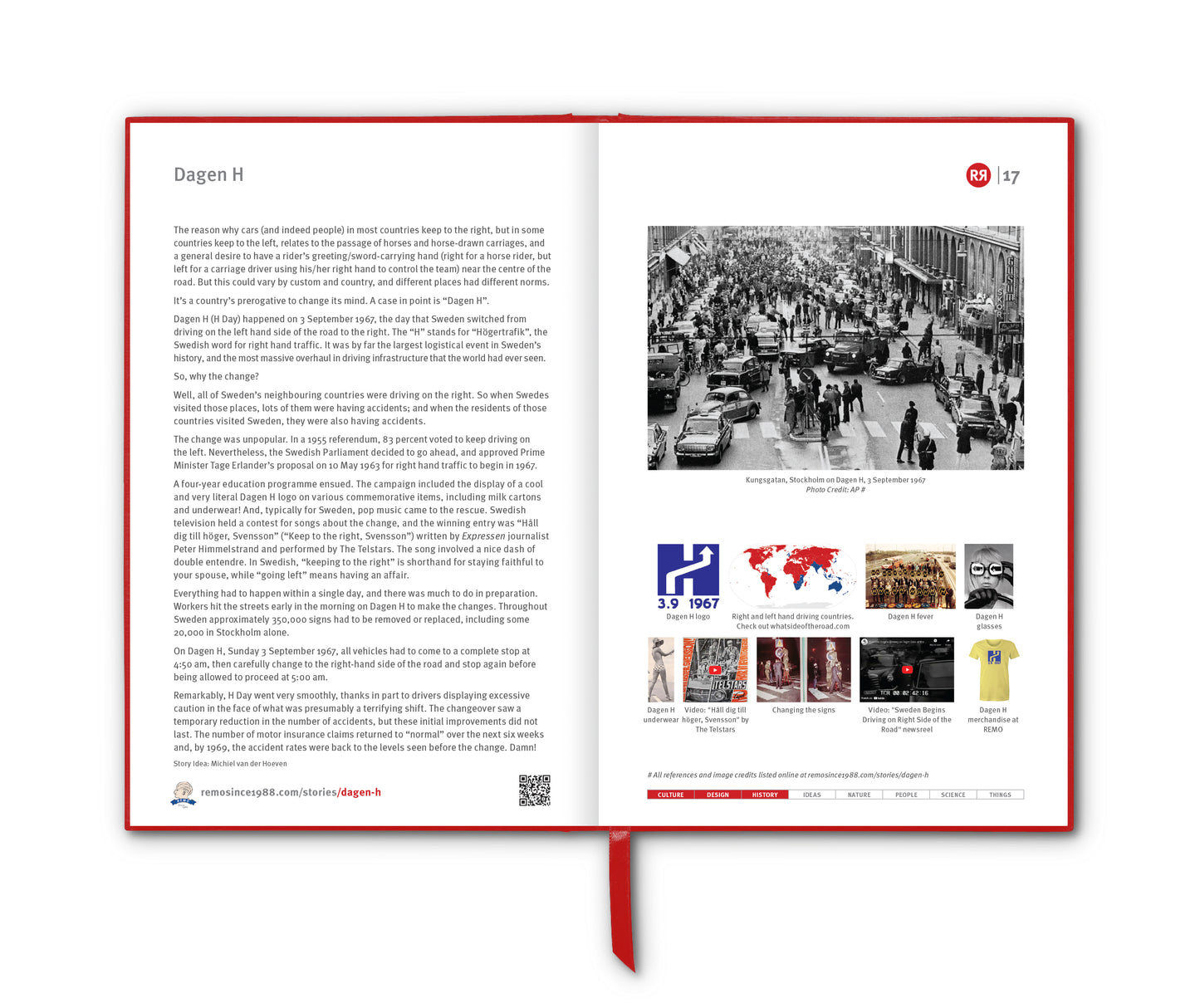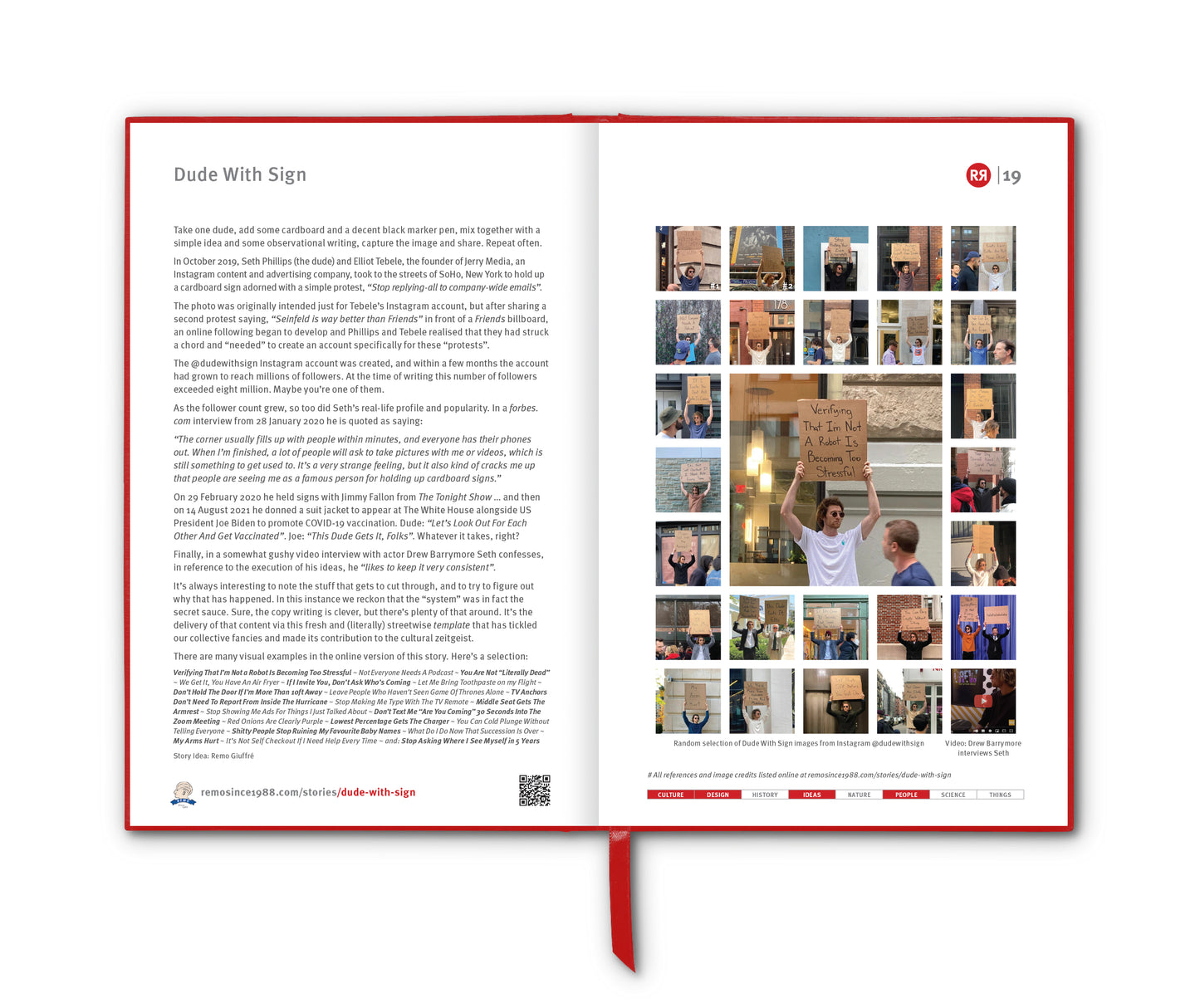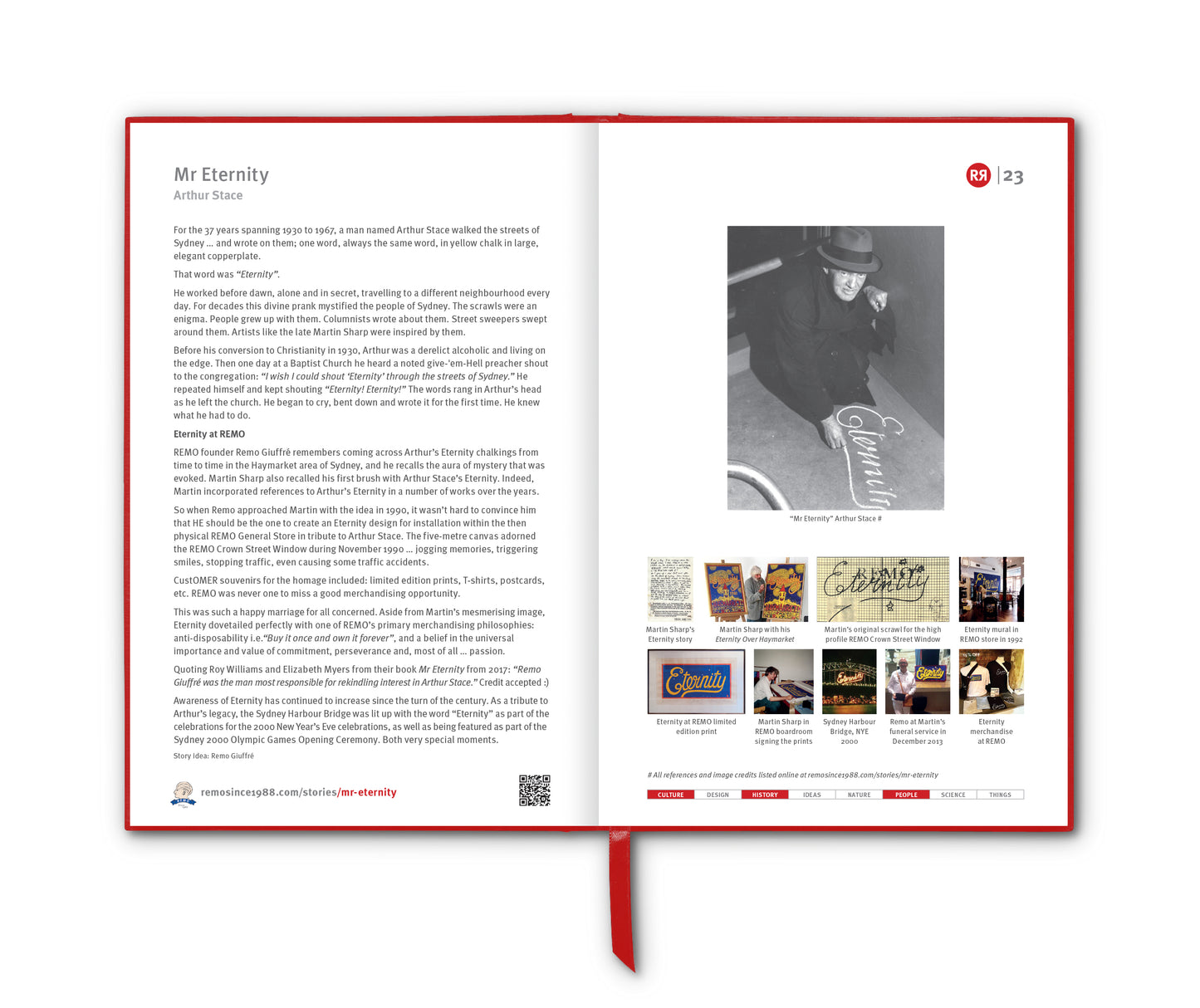

The periodic table, that grid of rectangles and symbols that still hangs in just about every science classroom, is more than just a chart – it’s a map of matter itself.
The periodic table, also known as the periodic table of the elements, is an ordered arrangement of the chemical elements into rows ("periods") and columns ("groups"). It is an icon of chemistry and is widely used in physics and other sciences. It is a depiction of the periodic law, which states that when the elements are arranged in order of their atomic numbers an approximate recurrence of their properties is evident. The table is divided into four roughly rectangular areas called blocks. Elements in the same group tend to show similar chemical characteristics.
The roots of the periodic table go all the way back to ancient times, when Greek philosophers like Empedocles and Aristotle proposed that everything was made from four elements: earth, air, fire and water. This idea held sway for centuries, despite being more poetic than scientific. Real progress didn’t begin until the 17th and 18th centuries, when early chemists (many of whom were still called “alchemists”) began isolating and identifying true chemical elements. By the late 1700s, Antoine Lavoisier compiled a list of 33 known elements, including oxygen, nitrogen, and sulphur, and introduced the idea of elements as fundamental substances that couldn’t be broken down further.
As more elements were discovered in the 19th century – thanks to improved analytical techniques and new laboratory tools – scientists struggled to organise them in a meaningful way. Some tried listing them by atomic weight, others by properties. One clever attempt came from Johann Döbereiner, who grouped elements into “triads” with similar characteristics (like lithium, sodium and potassium).
But the real breakthrough came in 1869, courtesy of Russian chemist Dmitri Mendeleev. He famously arranged the 63 known elements into a table based on atomic weight and recurring chemical properties. What made Mendeleev’s version so impressive wasn’t just the layout — it was his bold prediction of missing elements. He left gaps in his table for elements that hadn’t been discovered yet, such as gallium and germanium, and described their properties with uncanny accuracy. When these elements were later found and matched his predictions, Mendeleev’s table gained worldwide recognition.
The periodic table evolved further in the 20th century with the discovery of subatomic particles. It turned out that atomic number — the number of protons in an atom’s nucleus — was a more accurate way to arrange elements than atomic weight. This revision, proposed by Henry Moseley in 1913, reshaped the table and resolved previous anomalies.
Later additions came from synthetic elements created in laboratories – technetium (element 43) was the first of these in 1937. The heaviest elements on the table, like oganesson (element 118), are so unstable they exist for mere fractions of a second, but they complete the modern table’s layout.
Finally, a bit of controversy: for decades, scientists in the United States, the Soviet Union and other countries fought over who discovered certain elements first, specifically the chemical elements 104 to 106 – leading to what was known as the “Transfermium Wars” – because it concerned the elements following fermium (element 100) on the periodic table. Eventually, in 1997, a peace treaty of sorts was reached, and naming rights were shared or awarded diplomatically.
Postscript
Infographic success is measured by the number of parodies and spoofs, then the periodic table is king. Search online and ye shall find, e.g. Periodic Table of Alcohol.
_____________________
References
wikipedia.org/wiki/Periodic_table
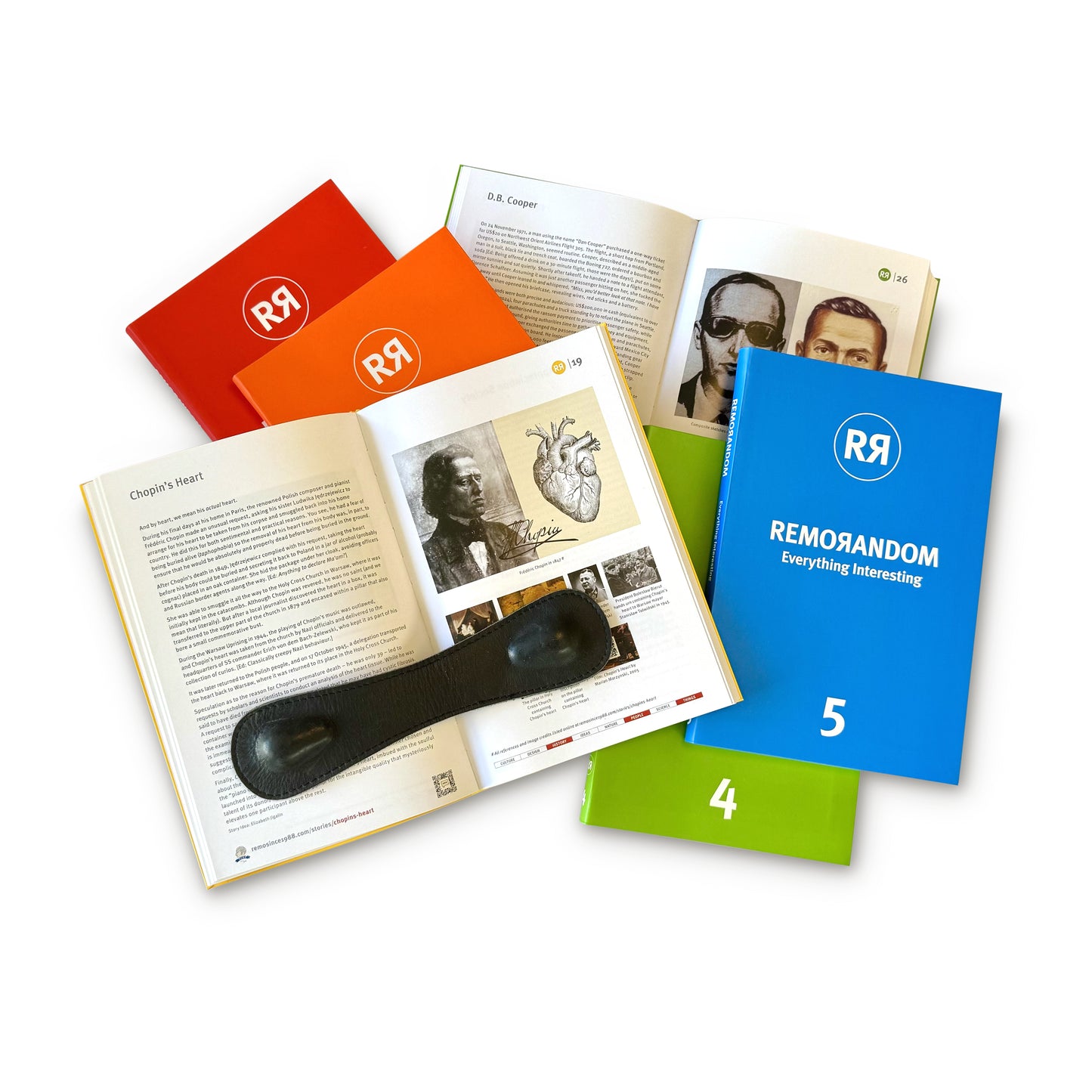
Images
1. 1963 edition of Sargent-Welch Periodic Chart of the Atoms with Dmitri Mendeleev in 1890
2. Periodic table of the chemical elements. Credit: Wikipedia
3. Leibniz representation of universe resulting by combination of Aristotle four elements
4. Mendeleev's 1871 periodic table
5. Sculpture in honor of Mendeleev and the periodic table, located in Bratislava, Slovakia
6. Transfermium Wars: Soviet physicists Georgy Flerov (left) and Yuri Oganessian, namesakes of elements 114 and 118, respectively in 1989
7. Periodic elements costume party. Credit: National Institute of Standards and Technology
8. Periodic Table of Alcohol. Credit: mayra.artes/Visual.ly
9. Remo wears Periodic REMO T Shirt design: Rhenium Molybdenum