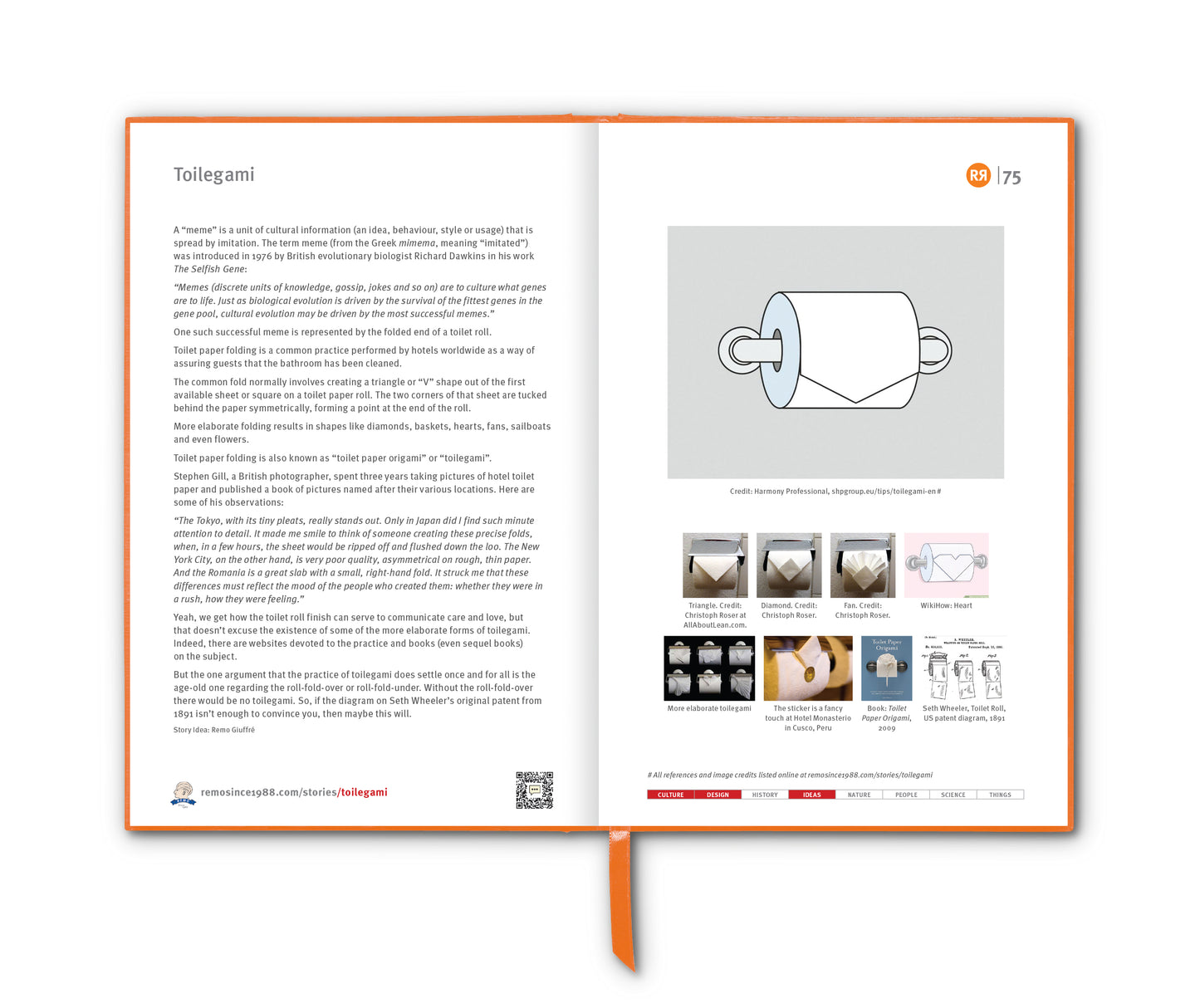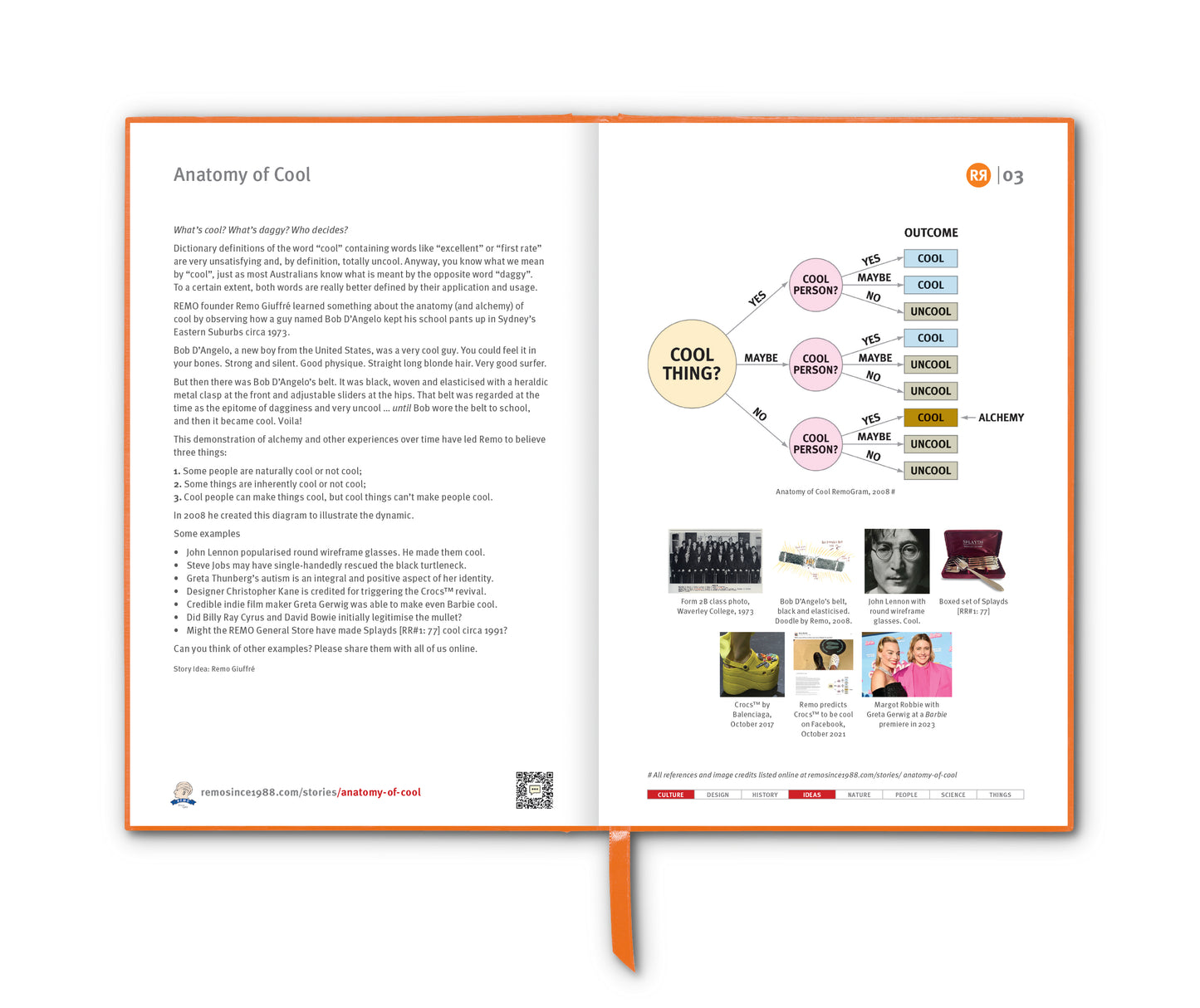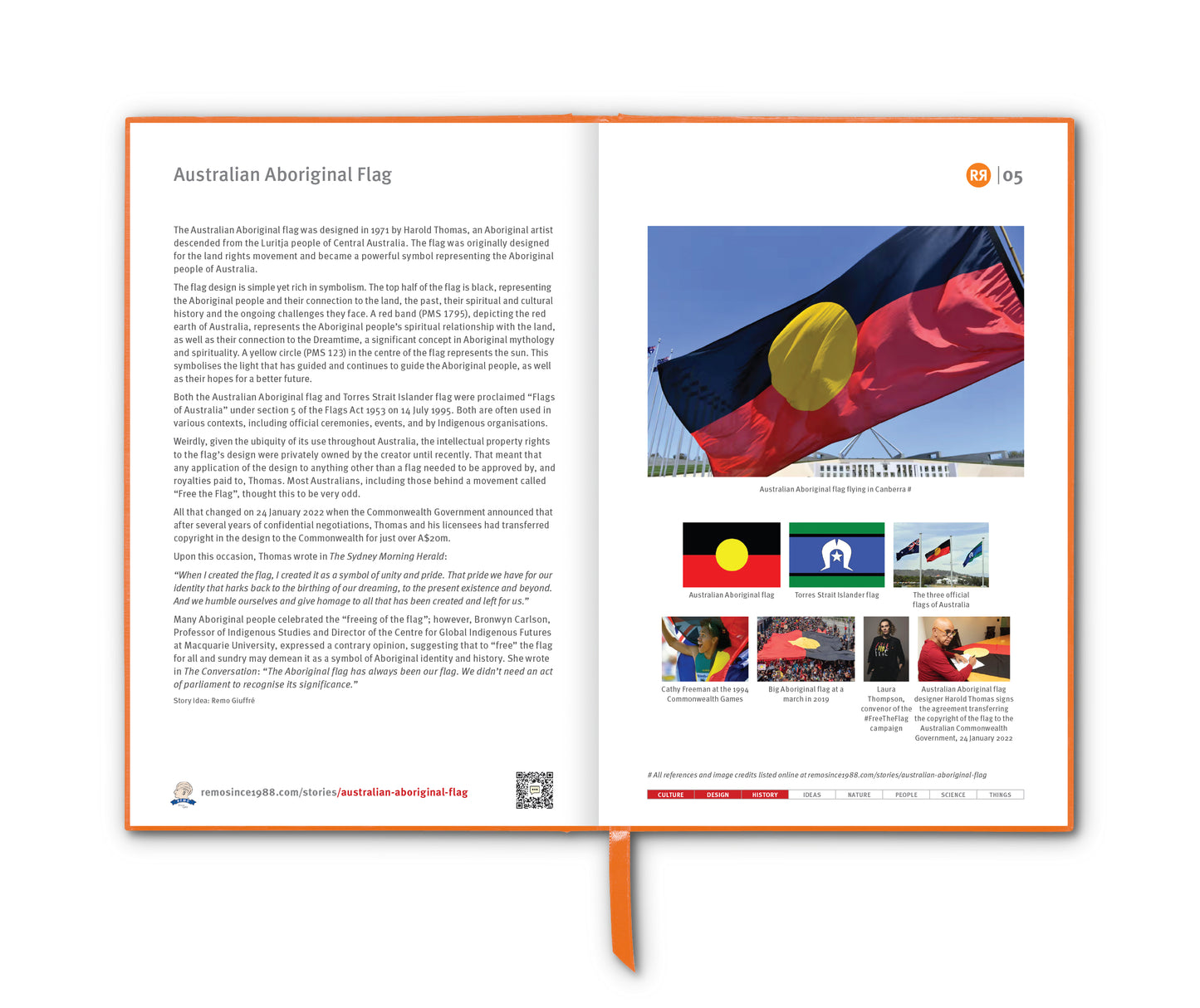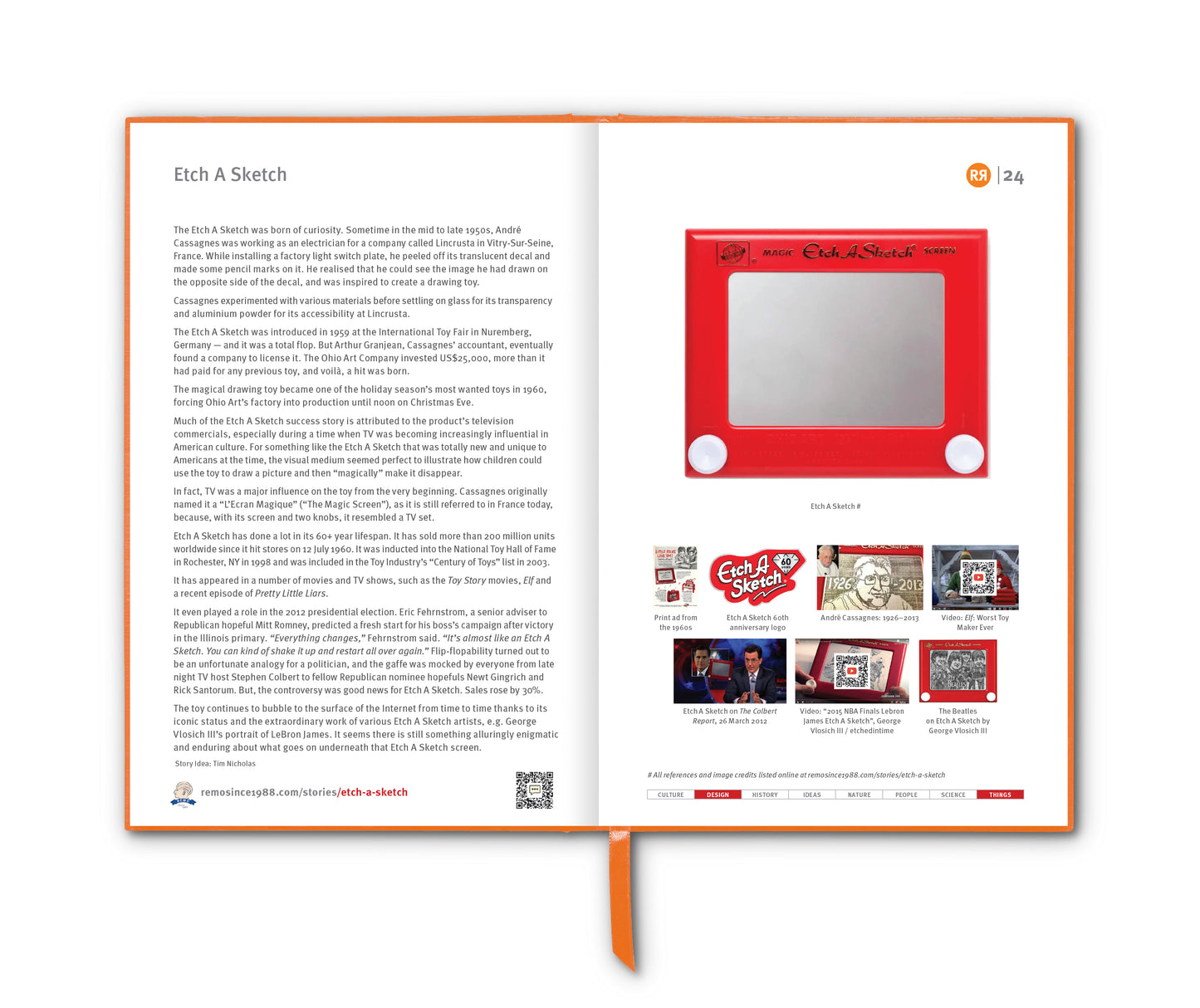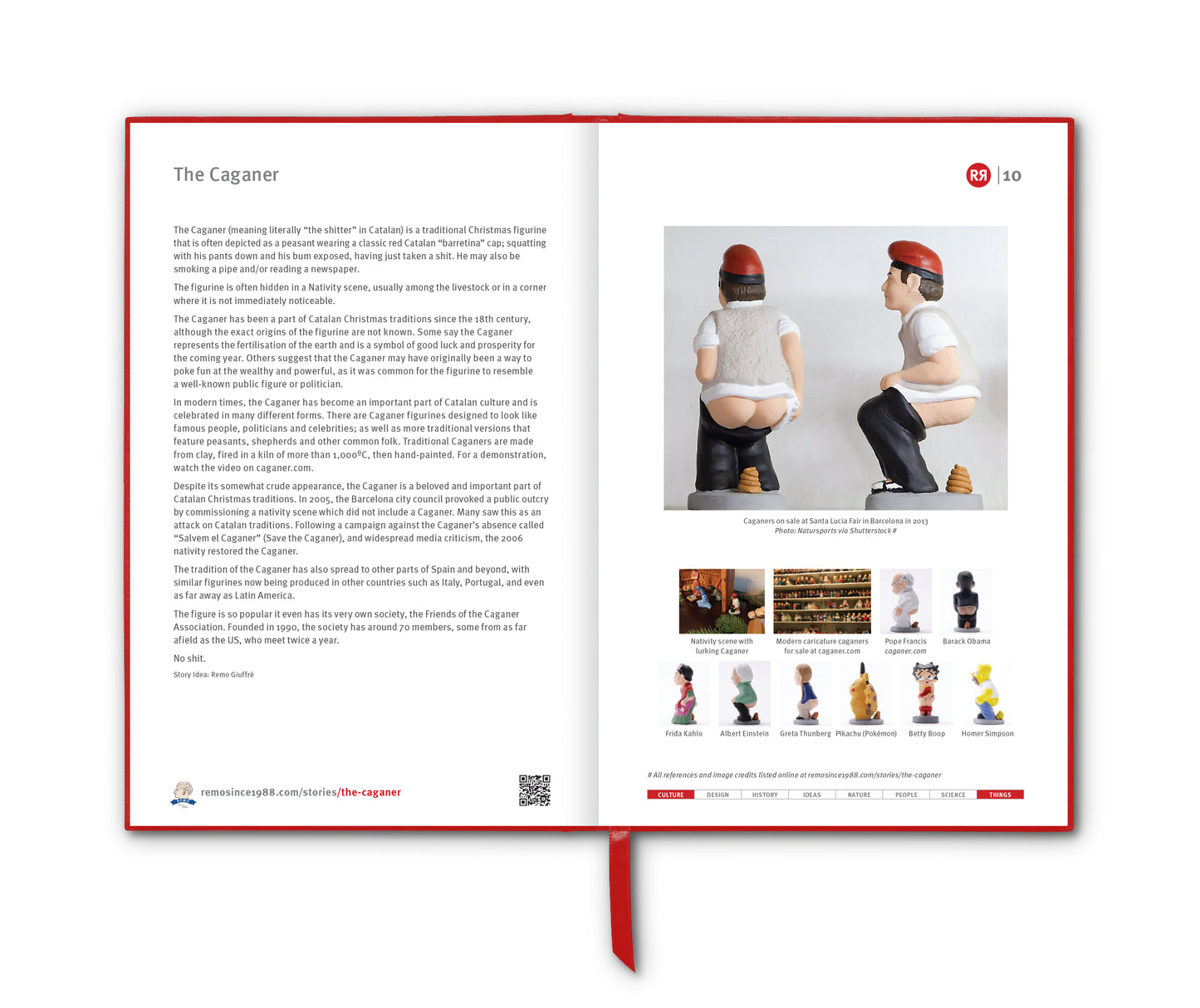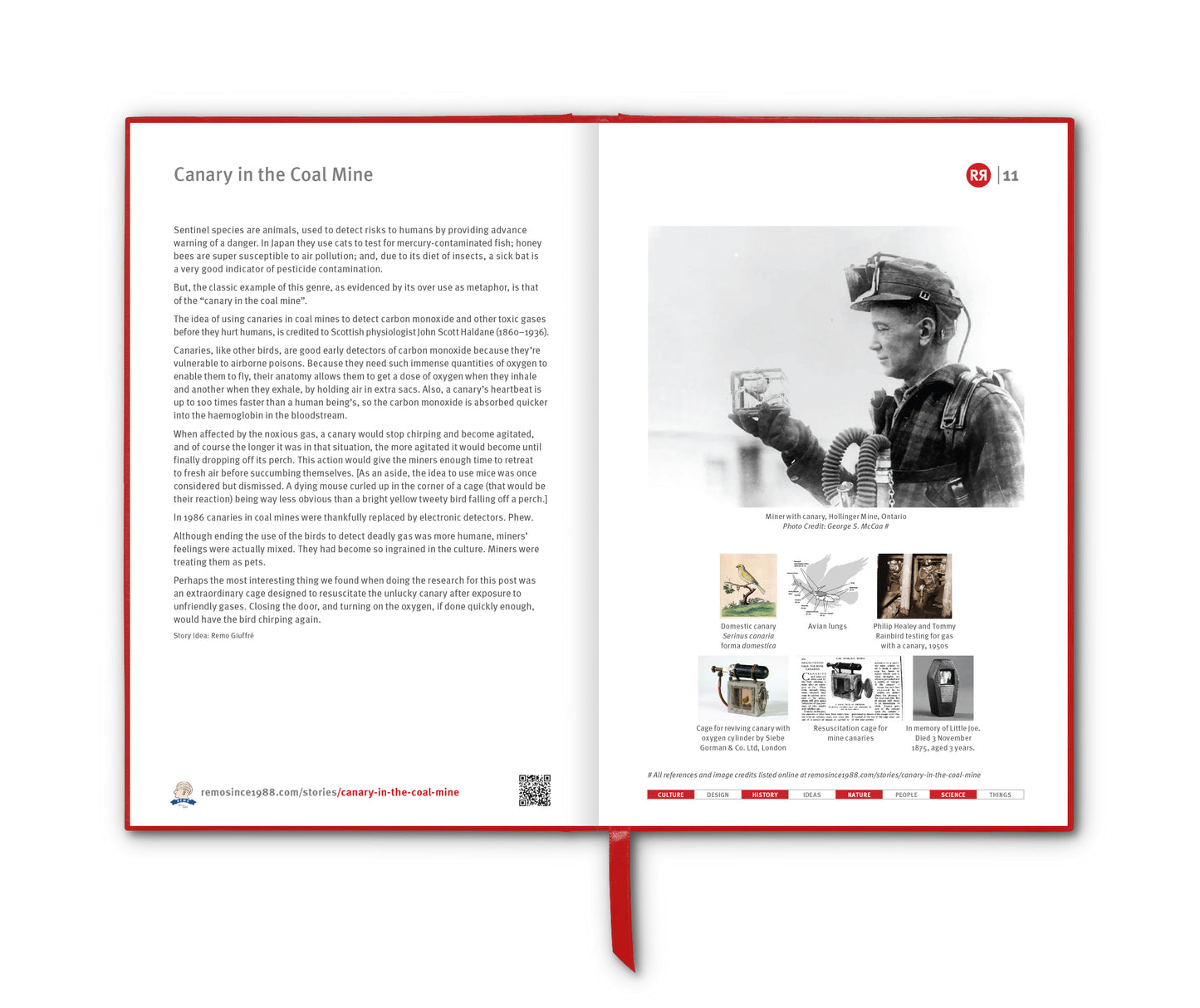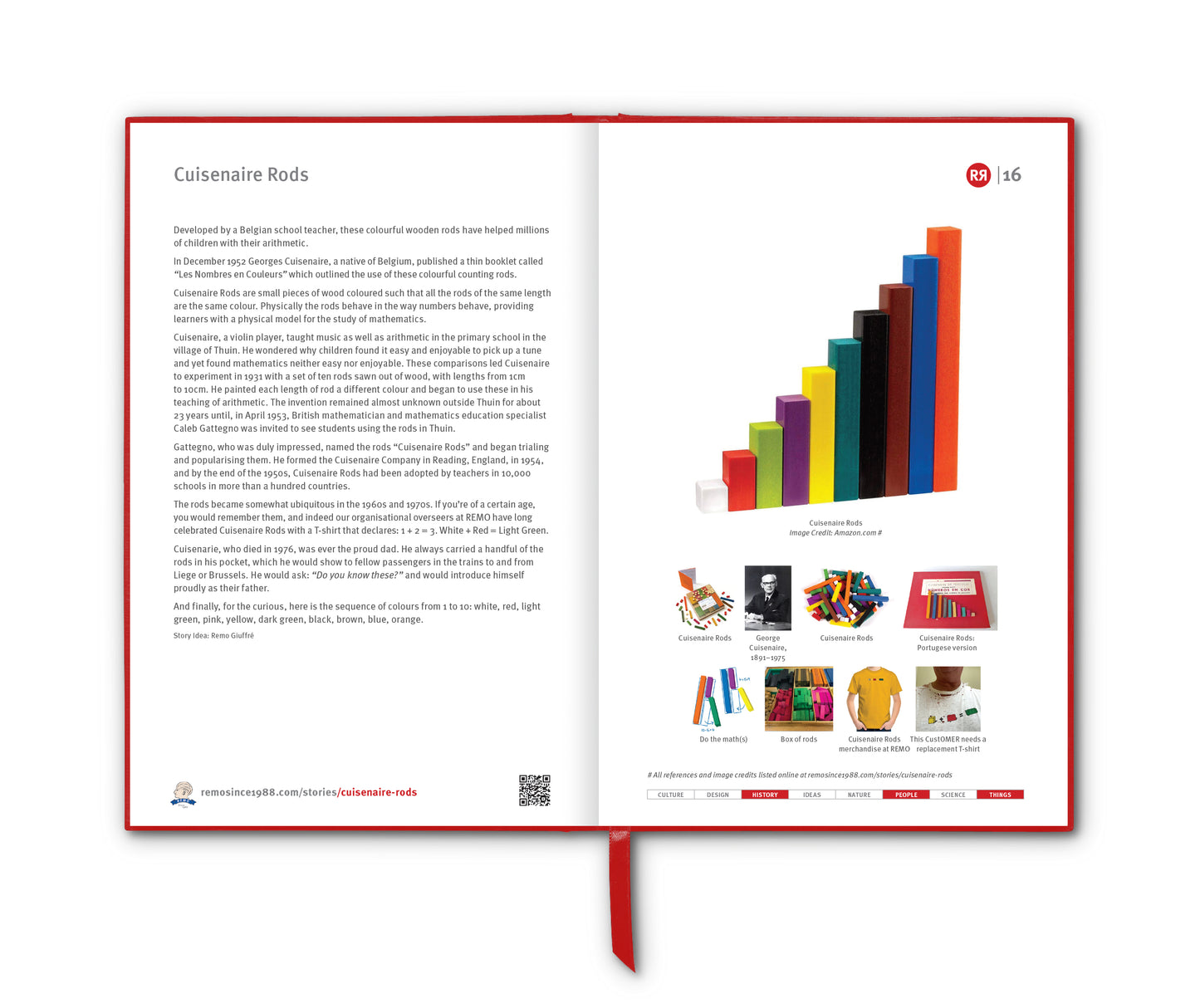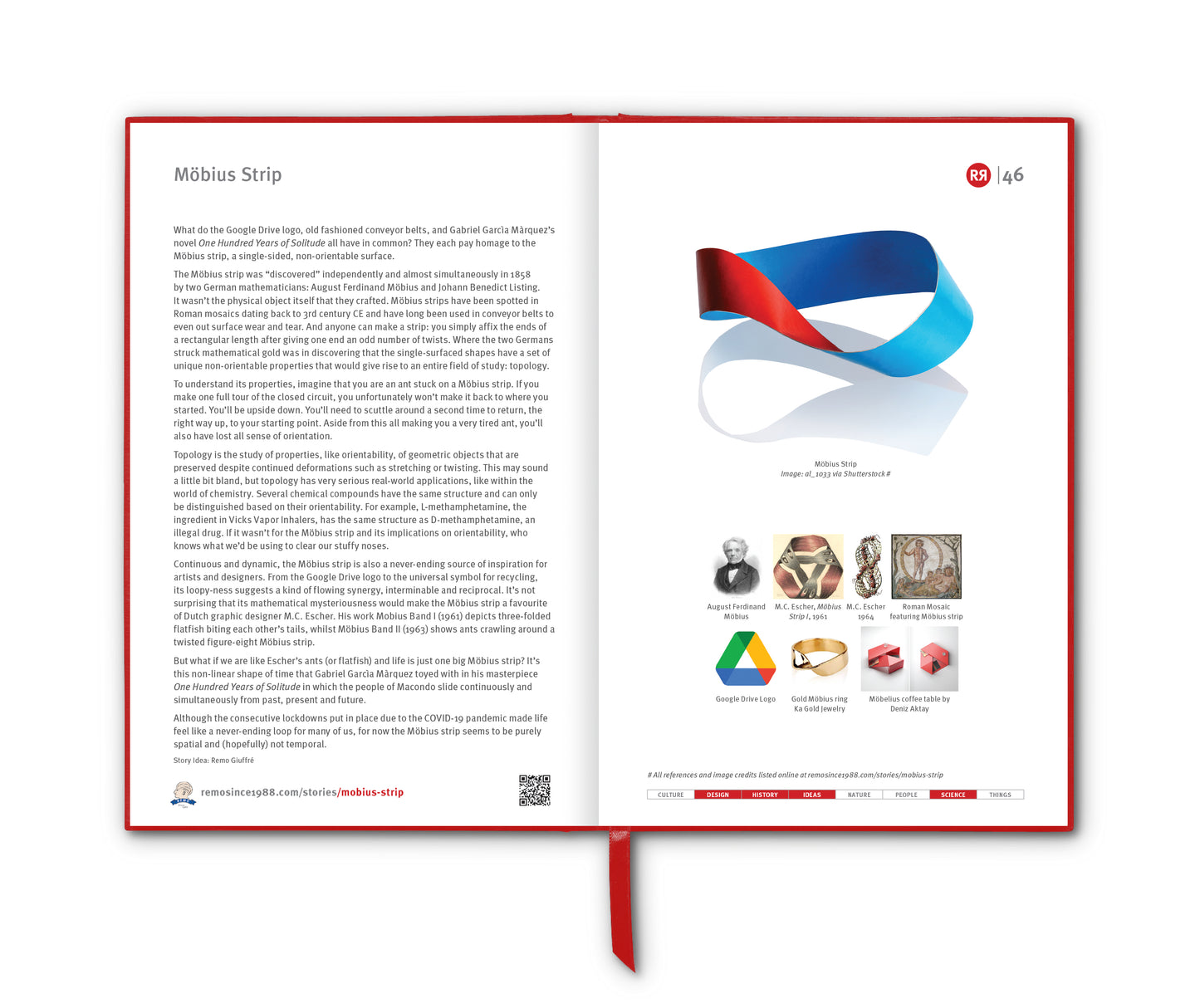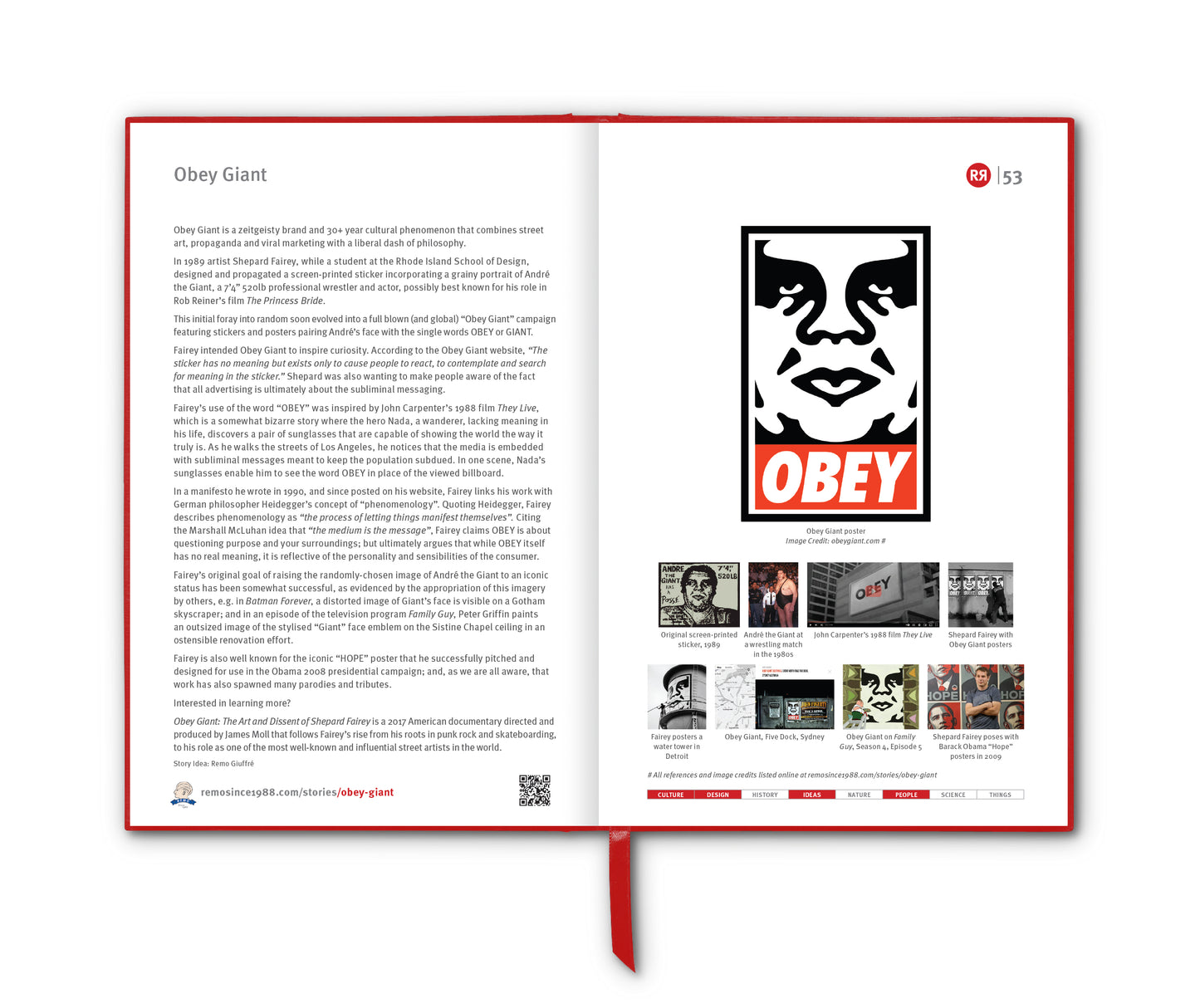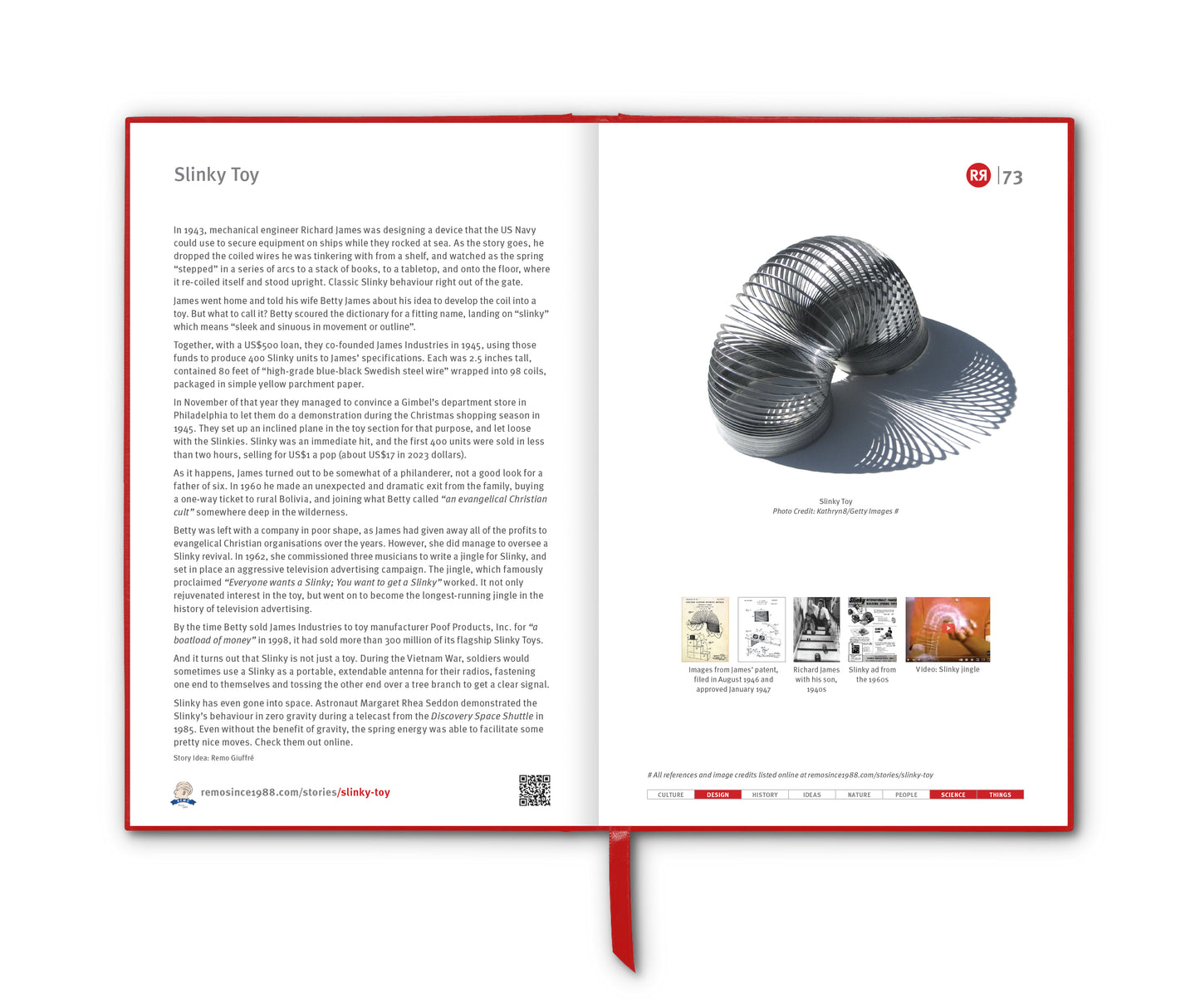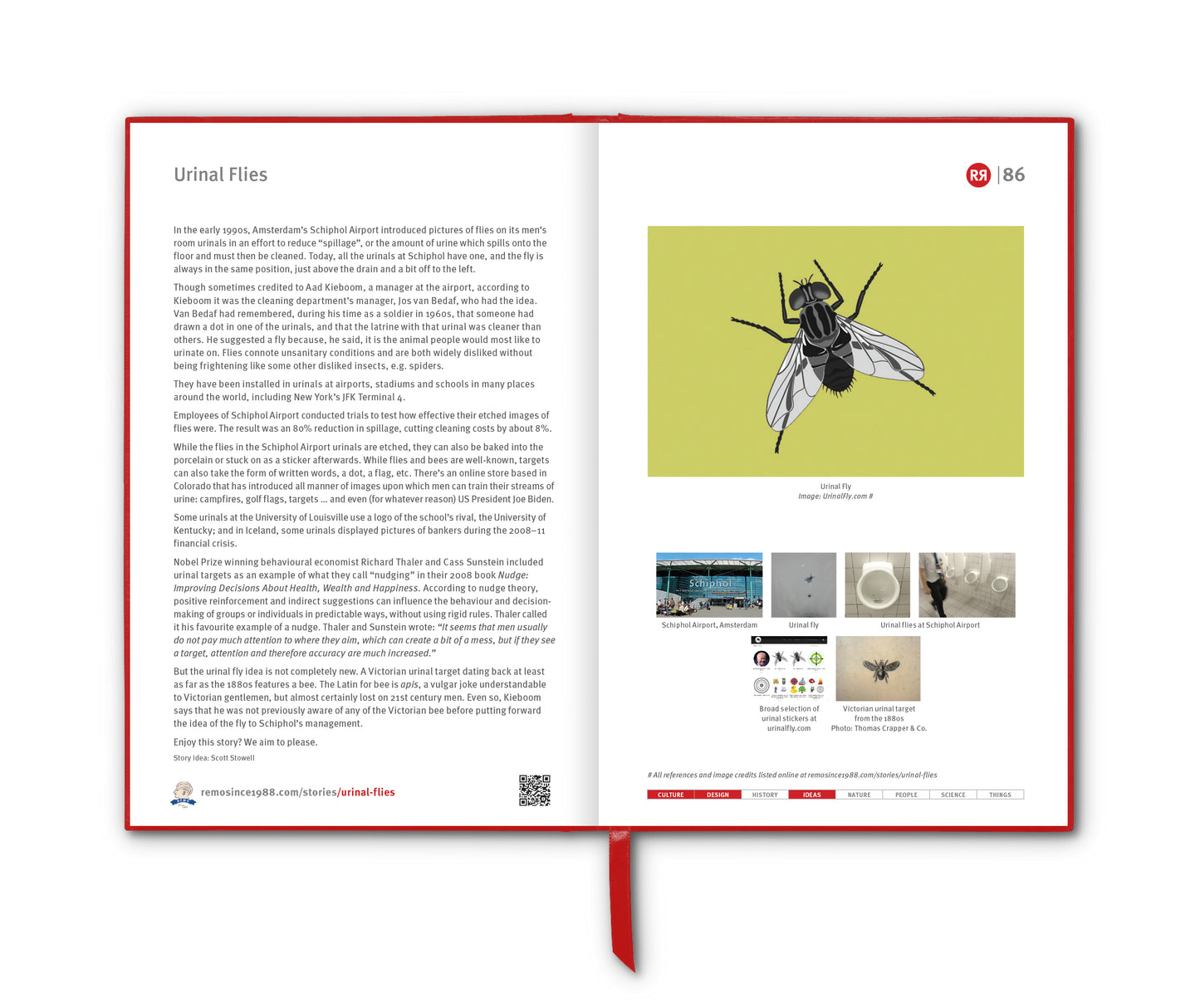

The exercise system known today as Pilates takes its name from its creator.
Joseph Hubertus Pilates was born near Düsseldorf, Germany, in 1883. As a child, he was reportedly frail, suffering from asthma, rickets and rheumatic fever. Determined not to remain weak, he immersed himself in physical culture, studying gymnastics, boxing, wrestling, yoga, martial arts and even the movements of animals. By his teens, he had transformed himself into such an impressive physical specimen that he reportedly posed for anatomical charts.
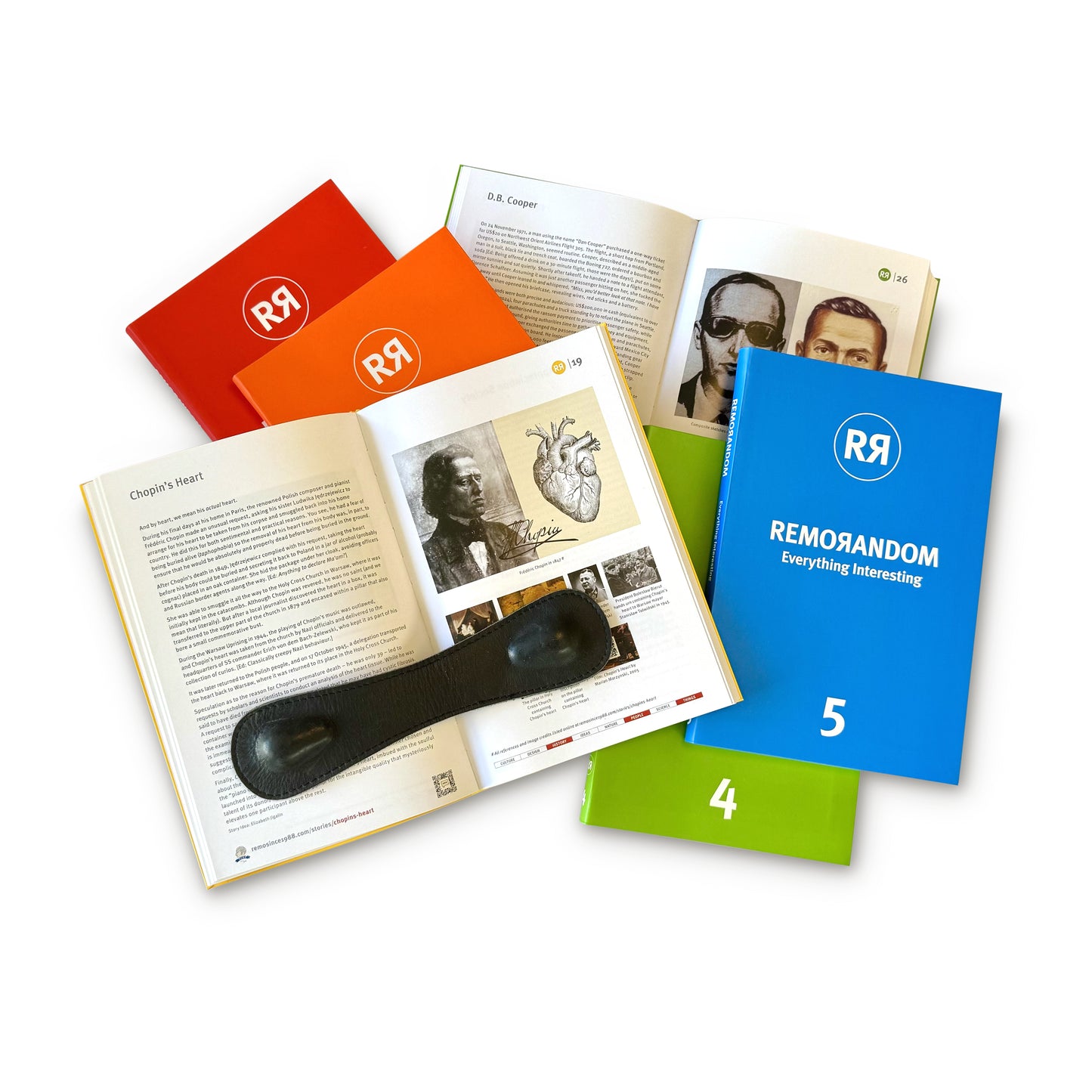
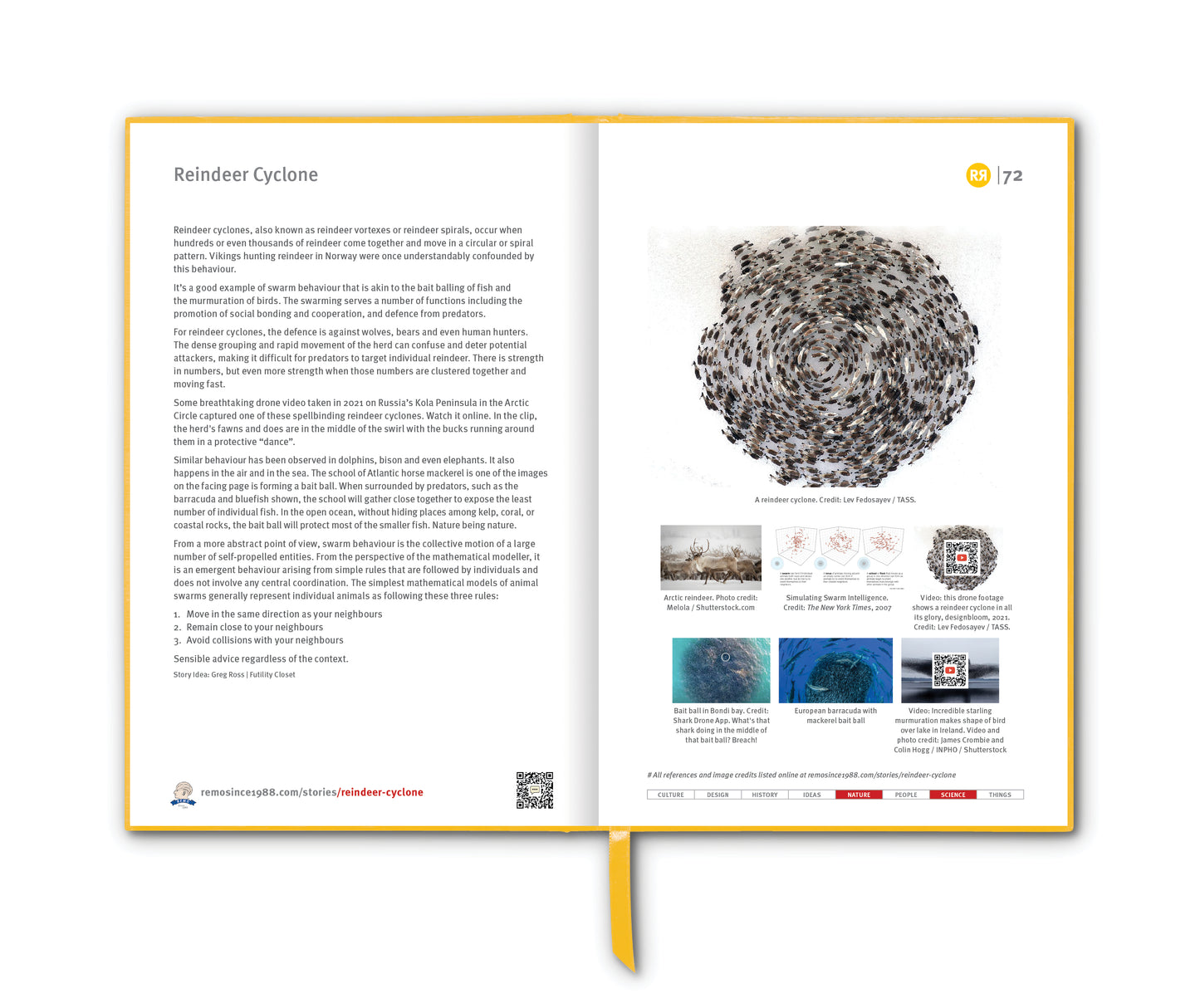
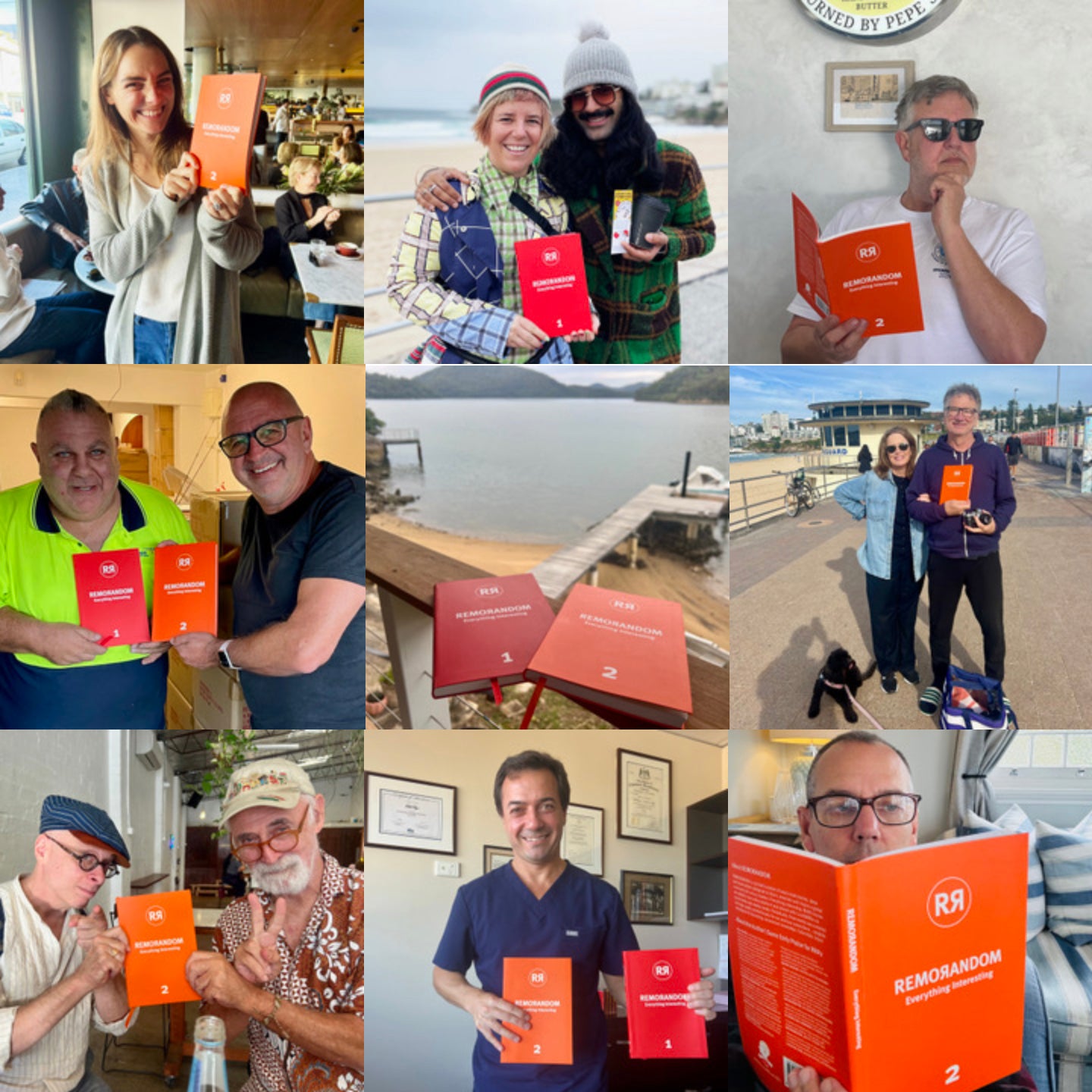
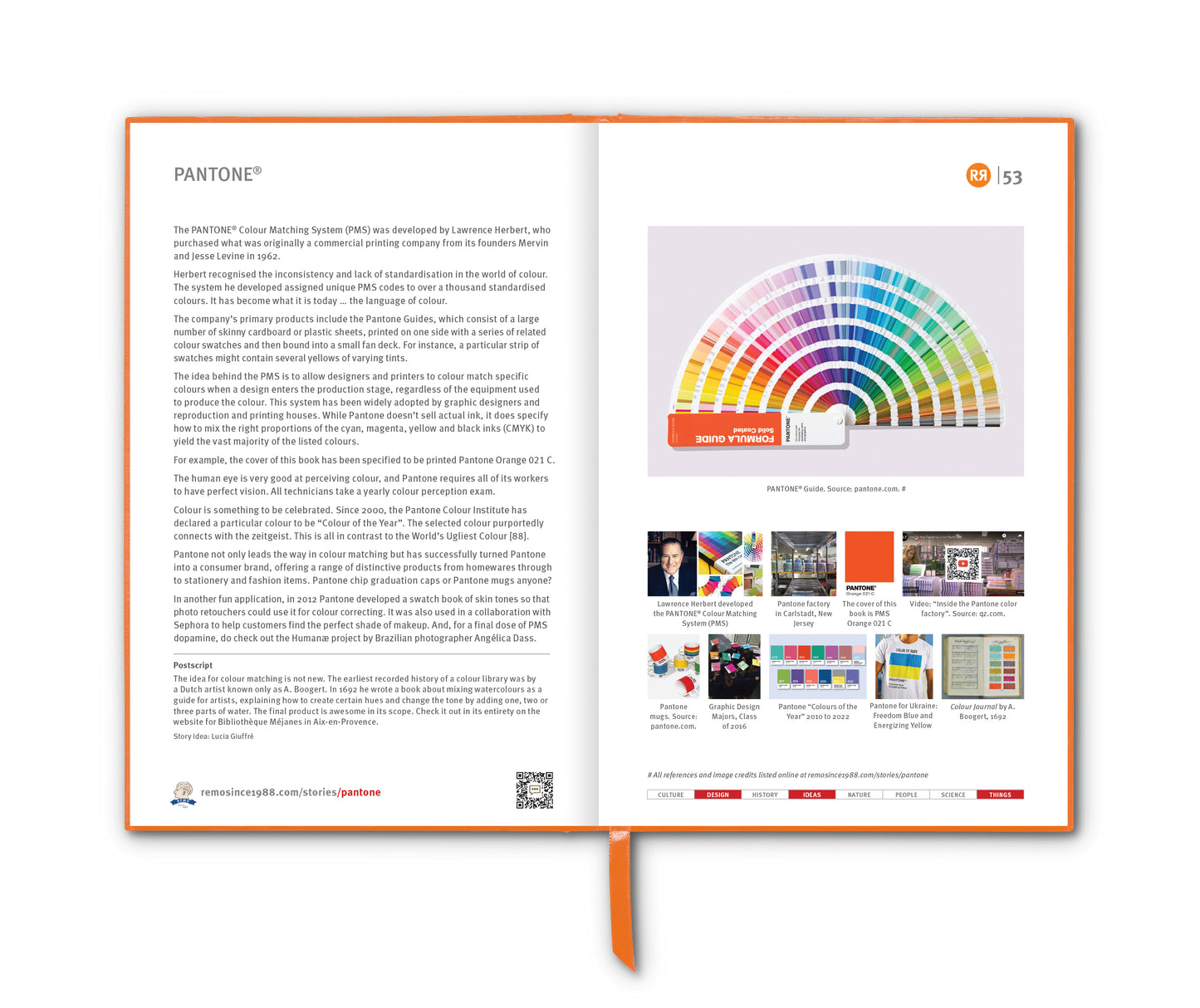
Pilates moved to England in 1912, working as a circus performer, boxer and self-defence instructor. Then history intervened. When the First World War broke out, German nationals living in Britain were interned as enemy aliens. Joseph was sent to camps on the Isle of Man, where he began teaching fellow internees his exercise methods.
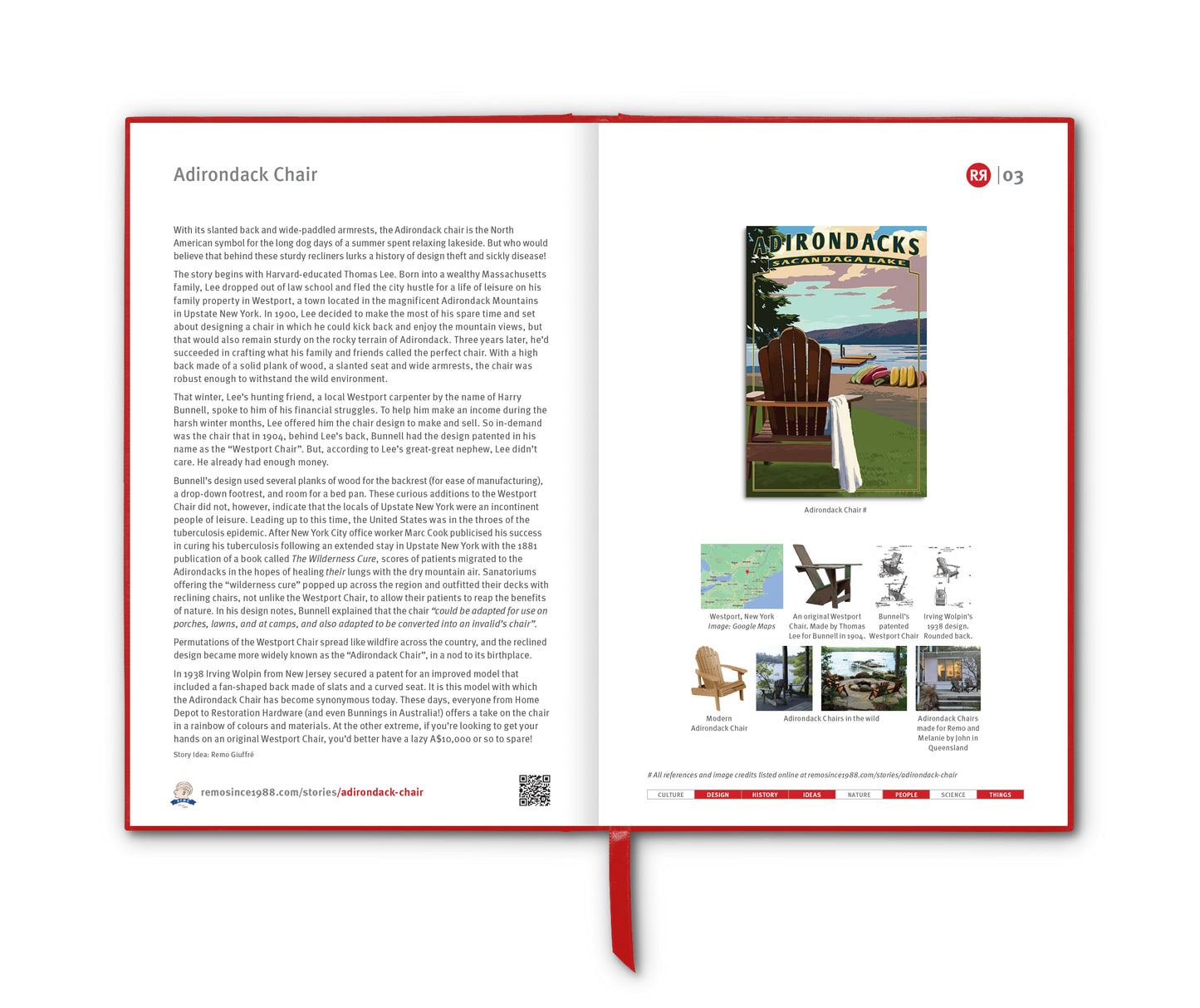
One of the enduring stories of Pilates concerns this period. While working in an infirmary, Joseph attached springs to hospital beds so bedridden patients could exercise while lying down. These improvised rehabilitation devices are often regarded as the ancestors of the spring-based apparatus still used in Pilates studios today, including the famous Reformer machine.
After the war, Pilates returned briefly to Germany but soon emigrated to the United States. On the voyage across the Atlantic, he met Clara Zeuner, who would become both his wife and business partner. In 1926, the couple opened a studio in New York City.
Their location proved fortuitous. The studio occupied the same building as several dance companies, attracting leading dancers seeking rehabilitation from injury and improved strength. Influential figures such as George Balanchine and Martha Graham reportedly sent dancers to Joseph. As a result, Pilates became deeply embedded in the dance world long before it entered mainstream fitness culture.
Joseph originally called his method Contrology – the art of controlling body, mind and spirit. He believed that modern lifestyles, poor posture and shallow breathing undermined health. His exercises emphasised precision, concentration, core strength, alignment and flowing movement.
Despite its current popularity, Pilates remained relatively niche during Joseph's lifetime. He died in 1967 at the age of 83. Only in the late twentieth century did the method explode in popularity, fuelled by celebrity endorsements, physiotherapy research and growing interest in low-impact exercise.
Today, millions practise Pilates worldwide – in dedicated studios, gyms, living rooms and online classes. The word "Pilates" itself became so widely used that, after a landmark US court decision in 2000, it was ruled a generic term rather than a trademark, allowing anyone to teach or offer Pilates classes.
Contemporary Pilates includes both the "Modern" Pilates and the "Classical/Traditional" Pilates. Modern Pilates is partly derived from the teaching of some first generation students (e.g. Eve Gentry) while Classical Pilates aims to preserve the original work as Joseph Pilates taught it.
See also: 5BX [RR5:01]
___________________________
References
wikipedia.org/wiki/Pilates
pilateslounge.net/pilates-history-who-was-joseph-pilates/
Images
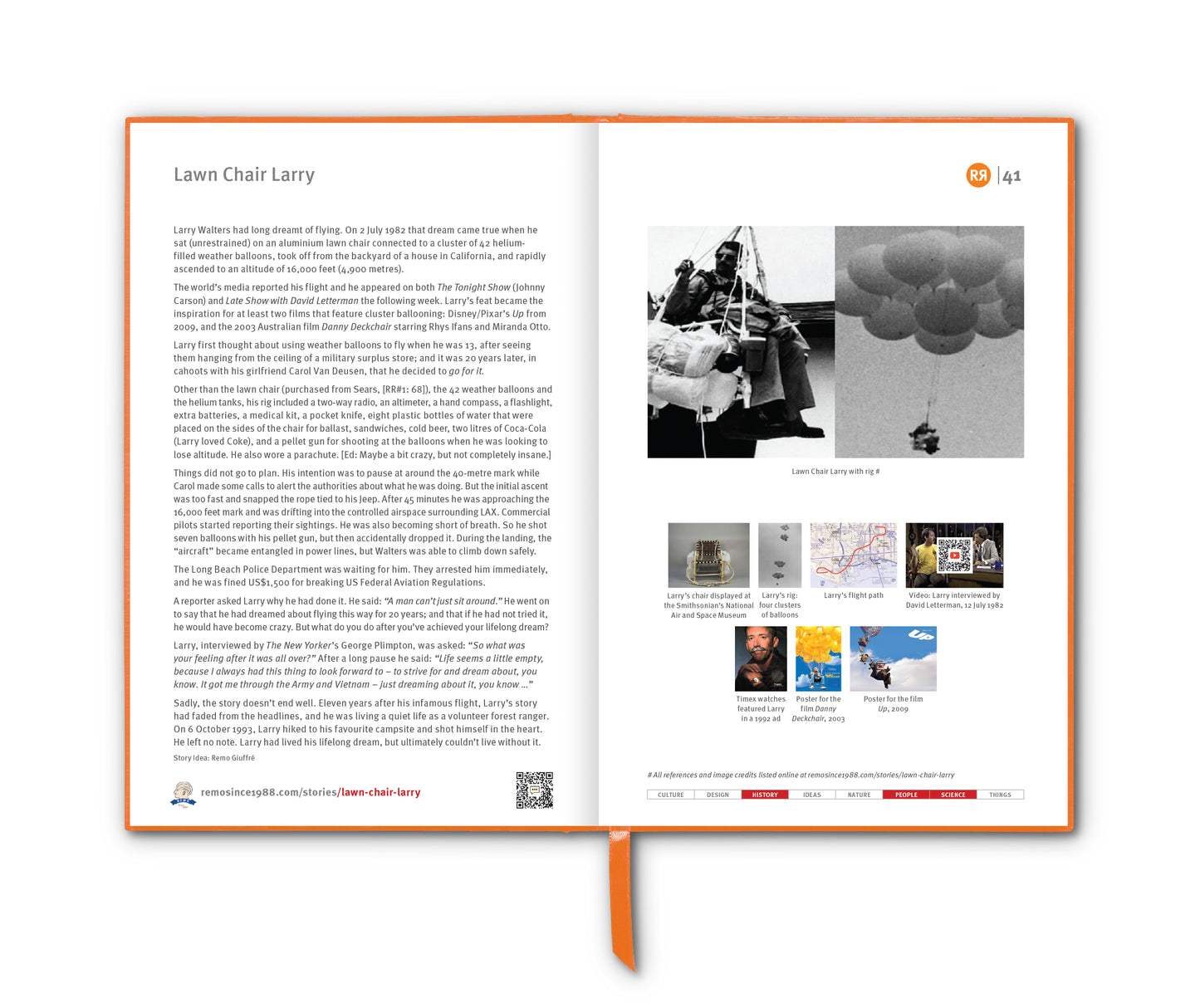
1. Joseph Pilates at ages 57 and 82
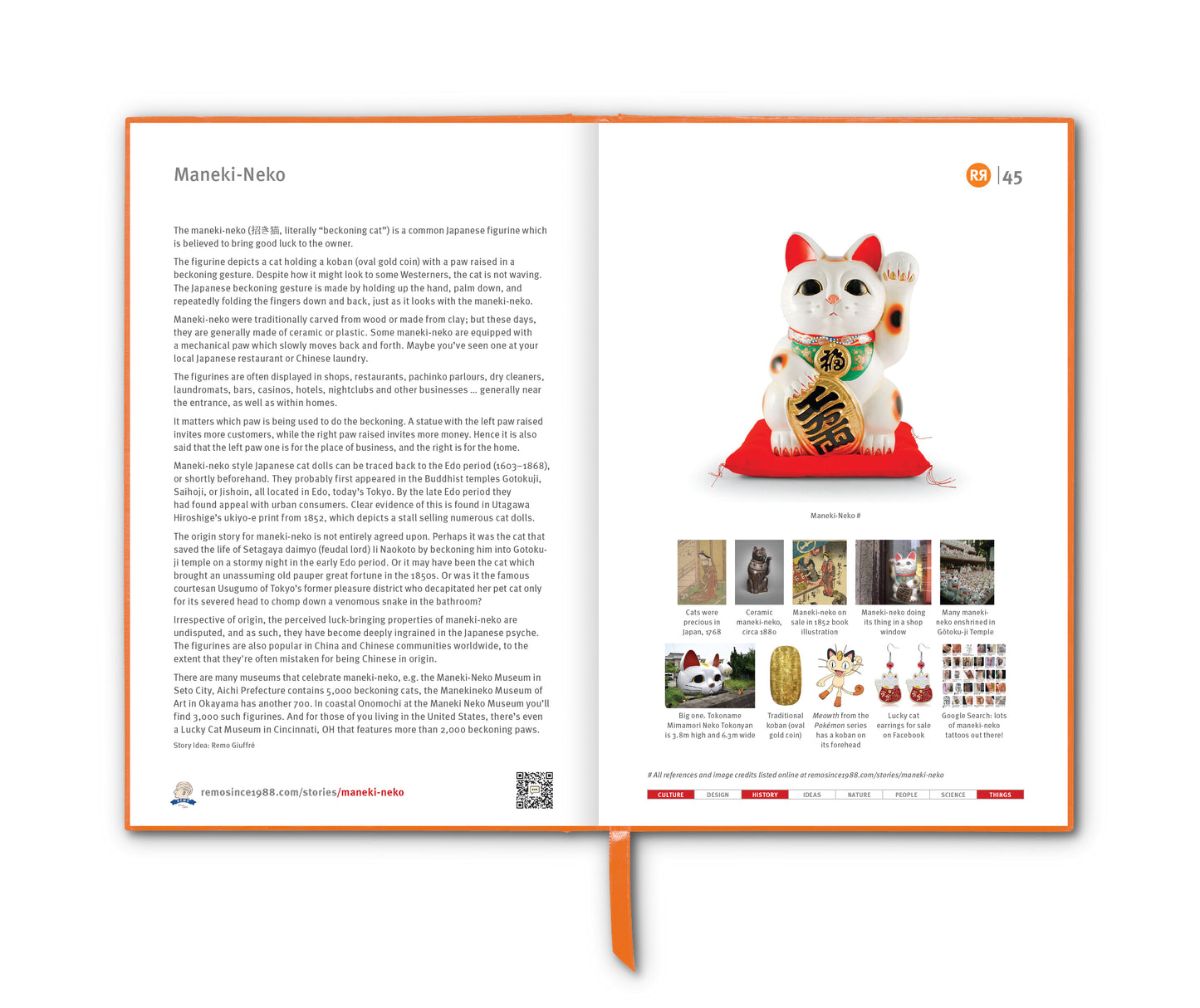
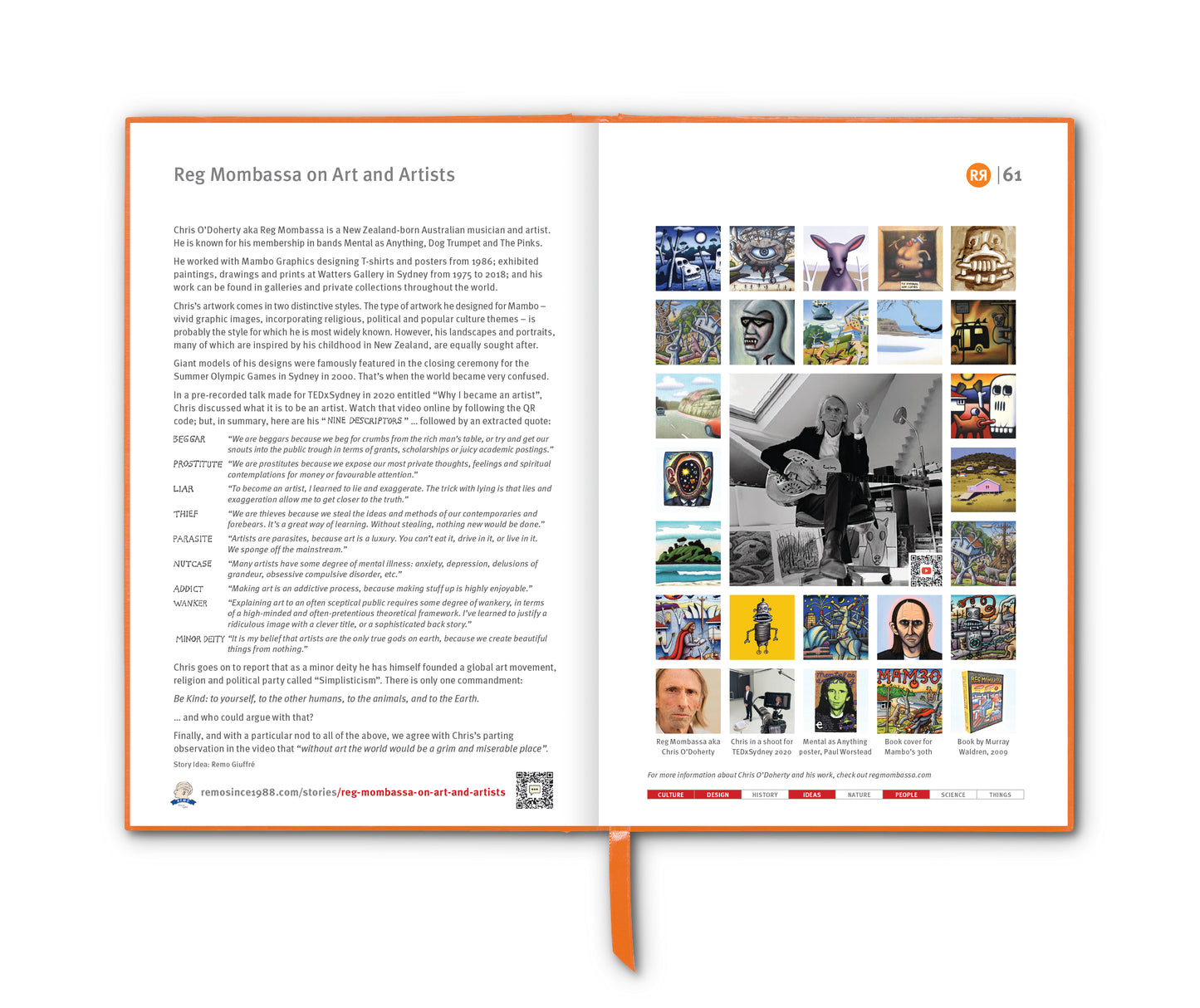
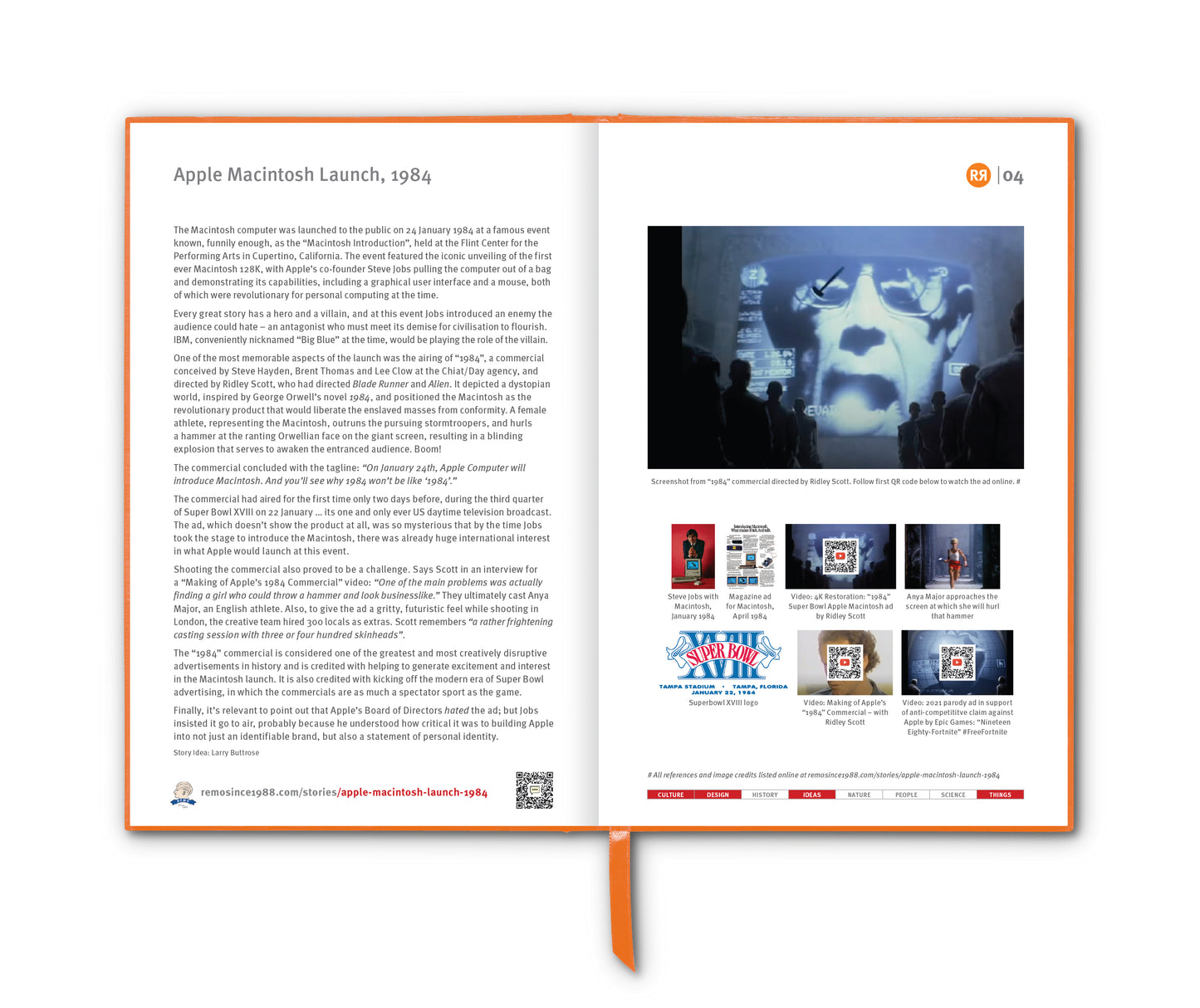
2. Joseph Hubertus Pilates (1883–1967)
3. Knockaloe Internment Camp, Isle of Man. Painting by George Kenner.
4. Pilates with student. Photo credit: Michael Rougier
5. Pilates with Clara Zeuner
6. First generation student Eve Gentry (1909–1994)
7. Video: Joseph Pilates instructing Eve Gentry
8. Pioneer Pilates Cadillac Table. Credit: pilatessupplyco.com.au
9. Reformer Pilates. Photo credit: Maddi Bazzocco for unsplash.com
10. US Comedian Chelsea Handler in Pilates studio, 2021