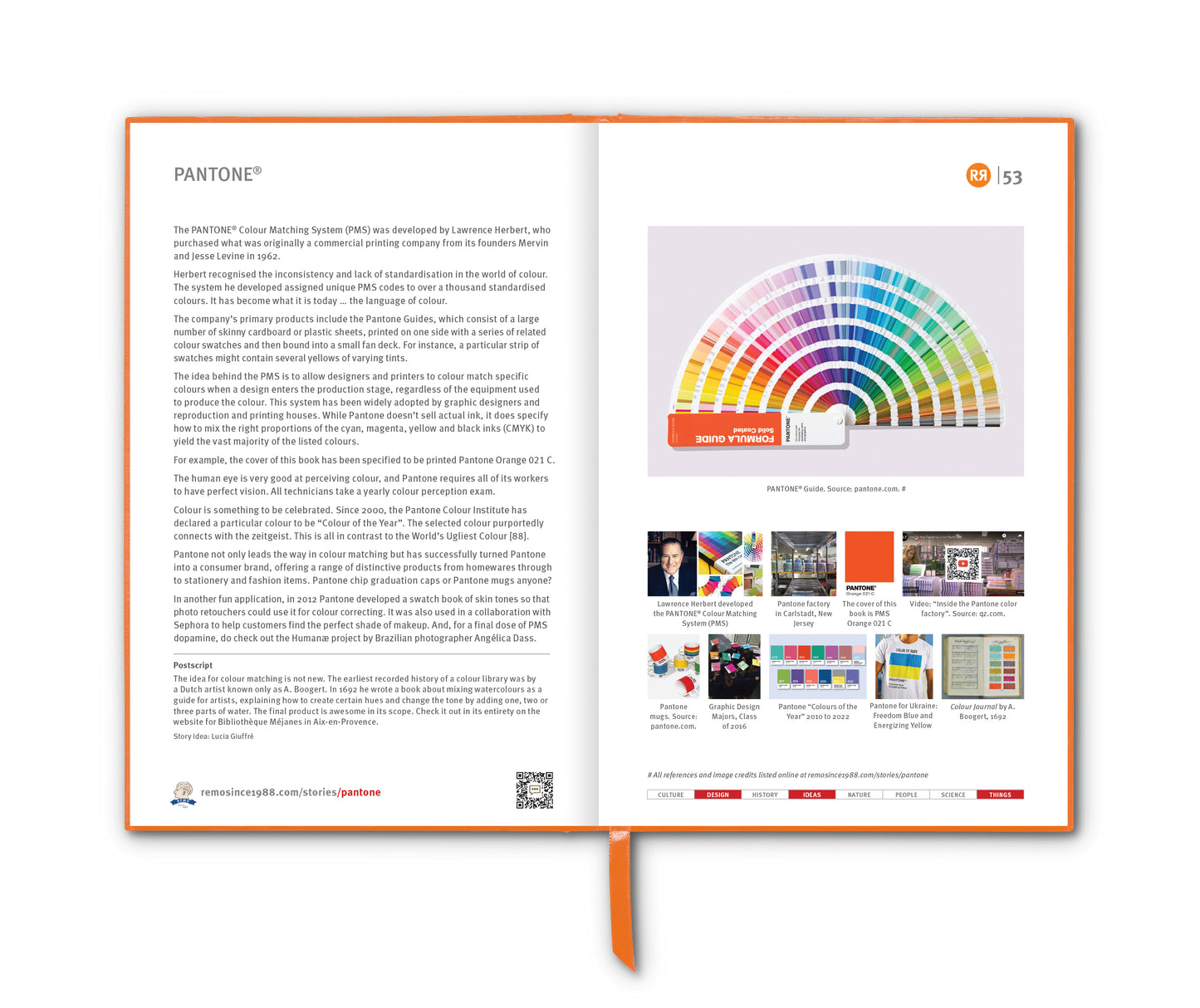

Labeled in 36 languages and dialects, sold in over 195 countries and territories, added to soldiers’ rations and placed on restaurant tables around the globe, Tabasco is the most famous pepper sauce in the world.
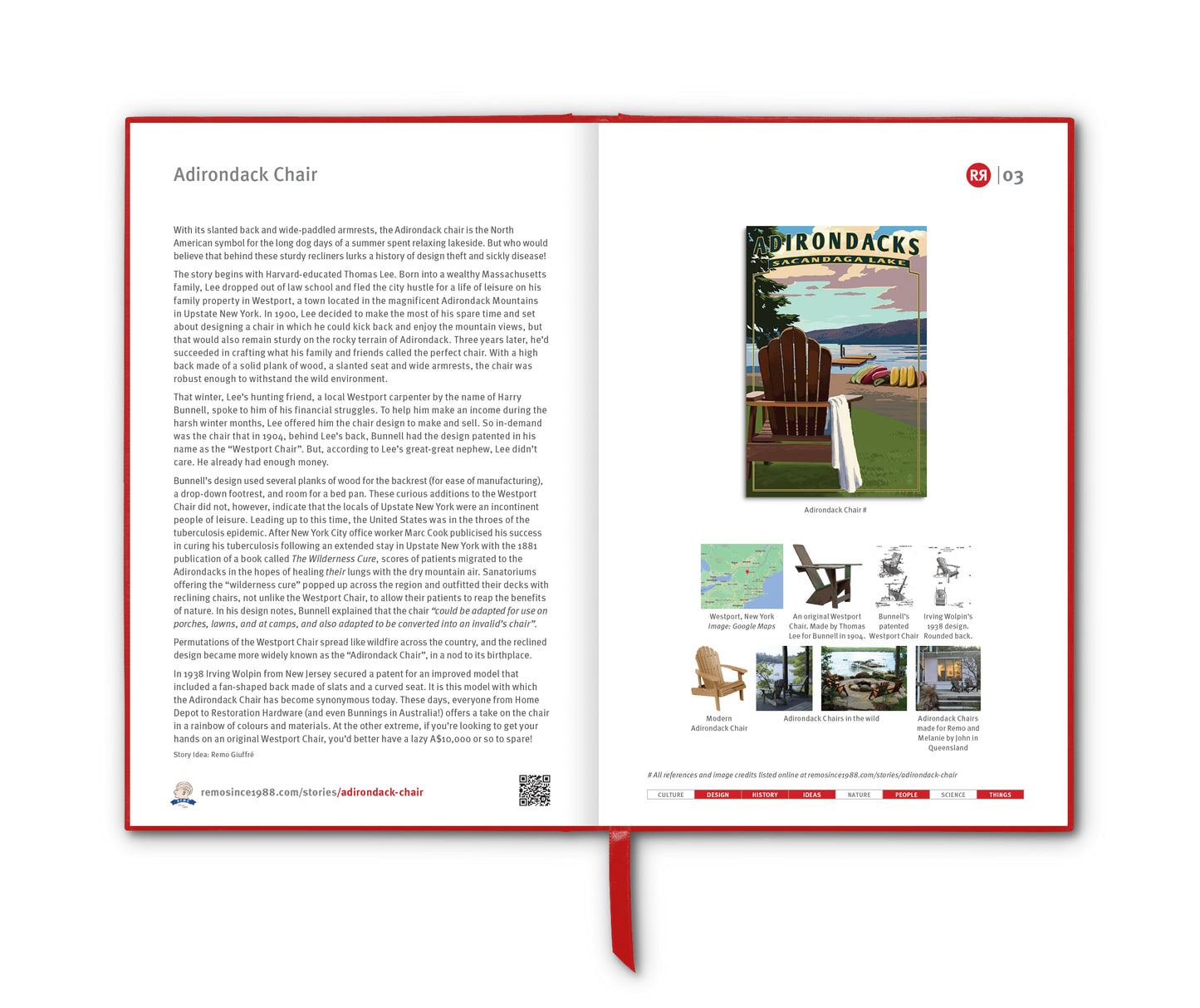
According to the company's official history, Tabasco was first produced in 1868 by Edmund McIlhenny, a Maryland-born former banker who moved to Louisiana around 1840.
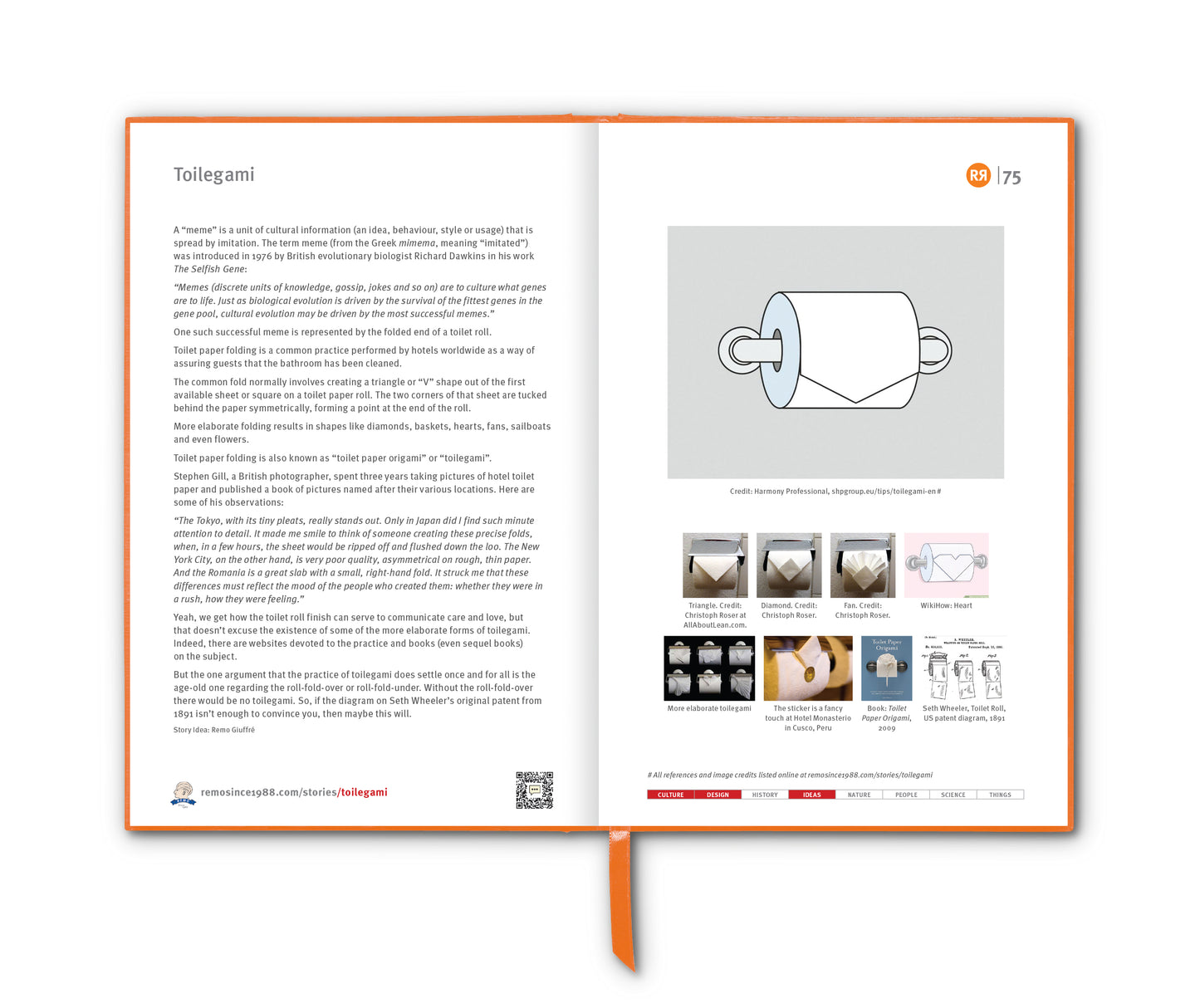
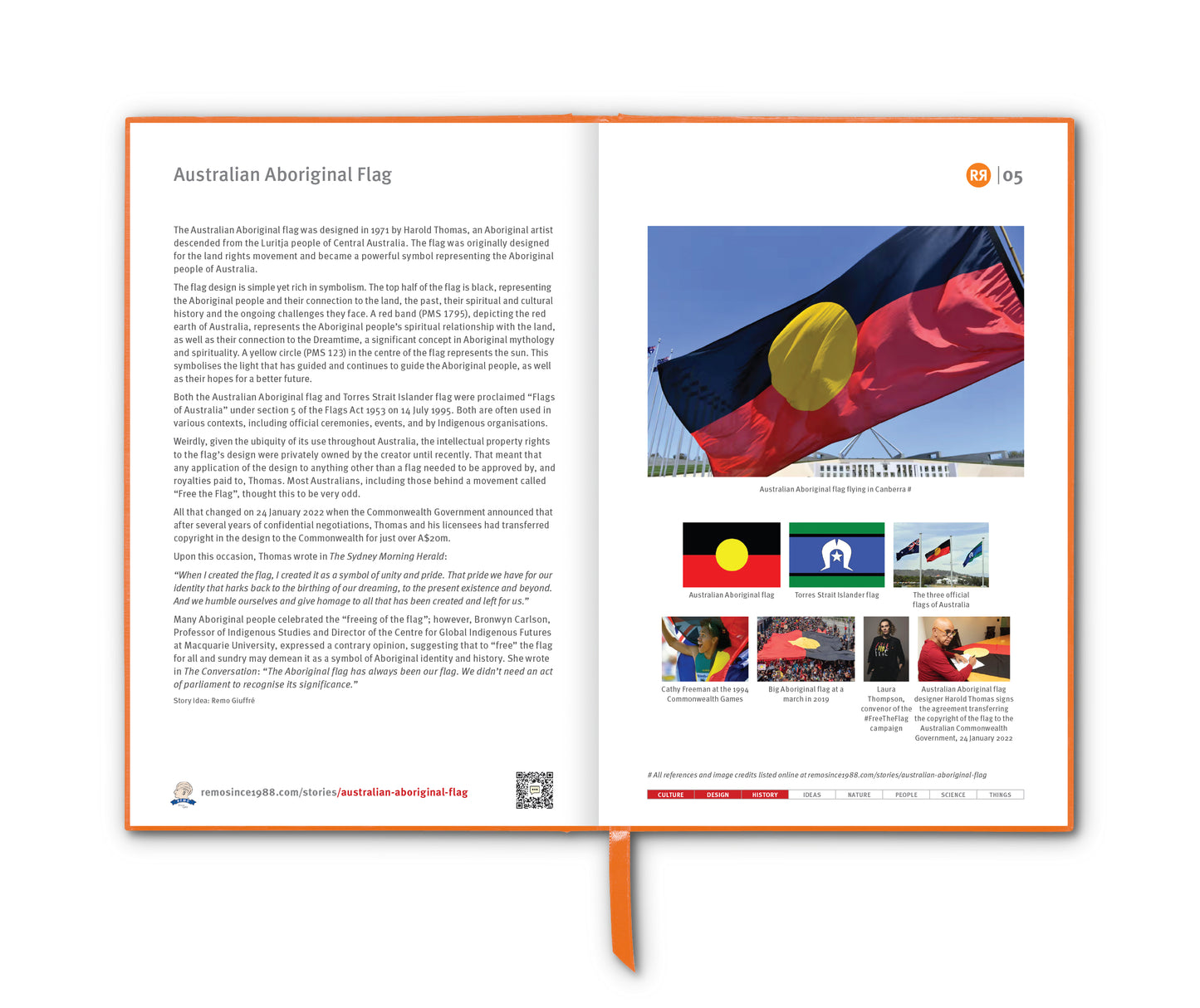
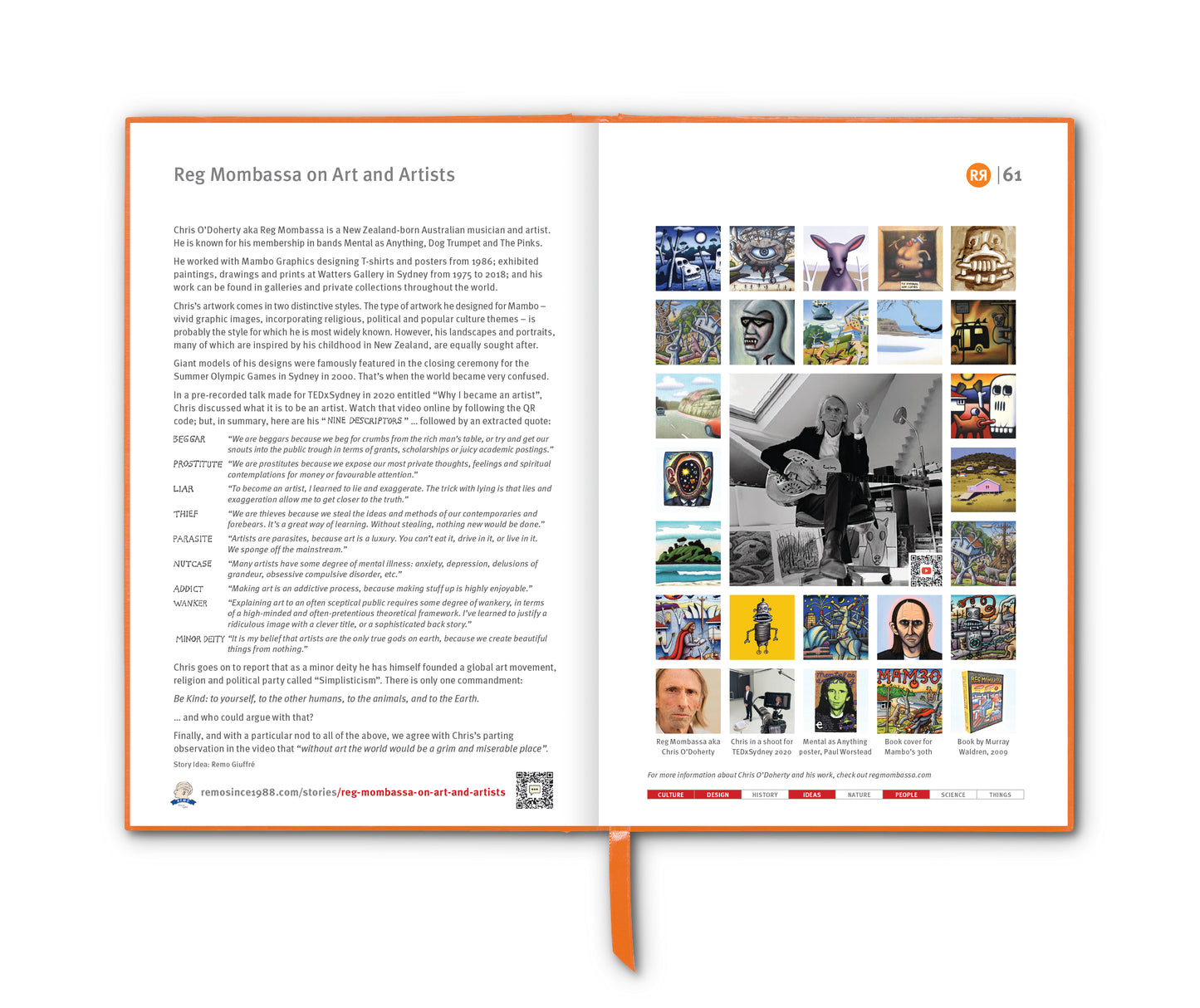
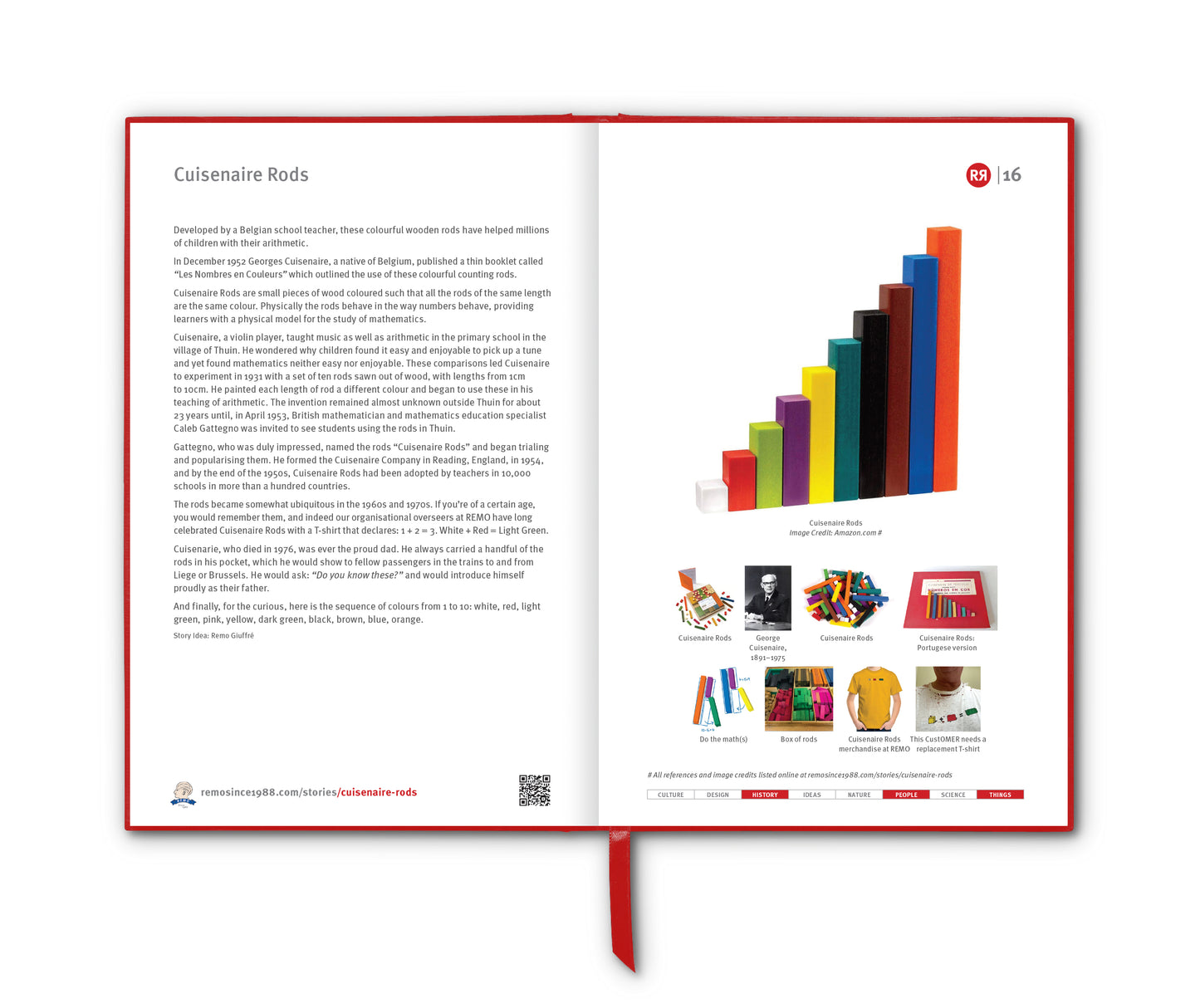
The story goes that in the late 1860s, Edmund McIlhenny began making pepper sauce from Capsicum frutescens peppers (commonly referred to as tabasco peppers), vinegar and salt. He aged this mash in barrels before bottling it in repurposed cologne bottles, which allowed users to sprinkle rather than pour – a clever solution that became a signature feature. In 1868, he received a patent for the sauce, and thus the McIlhenny Company and Tabasco brand were born.
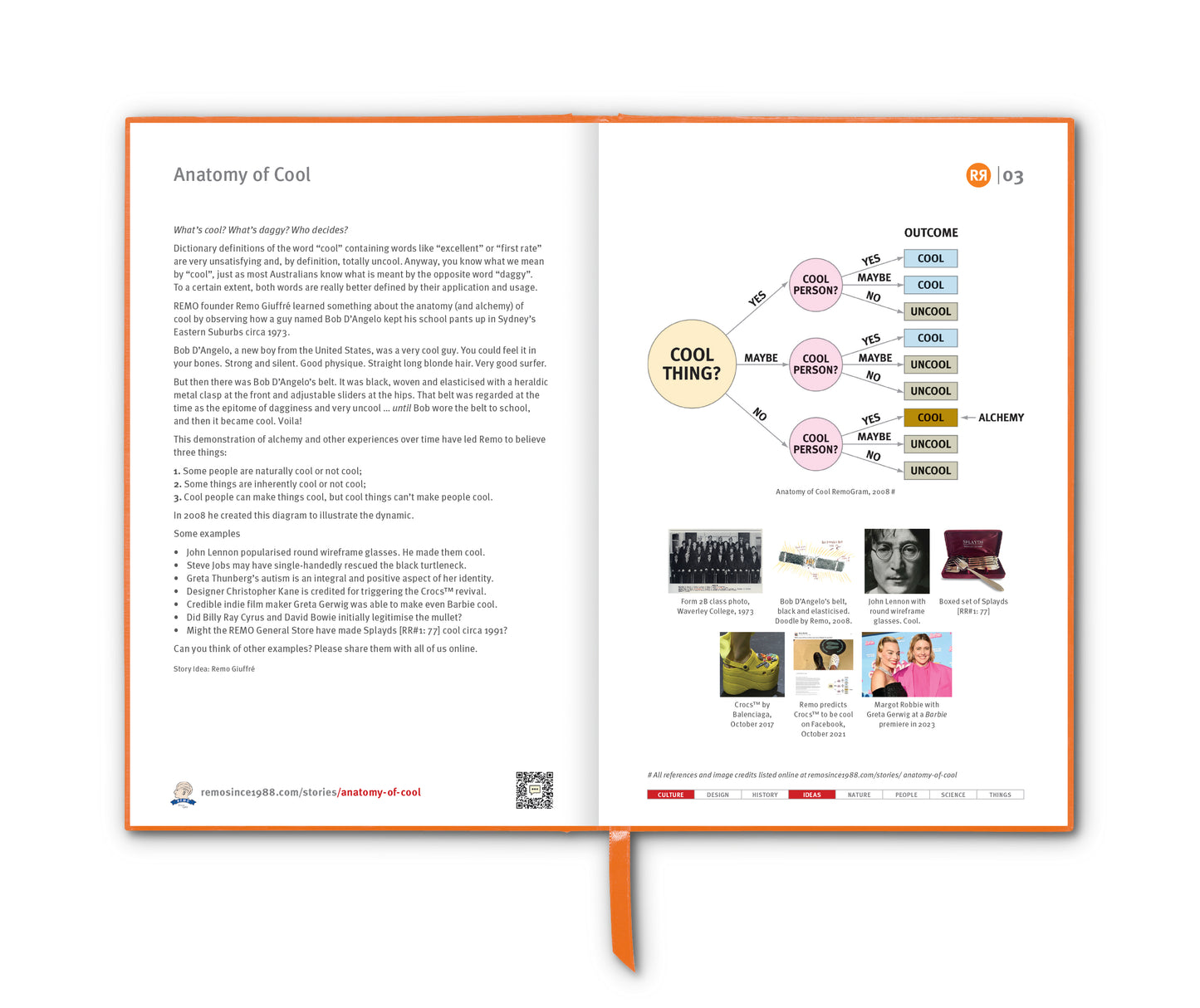
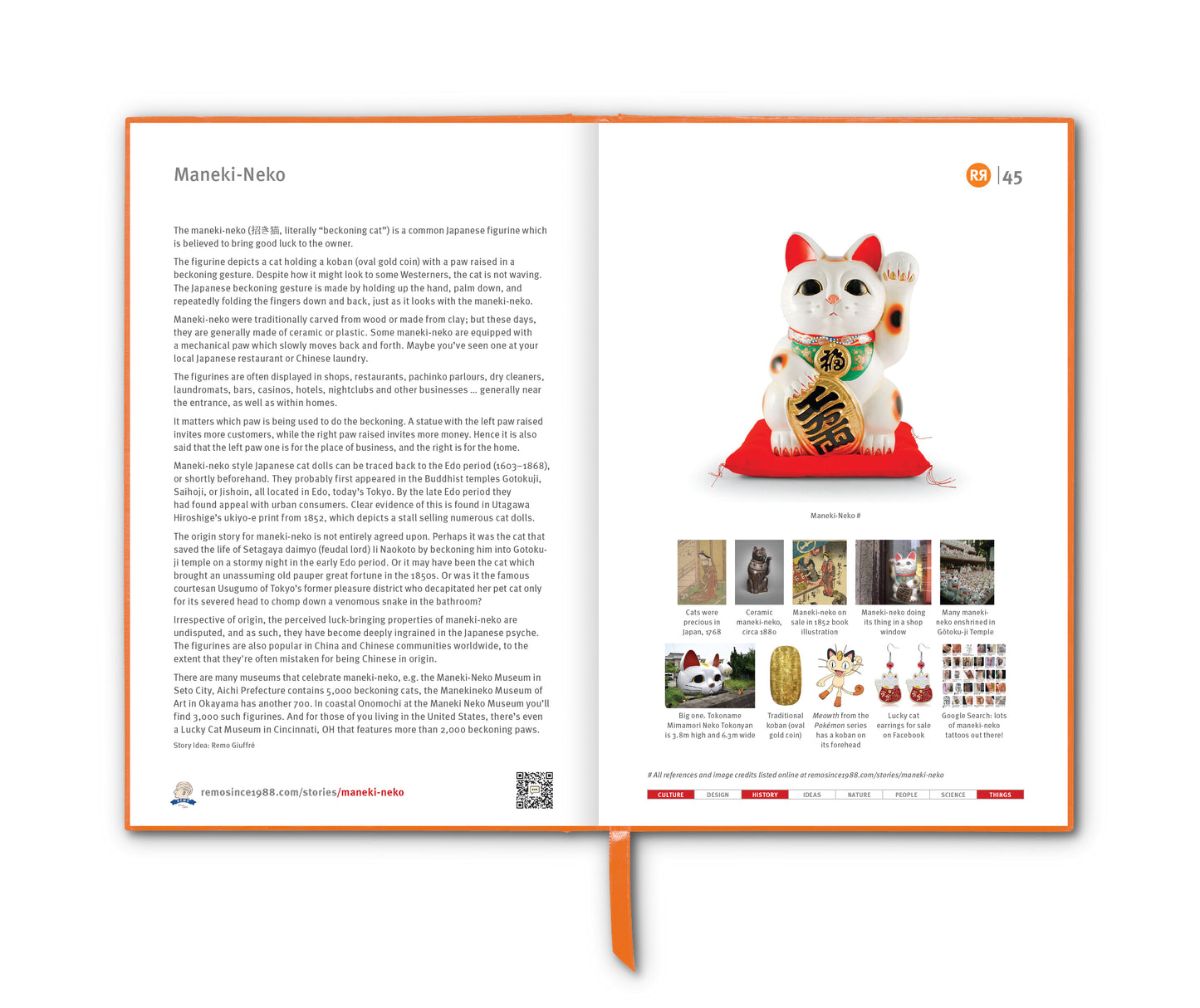
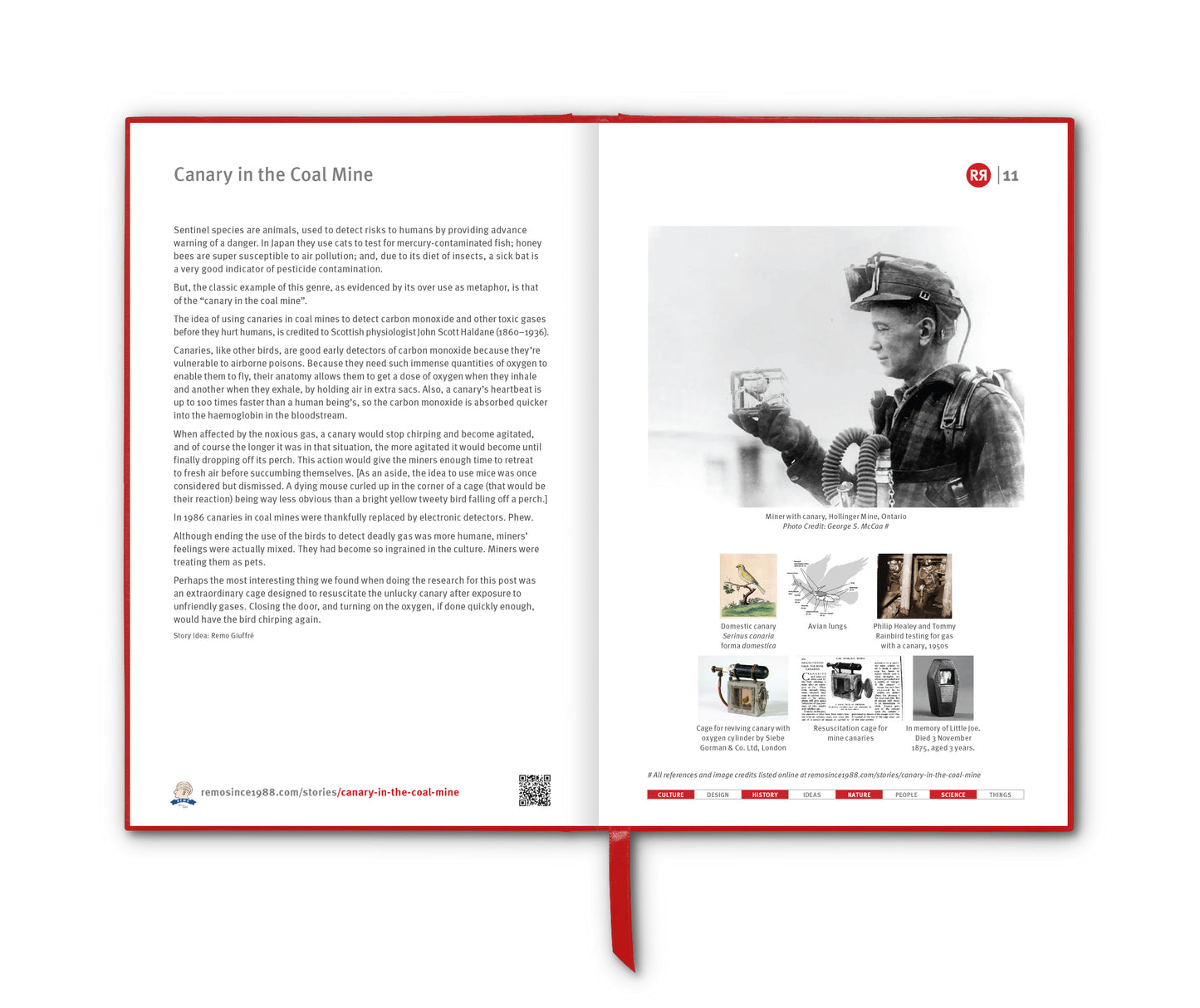
But this origin story, long told by the McIlhenny family and enshrined in company lore, has its critics. Some historians point to a New Orleans banker named Maunsel White, who reportedly had been growing tabasco peppers and making a hot pepper sauce as early as the 1840s. Surviving correspondence and newspaper accounts suggest that White may have shared seeds or sauce samples with McIlhenny – making it plausible that McIlhenny improved upon, rather than invented, the product. Still, McIlhenny was the one who scaled it, branded it, and turned it into an enduring American export.
Despite the uncertainty surrounding its invention, what’s not in doubt is the sauce’s remarkable appeal and longevity. From a modest operation on Avery Island in Louisiana, Tabasco grew steadily in popularity, aided by its early adoption in restaurants and the US military (which included it in rations during wars). Its production process remains largely unchanged: seed stock is grown on Avery Island, peppers are harvested by hand (mostly in Latin America), mashed with salt, and aged for up to three years in white oak barrels back on Avery Island, before being blended with distilled vinegar, then strained and bottled.
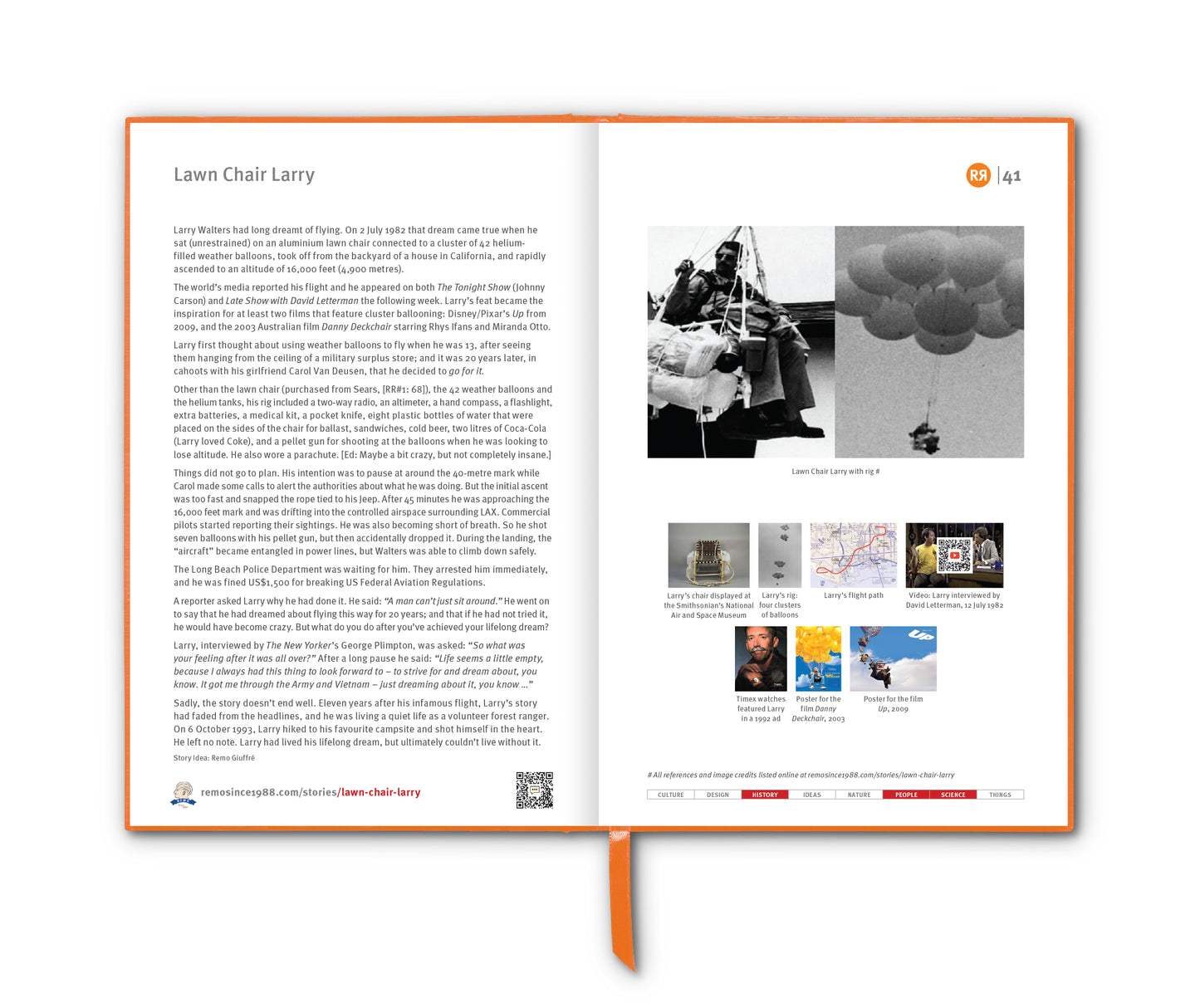
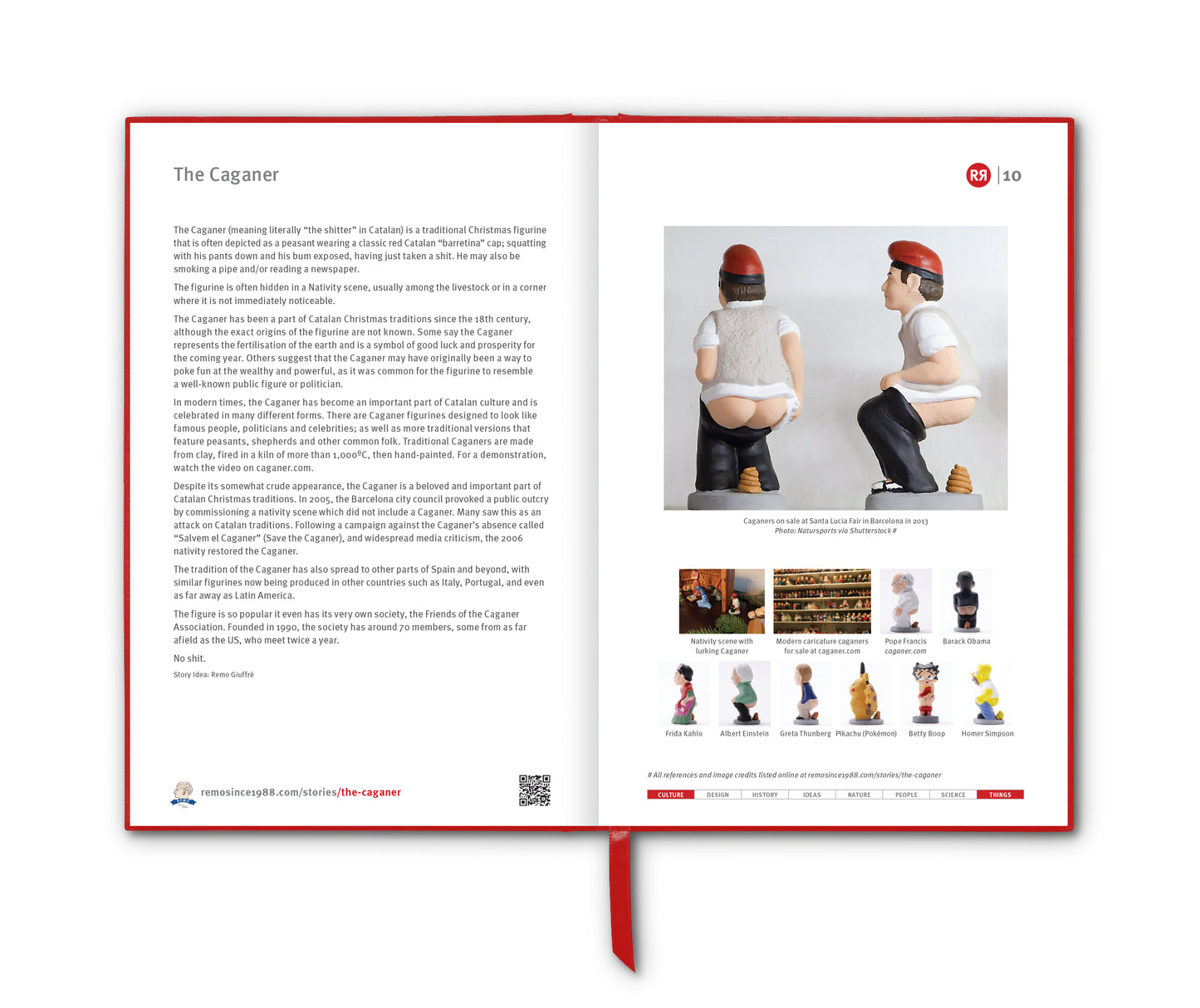
The Tabasco bottle, with its petite stature and green twist-off cap, has become a minimalist icon of design. Inspired by the cologne bottles McIlhenny originally used, its size and shape subtly communicate restraint – a few dashes will do. The label, simple and unchanged since the 19th century, reinforces the product’s timelessness. While many hot sauces come and go, often chasing novelty or extreme heat, Tabasco’s visual identity and flavour profile have remained remarkably stable.
From Bloody Marys to eggs to gumbo, Tabasco adds a vinegary bite that transcends trends — a design and flavor that needs no reinvention.
Postscript
If ever you visit the McIlhenny Company on Avery Island, be sure to pick up a petit baton rouge ("little red stick), a wooden dowel painted the exact shade of red that the company prefers for its chillis. Hand pickers in the field carry the stick as a reference. Cute.
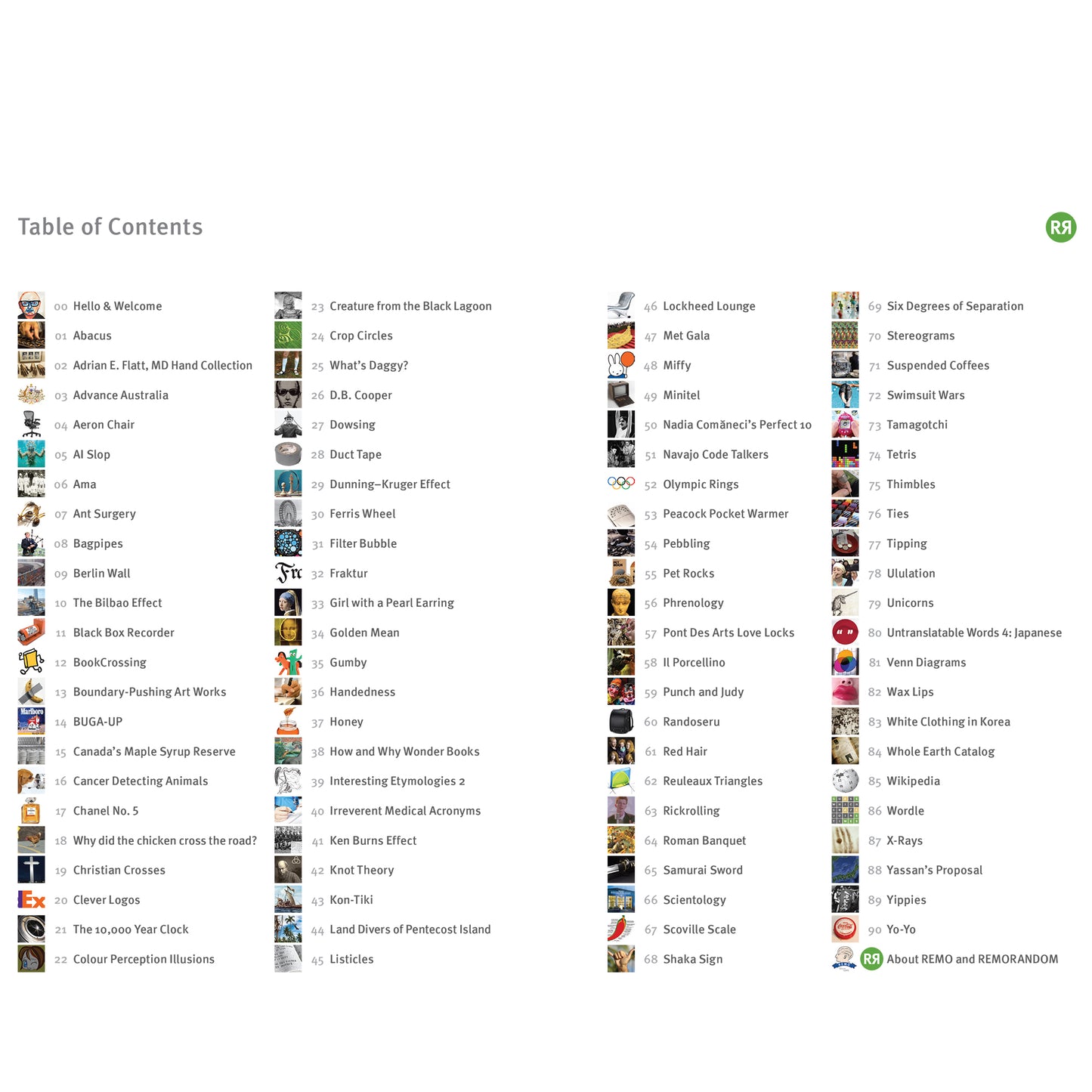
See also: Scoville Scale [RR4:67]
________________________
References
https://en.wikipedia.org/wiki/Tabasco_sauce
https://www.tabasco.com/
Images
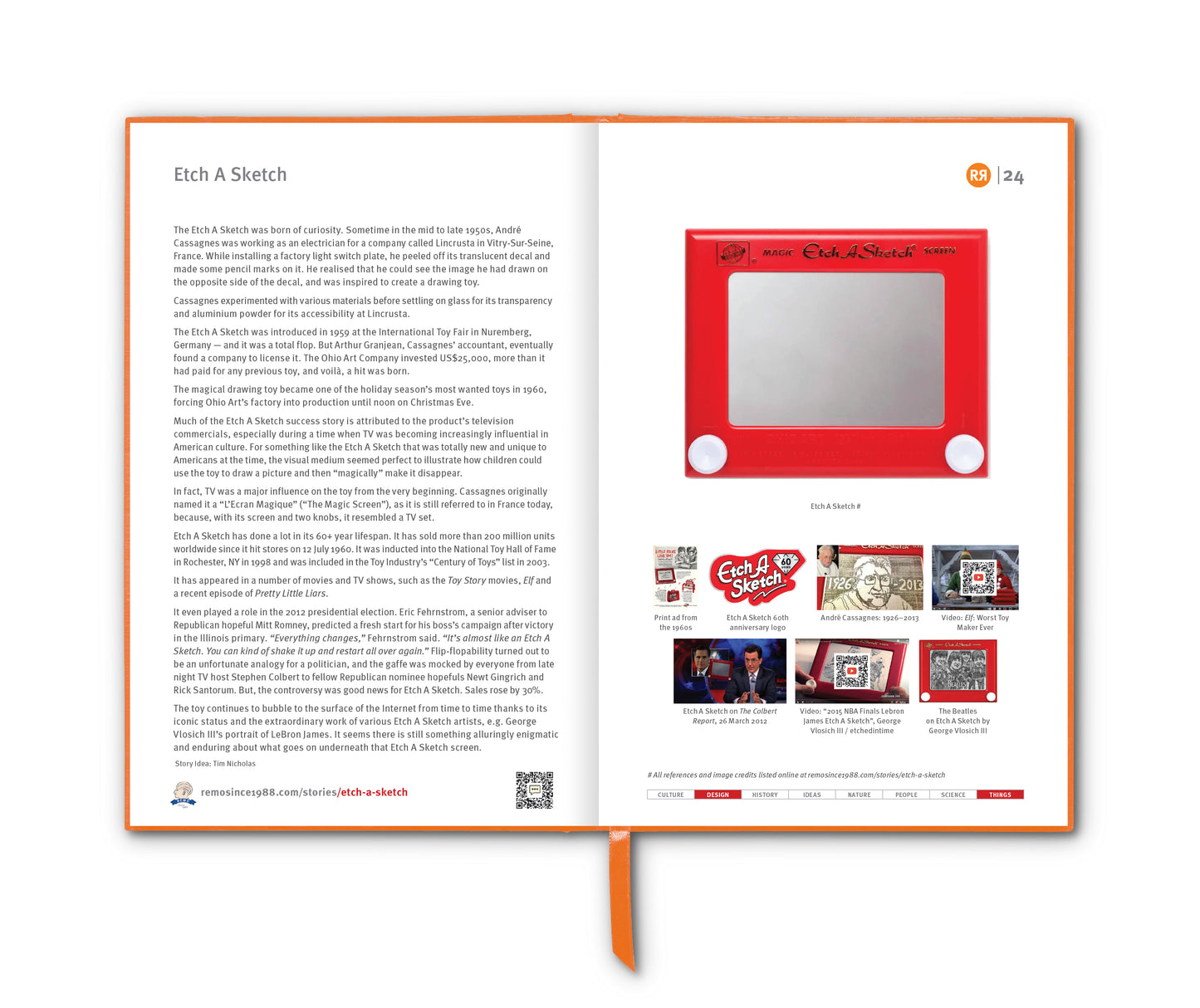
1. Tabasco advertisement from circa 1905 and Edmund McIlhenny (1815–1890)
2. Tabasco bottle
3. Maunsel White
4. Edmund McIlhenny's recipe book
5. Avery Island 2018 Pepper Harvest
6.Tabasco pepper mash aging in barrels on Avery Island, Louisiana
7. Avery Island. Credit: houmatoday.com
8. Tabasco Twins. Credit: mskitlang.com
9. Video: "How Tabasco Sauce is Made", Insider, 2019
10. A petit baton rouge ("little red stick"). Photo credit: r/HotPeppers