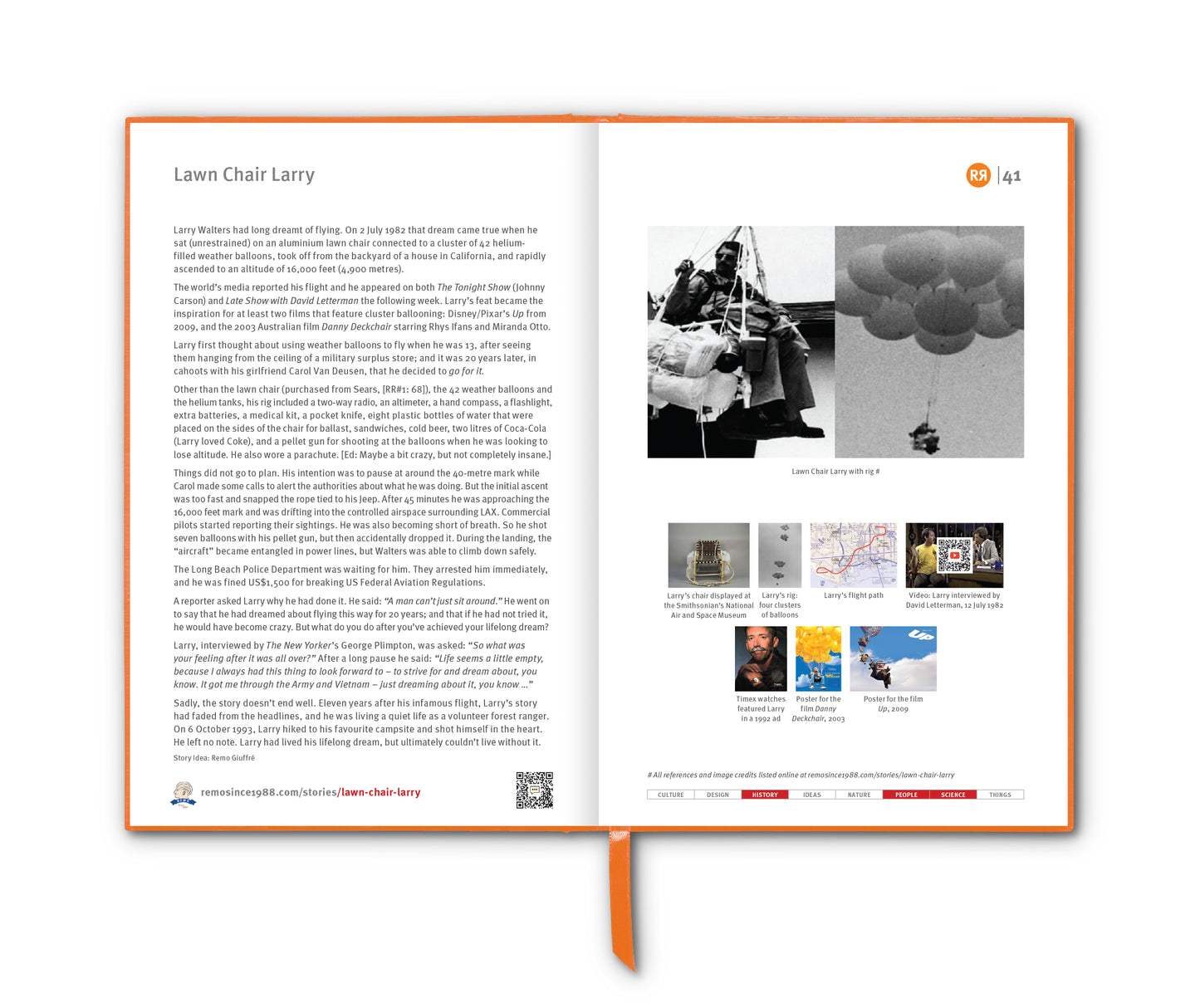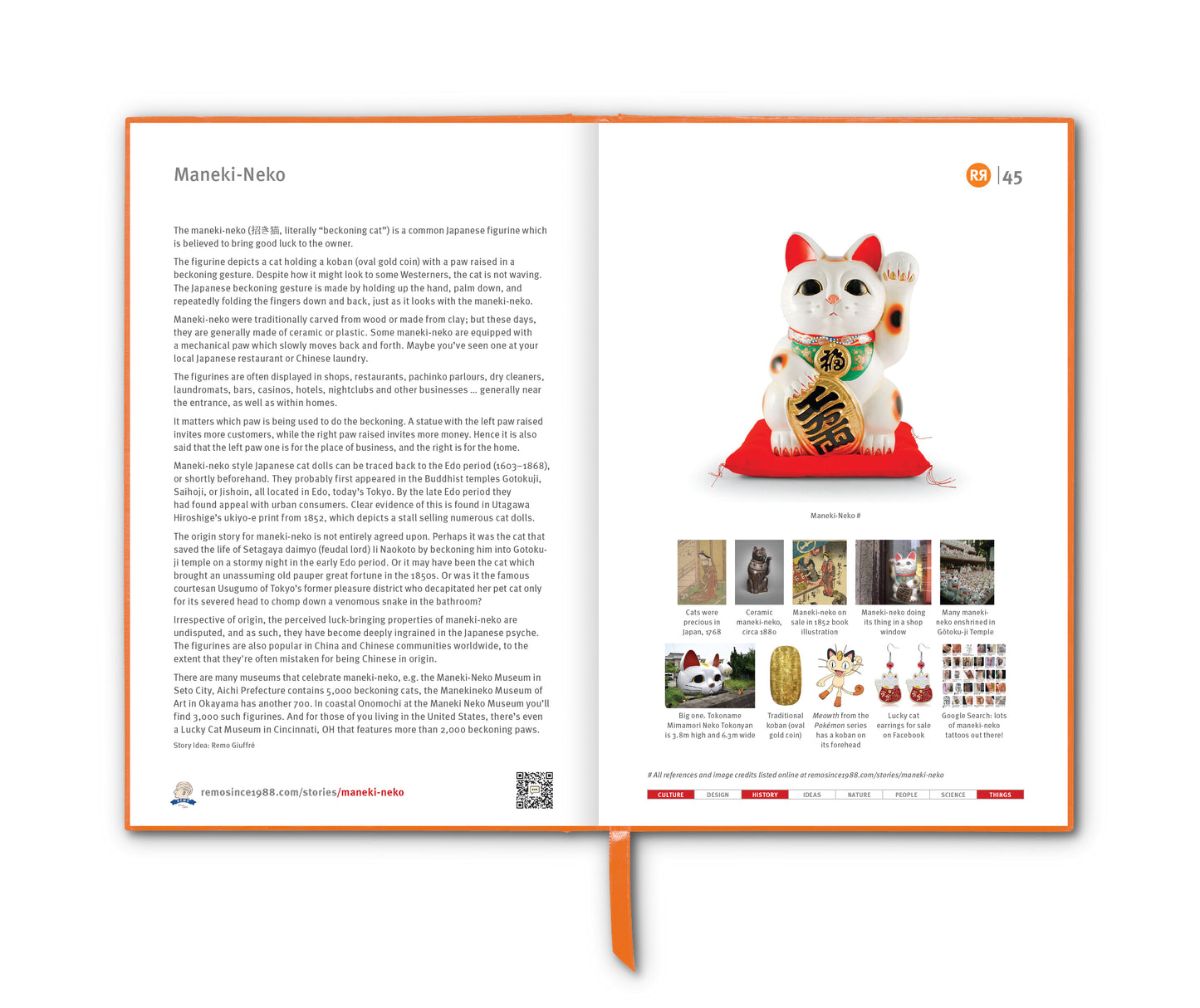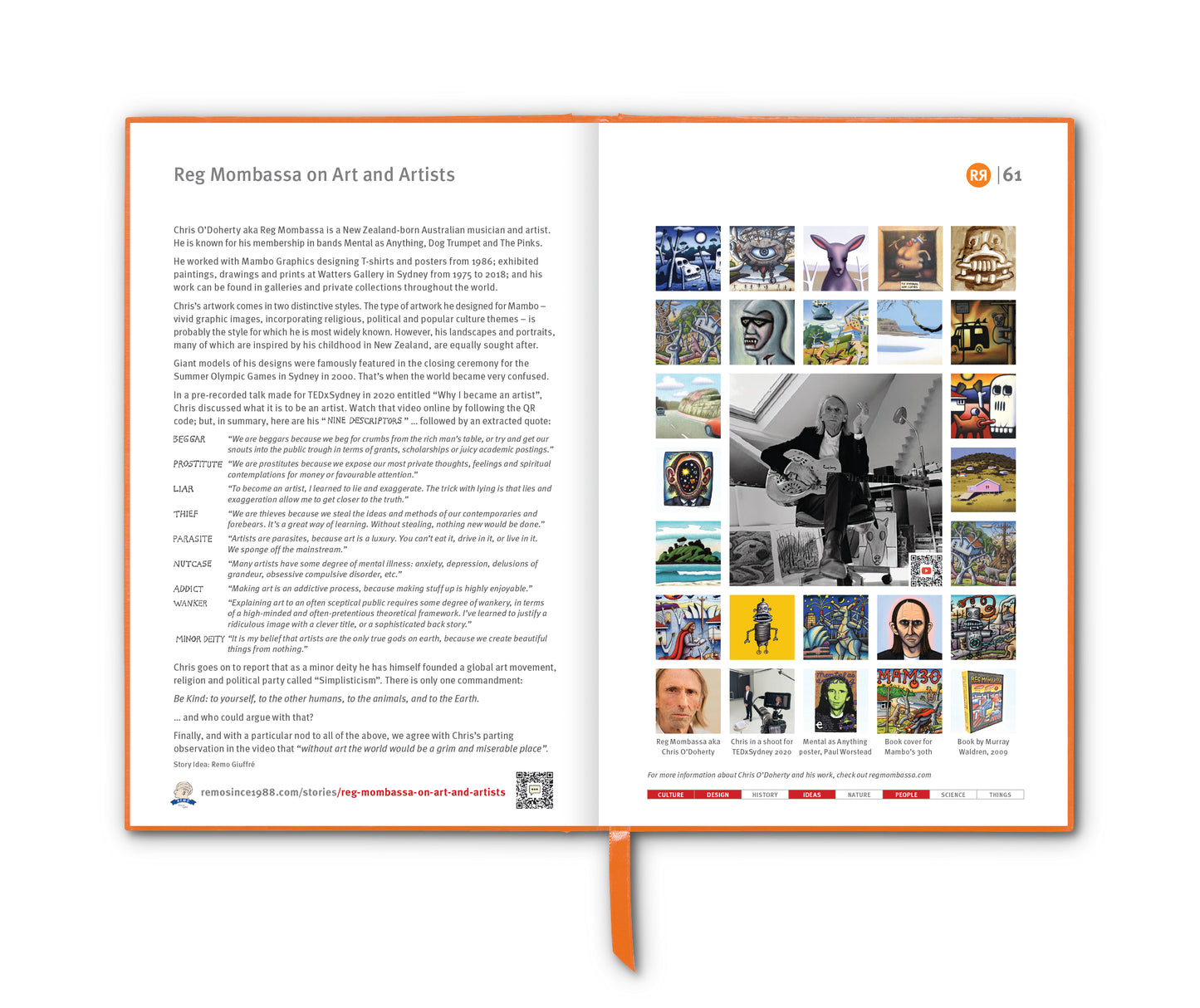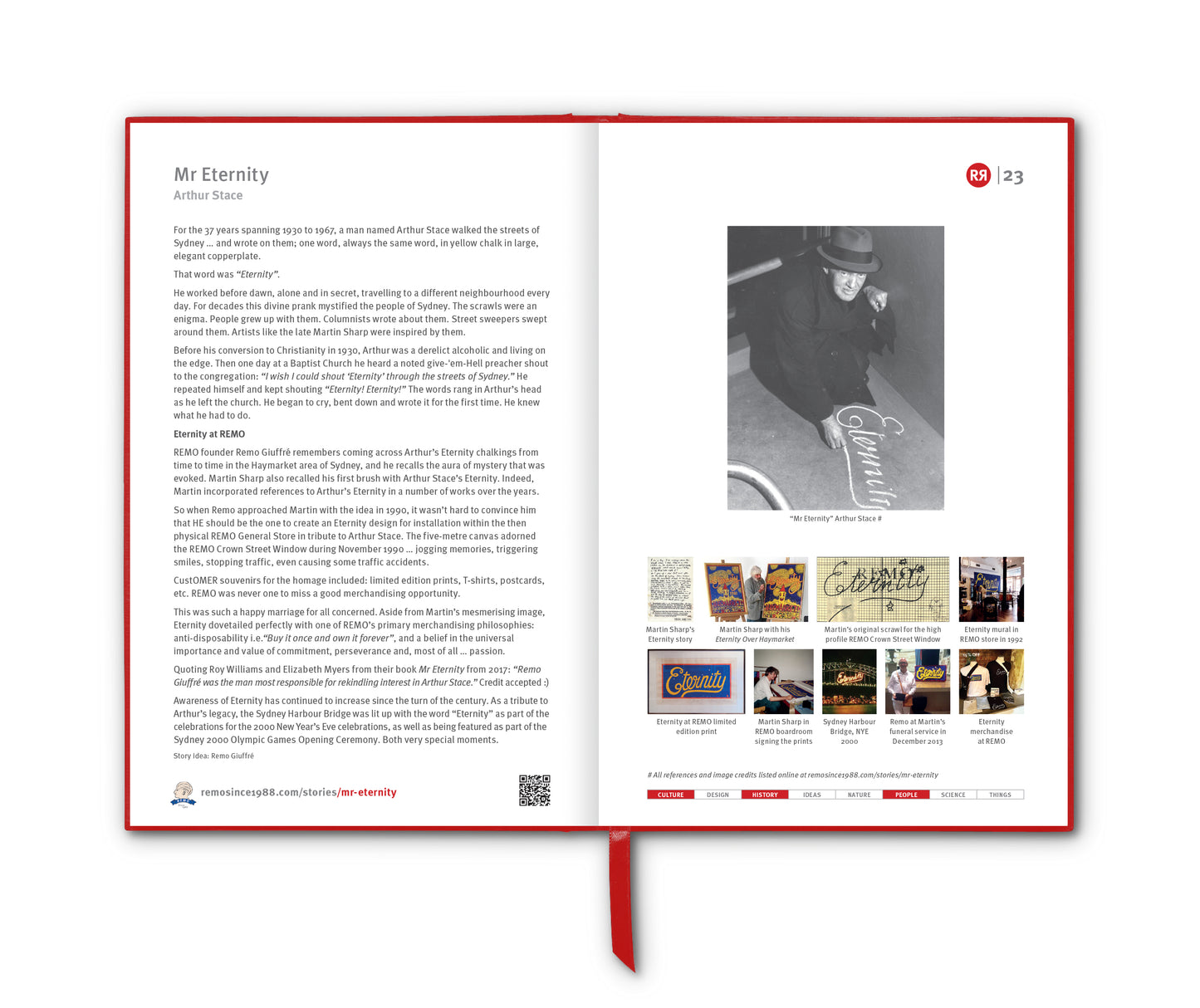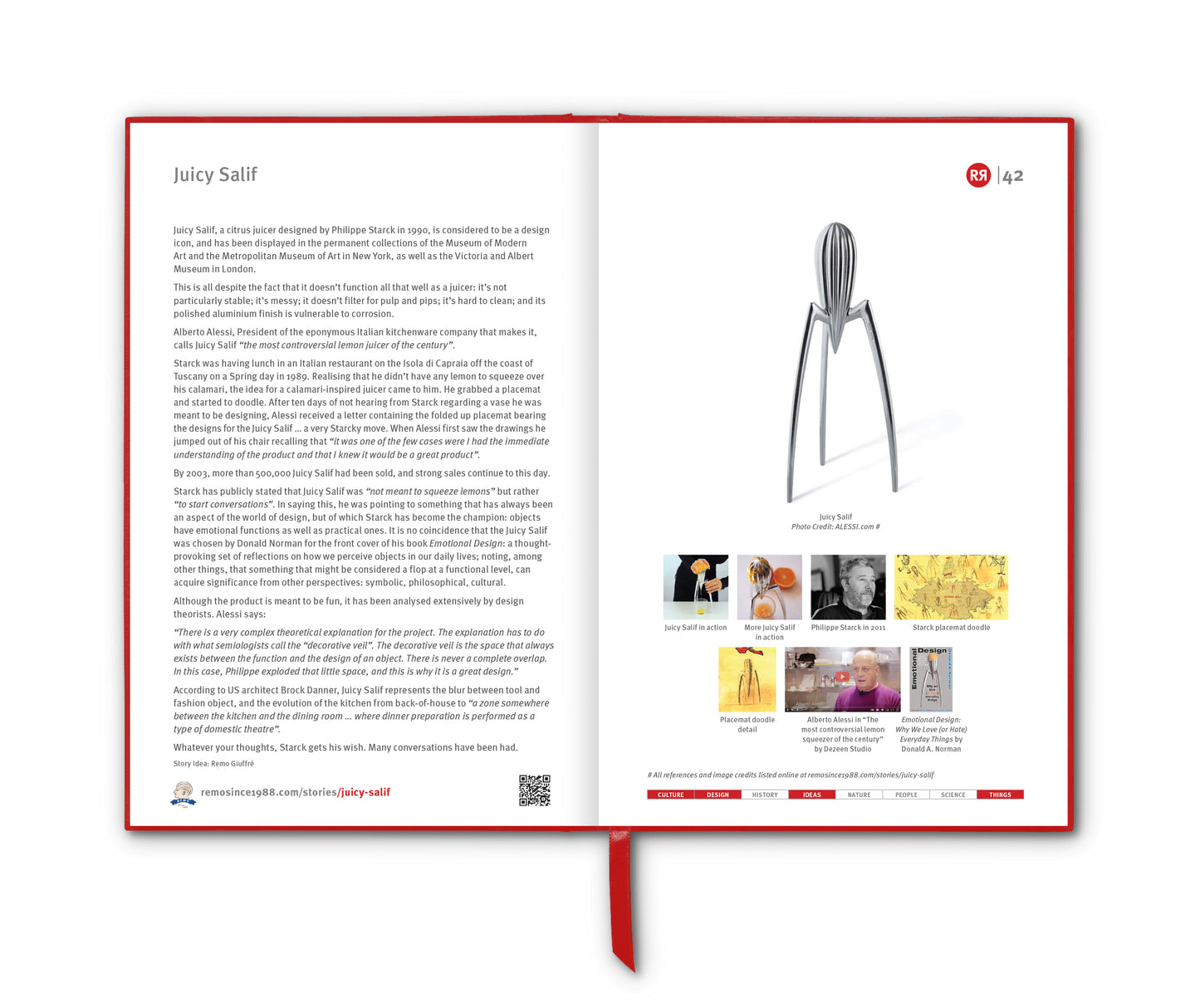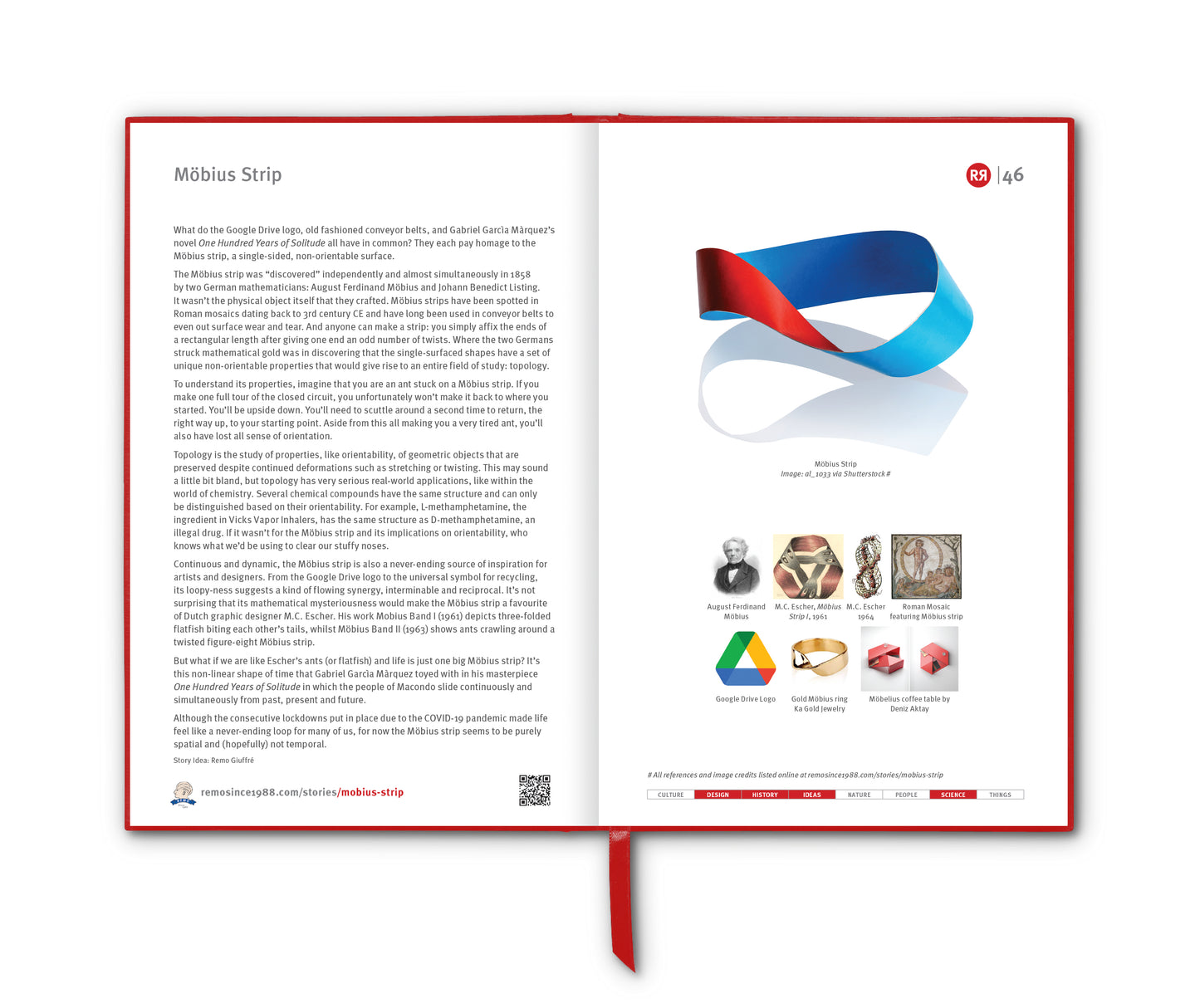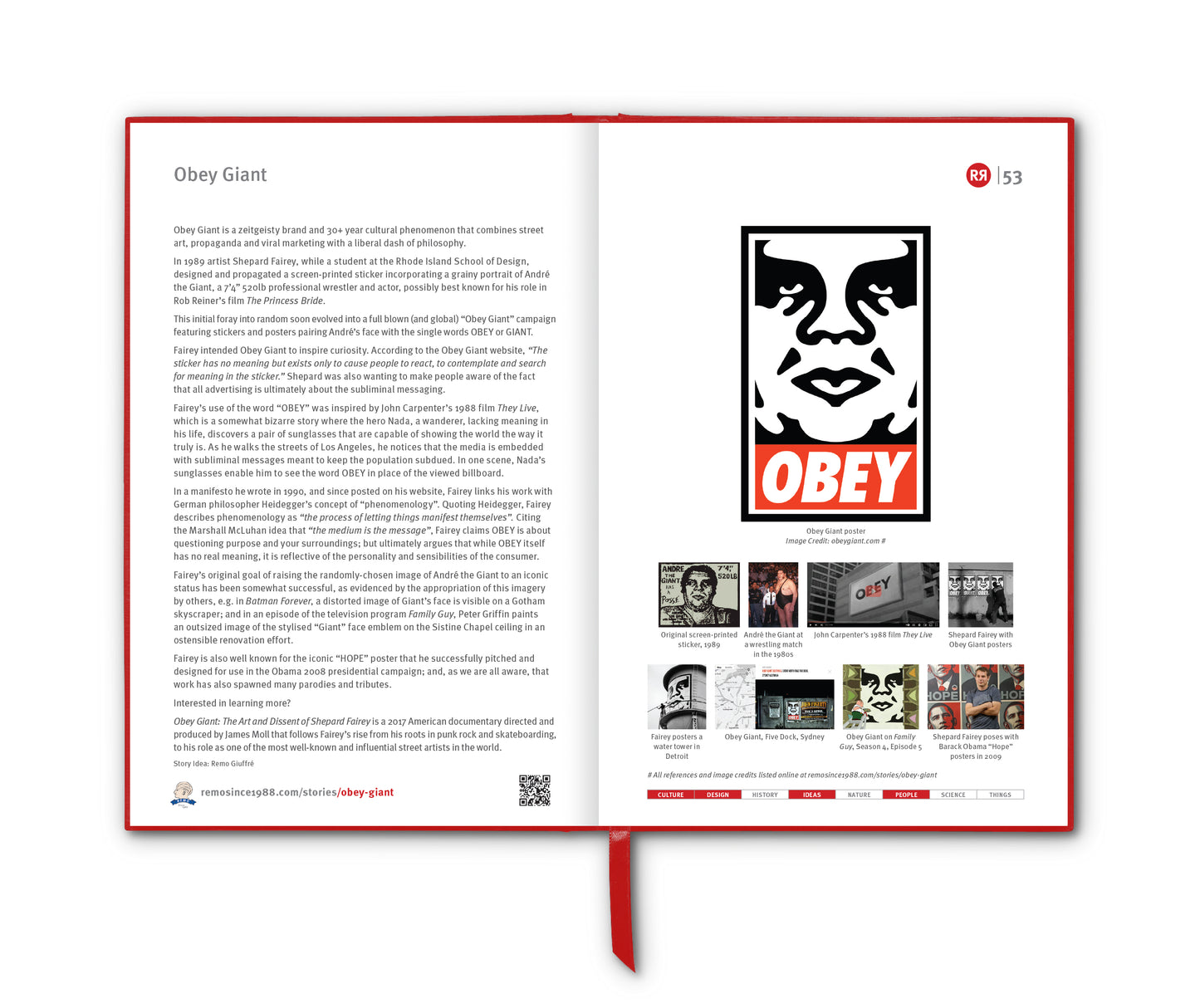

On the night of 8 August 1963, a gang of fifteen men carried out one of Britain's most audacious crimes: the so-called Great Train Robbery.
The target was a Royal Mail train travelling from Glasgow to London carrying more than £2.6 million in used small-denomination banknotes – equivalent to tens of millions of pounds today. The gang's meticulous planning, daring execution and the colourful aftermath ensured its place in criminal folklore. Most of the money was never recovered.
Led by experienced criminals including Bruce Reynolds, the robbers spent months preparing. They learned railway schedules, recruited specialists and secured a remote hideout at Leatherslade Farm in rural Buckinghamshire. Shortly after 3:00 am the gang tampered with railway signals, causing the overnight mail train to stop near the village of Cheddington. Masked men boarded the locomotive and overpowered staff.
The gang, forming a human chain, transferred 120 sacks of cash from the train to waiting vehicles in just fifteen minutes before escaping to their hideout. Initially, the crime seemed almost flawless. Public fascination quickly transformed the robbers into unlikely folk heroes, partly because they had targeted government money rather than private citizens.
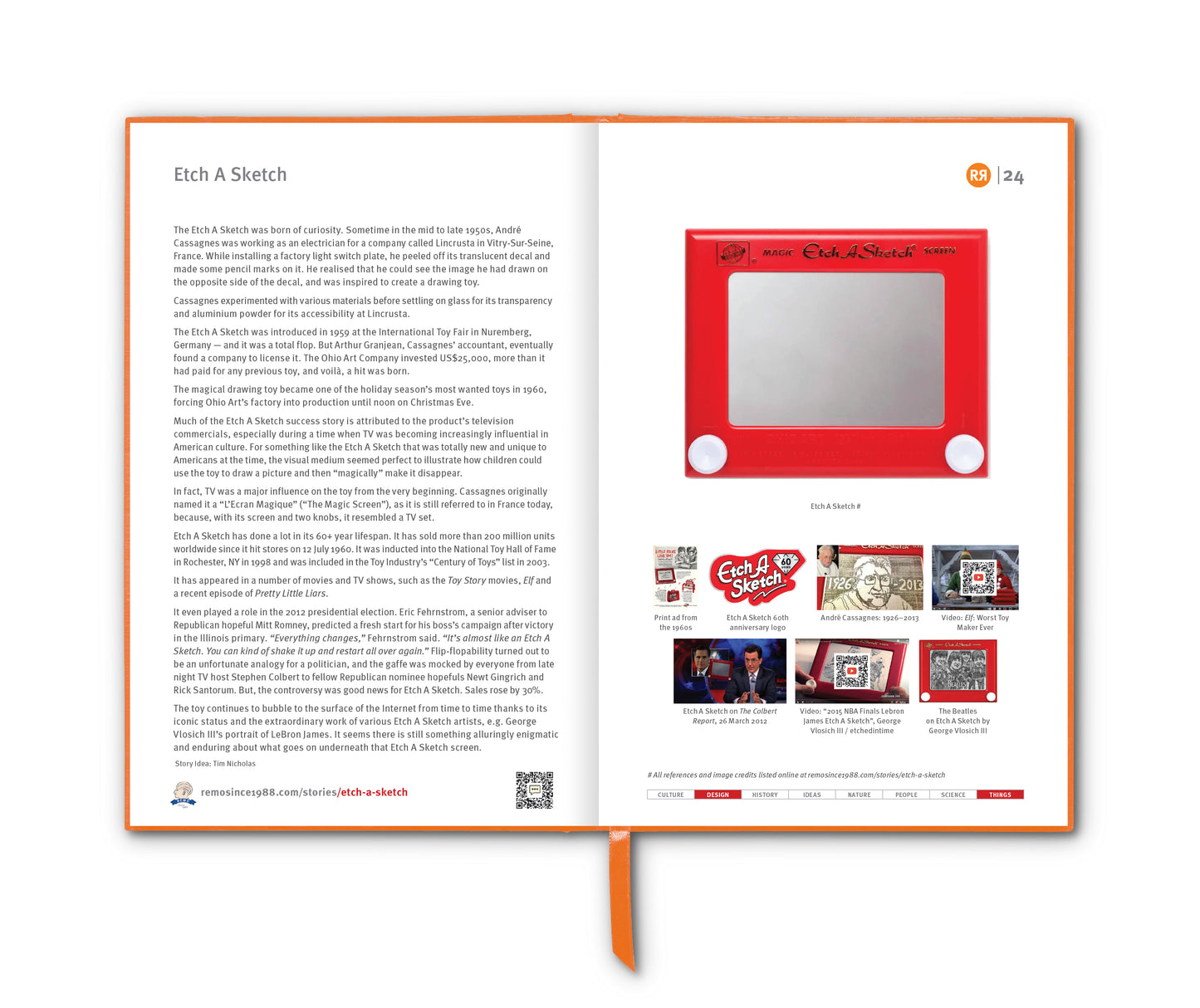
Their success proved short-lived. At Leatherslade Farm, police discovered fingerprints left on everyday objects, including a Monopoly board [RR1:43] reportedly used in games played by gang members using real money. [Ed: Impressively stupid.] The evidence led to a series of arrests.
Several robbers received prison sentences of up to thirty years, exceptionally severe by British standards. Some escaped custody. Most famously, Ronald “Ronnie” Biggs escaped from prison in 1965. He fled to Paris, where he acquired new identity papers and underwent plastic surgery. In 1966, he moved to Adelaide, Australia, where he worked as a builder and he and his wife had a third son. Tipped off that Interpol was showing interest, he moved to Melbourne working as a set constructor for Channel 9, later escaping to Rio de Janeiro, Brazil, after police had discovered his Melbourne address. Biggs could not be extradited because there was no extradition treaty between Britain and Brazil, and additionally he became father to a Brazilian son, which afforded him legal immunity. As a result, he lived openly in Rio for 30 years – becoming somewhat of a celebrity outlaw, e.g. he served as a guest vocalist for the Sex Pistols on the 1978 punk track "No One Is Innocent". Watch that HERE.
The robbery had lasting consequences beyond the courtroom. It exposed vulnerabilities in Britain's rail and postal systems, prompting significant security improvements.
Popular culture enthusiastically embraced the story. Books, documentaries and films – including the 1978 movie The First Great Train Robbery – have kept public interest alive. Songs were written about the robbers, and memorabilia became highly collectible.
As was the case with Ned Kelly’s Gang [RR2:51] in Australia, historians remain divided over whether the robbers deserve their romantic reputation. Some argue that the mythology obscures the violence inflicted upon railway workers and glamorises serious crime.
________________________
References
wikipedia.org/wiki/Great_Train_Robbery_(1963)
britannica.com/event/Great-Train-Robbery
bbc.co.uk/news/uk-23606367
theguardian.com/uk-news/2013/aug/08/great-train-robbery-10-things
Images
1. The Great Train Robbery, 8 August 1963. Visualisation credit: BBC One
2. The bridge where the train stopped. Credit: National Media Museum
3. Three of the suspects arrested in connection with the Great Train Robbery. Credit: AP Images
4. Mugshot of Ronnie Biggs, 1960s
5. Monopoly board game. Credit: Getty Images
6. The get out of jail token from the game played by the robbers
7. The gang. Credit: BBC One
8. Book: Odd Man Out: The Last Straw, Ronnie Biggs with Chris Packard, 2011
9. Video: "Sex Pistols & Ronnie Biggs No One is Inncocent. Video, Song & Conversation", 1978