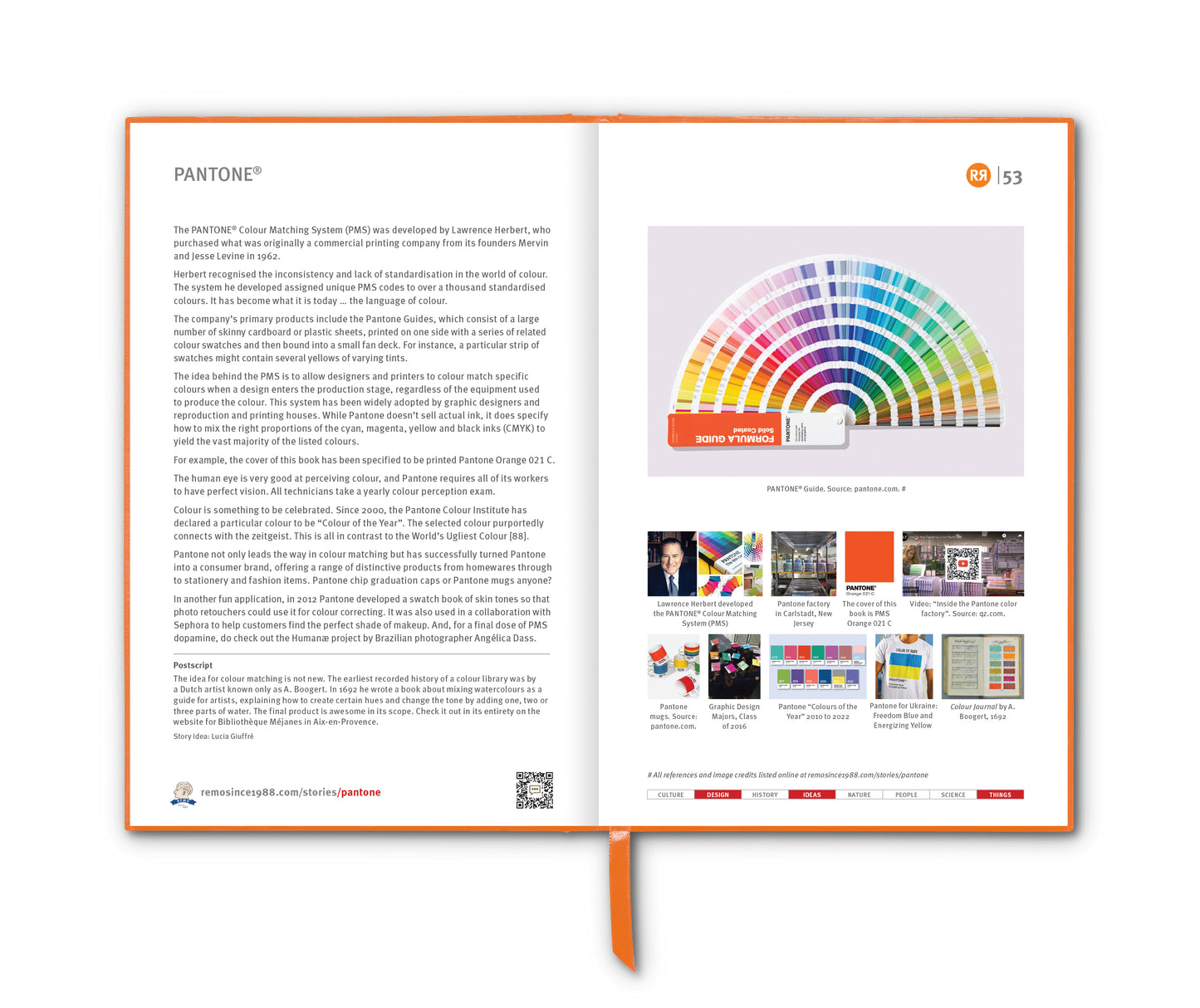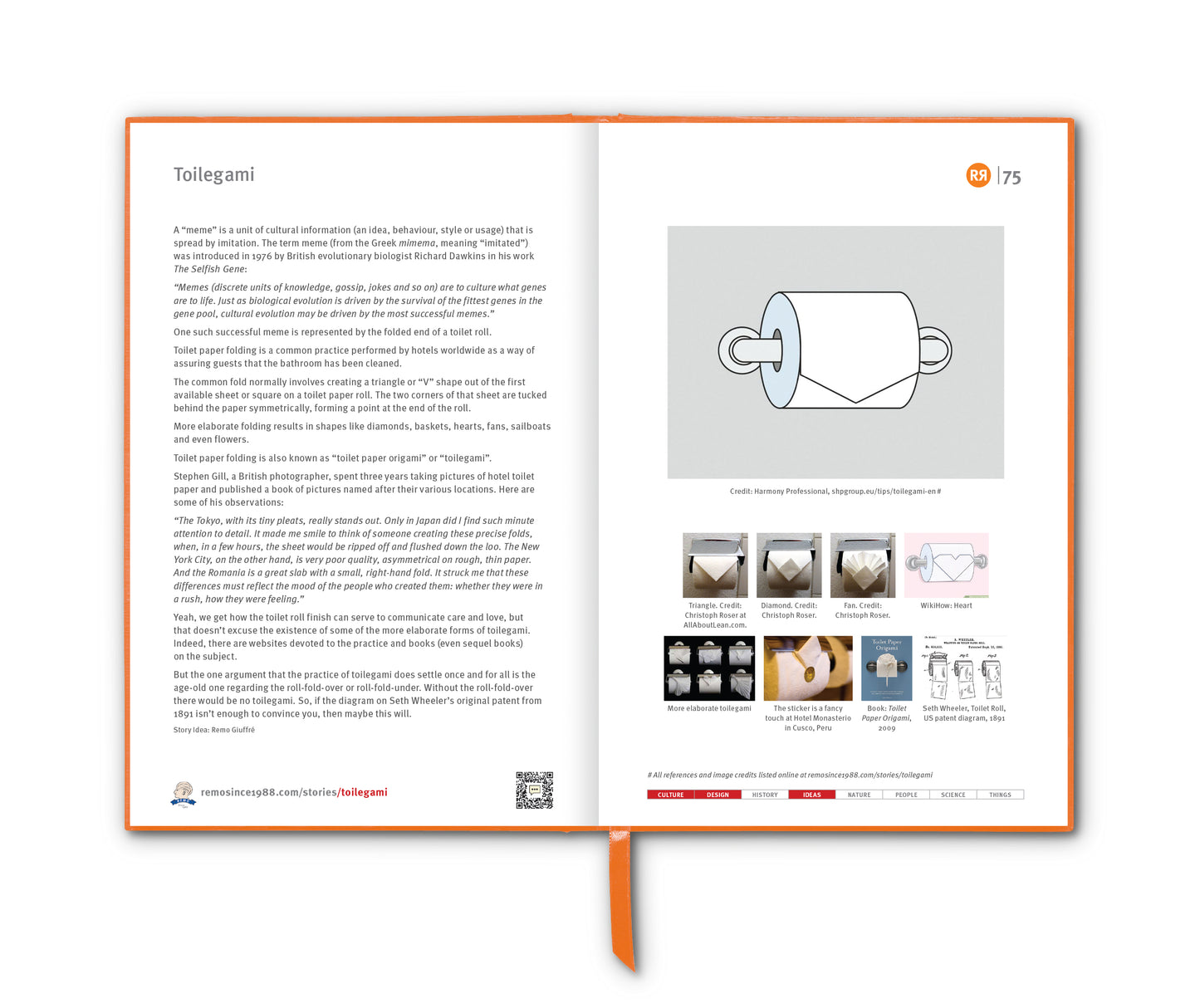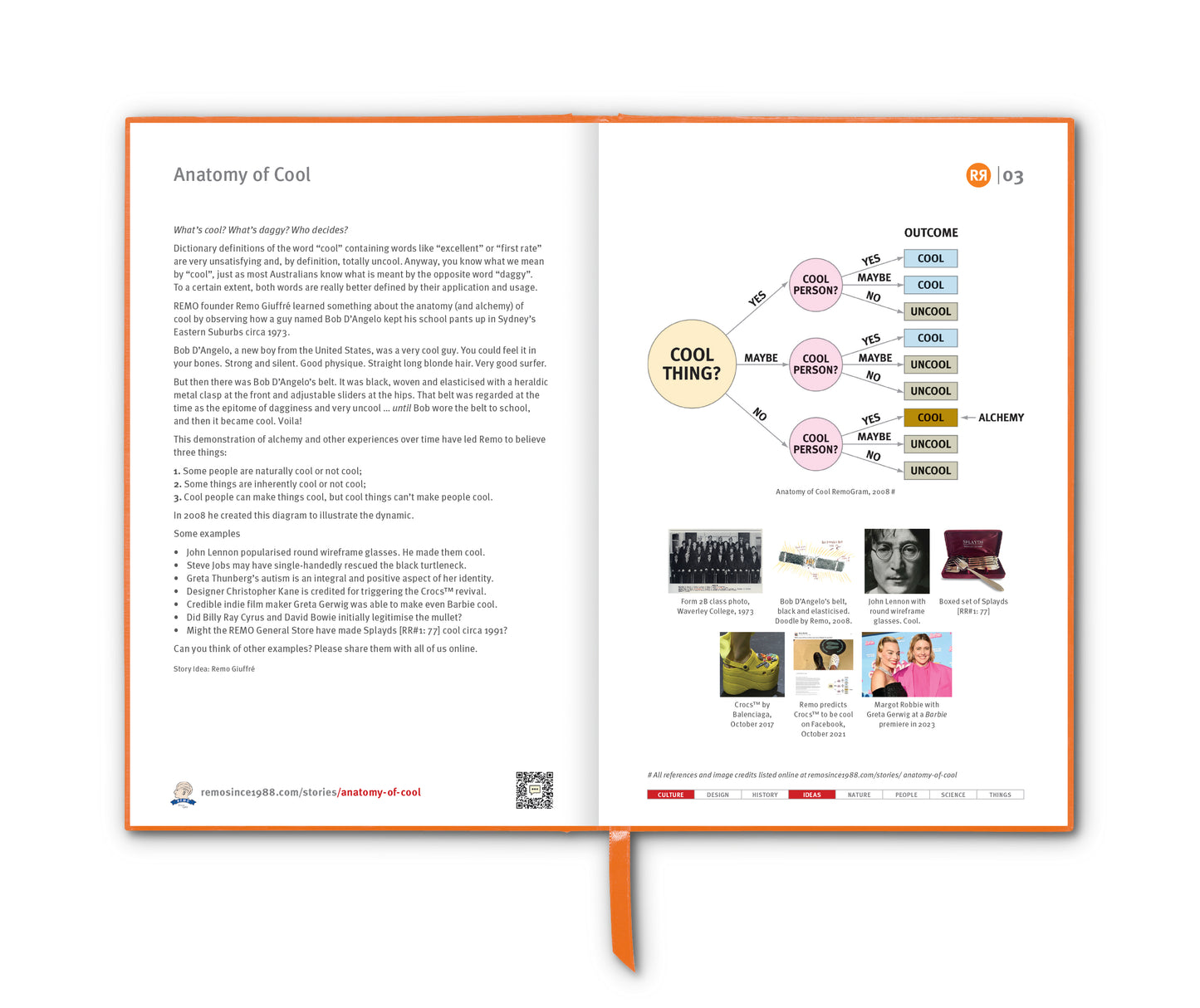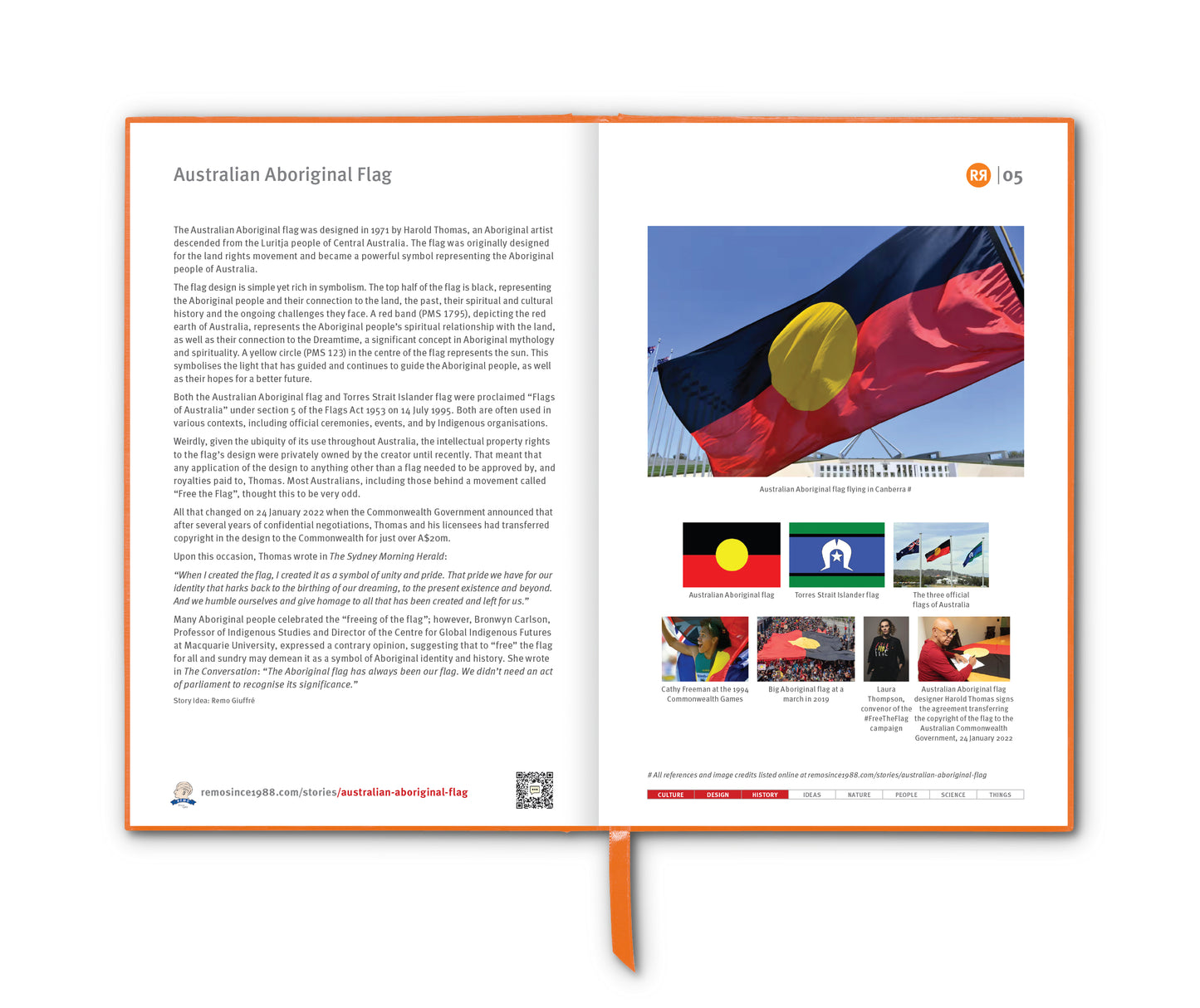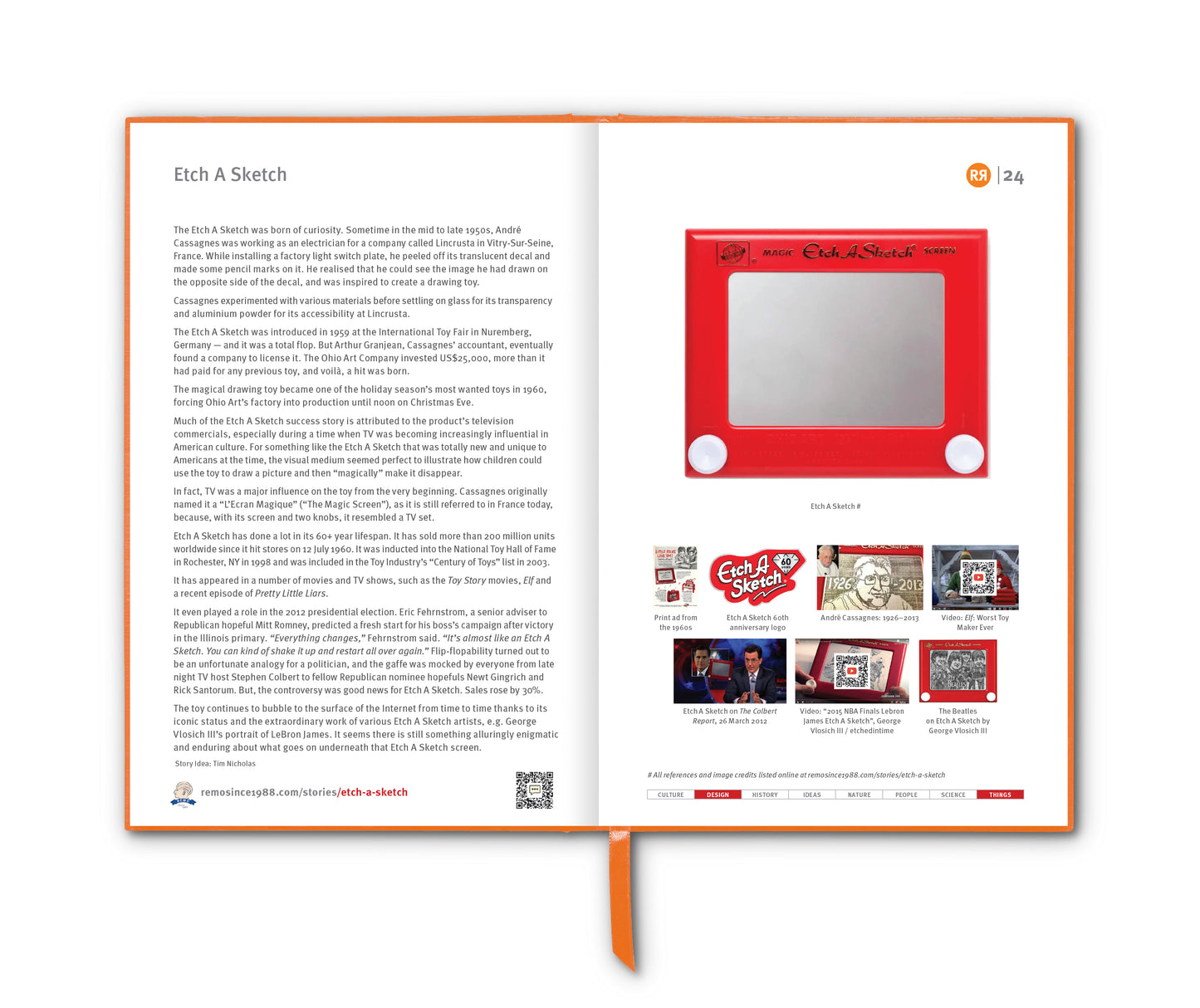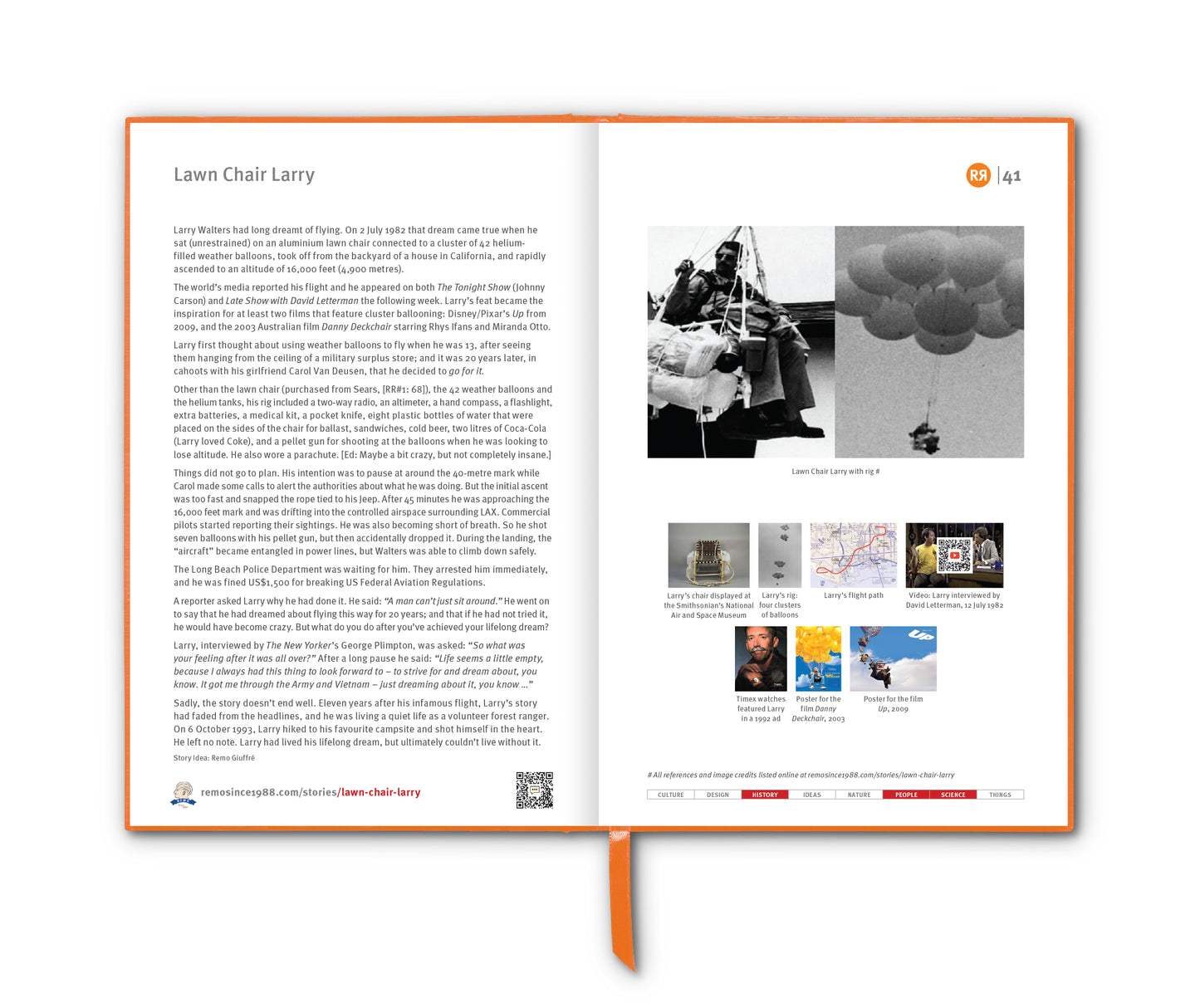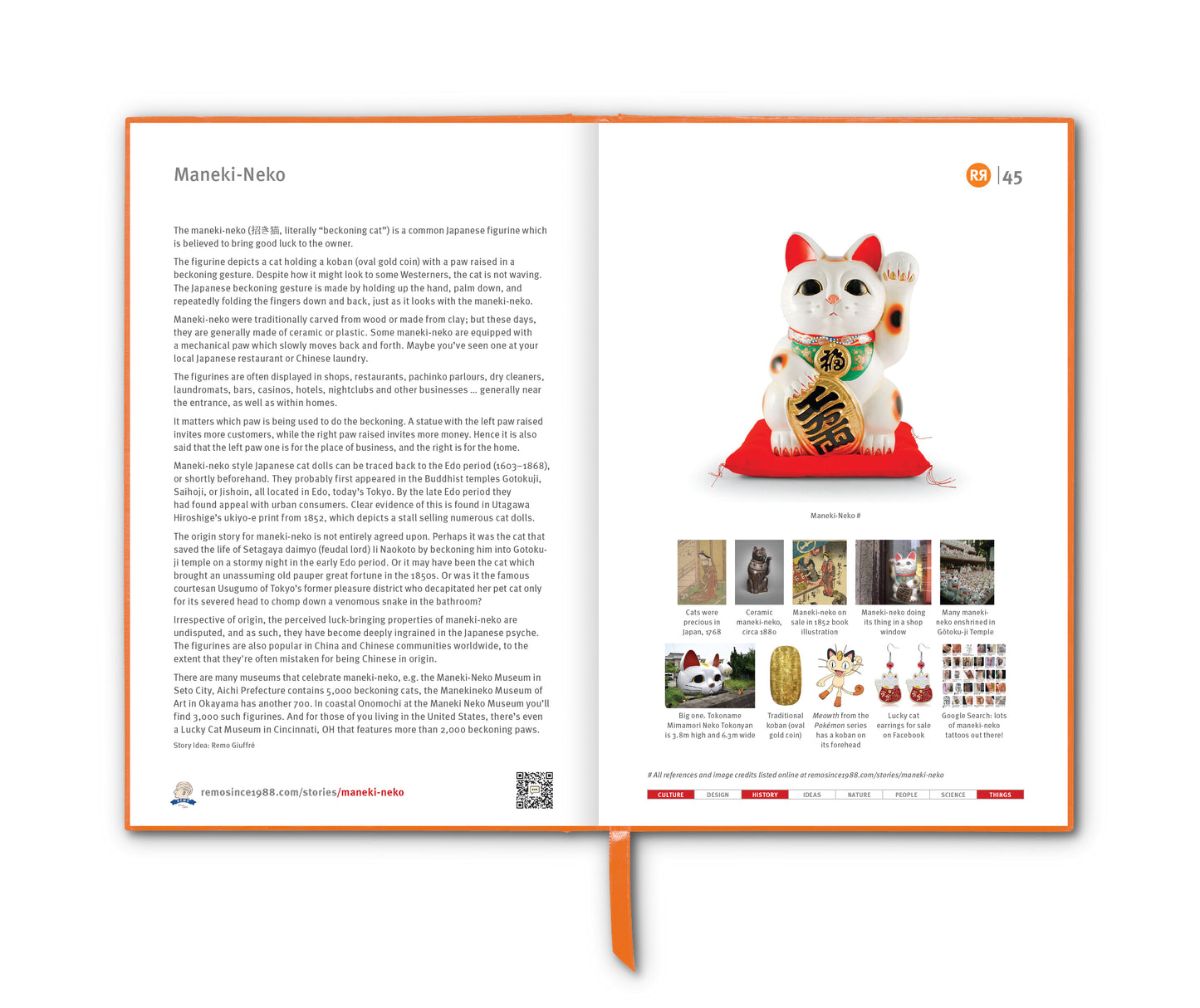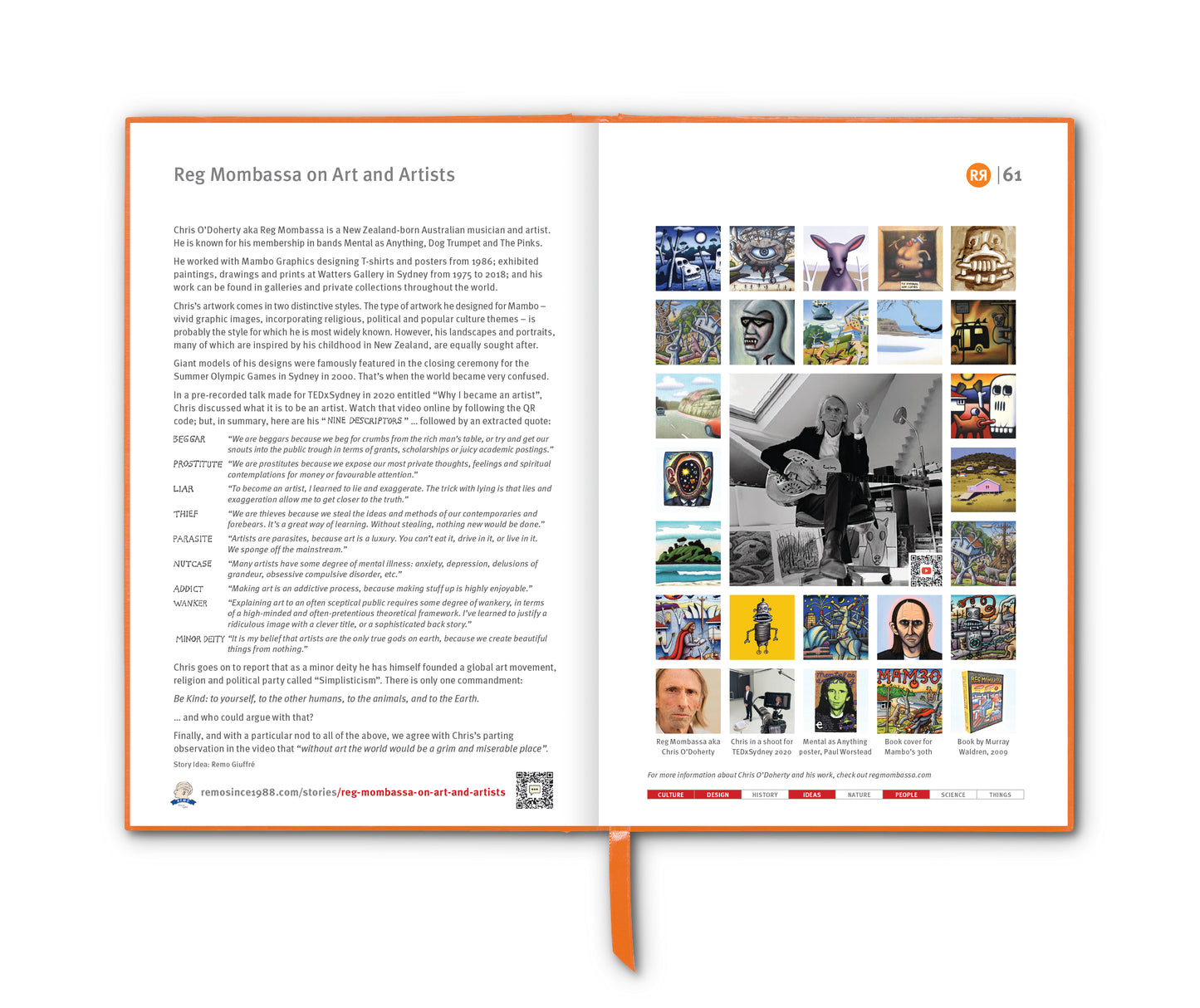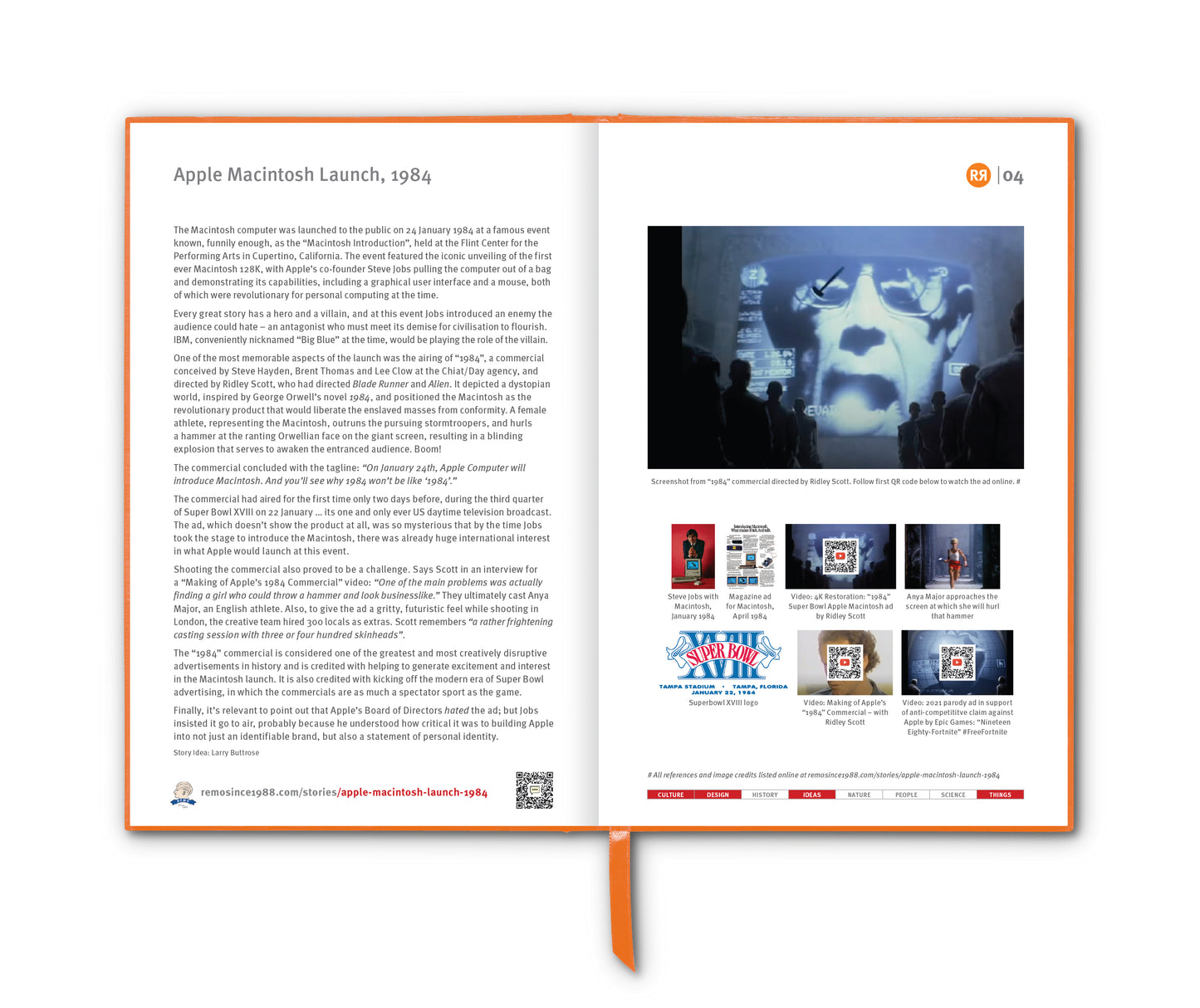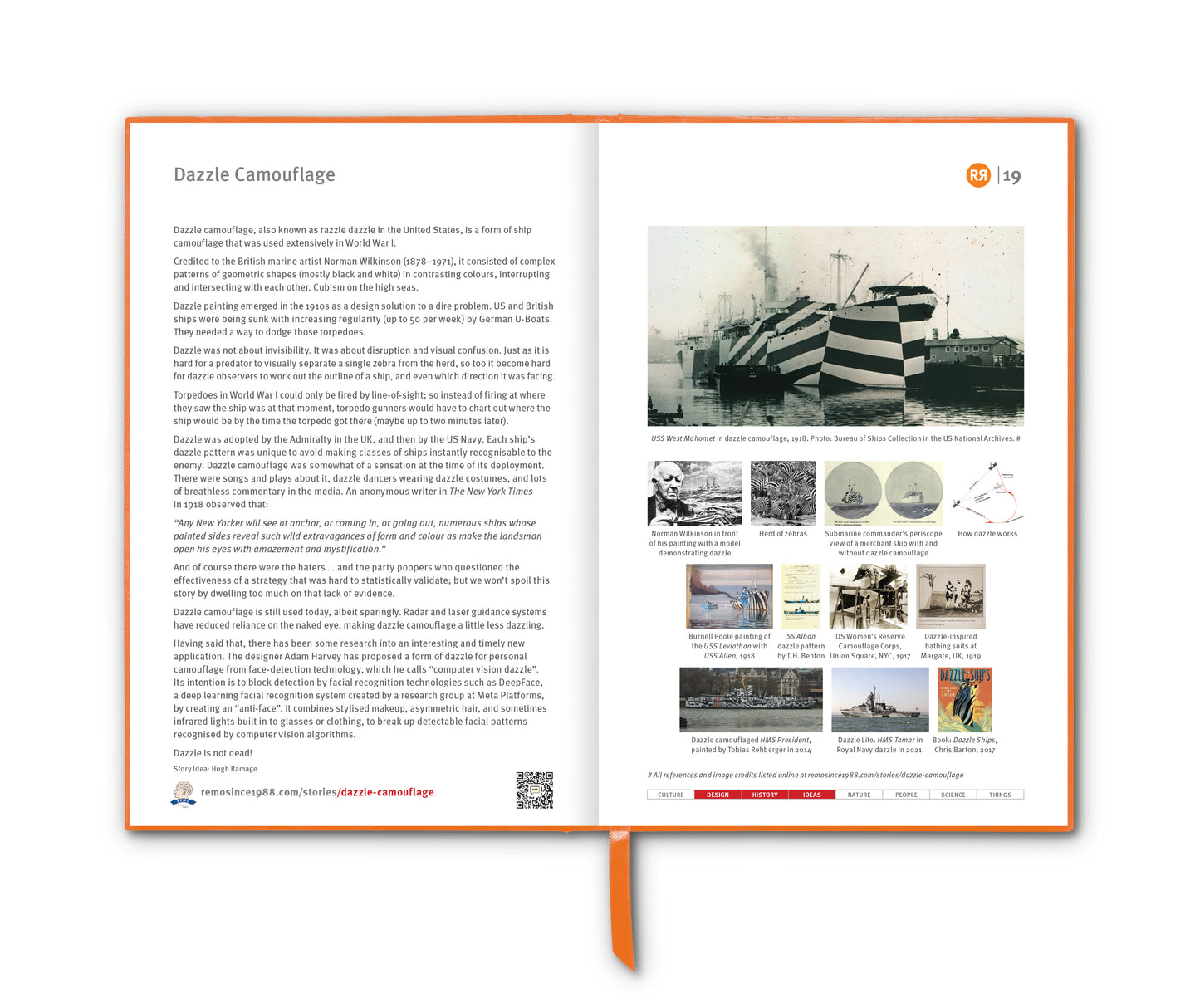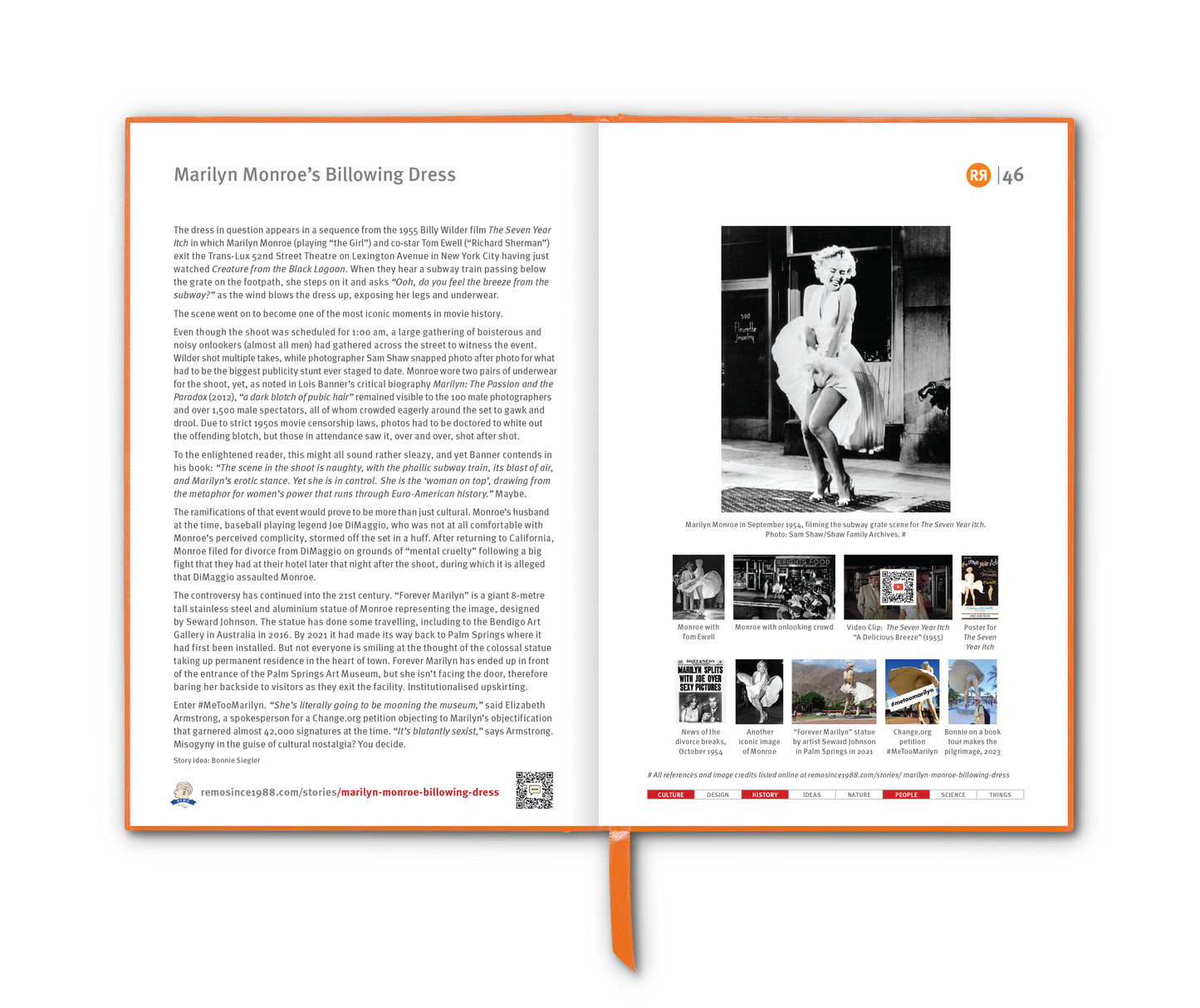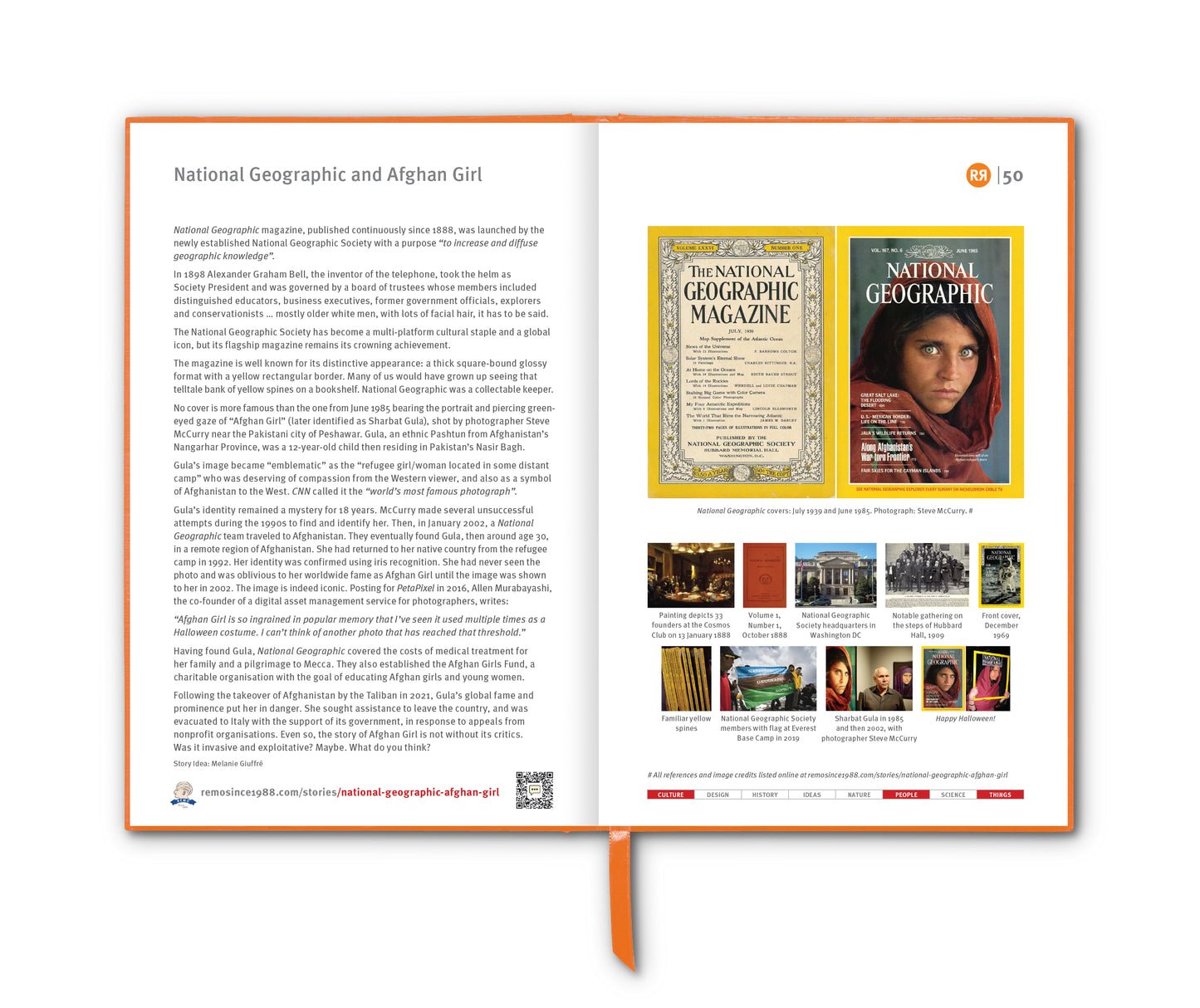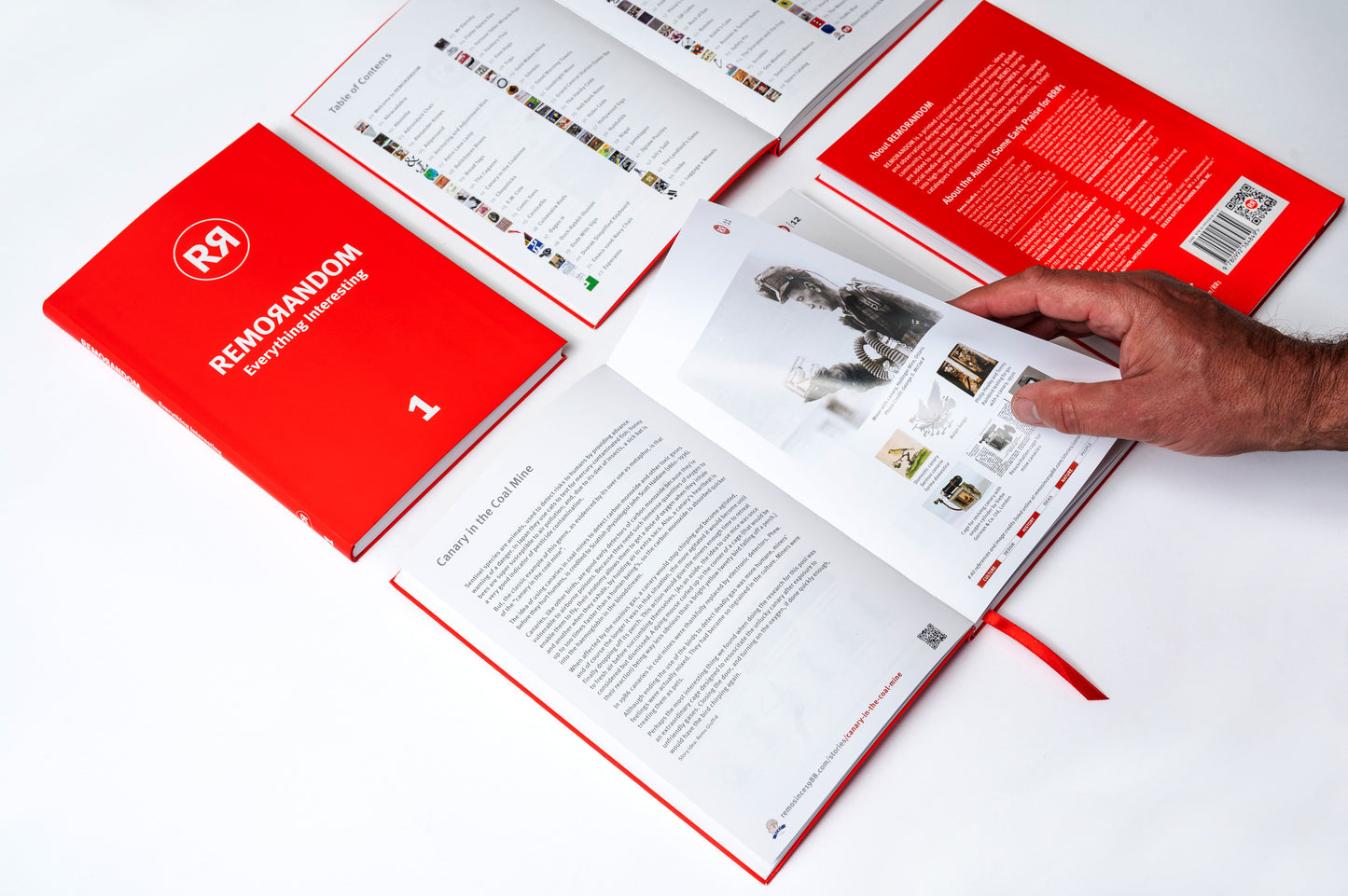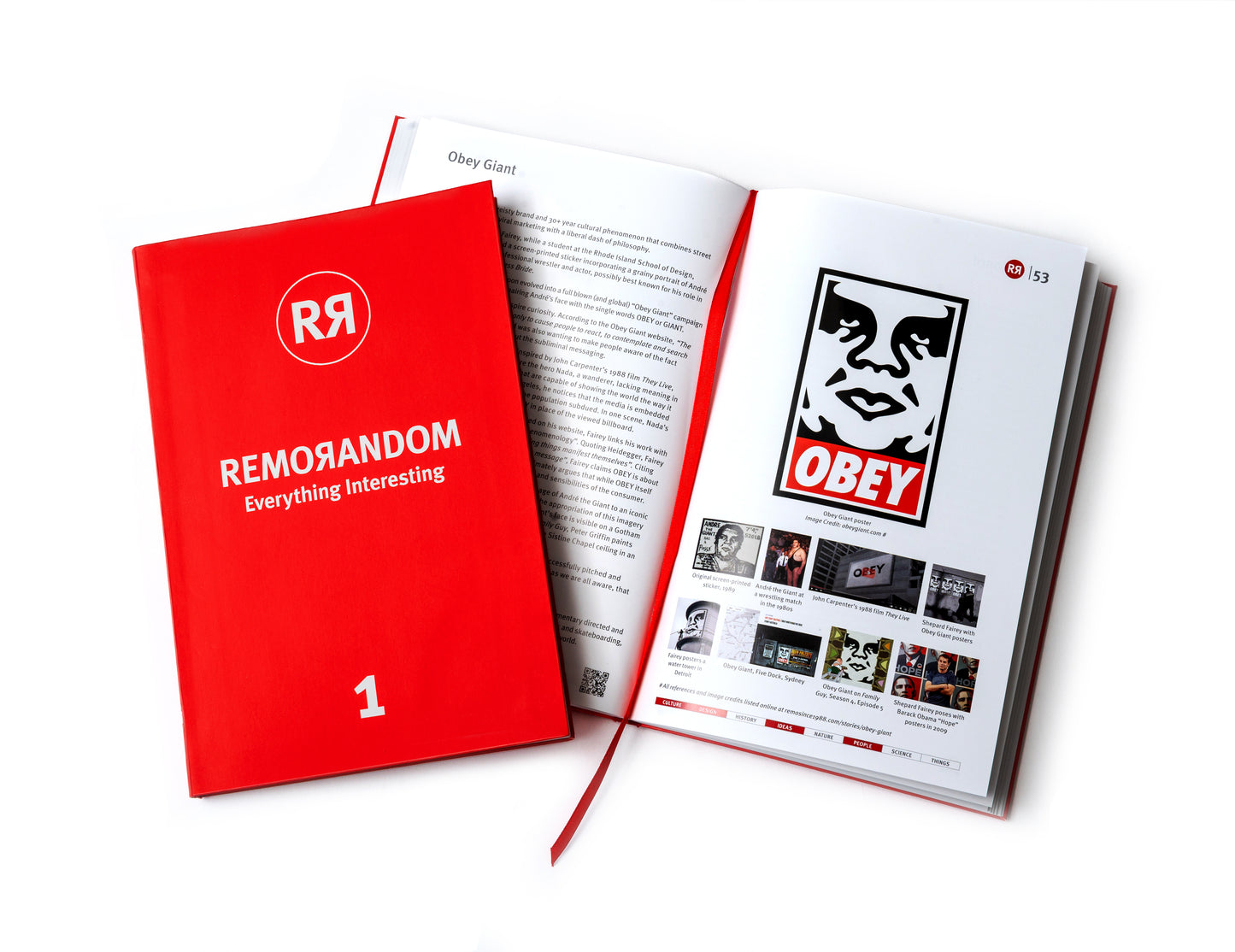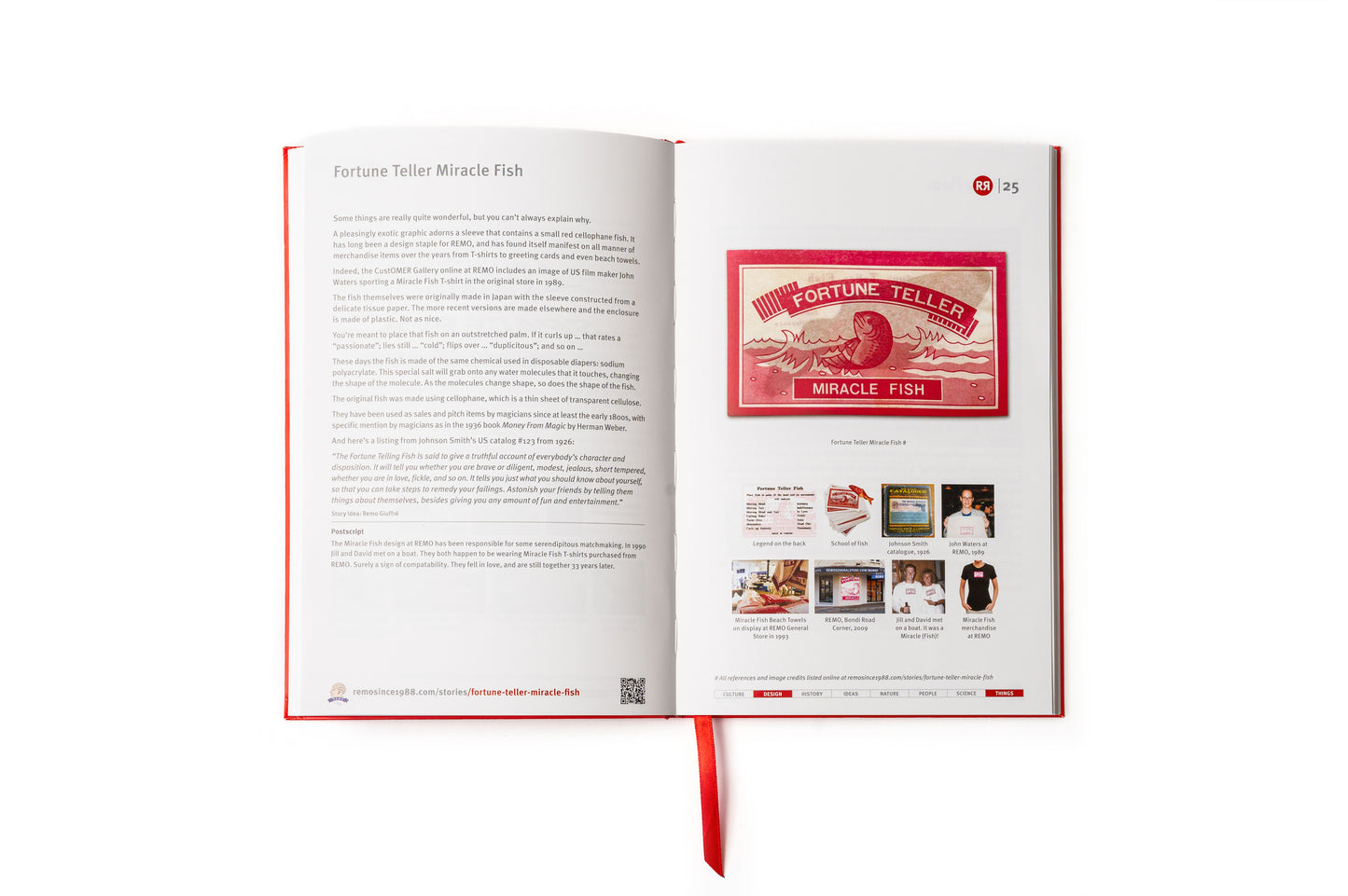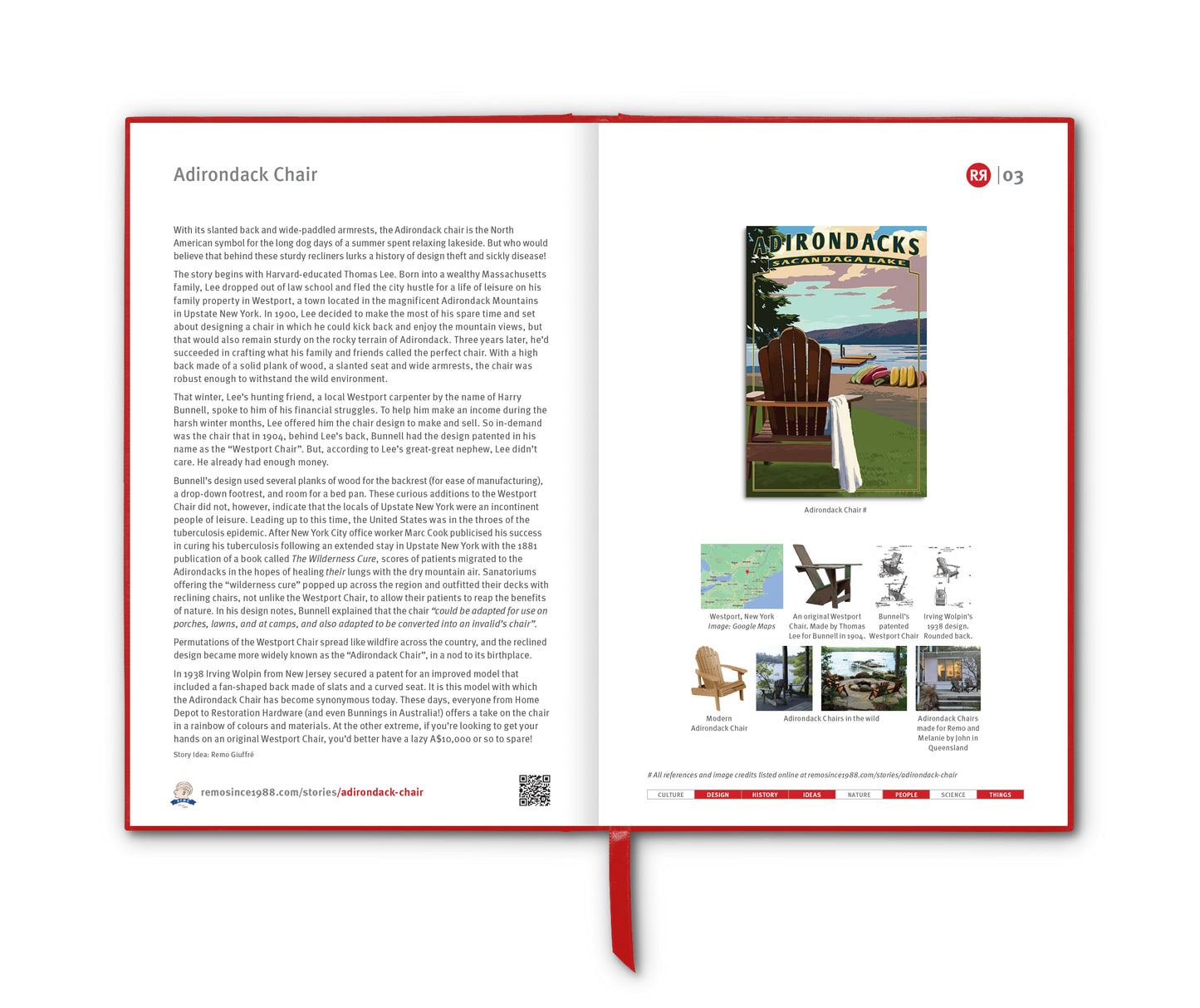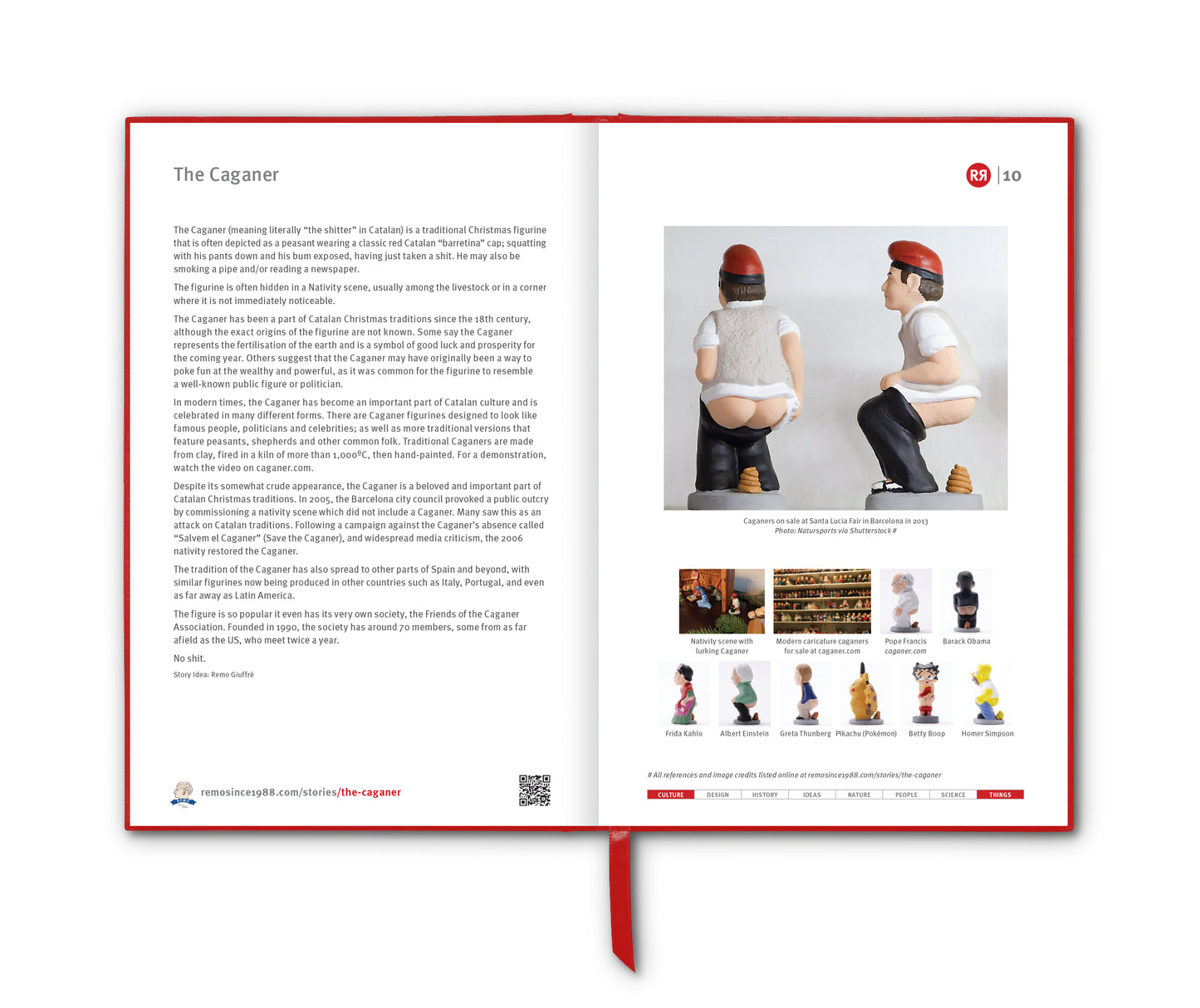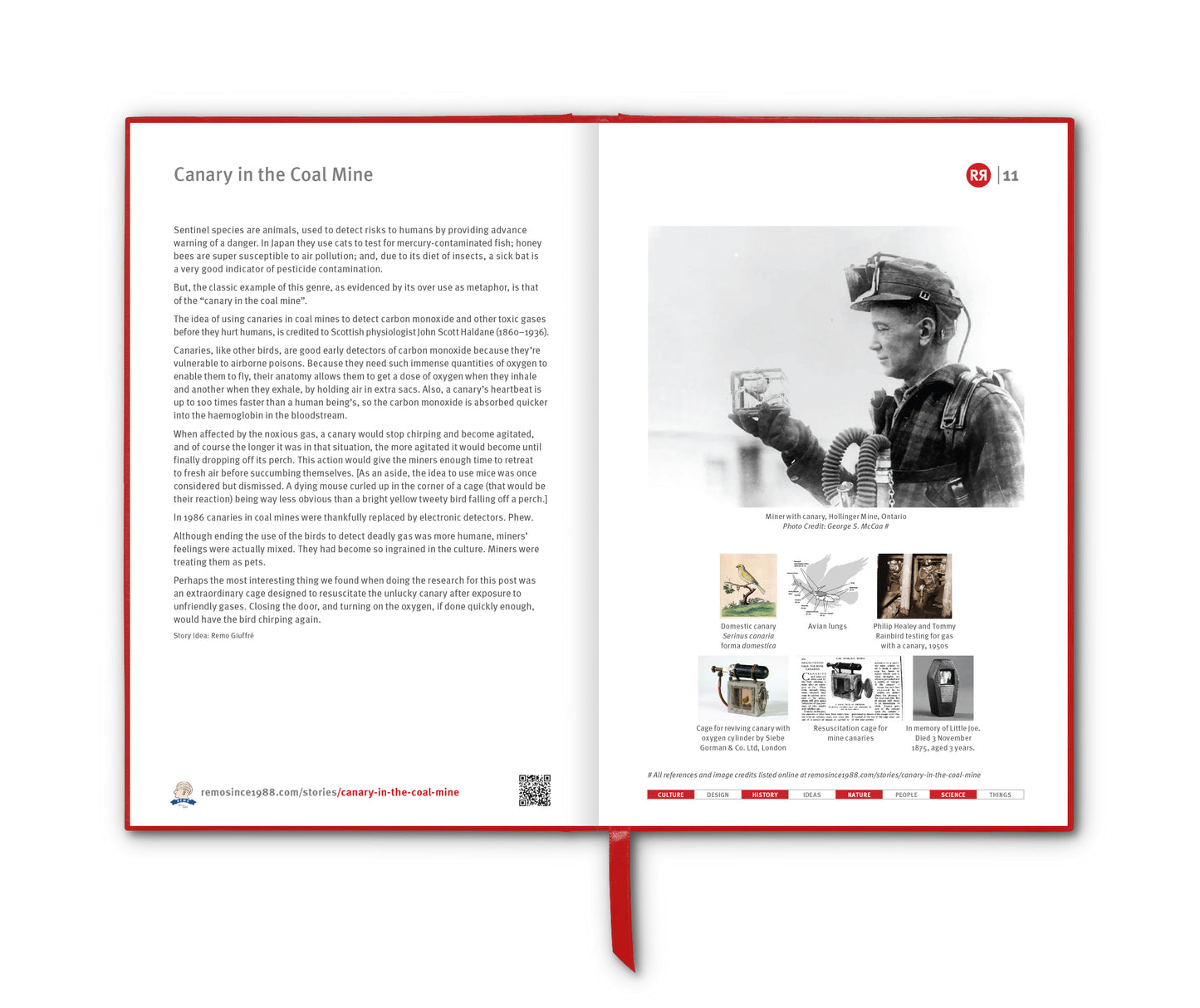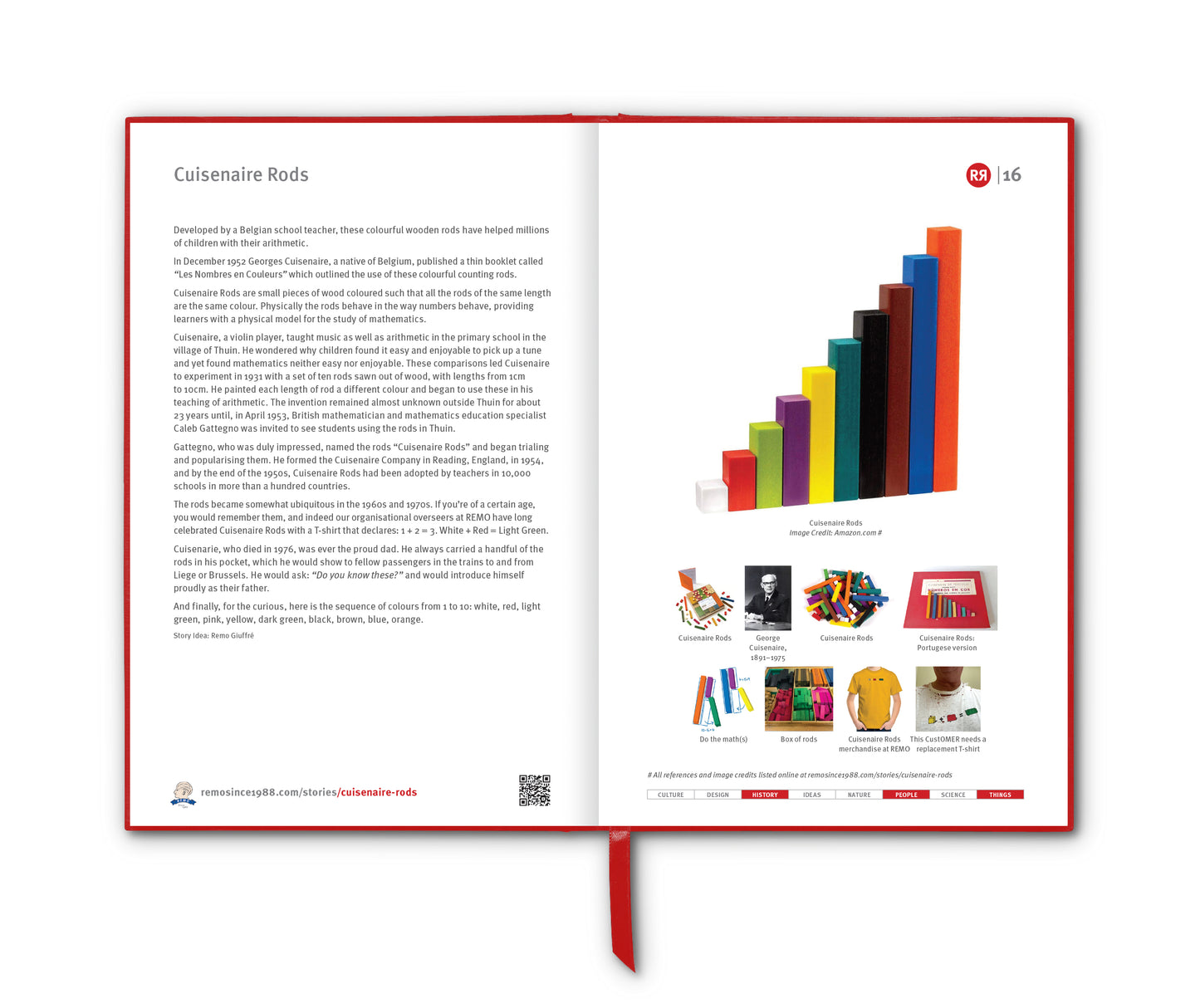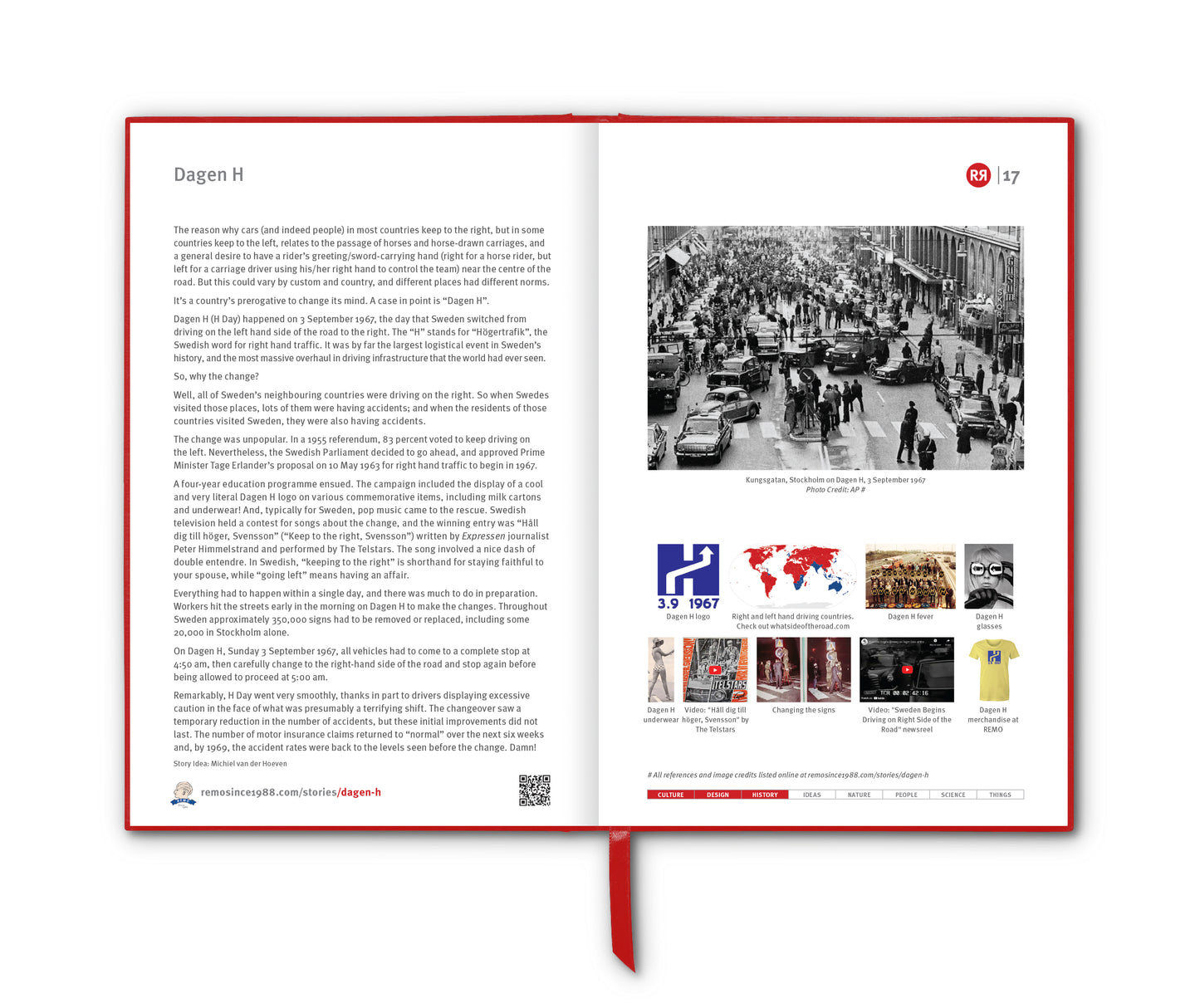

On 14 August 1945, the news broke that Japan had agreed to surrender, effectively ending the Second World War. As celebrations erupted across the United States, one spontaneous moment in New York’s Times Square was captured in a photograph that would become one of the most famous images of the 20th century: V-J Day in Times Square – or quite simply The Kiss.
The photograph was taken by Alfred Eisenstaedt, a staff photographer for Life magazine. Eisenstaedt was roaming Times Square that afternoon documenting the jubilation when he noticed an admittedly drunken sailor grabbing women and kissing them in celebration. He quickly raised his Leica camera and snapped a sequence of four photographs. One frame – showing the sailor dipping a nurse dramatically backward in the middle of the street – became iconic. The image was published as a full page in the 27 August 1945 issue of Life under the title “V-J Day in Times Square” with the caption: “In the middle of New York’s Times Square a white-clad girl clutches her purse and skirt as an uninhibited sailor plants his lips squarely on hers”.
For decades the identities of the couple were uncertain. Several people claimed to be the pair. The most widely accepted identification today is sailor George Mendonsa and dental assistant Greta Zimmer Friedman (often described as a nurse because of her uniform). According to Friedman, she had been standing in Times Square when Mendonsa – who had been celebrating the end of the war – suddenly grabbed her and kissed her. She later said she had not seen him before the moment and did not see him again afterward.
The photograph quickly came to symbolise the euphoric relief felt at the end of years of global conflict. Its dramatic composition – the sailor’s dark uniform contrasting with the nurse’s white dress, the diagonal sweep of their bodies, and the crowd blurring around them and the distinctive Times Square interaction in the background representing home — gave the image a cinematic quality. For many Americans it became a visual shorthand for victory, romance and the end of wartime hardship.
Over time the photograph entered popular culture in many forms. Sculptural recreations of the scene have been installed in several cities, and the pose has been referenced in films, advertisements and television. One of the most prominent tributes is the large 7.6-metre-tall (25 foot) statue in plastic and aluminium – Unconditional Surrender by John Seward Johnson II – often displayed during commemorations of the anniversary of the war’s end.
In recent years, however, the image has been reassessed. During the MeToo movement in the late 2010s, critics pointed out that the kiss was not consensual. Greta Zimmer Friedman herself later emphasised that the sailor “just grabbed” her; she did not choose the moment. Some commentators therefore view the photograph less as a romantic gesture and more as an example of wartime exuberance overriding personal boundaries.
This reinterpretation has sparked debate about how historical images should be understood: whether primarily as symbols of their time or as events judged by modern standards.
________________________
References
wikipedia.org/wiki/V-J_Day_in_Times_Square
life.com/history/v-j-day-kiss-times-square
aboutphotography.blog/blog/2020/3/27/v-j-day-in-times-square-by-alfred-eisenstaedt-story-behind-the-photograph
Images
1. Photo by Alfred Eisenstaedt. Credit: The LIFE Picture Collection © Meredith Corporation
2. Alfred Eisenstaedt
3. Leica IIIf rangefinder camera
4. "V-J Day in Times Square" 75th Anniversary Life Magazine Souvenir Cover Signed by Greta Friedman
5. Kissing the War Goodbye, a photo of the same kiss taken by US Navy photojournalist Victor Jorgensen
6. George Mendonsa and Greta Friedman at the Bristol, Rhode Island, 4th of July parade in 2009
7.
Unconditional Surrender sculpture by John Seward Johnson II in Sarasota, Florida
8.
Unconditional Surrender sculpture in Times Square, Manhattan, 2015
9. The sculpture was tagged with #metoo graffiti in 2019
10. Lisa being kissed from The Simpsons episode "Bart the General" 4 February 1990. Afterwards, she slaps the boy across his face, telling him to "Knock it off!"