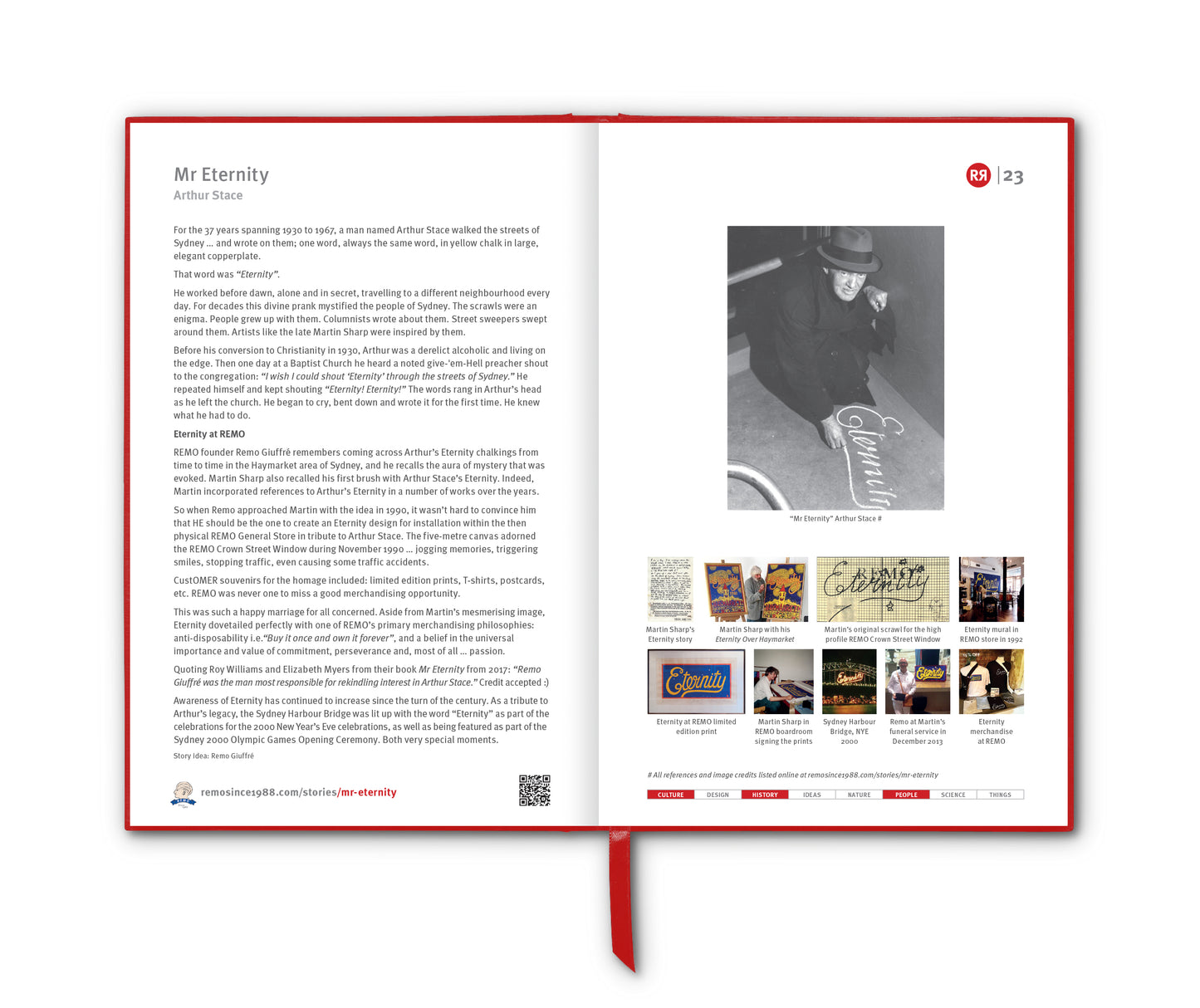

This image of a man lost in thought, but whose powerful body suggests a great capacity for action, has become one of the most celebrated sculptures ever known.
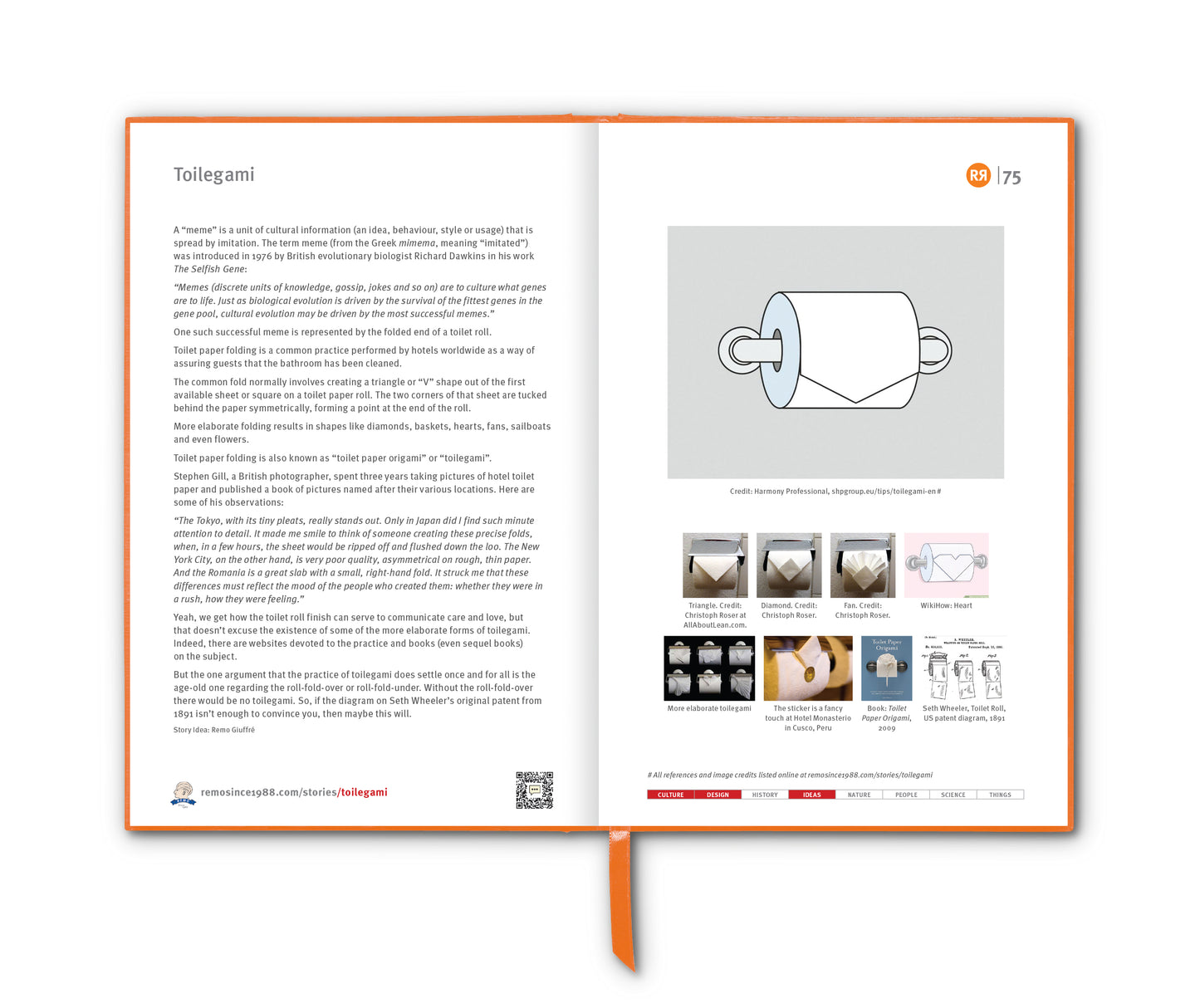
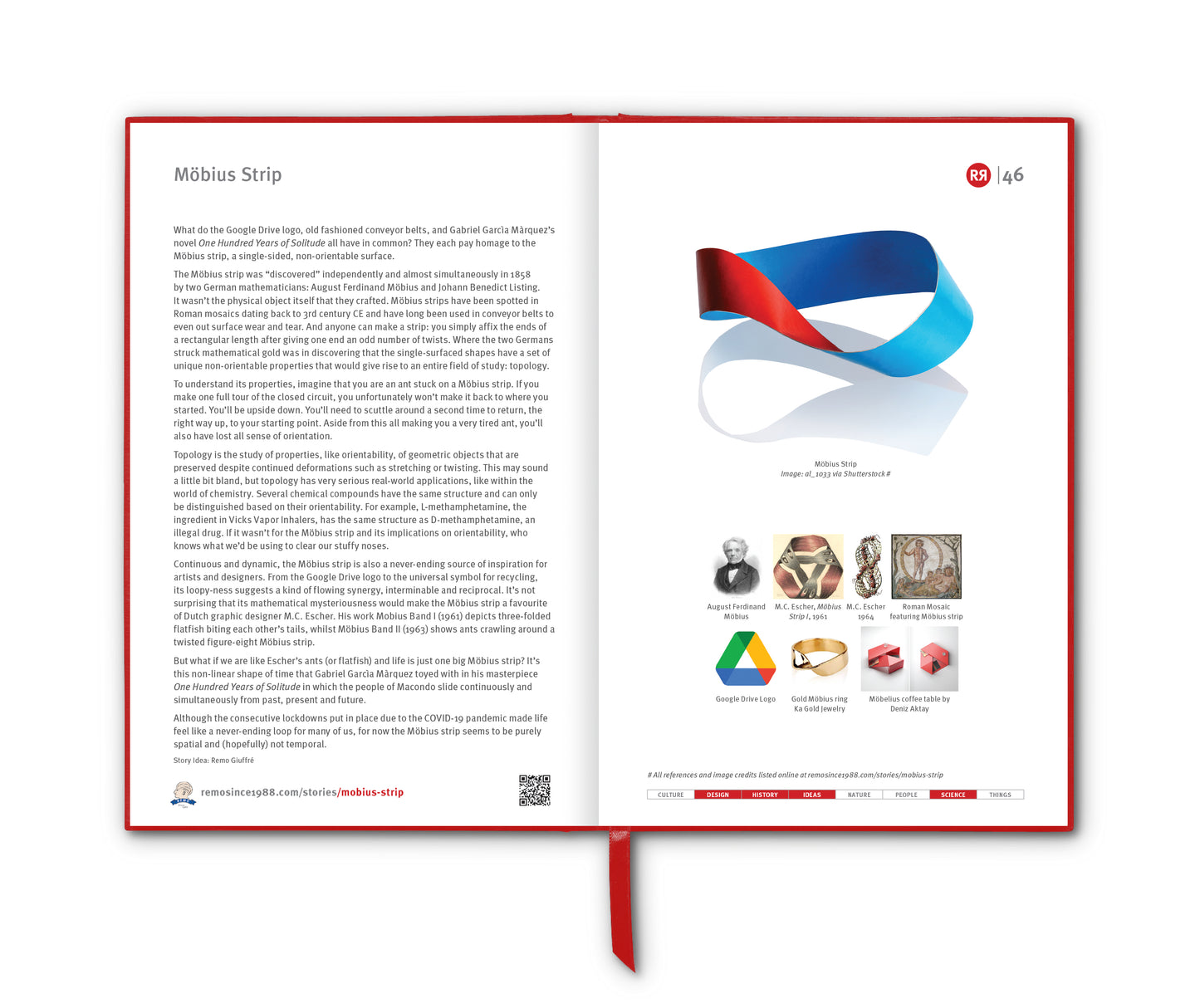
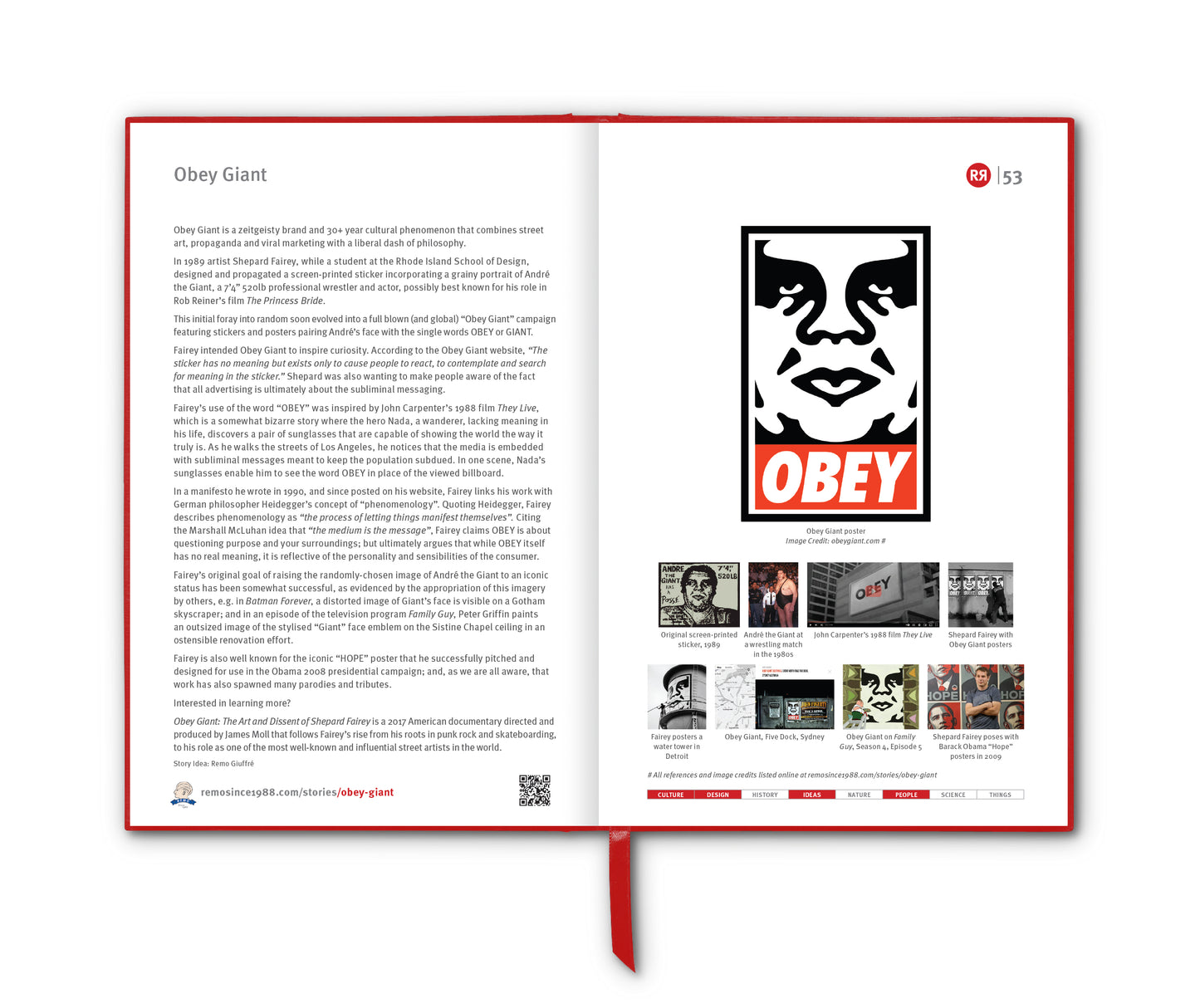
Auguste Rodin (1840-1917) didn’t set out to make a stand-alone icon of pondering. The Thinker began life in 1880 as a small, brooding figure intended for The Gates of Hell, Rodin’s huge, Dante-inspired doorway. In that original context he was even called “The Poet” – a representation of Dante perched above the torments below.
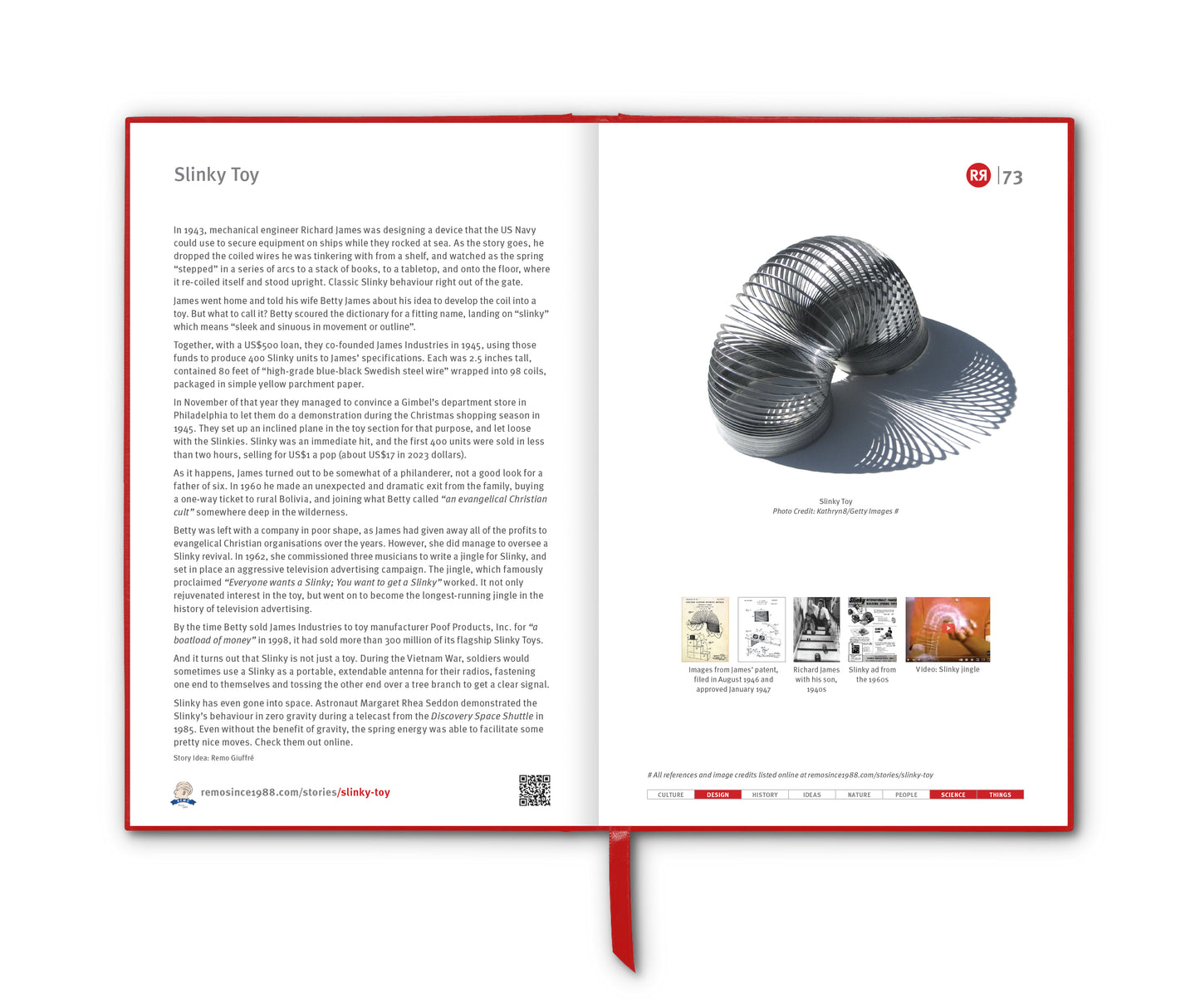
But the figure wouldn’t stay confined to a door for long. Rodin reworked and enlarged the study, and by the turn of the century versions of the seated nude — chin in fist, muscles tense body leaning into thought – were cast separately and shown on their own. The most famous monumental bronze, about 1.8 metres tall, was cast in 1904 and now stands in the gardens of the Rodin Museum. It’s the version that fixed the pose in the public imagination. The transition from a component of an epic tableau to a solitary icon is key: the sculpture acquired a new life as an emblem of contemplation, not just a Dante vignette.
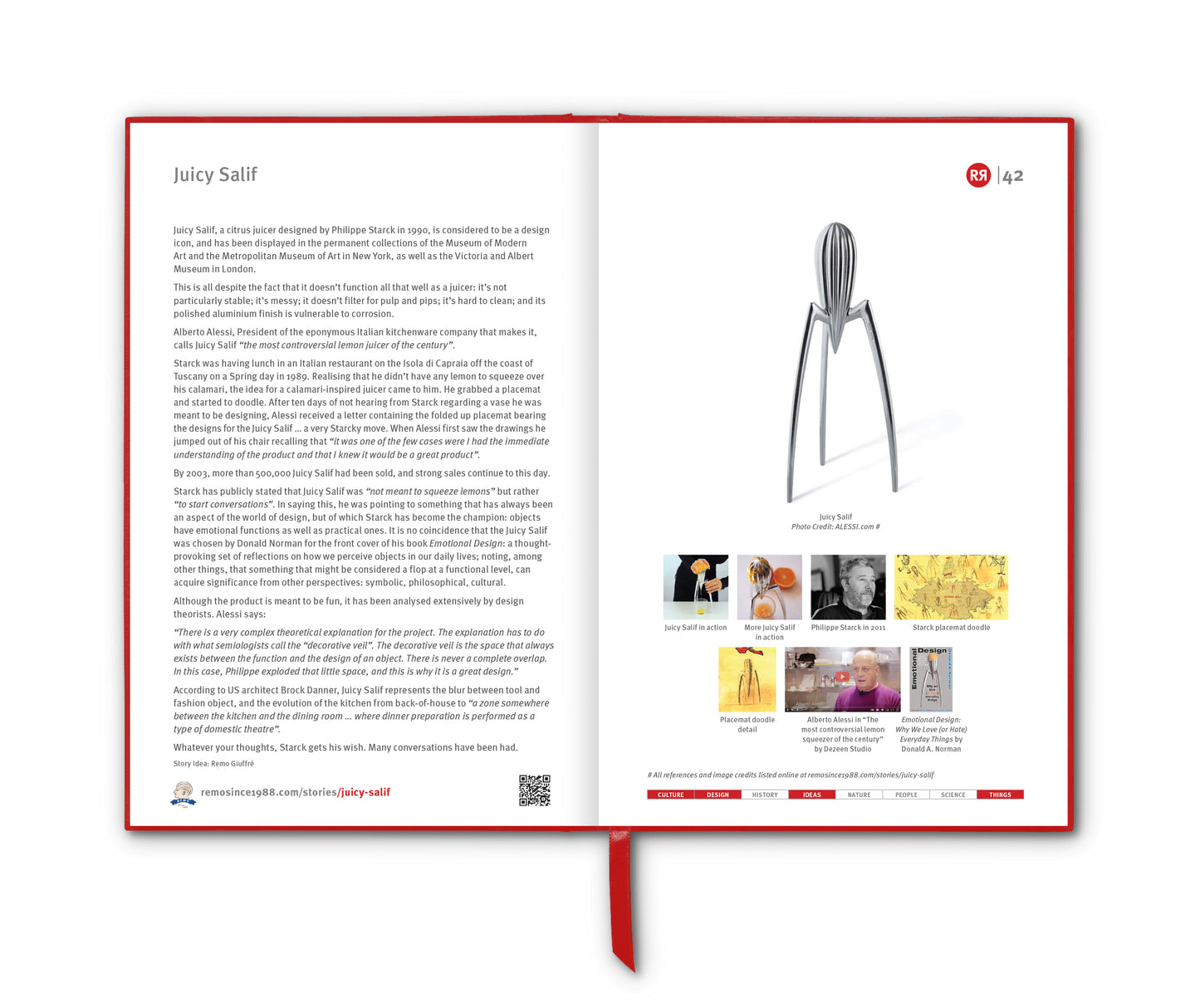
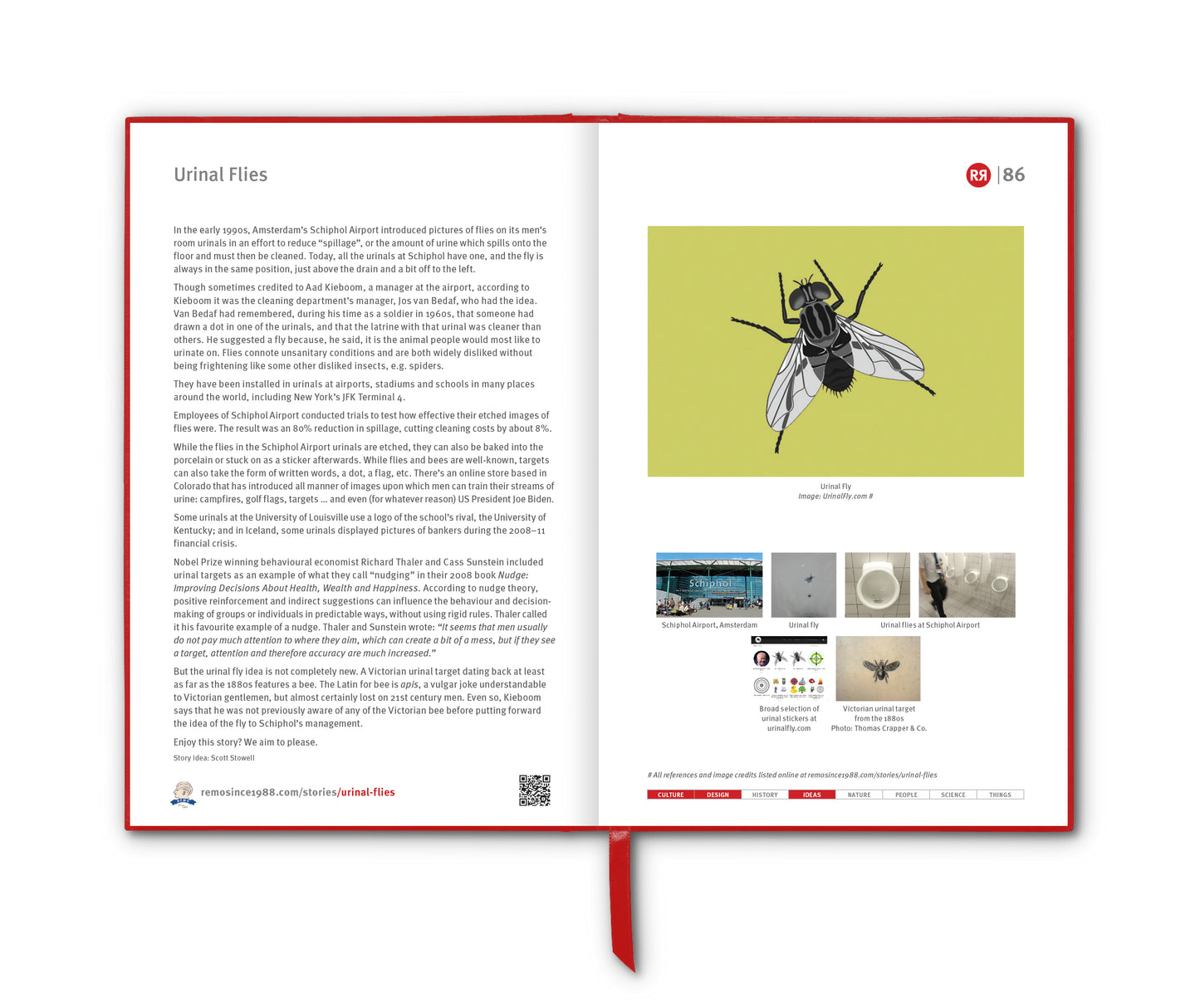
Part of the reason The Thinker feels like it's everywhere is because it is. Rodin authorised (and later, his estate permitted) multiple casts and sizes. There are dozens of full-size bronzes and many smaller studies in museums and public squares worldwide – enough replicas that the image becomes less a single artwork and more a cultural motif: heavy bronze, rough surface immeasurably patient. This proliferation has made The Thinker a democratic sculpture (you can encounter him in a park, a museum courtyard or on a postcard) – and that ubiquity has amplified his symbolic power.
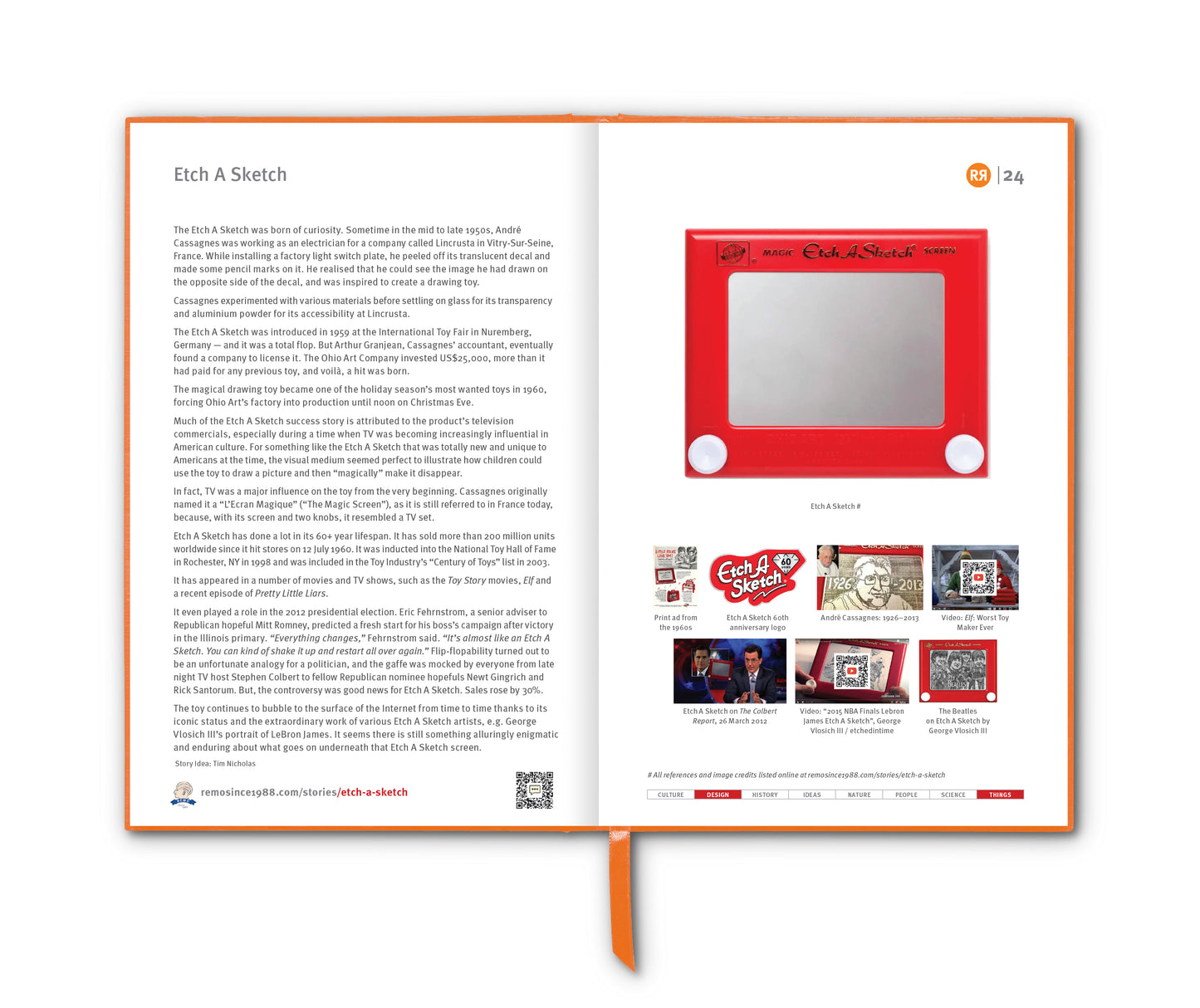
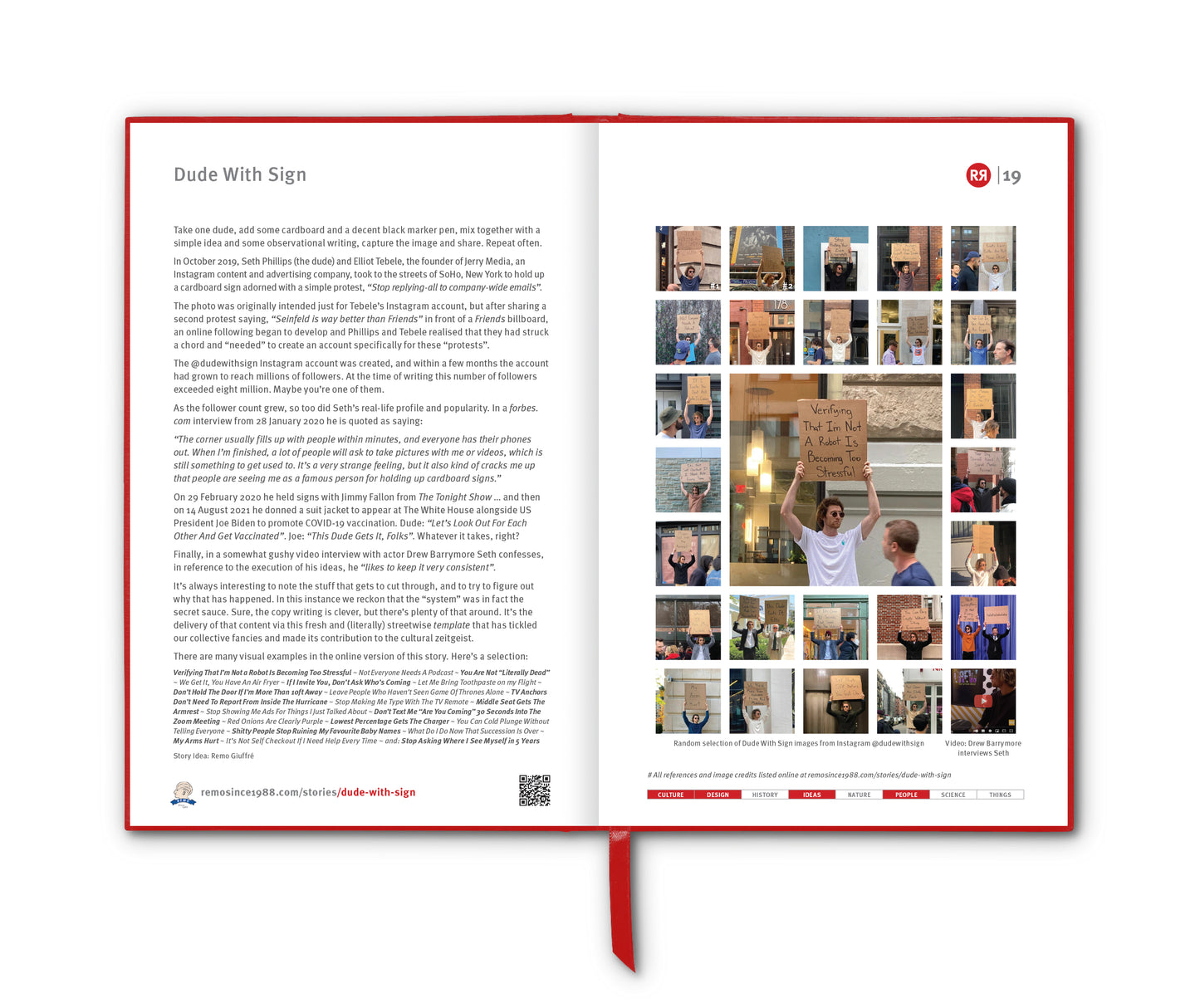
Culturally the statue is a paradox – a masculine, muscular figure – almost heroic – frozen in private deliberation. Over time viewers began seeing “the thinker” as any creative or moral actor: the artist, the philosopher, the politician, the reflective citizen. That flexibility explains why the image turns up in advertisements, cartoons, academic logos and protest placards: it’s instantly shorthand for “serious thought” even when the context is anything but. If you’re old enough to remember the American sitcom The Many Loves of Dobie Gillis that aired on CBS from 1959 to 1963, you’ll no doubt remember the key role that the statue played as inspiration for the romantically hapless Dobie, played by Dwayne Hickman. Sample soliloquy HERE.
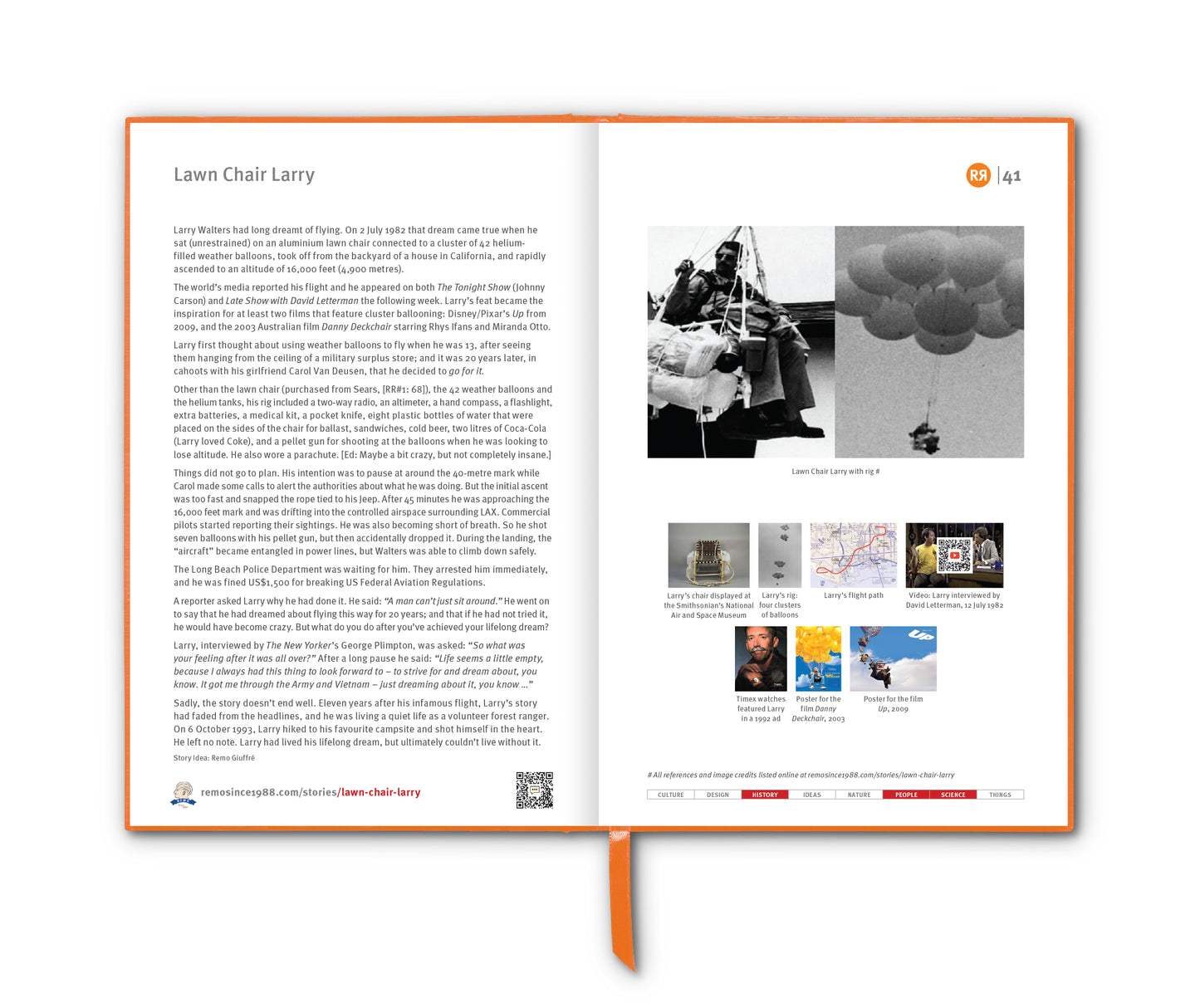
The public life of The Thinker has sometimes been bruising. One of the most dramatic episodes occurred outside the Cleveland Museum of Art in 1970, when an explosive attack severely damaged a cast installed there – toppling the statue and wrecking its lower legs. The damaged cast was left as a scarred witness to protest and violence, and the event only deepened the piece’s layered biography, proving that public monuments gather the histories of the places that host them.
Why does The Thinker endure? It marries tactile bravura (Rodin’s fingerprints and rough modelling make the bronze feel animate) with an instantly recognisable human posture. You don’t need to know Dante to recognise the pose; you feel it. That accessibility – plus a dose of reproduction and public display – turned a figure designed for a doorway into an enduring monument of introspection.
_____________________________
References
wikipedia.org/wiki/The_Thinker
britannica.com/topic/The-Thinker-sculpture-by-Rodin
musee-rodin.fr/en/musee/collections/oeuvres/thinker
wikipedia.org/wiki/List_of_The_Thinker_sculptures
blog.artsper.com/en/a-closer-look/rodin-the-thinker
wikipedia.org/wiki/The_Many_Loves_of_Dobie_Gillis
Images
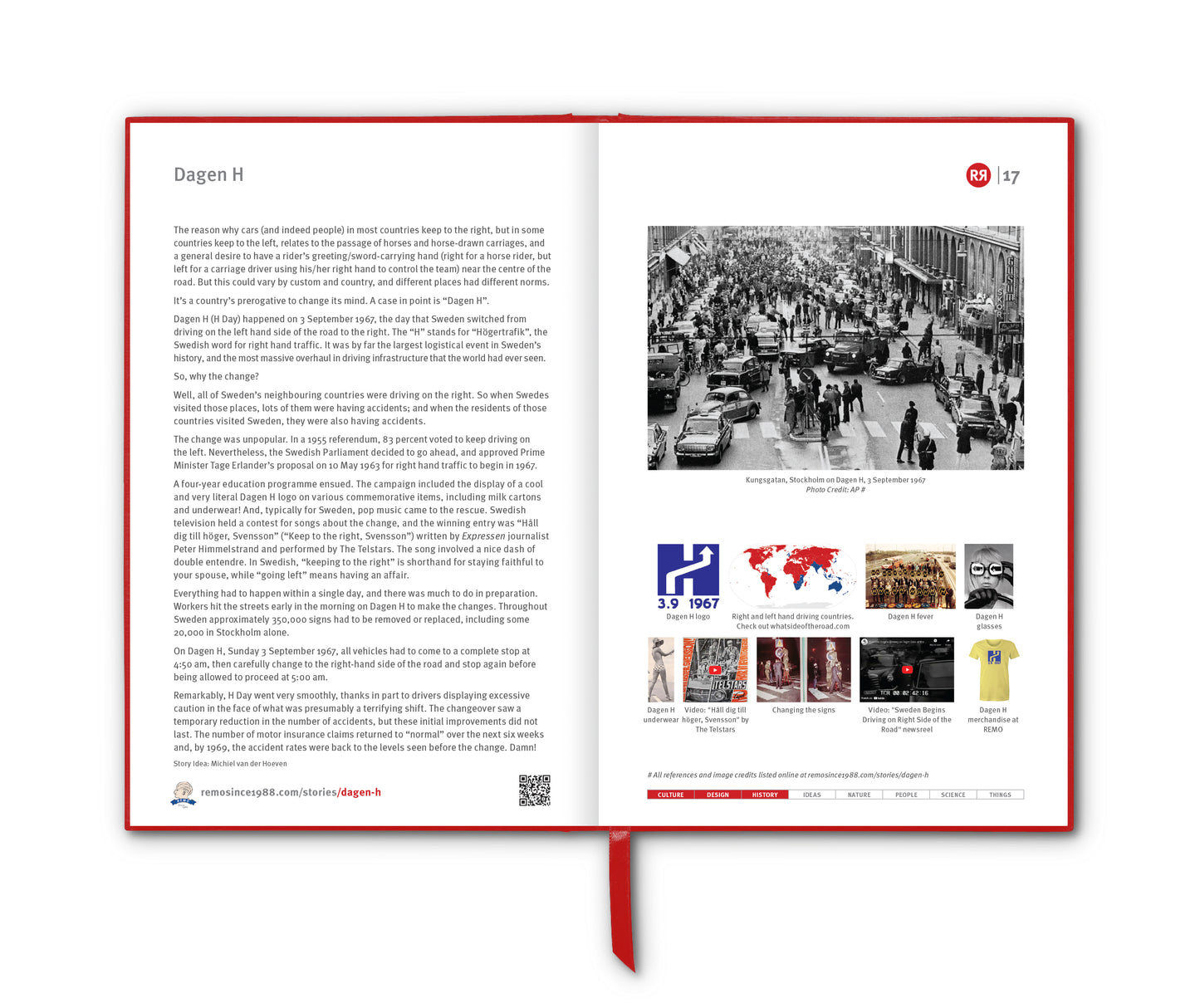
1. The Thinker as part of The Gates of Hell and then on its own at Musée Rodin in Paris
2. Auguste Rodin circa 1875–80 (around the time he created The Thinker)
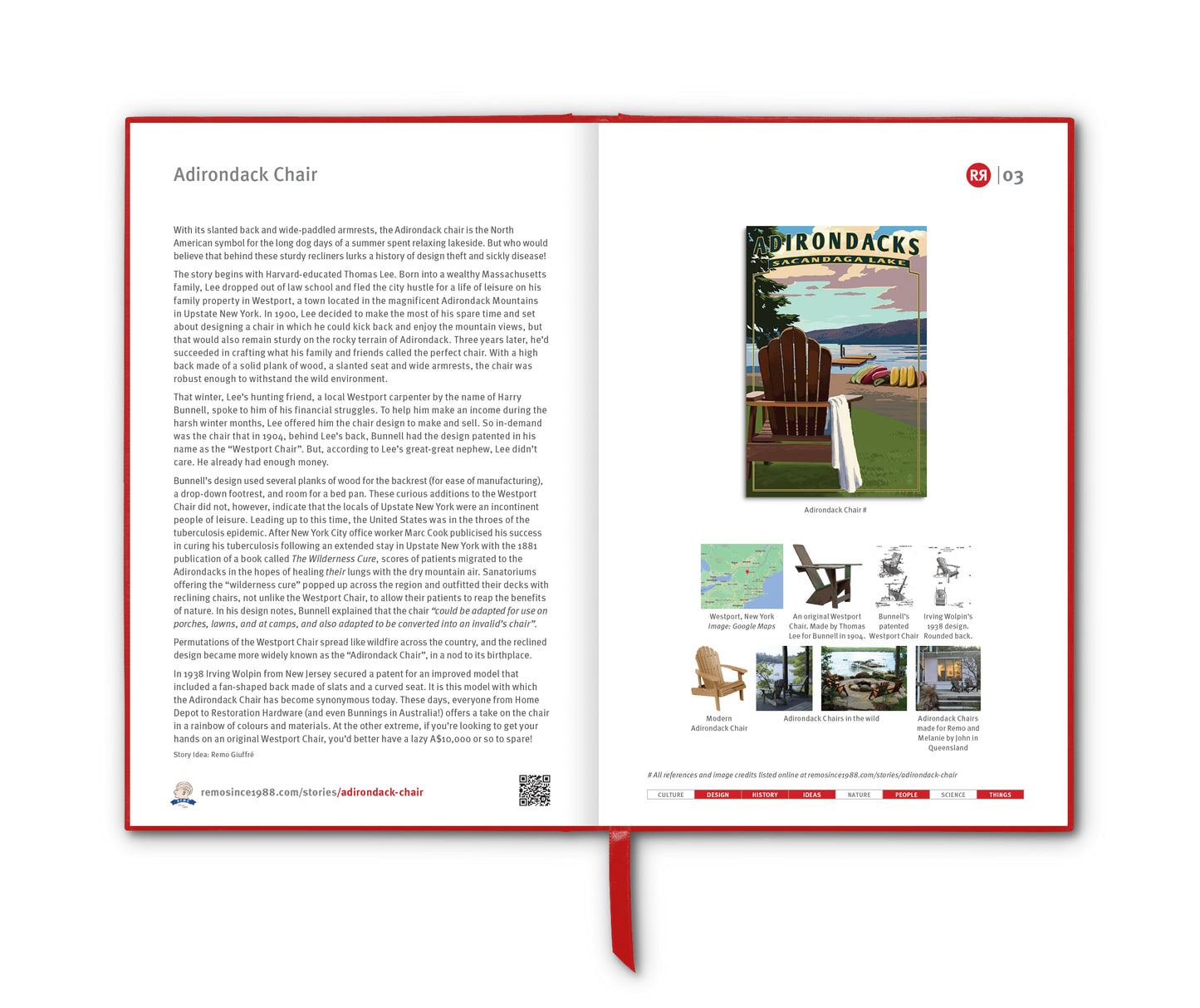
3. The Gates of Hell. Photo credit: Alec Rogers for the Association for Public Art
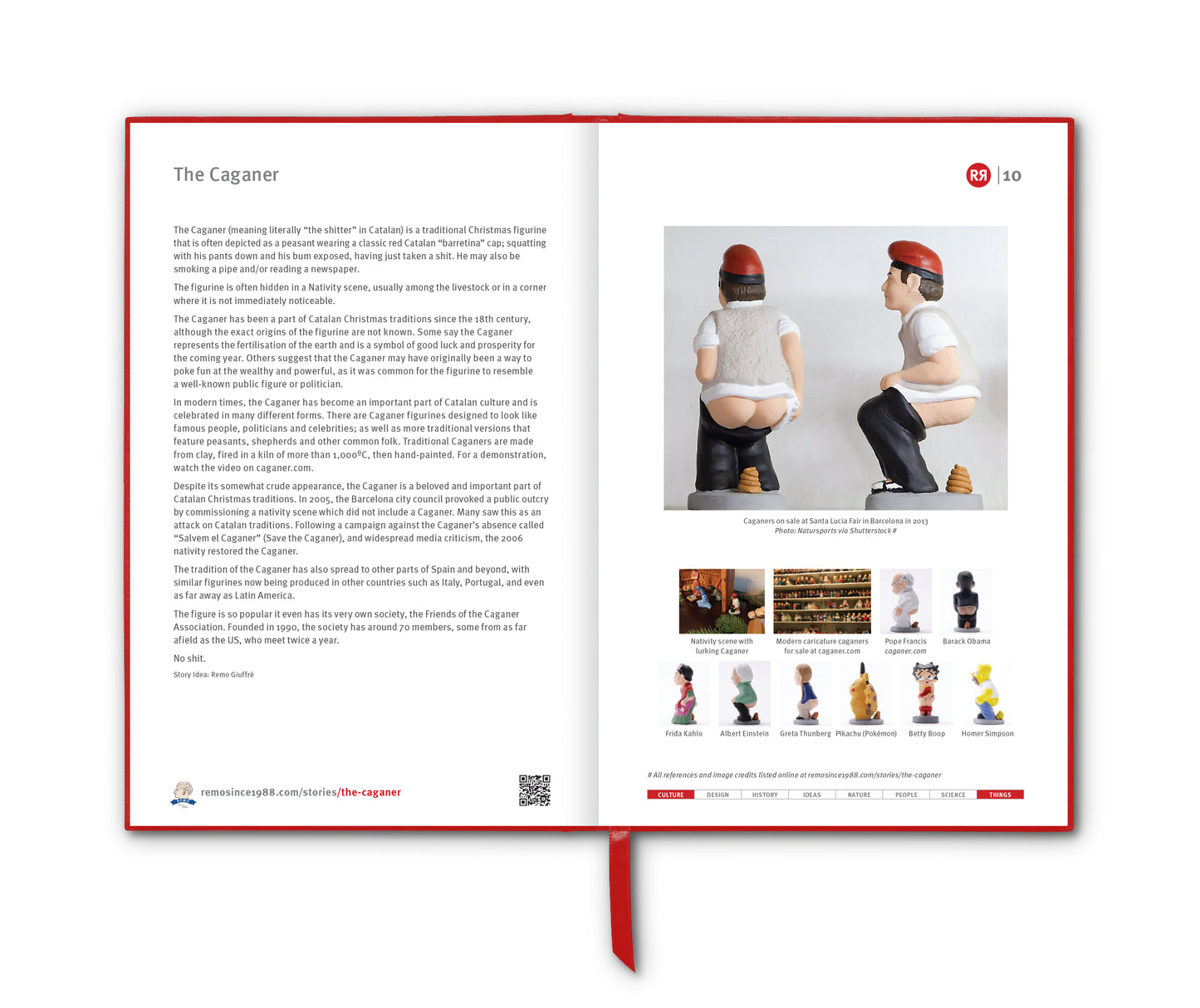
4. Signature of Auguste Rodin (1840-1917) on The Thinker
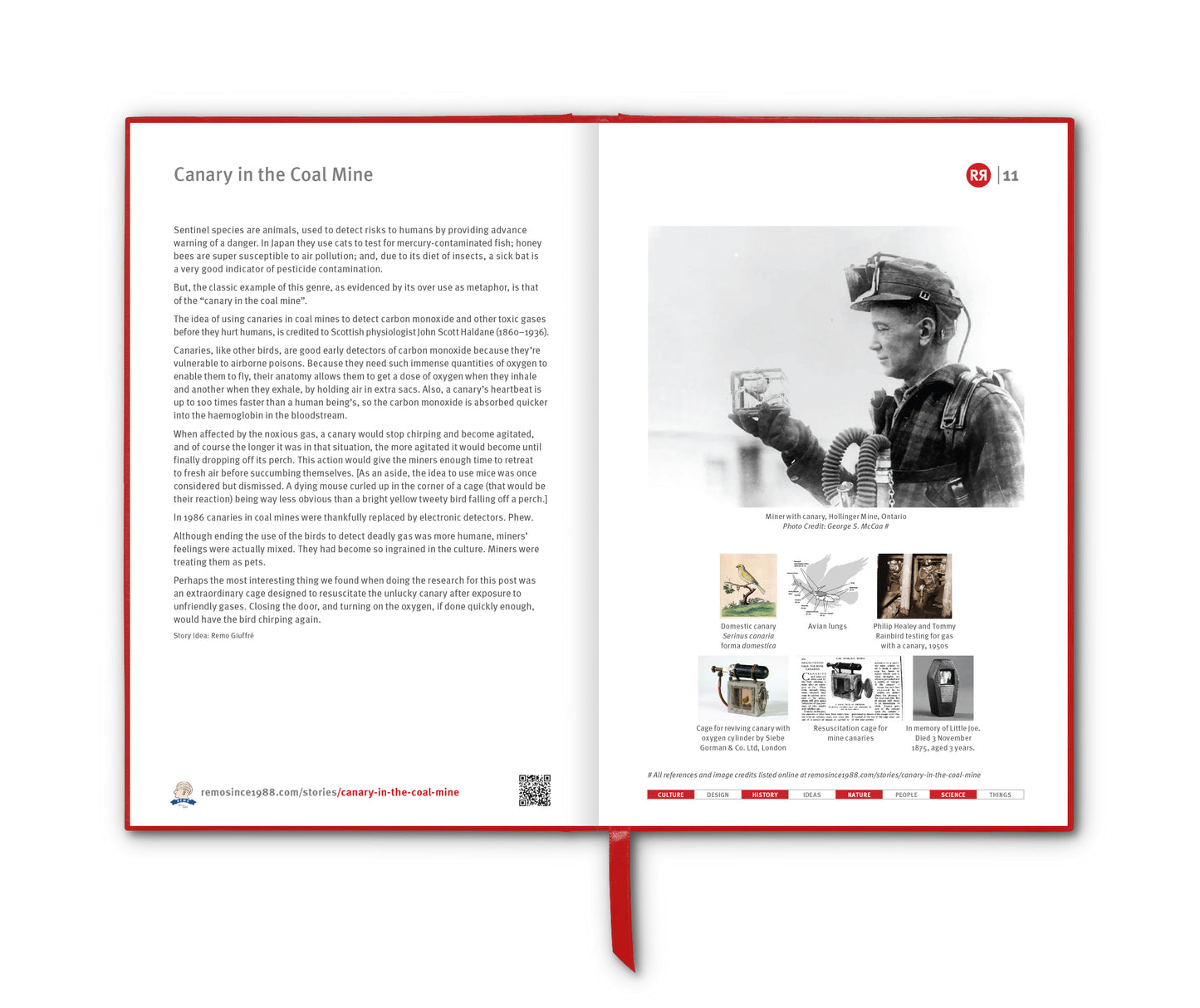
5. Rodin's model forThe Thinker – boxer Jean Baud
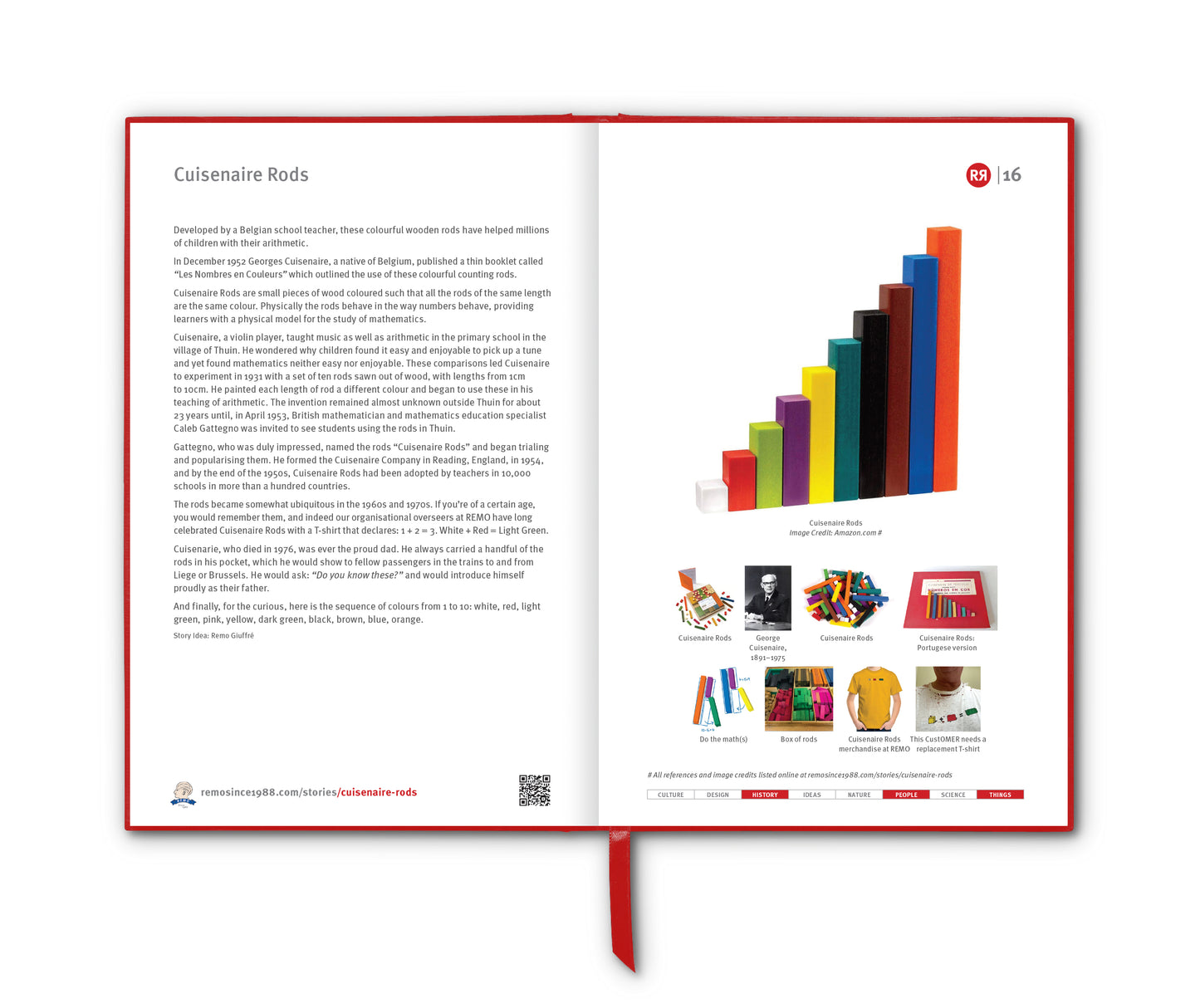
6. The Thinker, Rodin Musée Rodin, Paris
7. The Thinker in front of Philosophy Hall at Columbia University. Photo credit: Billy Hathorn
8. Auguste Rodins "Tänkaren" in Stockholm. Photo credit: Holger Ellgaard
9. Damaged Thinker at Cleveland Museum of Art. Photo credit: USA.Daderot
10. Mural "The Modern Thinker" (2014) by artist ASKE (Moscow) in Mannheim, Germany. Photo credit: Hubert Berberich
11. Hmmm … pants. Cartoon by Pat Byrnes
12. Dobie Gillis and beatnik sidekick Maynard G. Krebs with The Thinker in background
13. Video: “Ponderings of Dobie Gillis”, troutsoup on YouTube, 2008