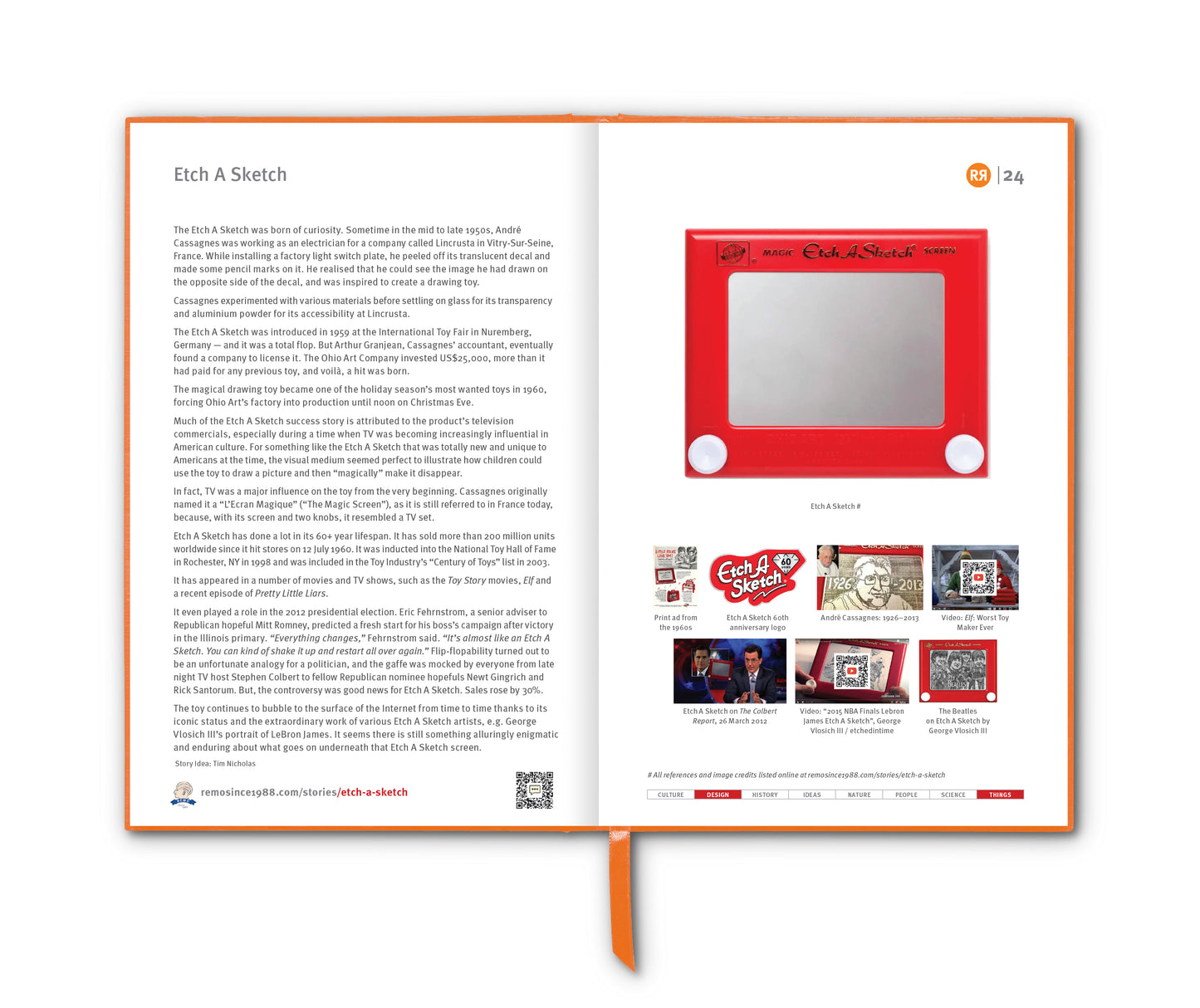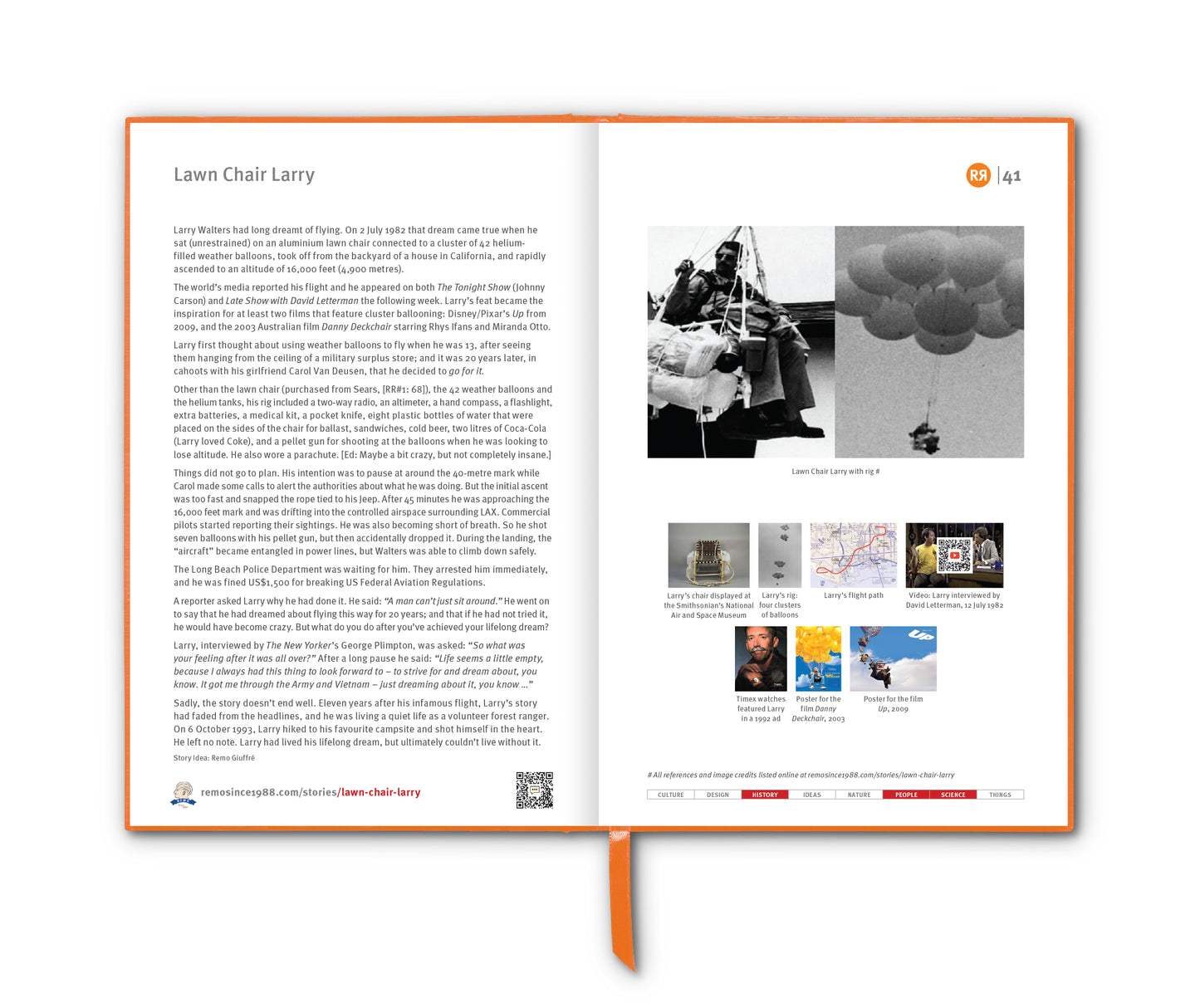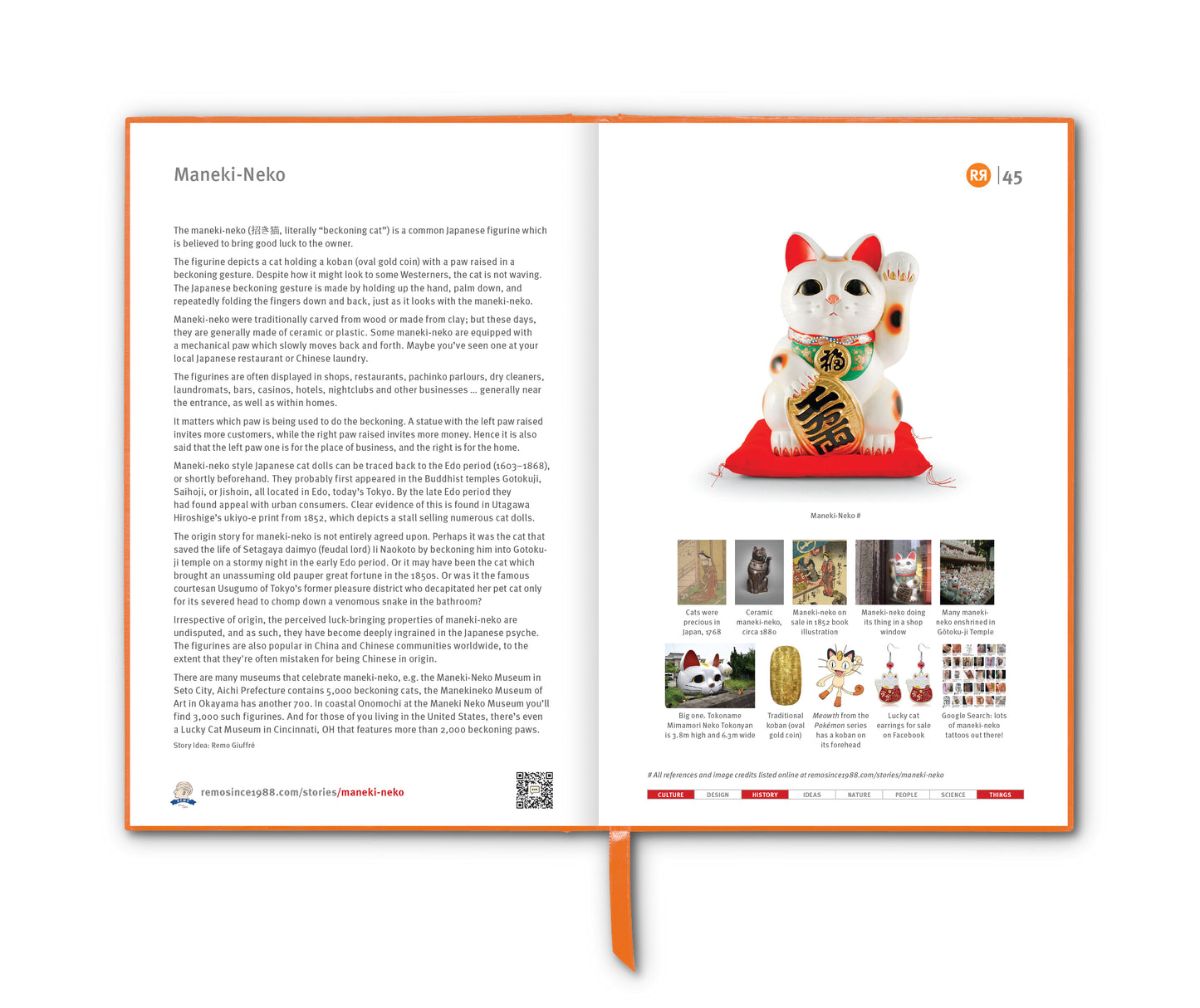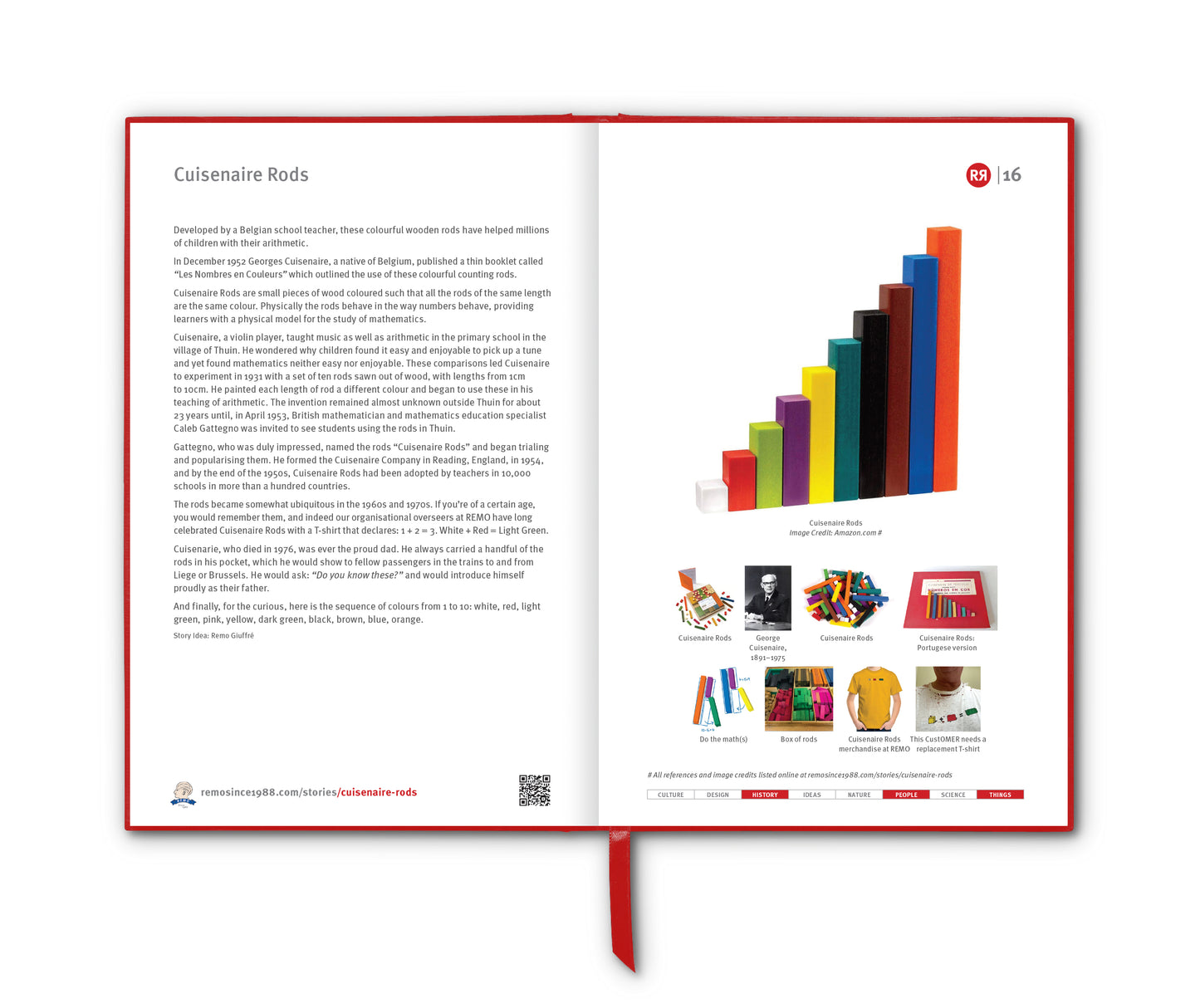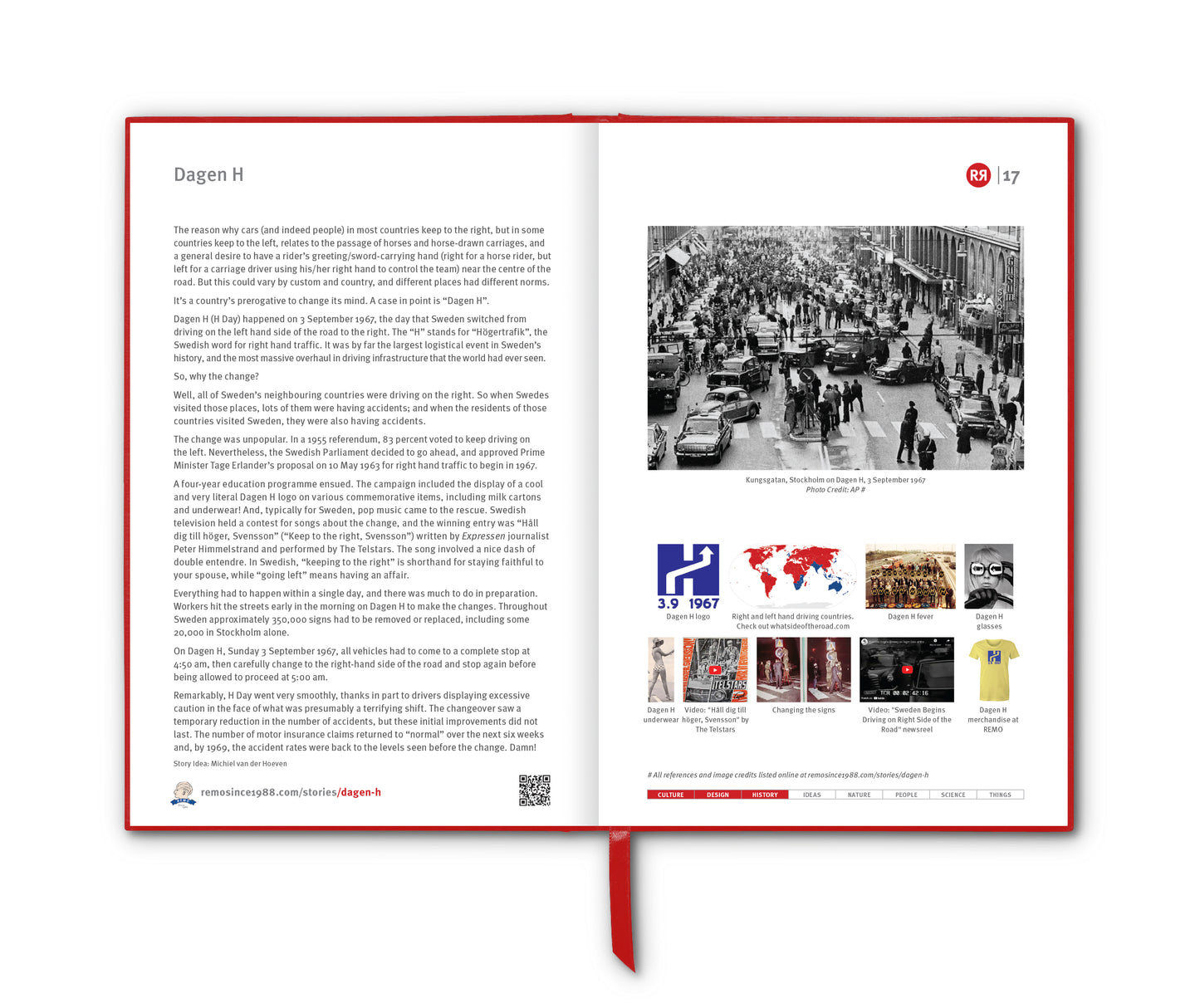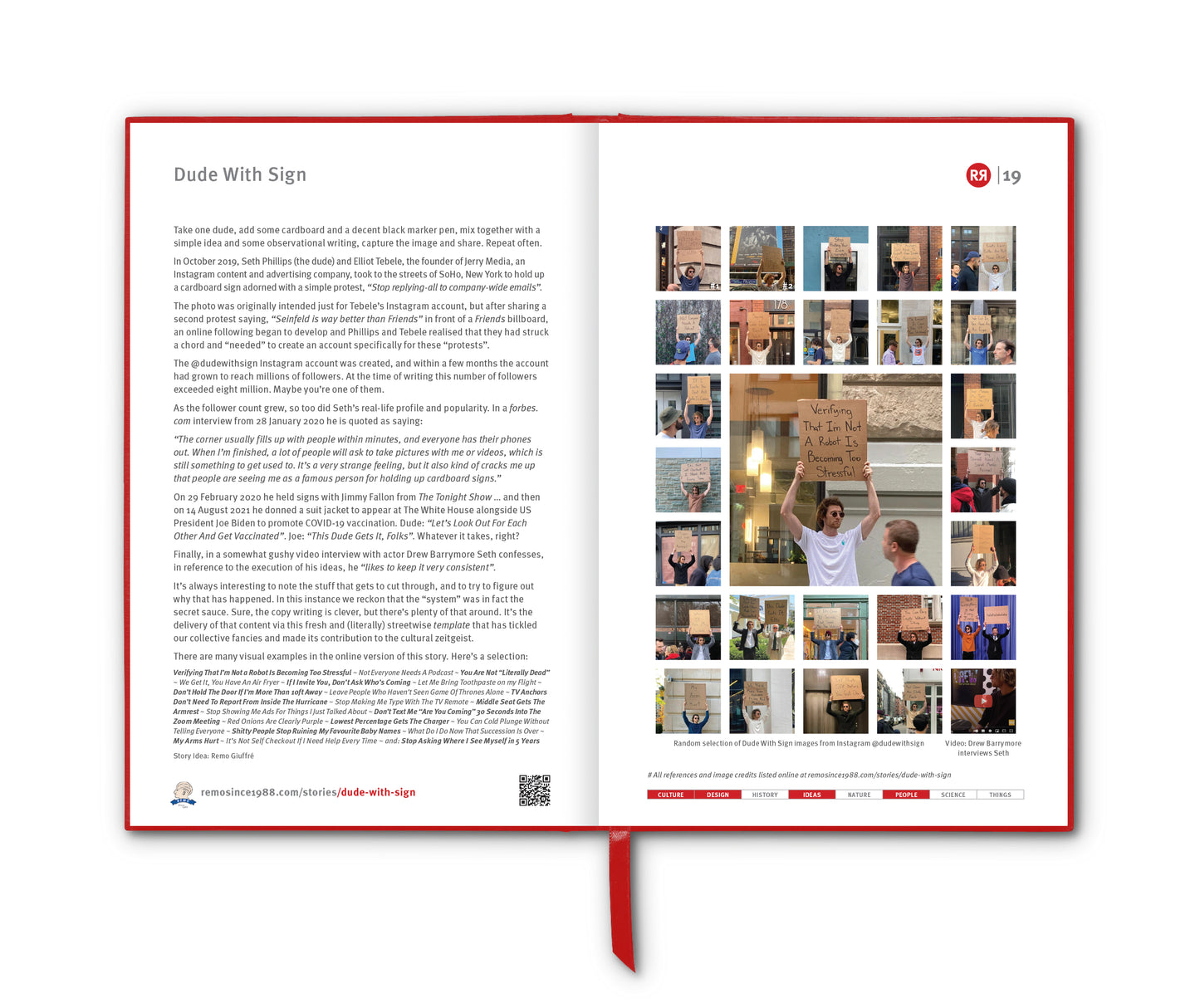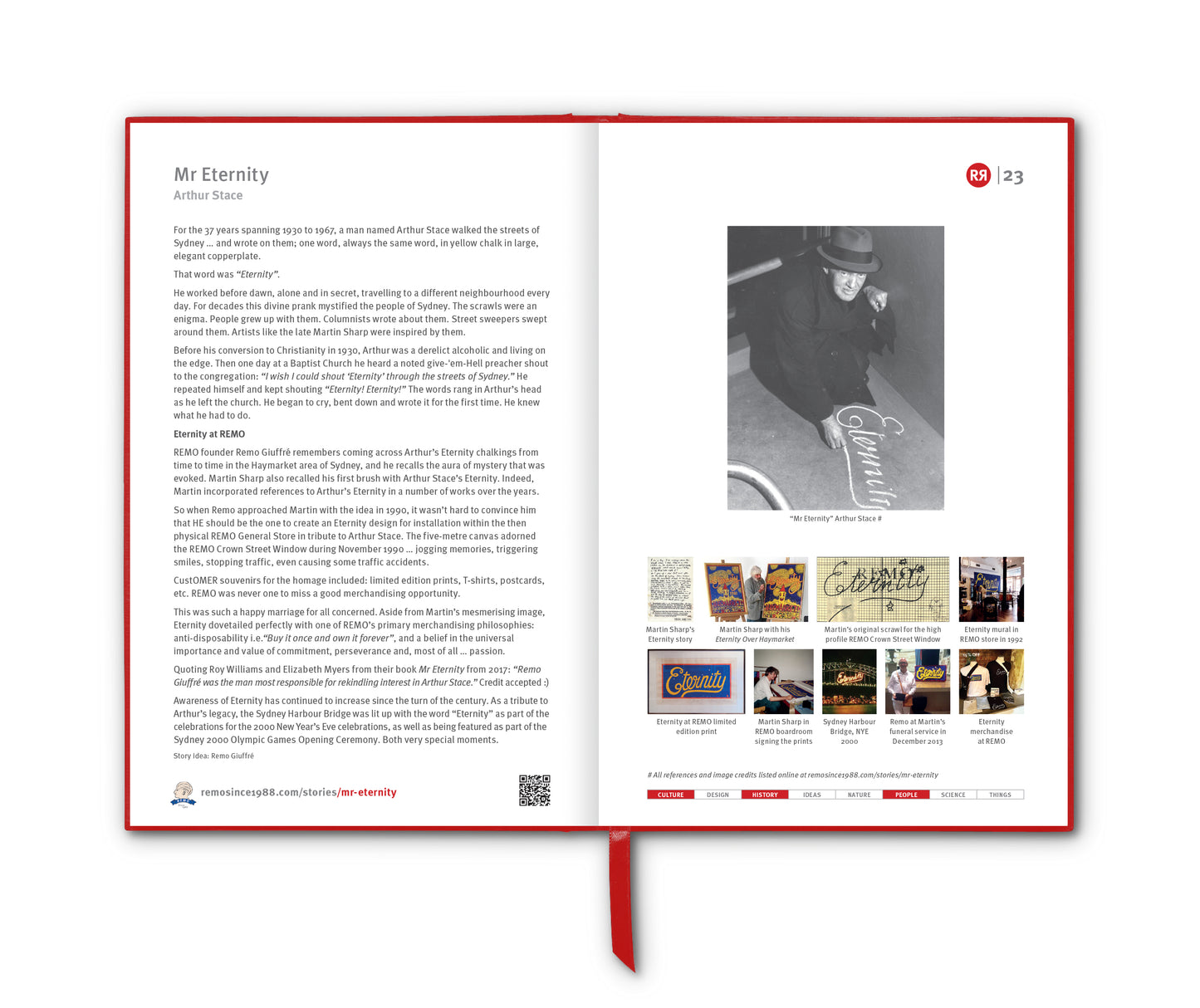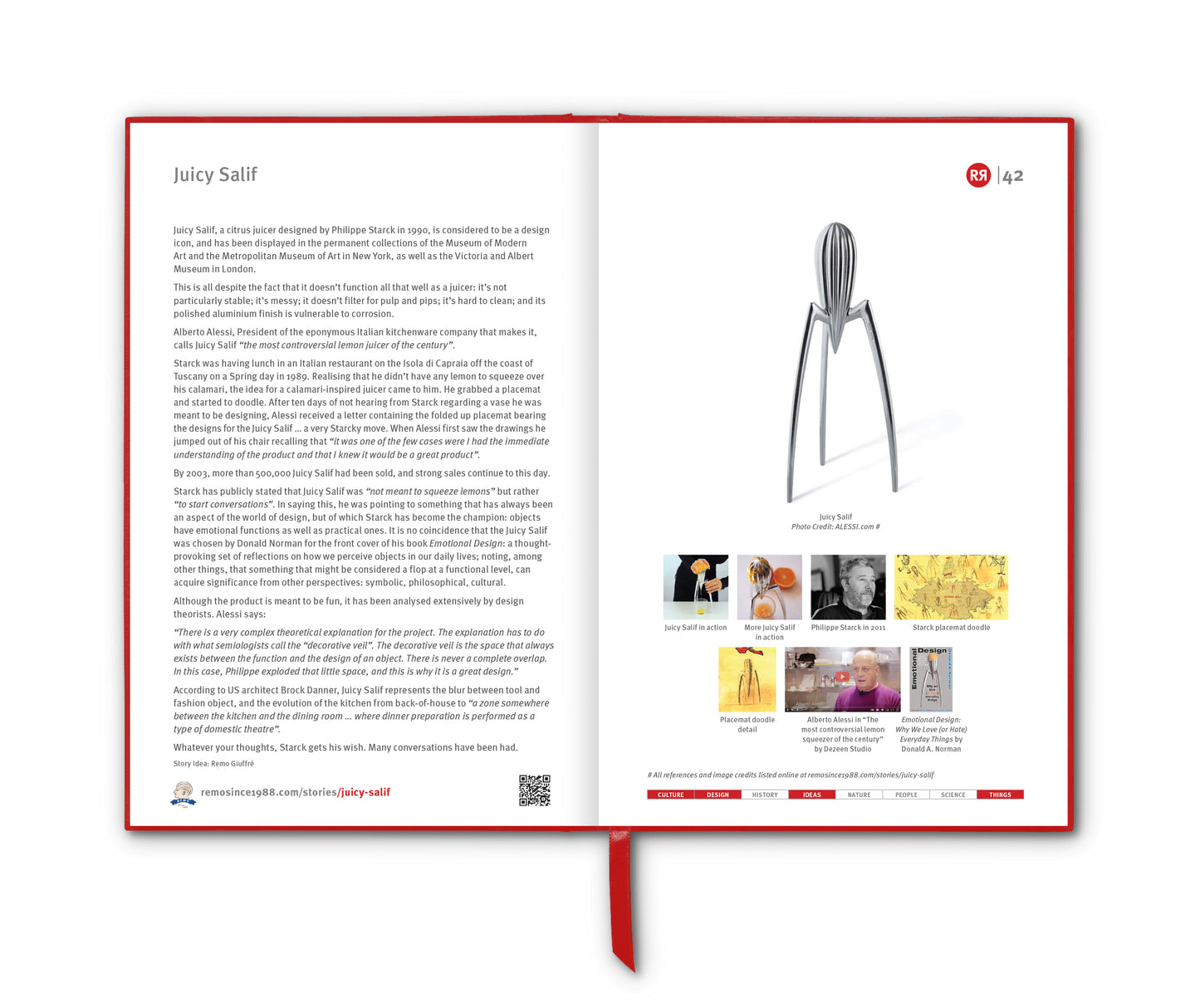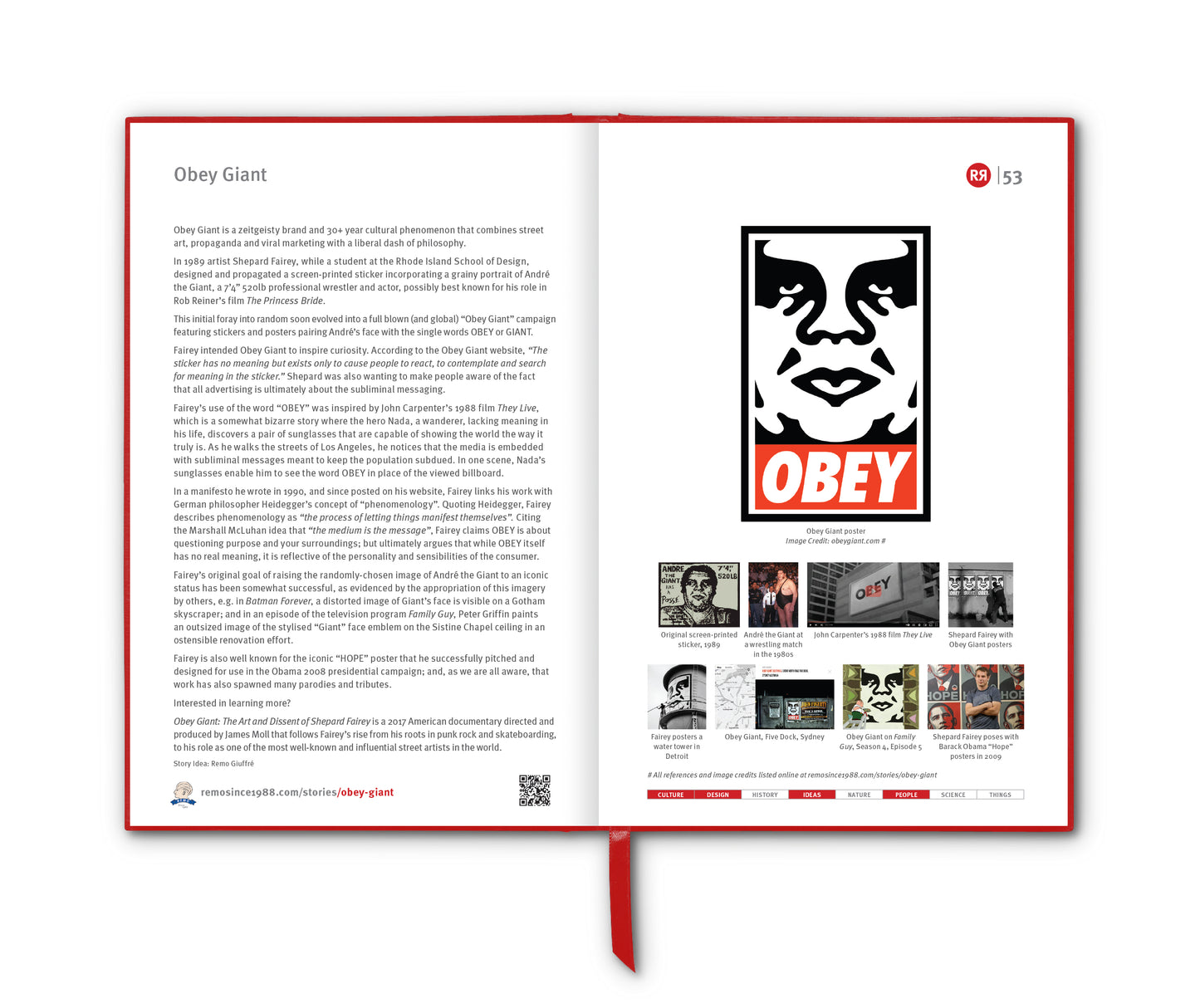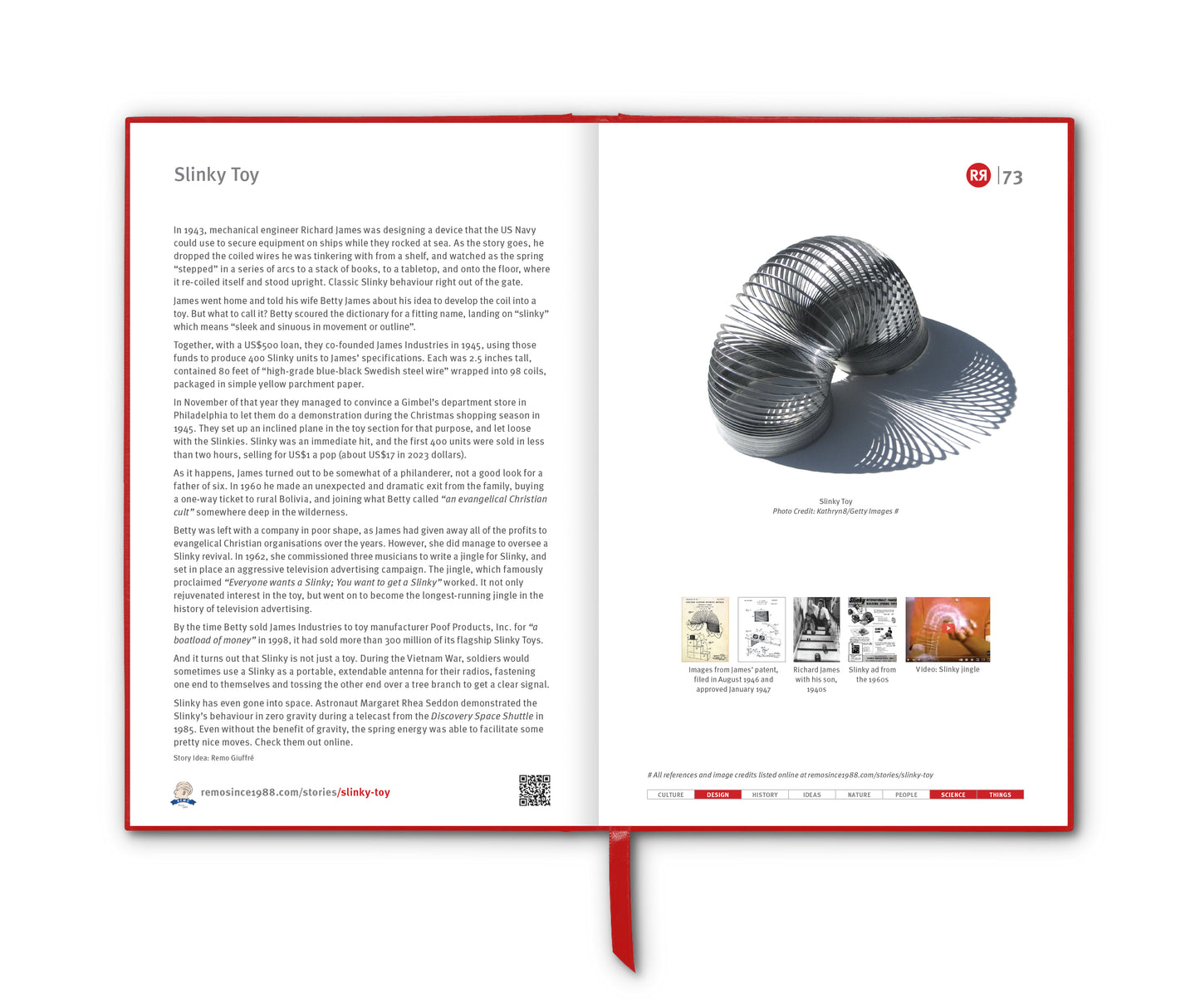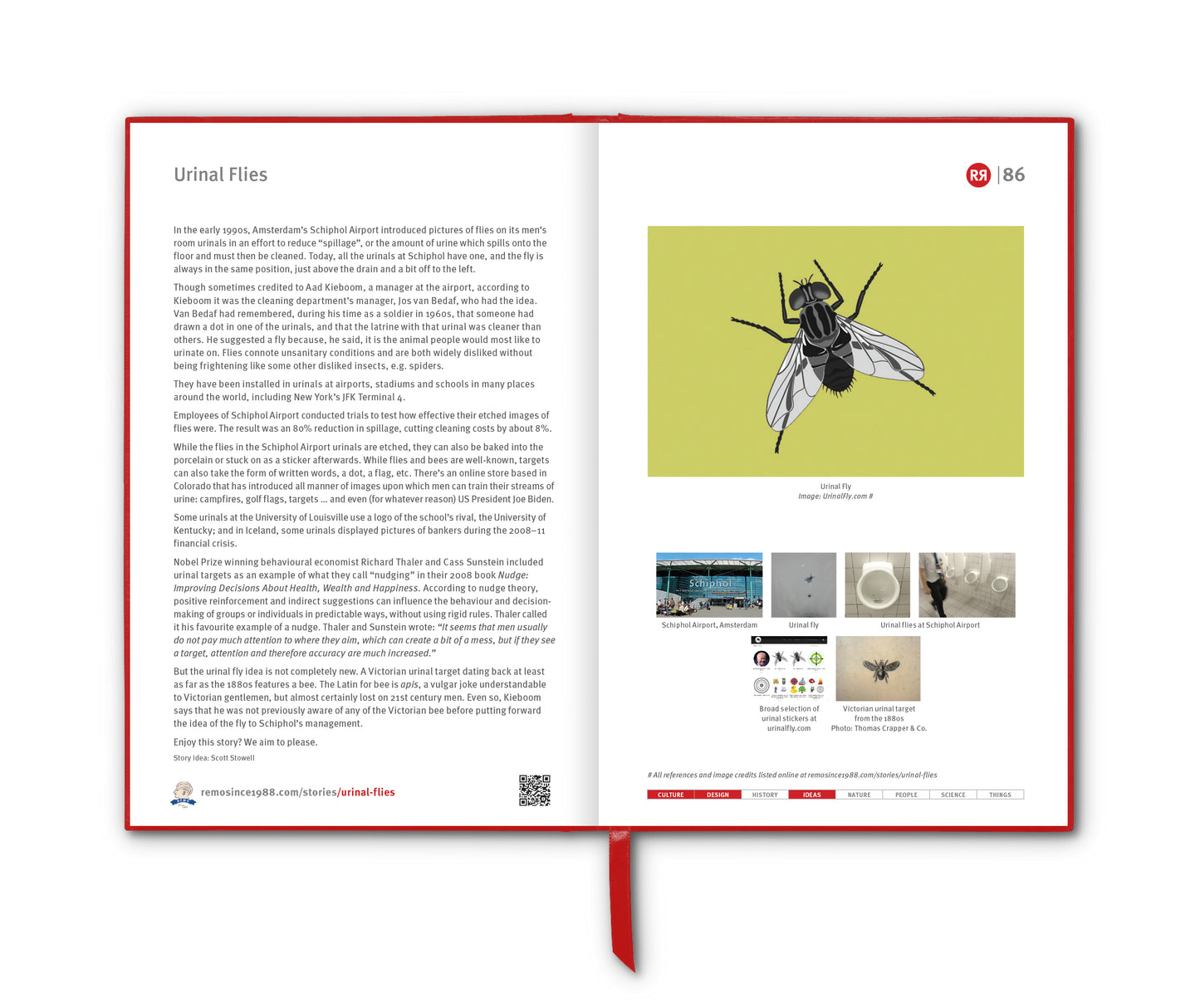

The typewriter, first successfully commercialised in the 1870s with the Sholes and Glidden model (also known as the Remington No. 1), revolutionised written communication by introducing a mechanical method of producing uniform, legible text at speed. Its invention marked a profound shift from handwriting to typing, enabling a dramatic increase in administrative efficiency and professional documentation.
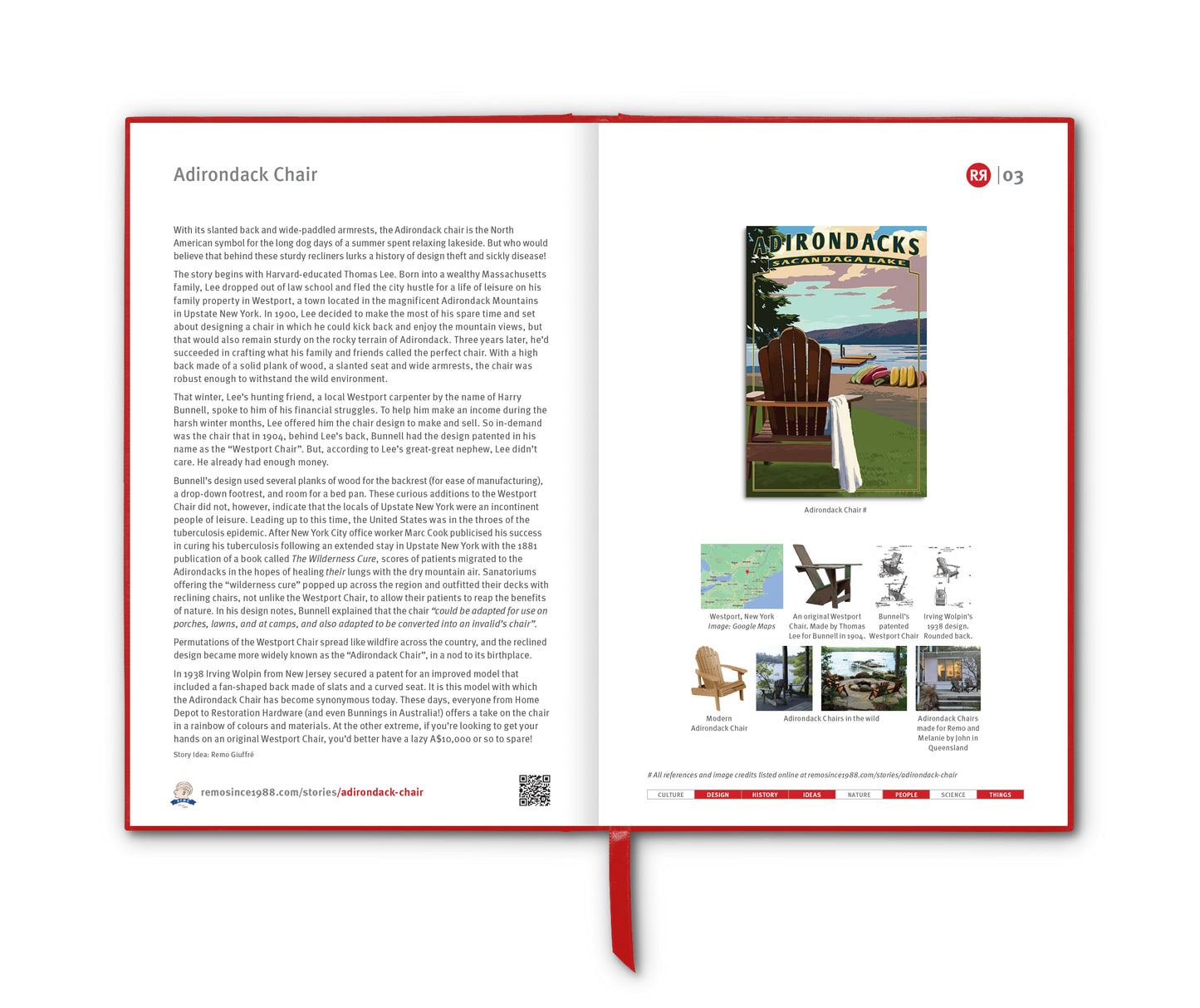
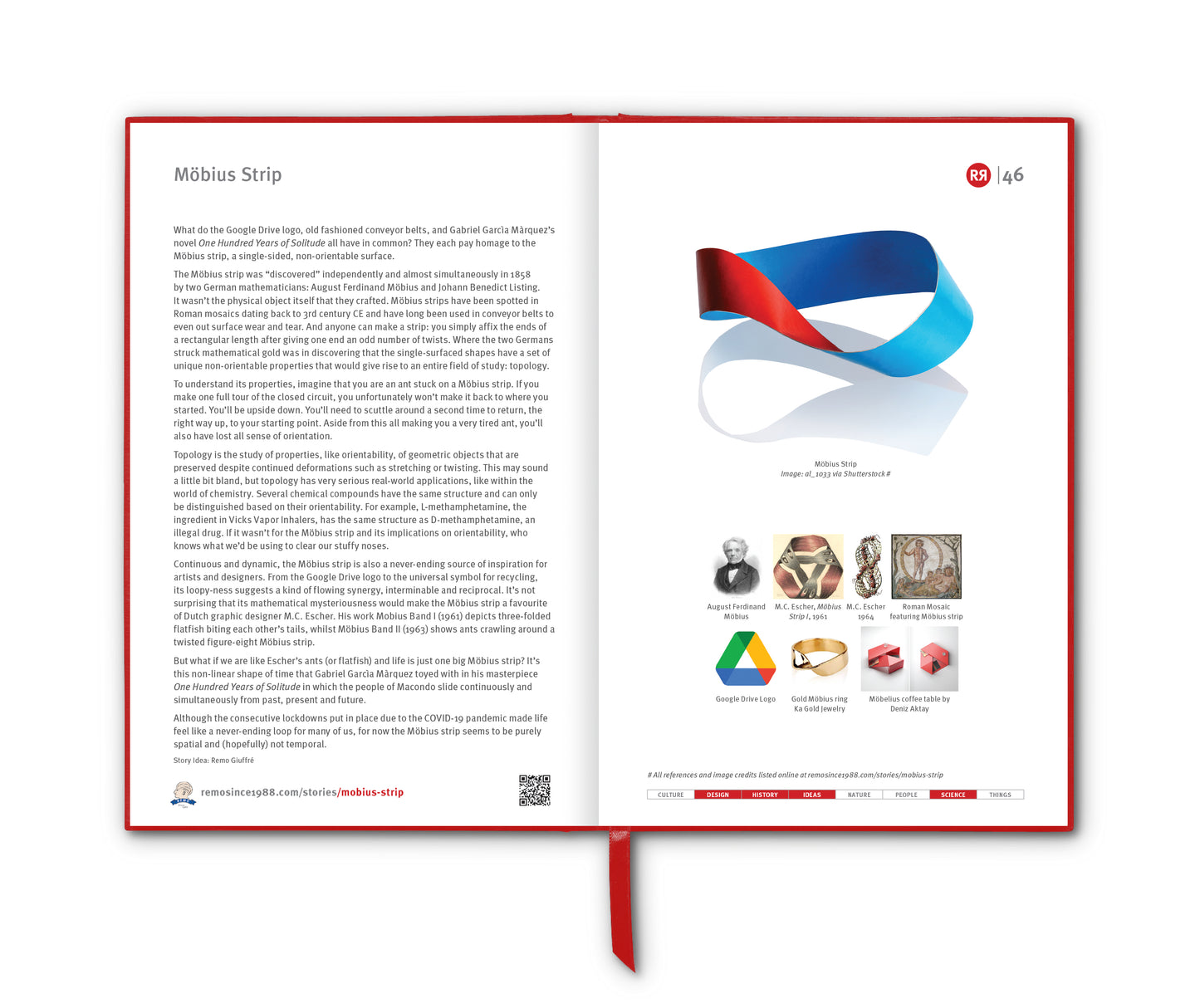
Typewriter art emerged almost as soon as typewriters became widely available in the late 19th century. The earliest documented examples date back to the 1890s, when stenographers, clerks, and typists – often women in administrative roles – began using letters, punctuation marks and spaces to create decorative borders, monograms and images.
The restrictive nature of the medium – limited to fixed-width characters and a grid-like structure – fostered a unique form of visual minimalism. Artists used overtyping (typing over the same space multiple times), varied spacing and the imaginative use of symbols to suggest depth, shading and movement.
In the first few decades of the 20th century, typewriter art became both a novelty and a folk art. A notable early practitioner was Flora Stacey, a British typist who exhibited a typed butterfly at the 1898 International Exhibition in London. Her work, made entirely of typed characters, attracted public fascination and helped establish the concept of the typewriter as a medium for art.
Throughout the 1920s to 1950s, hobbyists and a handful of avant-garde artists experimented with the form. Their works were often printed in amateur magazines and newsletters – and later in zines.
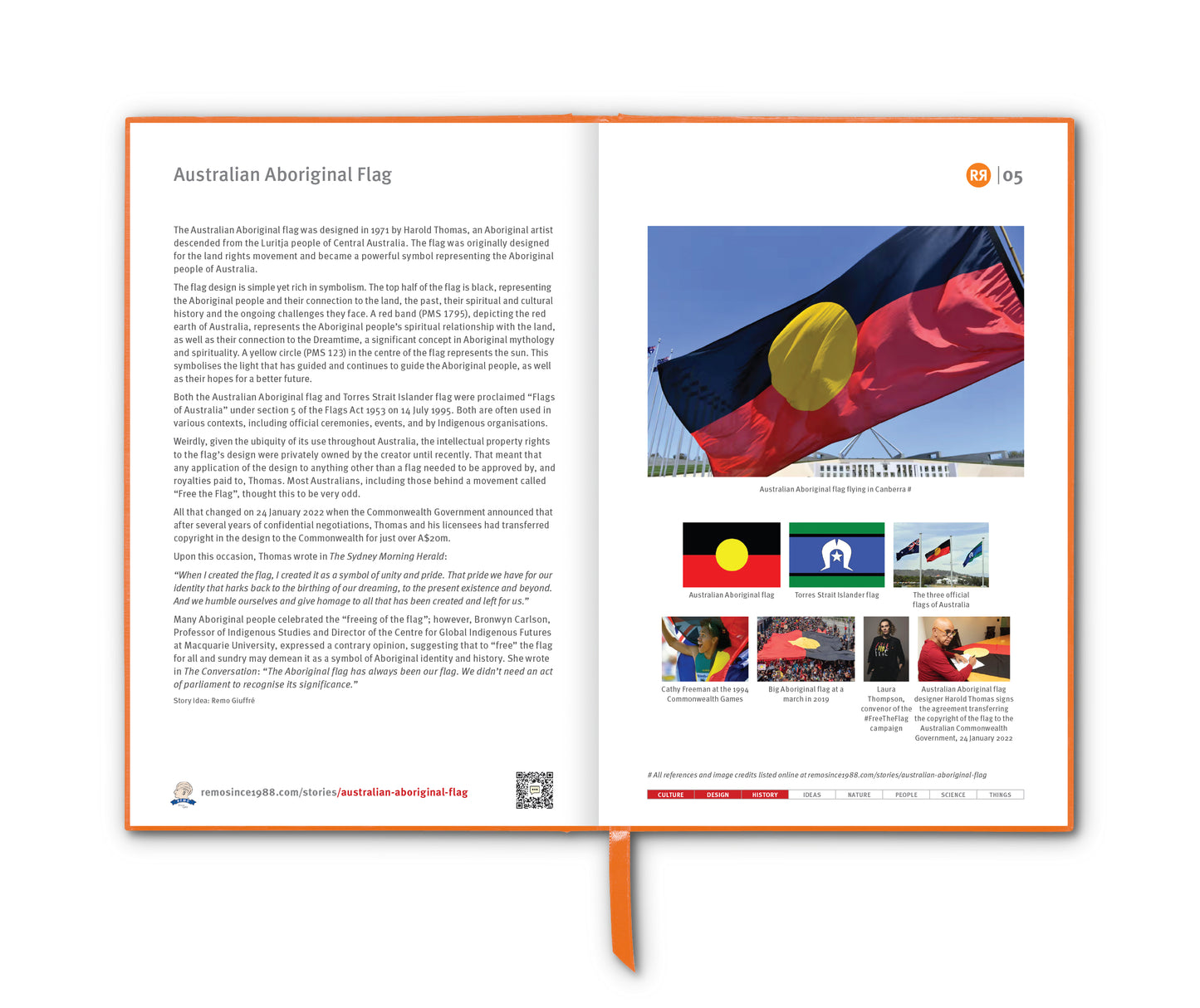
By the 1950s and 1960s, typewriter art intersected with the rise of “concrete poetry” (a form of poetry where the visual arrangement of the words on the page is just as important as their meaning) – especially in Europe and Latin America. Artists like Dom Sylvester Houédard in the UK and Henri Chopin in France used typewriters not just for pictures but for spatial and visual explorations of language. Houédard’s "typestracts" (typed abstract images) used the typewriter to collapse the boundaries between word and image, combining poetic minimalism with graphic experimentation.
Perhaps the most famous outsider typewriter artist is Paul Smith (1921–2007), an American man born with severe cerebral palsy. Despite his physical limitations, Smith created incredibly detailed and realistic images using only ten characters on a typewriter (mainly ^, _, |, /, and ). His work, often religious or nature-themed, gained national attention in the 1990s and remains an iconic example of the medium’s expressive potential.
With the rise of computers, the aesthetic of typewriter art evolved into ASCII art, using standard keyboard characters to create images on screens. It was especially popular in early computing, online bulletin boards, and hacker culture in the 1980s and 1990s. These digital descendants of typewriter art expanded its reach and visual style while maintaining the same basic principles.
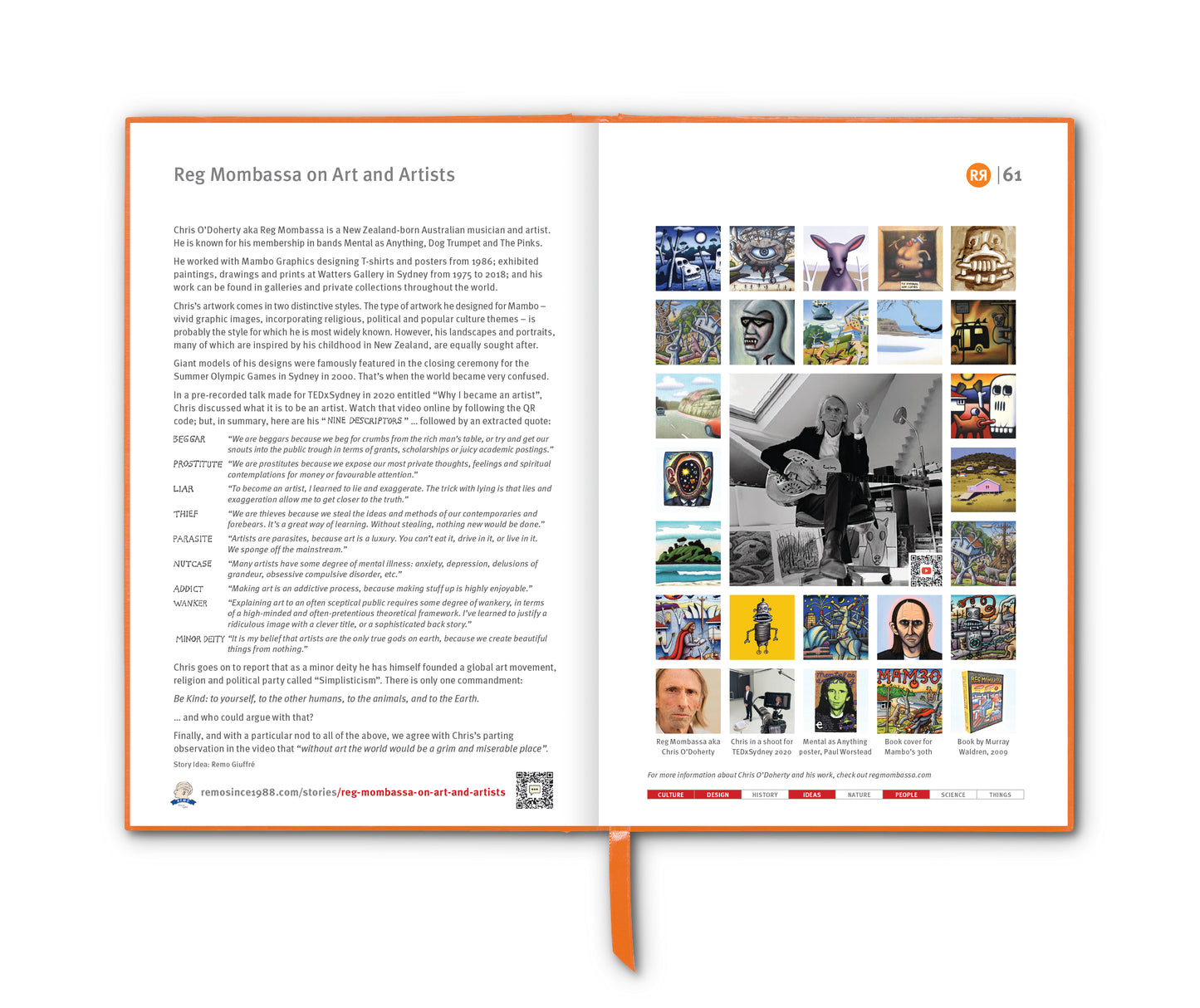
In the 21st century, artists have returned to analog typewriters with a new appreciation. Keira Rathbone, a British artist, uses vintage typewriters to create stunningly detailed urban landscapes, portraits, and objects. Typing on location, she “draws” using only the keys of her machine, combining a performance element with the final artwork.
Another notable figure is James Cook, a UK-based artist who also uses vintage typewriters to render architectural landmarks and celebrity portraits with extraordinary precision. He gained viral attention through social media, further boosting interest in the medium.
__________________
References
wikipedia.org/wiki/Typewriter_mystery_game
oztypewriter.blogspot.com/2020/02/flora-fanny-stacey-1845-1909-worlds
asciiart.eu
flashbak.com/the-image-in-the-machine-typewriter-art-in-the-1960-and-1970s
Images
1. Flora F.F. Stacey's picture of a butterfly from The Phonetic Journal of 16 October 1898, along with the typewriter she used to make it
2. A portion of the Brooklyn Daily Eagle, 6 January 1875 showing advertisements that include graphical elements made using type characters
3. The Chicago Sunday Tribune, 14 February 1904
4. From an album by Richard Palen that focuses on his life in aviation and the Air Force. Credit: San Diego Air and Space Museum Archive
5. British monk Dom Sylvester Houédard's splendid weeping, 1967. Published: dsh Openings 92
6. Paul Smith's Mona Lisa with detail
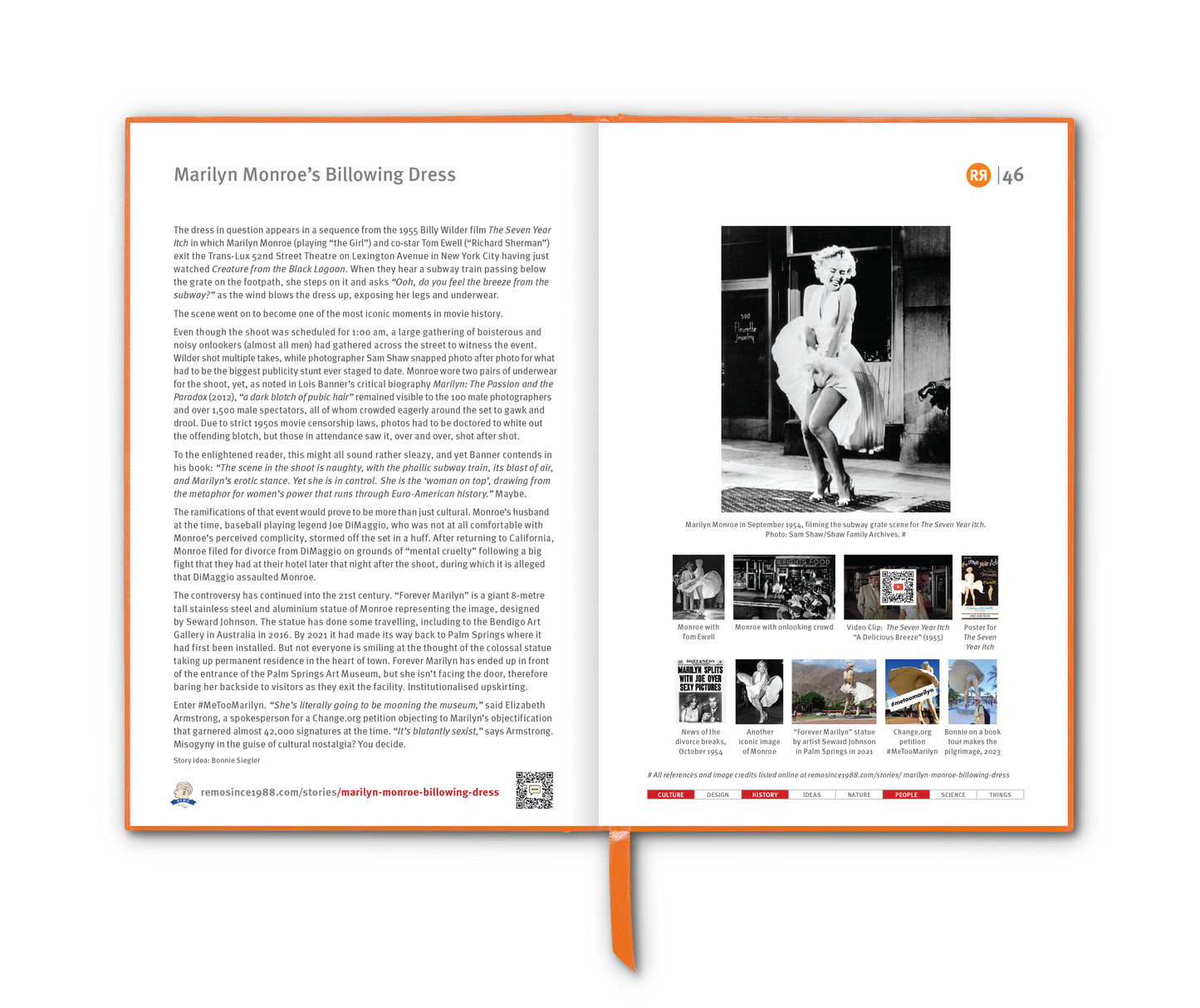
7. Marilyn Monroe with detail
8.Strong, Independent Women, 2024 by Keira Rathbone
9. Typewriter Art edited by Alan Riddell, London Magazine Editions, 1975
10. ASCII art Coca Cola logo
11. James Cook feature in Daily Mail, 16 January 2020