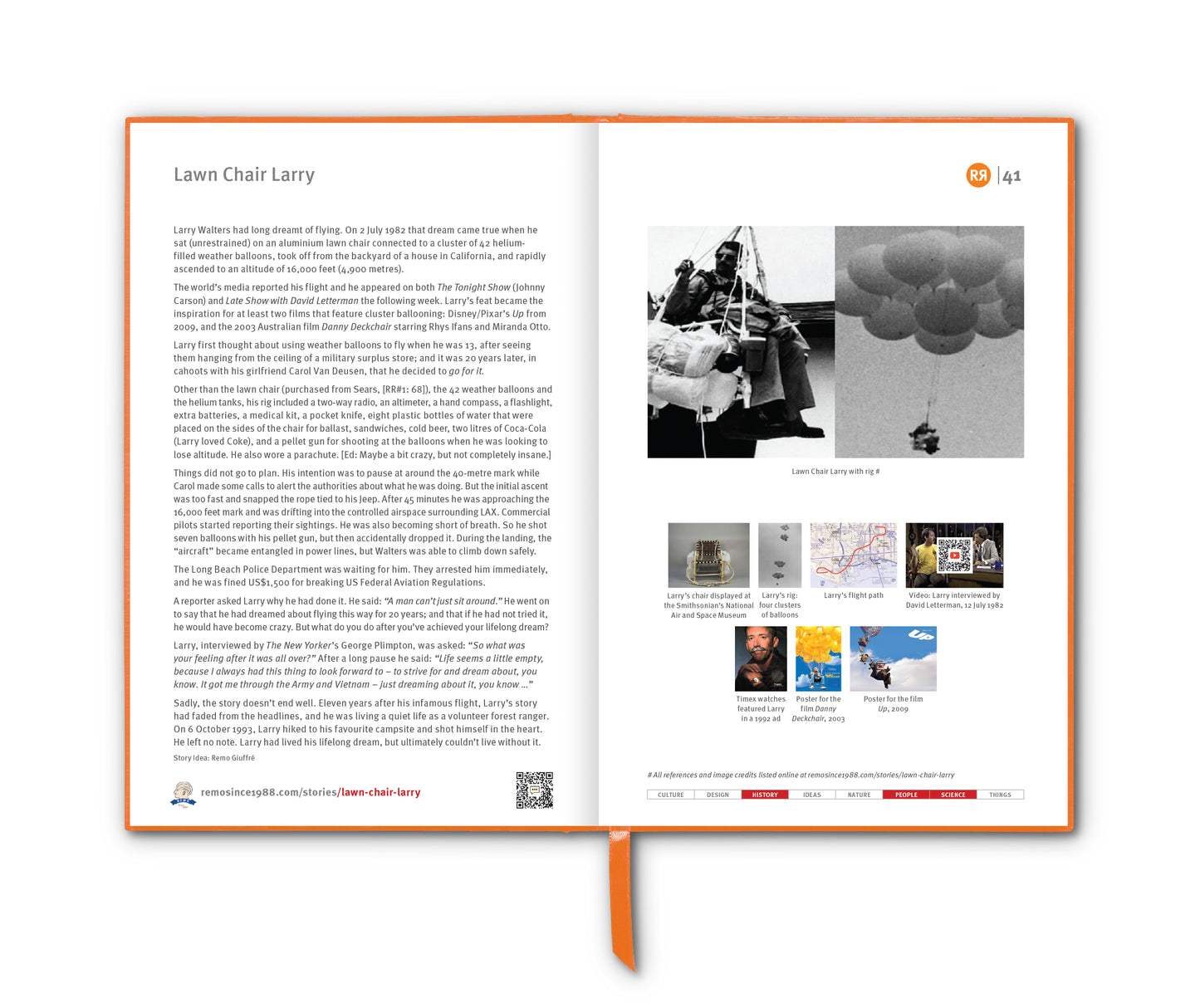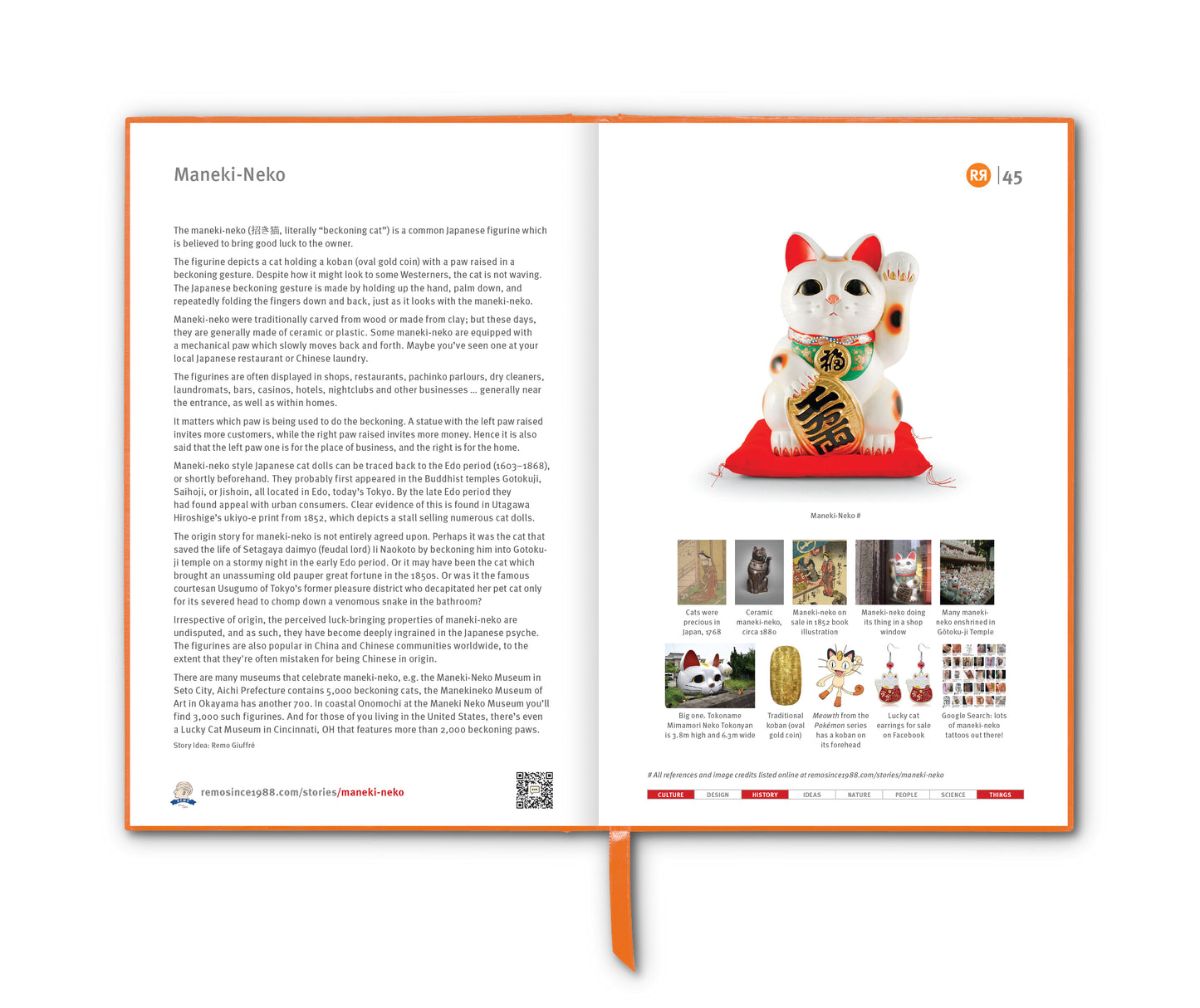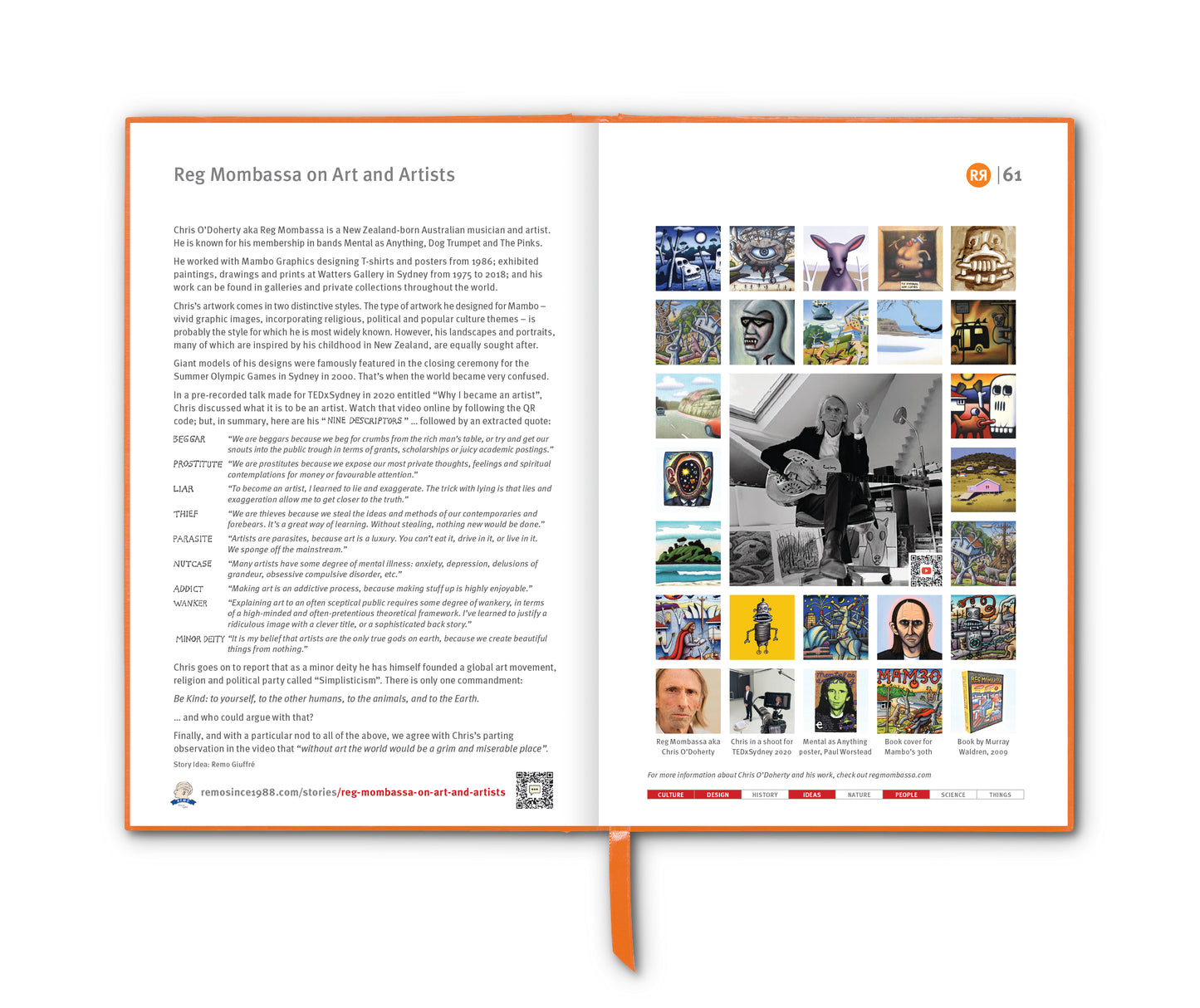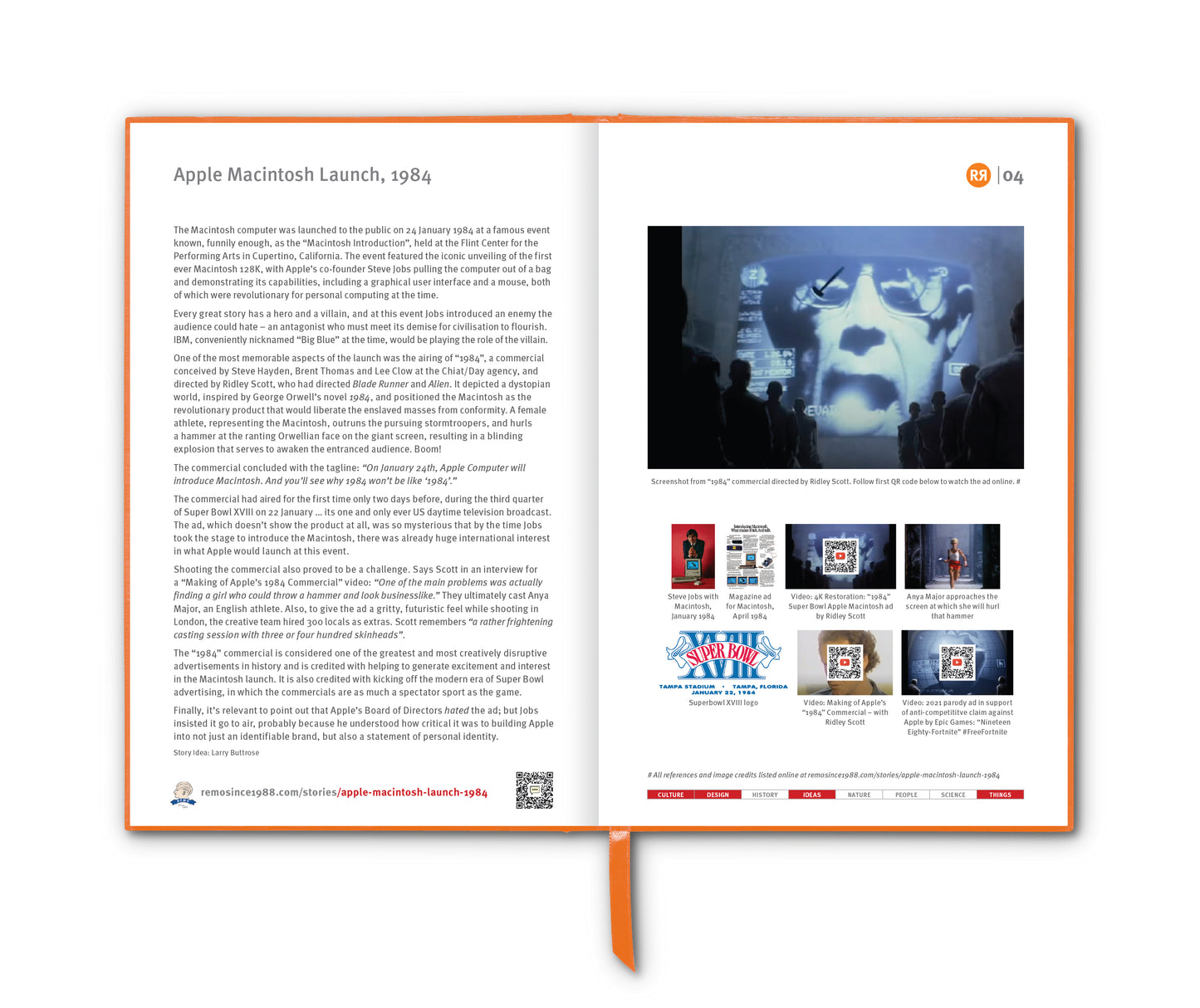

Ubuntu is a Southern African philosophy and worldview centred around the idea that a person's humanity is affirmed through their relationships with others. Its most commonly cited expression is: “I am because we are.” Rooted in the languages and cultures of the Bantu peoples, the term appears in various forms across the region – for example, as umuntu ngumuntu ngabantu in Zulu and Xhosa, which translates to “a person is a person through other people”.
Ubuntu is not just a moral code, but a way of seeing the self as fundamentally embedded in a network of mutual care, shared responsibility, and collective dignity. It emphasises community, compassion and the recognition of others' humanity as inseparable from one’s own. Unlike Western notions of individualism, Ubuntu locates personal identity within a social context. Acts of kindness, cooperation, hospitality, and forgiveness are all reflections of Ubuntu in action.
The origins of Ubuntu stretch back centuries in African oral traditions, but it entered written discourse more prominently during the 20th century, particularly in the context of post-colonial identity formation and the struggle against apartheid in South Africa. During these times, Ubuntu served as a counterpoint to colonial ideologies that had attempted to dehumanise African people. It became a moral compass in movements for liberation, healing and reconciliation.
One of the most important figures associated with popularising Ubuntu globally was Archbishop Desmond Tutu, who invoked it repeatedly during South Africa’s post-apartheid Truth and Reconciliation Commission. Tutu described Ubuntu as the essence of being human – stressing empathy, shared suffering and the importance of restoring relationships rather than seeking retribution. Nelson Mandela, too, referenced Ubuntu as the ethical foundation for a democratic and inclusive South Africa, contrasting it with the divisions and exclusions of the past.
In his 2013 eulogy for Nelson Mandela, former US President Barack Obama referenced Ubuntu directly, saying:
“There is a word in South Africa – Ubuntu – a word that captures Mandela's greatest gift: his recognition that we are all bound together in ways that are invisible to the eye; that there is a oneness to humanity; that we achieve ourselves by sharing ourselves with others, and caring for those around us.”
Though deeply African in origin, Ubuntu has had a global impact. In ethics, theology, conflict resolution, and leadership studies, it is often cited as an example of communalism, restorative justice and social harmony. Philosophers and scholars have explored Ubuntu as a model for moral reasoning that challenges the individual-centred frameworks dominant in Western philosophy. Its influence even extends into technology – most notably in the name of the Ubuntu operating system, a Linux-based software platform founded by South African entrepreneur Mark Shuttleworth on principles of open-source collaboration and mutual benefit.
British entrepreneur Richard Branson has written and spoken about Ubuntu in his books and interviews, especially in relation to inclusive leadership and the idea that businesses should be run with humanity at their core. He credits the concept as influencing the culture at Virgin Group and has praised Ubuntu as a guiding principle for ethical capitalism.
Critics have noted that while Ubuntu offers an inspiring ideal, its application in modern societies – especially those shaped by inequality and urbanisation – can be complex. Others caution against romanticising Ubuntu as a uniformly practiced or ancient moral code, pointing out that like any cultural philosophy, it is diverse, evolving and sometimes contested.
Still, Ubuntu remains a powerful expression of human interdependence.
_______________________
References
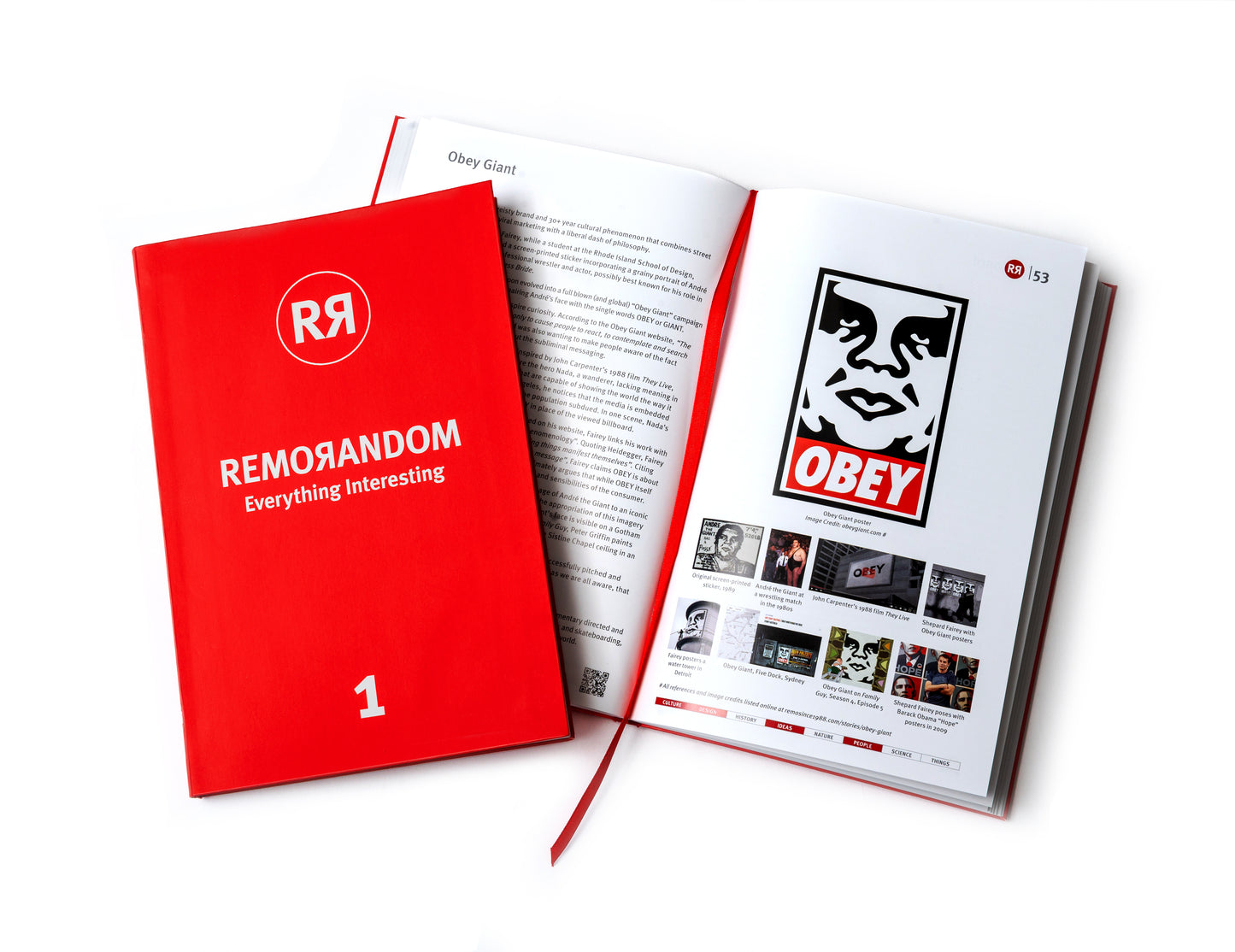
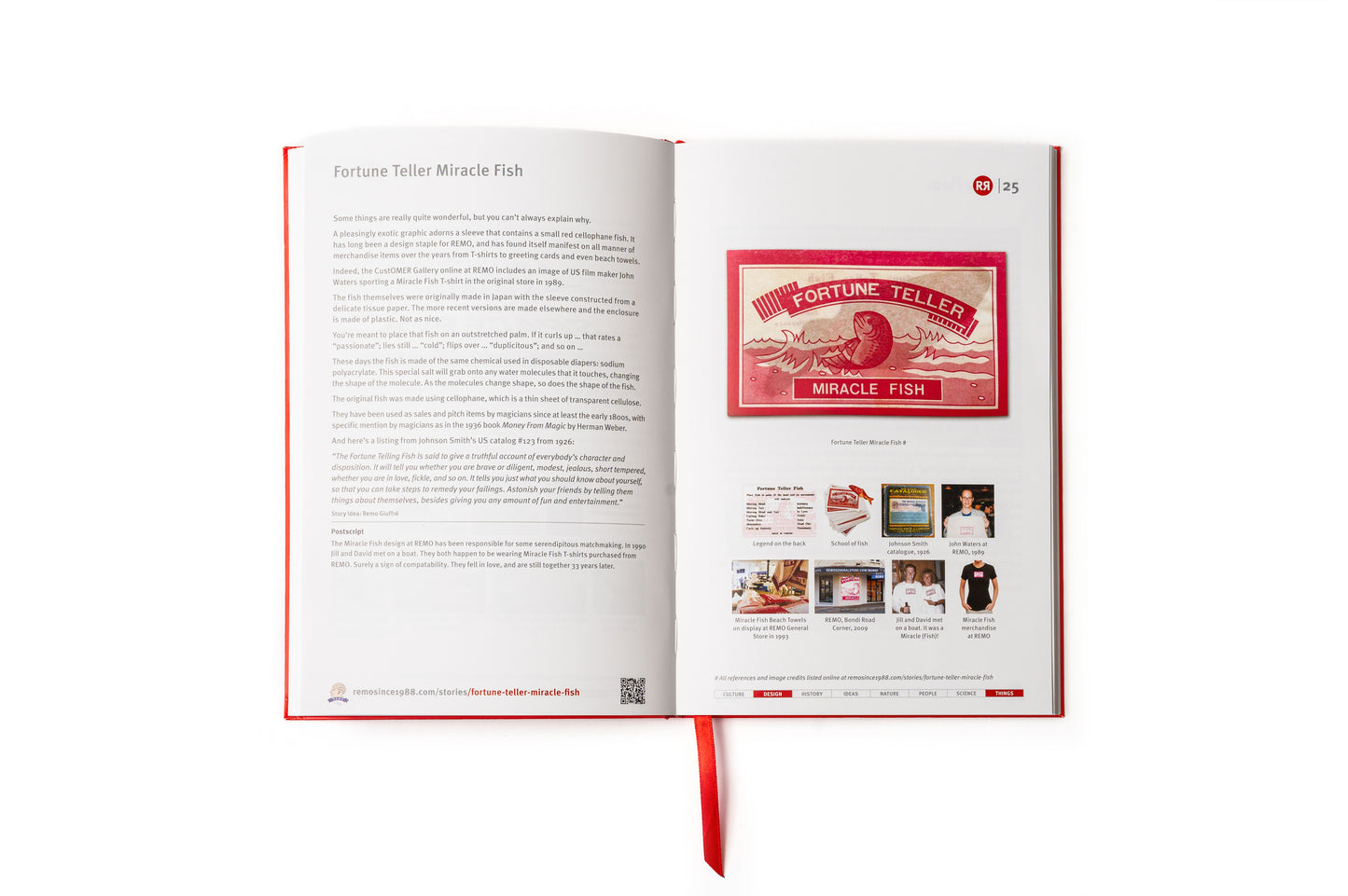
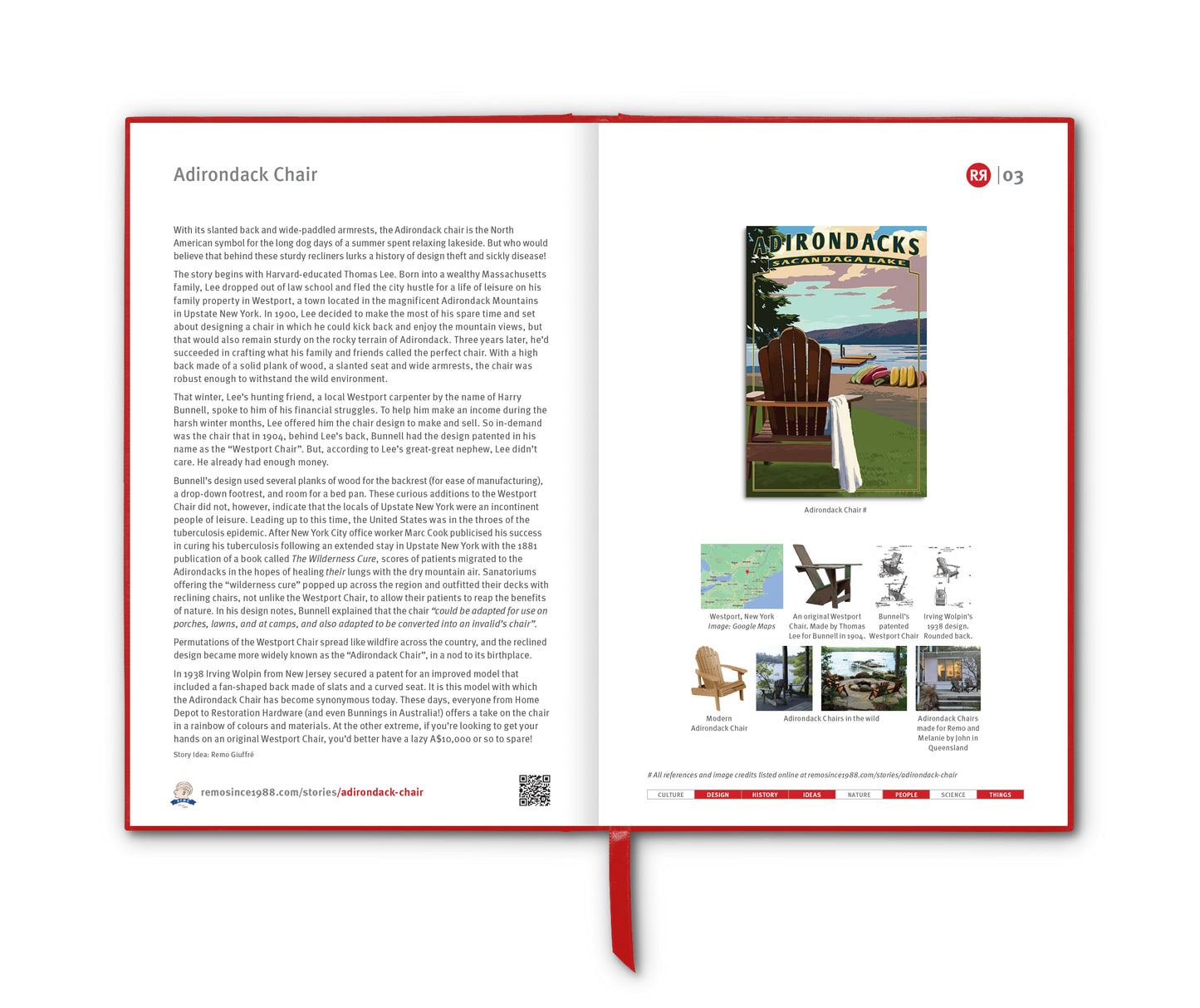
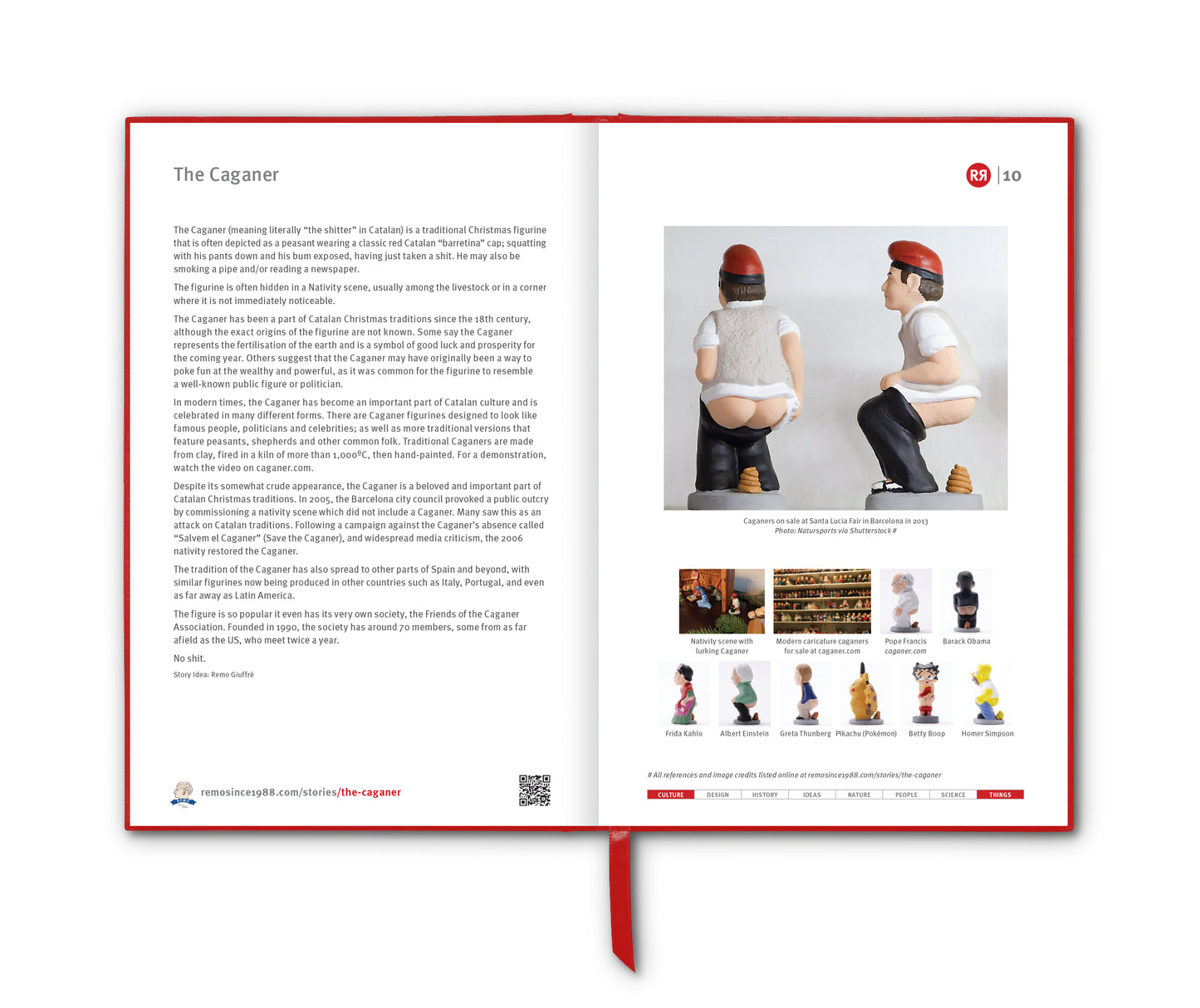
wikipedia.org/wiki/Ubuntu_philosophy
Images
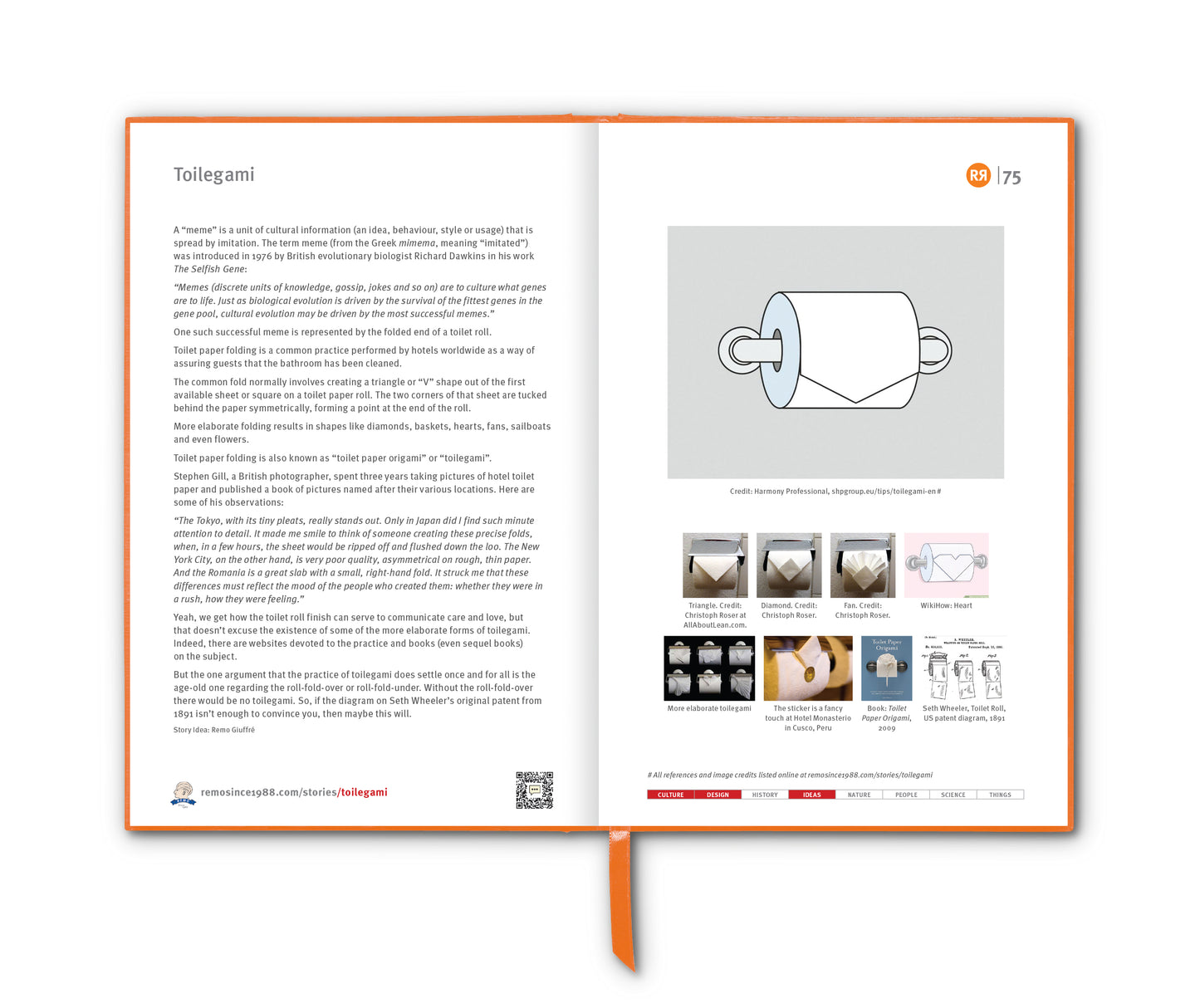
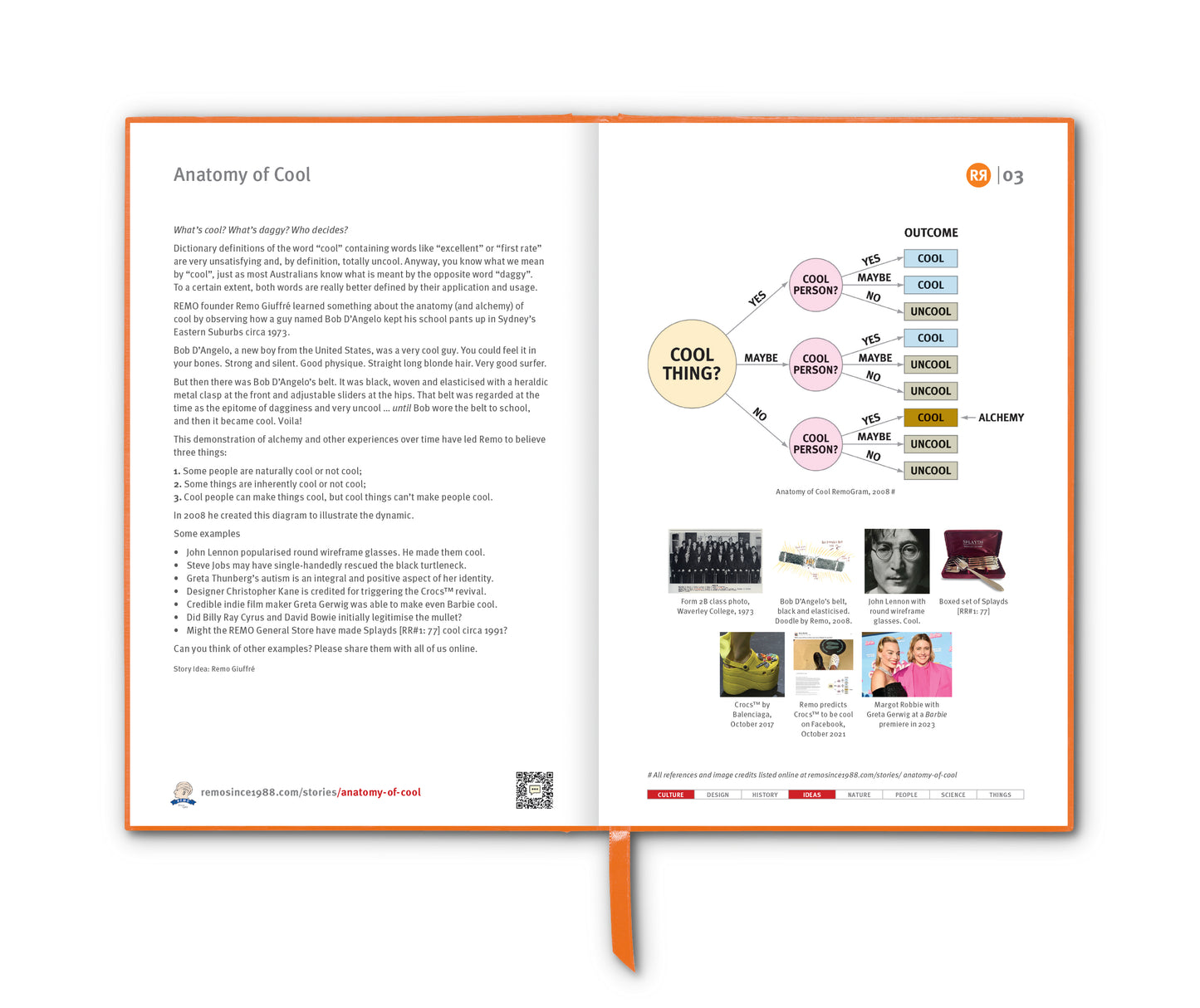
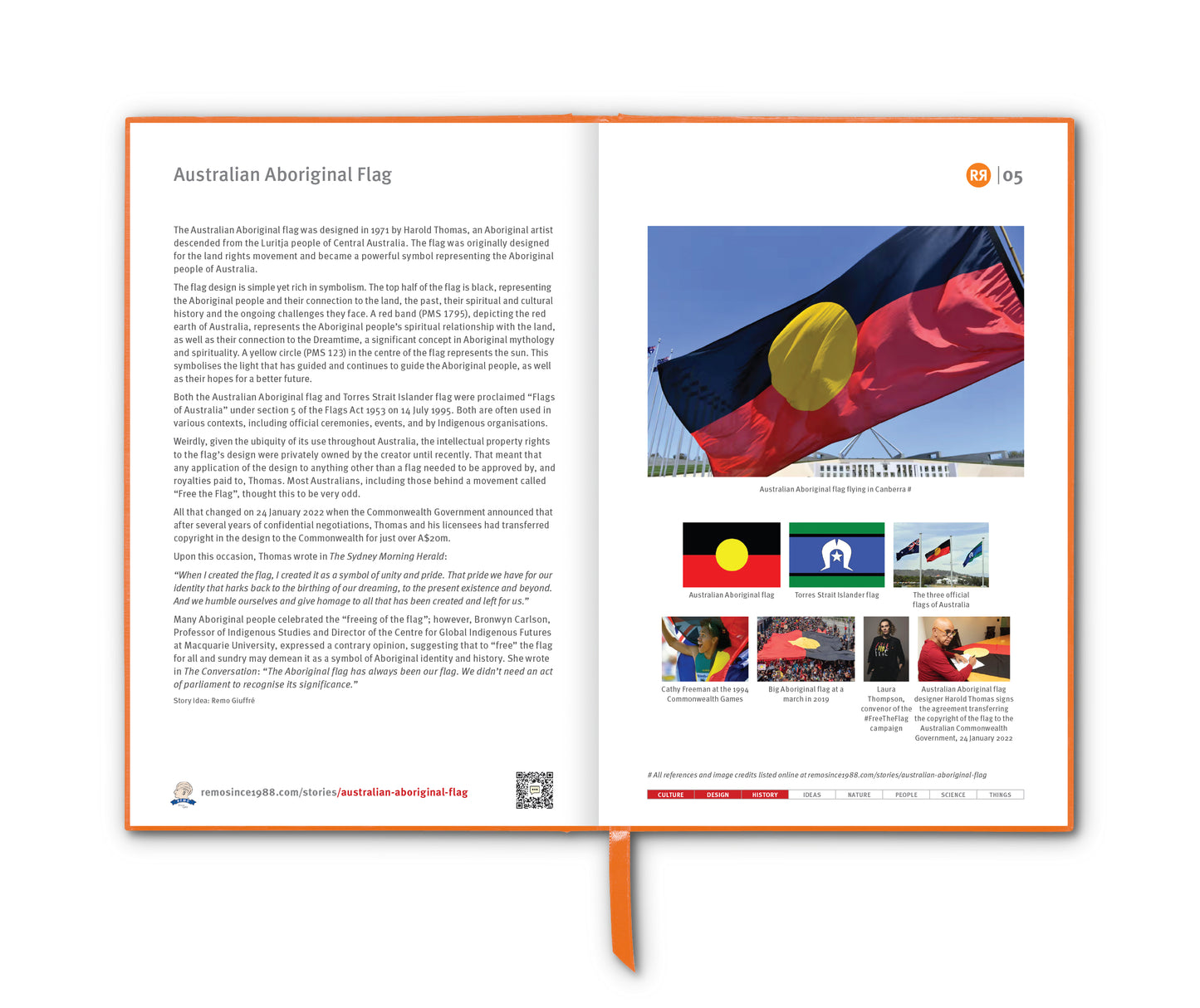
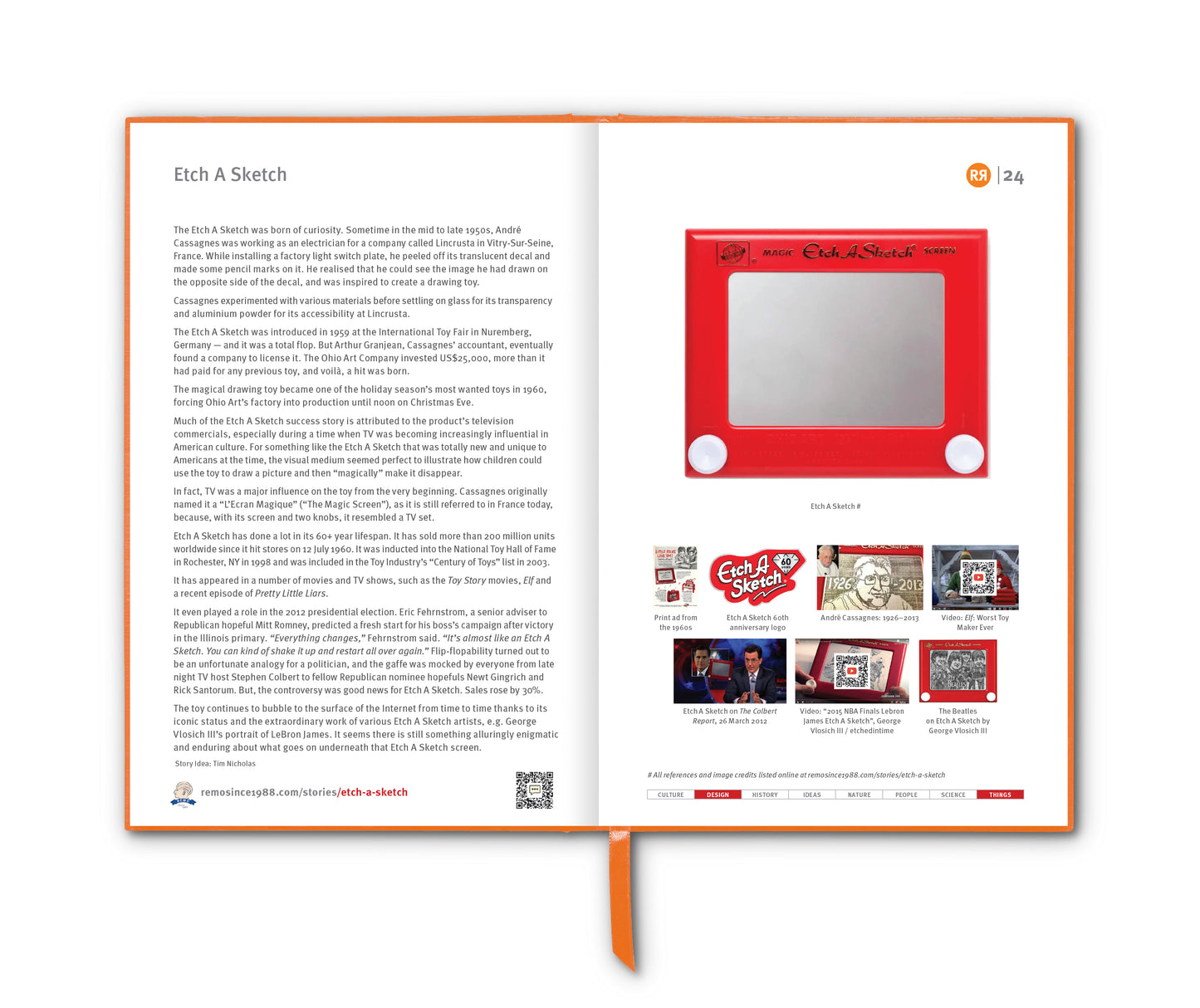
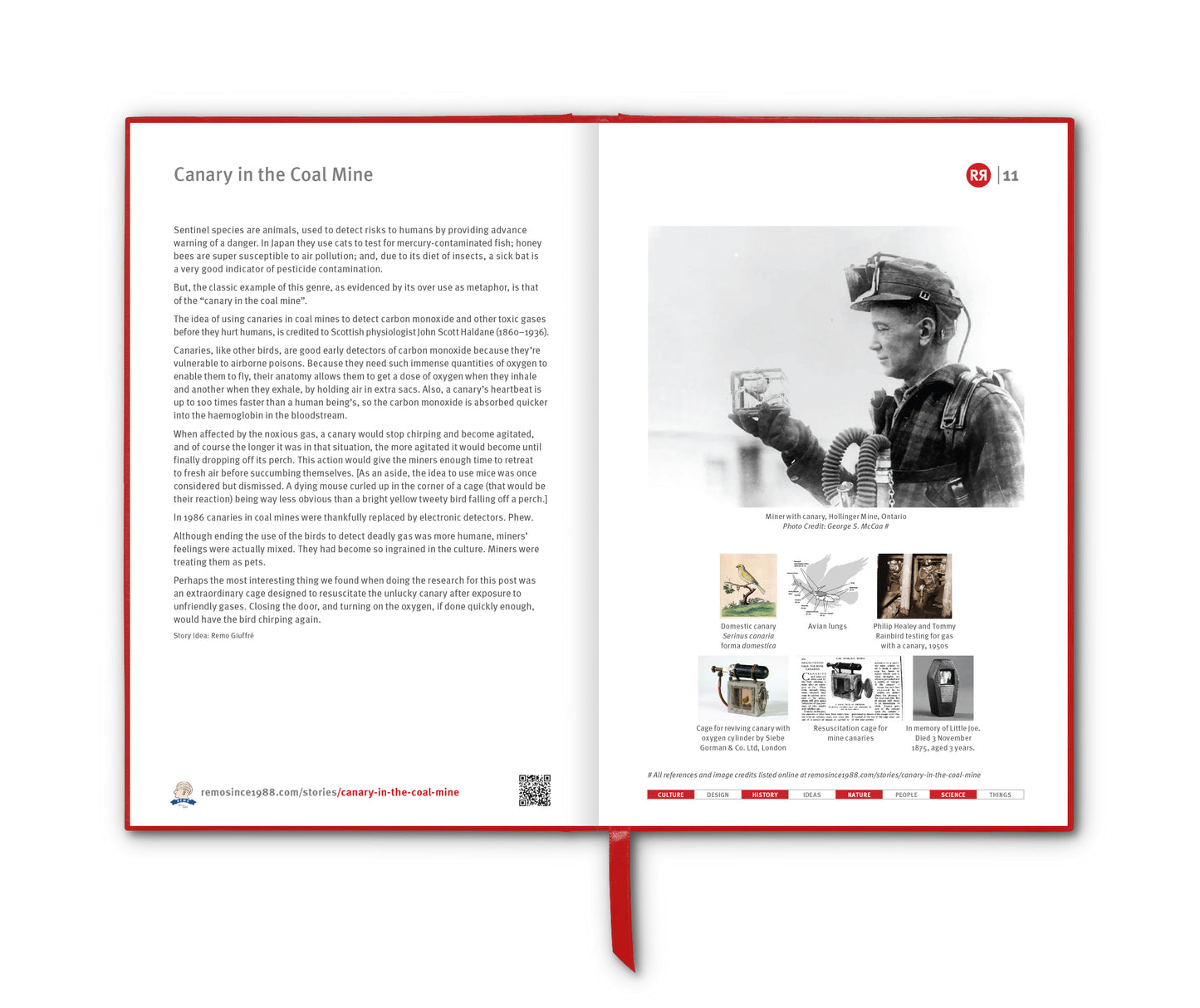
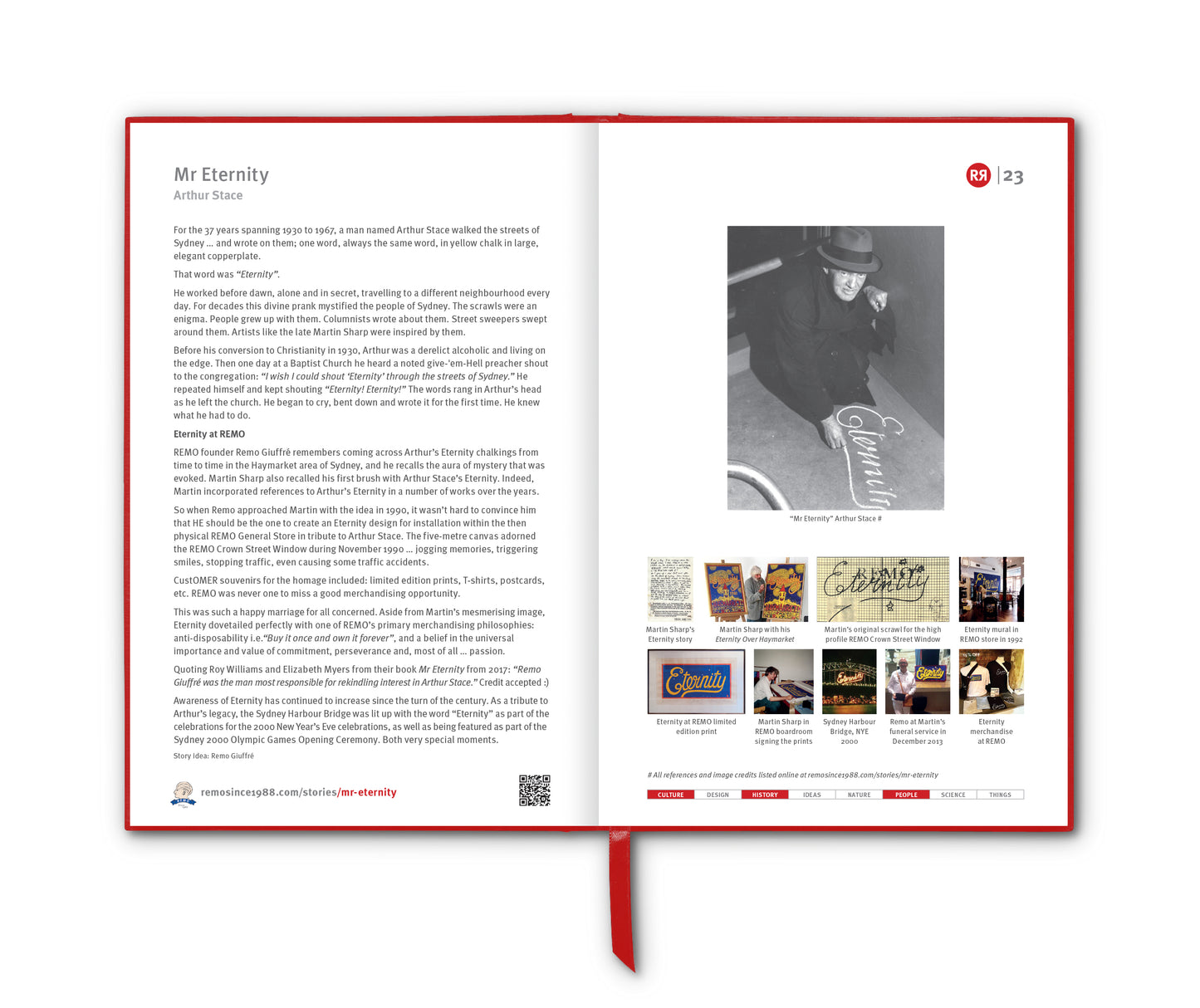
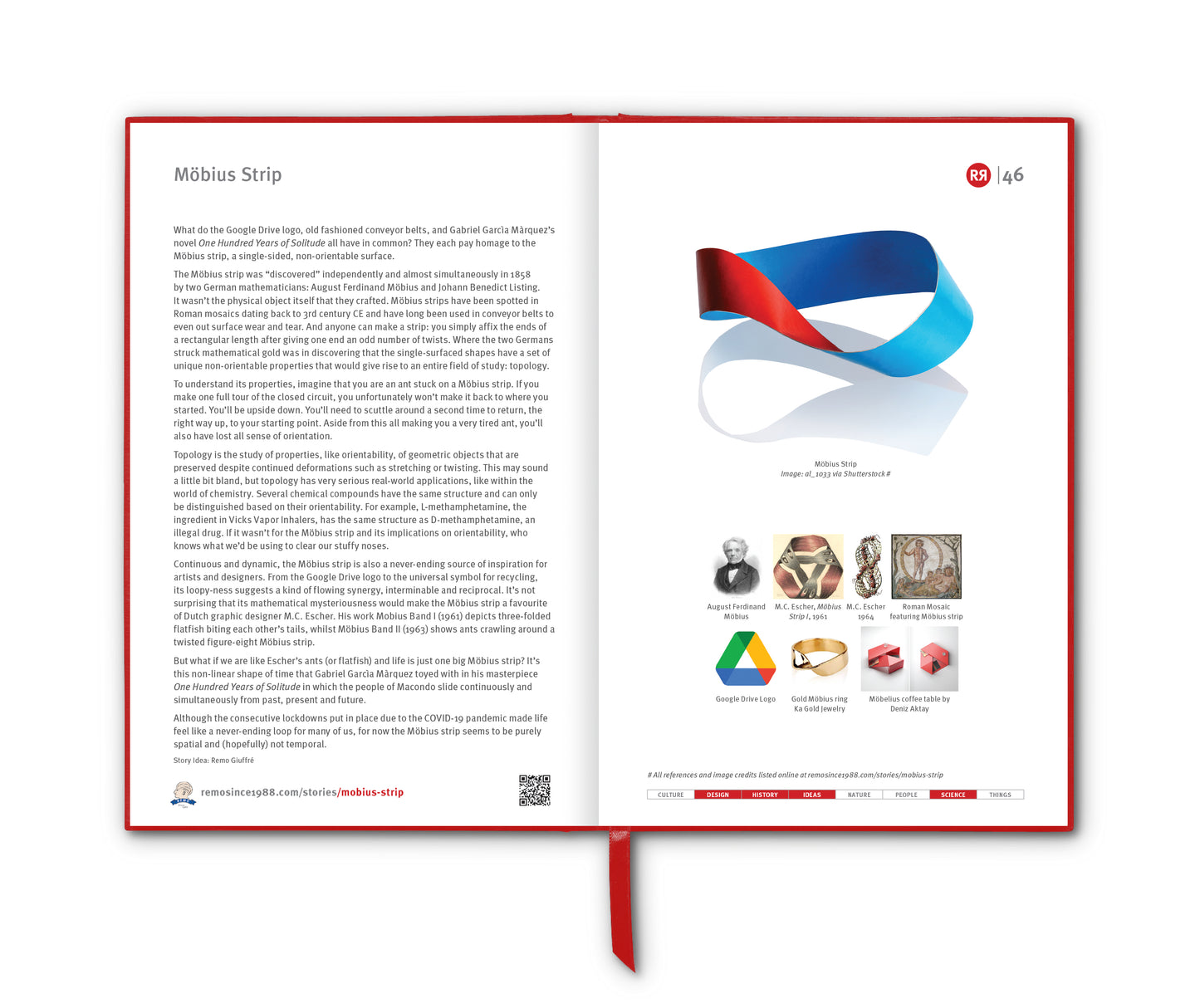
1. Ubuntu concept vector illustration. Credit: drante | iStock by Getty Images
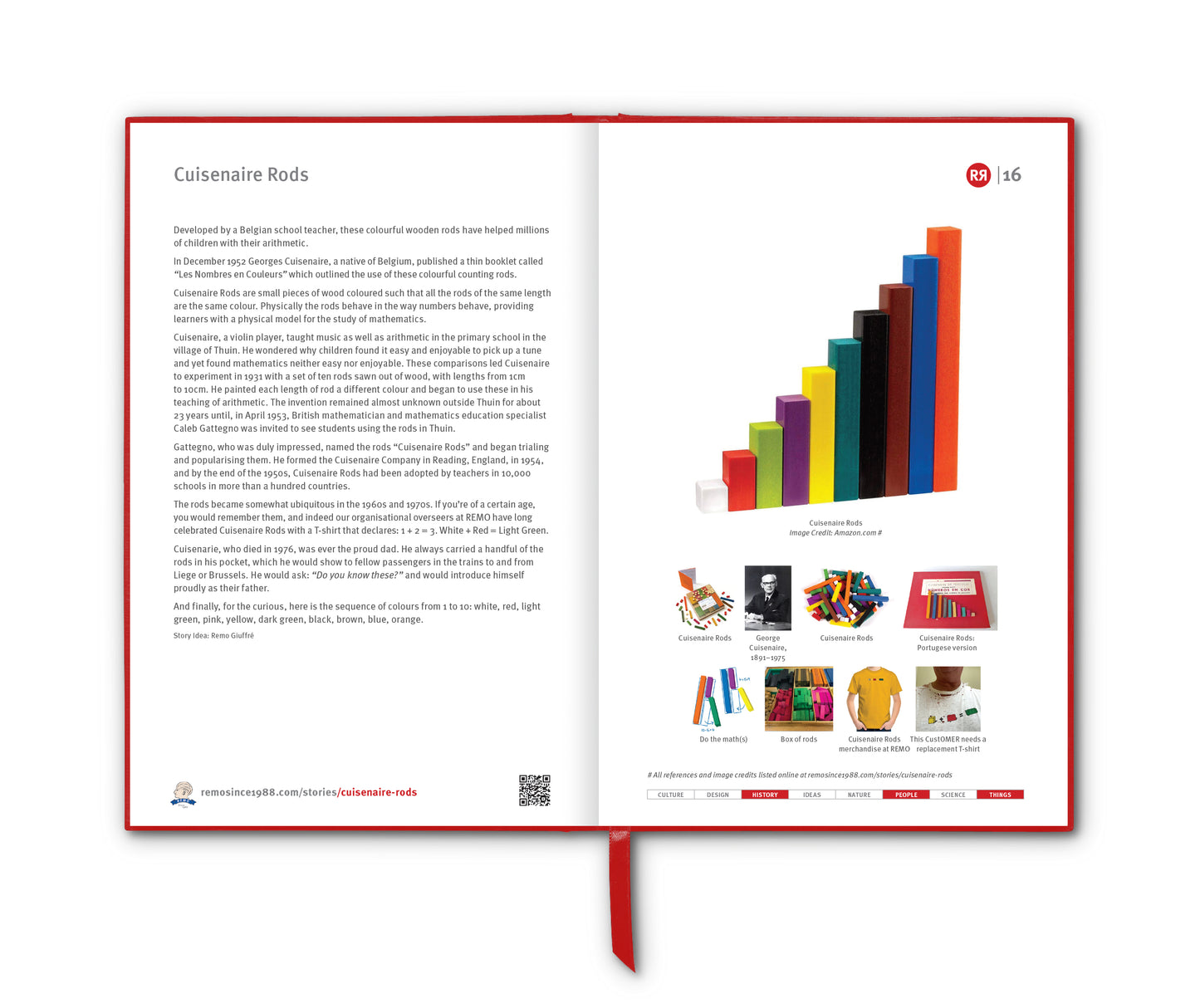
2. South African flag. Photo credit: Kathrine Heigan on Unsplash
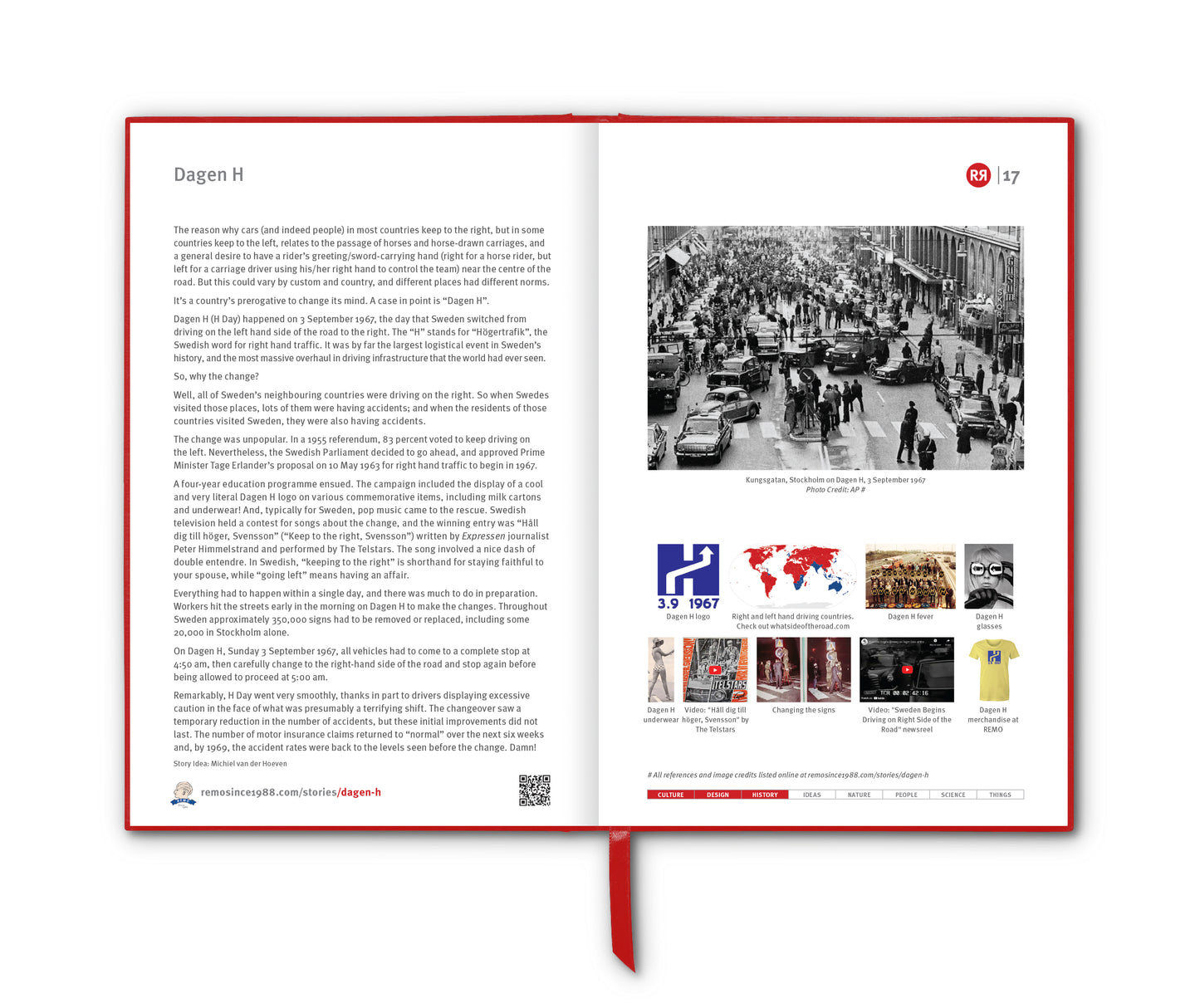
3. Ubuntu ceremony in South Africa. Source: Google Images
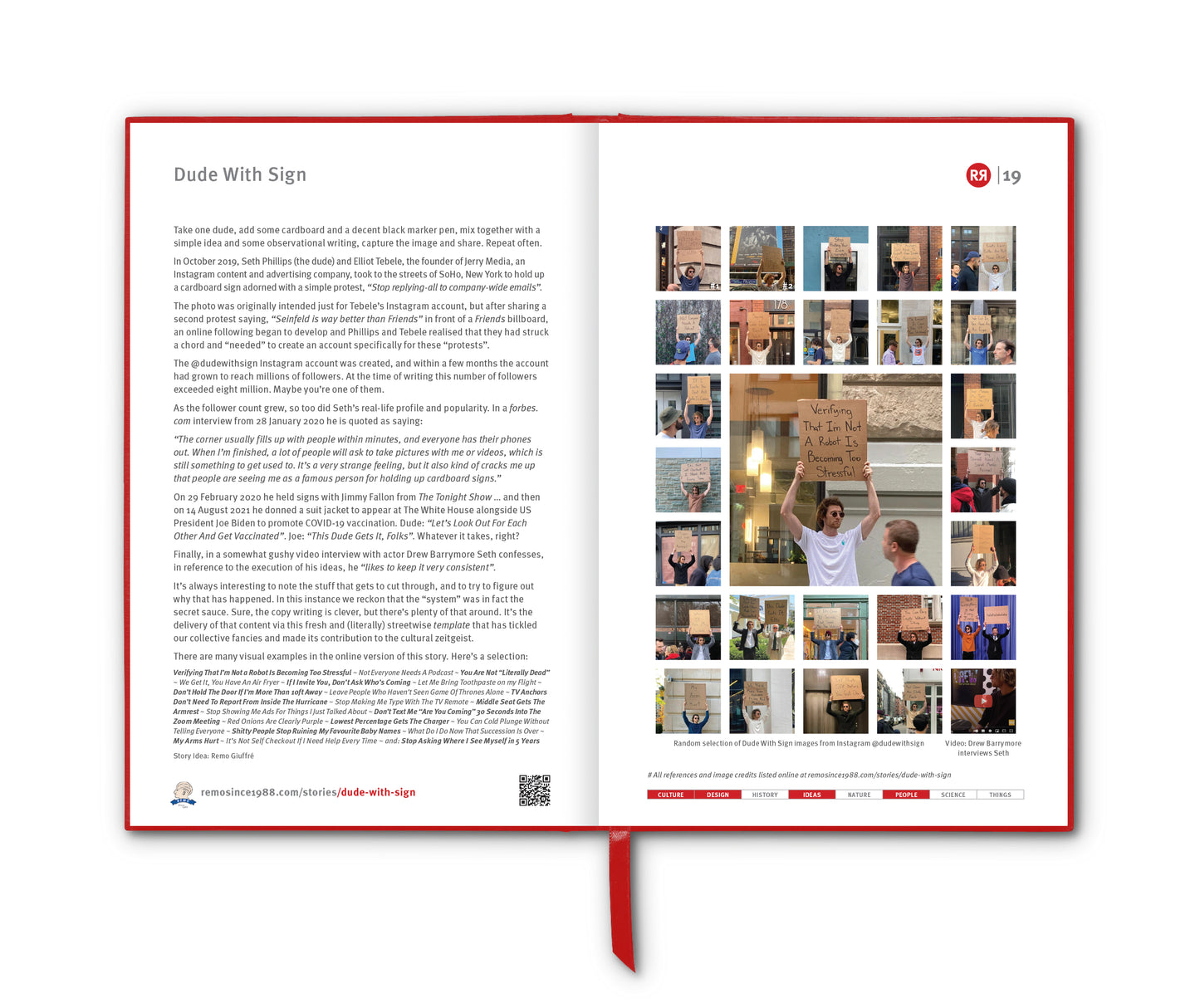
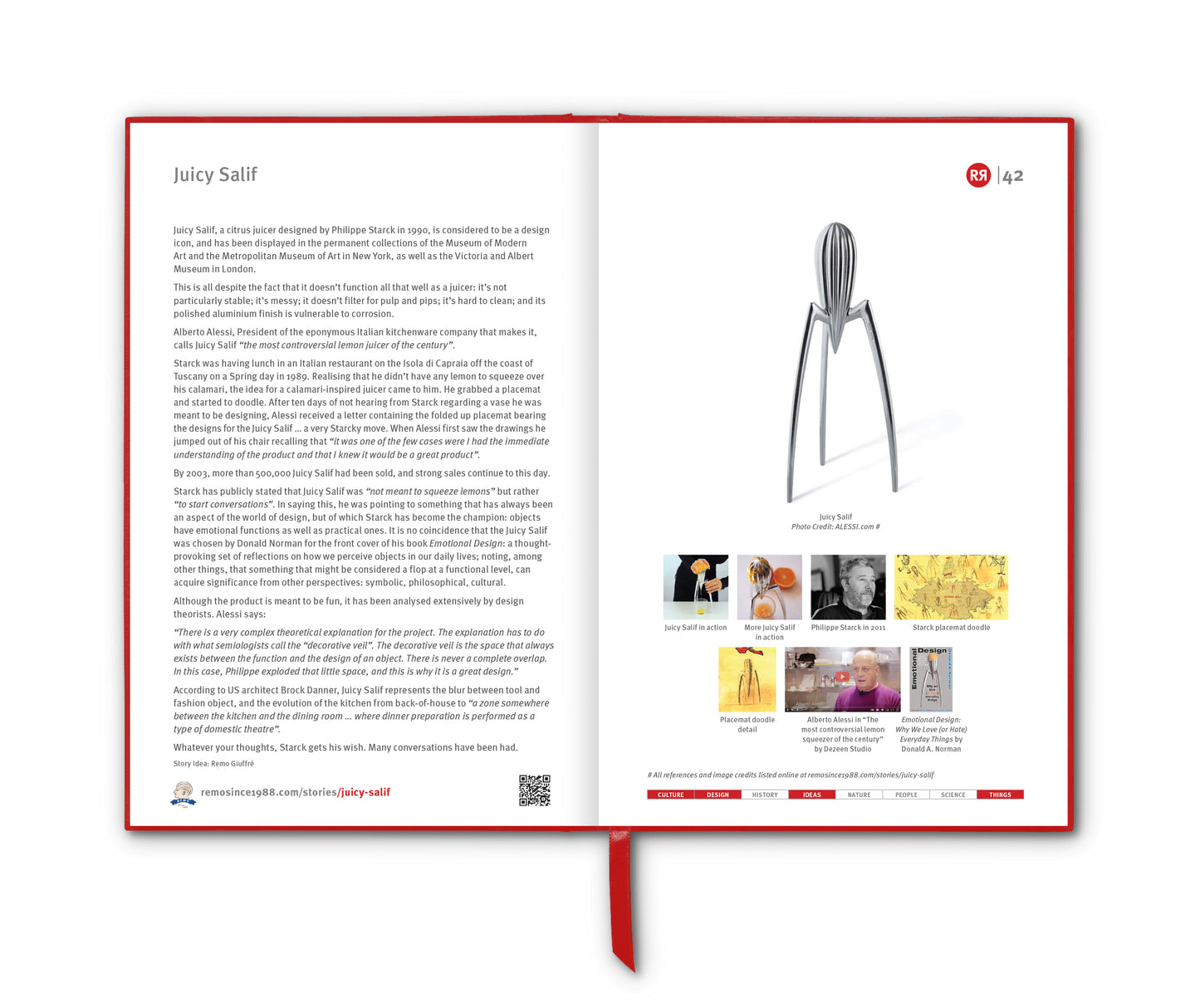
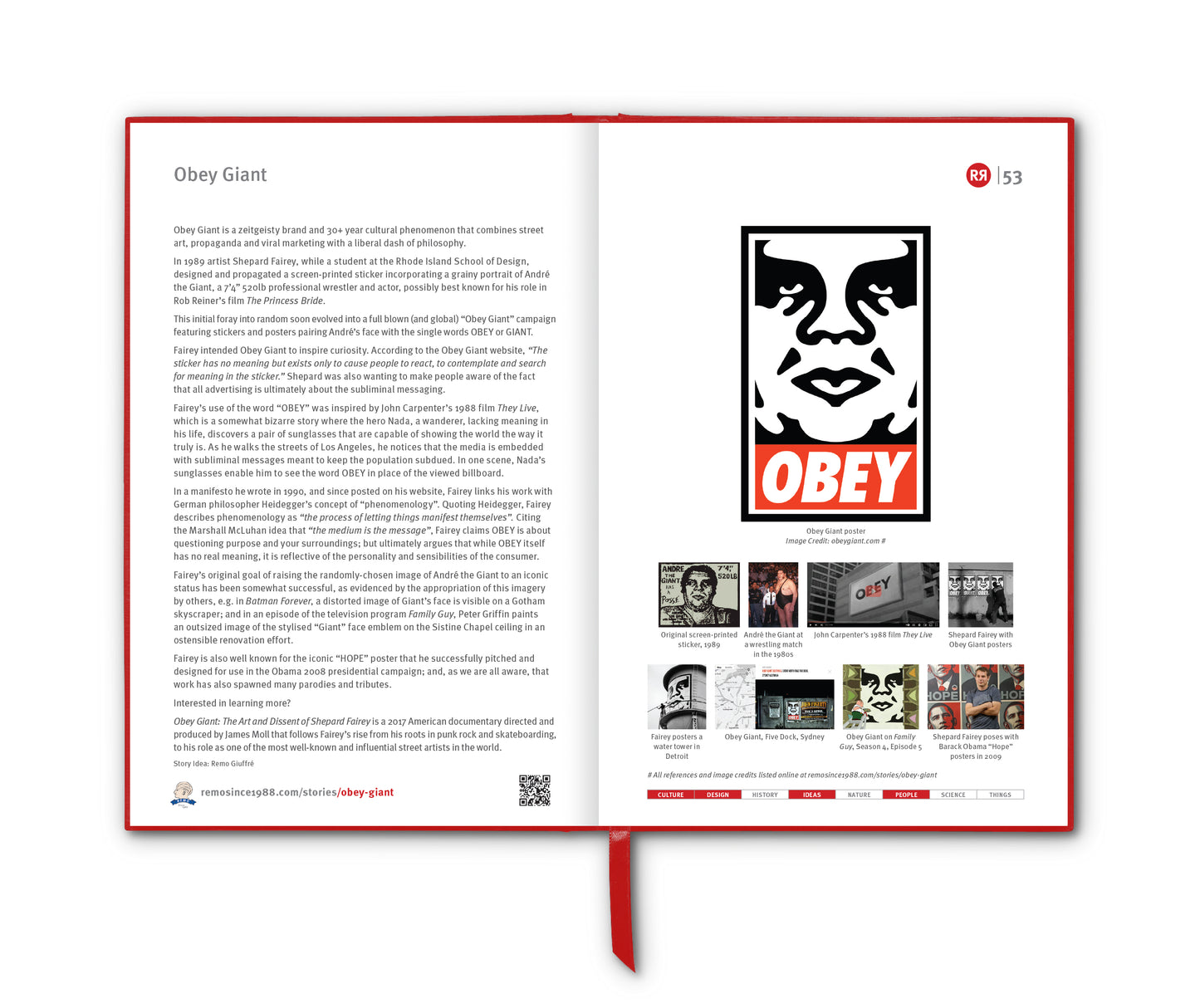
4. Desmond Tutu Ubuntu mural at St John's Church in Washington DC, 2020. Photo credit: Elvert Barnes Photography | flickr
5. Barack Obama's official photograph in the Oval Office, 6 December 2012
6. Street artist Nadia Fisher aka Nardstar* “Ubuntu” mural, 2021
7. Ubuntu Awards, 2024