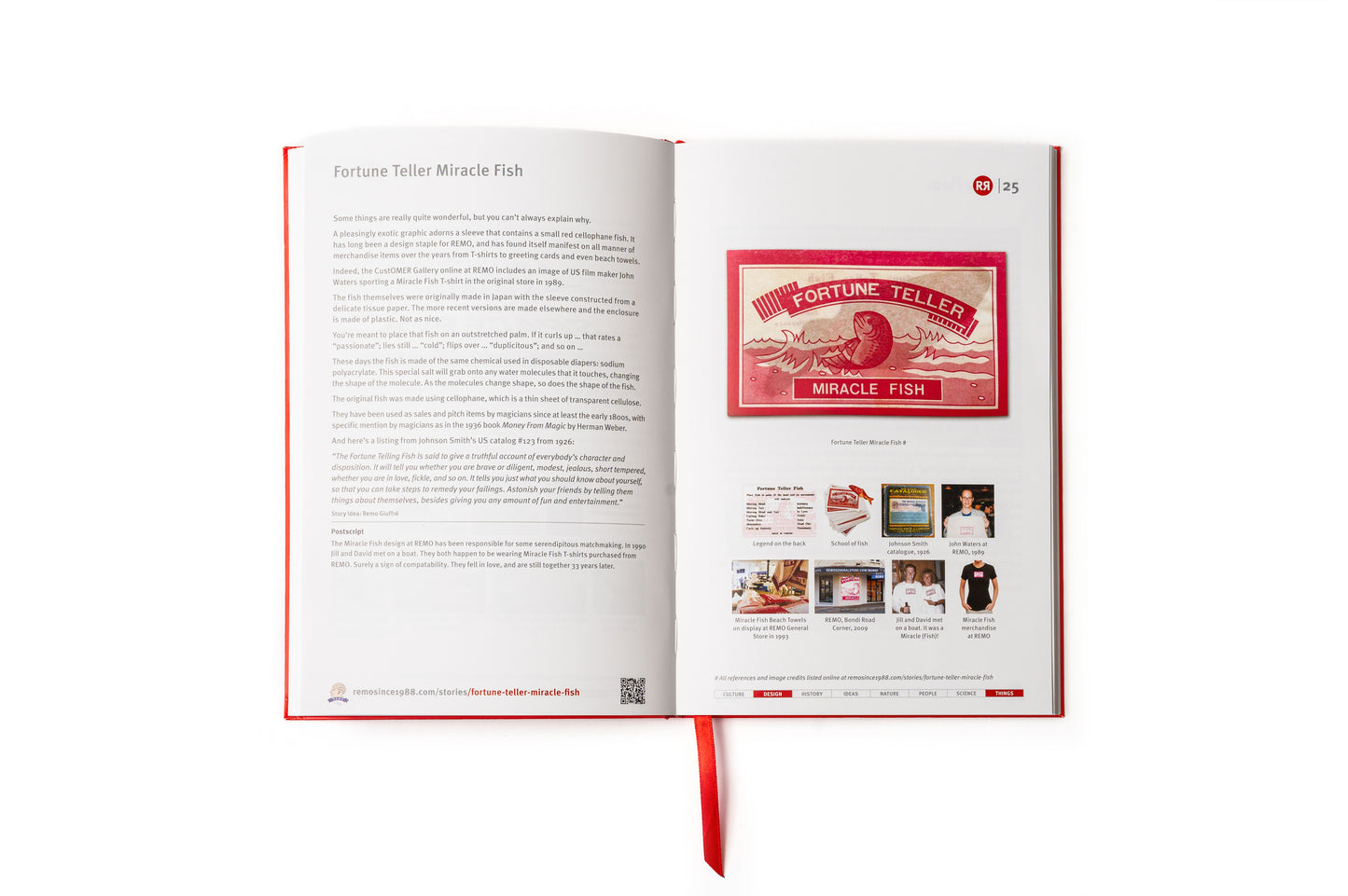

The zipper as we know it today actually took decades to develop, involving multiple inventors, improvements, and name changes along the way. Its story begins in 1851, when Elias Howe, the inventor of the sewing machine, patented an “Automatic, Continuous Clothing Closure”. However, he never pursued it commercially, so it didn’t catch on.
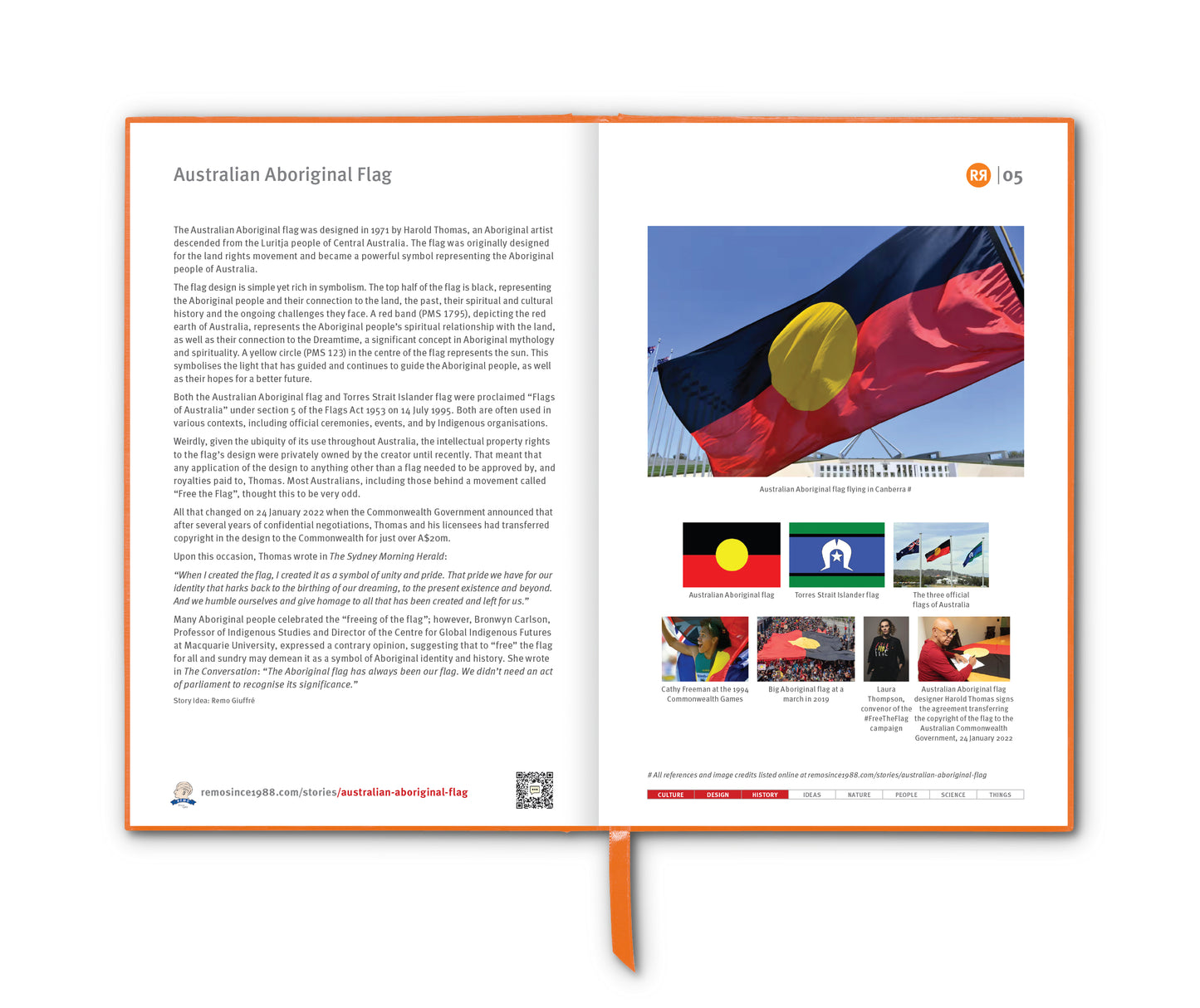
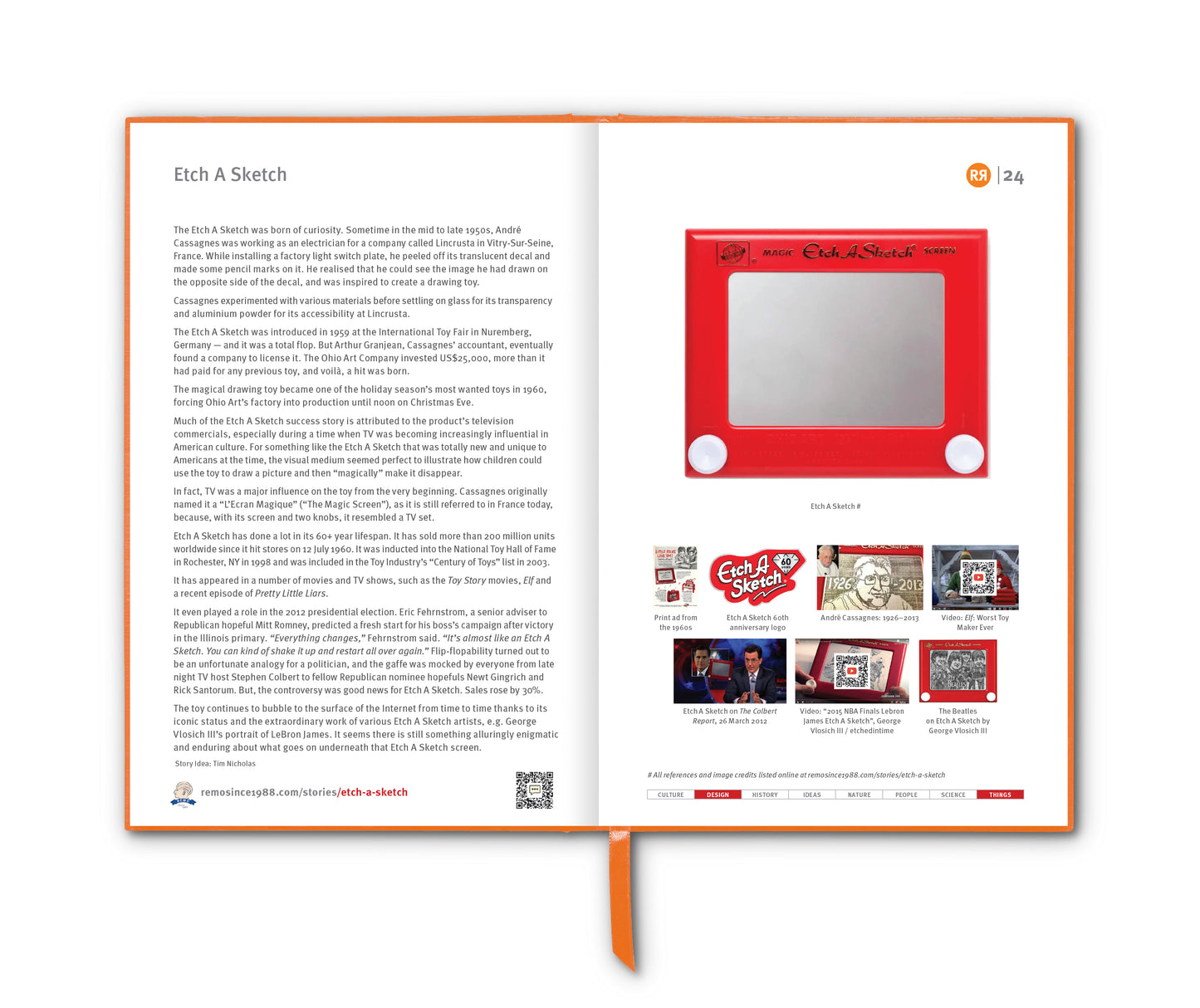
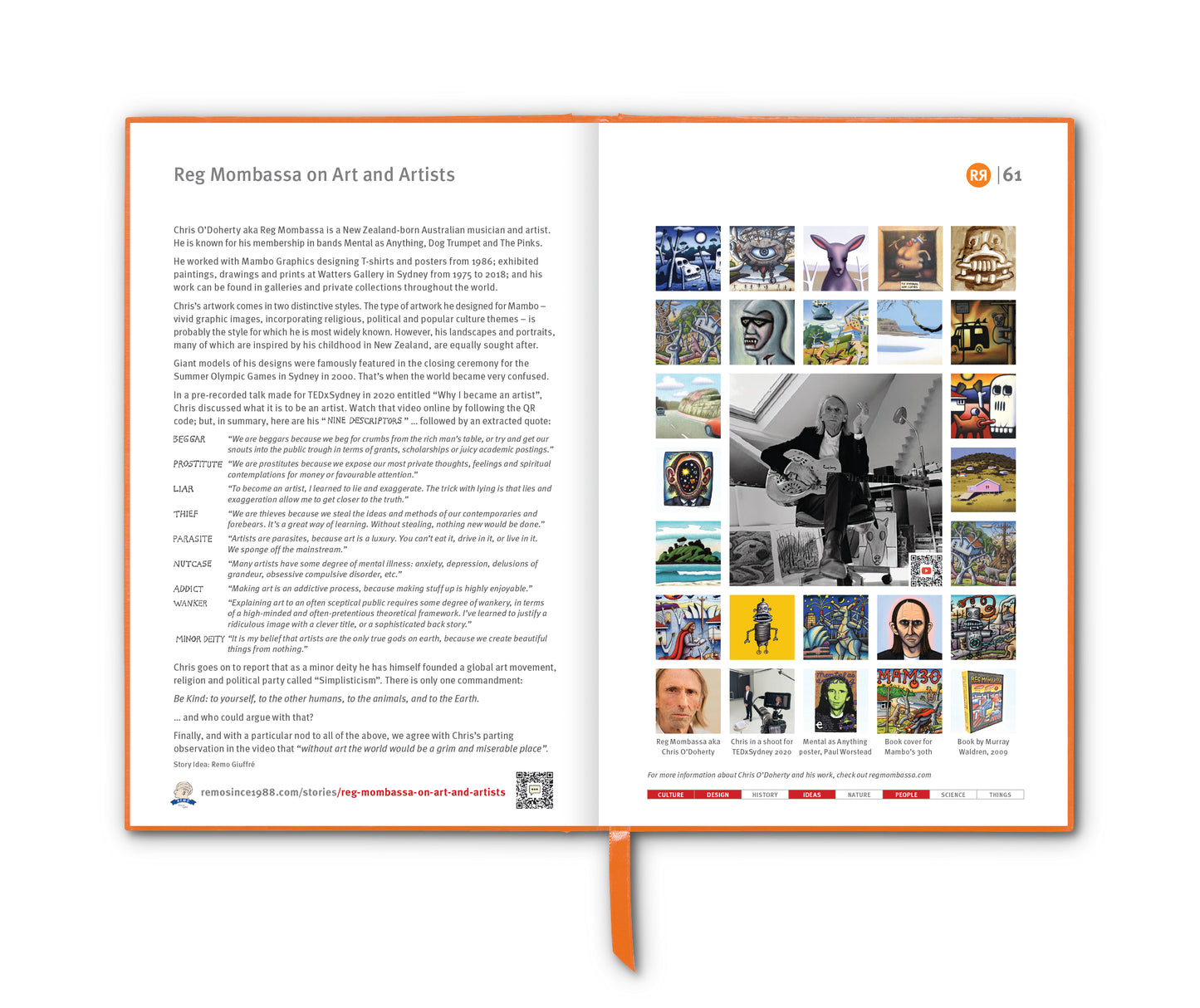
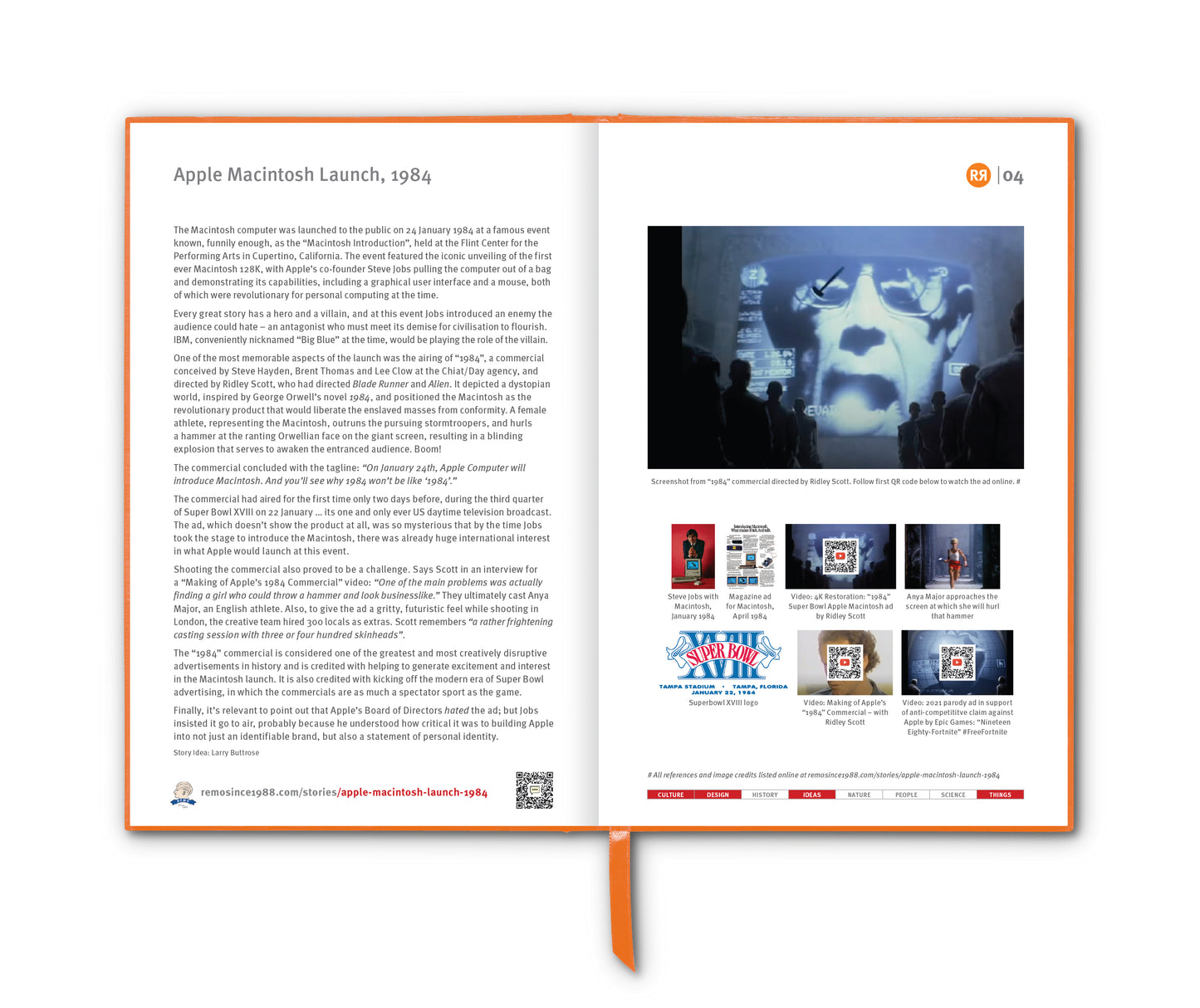
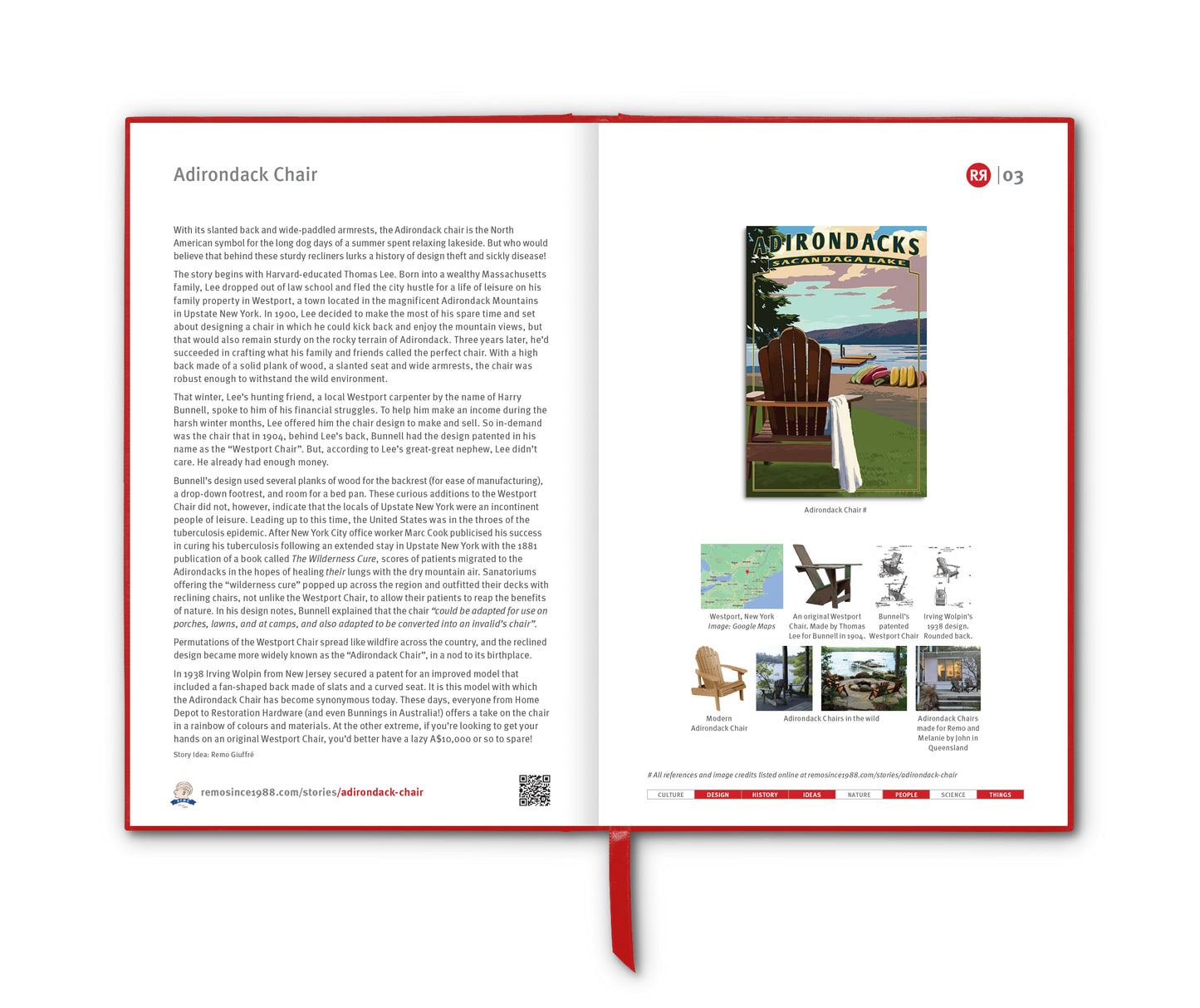
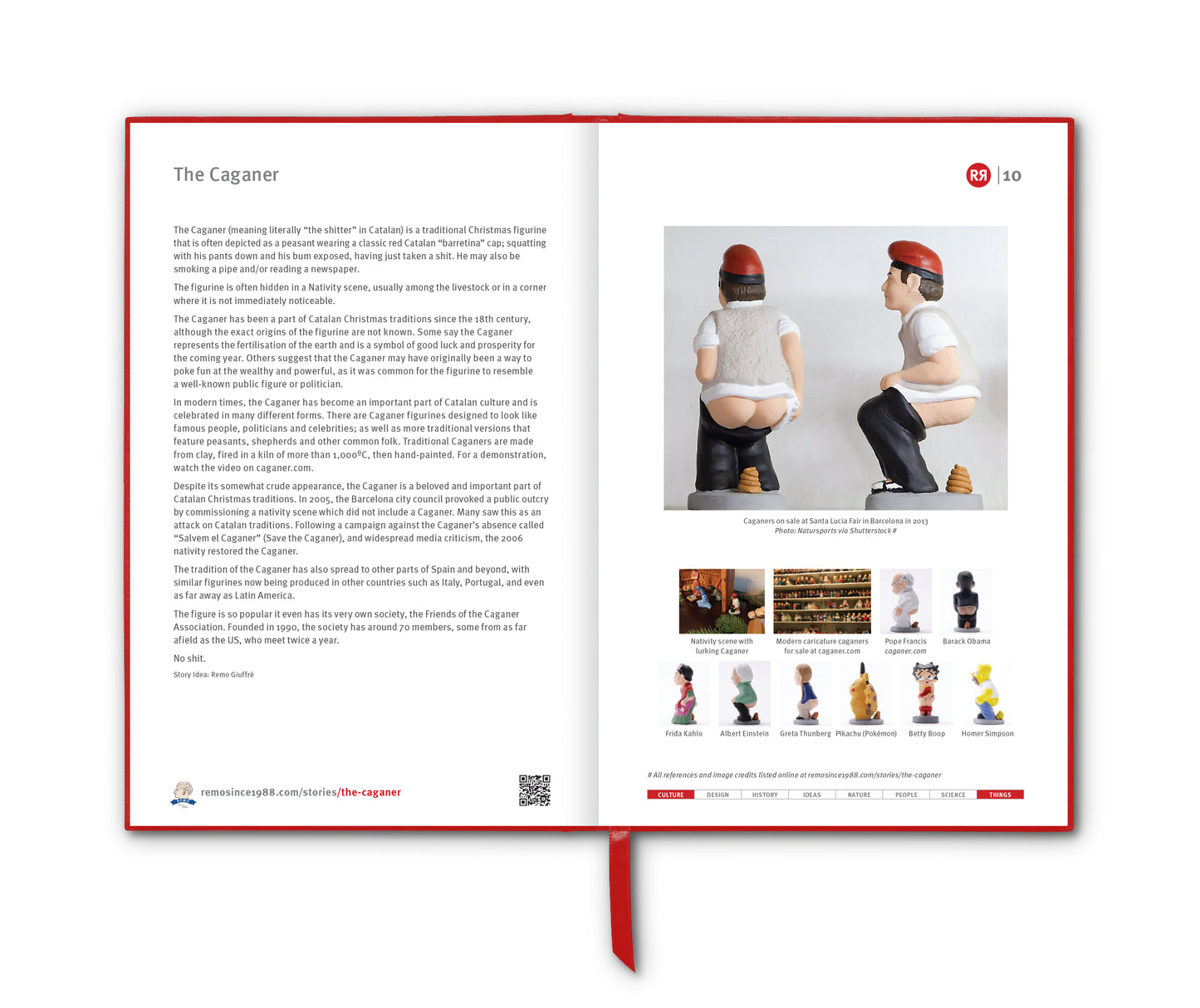
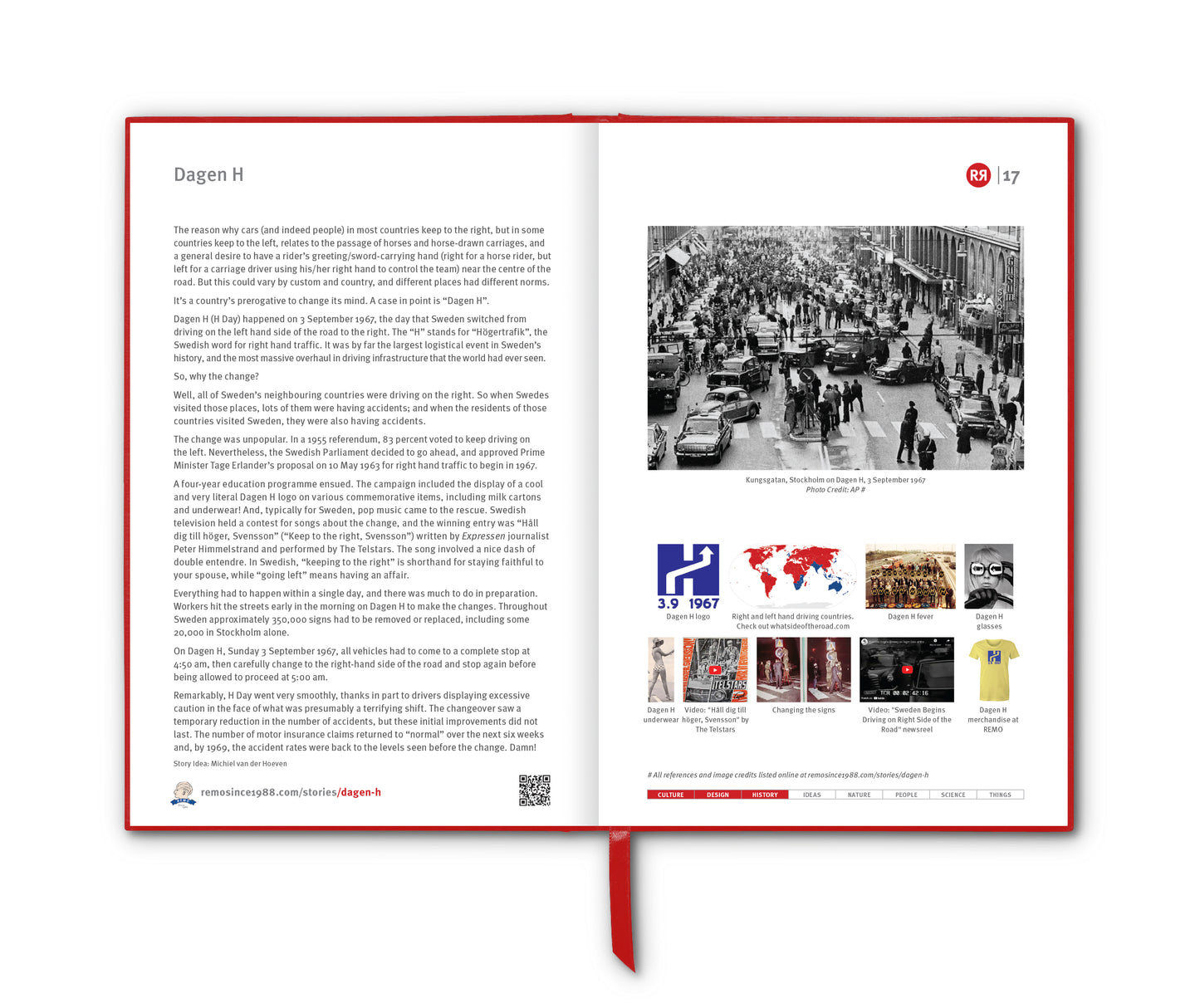
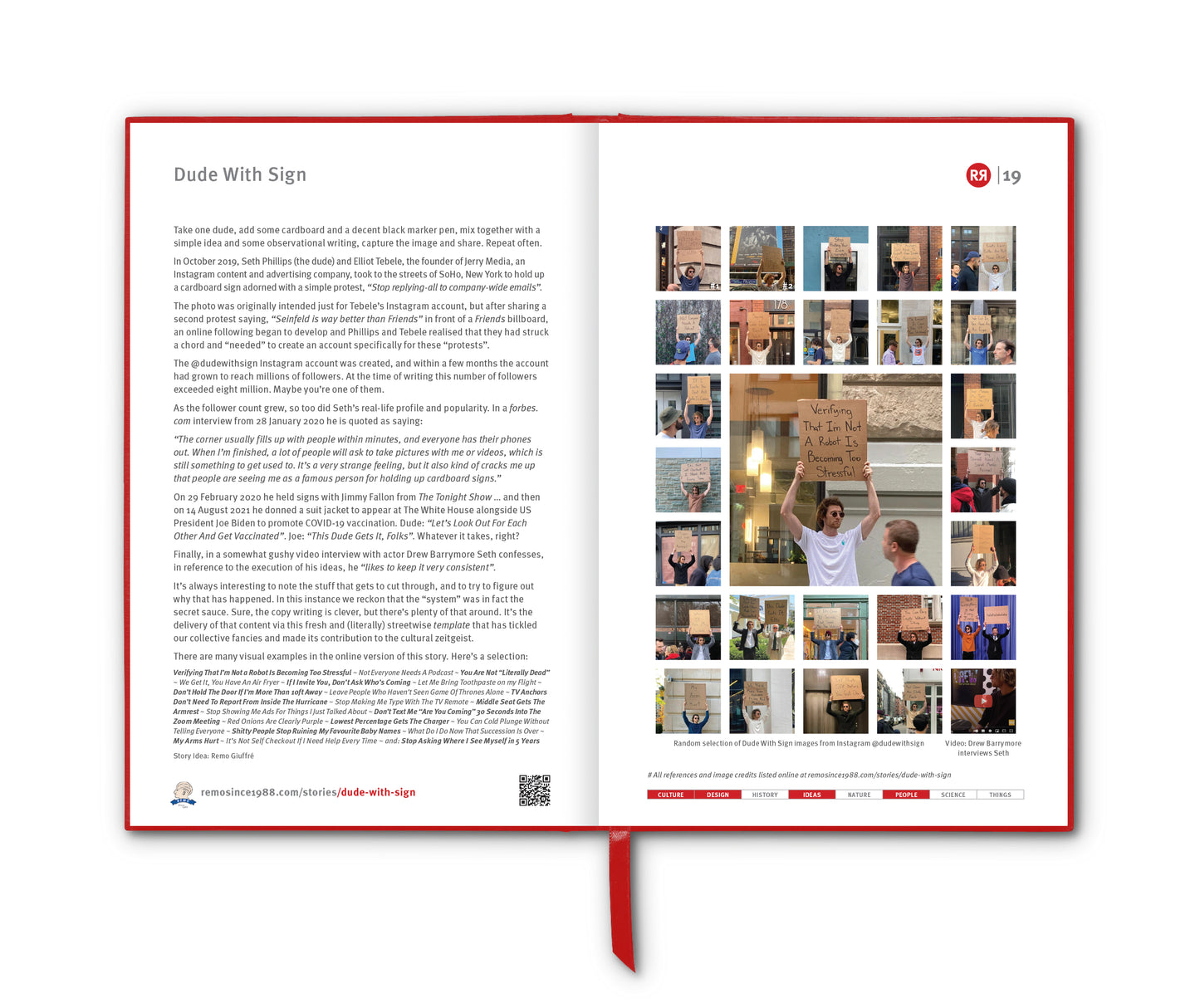
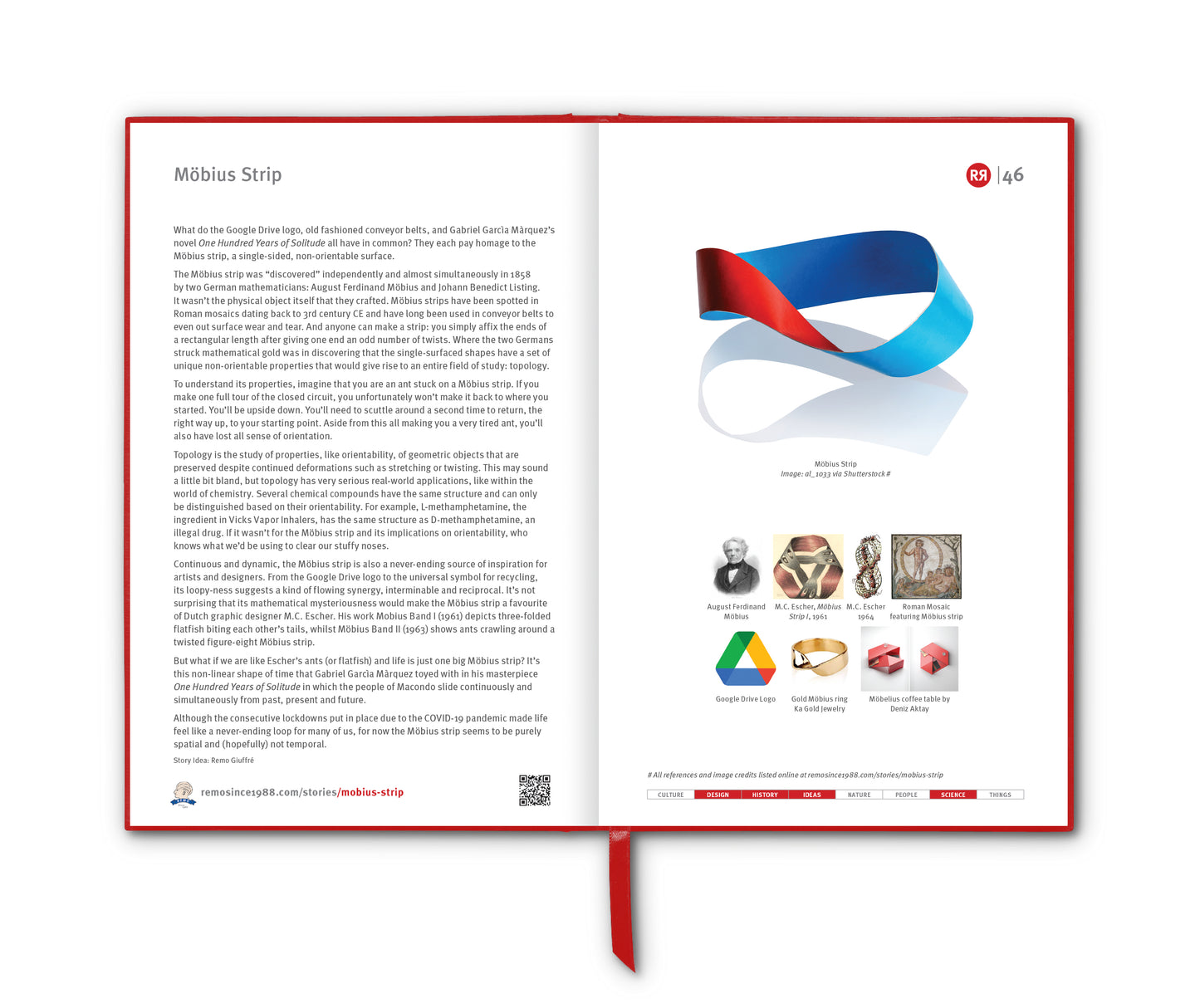
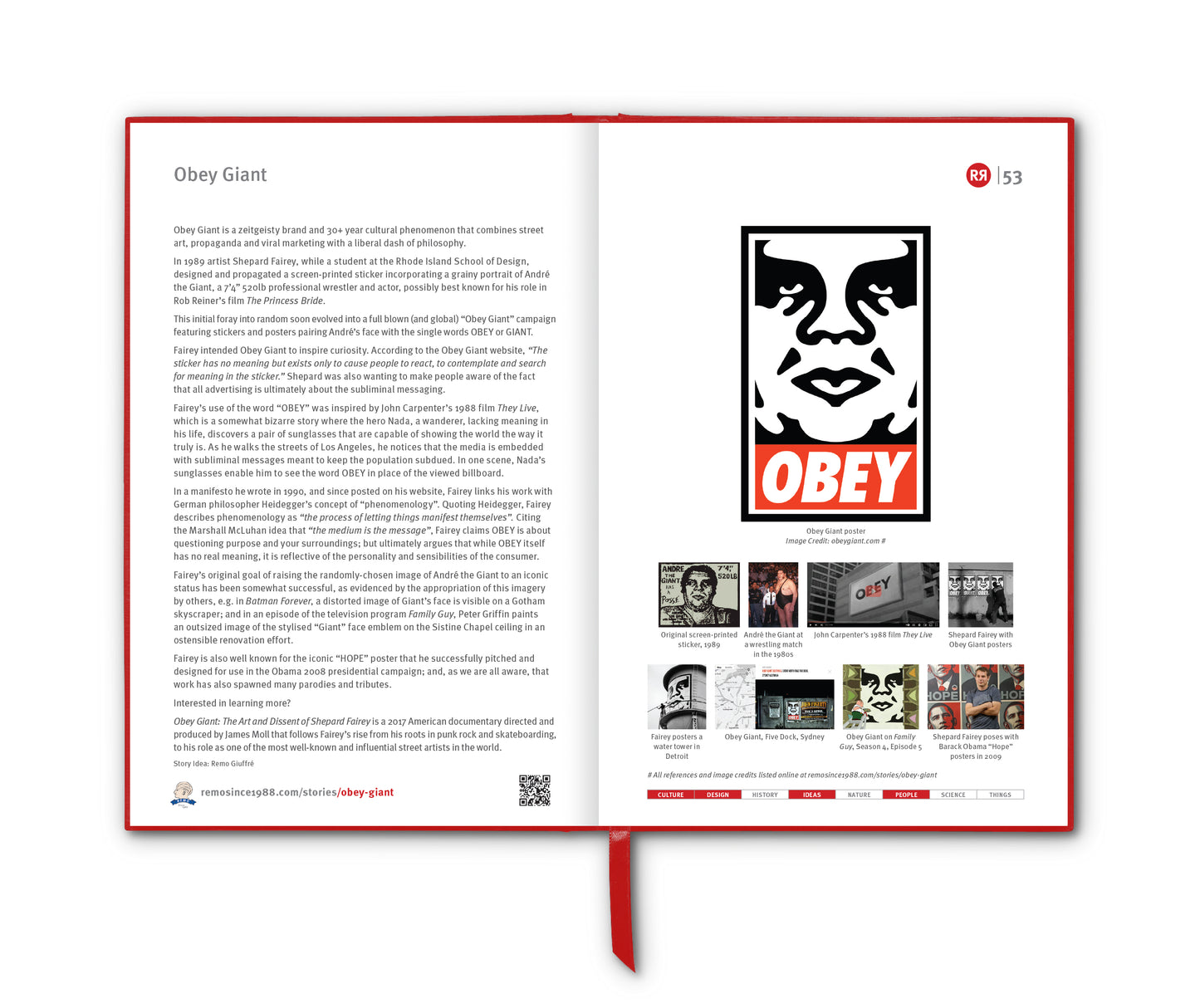
The real groundwork came from Whitcomb Judson, an American inventor who, in 1893, introduced a device called the “Clasp Locker” — essentially a hook-and-eye fastener designed for shoes. Judson exhibited it at the Chicago World’s Fair and even founded a company, which would later become Talon Inc., a major player in the zipper industry. But his design was clunky and unreliable, earning little success.
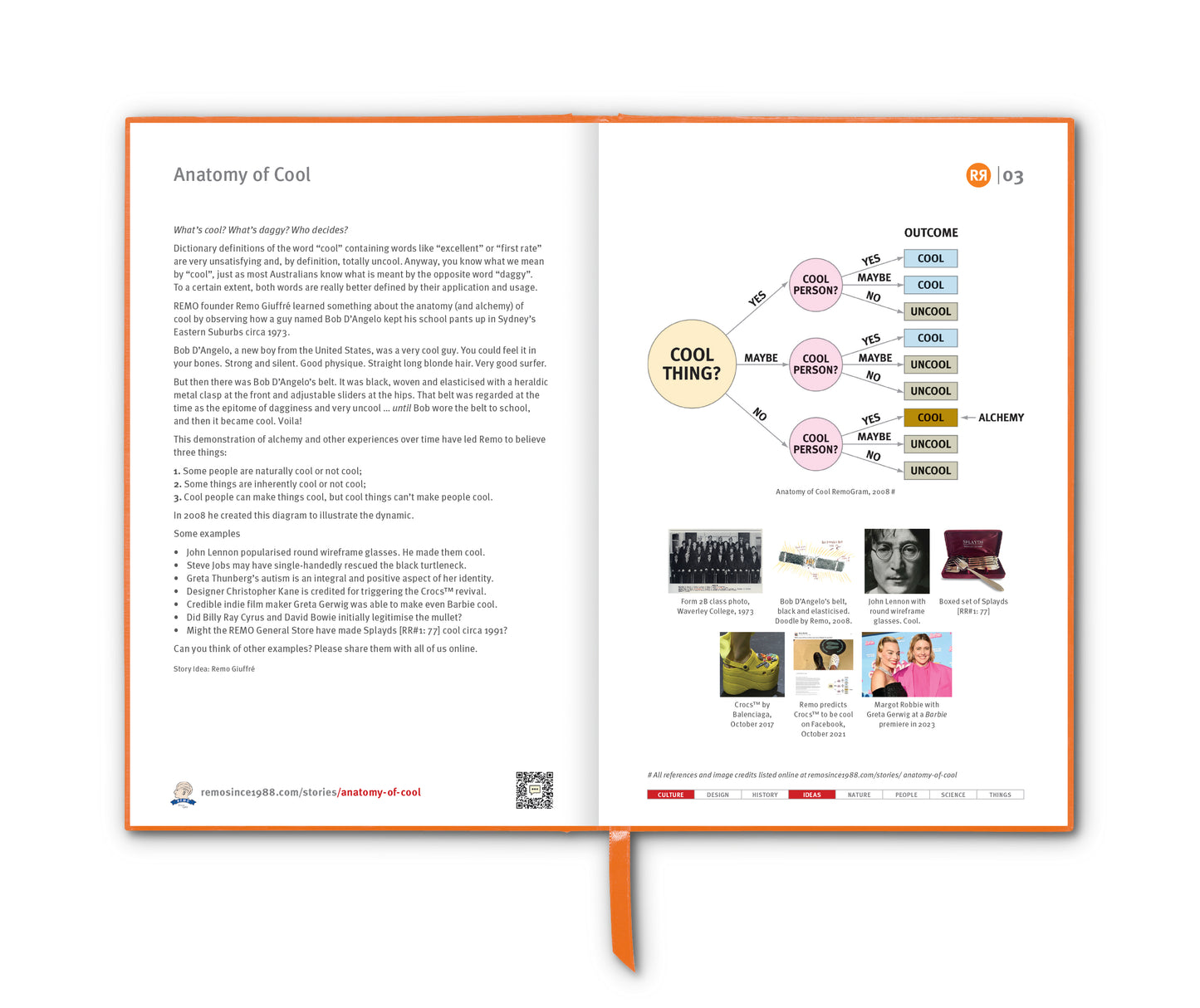
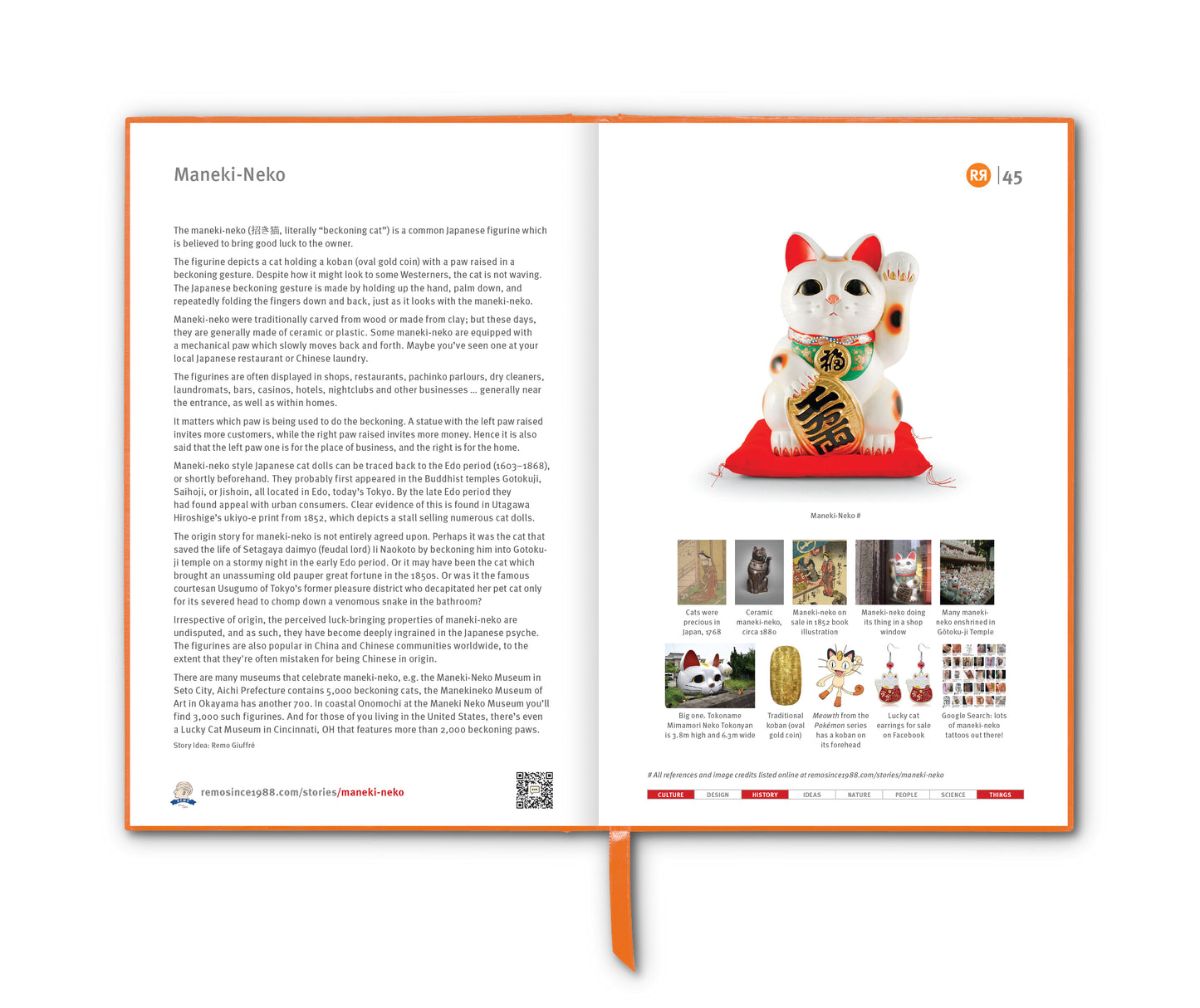
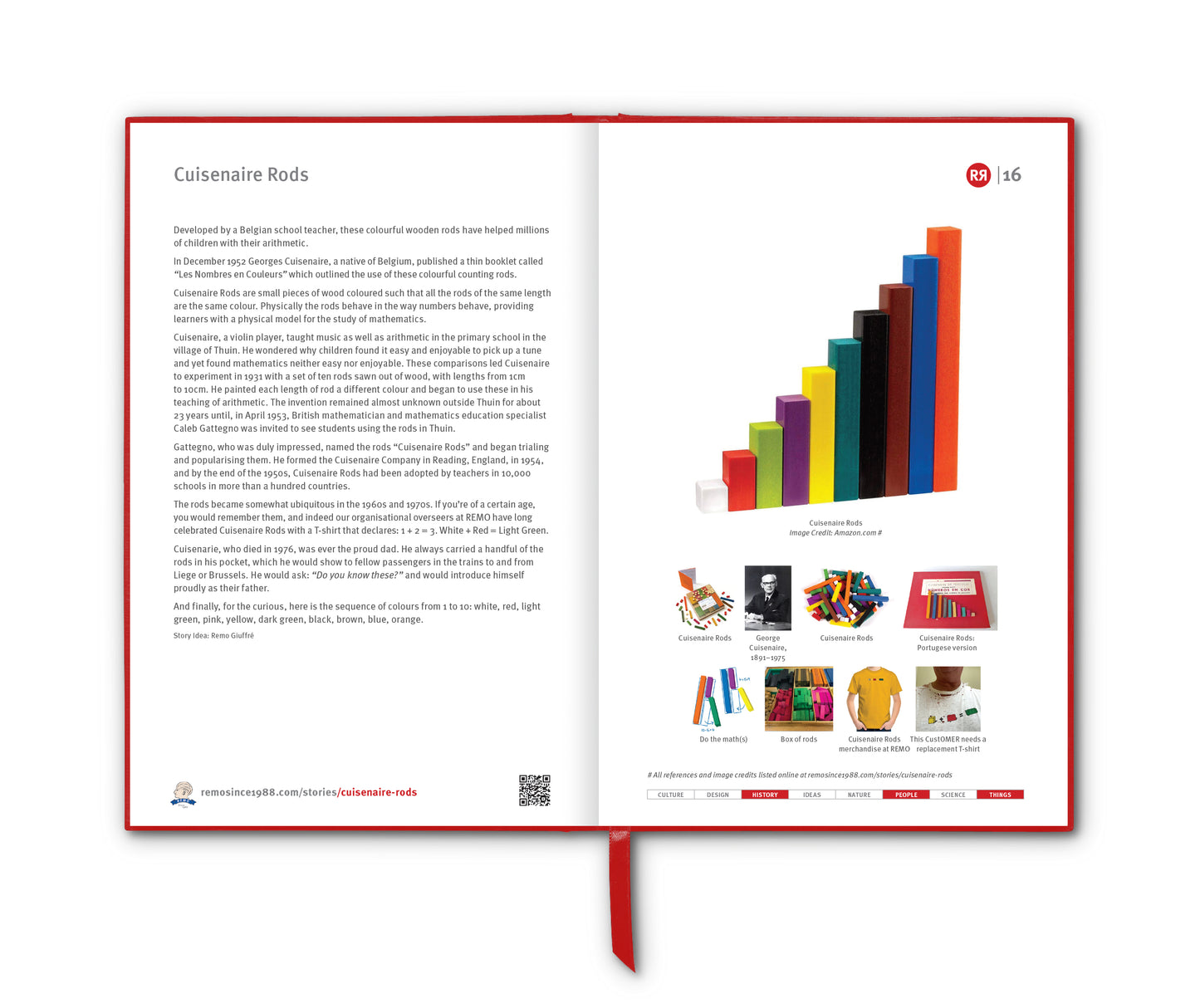
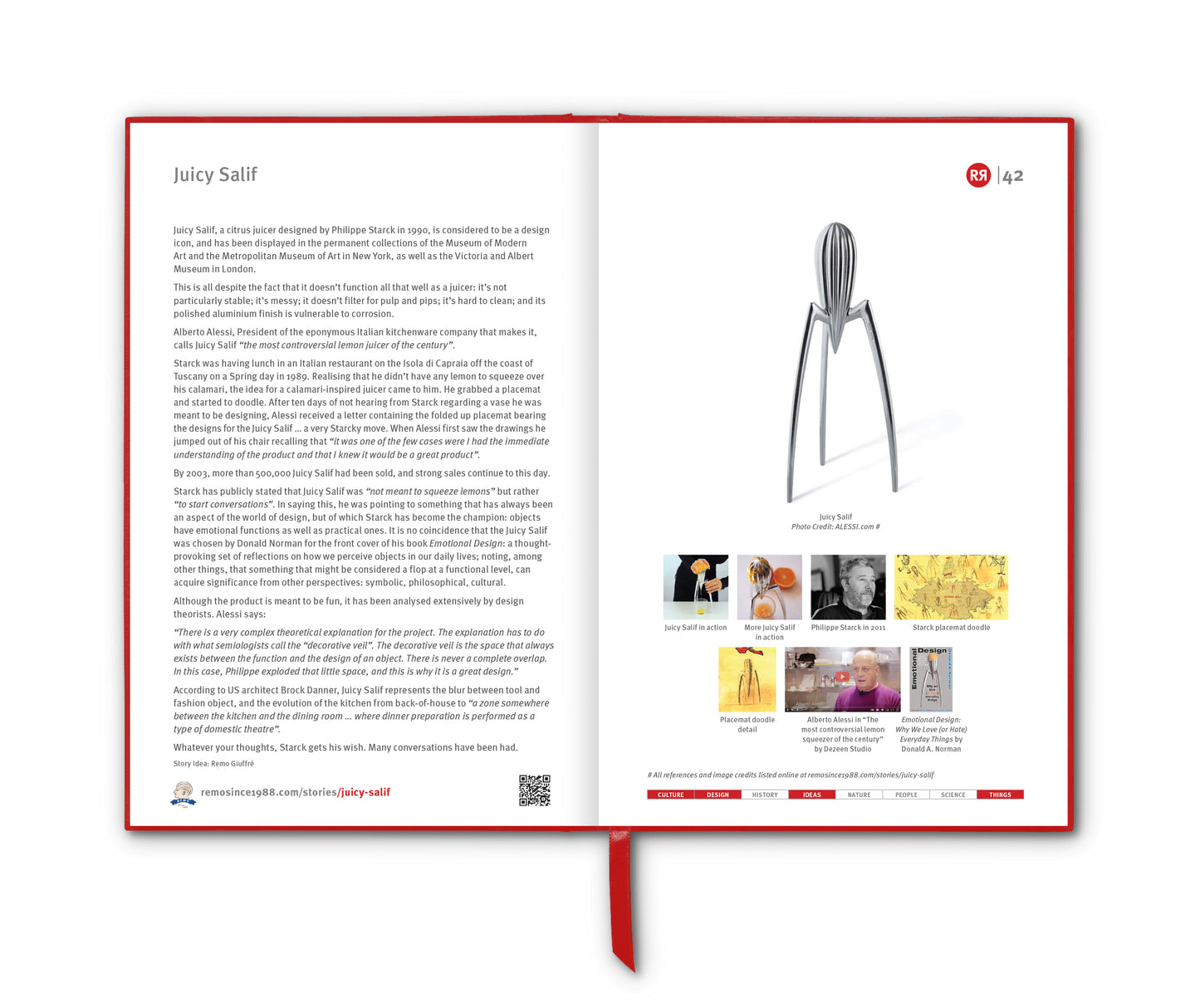
The zipper's big breakthrough came thanks to Gideon Sundback, a Swedish-American electrical engineer working for Judson’s company. In 1913, Sundback improved the design significantly, increasing the number of fastening elements and developing a more reliable, interlocking system. He patented the “Separable Fastener” in 1917 — widely considered the true birth of the modern zipper.
At first, zippers were used mainly for boots and tobacco pouches. It wasn’t until the 1930s that fashion designers and manufacturers embraced the zipper for clothing. The B. F. Goodrich Company played a major role in popularising the term “zipper,” a word that they used to market a new line of rubber boots. They liked the “zip” sound it made — and the name stuck.
The zipper beat the button in 1937 in the "Battle of the Fly", after French fashion designers raved about zippers in men's trousers. Esquire declared the zipper the "Newest Tailoring Idea for Men", and that among the zippered fly's many virtues was that it would exclude "the possibility of unintentional and embarrassing disarray". [Ed: Brings to mind "XYZ" (Examine Your Zipper) which was apparently an old school playground chant to subtly alert someone to an undone fly.]
By the mid-20th century, zippers were everywhere: pants, skirts, jackets, luggage, military uniforms, and even astronaut suits. They offered a faster, cleaner, and more secure alternative to buttons and hooks, helping to modernise fashion and functionality.
Today’s zippers are made by a variety of companies from metal, nylon or molded plastic, and they come in an astonishing variety of shapes and purposes — from heavy-duty waterproof zippers used in diving gear to tiny concealed ones in formalwear. Despite being such a simple mechanism, the zipper remains a marvel of everyday engineering.
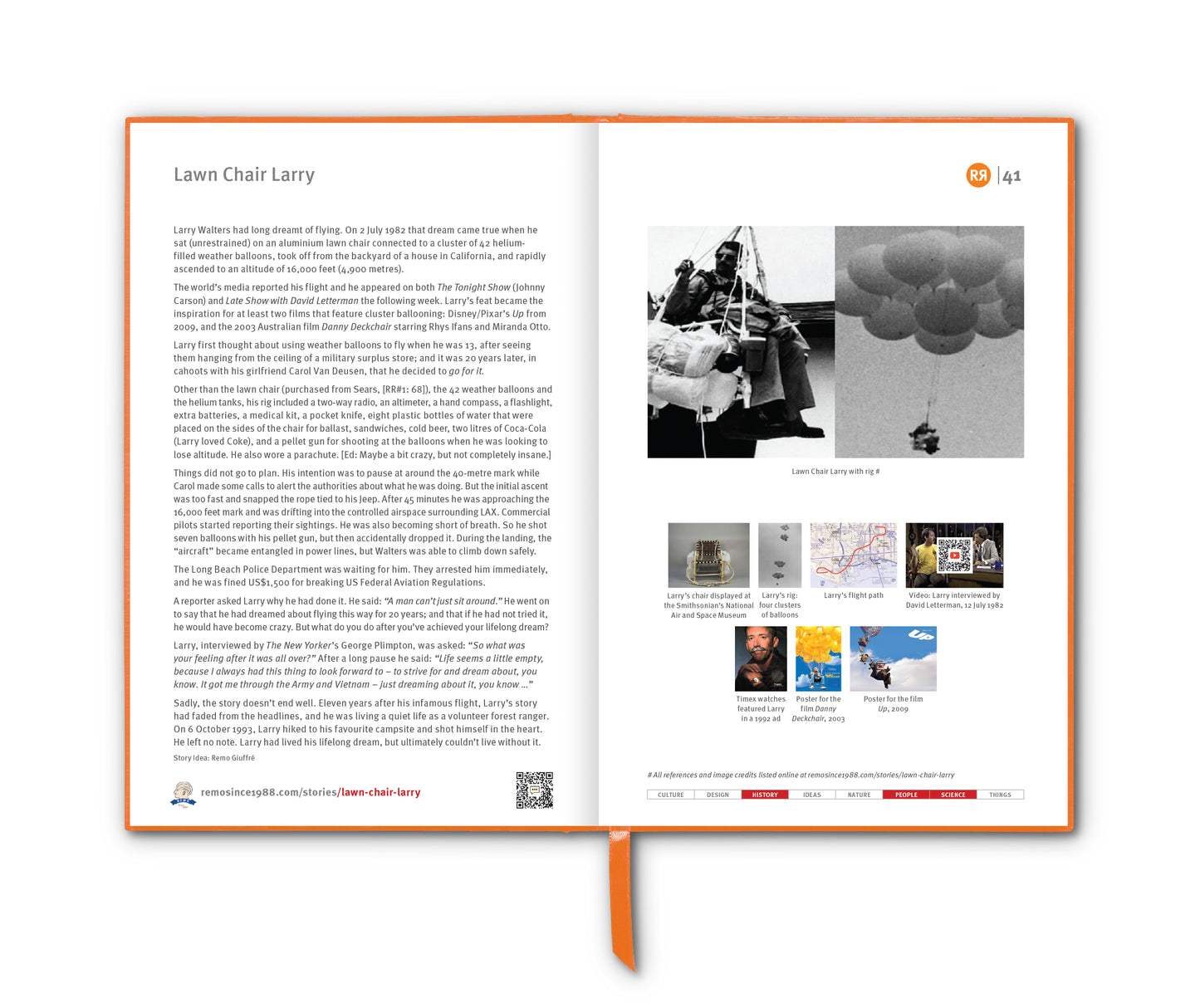
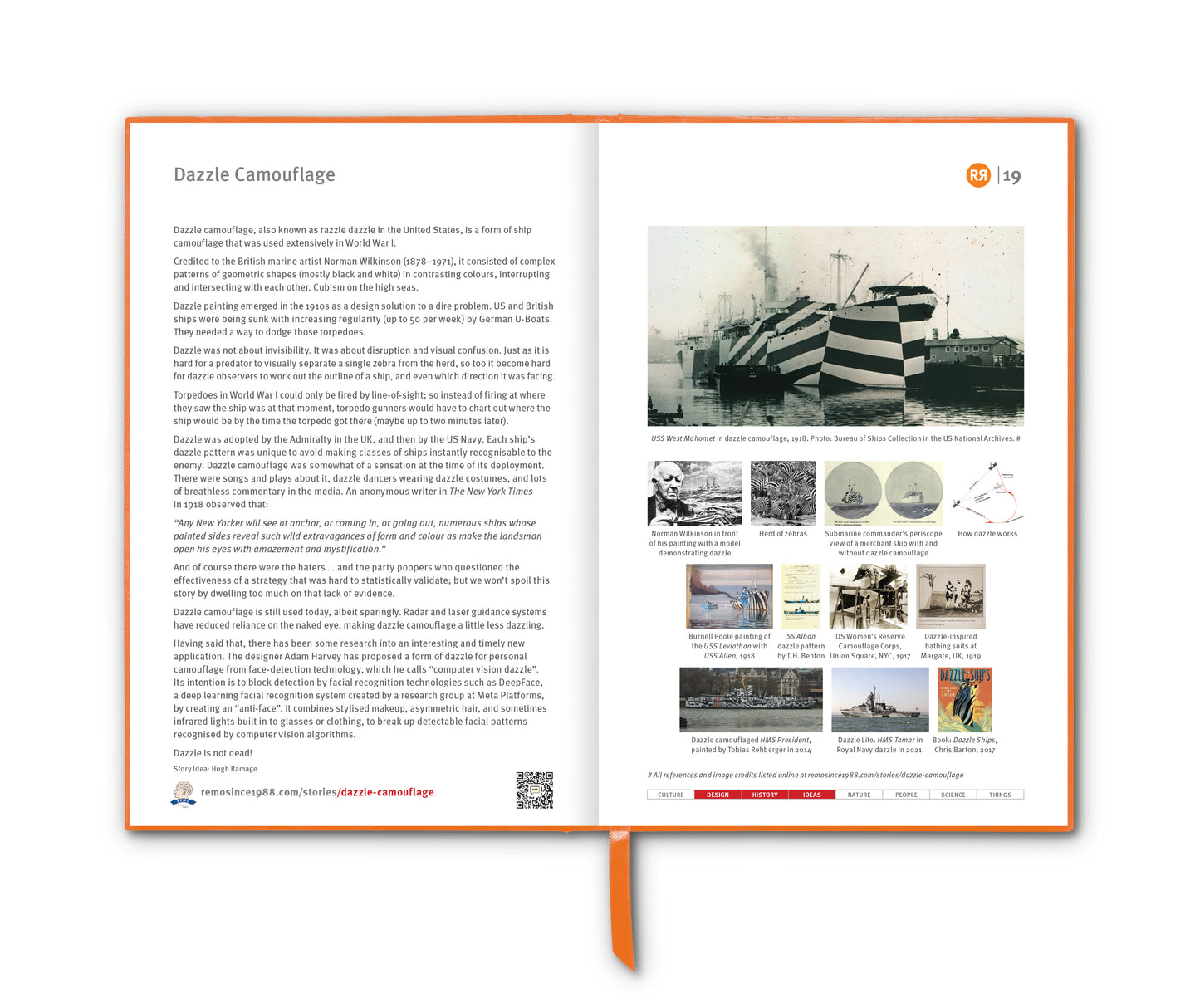
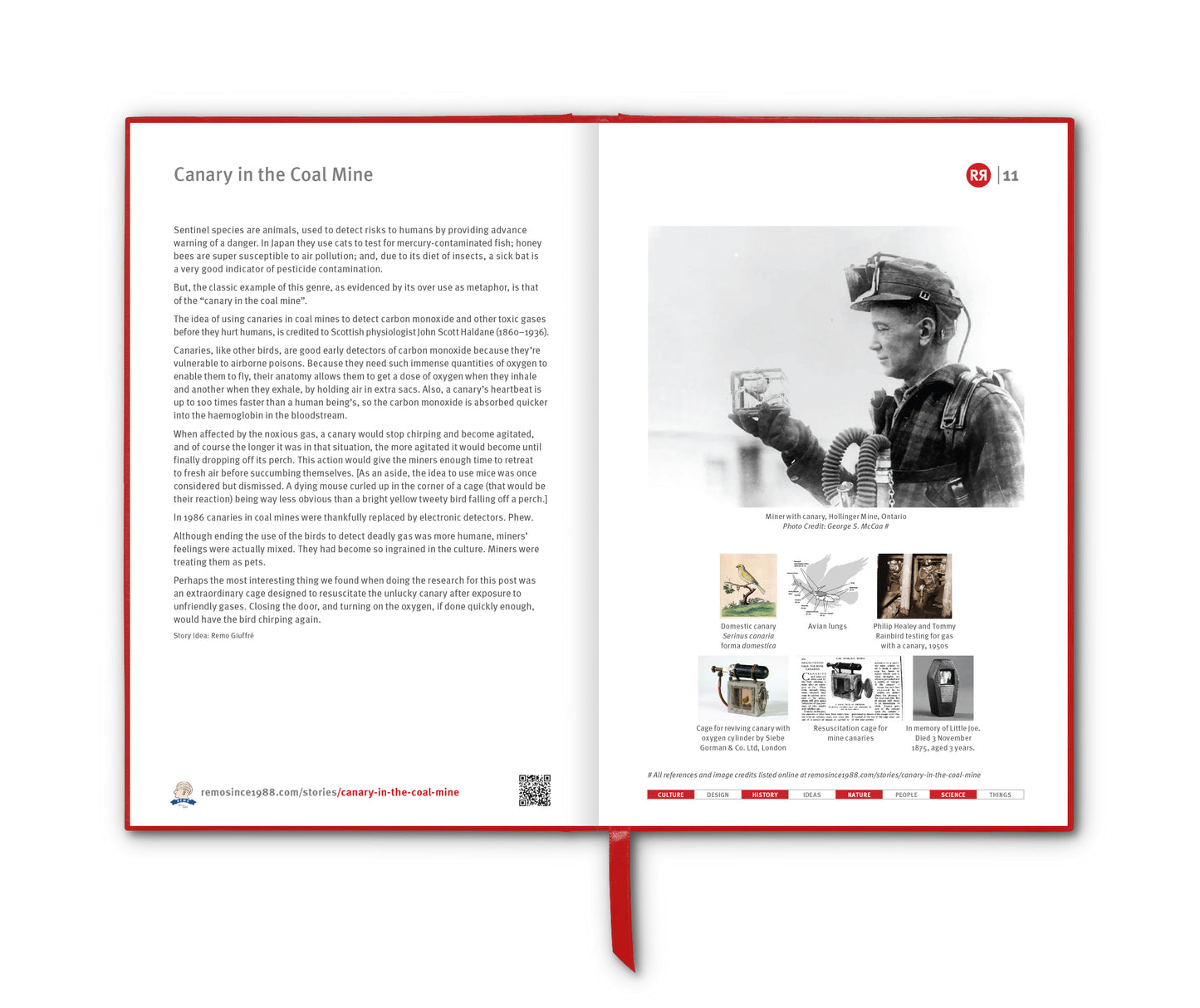
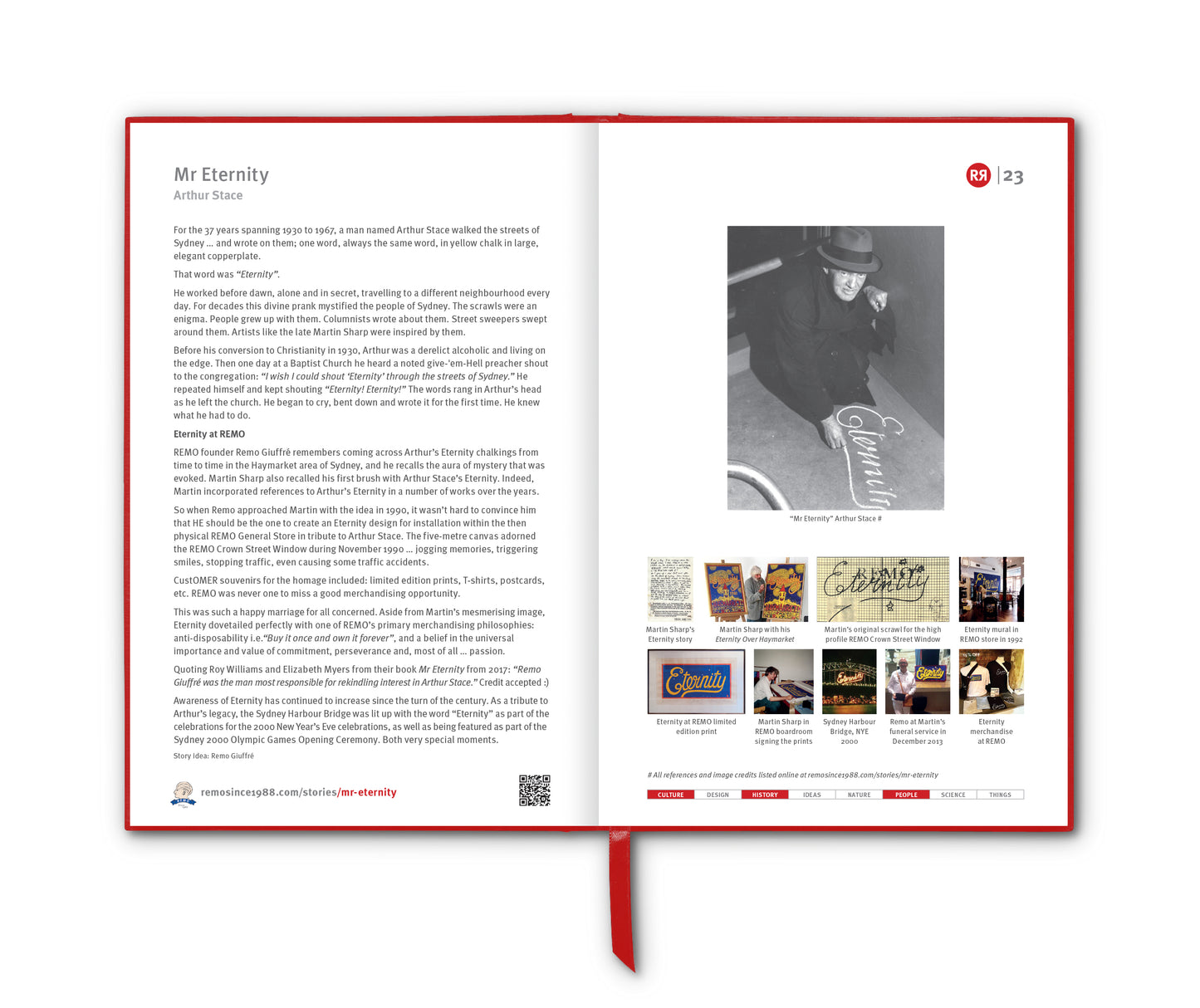
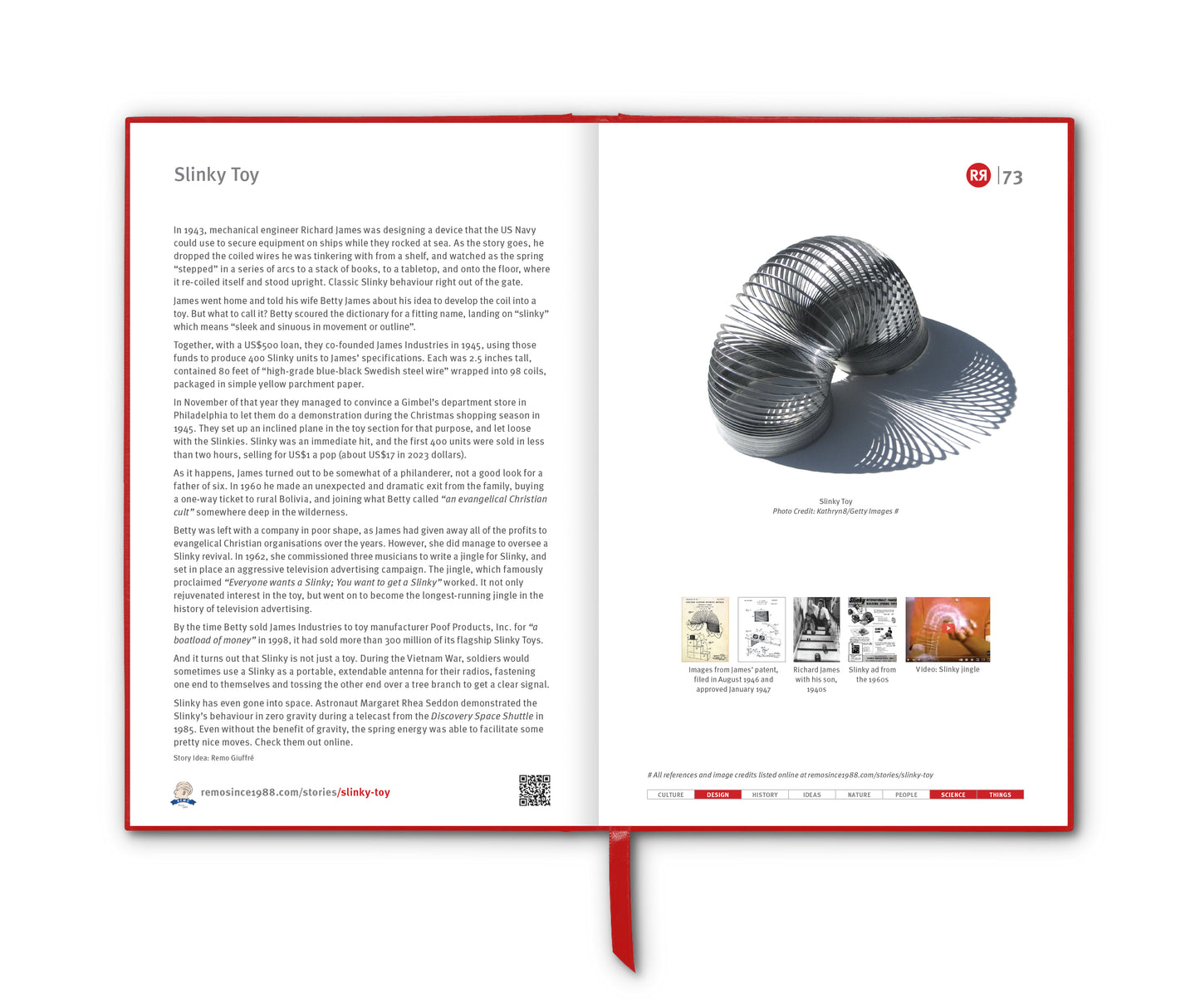
Consistent quality is a must for reputable fashion brands. For decades now, apparel makers who can’t afford to gamble on cut-rate fasteners have overwhelmingly turned to a single manufacturer. YKK, the Japanese zipper behemoth, founded by Tadao Yoshida in Tokyo in 1934 makes roughly half of all the zippers on earth – more than 7 billion zippers each year. Those three capital letters, standing for Yoshida Kogyo Kabushikikaisha, are ubiquitous. YKK has uniquely brought every stage of the zipper making process in house. It smelts its own brass, concocts its own polyester, spins and twists its own thread, weaves and colour-dyes cloth for its zipper tapes, forges and moulds its scooped zipper teeth, and so on … YKK even makes the boxes it ships its zippers in. And of course it still manufactures its own zipper-manufacturing machines – which it carefully hides from the eyes of competitors. With every tiny detail handled under YKK’s roof, outside variables get eliminated and the company can assure consistent quality and speed of production.
Postscript
Zipper mishaps are a comedy staple — perhaps most memorably in There’s Something About Mary (1998), where Ben Stiller’s character has a painful encounter with his fly while dressing for his prom. The scene is infamous and still makes people wince.
_________________________
References
wikipedia.org/wiki/Zipper
gallantry.com/a/blog/ykk-zippersthe-best-zippers-in-the-game#
wikipedia.org/wiki/YKK
Images
1. 1917 patent of the "separable fastener" by Gideon Sundbäck and zipper photo credit: Anne Nygård on Unsplash
2. Worlds Fair Chicago, 1893. Photo credit: The History Collection
3. Whitcomb Judson (1843–1909)
4. YKK Founder Tadao Yoshida. Photo credit: YKK.com
5. The zipper scene from There's Something About Mary, 20th Century Fox, 1998