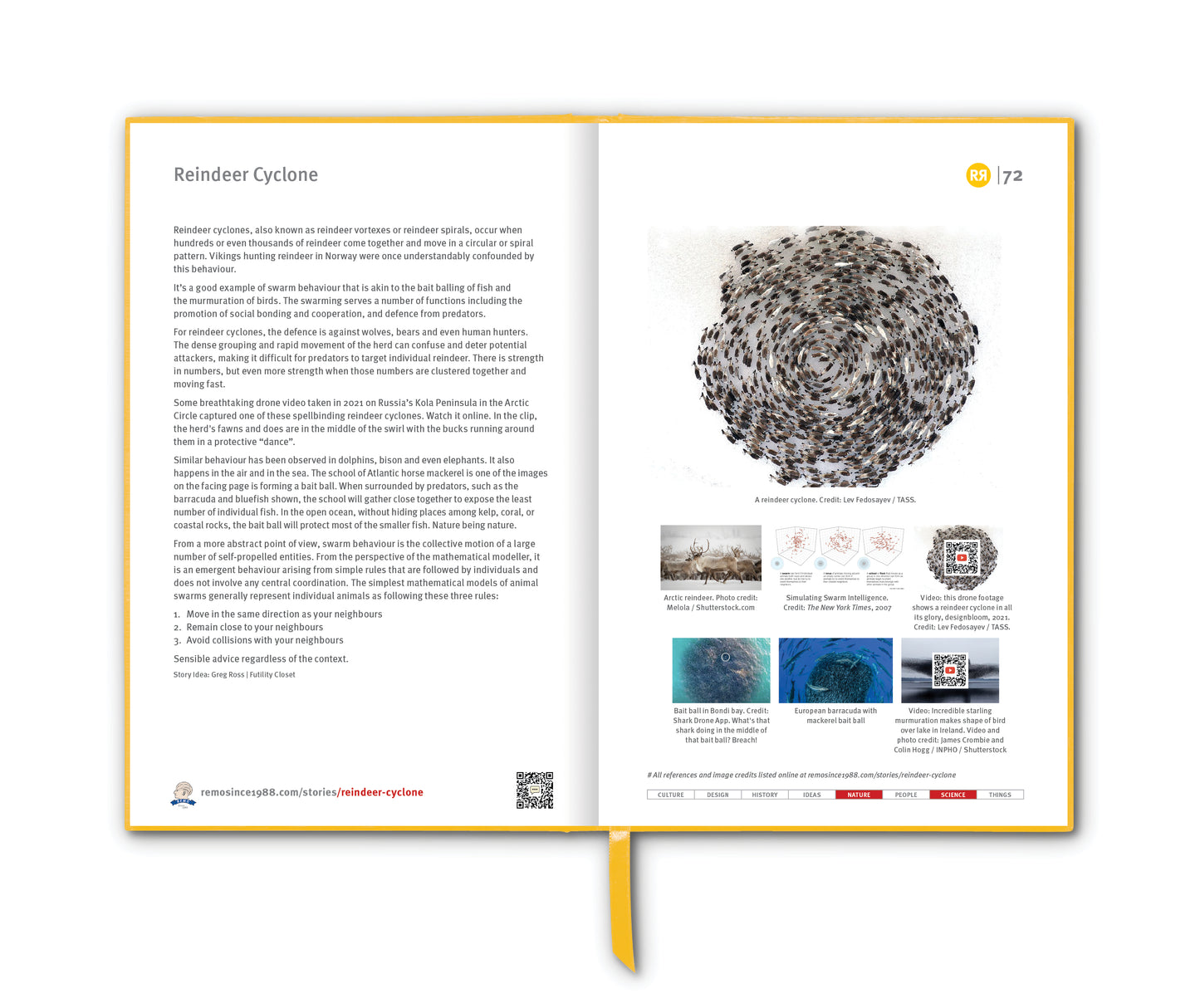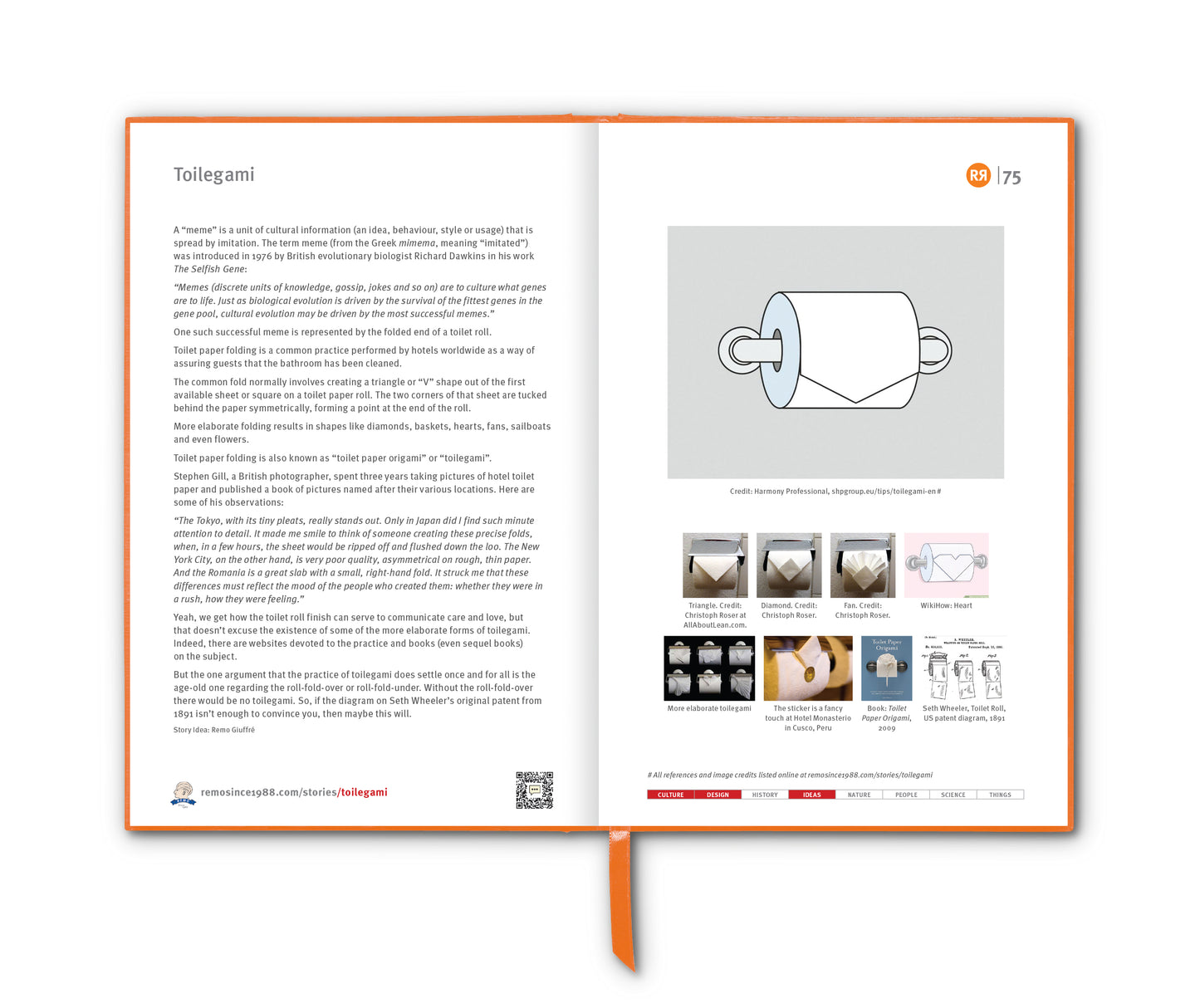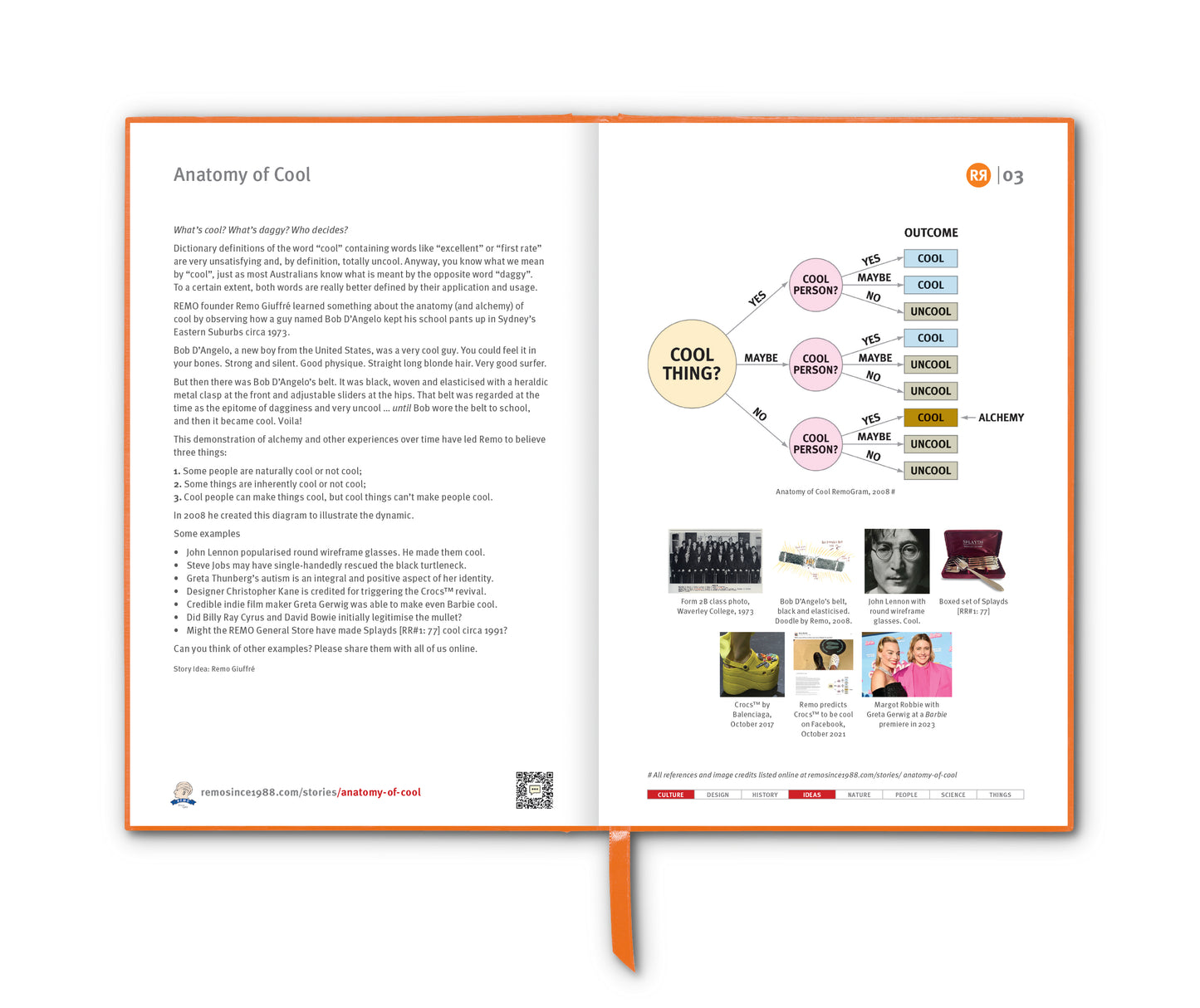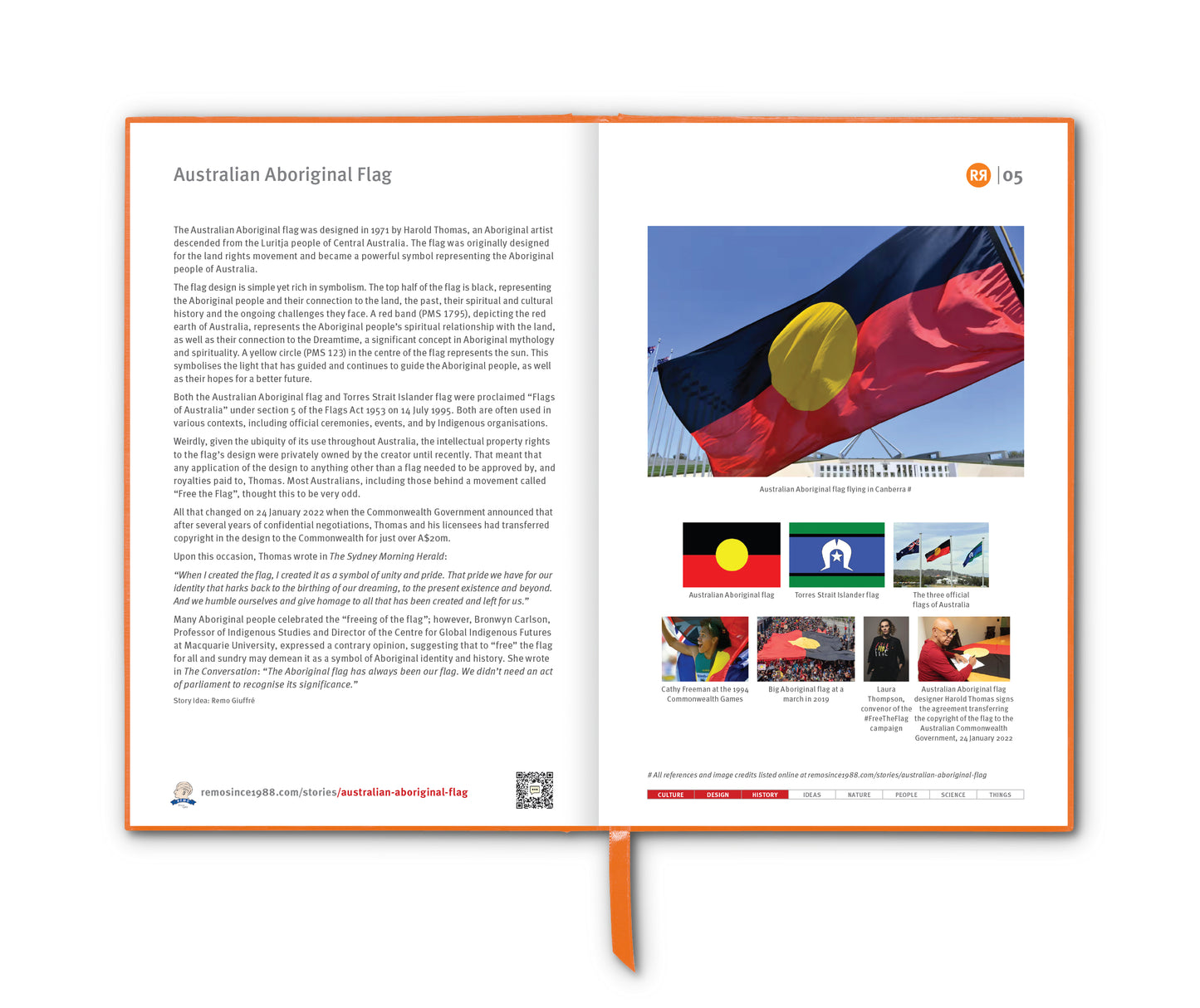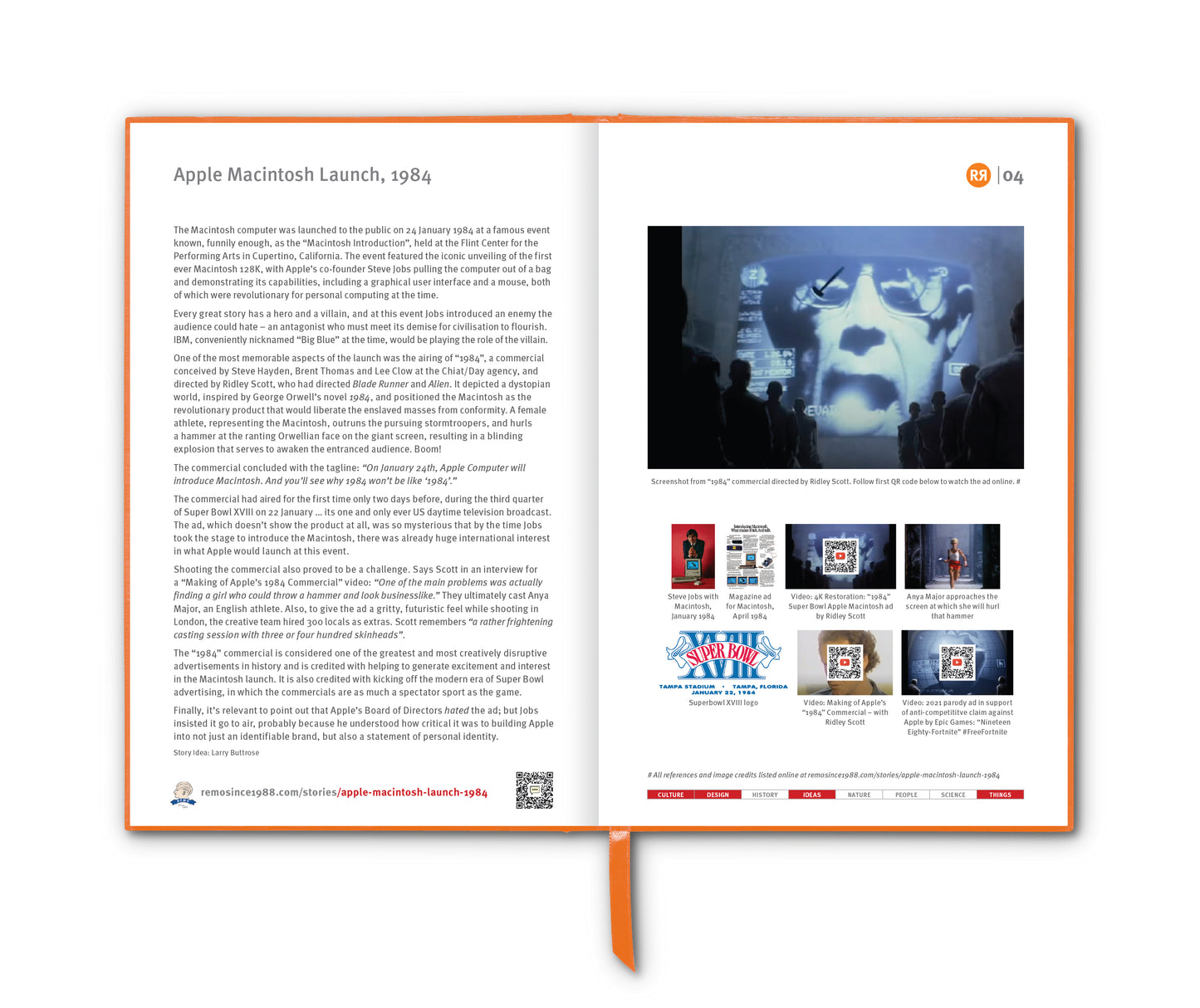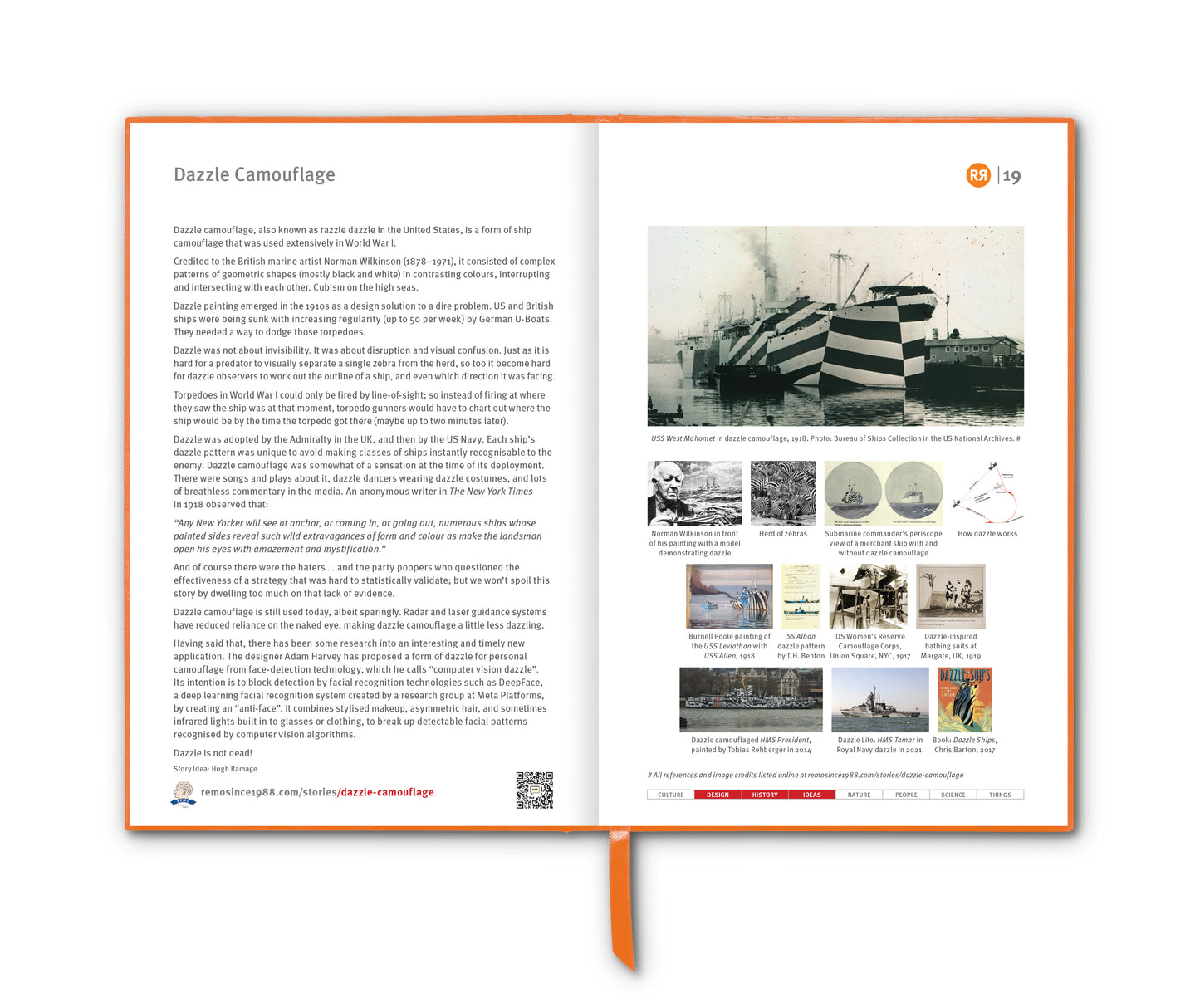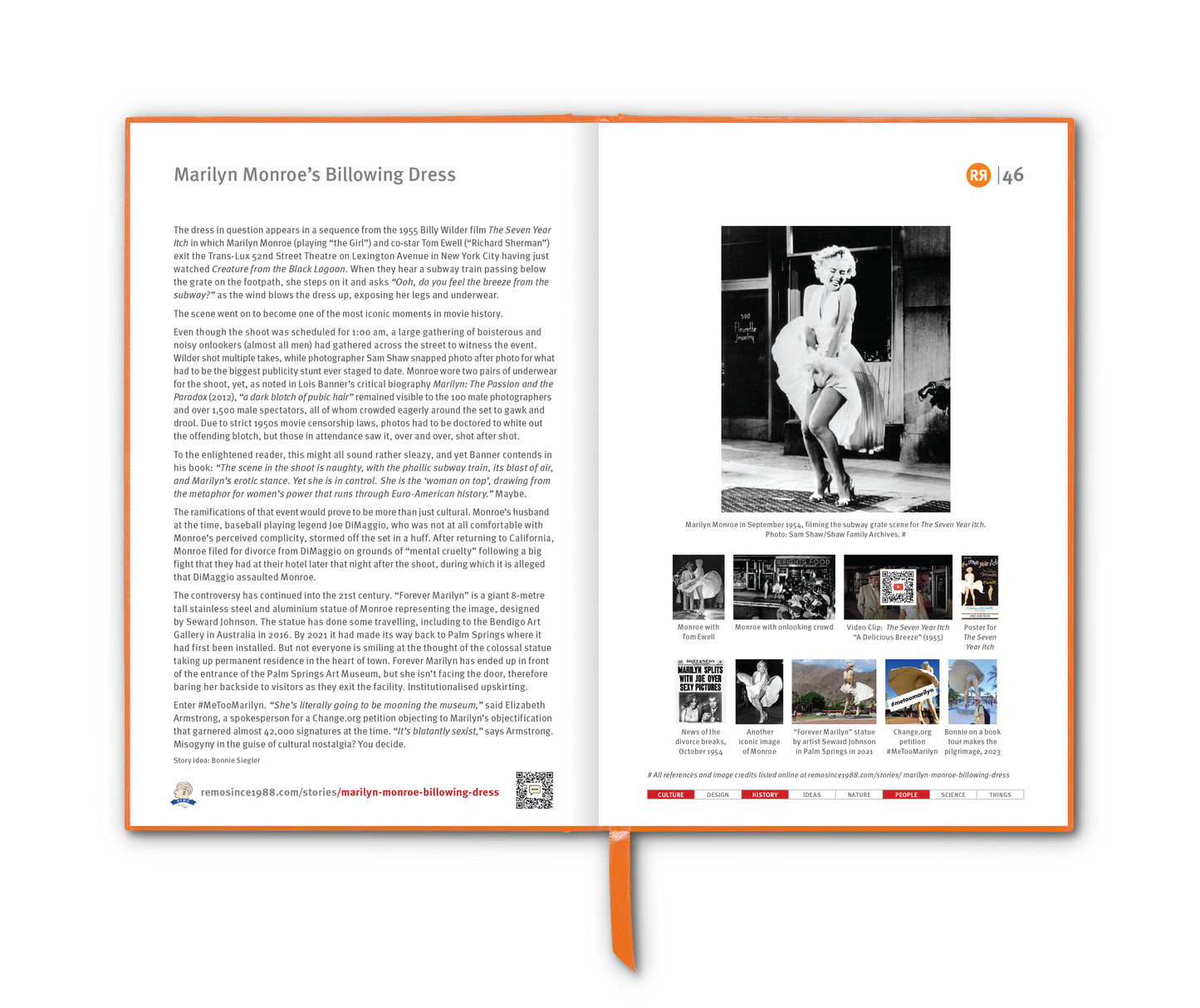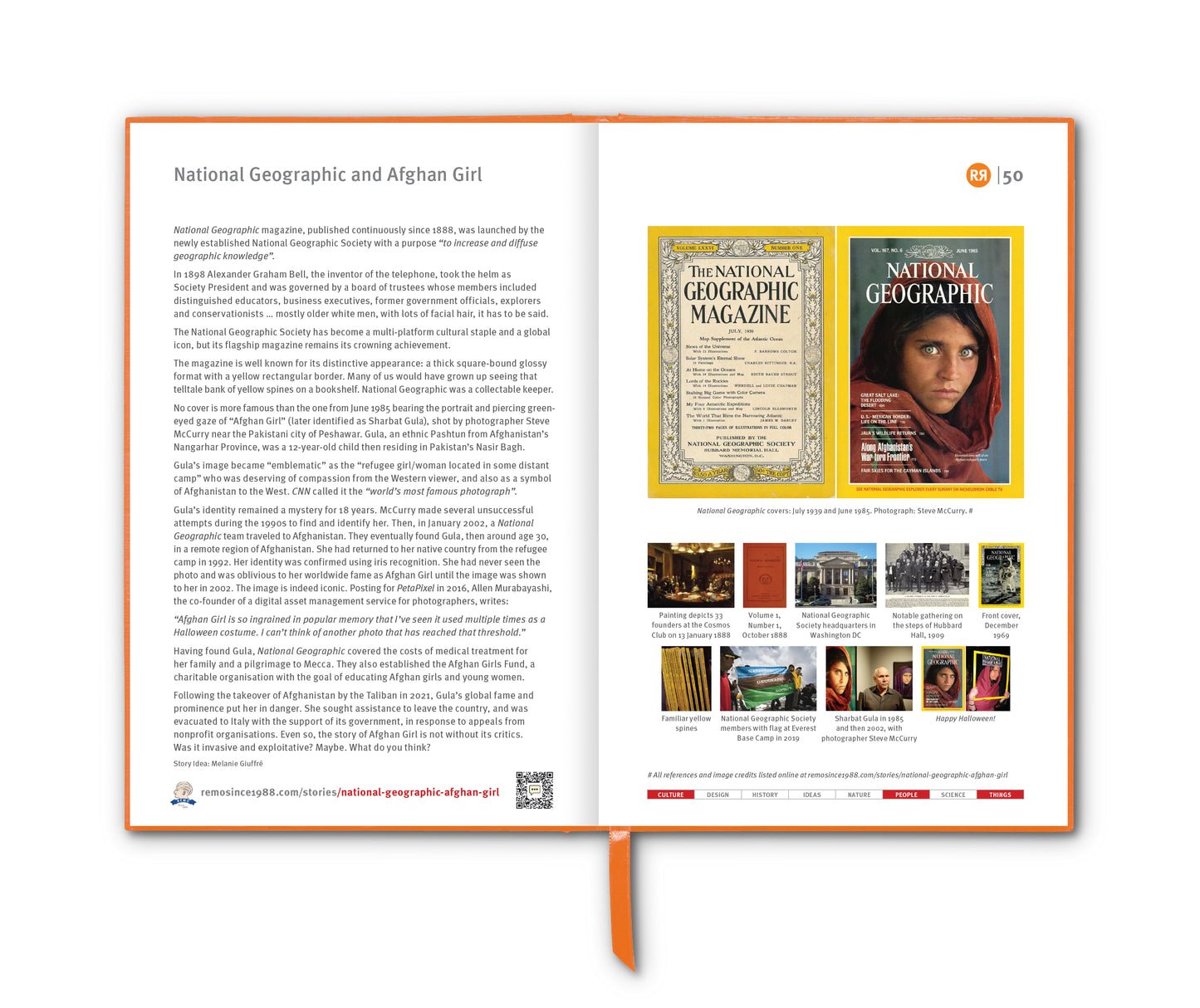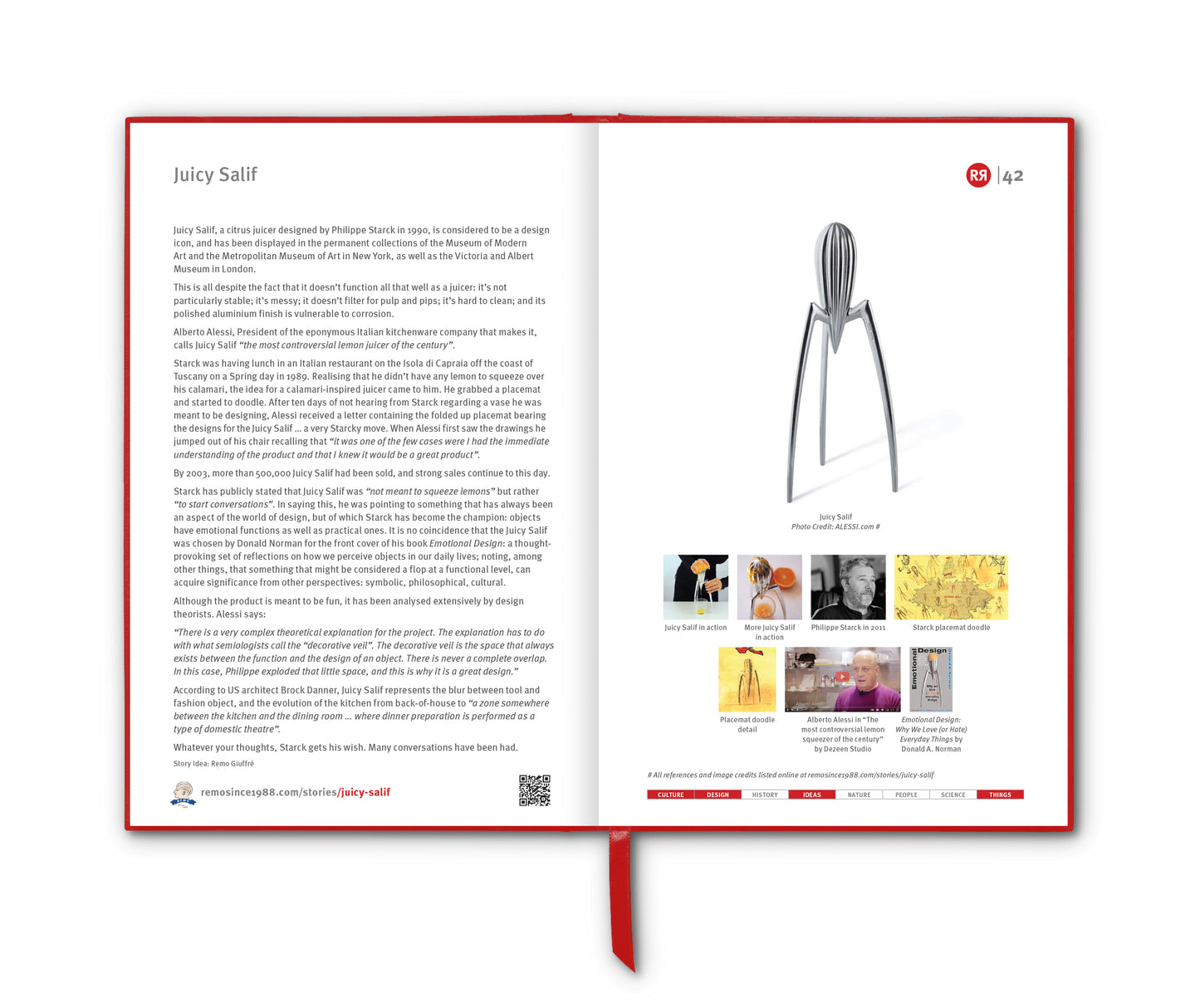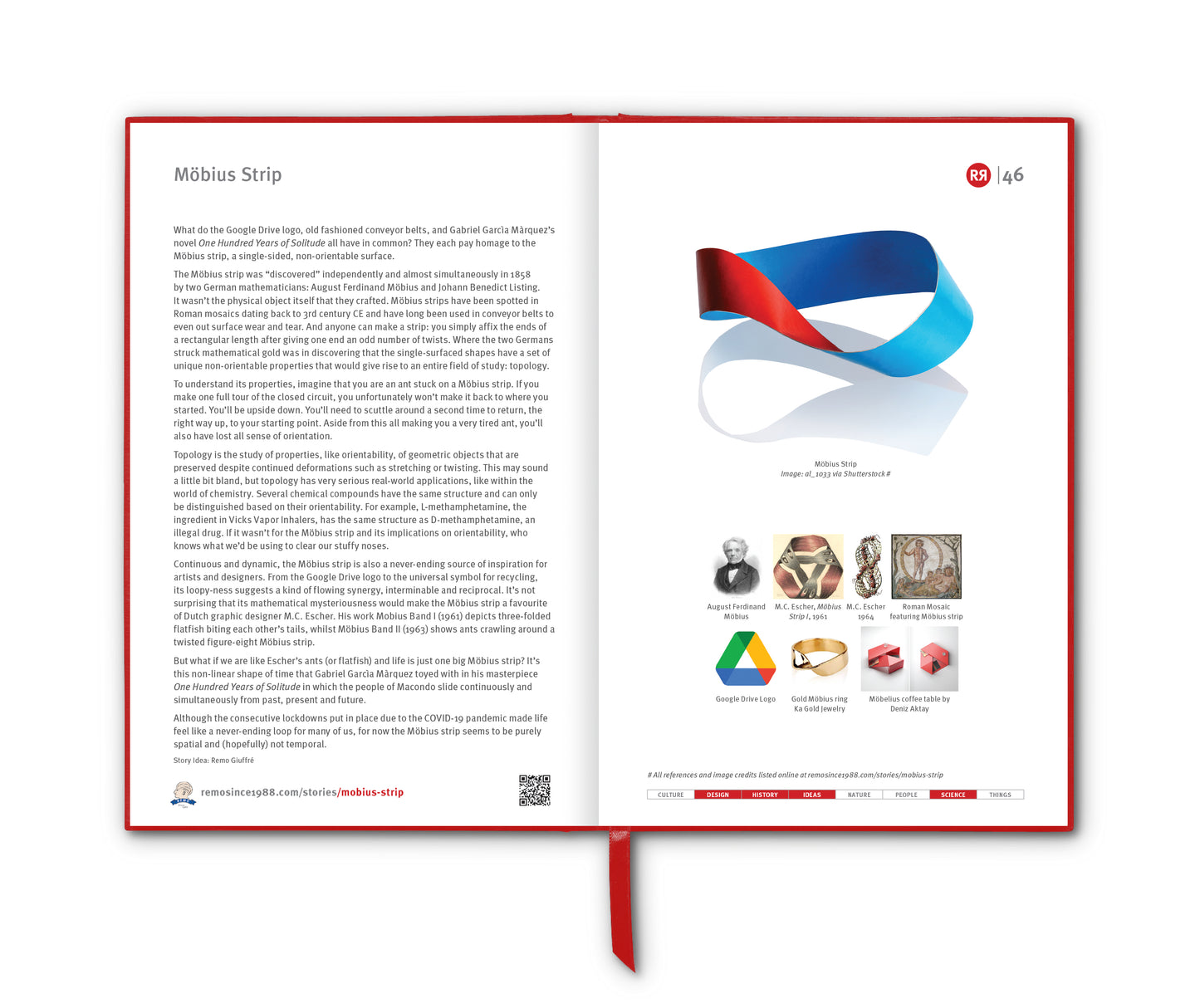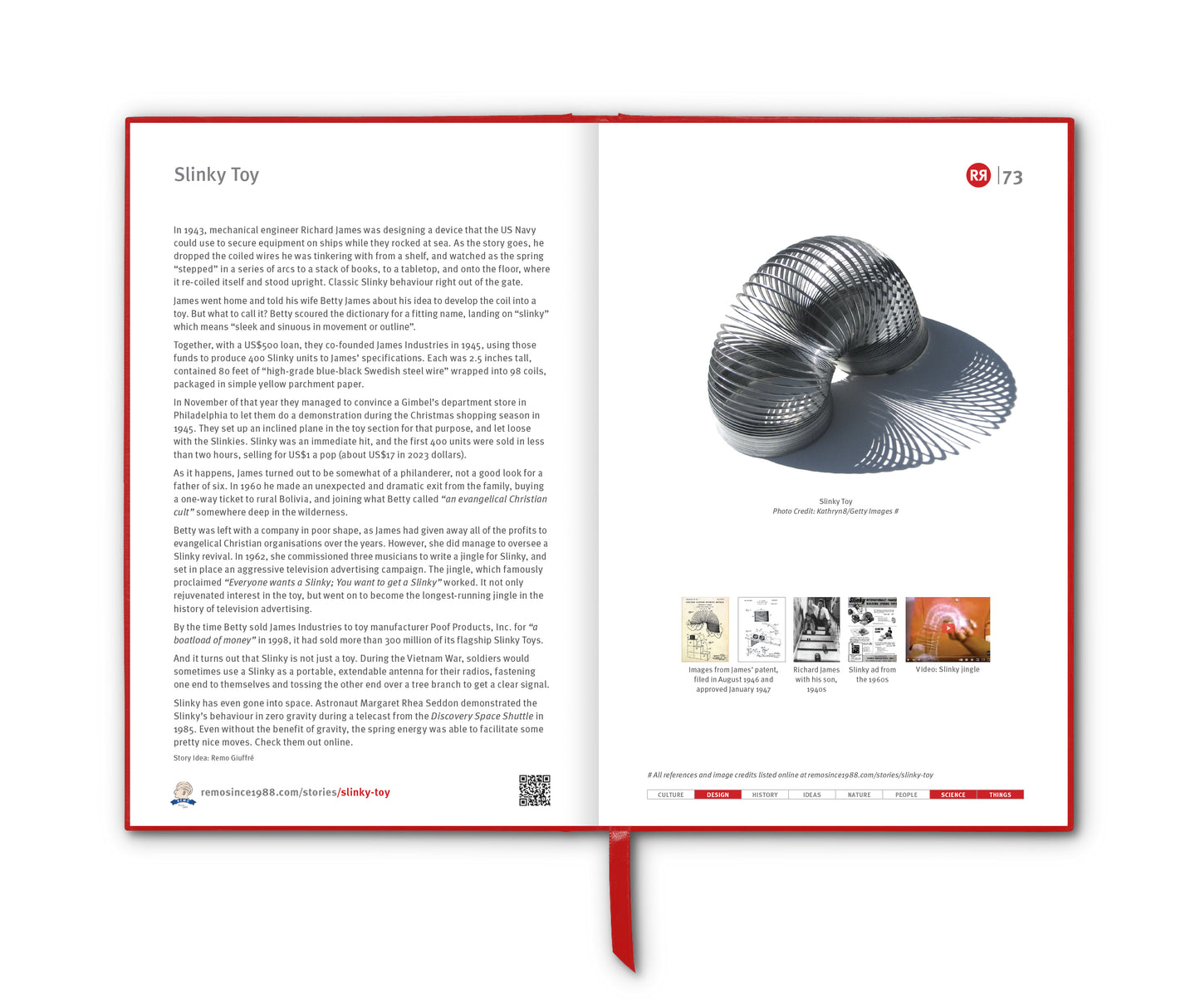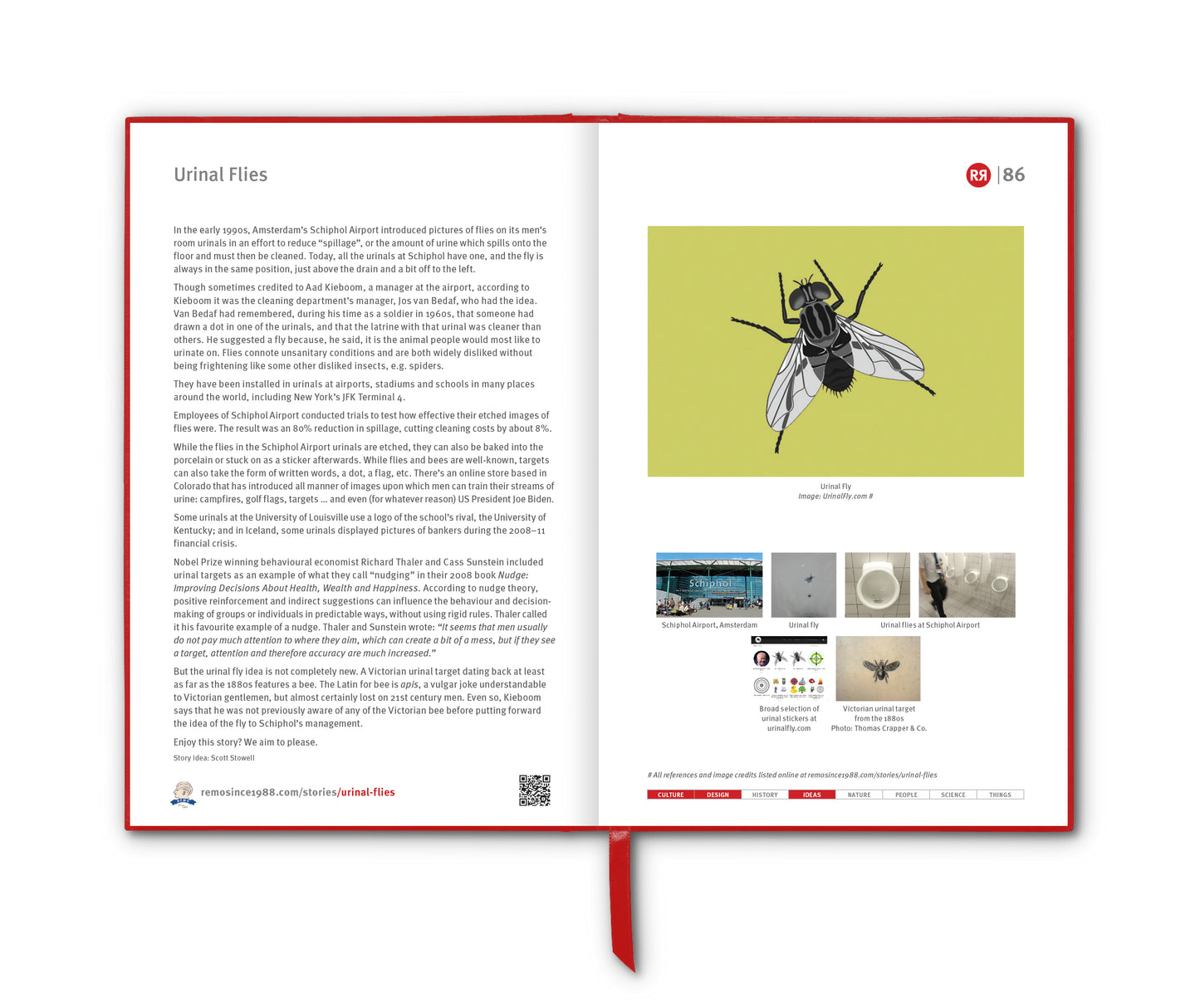

Bamboo may look like a tree, but it is actually a grass – and arguably the world's most useful one. Comprising more than 1,600 species, bamboo grows naturally on every continent except Europe and Antarctica. Some species can grow astonishingly quickly: under ideal conditions, certain varieties have been recorded growing almost one metre in a single day, making bamboo among the fastest-growing plants on Earth.
Humans have exploited bamboo for thousands of years. Archaeological evidence suggests that bamboo was being used in China more than 7,000 years ago. Its combination of strength, flexibility and lightness has made it indispensable across Asia, where it has served as building material, scaffolding, furniture, musical instruments, baskets, fishing rods, paper and weapons.
Bamboo's remarkable strength arises from its structure. Its hollow cylindrical stems, known as culms, provide exceptional rigidity while using relatively little material. Engineers often compare bamboo's strength-to-weight ratio favourably with steel. Even today, bamboo scaffolding remains common in places such as Hong Kong, where workers routinely erect structures dozens of storeys high using little more than bamboo poles and nylon ties.
Bamboo has also shaped culture and cuisine. Young bamboo shoots are eaten throughout Asia, while the giant panda derives almost its entire diet from bamboo. Bamboo flutes, including the Japanese shakuhachi, have been central to musical traditions for centuries.
The plant occupies a prominent place in art and philosophy as well. In Chinese culture, bamboo symbolises resilience, integrity and humility. Because it bends without breaking, it has long served as a metaphor for moral strength and adaptability.
Bamboo occasionally displays one of nature's strangest behaviours: mass flowering. Many species flower only once every several decades, sometimes after more than a century. Even more remarkably, members of a species often flower simultaneously across vast geographic areas before dying shortly afterwards. Scientists still debate exactly how these plants maintain such precise biological timing.
In recent decades, bamboo has been championed as a sustainable material. Because it grows rapidly and regenerates without replanting, it has been promoted as an environmentally friendly alternative to timber, plastic and concrete. Bamboo fibres now appear in textiles, flooring, bicycles and even engineered building products.
Yet bamboo can also be problematic. Some species spread aggressively, becoming invasive and difficult to eradicate. Not all bamboo products are environmentally benign, particularly when industrial processing is involved.
Nevertheless, few plants can rival bamboo's extraordinary versatility.
______________________________
References
https://en.wikipedia.org/wiki/Bamboo
https://www.bamboodownunder.com.au/20-fun-facts-about-bamboo
https://www.culturalheritage.mo/
https://bali.greenschool.org/
https://ibuku.com/
Images
1. Bamboo scaffolding. Credit: Cultural Affairs Bureau, Government of Macao Special Administrative Region
2. Part of the bamboo plant. Credit: Endémico, Colombia
3. Fresh bamboo shoot emerging from the soil. Photo credit: Joi Ito
4. Mosochiku bamboo forest in Kamakura, Japan
5. Panoramic view of bamboo forest in Hawaii. Photo credit: Aaron Zhu
6. Classroom interiors at Green School in Bali, Indonesia. Photo credit: Paul Prescott
7. Bamboo house, Credit: IBUKU, Bali
8. Video: "Magical houses, made of bamboo", Elora Hardy at TED 2015
9. Korean bamboo tea. Photo credit: Kim Dae Jeung
10. Bamboo is the main food of the giant panda. Phot credit: Kevin Dooley