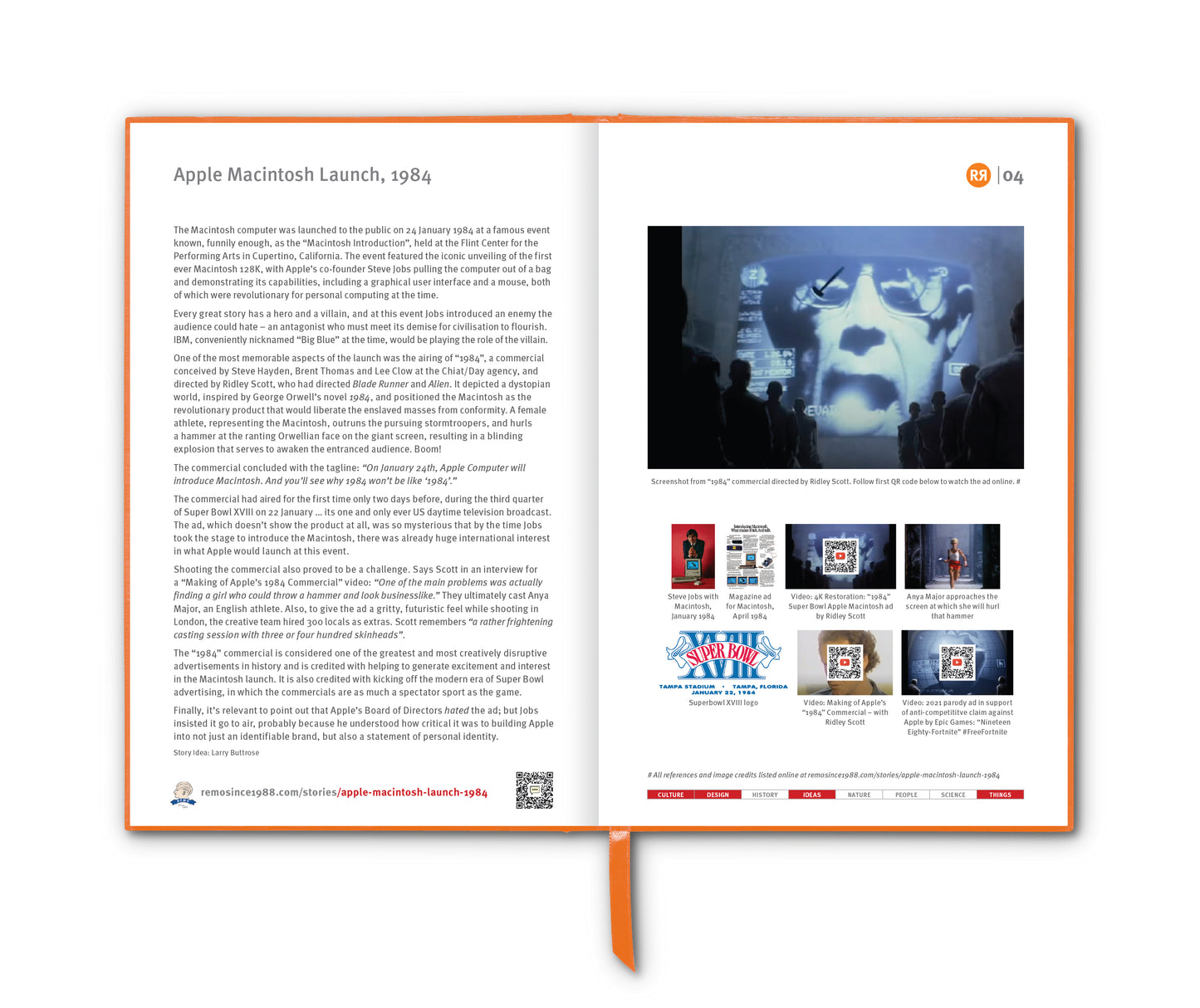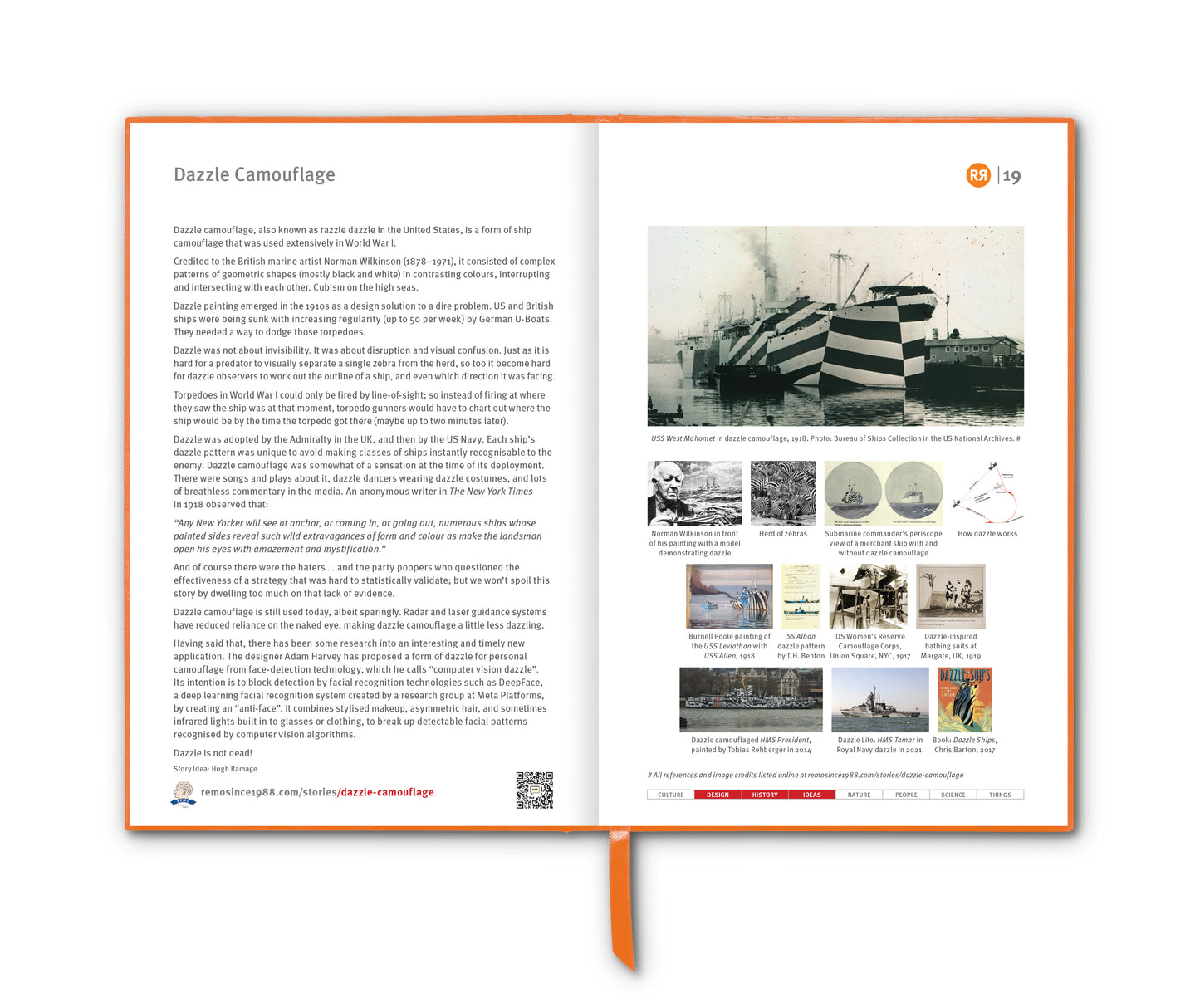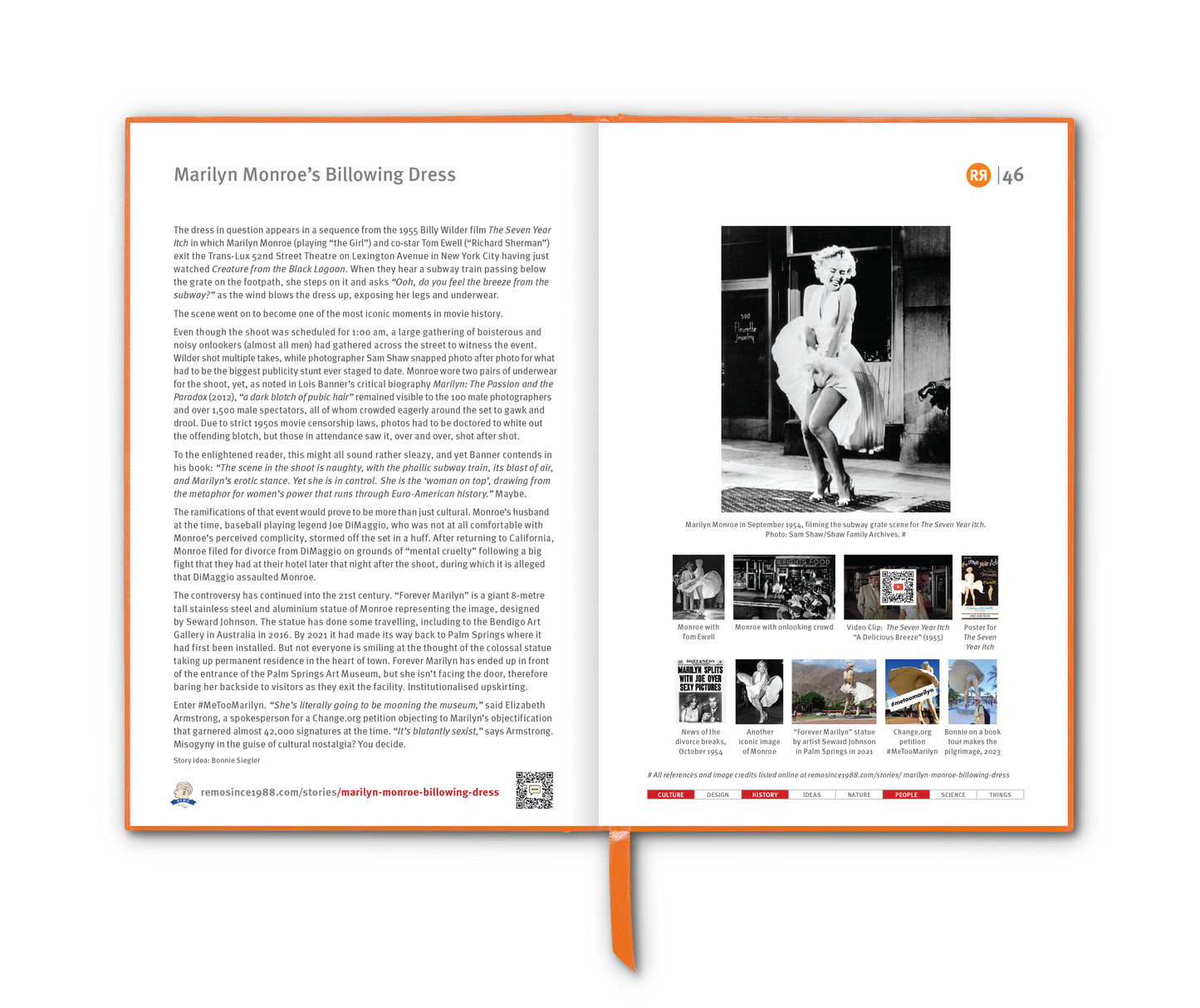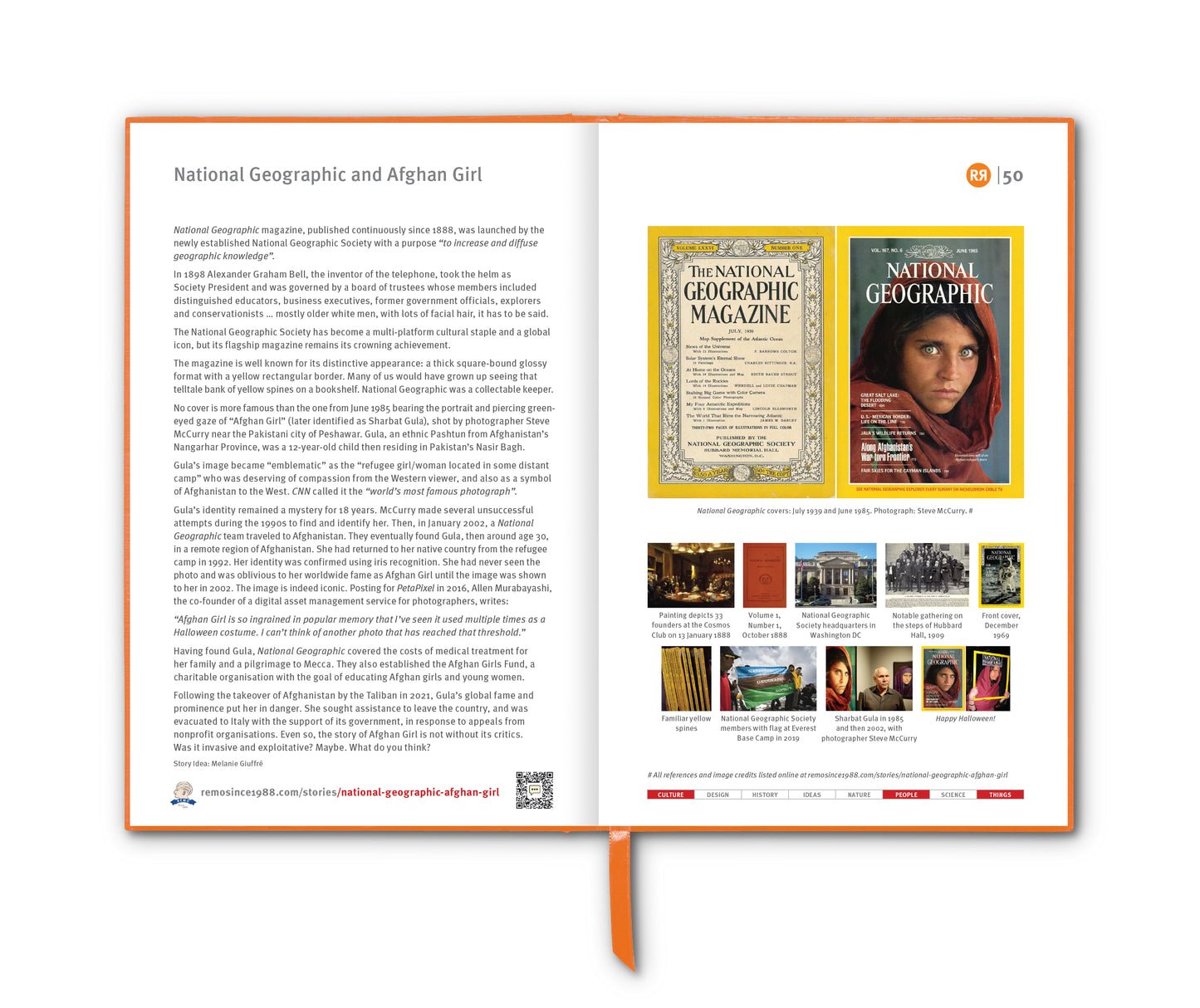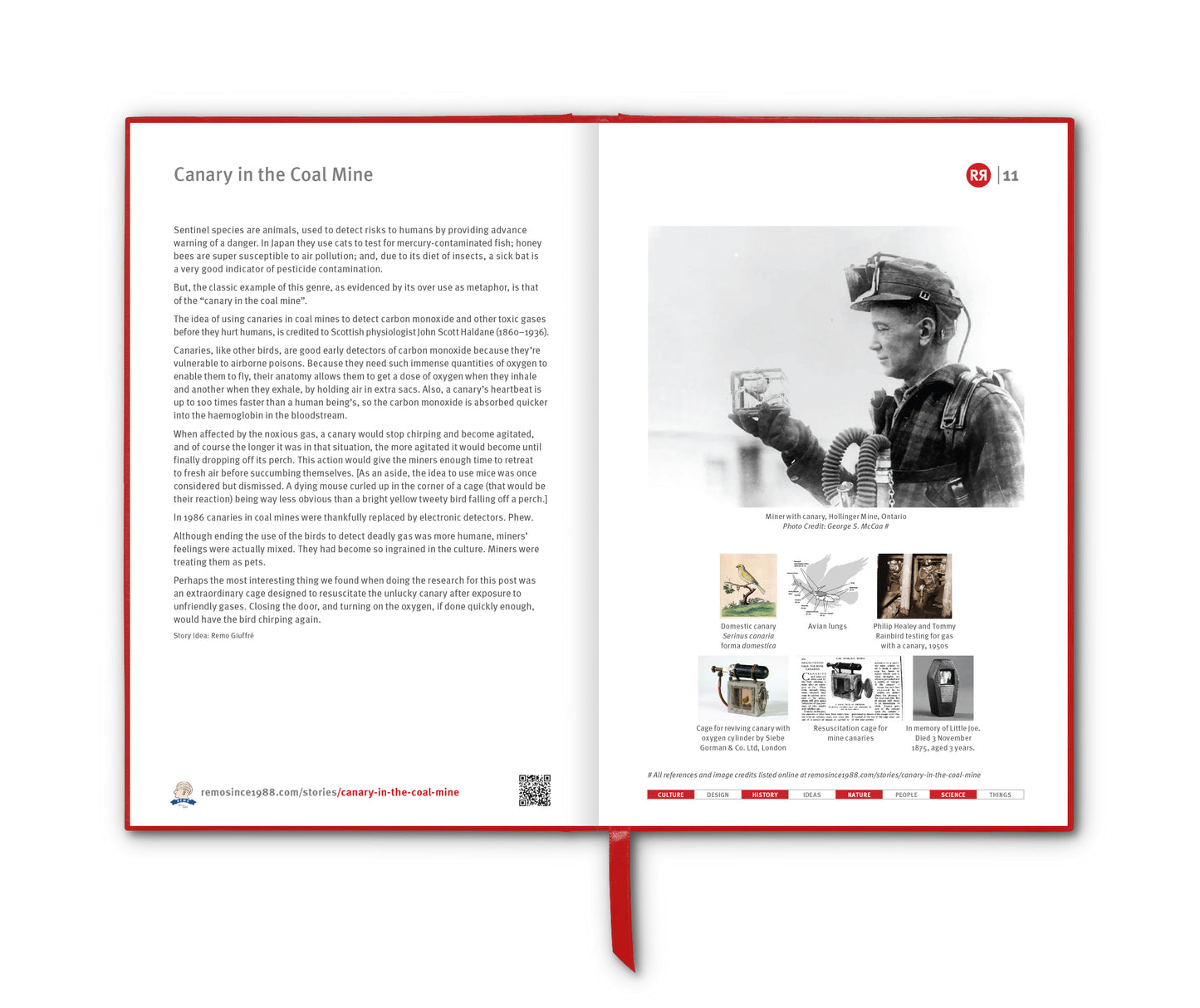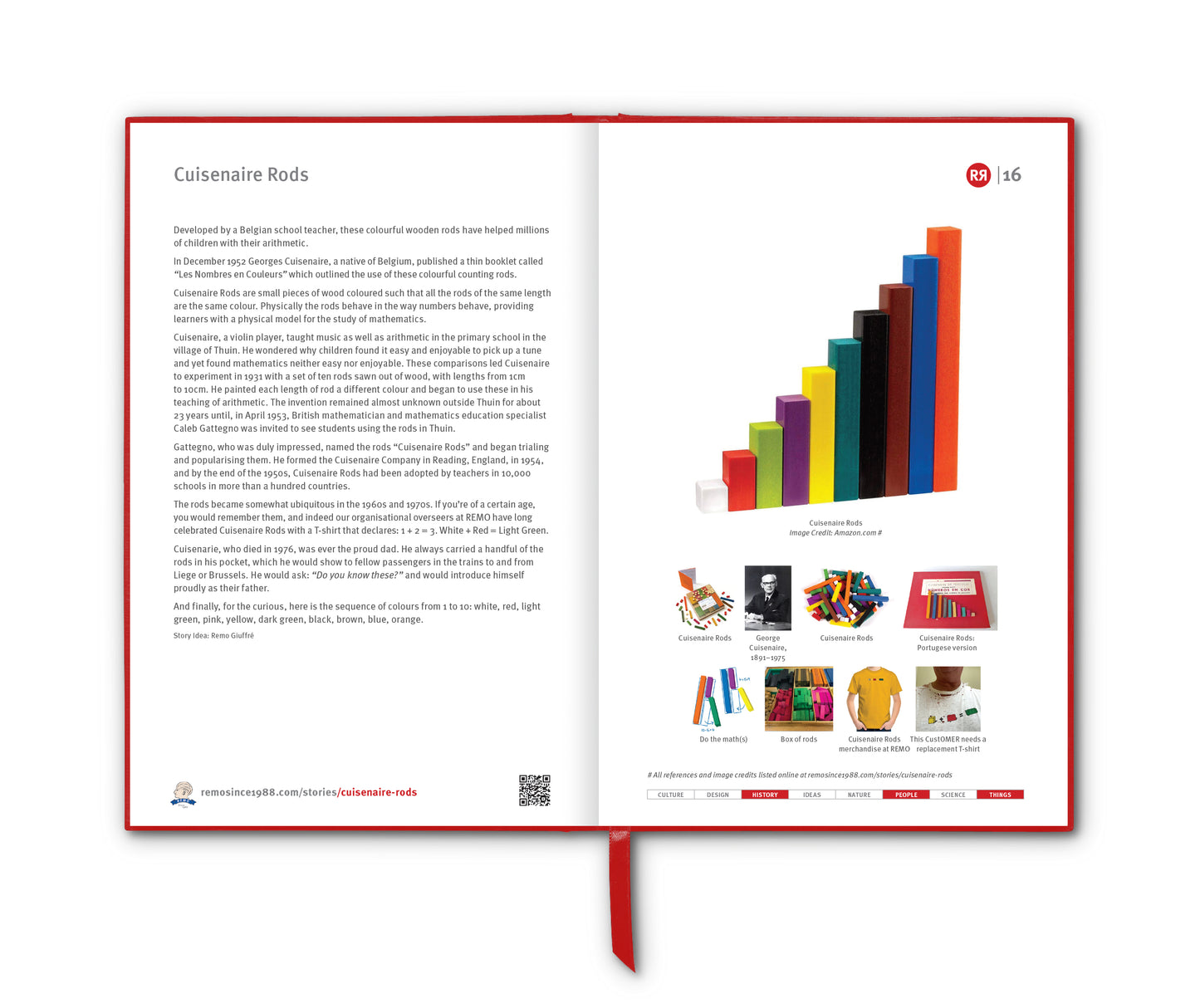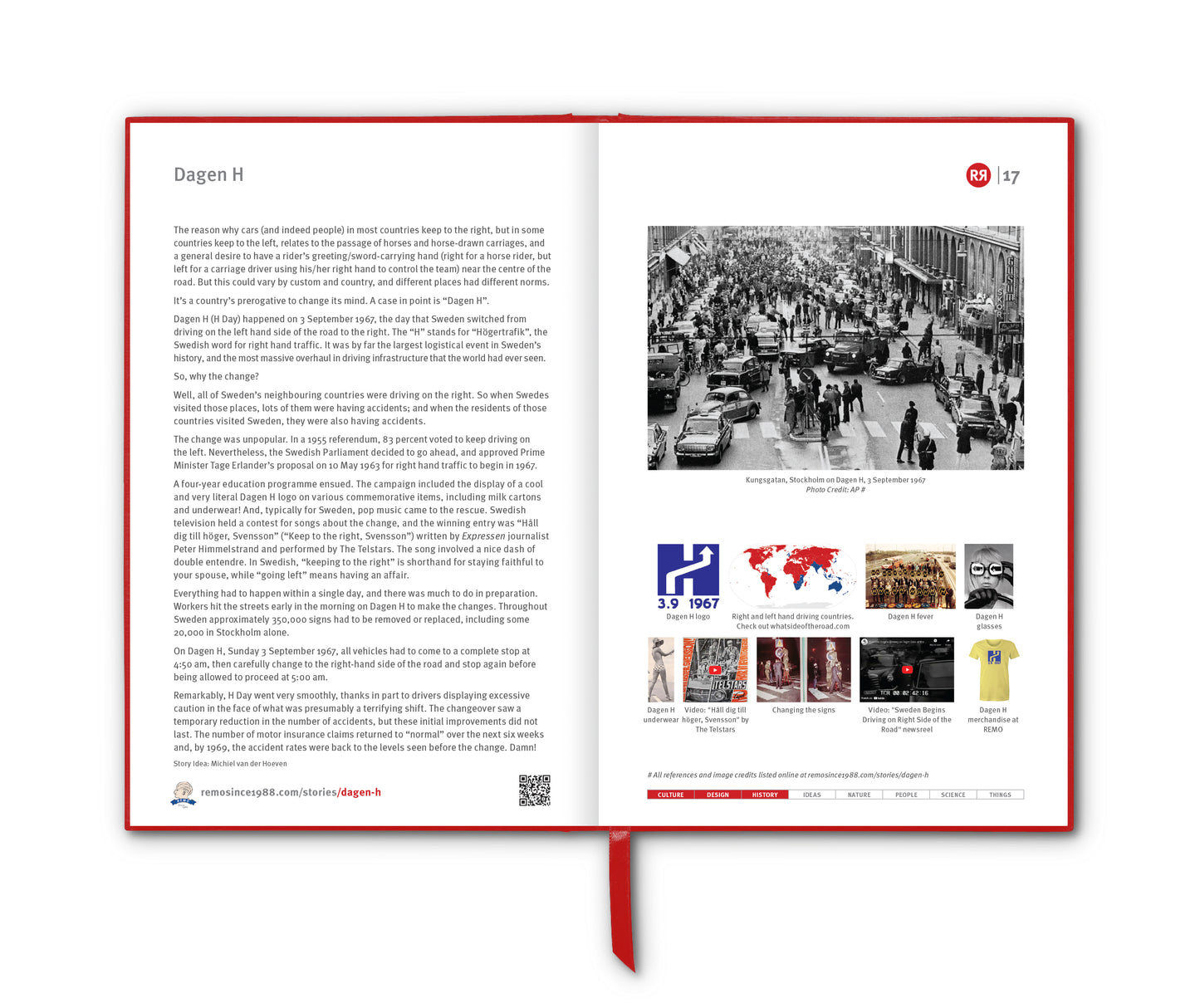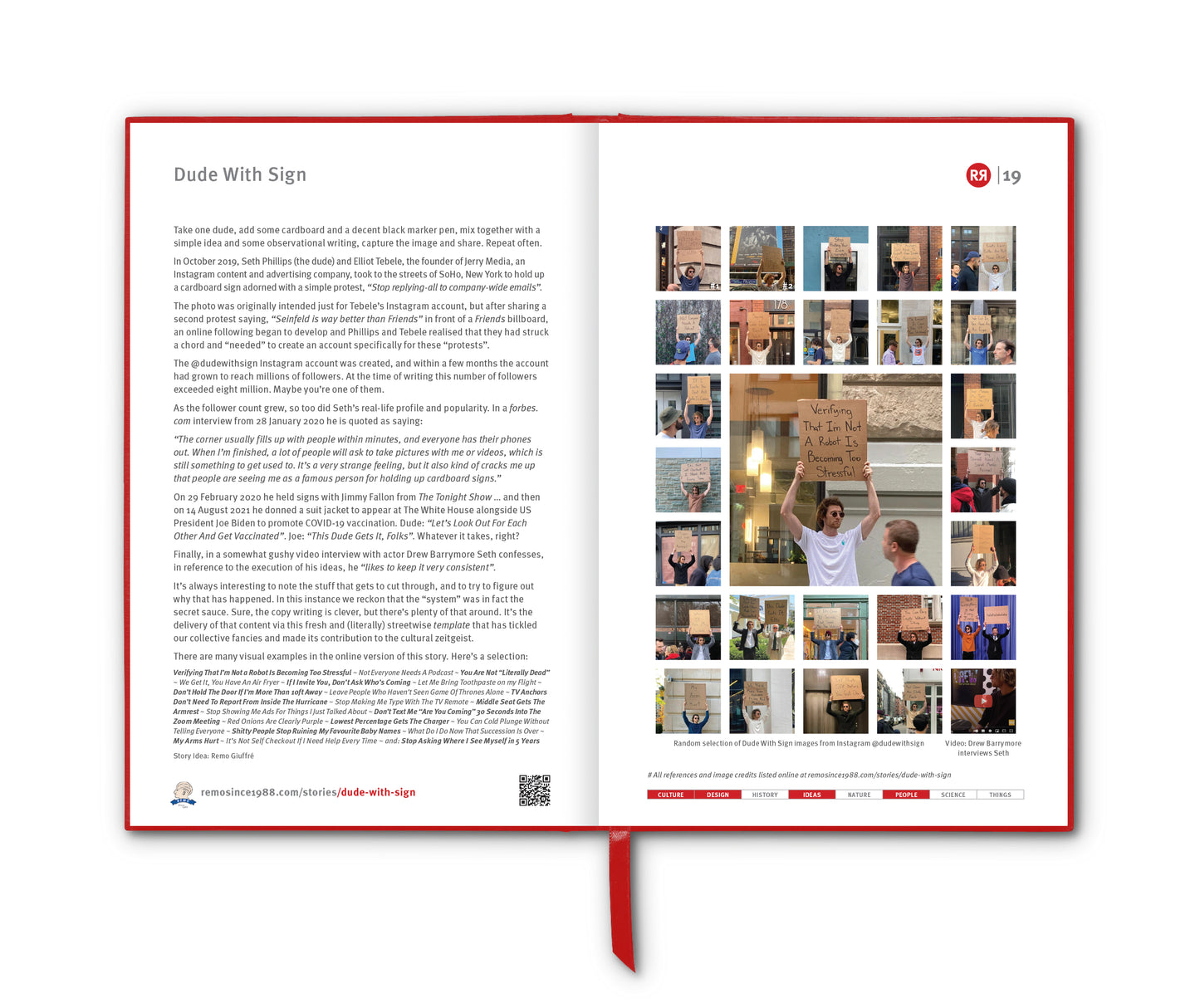

On an ecological fuckup scale of 1 to 10 – this was probably a 10.
In 1935, with Queensland’s sugar industry under threat from beetles that ravaged cane crops, scientists turned to an exotic solution: the cane toad. Native to Central and South America, Rhinella marina had a reputation for devouring insect pests. The Bureau of Sugar Experiment Stations imported 102 toads from Hawaii and released them at Gordonvale, near Cairns, in the hope that they would protect the fields.
The result was immediate failure. Instead, the toads ignored the beetles, bred prolifically, and began a march that would transform Australia’s ecosystems.
The problem was rooted in biology. Cane beetles spend much of their life cycle high on the sugarcane stalks, well out of reach of a ground-dwelling toad. With no natural predators in Australia, cane toad populations exploded. A female can lay up to 30,000 eggs at a time, and with each generation, the toads spread further. From northern Queensland, they advanced westward and southward, now colonising much of the Northern Territory, New South Wales – and even reaching into Western Australia.
Ecologically, the cane toad has been disastrous. Its skin secretes potent bufotoxins that can cause heart attacks and kill most animals that attempt to eat it. Native predators such as goannas, quolls, freshwater crocodiles and even snakes have suffered massive population declines after consuming toads. Beyond direct poisoning, cane toads outcompete native amphibians for food and habitat, reshaping ecosystems in ways that ripple up the food chain. Their spread has become one of the most infamous examples of biological control gone drastically wrong.
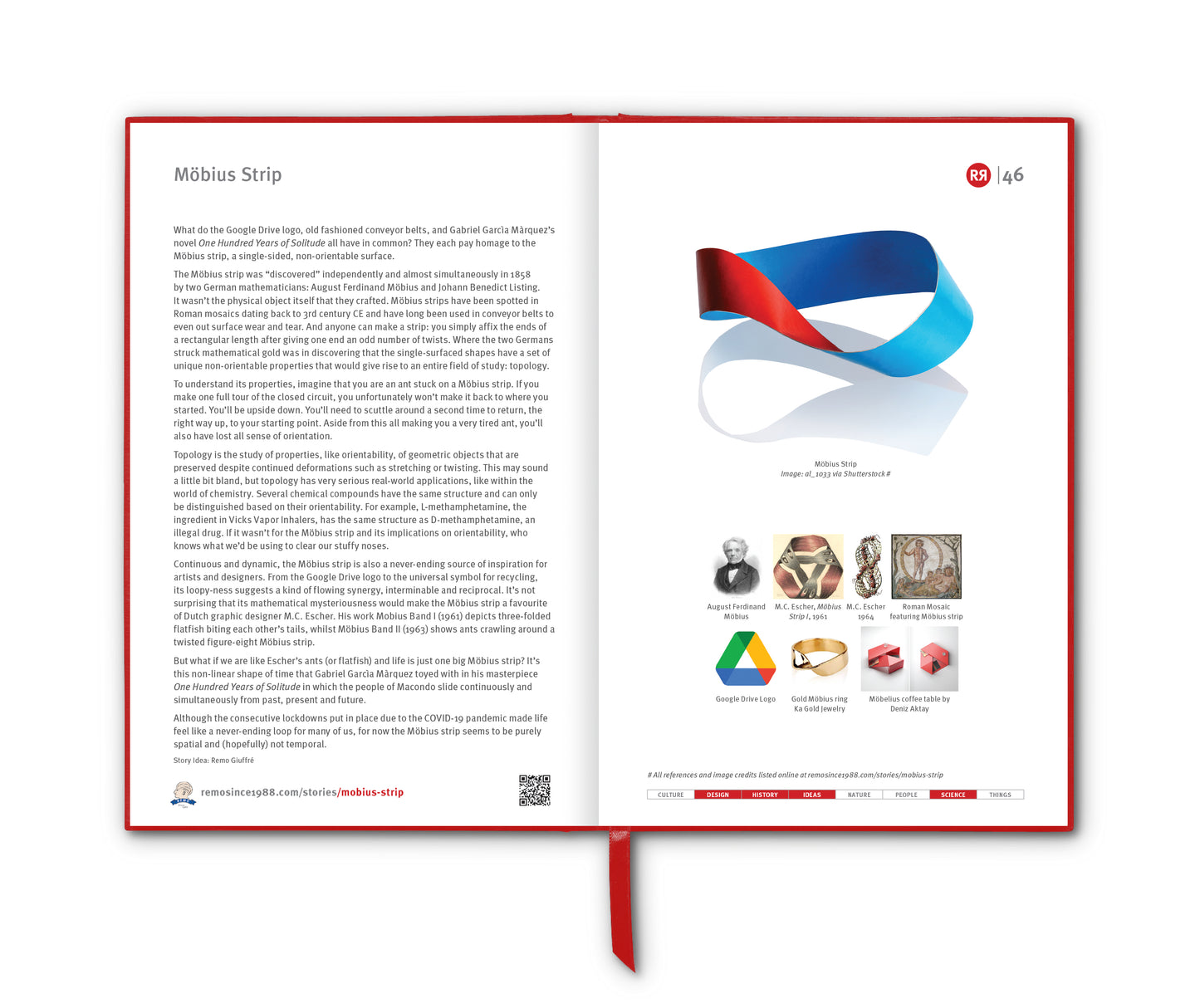
Yet, in a peculiar way, the cane toad has also burrowed into Australia’s cultural imagination. It has become a symbol of invasive species and government miscalculation, often cited in school lessons and environmental campaigns. The toad has inspired satirical films like Cane Toads: An Unnatural History (1988) and Cane Toads: The Conquest (2010), both darkly humorous documentaries from filmmaker Mark Lewis that showcase the animal’s bizarre charisma.
In Queensland, the “Toad Day Out” initiative encourages communities to humanely capture and cull the pests, while sports clubs have turned toad races into fundraising spectacles. Even artists and comedians have mined the toad’s notoriety, turning ecological tragedy into a uniquely Australian cultural motif.
Looking forward, remedies are complex. Large-scale eradication is impossible; the toads are too numerous and too adaptable. However, scientists are exploring creative approaches. Some research focuses on biological controls, such as viruses or genetic techniques to suppress reproduction. Others look at “toad-smart” training for native predators, teaching animals like quolls to avoid eating the toads by exposing them to non-lethal juveniles. Meanwhile, grassroots efforts emphasise community participation: organised culling events, citizen science projects to track spread, and educational campaigns to reduce accidental transport of toads across new regions.
The cane toad story remains both a cautionary tale and a living problem.
__________________
References
wikipedia.org/wiki/Cane_toad
australian.museum/learn/animals/frogs/cane-toad
wwf.org.au/blogs/releasing-cane-toads-to-save-our-native-species
Images
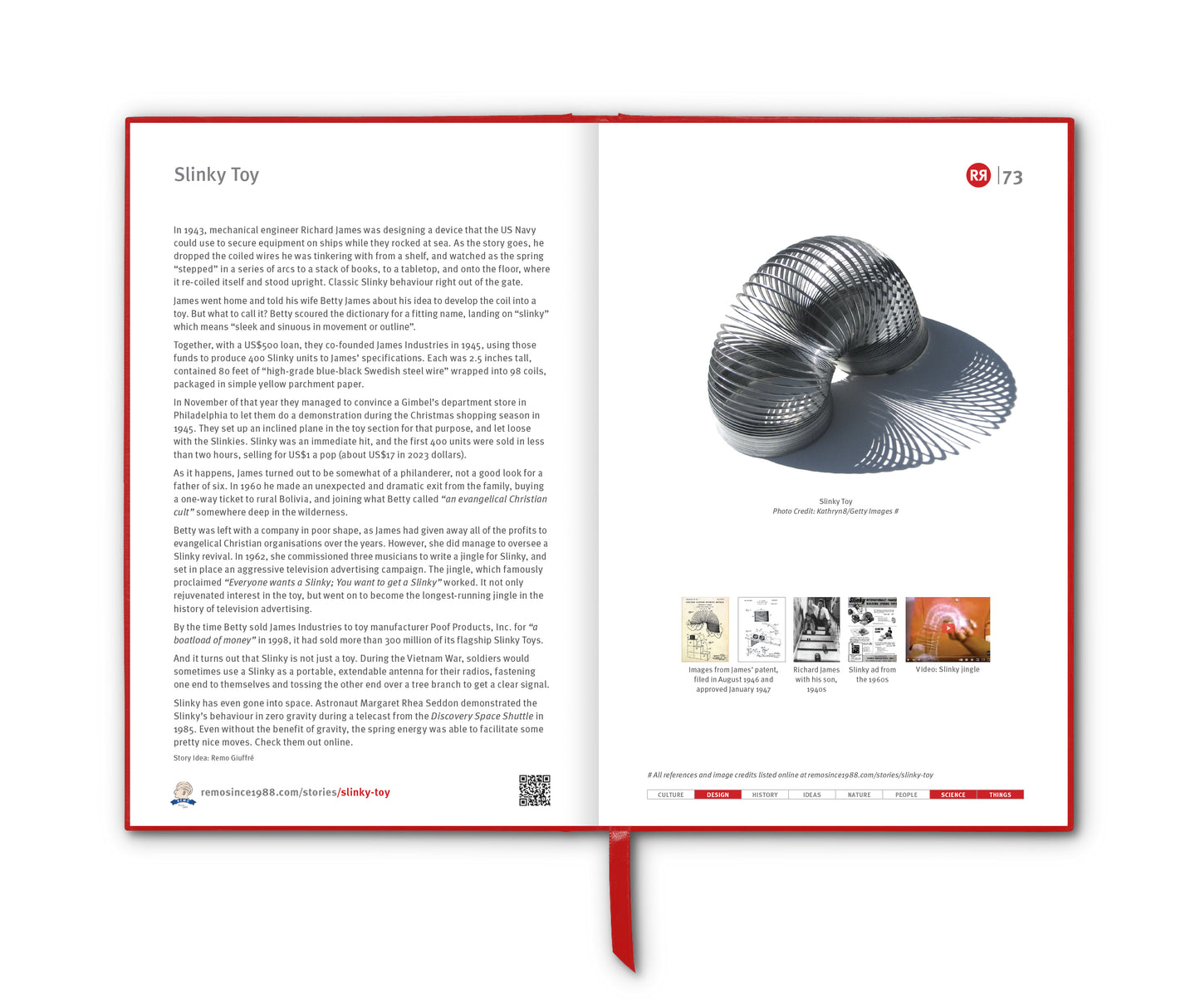
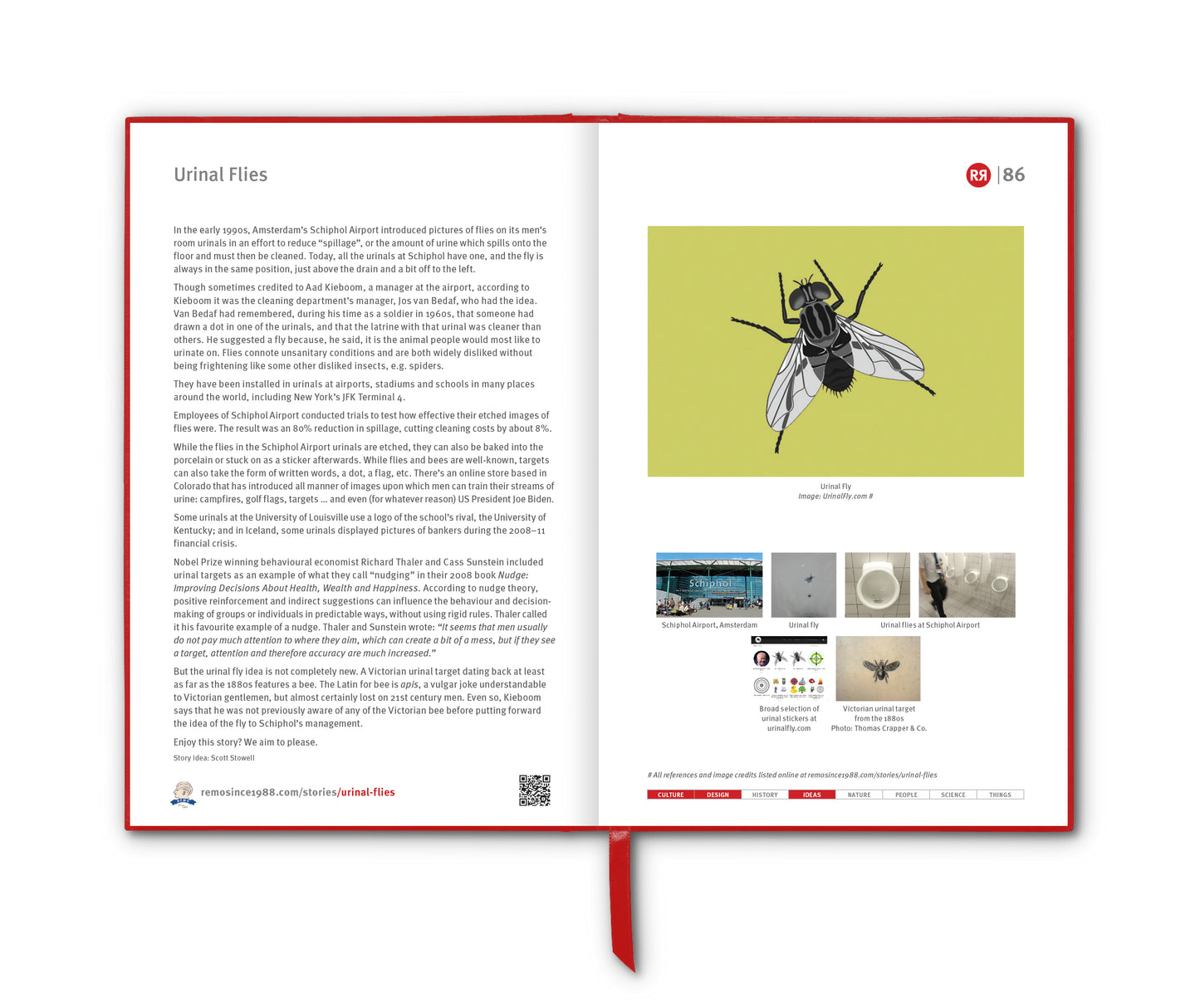
1. Adult cane toad. Photo credit: Brian Gratwicke
2. Invasion map adapted from a stock.xchng photo
3. Cane toads on the road. Credit: Biodiversity Watch
4. Anatomy of a cane toad's toxic skin. Credit: hubpages.com
5. Selection of cane toads. Credit: reddit.com
6. "Toadzilla" found in Conway National Park in North Queensland weighs 2.7kg. Credit: Queensland Department of Environment and Science
7. The most humane ending for a cane toad is to be frozen to death, Credit: wikihow
8. Poster for Cane Toads: An Unnatural History (1988)
9. Video: Cane Toads: The Conquest Official Trailer, 2010
10. A purse made from a cane toad. Credit: Dysmachus