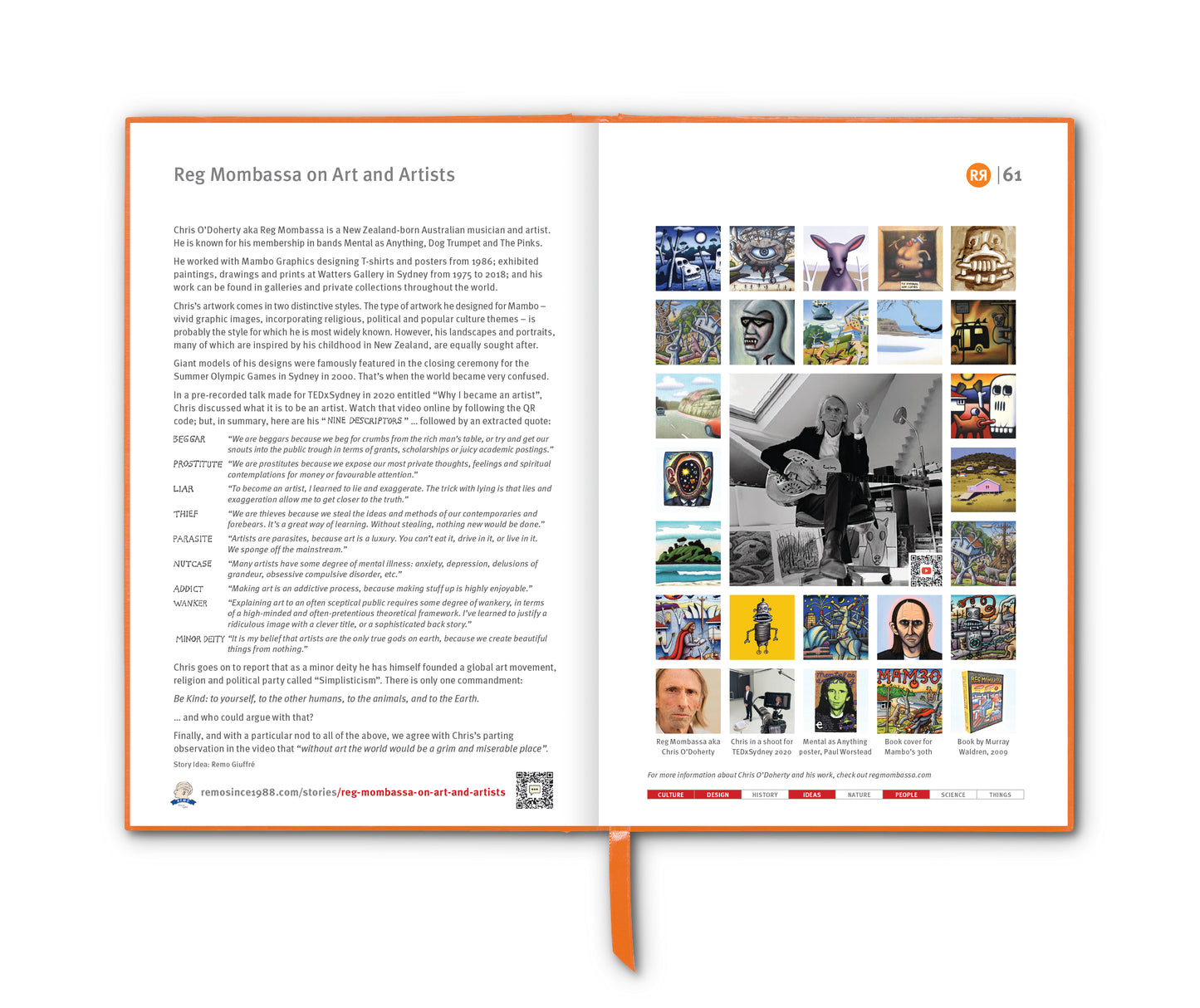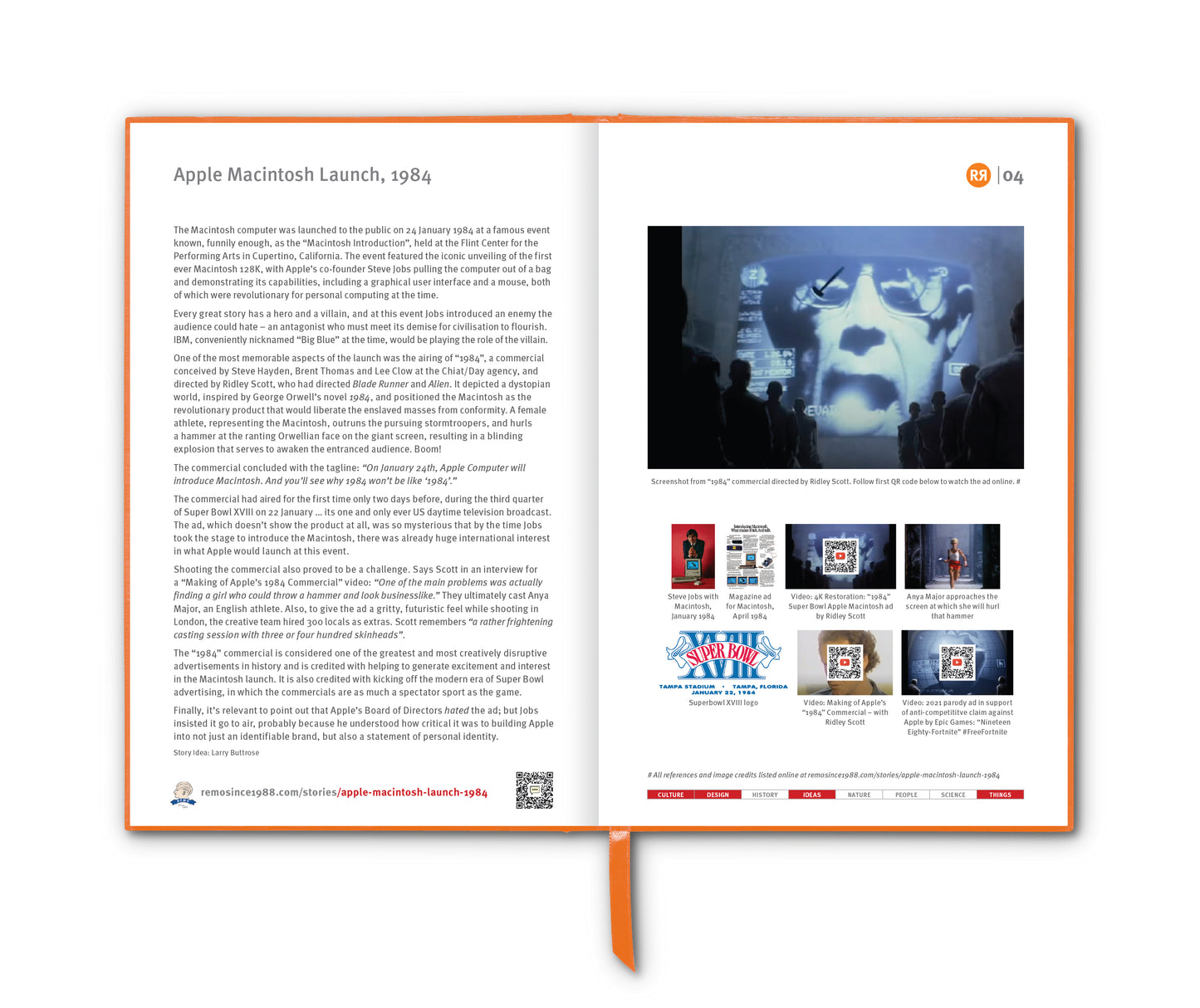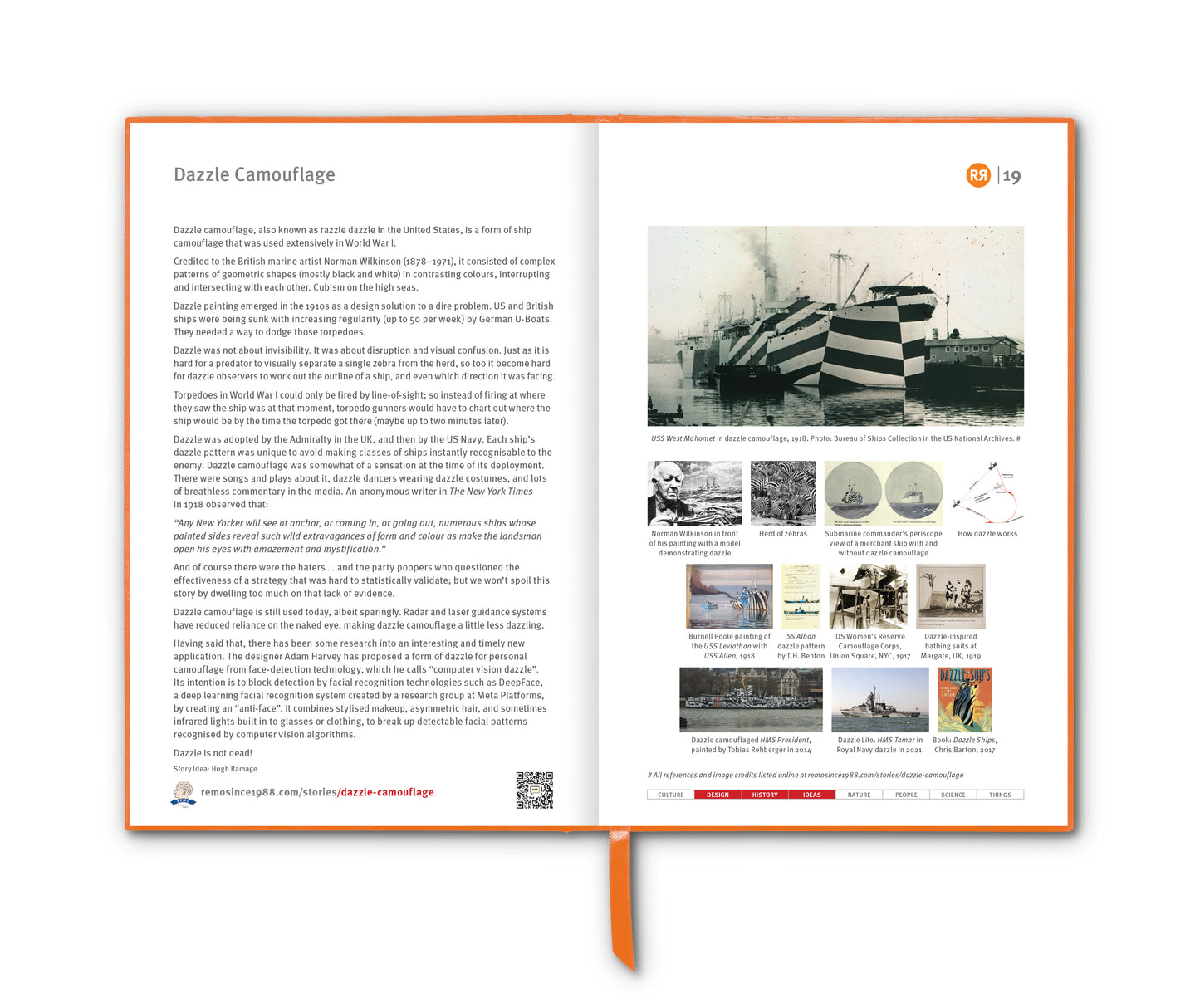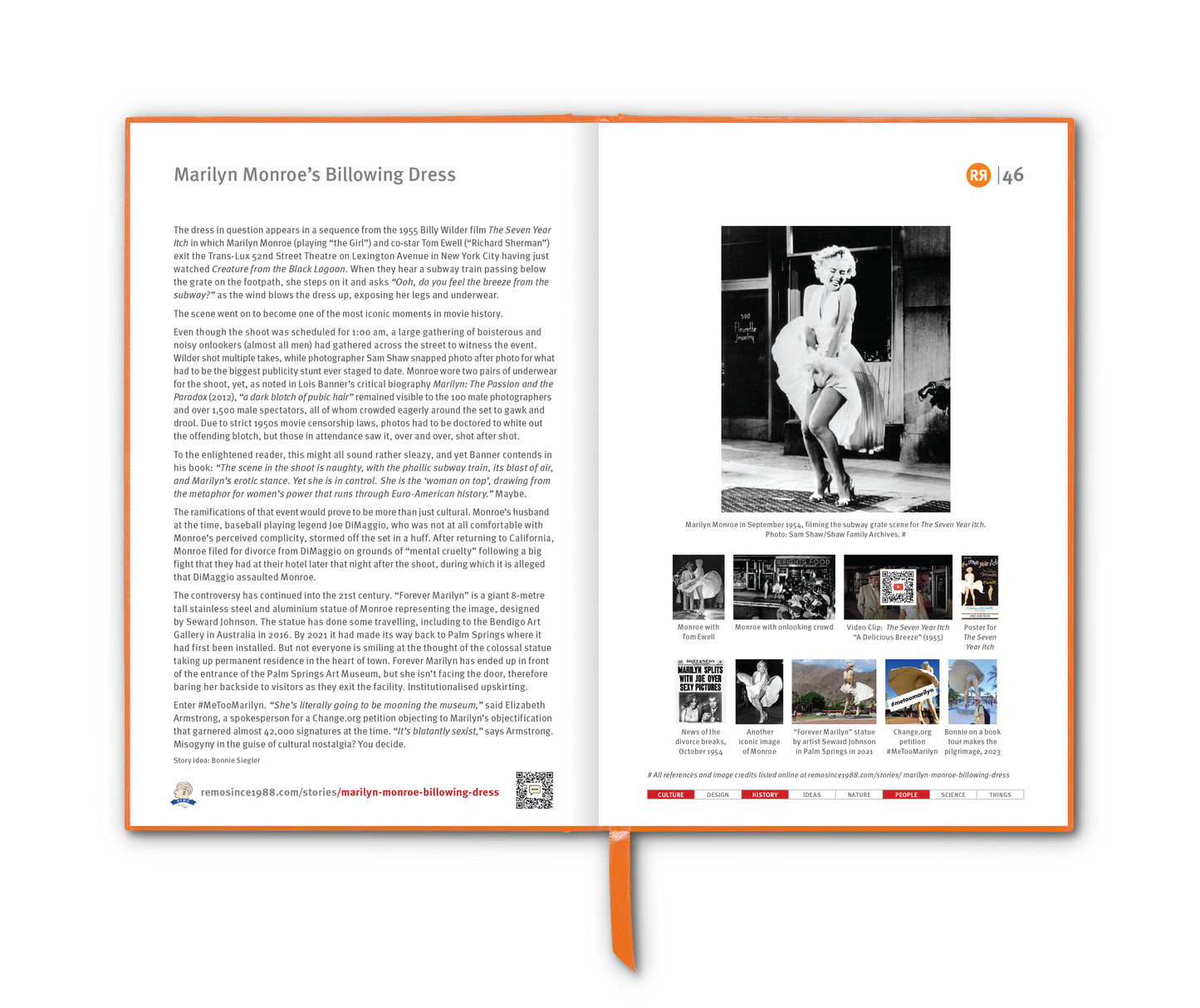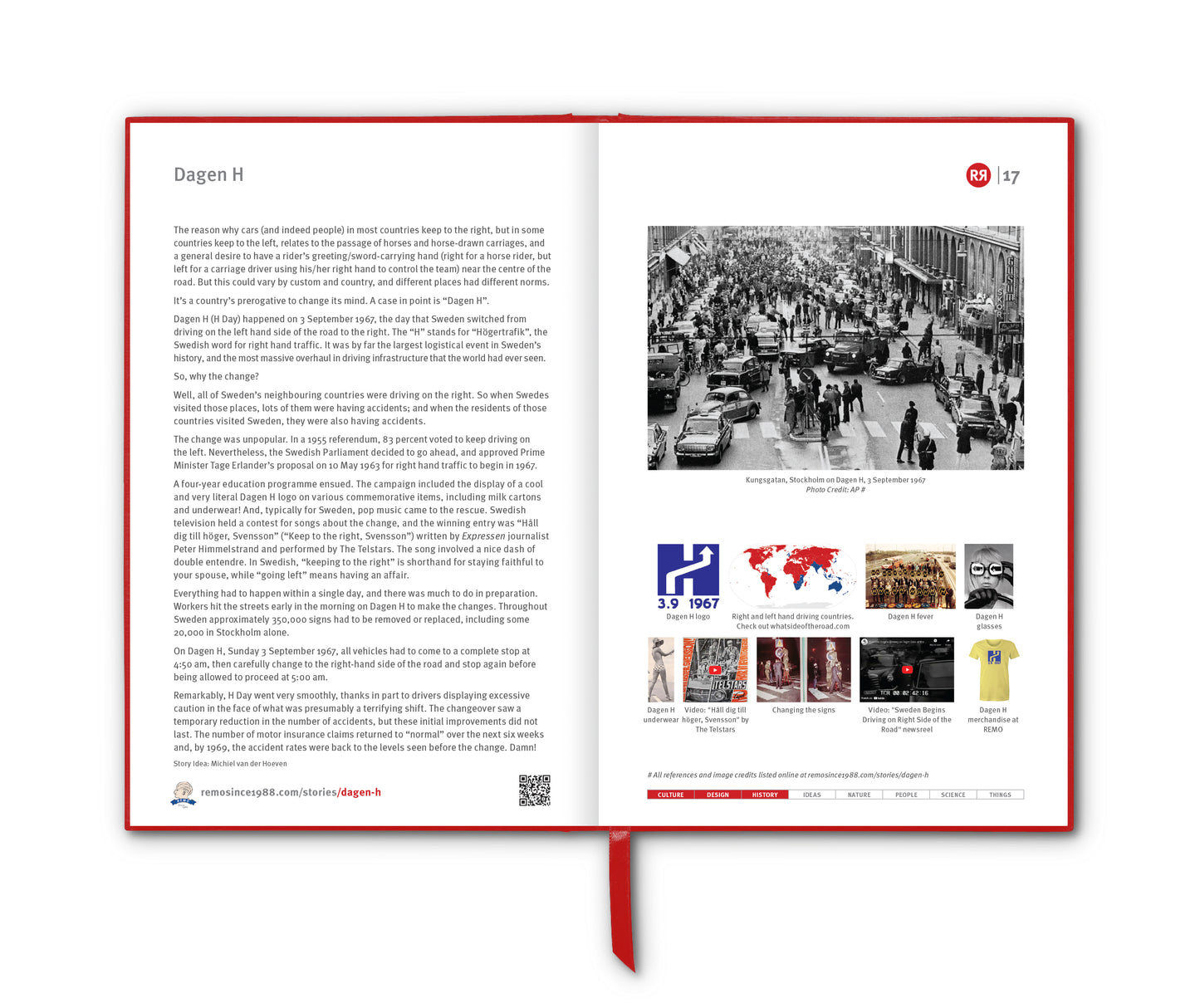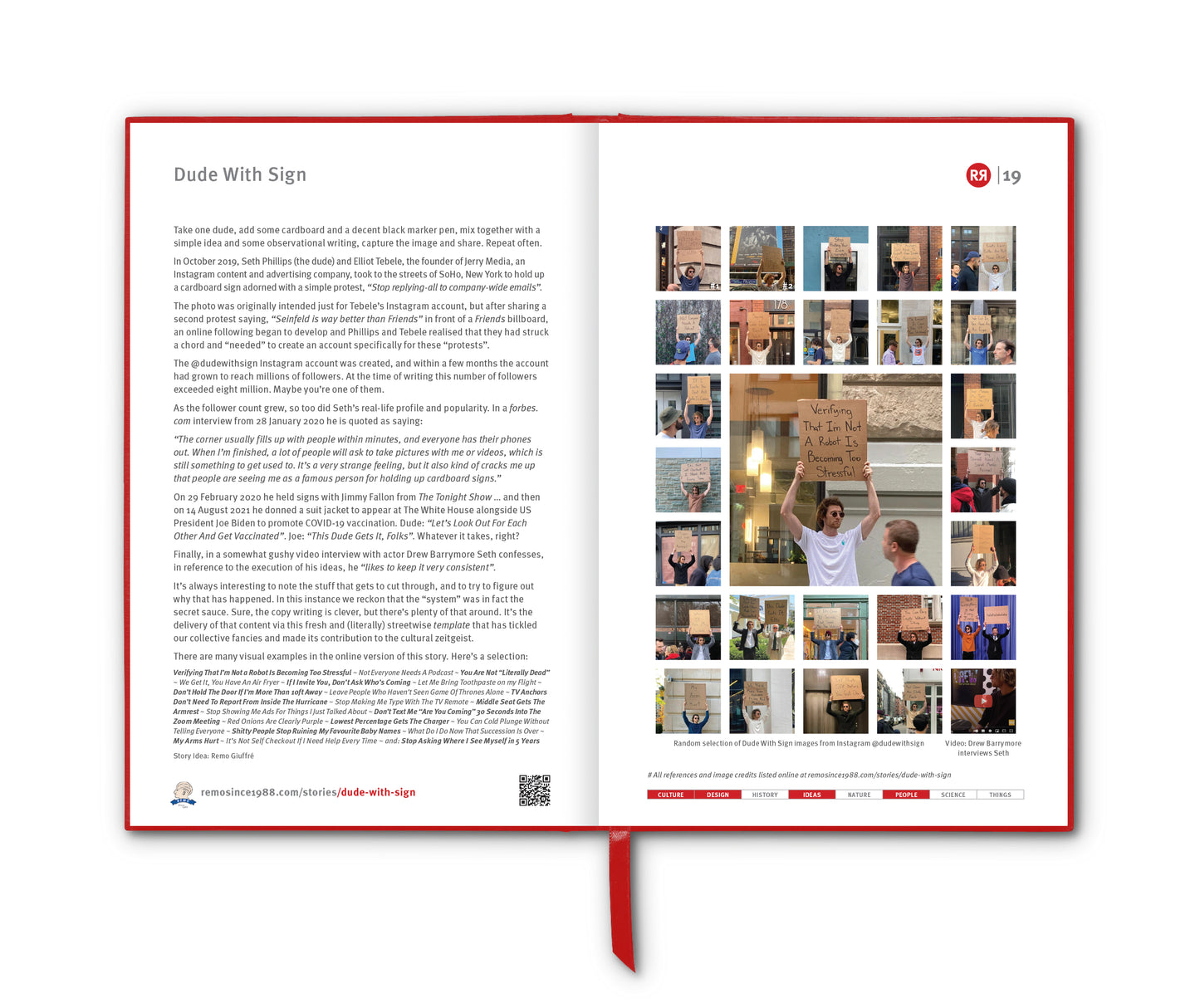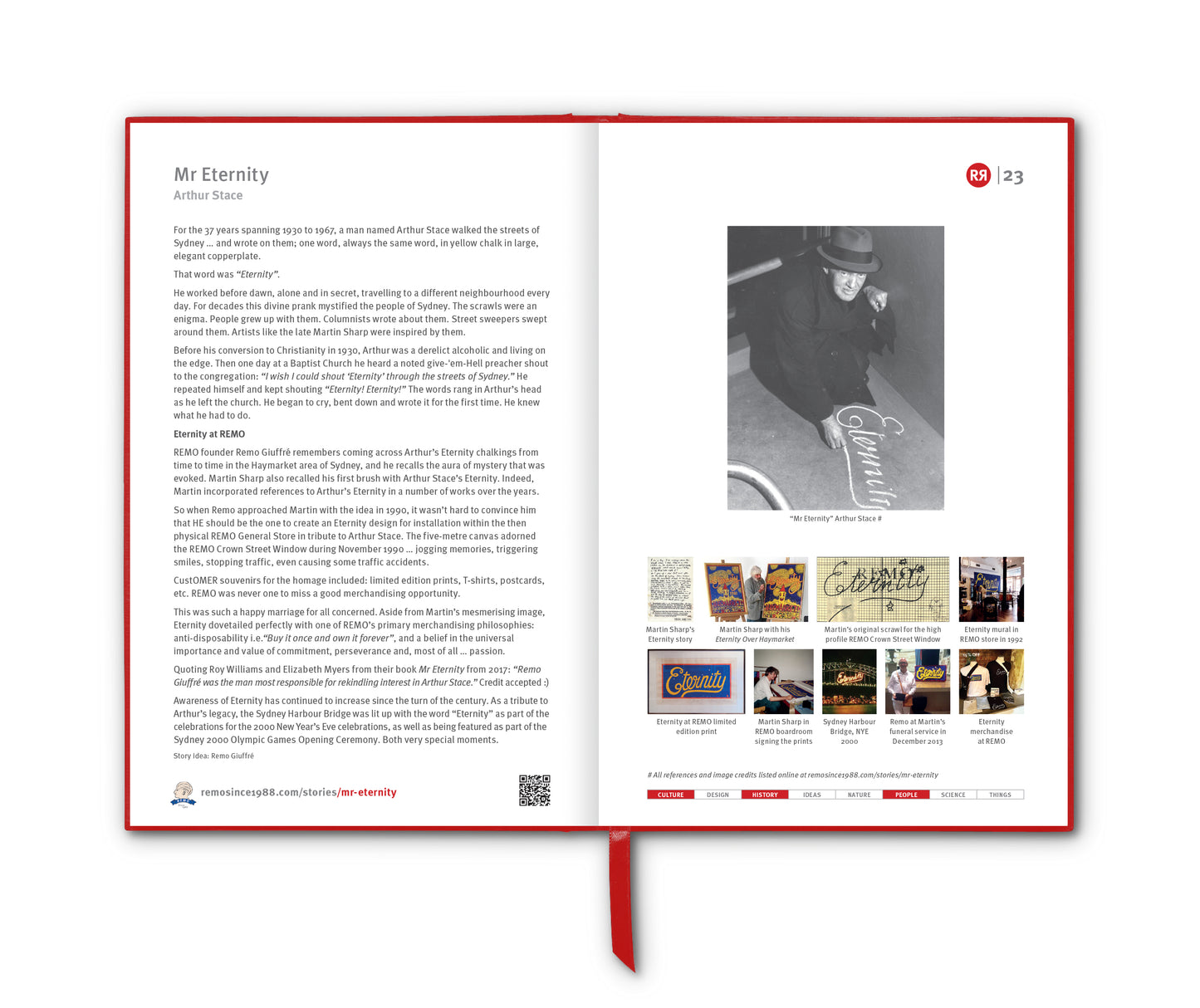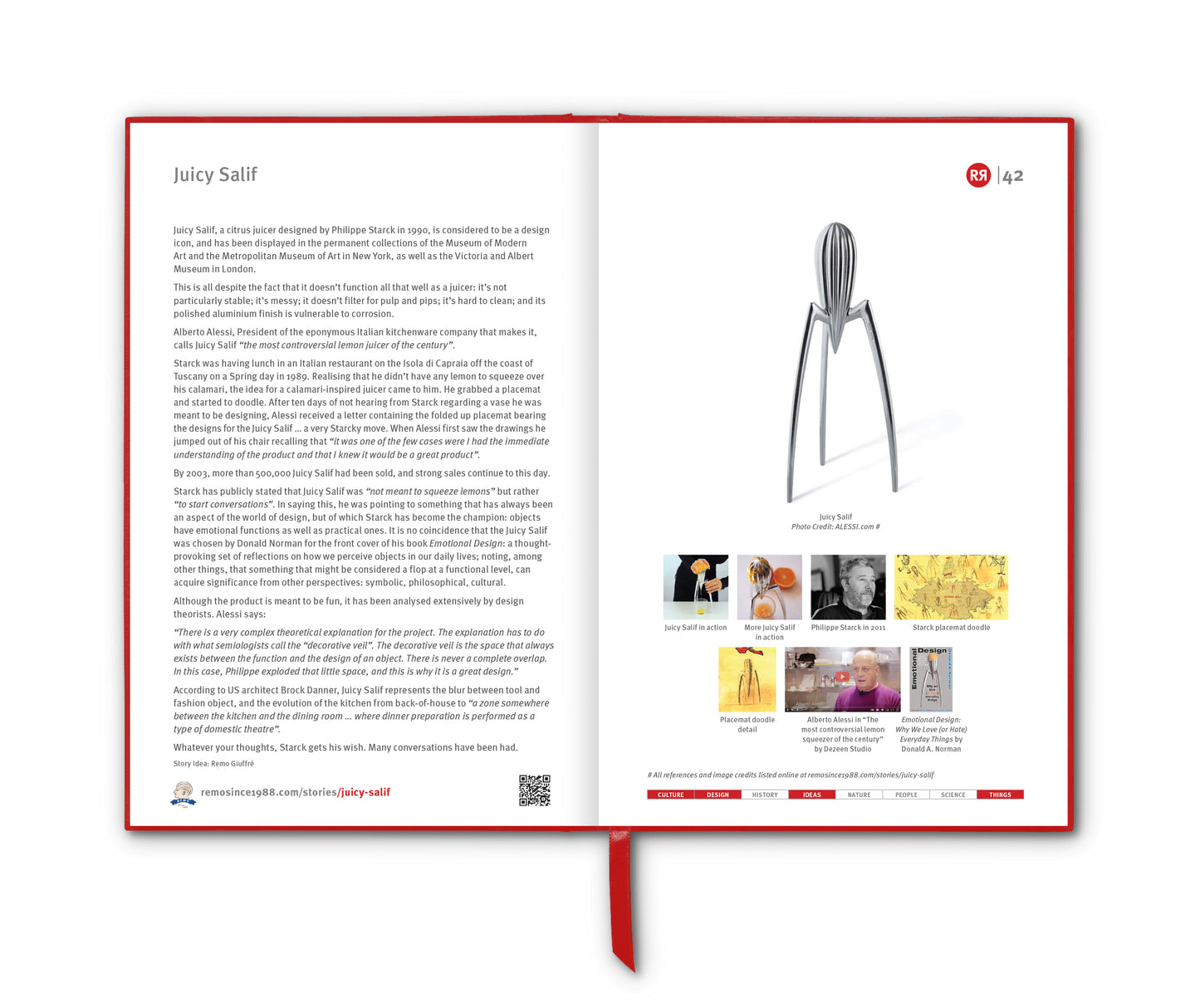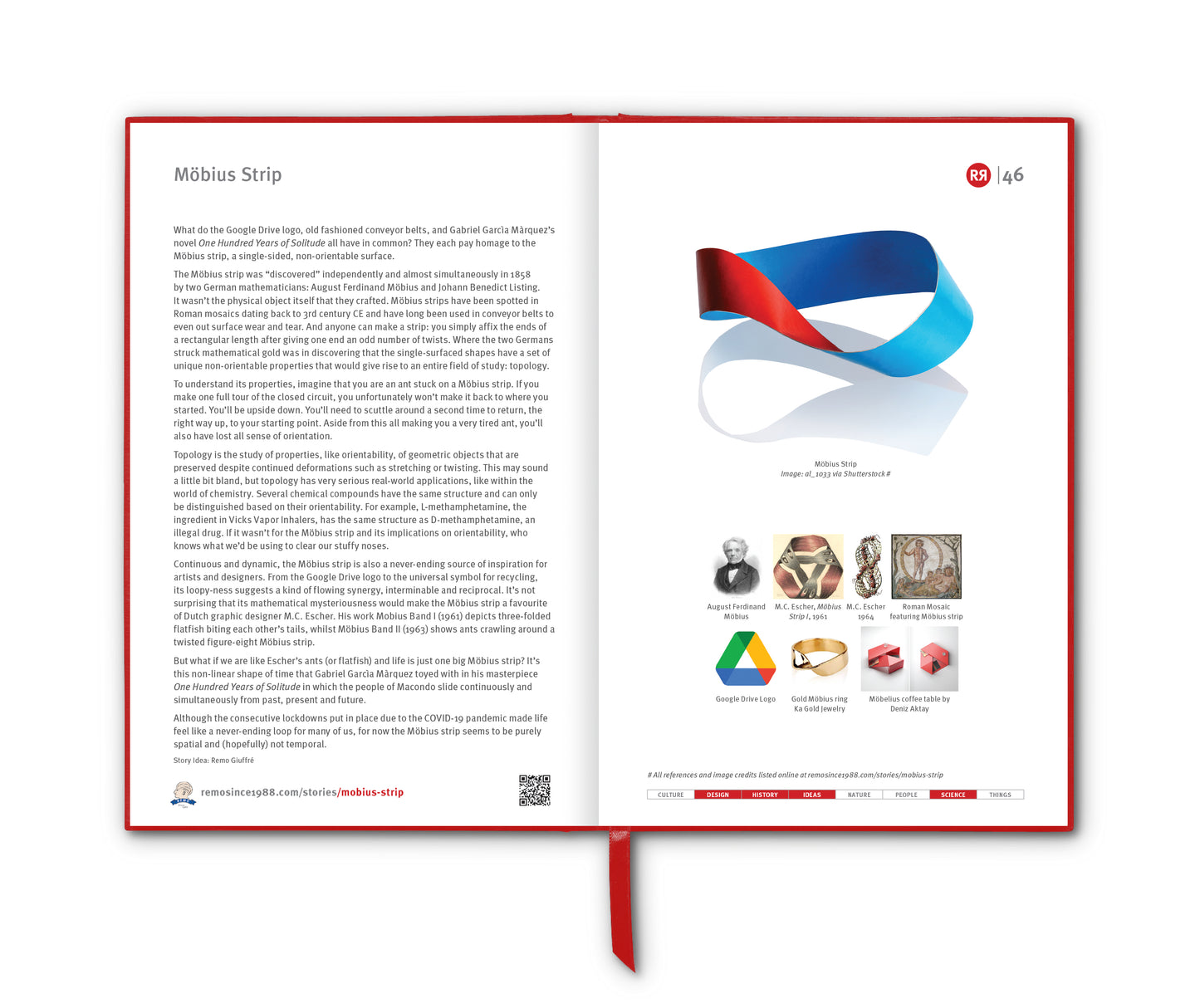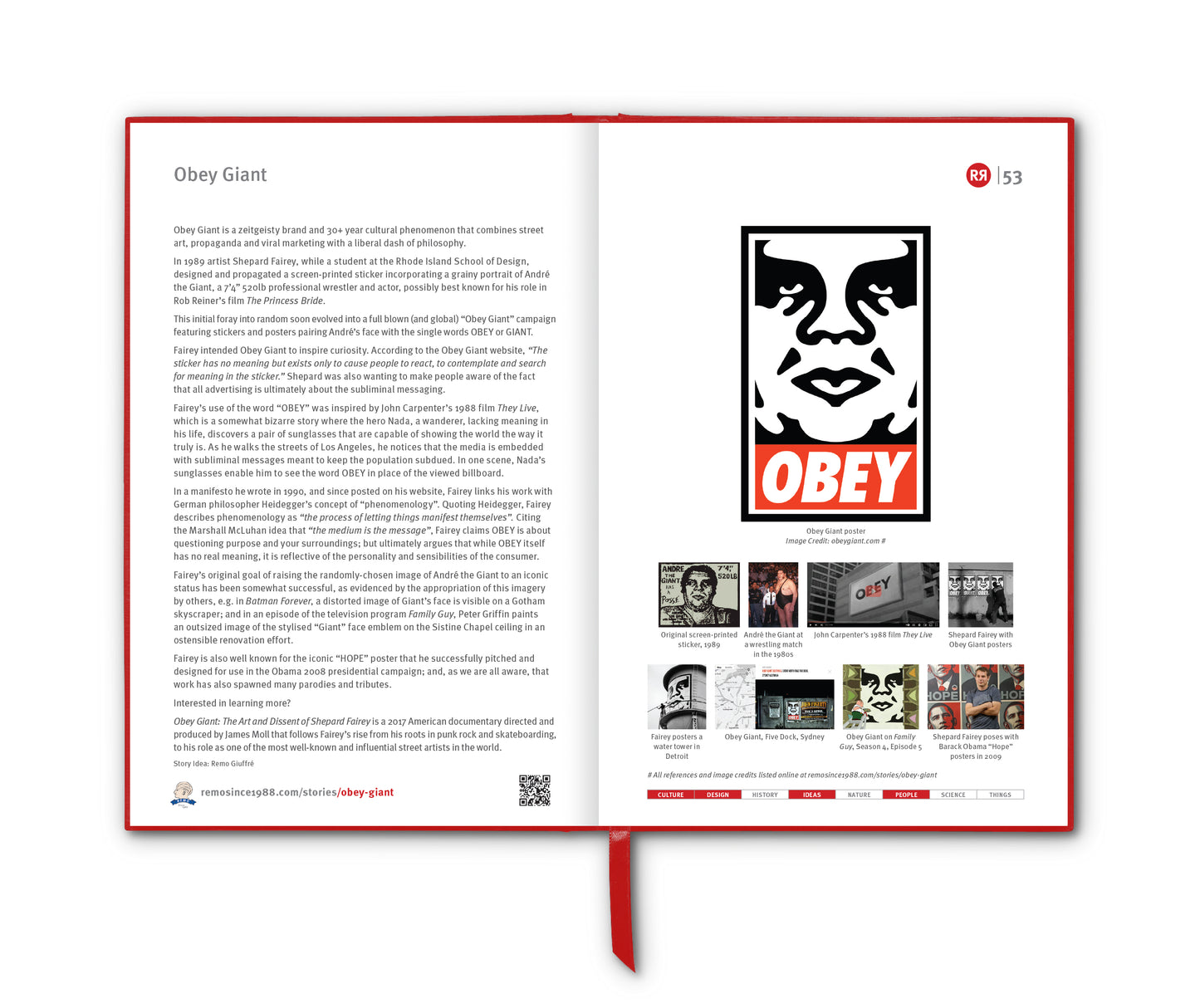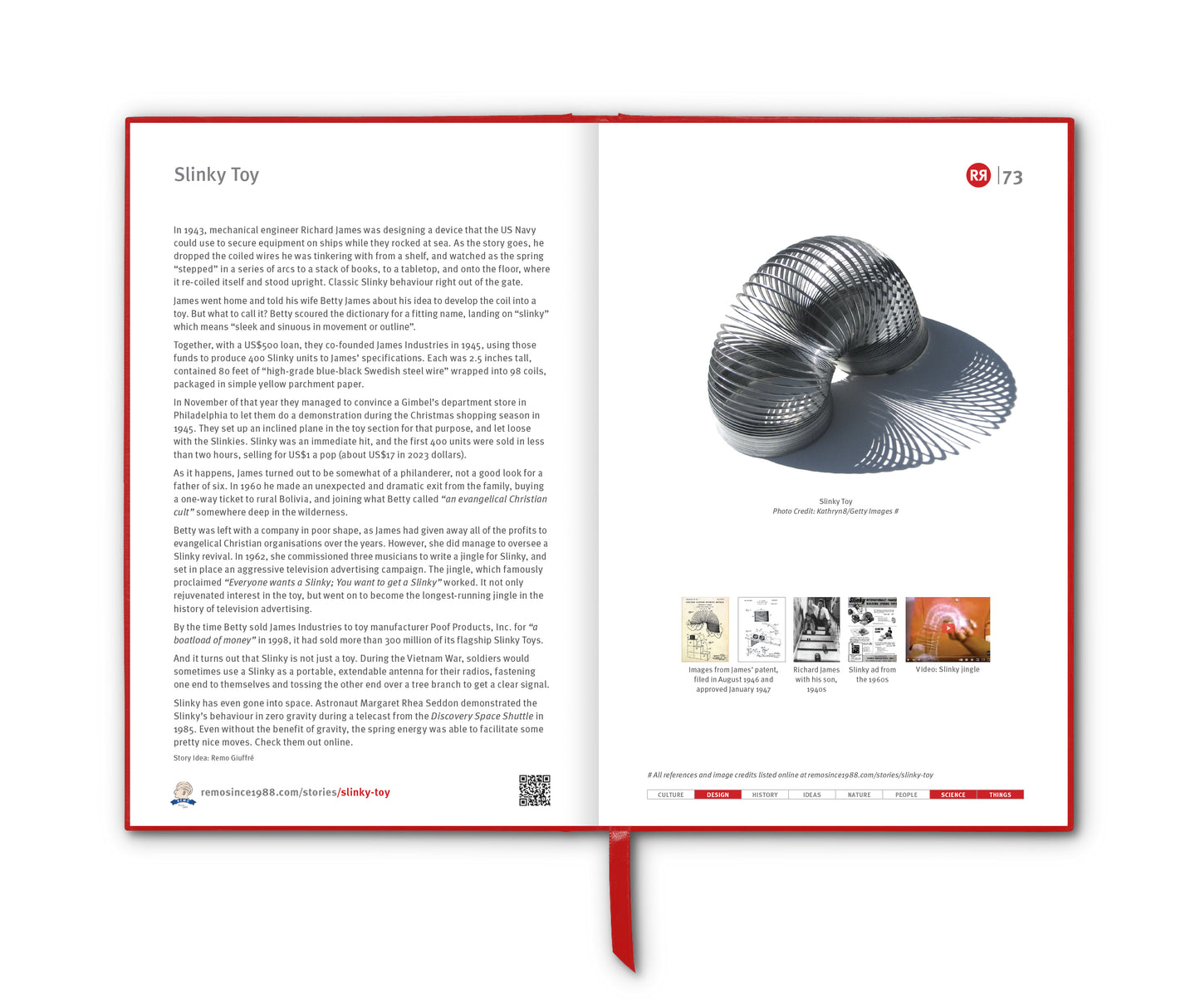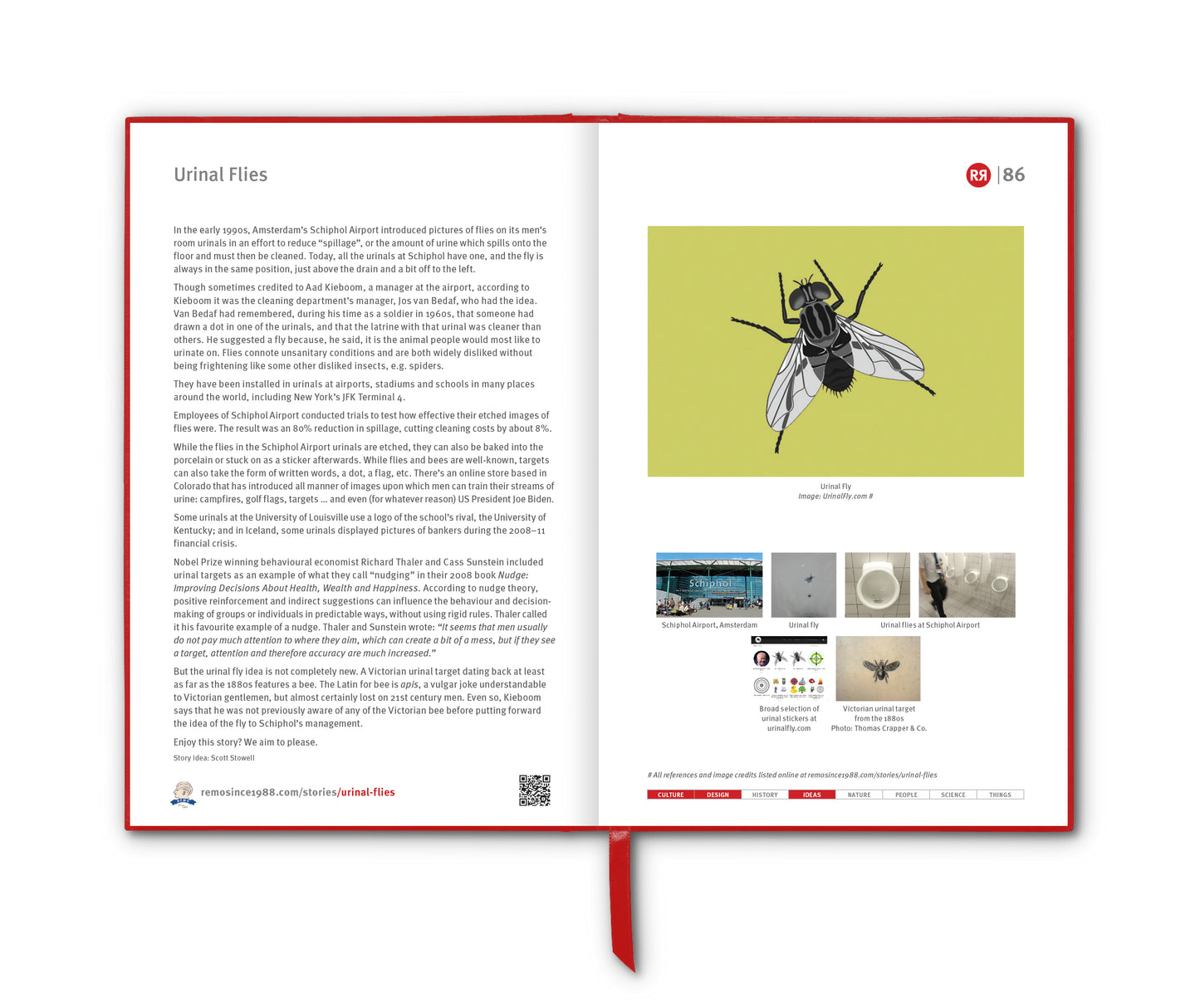

Colors was a quarterly print magazine funded and published by the Italian Benetton clothing company.
Branded from the outset as “a magazine about the rest of the world”, Colors represented a radical departure from conventional publishing at the time – conceived as a global journal that crossed borders of culture, language and identity. Each issue was produced in multiple languages and focused on a single theme – ranging from fashion, race, and AIDS to consumerism, death and migration.
Tibor Kalman [RR1:00], Oliviero Toscani and Karrie Jacobs created Colors in 1991. It was produced at Tibor’s design studio, M&Co, in New York City until 1993, when the magazine operations moved to Rome, followed by Paris in 1995, and then to Treviso, Italy, in 1997 – where Benetton is based.
At its core, Colors was a smart critique of globalisation and media homogenisation. Tibor, known for his uncompromising design philosophy at M&Co, applied a bold visual style: saturated images, biting infographics, and juxtaposition of humour with grim realities. Toscani, who had already gained notoriety for his provocative Benetton advertising campaigns, contributed his appetite for controversy and visual shock. Together, they sought to redefine what a magazine could be – less a lifestyle catalogue and more a global documentary in print. Its design was not just aesthetic but ideological, intended to democratise information and also challenge Eurocentric narratives.
Culturally, Colors left a deep imprint on design and journalism. It became a touchstone in the 1990s for socially engaged media and influenced a generation of designers, artists and activists. The magazine was distributed worldwide, reaching an audience that extended far beyond Benetton customers. Circulation was more than half a million strong throughout the United States, England, Italy, France, Spain, Germany and elsewhere.
The magazine’s success was often accompanied by controversy. Critics accused Toscani and Benetton of exploiting suffering for marketing ends, pointing to images of famine, death row inmates and war that doubled as both editorial content and brand communication. But supporters argued that Colors broke taboos and forced difficult conversations about subjects that other magazines avoided.
The contradictions at the heart of Colors – a radical, anti-consumerist magazine funded by a global clothing corporation – was never entirely resolved. Tibor himself left after a few years, citing creative tensions. Toscani’s eventual departure from Benetton in 2000 marked another turning point, and the magazine shifted through various editorial teams in the following decade. While its influence waned, it remained admired in design circles, with its back issues now collected in archives and design schools worldwide.
Ultimately, Colors stands as a unique experiment in publishing: a magazine that sought to hold up a mirror to the world’s absurdities and injustices while testing the limits of graphic design and branded communications.
Postscript
Remo has a personal connection to the genesis of this project and remembers sitting in Tibor’s New York office in early 1990 watching him doodle a diagram whereby a new magazine might manifest the intersection of three iconic publications: Life, National Geographic and The Face. And that’s not too far from where the project landed.
__________________________
References
wikipedia.org/wiki/Colors_(magazine)
colorsmagazine.com/en/home
benettongroup.com/en/media-press/image-gallery/colors-magazine/colors-covers
printmag.com/daily-heller/lest-i-forget-tibor
Images
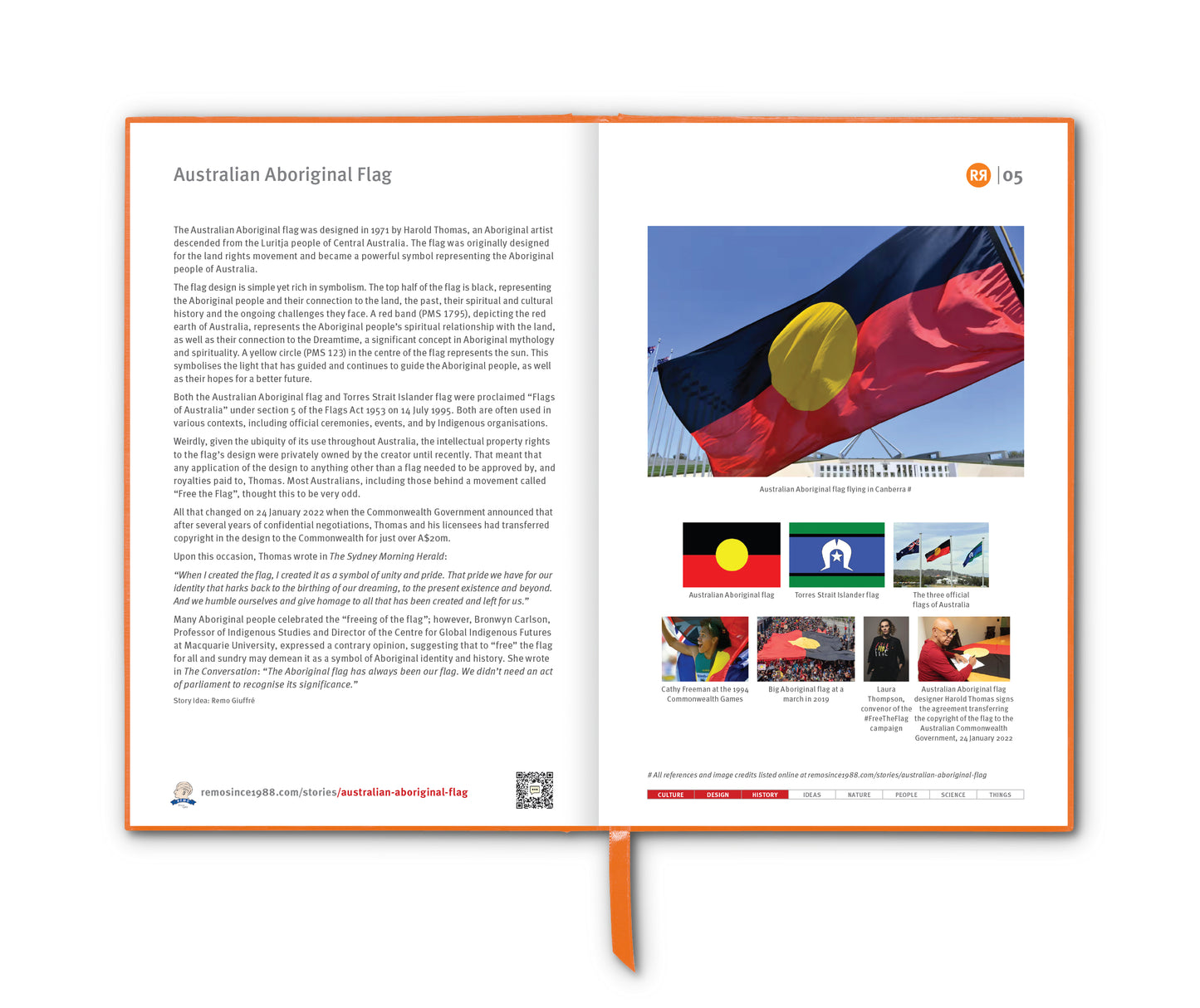
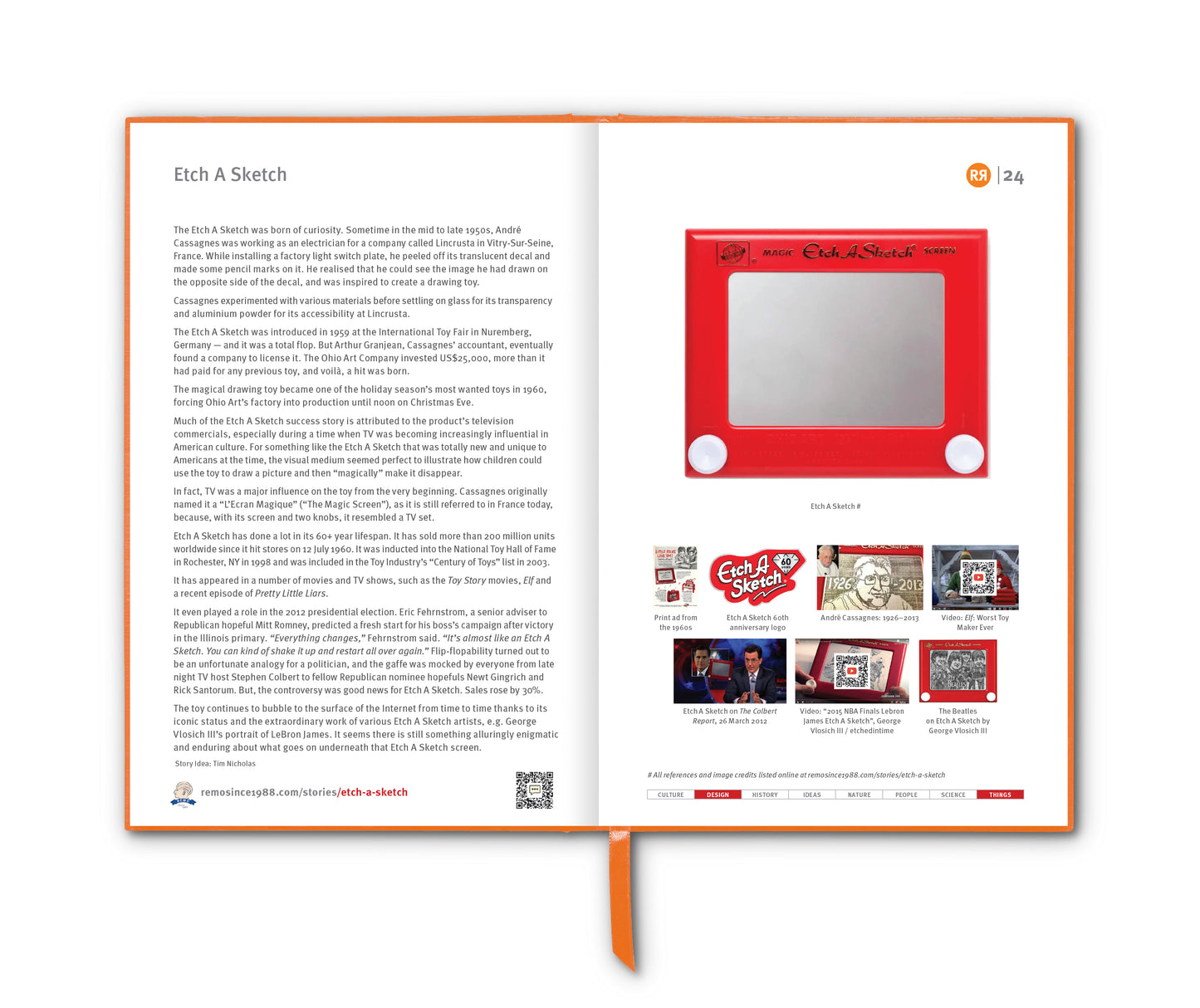
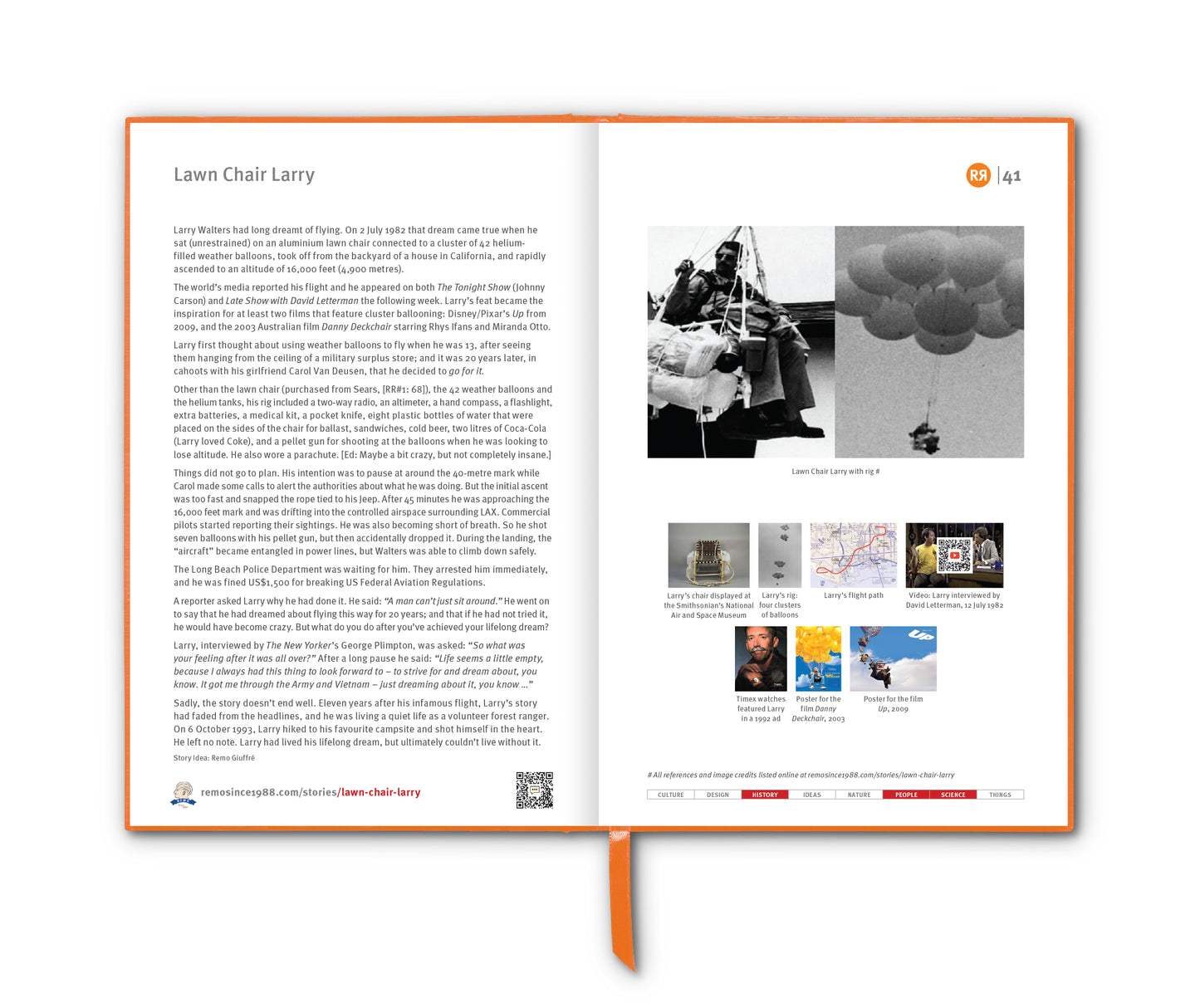
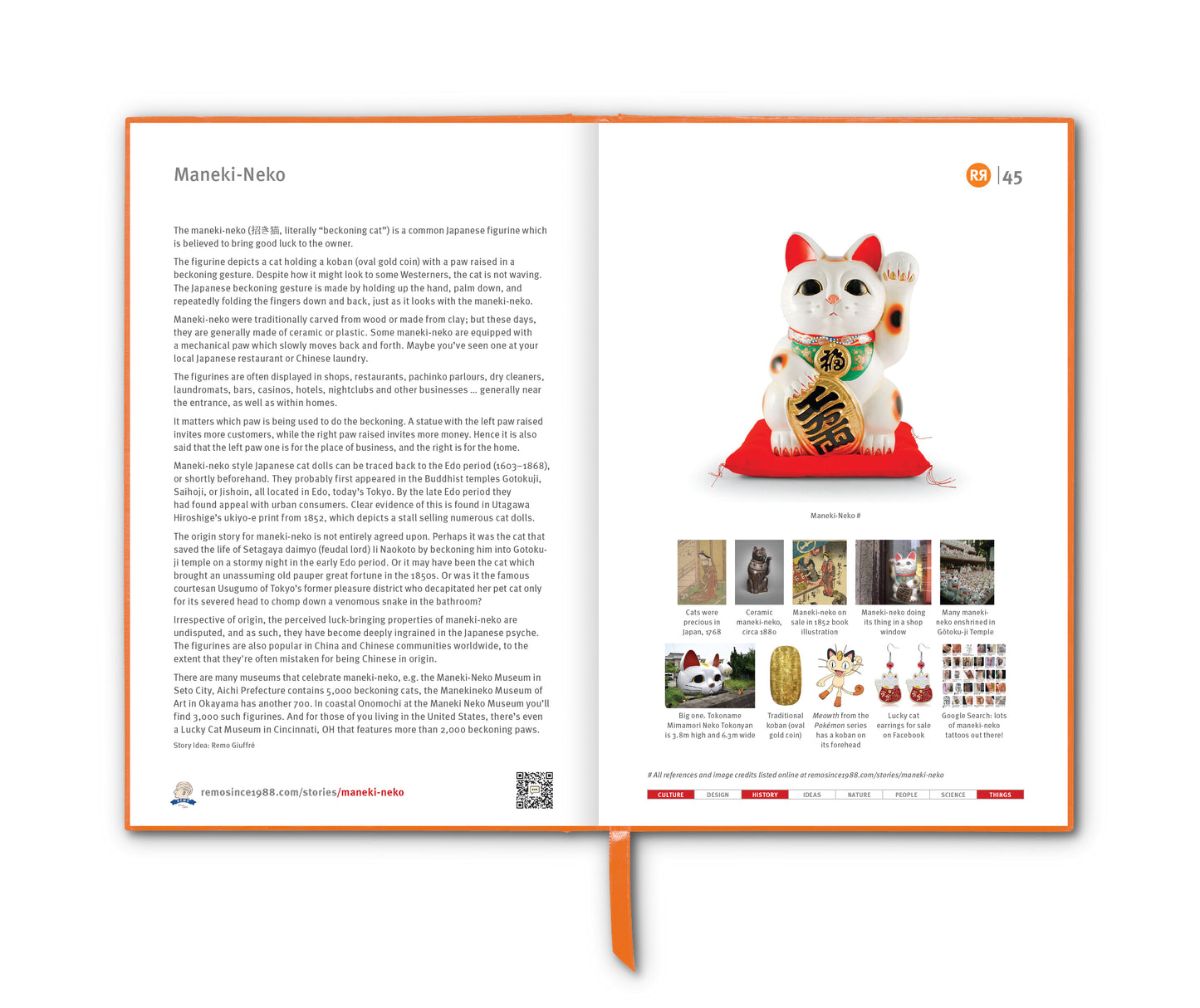
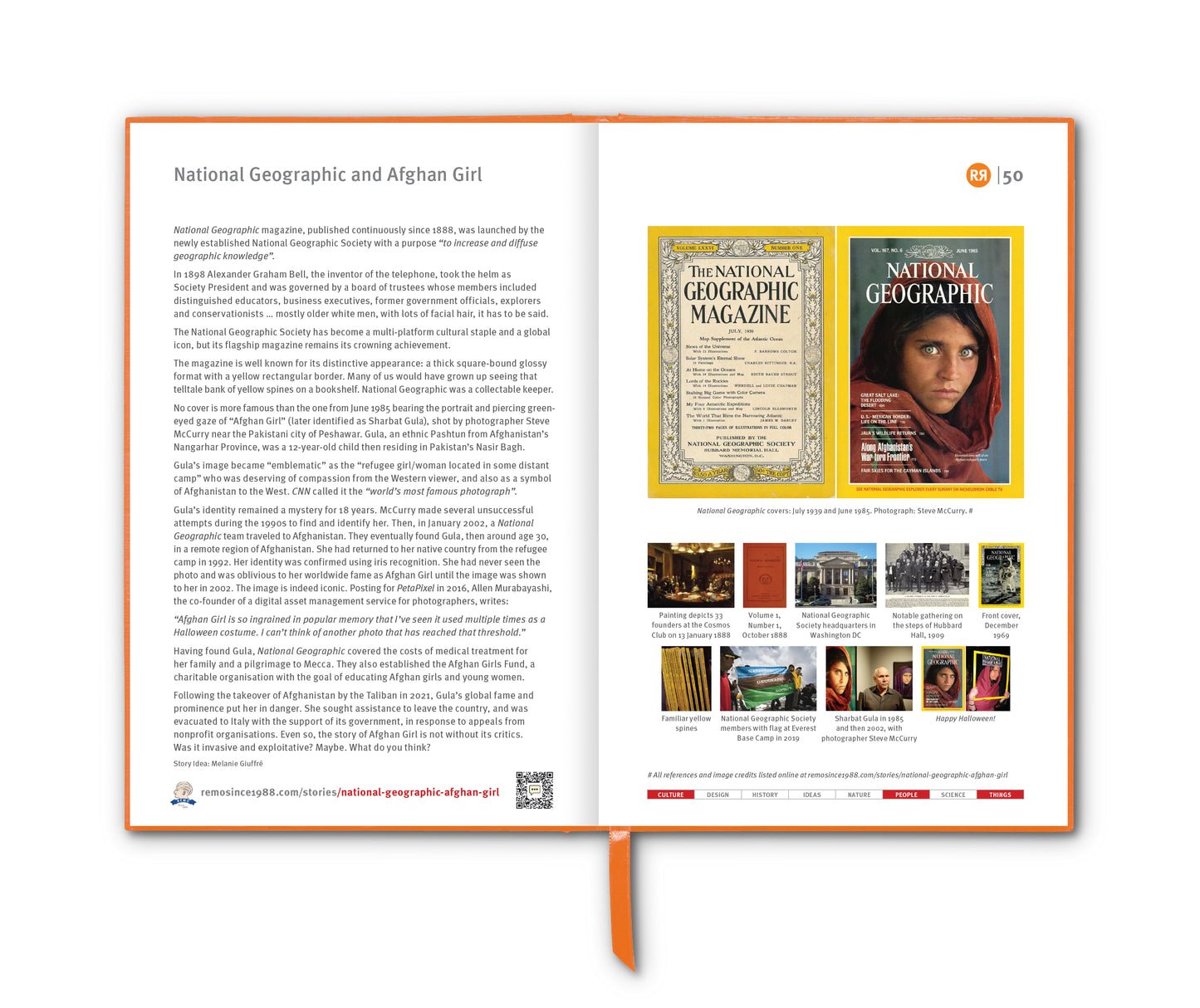
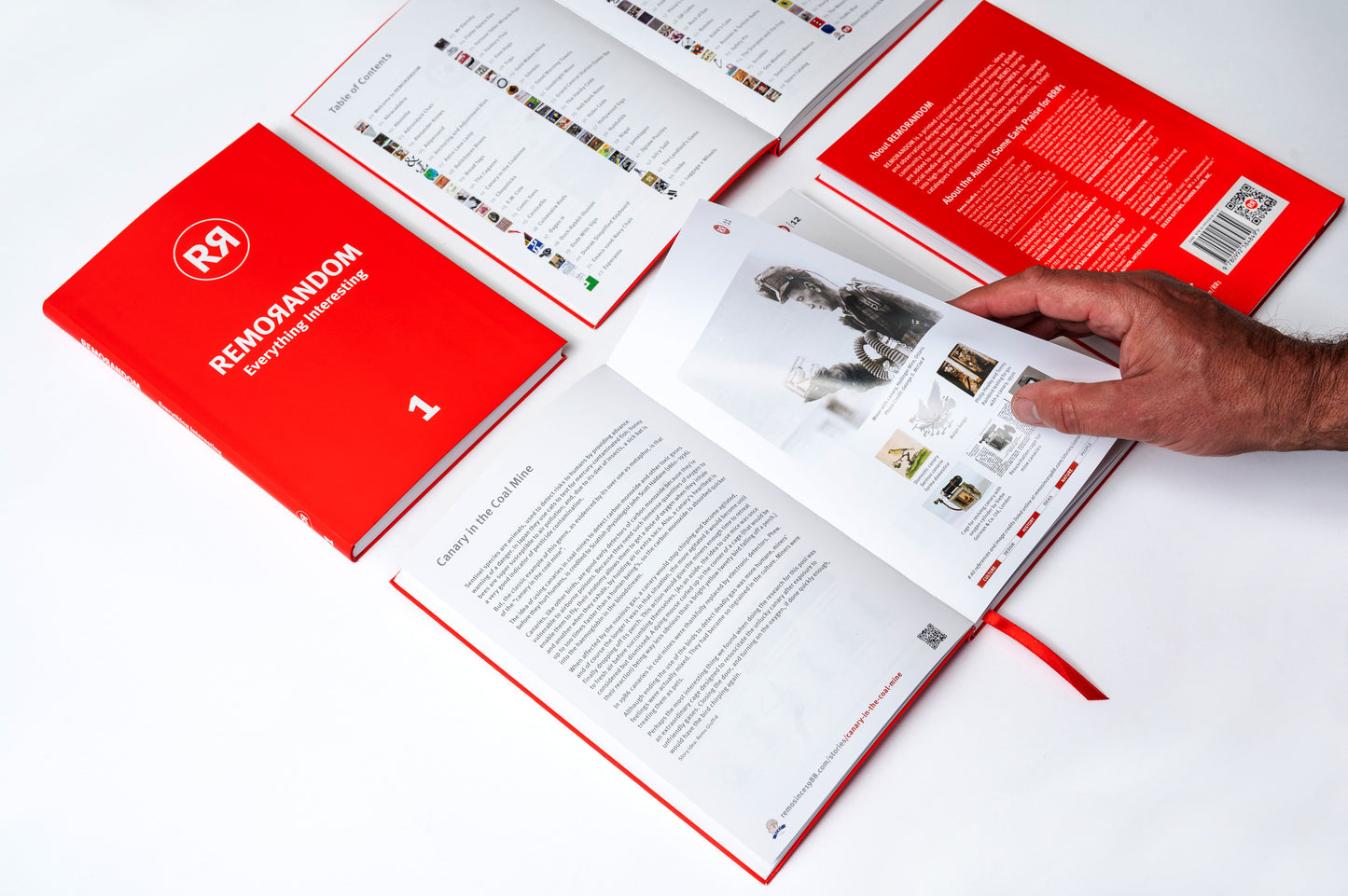
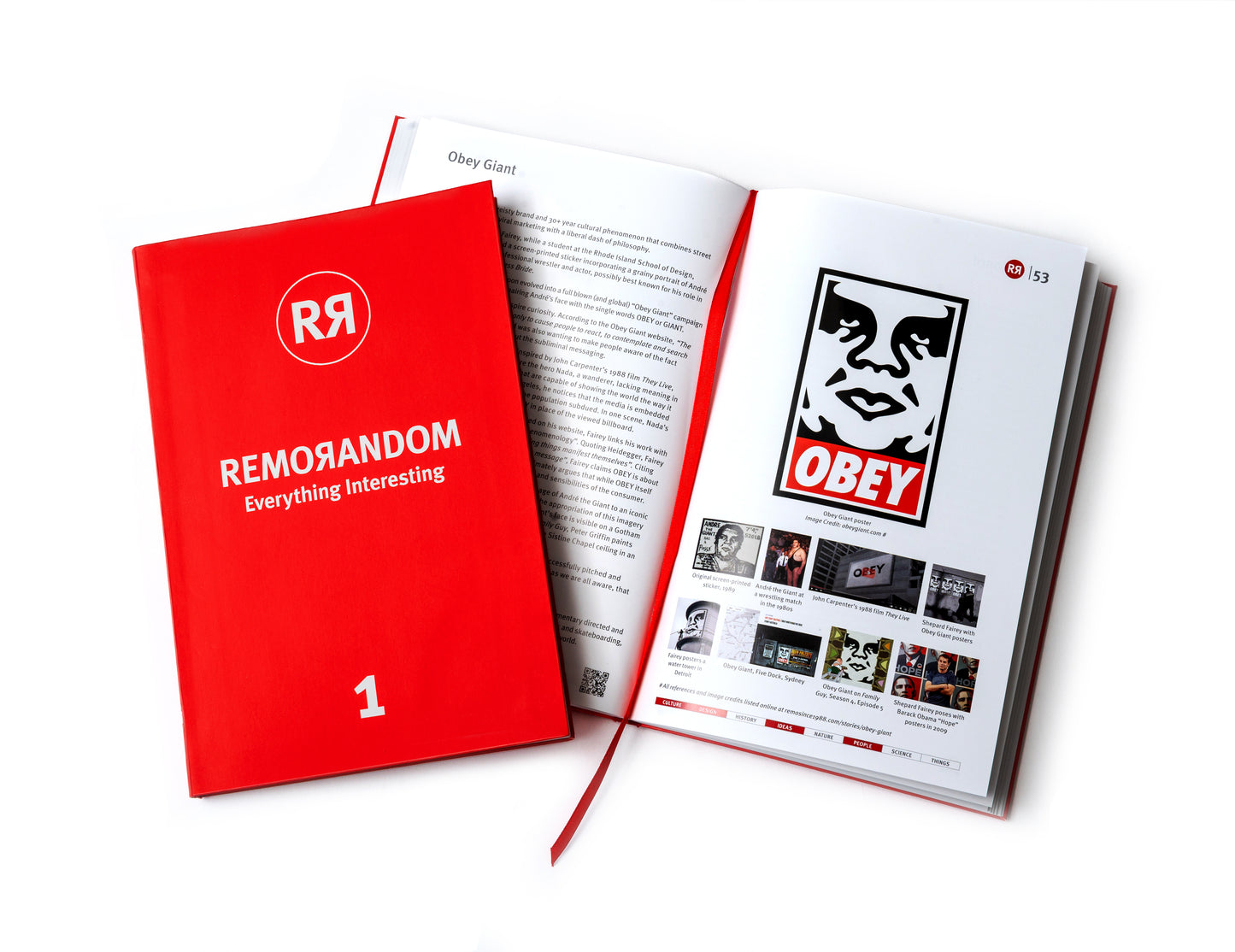
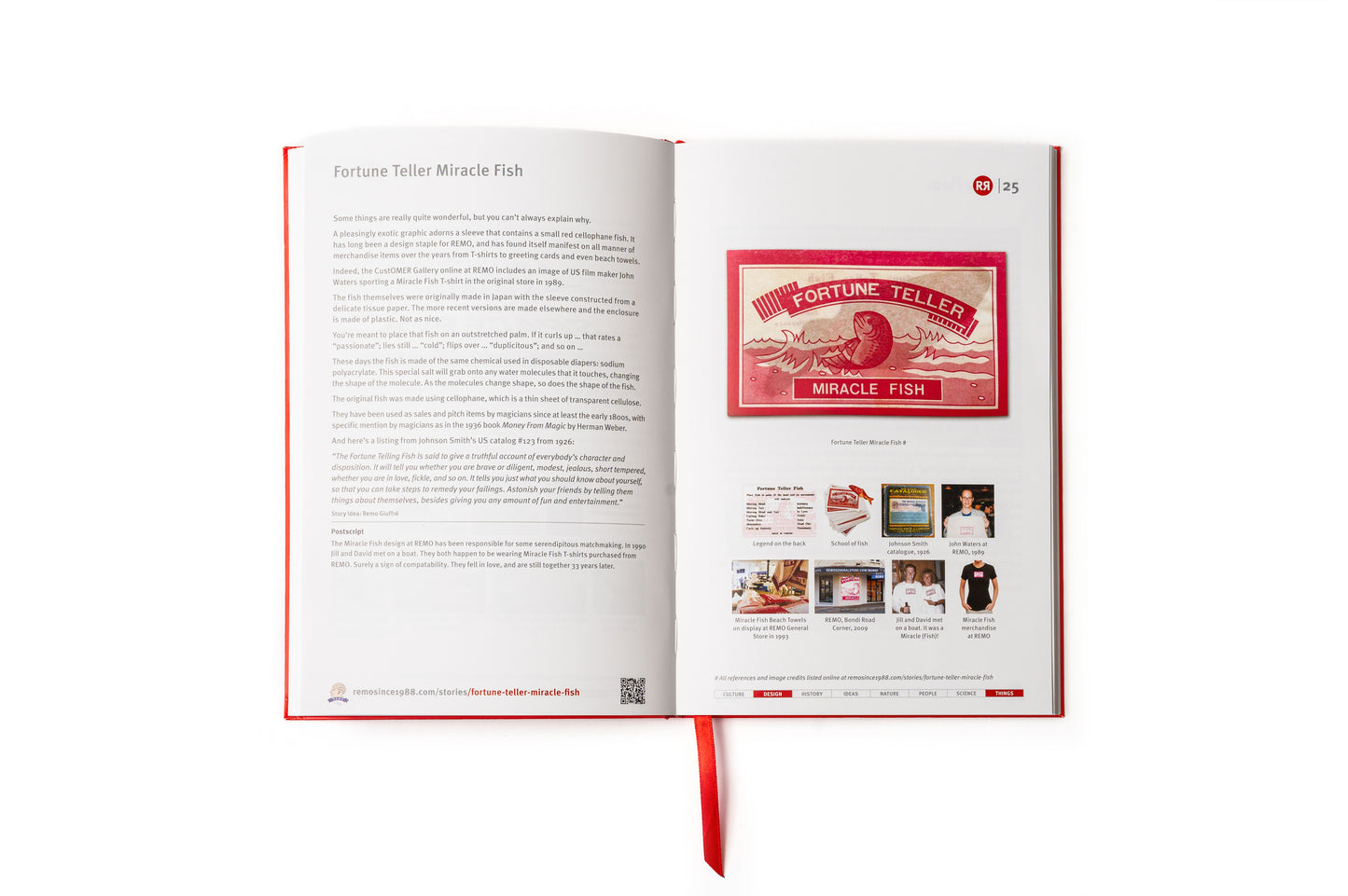
1. Montage of Colors issues: 1, 6, 8, 9, X and Y
2. Tibor Kalman (1949–1999)
3. Oliviero Toscani
4. Benetton Ad by Toscani
5. Colors issue 1
6. President Ronald Reagan depicted suffering from AIDS in the Colors AIDS issue
7. Book: Colors: Tibor Kalman's Issues 1-13, 27 May 2002
8. Remo with Tibor and Maira at home in New York, Thanksgiving, November 1991