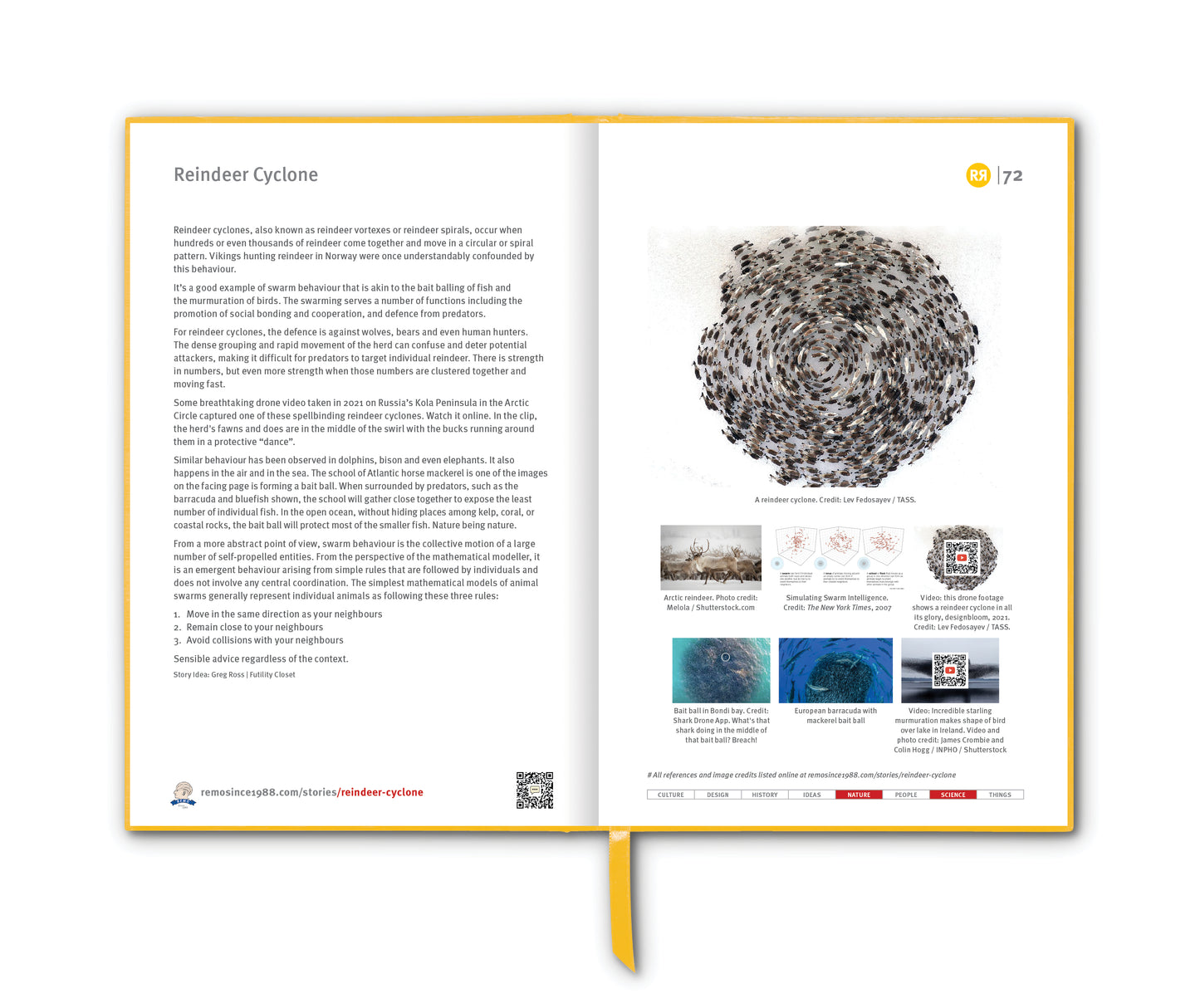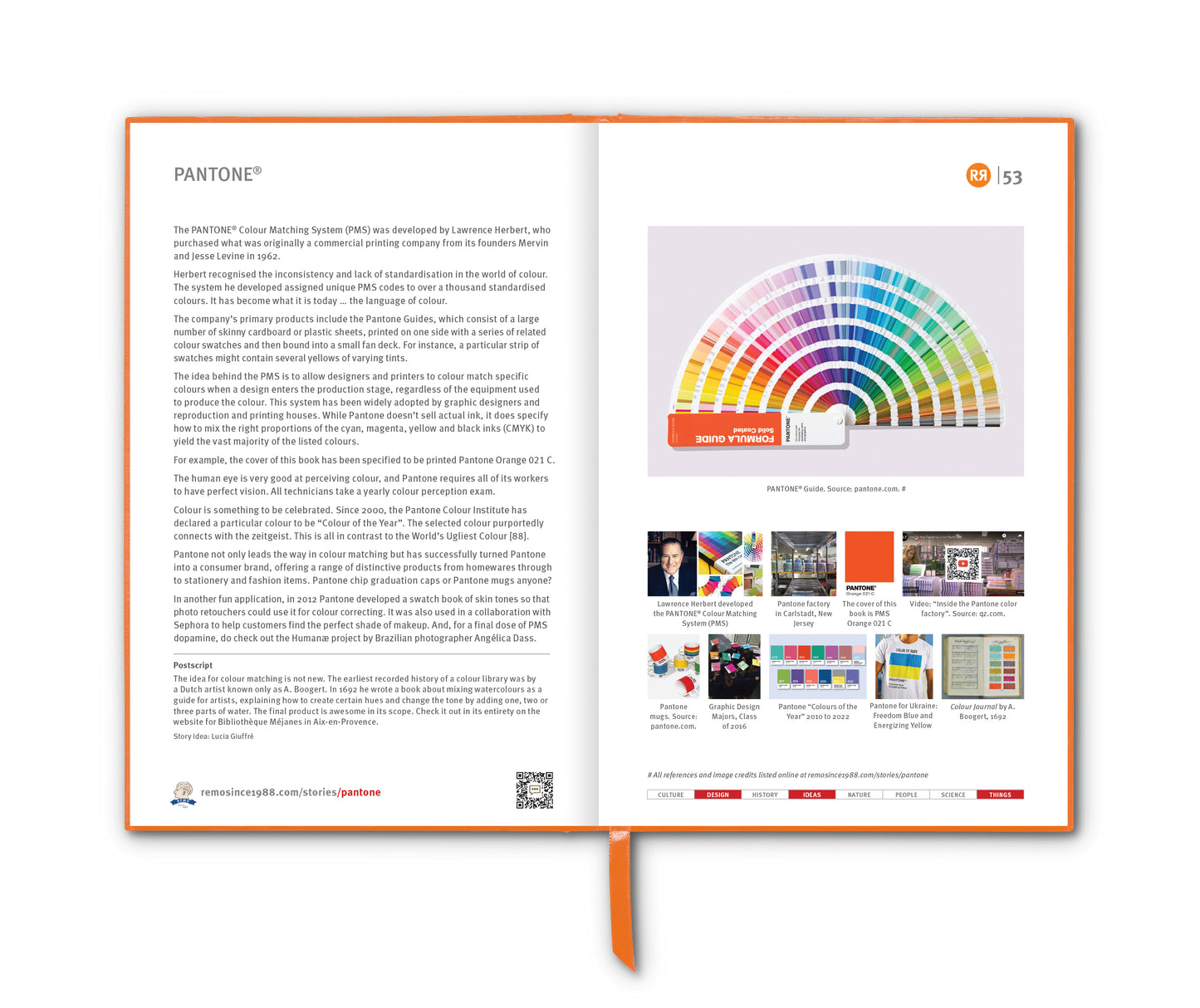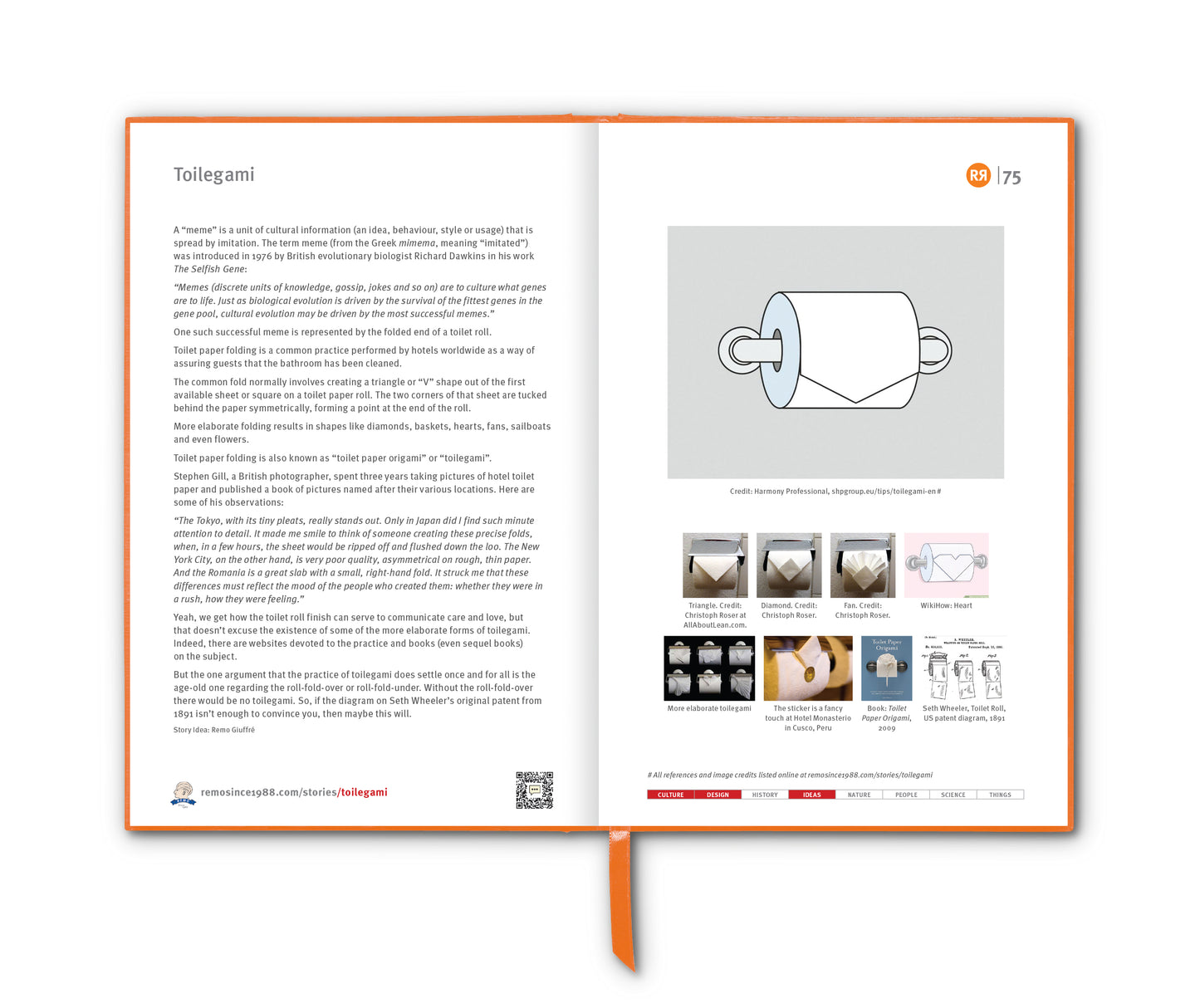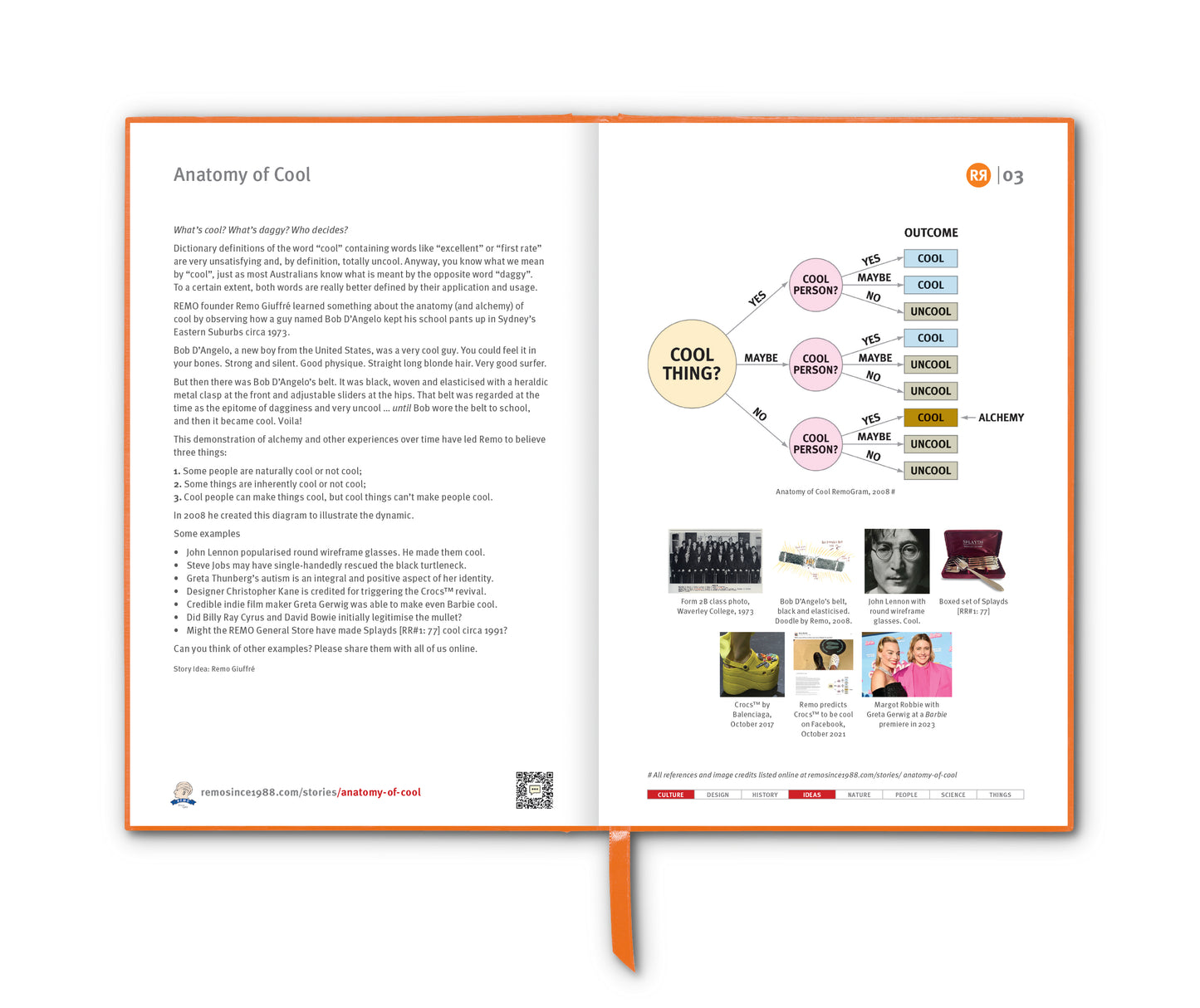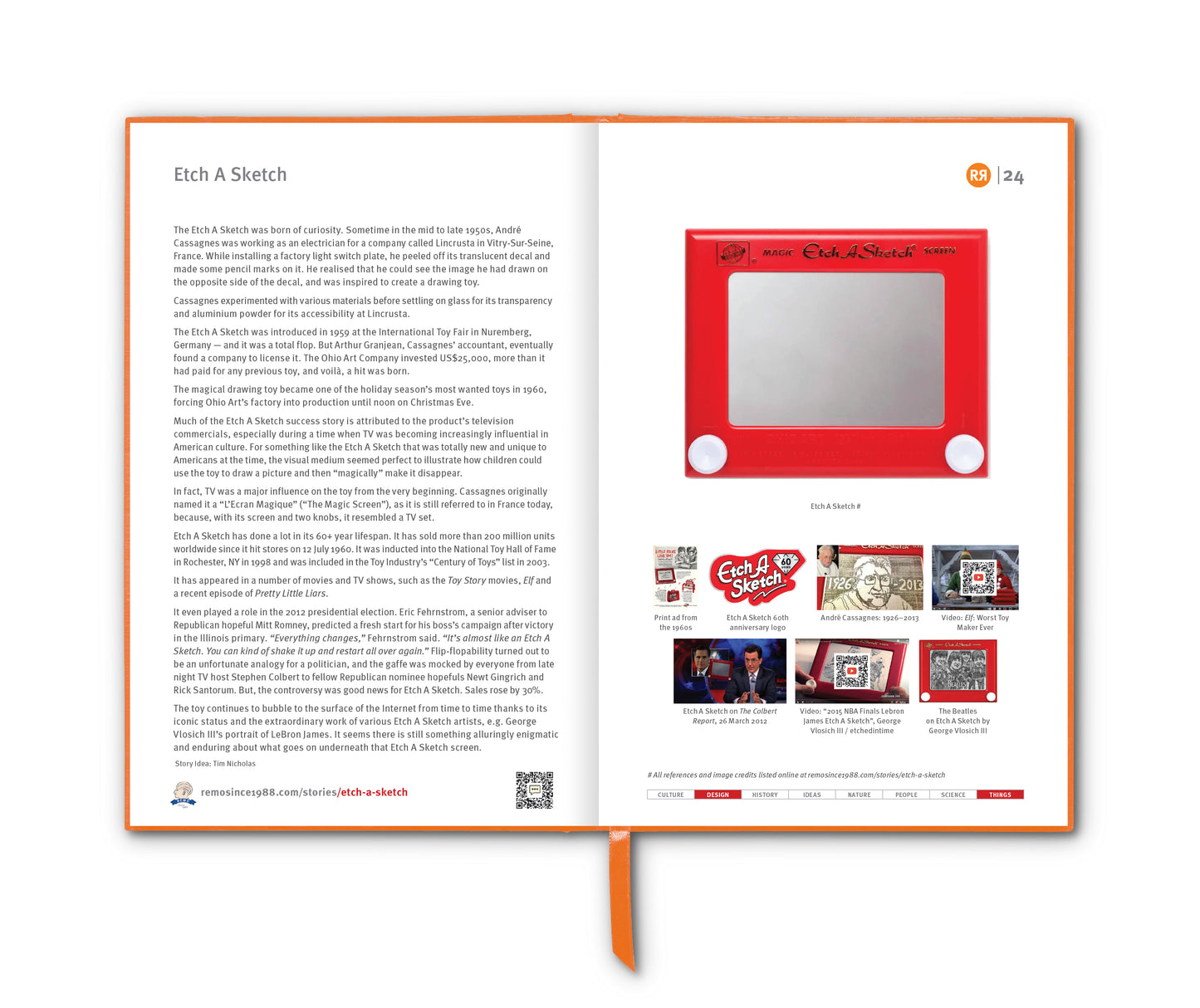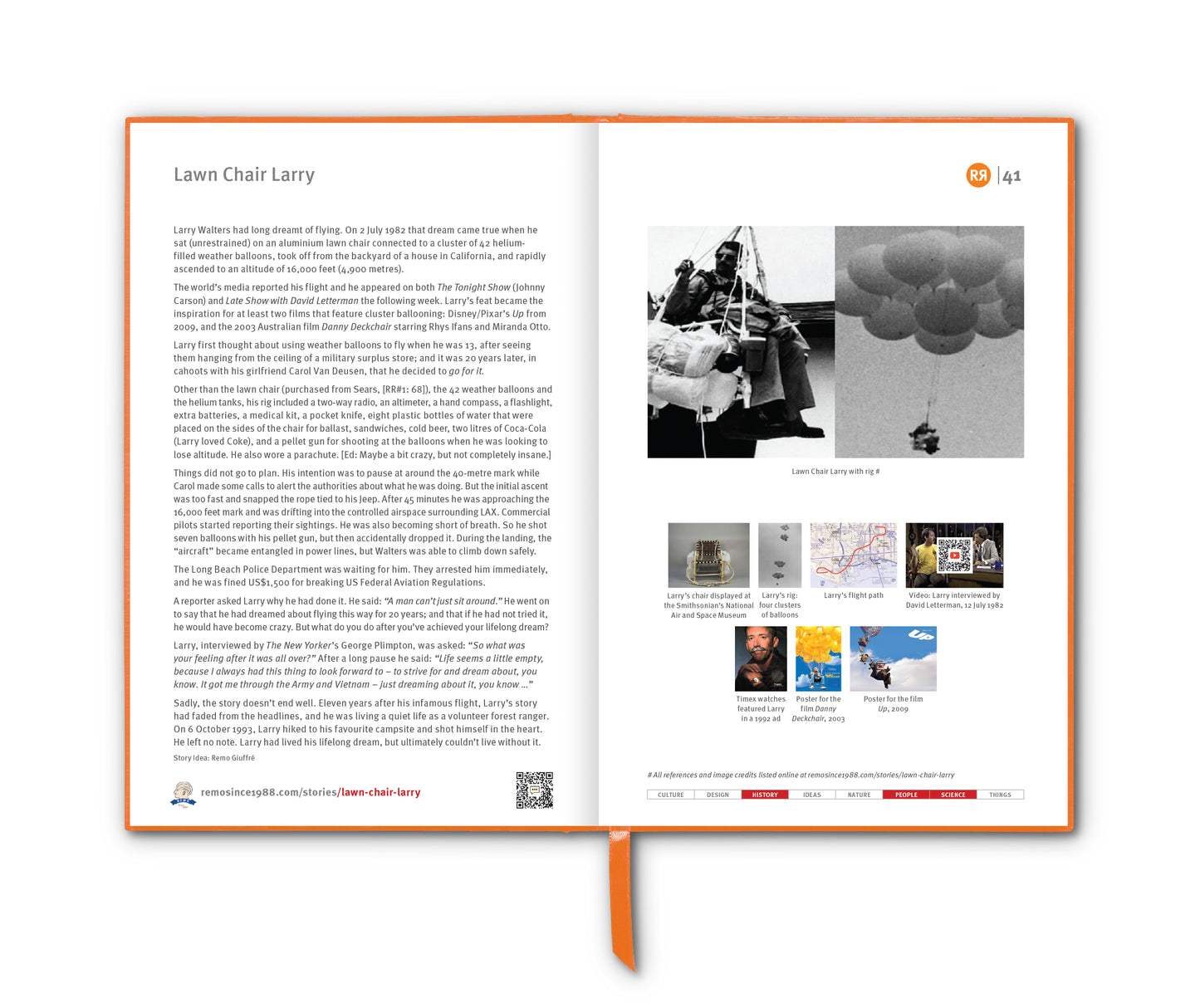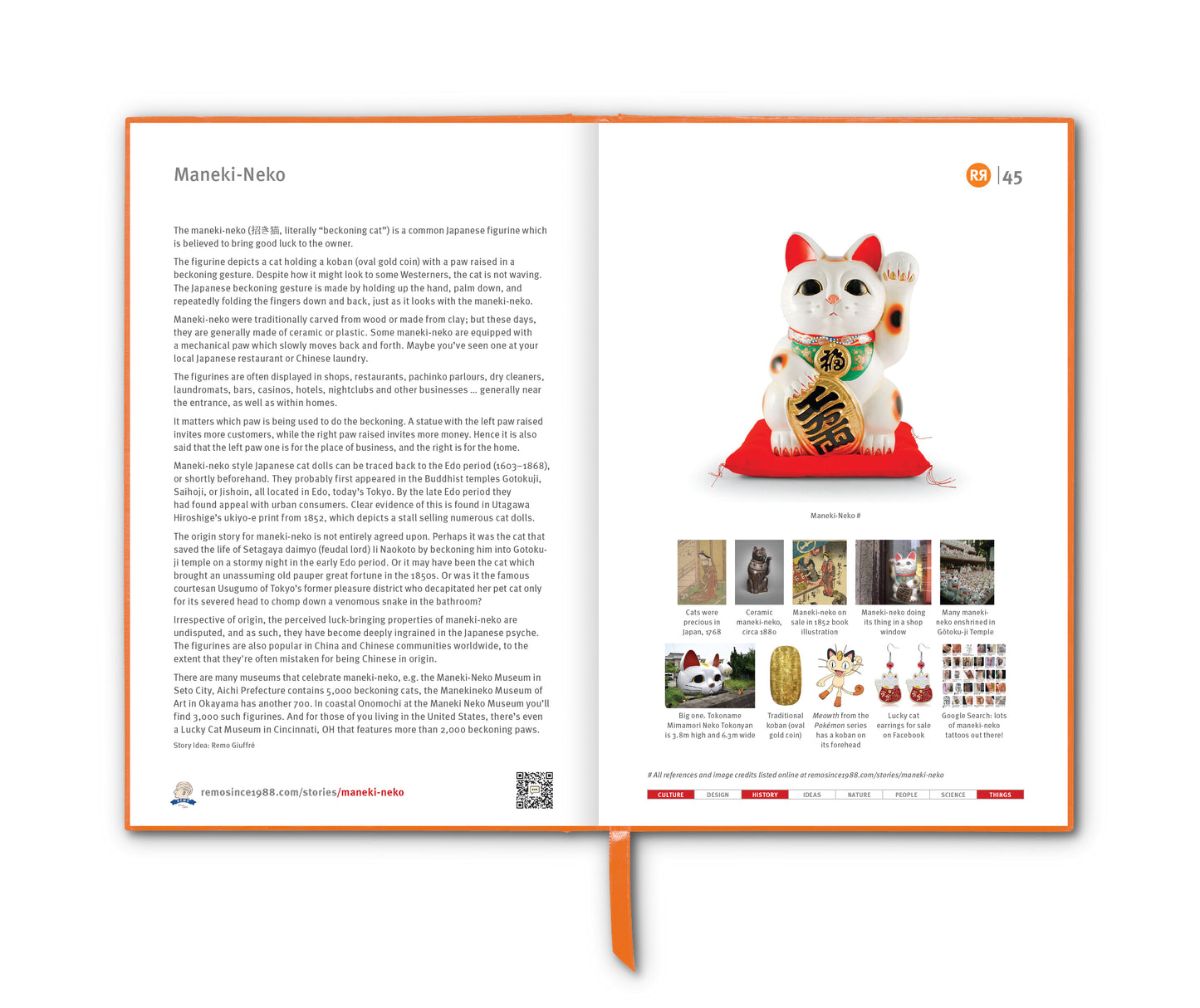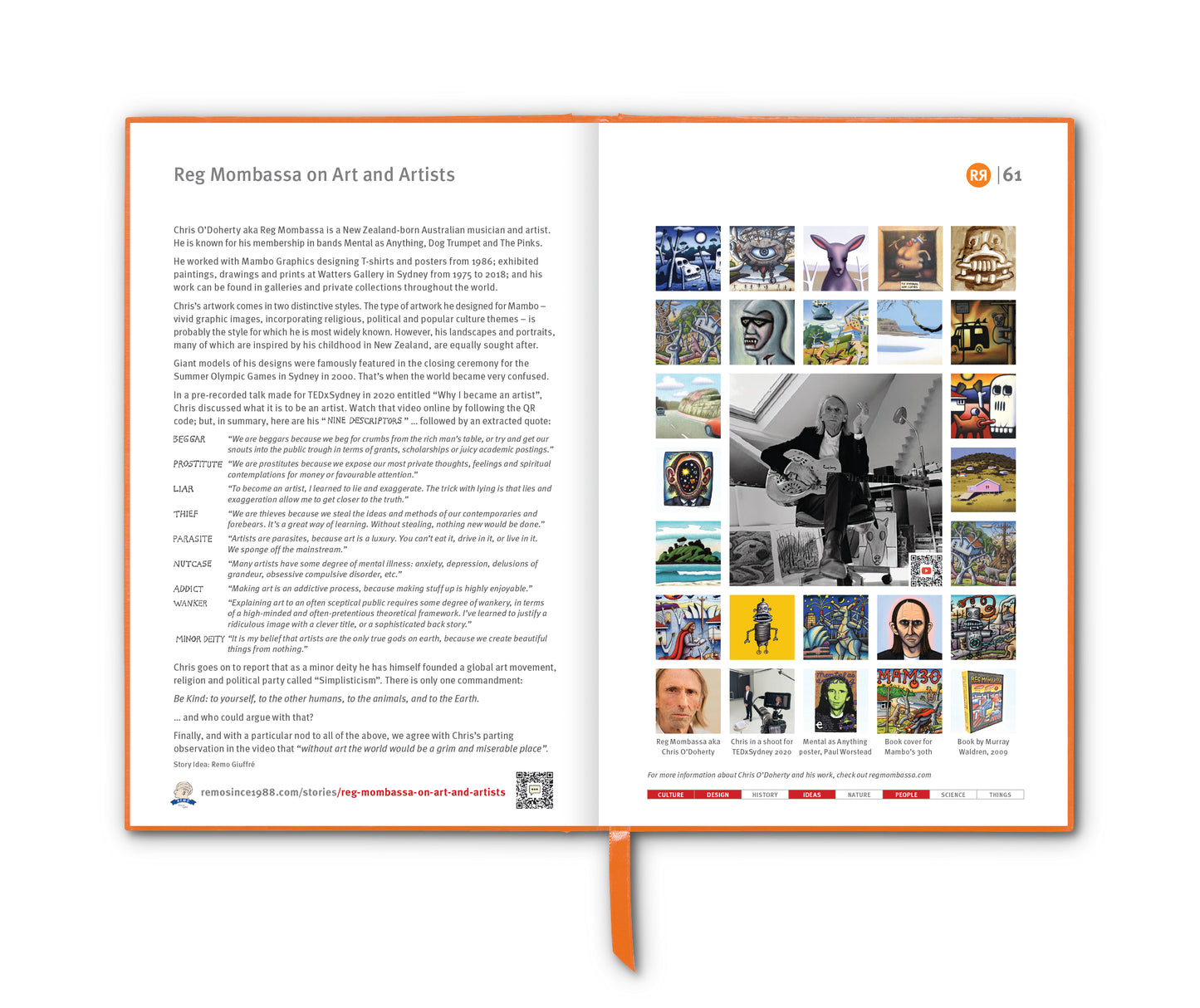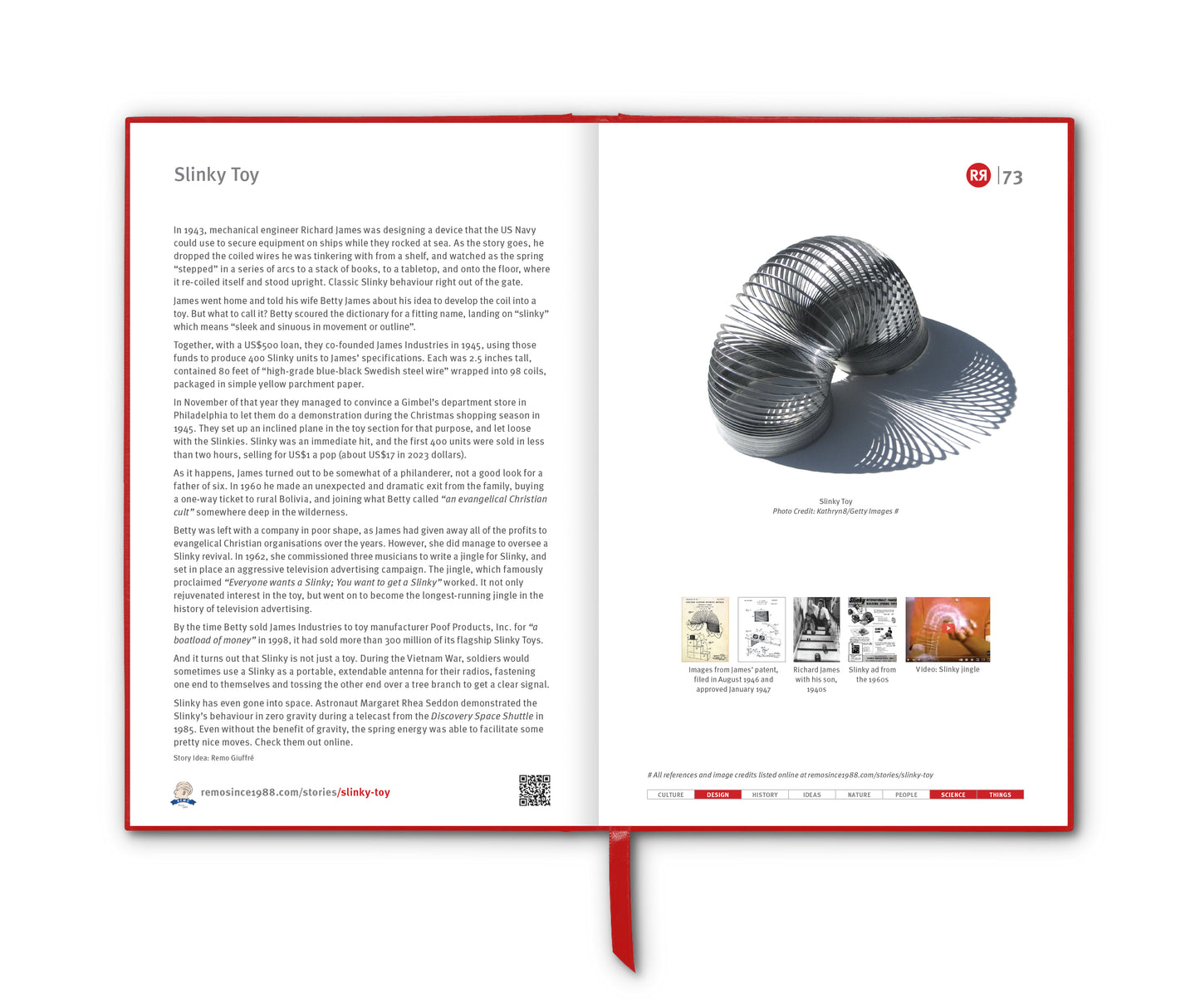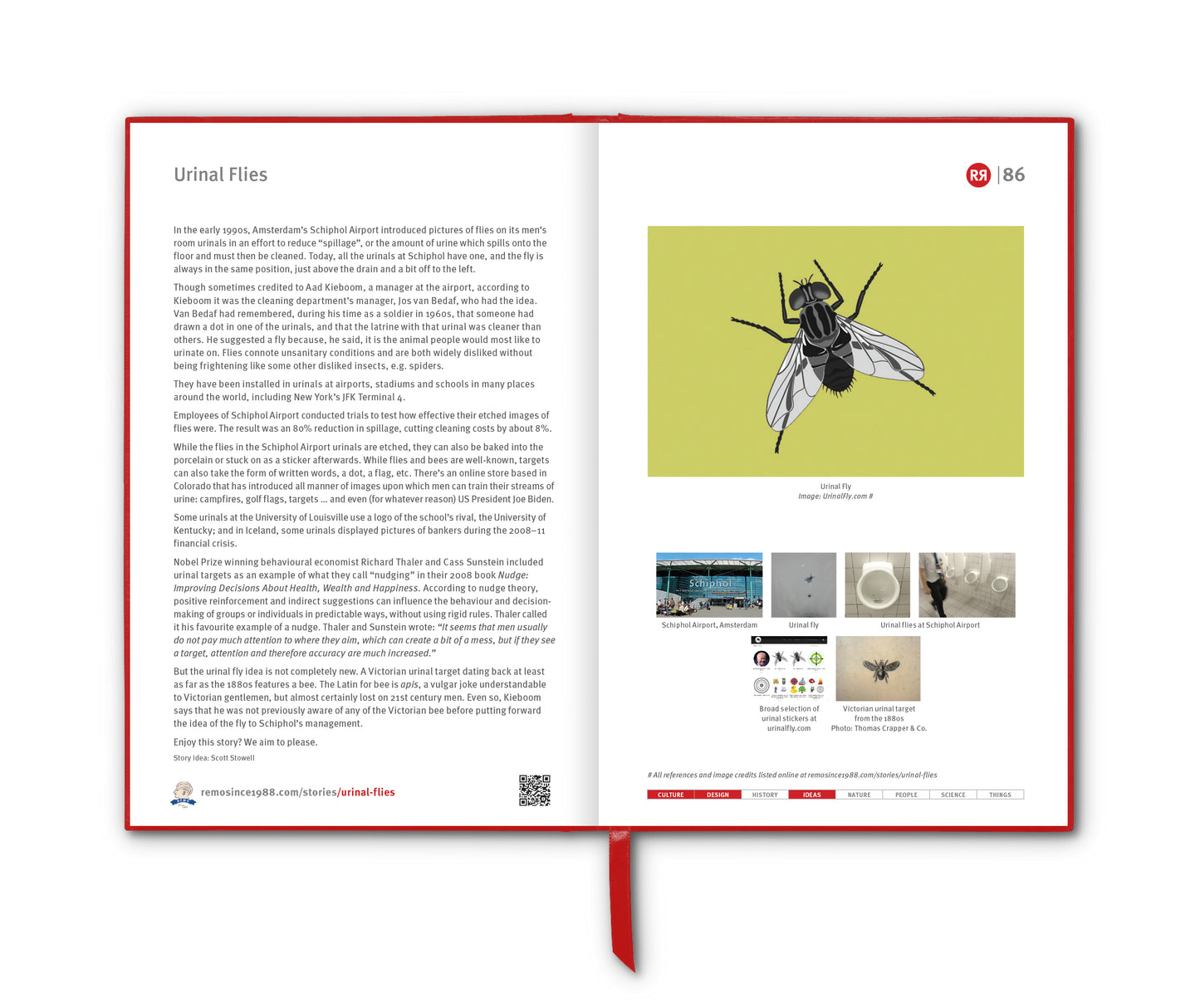

Crying, the dropping of tears (or welling of tears in the eyes), can express grief, joy, frustration, relief, pain, gratitude, helplessness or overwhelming happiness. People cry at funerals, weddings, airport reunions, sporting victories, sad films and in response to acts of unexpected kindness. Yet despite being so common, scientists still debate exactly why humans cry – and what purpose emotional tears actually serve.
Tears themselves are essential. The eyes constantly produce what are known as basal tears, which lubricate and protect the surface of the eye. Reflex tears are different again, produced in response to irritants such as smoke, dust or chopped onions. Emotional tears, however, remain something of a mystery. Humans are believed to be the only animals that visibly shed tears in response to emotion.
Some researchers believe crying evolved as a social signal. Tears may communicate vulnerability, distress or a need for support without requiring words. In evolutionary terms, visible crying could reduce aggression and encourage empathy, cooperation and bonding. A crying person is difficult to ignore. The phenomenon is so powerful that crying itself can become contagious – much like yawning [RR3:90]. Seeing another person cry can trigger tears in others, reflecting the deeply social nature of human emotion.
Scientists have also discovered that emotional tears differ chemically from other kinds of tears. They contain higher levels of certain hormones and proteins, leading to theories that emotional crying may play some role in regulating stress. However, the science remains inconclusive. While many people report feeling emotionally lighter after “a good cry”, studies have produced mixed results. Some people feel worse immediately after crying, while others experience relief later on.
One intriguing theory suggests emotional tears evolved partly because they are highly visible. Emotional tears contain more protein than other tears, making them cling to the skin and roll slowly down the face, increasing the likelihood that others will notice them and respond.
Curiously, babies cry loudly long before they produce visible tears. Newborns can wail dramatically, but actual tear production often begins weeks later. And while crying is universal, attitudes toward it vary widely between cultures and eras. In some societies, public crying is seen as healthy and honest; in others – especially for men – it has historically been associated with weakness or lack of control. [Ed: Check out the Don Corleone slapping Johnny Fontane scene from The Godfather HERE.]
The language of crying reveals its importance in human culture. We speak of “crying over spilled milk”, “crying wolf”, “bursting into tears” and “having a good cry”. The phrase “crocodile tears” dates back centuries and refers to false or insincere displays of sadness, based on the old myth that crocodiles weep while consuming prey.
Science may not yet fully understand why humans cry, but tears remain among the clearest and most powerful signals people send to one another.
Postscript
😭 Fittingly, this “Loud Crying Face” emoji is often used to express uncontrollable laughter, overwhelming joy, or being "touched" by a sentimental moment.
______________________
References
wikipedia.org/wiki/Crying
wikipedia.org/wiki/Tears
newyorker.com/sports/sporting-scene/how-air-jordan-became-crying-jordan
time.com/collections/guide-to-happiness/4254089/science-crying/
mentalfloss.com/language/where-does-expression-crocodile-tears-come
nytimes.com/2022/02/08/magazine/crying.html
Images
1. Crying woman. Photo credit: USMC
2. Lacrimal apparatus. Illustration credit: Henry Gray's Anatomy of the Human Body (1918)
3. Queen Maria II of Portugal shedding tears and hugging a bust of her late father King Pedro IV, 1836
4. Crying boy. Photo credit: Miika Silfverberg, Vantaa, Finland
5. Chopping onions. Photo credit: yamasan0708/Shutterstock
6. Roger Federer does a lot of crying
7. Crying Girl (1964) Roy Lichtenstein
8. The Crying Jordan Meme
9. Book: Crying: The Natural and Cultural History of Tears, Tom Lutz, 2001
10. Book: Why only humans weep: Unravelling the mysteries of tears, Ad Vingerhoets, 2013