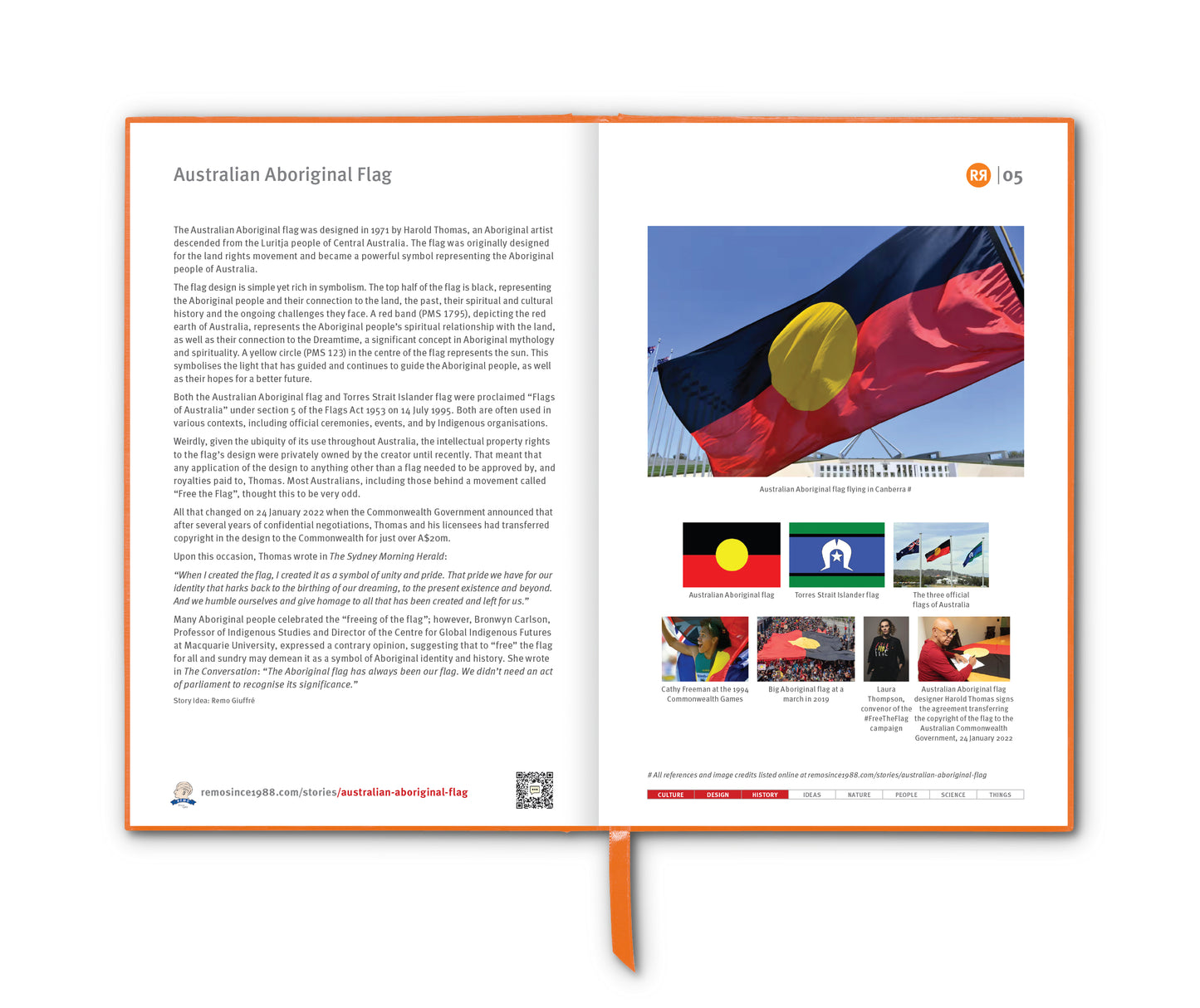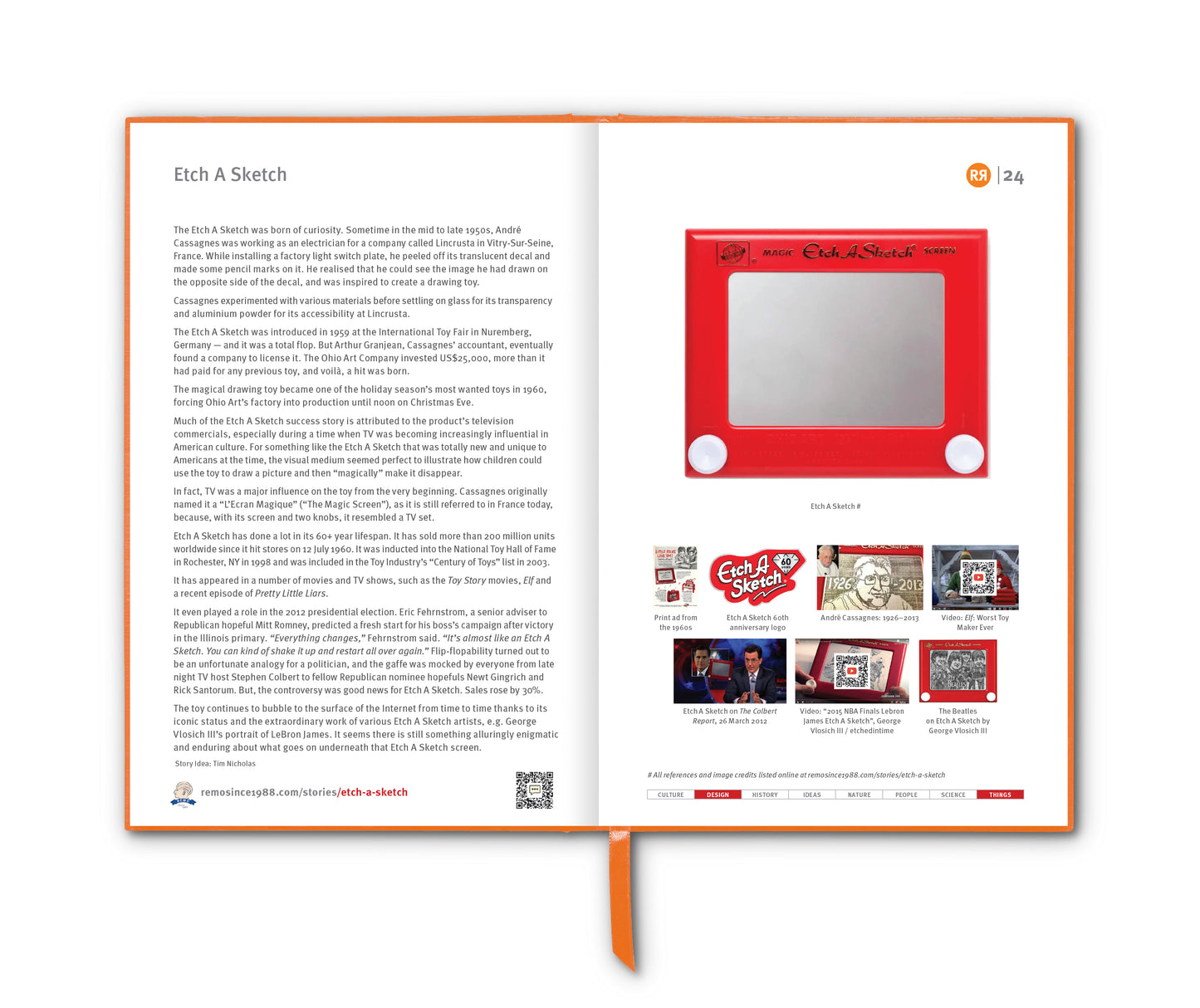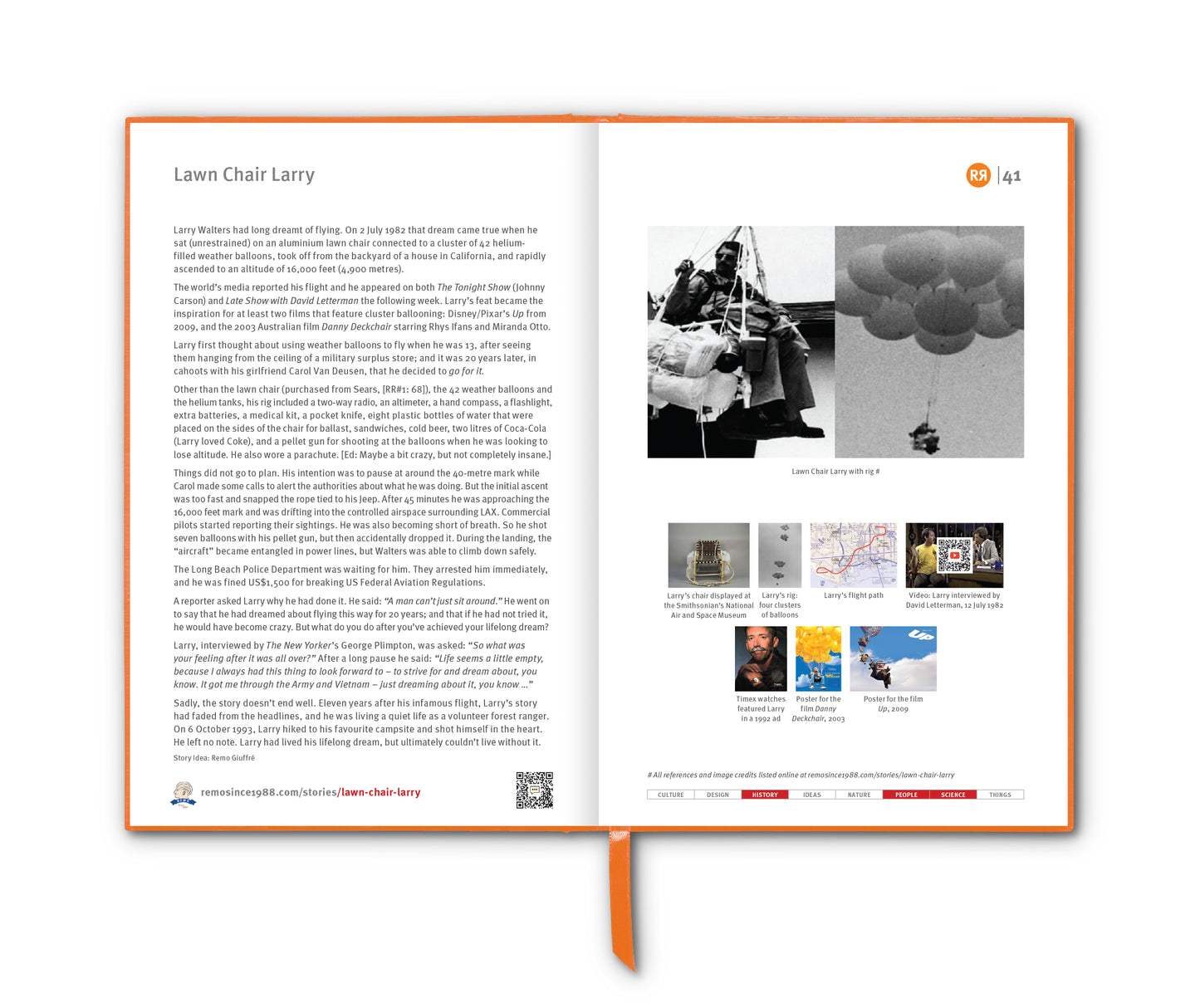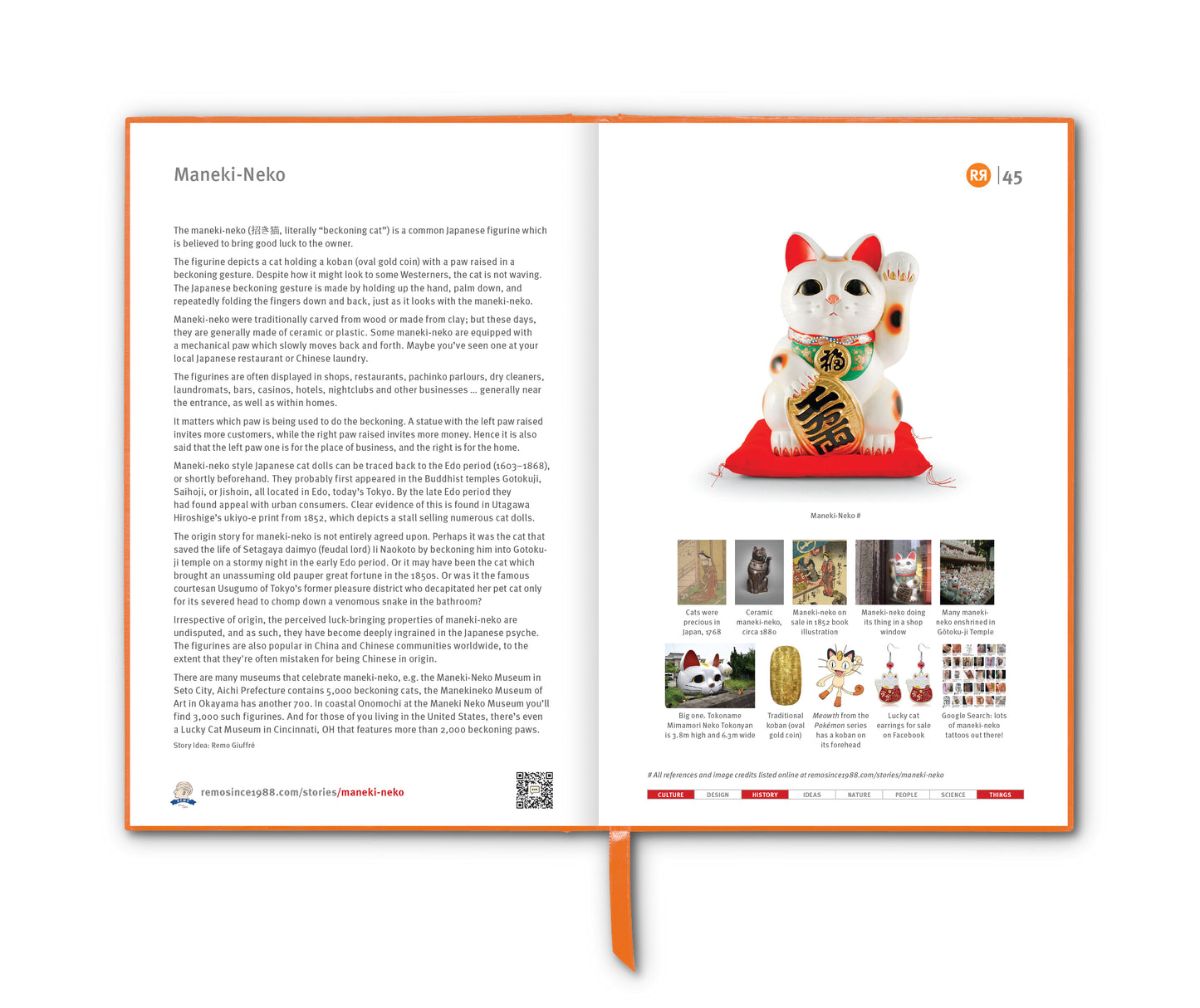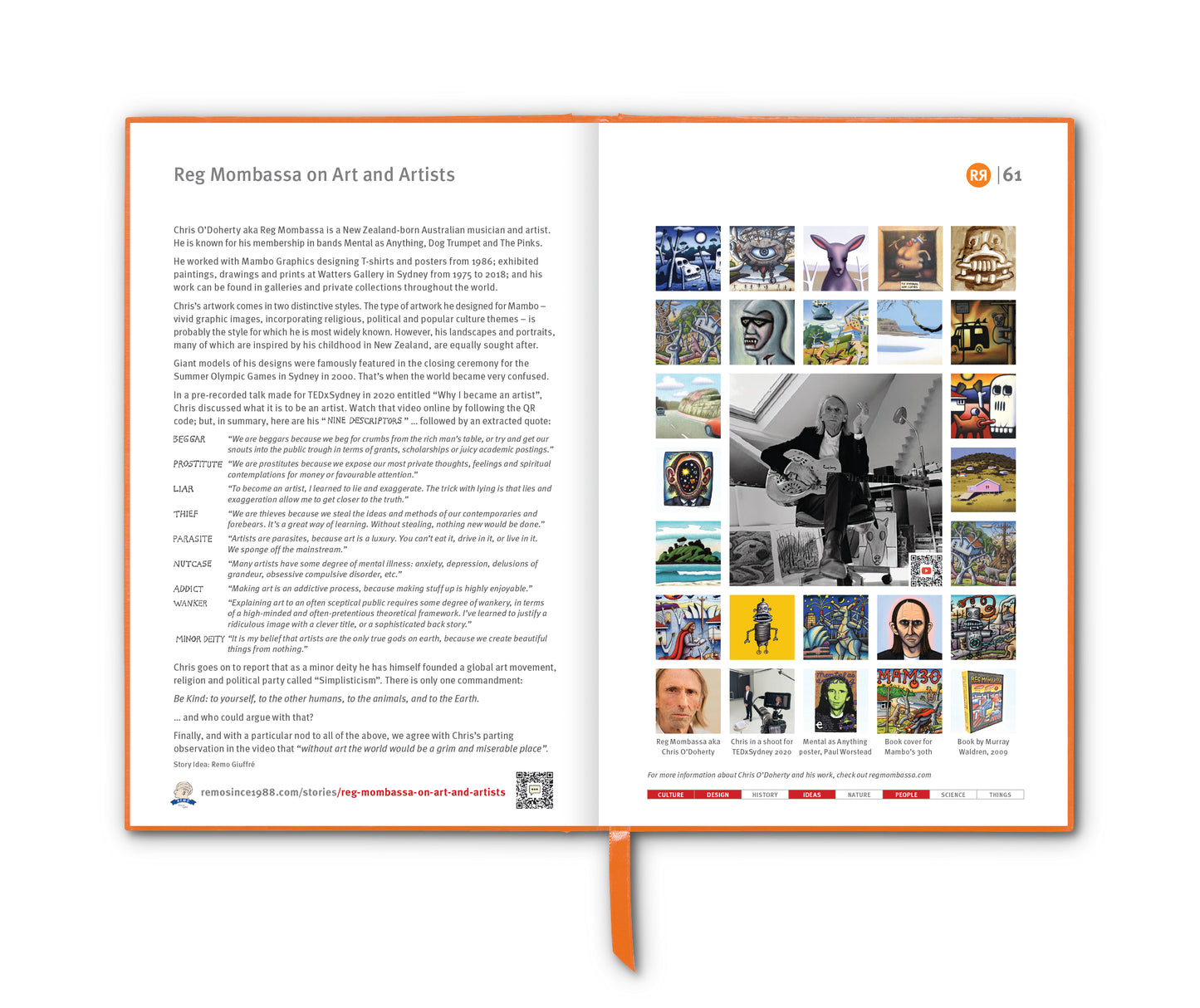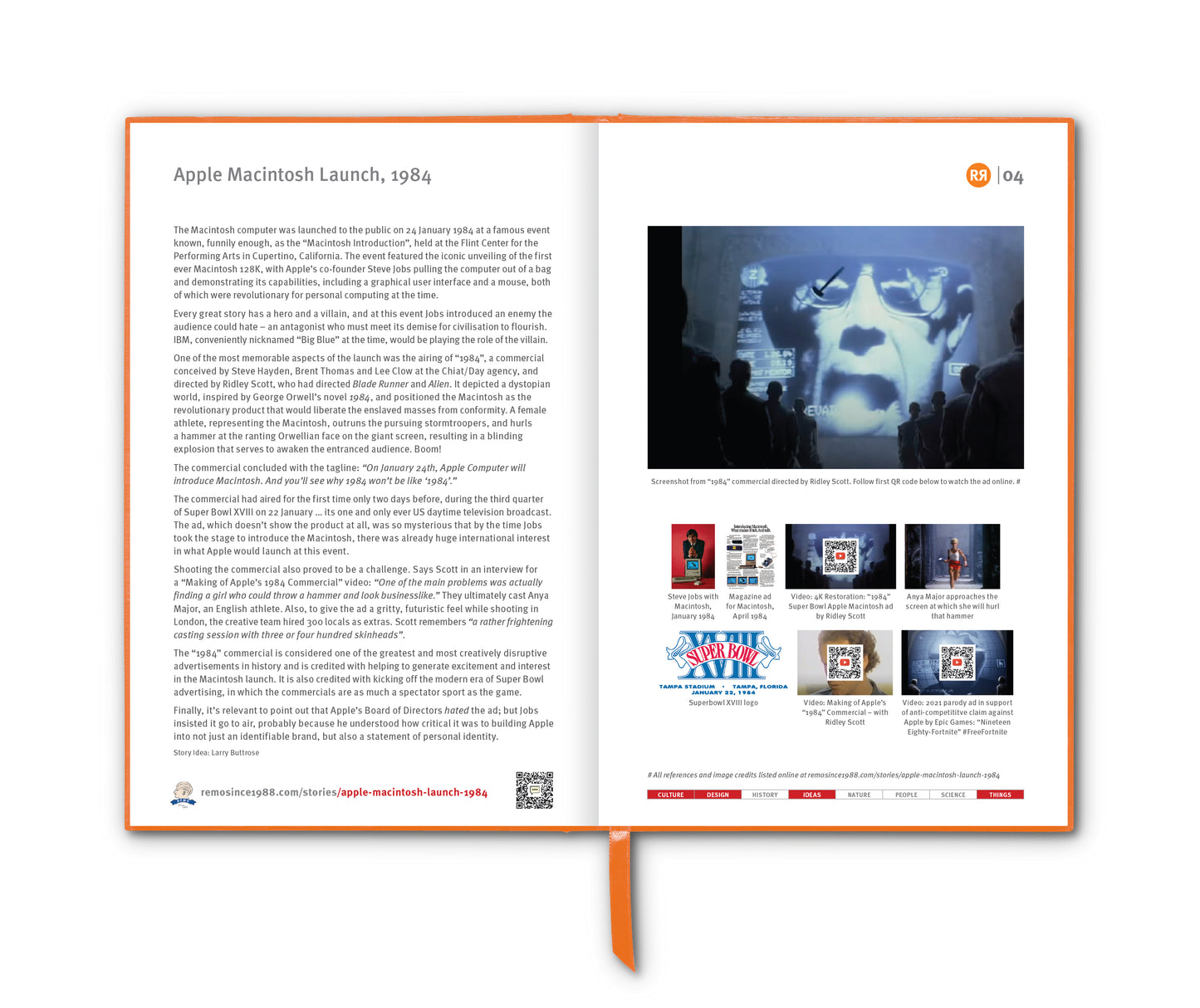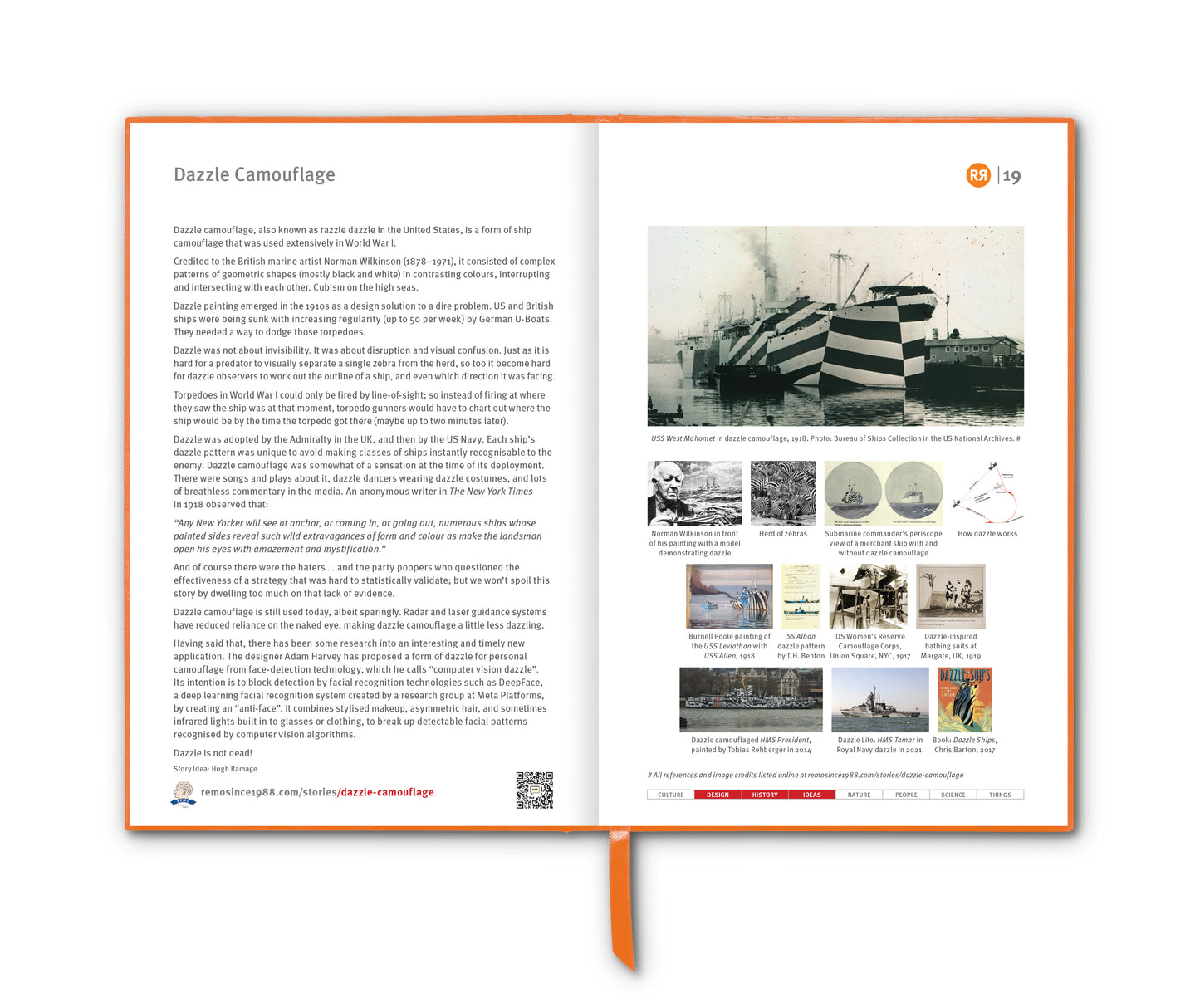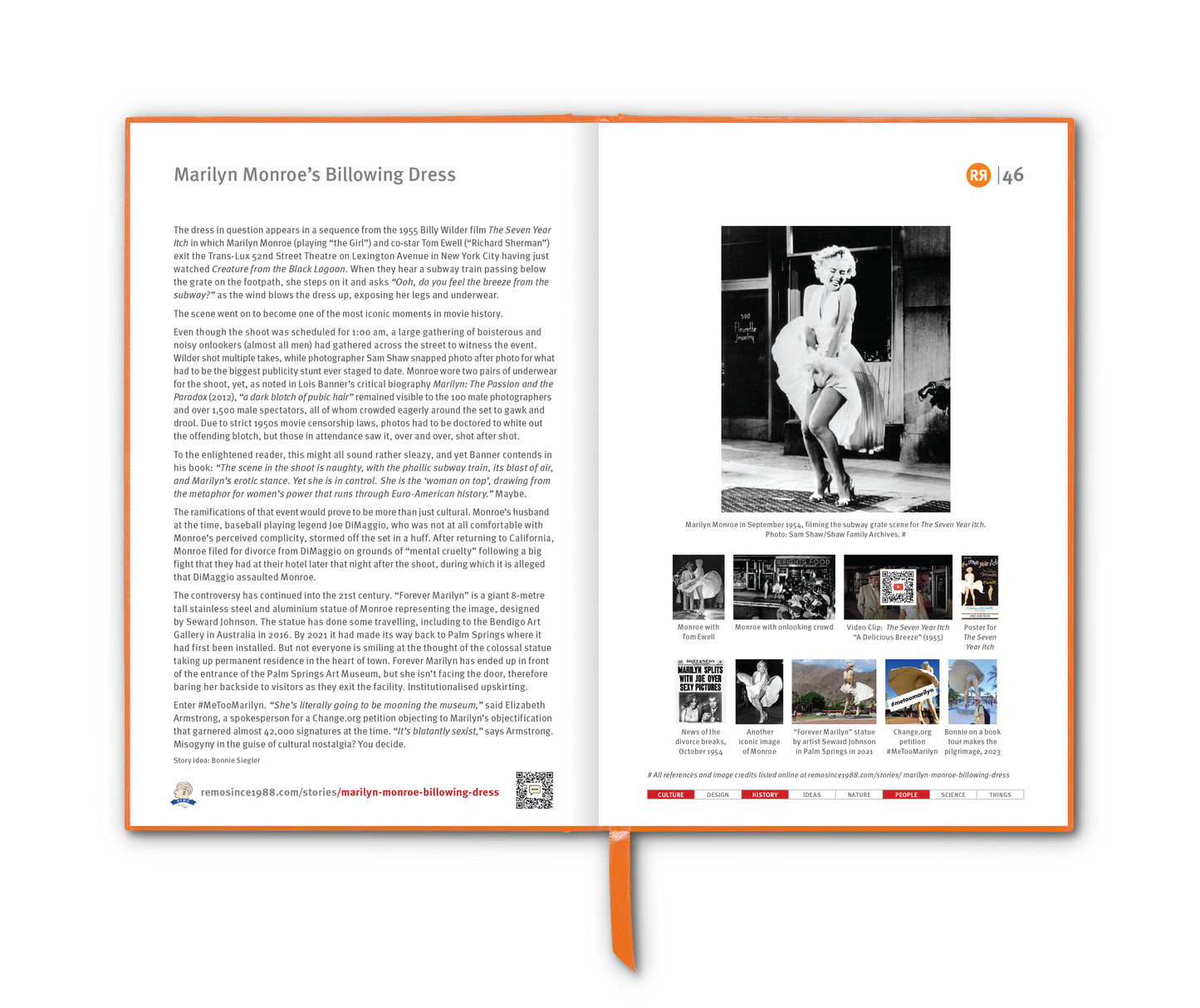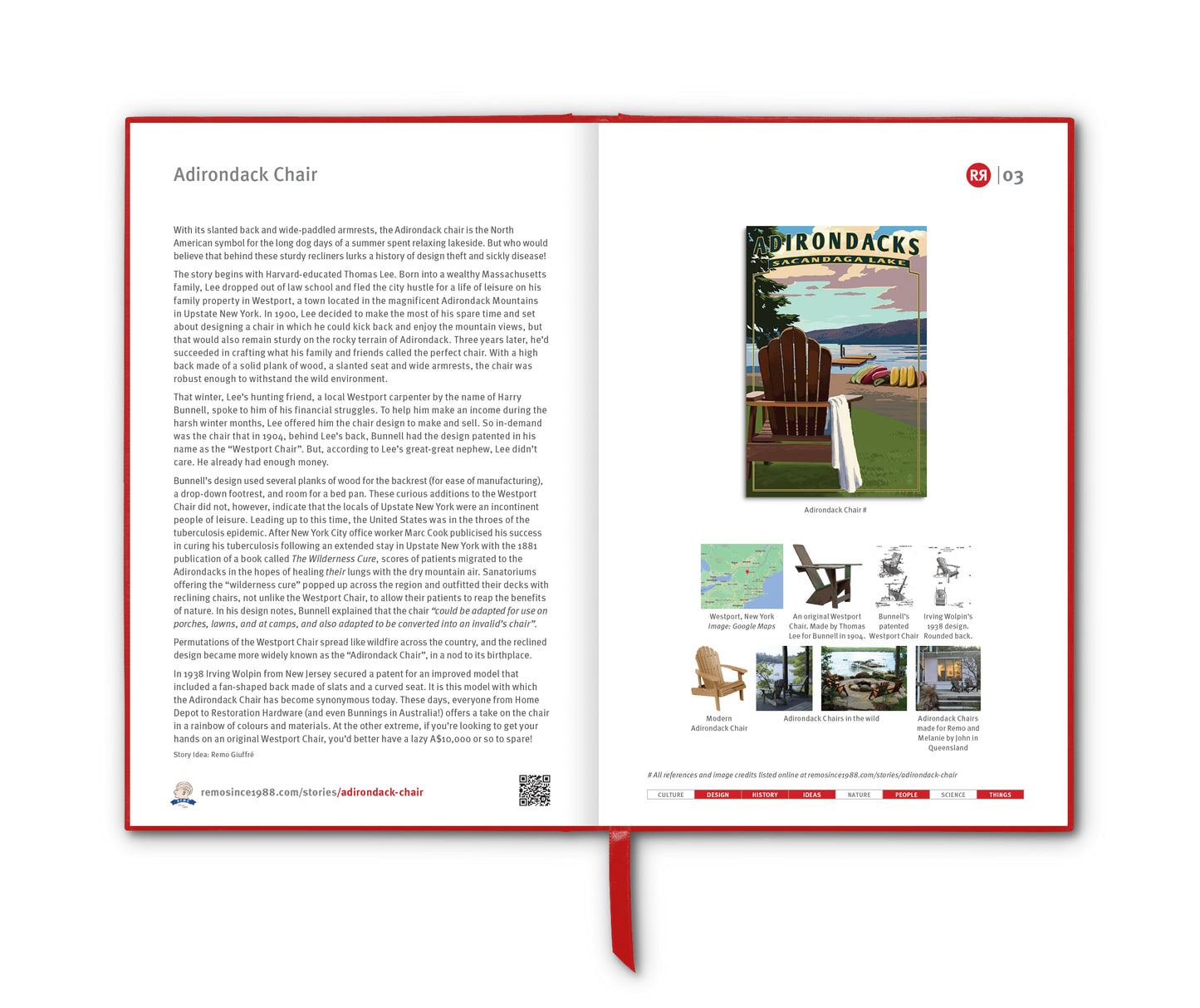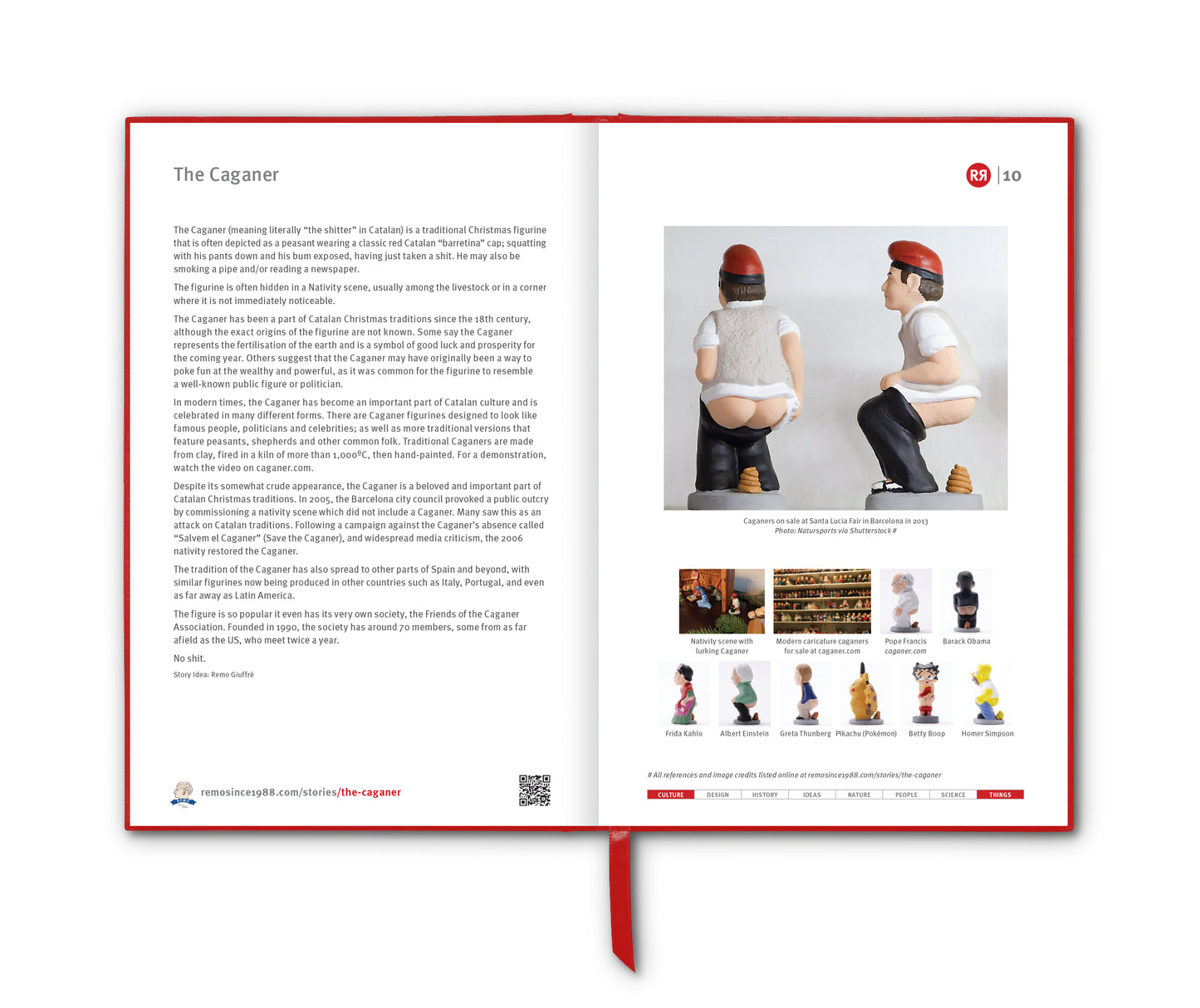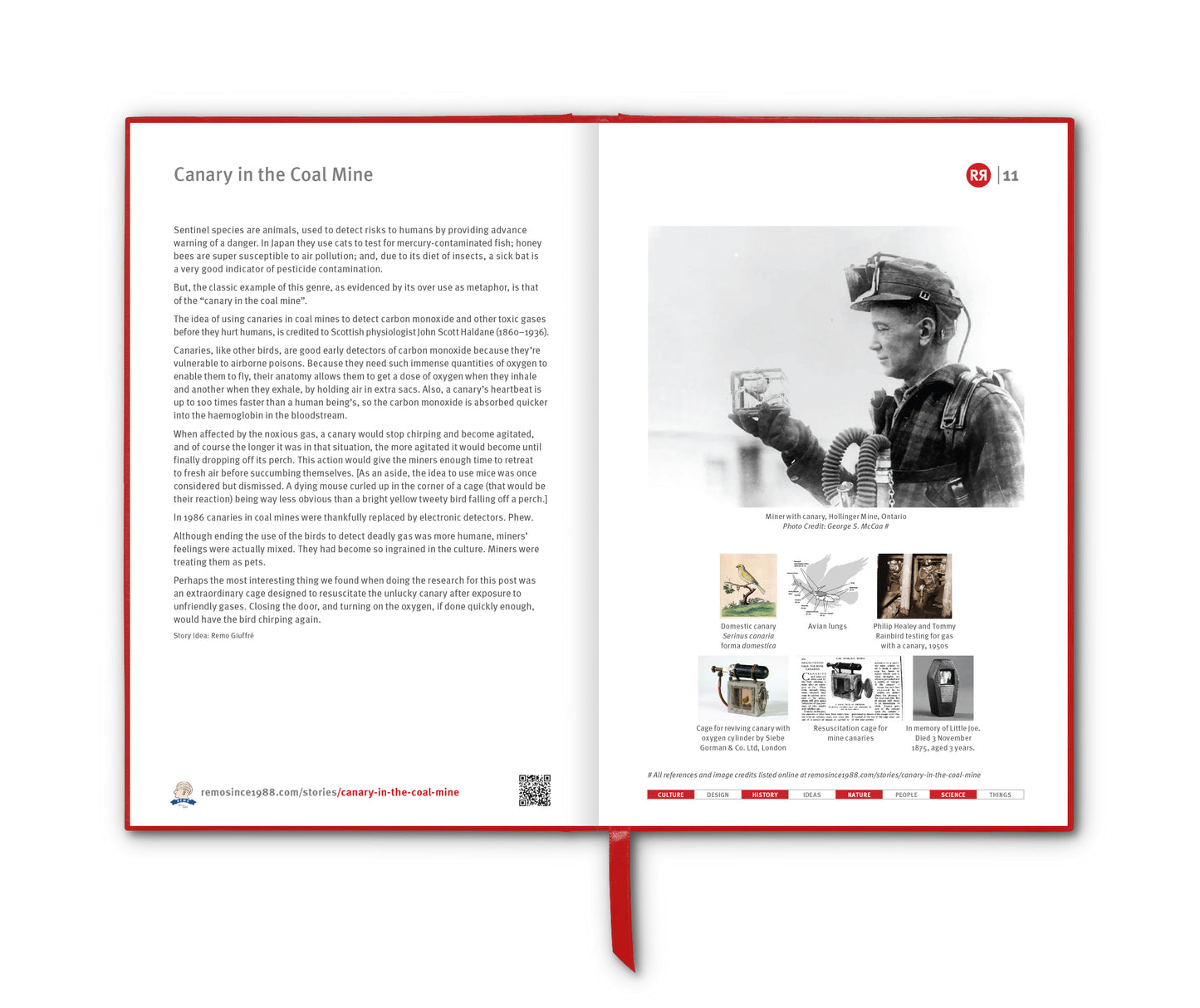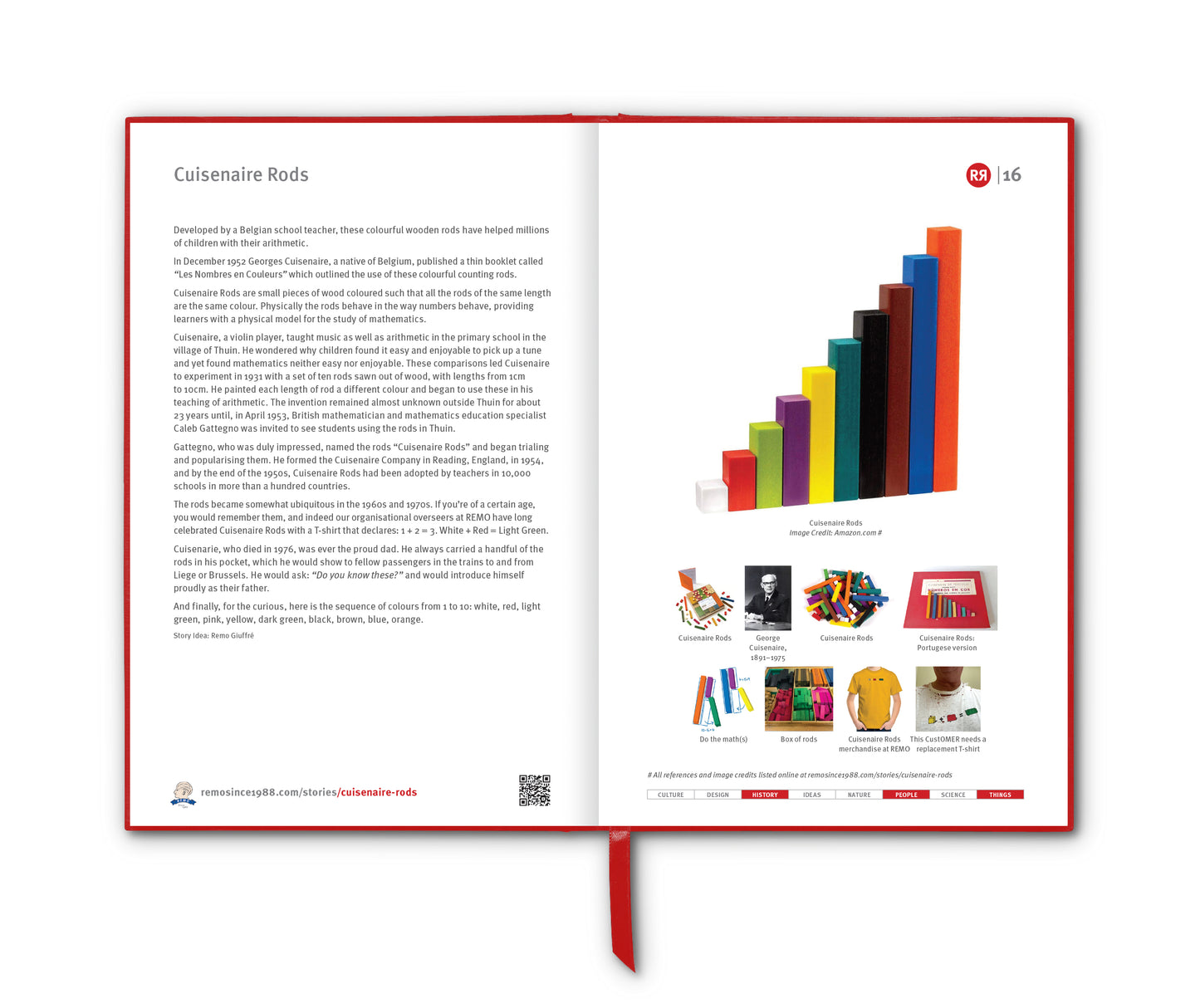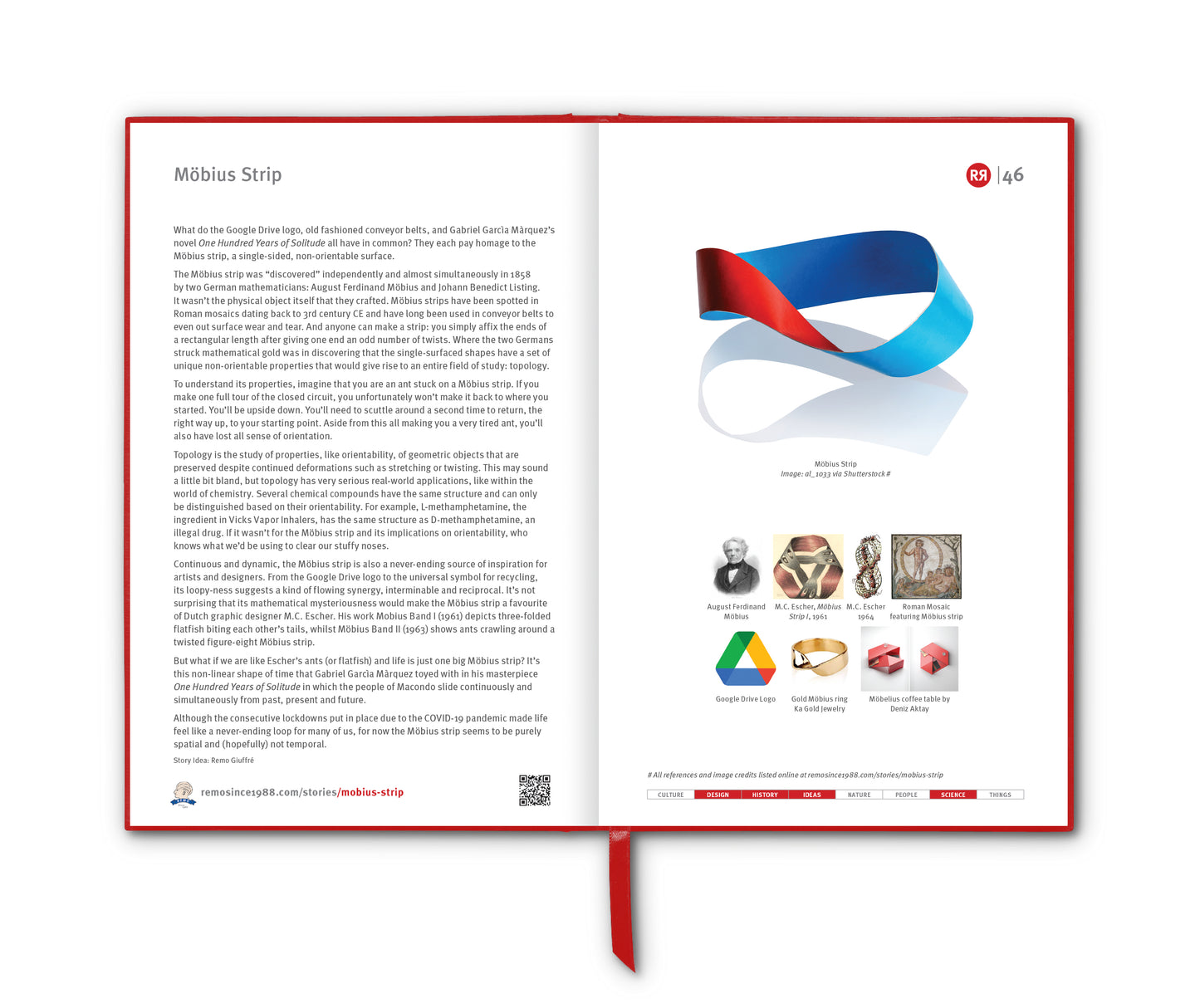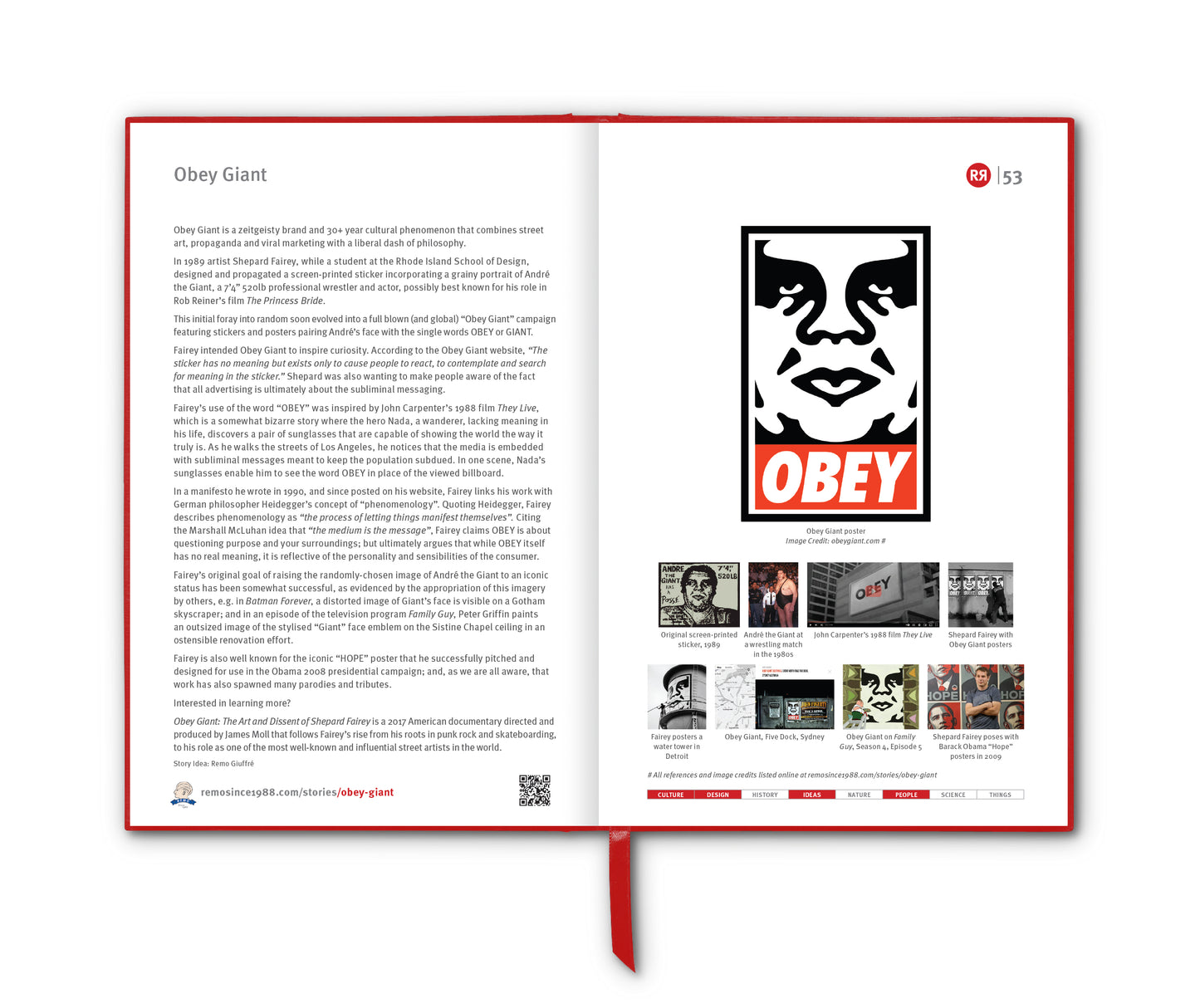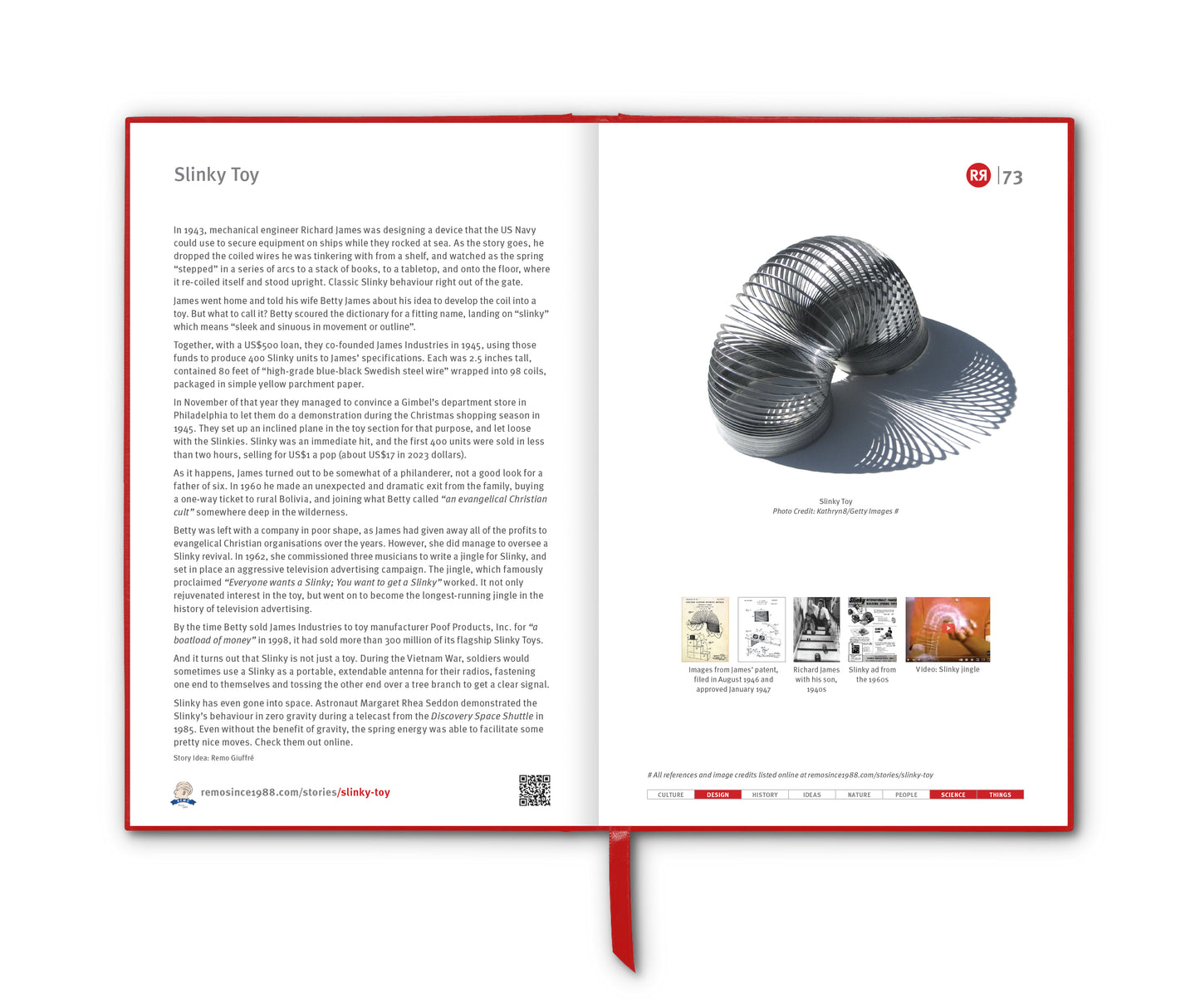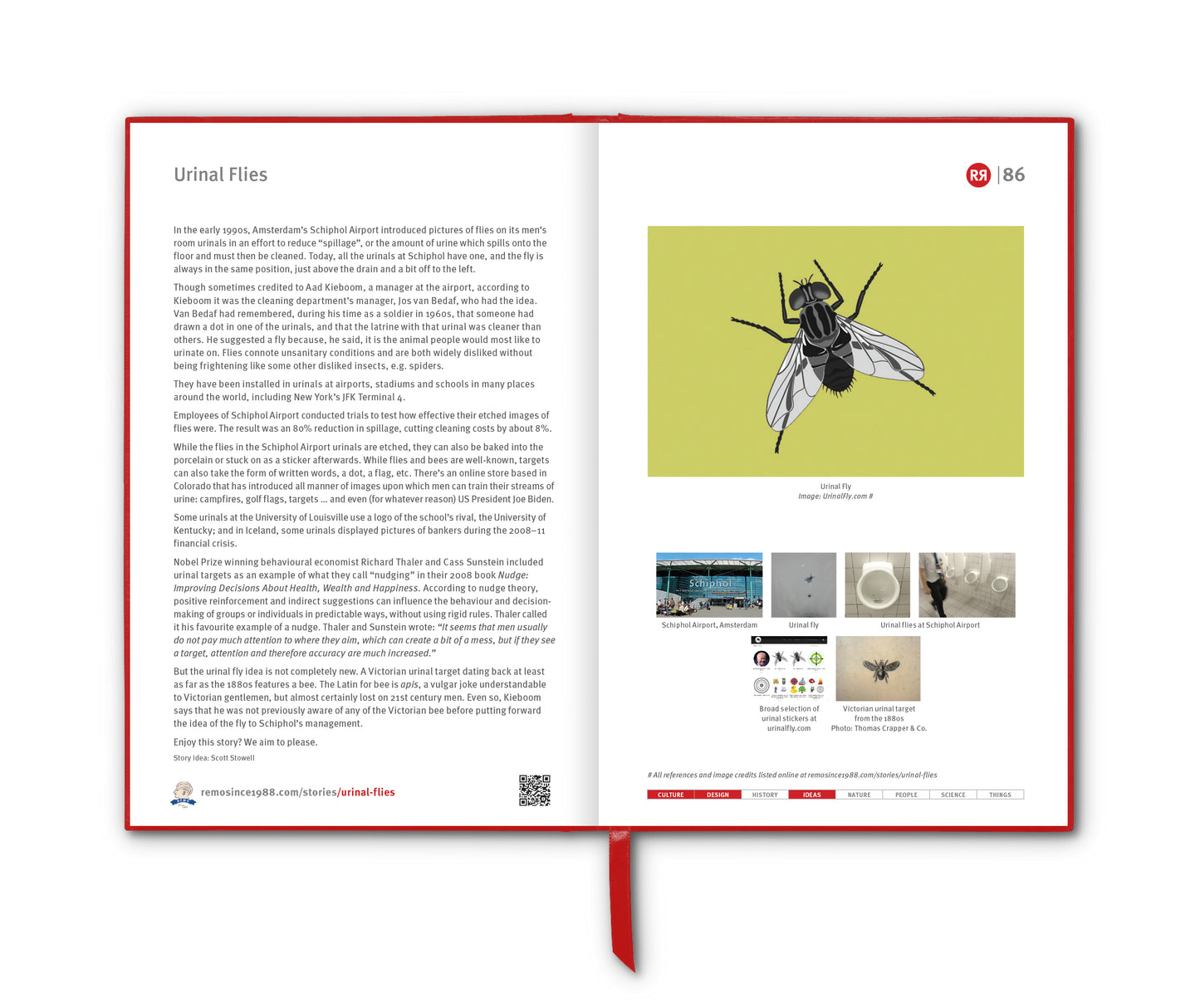

For over fifteen hundred years, chess has been the ultimate contest of intellect – a quiet battlefield of calculation, foresight and nerve. Indeed, during the Age of Enlightenment, Benjamin Franklin, in his essay "The Morals of Chess" (1786), wrote: “The game of chess is not merely an idle amusement” but rather “a means of self-improvement” and that by playing chess, we may learn: foresight, circumspection and caution.
Originating in India around the 6th century, refined through Persia – (the word "checkmate" is derived from the Persian shāh māt meaning "the king is dead") – and perfected in medieval Europe, the game of chess became a symbol of strategy and civilisation itself. To be a “Grandmaster” – the title formalised by FIDE (Fédération Internationale des Échecs) in 1950 – was to belong to an elite fraternity of minds capable of seeing patterns and possibilities invisible to ordinary players.
By the late 20th century, the greatest Grandmaster of all was Garry Kasparov – a prodigy from Baku whose aggression and brilliance made him World Champion at 22. In his mind, chess was more than a game; it was proof of human superiority.
Then along came Deep Blue – an IBM supercomputer built to test that very belief. In 1996, Kasparov defeated an early version of the machine, calling its moves “childlike”. But IBM’s engineers went back to work, rebuilding it into something faster, colder and vastly more powerful. The rematch was set for May 1997 in New York City: man versus machine, brain versus processor – in the words of the Newsweek cover at the time: “The Brain’s Last Stand”.
From the opening moves, Kasparov seemed uneasy. Deep Blue was calculating 200 million positions per second (Kasparov could manage 3) – and playing with what looked alarmingly like intuition. After losing the second game, Kasparov accused IBM of cheating, convinced that no computer could make such human-like moves. But the programmers stayed silent. Deep Blue was not inspired; it was simply relentless.
After six tense games, the score was 3½–2½. Deep Blue had beaten the World Champion under standard tournament rules – a first in history. Kasparov was stunned. “I saw something deeper,” he said, suggesting the machine possessed an alien intelligence beyond comprehension.
IBM’s stock price spiked. The headlines declared the dawn of a new era. What had begun as a gentleman’s pastime of kings and bishops had become a philosophical milestone – the moment machines proved they could outthink their makers.
With the benefit of hindsight Kasparov has softened his reaction to the defeat. As he said in this 2017 TED talk commemorating the 20 year anniversary of his defeat:
“As always, a machine's triumph was a human triumph, something we tend to forget when humans are surpassed by our own creations.”
The 1997 Deep Blue vs Kasparov match wasn’t the beginning of the AI age, nor was it even strictly a demonstration of “AI” in the modern adaptive and generative sense, but it did trigger its first global moment of symbolic recognition – the first time the general public came to feel that machines might truly outthink humans.
PS: The Queen’s Gambit Effect
Two decades later, chess would experience an unexpected renaissance. Netflix’s The Queen’s Gambit (2020) turned a centuries-old game into global pop culture, inspiring millions to pick up a board and rediscover its elegance.
__________________________
References
wikipedia.org/wiki/Chess
wikipedia.org/wiki/Deep_Blue_versus_Garry_Kasparov
forbes.com/sites/davidewalt/2011/05/03/kasparov-vs-deep-blue
slate.com/technology/2021/02/deep-blue-garry-kasparov-25th-anniversary-computer-chess
Images
1. Garry Kasparov vs Deep Blue, The Rematch, May 1997
2. Benjamin Franklin playing chess
3. Newsweek cover 5 May 1997
4. IBM Deep Blue. Credit: Computer History Museum
5. End of the deciding game 6. Kasparov (black) resigns.
6. Los Angeles Times 12 May 1997
7.
Game Over: Kasparov and the Machine, 2007
8. Video: Game Over: Kasparov and the Machine (trailer), 2007
9. Video: "Don't fear intelligent machines. Work with them." Garry Kasparov, TED 2017
10. Commemorative 21 year German stamp
11. Netflix’s The Queen’s Gambit (2020)