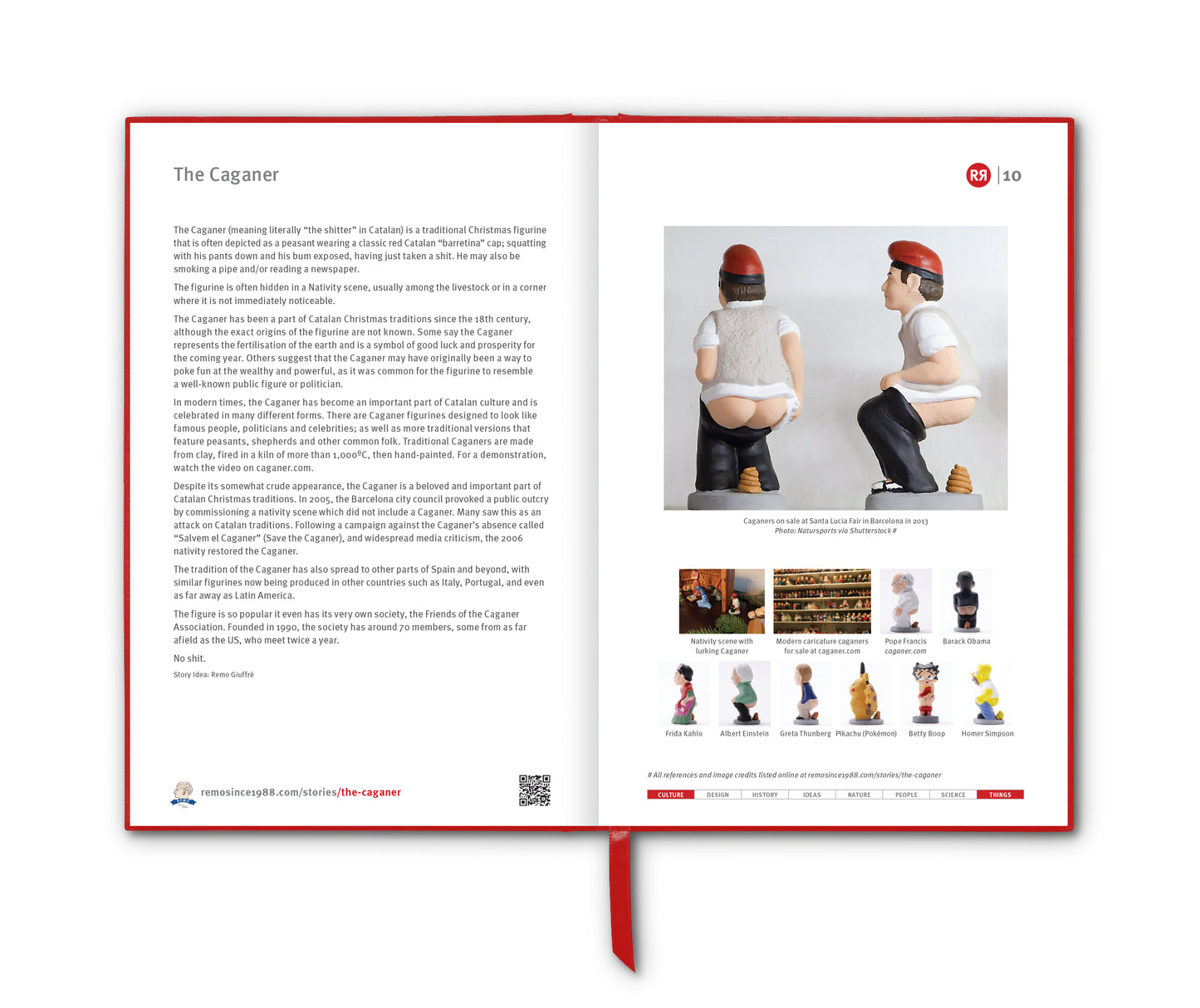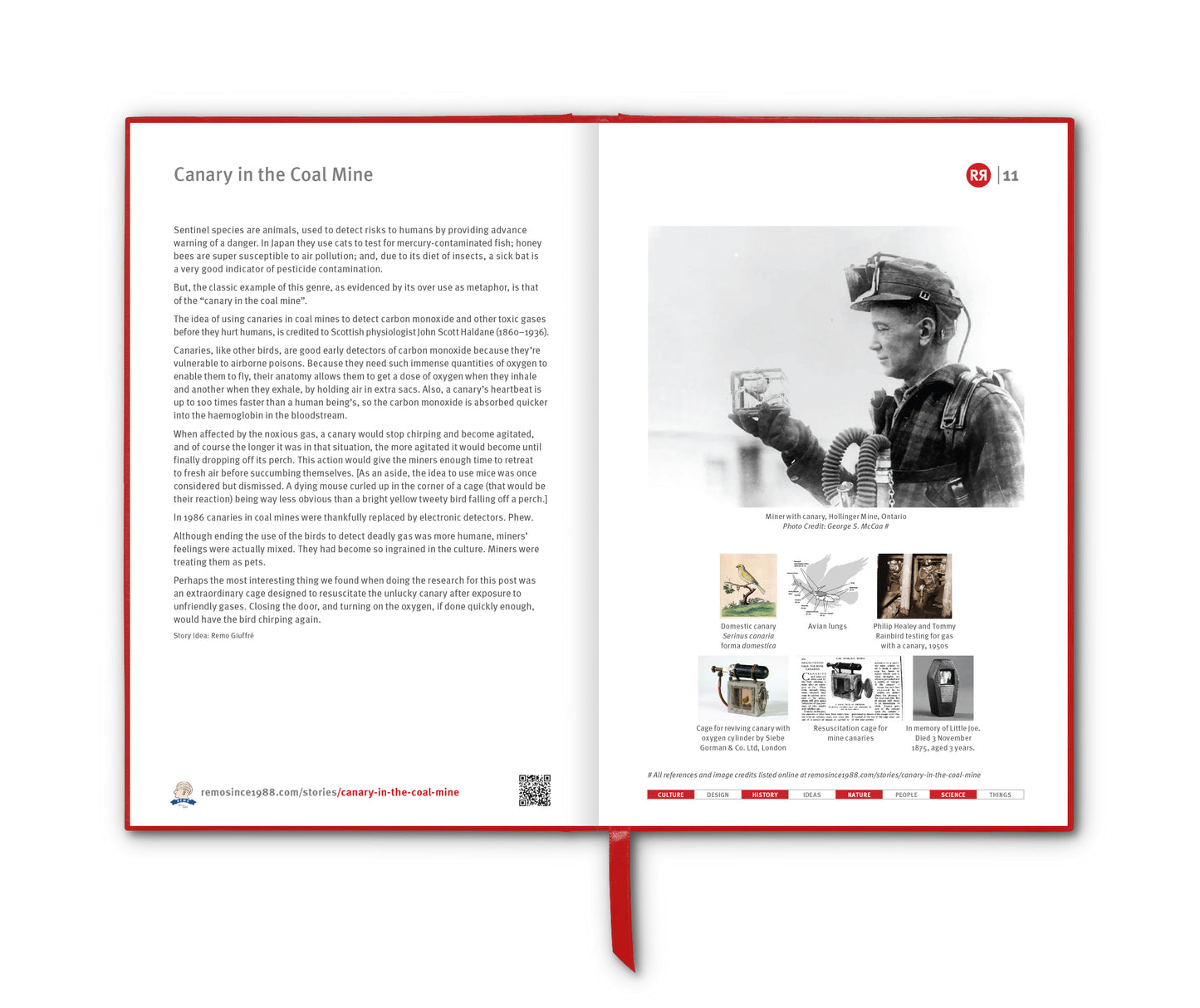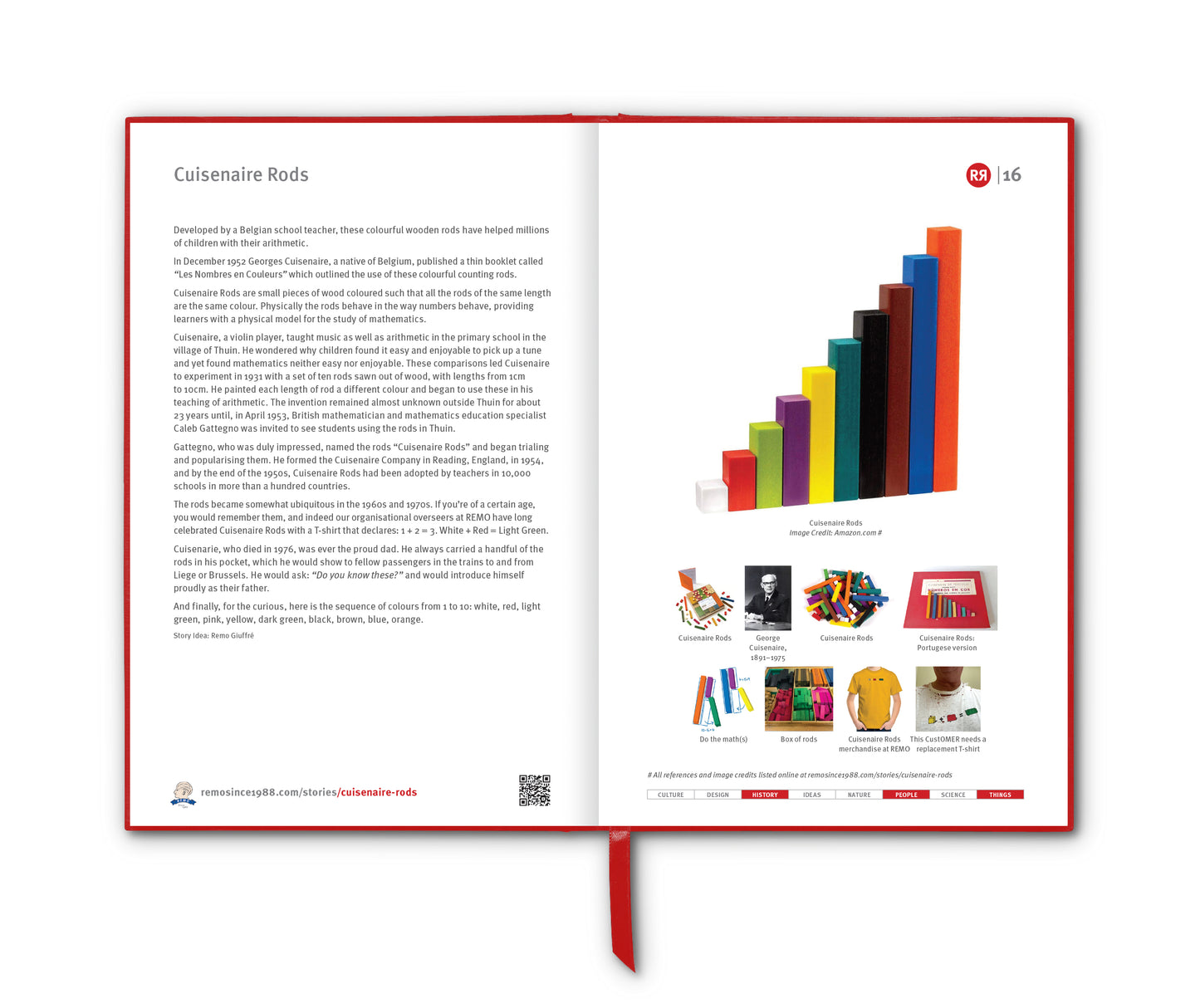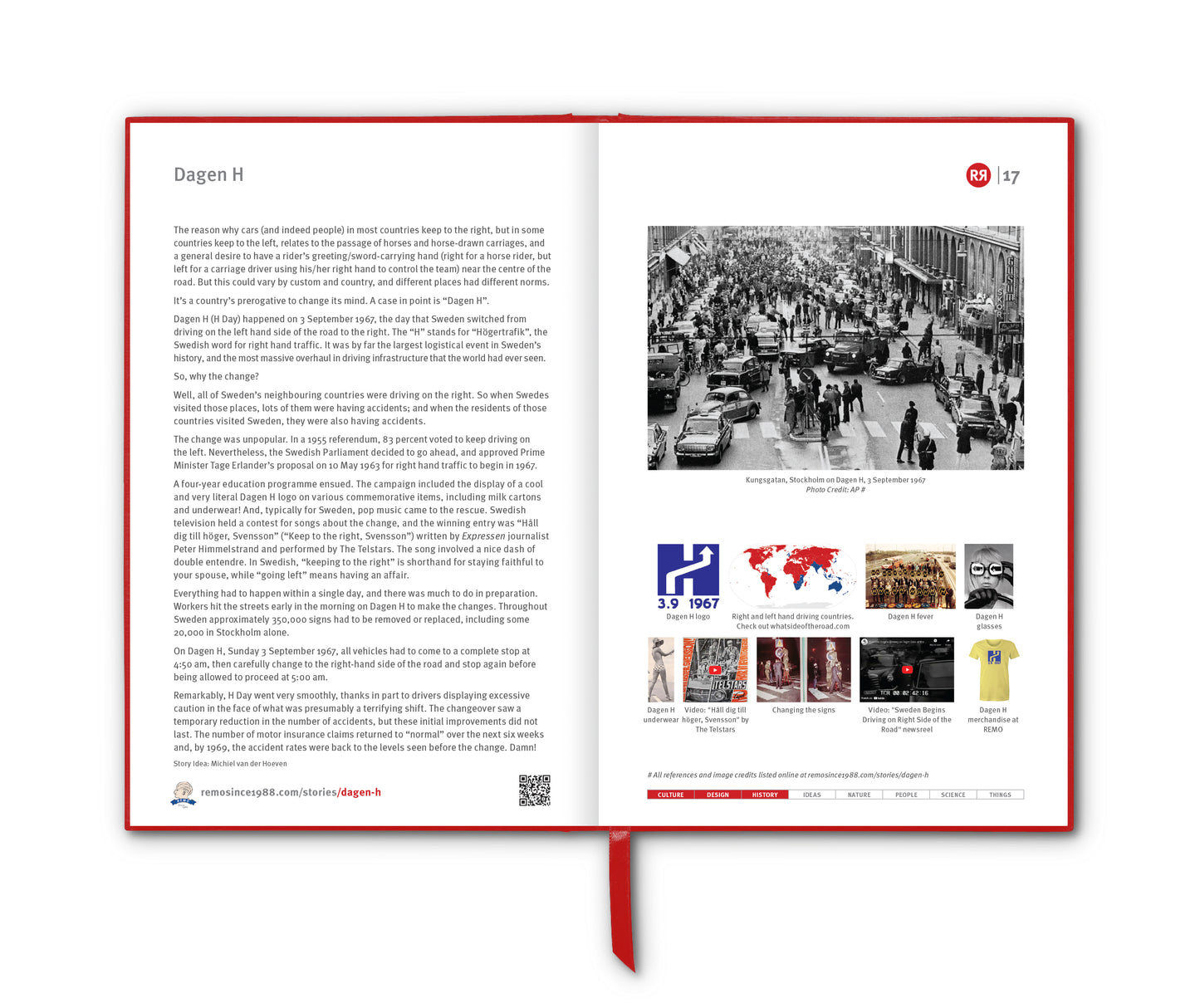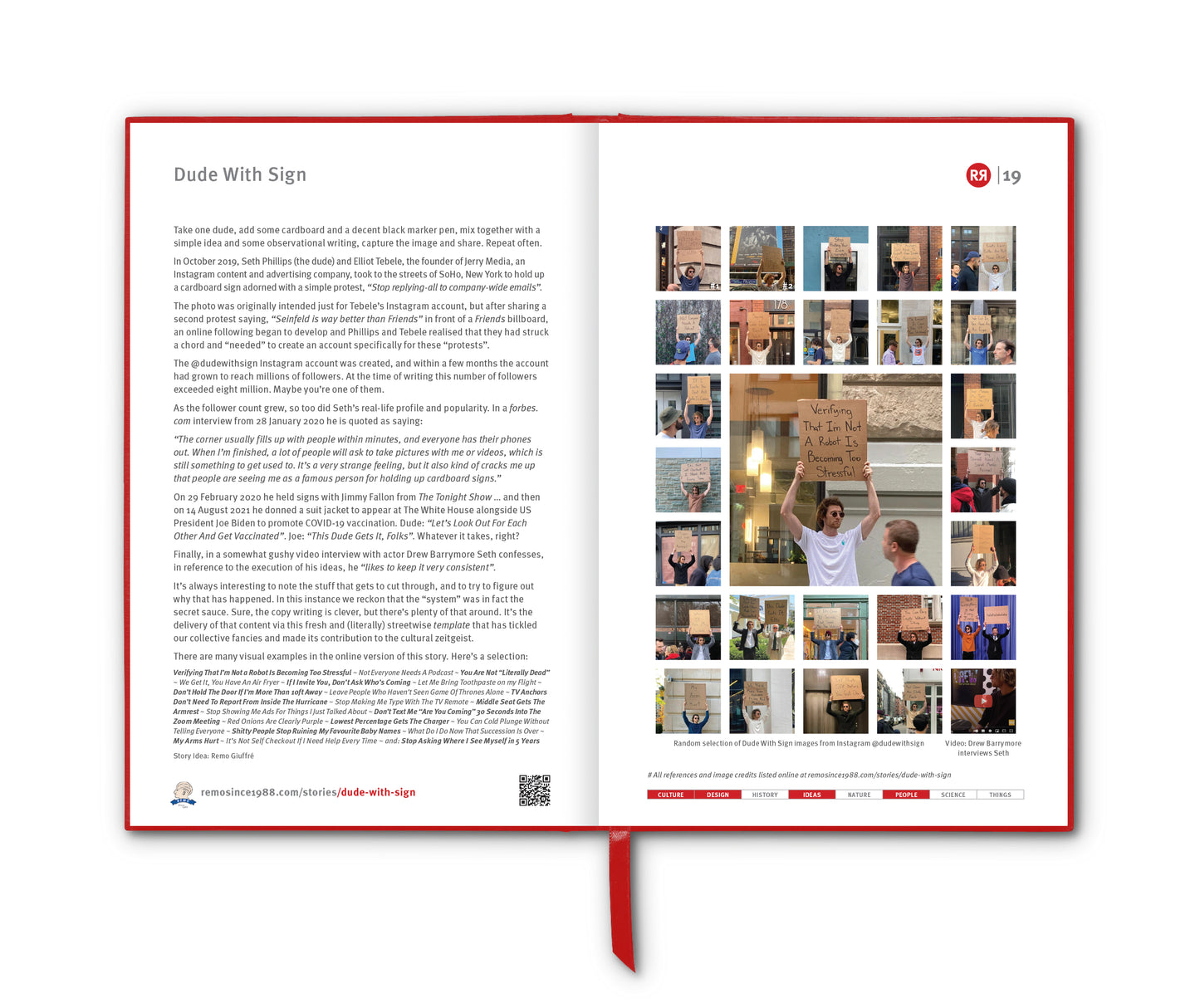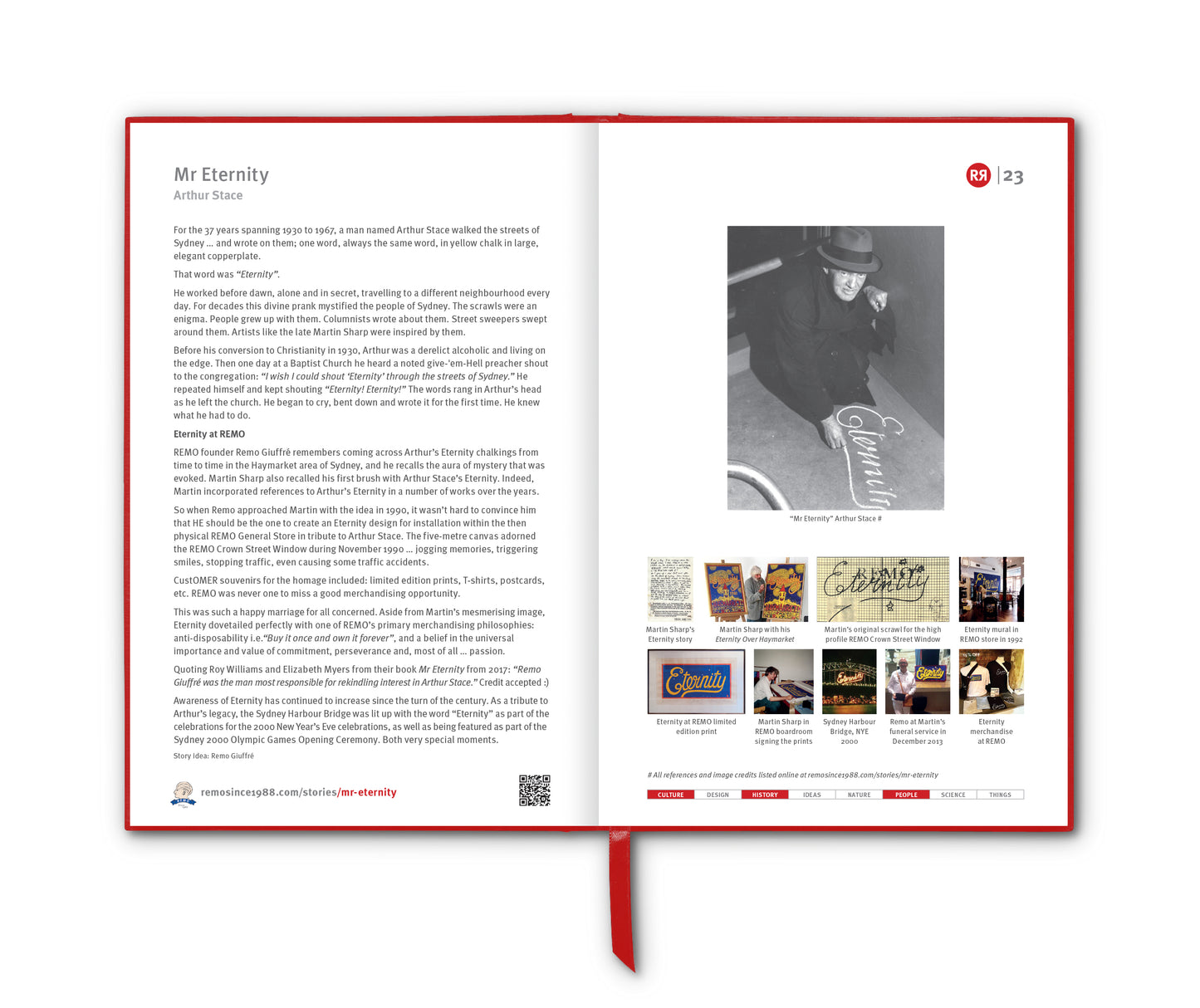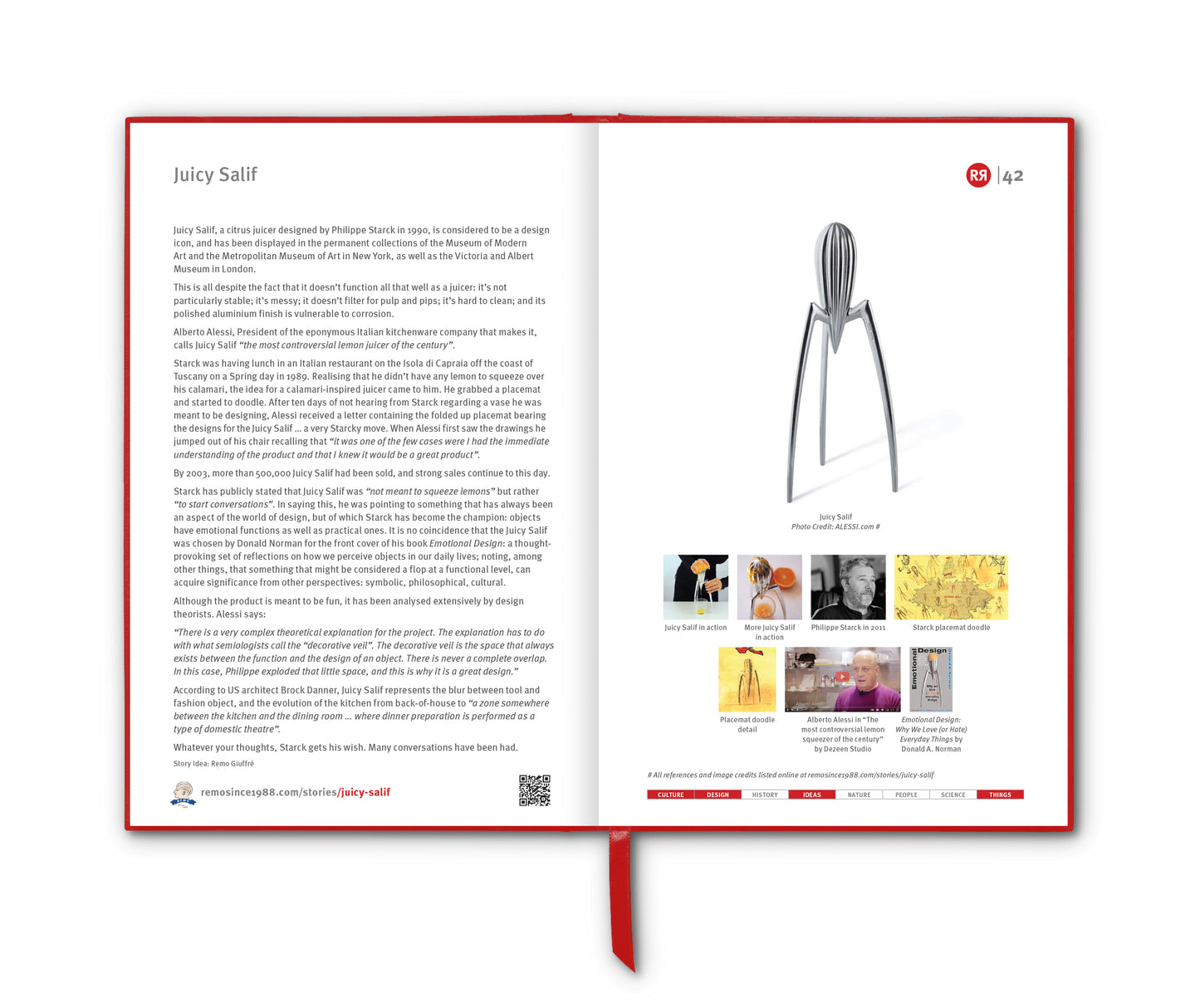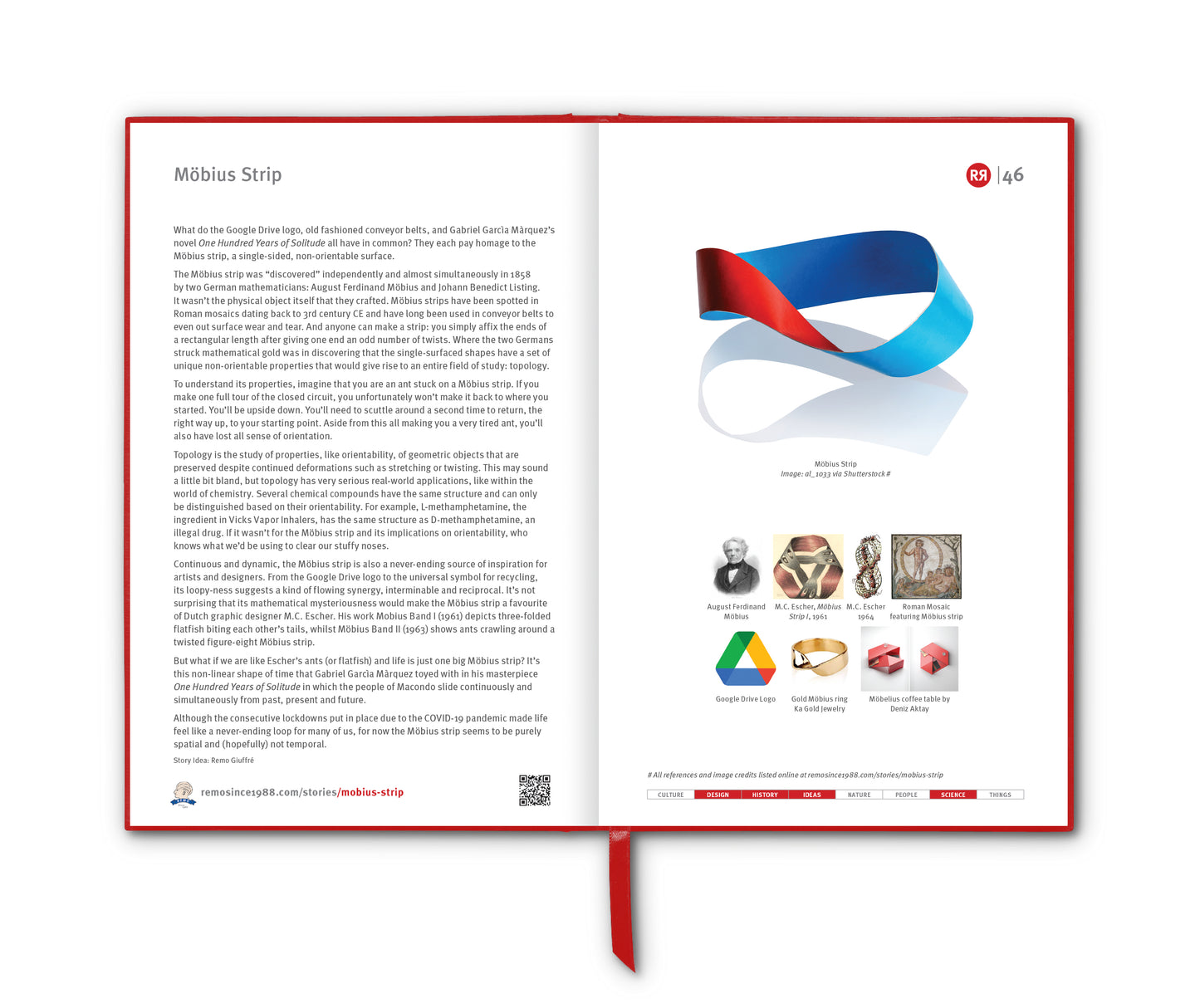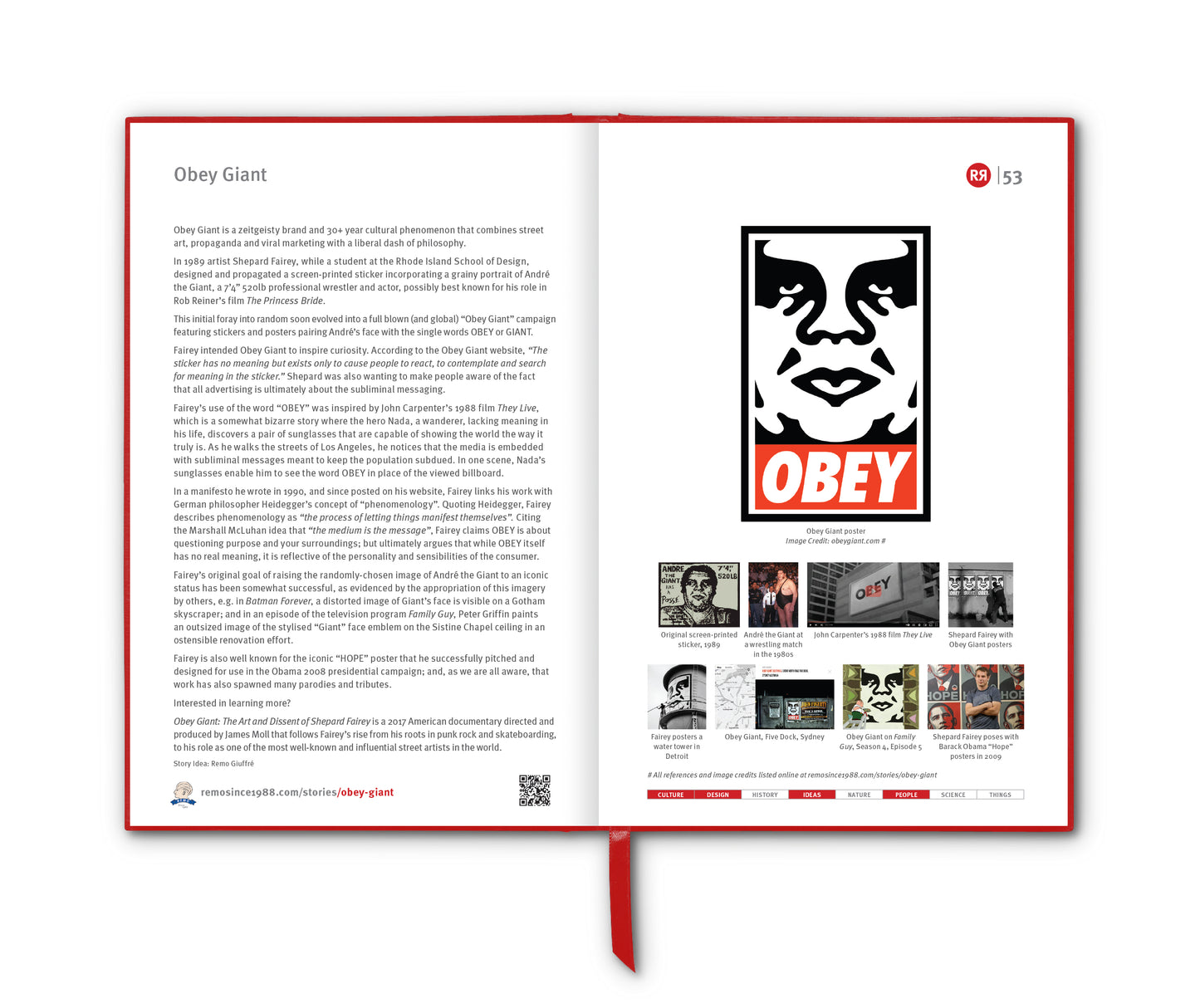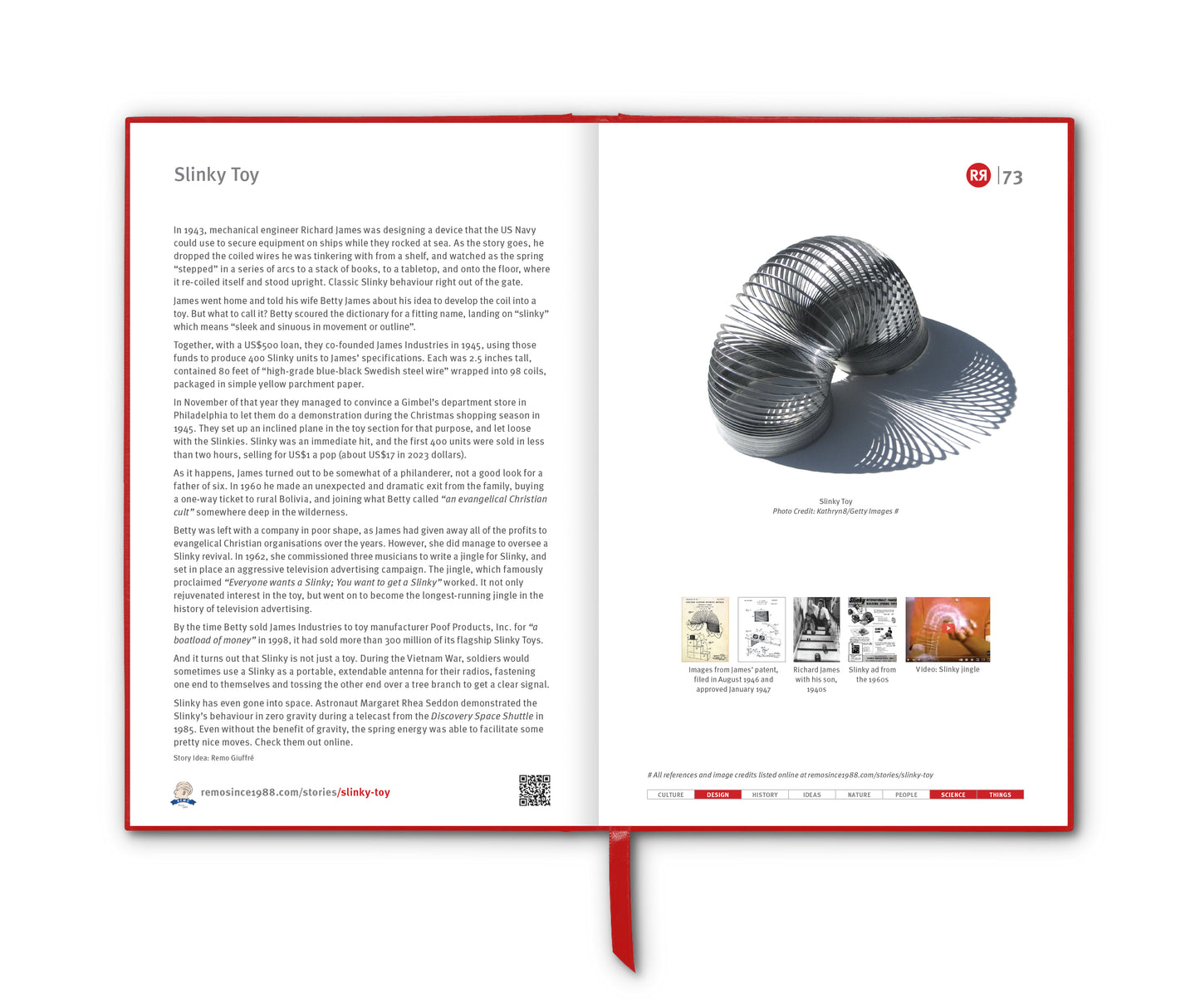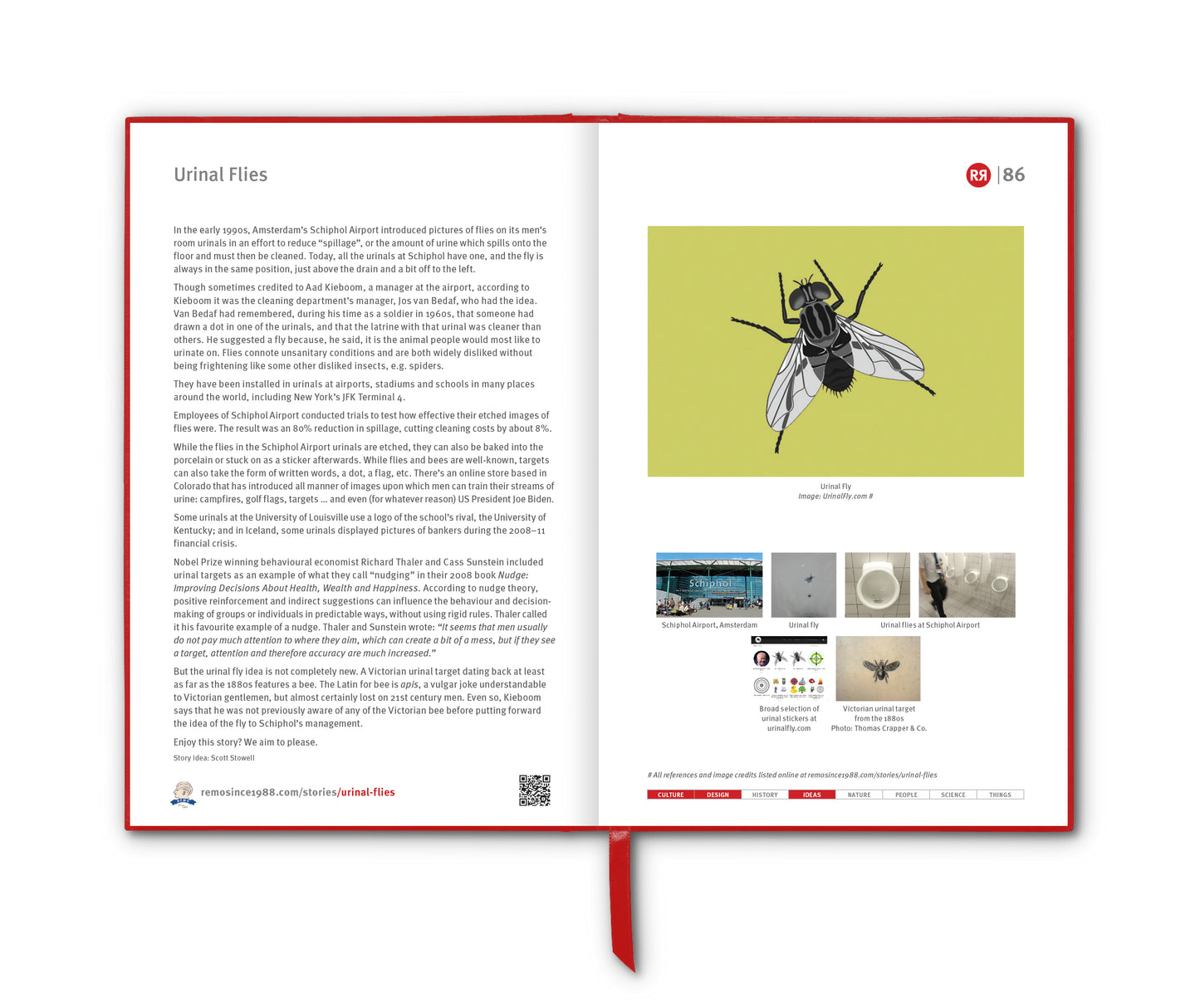

Déjà vu – French for “already seen” – is the phenomenon of feeling like one has lived through the present situation in the past. The term was coined in the late 19th century by French philosopher and psychical researcher Émile Boirac. Though the phrase has stuck, the phenomenon itself is far older, surfacing in literature, philosophy and anecdote across centuries.
At its core, déjà vu is a fleeting mismatch between perception and memory. You’re in a new place, having a new conversation, yet everything feels strangely familiar – as if you’re remembering the present rather than experiencing it for the first time. Most people report experiencing it occasionally, particularly between the ages of 15 and 25, with frequency declining over time.
Approximately two-thirds of surveyed populations report experiencing déjà vu at least one time in their lives. People who travel often, frequently watch films, or frequently remember their dreams are more likely to report experiencing déjà vu than others.
So what causes it? There’s no single agreed explanation, but several compelling theories. One of the most widely accepted is the “dual processing” hypothesis: that two cognitive processes – perception and memory – briefly fall out of sync. Essentially, your brain processes a scene twice, with a tiny delay between the signals, creating the illusion that the second pass is a memory of the first.
According to Akira O’Connor, a cognitive psychologist at the University of St. Andrews in Scotland, who researches déjà vu, when this happens, another region of the brain then checks this feeling of familiarity against your recall of past experiences. When no actual matches are found, the result is a discomfiting sense of having seen it all before, accompanied by the knowledge that you haven’t.
Another theory points to the medial temporal lobe, particularly the hippocampus, which is involved in memory formation. Small, harmless misfires in this region – sometimes compared to the neural activity seen in mild forms of epilepsy – may trigger a false sense of familiarity. In fact, people with temporal lobe epilepsy often report intense and frequent déjà vu experiences prior to a seizure.
There are also more psychological interpretations. Some researchers suggest that déjà vu arises when a current situation resembles a past experience in subtle, perhaps unconscious ways – similar layouts, patterns or emotional tones. The brain registers the familiarity without being able to retrieve the original memory, leaving you with a ghostly echo of recognition.
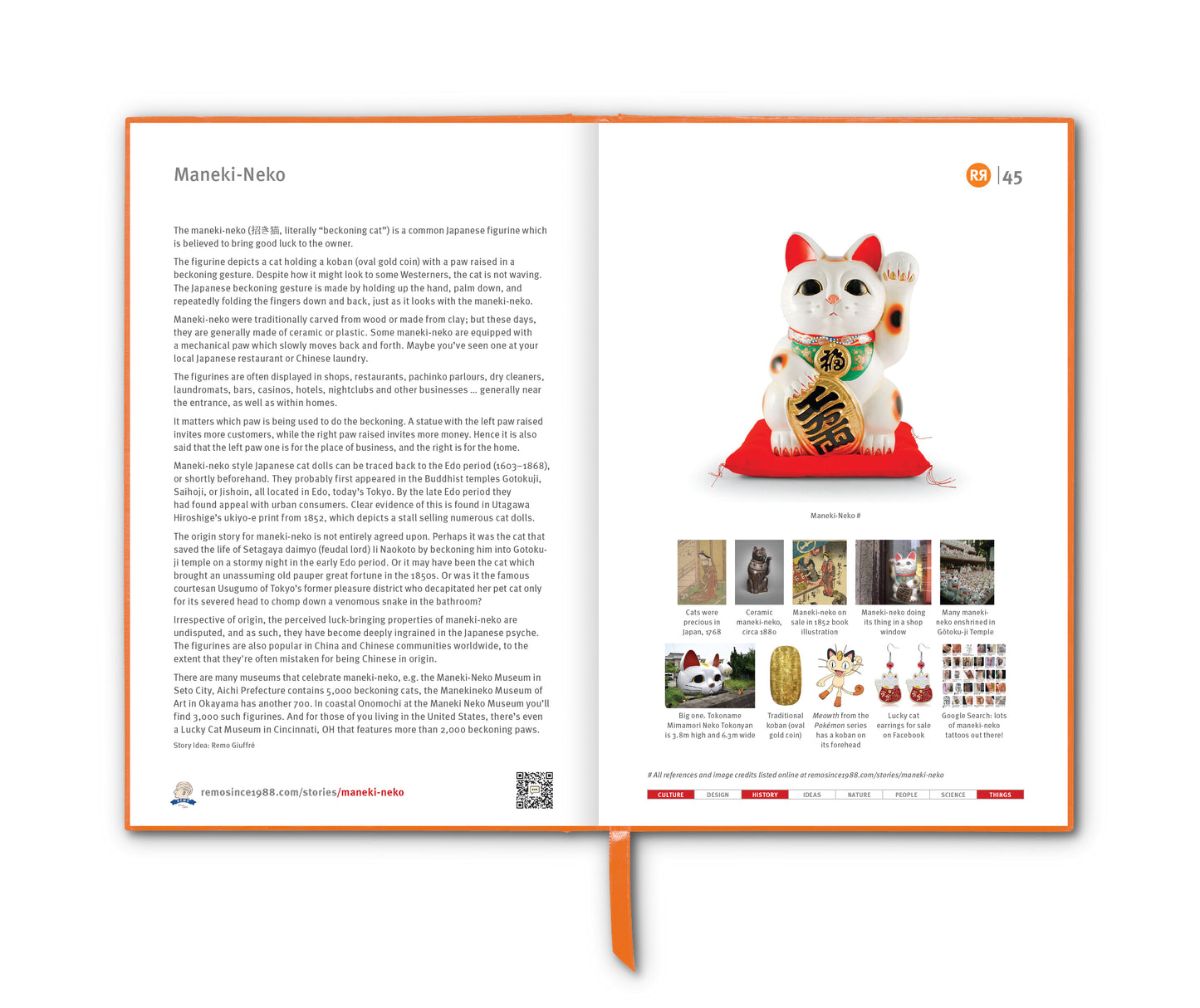
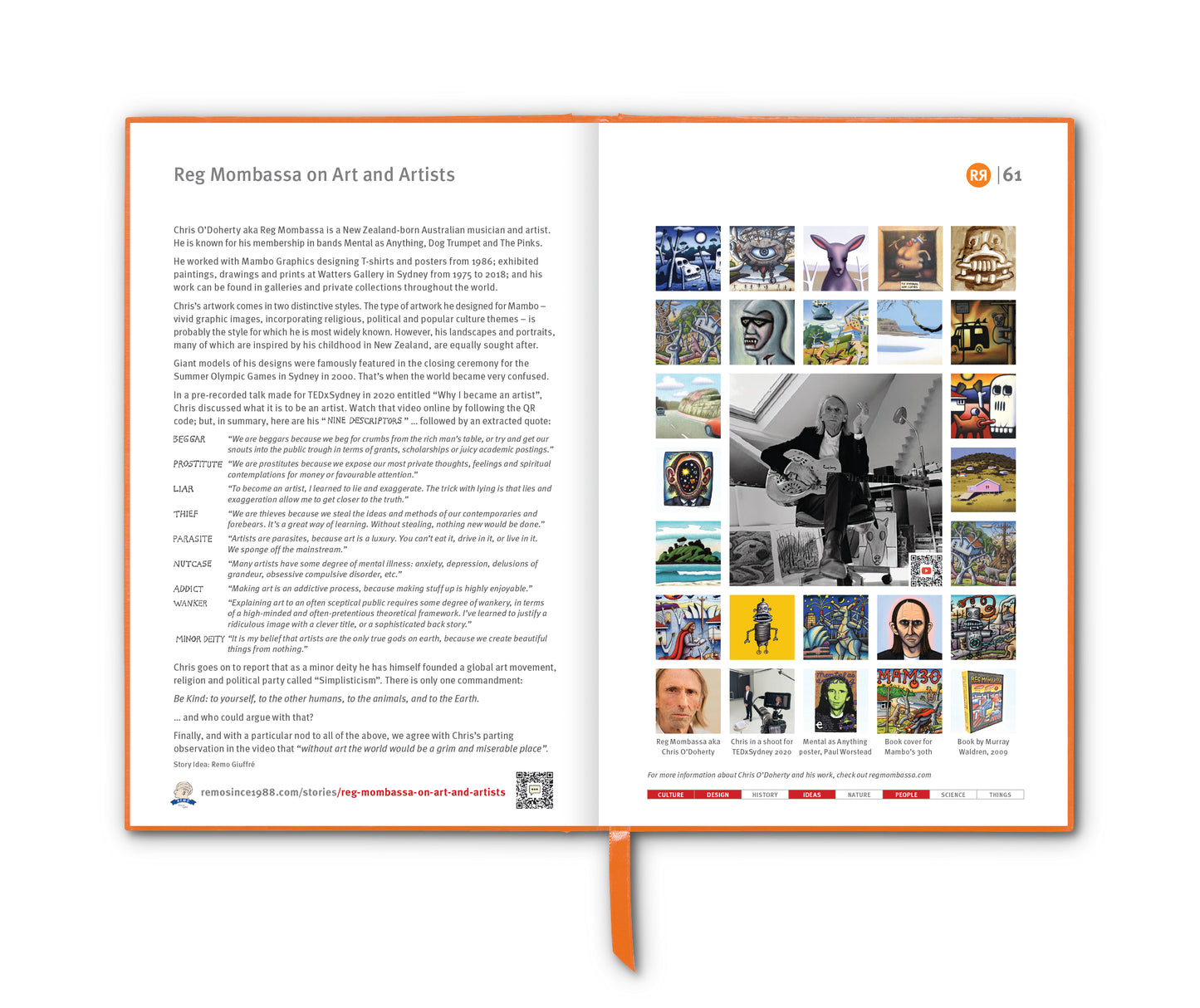
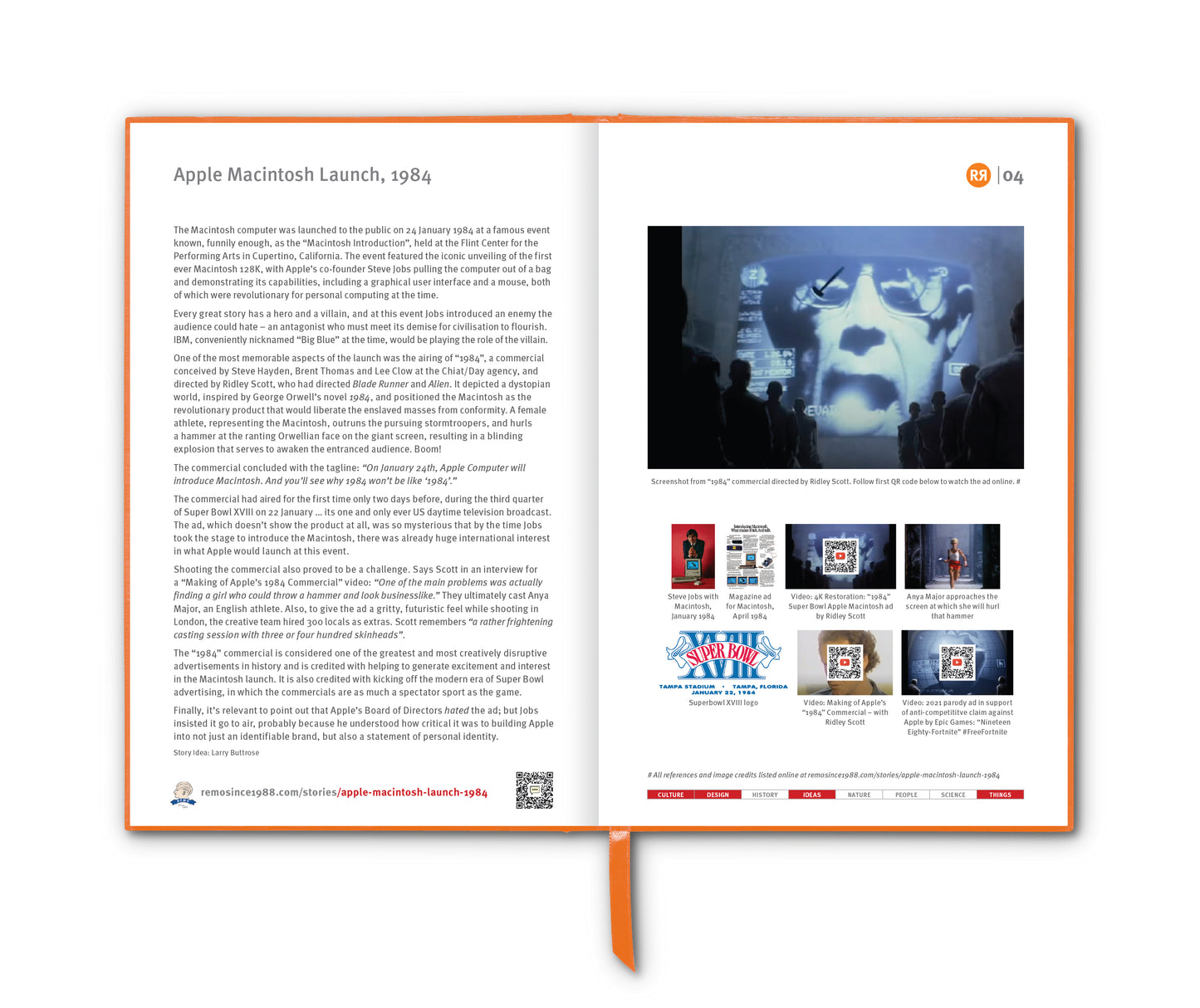
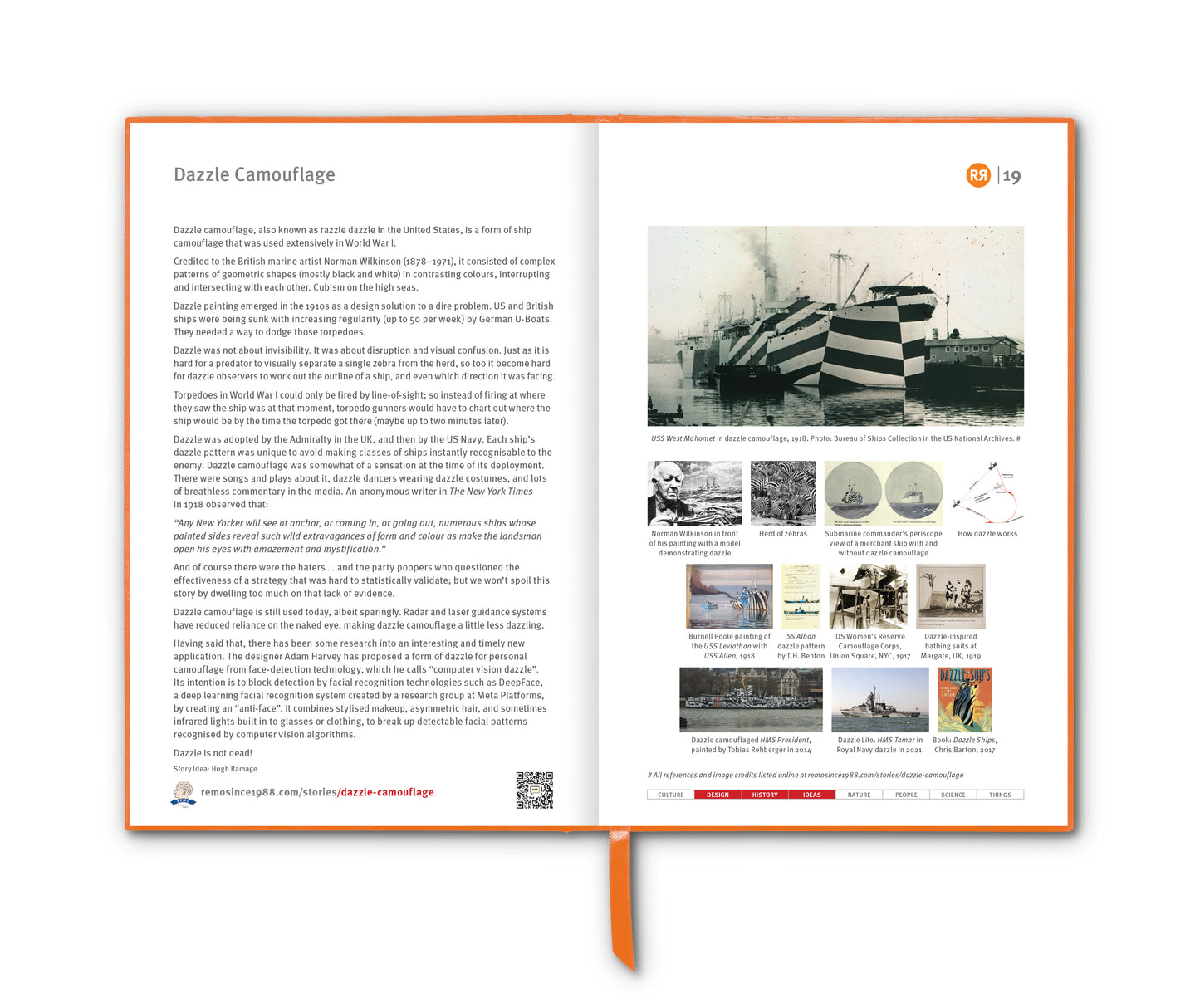
Naturally, the strangeness of déjà vu has made it fertile ground for storytelling. In The Matrix (1999), déjà vu is reimagined as a glitch in a simulated reality – famously illustrated by a black cat appearing twice. The idea that déjà vu signals a deeper, hidden structure to reality has also been explored in films like Déjà Vu (2006), where it becomes a mechanism for time-bending surveillance and Inception (2010), which plays with layered realities and memory distortions.
Writers, too, have long been intrigued. Marcel Proust famously explored involuntary memory in In Search of Lost Time (1913–1927), where a taste or sensation can unlock entire worlds of recollection – an experience adjacent to, though more expansive than, déjà vu.
Despite decades of study, déjà vu remains only partially understood. Perhaps that’s part of its appeal.
________________________
References
wikipedia.org/wiki/D%C3%A9j%C3%A0_vu
scientificamerican.com/article/what-causes-the-feeling-of-deja-vu/
sciencefocus.com/the-human-body/deja-vu
Images
1. Déjà vu. Image courtesy of Pimthida/Flickr Creative Commons
2. Émile Boirac
3. Where memories are stored. Illustration: Levent Efe
4. Akira O’Connor
5. Black cat scene in
The Matrix (1999)
6. Poster for
Déjà Vu (2006)
7. First galley proof of Proust's A la recherche du temps perdu ("In Search of Lost Time")
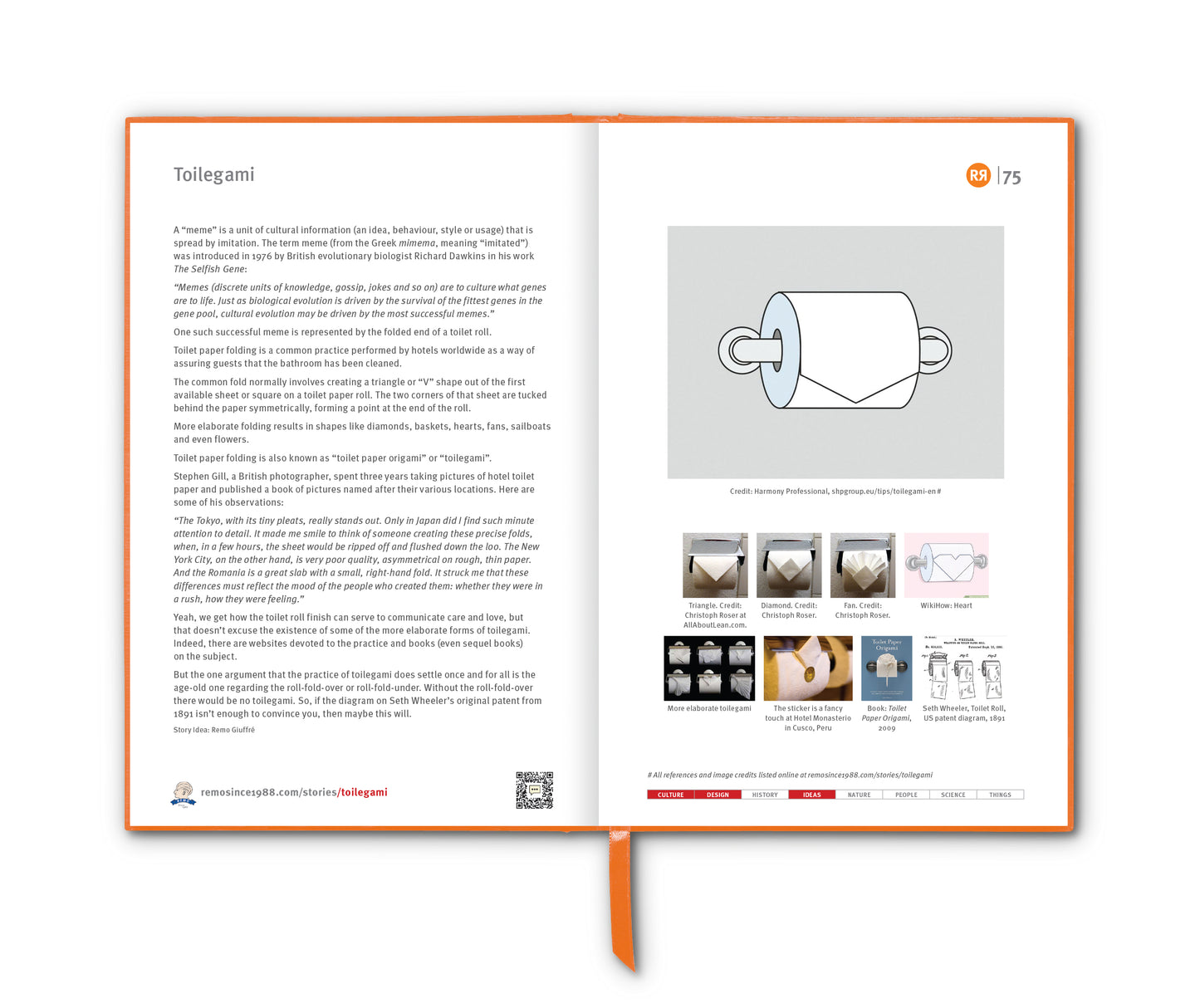
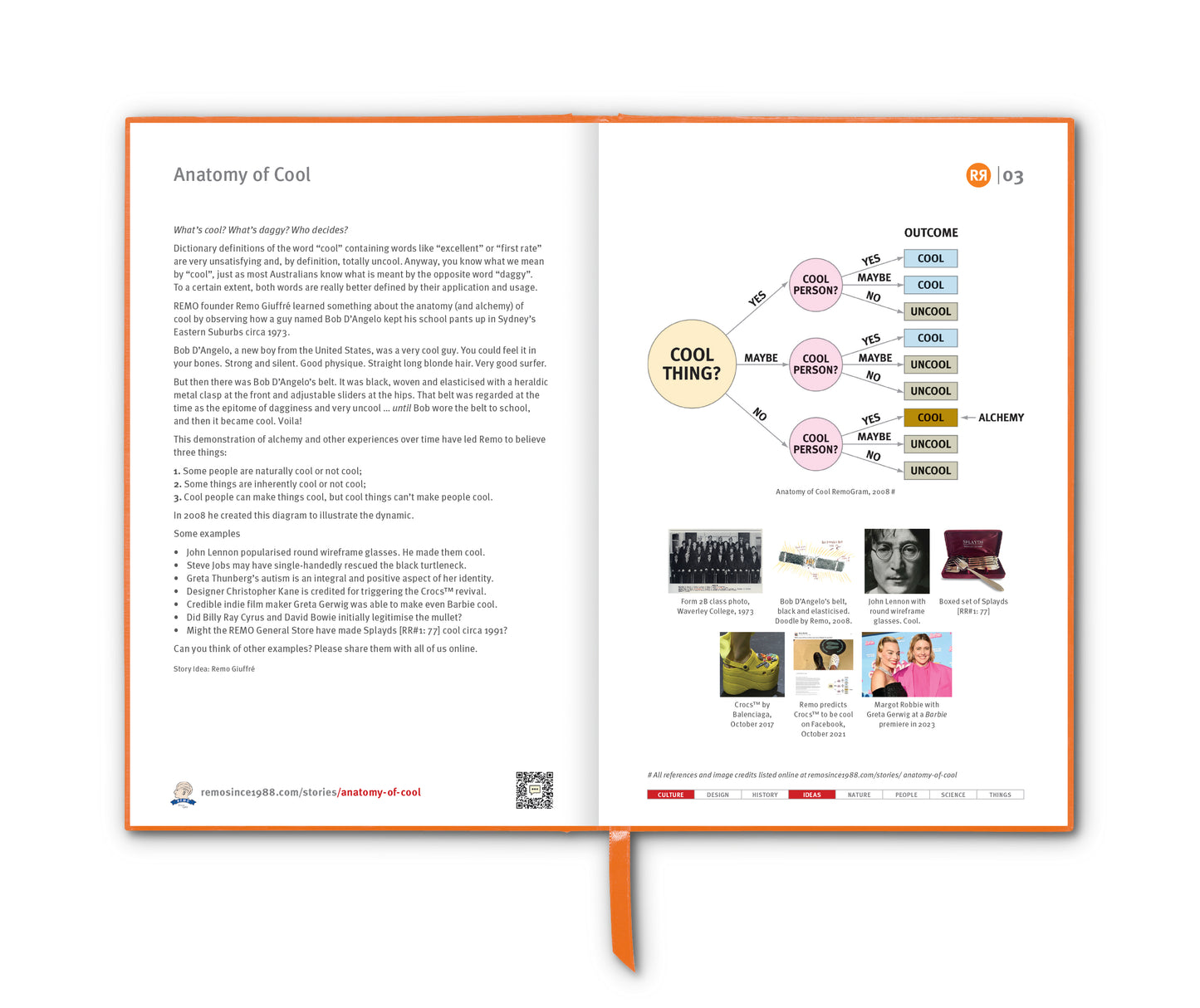
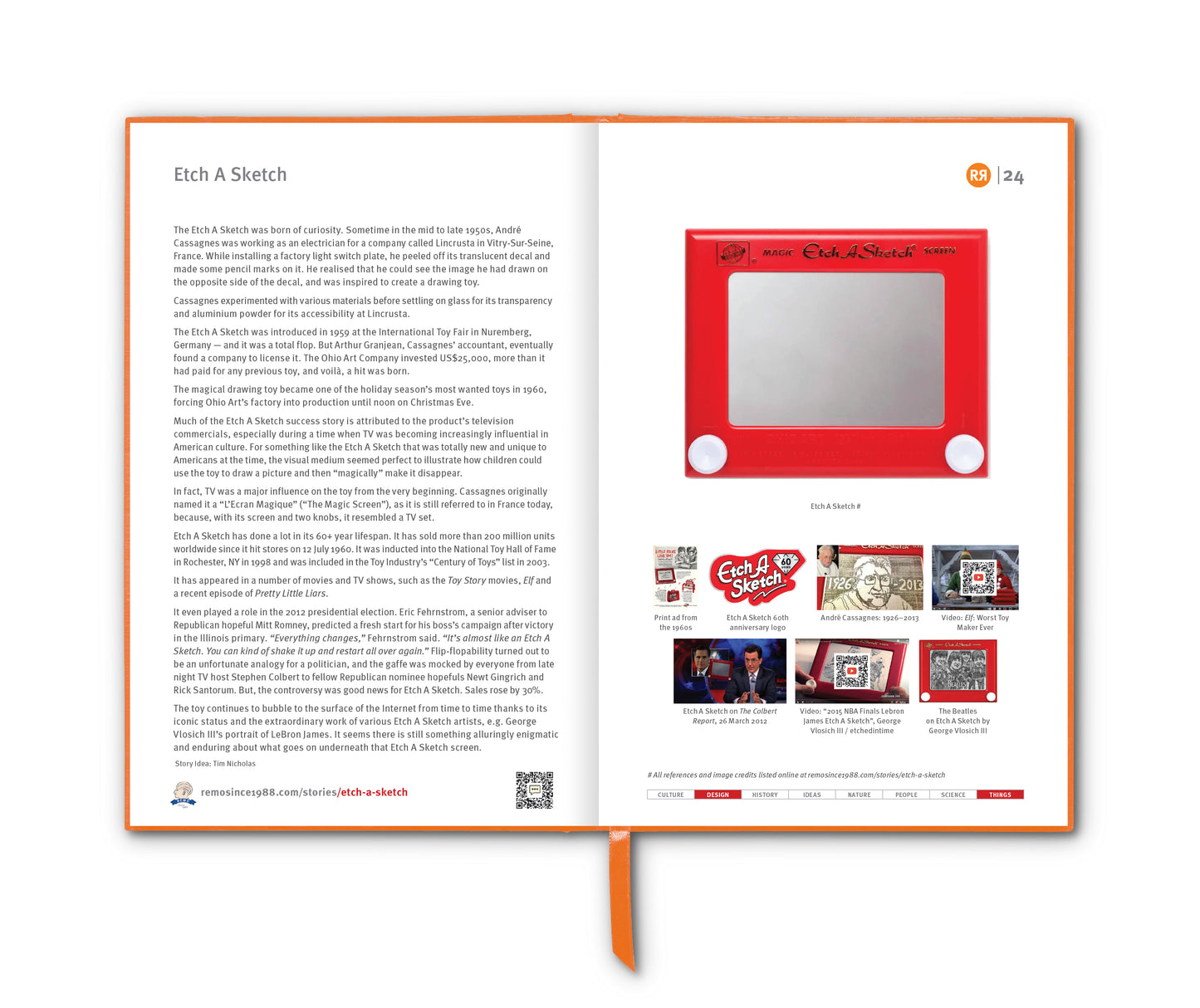
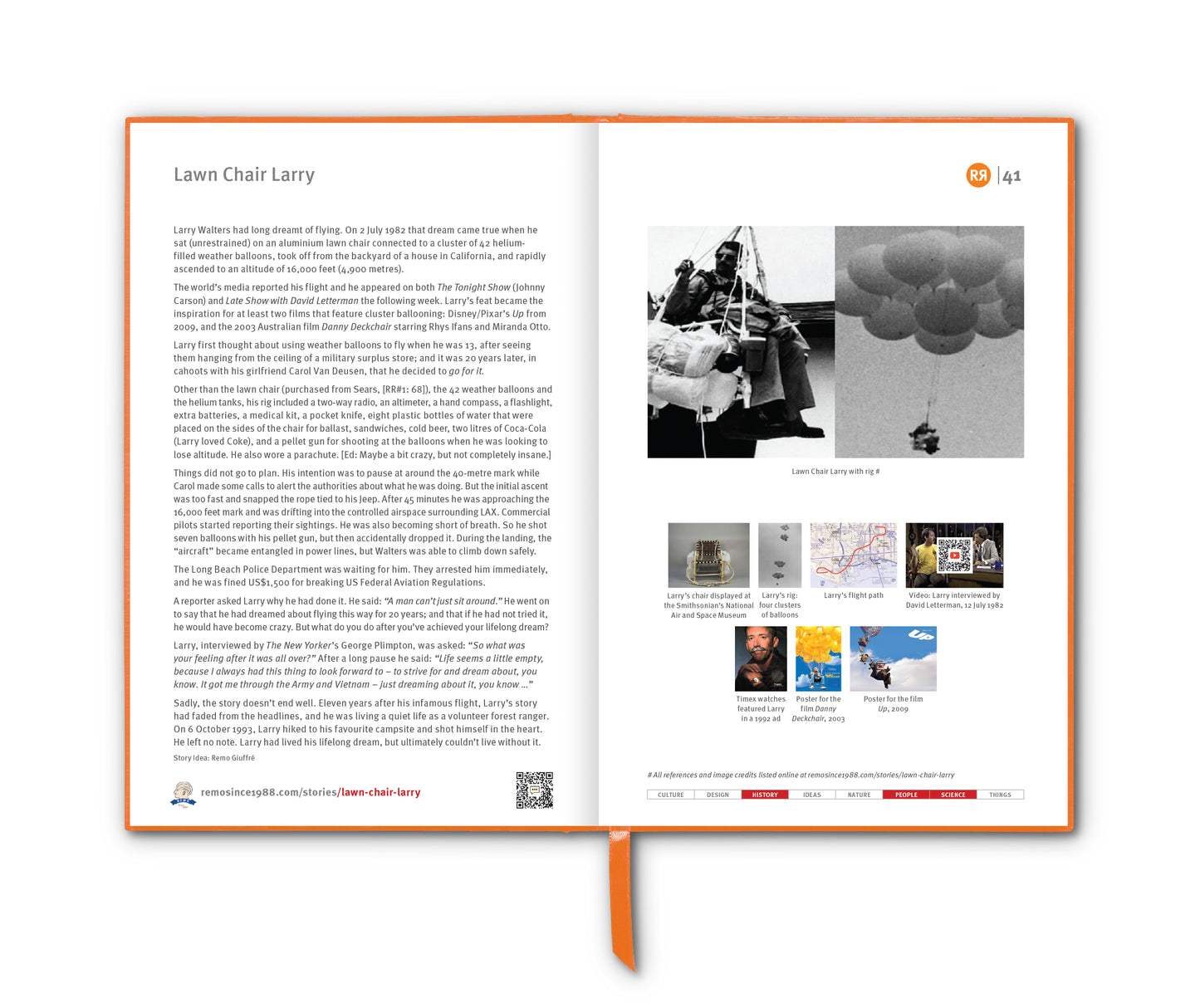
8. Cartoon by John Caldwell. Credit: cartoonbank.com