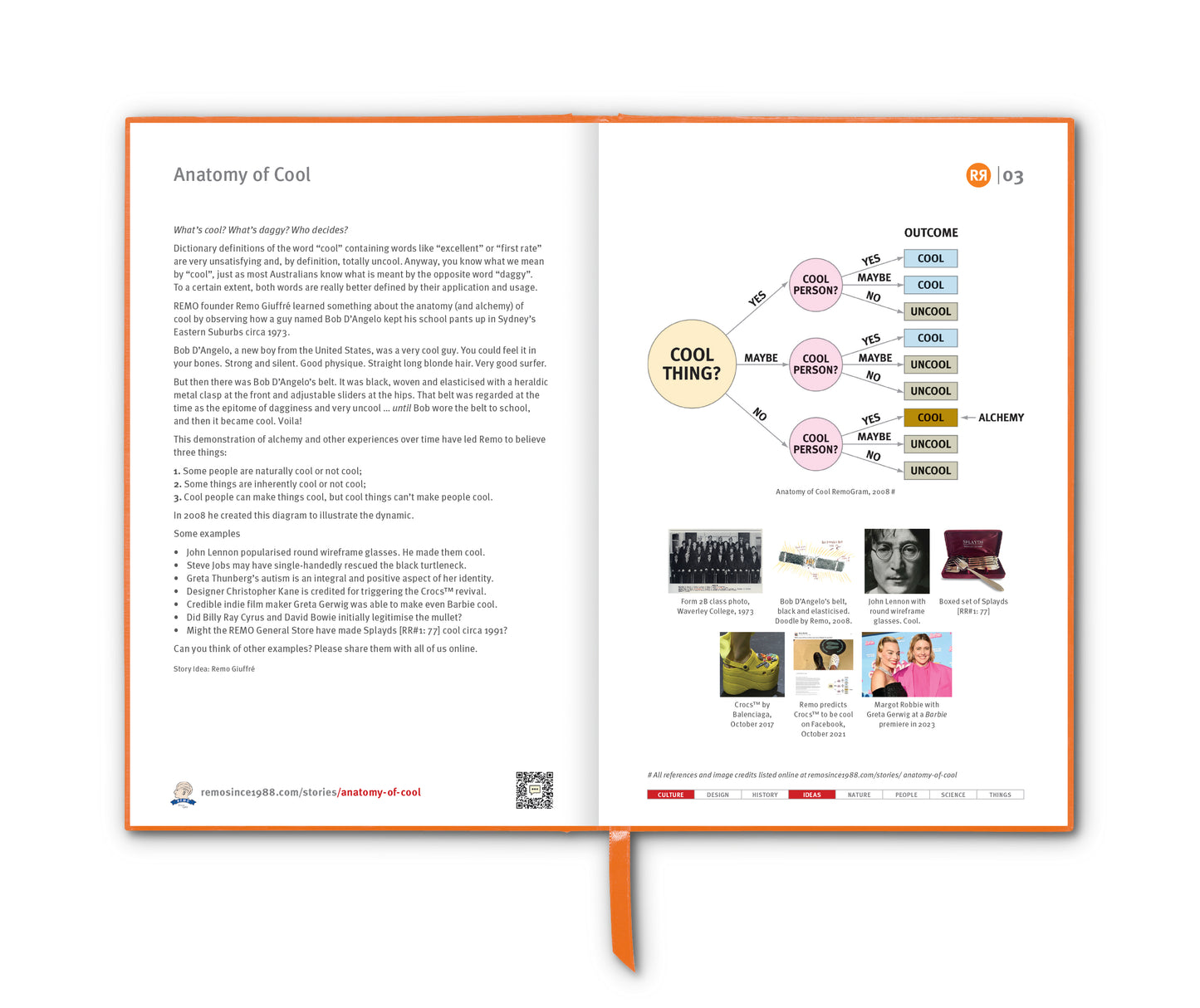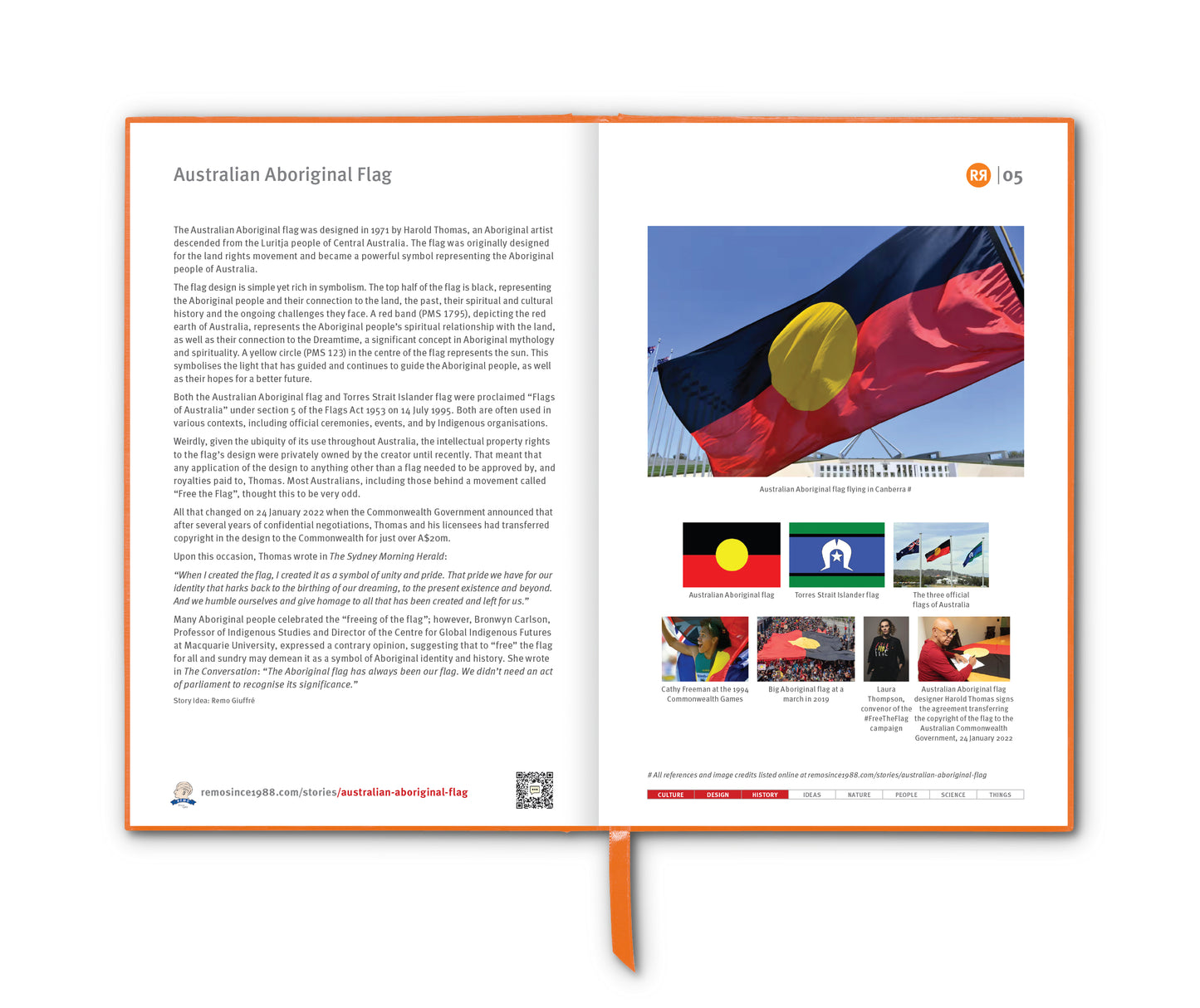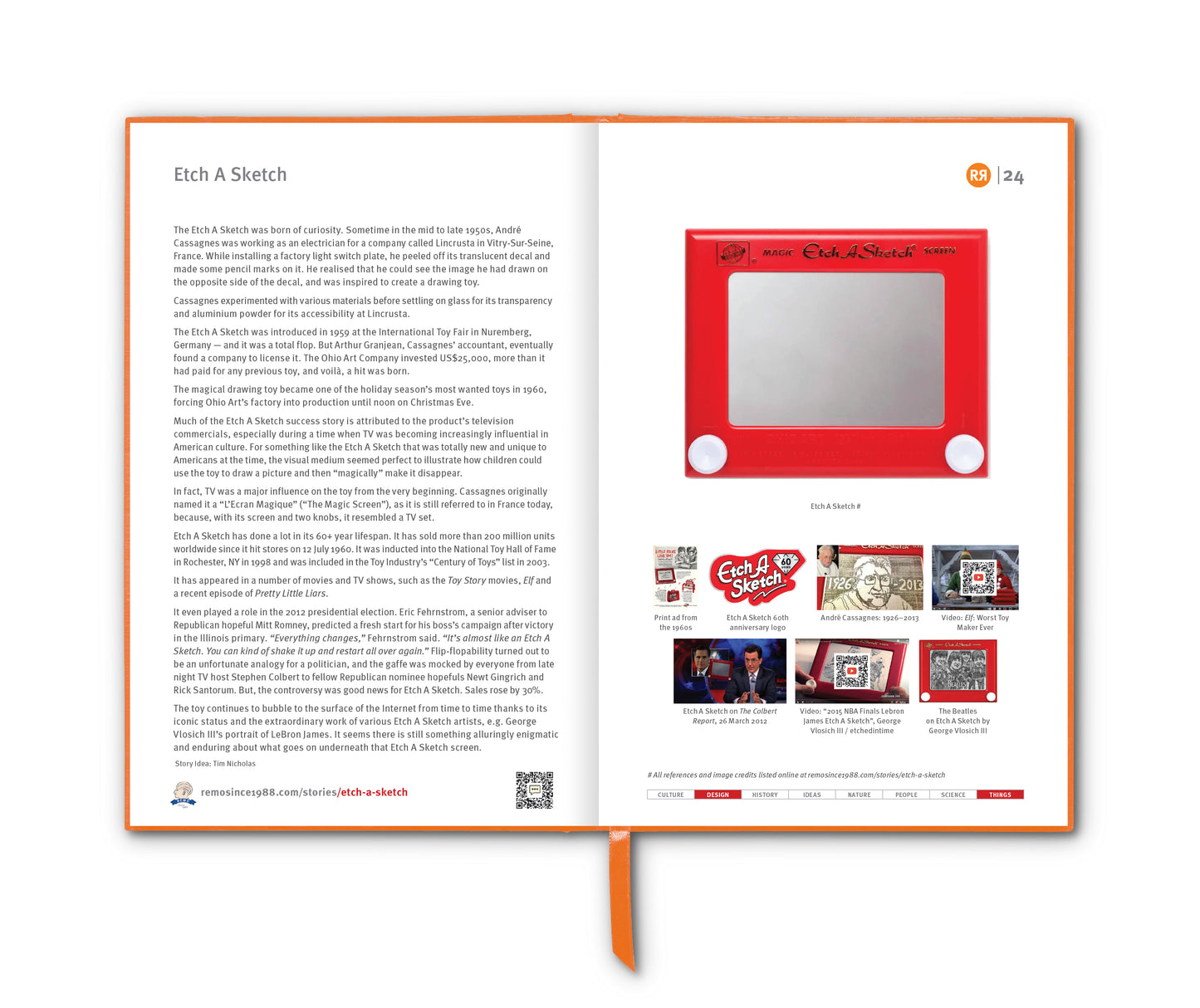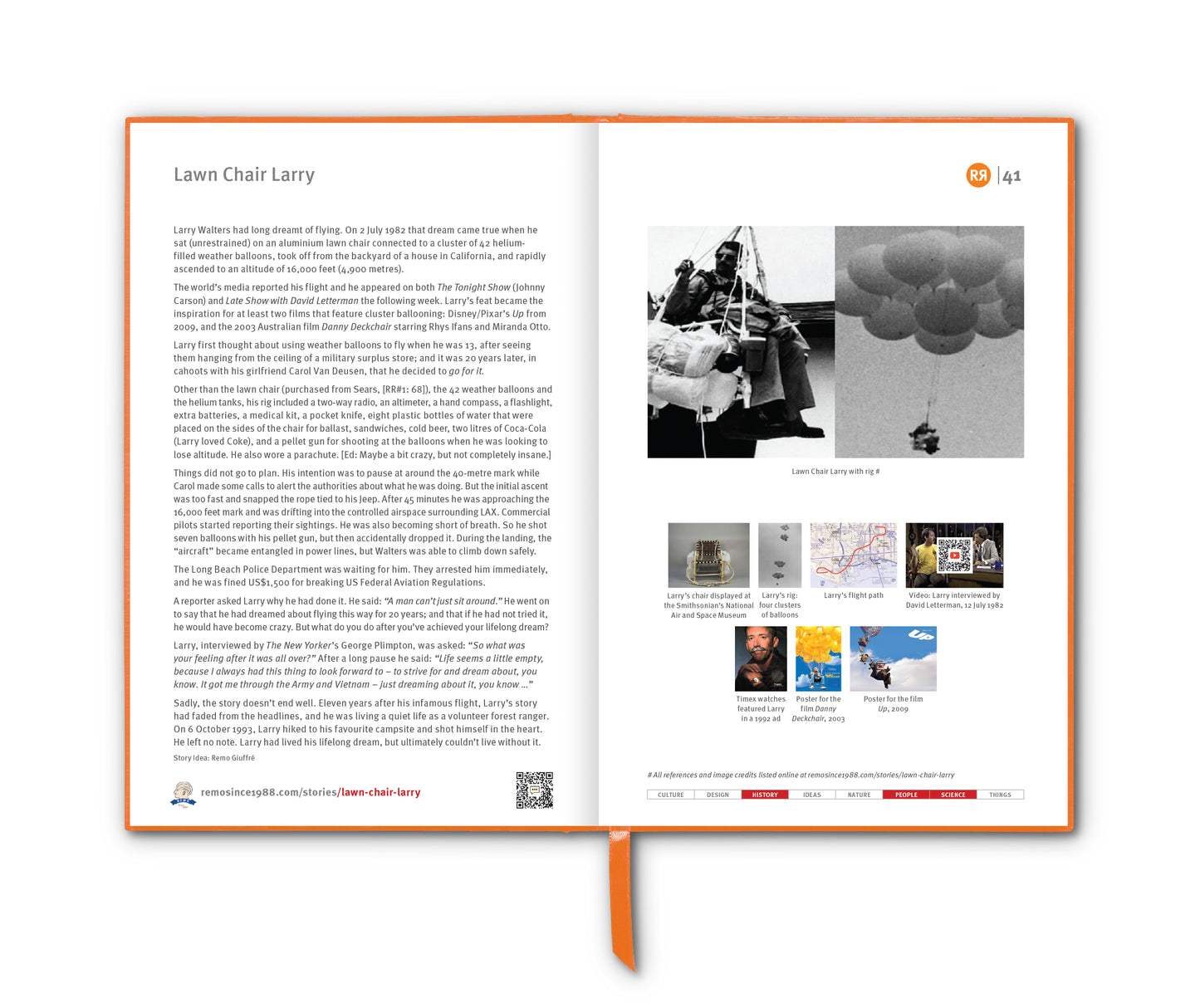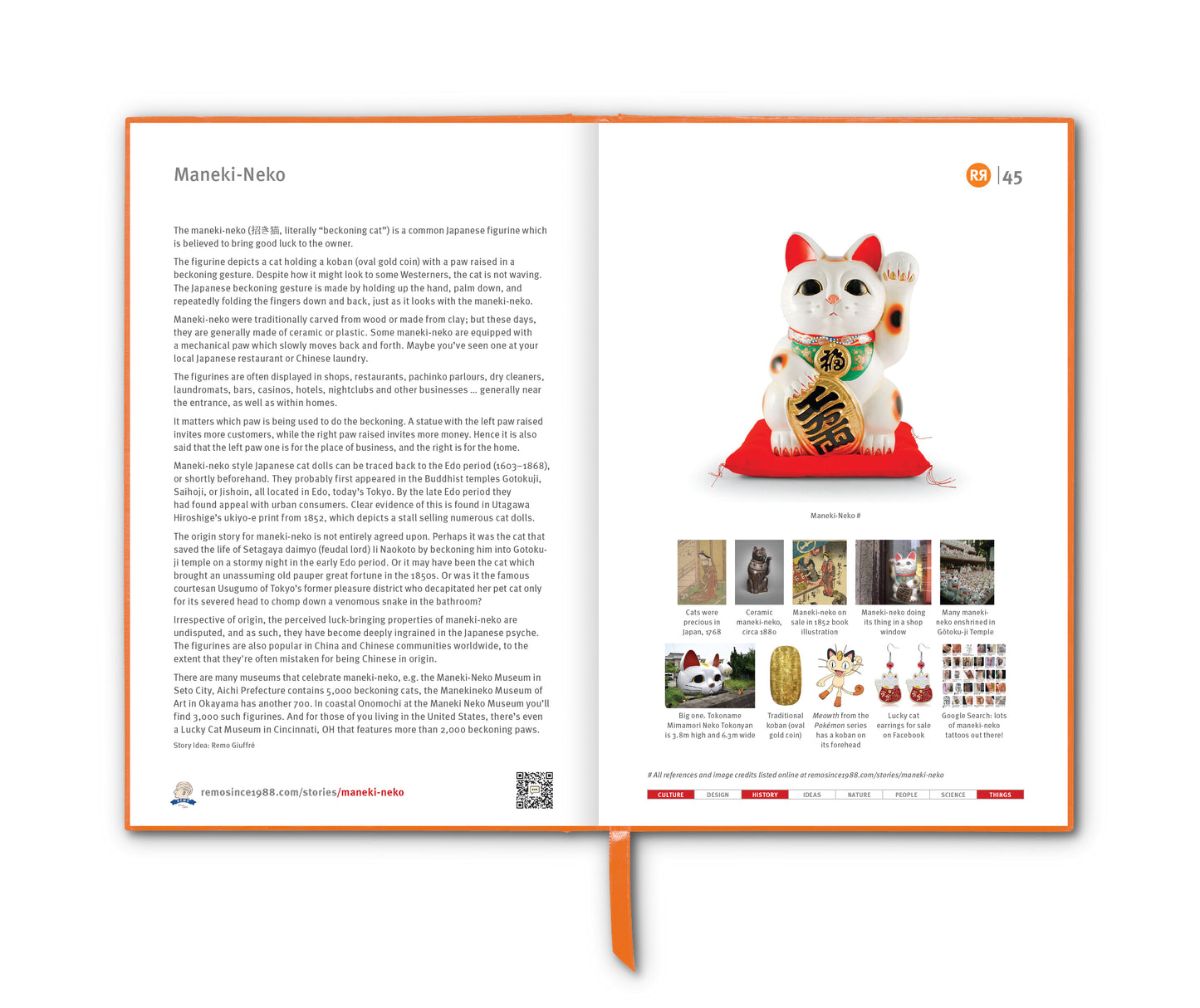

Few symbols are as universally reassuring as the running man exit sign aka “The Little Green Man”. Whether in an airport, theatre, shopping centre or office tower, the sight of a small white figure striding purposefully through a doorway offers a simple promise: this way to safety. Yet the now-familiar pictogram is a surprisingly recent invention.
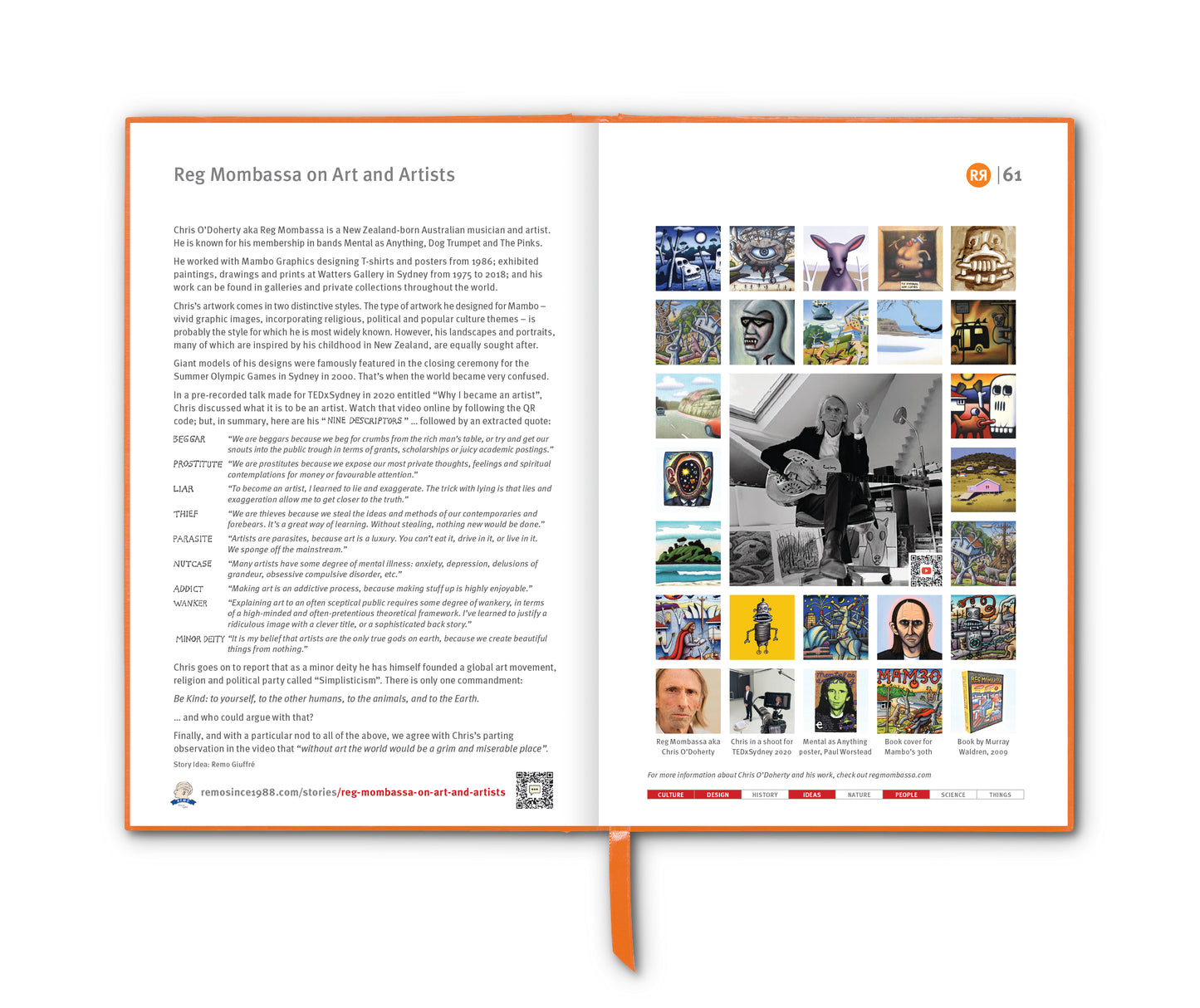
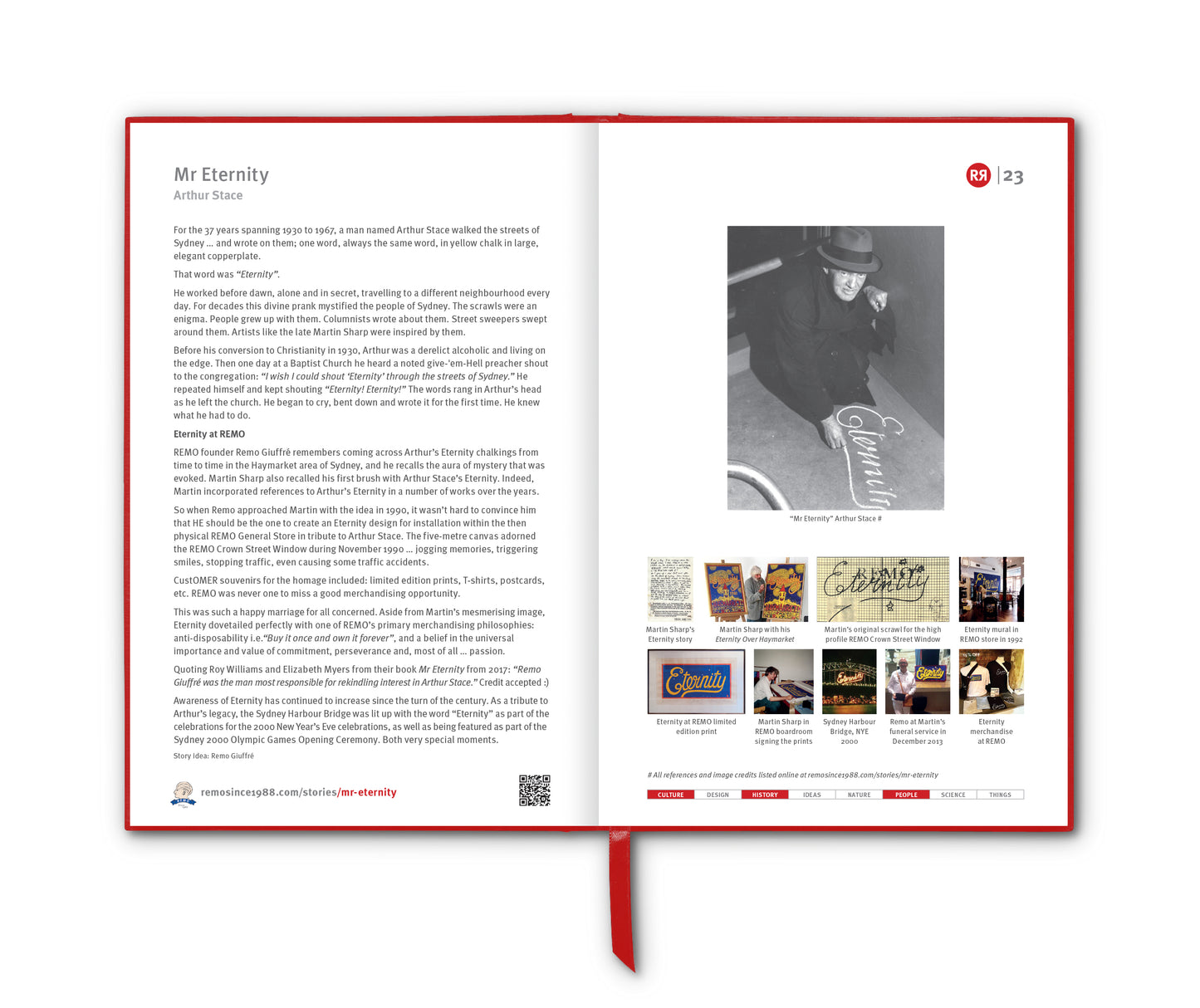
For much of the 20th century, exit signs relied on words rather than symbols. In English-speaking countries, illuminated red signs bearing the word “EXIT” hung above doors. Similar signs appeared in other languages around the world. While effective for local users, they posed an obvious problem: not everyone could read the language, particularly in increasingly international settings such as airports, hotels and transport hubs. Moreover, the colour red is typically associate with danger or stopping [RR5:72] … so there’s a mild Stroop Effect [RR5:73] happening there as well, i.e. it says “EXIT” but it’s also telling me to stop or beware.
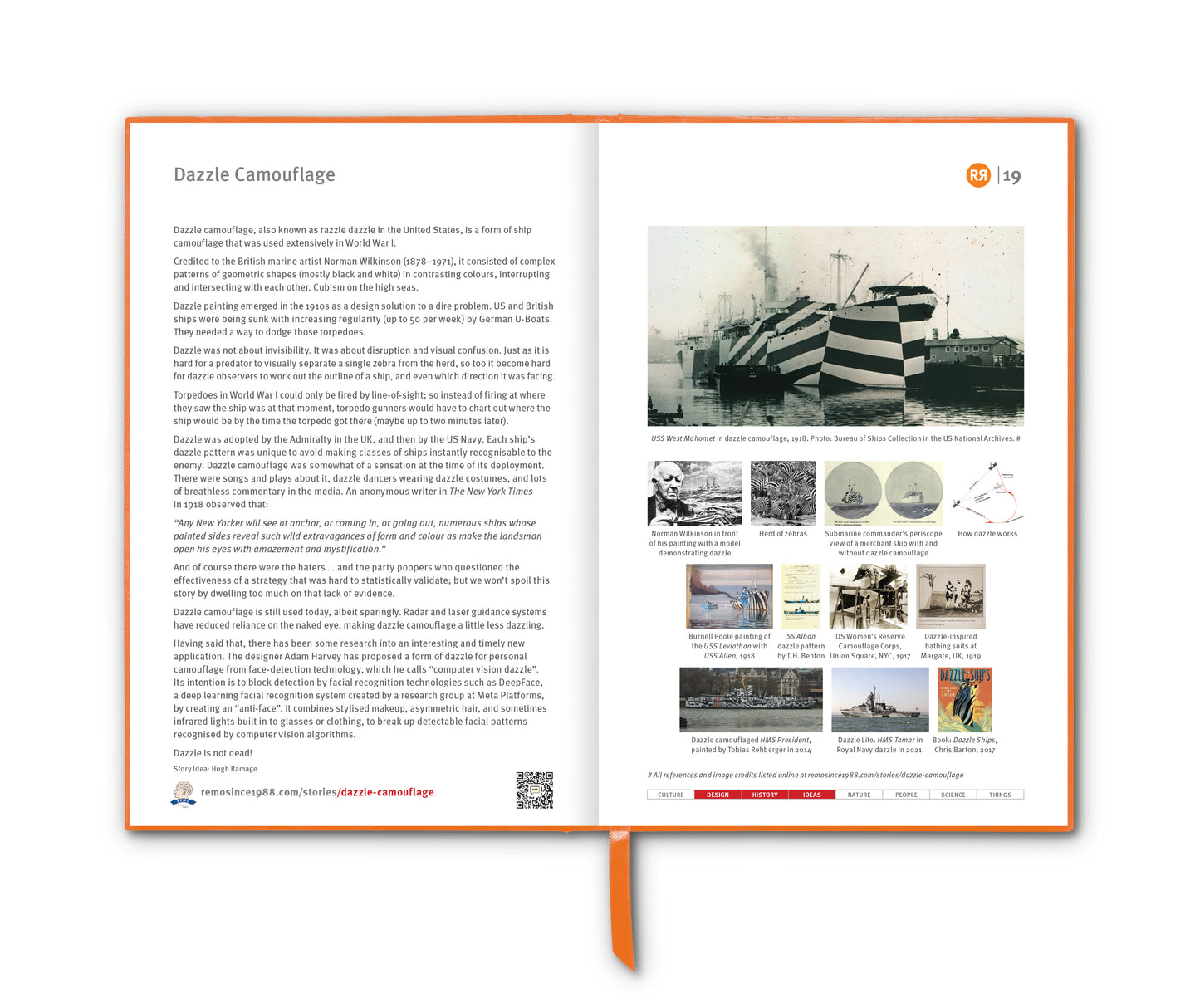
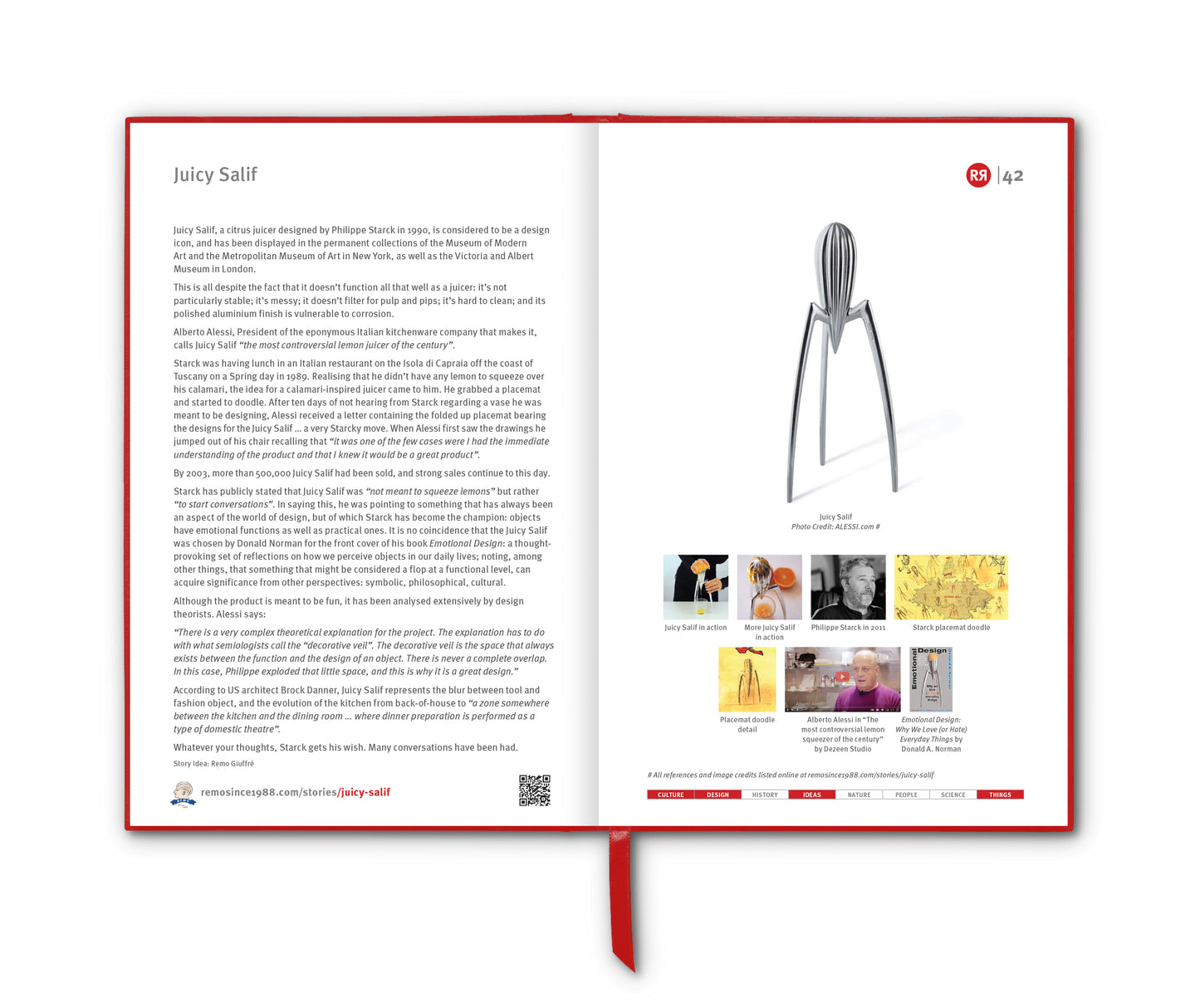
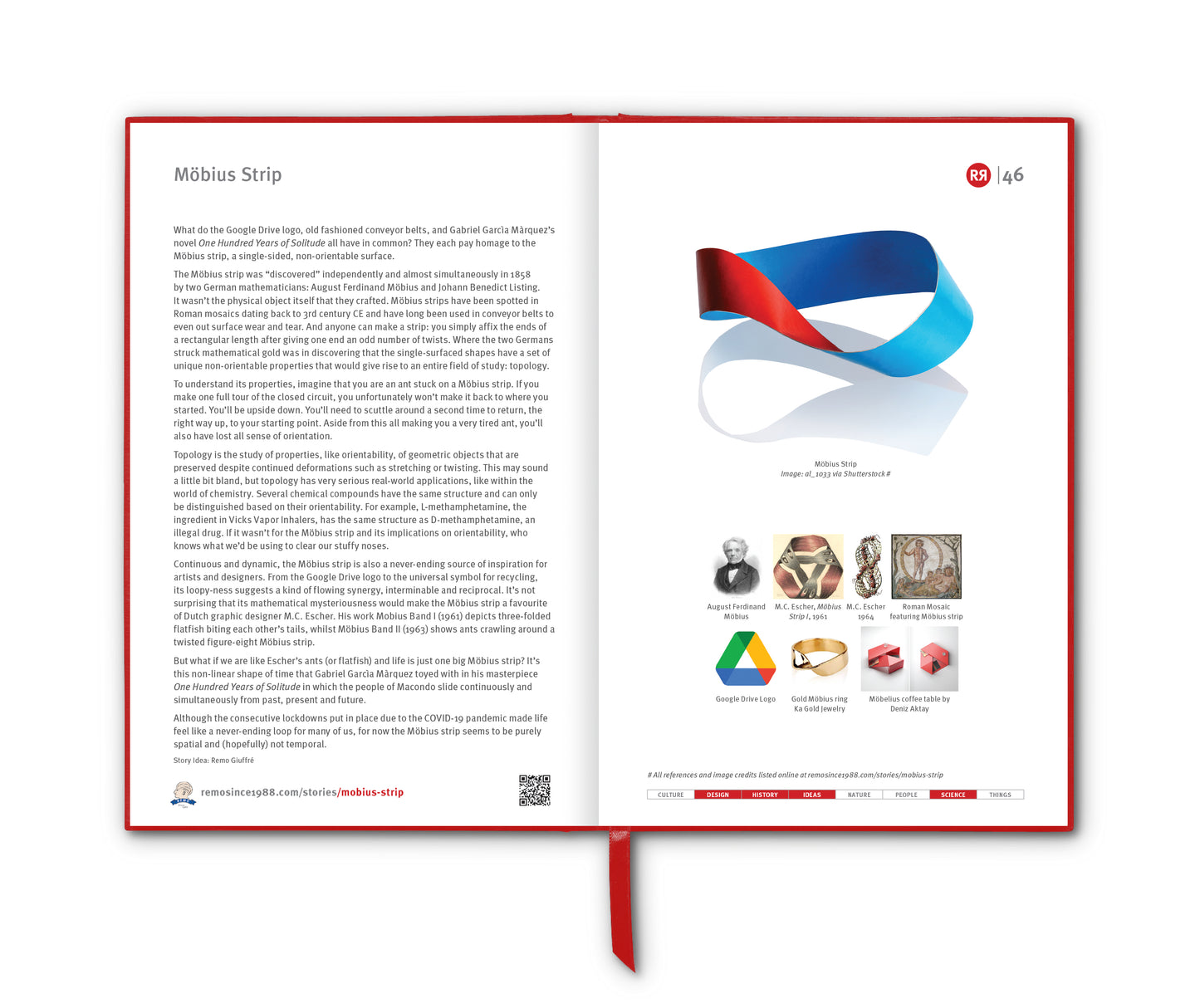
The breakthrough came in Japan in the late 1970s. Japanese designer Yukio Ota believed that emergency signage should transcend language altogether. He developed a simple pictogram showing a person moving through a doorway. The figure was not running in panic, but moving calmly and decisively toward safety. The design was tested extensively and proved easier to understand across cultures than text-based signs. Around 1979, the symbol began appearing in Japan and quickly attracted international attention.
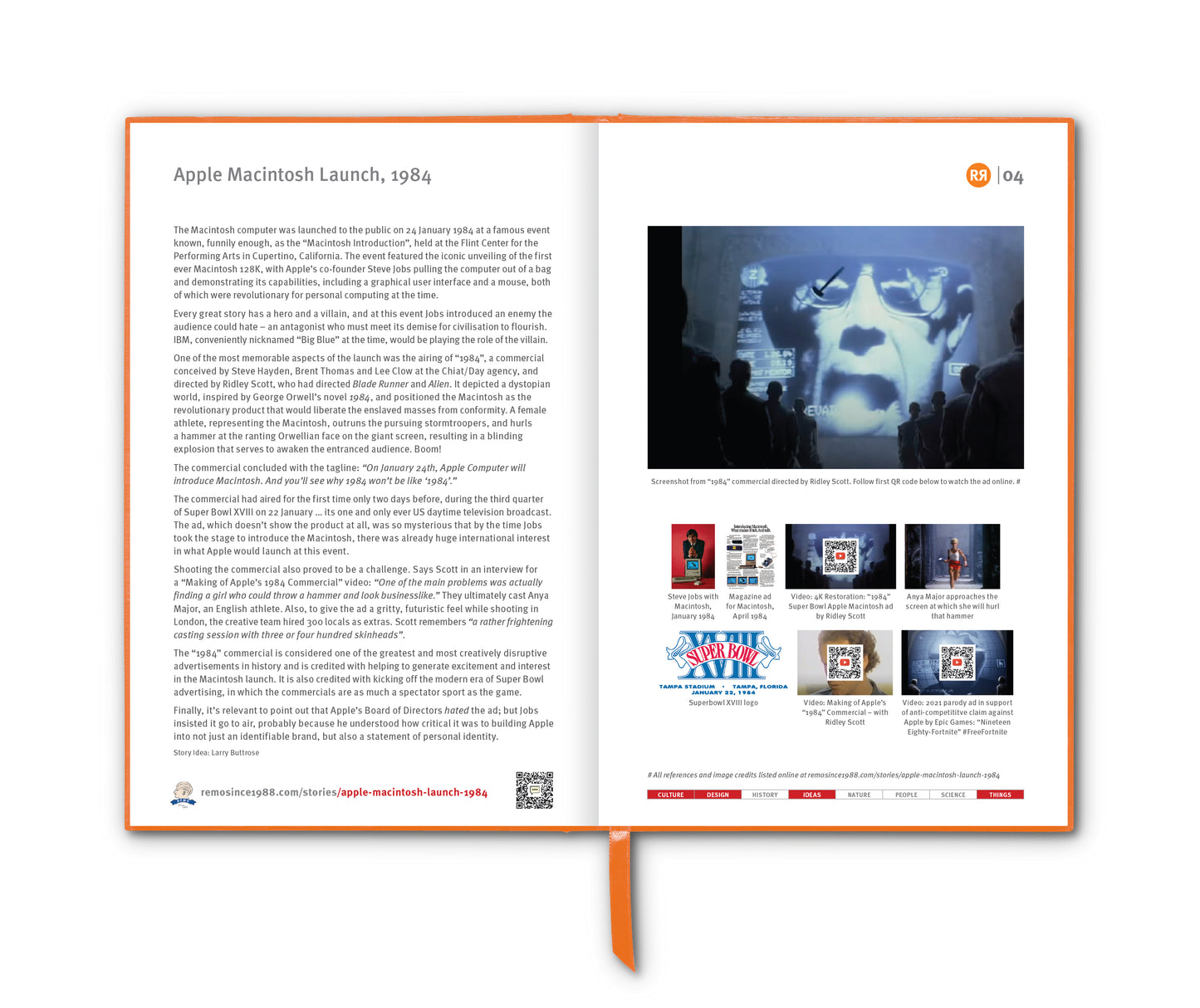
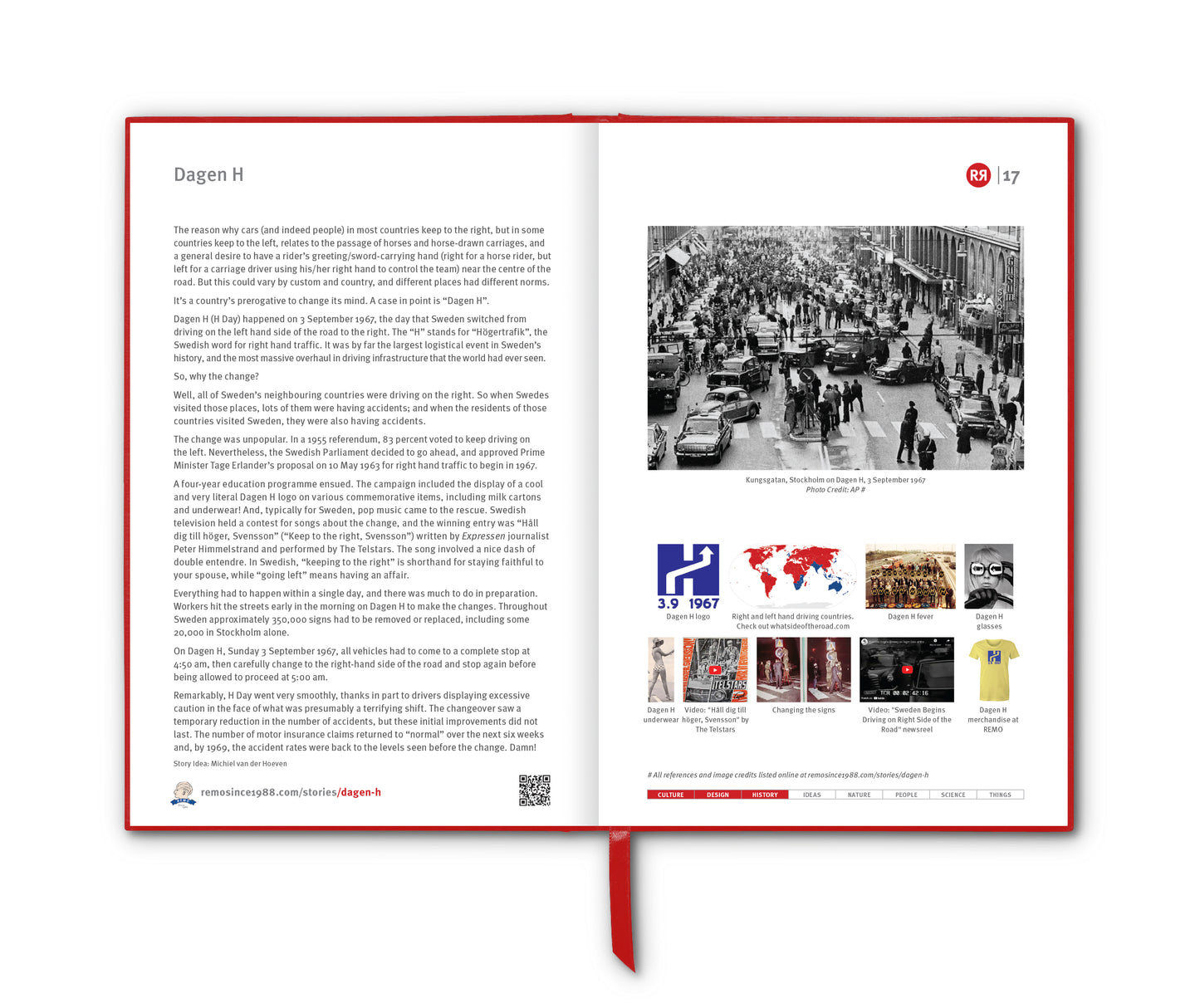
In 1984, the symbol was adopted by the International Organisation for Standardisation and eventually became part of the global safety-sign standard known as International Organisation for Standardisation ISO 7010. Under the standard, emergency-exit signs use a green background and white pictogram. Green was chosen because it is internationally associated with safety, permission and “go”. As already mentioned above, red is generally reserved for danger, prohibition or firefighting equipment.
Today, the “running man” is standard throughout much of Europe, Australia, New Zealand, Canada, Japan and many other countries. In some places, particularly the United States, traditional red “EXIT” signs remain common, creating an ongoing debate between advocates of words and pictograms. Nevertheless, the green symbol continues to gain ground because it can be understood instantly regardless of language.
Modern exit signs are also engineering marvels in miniature. They must remain visible during fires, smoke events and power failures. Many incorporate battery backups, LED illumination or photoluminescent materials that glow in the dark. Some can operate for hours after mains power is lost.
The green exit sign is a triumph of graphic design: a symbol so simple that most people never really even think about it. But maybe now you will.
Postscript
Meanwhile, there’s a meme called “Exit Sign Guy”. The template has been on Imgflip, a popular online meme-creation and sharing platform, since about 2017. He has been described as the internet's politest heckler. He doesn't argue with you. He doesn't insult you. He simply points at the nearest exit and suggests that perhaps your contribution to the conversation should continue elsewhere.
Story Idea: Tara Harcombe
_____________________________
References
wikipedia.org/wiki/Exit_sign
wikipedia.org/wiki/ISO_7010
https://www.iso.org/standard/72424.html
peoplesgdarchive.org/item/13588/iso-7010-e001-running-man-exit-sign
jca-institute.jp
smarterlite.com/product/environmental-exit-signs
Images
1. ISO Exit Sign 7010 - E001
2. Red exit signs. Source: Google.com
3. Not that way, this way ISO 7010 - E002
4. Yukio Ota with his sign
5. Yukio choosing the one
6. ISO logo with screenshot of online browsing platform
7. Photoluminescent exit signs
8. Exit sign art. Credit: collacubed.com
9. Exit Sign Guy meme