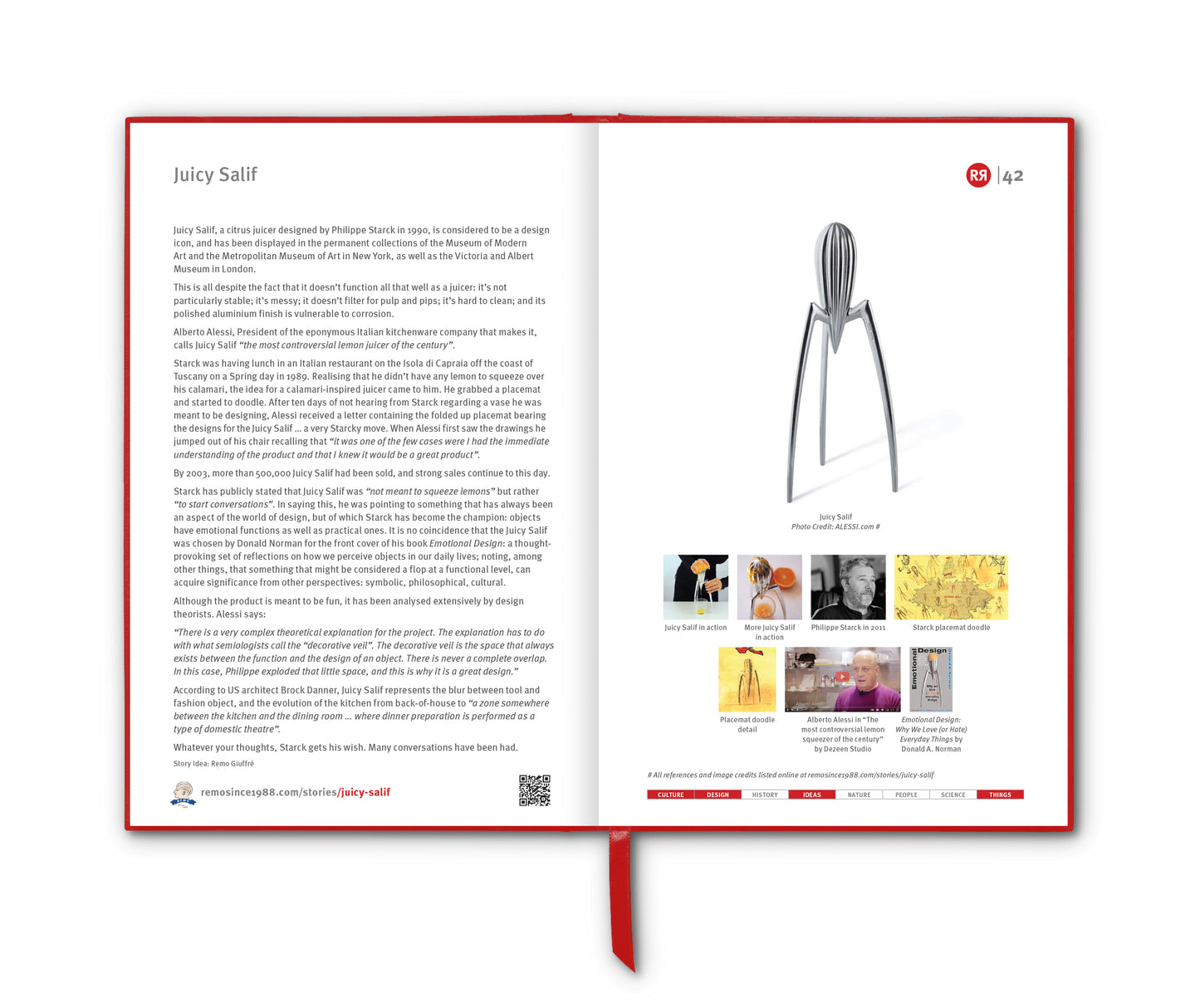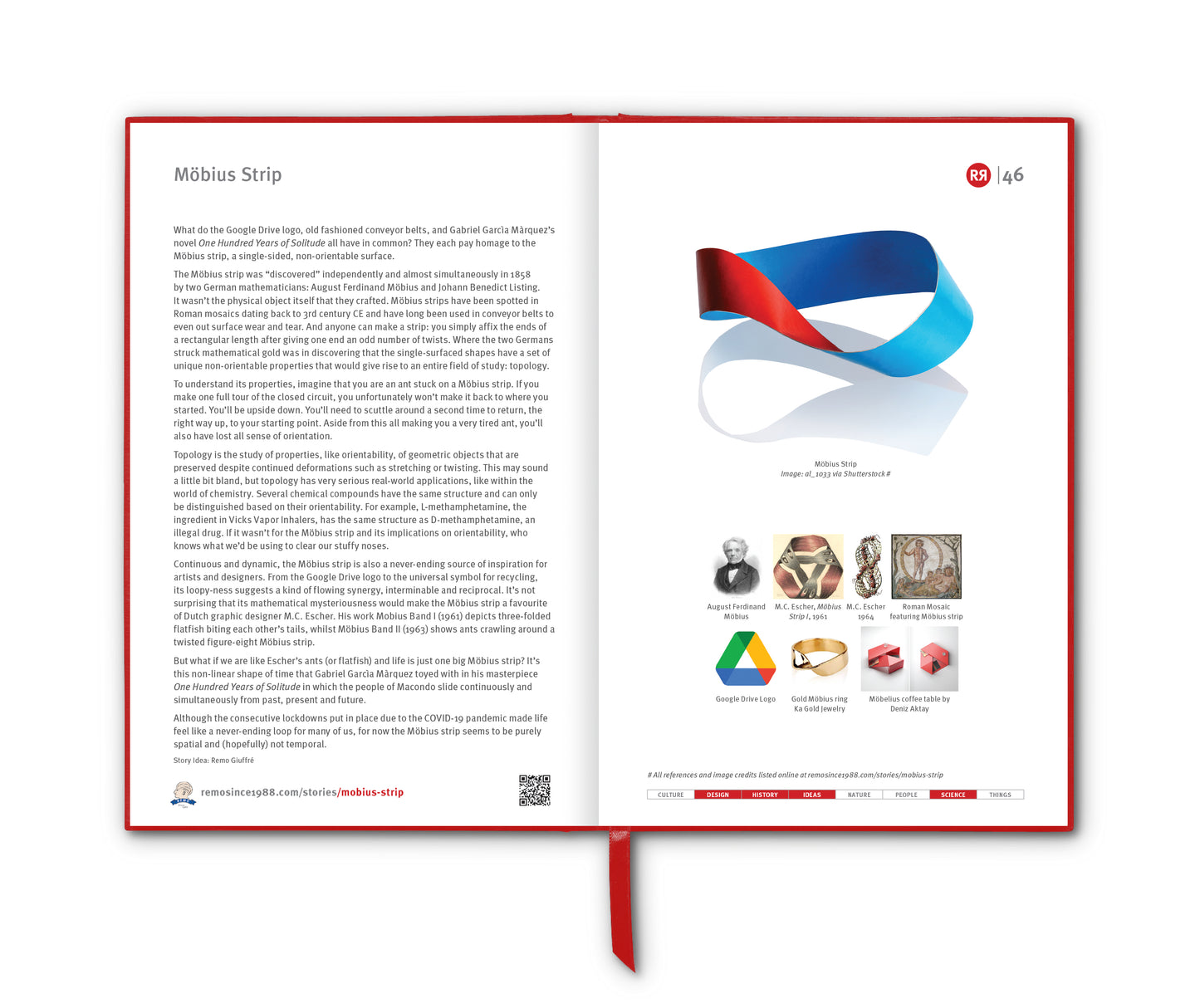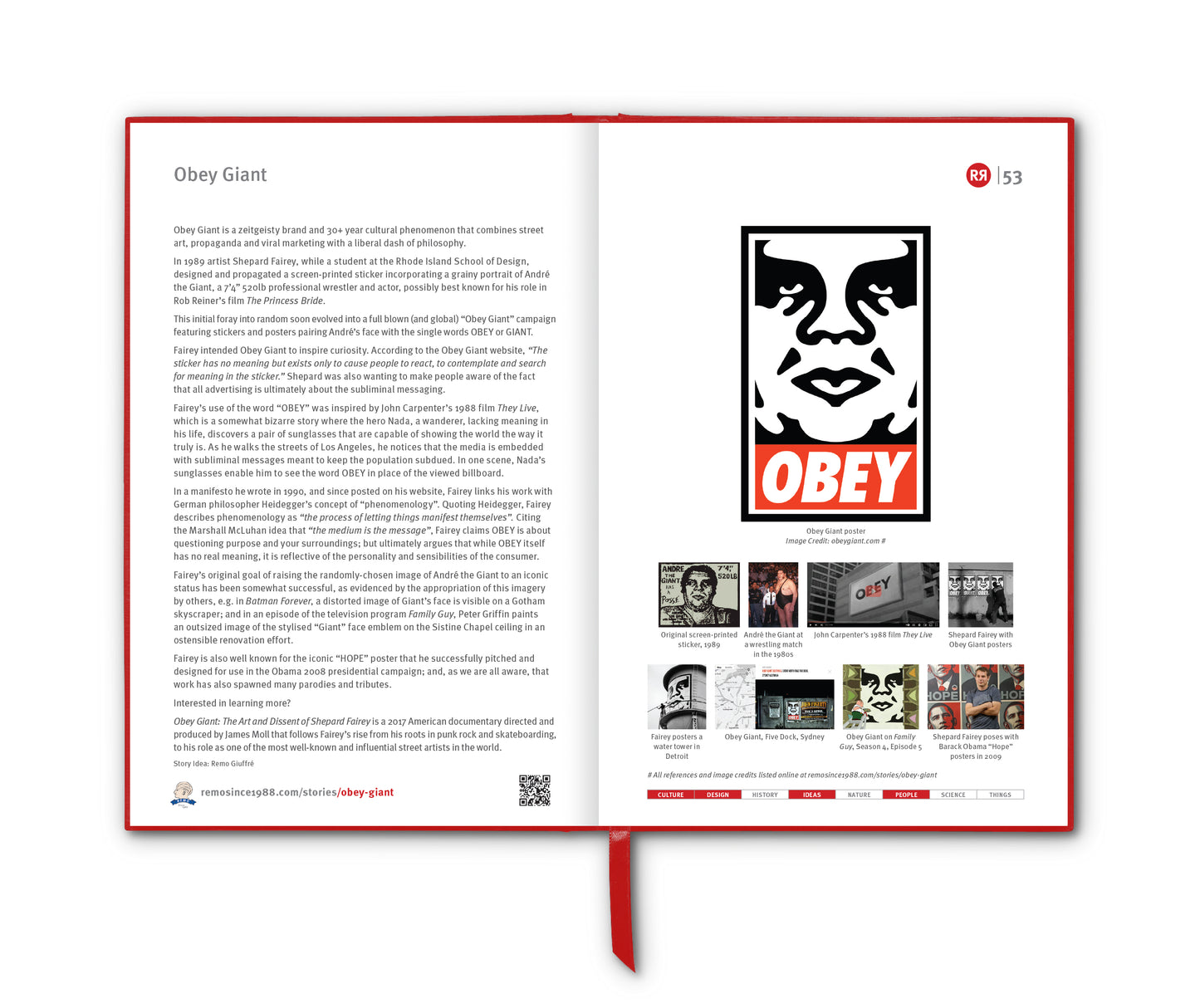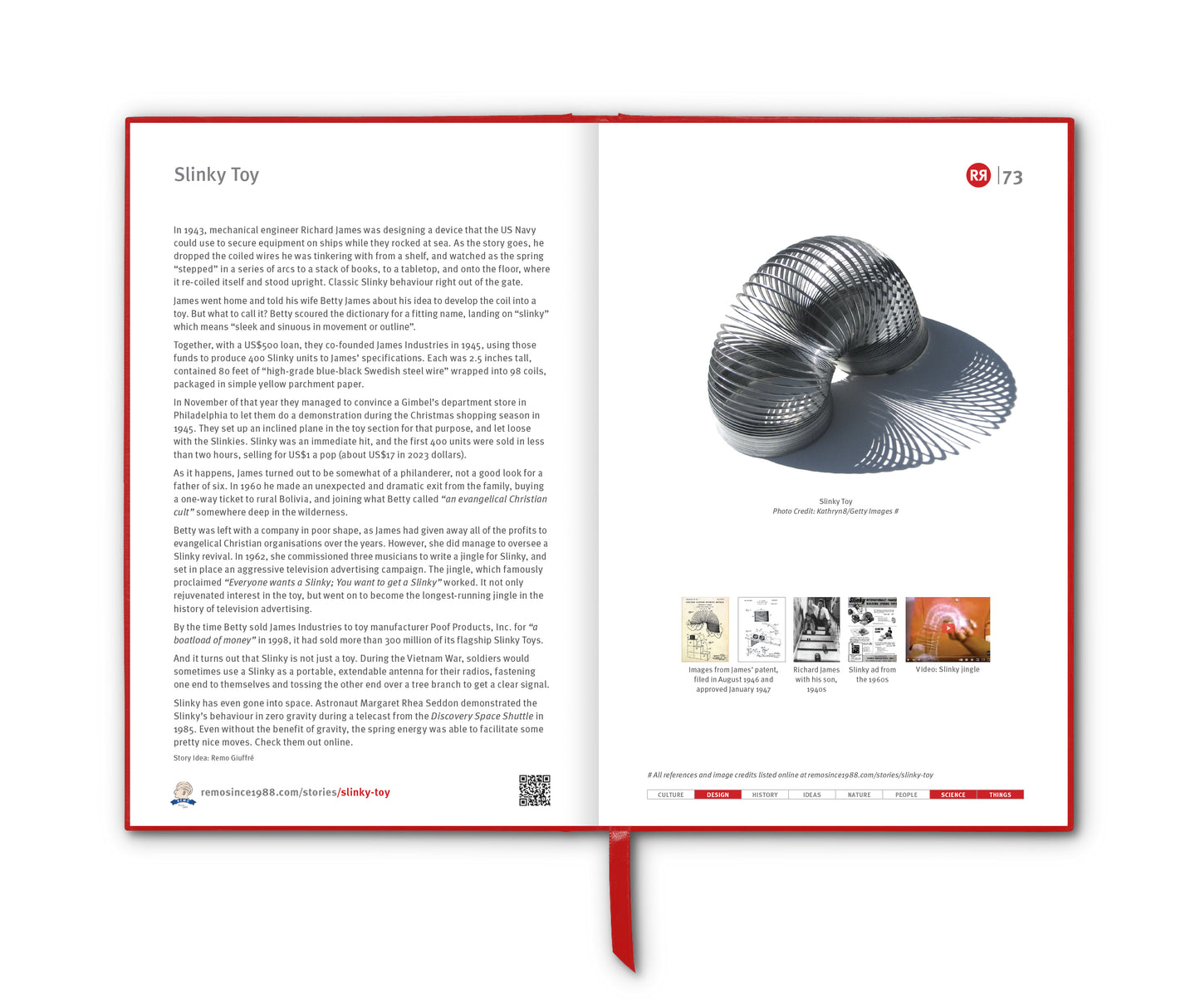

The Gen Z stare is a phrase coined by social media users to describe a blank stare that members of younger generations give in situations where a verbal response would be more common. Depending on who you ask, it’s either a symptom of declining social skills, potentially linked to COVID-19 disruptions – or a silent protest against awkward encounters and outdated expectations, and a characteristic of a generation that has been firehosed with content and seen it all in a relatively short period of time.
Kalhan Rosenblatt of NBC News says, “while there are several definitions for the stare, the most common meaning is a vacant expression a Gen Zer gives in response to a question. The stare occurs in classrooms, restaurants, at work and other settings”. The term "Gen Z stare" garnered widespread coverage in the mainstream media in July 2025.
At its core, the Gen Z Stare is an exaggerated blank look – eyes open, lips neutral – usually deployed when someone says something considered outdated, cringe or overly enthusiastic. It’s not aggressive like an eye-roll; it’s quieter, almost existential. The stare functions as a minimalist reaction, a non-verbal “okay, boomer” for the 2020s.
As mentioned, regarding the possible root causes of the Gen Z stare, there are lots of competing theories: authentic boredom, resistance to performative positivity, an expression of “quiet quitting”, a manifestation of social anxiety developed during the enforced isolation of the COVID pandemic period, inexperience with real life social interaction and so-called “small talk” niceties. The influence of social media may also have led to a fear of being judged or "cancelled" online. Not wanting to be "cringe" is additionally a common theme.
The trend first gained traction on TikTok around 2022, where creators stitched videos together using the stare as a punchline. It often followed statements that reflected millennial humour, parental advice or corporate attempts at being “relatable”. Soon, the stare became a shared shorthand for awkwardness and generational dissonance.
Unlike the dramatic side-eye of previous eras, this is pure deadpan minimalism. It reflects a generation raised in an always-on digital environment, where overreacting can feel performative and unnecessary. By doing almost nothing, Gen Z makes the loudest statement: we’re unimpressed.
Not only does it convey ironic distance and mock the expectation of engagement, it also manifests an anti-try-hard culture. For Gen Z, trying too hard is social kryptonite. Whether it’s brands chasing trends or influencers overselling positivity, the stare dismantles enthusiasm with surgical precision.
There’s also a deeper cultural undertone. The stare reflects digital burnout and a collective shrug toward constant novelty. Where previous generations might have fired back with sarcasm or passion, Gen Z defaults to the facially expressive equivalent of meh – a coping mechanism in an overwhelming world.
The Gen Z stare is the performance of non-performance that only a generation fluent in memes could perfect.
_________________________
Generations, Birth Years and Ages
|
Generation |
Birth Years (Approx.) |
Current Age (2025) |
|
Silent Generation |
1928 – 1945 |
80 – 97 years |
|
Baby Boomers |
1946 – 1964 |
61 – 79 years |
|
Generation X |
1965 – 1980 |
45 – 60 years |
|
Millennials (Gen Y) |
1981 – 1996 |
29 – 44 years |
|
Generation Z |
1997 – 2012 |
13 – 28 years |
|
Generation Alpha |
2013 – 2025 |
0 – 12 years |
___________________
References
wikipedia.org/wiki/Gen_Z_stare
nytimes.com/2025/07/14/style/gen-z-stare-tiktok.html
msn.com/en-in/entertainment/bollywood/is-the-gen-z-stare-a-sign-of-declining-social-skills-or-a-new-form-of-expression/ar-AA1IFjgJ