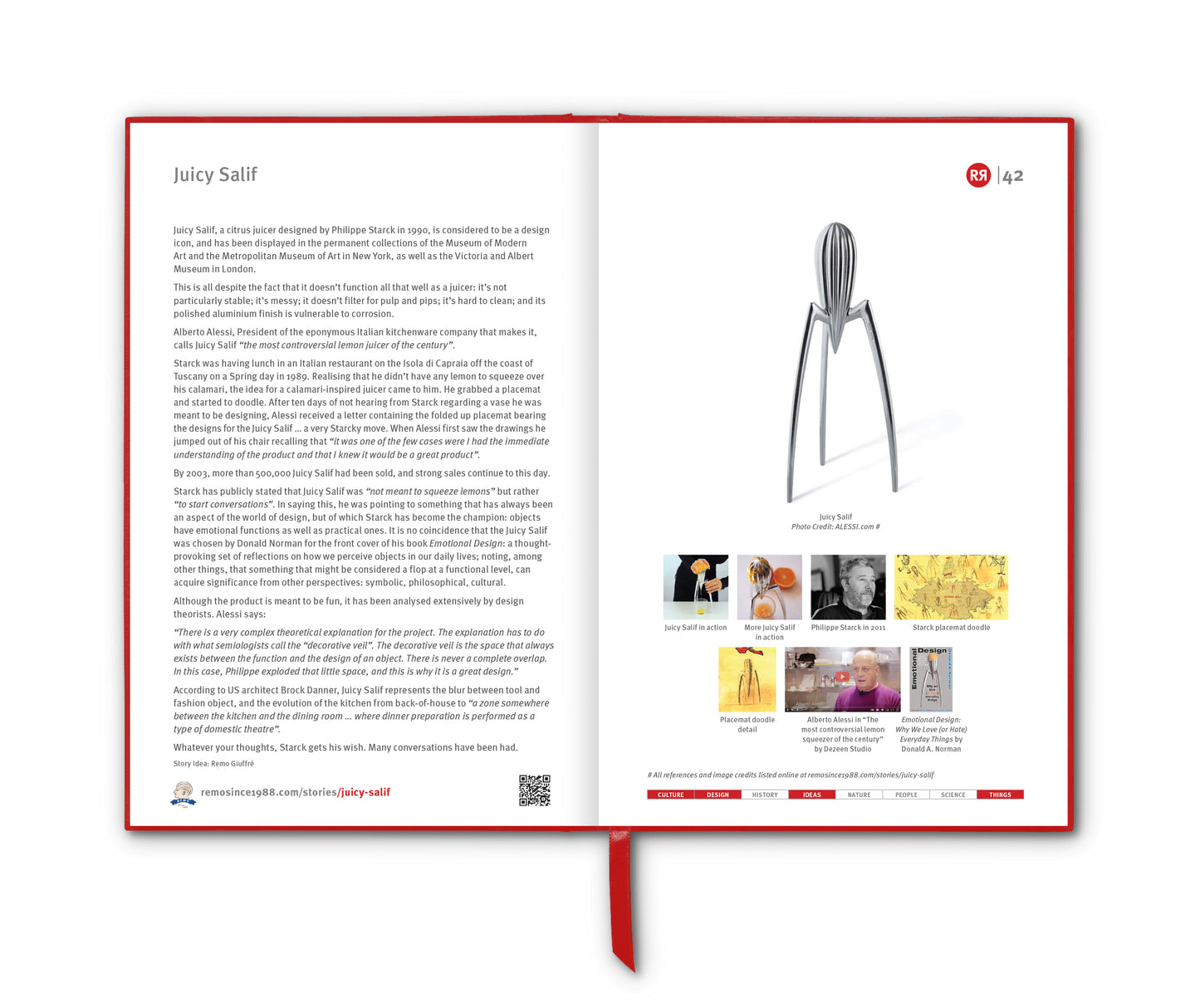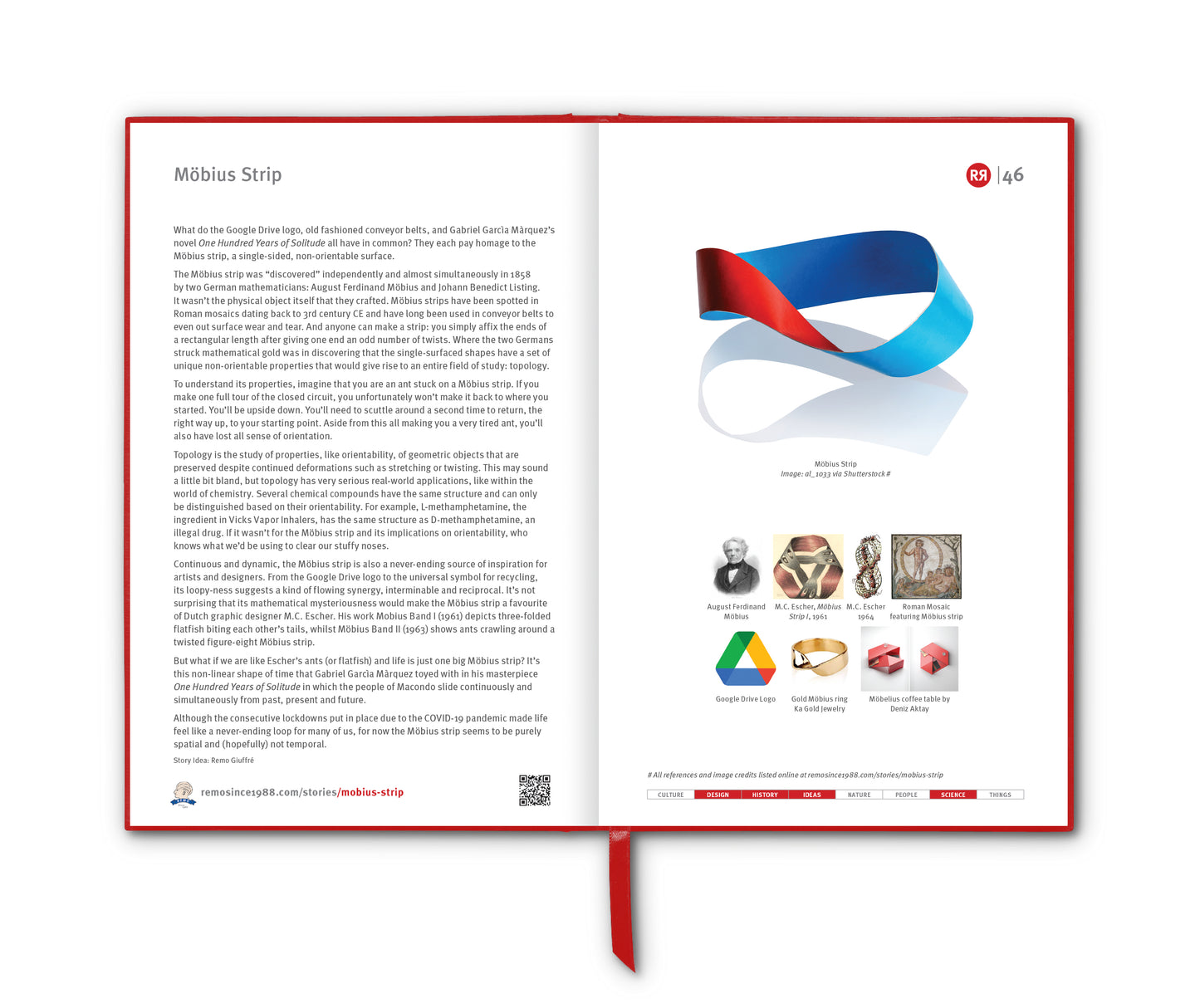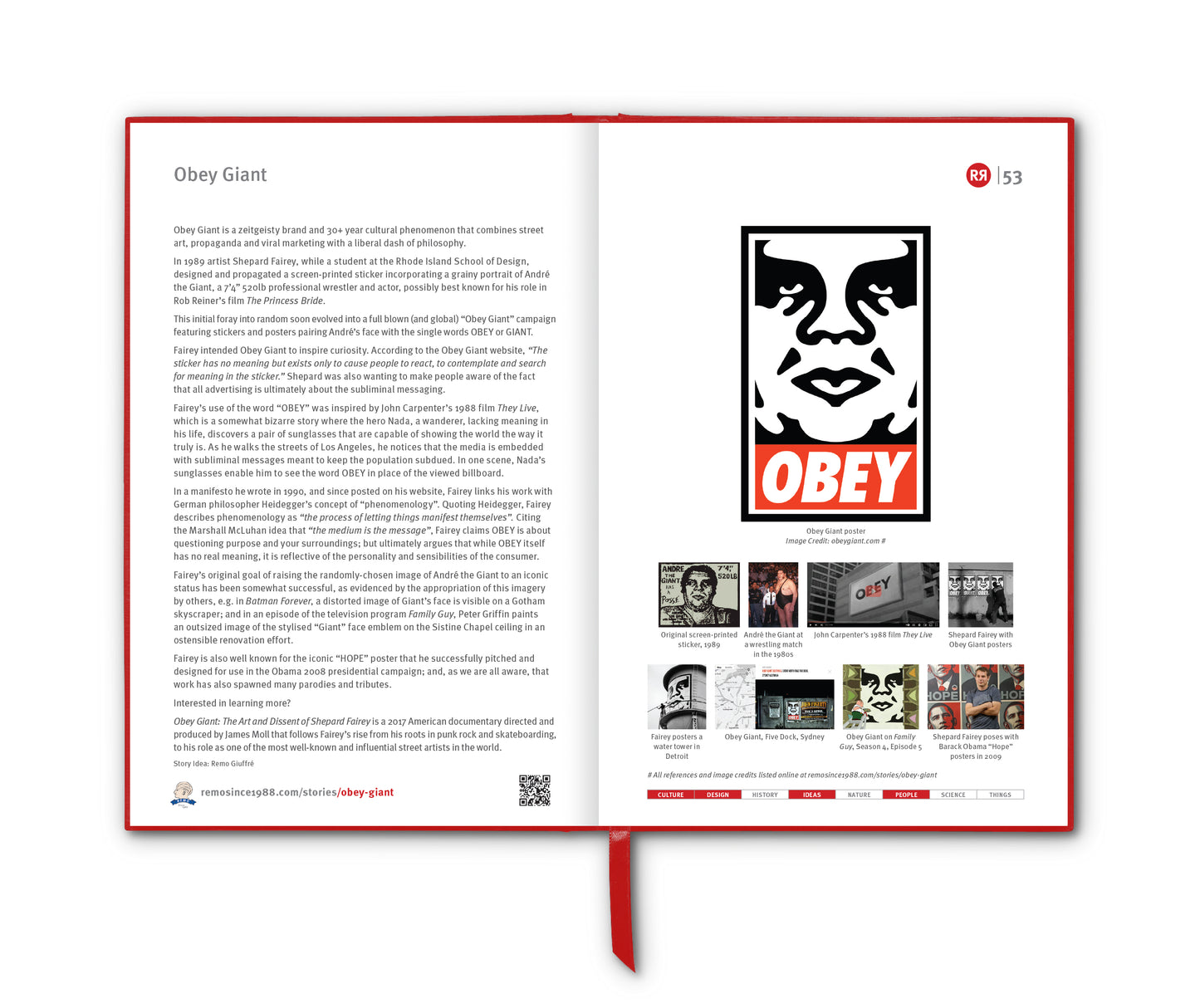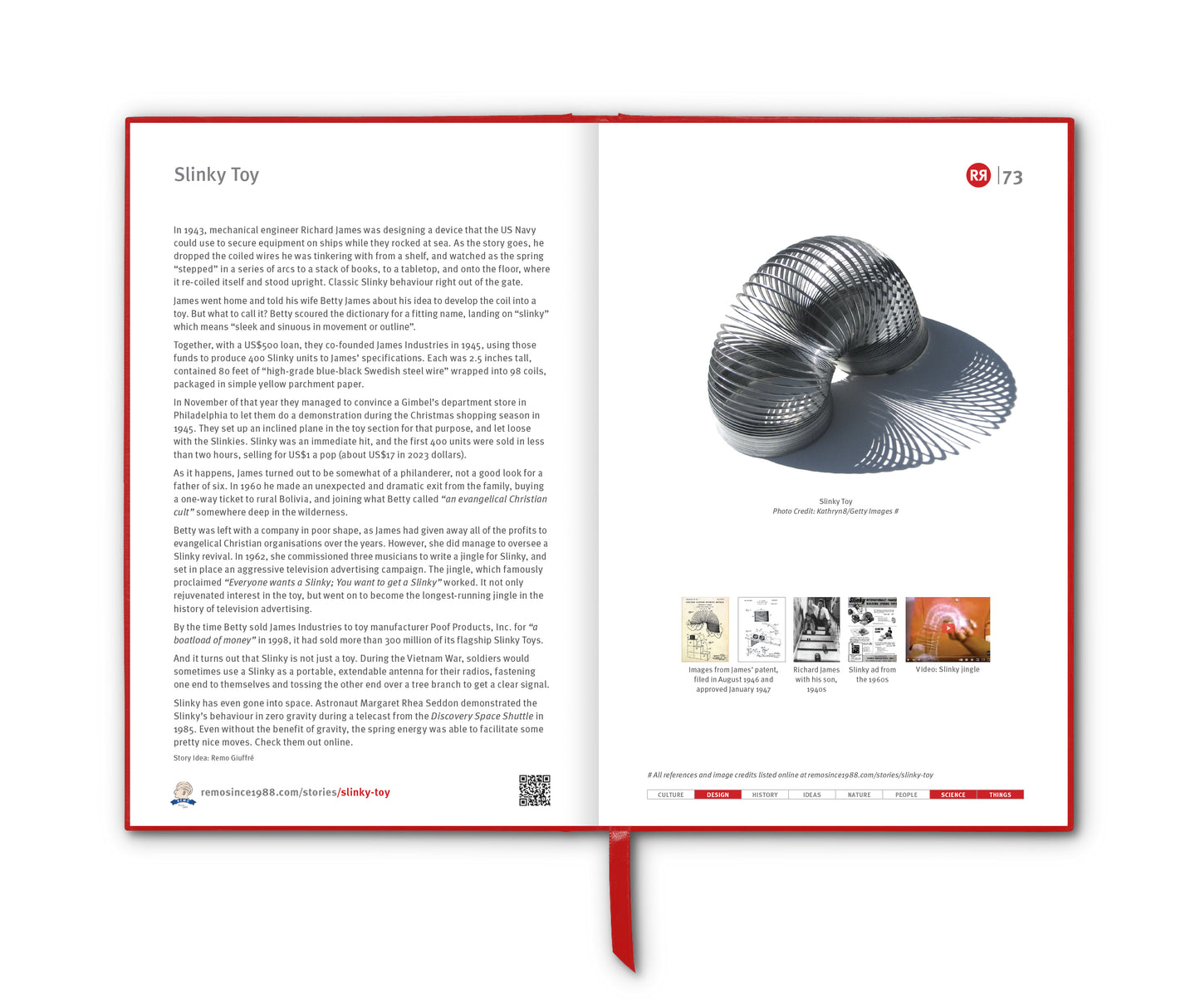

Conceived by Dutch-born, Melbourne-based eco-visionary [Ed: and dead-set charmer] Joost Bakker, Greenhouse and its related “Future Food System” project was, and continues to be, a joyous symbol of possibility – showing what happens when radical sustainability meets hospitality and intelligent design.
The first Greenhouse opened in Melbourne in 2008 as a temporary pop-up on Federation Square. At a time when “eco-friendly” was often little more than marketing spin, the building stood as a bold statement. Its walls were insulated with straw bales, its interiors fashioned from recycled timbers and natural materials, and every design detail served a purpose. Nothing was decorative without also being functional. Even the signage was painted with natural, non-toxic pigments. From the outset, it was clear that Greenhouse wasn’t only about food – it was about reimagining how cities might function if waste were designed out of the system.
Joost is laser-focused on all of the details, and inside the Greenhouse, the principles carried through. The restaurant milled its own flour, churned its own butter, and grew herbs and greens on the roof. Suppliers were required to deliver ingredients in reusable containers, avoiding packaging altogether. Grey water was filtered on-site, food scraps were composted and staff uniforms were sewn from organic fabrics dyed without synthetics. The food itself was seasonal, inventive and comforting – proof that thrift and flavour could coexist on the same plate.
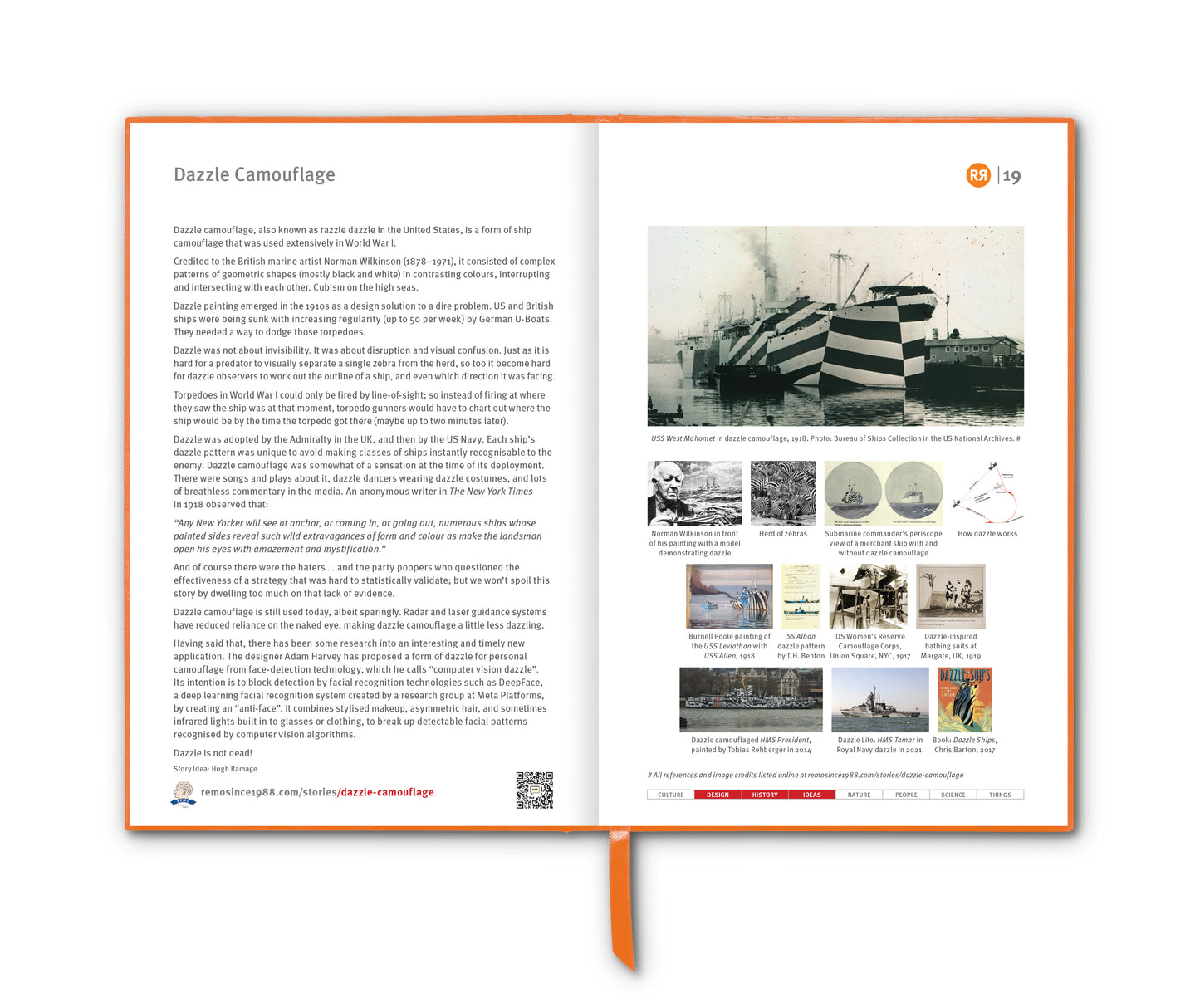
The idea spread. After Melbourne, Greenhouses popped up in Perth, Sydney and London. The Thames-side version, built for the 2012 London Olympics, attracted international attention and cemented Bakker’s reputation as a creative visionary. Each iteration adapted to its setting but stuck to the original principles: minimal waste, maximum imagination.
Although the restaurants were designed as temporary installations, their impact lingered. They seeded conversations about closed-loop systems, single-use plastics and rooftop agriculture long before these ideas became mainstream. Many of the Greenhouse’s practices – on-site composting, local sourcing, circular material use – are now embedded in the sustainability playbook for designers and chefs around the world.
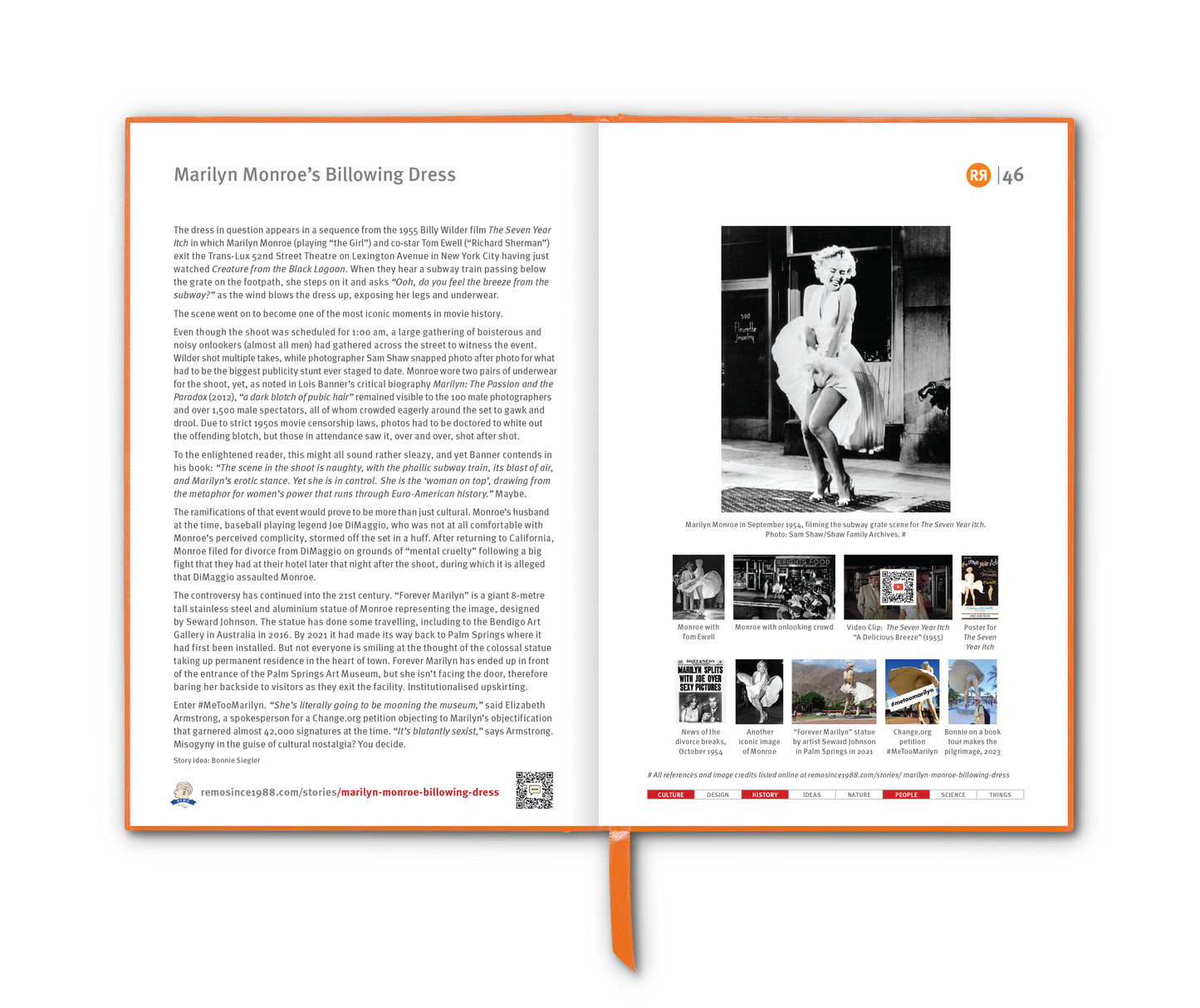
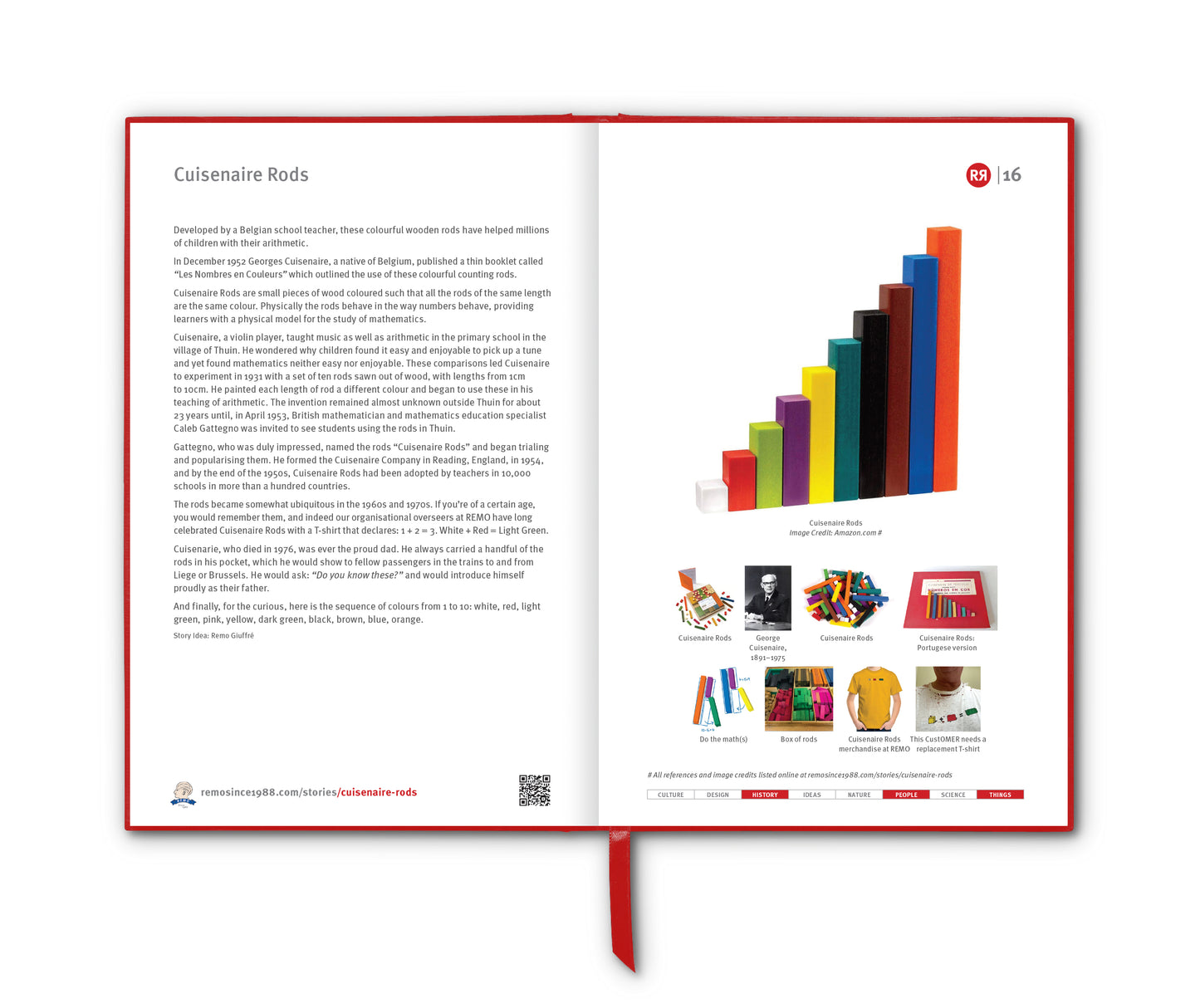
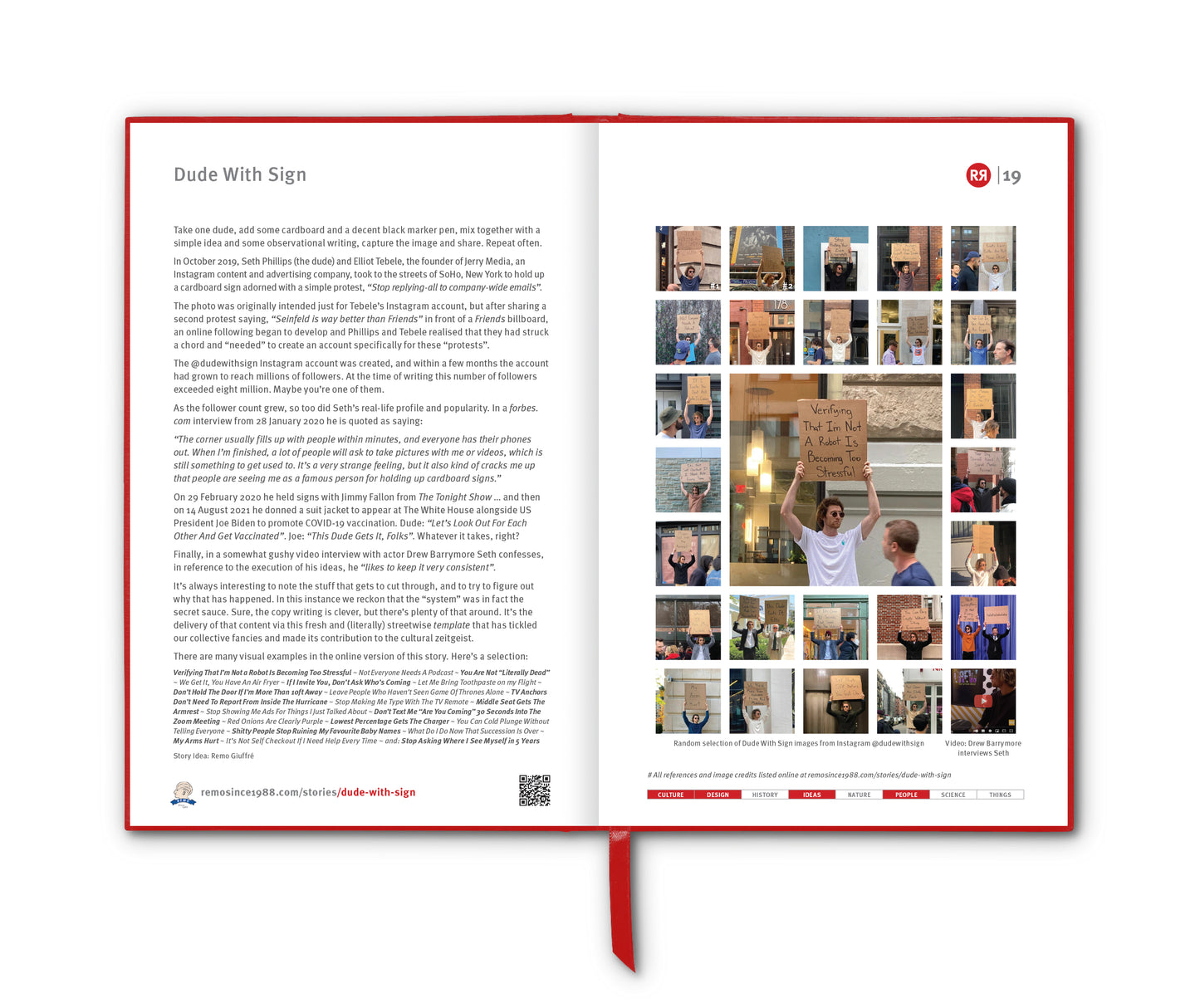
The story came full circle with Greenhouse by Joost, a feature documentary released in 2022. Directed by Rhys Graham, the film follows Bakker as he builds his most ambitious project yet: the Future Food System house in Melbourne’s Federation Square. This fully functioning, zero-waste urban farm and home was essentially the Greenhouse philosophy writ large. Every possible function of the home mitigates waste, re-directing by-products into useful outcomes, e.g. the bathroom was located just next to a "mush room" wall. Steam from the shower soaked through the walls, creating a humid environment for the mycelium to thrive in. These mushrooms then created carbon dioxide, which fed the greenery living in the adjacent atrium.
Across the film’s 88 minutes, audiences got to witness the highs, setbacks, and ingenuity involved in creating a living system where waste equals food, energy is renewable and humans live within natural limits. The documentary captured international festival attention and introduced Bakker’s ideas to an even wider audience, solidifying Greenhouse’s place in cultural history. Find it online. Watch the trailer HERE.
_____________________________
References
futurefoodsystem.com
instagram.com/joostbakker
nytimes.com/2015/02/13/t-magazine/joost-bakker-interview
downtoearthzacefron.com
Images
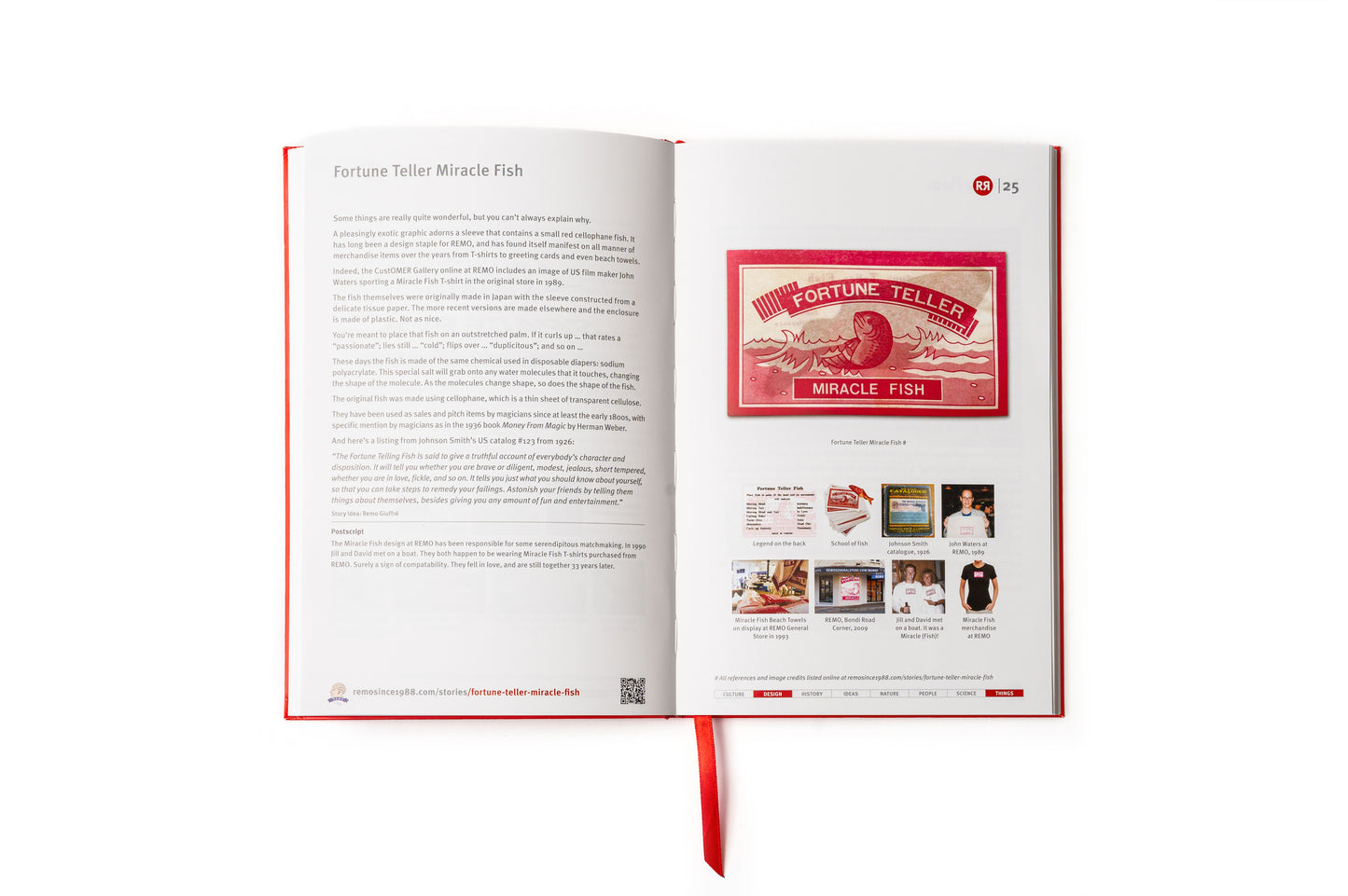
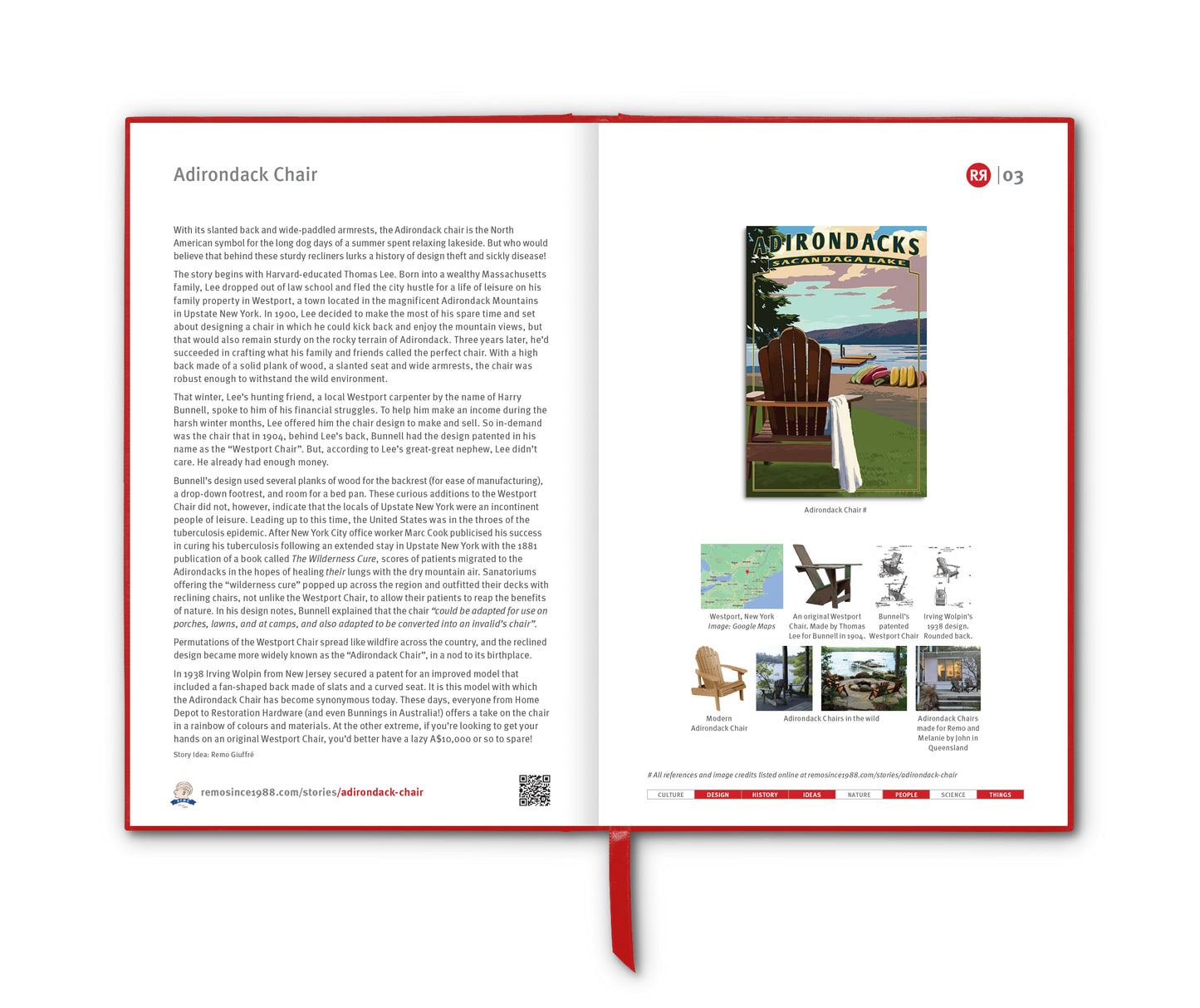
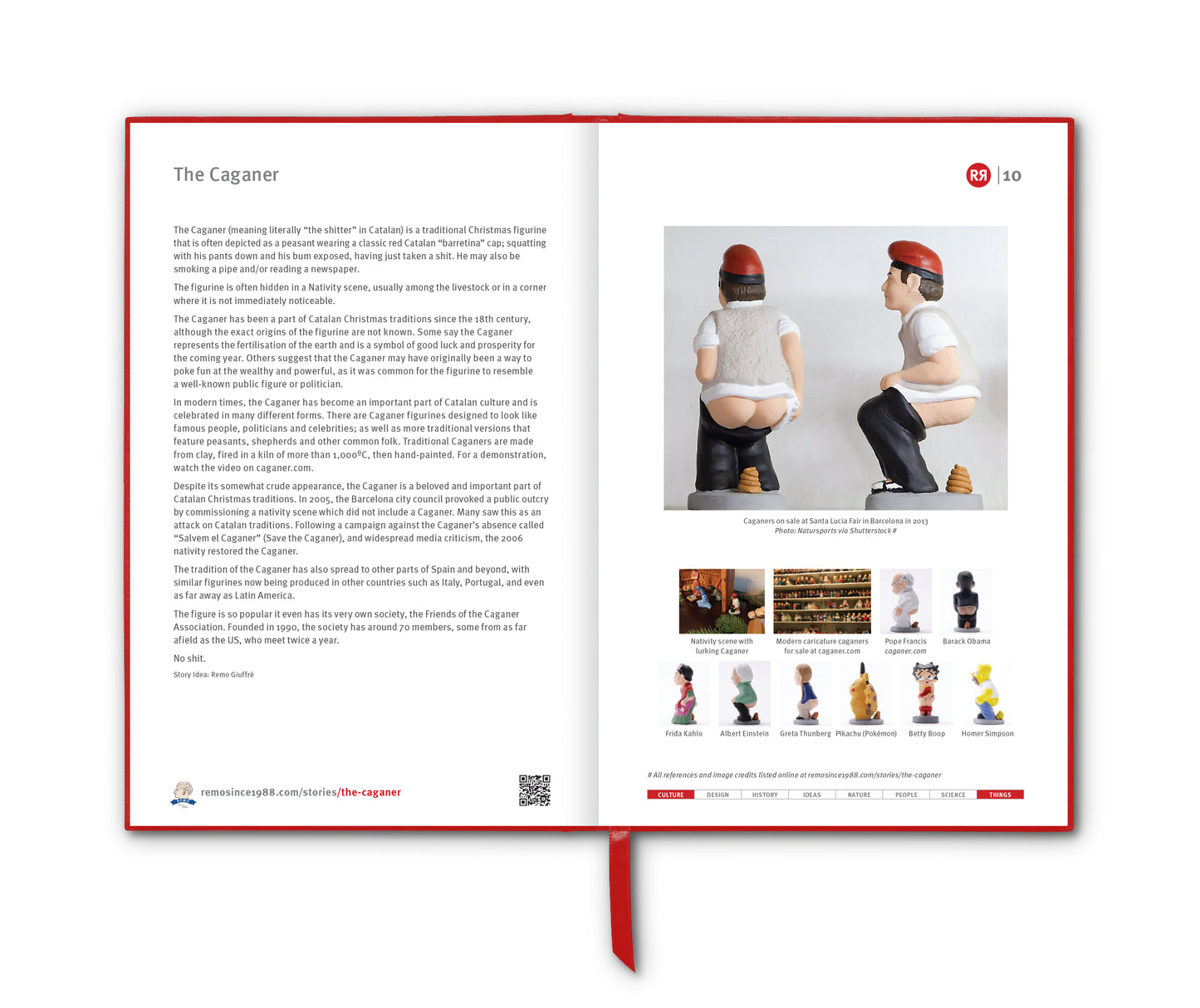
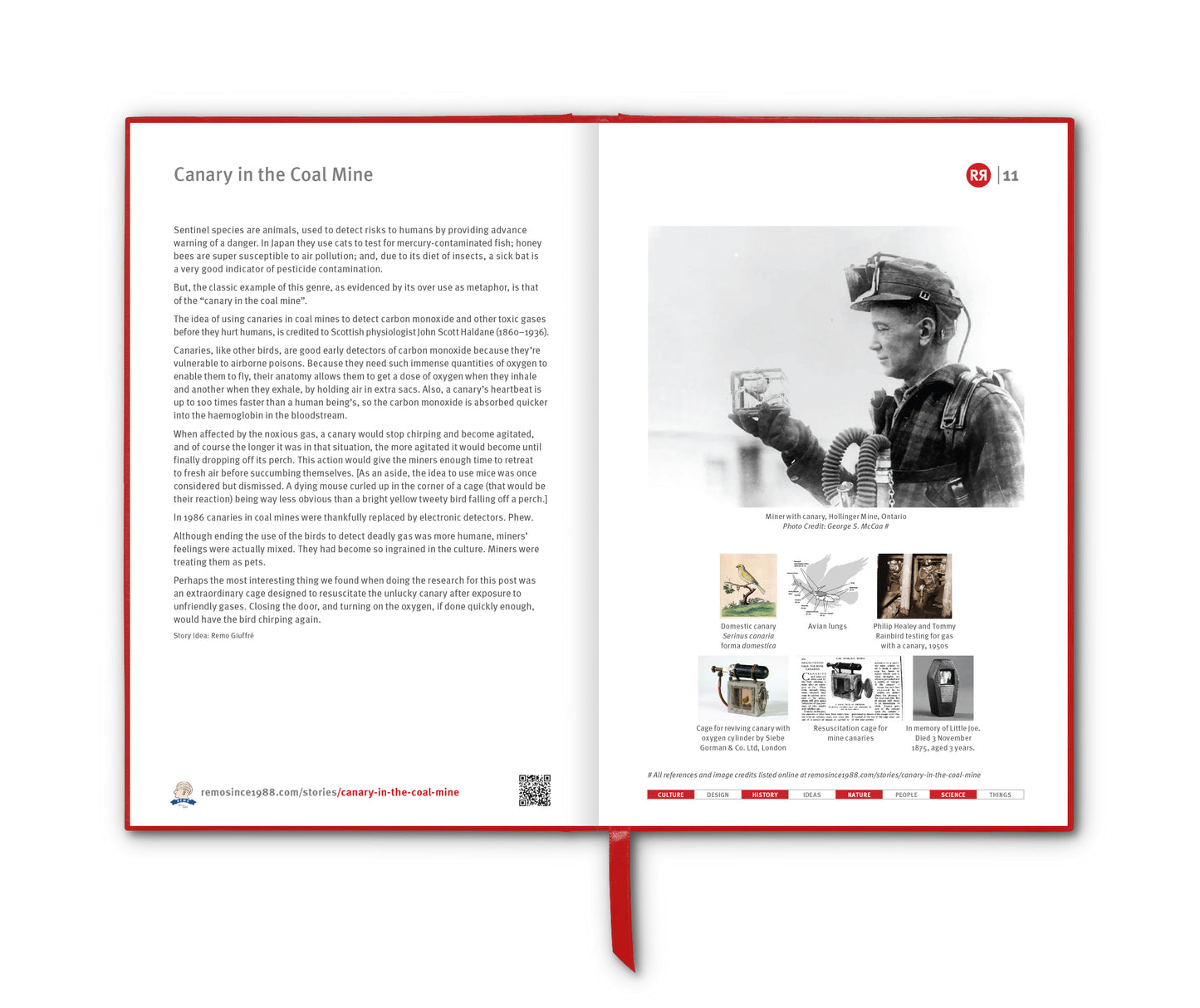
1. Future Food System, Melbourne, 2022. Photo Credit: Earl Carter for Miele
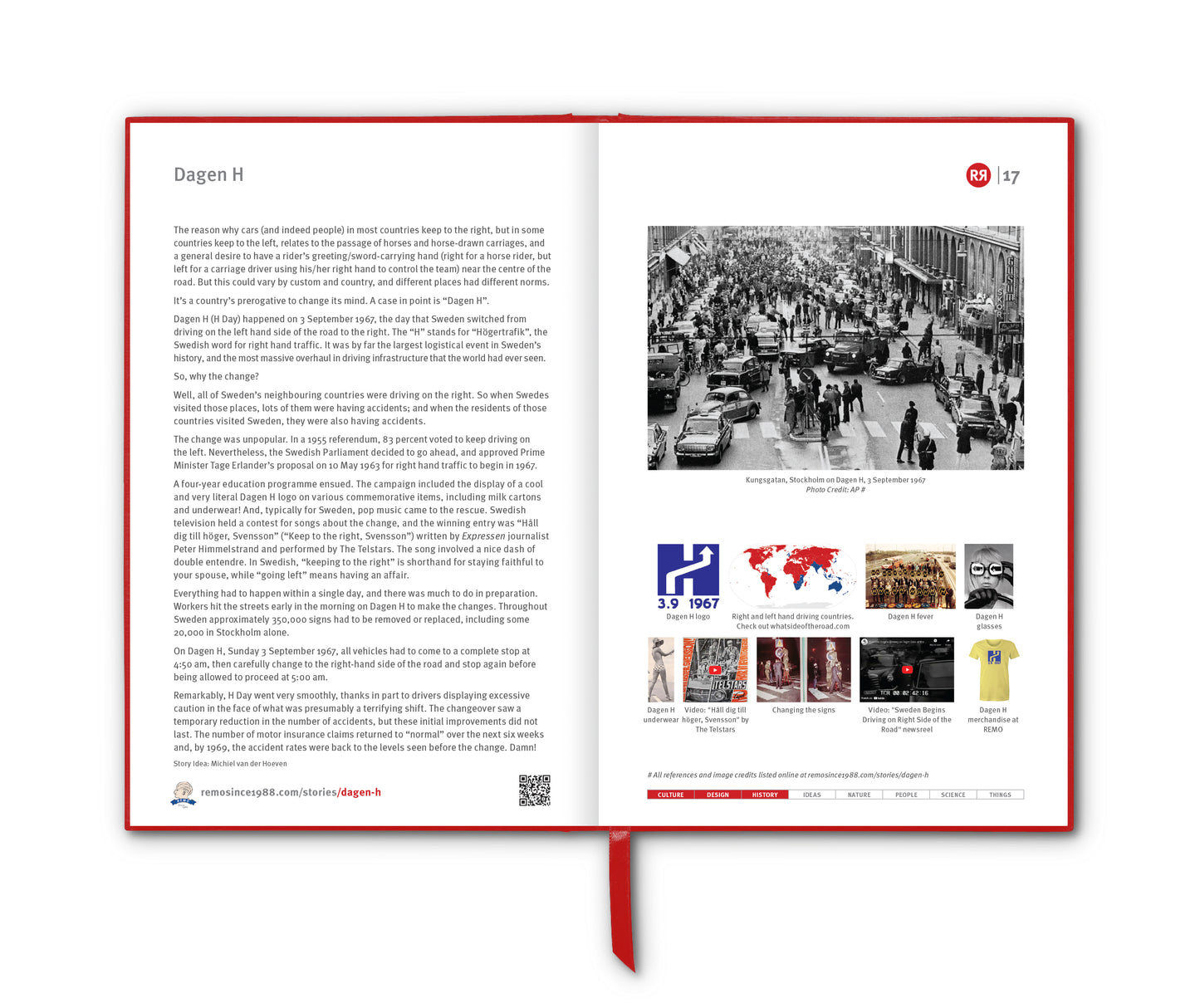
2. Zero waste logo by Joost
3. Future Food System diagram
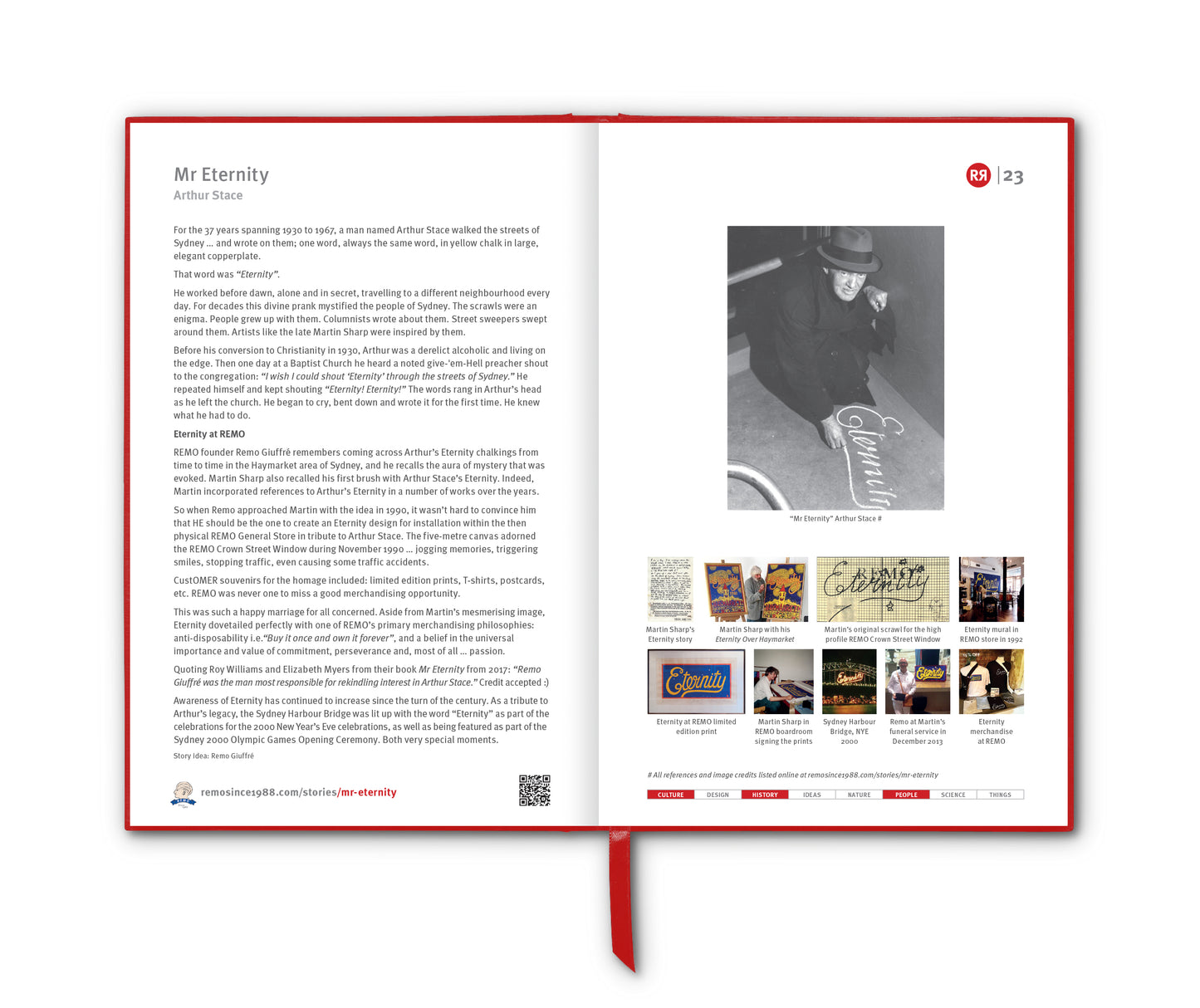
4. Young Joost with his father
5. Flow Hive on the roof terrace of Future Food System, Melbourne, 2022
6. Greenhouse by Joost poster, 2022
7. Video Trailer: Greenhouse by Joost
8. Video Trailer: Down to Earth with Zac Efron, Netflix 2022
9. Greenhouse by Joost doodle
10. Video: Growing a Rooftop Revolution, Joost Bakker at TEDxSydney 2013