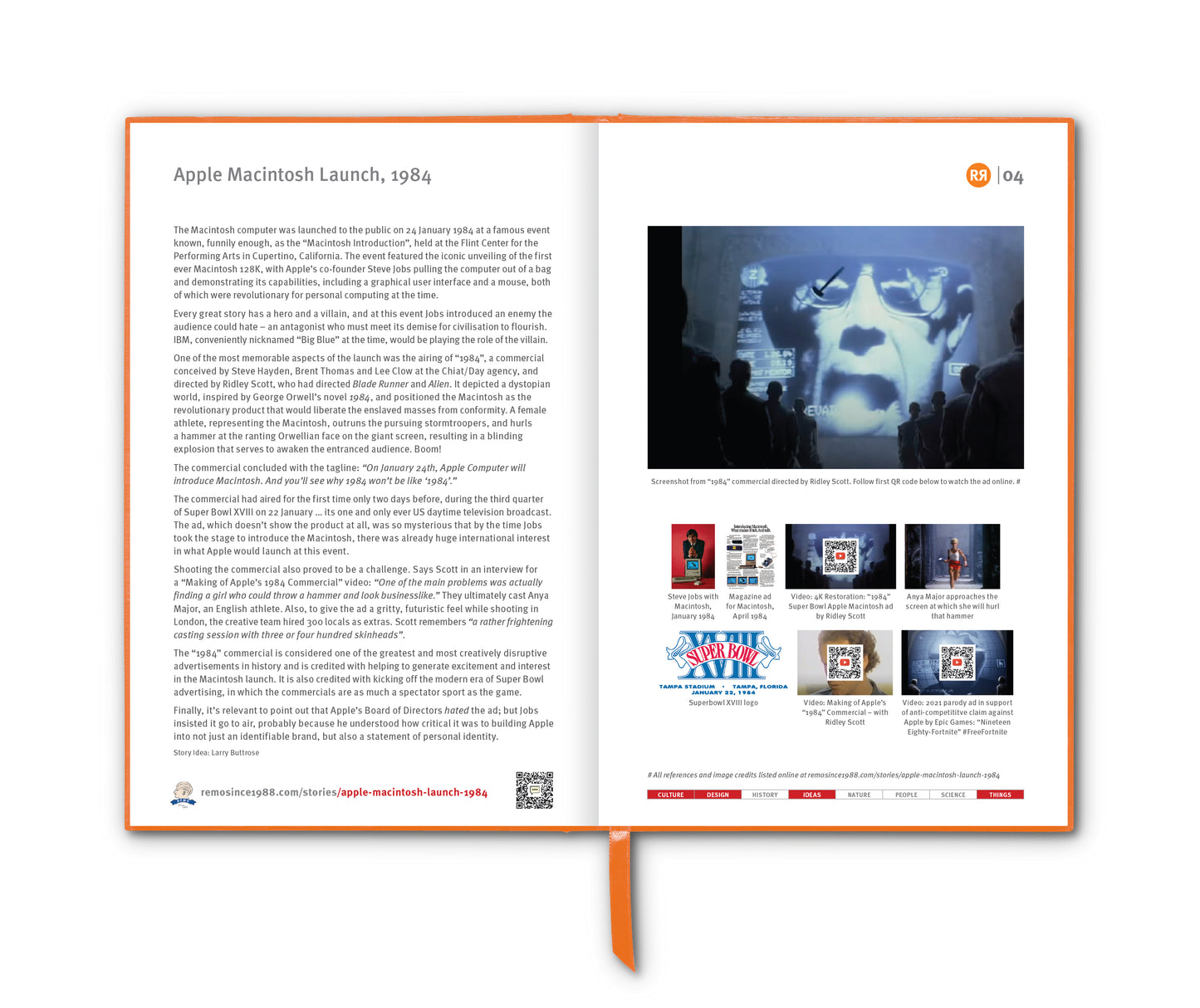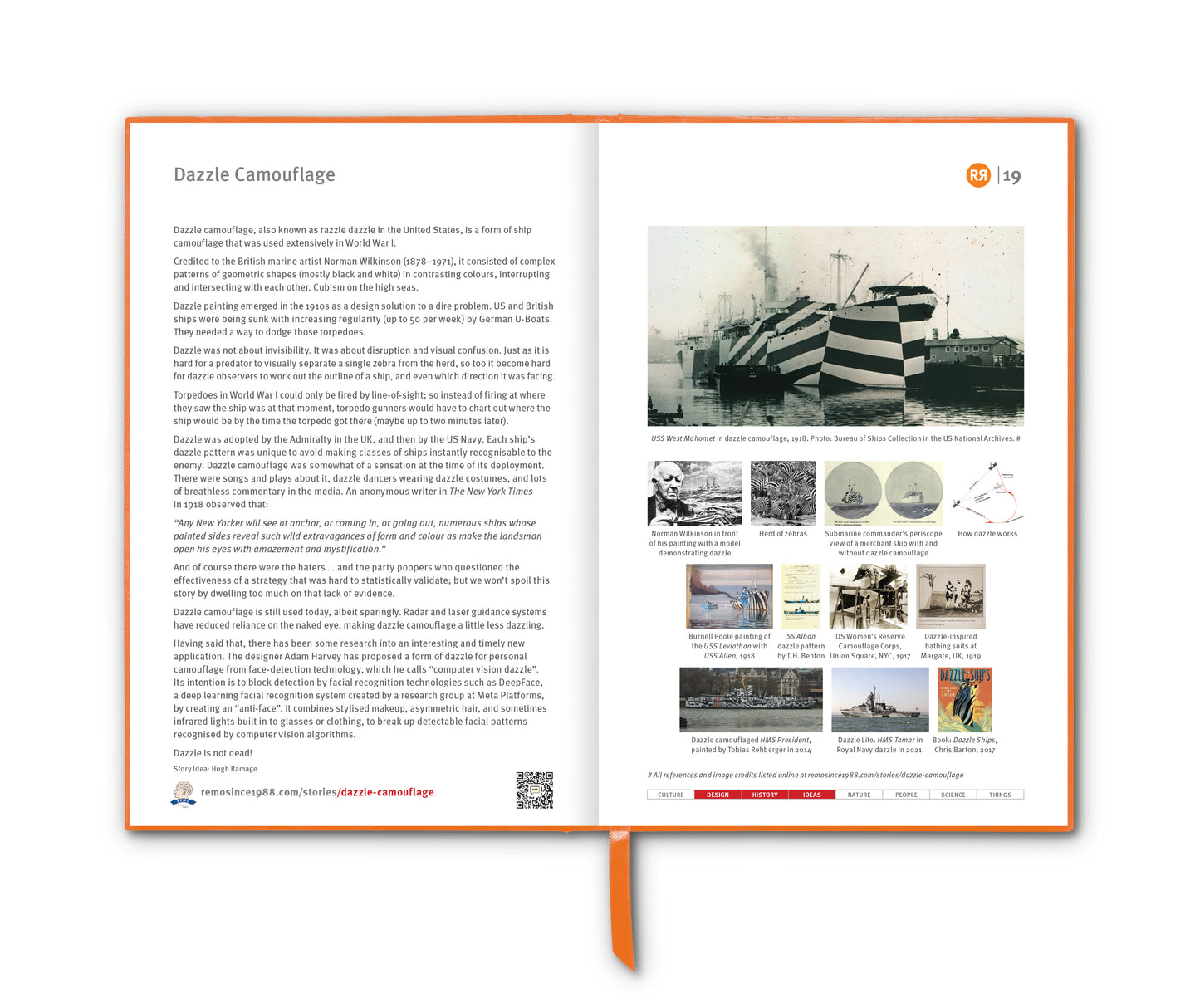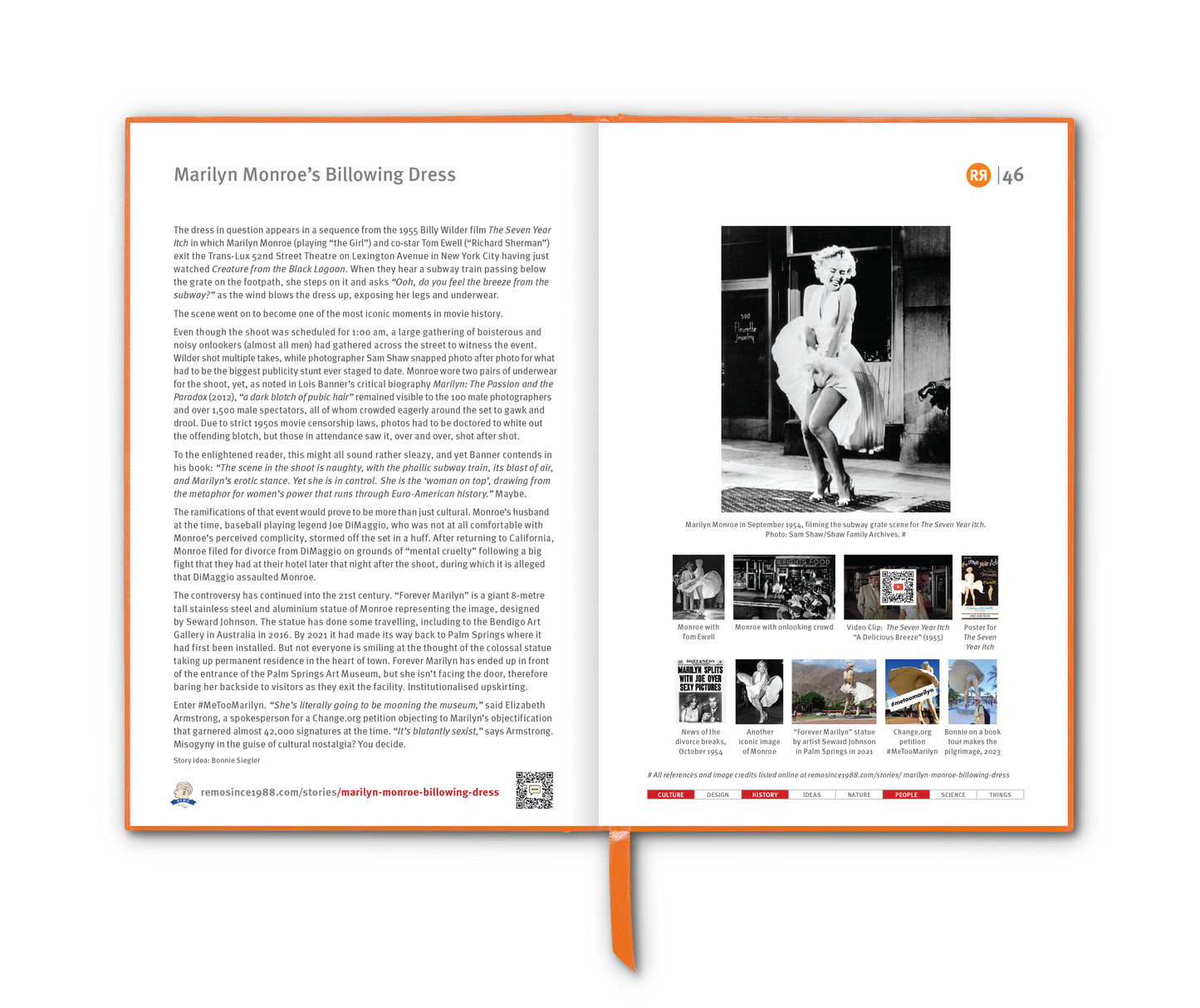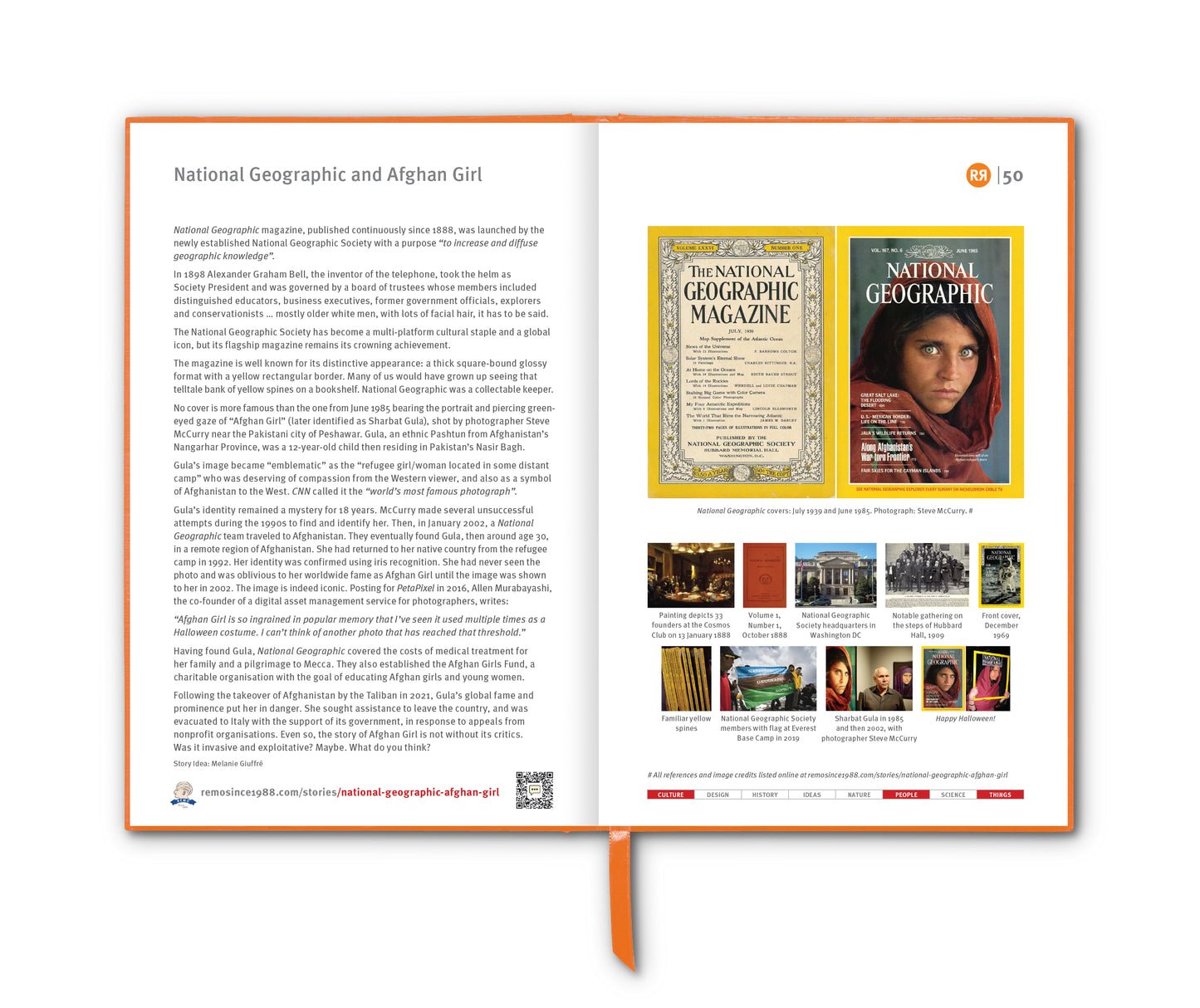

The haka is a powerful expression of Māori identity, culture and unity – a performance tradition that has deep historical roots, retaining strong contemporary significance.
The dance engages the entire body in vigorous rhythmic movements, which may include swaying, slapping of the chest and thighs, stamping and gestures of stylised violence. It is accompanied by a chant and, in some cases, fierce facial expressions meant to intimidate – such as bulging eyes and a protruding tongue. Though often associated with the traditional battle preparations of male warriors, the haka may be performed by both men and women, and several varieties of the dance fulfill social functions within Māori culture.
Haka has its origins in Māori legend. The sun god Tama-nui-te-ra and one of his wives, Hine-raumati, who embodies the essence of summer, had a son named Tane-rore. The Māori consider the quivering appearance of the air on hot summer days to be a sign of Tane-rore dancing for his mother, and this light, rapid movement is the foundation of all haka, with the performers’ trembling hands in particular representing Tane-rore’s dance.
Historically, haka were performed for many reasons — not just to prepare for battle. There are haka for welcoming guests (haka pōwhiri), for funerals (haka tangi), for celebrating achievements, and for marking significant events. In pre-colonial times, haka were part of daily life, embedded in ceremony, storytelling and expressions of tribal pride. They functioned both as a psychological weapon and a communal ritual — a way to rally courage, intimidate opponents, and assert mana (authority or prestige).
Modern examples of occasions for haka include birthdays, weddings, funerals and other celebratory events. It is also sometimes used as a symbol of tribal identity. Since 1972 the performance of haka has been one of the hallmarks of the widely popular Te Matatini performing arts festival, held biennially in New Zealand.
The most famous haka is Ka Mate, composed around 1820 by the Māori chief Te Rauparaha of the Ngāti Toa iwi (tribe). Fleeing his enemies, Te Rauparaha hid in a pit and later emerged, composing the haka to celebrate his survival:
Māori (Original)
Ka mate, ka mate! Ka ora! Ka ora!
Ka mate, ka mate! Ka ora! Ka ora!
Tēnei te tangata pūhuruhuru
Nana i tiki mai whakawhiti te rā
A upane, ka upane!
A upane, ka upane, whiti te rā!
English Translation
It is death! It is death!
It is life! It is life!
This is the hairy man
Who brought the sun and caused it to shine again!
One upward step! Another upward step!
An upward step, another... the sun shines!
It became known to the world at large when, in the early 20th century, it was incorporated into the pregame ritual of New Zealand’s national rugby union team, the All Blacks. Their fierce delivery of Ka Mate, and later the specially commissioned Kapa o Pango, has made the haka an iconic symbol of sporting intimidation and cultural pride.
Beyond sport, the haka continues to serve as a living cultural practice. It is performed in schools, on marae (meeting grounds), at protests, during state ceremonies and even spontaneously in moments of national mourning or celebration. For example, haka were performed in response to the Christchurch mosque attacks in 2019 as a show of solidarity and grief.
Importantly, the haka has also become a point of connection between Māori and non-Māori New Zealanders. It’s taught in schools and embraced in multicultural contexts, yet its proper use remains guided by tikanga (custom) and whakapapa (genealogy). While some haka are open for public performance, others are sacred and must be performed only by those with tribal lineage or permission.
Story Idea: John Williams
_____________________________
References
wikipedia.org/wiki/Haka
britannica.com/art/haka
bbc.com/news/articles/c5yg9k8x8pwo
news.com.au/breaking-news/how-the-all-blacks-rose-to-the-challenge-of-unleashing-the-haka
Images
1. Haka painting from 1845 vs. modern day New Zealand rugby All Blacks haka before a match against Australia in Melbourne
2. Māori faces from 1888
3. 19th-century illustration of a haka, circa 1890
4. Haka painting from 1845
5. Māori Battalion haka in Egypt, 1941
6. When performed by men, haka features protruding of the tongue
7. Video: First ever Kapa O Pango Haka, All Blacks vs. South Africa, 2005
8. Video: "The Most Intense Haka Ever | Auckland Grammar vs King's College", RugbyPass, 2022
9: Video: Lawmakers use haka to protest in New Zealand's parliament, Associated Press, 2024