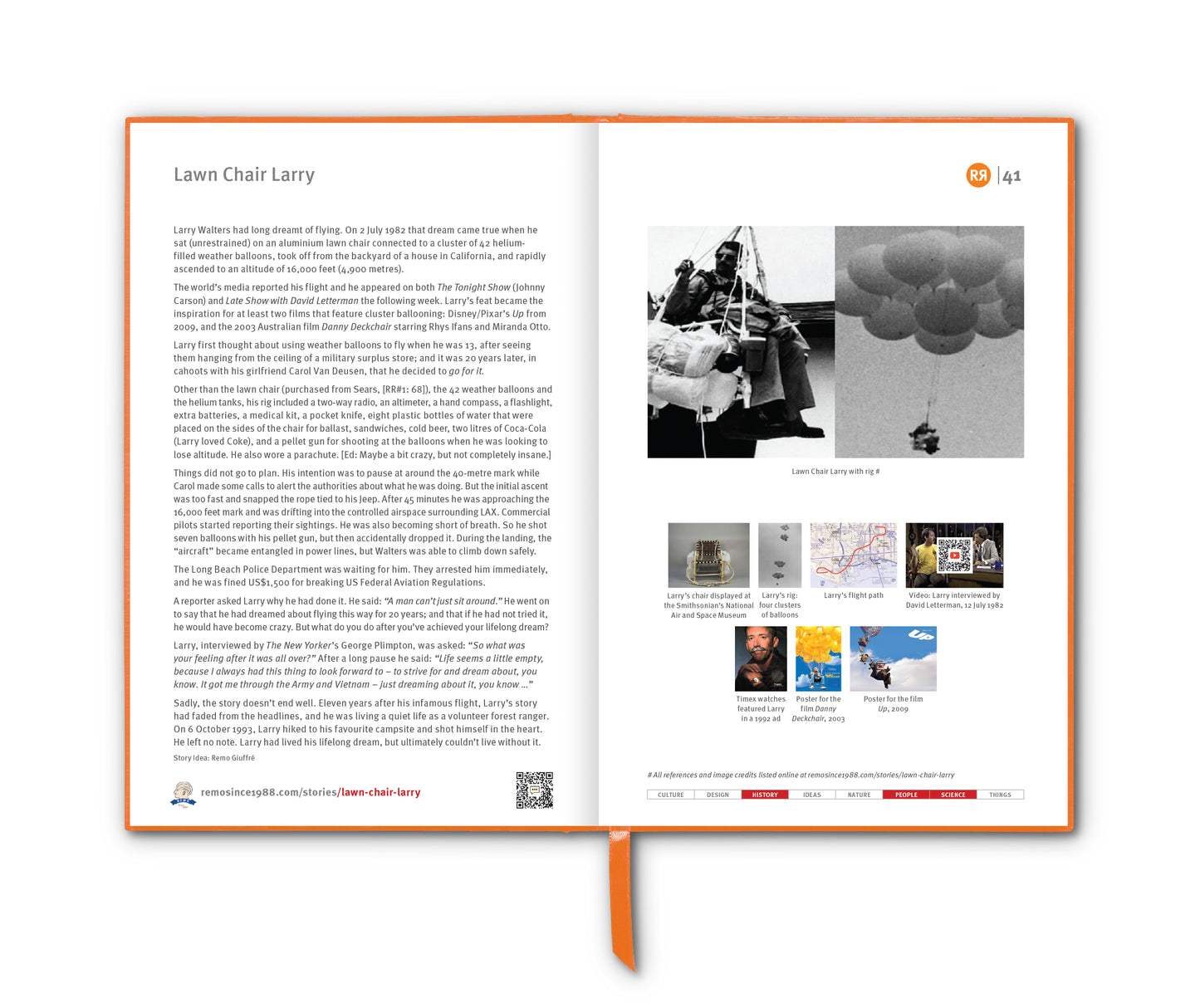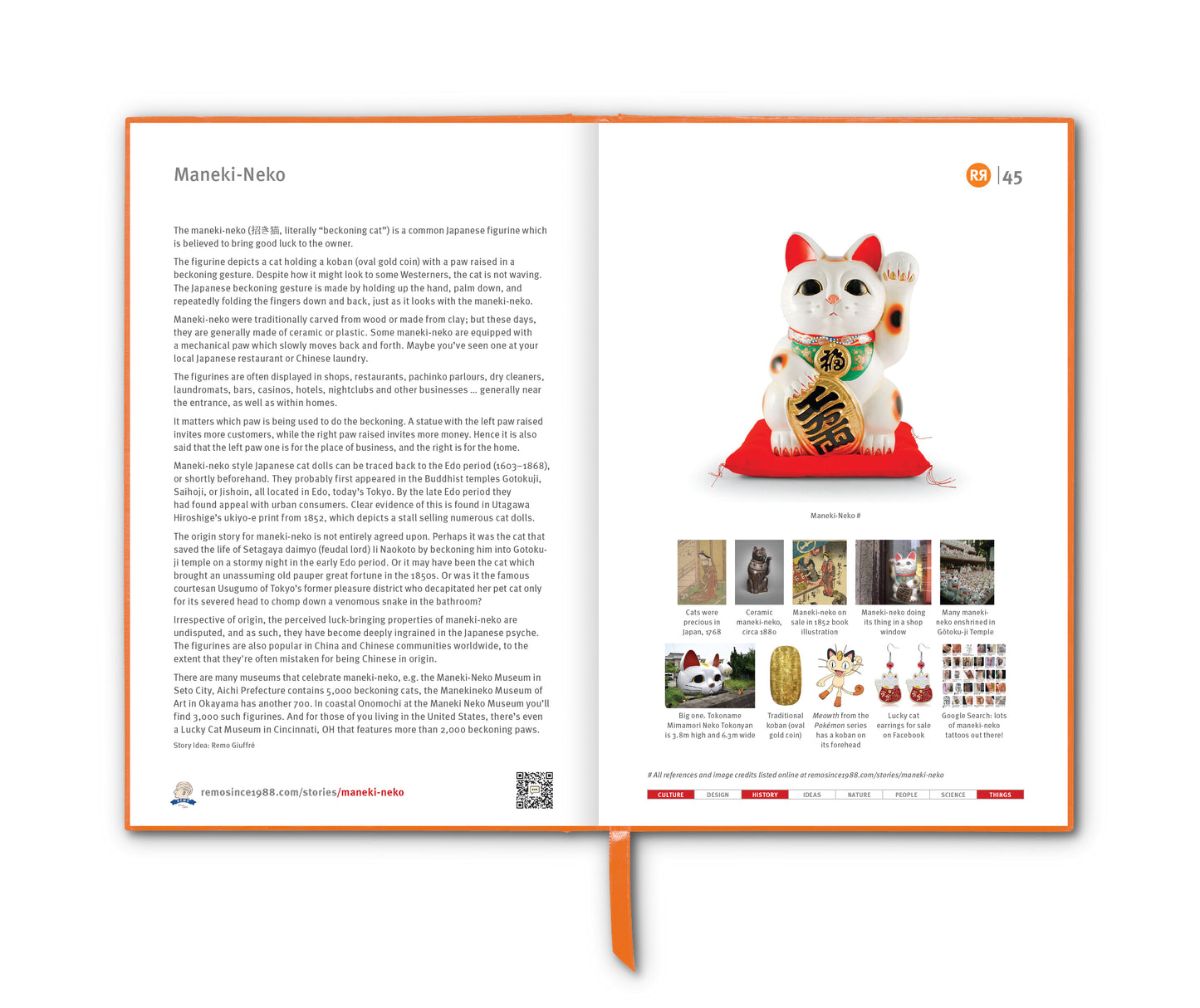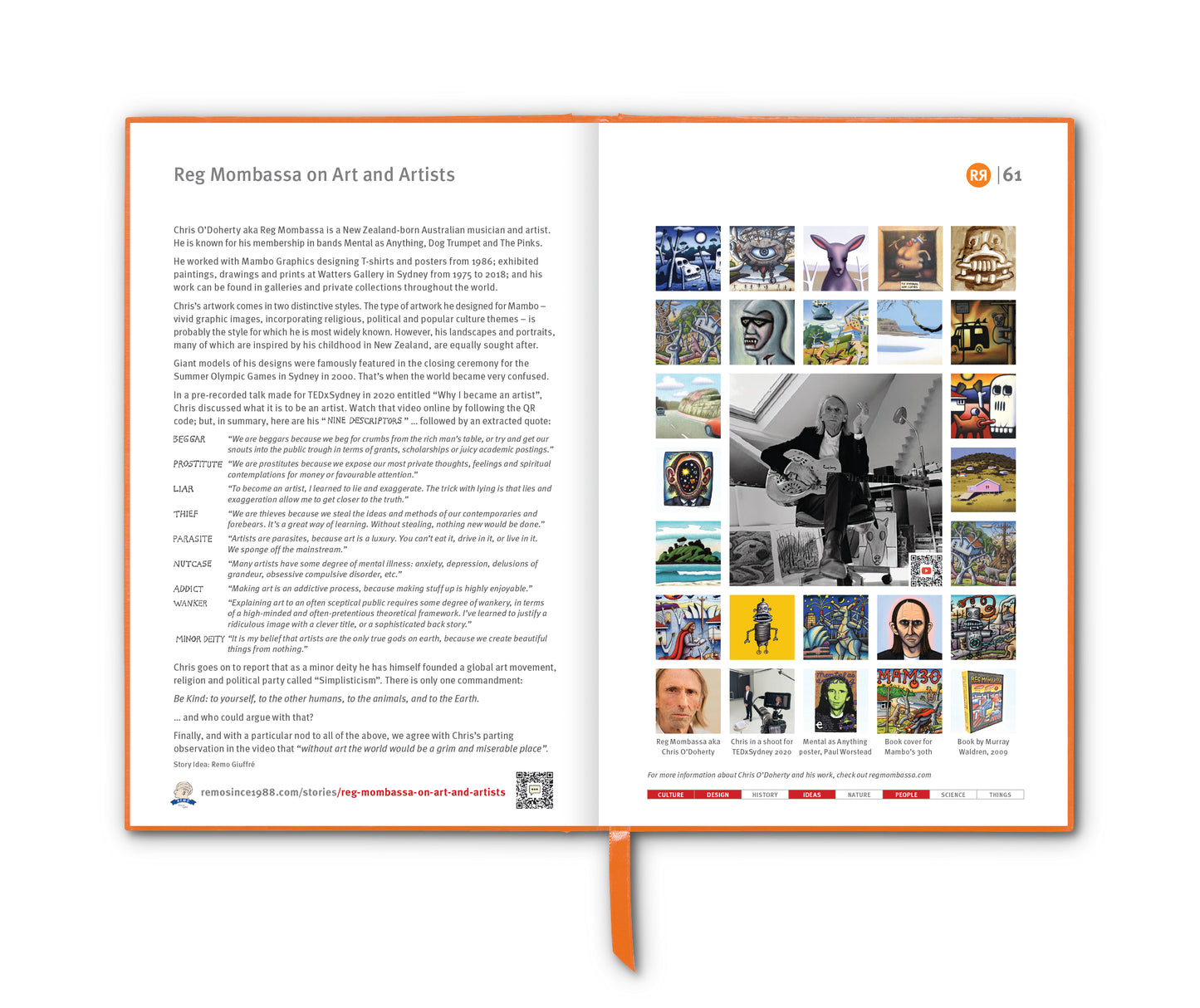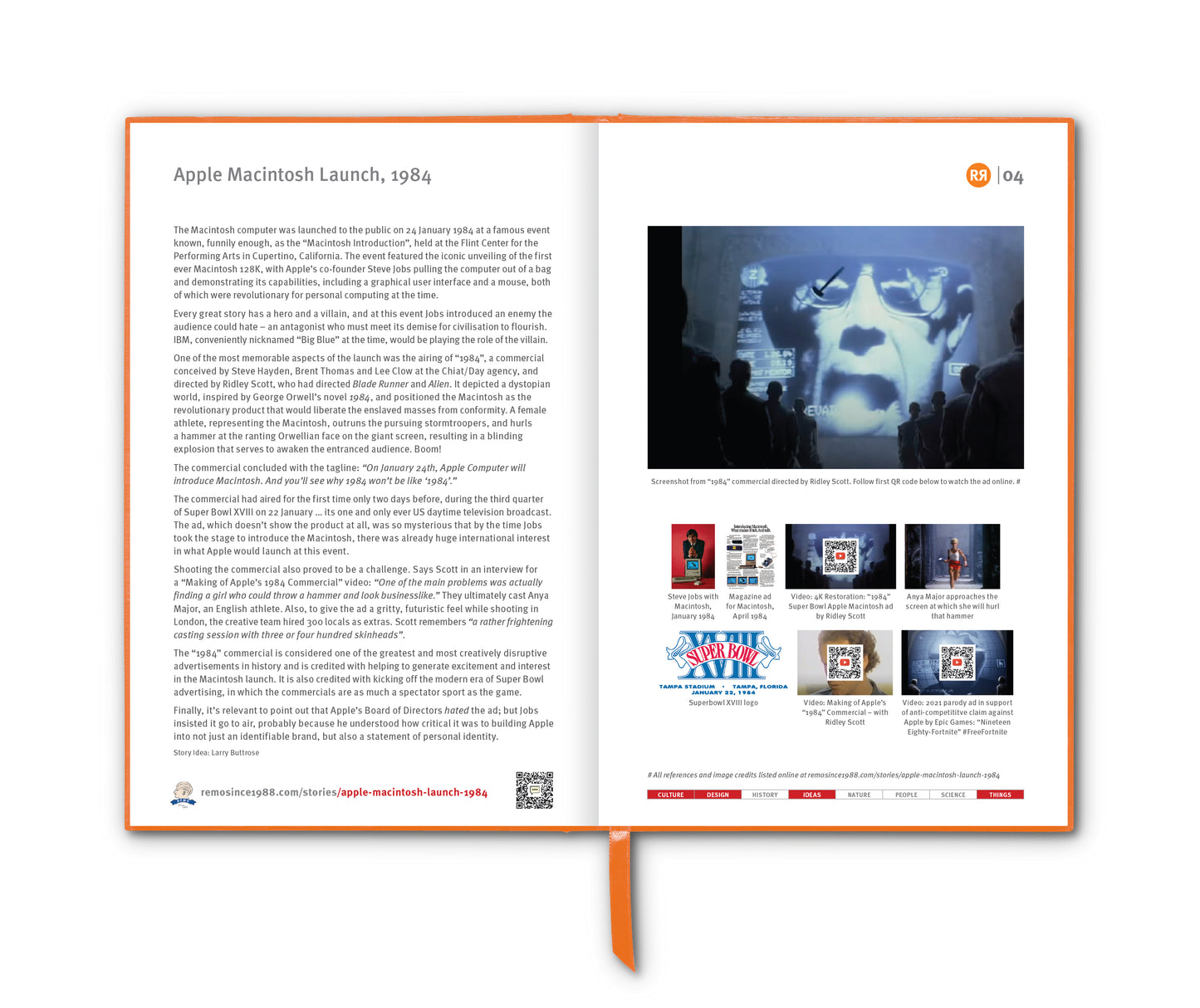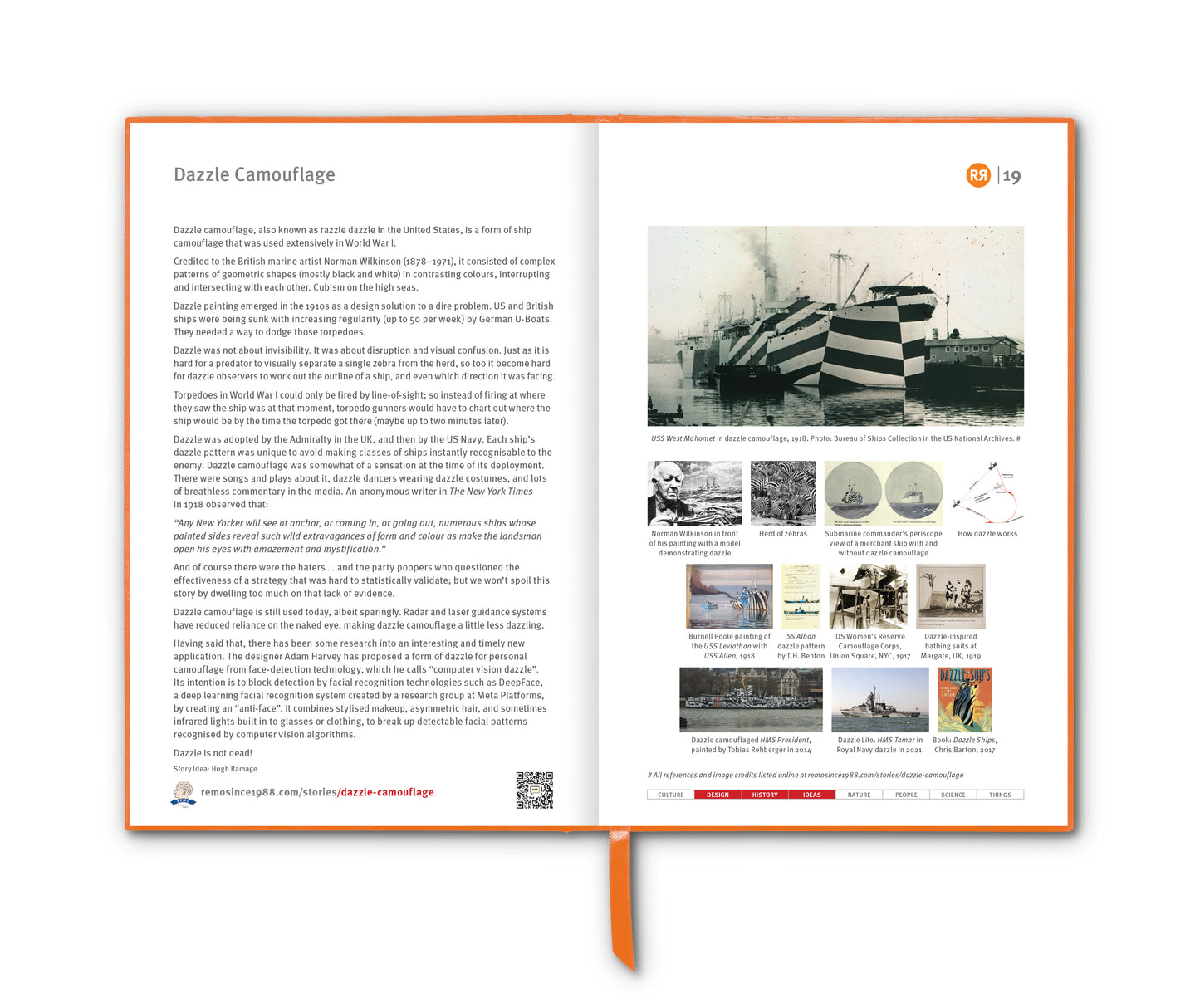

"You know, for kids!" ~ Tim Robbins as "Norville Barnes" in The Hudsucker Proxy (1994)
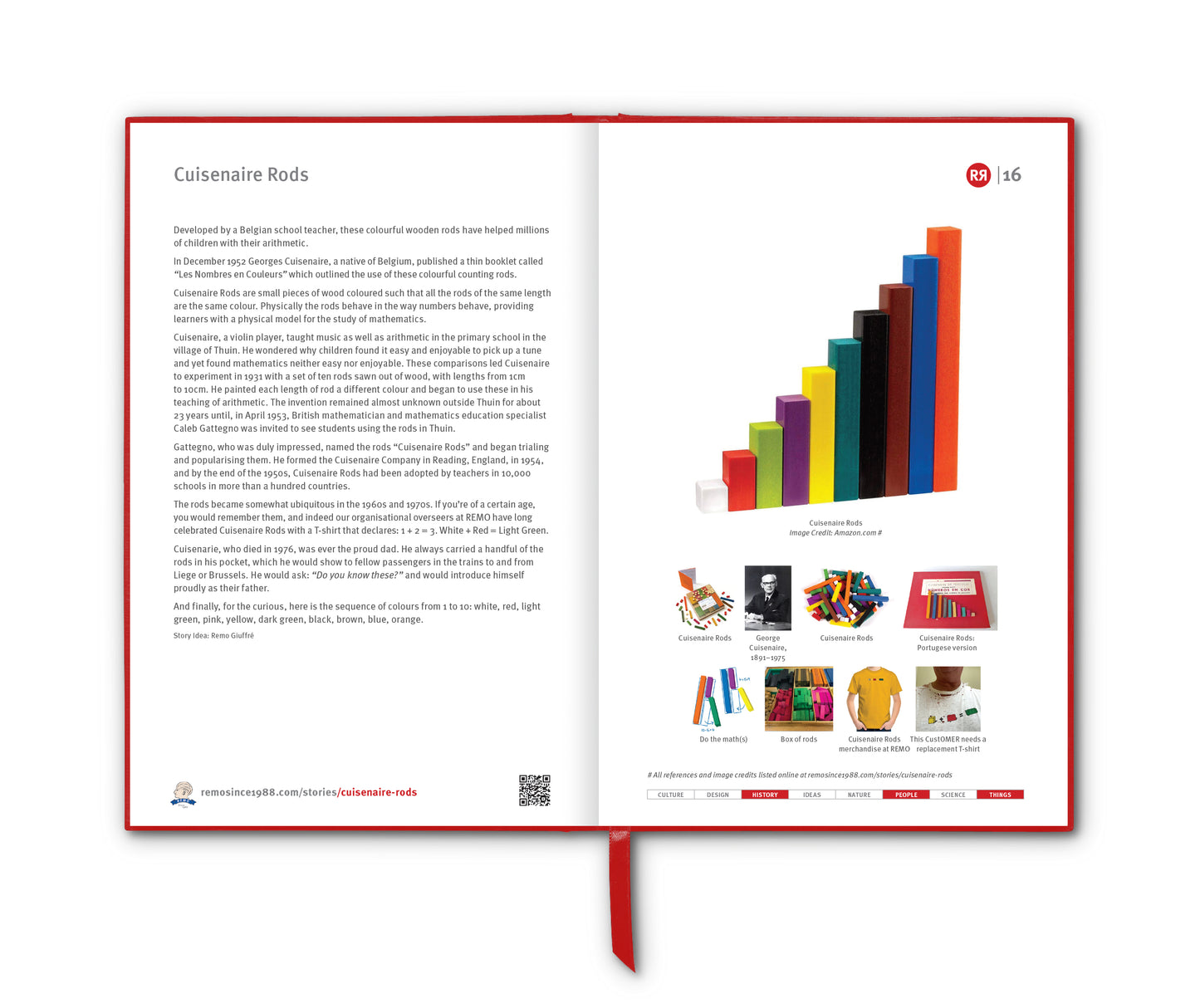
Variations of hoop play actually date back thousands of years, with children and adults in ancient Egypt, Greece and Rome rolling and spinning hoops made of grapevines, reeds or wood. In Victorian England, hoop rolling became a popular pastime, with boys racing hoops along cobbled streets using sticks – an early hint of the object’s enduring appeal as both toy and exercise.
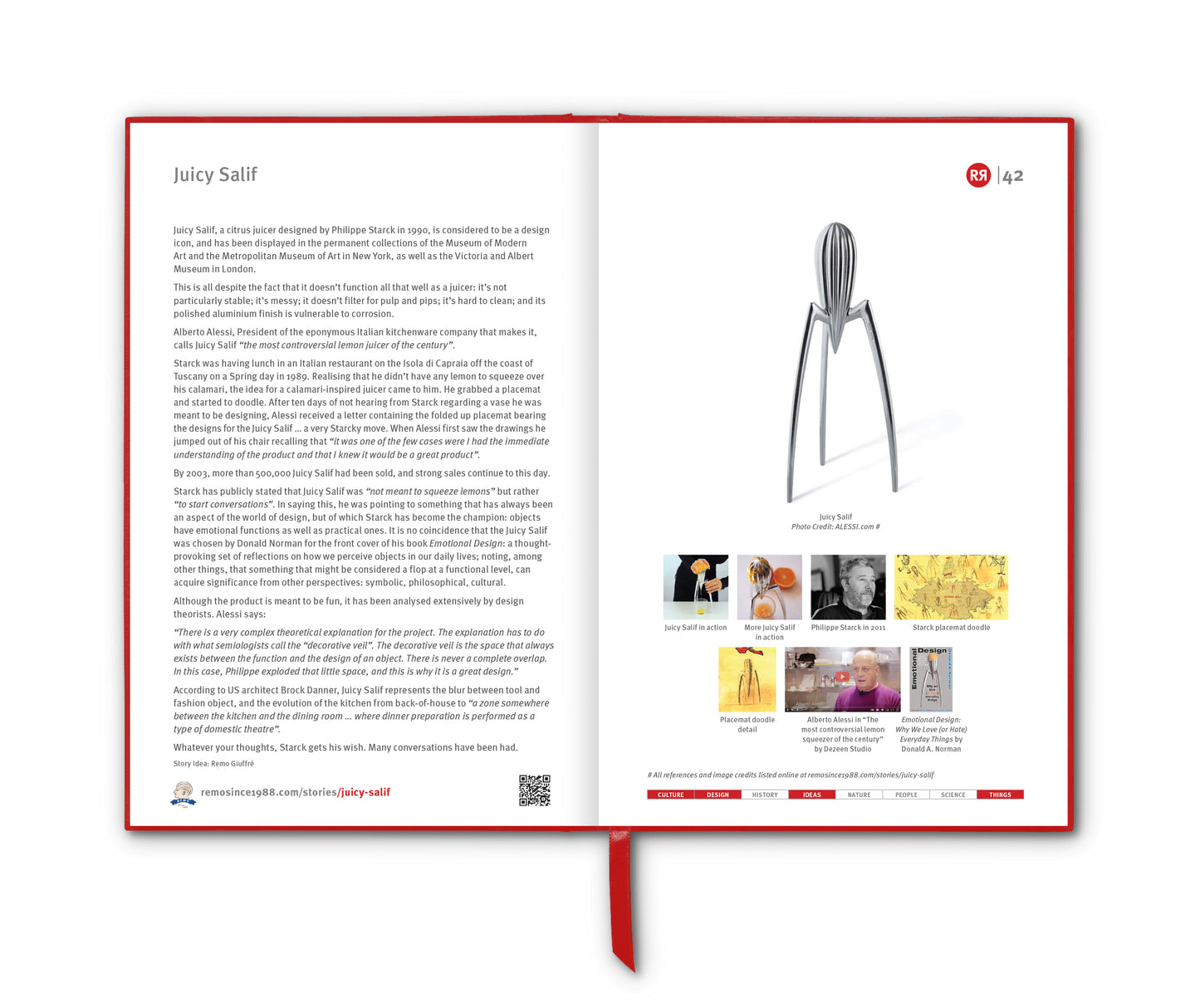
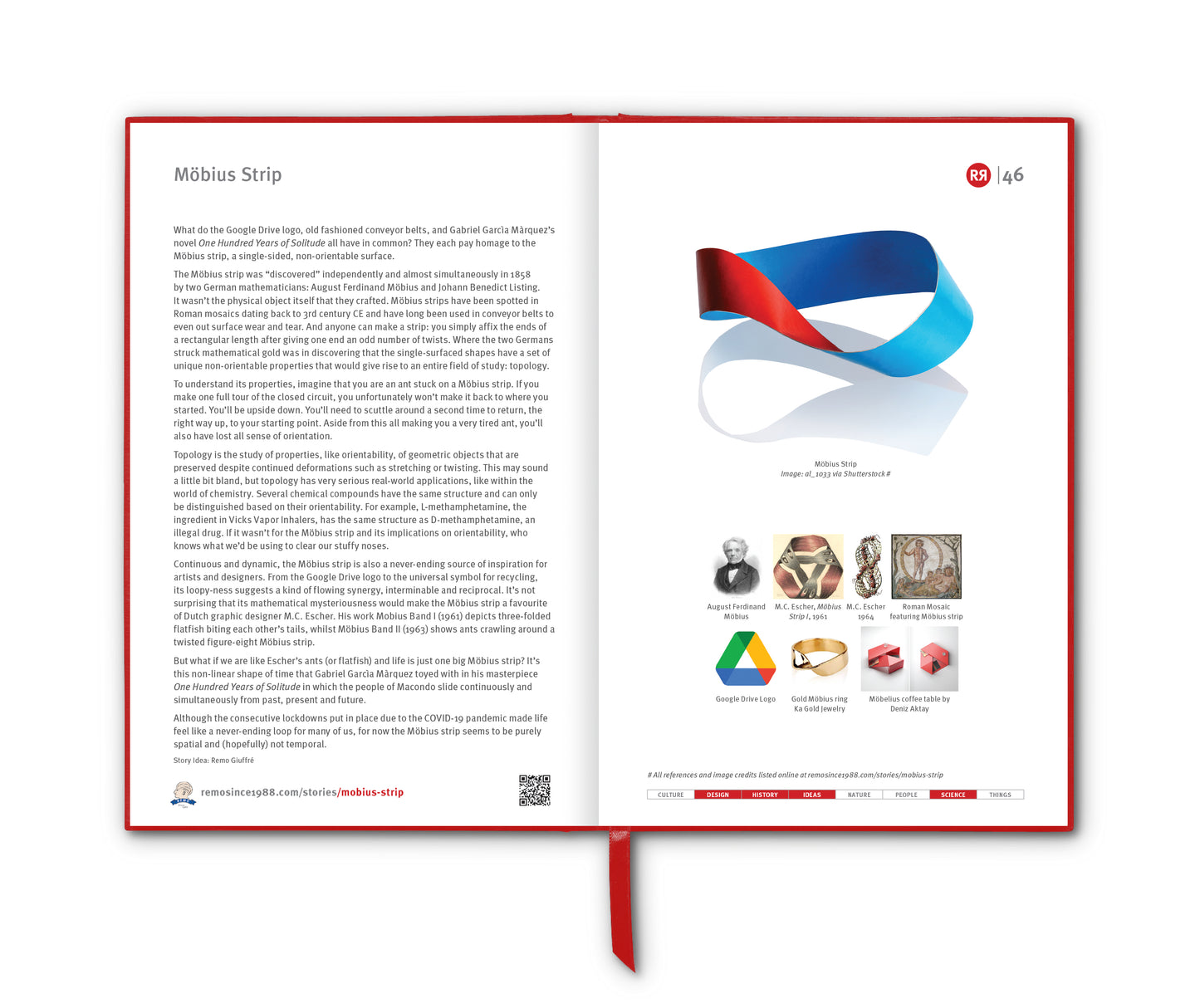
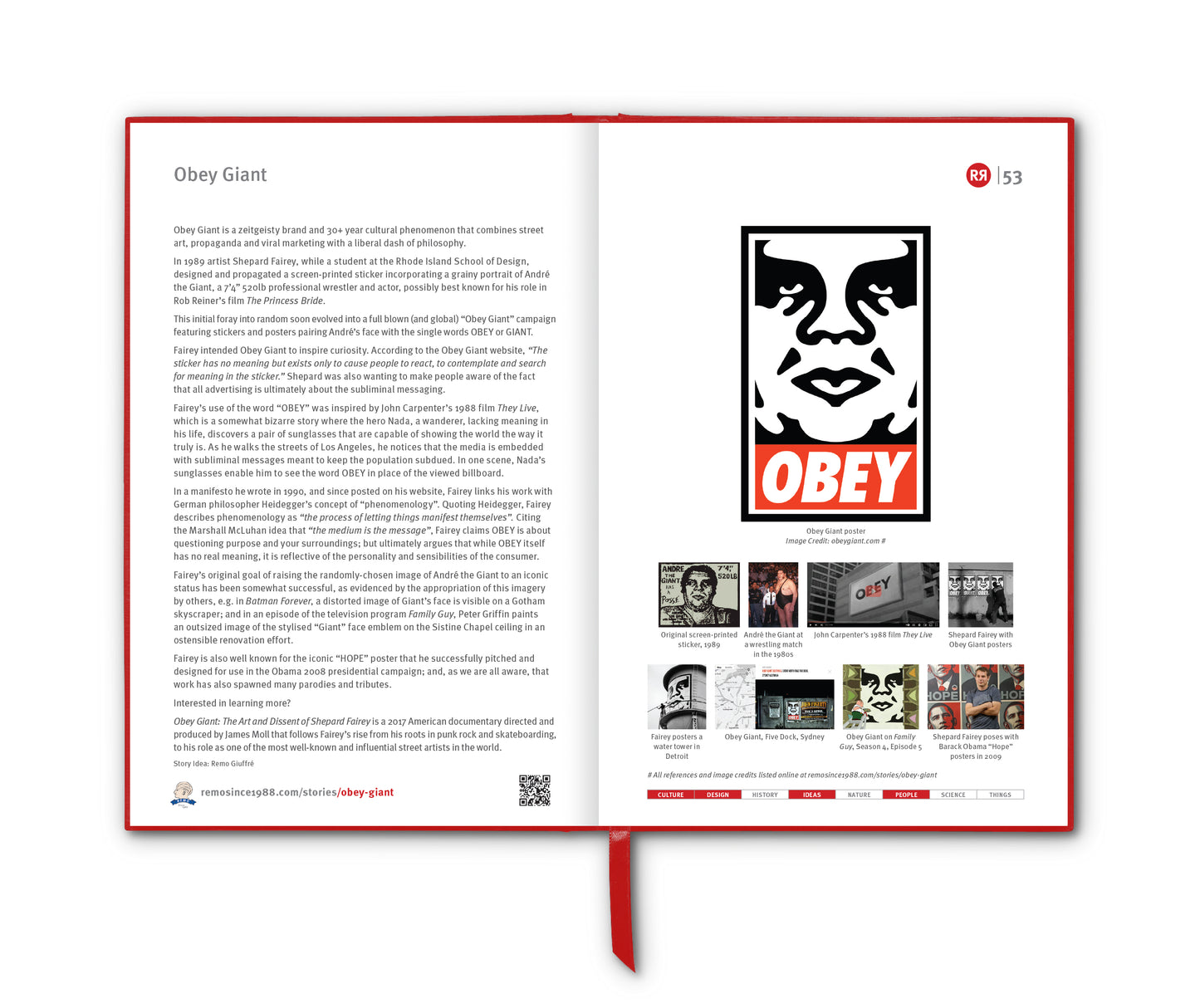
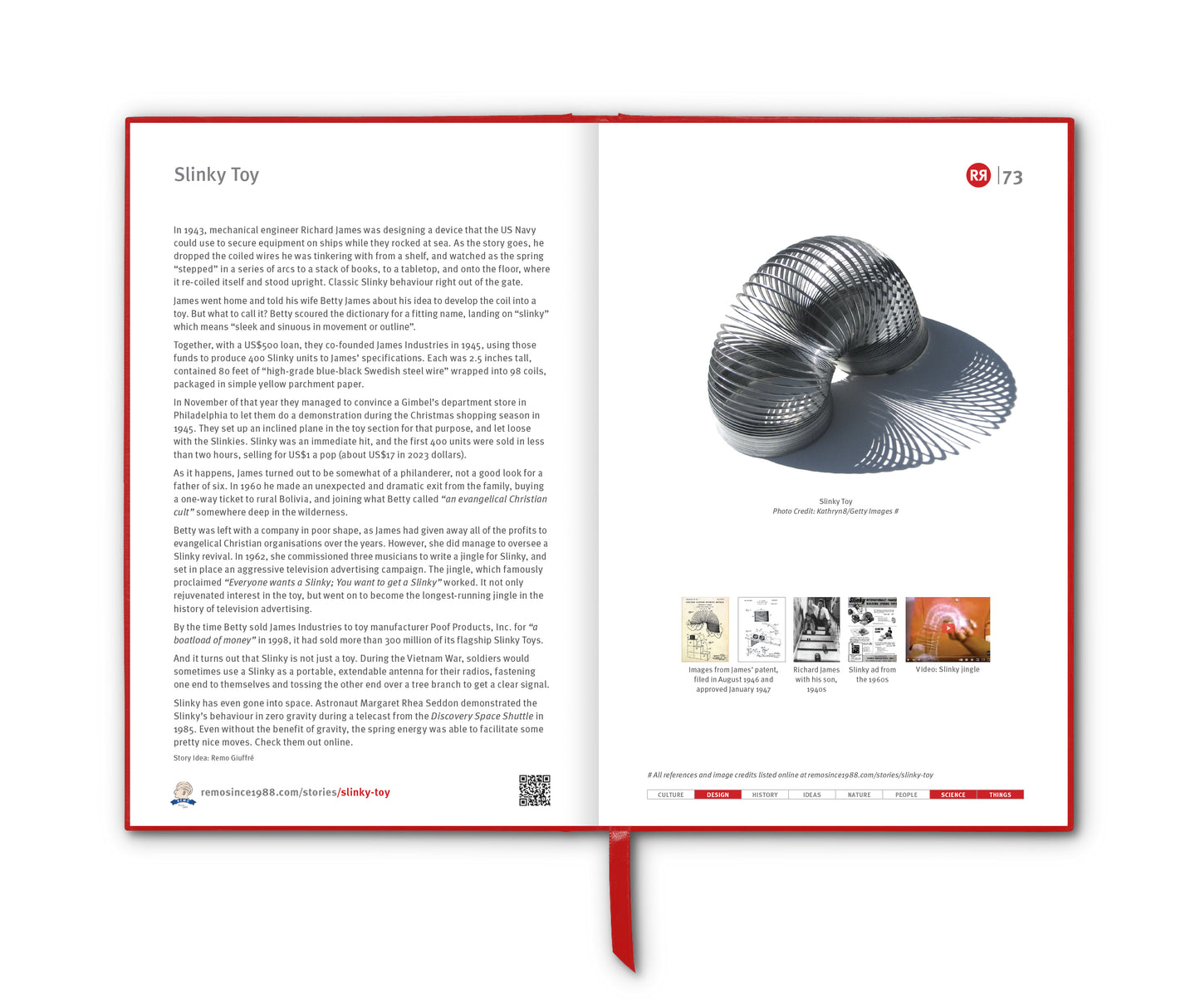
The leap from ancient pastime to modern phenomenon began in Australia. One account traces the modern craze to a Sydney schoolteacher who introduced bamboo hoops in sports classes – though her identity has been lost to history. What we know for sure is that bamboo hoops were already a widespread fad in Australia in the mid-1950s.
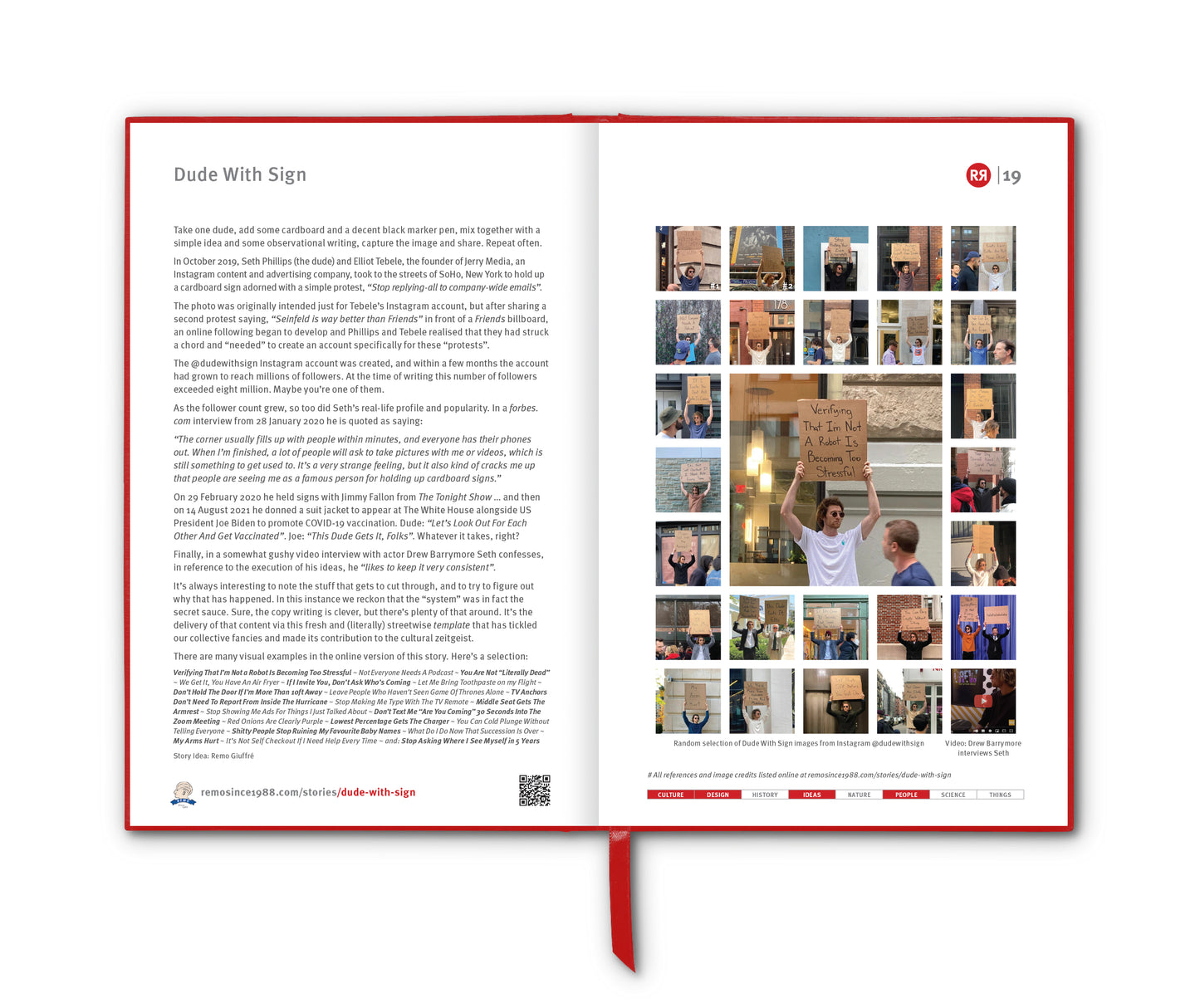
Enter Alex Tolmer, founder of Toltoys, who saw an opportunity to modernise the product. In 1957, Tolmer began manufacturing hoops from polyethylene – lighter, stronger and less brittle than bamboo. They were cheap, colourful and wildly popular, with around 400,000 sold in Australia in a single year.
Around the same time Joan Anderson, an Australian-born model was playing a pivotal, albeit unrecognised and ultimately unrewarded, role. Visiting her native Sydney from the United States, she observed people twirling bamboo hoops and eventually had one sent back to her home in Los Angeles. She and her husband introduced it to Wham-O’s Arthur Melin, using the term “hula-hoop”, a name inspired by the hip movements of the eponymous Hawaiian dance. (Anderson’s story is told in Hula Girl (2025) a short documentary directed and produced by Amy Hill and Chris Riess.)
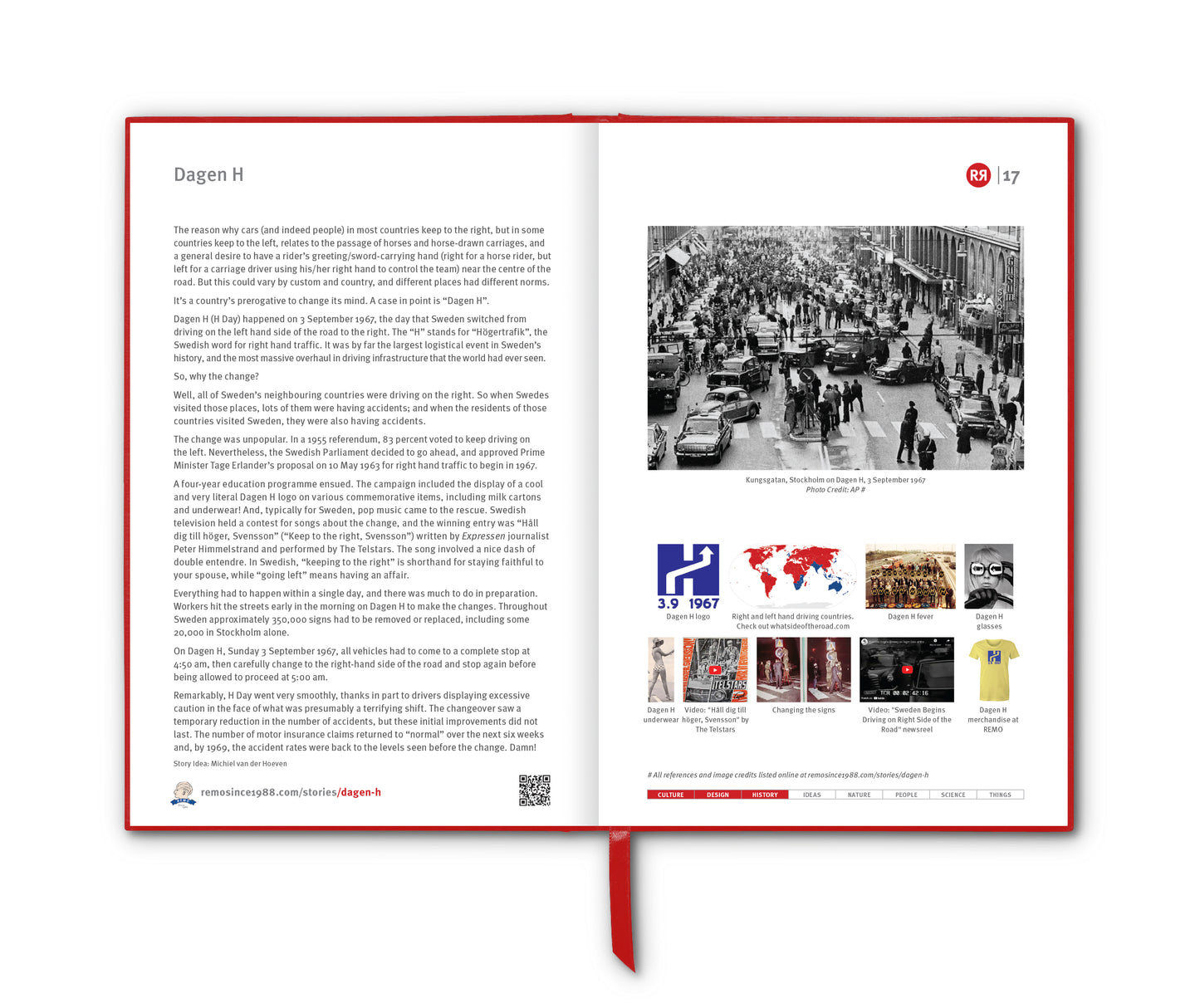
In 1958, Wham-O introduced a high-density polyethylene “Hula Hoop” to the American market. What followed was one of the most explosive toy crazes in history. Within just four months, Wham-O sold an estimated 25 million hula hoops across the United States, and by the end of the year, global sales had surpassed 100 million. Playgrounds, parks and suburban lawns filled with children (and adults) gyrating enthusiastically, competing to keep their hoops spinning the longest or inventing new tricks. It was a viral sensation – spread by word of mouth, television coverage and sheer visual spectacle.
The hula hoop became a symbol of postwar exuberance.
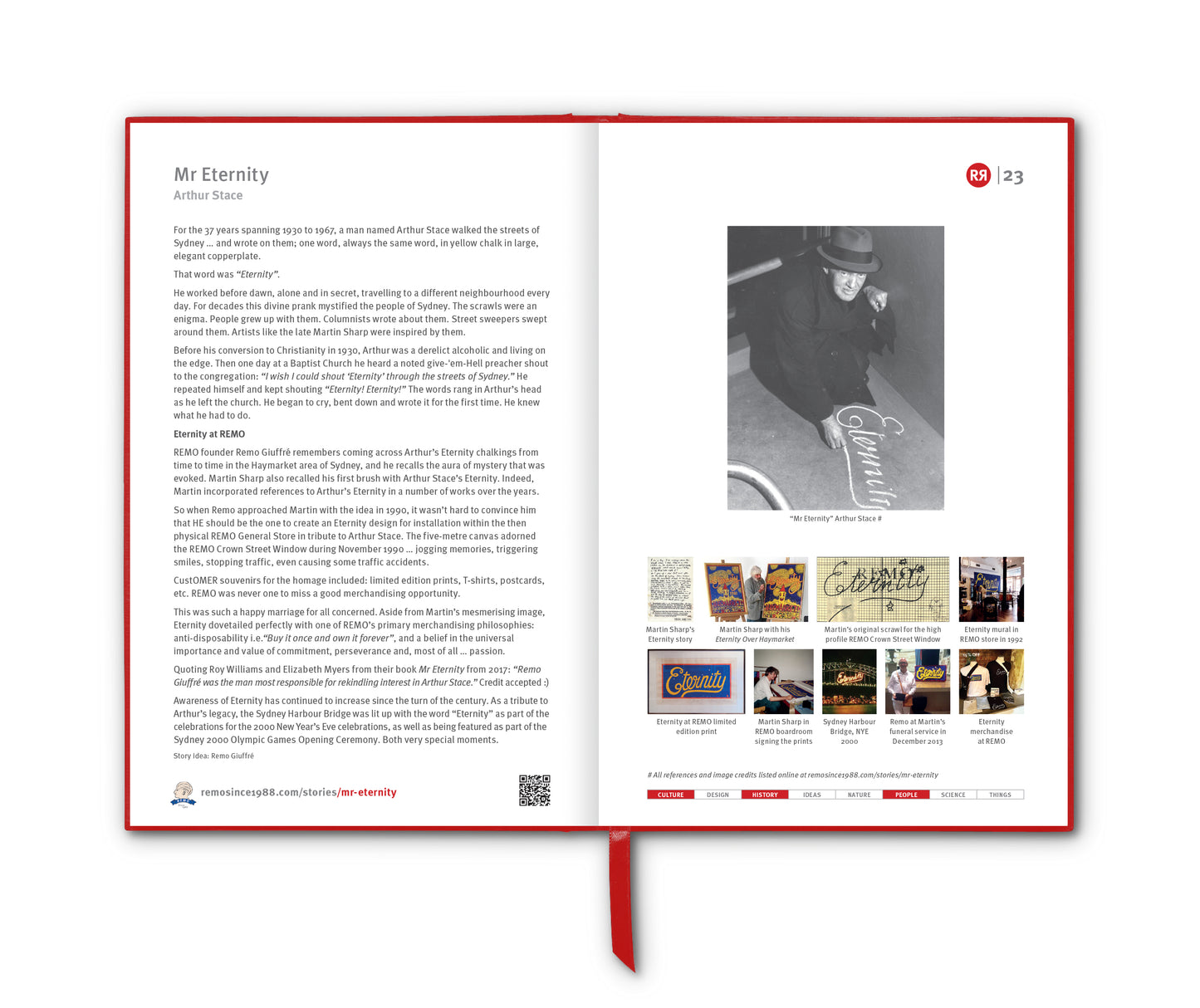
The hoop’s success was not without complications. Wham-O struggled to patent the idea, as the basic concept of a hoop (depicted memorably as a simple drawing of a circle in The Hudsucker Proxy, 1994) was ancient and unprotectable. Copycat manufacturers quickly flooded the market, leading to fierce competition and a rapid decline in sales after the initial boom. Still, the company’s branding and early momentum secured its place in toy history.
Despite the fast fade of the initial boom, the hula hoop never never truly disappeared. It has resurfaced in fitness movements, circus arts and contemporary dance culture, evolving into something both nostalgic and new.
_______________
References
wikipedia.org/wiki/Hula_hoop
wikipedia.org/wiki/Hoop_rolling
wikipedia.org/wiki/The_Hudsucker_Proxy
smithsonianmag.com/arts-culture/iconic-hula-hoop-keeps-rolling
Images
1. Popular Northern Irish singer Ronnie Carroll at a hula hoop party thrown by cabaret actress Cherry Weiner in her West End London flat on 2 October 1958
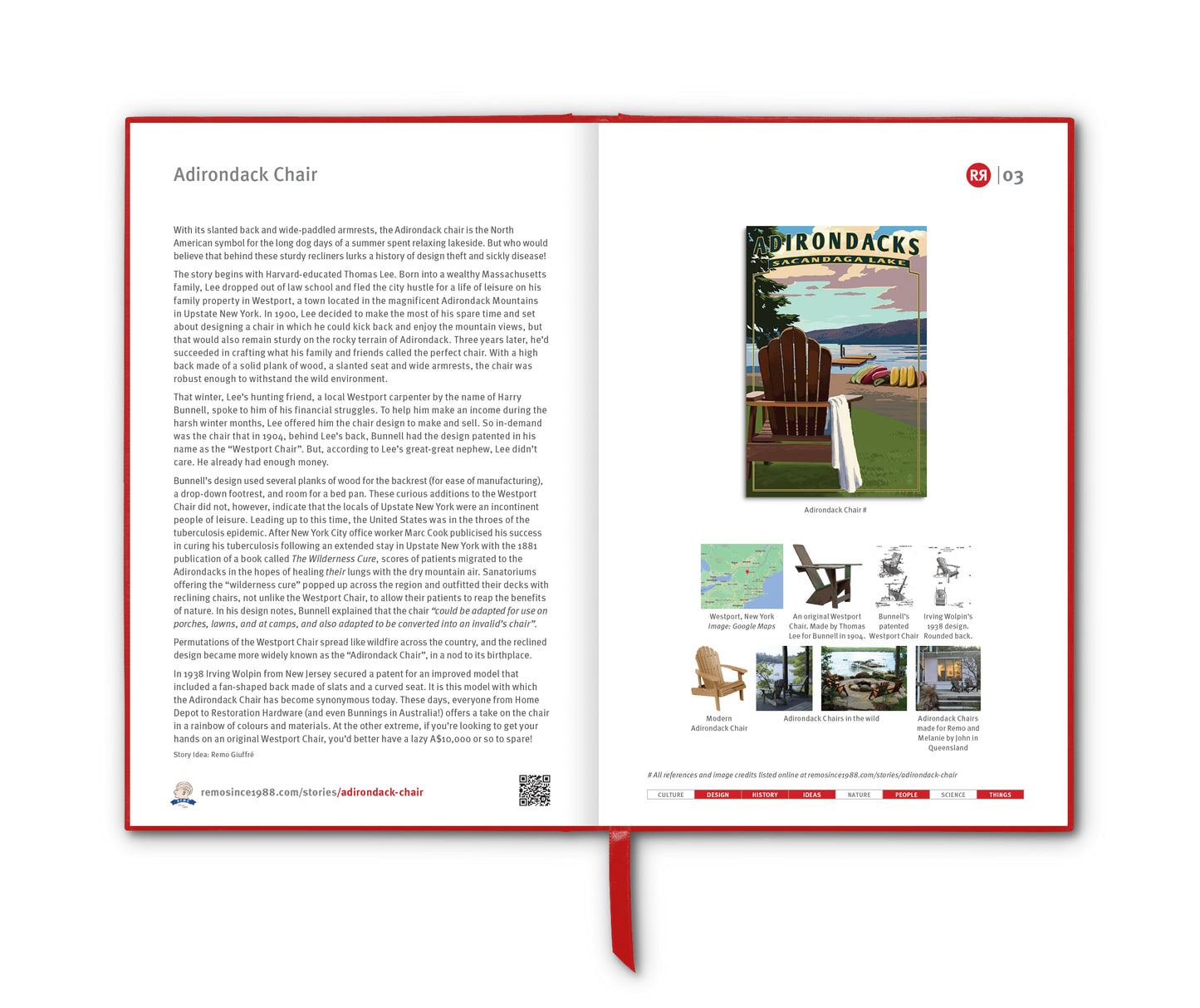
2. A Greek youth depicted playing with a hoop, circa 470 BCE
3. Dutch children rolling hoops, depicted in Pieter Bruegel's 1560 painting Children's Games
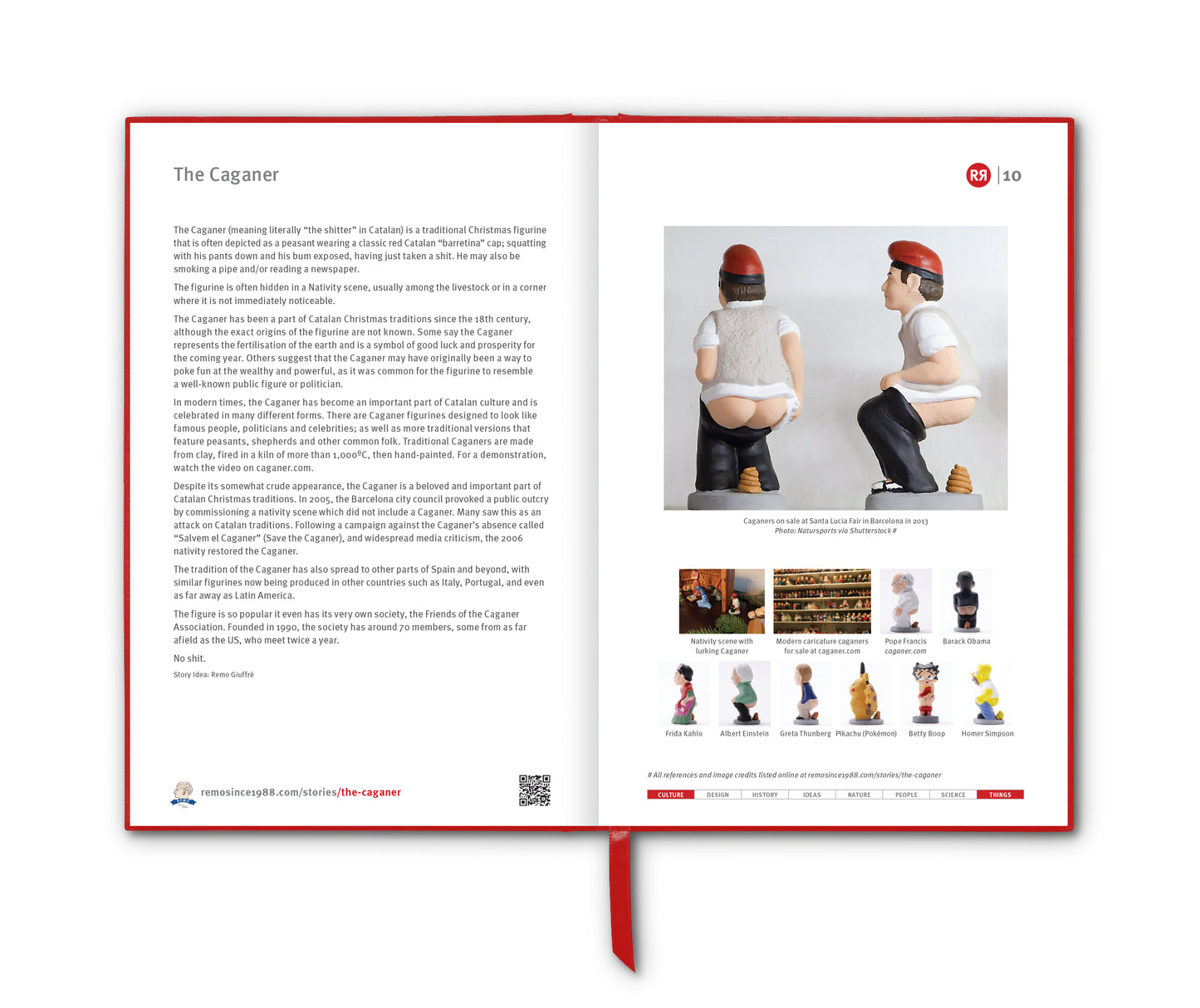
4. Canadian boys rolling bicycle rim hoops in Toronto, 1922
5. "Craze for Cane Hoops" The Age, 20 July 1957
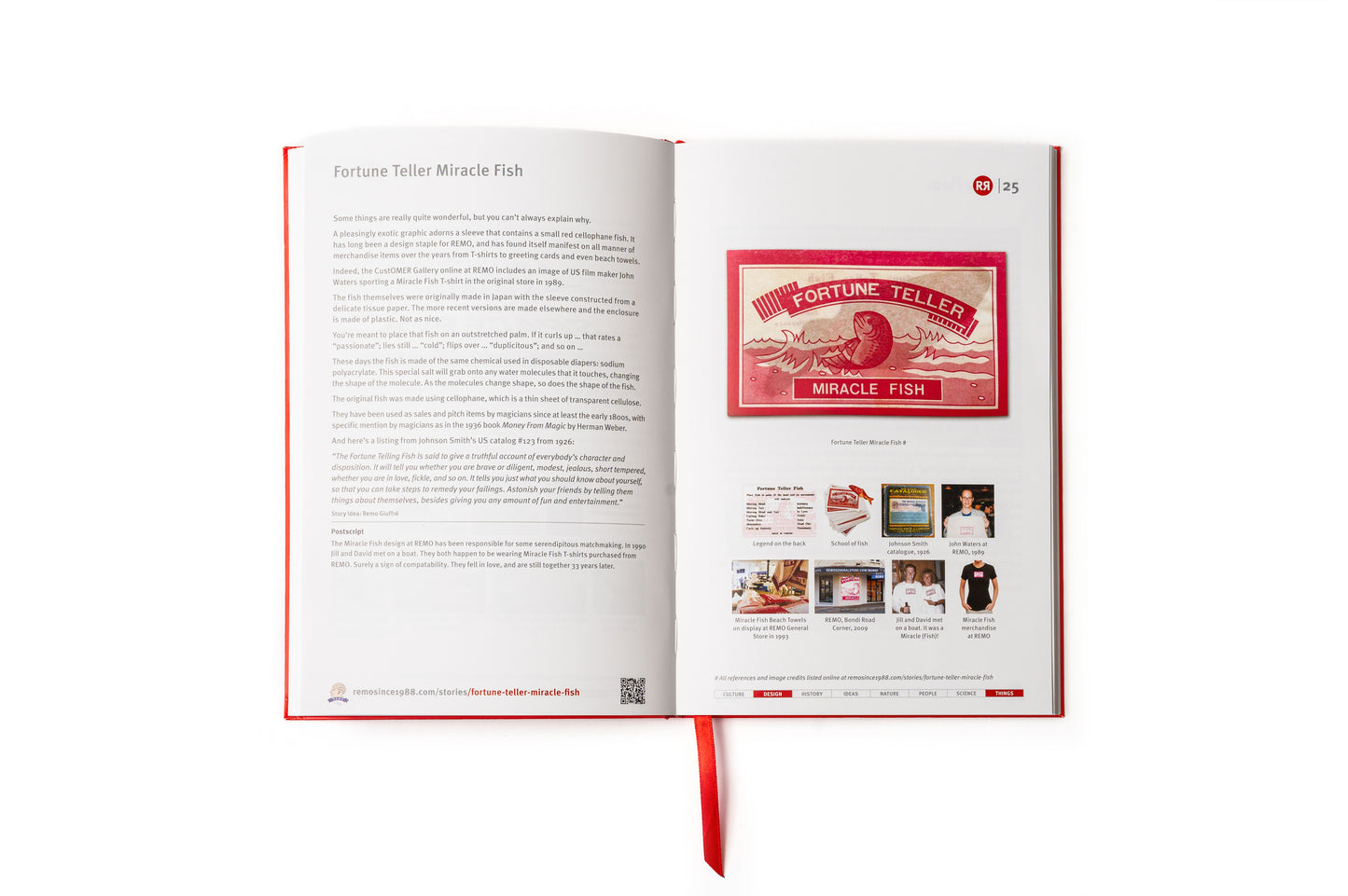
6. Hula Hoops in a playground in 1958
7. Wham-O ad for Hula Hoops
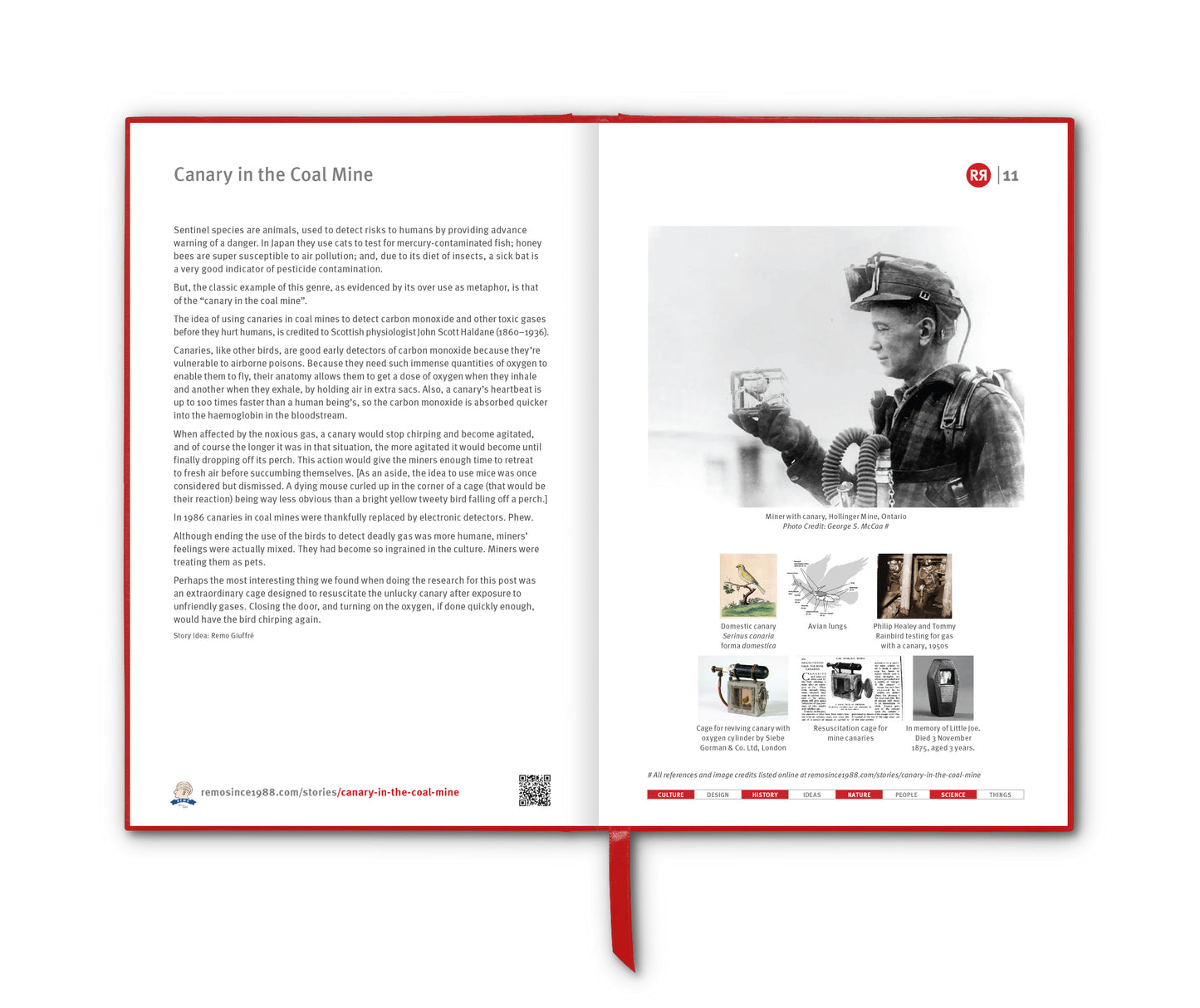
8. Hula Hooping woman on beach
9. Poster for The Hudsucker Proxy, 1994
10. Australian Marawa Ibrahim spins 200 hoops simultaneously in Los Angeles on 25 November 2015
11. Video: Hula Girl short documentary, 2025