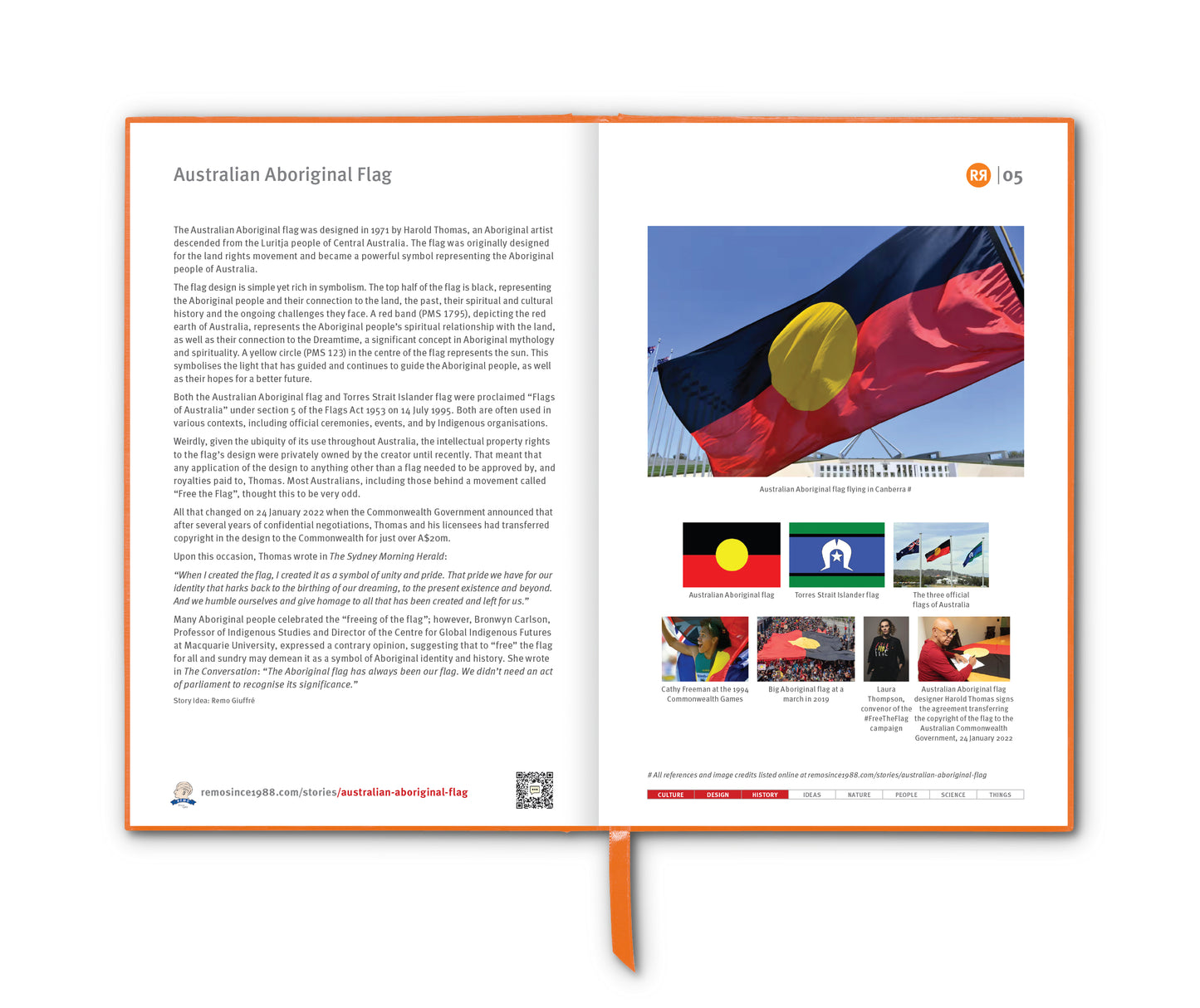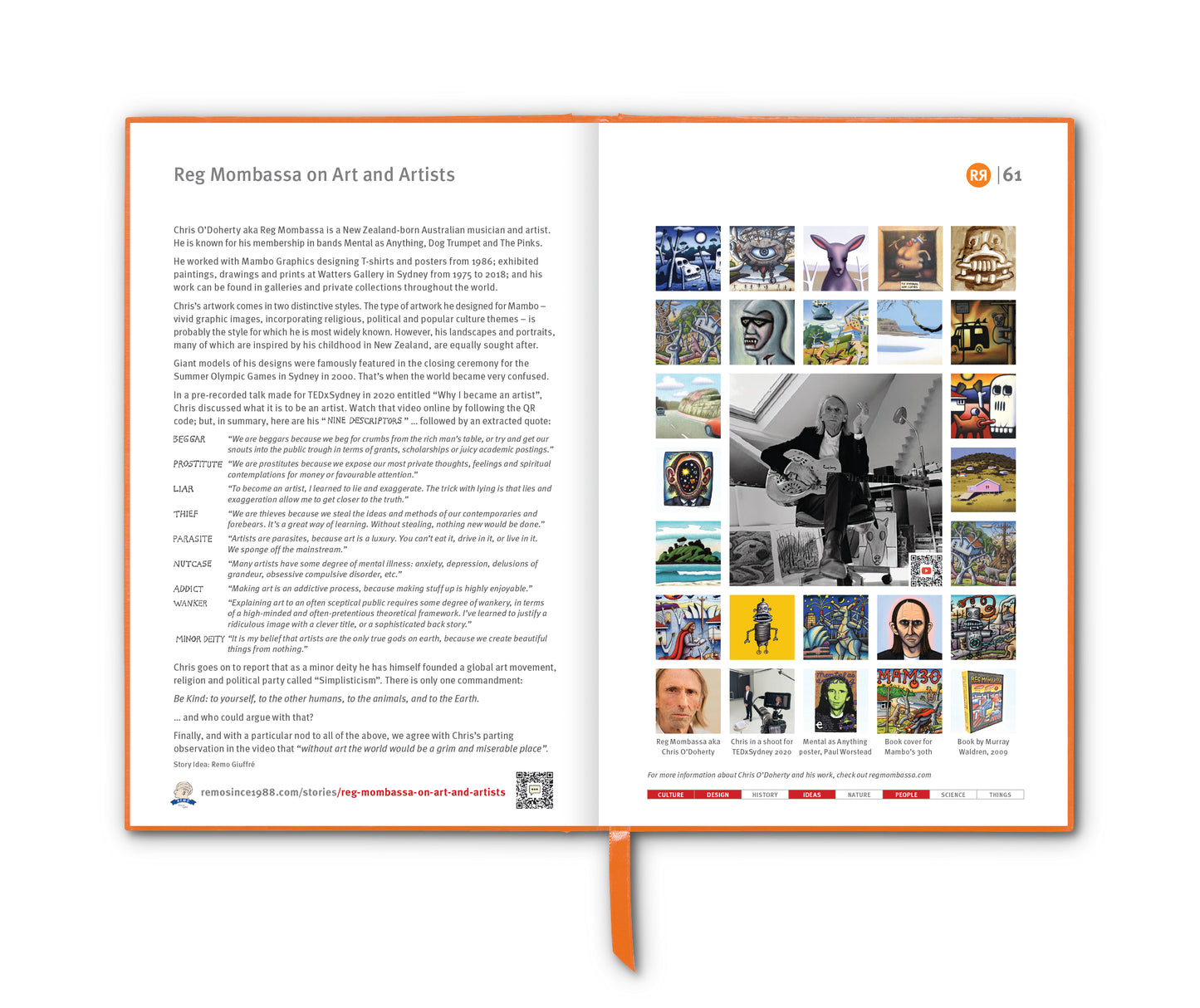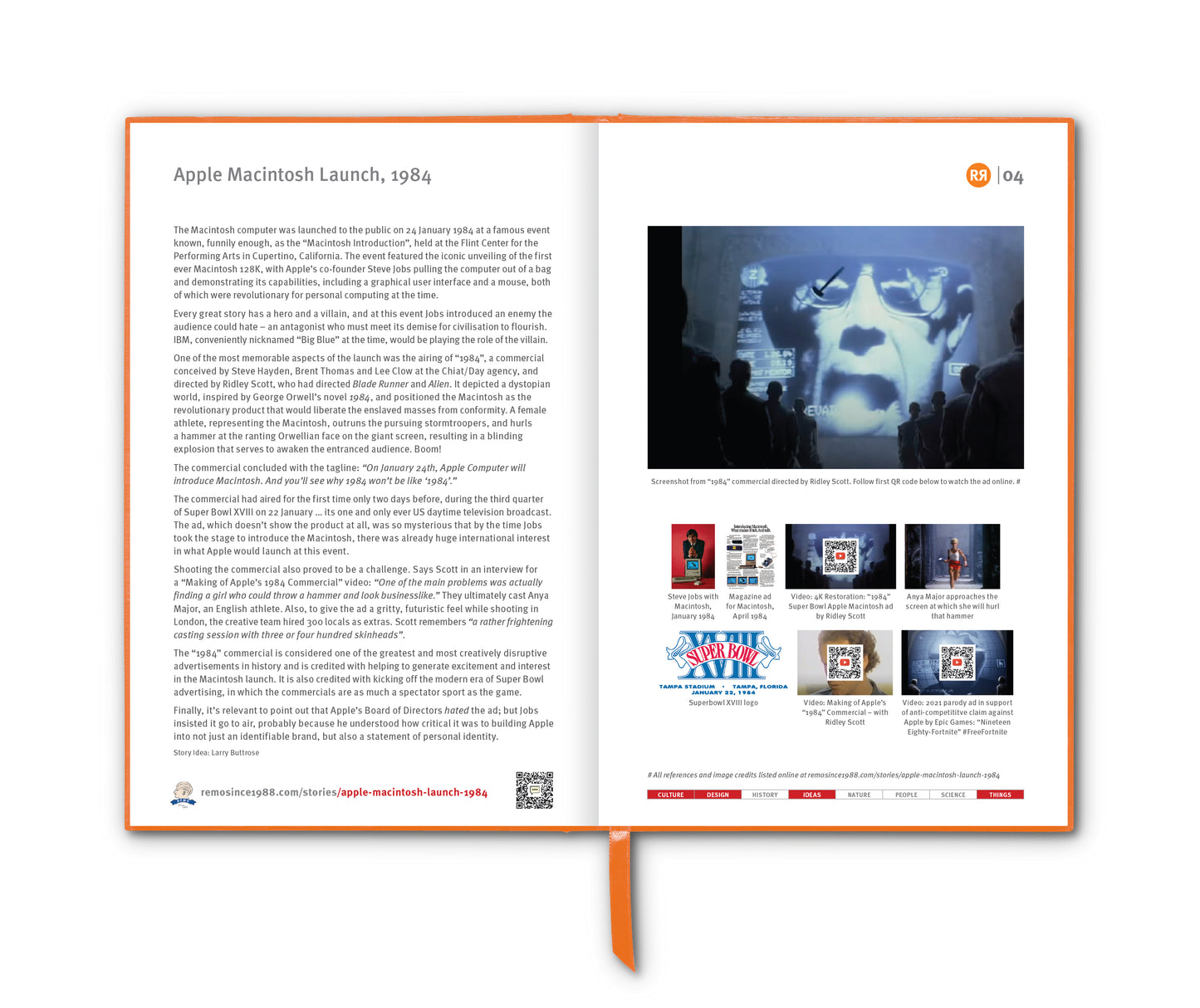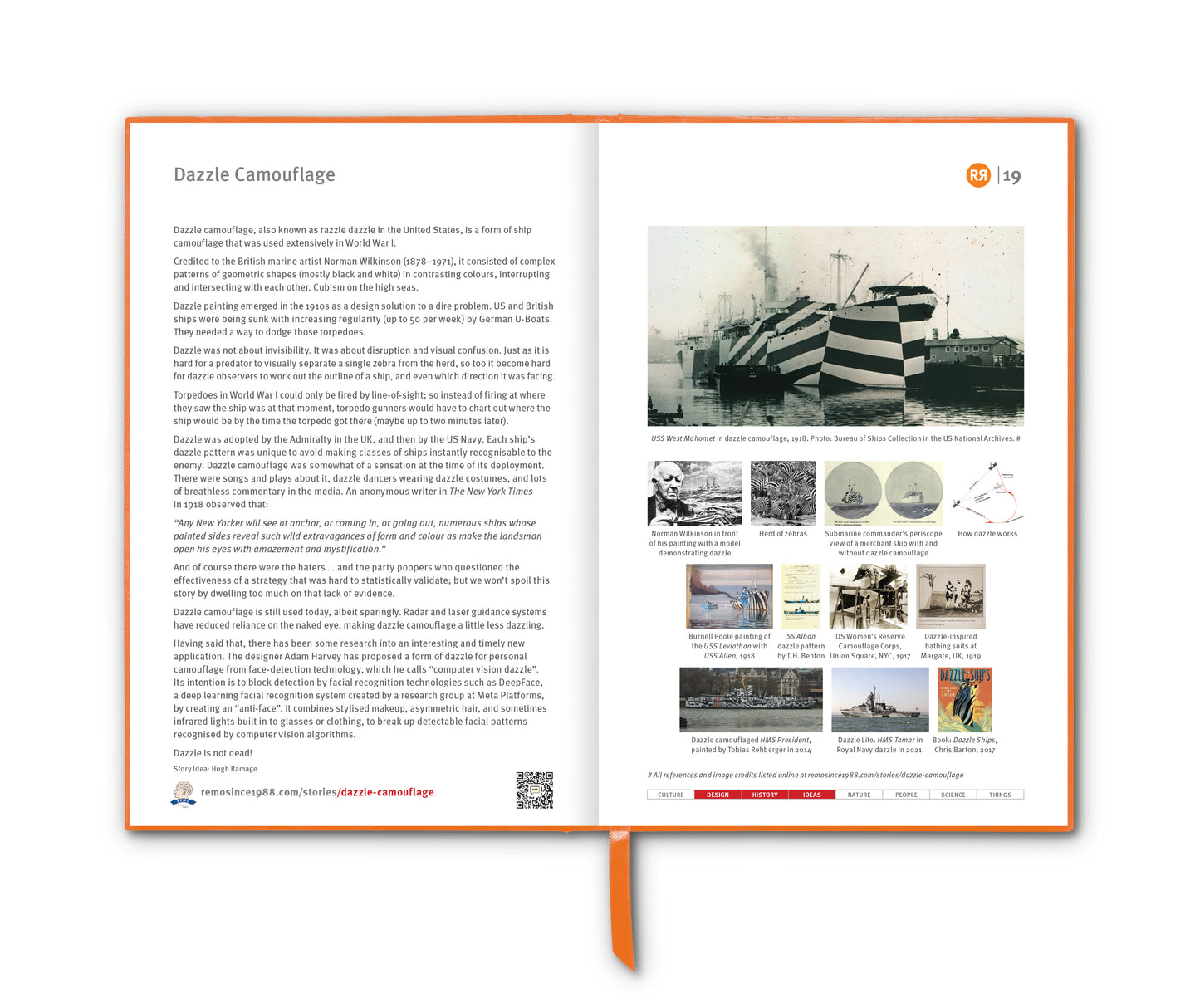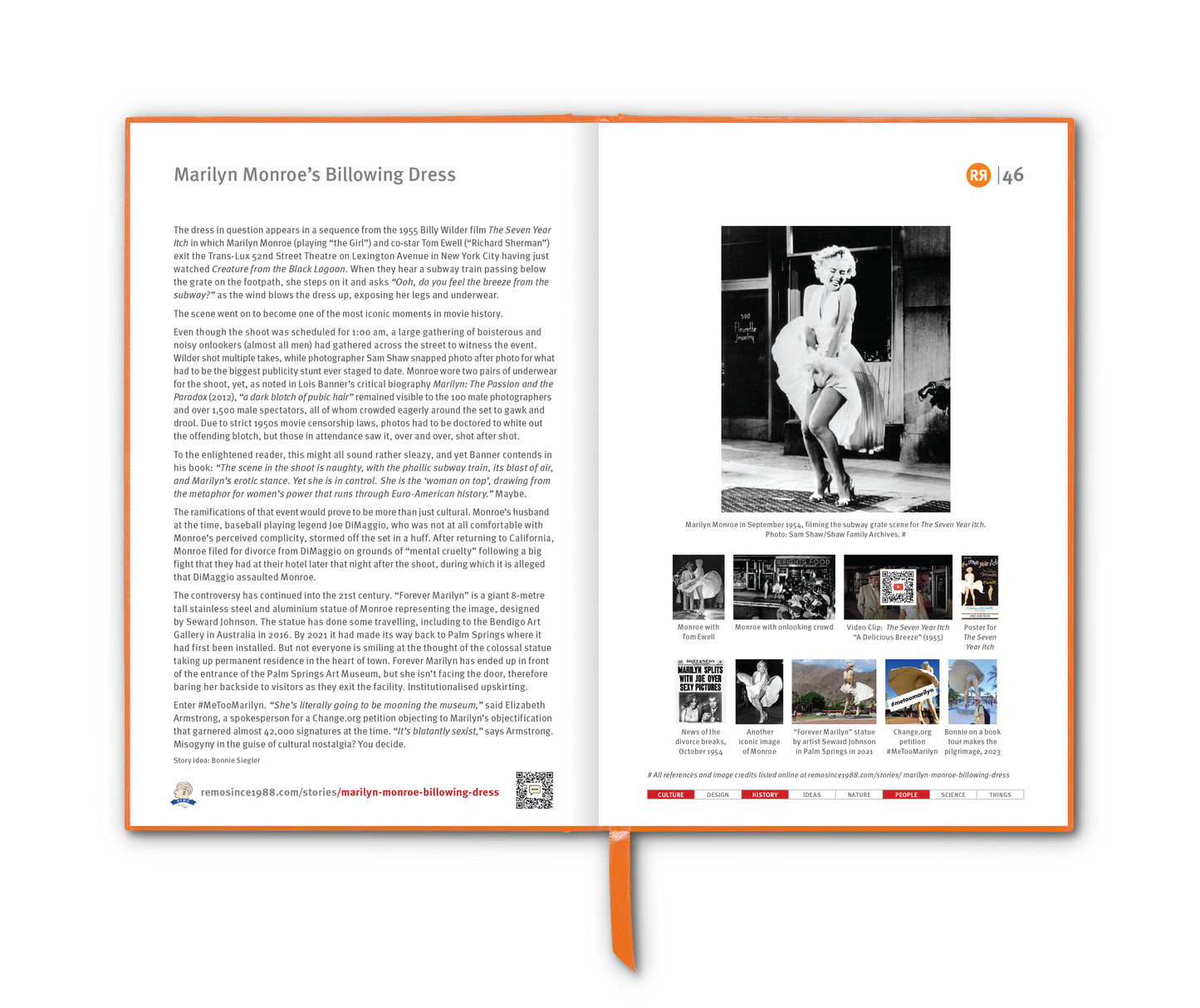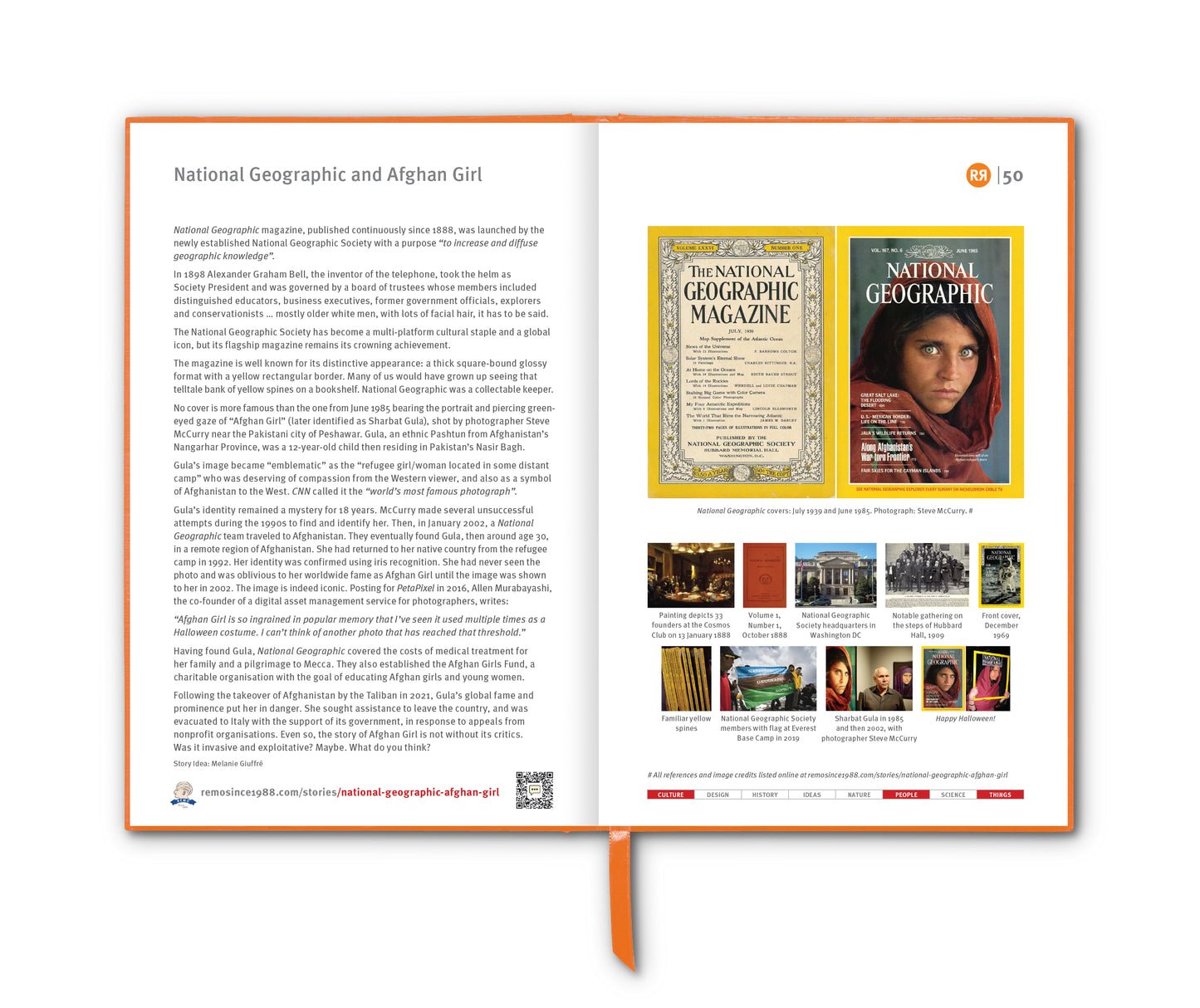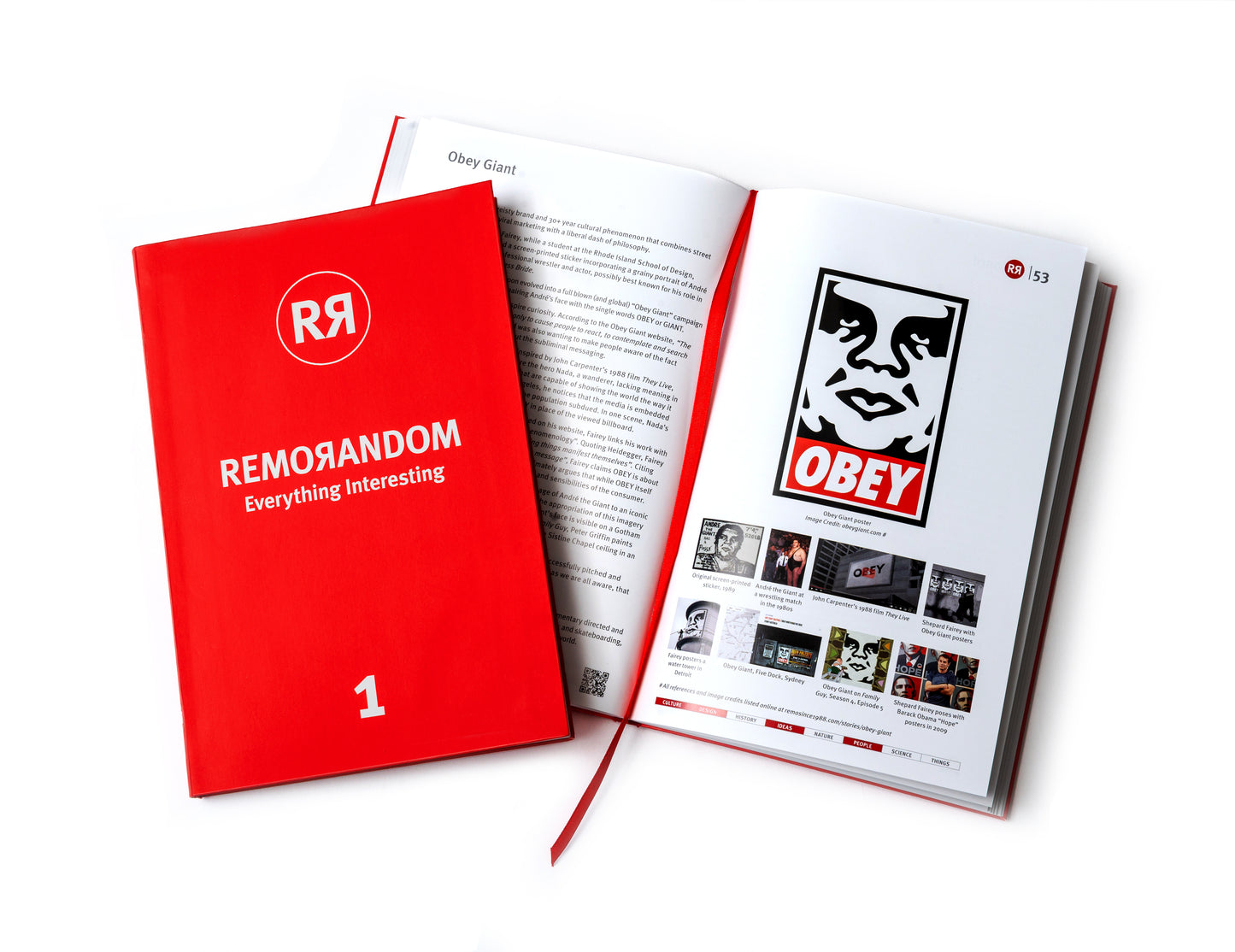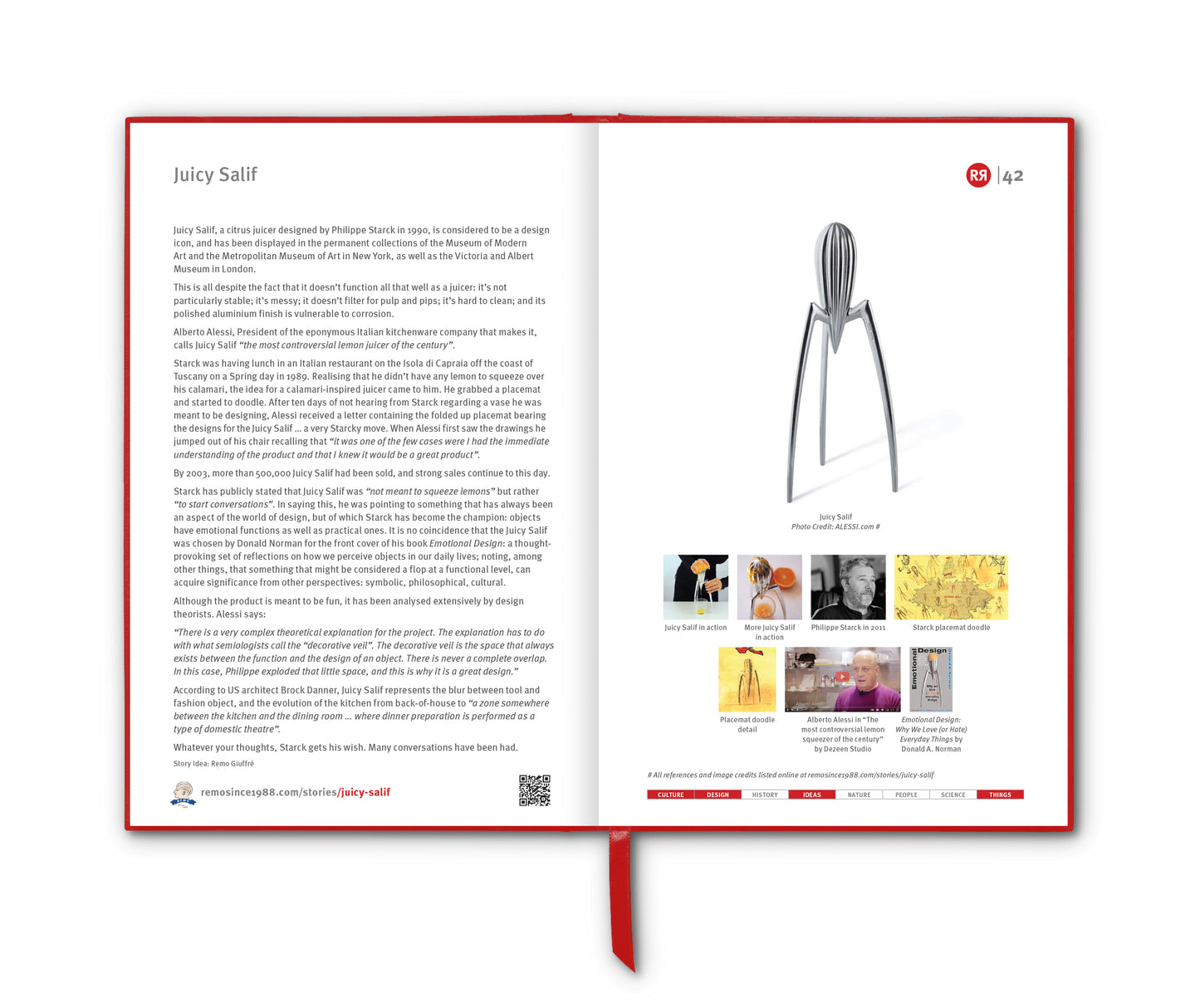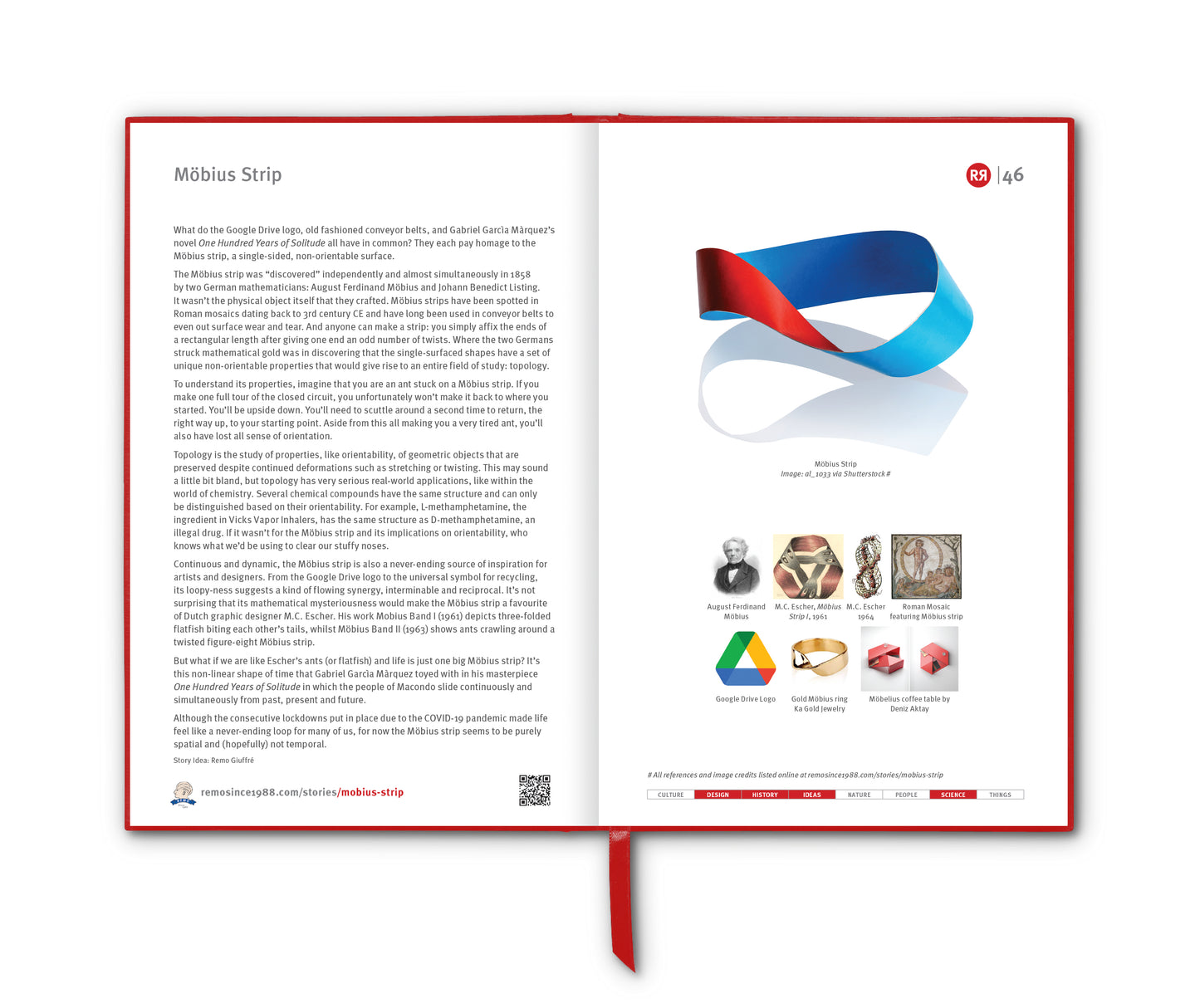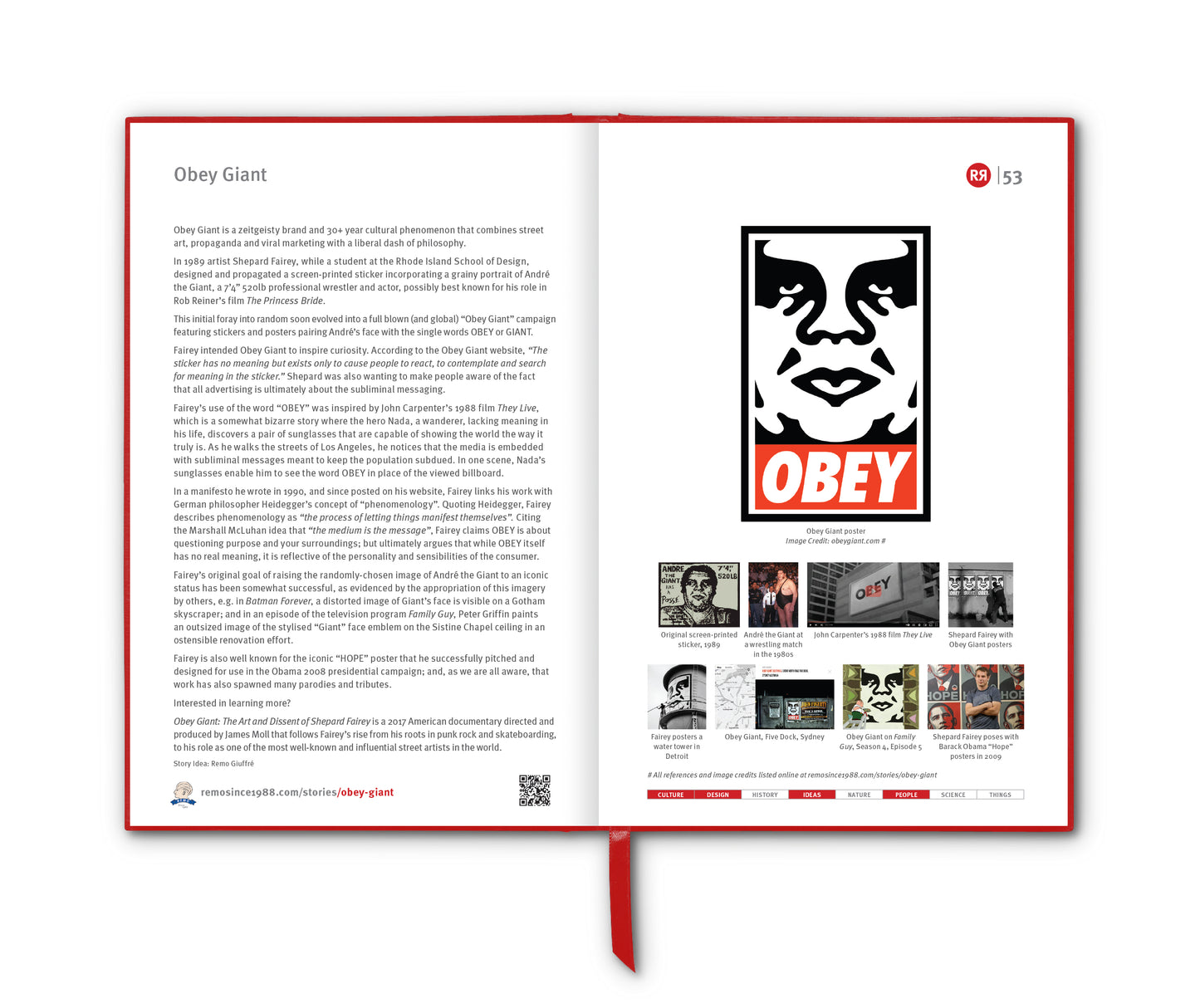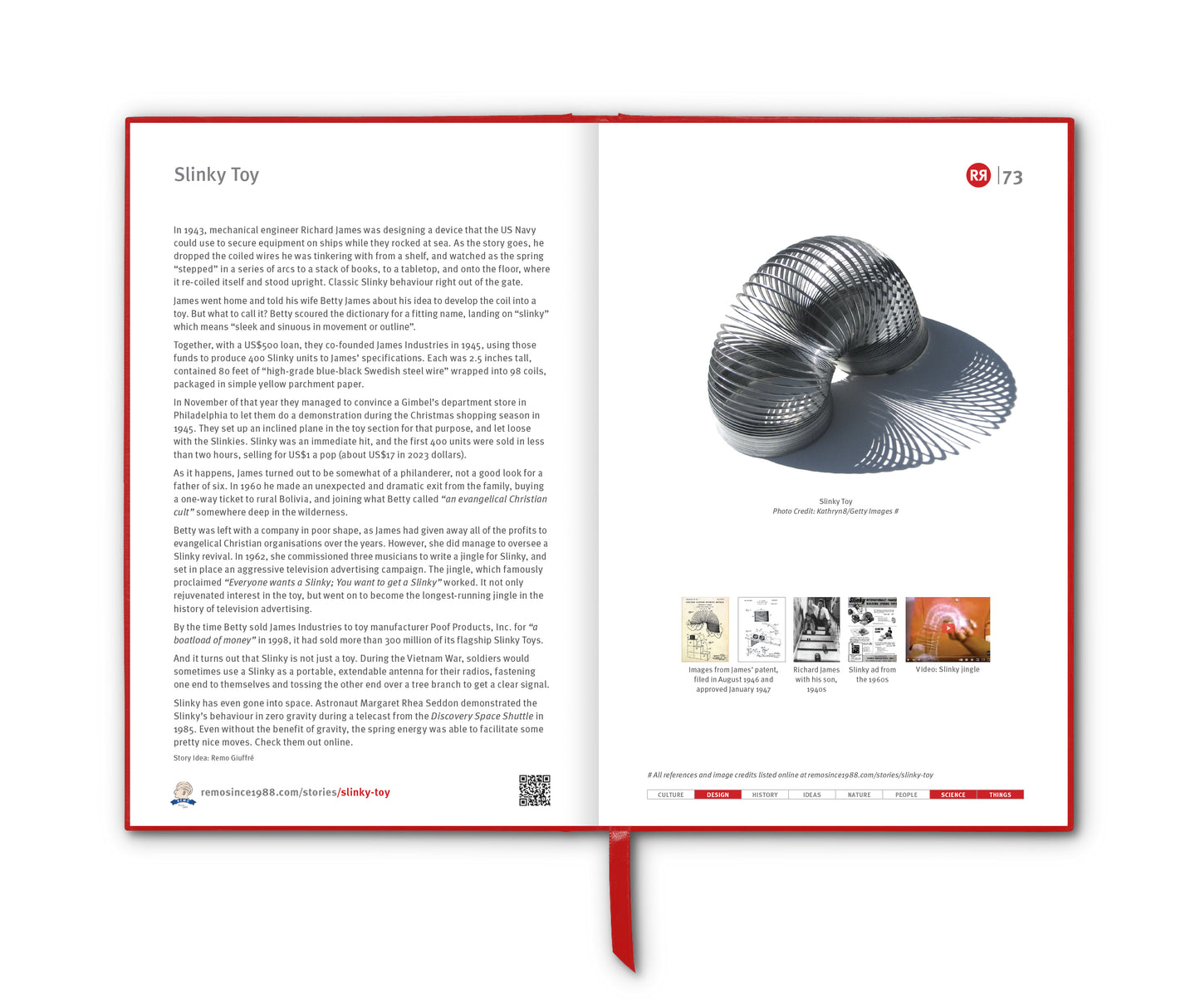

Rudyard Kipling’s poem If— is one of the most beloved and widely quoted pieces of verse in the English language.
First published in 1910 in Rewards and Fairies, the poem is structured as a father’s advice to his son and reads as a blueprint for personal integrity, stoicism and resilience. Each stanza lays out conditions beginning with “If”, presenting a series of hypothetical scenarios designed to test character: keeping your head when others are losing theirs, trusting yourself while accepting doubt from others, waiting without frustration, or enduring lies without resorting to dishonesty. The closing line — “you’ll be a Man, my son!” — serves as both a culmination and a reward for meeting all these challenges, emphasising emotional self-mastery as the true mark of maturity and strength. Kipling’s Victorian-era ideal of the “stiff upper lip” and the stoic, self-sacrificing male was encapsulated perfectly in these verses, resonating with generations that came of age during world wars and colonial upheaval.
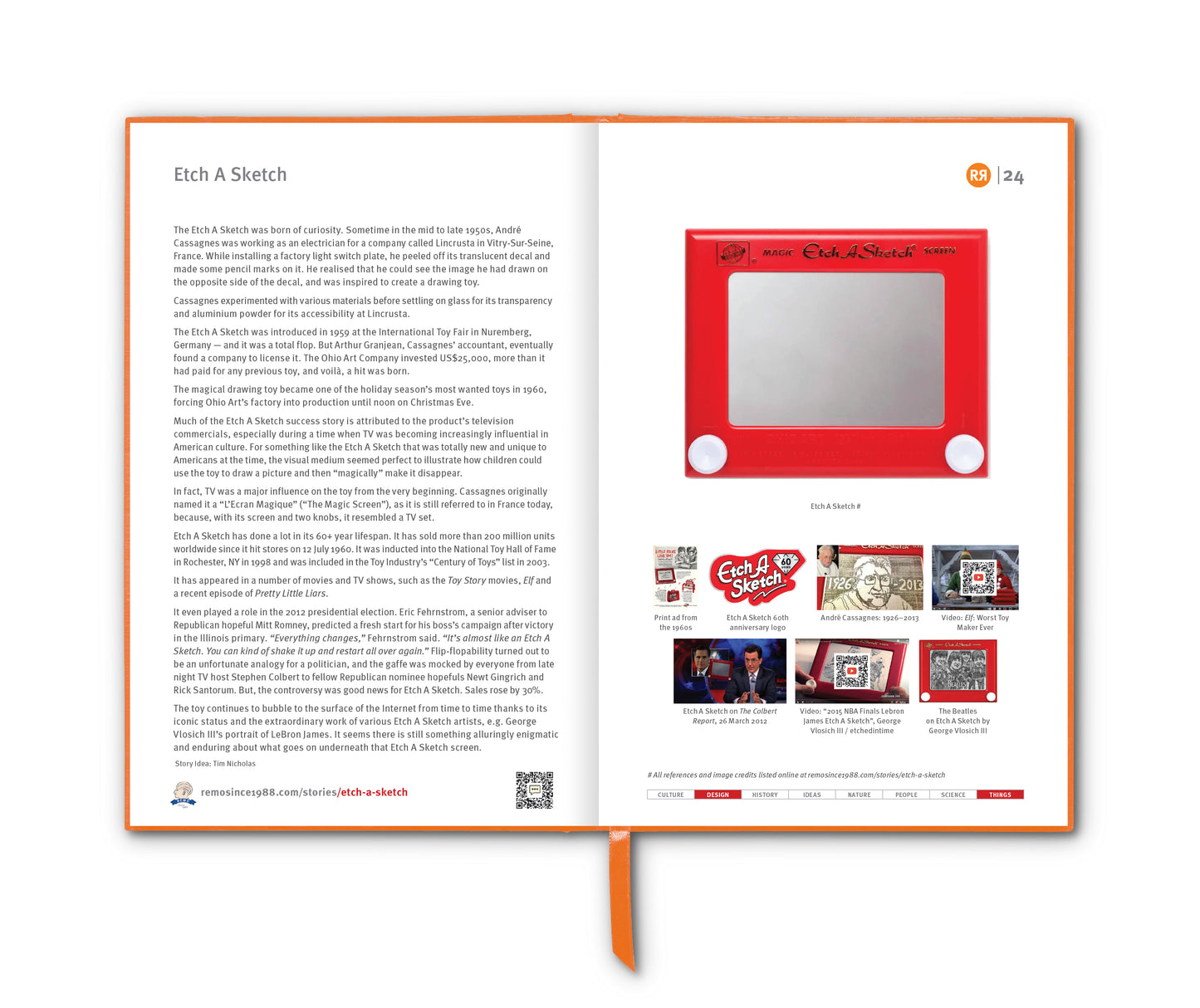
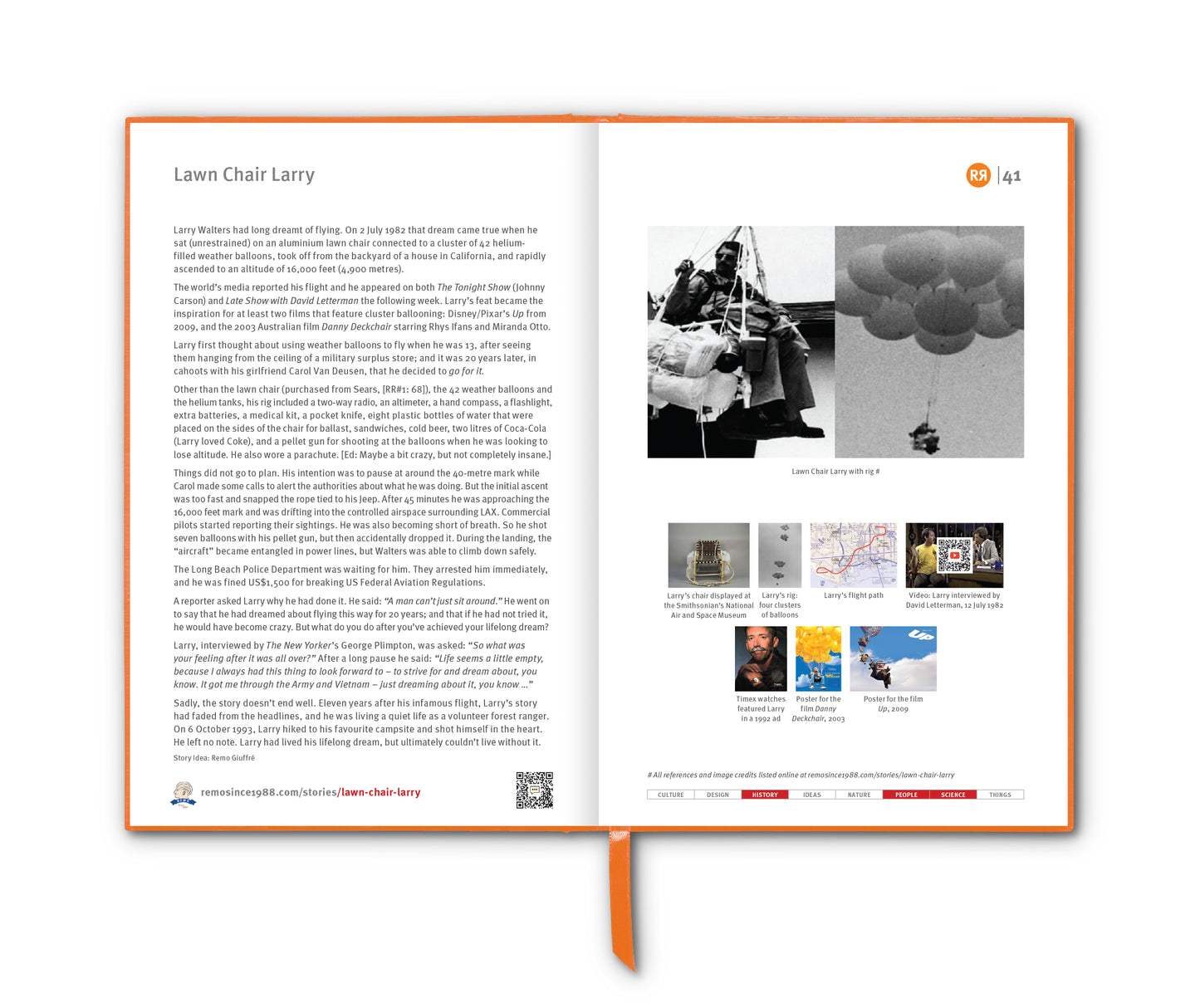
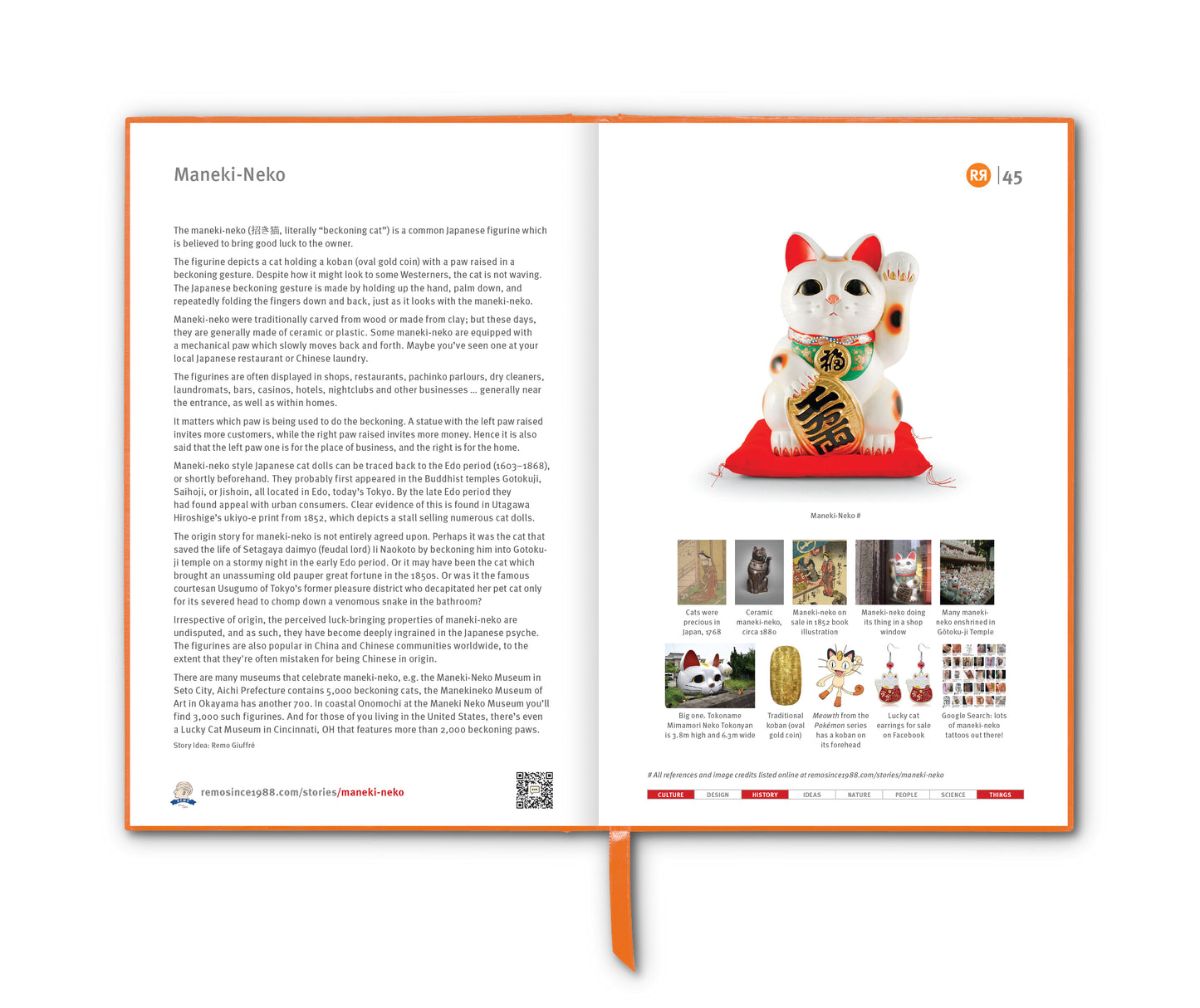
Over the years, If— has become more than a poem – it’s become an emblem of British fortitude and moral instruction. Its lines have been recited at public events, inscribed above the player’s entrance at Wimbledon’s Centre Court, and taught in classrooms across the Commonwealth. However, its impact has not been without criticism. Kipling himself was a complex figure — a staunch imperialist whose politics have come under increasing scrutiny in modern times. Critics argue that If—, while inspirational, reflects a narrow, even paternalistic worldview that equates emotional restraint and endurance with moral superiority. In today’s more emotionally expressive culture, some find the poem’s advice outdated or even repressive, particularly in its treatment of emotional turmoil and its rigid, almost militaristic ethos.
The poem has also inspired countless parodies, further cementing its place in popular culture. One notable example is the satirical version by British humorist Max Beerbohm, who reimagined If— with a tone of mock-heroic bathos, poking fun at the lofty self-discipline Kipling advocates. Another parody, circulated online, replaces Kipling’s dignified stanzas with absurd or mundane modern scenarios, such as staying calm when your Wi-Fi drops out or surviving office meetings without complaint. These reimaginings reflect not just humour, but a shift in societal values — away from stoicism as the ultimate virtue, and toward a more nuanced appreciation of vulnerability, flexibility and mental well-being.
Despite the controversies and evolving interpretations, If— retains a powerful core message: the importance of maintaining dignity, patience and self-control in the face of chaos. It speaks to a universal desire for clarity and guidance during life’s inevitable storms.
Story Idea: Melanie Giuffré
______________________________
References
https://www.kiplingsociety.co.uk/article/parody-if-further-amusing-parodies-of-if
https://jeremynicholas.com/2012/06/this-months-parody/
Images
1. Rudyard Kipling (1865–1936) with Cover of an edition of If— by Doubleday Page & Company, New York, 1910
2. If— by Rudyard Kipling
3. A bust of Zeno of Citium, considered the founder of Stoicism
4. Muhammad Ali carried the poem in his pocket for inspiration
5. If— inscription above the player’s entrance at Wimbledon’s Centre Court
6. Video: "IF by Rudyard Kipling (A Life Changing Poem)", RedFrost Motivation
7. IF by Rudyard Kipling poem Scarf Shawl Wrap. Credit: UniversalZone via etsy.com