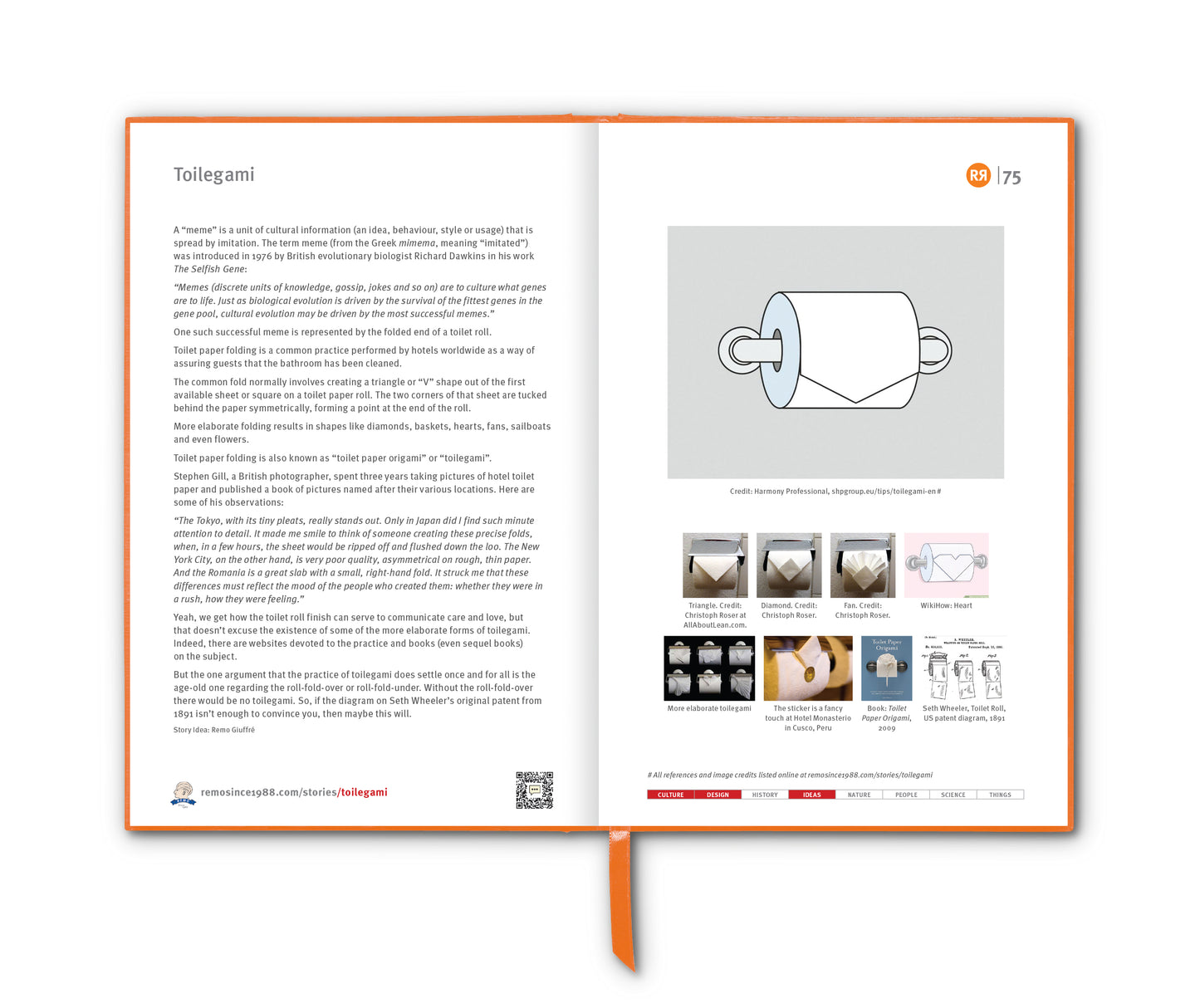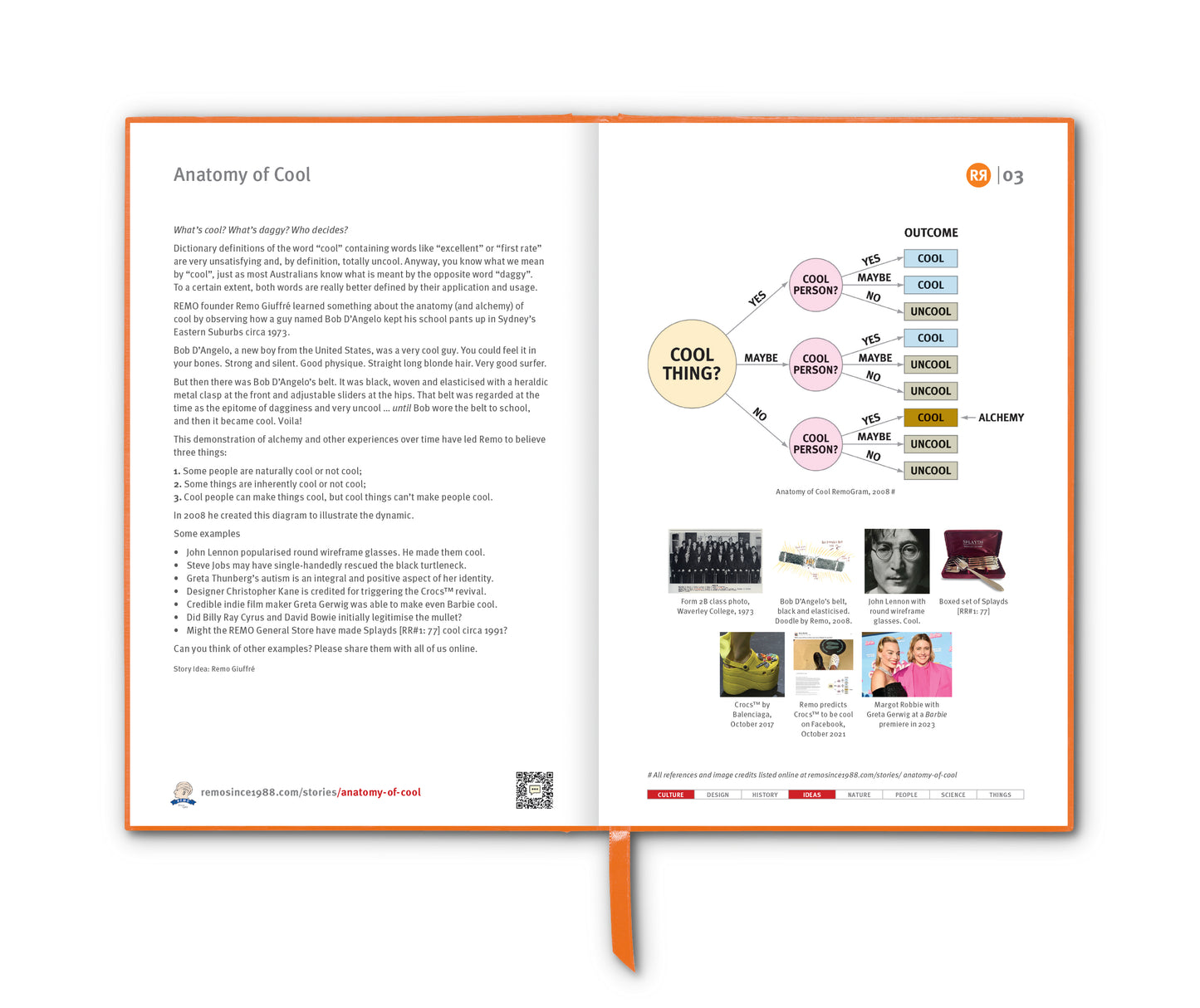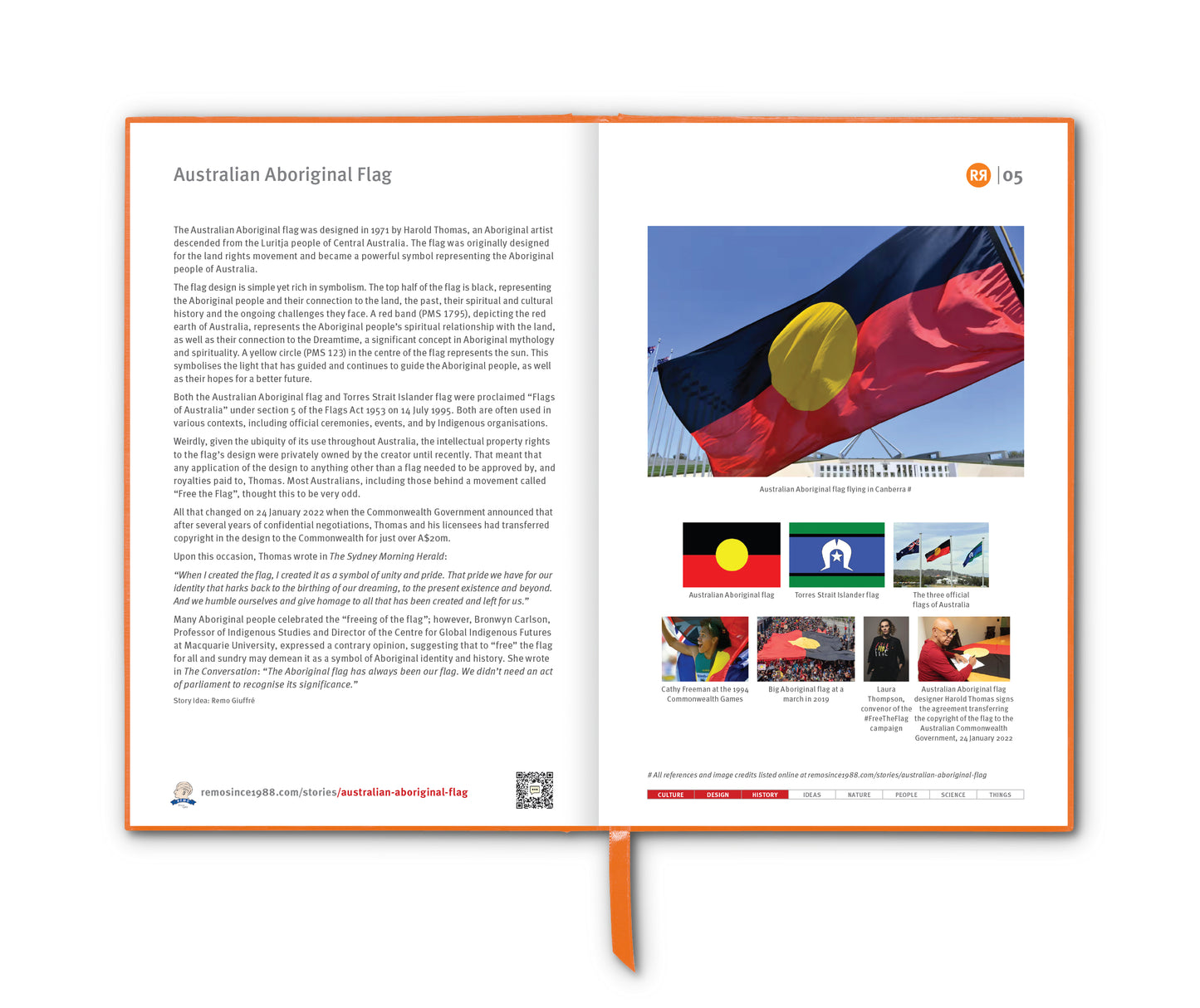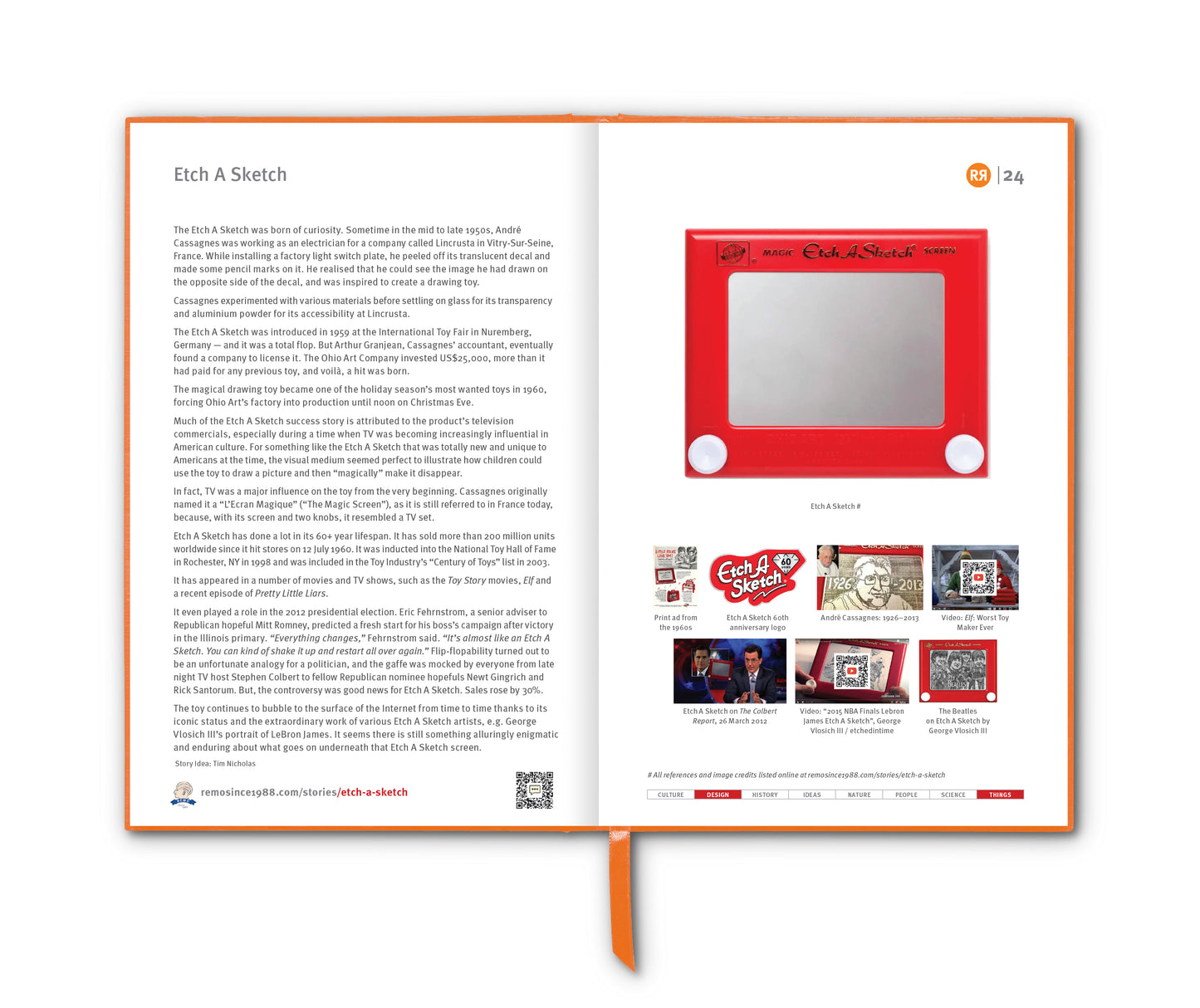

Henrietta Lacks (born Loretta Pleasant in 1920) was an African-American tobacco farmer and mother of five, whose cells – harvested without her knowledge during treatment for cervical cancer in 1951 at Johns Hopkins Hospital in Baltimore – became the first immortal human cell line, known as “HeLa”.
When Lacks arrived at Johns Hopkins, she was treated for a lump on her cervix and diagnosed with a malignant tumour. During her care, doctors took biopsy samples from her tumour and healthy tissue without her informed consent – a routine practice at the time. In the laboratory of researcher George Otto Gey these cells exhibited an extraordinary property: unlike most human cells, which die after only a few divisions in culture, Lacks’s cells continued dividing indefinitely.
Gey named the line “HeLa” after the first two letters of her first and last names – although, in fear of being sued by the Lacks family, he pretended that the unwitting donor’s name was actually Helen Lane.
The HeLa cells rapidly became indispensable to biomedical research. They were used in developing the polio vaccine, in studies of cancer, viruses, radiation, and toxic substances, as well as gene mapping and in experiments related to space travel. More than 11,000 scientific patents have been linked to them.
In addition to their vast scientific utility, HeLa cell line cells also unexpectedly wreaked havoc across laboratories worldwide by contaminating other cell lines. Because of their extraordinary robustness and rapid growth, HeLa cells often overgrew slower-dividing cultures – or even spread via airborne dust, shared pipettes or unwashed hands – and effectively hijacked what were thought to be entirely different cell types.
The scale was astonishing: one review found over 30,000 research articles based on misidentified or contaminated cell lines, many of which can be traced back to HeLa infiltration. As a result, years of research were invalidated, resources wasted, and conclusions drawn from “distinct” cell models have since been questioned – making HeLa contamination one of the most widespread and enduring hidden crises in biomedical science.
Yet while her cells achieved global impact, Henrietta Lacks herself remained largely unrecognised and her family uninformed for decades. They weren’t made aware of the cell line's existence and the ongoing medical research until 1975, when they learned of it during a chance dinner-party conversation.
They lived in relative obscurity and poverty, unaware of the crucial role her cells had played in medicine. Moreover, the fact that her tissue was used without her consent—and that profits and scientific gains accrued without her family’s direct benefit – raises profound questions about ethics, race and patients’ rights in research.
In recent years, her legacy has been honoured in a variety of ways: building dedications, high-school namings, legal agreements giving her family a say in access to the HeLa genome, and widespread recognition of her contribution to science and bioethics. Her story has become a cornerstone in discussions about informed consent, biomedical ethics and equity in medical research.
Henrietta Lacks died on 4 October 1951, unaware that her cells would live on to transform medicine and science. In 2018, The New York Times published a belated obituary for her, as part of its “Overlooked” history project.
Long live HeLa – and this time we literally mean that.
Story Idea: Melanie Giuffré
_______________________
References
wikipedia.org/wiki/Henrietta_Lacks
rollingstone.com/culture/culture-news/the-double-edged-helix-231322/
Images
1. Scanning electron micrograph of just-divided HeLa cells and Henrietta Lacks. Credit: National Institutes of Health (NIH)
2. Johns Hopkins Hospital in Baltimore, Maryland
3. George Otto Gey (1899–1970)
4. Gey's first view of dividing HeLa cells
5. Multiphoton fluorescence image of cultured HeLa cells using a Nikon RTS2000MP custom laser scanning microscope
6. Video: "The immortal cells of Henrietta Lacks" - Robin Bulleri for TED-Ed
7. Portait of Henrietta Lacks in the Smithsonian National Portrait Gallery
8. Statue of Henrietta Lacks unveiled October 2021 at Royal Fort House, Bristol
9. Book: The Immortal Life of Henrietta Lacks, Rebecca Skloot, 2010
10. Video: "The Way of All Flesh - Immortal HeLa Cells" Documentary, Adam Curtis for BBC