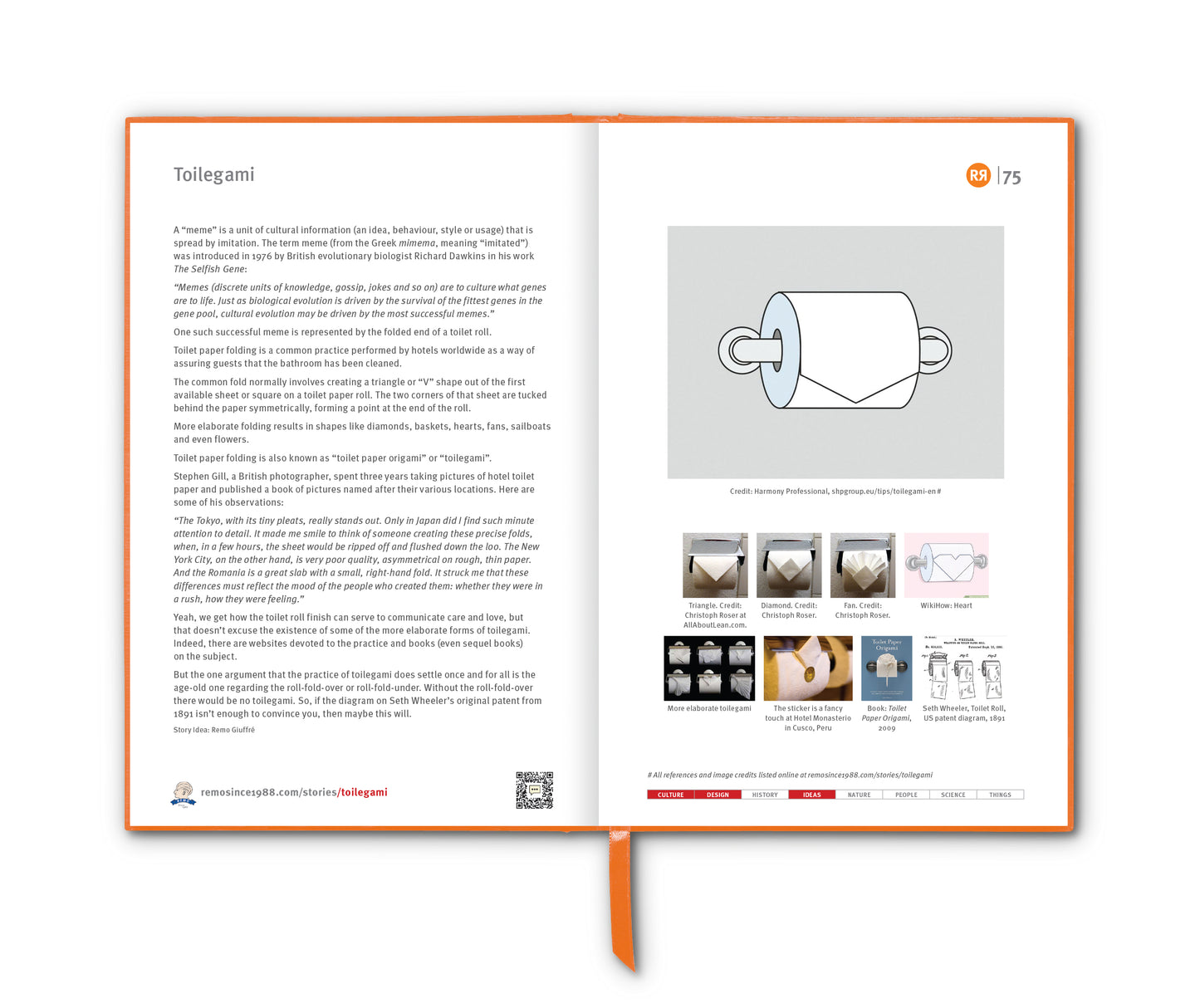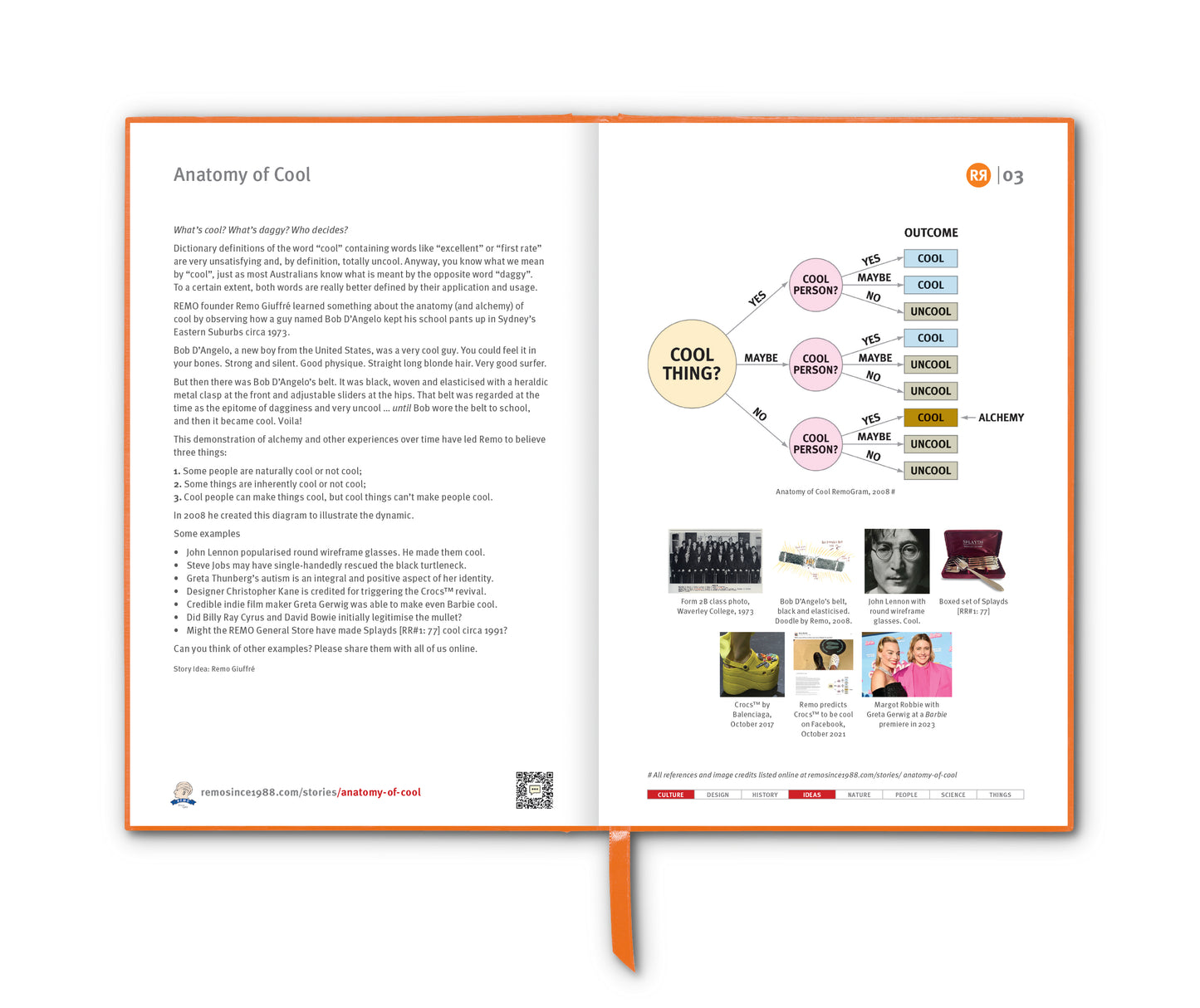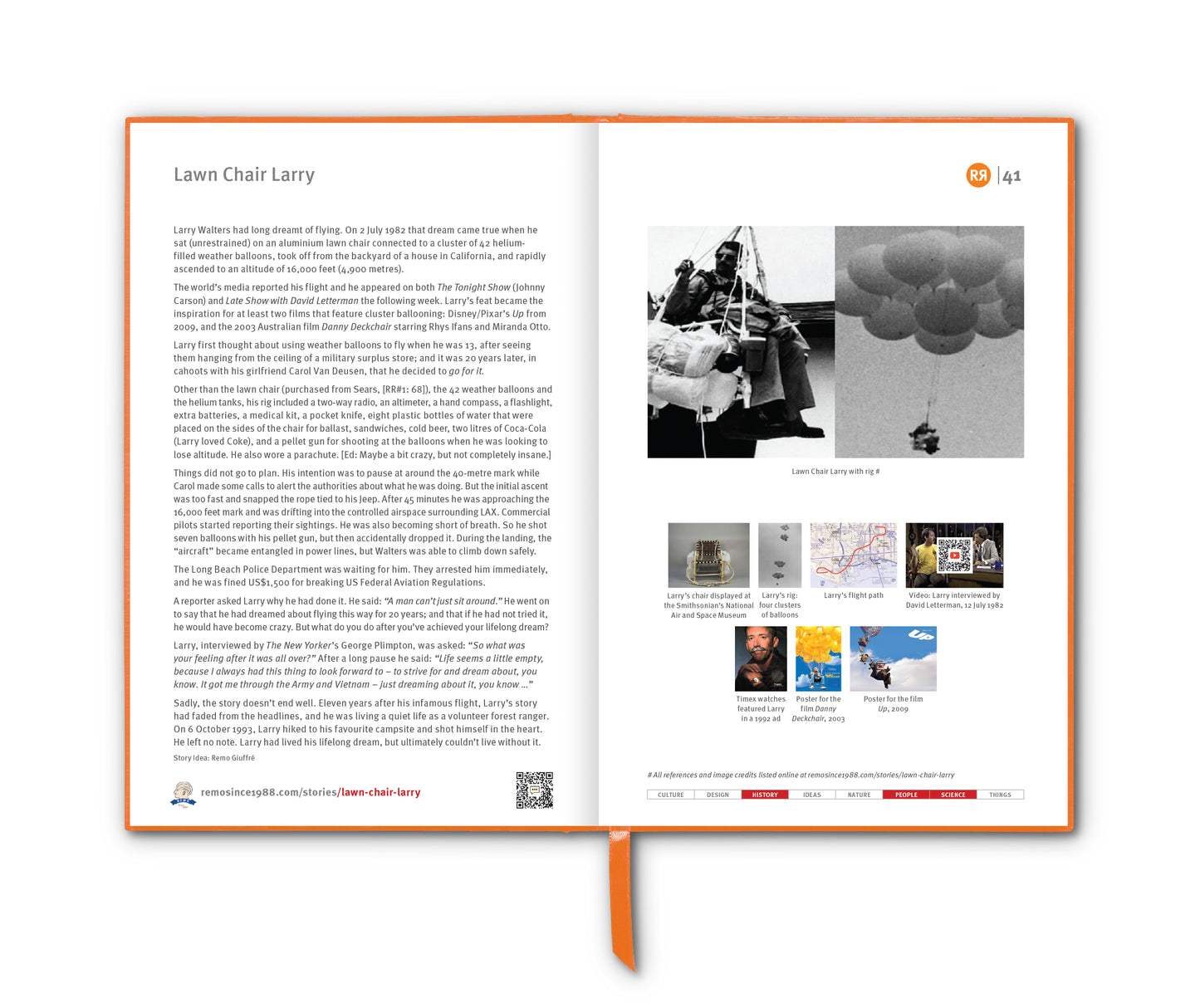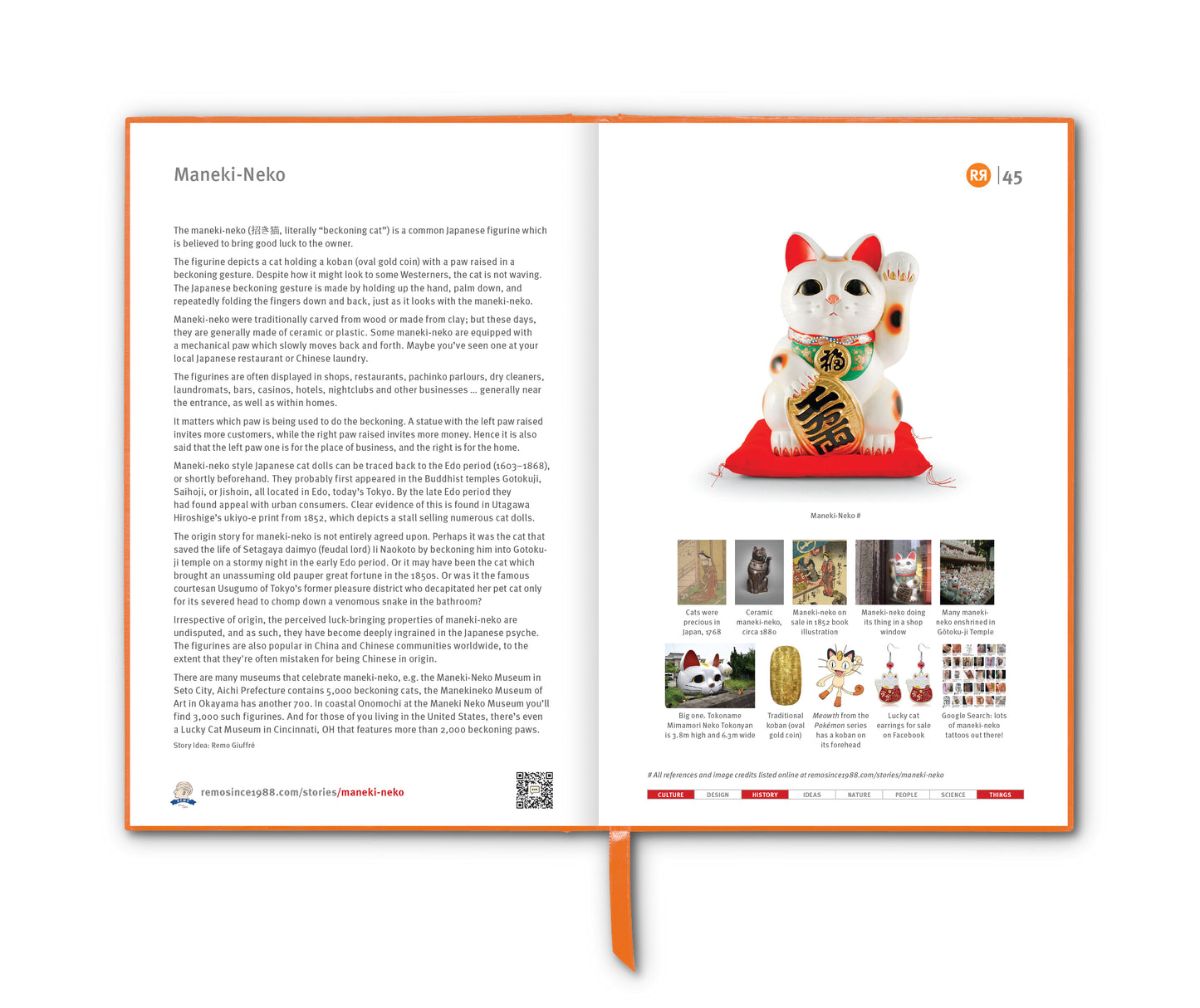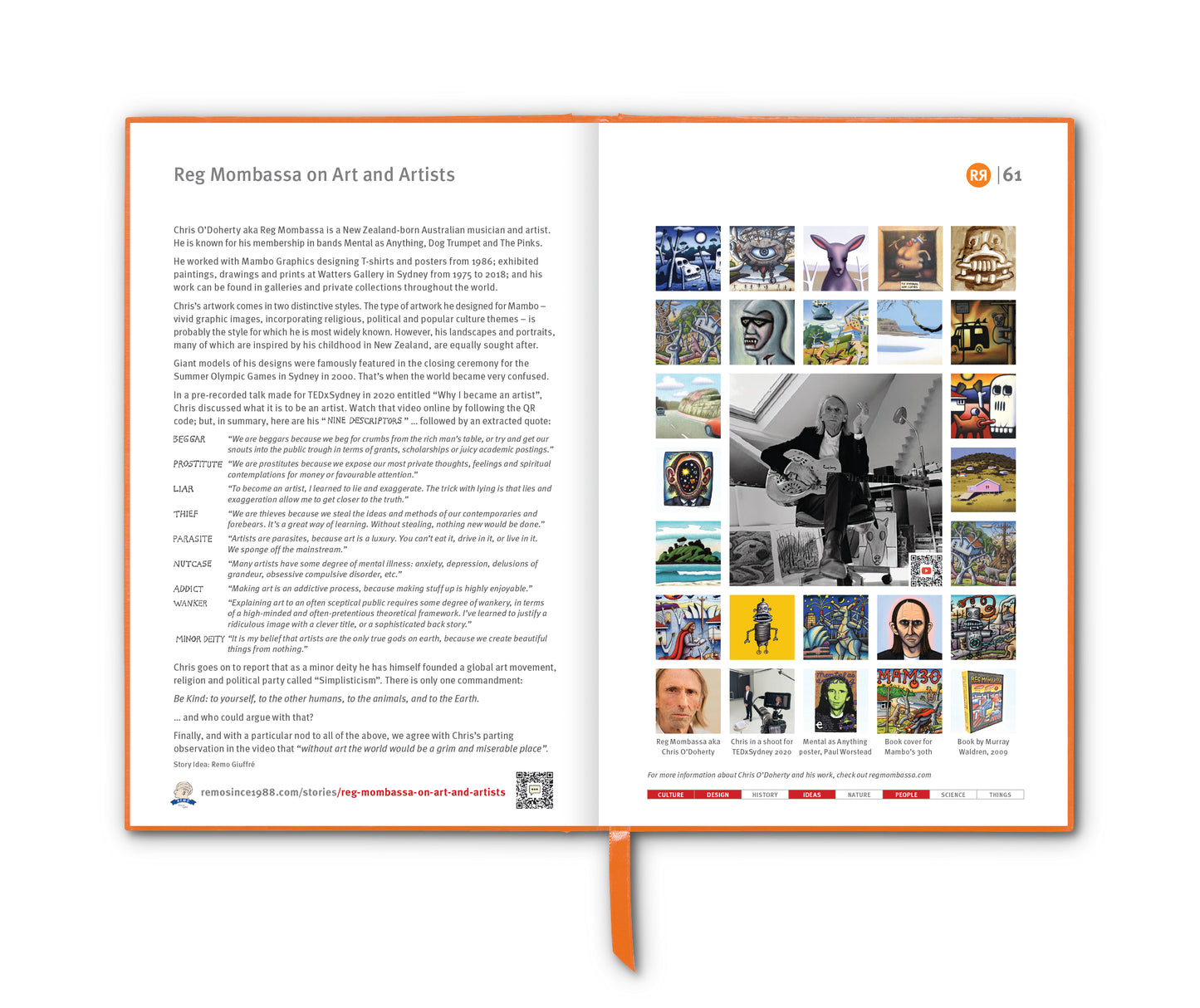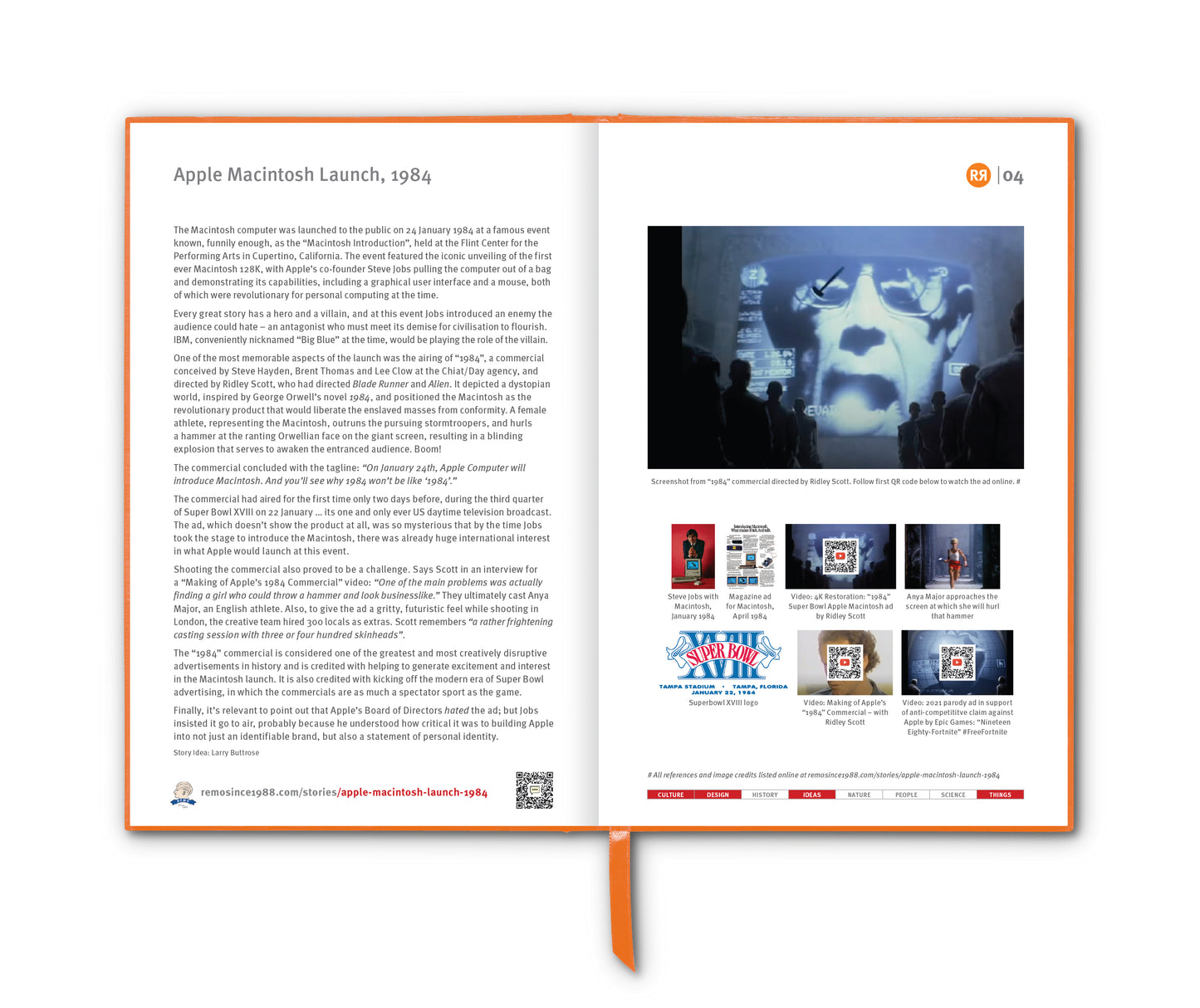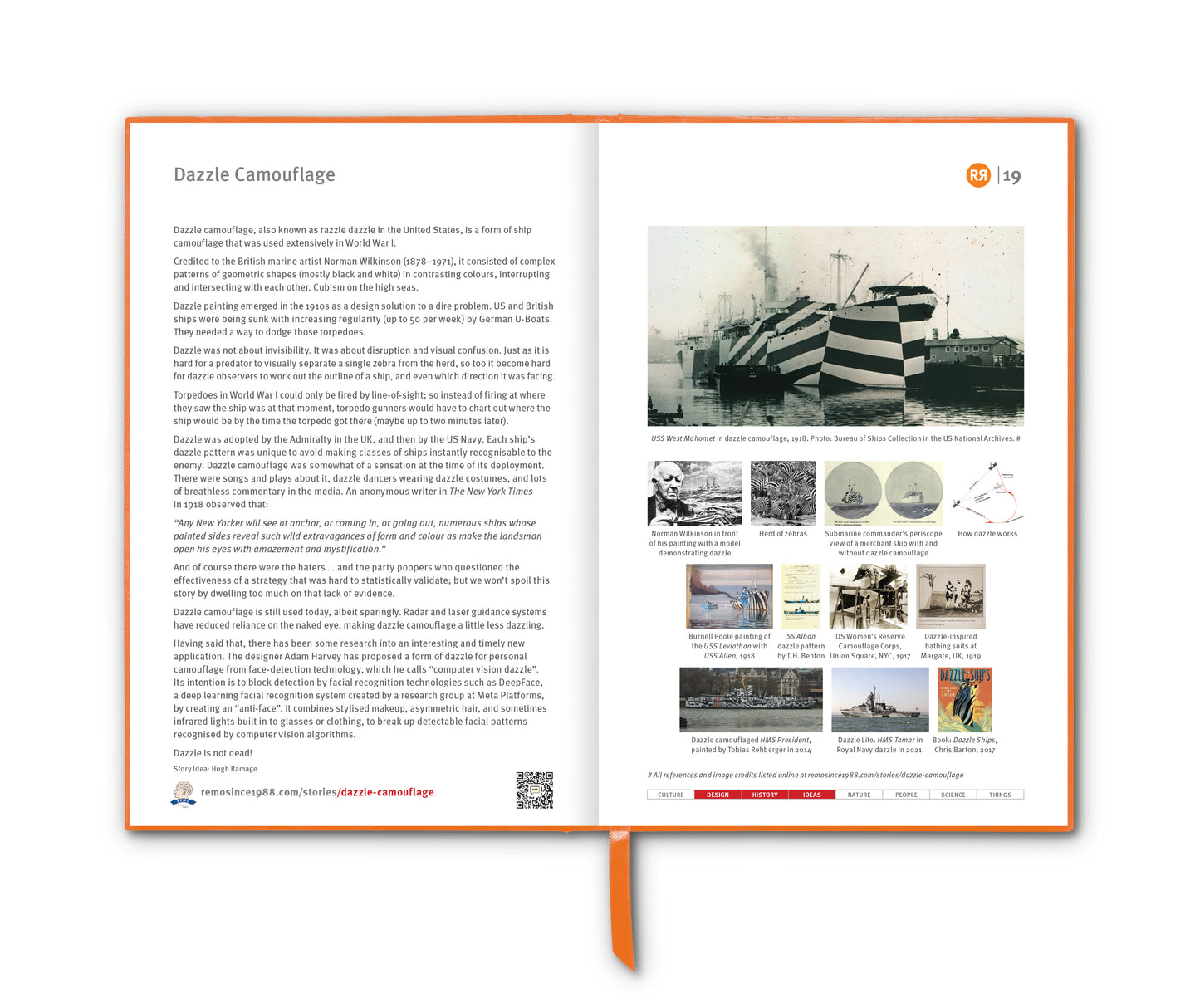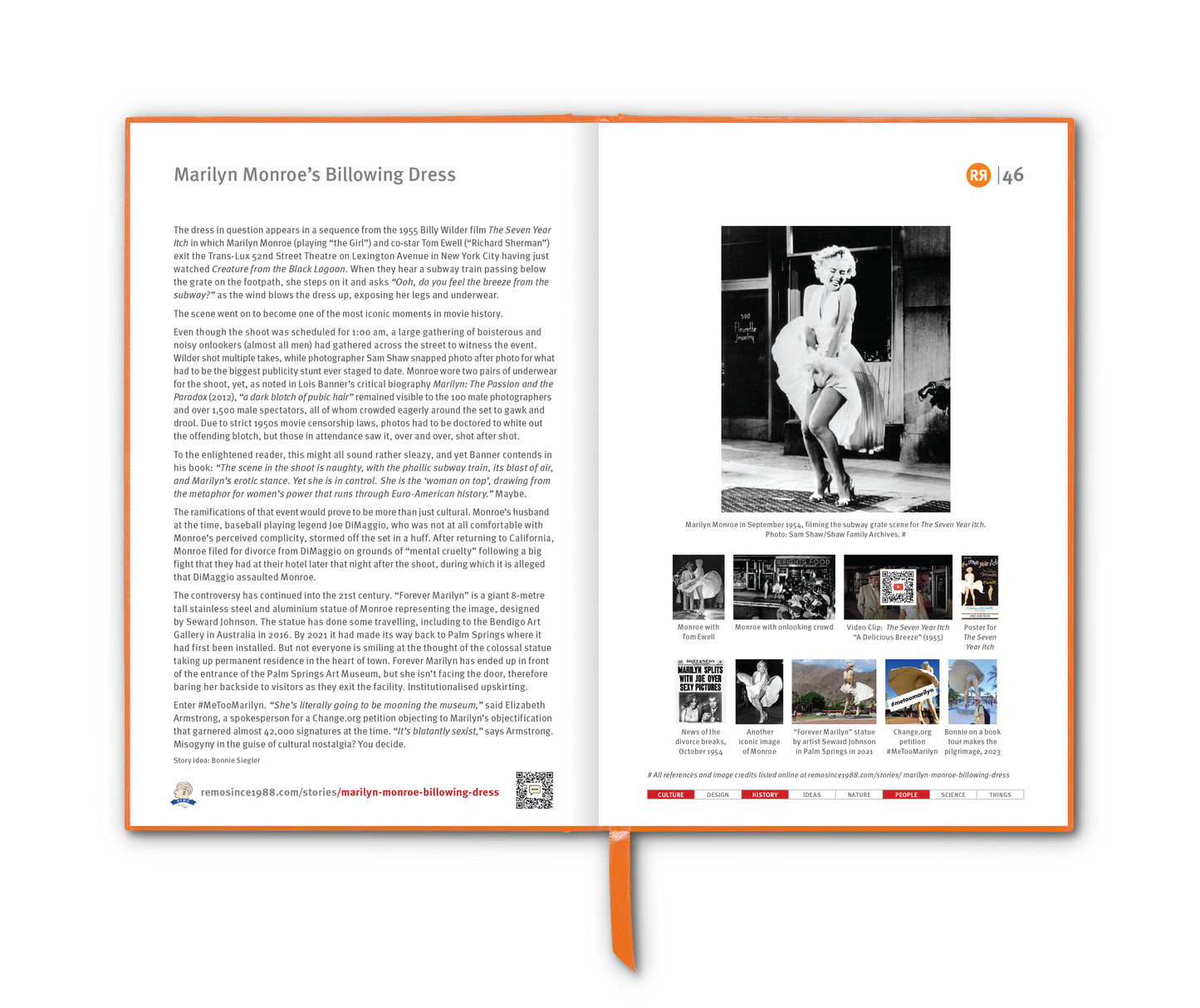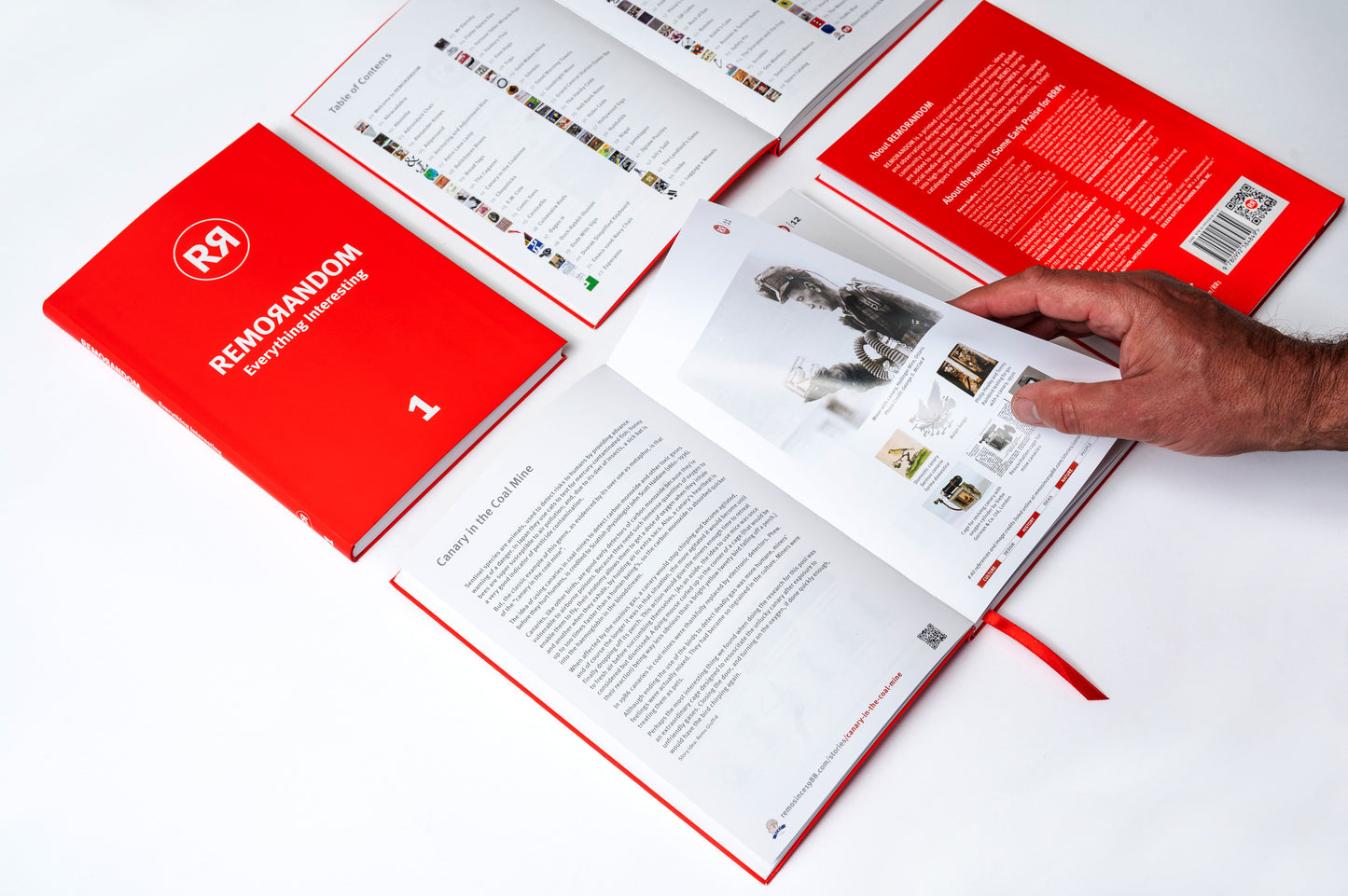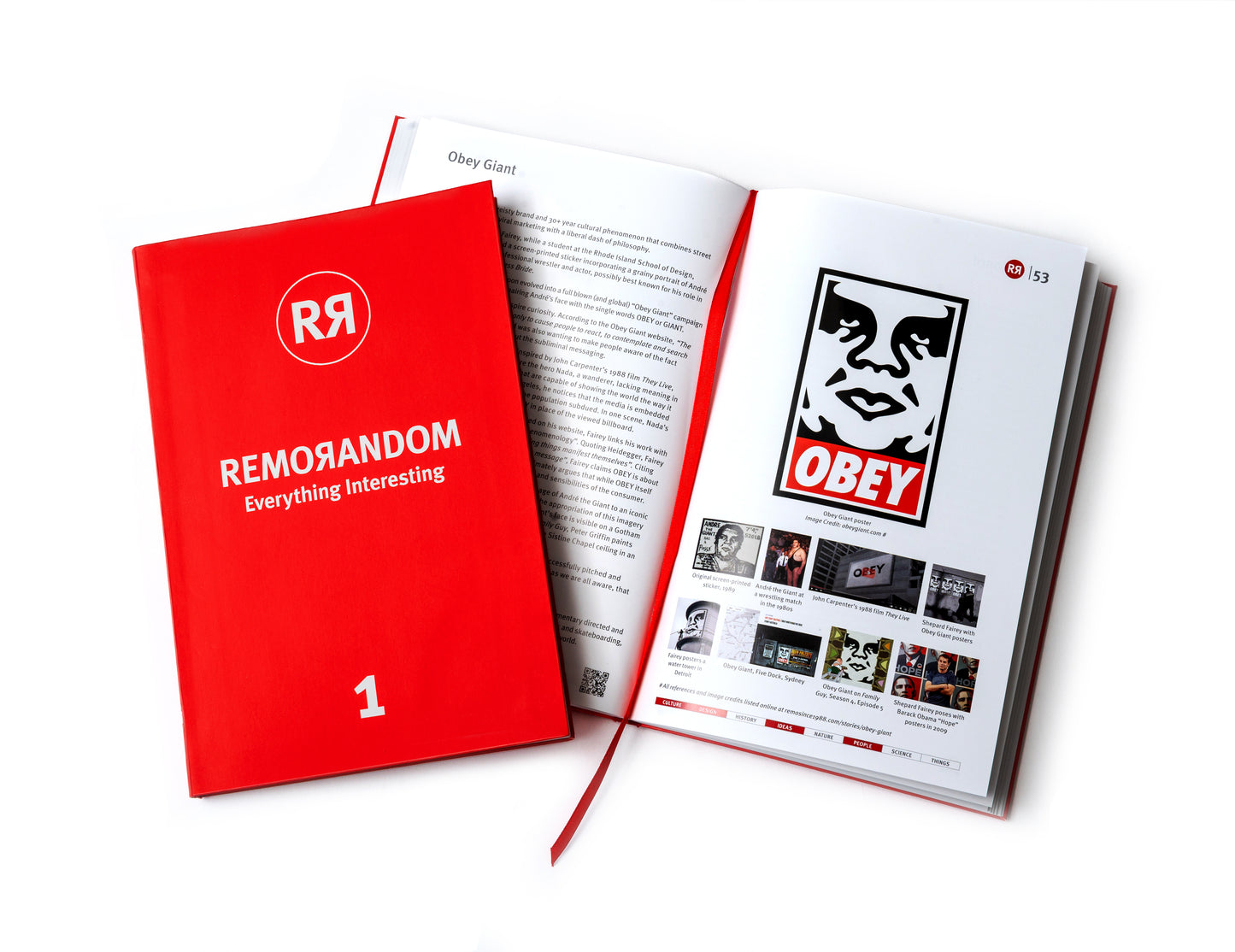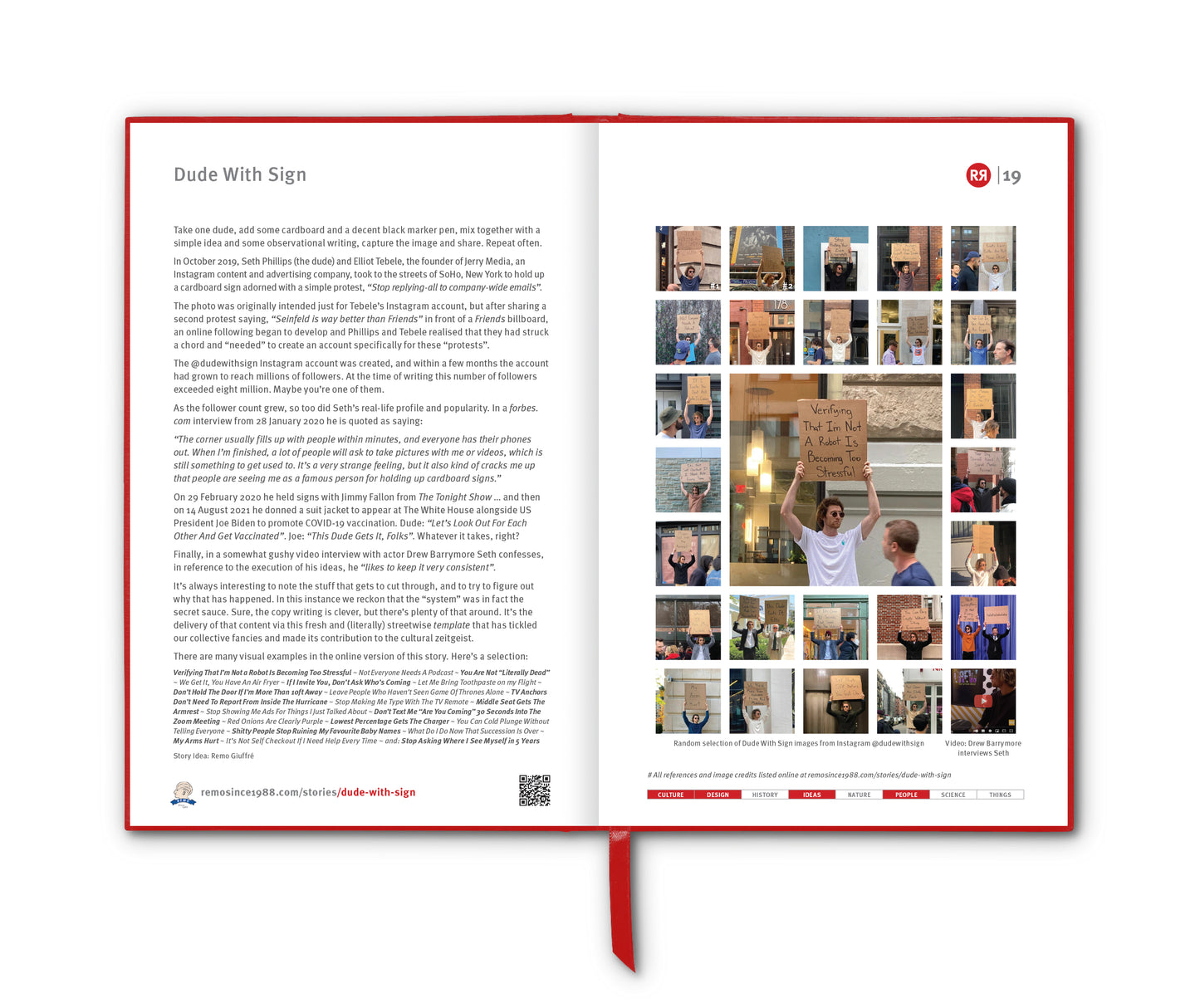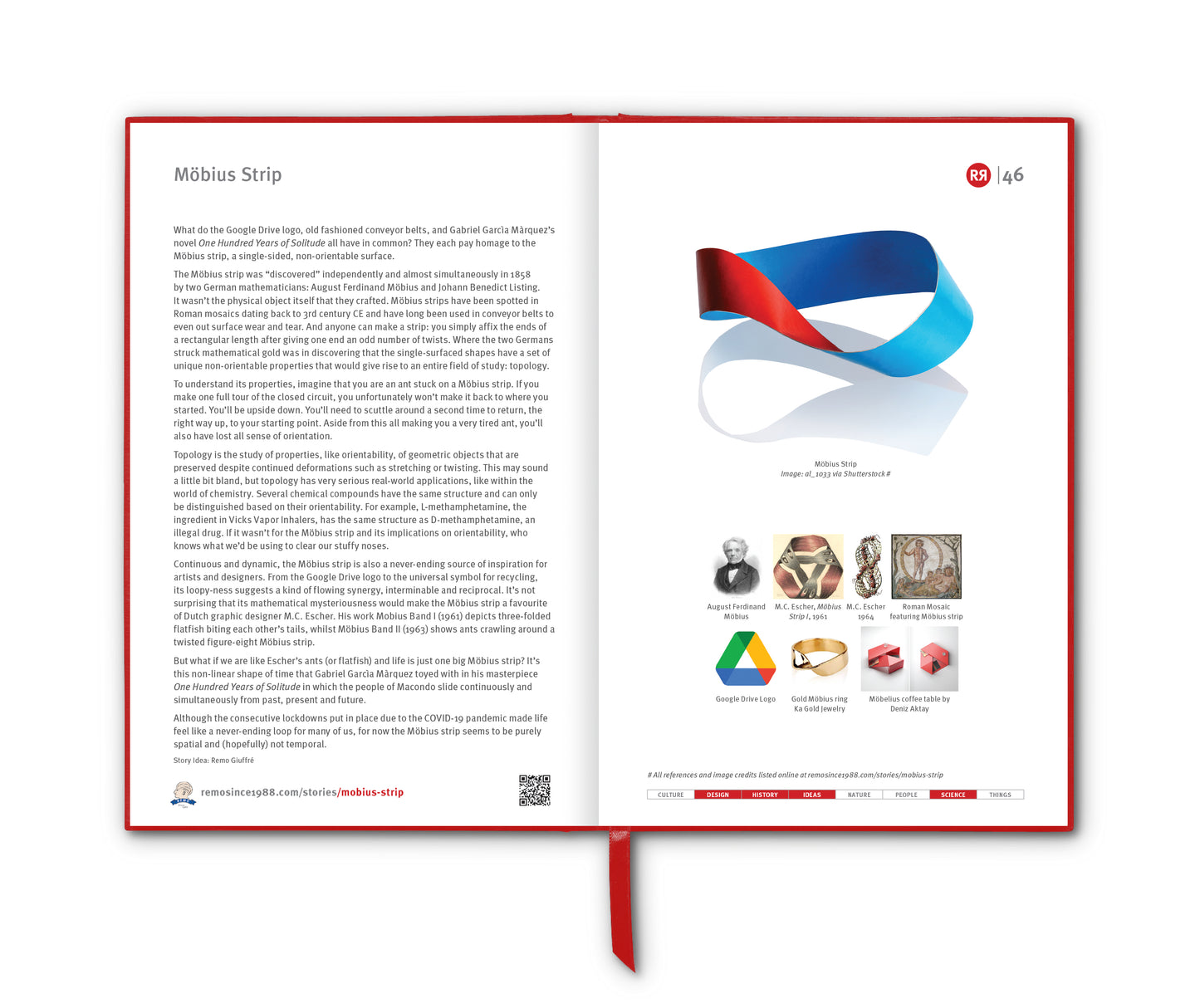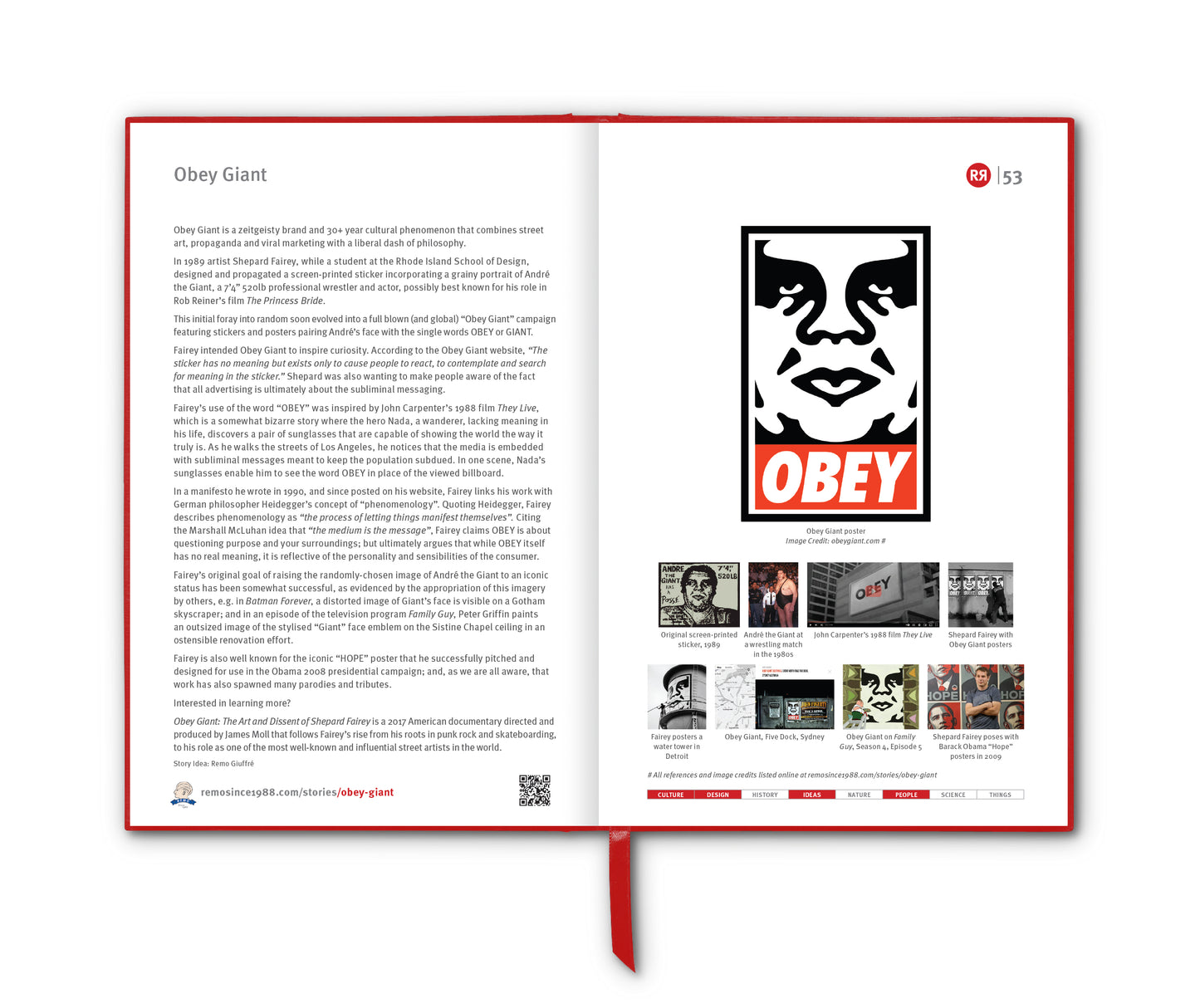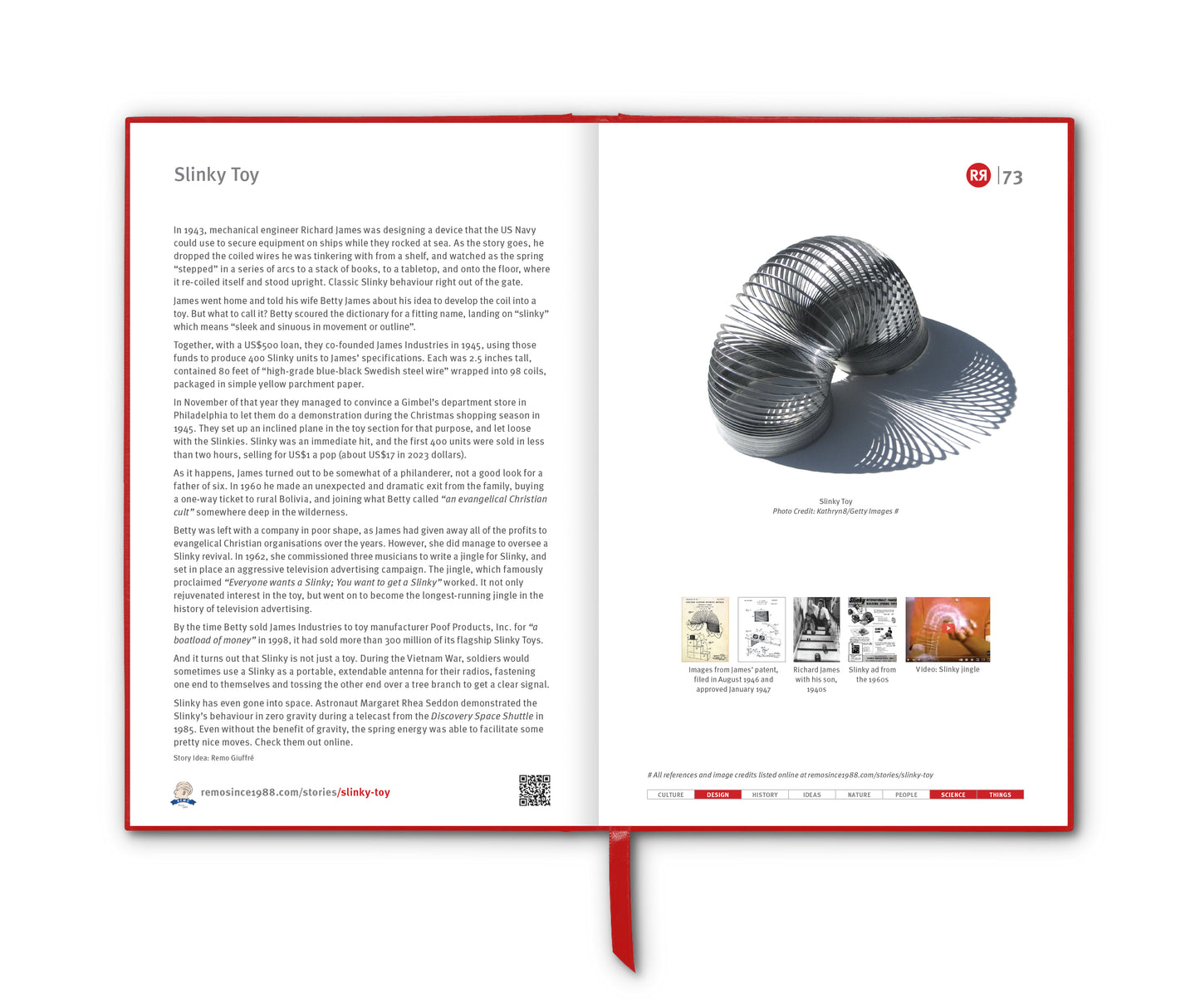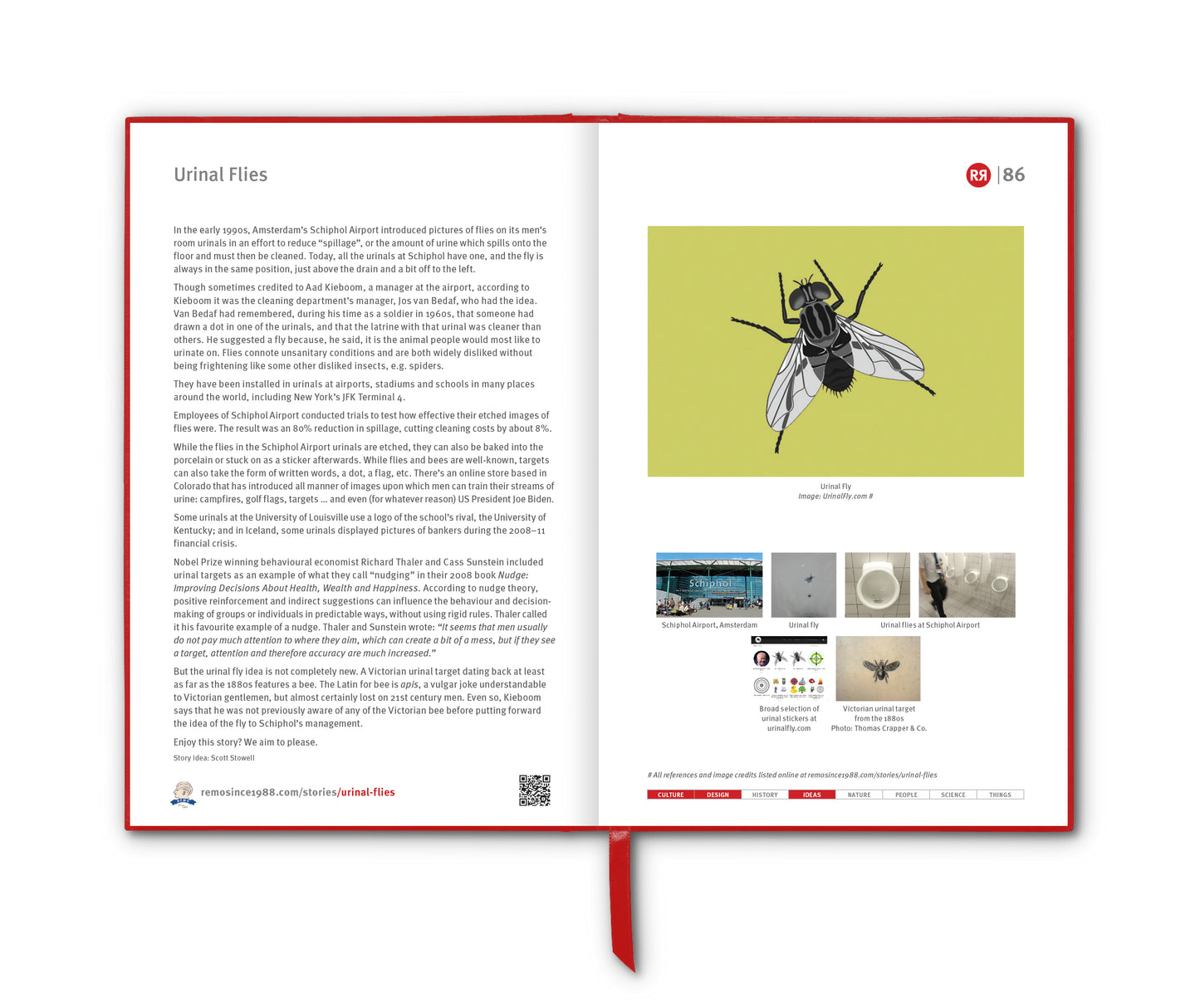

iNaturalist began as a simple class project in 2008 at the University of California, Berkeley. Created by students Nate Agrin and Jessica Kline under the guidance of professor Ken-ichi Ueda. It was designed to connect people with nature through the digital documentation of biodiversity. The idea was elegant: let anyone, anywhere, record observations of plants, animals, fungi or any living thing, and allow a community of users – including scientists, amateurs and enthusiasts – to help identify them. An iNaturalist observation then records a someone’s encounter with an individual organism at a particular time and place.
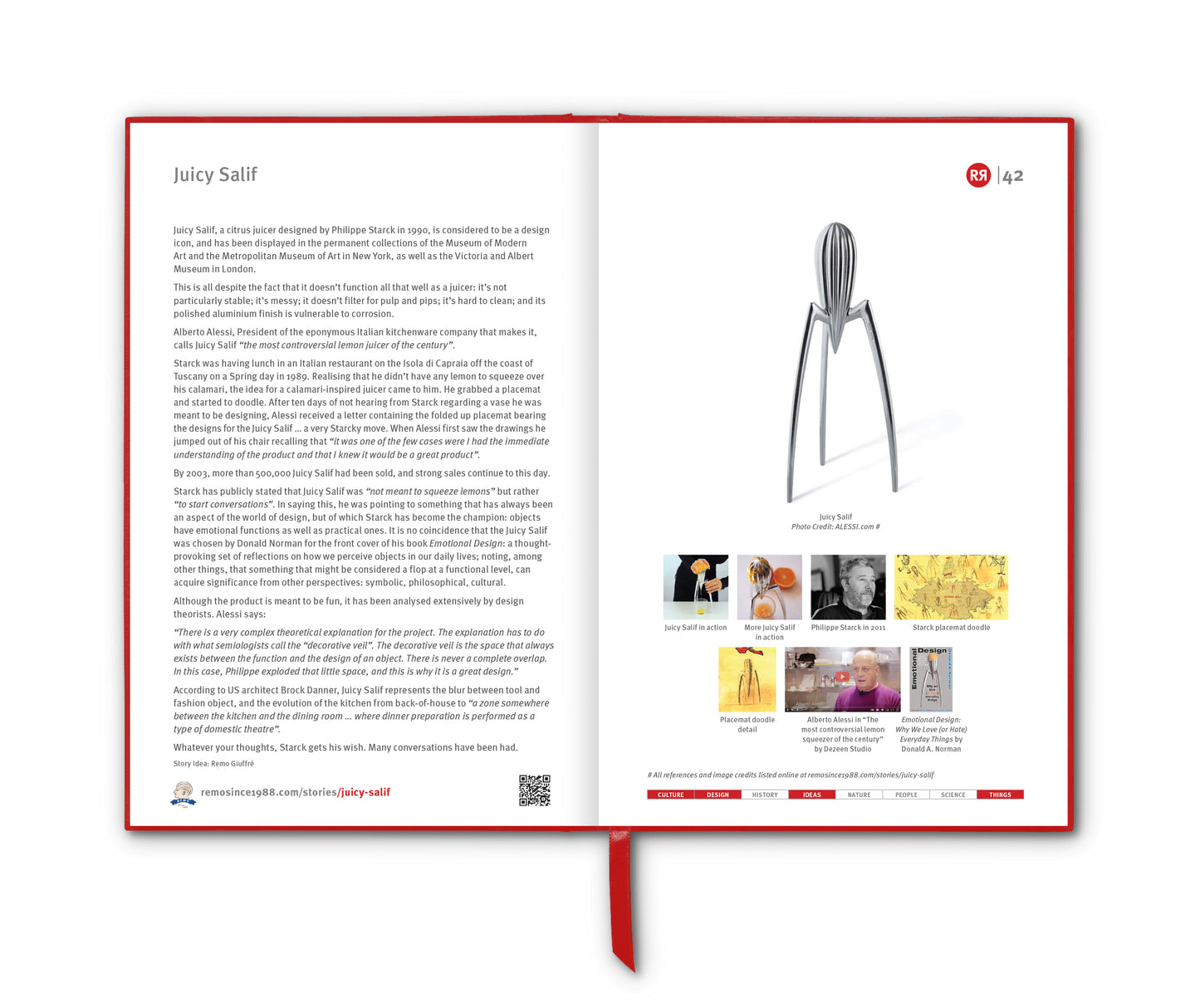
The project quickly grew beyond the classroom. Ken-ichi began collaborating with Scott Loarie in 2011, when they organised as iNaturalist, LLC and began expanding the site through numerous collaborations, eventually becoming a joint initiative between the California Academy of Sciences and the National Geographic Society. Today, iNaturalist stands as one of the world’s leading citizen science platforms, with millions of users and over 200 million recorded observations globally.
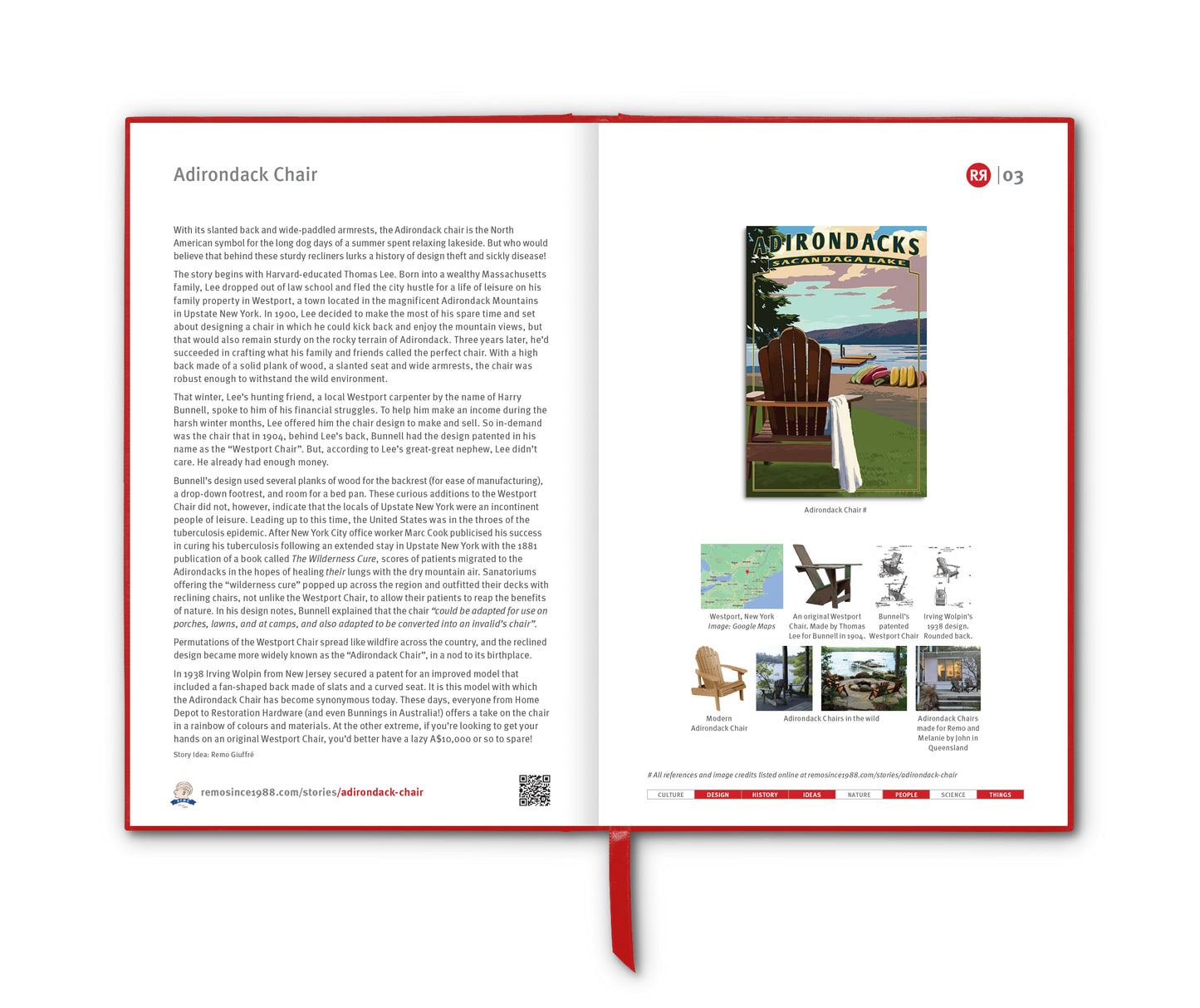
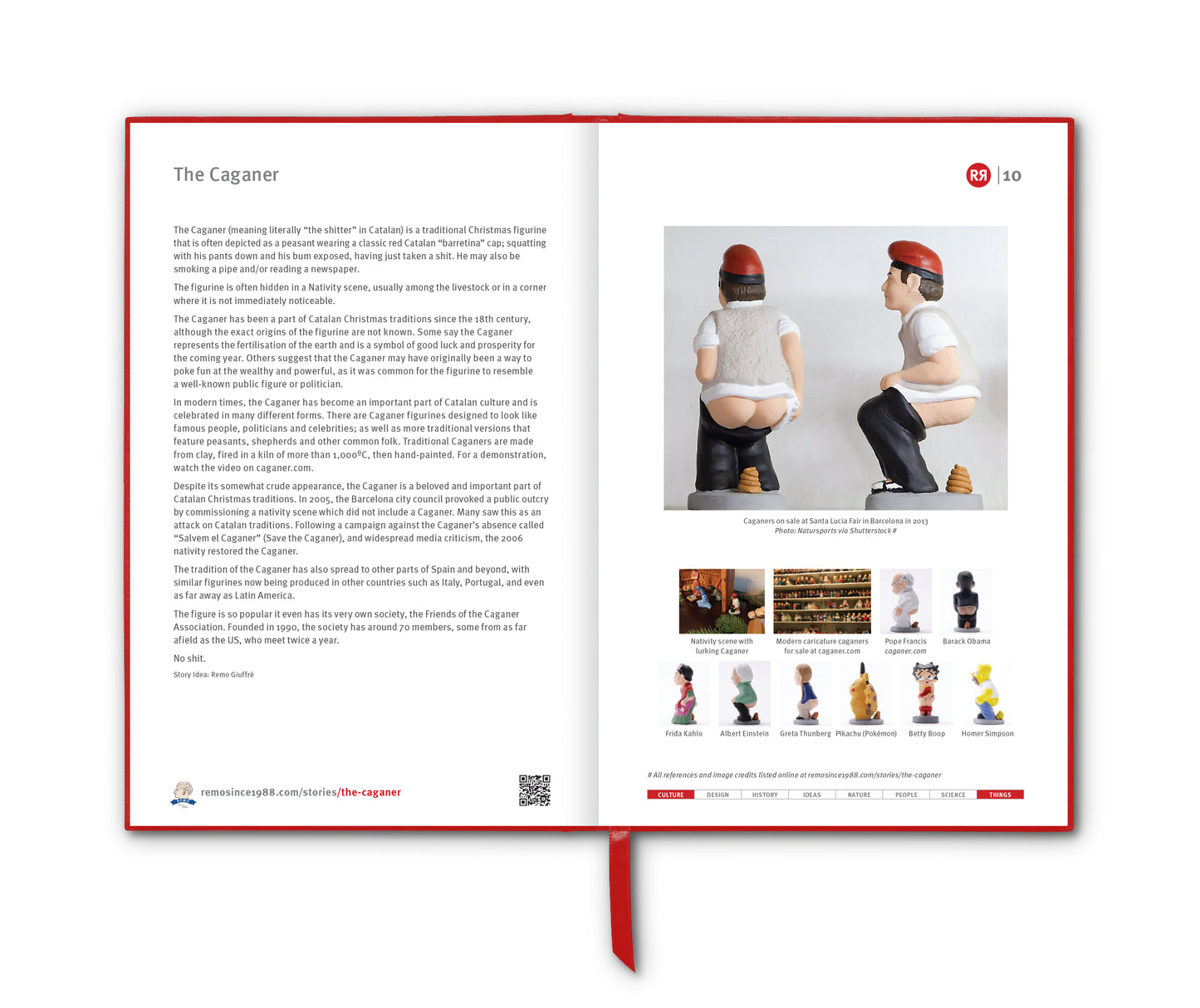
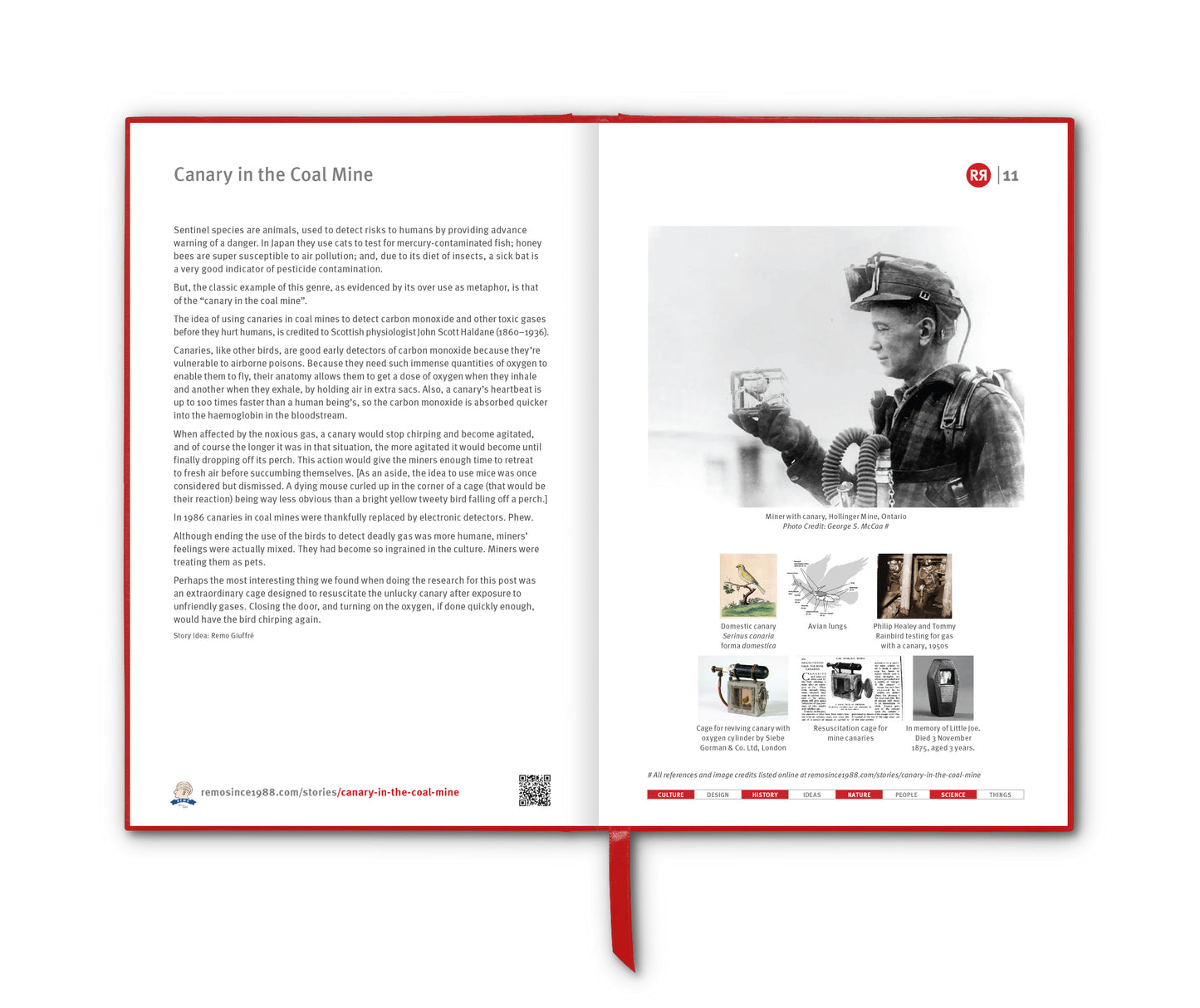
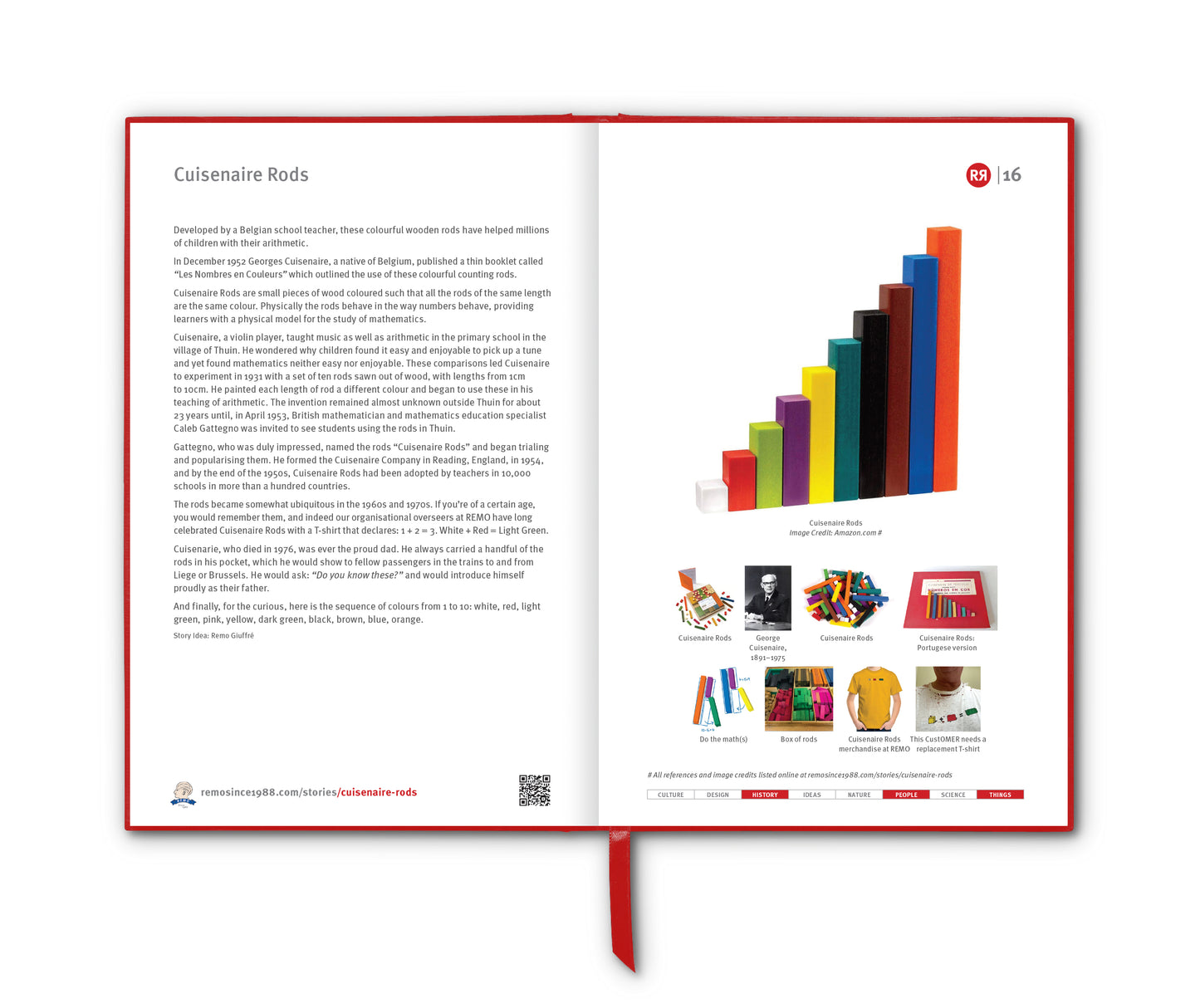
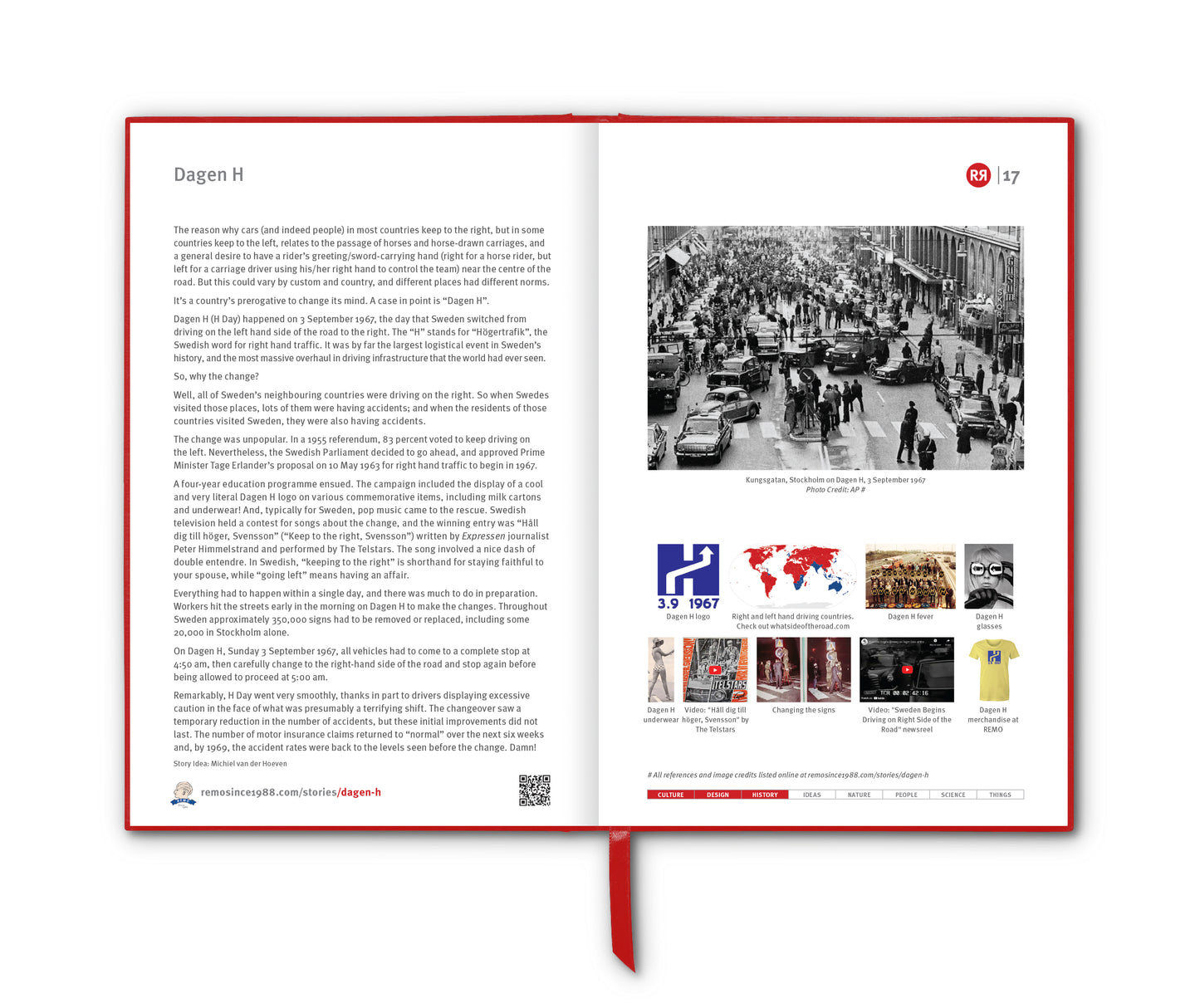
At its core, iNaturalist embodies the ethos of citizen science – ordinary people contributing meaningfully to scientific research. This movement, though it has ancient roots, e.g. amateur astronomers discovering comets, has seen a modern resurgence thanks to digital technology. Projects like the Audubon Society’s Christmas Bird Count (started in 1900) and the UK’s Big Butterfly Count laid early groundwork by mobilising volunteers to track wildlife. What distinguishes iNaturalist is its seamless integration of mobile apps, GPS, machine learning, and social networking – enabling real-time, geotagged contributions and rapid peer verification.
One of the most transformative features of iNaturalist is its machine learning-powered computer vision tool, which offers suggested identifications for species based on image recognition. This allows even novice users to engage confidently, accelerating the learning curve and enriching the data pool. Once submitted, observations can be verified or corrected by the community, and when enough consensus is reached, the data becomes “Research Grade” – usable by scientists and conservationists worldwide.
iNaturalist’s impact is tangible. In 2021, an observation made by a user in Texas of a rare bee species (Diadasia diminuta) led to confirmation that the bee’s range extended far beyond what scientists previously believed. During the COVID-19 pandemic, iNaturalist also served as an invaluable tool for people to safely engage with nature in isolation, leading to a surge in biodiversity data at local levels.
Another notable use of iNaturalist was in 2020, when a surge in observations of the California Giant Salamander helped researchers map its range more accurately, feeding directly into conservation planning. Similarly, after the 2019–2020 Australian bushfires, citizen scientists used iNaturalist to document post-fire recovery and track the reappearance (or absence) of species across burned habitats.
iNaturalist has also inspired offshoots and integrations, including Seek (a family-friendly app using the same technology) and regional adaptations like iNaturalistAU for Australia. Its data is openly shared with the Global Biodiversity Information Facility (GBIF), further amplifying its scientific value.
In the broader story of citizen science, iNaturalist is not just a tool but a cultural shift. It democratises nature study, builds environmental literacy, and fosters a global community of curious minds [Ed: Hey, wait a minute, that’s the REMORANDOM tagline!]. From documenting urban wildlife to discovering species new to science, it shows that meaningful research is no longer confined to laboratories.
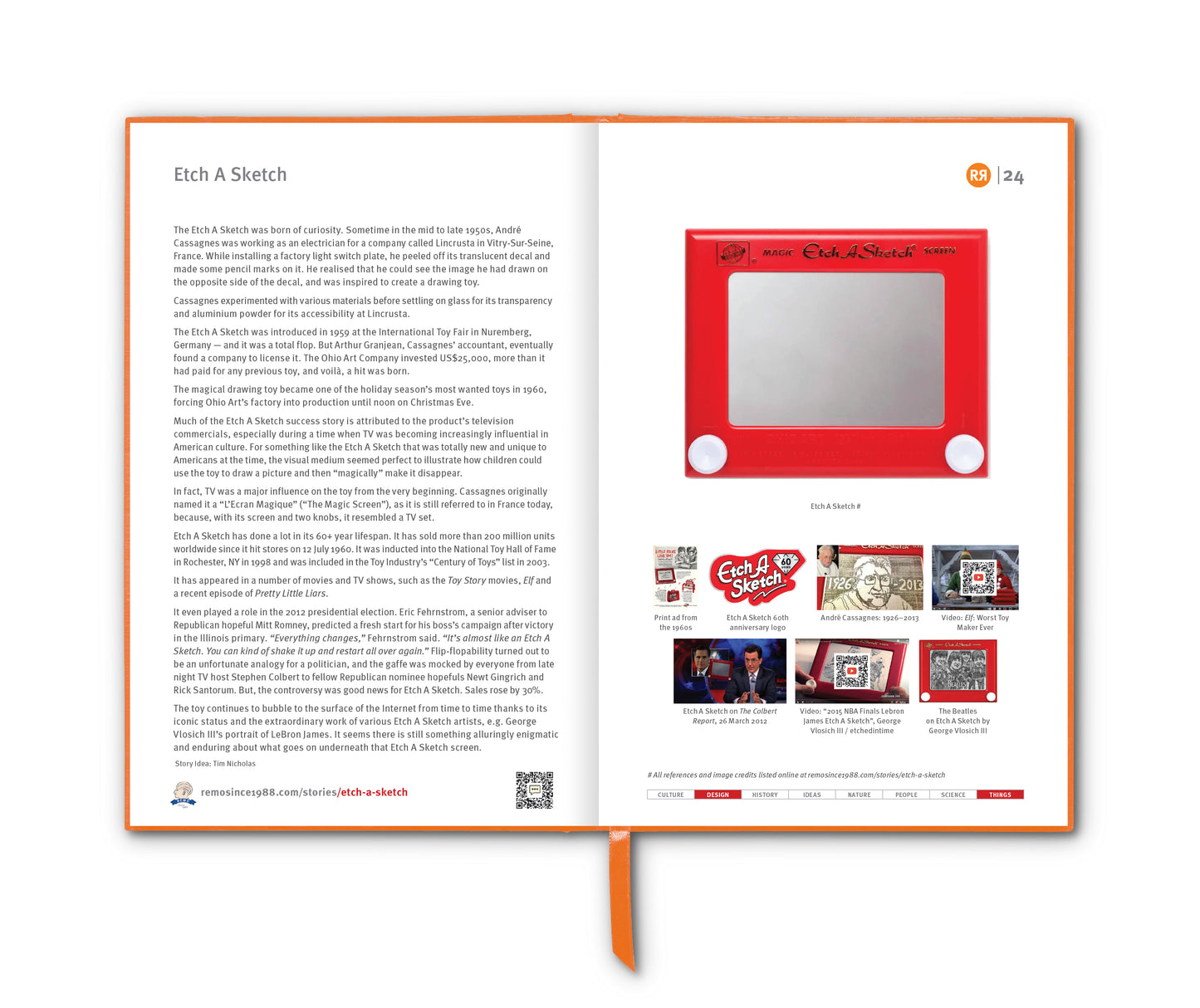
Check out the April 2025 TED talk by iNaturalist Executive Director Scott Loarie HERE.
________________________
References
inaturalist.org
ted.com/talks/scott_loarie_the_surprising_power_of_your_nature_photos
Images
1. iNaturalist observations. Credit: inaturalist.org
2. Ken-ichi Ueda. Credit: inaturalist.org
3. iNaturalist logo
4. Scott Loarie, Executive director of iNaturalist. Credit: inaturalist.org
5. iNaturalist observations. Credit: inaturalist.org
6 to 8. iNaturalist observations. Citizen science in the field. Credit: ted.com
9. Video: “The surprising power of your nature photos”, Scott Loarie, TED, April 2025