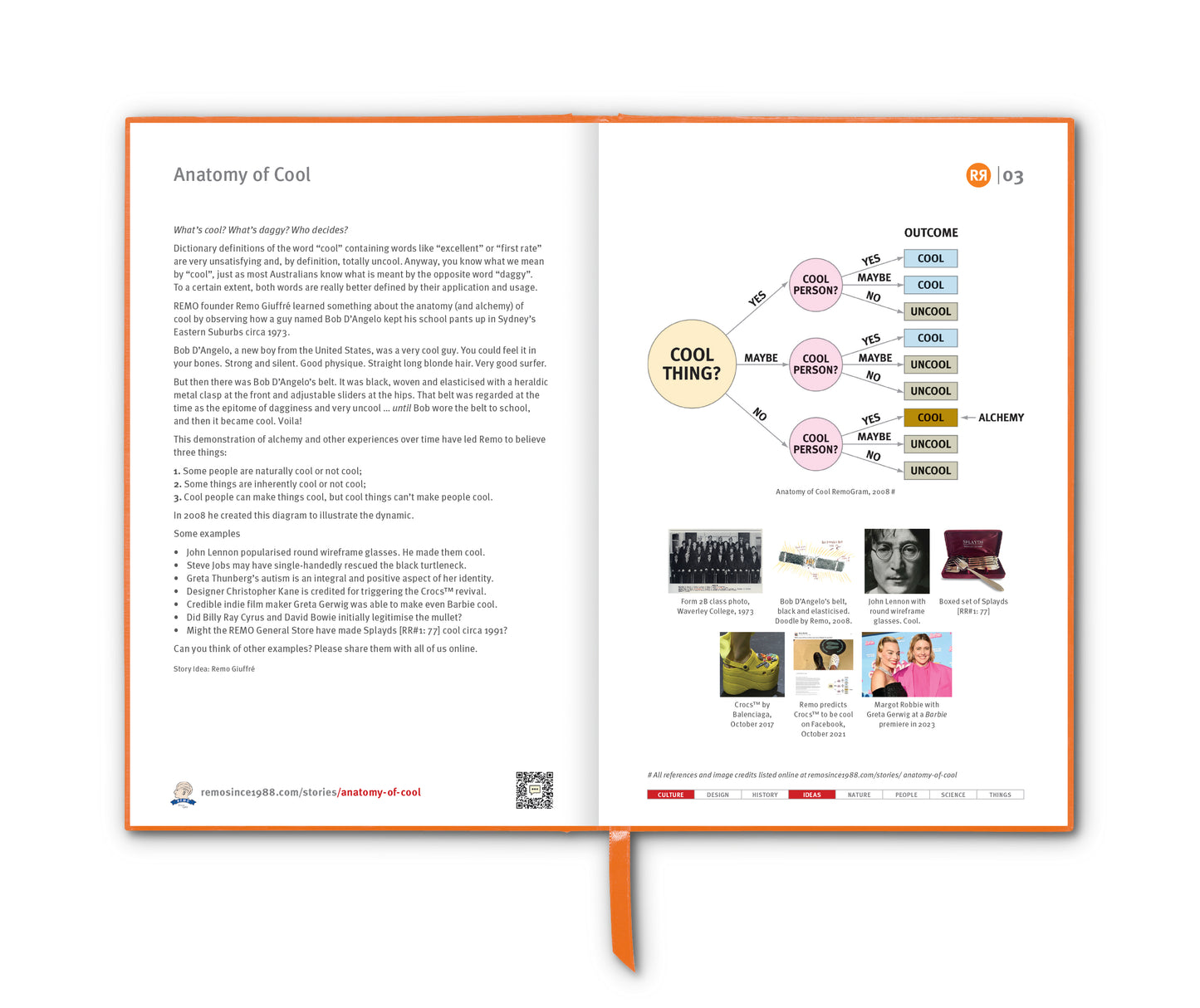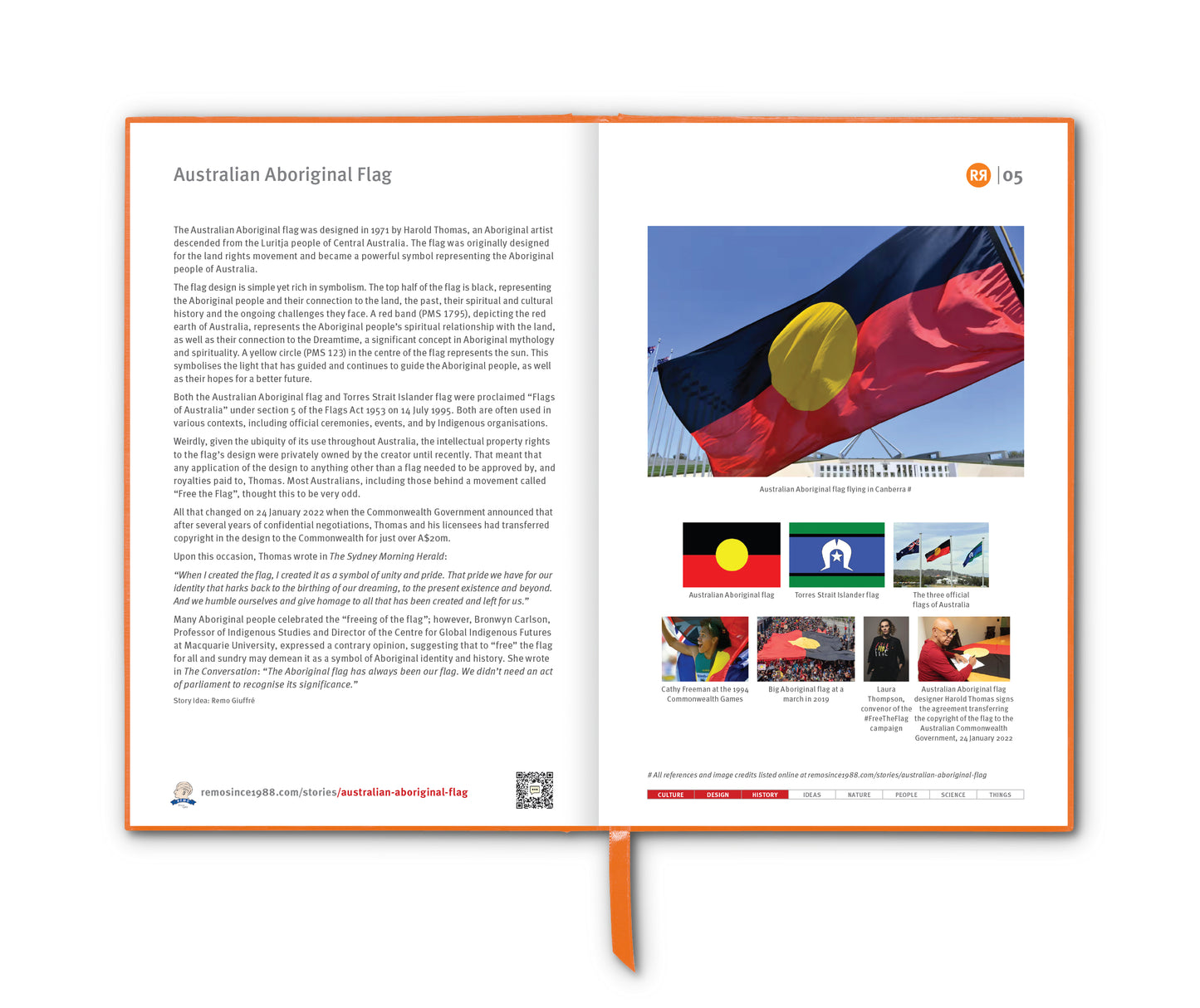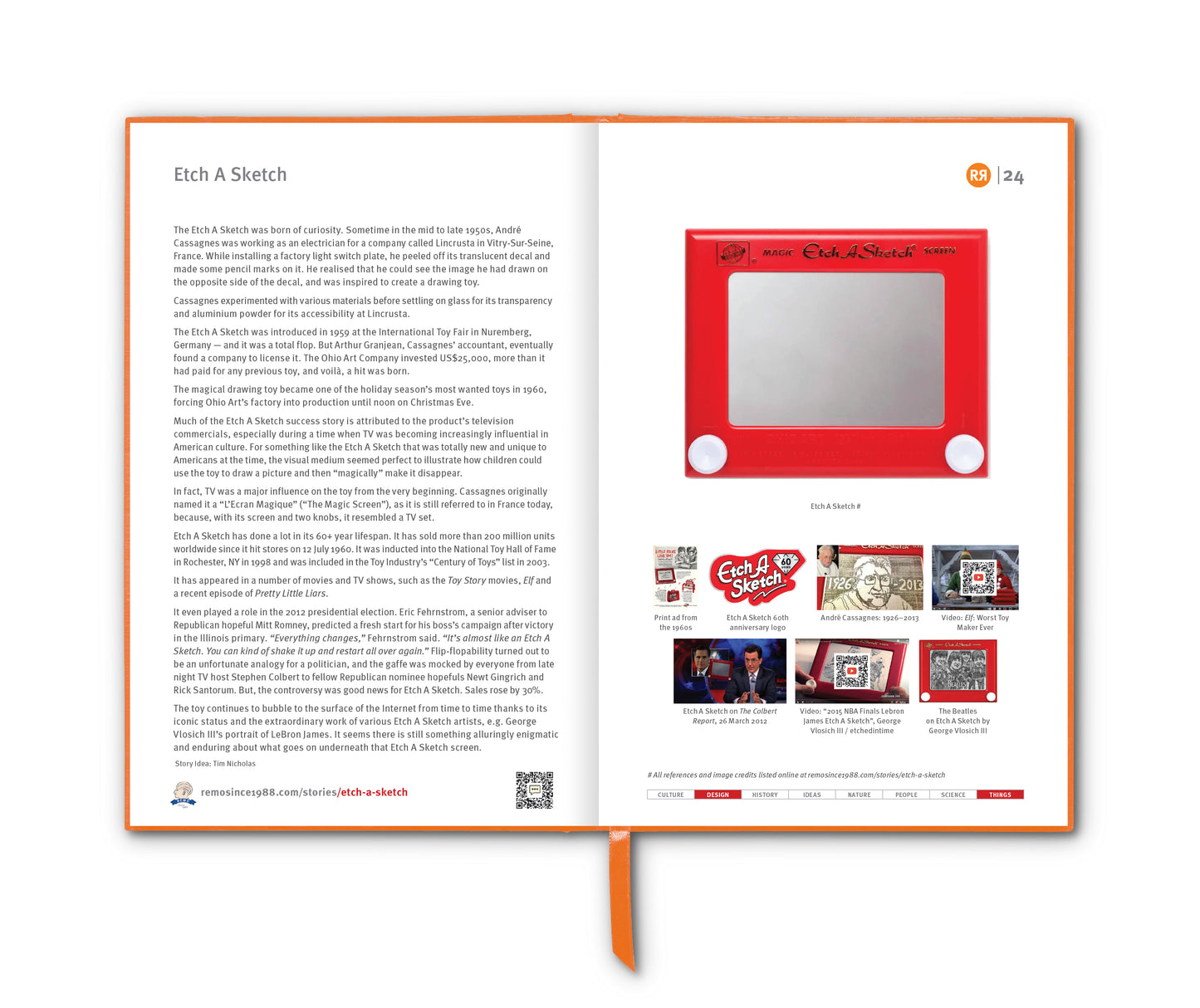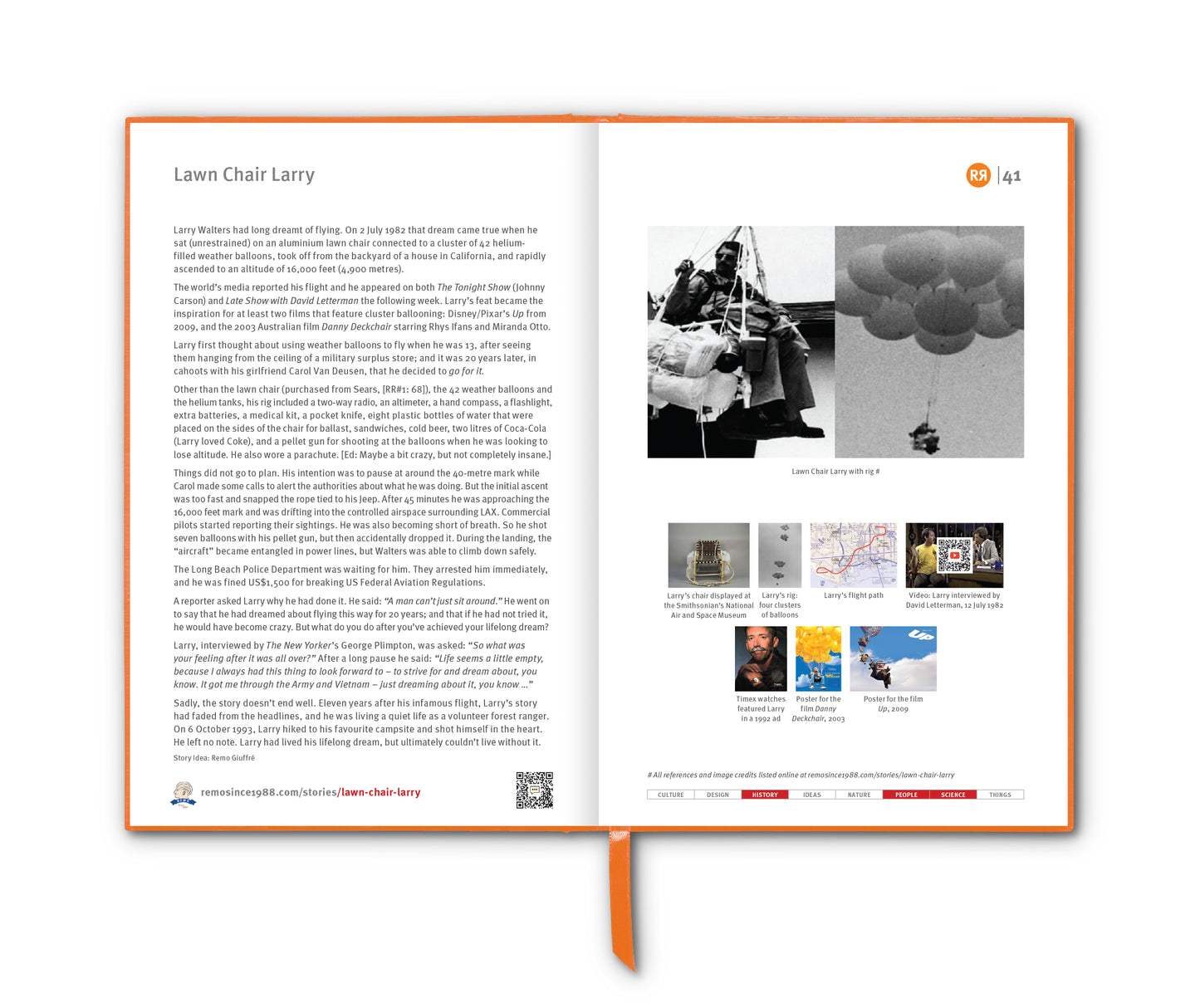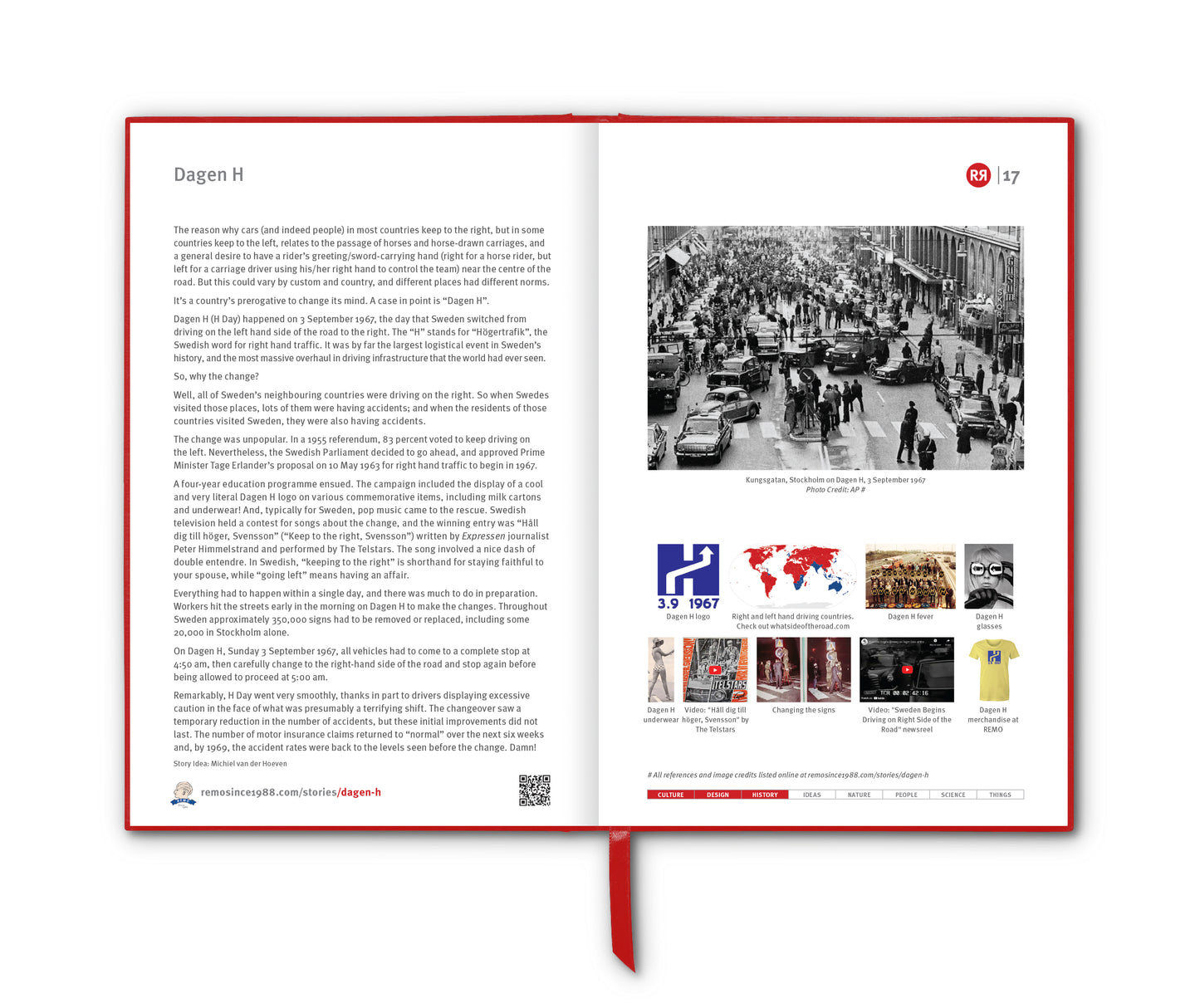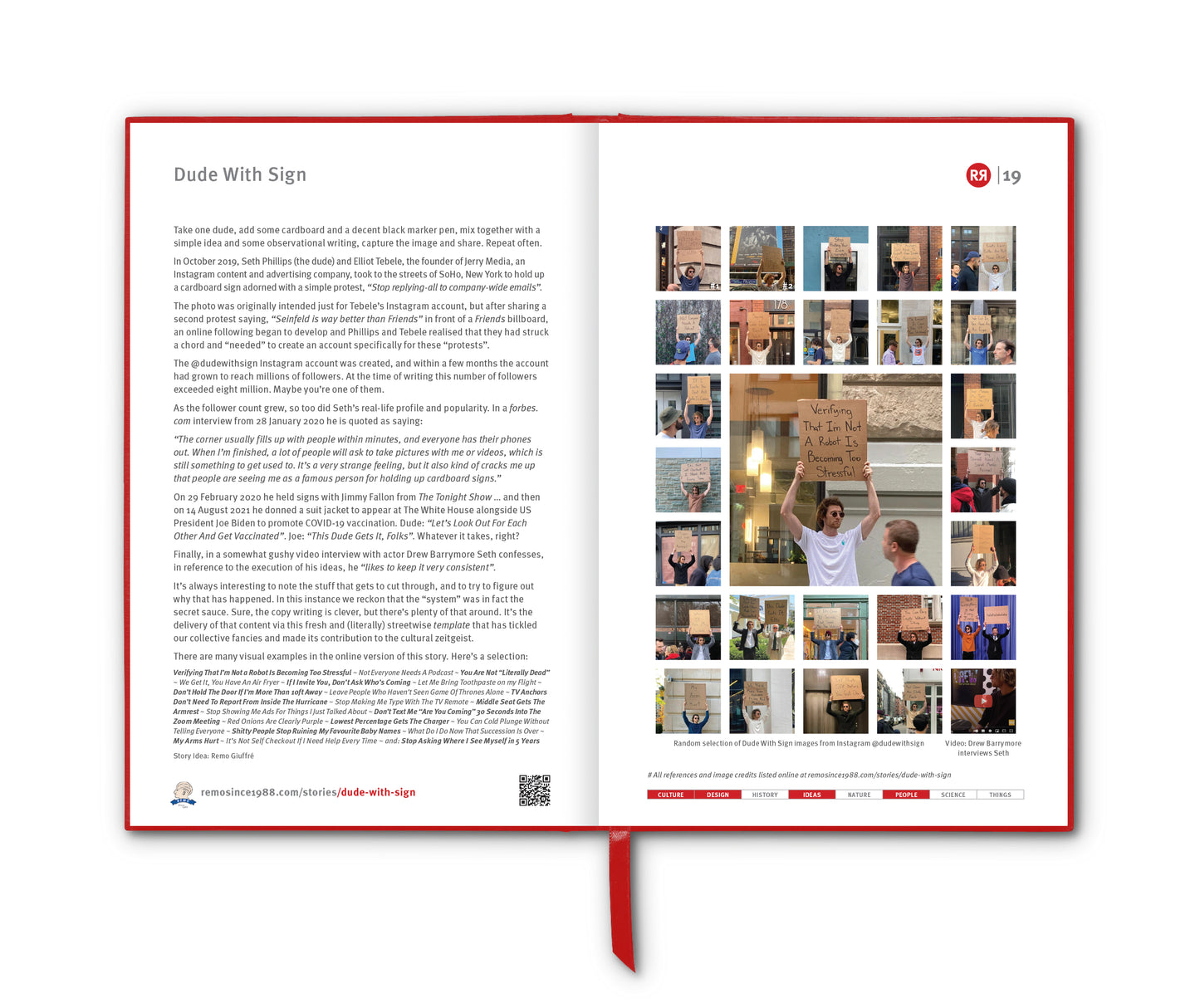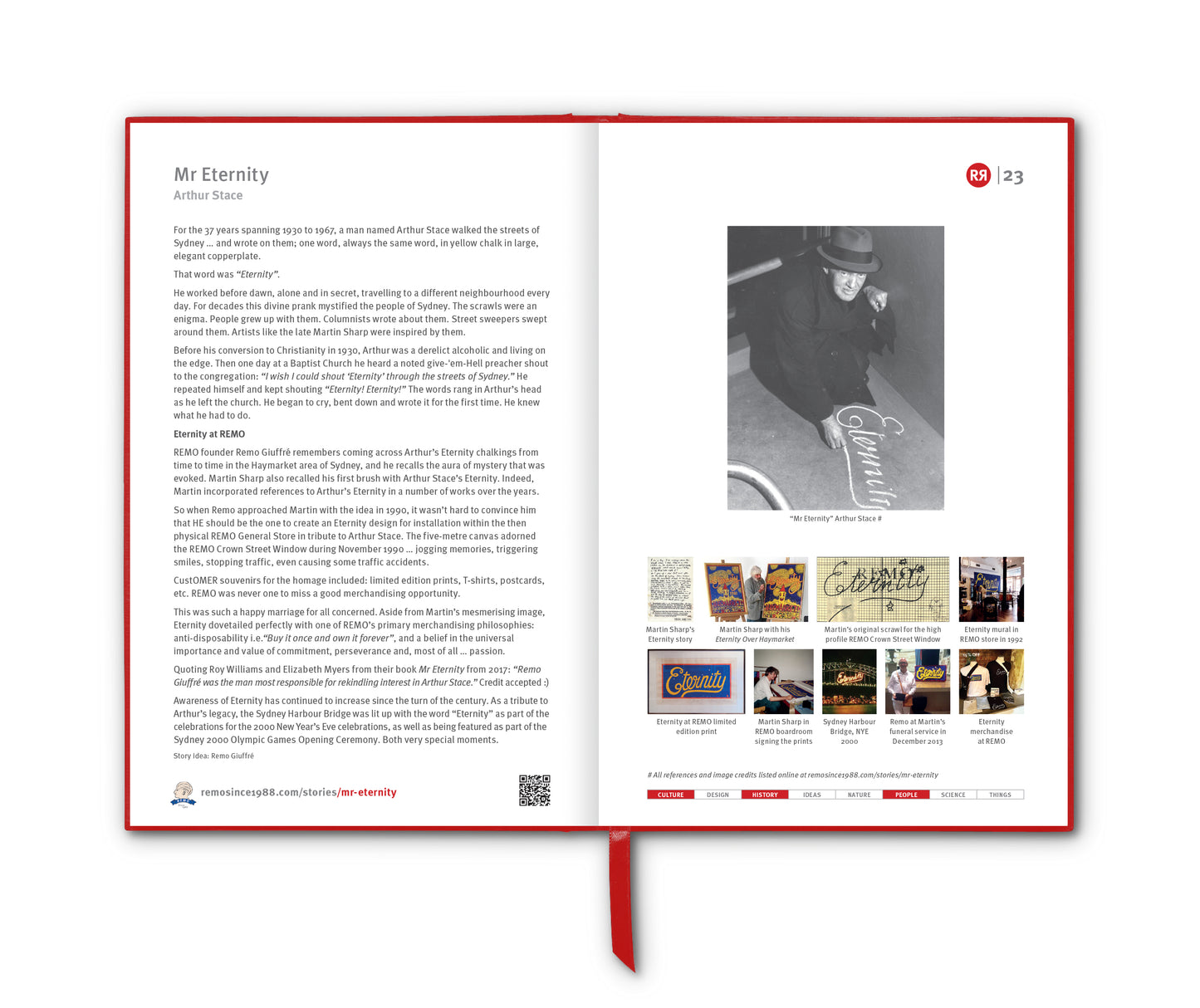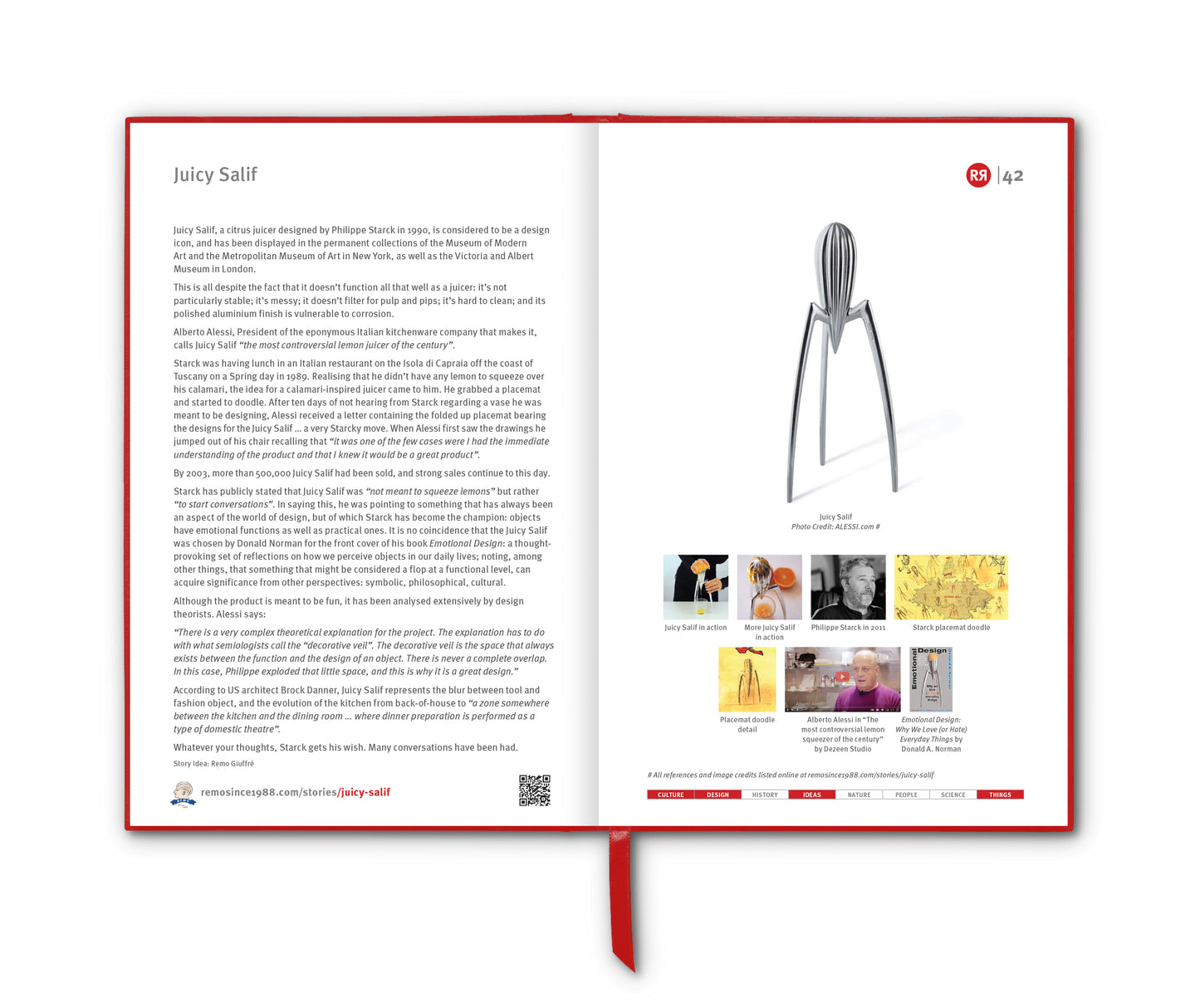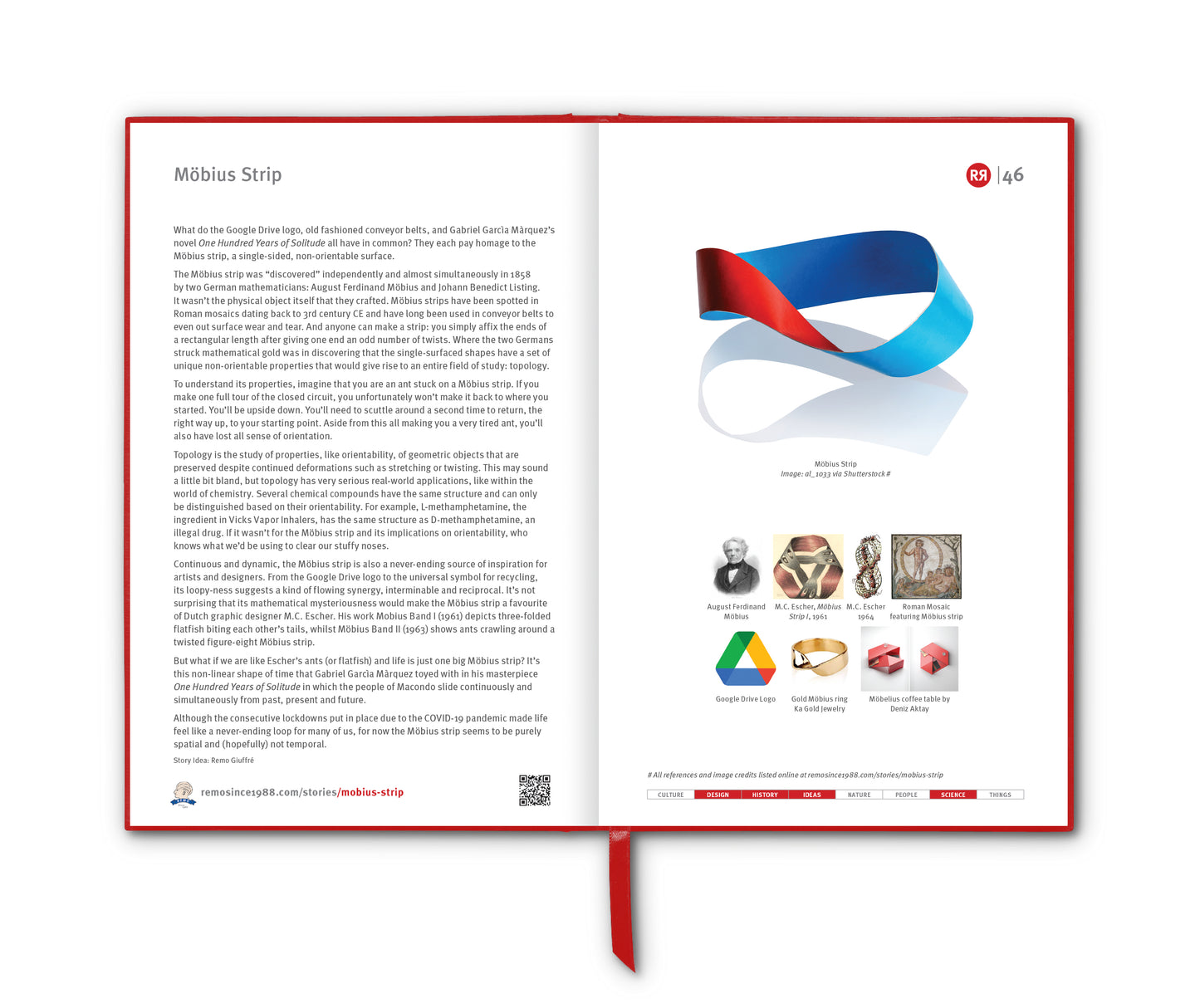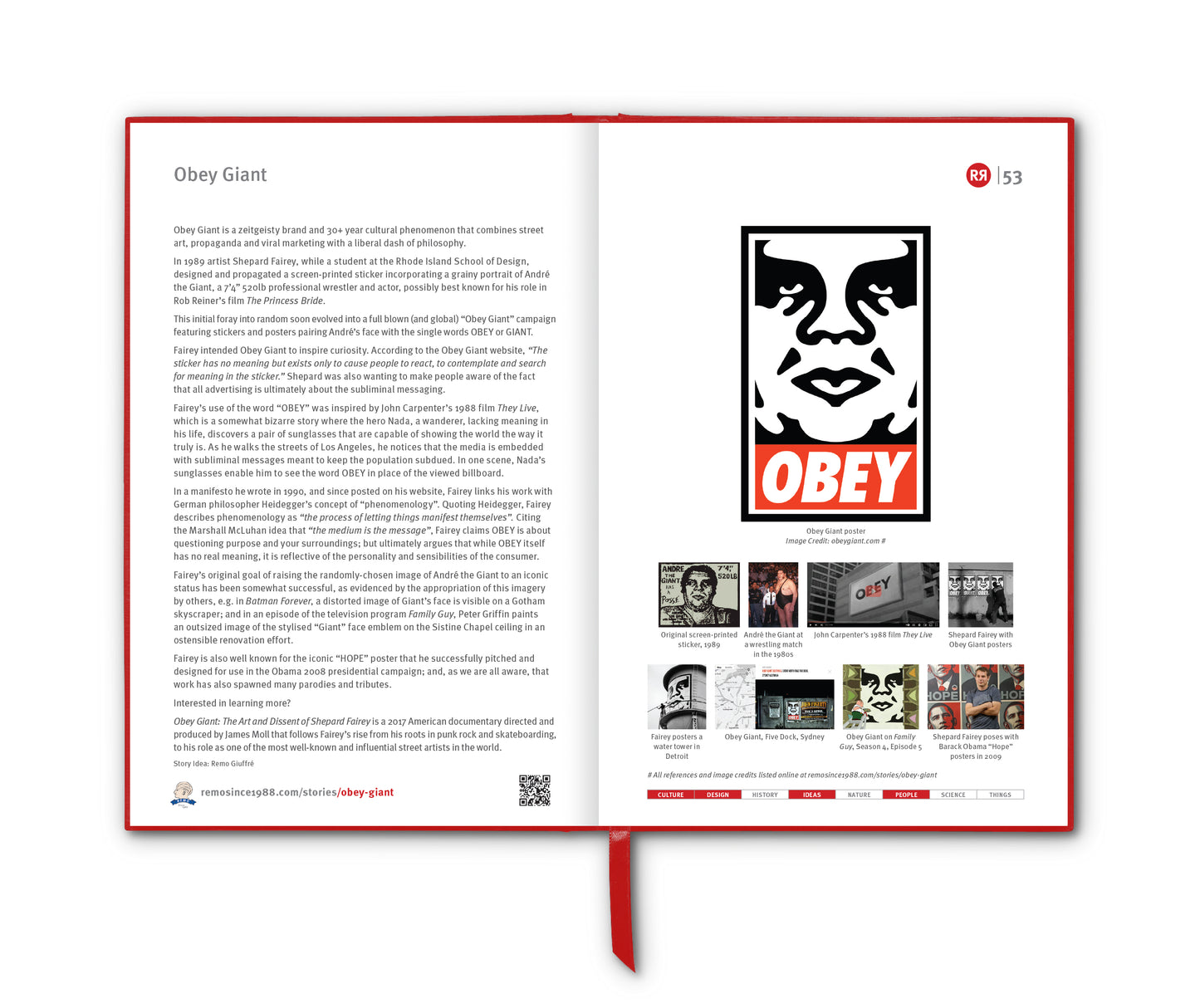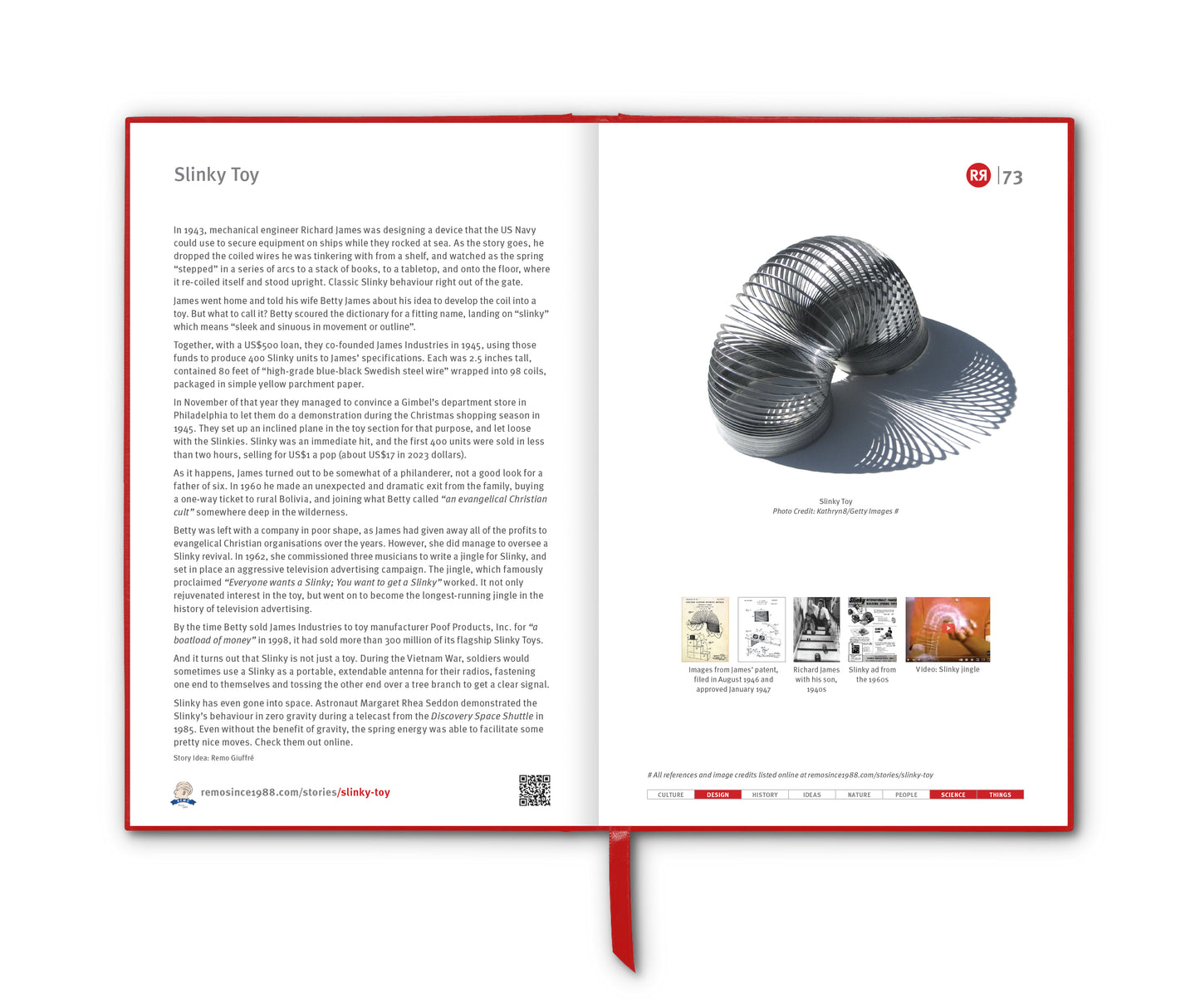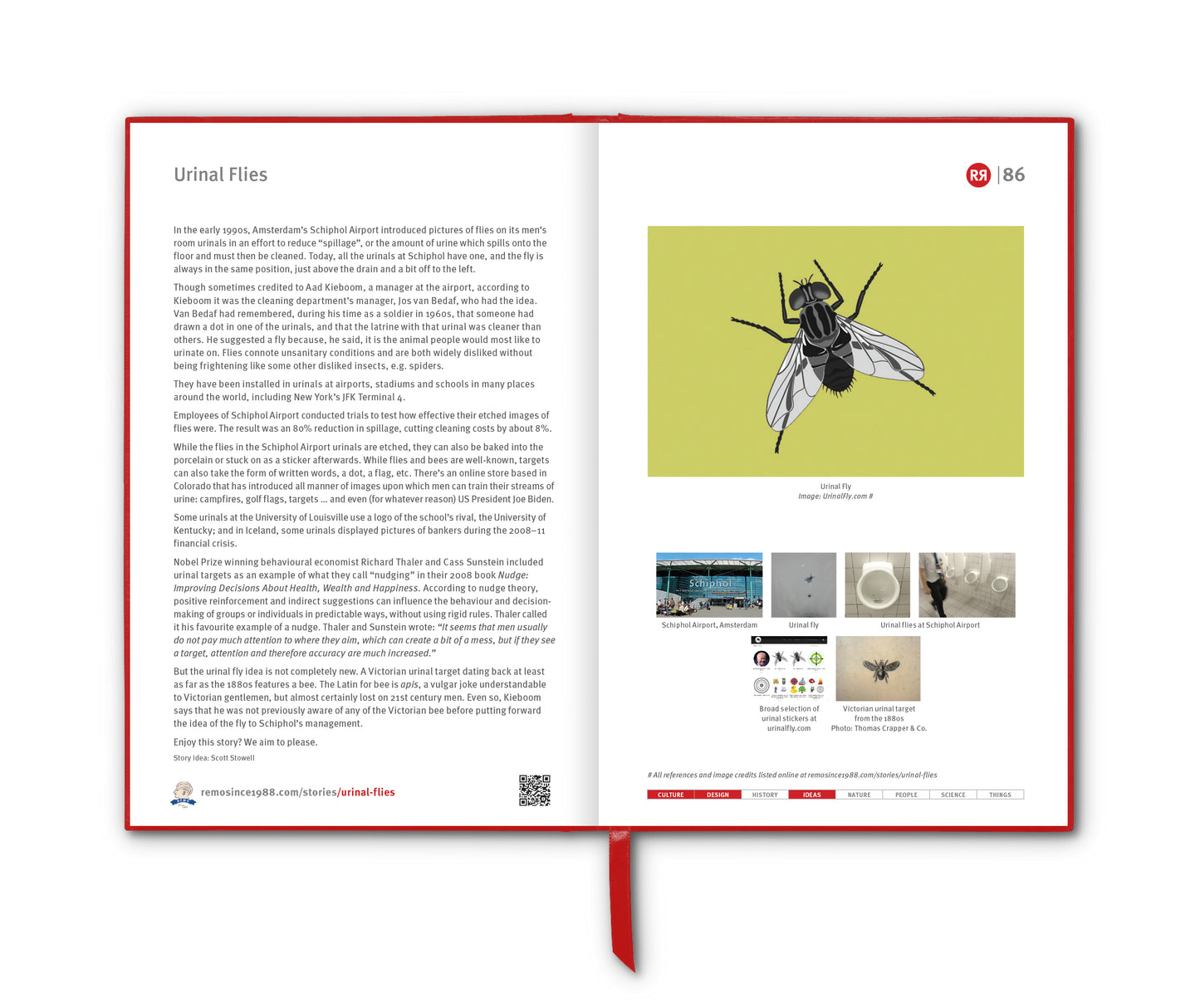

The 1936 Summer Olympic Games were always going to be about more than just sport.
Staged in Berlin under Adolf Hitler’s Nazi regime, they were designed as a showcase of “Aryan” supremacy – a global propaganda exercise meant to prove that Germany was destined to dominate not only geopolitics but also the human body itself.
Germany skilfully promoted the Olympics with colourful posters and magazine spreads. Athletic imagery drew a link between Nazi Germany and ancient Greece, symbolising the Nazi racial myth that a superior German civilisation was the rightful heir of an "Aryan" culture of classical antiquity. This vision of classical antiquity emphasised ideal "Aryan" racial types: white non-Jewish people, especially those of northern European origin – heroic, blue-eyed and blonde. [Ed: Also handy with the discus.]
Into this charged arena walked Jesse Owens, a 22-year-old African American sprinter and long jumper from Ohio. Not at all Aryan.
Owens had already shown promise on the track in the United States, famously equalling or breaking four world records in a single hour at a college meet in 1935. But Berlin was going to involve a whole new kettle of geopolitical fish. On 3 August 1936, he won the 100 metres, beating the heavily favoured German sprinter Erich Borchmeyer. Three days later he added gold in the long jump after a dramatic duel with Germany’s Carl “Luz” Long. [Ed: Living up to his name.] Long, in an heart-warming gesture of sportsmanship, advised Owens on his run-up after he fouled his first two attempts. Owens then soared to victory, and the two men walked arm-in-arm around the stadium – an image that contradicted every message Hitler’s regime wanted the world to see.
Owens wasn’t done. He went on to take gold in the 200 metres, and then ran the lead-off leg in the 4x100 metres relay, helping the US team shatter the world record. In total: four gold medals in four events. No athlete had ever achieved such a feat at a single Games, and it would be decades before anyone matched it.
The symbolism was impossible to ignore. Hitler left the stadium after Owens’s victories, pointedly avoiding congratulating him. Internationally, Owens became an instant icon – proof that sport could expose political lies in ways speeches never could.
Yet Owens’s story is not only triumph. On returning to the United States, he discovered that his Olympic glory had not dissolved the entrenched racism of his home country. He received no invitation to the White House. He was forced to take odd jobs, from racing against horses to working as a petrol station attendant, just to make ends meet. It was a sobering reminder that while he had humiliated the Nazis abroad, the fight against discrimination was ongoing at home.
Over time, though, the world caught up to Owens’s achievement. He was awarded the Presidential Medal of Freedom in 1976 and posthumously the Congressional Gold Medal in 1990. His story has been retold in multiple documentaries, books and films – not only as an athletic accomplishment but as a moral and political one.
____________________
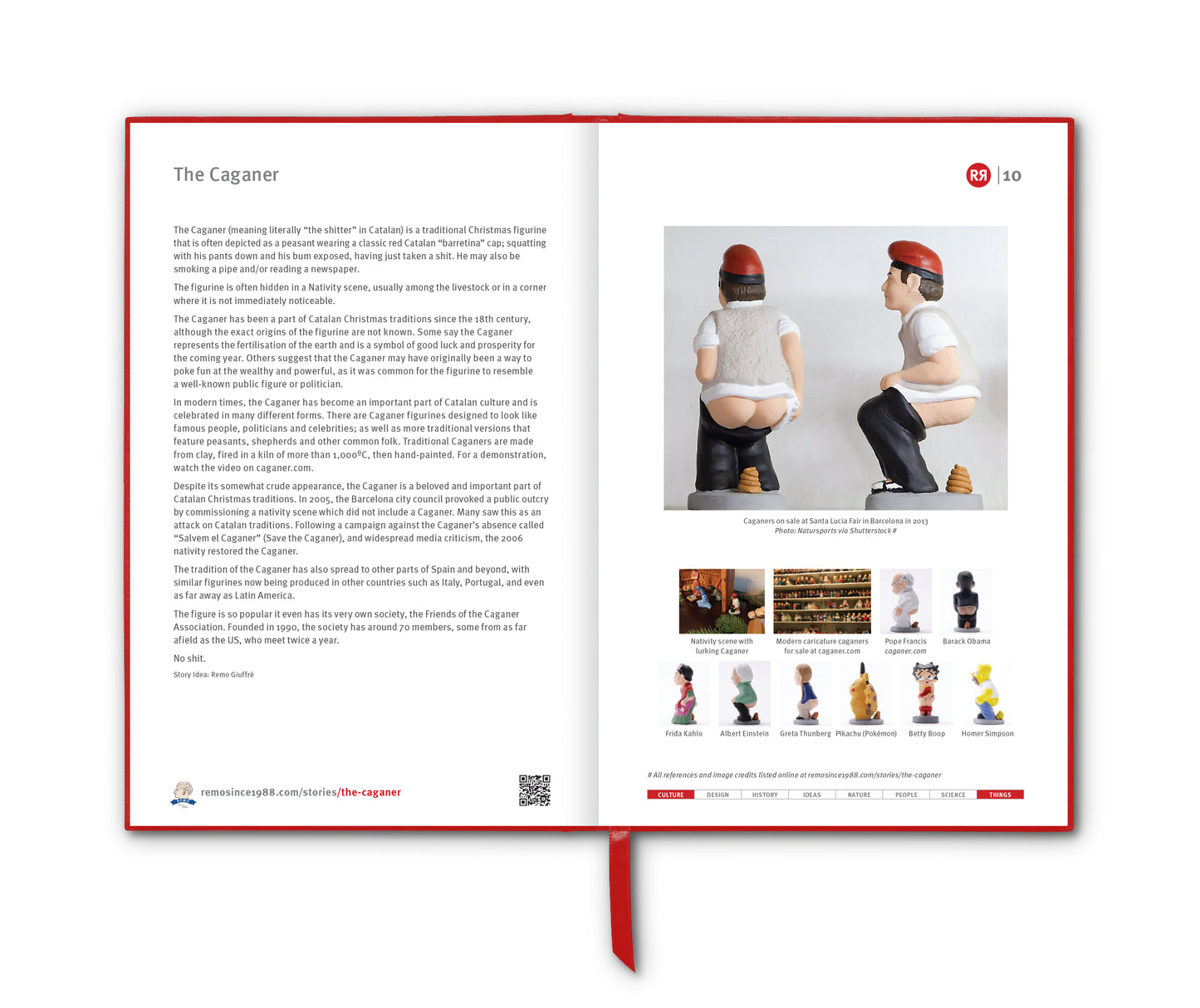
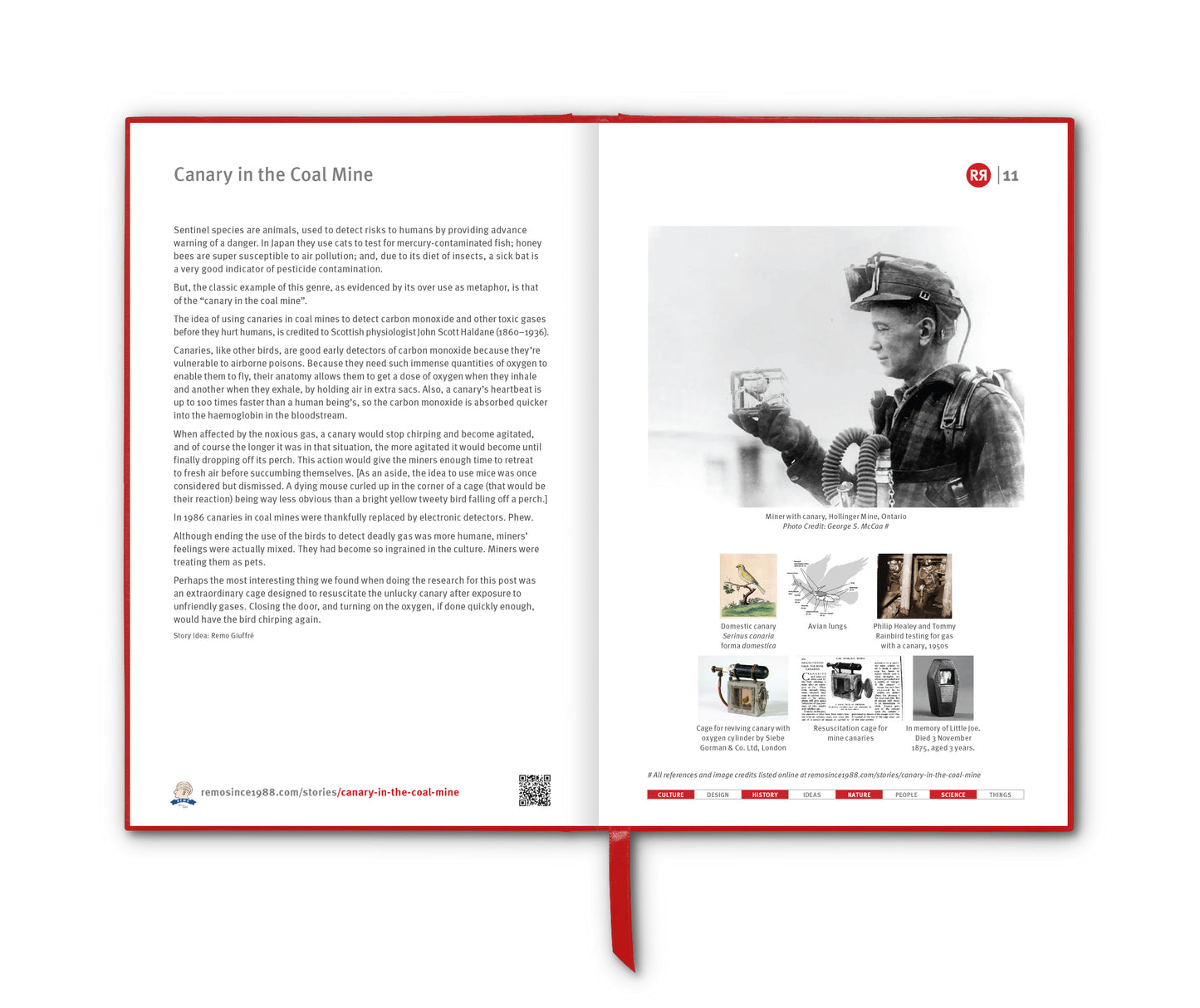
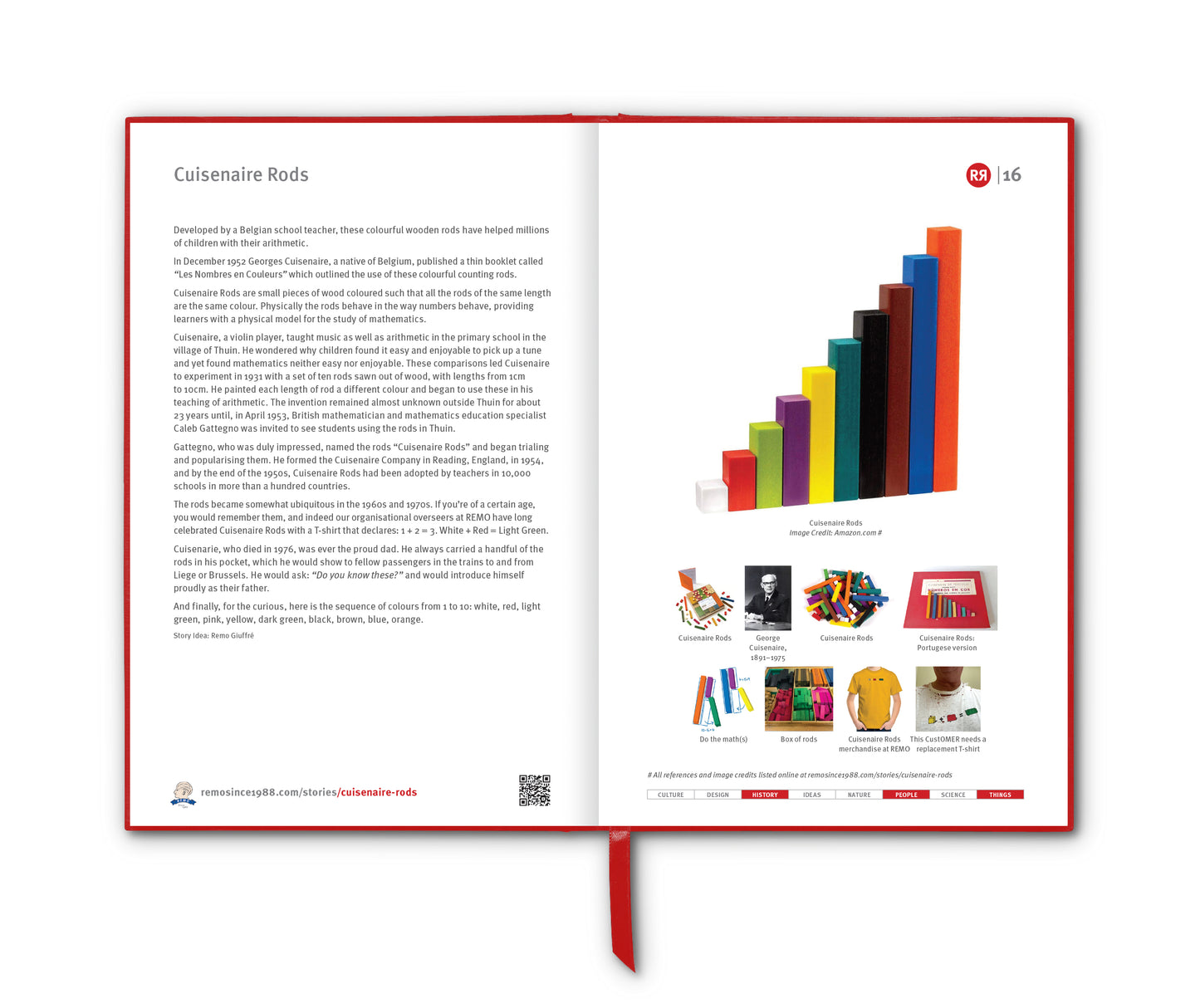
References
britannica.com/event/Berlin-1936-Olympic-Games
wikipedia.org/wiki/Jesse_Owens
encyclopedia.ushmm.org/content/en/article/the-nazi-olympics-berlin-1936
bbc.com/culture/article/20150324-hitlers-idea-of-the-perfect-body
Images
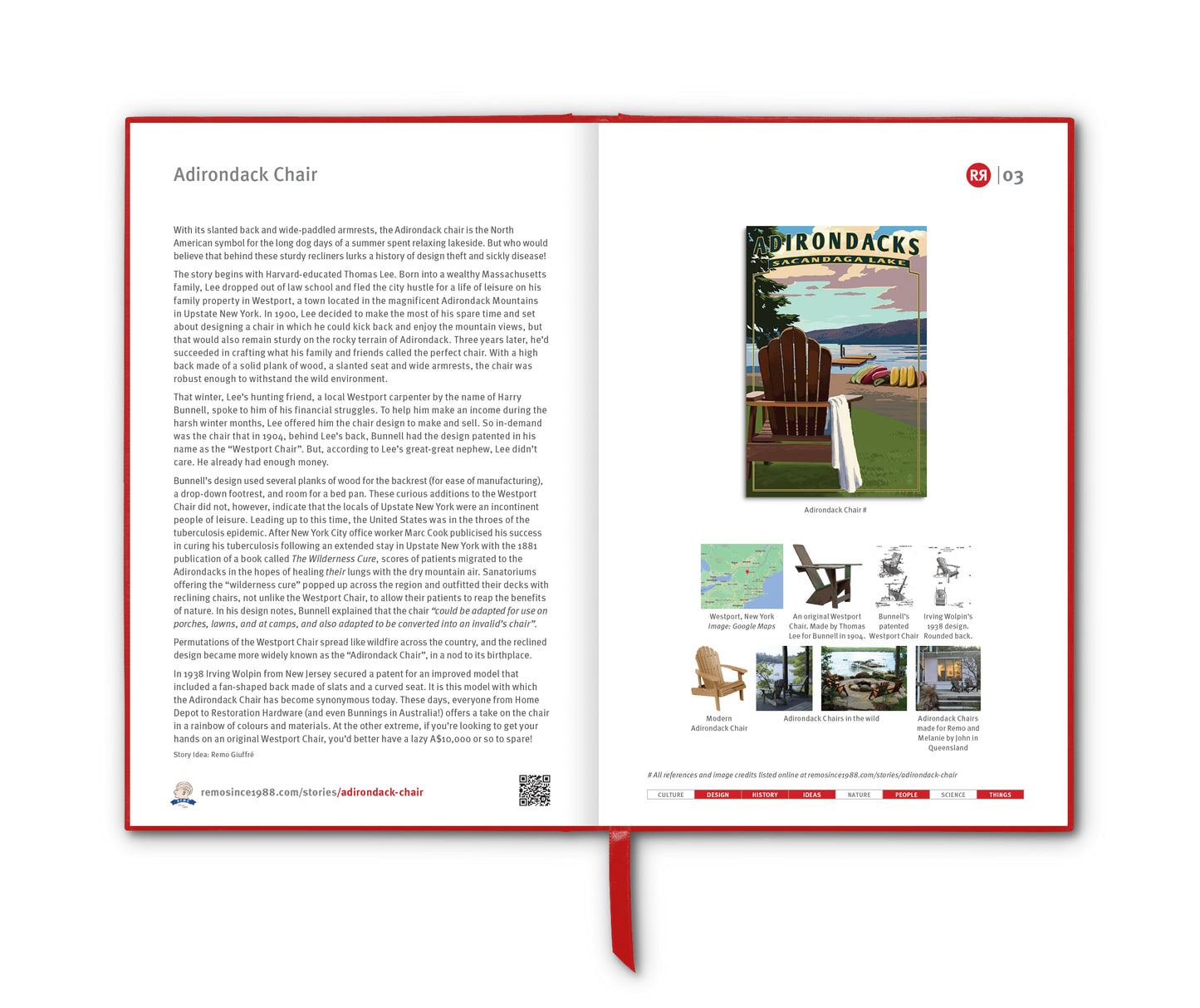
1. Jesse Owens at the 1936 Berlin Olympics. See also: Olympic Rings [RR4:52]
2. Photo of Jesse Owens in 1936
3. Owens competing in the long jump at the 1936 Summer Olympics in Berlin
4. Swastikas and the Olympic Flag – strange bedfellows
5. Owens salutes the American flag after winning the long jump at the 1936 Summer Olympics. Left to right: Naoto Tajima, Owens, Luz Long
6. Owens on a 1971 UAE stamp
7. Waxwork of Owens at Madame Tussauds, London, 2016. Photo credit: Luke Rauscher
8. Video: "Jesse Owens' Historic Wins at the Berlin 1936 Olympics", 2017
9. Video: "The Nazi Olympics: Berlin 1936", United States Holocaust Memorial, 2008