
The Monty Hall Problem is a probability puzzle disguised as a simple game-show decision. It takes its name from Let’s Make a Deal, the long-running American program hosted by Monty Hall, in which contestants were routinely invited to choose between doors, boxes, curtains and all manner of hidden prizes. The puzzle’s modern form emerged in the 1970s and 1980s when mathematicians and puzzle writers began formalising the scenario as a clean, teachable example of counter-intuitive probability.
The classic version goes like this: You are shown three doors. Behind one is a car; behind the other two are goats. You pick a door – say, Door 1. The host, who knows what lies behind each door, then opens one of the remaining doors, revealing a goat. You are then offered a choice: stick with your original door or switch to the remaining closed door.
Intuition says it shouldn’t matter. Two doors remain; one hides the car. Many people reason that the odds are now 50–50. But the mathematics says otherwise. Switching doors doubles your chances of winning — from 1/3 to 2/3. The host’s action is not random. By always revealing a goat and always offering the option to switch, he is giving you information that reshapes the probabilities.
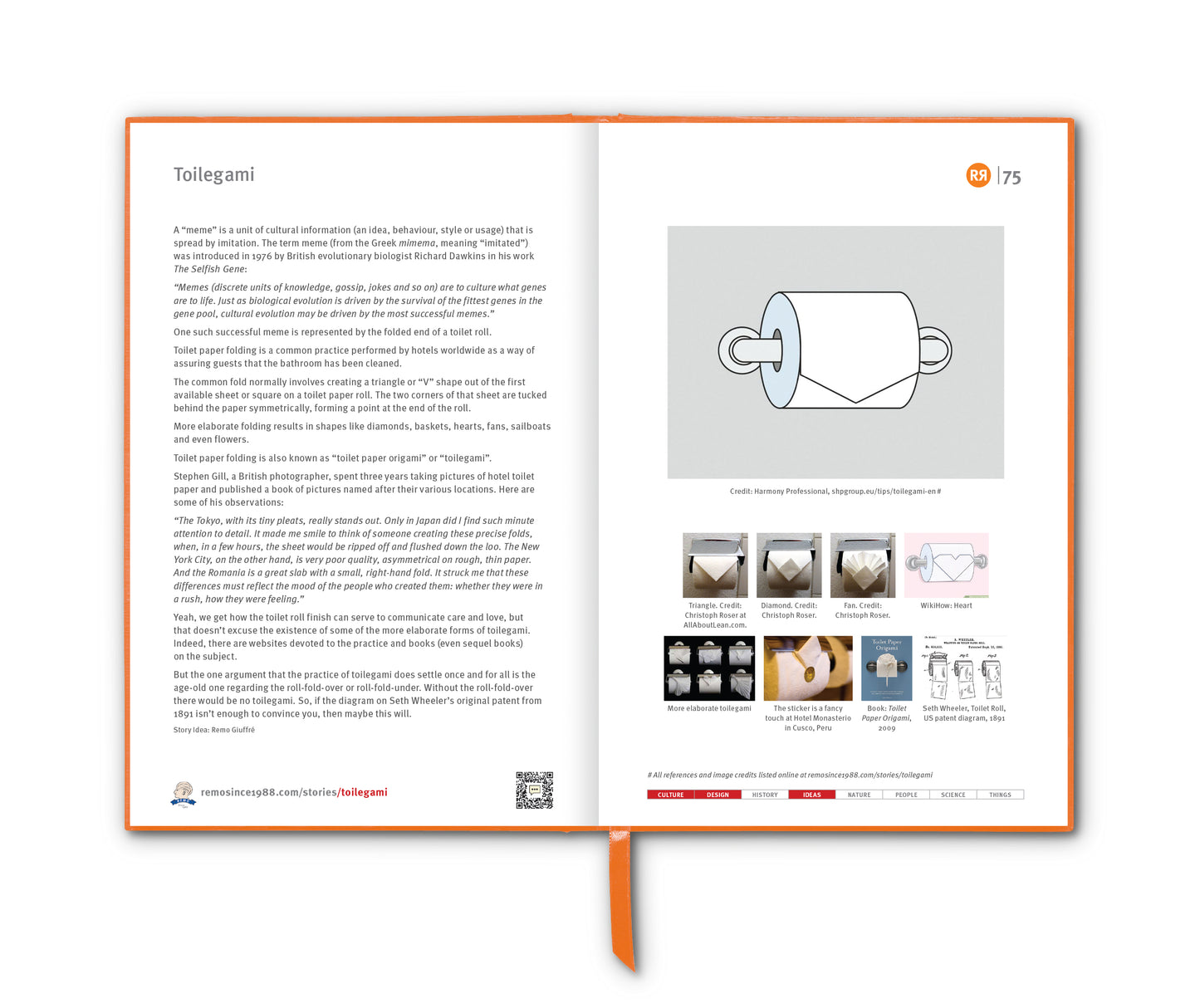
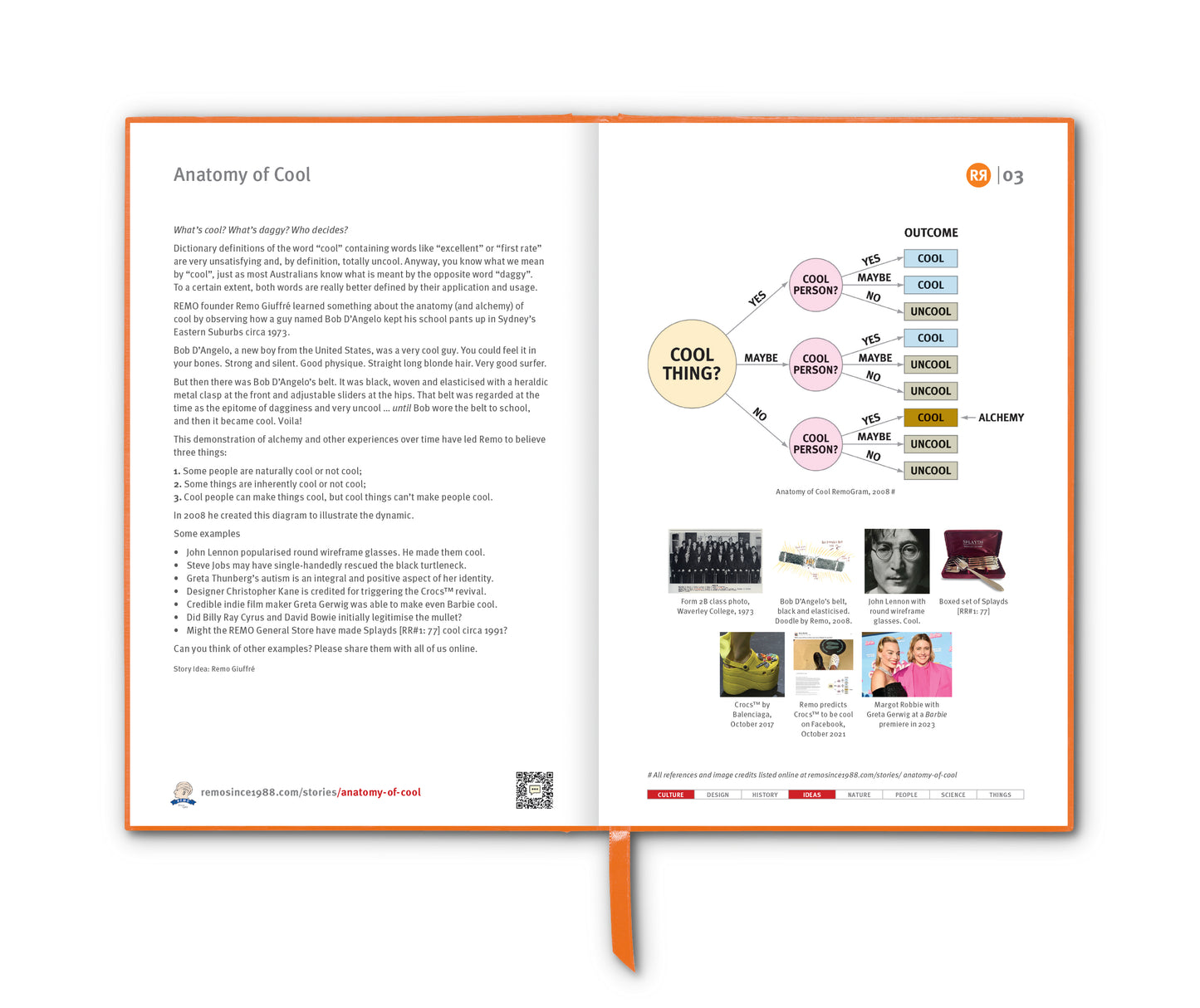
To understand why, consider the starting point: your first pick has a 1/3 chance of being correct and a 2/3 chance of being wrong. That basic fact does not change. When Monty opens a door to reveal a goat, he collapses and concentrates the 2/3 probability of “your first guess was wrong” into the single remaining unchosen, unopened door. Switching is not a new gamble; it is a decision to take advantage of that 2/3 likelihood.
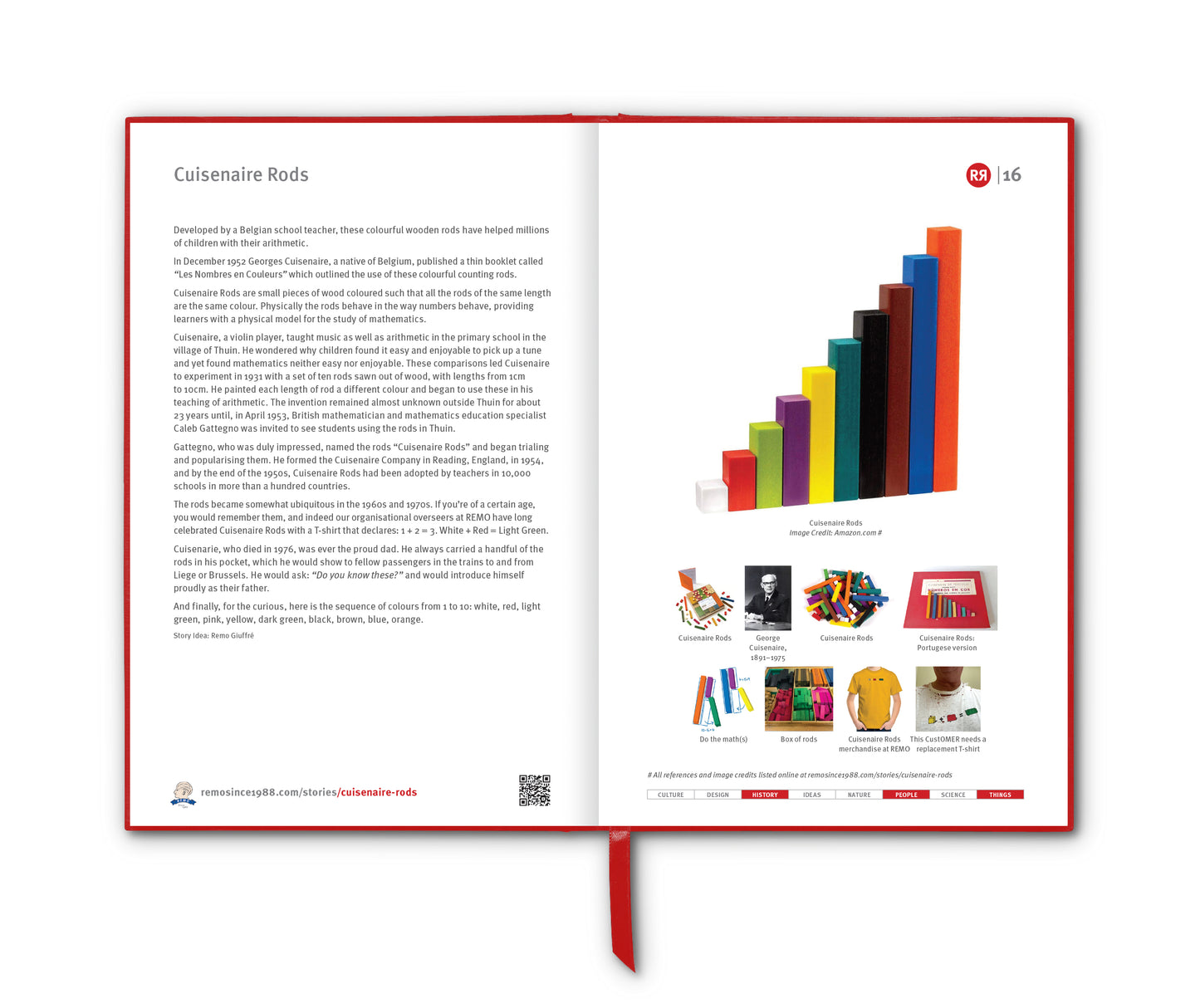
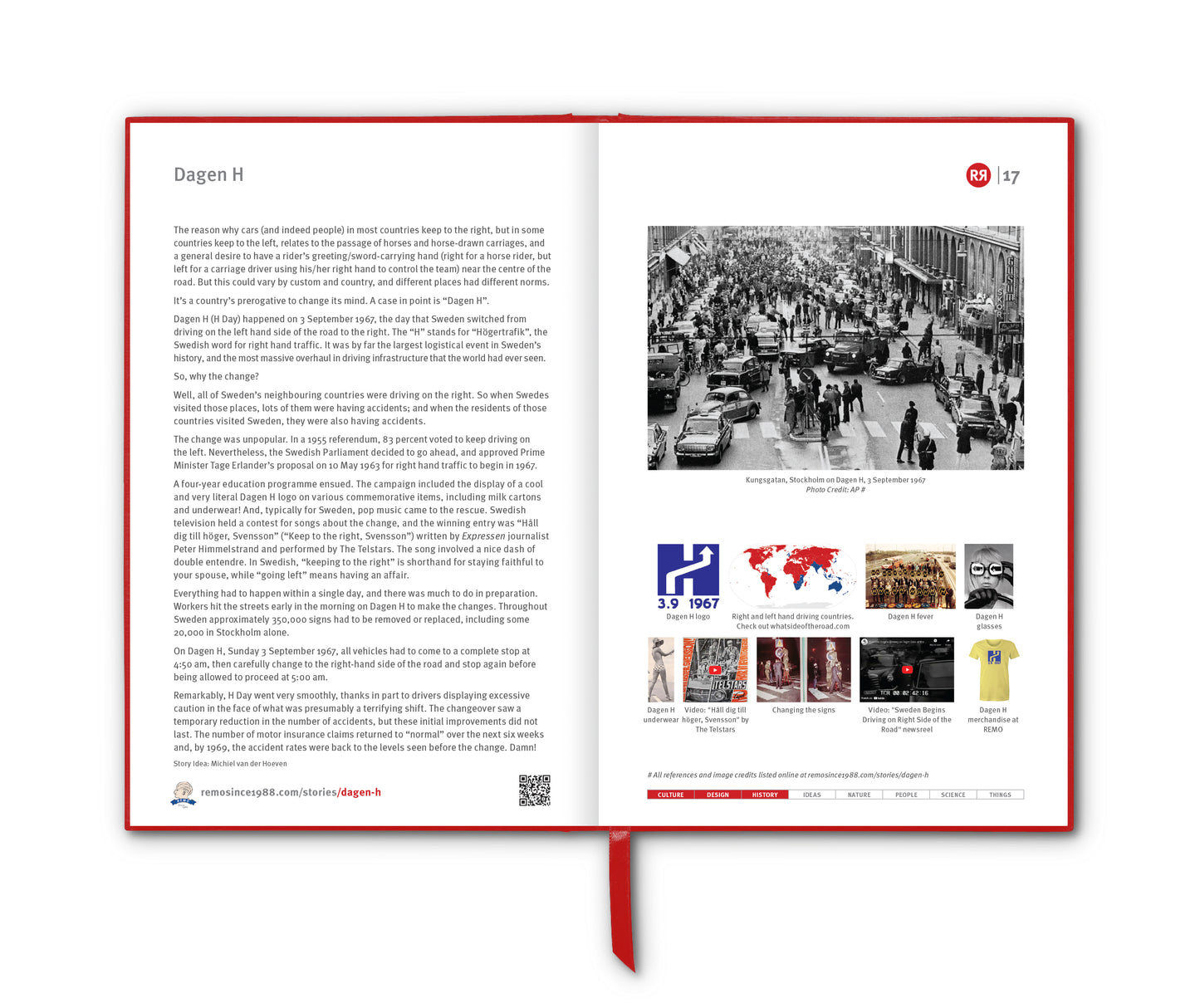
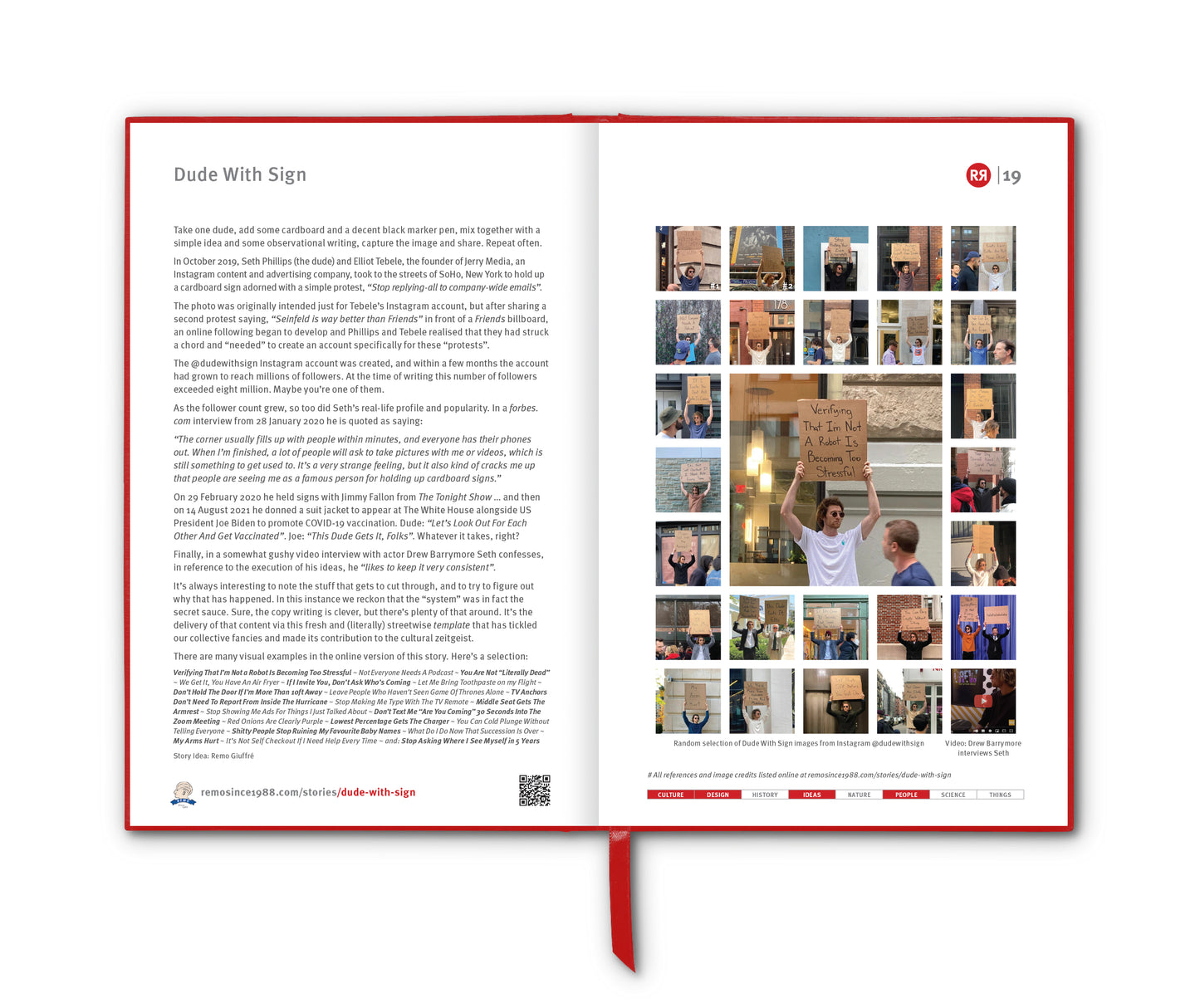
The puzzle became famous – and controversial – in 1990, when Parade magazine’s “Ask Marilyn” column tackled the problem. Marilyn vos Savant, known for having one of the highest ever recorded IQ [RR5:40] scores, stated unequivocally that contestants should always switch. The response was explosive. Thousands of readers – including hundreds of scientists, mathematicians and statisticians – wrote in to tell her that she was wrong. Some were convinced the problem was trivial; others assumed she had misunderstood the game. Many simply trusted their intuition: two doors equals even odds.
But vos Savant was right. As she calmly pointed out, if you simulated or played the game repeatedly – switching every time – you would win roughly twice as often as players who stayed. Classroom experiments and computer models soon confirmed her explanation. The controversy, far from discrediting the result, illustrated exactly why the Monty Hall Problem is such a powerful teaching tool. It exposes the gulf between human intuition and statistical reality.
The enduring appeal of the Monty Hall Problem lies in this tension. It demonstrates how strongly instinct resists formal probability, and how certain scenarios – especially those involving conditional information and hidden knowledge – trigger our cognitive shortcuts. It also shows the value of reframing: when the puzzle is expanded to 100 doors, with Monty eliminating 98 goats, almost everyone immediately sees that switching is the rational choice. The logic is the same in the three-door version; only the intuition changes. Check out this video from the YouTube channel Numberphile for a clear demonstration of this by Lisa Goldberg, an adjunct professor in the Department of Statistics at University of California, Berkeley.
_________________________
References
wikipedia.org/wiki/Monty_Hall_problem
wikipedia.org/wiki/Marilyn_vos_Savant
Images
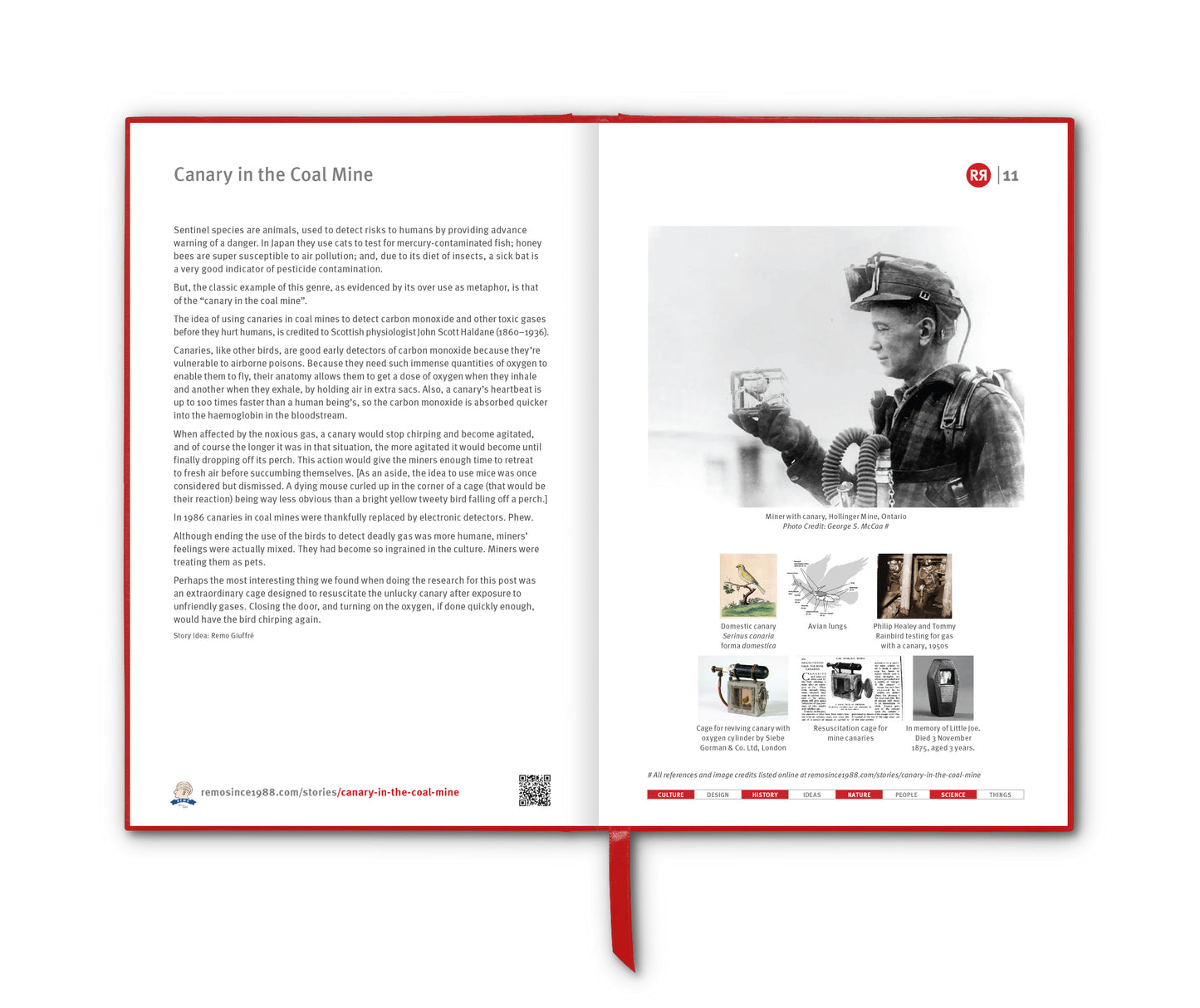
1. The Monty Hall Problem explained. Illustration credit: YouTube @numberphile
2. Let's Make a Deal with host Monty Hall (1963–1976)
3. Illustration for Monty Hall problem showing the standard probabilities of "stay" and "switch". Illustration credit: Rick Block
4. The "Ask Marilyn" column in Parade magazine that referenced the Monty Hall problem
5. Marilyn vos Savant in her study
6. Video: Monty Hall Problem - Numberphile, 2014