

Pareidolia, from the Greek words pará ("beside, alongside, instead [of]") and the noun eídōlon ("image, form, shape”), is a psychological phenomenon in which people perceive familiar patterns, often faces or meaningful shapes, in random or ambiguous stimuli.
It’s the reason someone might see a man in the moon, a face in a cloud, or even Jesus on a piece of burnt toast. While it can be surprising or amusing, pareidolia is not a flaw in human perception – it’s actually an evolutionary feature of how our brains process information.
At its core, pareidolia comes from the brain’s tendency to seek patterns in chaos. The human visual system is incredibly efficient at recognising faces, so much so that it often over-interprets simple arrangements of shapes as eyes, noses and mouths. Evolutionary psychologists suggest that this bias may have been adaptive. In early human history, spotting a face quickly – whether friend or foe – could mean the difference between survival and danger.
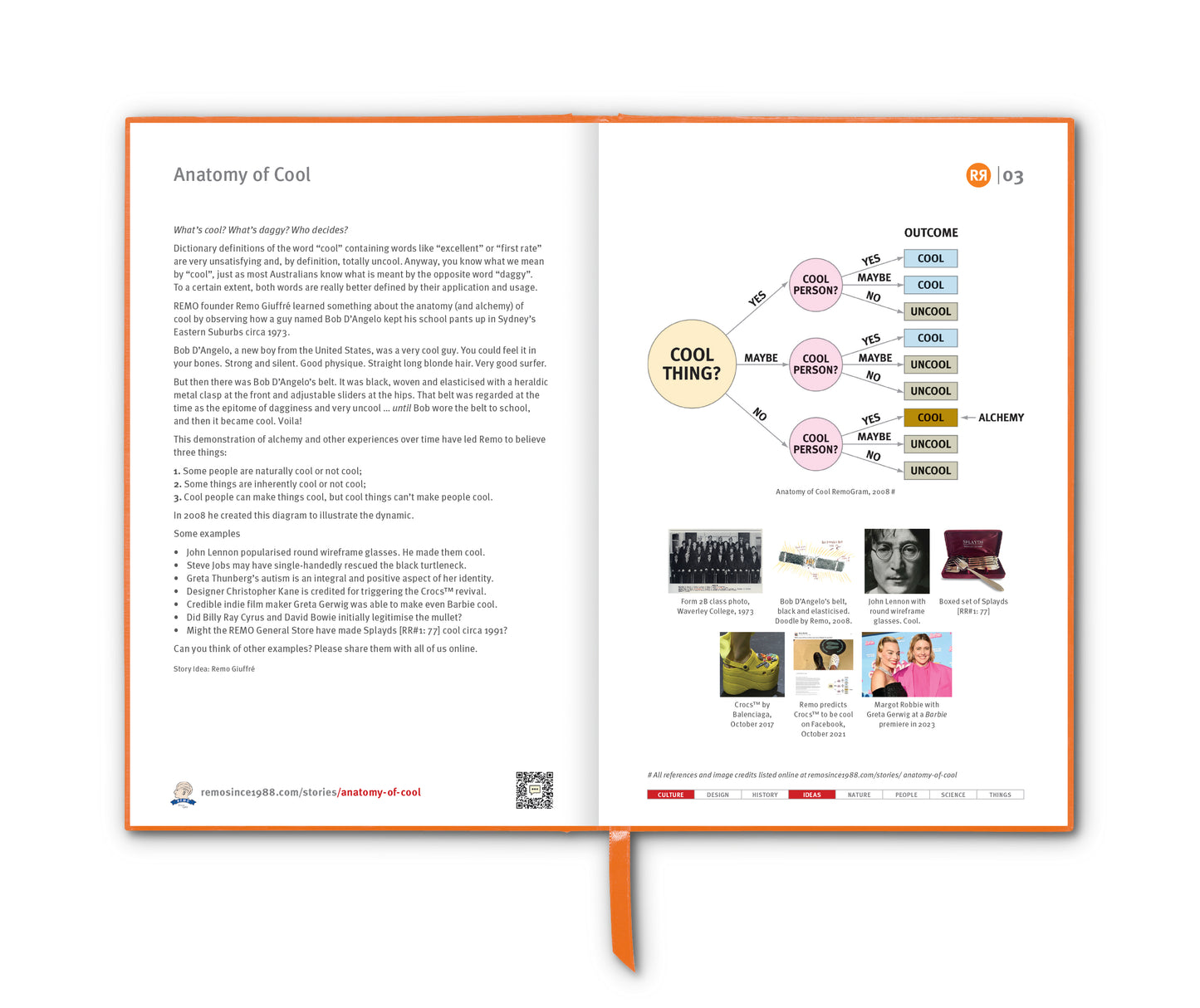
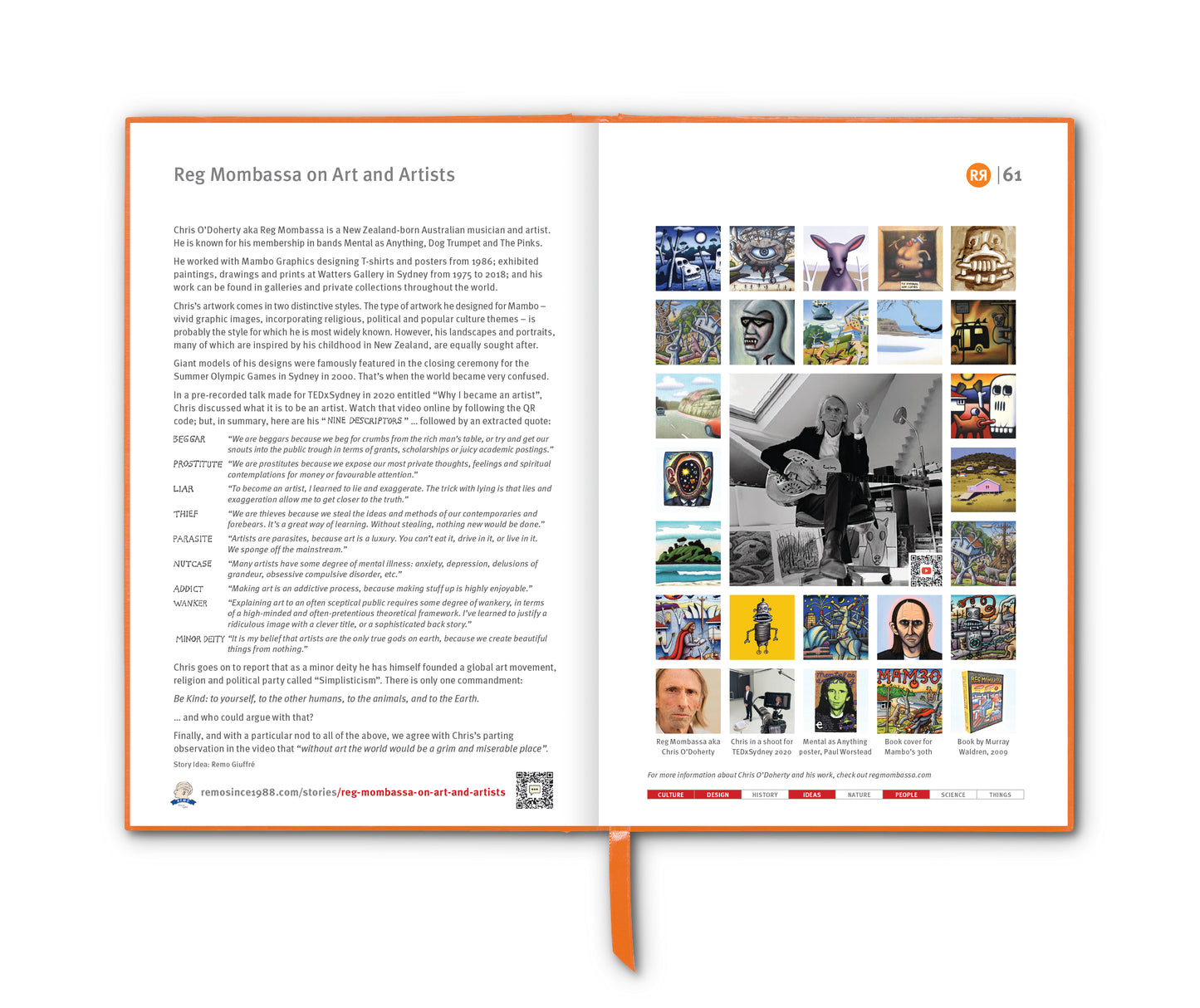
The most common example of pareidolia is seeing faces in everyday objects. Think of the front of a car: two headlights and a grille can look like eyes and a mouth. Many household items – electrical outlets, washing machines or even furniture – can appear to stare back at us. In fact, entire internet communities exist to share funny examples of “things with faces”, e.g. the Things With Faces group on Facebook.
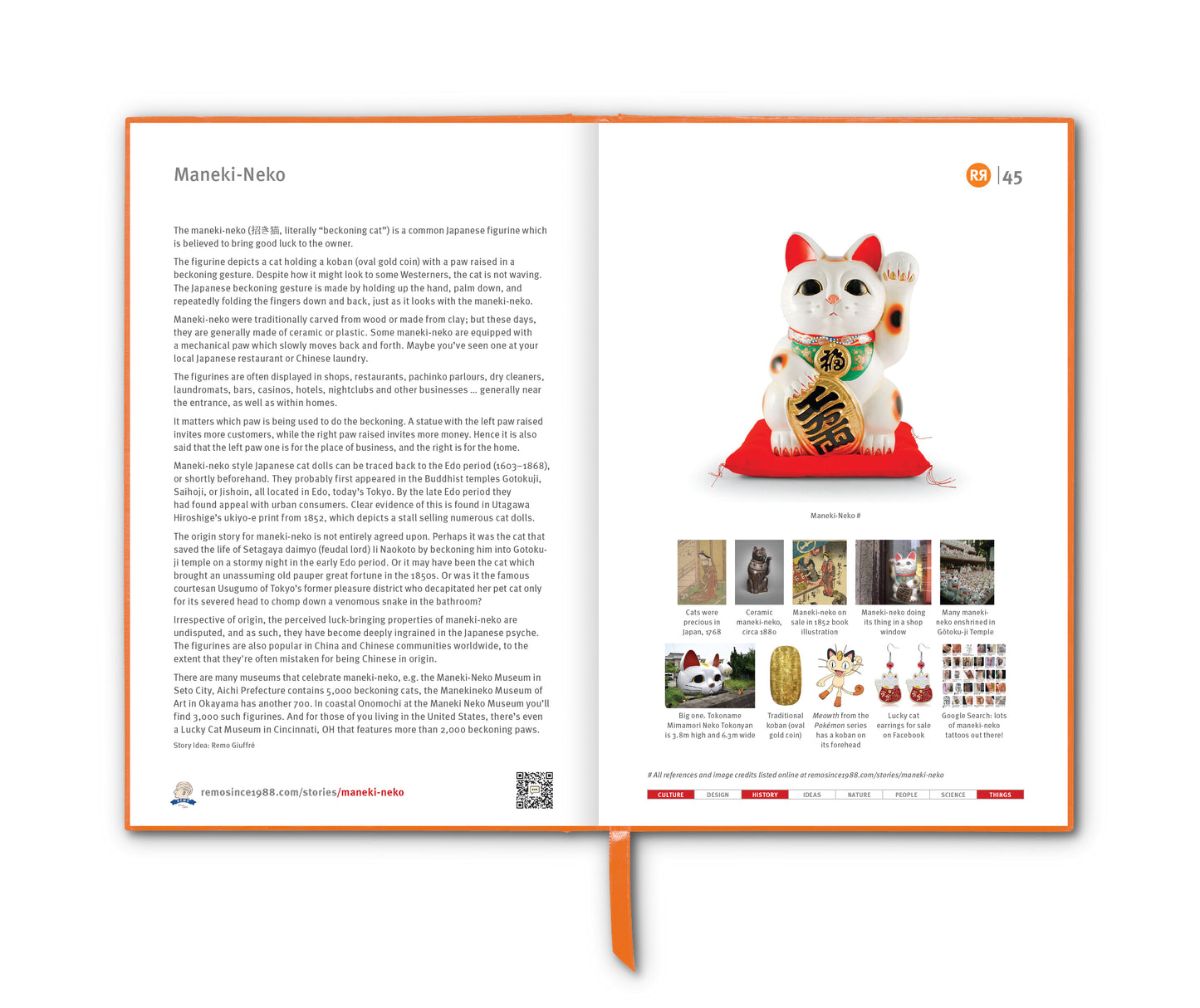
Pareidolia is not limited to faces. It often extends to landscapes and natural features. The “Man in the Moon” is perhaps the most famous example. Depending on culture and imagination, people have long described the dark patches on the lunar surface as resembling a human face, a rabbit or even a woman carrying firewood.
Clouds are another playground for pareidolia; given a few minutes of gazing, most people can spot animals, objects, or entire scenes drifting across the sky. Indeed, there is an entire “Cloud Appreciation Society” of members who are partly focused on these phenomena [RR3:20].
Religious imagery has also been tied to pareidolia. People frequently report seeing holy figures, such as the Virgin Mary or Jesus – in food, tree bark or shadows.
Artists and writers have also played with pareidolia. Leonardo da Vinci encouraged looking at stains, clouds or textured walls as sources of inspiration – suggesting that the imagination could turn random marks into vivid scenes.
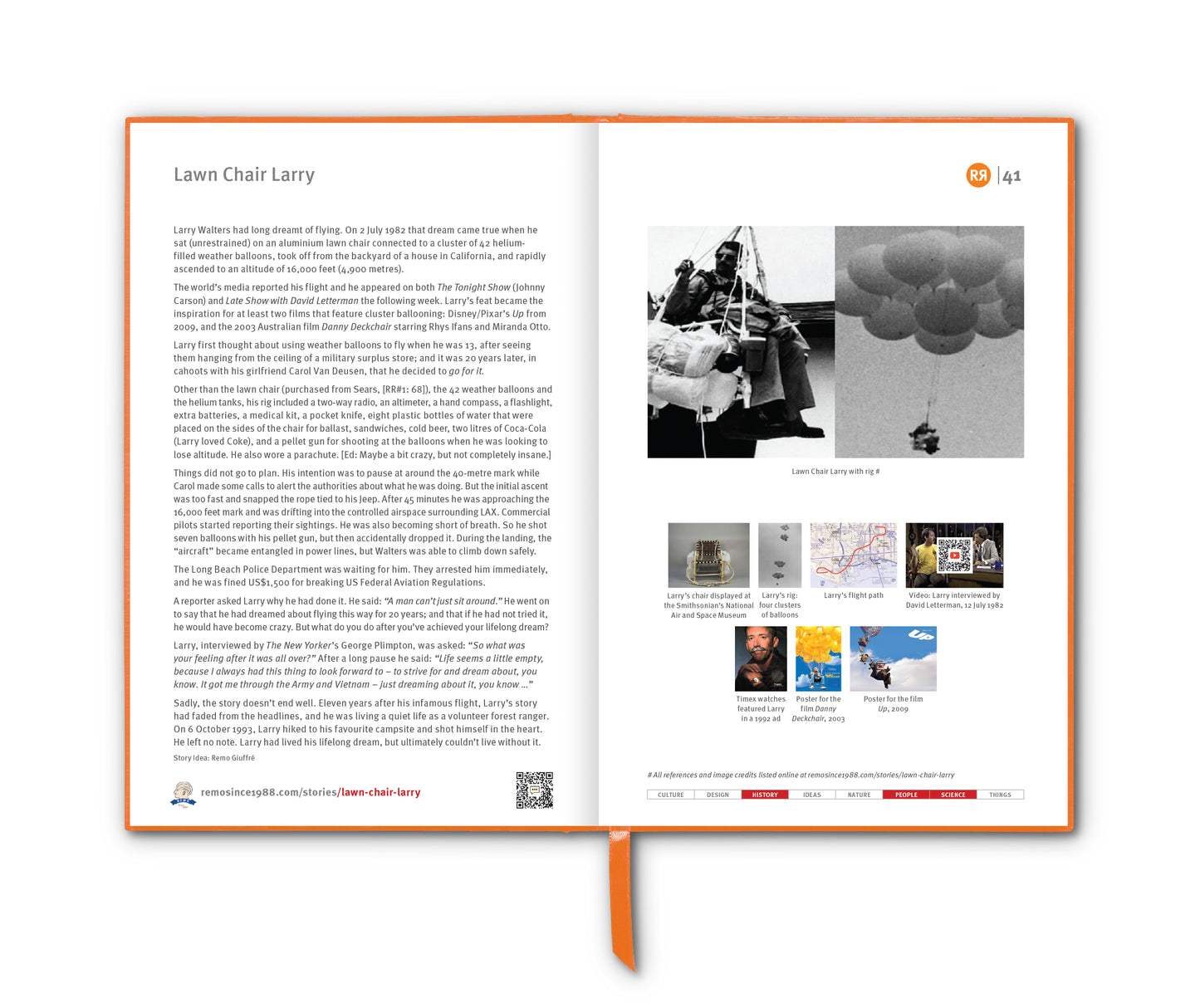
Today, scientists study pareidolia to understand how the brain organises perception, and pareidolia has been linked to creativity, emotion, memory and individual cognitive traits. Moreover, scientists at Johns Hopkins University are working to expand the understanding and applications of this phenomenon, including its use in injury and illness rehabilitation, creativity enrichment, mental well-being and as diagnostic tool for conditions such as dementia with Lewy bodies (DLB).
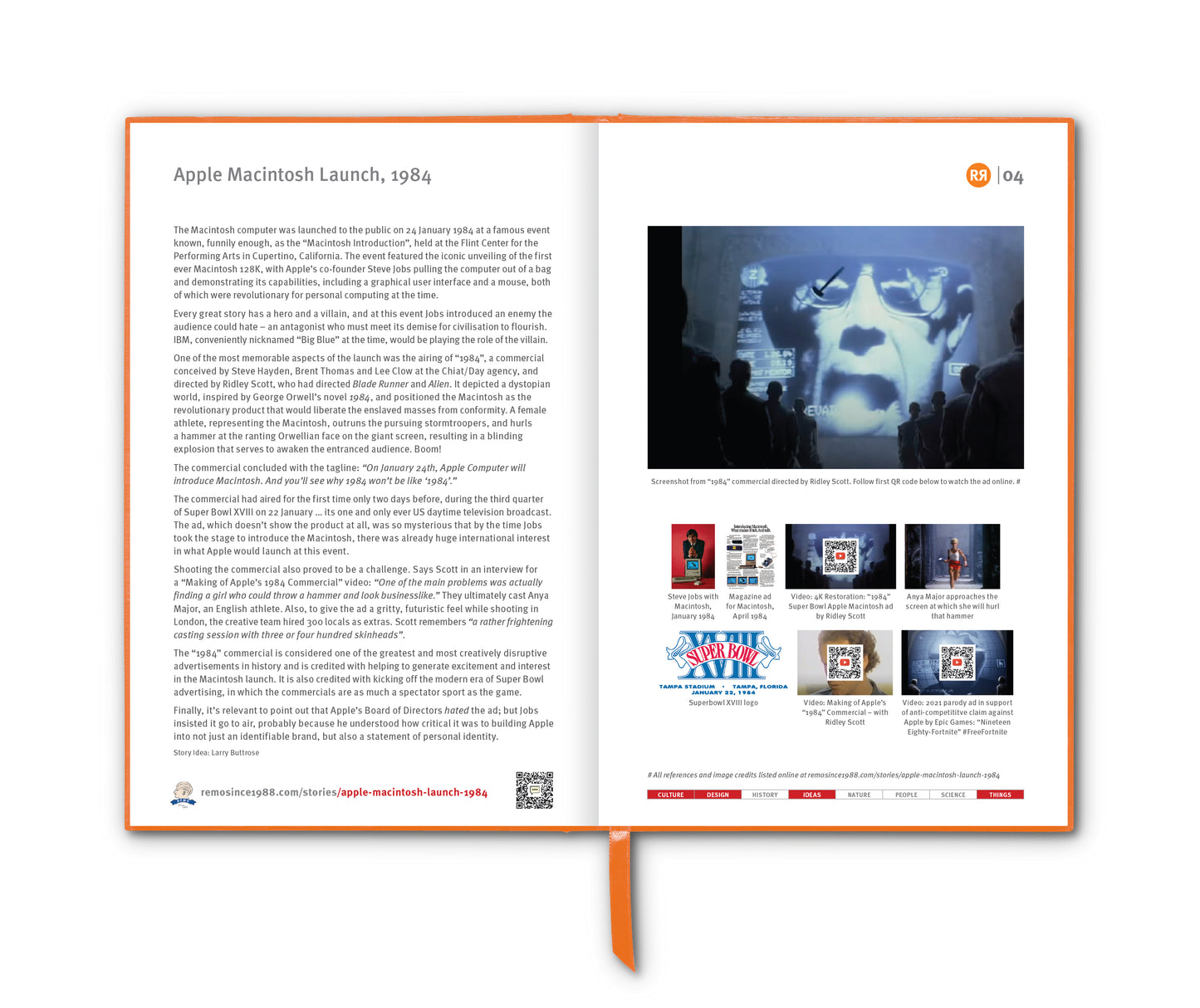
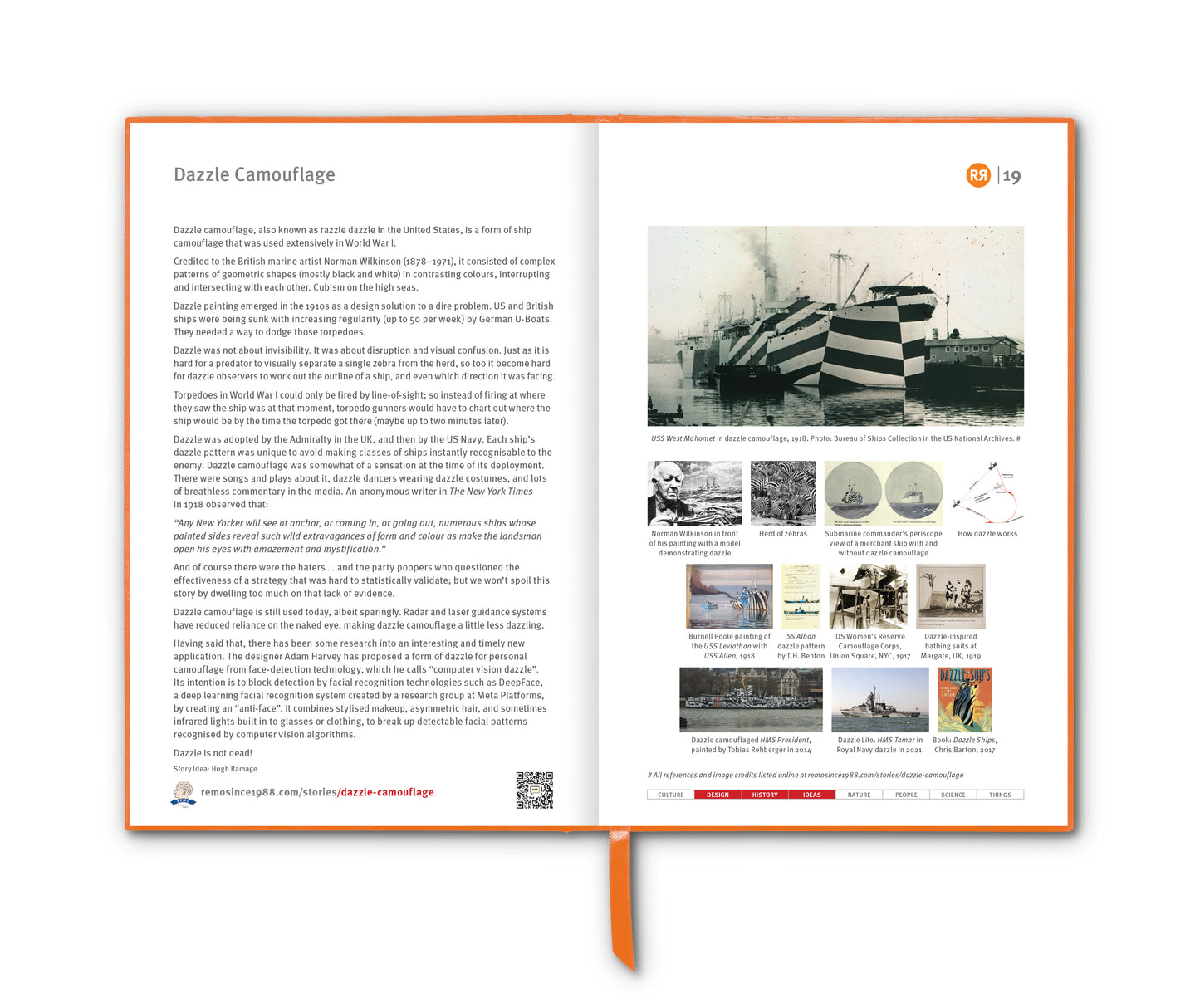
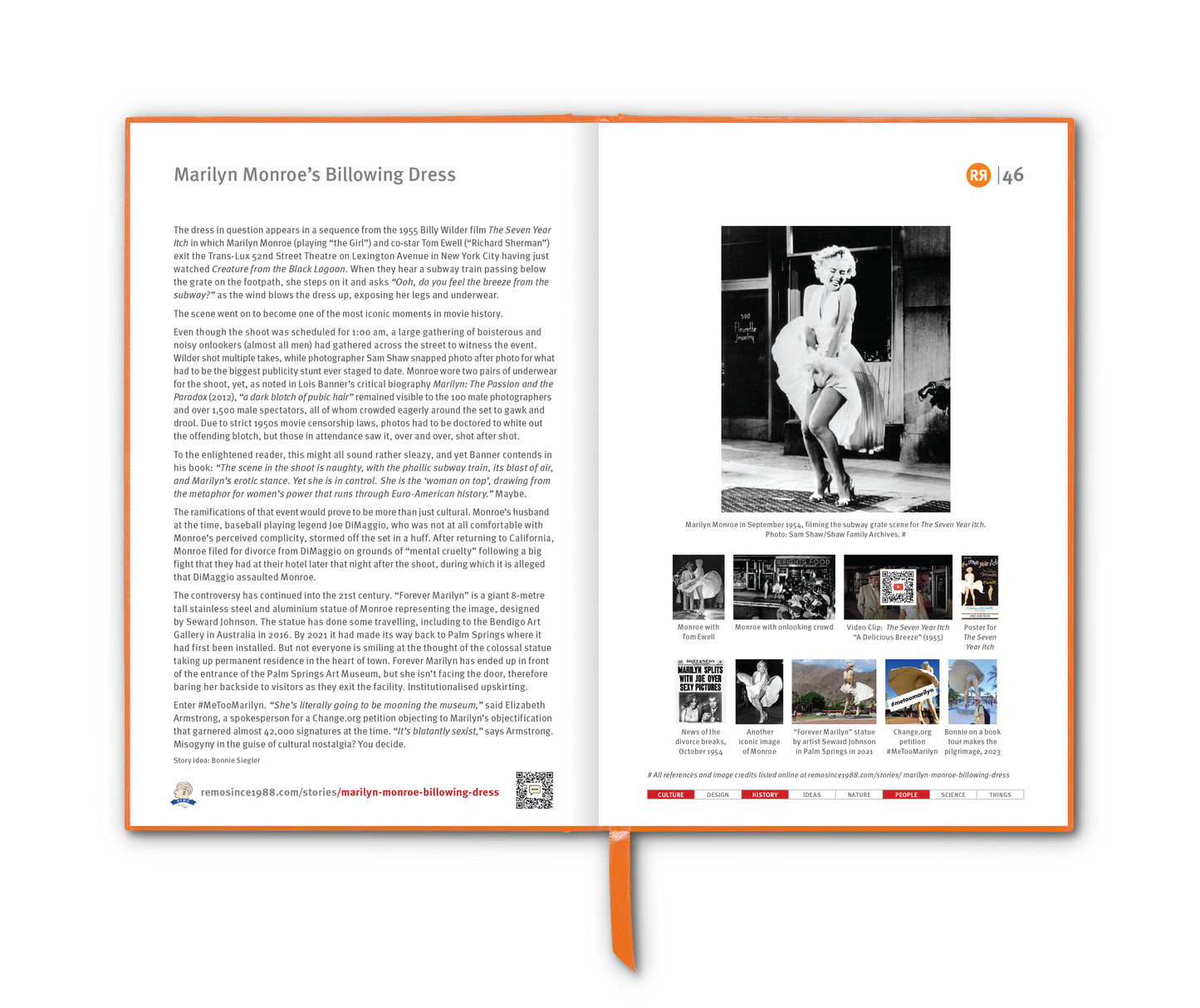
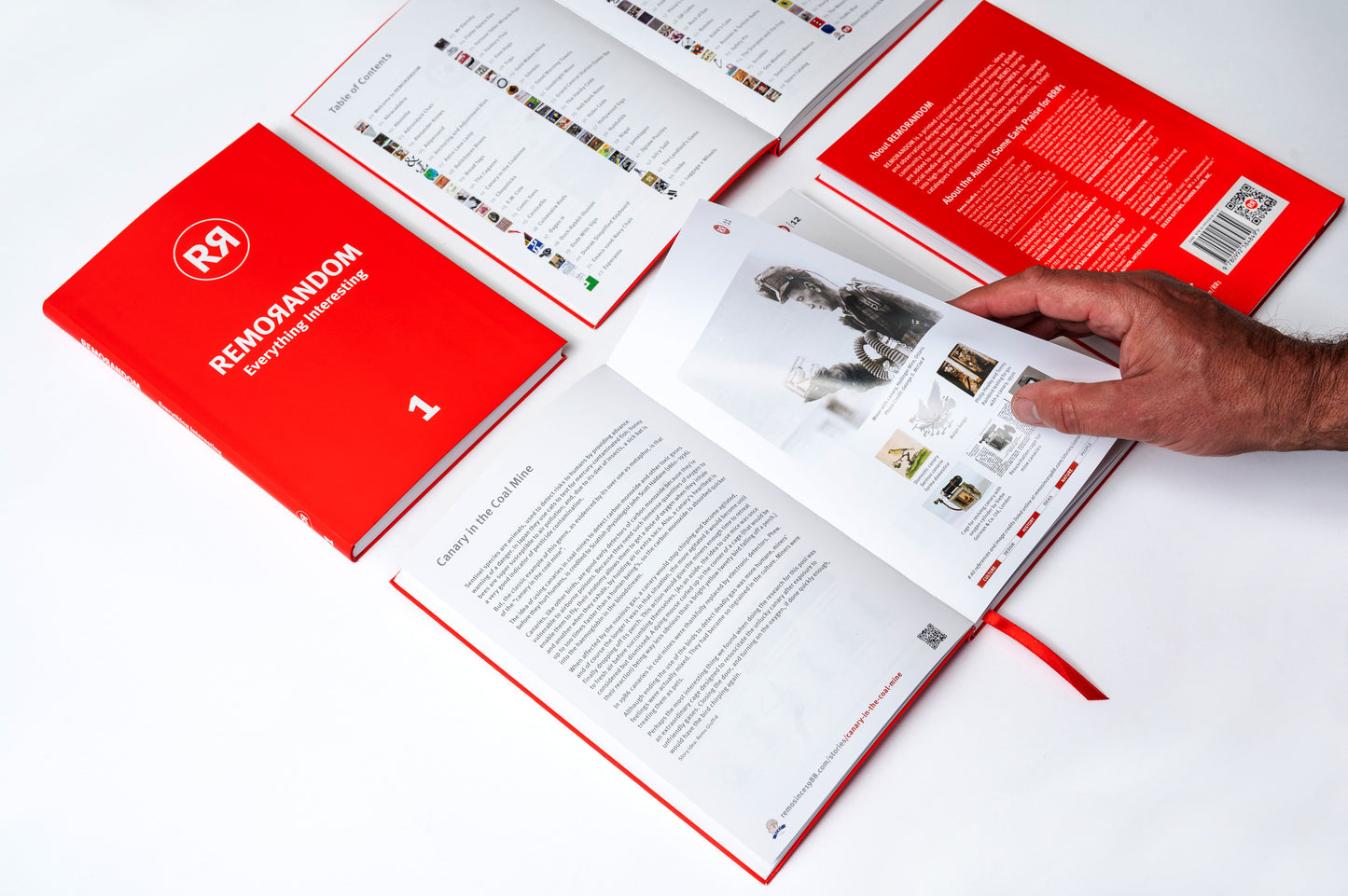
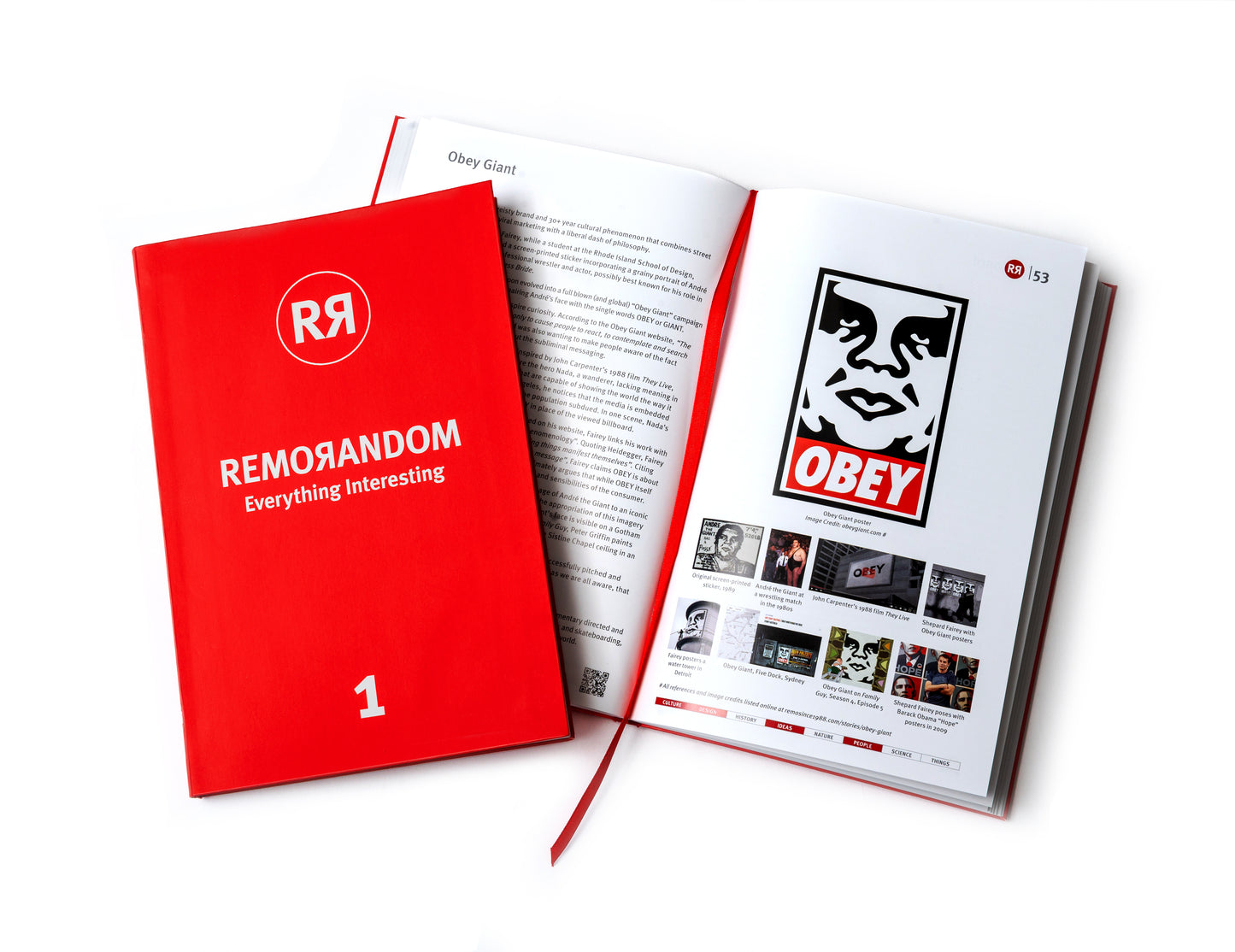
The term pareidolia may have been around since the 19th century, but it took the internet age to give it cultural legs. In 2009, writer and editor Jody Smith helped popularise the phenomenon with the book Faces in Places – a collection of everyday objects caught looking back at us: light switches grinning or houses surprised by their own windows, etc. Years later, Keith Larsen would extend the game through social media with Faces in Things, a crowd-sourced stream of face-like finds from around the world that he transforms into illustrated characters, and also turned into a book.
So, next time you are out and about, keep your own eyes peeled for eyes – and indeed faces.
See also: Cloud Appreciation Society [RR3:20] and Thatcher Effect [RR3:82]
Story Idea: Andrew Westcombe
___________________________
References
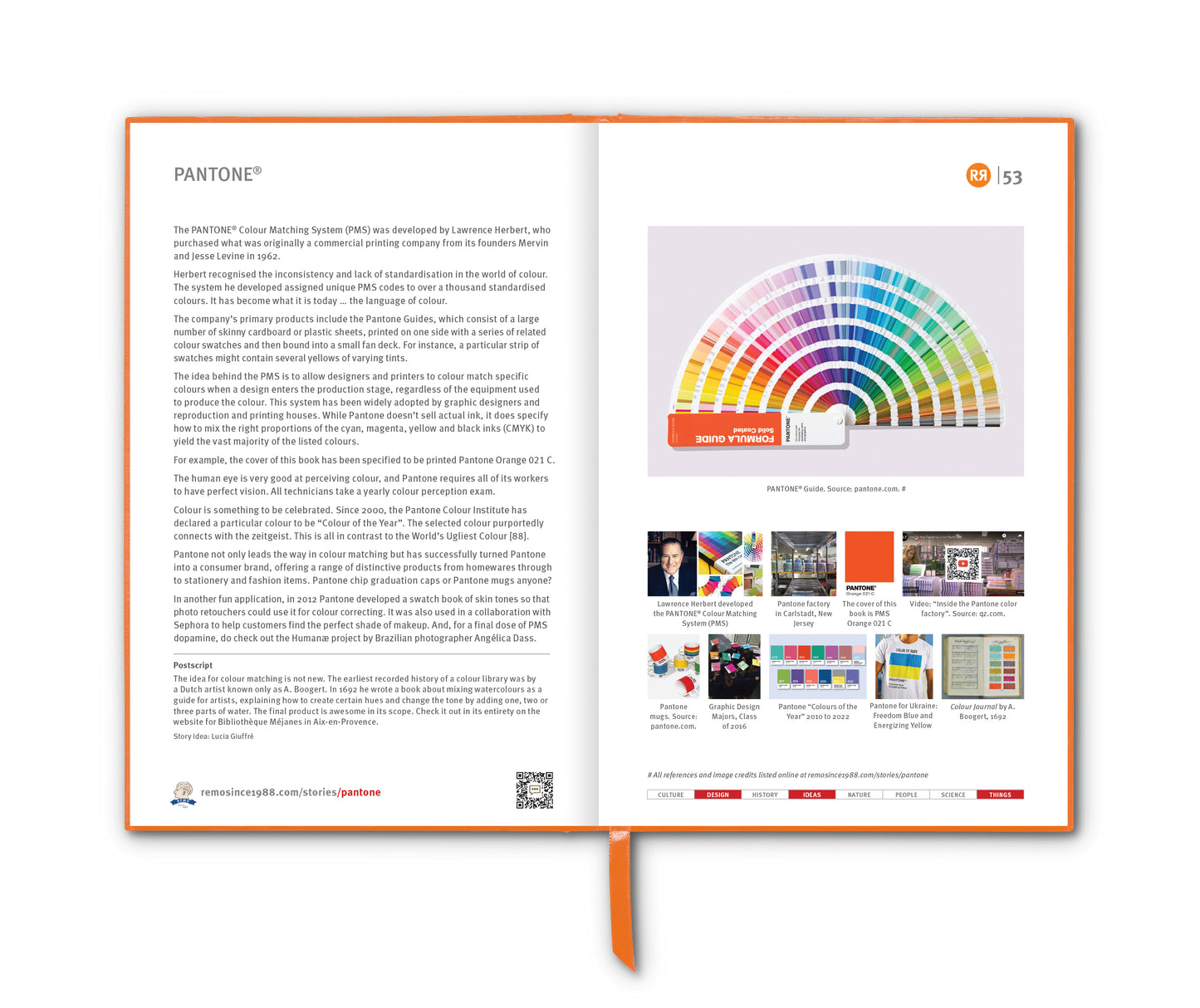
wikipedia.org/wiki/Pareidolia
hub.jhu.edu/magazine/2024/winter/pareidolia-faces-in-nature
boredpanda.com/pareidolia-illustrations-faces-in-places-keith-larsen
Images
1. Tree face. Credit: John Hopkins University
2. Austin Healey car face. Credit: Wikipedia
3. Post face
4. Jesus toast
5. Man in the Moon, Moon Rabbit, etc. Credit: Wikipedia
6. Lawnmower face. Credit: Debby Lance on Facebook
7. Melanie found this little guy hiding on Ramsgate Avenue.
8. Pareidolia pig's arse Jesus: real or fake?
9. Book: Faces in Places, Jody Smith, 2010
10. Keith Larsen with his book



















1 comment
I have an " AMAZING" piece of pareidolia art ! How and where would be the best place to share ??