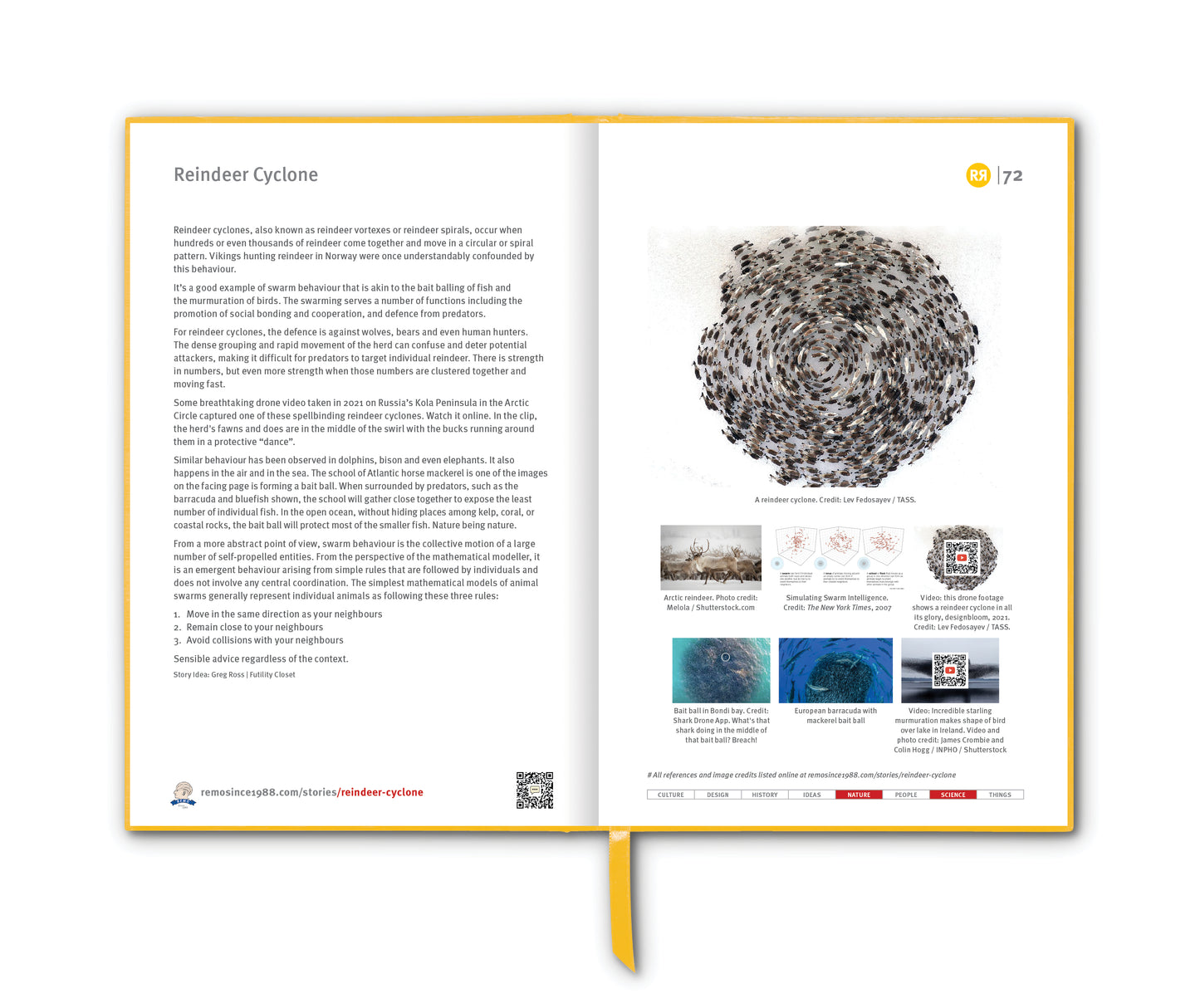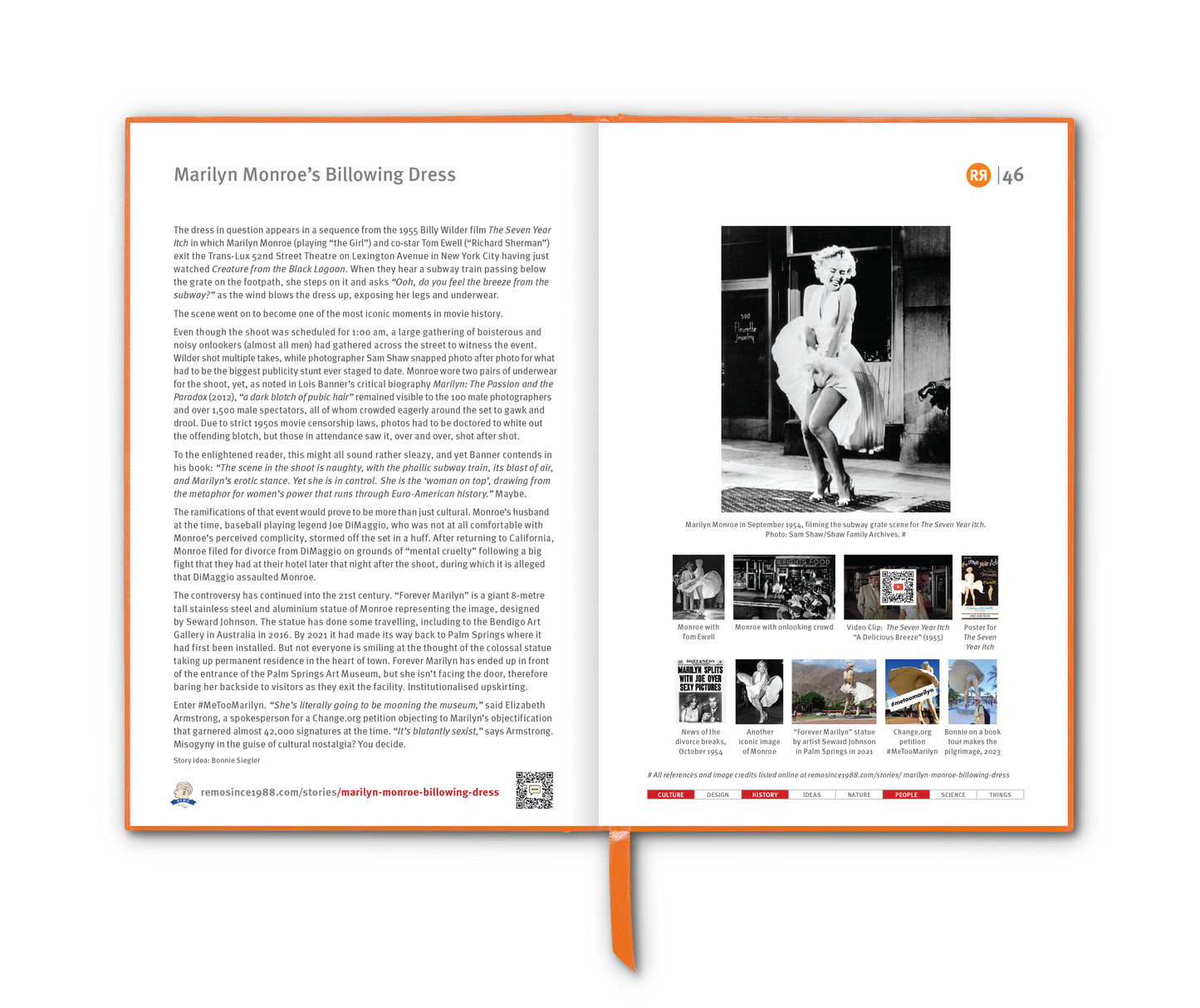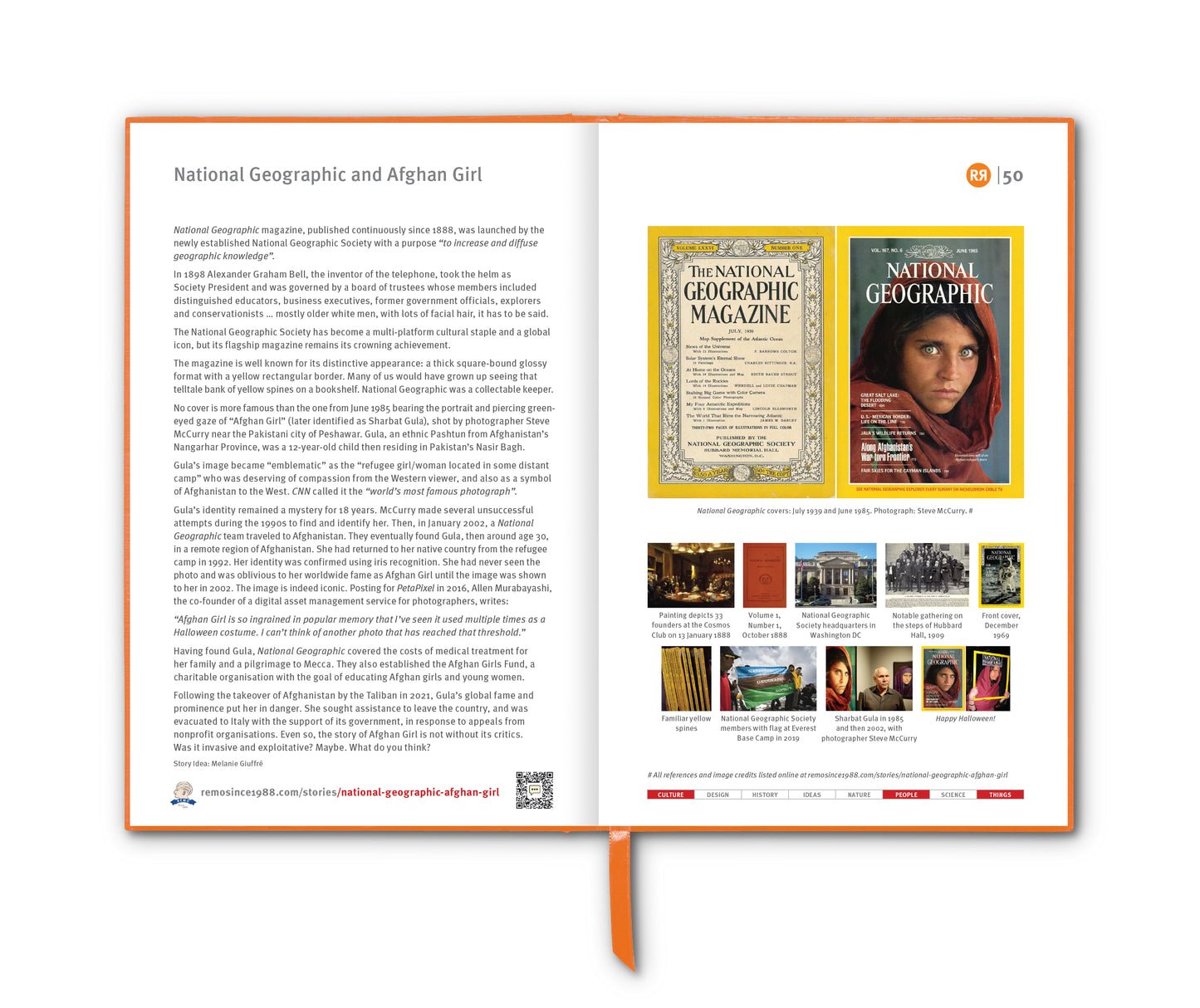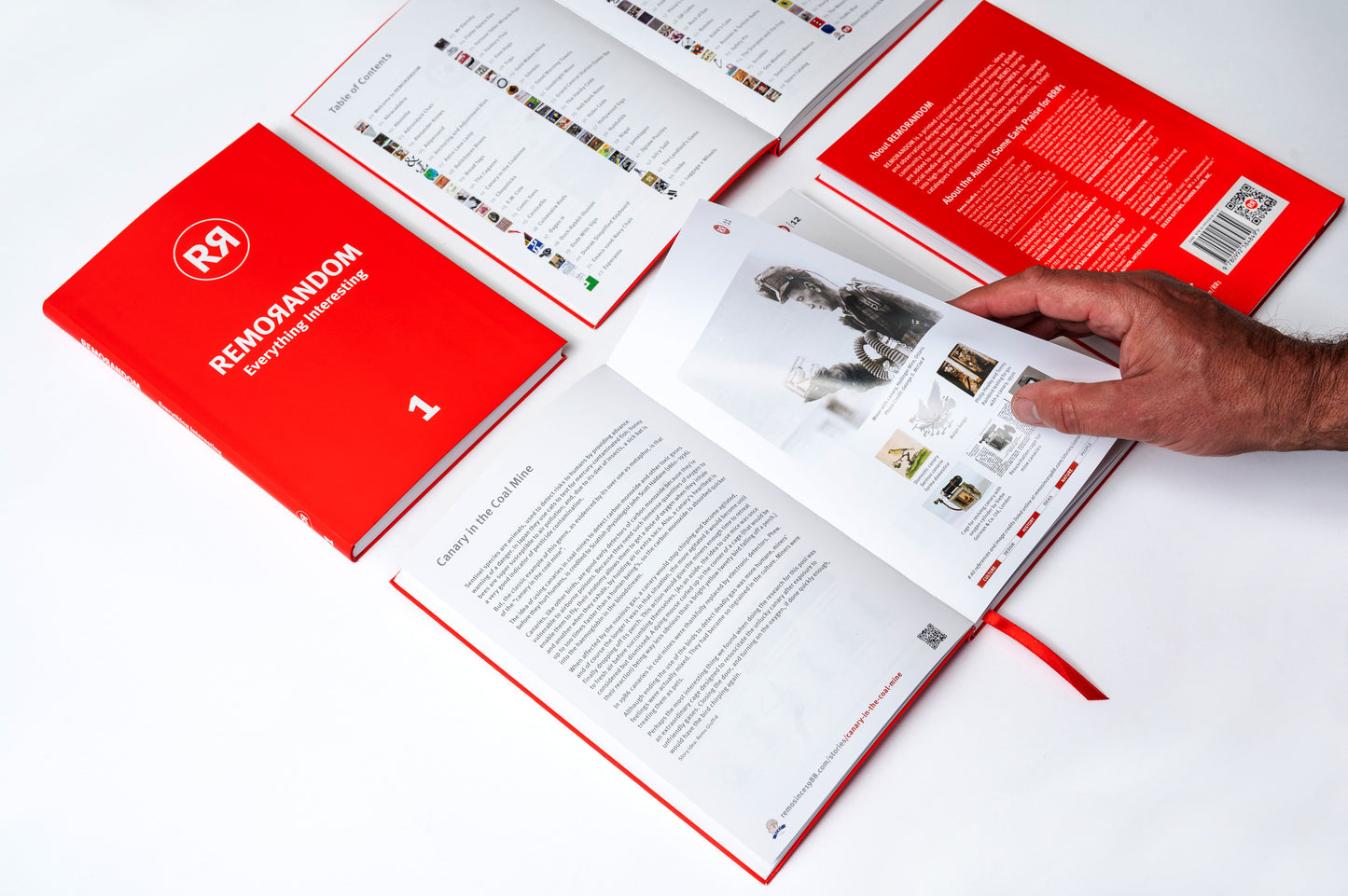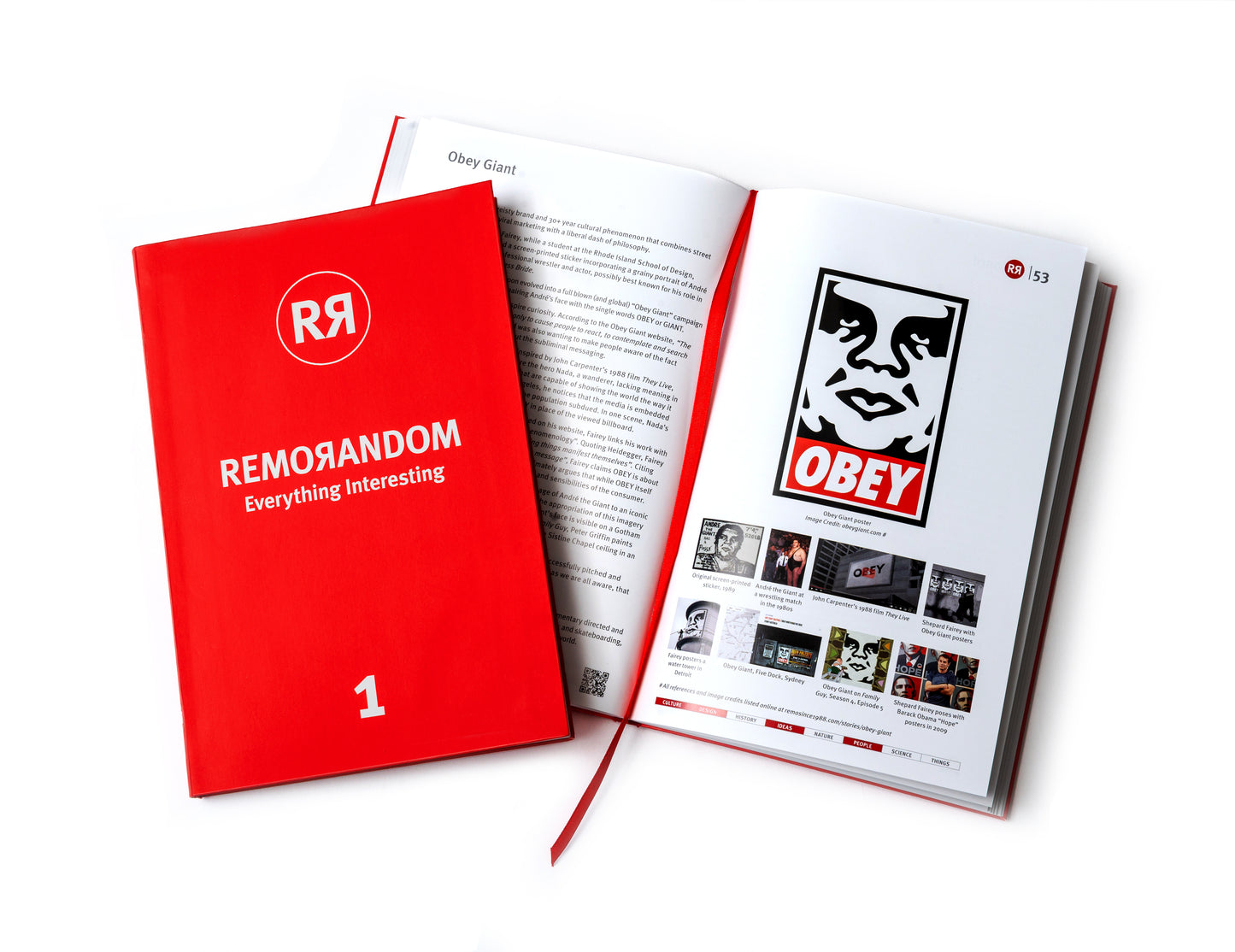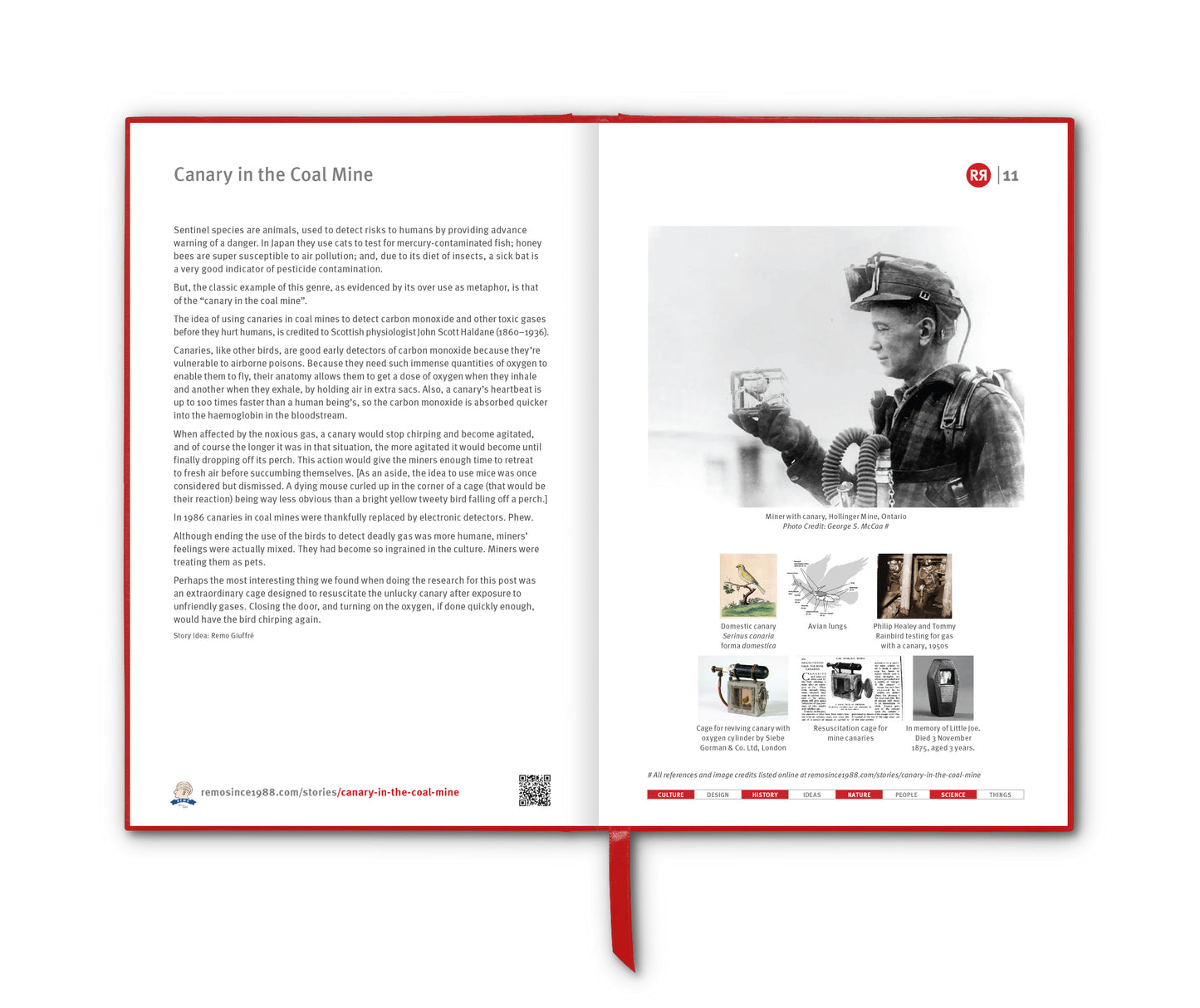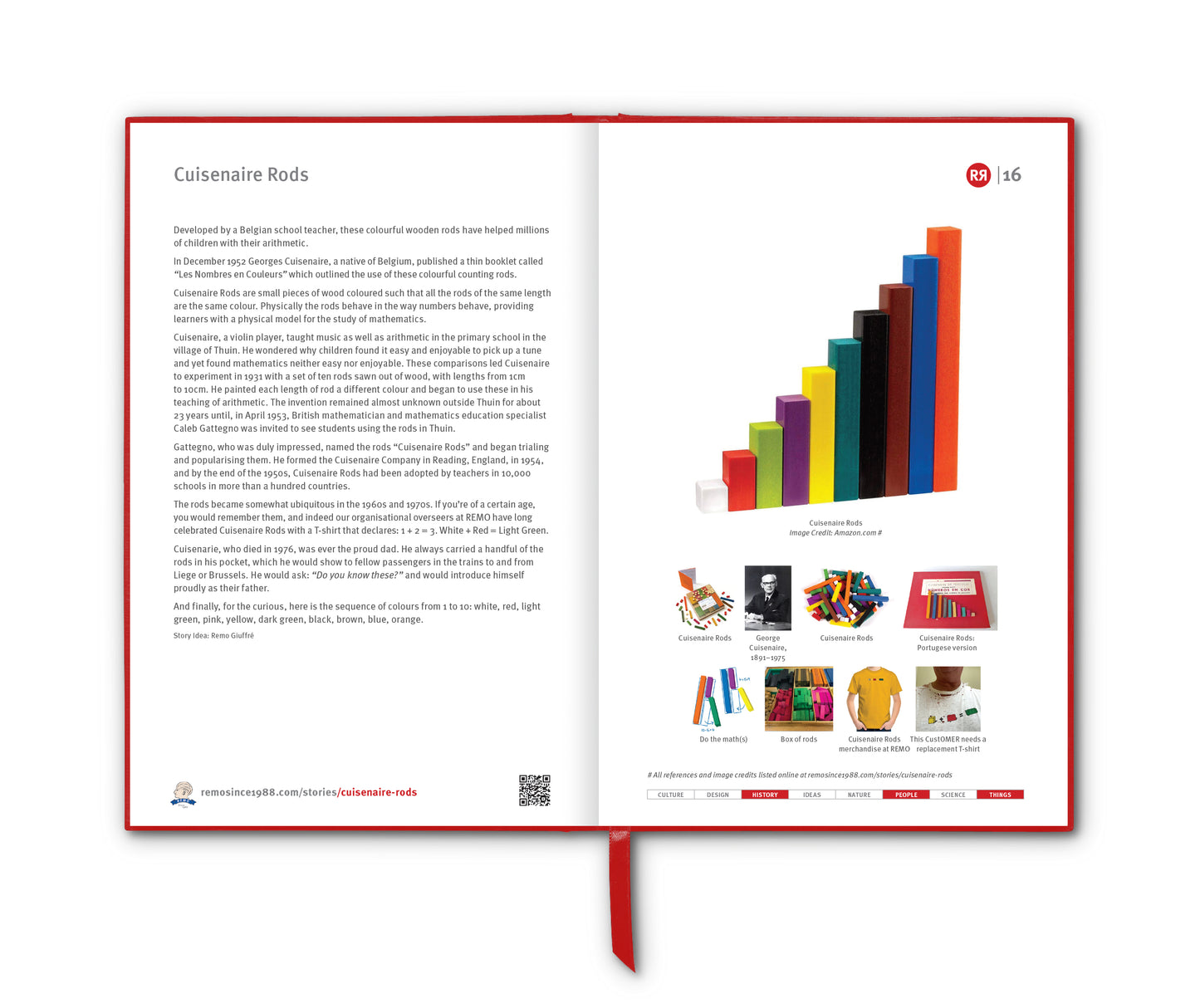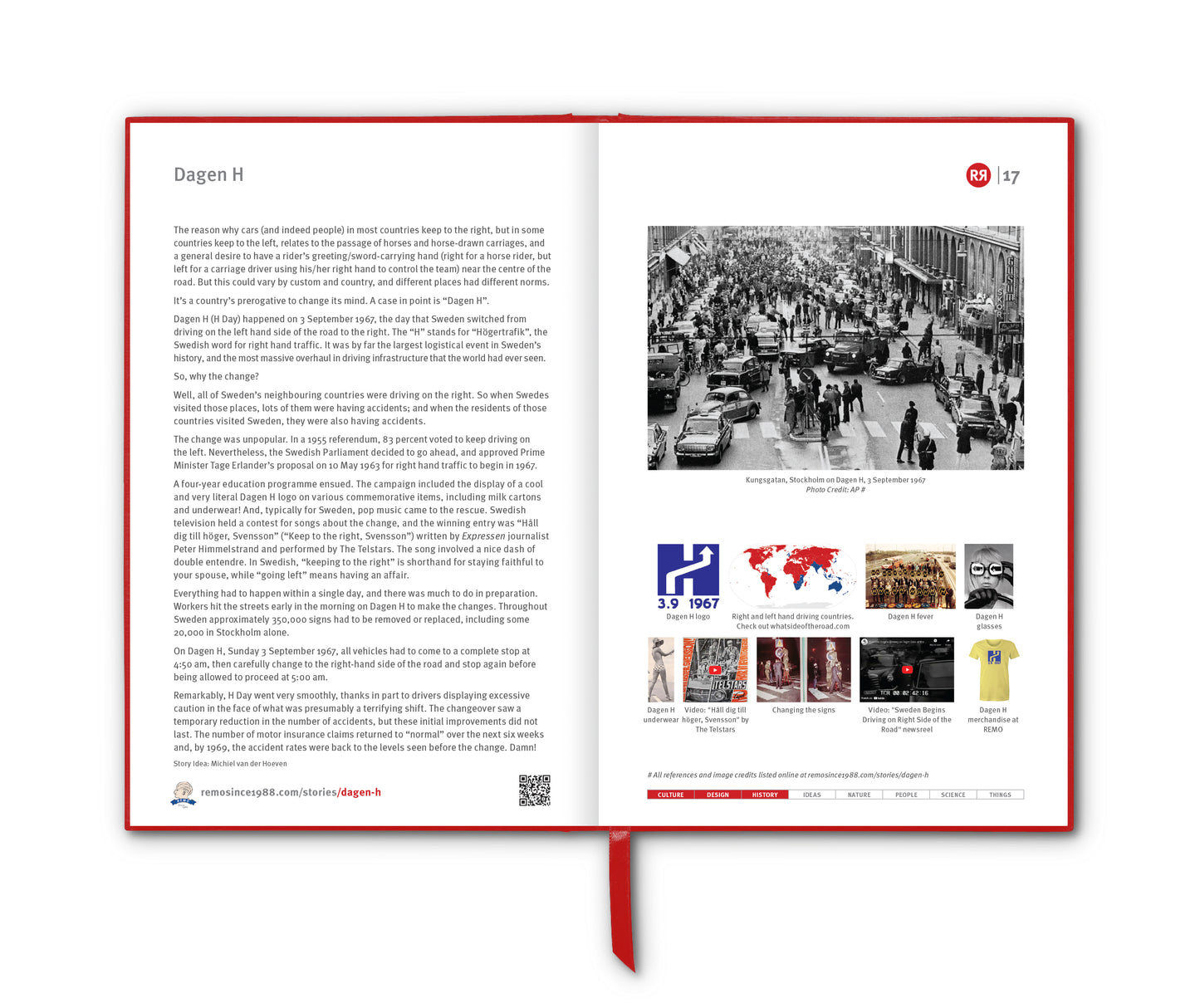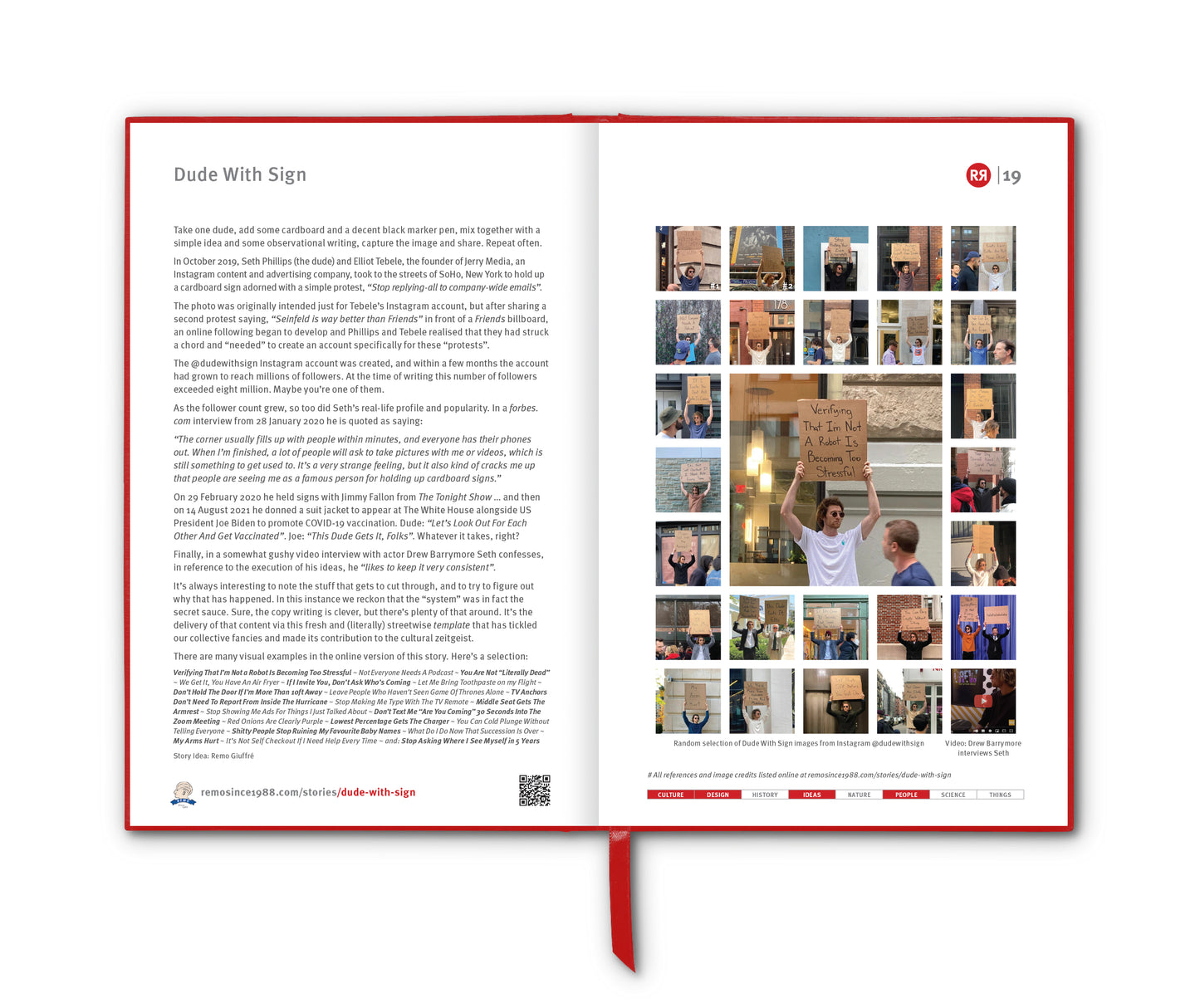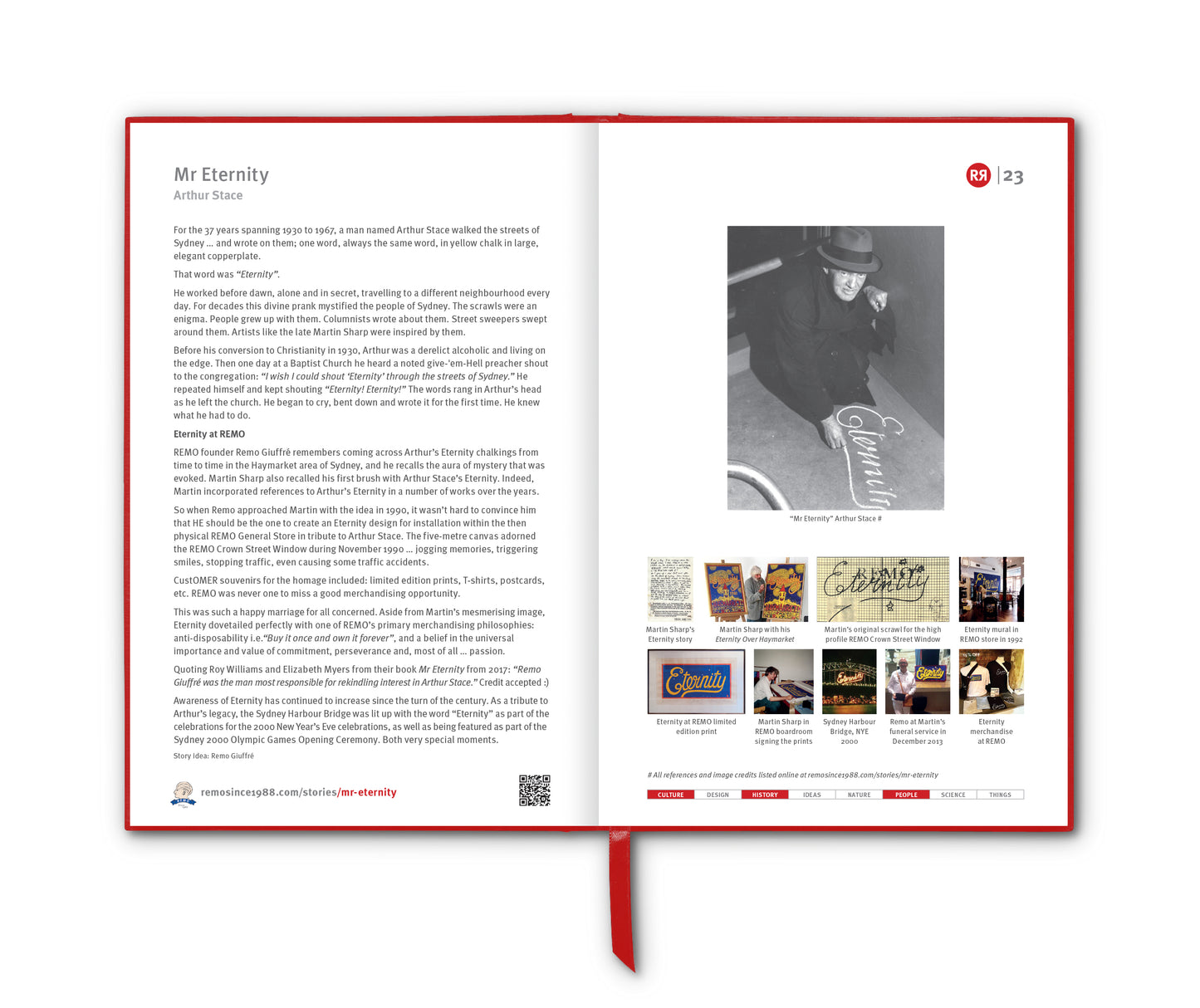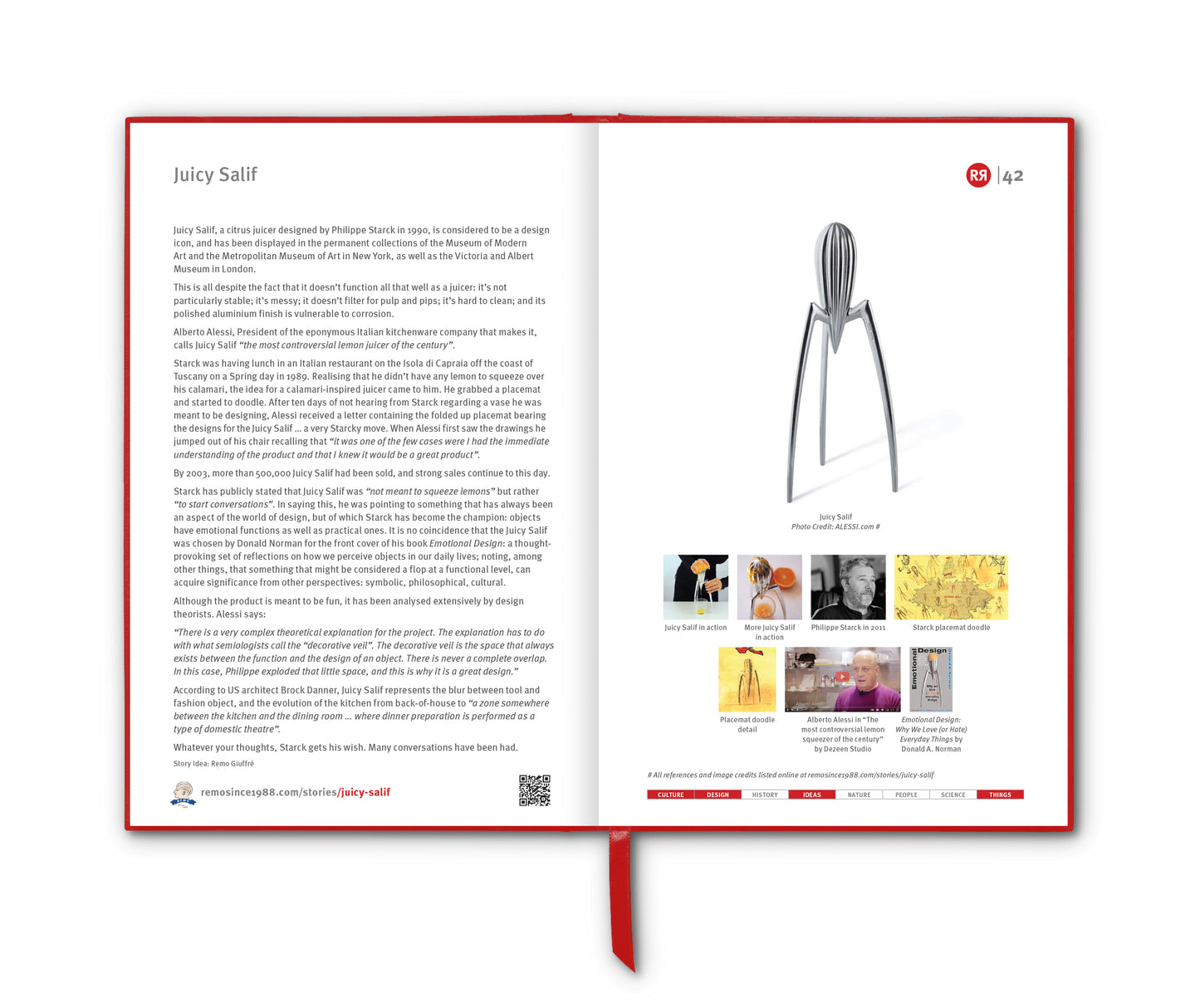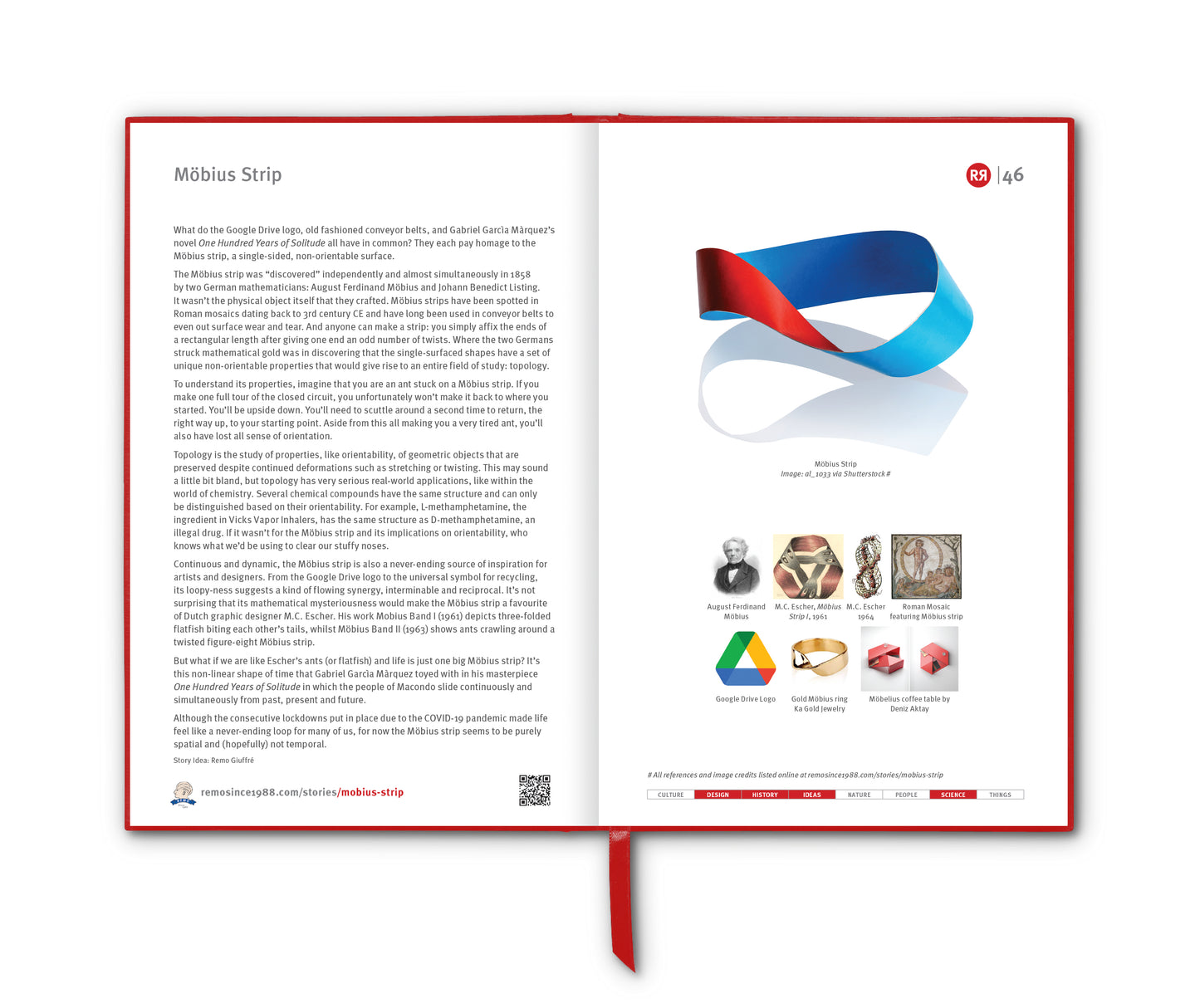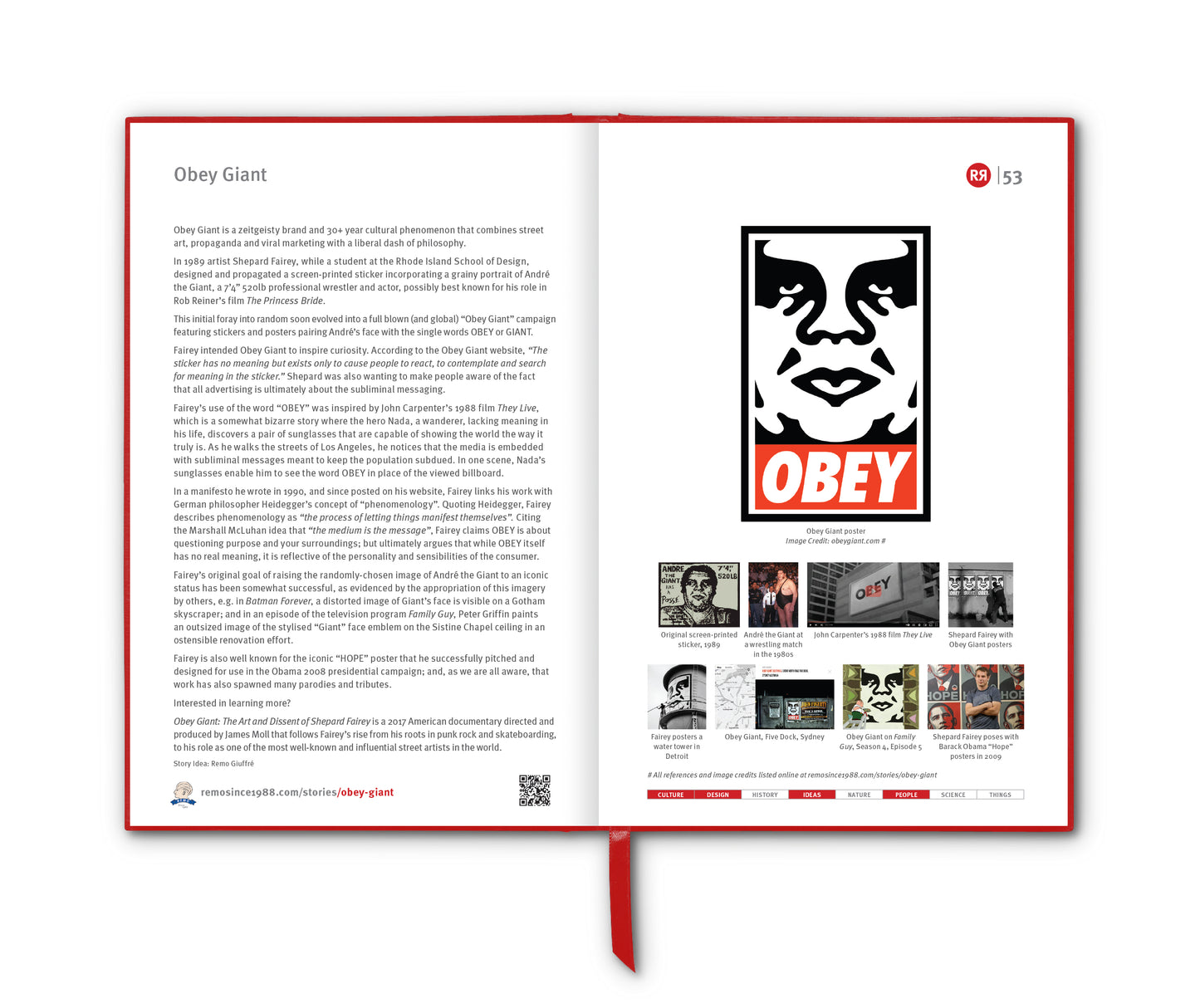

A souvenir (French for “a remembrance or memory”) is an object that someone acquires for the memories associated with it. So, a traveller’s souvenir is something collected or purchased as a memento of a visit. The object itself may have intrinsic value, or just be a symbol of experience, e.g. sand from the beach.
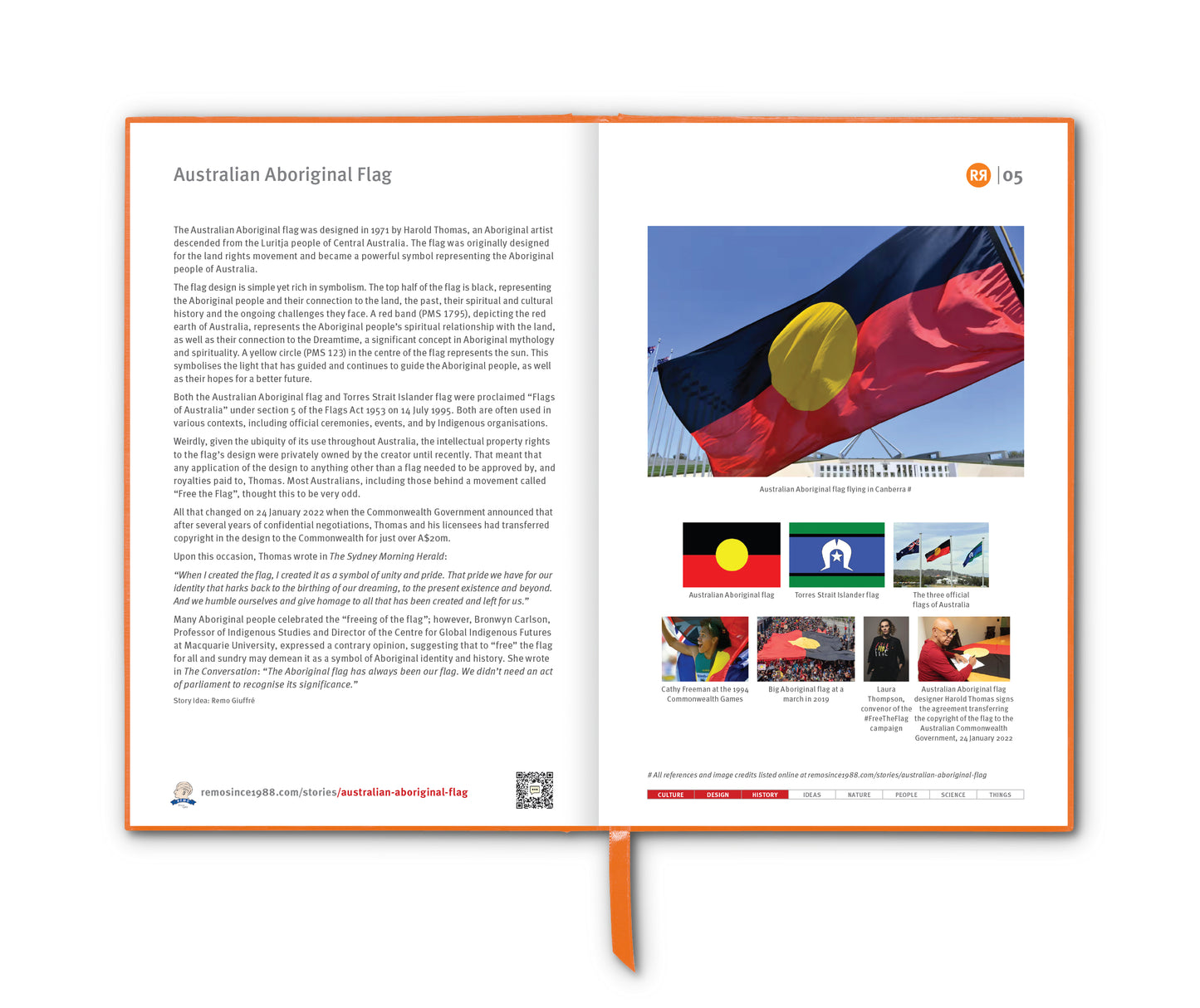
Souvenirs go way back. Ancient pilgrims would collect relics, soil or fragments from sacred sites. The Crusaders brought back religious tokens. In classical Rome and Egypt, early tourists would chisel off bits of famous ruins. [Ed: Thirteen year old Remo confesses to this bad behaviour.] Medieval pilgrims bought badges, vials of holy water and medallions – spiritual souvenirs with symbolic and talismanic value. Roman visitors would collect miniature amphorae or busts as mementos of their travels. During the 19th century, with the rise of railways and steamships, tourism exploded – especially among the middle class. This drove a boom in the production of affordable travel mementos: seashells from Brighton, Eiffel Tower keychains (even in the early 1900s!), porcelain plates and snow globes. Souvenirs shifted from spiritual relics to commercial nostalgia – tokens of leisure, identity and social status.
Souvenirs act as memory anchors, helping us recall not just where we went, but how we felt. They also serve as proof of having been somewhere (“I was here”), act as gifts or gestures of connection to others.
Modern souvenirs often walk the line between meaningful token and mass-produced kitsch. Think: “My friend went to Vegas and all I got was this lousy T-shirt,” fridge magnets, miniature Big Bens and bobbleheads. But even kitsch has value. It reflects local iconography, nostalgia, humour and the human urge to collect.
There's been a shift away from mass-produced souvenirs toward locally crafted items with a story – handwoven textiles, small-batch jams, ceramics with regional clay. Travellers, especially younger ones, now seek authenticity over clichés. “Support local” is not just ethical – it’s on trend.
And with souvenirs there has long been a role for customisation. Think of on-the-spot printed T-shirts, engraved name charms, photo booths that email you a postcard-ready image. One better are the souvenirs that you help make, like painting your own Delft tile in the Netherlands. And, perhaps the most collected souvenirs by tourists are indeed self-generated: photographs as a medium to document specific events and places for remembrance.
Souvenirs are often bought as gifts. In Japan, souvenirs are known as omiyage (お土産), and are frequently selected from meibutsu, or products associated with a particular region. Bringing back omiyage from trips to co-workers and families is a social obligation and can be considered a form of apology for the traveller's absence.
Finally, as pointed out by author and restaurant critic at large Terry Durack in a 29 May 2025 opinion piece for The Sydney Morning Herald:
“Some of the best souvenirs are bought by necessity. The corkscrew I suddenly needed for a picnic in Vienna – for obvious reasons – is still my favourite. And I have numerous small, sharp knives bought in villages and markets for the purpose of cheese.”
Personally, we like those kind of souvenirs – more functionality and less kitsch.
Story Idea: Terry Durack
____________________________
References
wikipedia.org/wiki/Souvenir
smh.com.au/traveller/reviews-and-advice/they-might-be-tacky-but-this-is-why-i-buy-souvenirs
uprightandcaffeinated.com/diy-beach-souvenir
Images
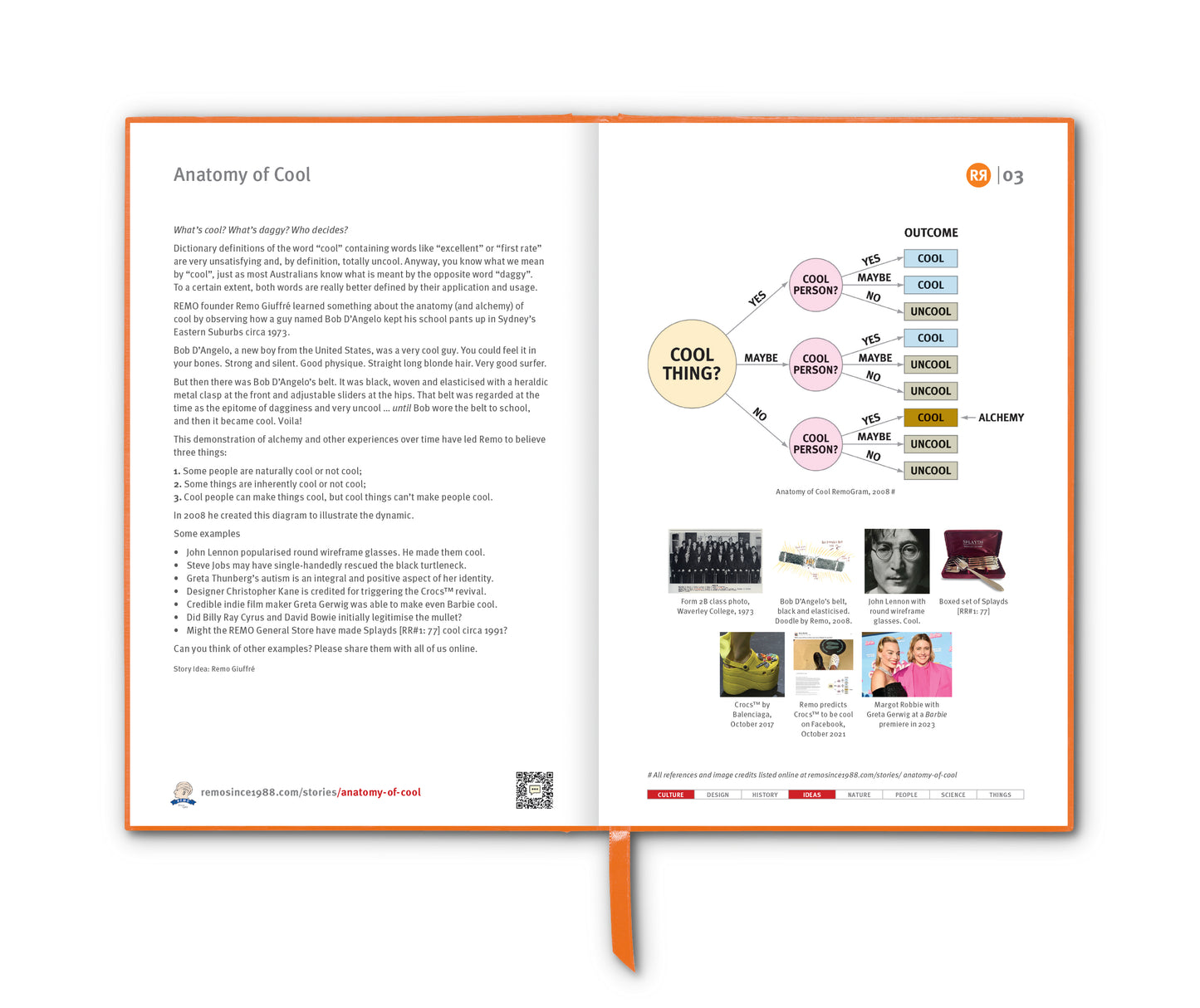
1. Selection of souvenir tea spoons. Photo credit: Harrington & Co. via eBay.com
2. Religious token souvenir from Lourdes
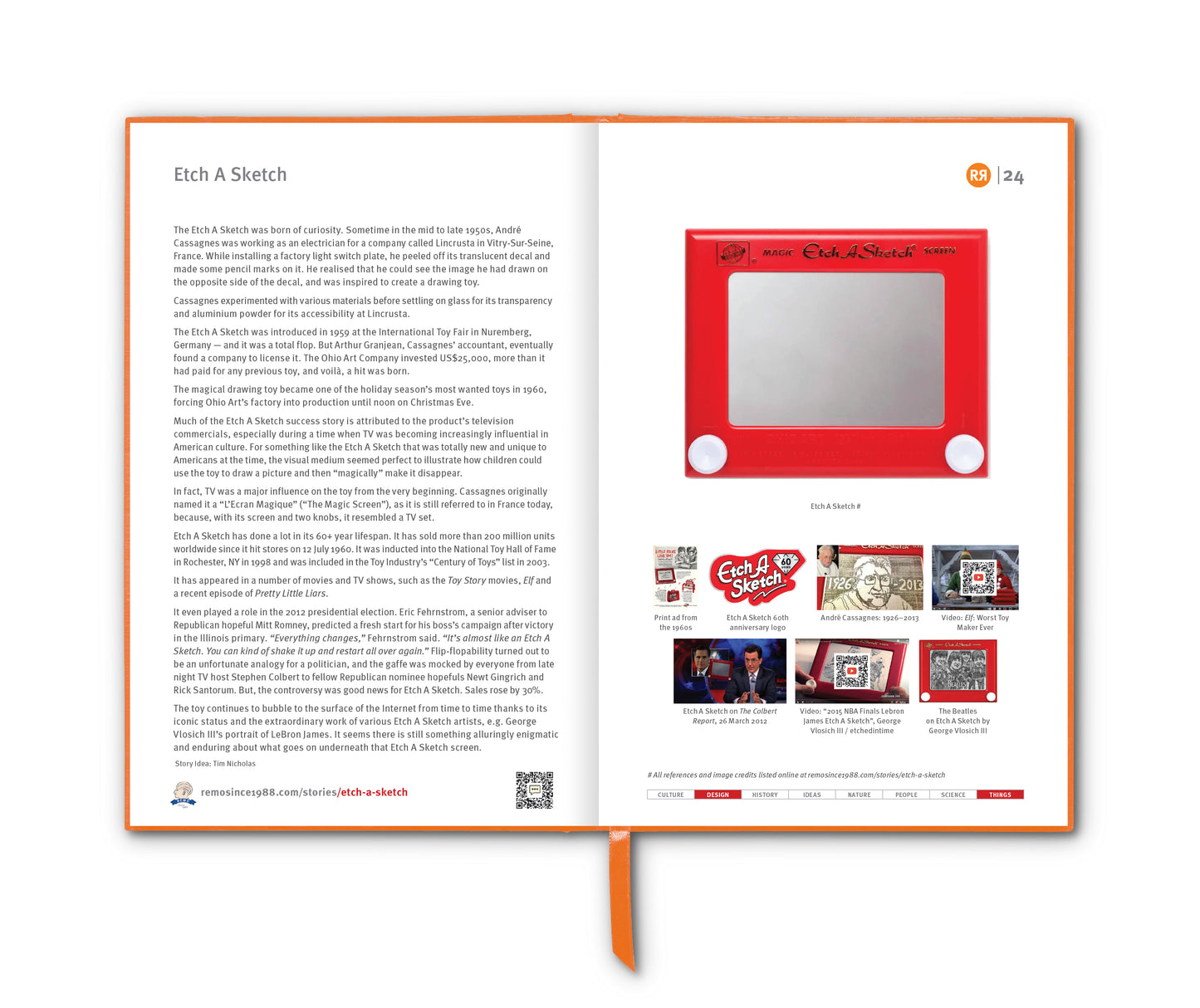
3. Souvenir porcelain mug, circa 1900. Photo credit: Soeller
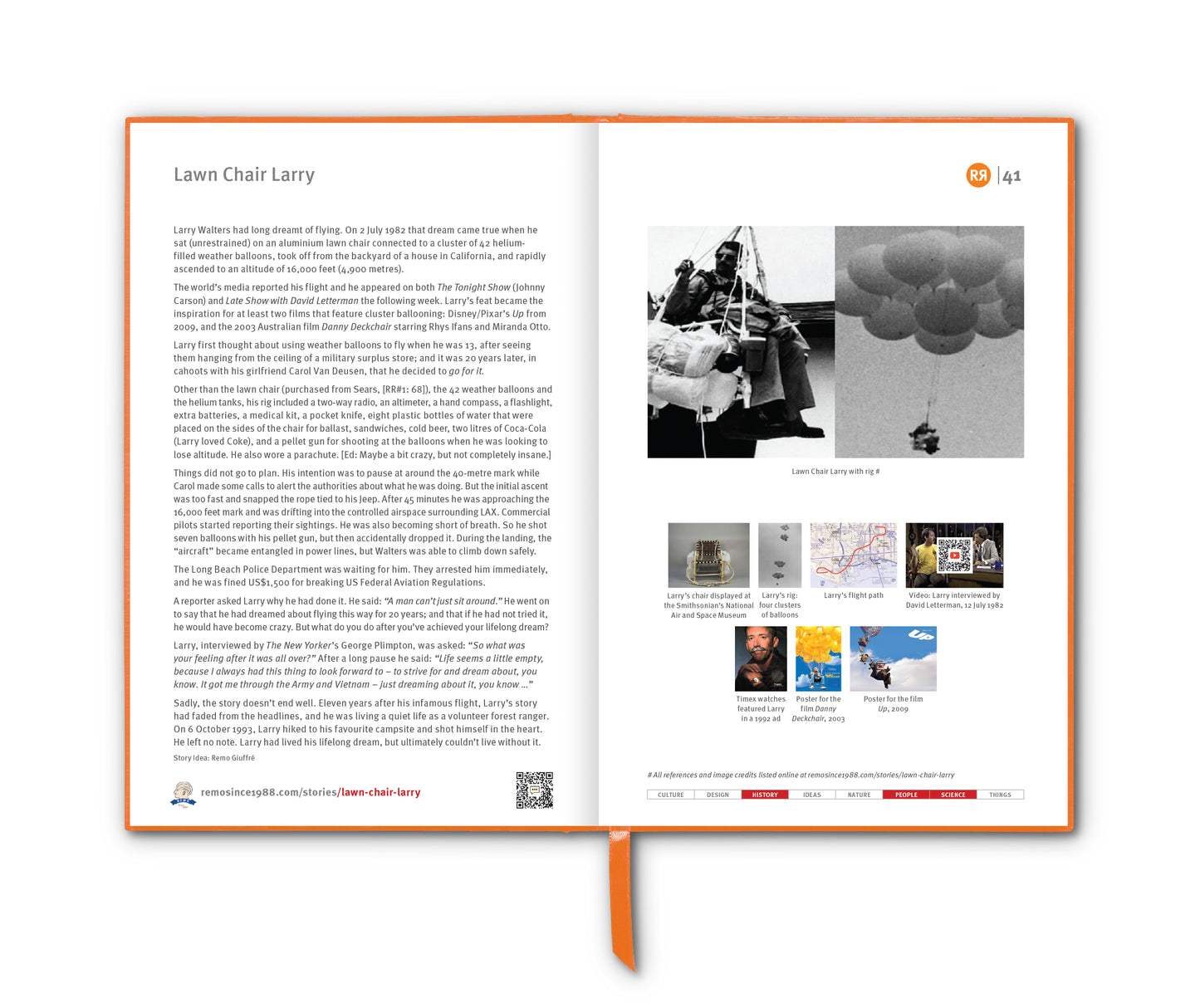
4. Souvenir statues for sale in Athens, 2005. Photo credit: Pitichinaccio
5. DIY beaches souvenir. Credit: uprightandcaffeinated.com
6. Japanese Omiyage at a souvenir store in Nagoya Station
7. Lousy souvenir T-shirt. Credit: Etsy Canada
8. Kangaroo scrotum coin purse. [Ed: Ouch!]
9. Terry Durack: eater, drinker, writer, traveller and restaurant critic at large. Photo credit: Hugh Stewart