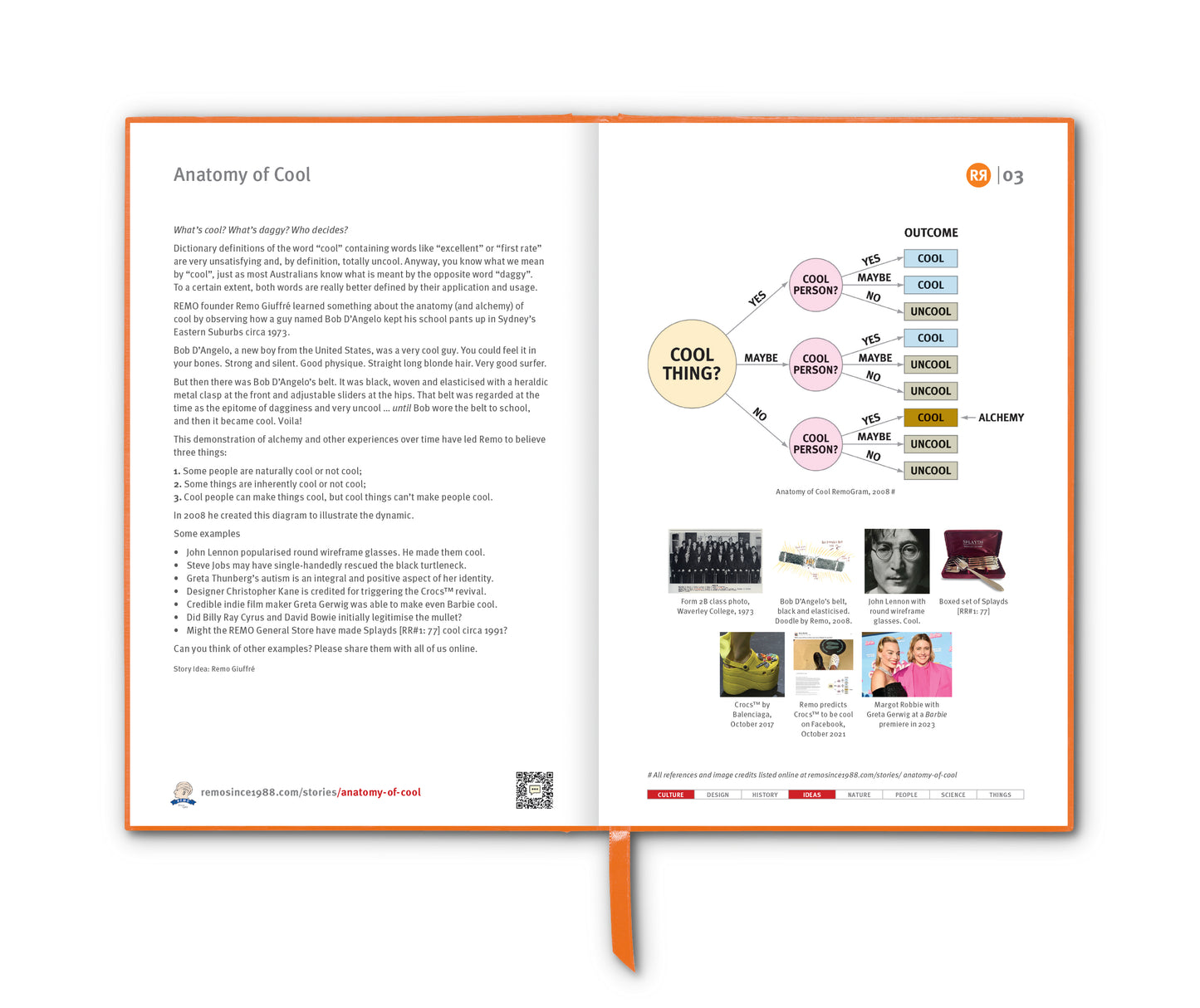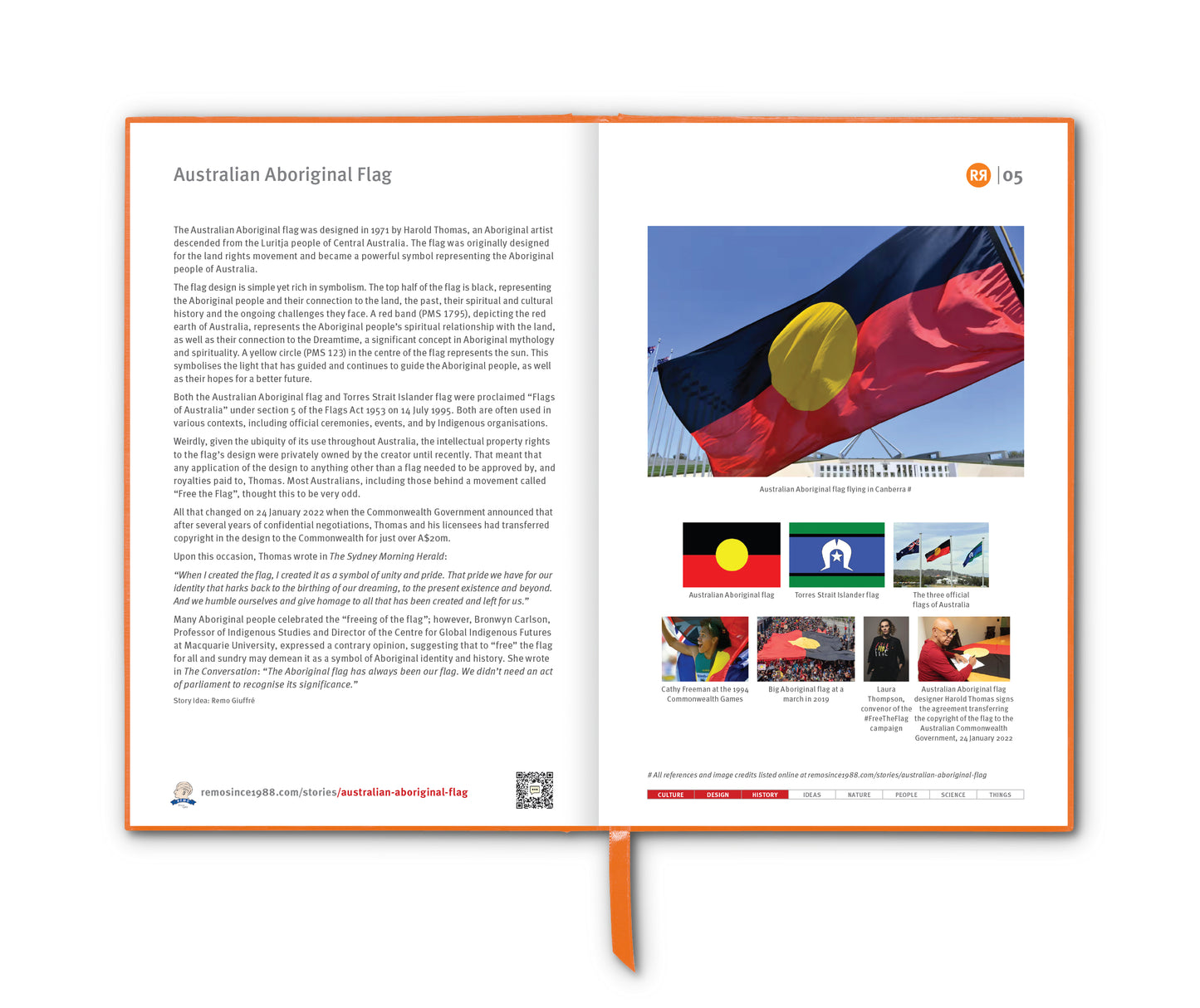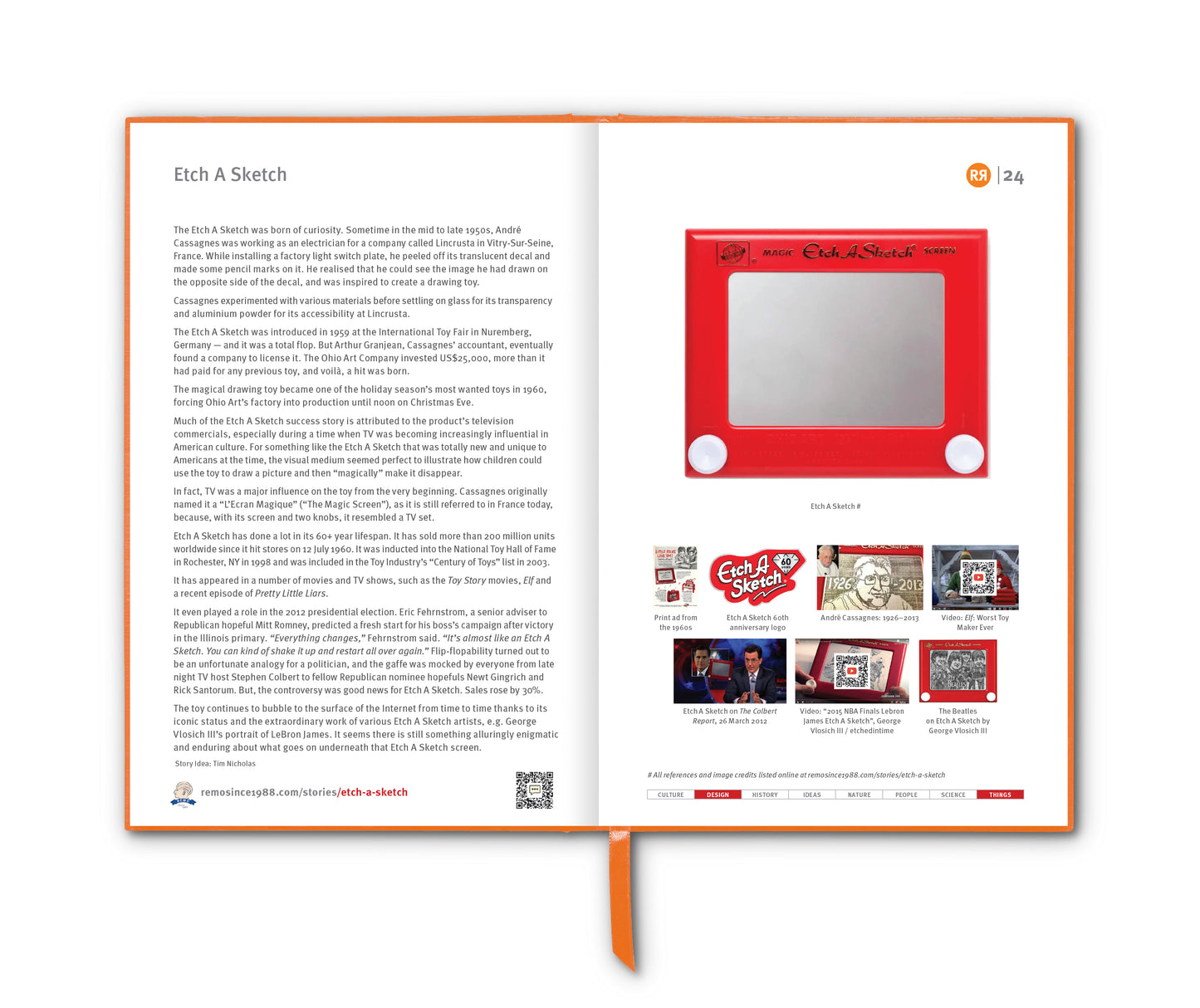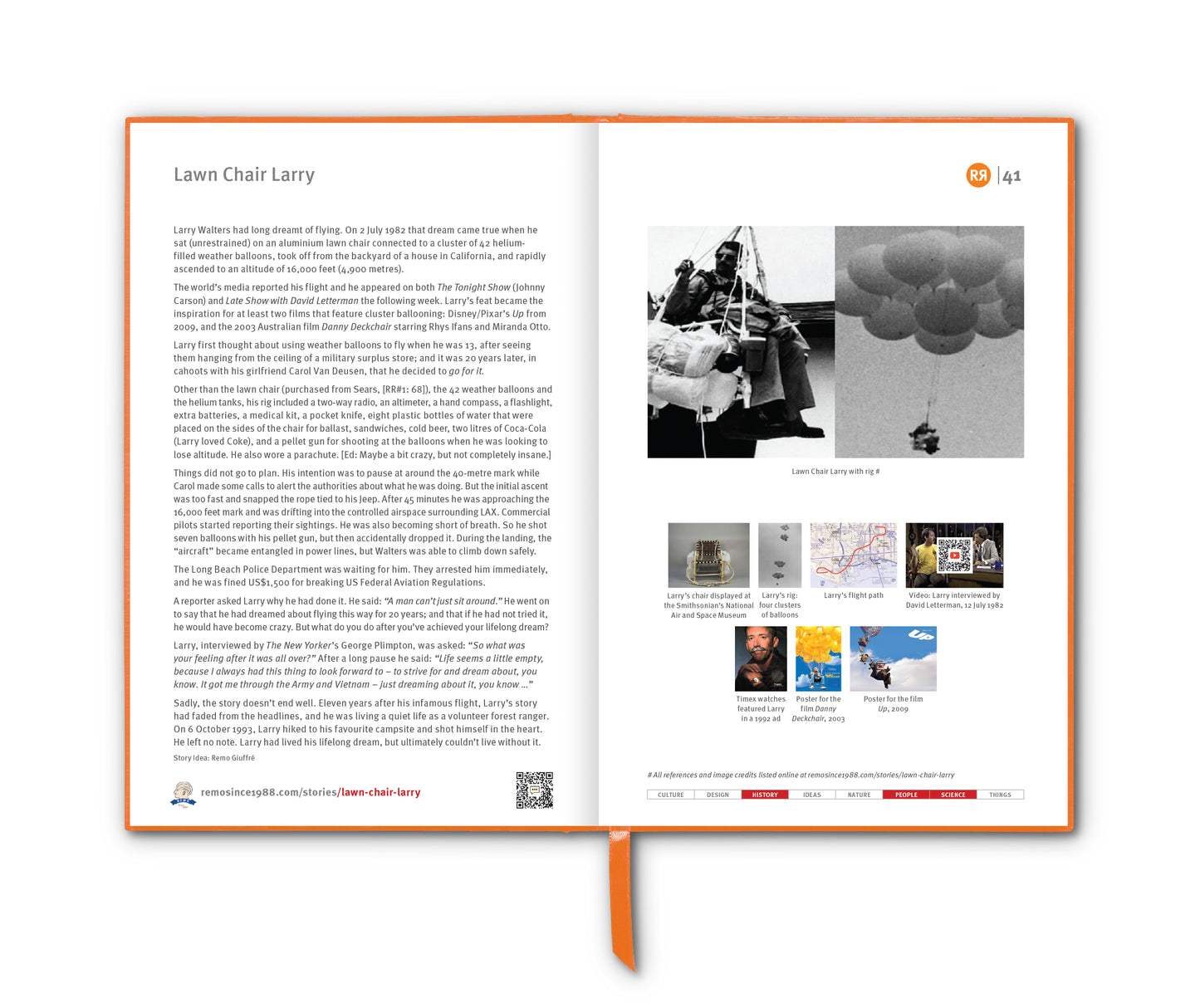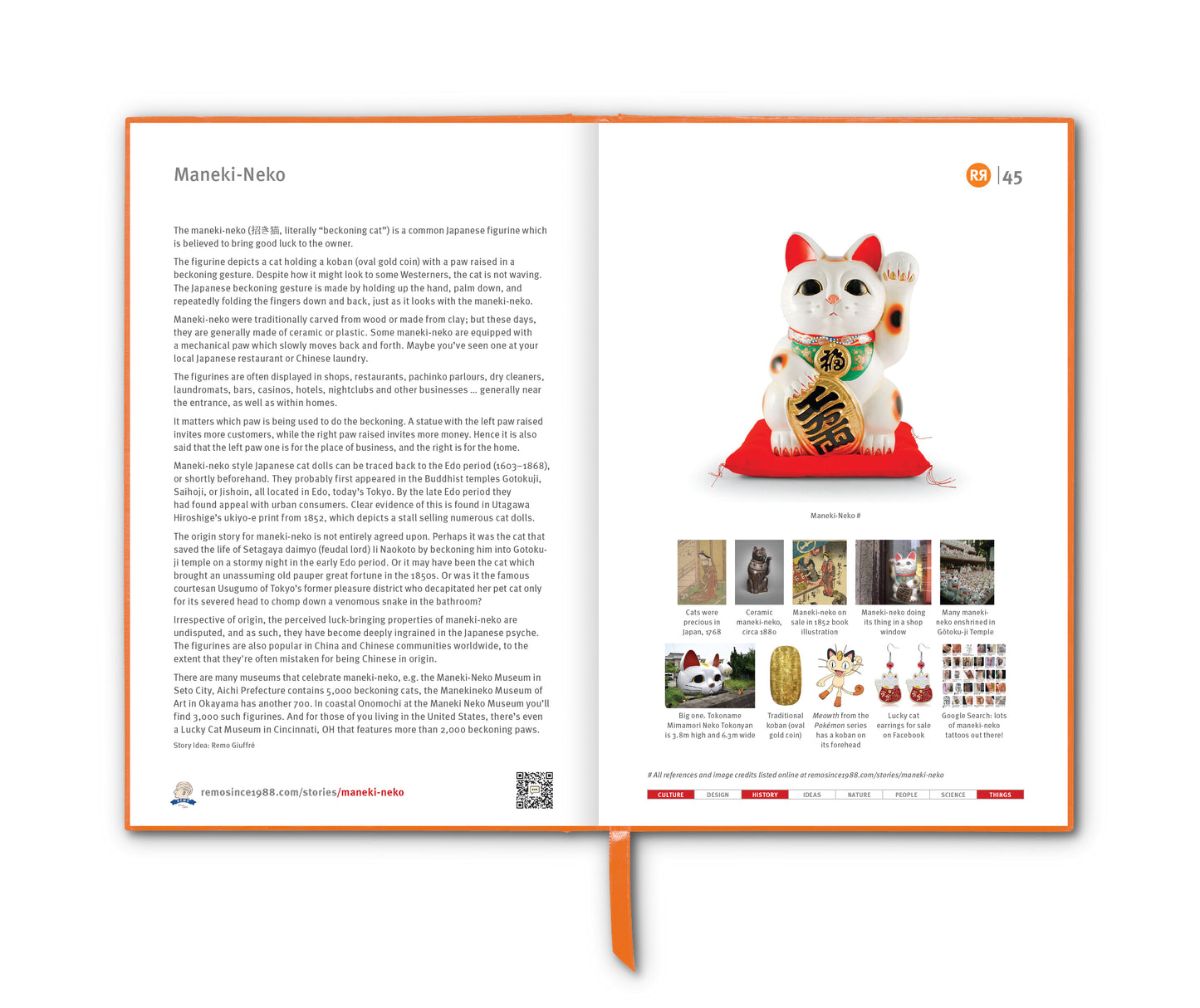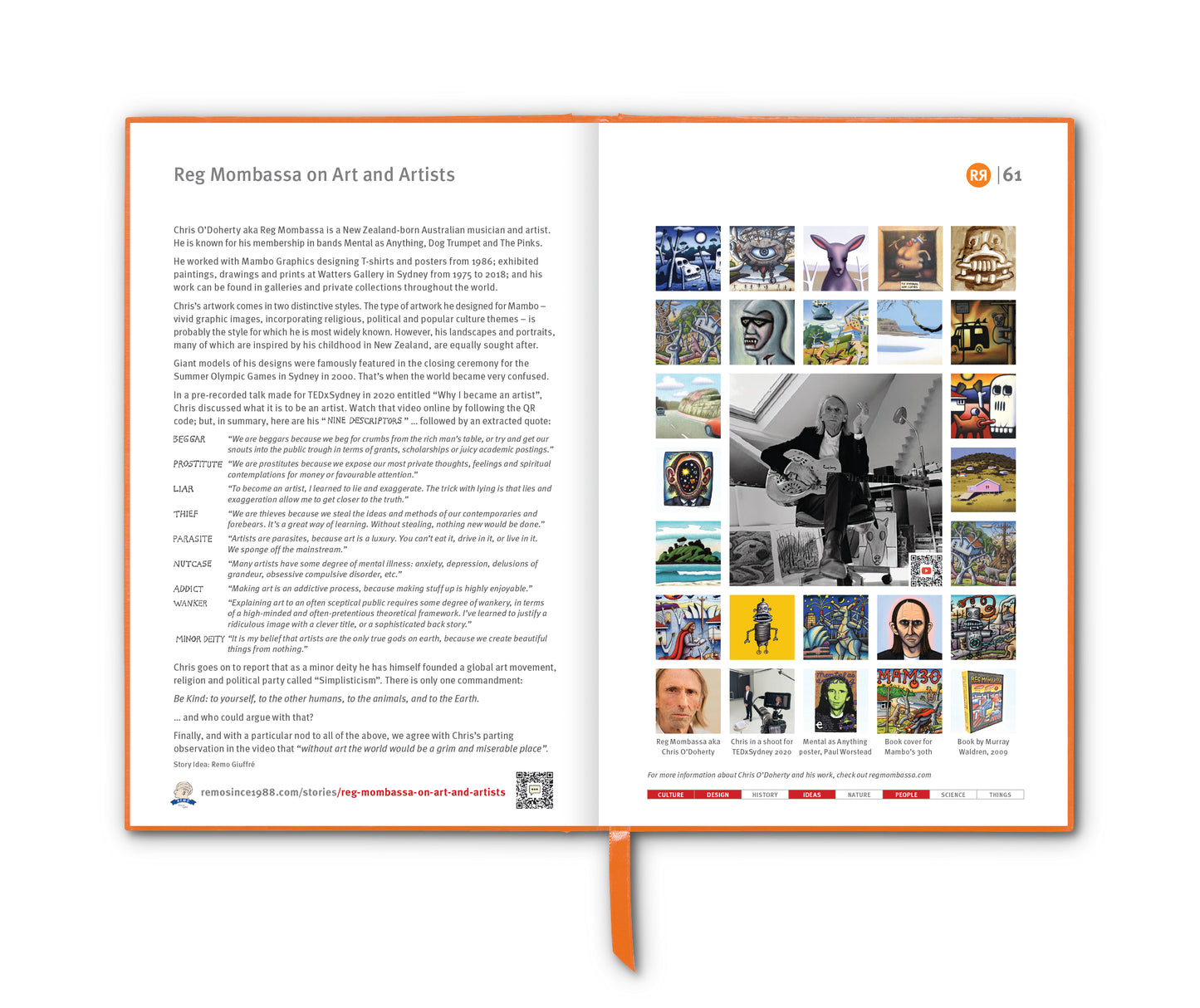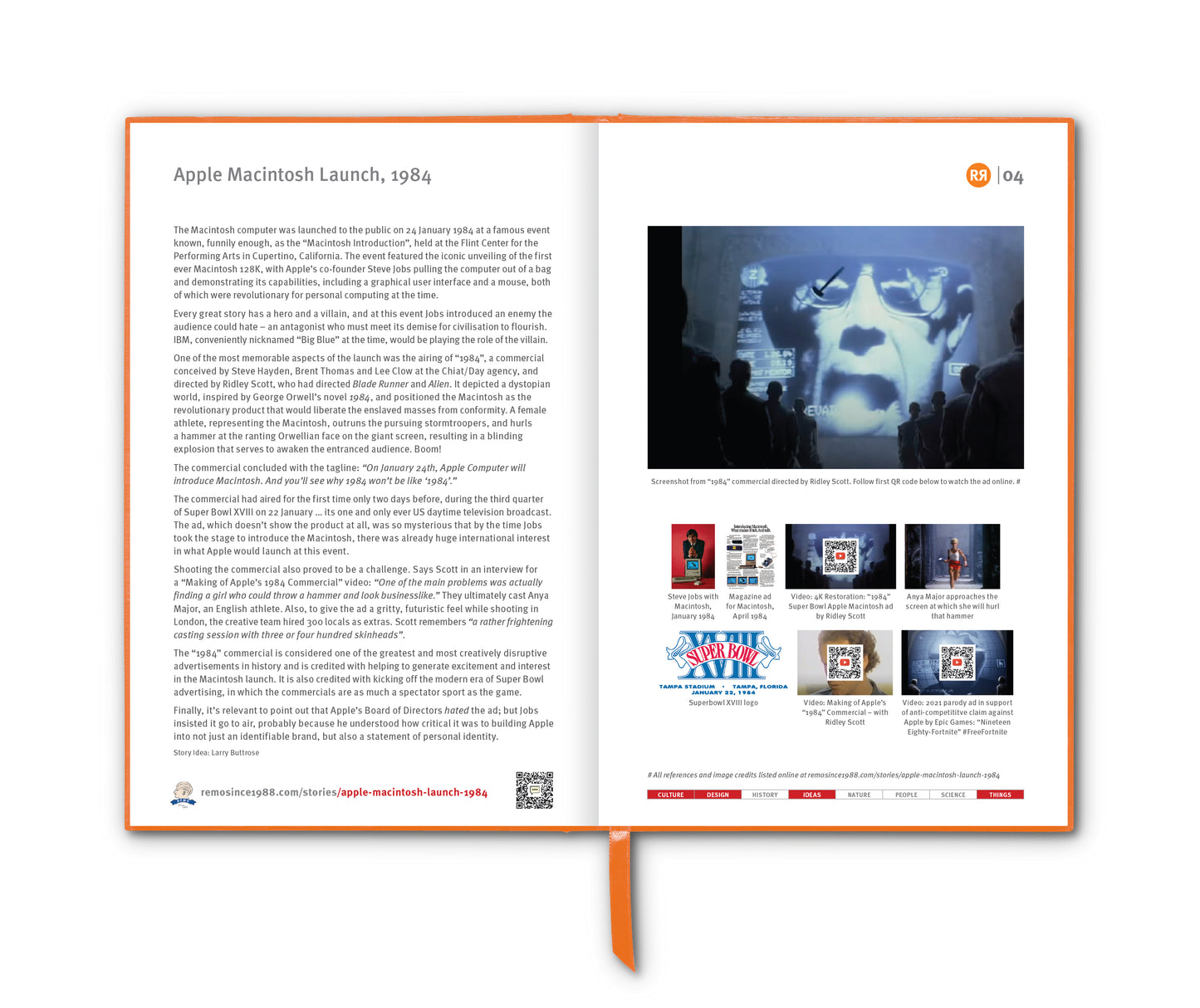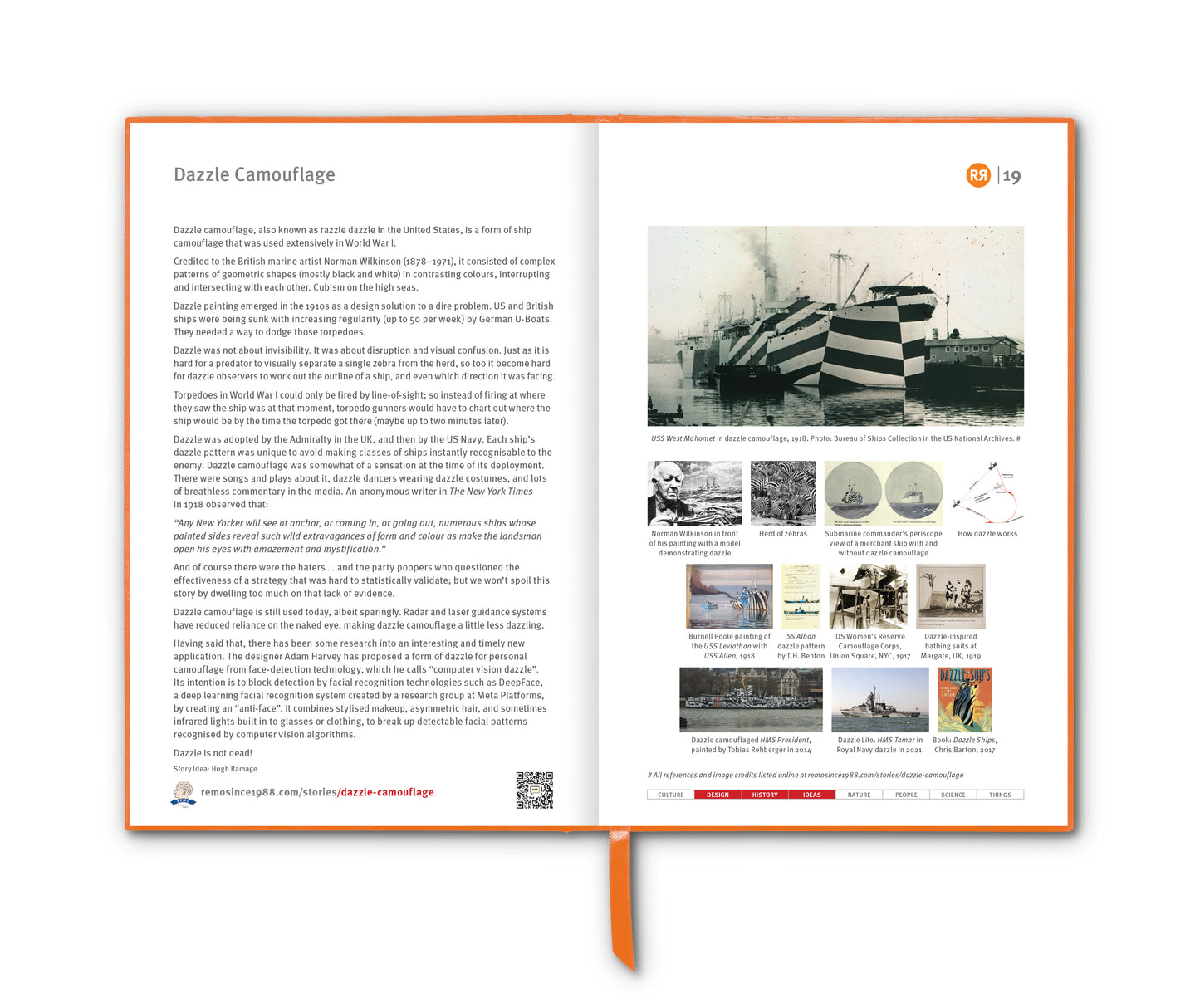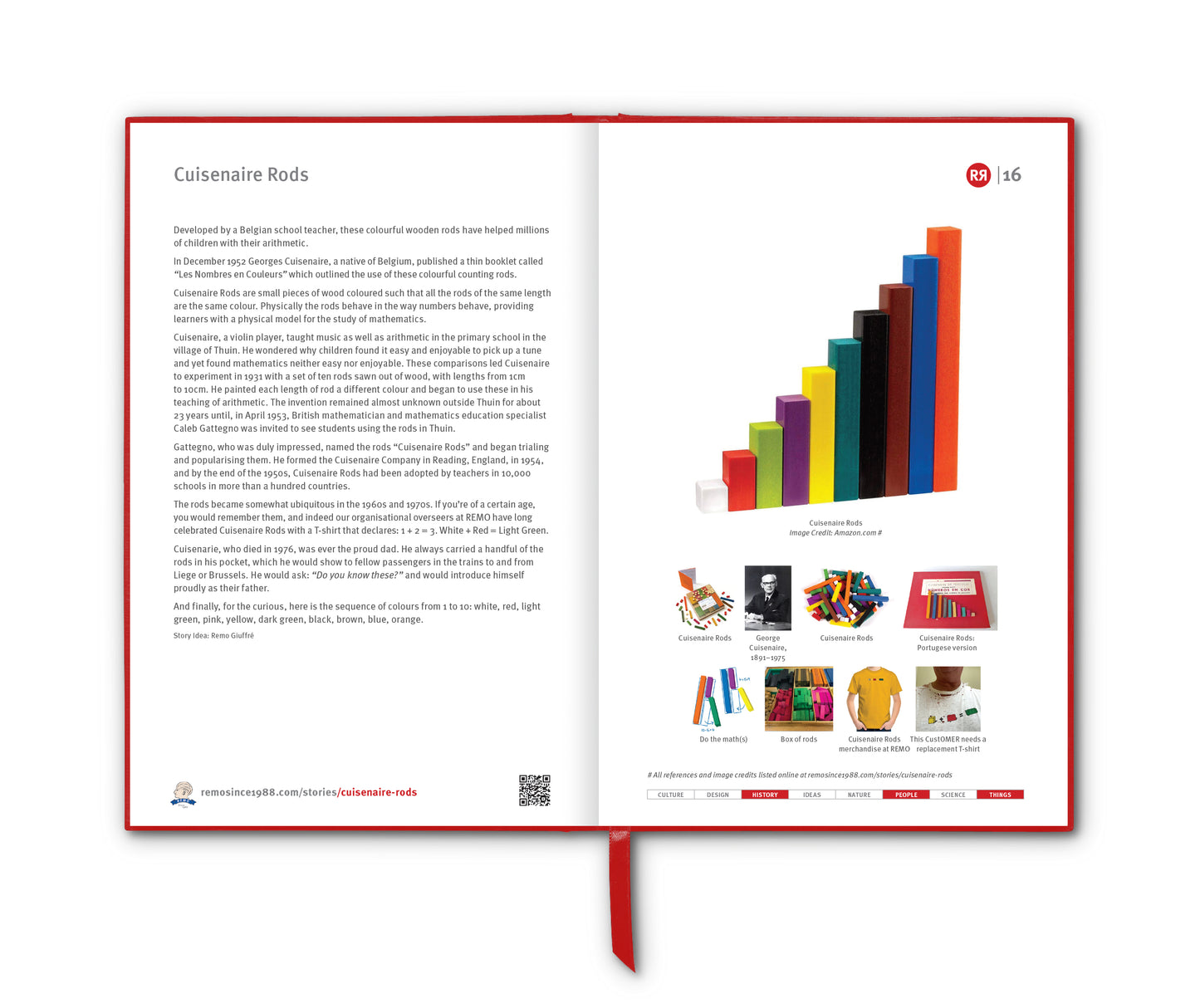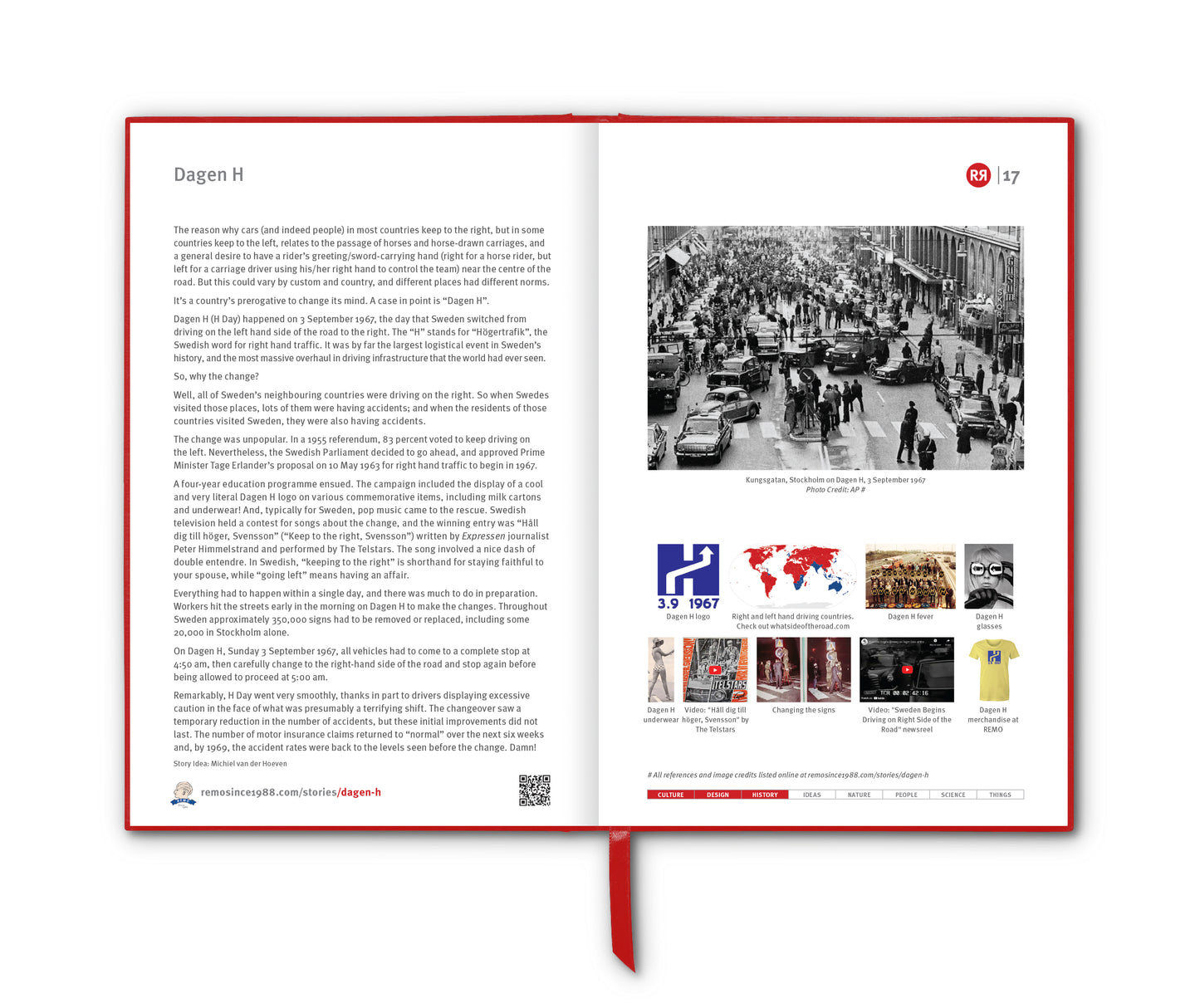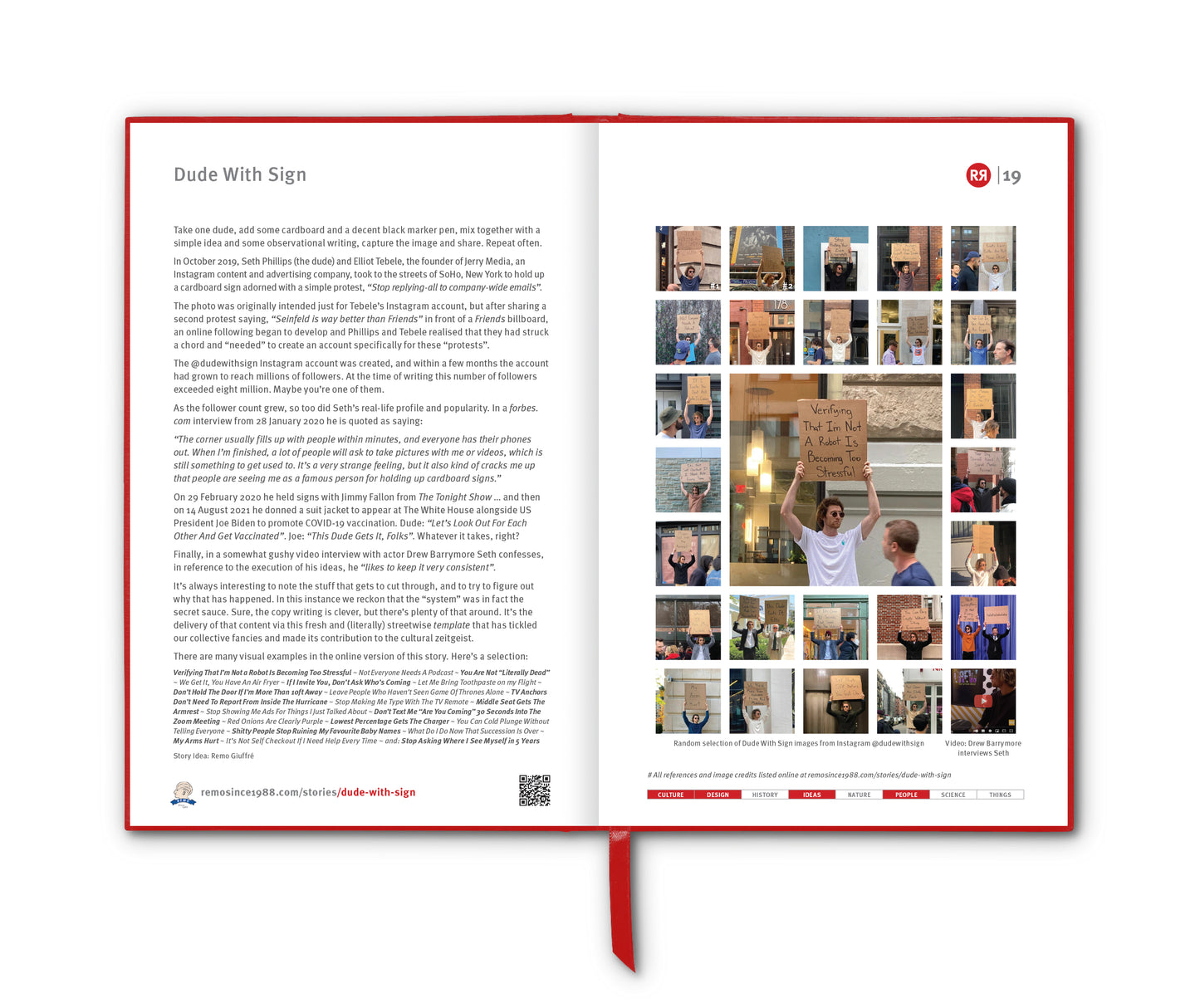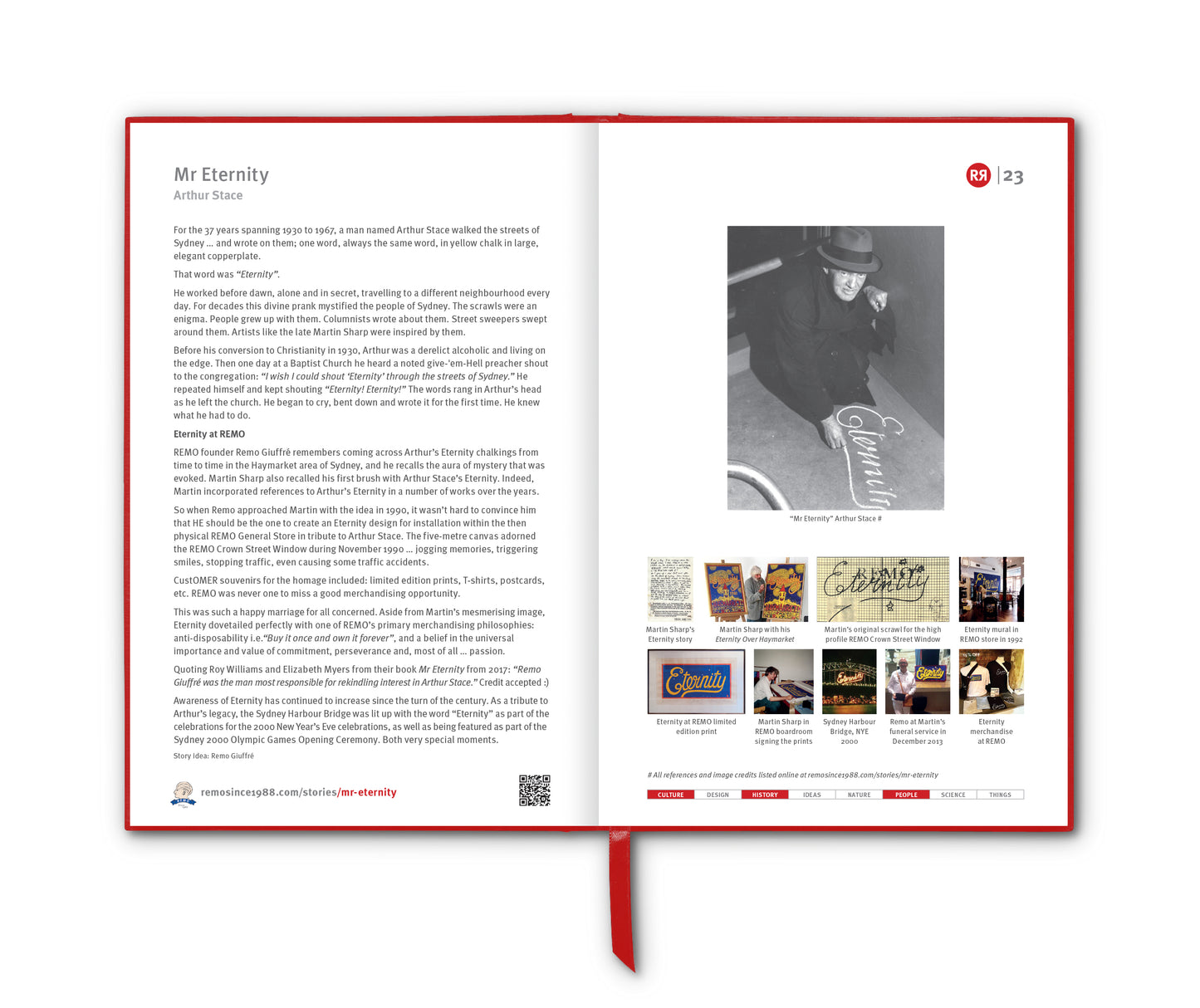

Design is the intentional planning, creation and arrangement of elements to solve problems or create functional, aesthetic and user-focused systems, products or visuals. It encompasses disciplines from graphic and digital interfaces to industrial and architectural projects, aiming to enhance how users interact with their environment.
A design is expected to have a purpose within a specific context, typically aiming to satisfy certain goals and constraints: a better grip for that potato peeler, cleaner lines for that car, smoother interaction with that website, etc. Good design gets the job done, and tends to disappear.
Which is why the work of Athens-based architect Katerina Kamprani is so interesting.
Her project, "The Uncomfortable", takes familiar objects and elegantly breaks them: a watering can that pours back into itself, cutlery that resists eating, open-toed rain boots, a wine glass that refuses access to the wine. Each piece is minimal and strangely plausible – until you imagine actually using it.
Nothing here is accidental. These objects aren’t poorly designed – they are precisely designed to fail. By removing function, Kamprani reveals how much we rely on design to behave properly, and this is where we are introduced to the idea of "subversive design".
Subversive design is the intentional use of design to question, challenge or overturn established norms. Rather than serving the user, it disrupts them. Rather than smoothing friction, it introduces it. The goal is not convenience, but awareness – a kind of cognitive subversion that shifts how we see the world.
In the 1980s and '90s, Tibor Kalman and his team of designers at M&Co., often in quiet collaboration with his wife Maira [RR7:XX], were already pushing against the boundaries of what design could be. Via their M&Co. Labs (as an aside, represented in Australia from day one by REMO) they designed and produced objects that were ironic, ambiguous and sometimes deliberately awkward – less concerned with usability than with meaning. Tibor’s view was that design shouldn’t simply serve markets or decorate products. It should question the systems behind them – media, consumption, politics, power.
Today, these approaches sit within a context of what is often called "critical design" – a field where objects are used not to solve problems, but to ask better questions. A chair might critique surveillance. A product might expose overconsumption. A simple everyday object might quietly undermine the logic it was designed to obey.
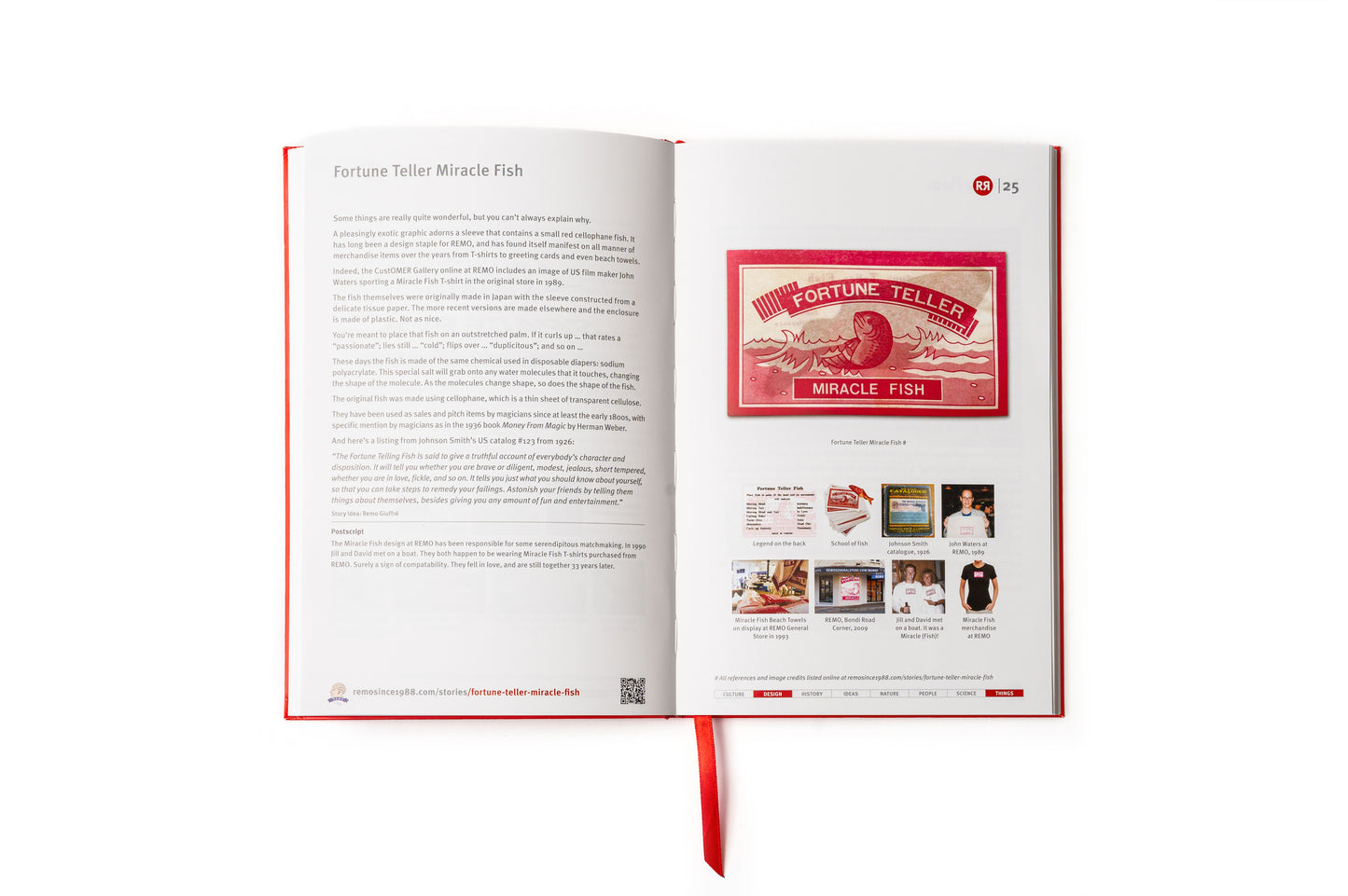
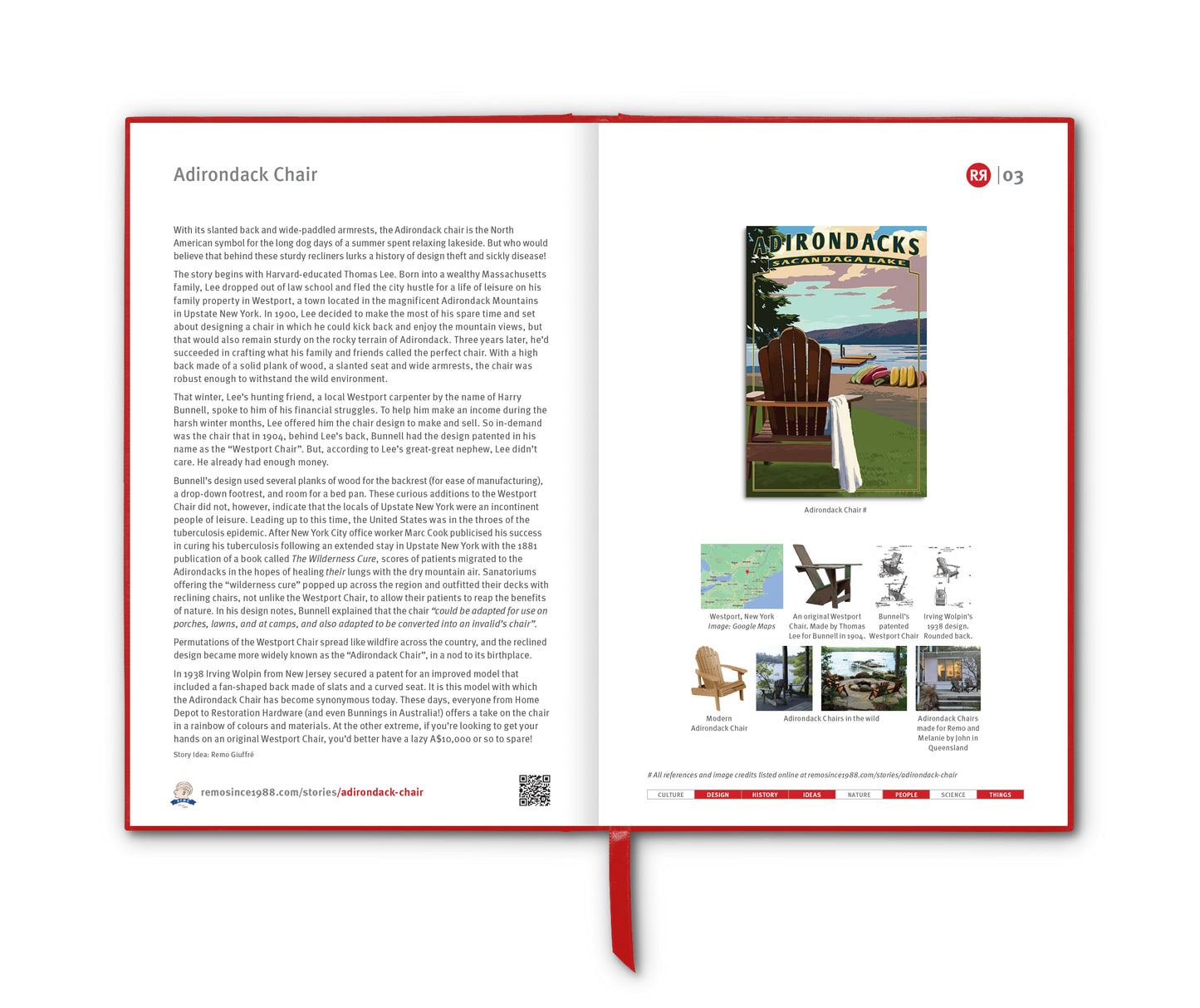
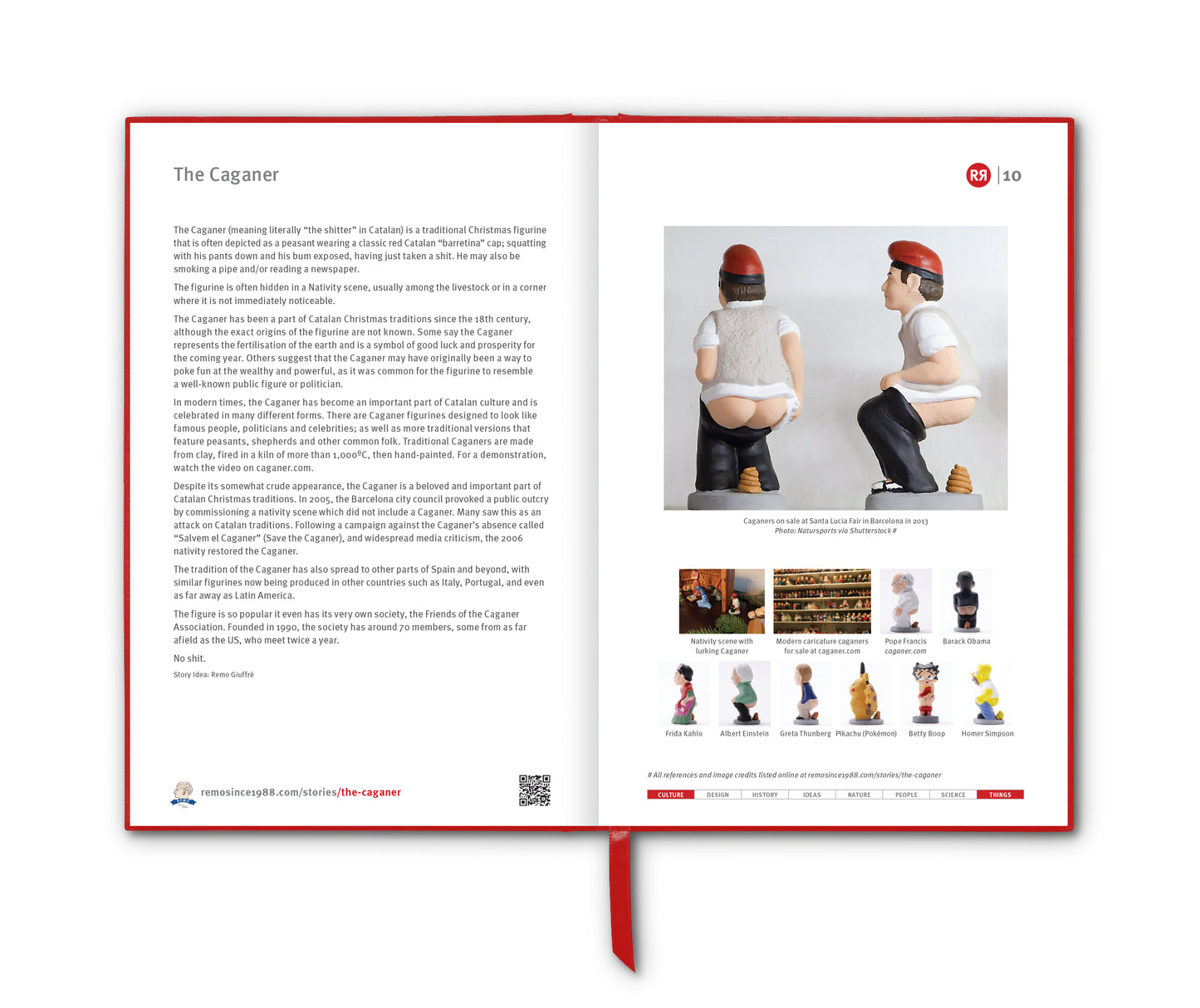
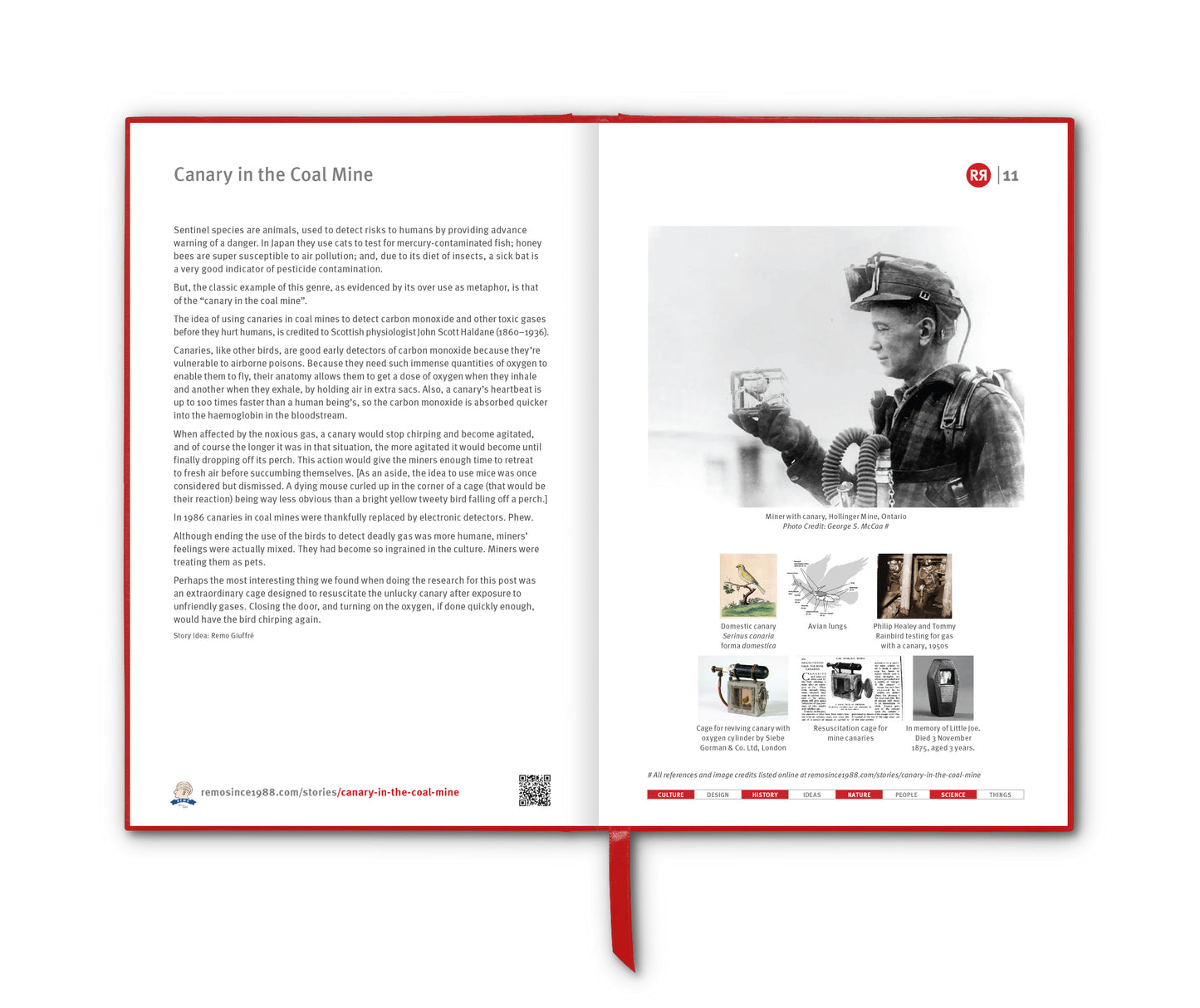
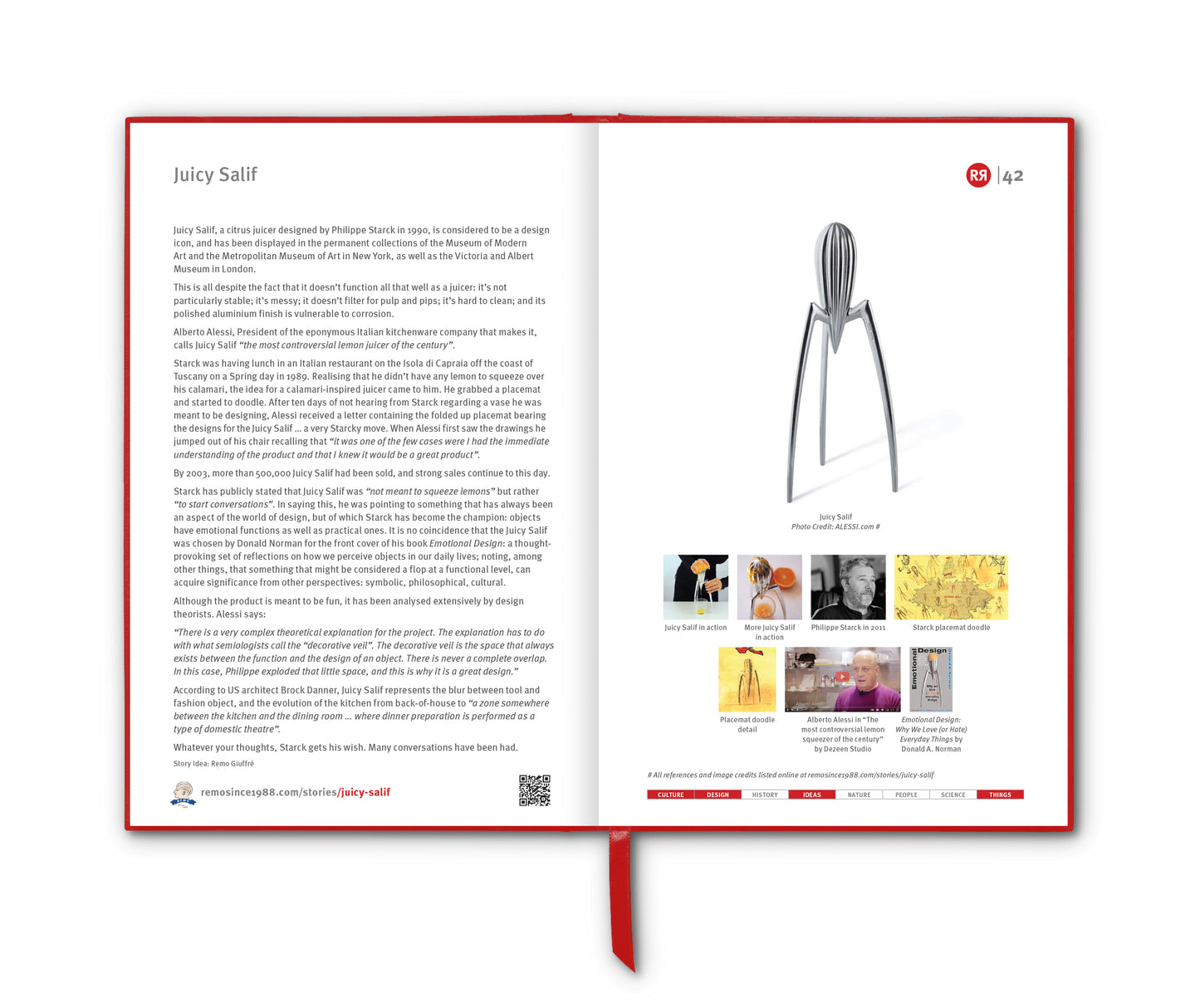
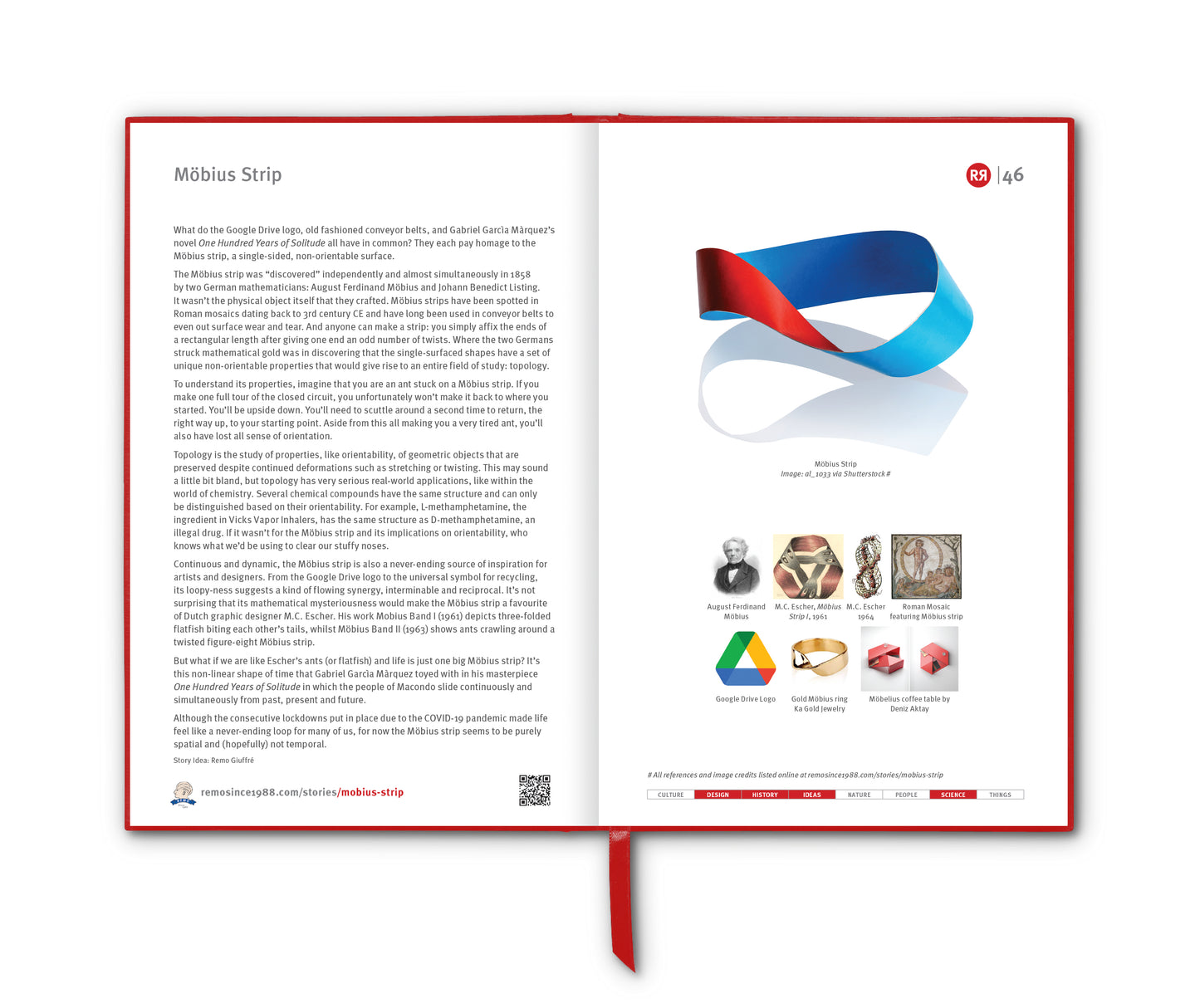
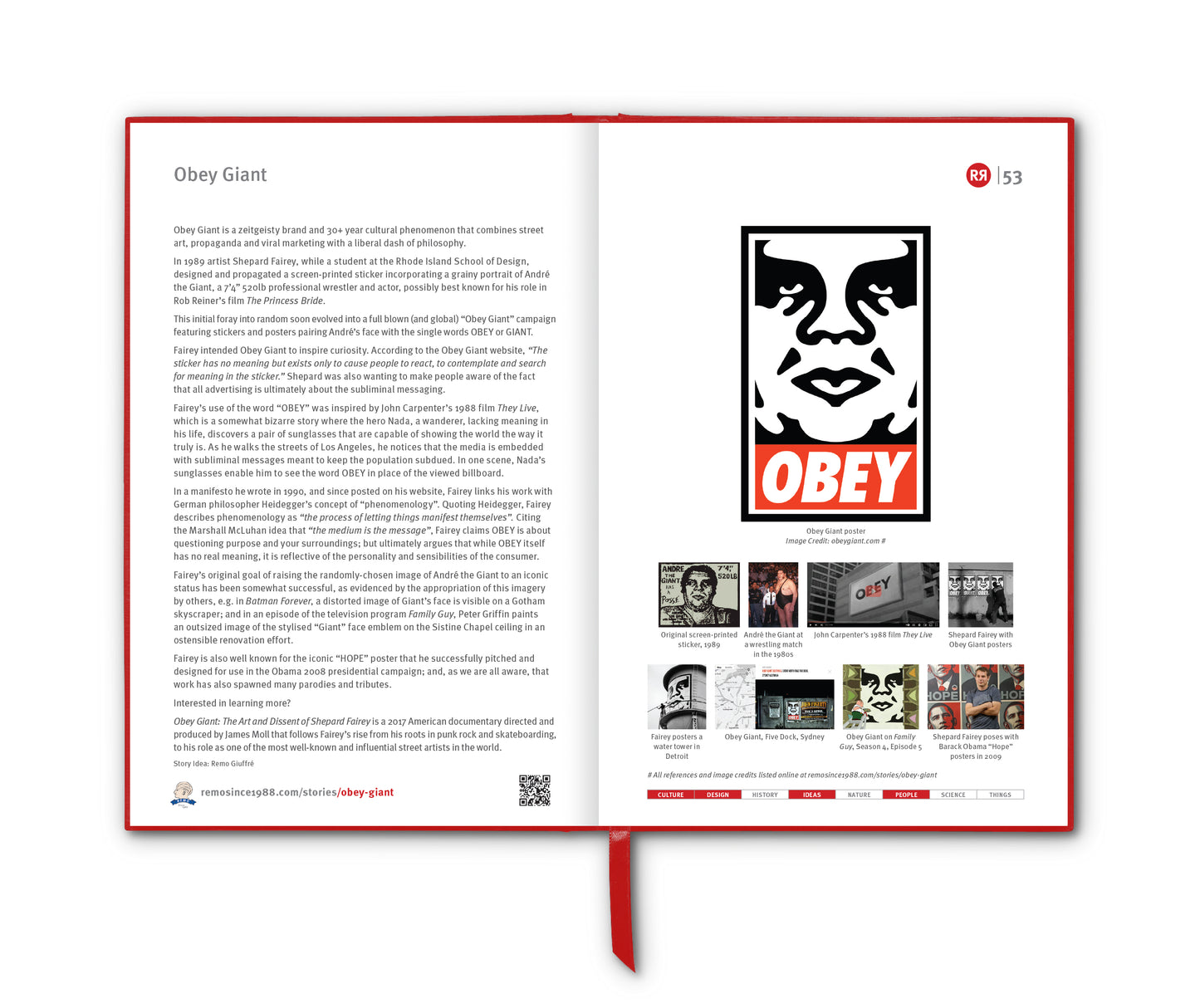
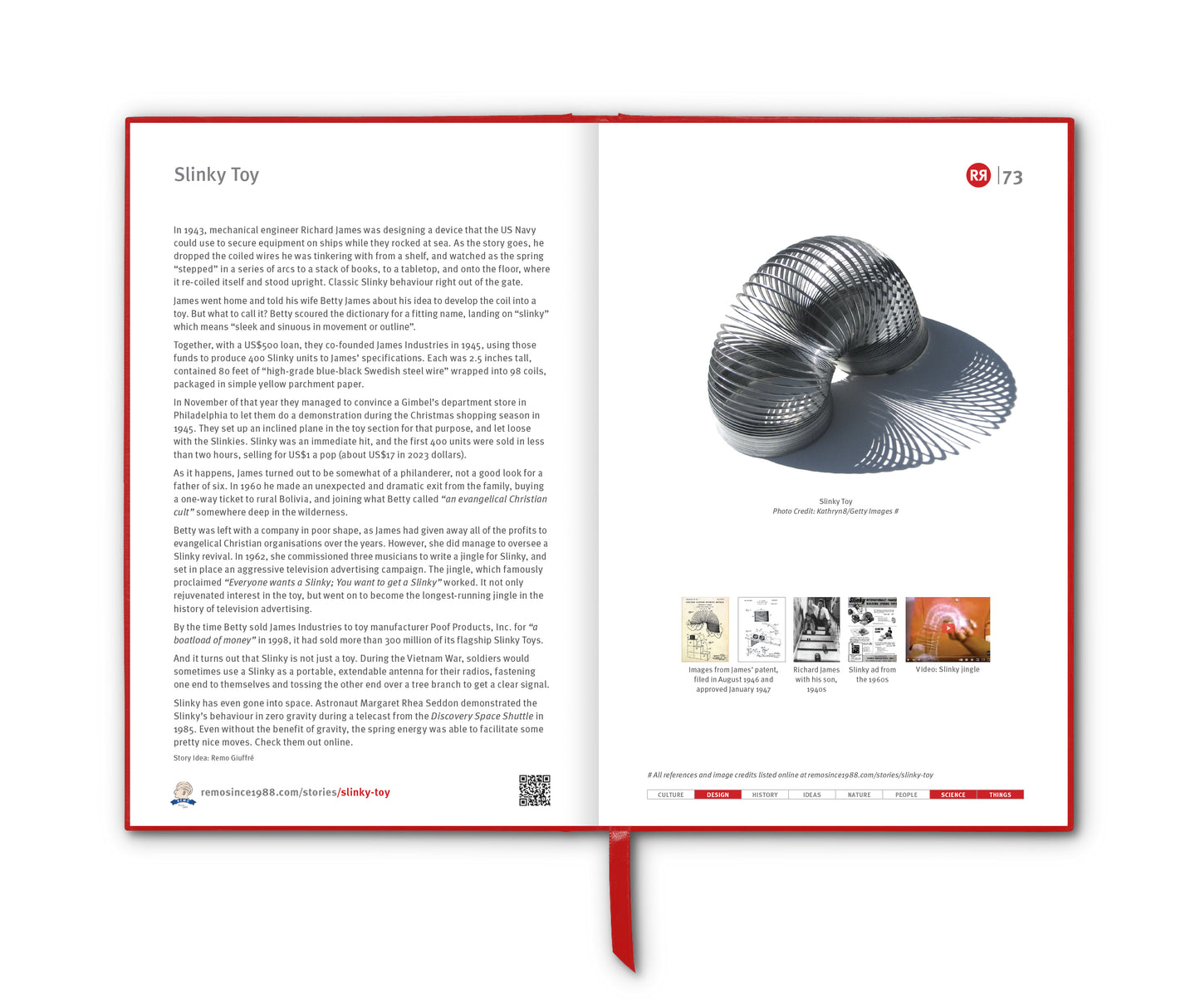
Consider the examples in the grid on the facing page – many of which, as per the [RR] chapter references in the captions, have already been featured throughout the REMORANDOM book series. Some of the objects frustrate function. Others distort meaning. All challenge expectation. Usually, something isn’t quite right, and that’s when we are forced to look again and think.
Good design solves problems. Subversive design challenges and asks questions.
Along with the other REMORANDOM references listed in the image captions, see also: BUGA-UP [RR4:14], Mmuseumm [RR5:52] and Banksy [RR7:XX]
_______________________
References
theuncomfortable.com
moma.org/collection/terms/critical-design
zach.medium.com/subversive-design-in-the-age-of-ai-the-influence-of-bauhaus-and-cybernetics-b4ea3871f48f
vimeo.com/450103533
Images
Left to right, top to bottom: 10-1-4 Watch (M&Co. Labs, 1984, RR7:), The Uncomfortable Watering Can (Katerina Kamprani, 2013), Huggable Atomic Mushroom (Anthony Dunne & Fiona Raby), Thick Cutlery Set (Katerina Kamprani, 2017), The Uncomfortable Wine Glass (Katerina Kamprani, 2017), Supreme Brick (2016), USB Pet Rock (2009, RR4:55), The Methaphone (Eric Antonow, 2025), Juicy Salif (Philippe Starck, 1990, RR1:42), The Uncomfortable Chain Fork (Katerina Kamprani, 2015), Drifter (Studio Drift, 2017), Solid State Watch (CW&T, 2020, RR5:68), Ceramic New York Coffee Cup (Graham Hill, 2003, RR1:48), Askew Clock (M&Co. Labs, 1989, RR7:), The Uncomfortable Rain Boots (Katerina Kamprani, 2013), Leather Homage to IKEA FRAKTA bag (Balenciaga, 2017, RR3:30), “Wenger Giant” Swiss Army Knife (Wenger, 2007, RR6:74), Gold Makes Blind (Otto Künzli, 1980, RR1:29), Seashell Headphones (REMO with Joyce Hinterding and Ian Hobbs, 1989, RR1:69), Legal Paper Paperweight (M&Co. Labs, 1984, RR7:)