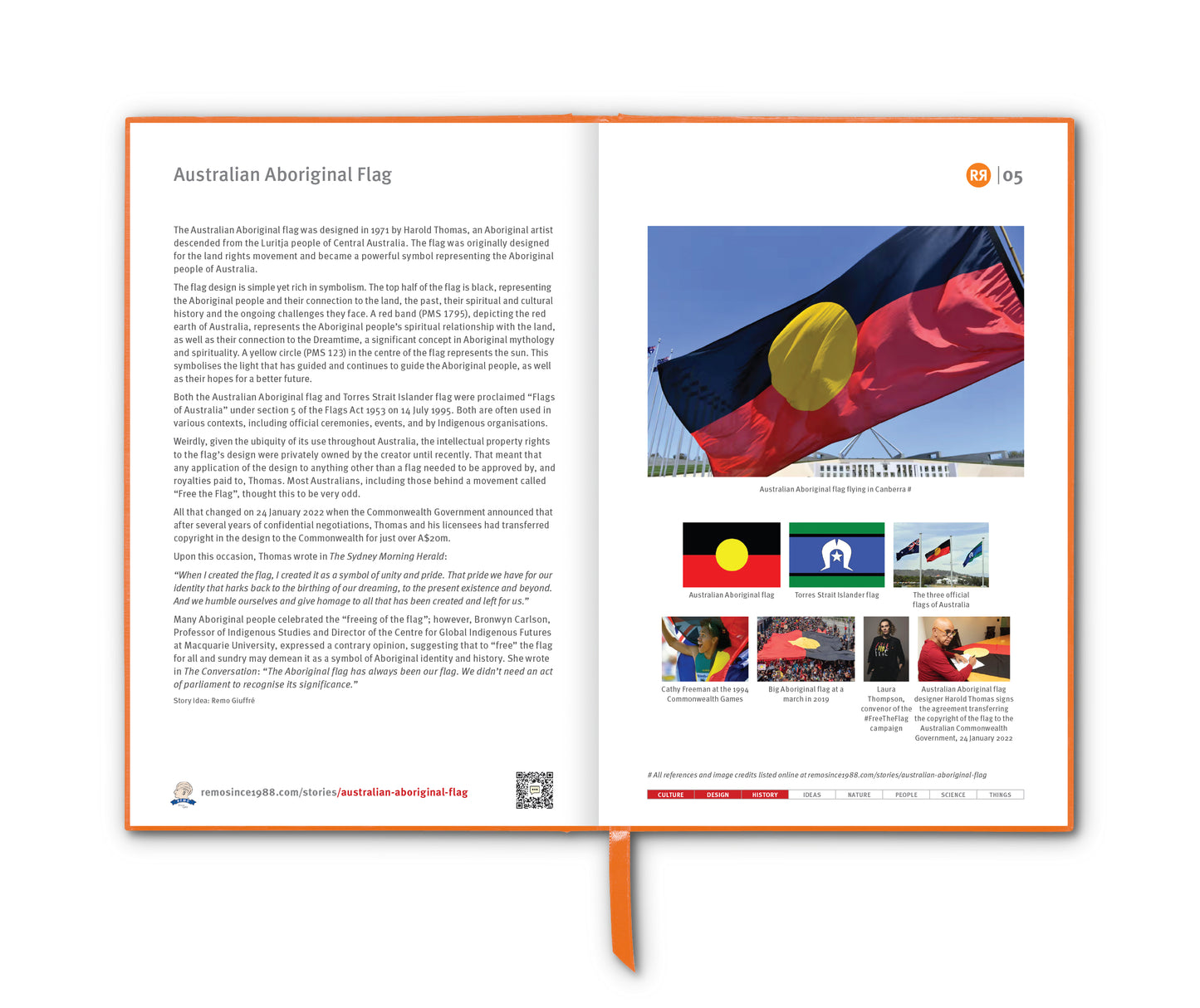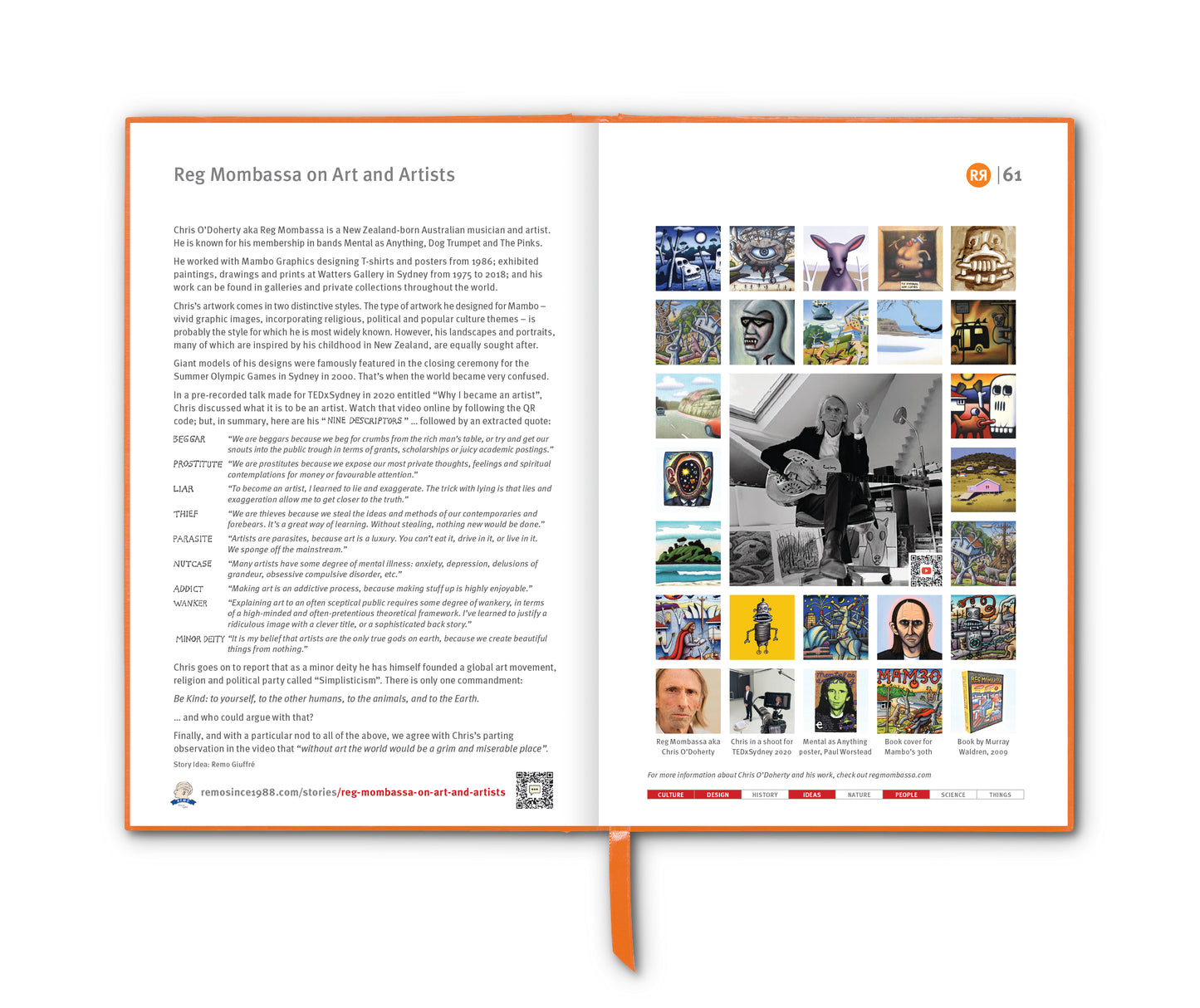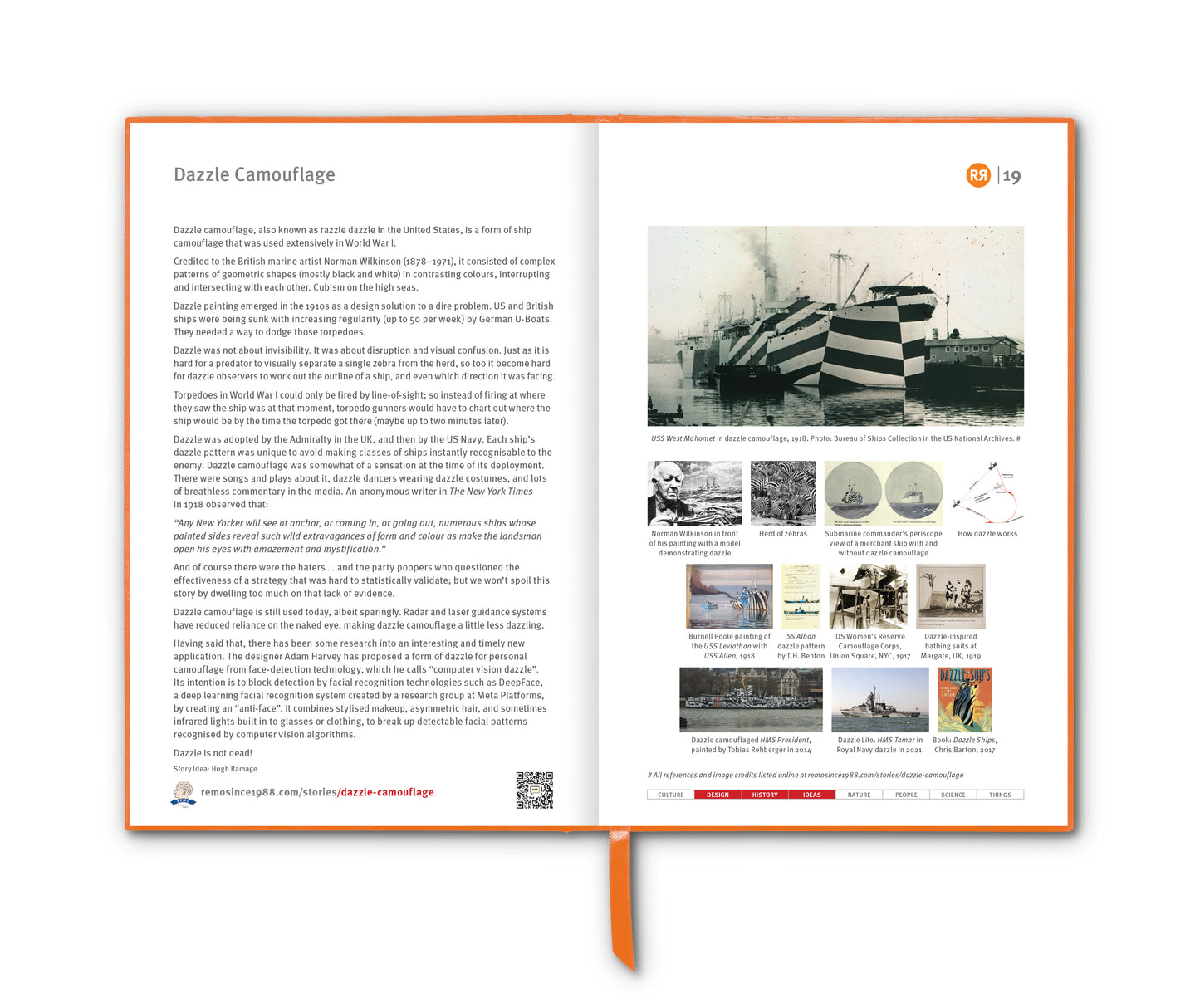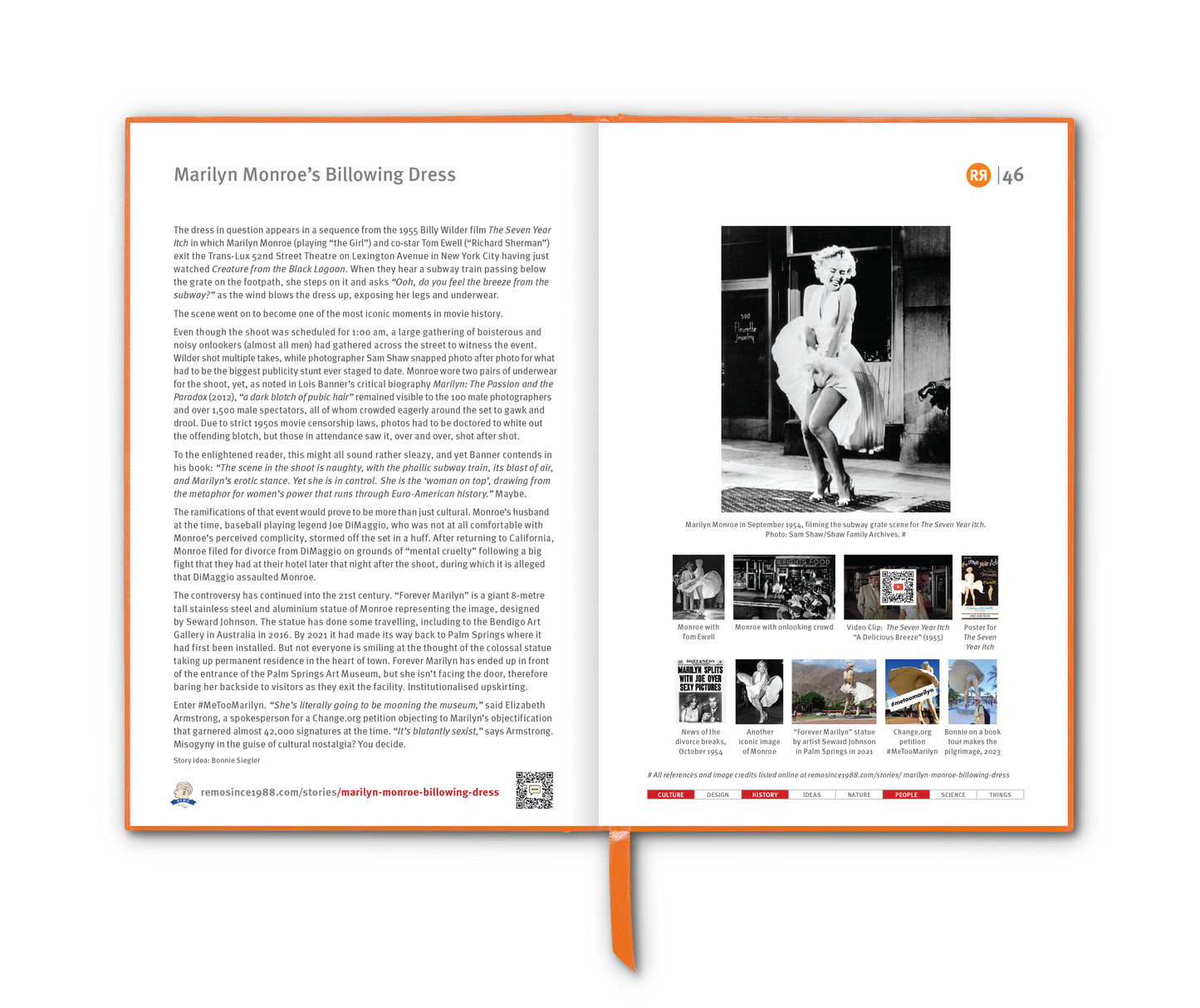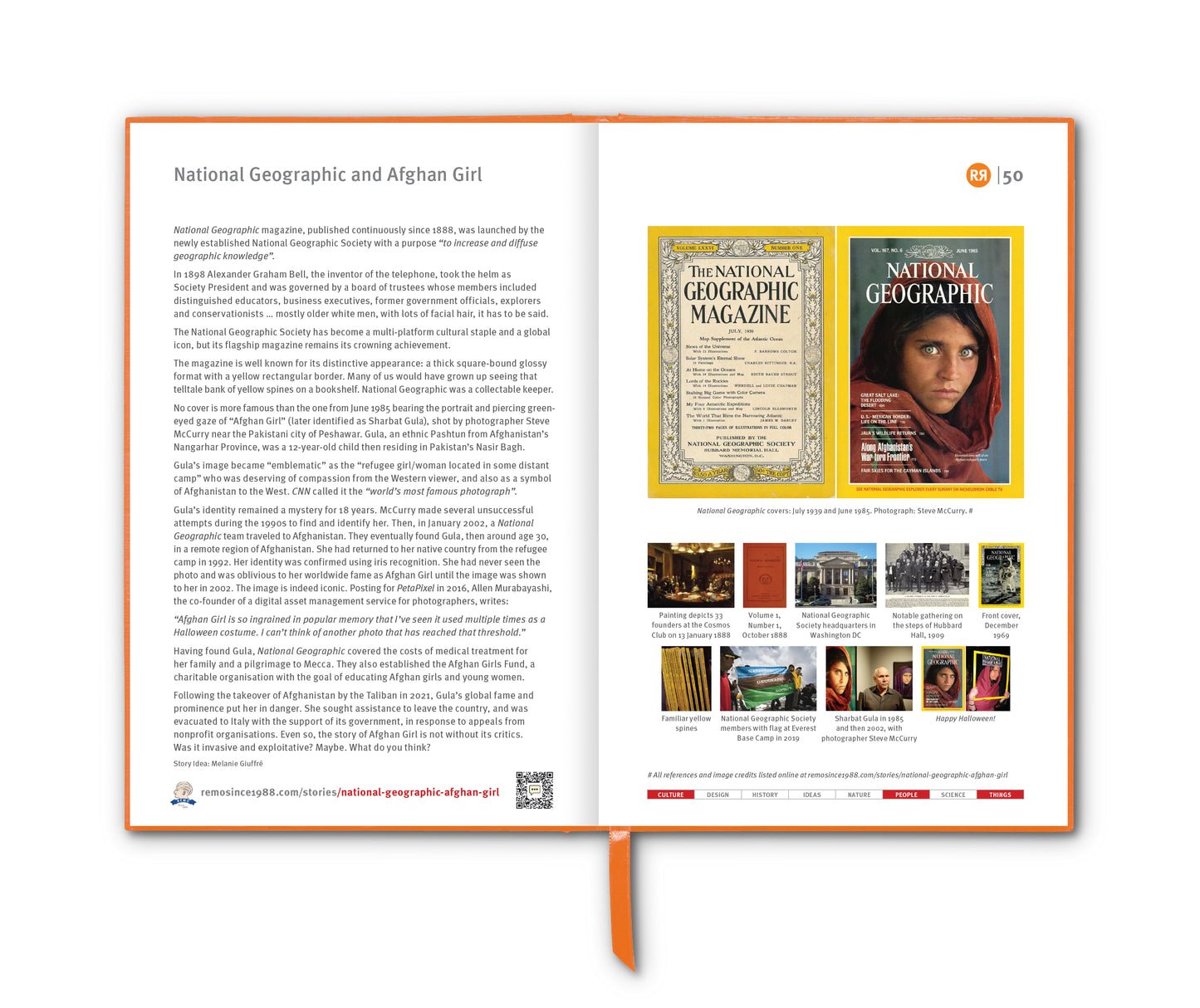

The word terroir comes from the French terre – “lands” – but in practice it means far more than just the dirt. Terroir, in relation to wine making, is the sum of everything that happens to a grape before it reaches the bottle: soil composition, climate, rainfall, altitude, slope, sun exposure, wind, microbes, farming practices and even local tradition.
It’s an attempt to explain why the same grape, treated with equal care, can produce wildly different wines depending on where it is grown. Terroir is the argument that place matters.
Terroir is the basis of the French wine appellation d'origine contrôlée (AOC) system, which is a model for wine appellation and regulation in France and around the world. The AOC system presumes that the land from which the grapes are grown imparts a unique quality that is specific to that growing site (the plants' habitat).
In France, particularly Burgundy, there is the belief that the role of a winemaker is to bring out the expression of a wine's terroir. The French word for "winemaker”, vigneron, is more aptly translated as "wine-grower" rather than "winemaker". The belief that the terroir is the dominant influence in the wine is the basis behind French wine labels emphasising the region, vineyard, or AOC more prominently than the varietal of grape, and often more prominently than the producer.
Historically, terroir emerged long before modern science could even attempt to explain it. Medieval monks in Burgundy didn’t know about pH levels or microbial ecosystems, but they noticed that wine from one hillside tasted different from wine grown a few hundred metres away. Over centuries, these observations hardened into classifications, boundaries and eventually appellation systems designed to protect the character of place. Terroir became both a philosophy and a legal framework: this wine tastes like this because it comes from here.
Soil is the most romanticised element of terroir, and also the most misunderstood. Vines do not absorb flavour from rocks in any direct way, despite popular talk of “slate” or “limestone” notes. What soil does influence is drainage, root depth, water stress and nutrient availability – all factors that affect how a vine grows and how grapes ripen. Poor soils often make better wine not because they taste better, but because struggling vines produce smaller, more concentrated fruit. In wine, adversity can be an advantage.
Climate may be even more decisive. Temperature determines whether grapes ripen slowly or rapidly, retaining acidity or building sugar. Coastal fog, mountain breezes, continental heat, and sudden cold snaps all leave signatures in the glass. This is why Pinot Noir thrives in cool regions and struggles in hot ones, while Grenache does the opposite. Climate change has turned terroir into somewhat of a moving target, as regions long defined by seasonal balance now grapple with shifting harvest dates.
Then there is the human factor — sometimes called terroir humain. Decisions about pruning, harvesting, fermentation and aging profoundly shape the final wine. Some argue that heavy-handed winemaking can erase terroir entirely, replacing it with oak, extraction and technique. Others counter that human choice is inseparable from place, and that tradition itself is part of terroir. The tension between nature and intervention sits at the heart of modern wine debates.
Terroir also carries cultural weight beyond the vineyard. It appeals to a broader desire for authenticity in an industrial world. To drink terroir is to drink a story: of landscape, labour, weather and time.
The extent of terroir's significance is debated in the wine industry, with some pointing out that the term is imprecisely defined, primarily based on tradition, and is not backed by rigorous data or research. Regardless of that, terroir is less a scientific fact than a shared belief. It challenges us to slow down, pay attention and taste carefully.
Postscript
This story is not just about wine. Some artisanal crops and foods for which terroir may apply would include cheese, coffee, single malt whisky, onions and tea.
_______________________________
References
wikipedia.org/wiki/Terroir
rennetandrind.co.uk/blogs/perrys-blog/the-terroir-of-cheese-exploring-the-influence-of-farm-location
Images
1. The steep slope, soil quality, and influence of the nearby Mosel river distinguish the terroir of this German wine region. Photo credit: Friedrich Petersdorff
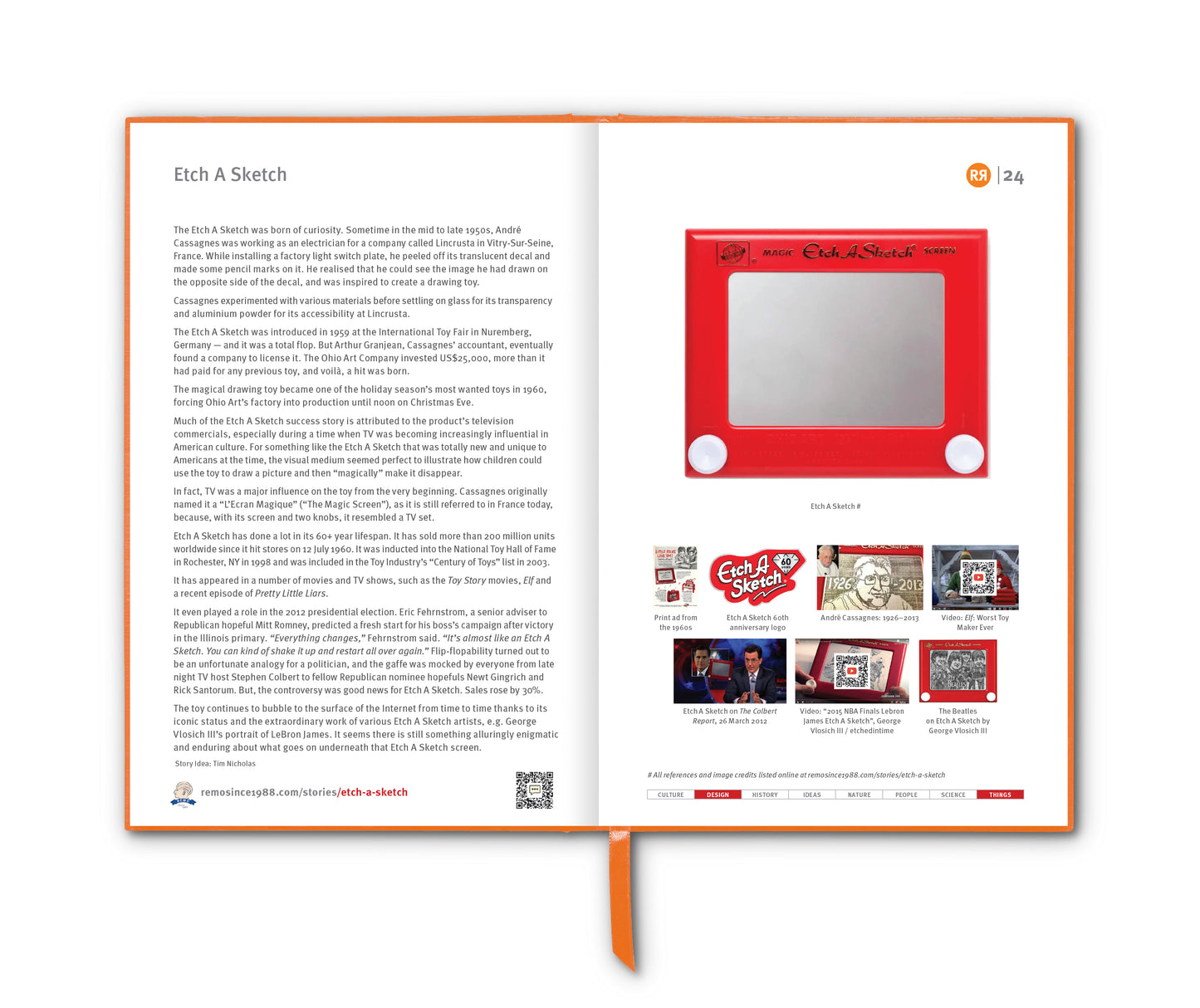
2. Grapes on the vine. Vredit: bottlebarn.com
3. French AOC logo
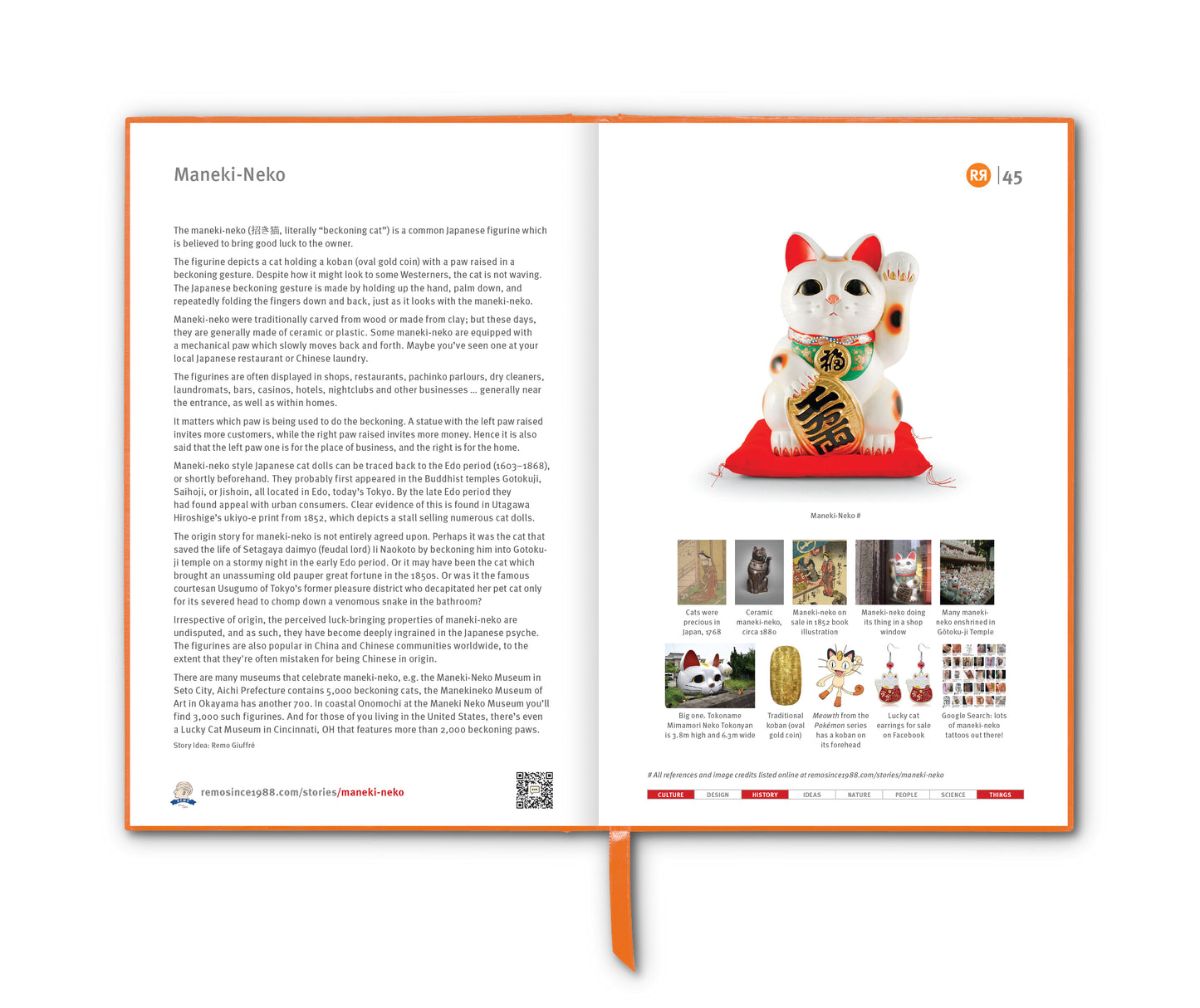
4. Credit: chateau-winecooler.com
5. South Australian winemaker and friend of REMORANDOM Alex MacKenzie. Photo credit: australianwine.com
6. Credit: academyofcheese.org
7. The French Roscoff onion's terroir creates its distinctive taste and crunch