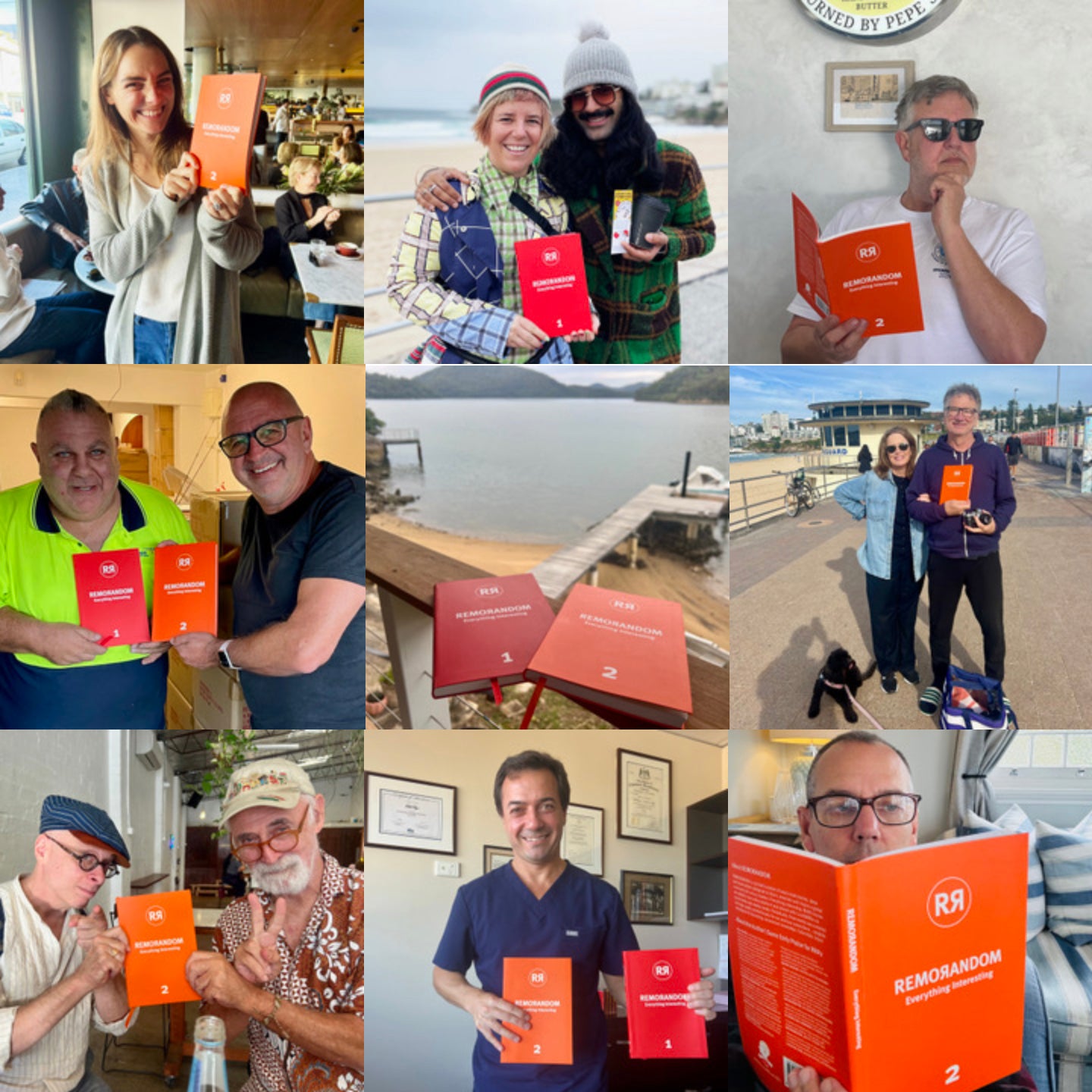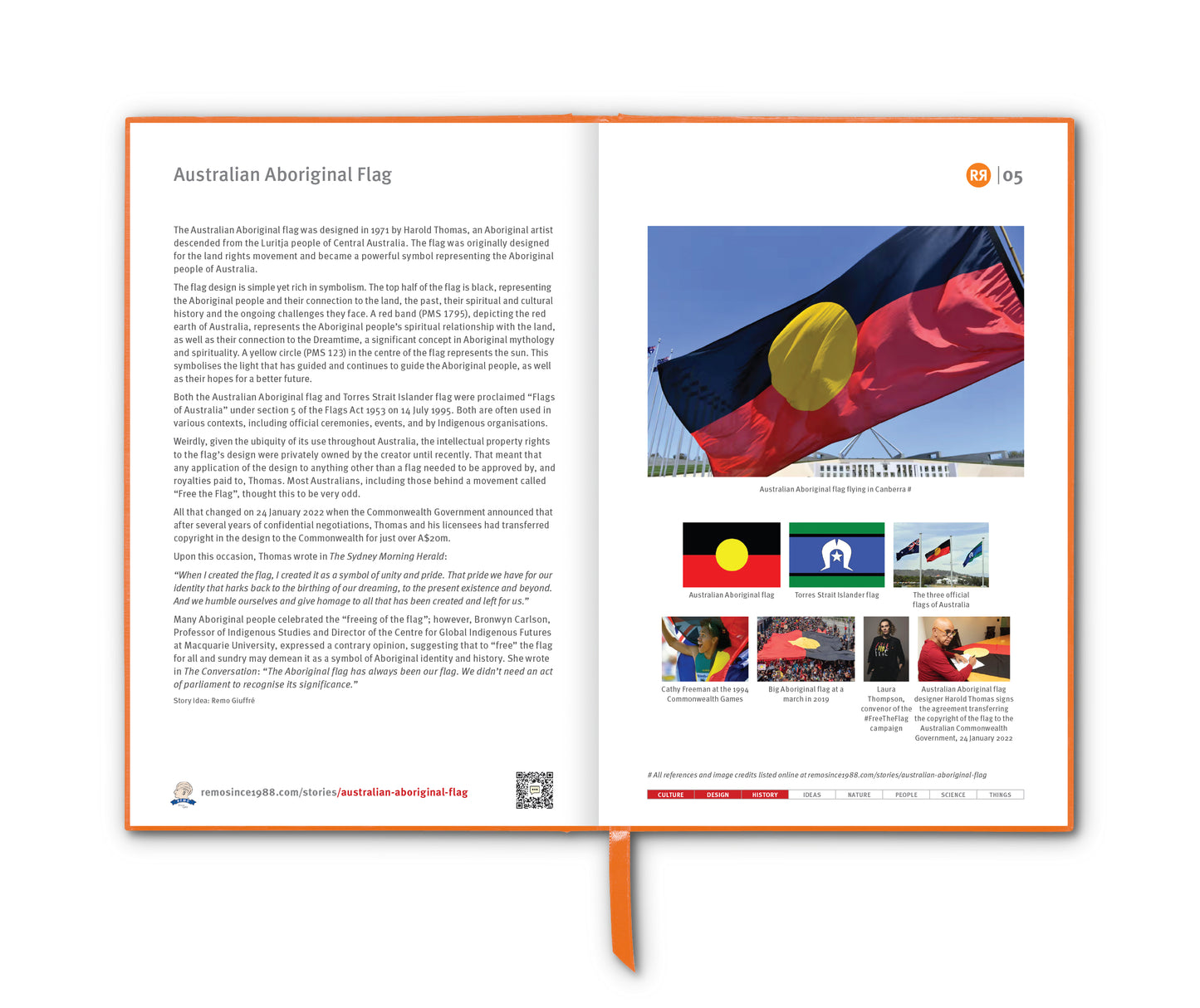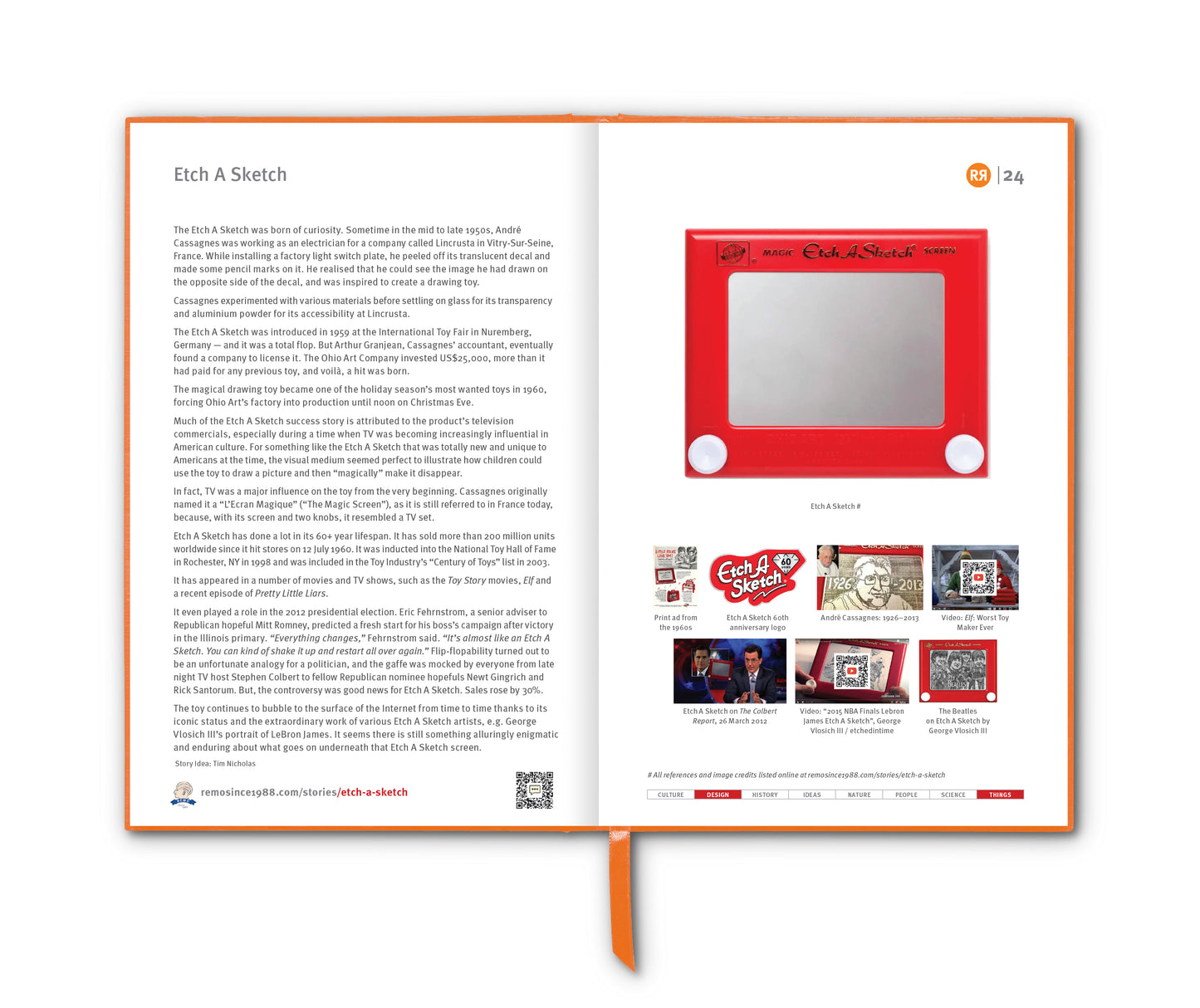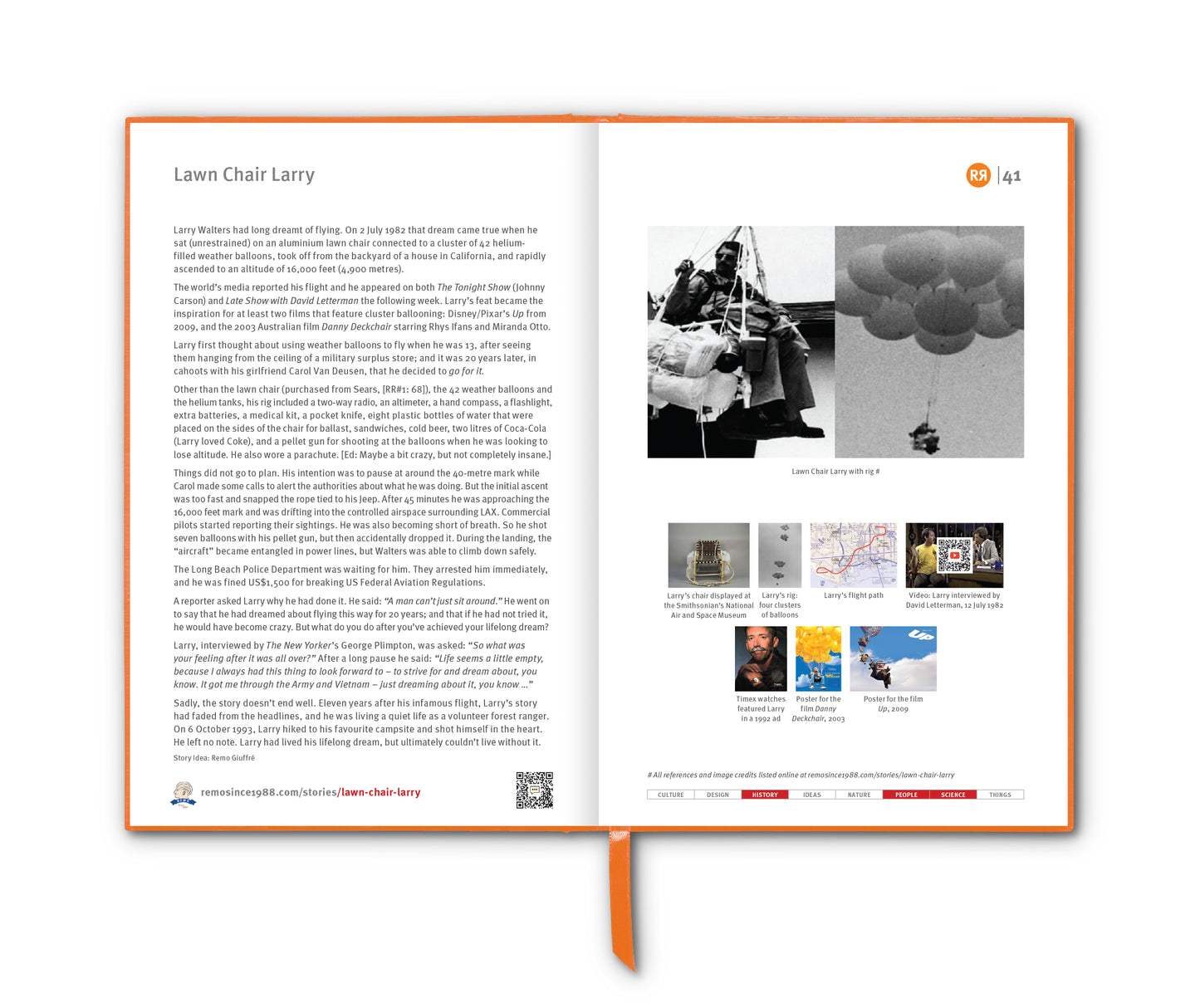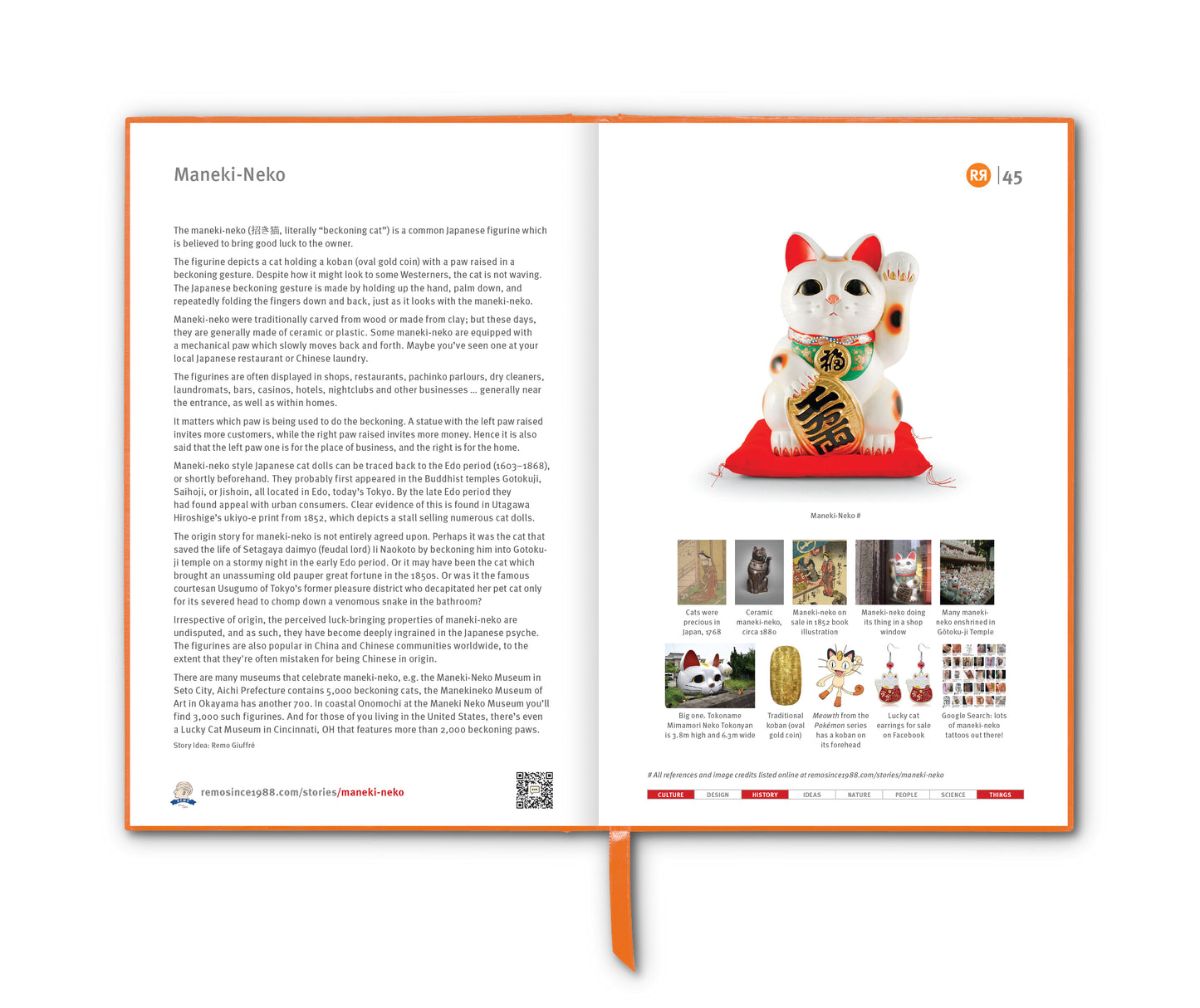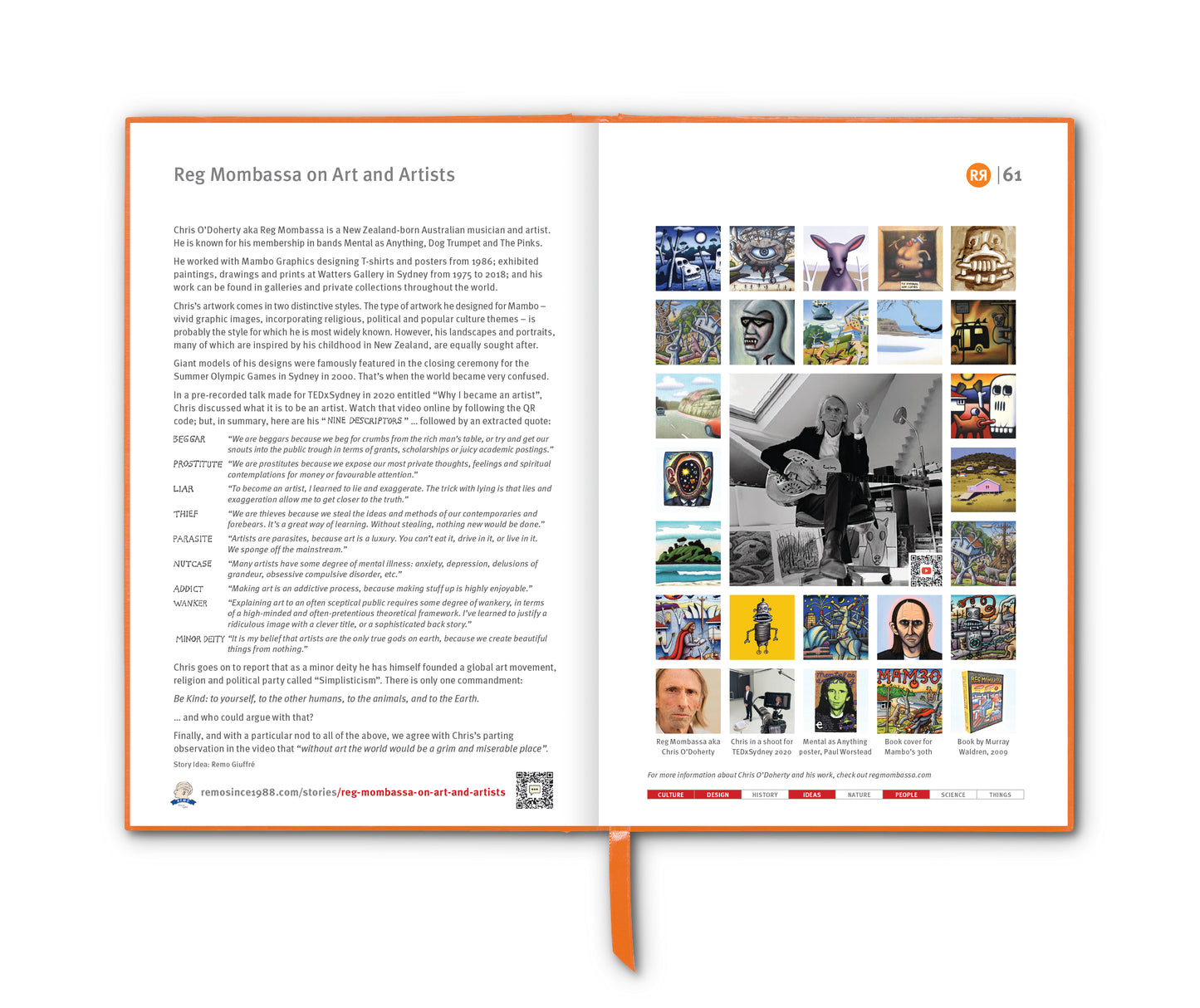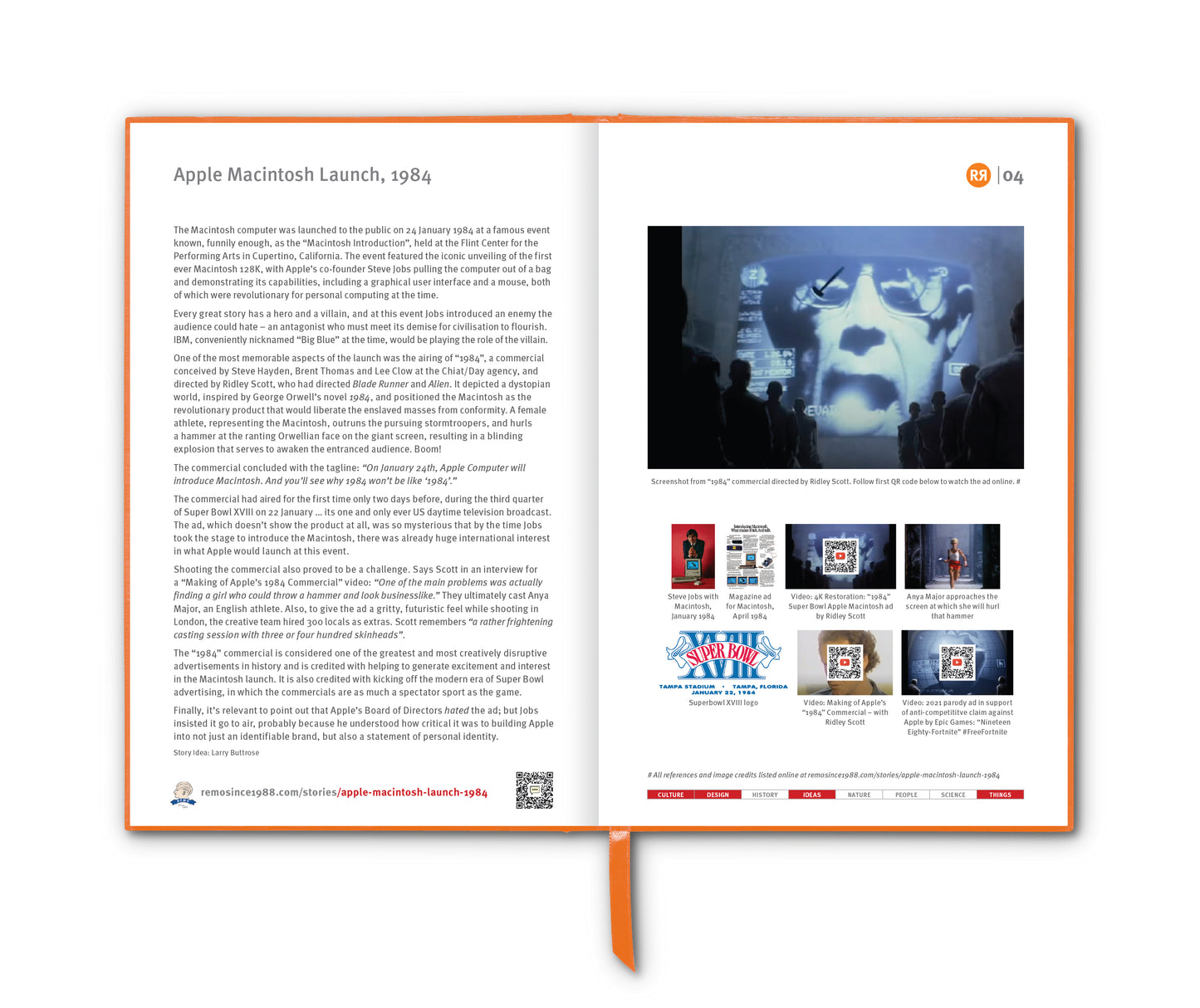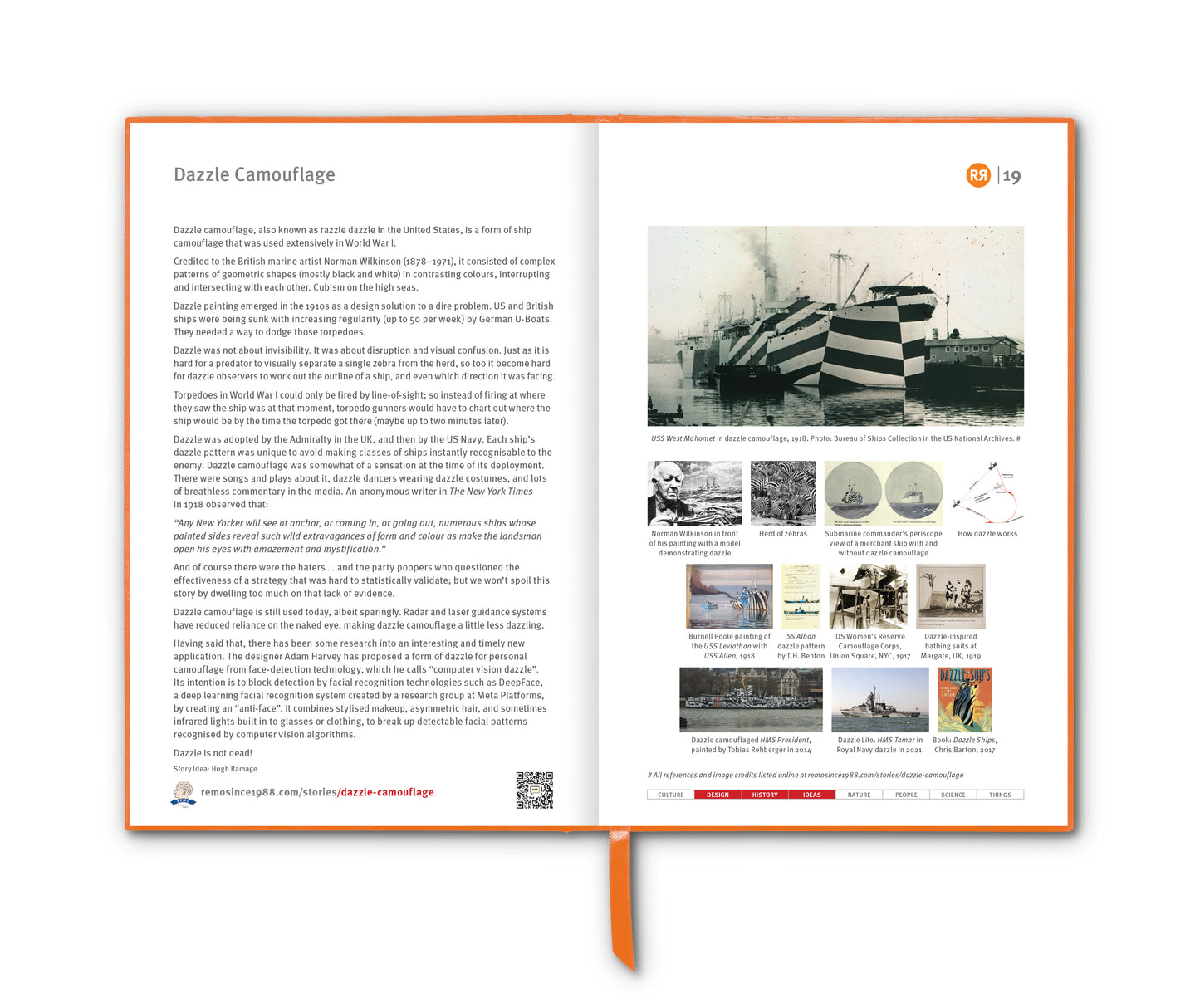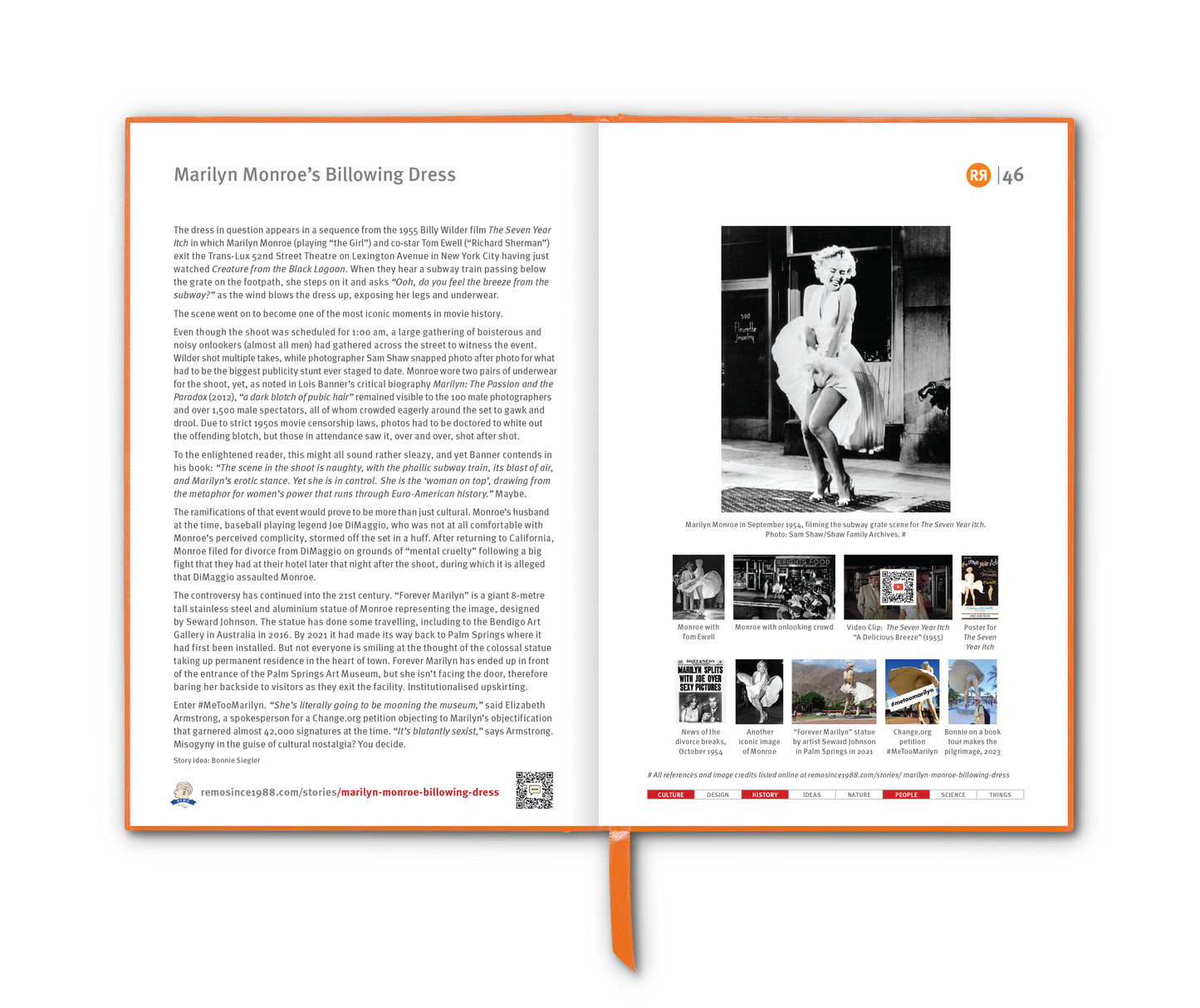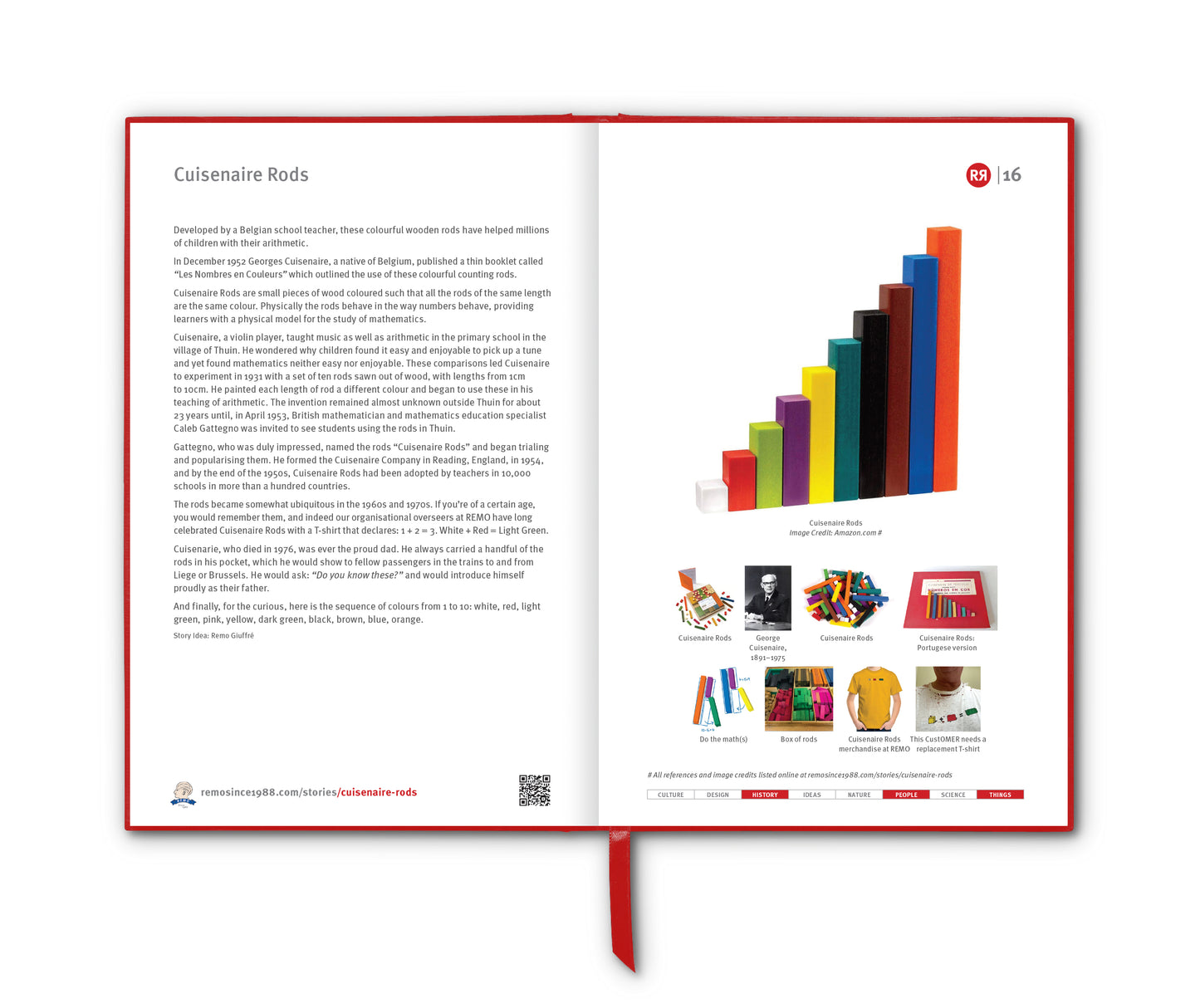

Put your hands together – and give this topic a big, warm REMORANDOM welcome!
Applause has not always meant clapping hands together – though that is the form most familiar to us today. Across history and cultures, expressions of approval have taken many shapes, often defined less by the hands themselves and more by the need to create a shared, visible or audible signal of collective feeling.
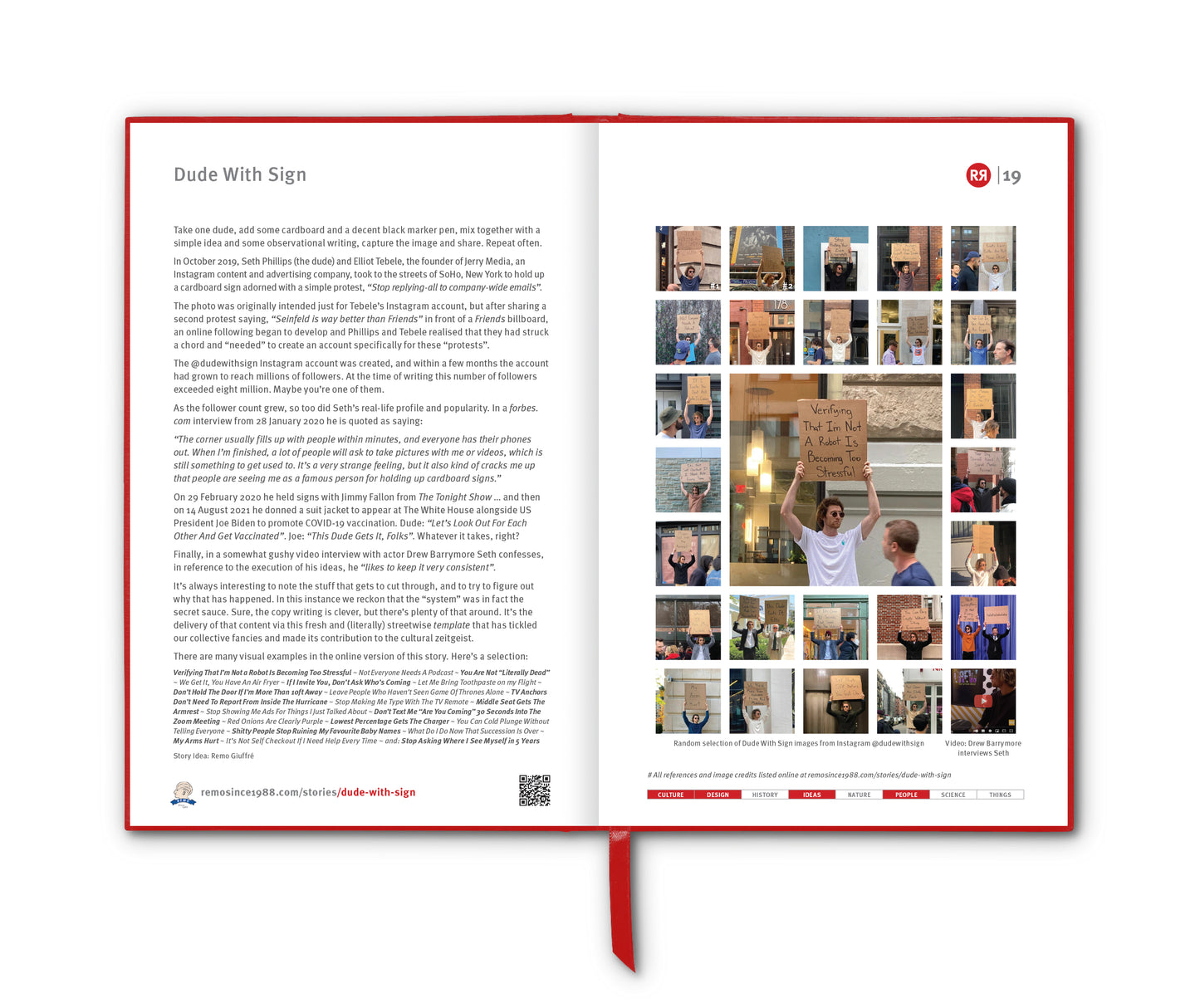
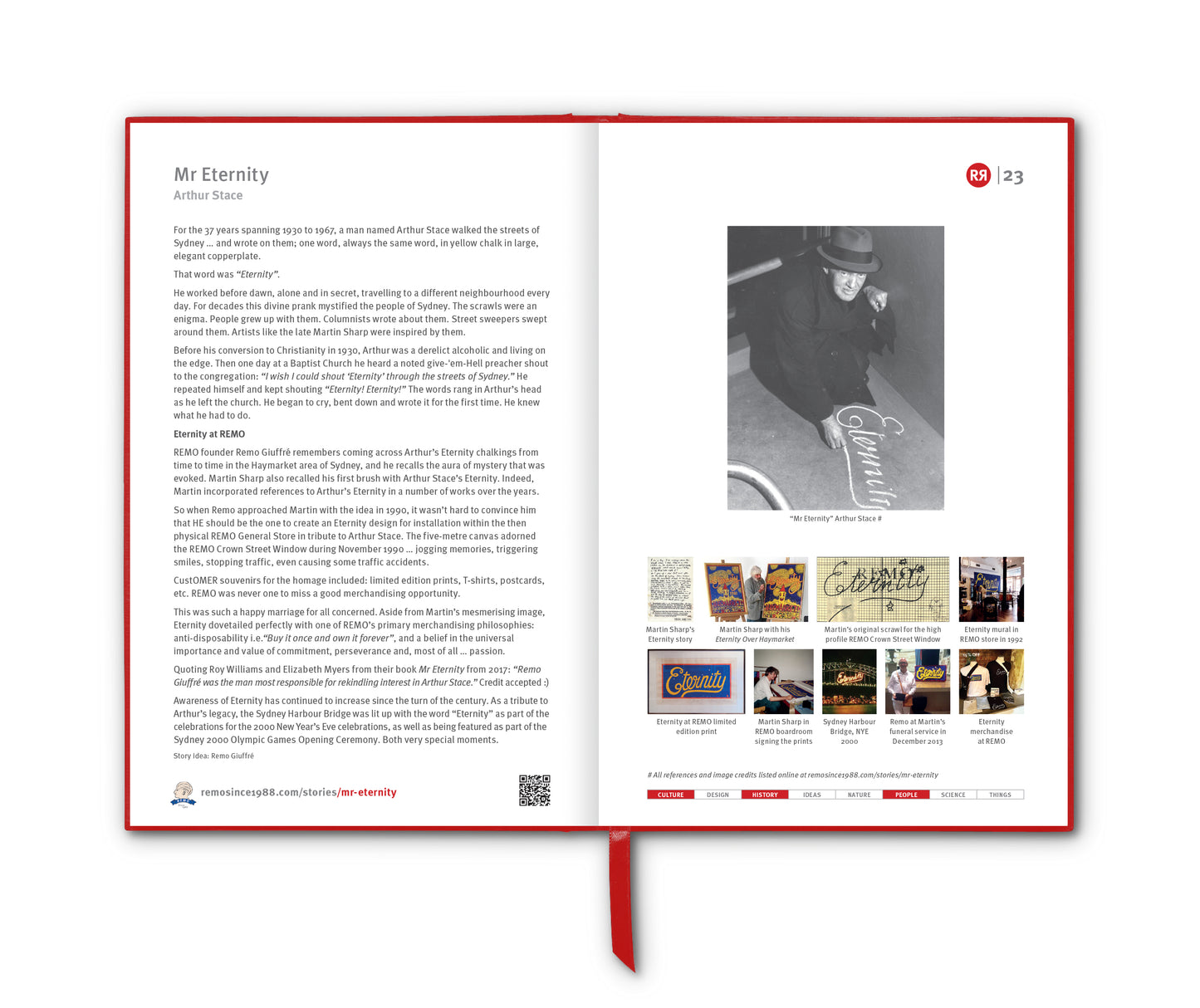
In Ancient Rome, applause was highly orchestrated. Audiences were known to snap their fingers, wave their togas in rippling motions, or shout rehearsed phrases, sometimes led by planted professionals – known as claqueurs – who guided the crowd’s response, an early form of audience engineering, and not dissimilar to the thinking underlying the 20th century development of the laugh track [RR6:44].
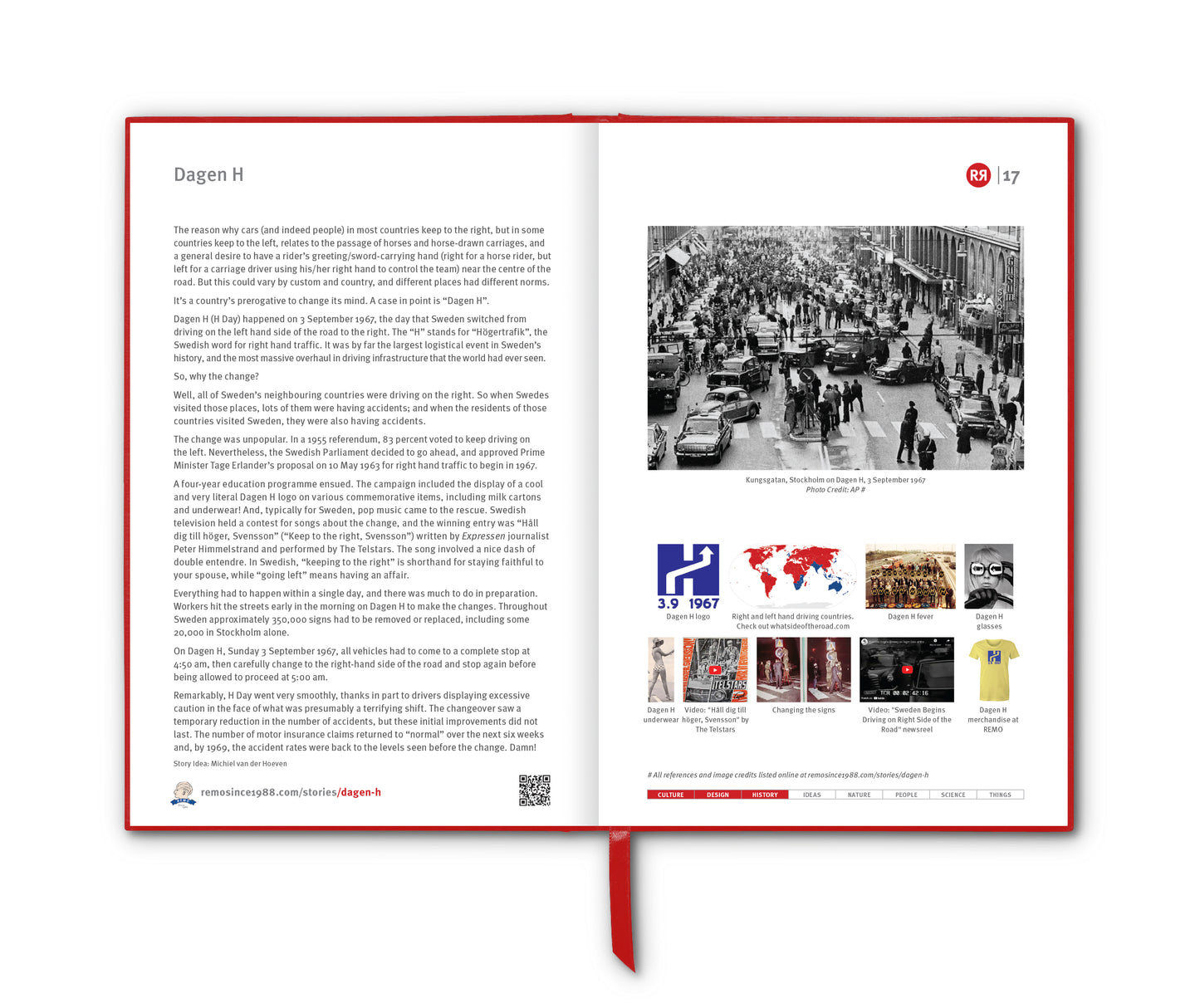
In Ancient Greece, approval could be louder and less formal – foot stamping, shouting and rhythmic noise blurred the line between praise and protest. Volume and synchrony mattered more than the specific gesture.
Over time, hand-clapping emerged as the most efficient and universal form – portable, immediate, and capable of building rhythm and intensity. Yet even within this familiar format, nuance abounds. The restrained “golf clap”, for instance, is deliberately soft and polite, a quiet ripple of appreciation rather than an eruption. At the other end of the spectrum lies the standing ovation, where applause is amplified by the body itself; rising to one’s feet [Ed: sometimes peer-pressured and with some reluctance] transforms approval into something more emphatic, almost ceremonial, signalling that what has just been witnessed exceeds the ordinary.
In her essay “A Brief History of Applause” in The Atlantic, staff writer Megan Barber describes clapping as the only available metric when “all we had was hands” … and that “It was big data before data got big”.
Beyond clapping, other expressive gestures carry similar meaning. Finger snapping is no longer limited to beret-wearing beatniks, and is increasingly being used as a quiet signal of agreement or appreciation in conferences, university auditoriums, poetry slams and even at dinner tables.
In many deaf communities, applause is visual rather than audible – hands raised and waved in the air, creating a shimmering field of approval aka “jazz hands” or “spirit fingers”. The Shaka sign [RR4:68] – thumb and little finger extended – originating in Hawaii, conveys a relaxed, affirmative “all good” or “right on” – a kind of silent, everyday applause that travels easily across cultures. Elsewhere, people knock on tables, whistle, ululate [RR4:78] or use rhythmic noise to signal approval. In German-speaking countries it is customary for university students to rap their knuckles on the desks after each lecture. Who knew?
Finally, accompanying rise of social media in the early part of this 21st century, the emergence of tweets, posts and likes has become a kind of ersatz applause, and has signalled a return to less siloed and more collective media-consumption experience. We’re only just beginning to see how this new kind of applause will shape our culture.
Postscript
In some countries, airplane passengers will often applaud the landing upon completion of a flight and when they have felt the plane's wheels touch down and have run a short but satisfactory course down the runway. The Wikipedia listing for applause feels that “the purpose of this custom is unclear” – but we reckon that, given the alternative, any safe landing in a plane is indeed worthy of thunderous approval.
_________________________
References
wikipedia.org/wiki/Applause
wikipedia.org/wiki/Claque
studentedge.org/article/a-uk-uni-has-discouraged-clapping-supports-spirit-fingers-instead
nytimes.com/2015/11/22/fashion/snapping-new-clapping
theatlantic.com/technology/archive/2013/03/a-brief-history-of-applause-the-big-data-of-the-ancient-world
medium.com/s/a-brief-history-of-attention/wild-applause-how-the-twentieth-century-tamed-the-audience
Images
1. Applause clap. Photo credit: Emily Tan
2. Hands clapping
3. The Dionysus Theatre in Greece, from a German encyclopedia, 1891 (Wikimedia Commons)
4. Le claqueur by Honoré Daumier, 1842
5. Finger snapping
6. Shaka sign [RR4:68]
7. Video: "Why Do We Clap?" Michael Stevens (Vsauce), 2023
8. Tom Thum in the Concert Hall of the Sydney Opera House, TEDxSydney 2013 – the most watched TEDx talk of all time. Photo credit: David Clare
9. "The Clapper" Clap-activated on/off switch