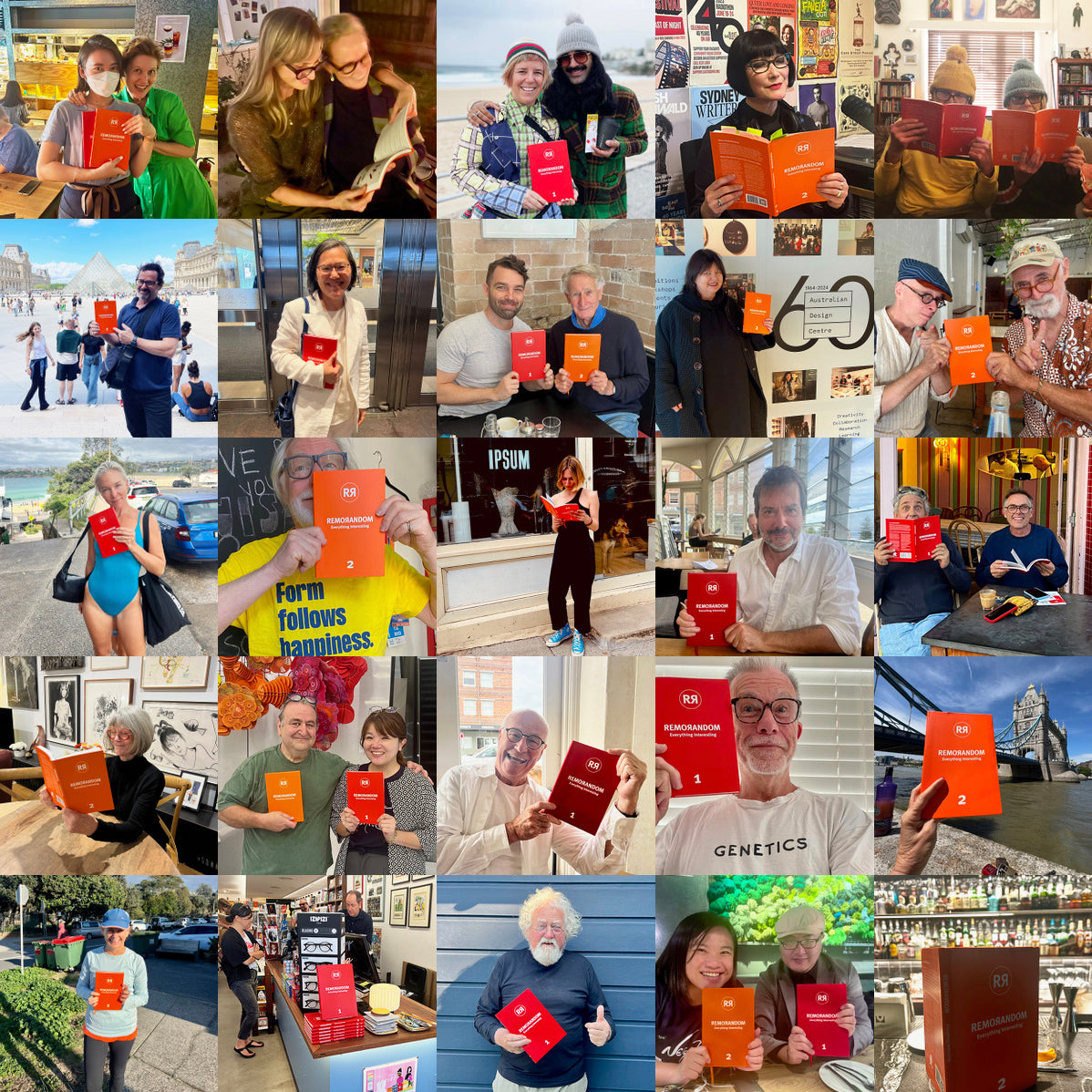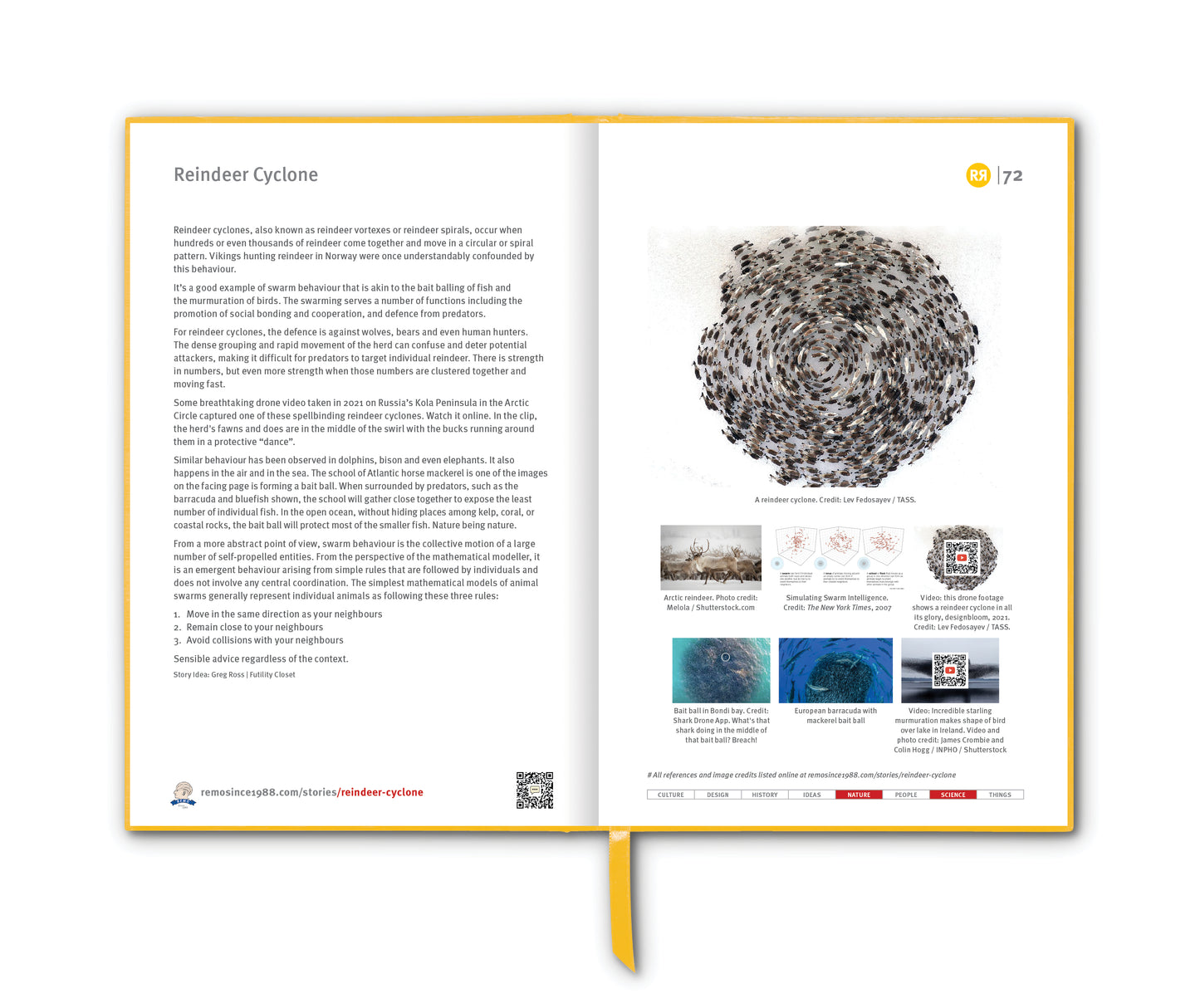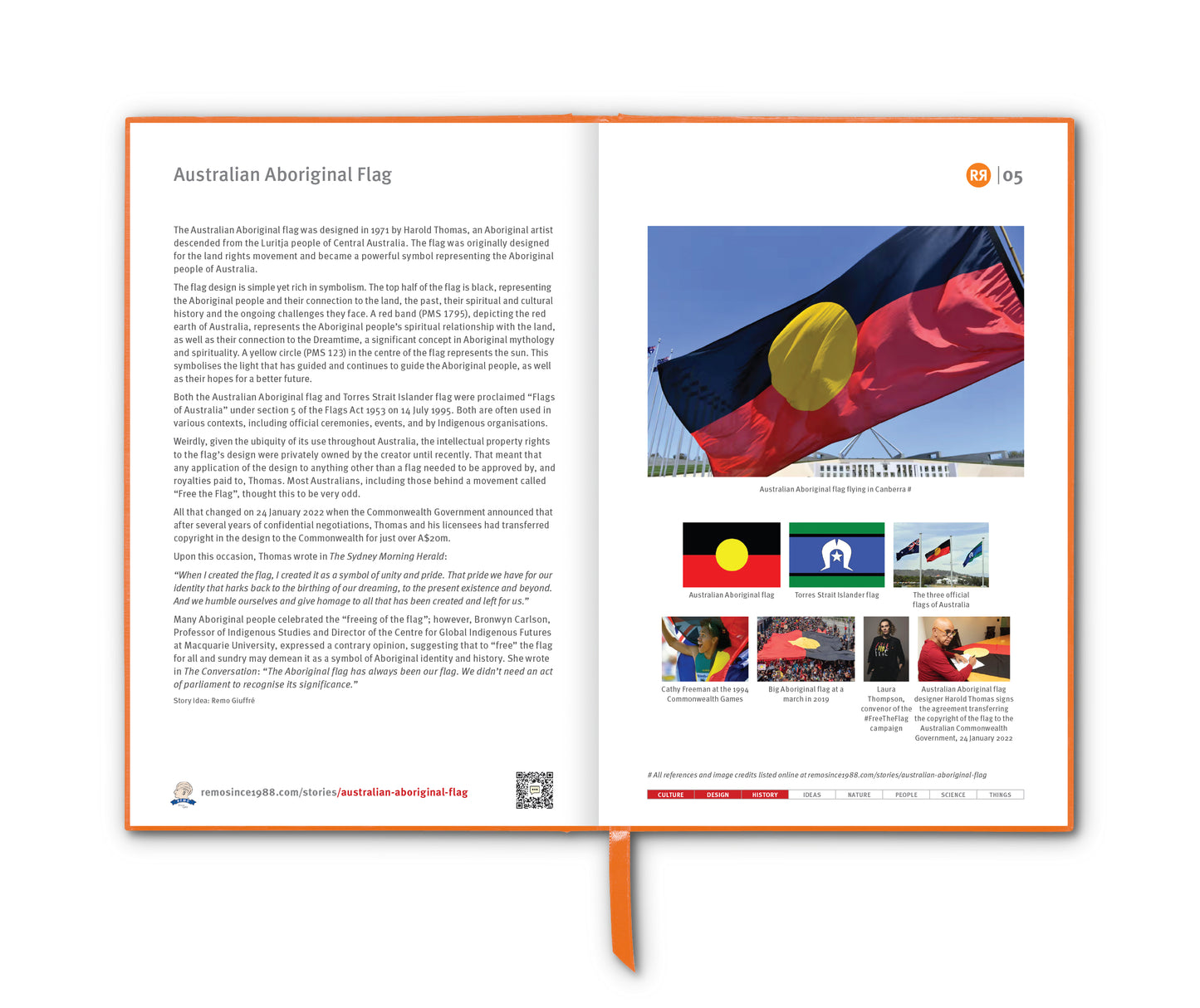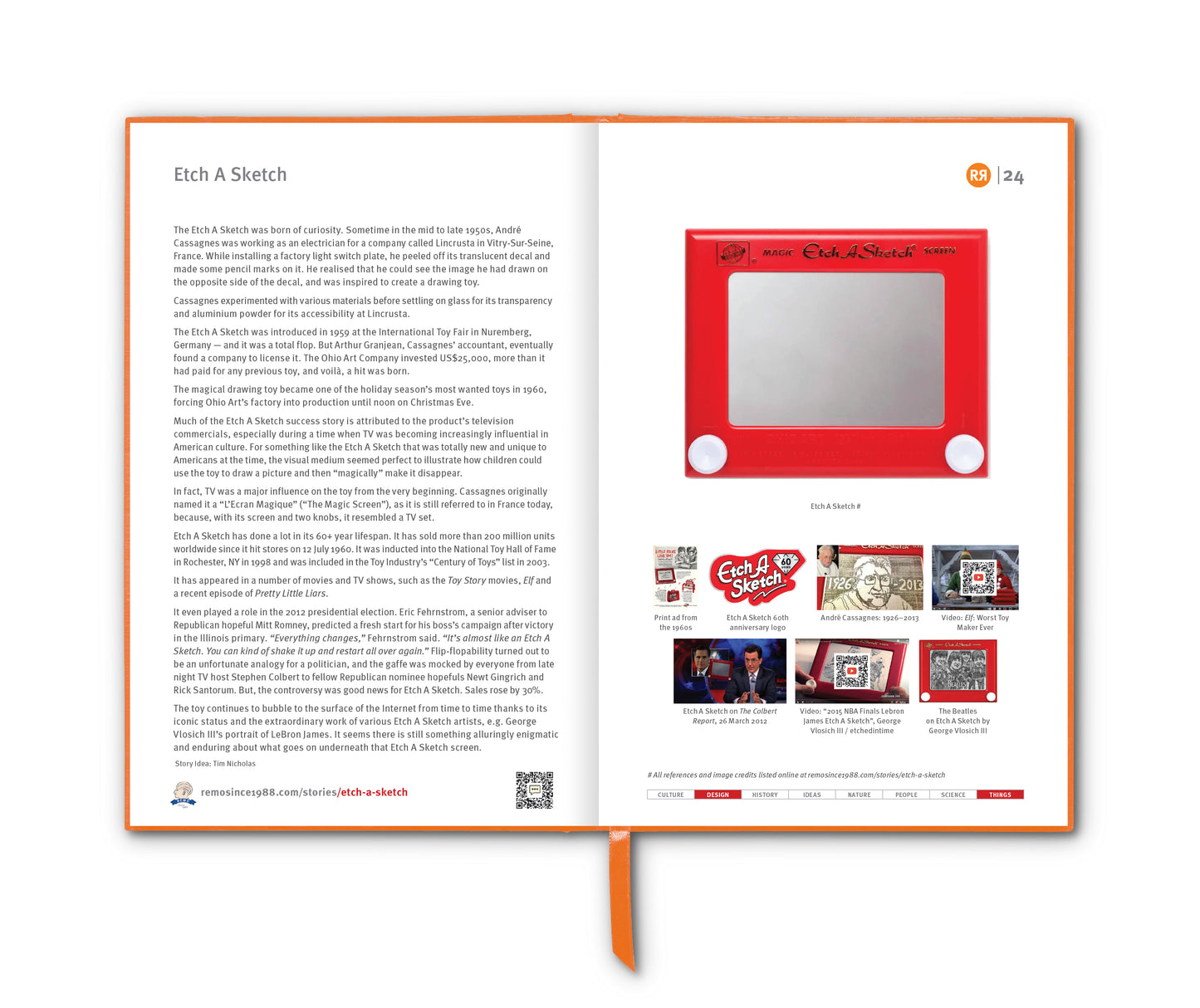

Despite their many virtues, bananas are often taken for granted.
Botanically, bananas belong to the genus Musa, originating in Southeast Asia and Papua New Guinea, where they were first domesticated more than 7,000 years ago. Early bananas were not the soft, sweet fruit we know today but were filled with hard seeds. Through centuries of cultivation and hybridisation, humans selected for seedless varieties, resulting in the creamy, easy-to-eat fruit that would later conquer global markets – and lunch boxes.
The banana’s journey westward followed ancient trade routes, reaching India, the Middle East and eventually Africa. By the 15th century, Portuguese explorers carried bananas to the Canary Islands and then to the Caribbean and Central America. There, the fruit found an ideal climate – and a complicated future.
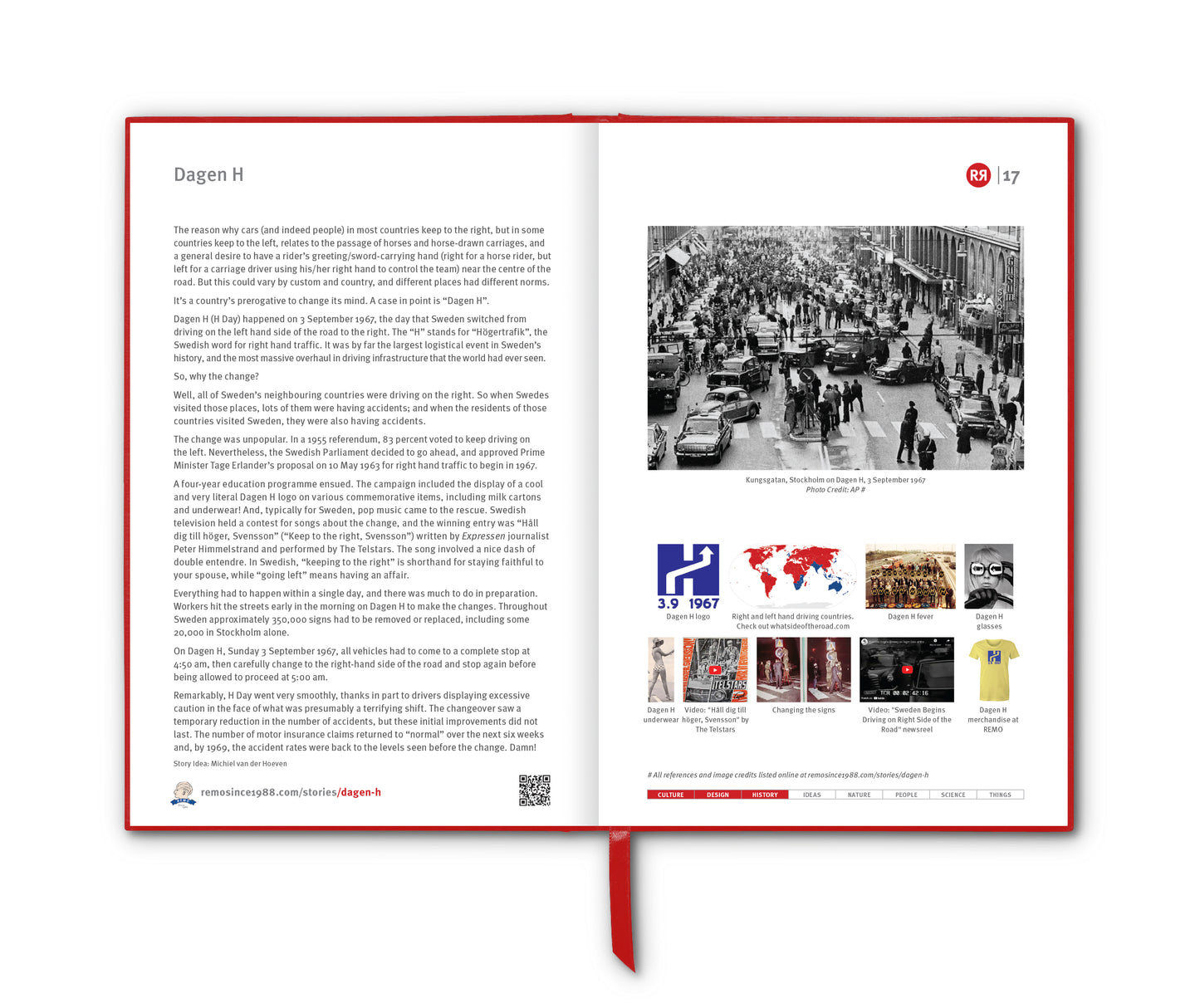
In the 19th century, bananas were rare and expensive curiosities. Early shipments to the United States often spoiled before arrival, and bananas there were once sold individually, at extravagant prices. People were fascinated by them, due in part to Jules Verne writing about them in his popular 1867 novel In Search of the Castaways: “For the last time they rested under the shade of banana trees. Their fruit is as hearty as bread and as delicious as sweet cream. Travelers highly valued them.”
By the late 19th and early 20th centuries, thanks to refrigerated shipping and industrial-scale cultivation, bananas had become a cornerstone of international trade, driven by powerful companies such as United Fruit Company. These vertically-integrated corporations built vast plantations and transport networks, but their influence over local economies and governments gave rise to the term “banana republic” (first coined in 1901) – a reminder that the fruit’s sweet ubiquity has often masked a more troubling political history of colonial dependence and ruthlessness.
For much of the 20th century, the global banana industry relied almost entirely on a single variety: the Gros Michel. It was robust, transport-friendly, and delicious – until it wasn’t. A soil-borne fungus known as Panama disease devastated plantations in the 1950s, wiping out Gros Michel and forcing a global shift to the Cavendish variety, which dominates supermarket shelves today. Yet history threatens to repeat itself, as new strains of the disease now endanger Cavendish crops, raising urgent questions about agricultural diversity and sustainability.
Despite their global dominance, bananas remain biologically precarious. The very qualities that make them commercially viable – uniformity and seedlessness – also make them vulnerable. Each Cavendish banana is essentially a genetic clone, meaning a single disease can sweep through plantations with devastating efficiency.
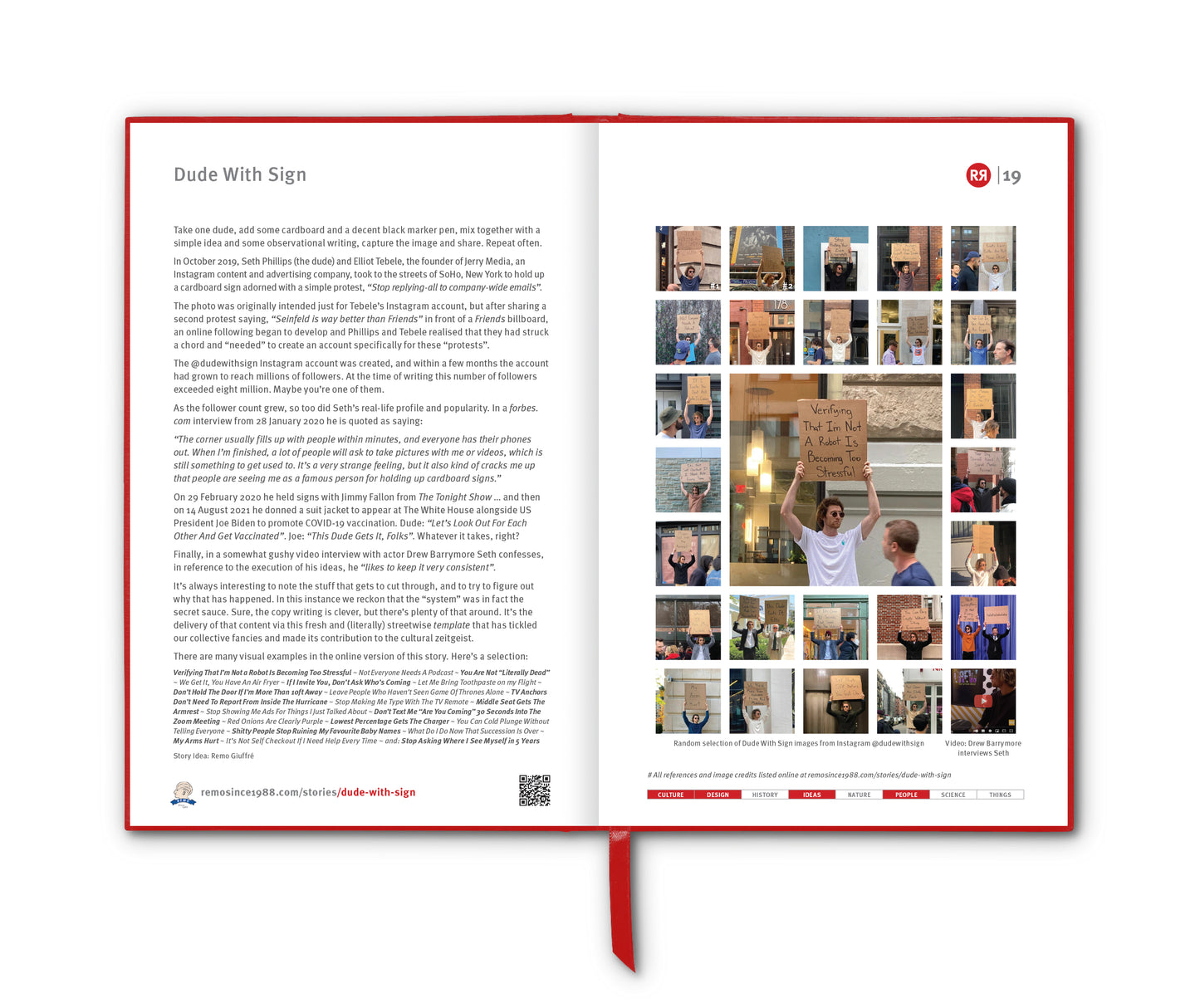
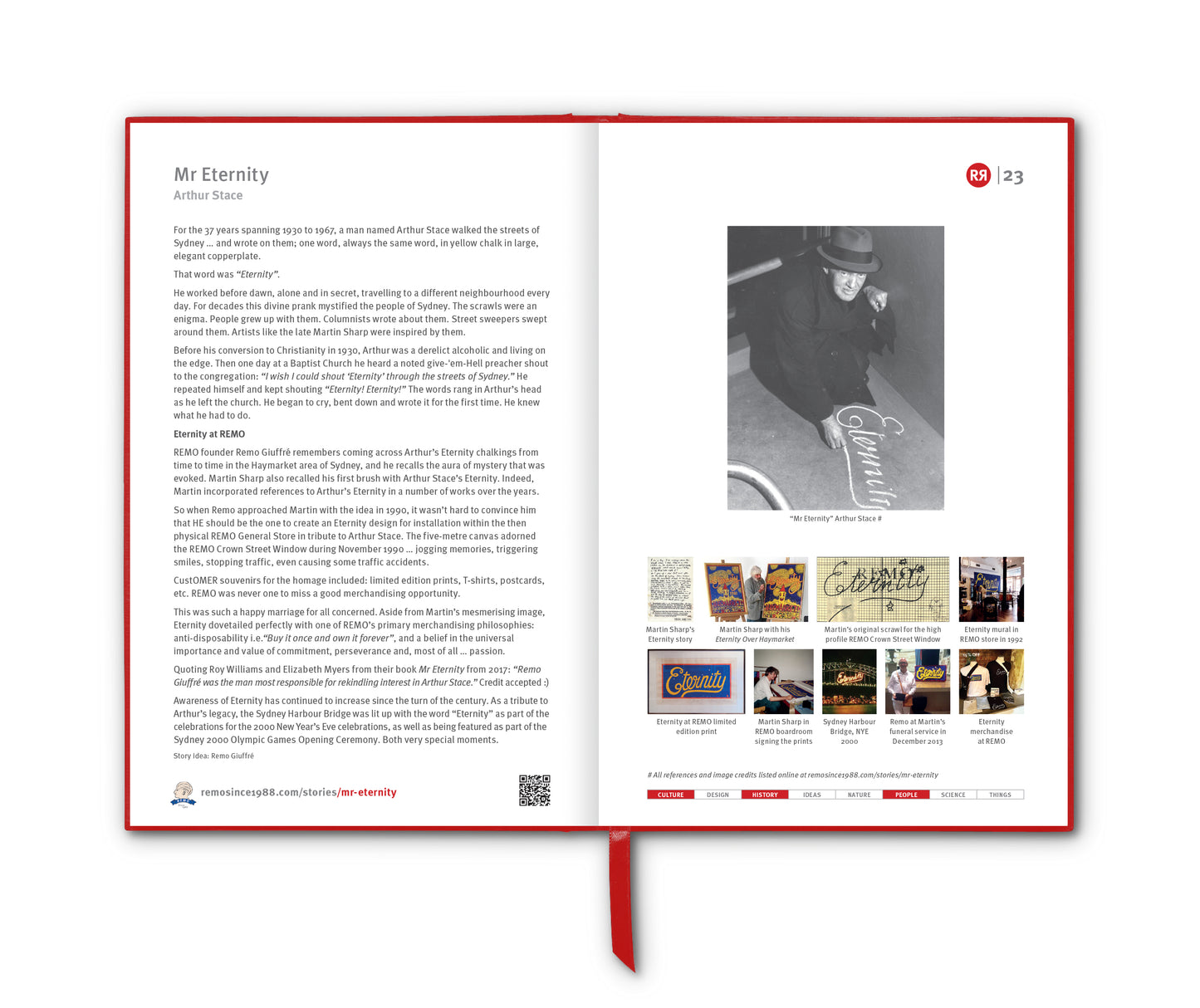
Bananas have also inspired cultural fascination. Their shape, colour and ubiquity have made them a recurring motif in art, comedy and literature, e.g. silent-film banana-skin slapstick, Carmen Miranda’s head dress, The Velvet Underground’s iconic album cover (designed by Andy Warhol), Stefan Sagmeister’s 2008 mural “Self-confidence produces fine results" in bananas of varying ripeness and Maurizio Cattelan’s 2019 artwork Comedian [RR:] which was literally a banana duct-taped to a gallery wall.
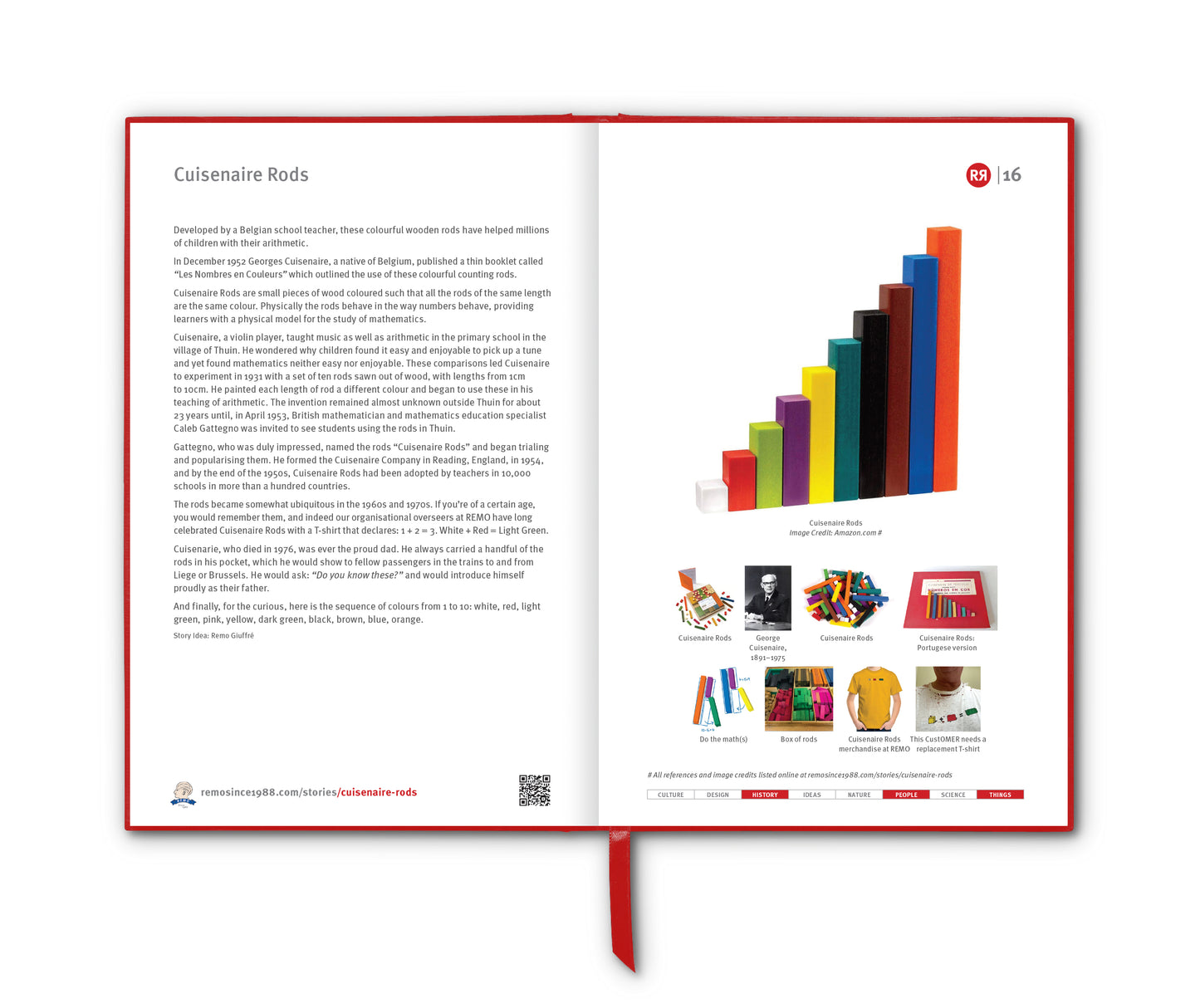
Nutritionally, bananas are quietly impressive. Rich in potassium, vitamin B6 and natural sugars, they provide quick energy and have long been favoured by athletes and time-poor workers. Their convenience – nature’s own biodegradable packaging – makes them one of the world’s most consumed fruits. More than 100 billion bananas are consumed globally every year. That’s almost 200,000 bananas in each and every minute.
___________________
References
https://en.wikipedia.org/wiki/Banana
https://www.britannica.com/plant/banana-plant
https://theconversation.com/the-day-bananas-made-their-british-debut-94742
https://www.newyorker.com/magazine/1973/10/01/the-humblest-fruit
Images
1. 1829 botanical illustration of a banana tree, from a 19th-century French medical publication. Author(s): Jean Théodore Descourtilz (1798–1855) and Amédée Pérée (1799–1823). Banana photo by Mike Dorner on Unsplash
2. Cavendish bananas dominate the world market.
Photo credit: Steve Hopson
3. Fruits of wild-type bananas have numerous large, hard seeds.
4. Migrant workers on a Costa Rican Banana plantation circa 1905. Courtesy: Tulane University
5. Banana tree showing fruit and inflorescence. Photo credit: Daniela Kloth
6. Banana varieties
7. Carmen Miranda in The Gang's All Here (1943)
8. Velvet Underground and Nico, 1967. Cover art by Andy Warhol.
9. Big Banana, Coffs Harbour NSW [RR3:09]
10. Banana Wall by Stefan Sagmeister [RR5:71], SoHo NY, 2008
11. Comedian by Maurizio Cattelan, 2019. See: [RR4:14]
12. Referencing "Day-O (The Banana Boat Song)", Harry Belafonte, 1956