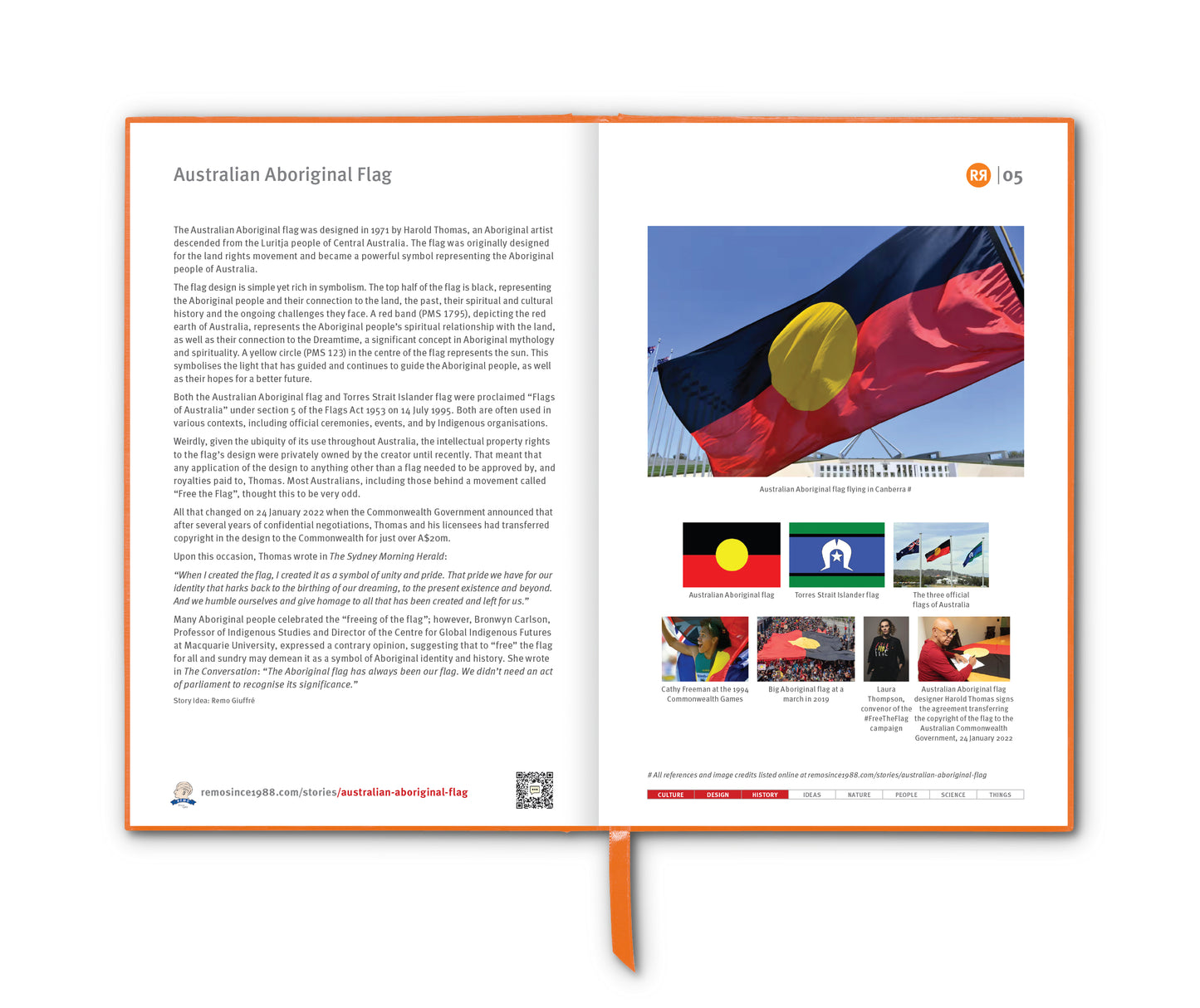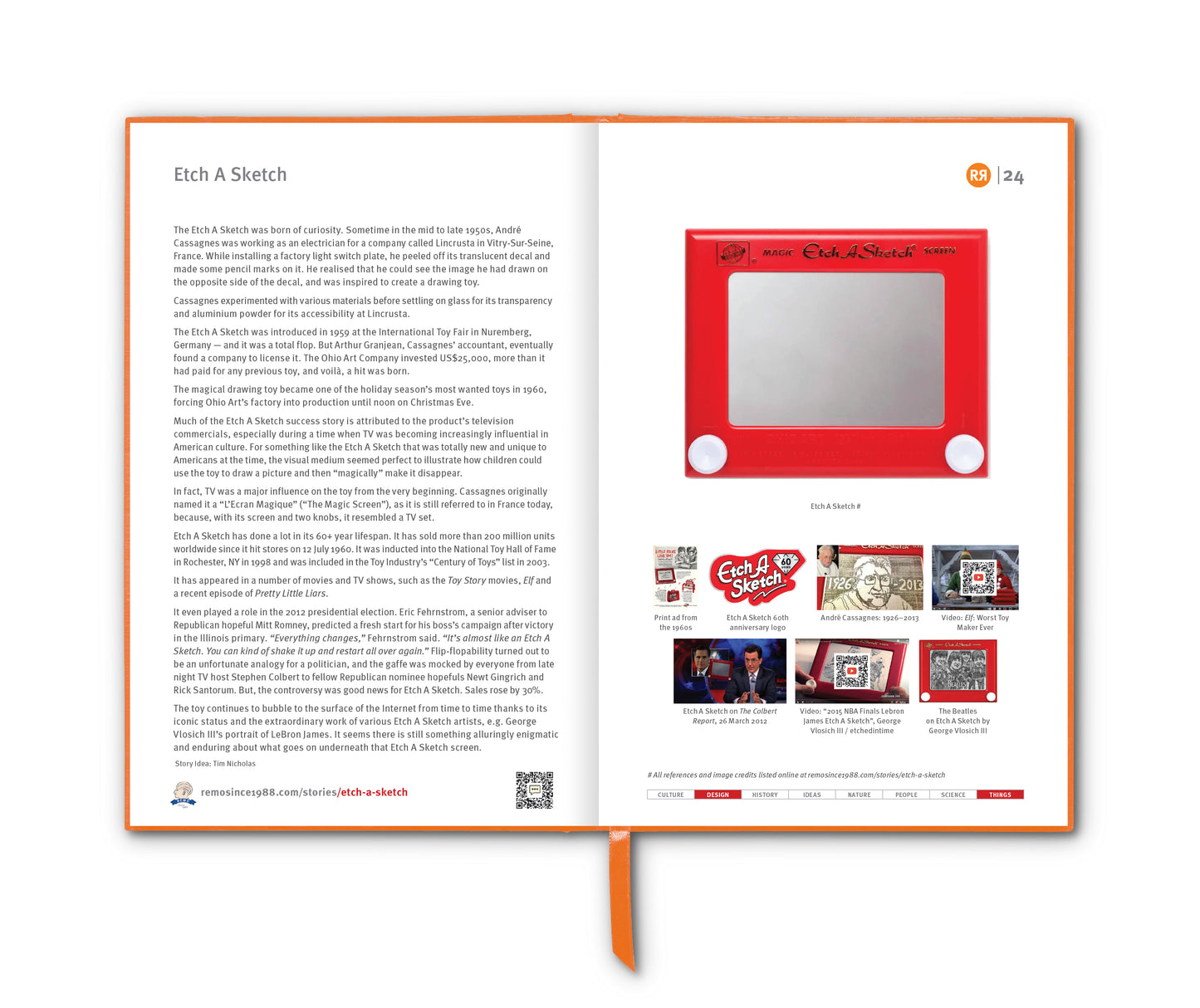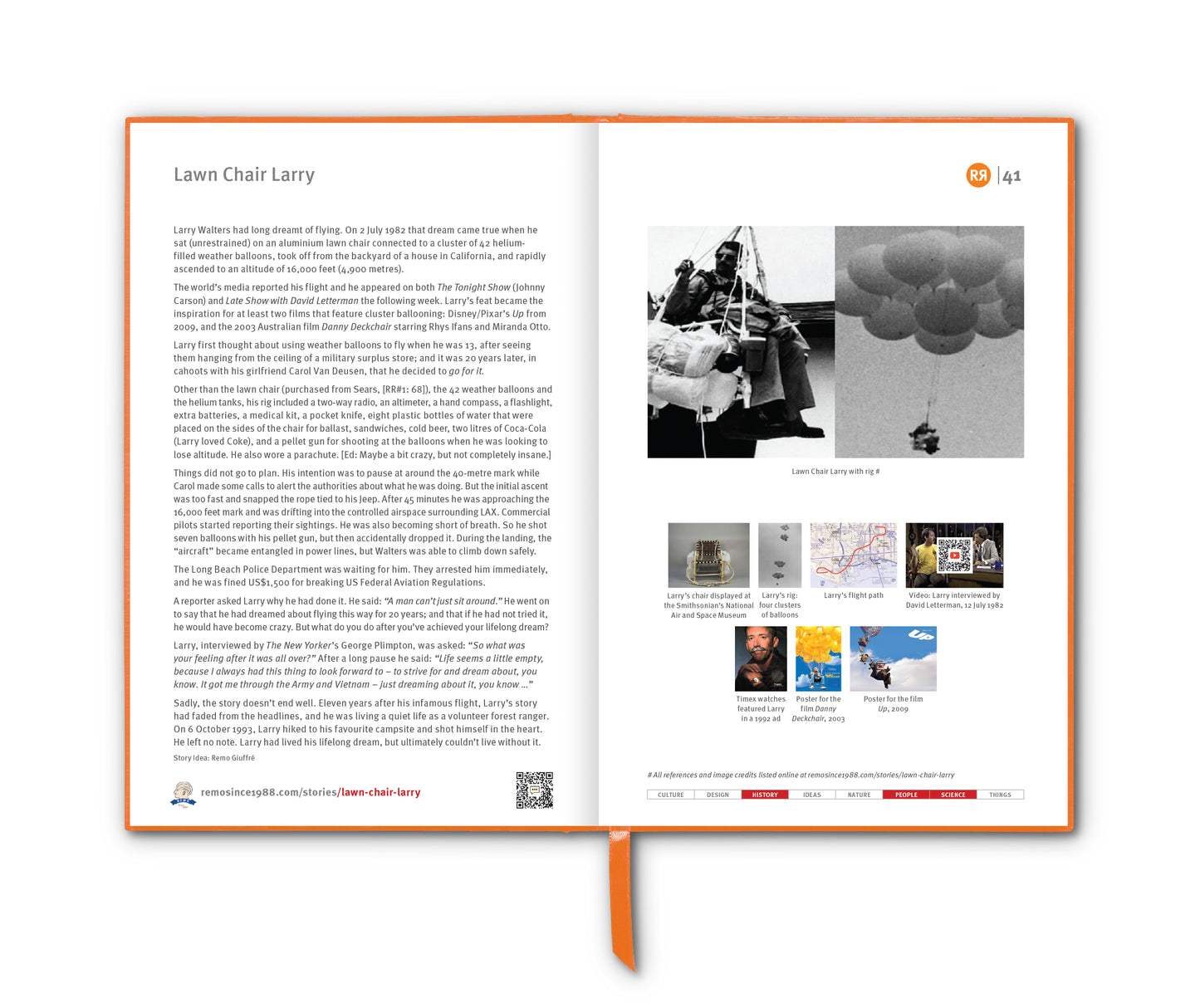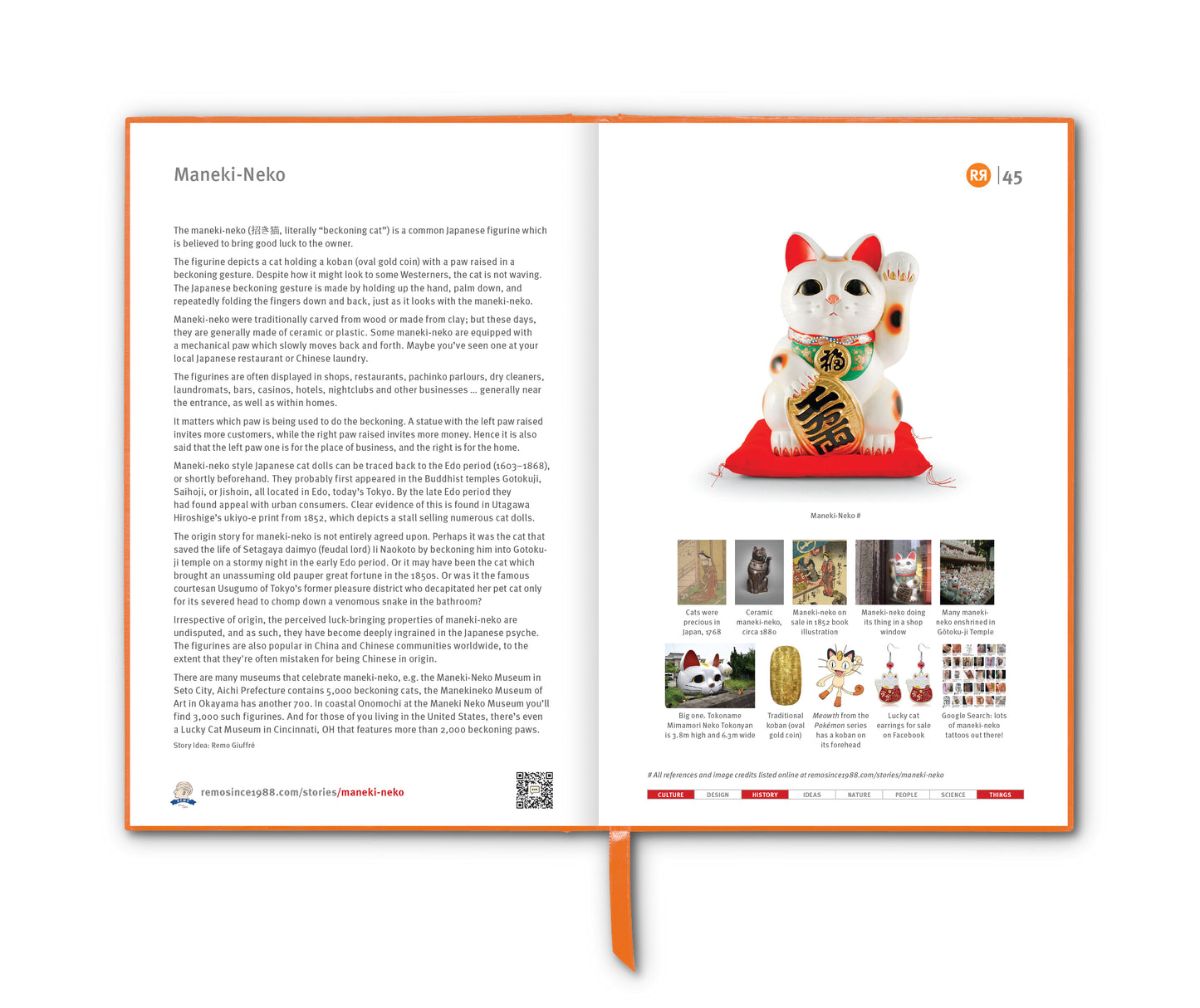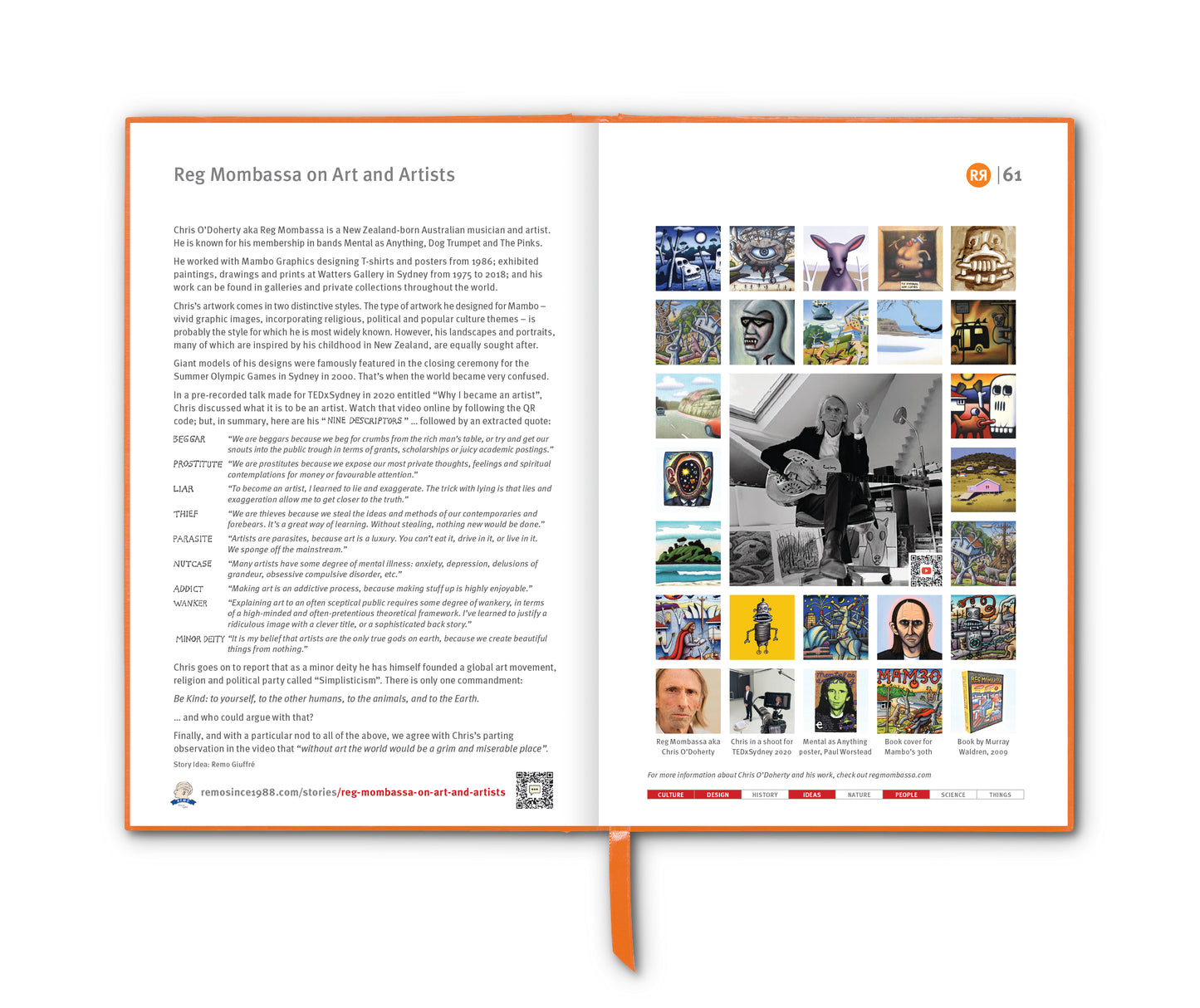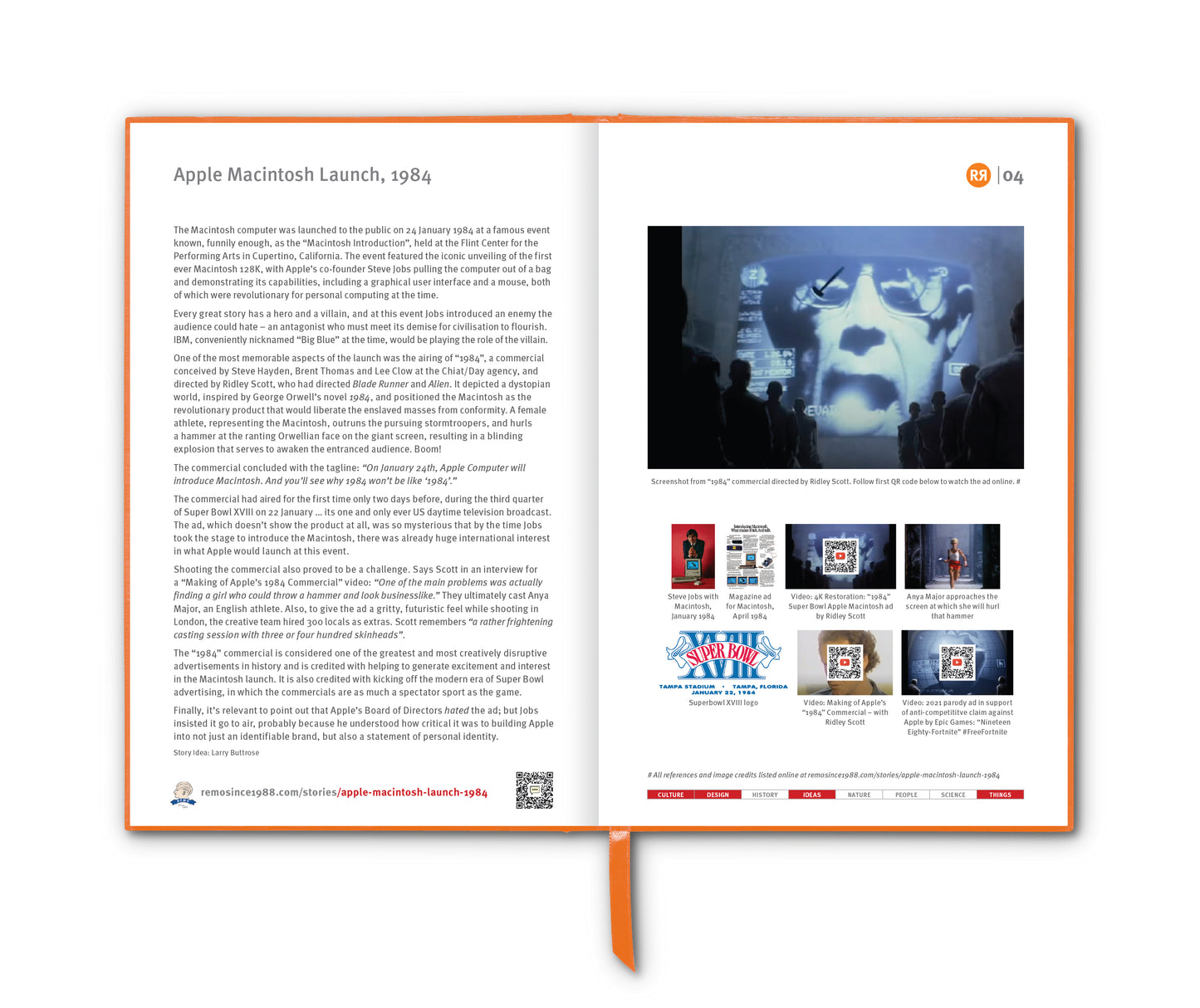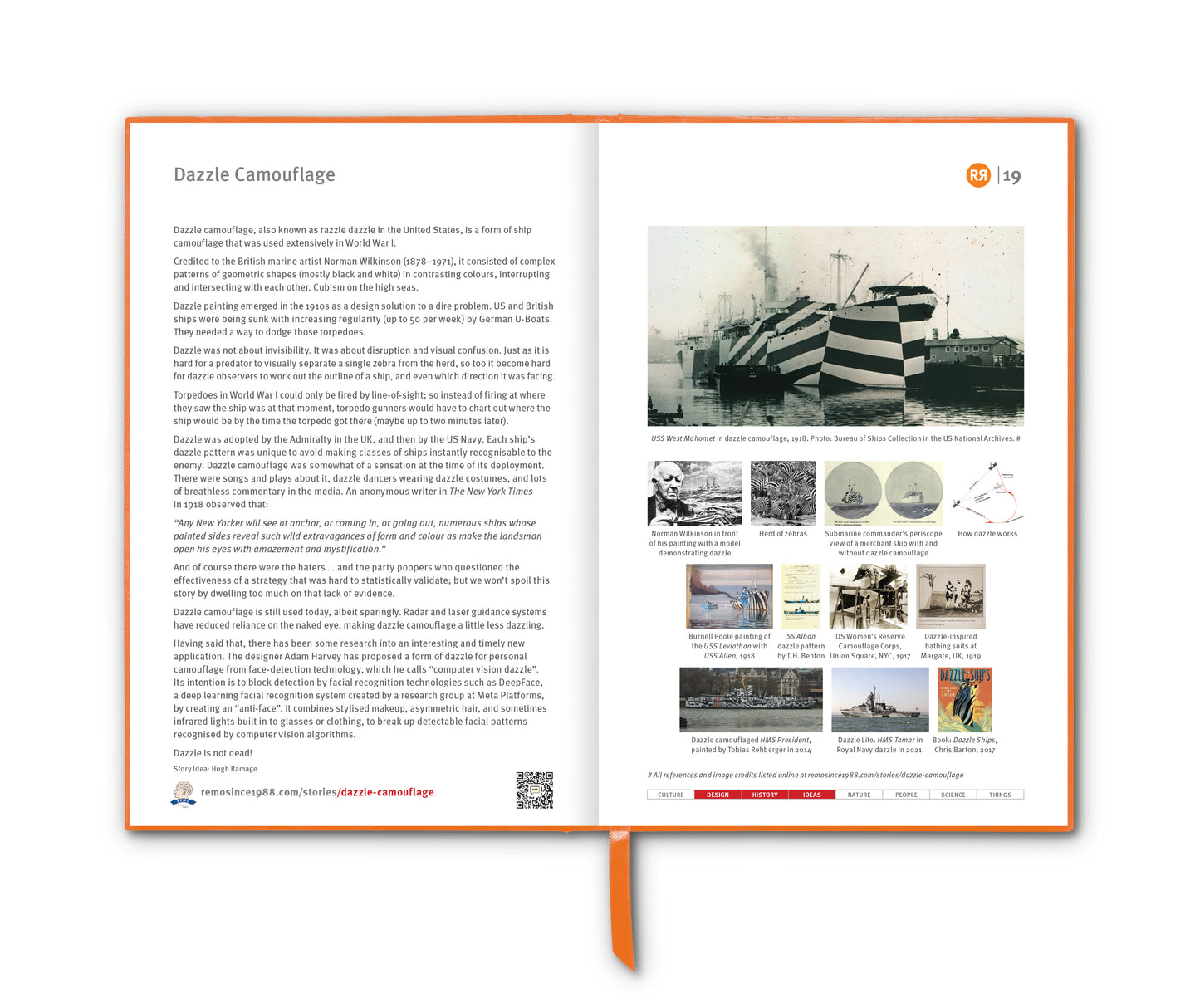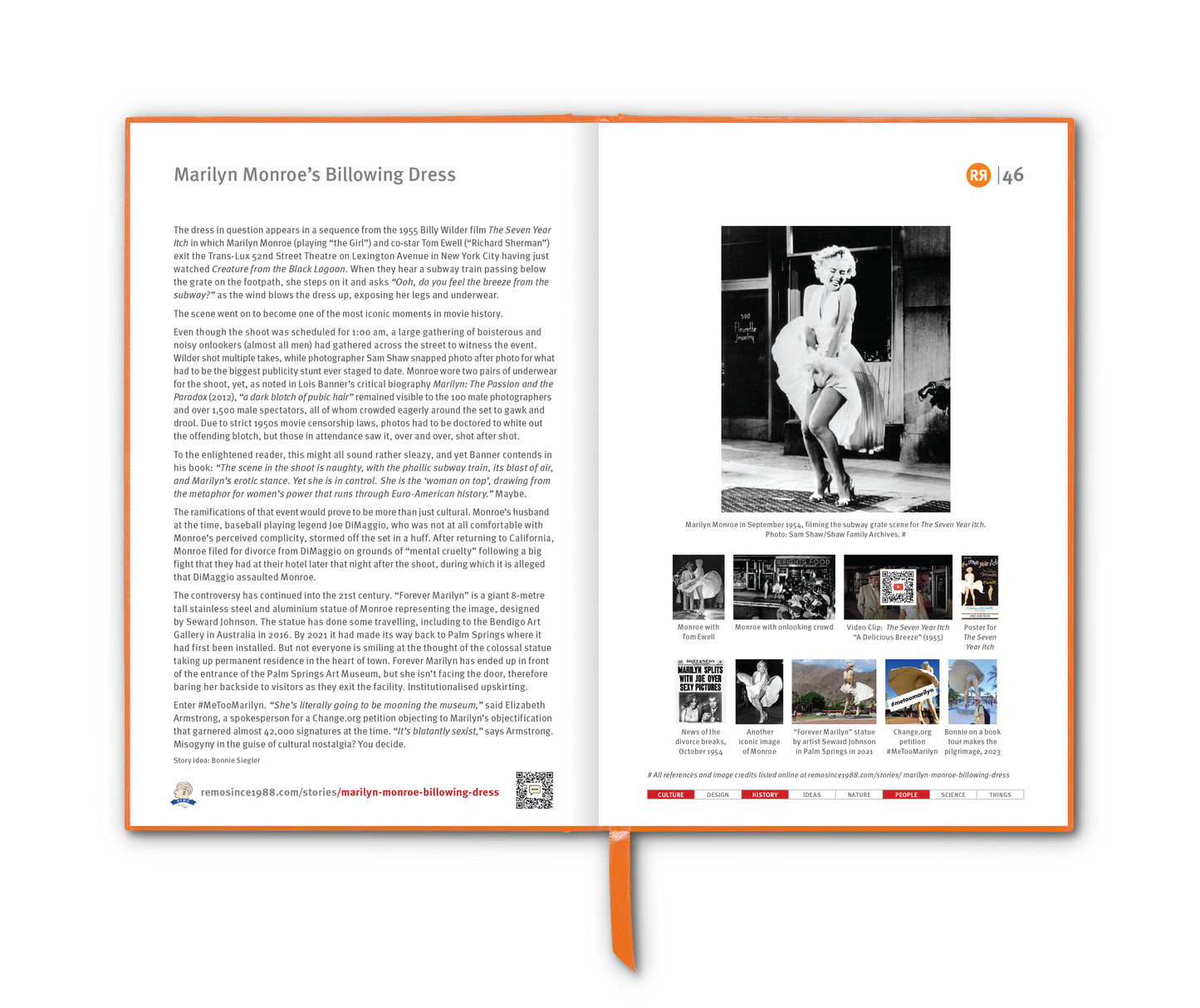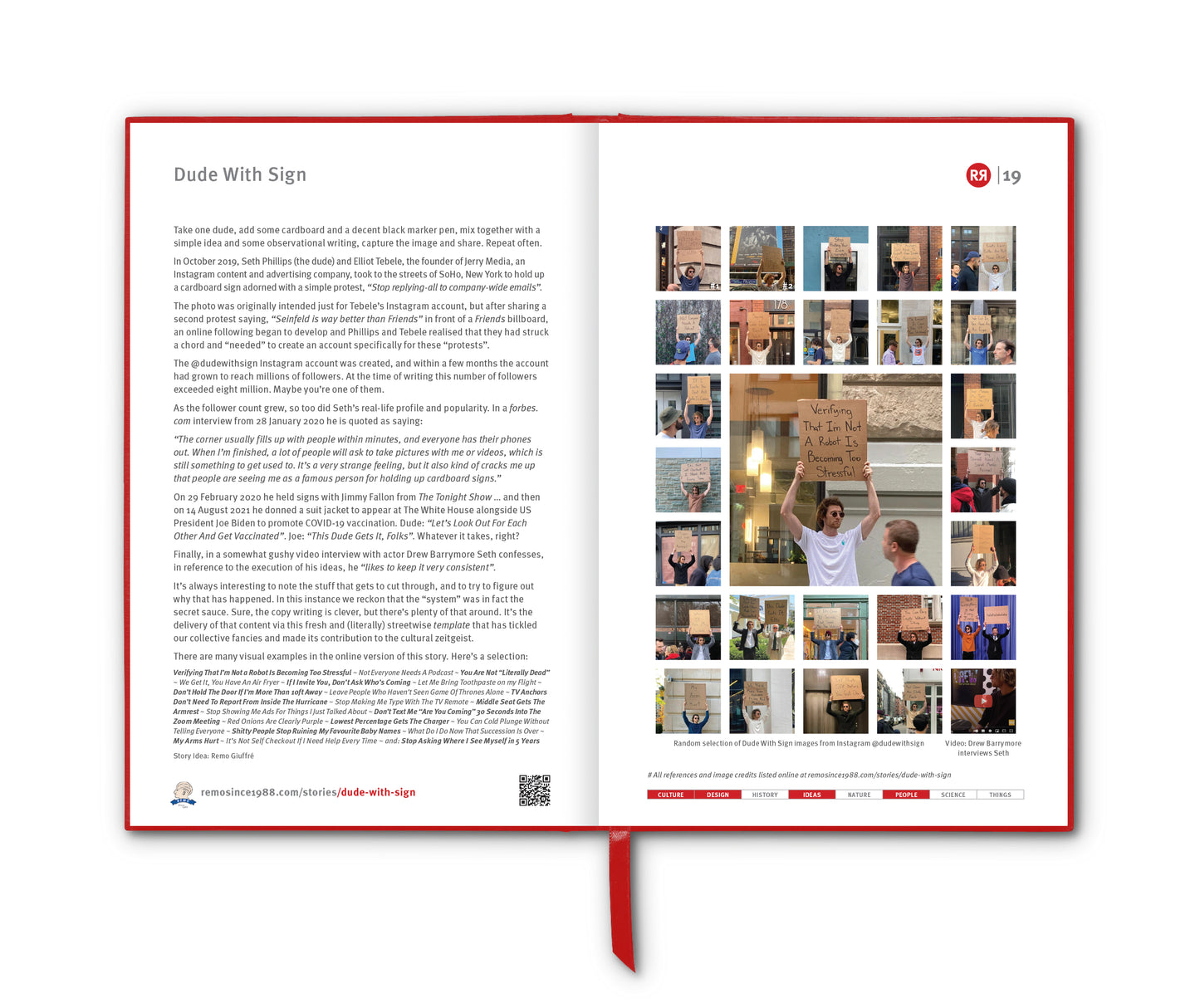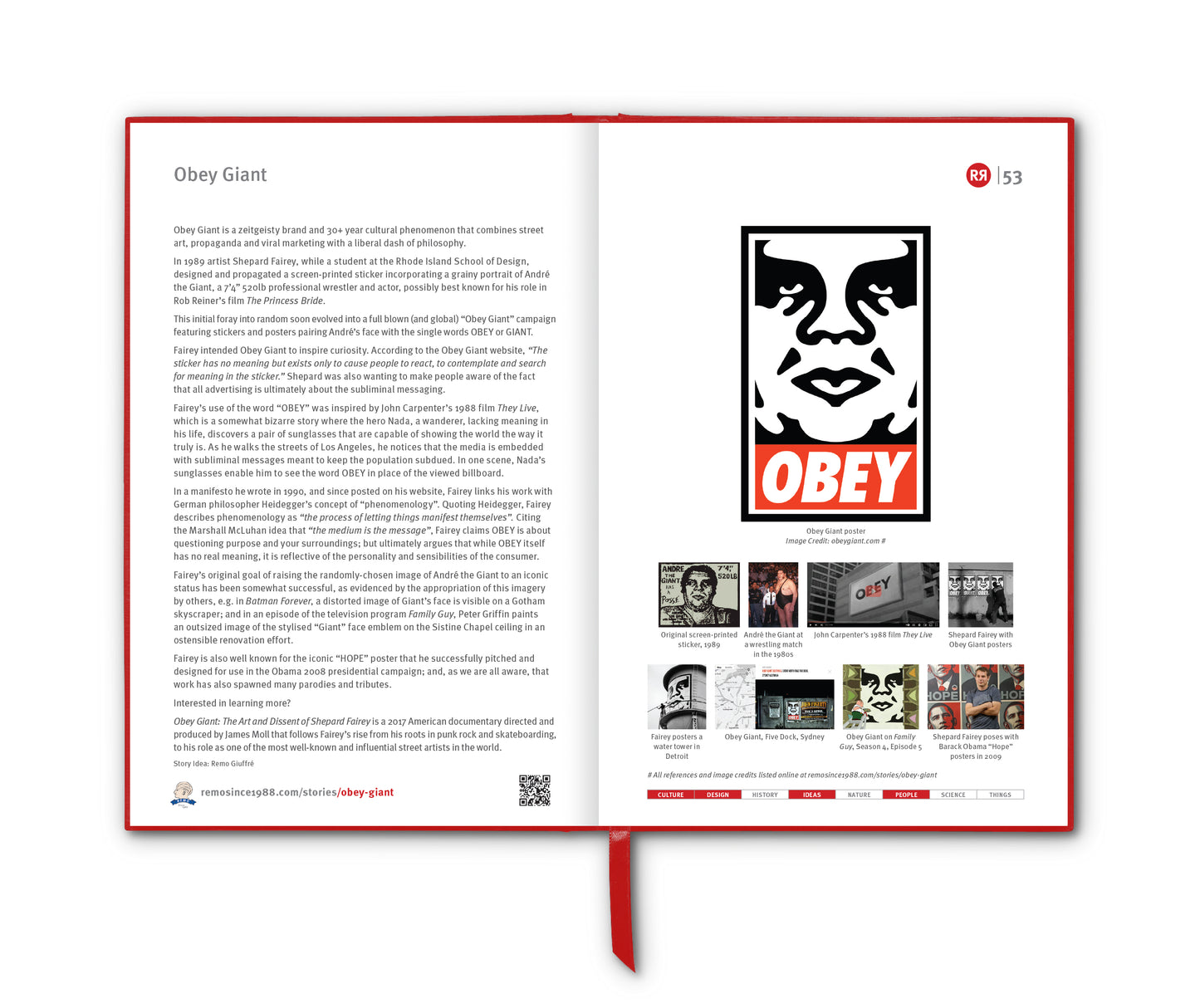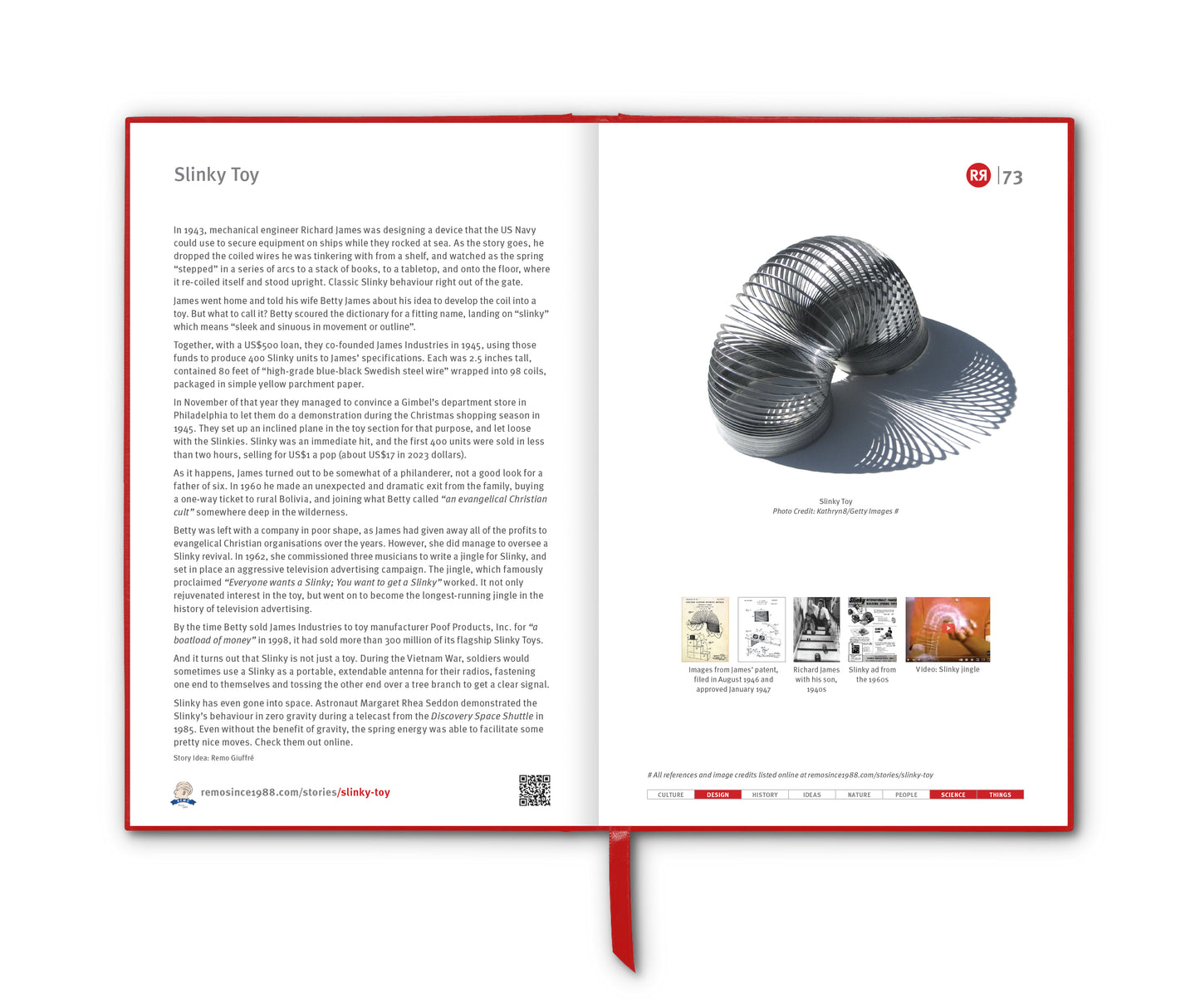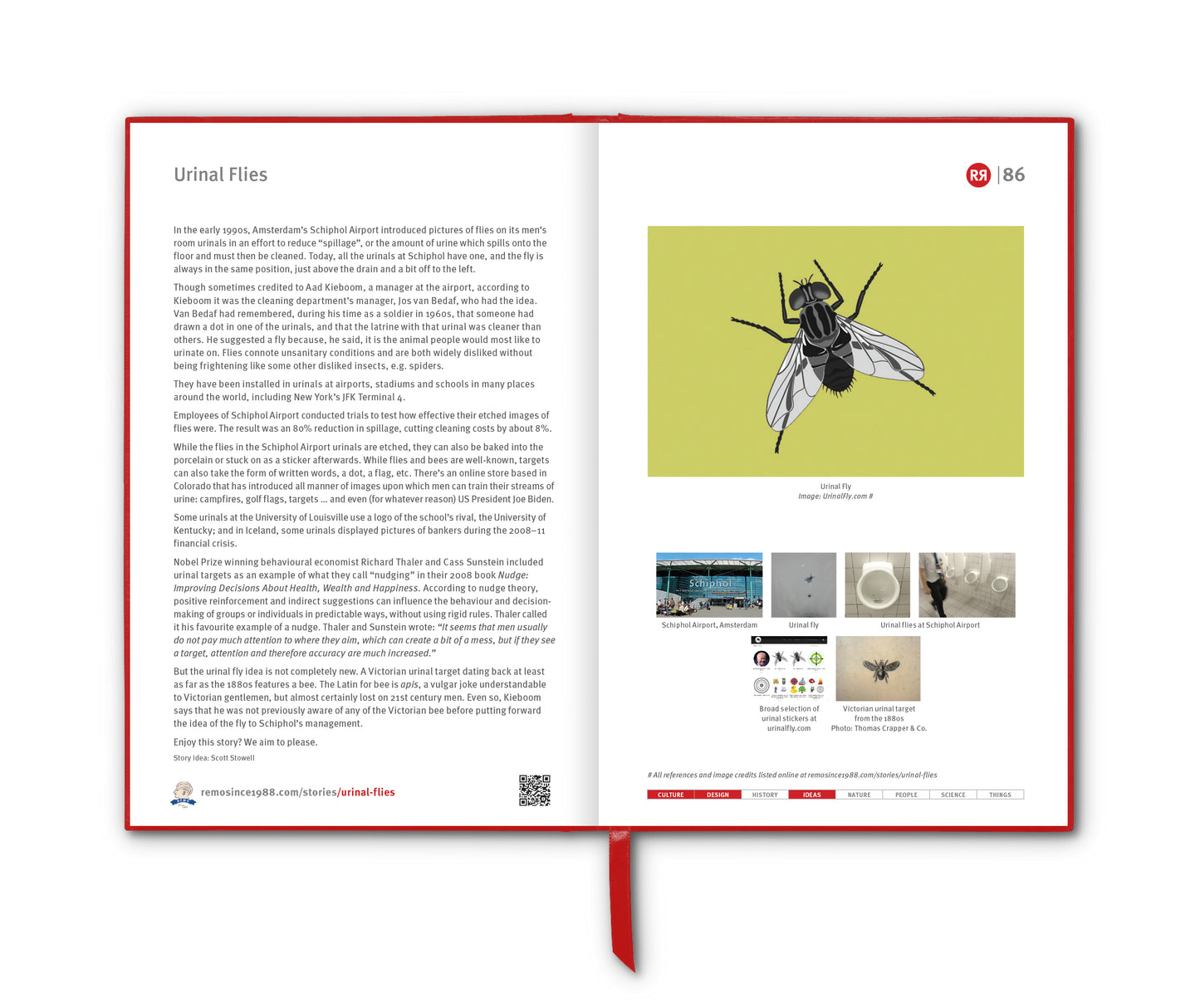

Cannibalism, broadly defined, is the act of consuming one’s own species. It is far from rare in the natural world. Many animals – from insects to mammals – engage in cannibalistic behaviour under certain conditions. Female praying mantises are infamous for consuming their mates; some fish eat their own offspring; even rodents will turn on one another when resources are scarce. In ecological terms, cannibalism can serve as a brutal but effective population control mechanism, a response to environmental stress, or simply an opportunistic feeding strategy.
Human cannibalism, however, occupies a very different place – biologically possible, yet culturally fraught. The term is derived from the Spanish name (Caríbales or Caníbales) for the Carib, a West Indies tribe well known for its practice of cannibalism. A widespread custom going back into early human history, cannibalism has been found among peoples on most continents.
Anthropologists generally distinguish between several forms: survival cannibalism (undertaken in extreme conditions), ritual or religious cannibalism (as part of cultural practices) and criminal or pathological cannibalism, e.g. the Hannibal Lecter character created by American novelist Thomas Harris was a cannibalistic serial killer.
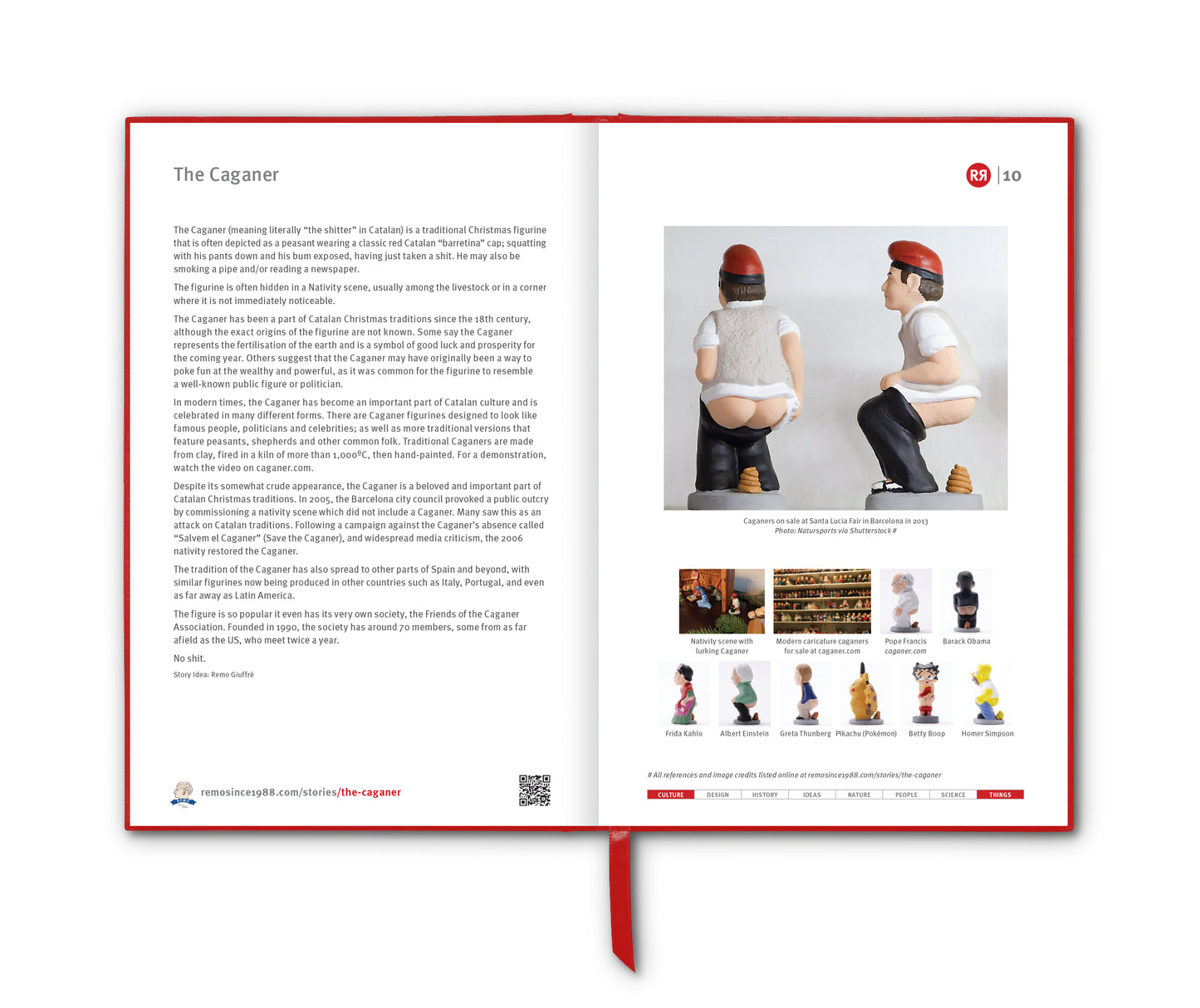
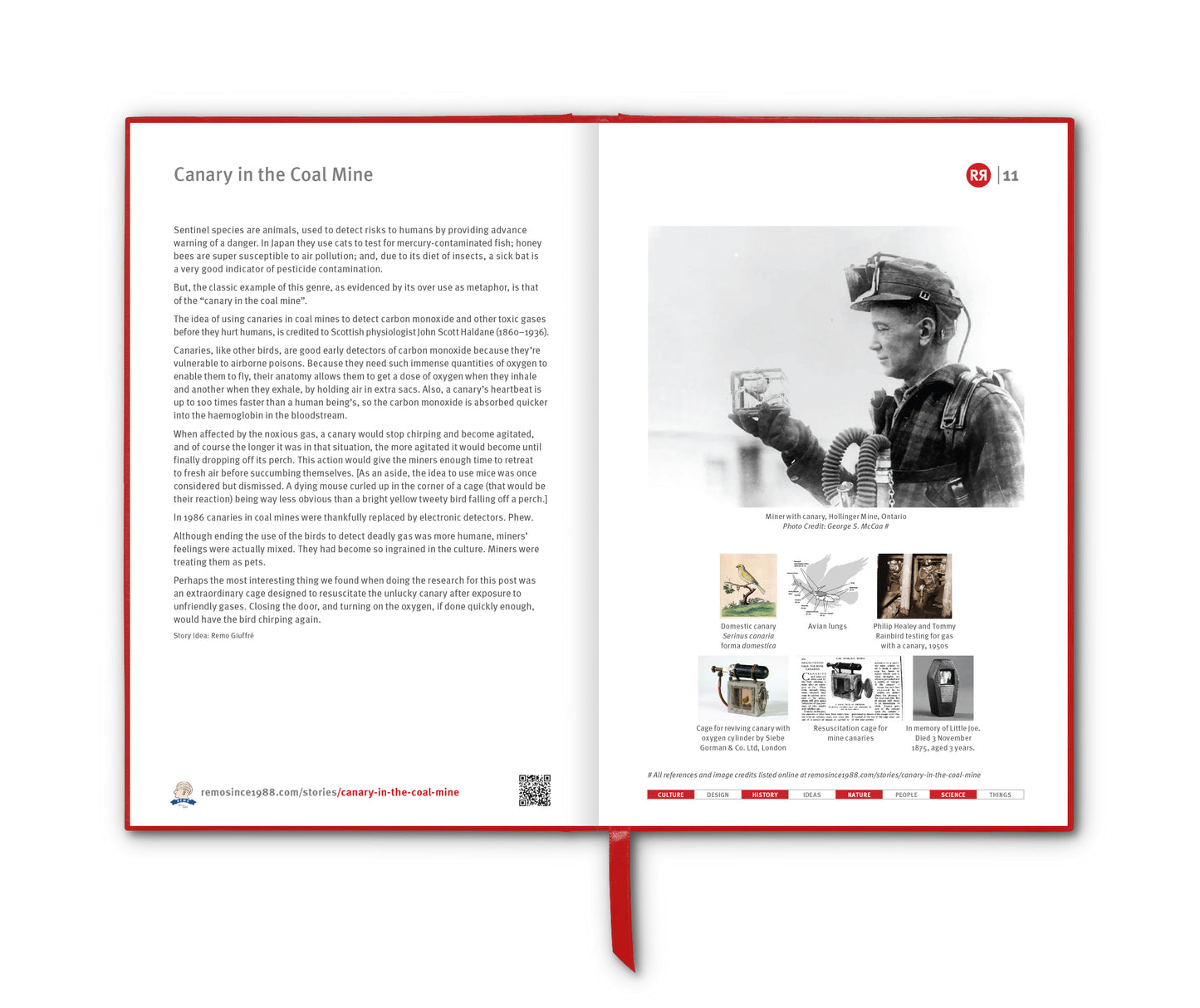
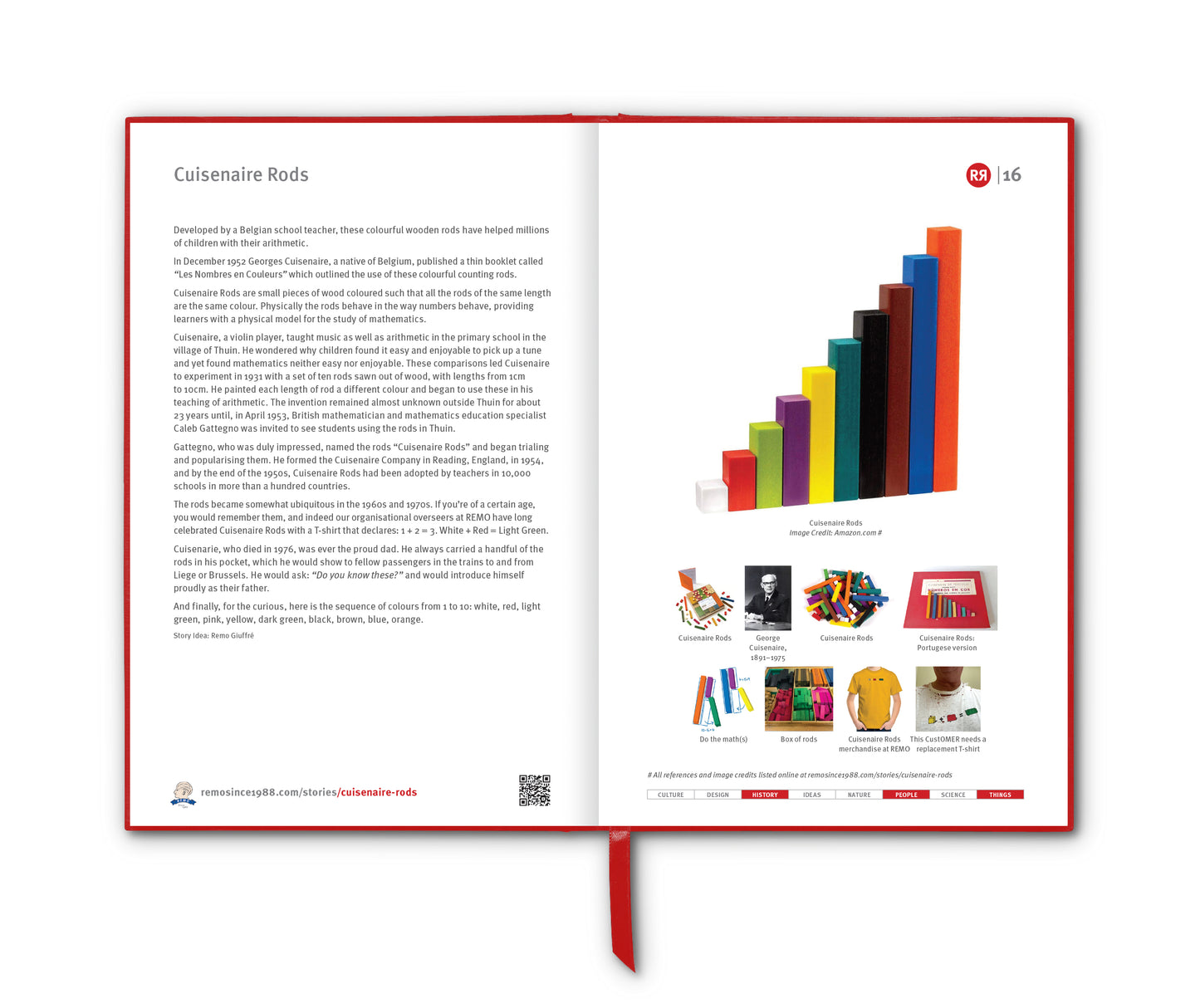
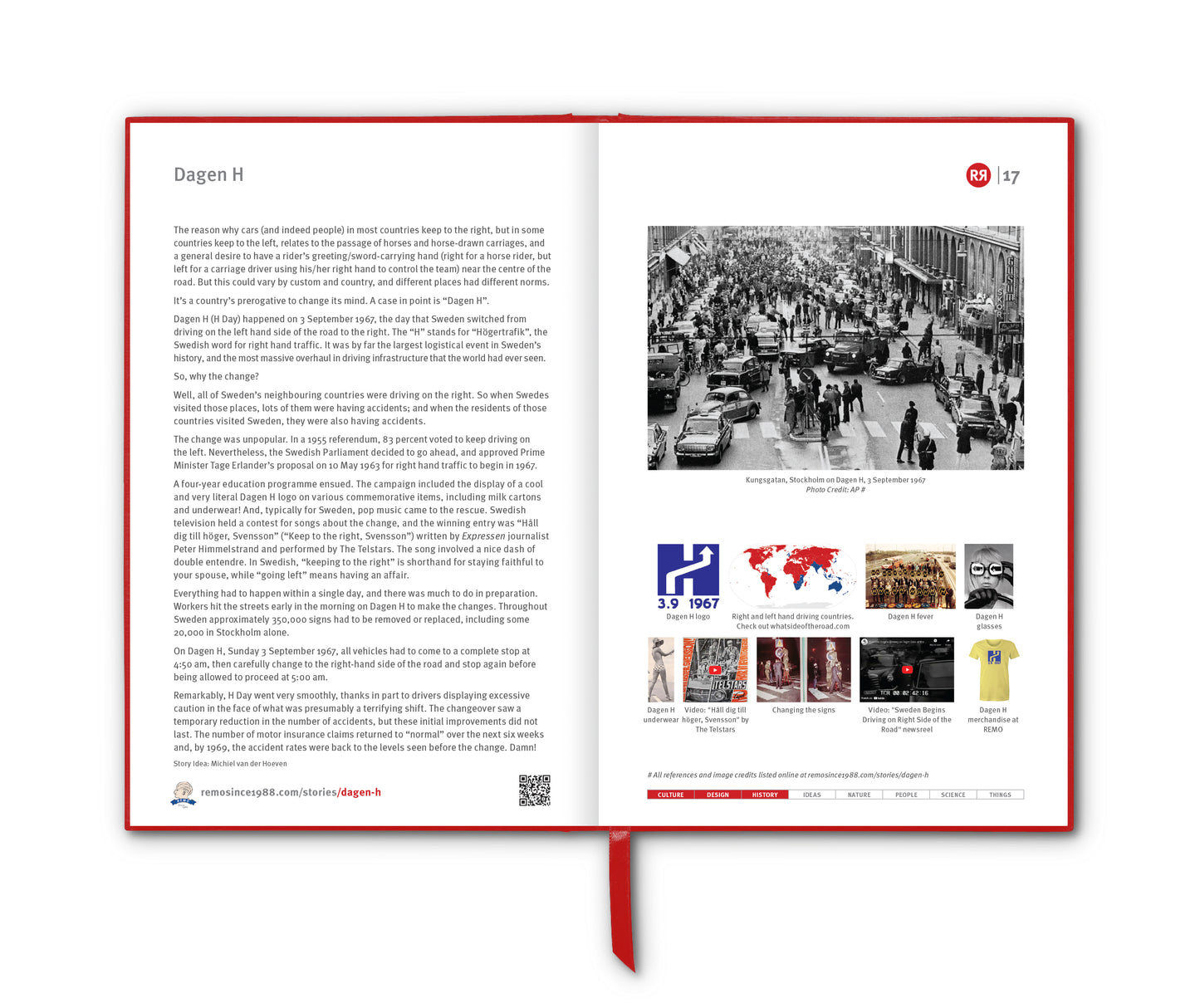
Survival cannibalism is perhaps the most widely understood, if still unsettling. One of the most well-known cases is the Donner Party, a group of American pioneers stranded in the Sierra Nevada during winter, some of whom resorted to eating the dead to stay alive. Similarly, after the Uruguayan Air Force Flight 571 crash, survivors endured more than two months in the Andes by consuming the bodies of those who had perished – as documented in the 2024 Netflix film Society of the Snow.
Ritual cannibalism has been documented in various cultures, often imbued with symbolic meaning. Among some societies, consuming the remains of the dead was believed to transfer spiritual power, honour ancestors or incorporate the essence of the deceased into the living. In parts of Papua New Guinea, such practices were linked to the spread of kuru, a fatal neurodegenerative disease.
From a purely nutritional standpoint, the human body (which, for the record, is allegedly similar in taste to veal or pork) offers no unique advantages over other sources of meat. It contains protein, fat and micronutrients comparable to those found in other mammals, though relatively low in caloric density compared to large game animals.
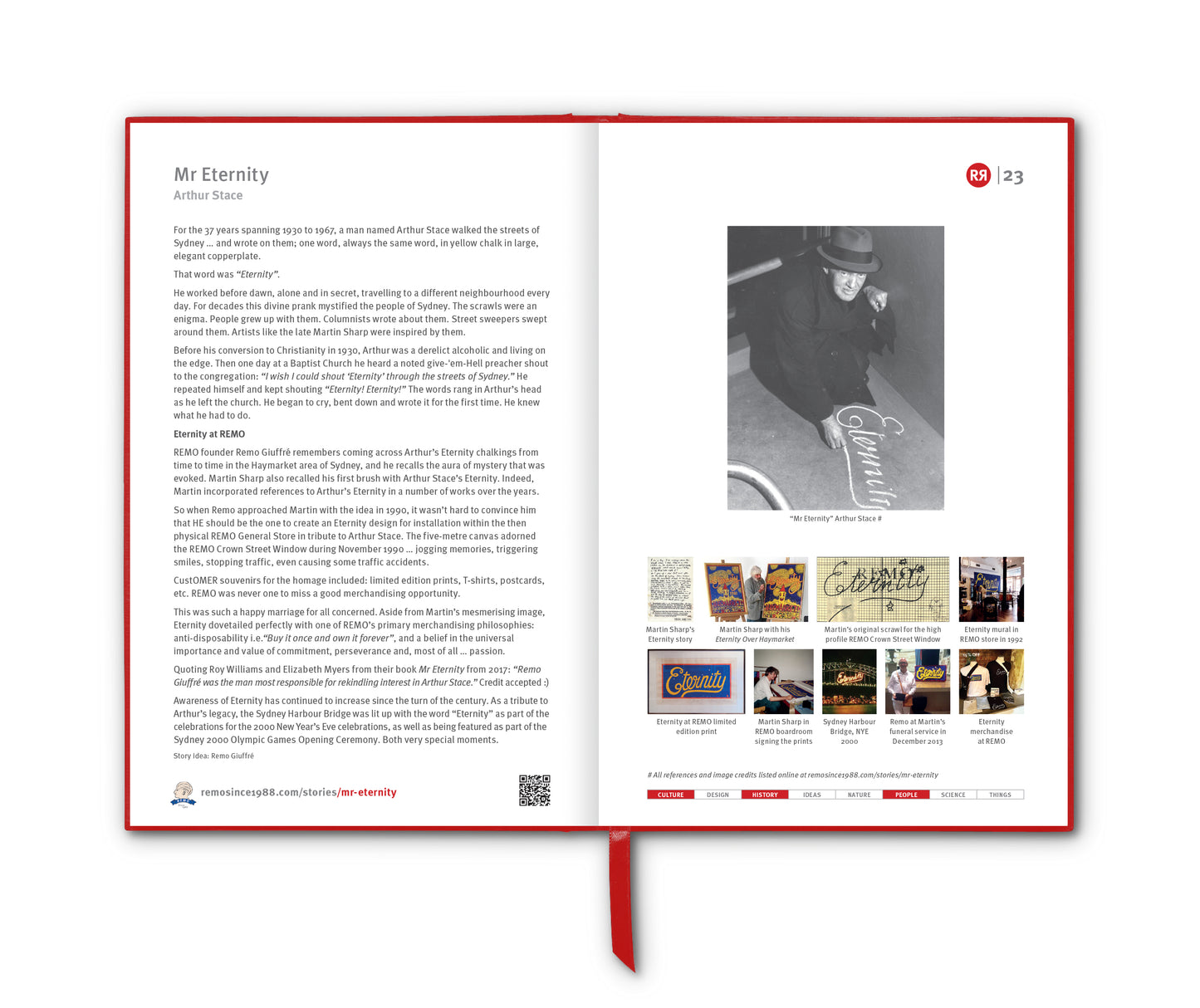
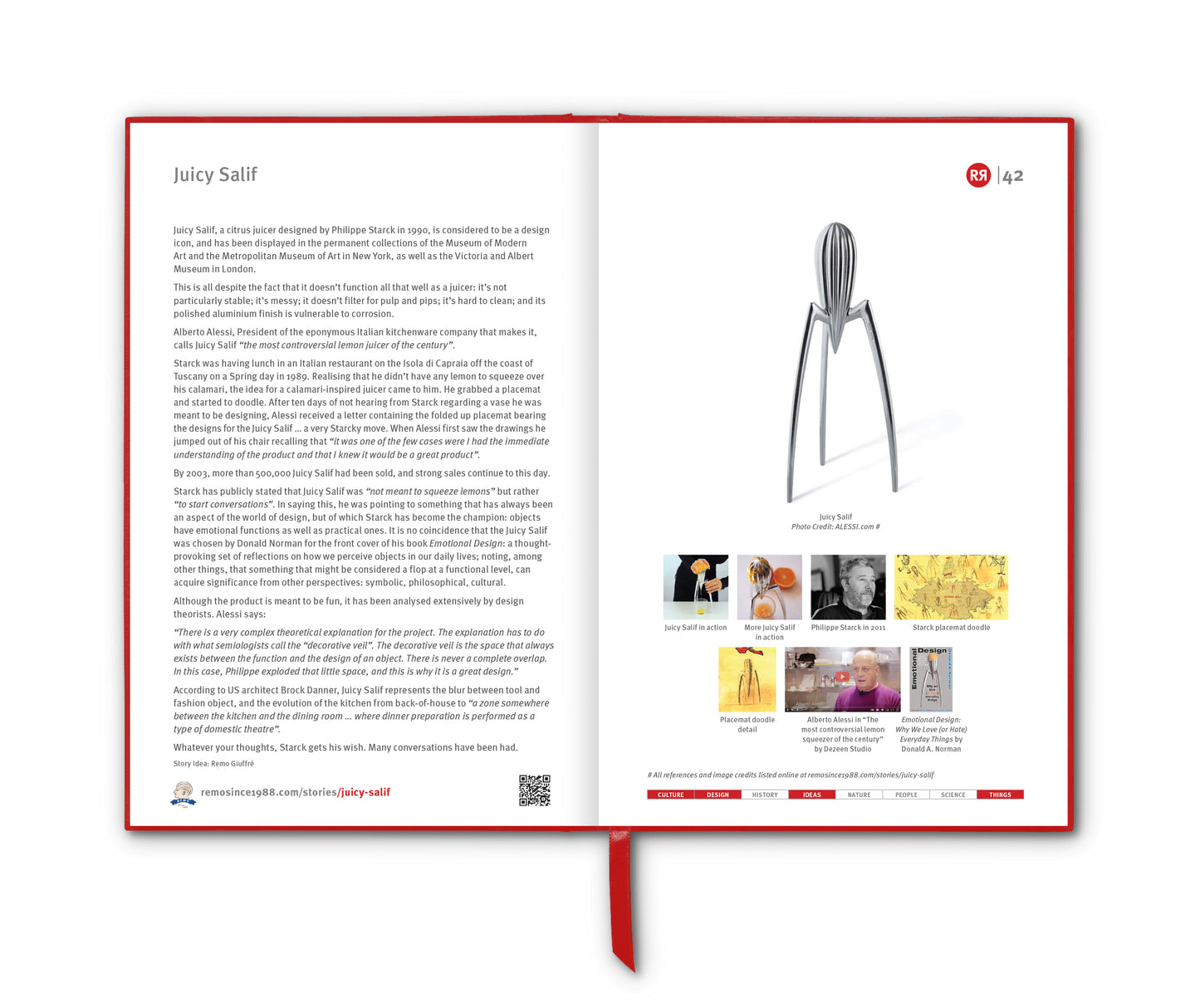
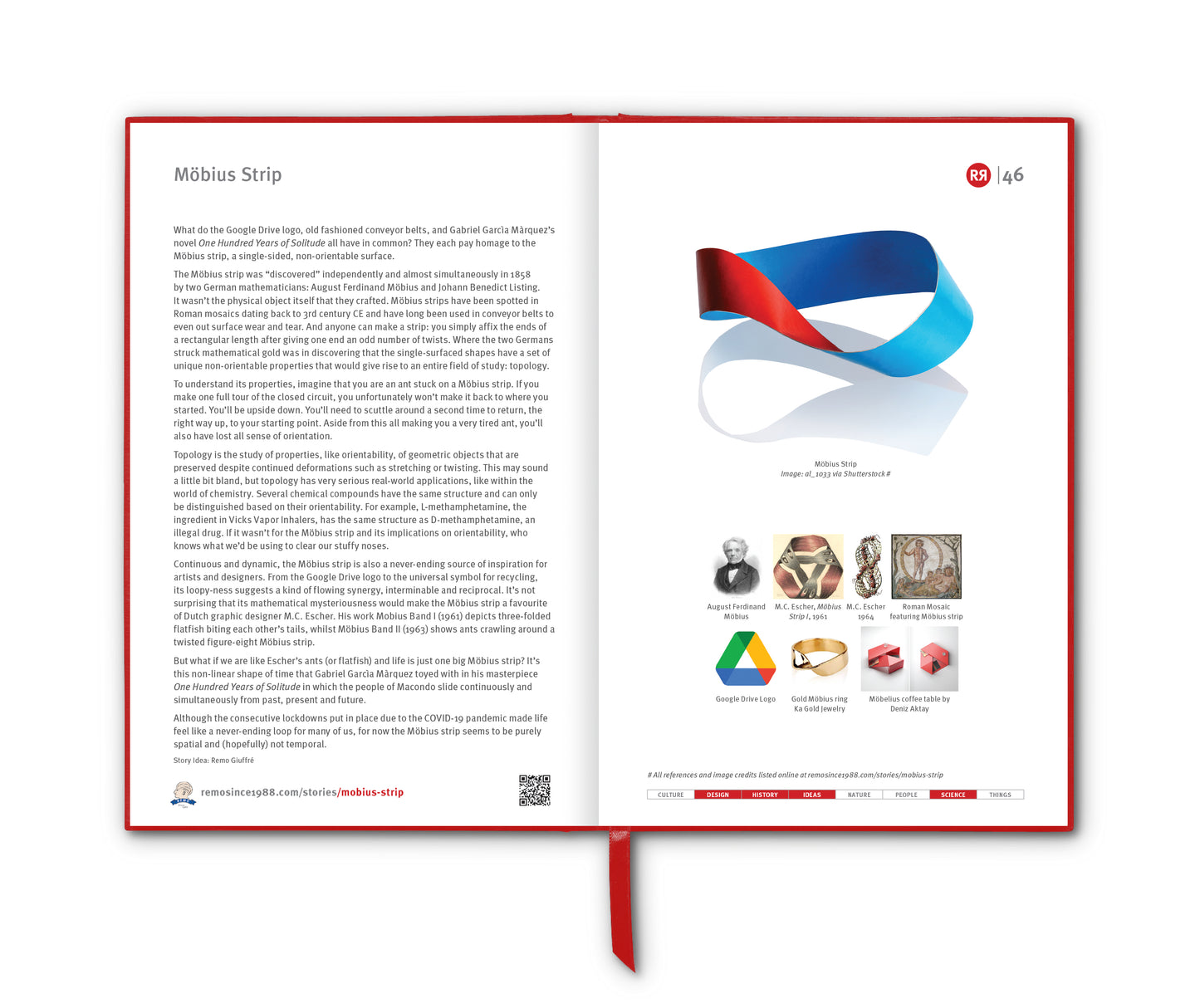
A lesser-known dimension is its historical use in medicine. In early modern Europe, substances derived from human remains – collectively known as “mumia” – were widely traded and consumed. Powdered mummy, human fat, blood and even skull were prescribed for ailments ranging from headaches to internal bleeding. This practice blurred the line between medicine and cannibalism, and persisted into the 17th and even 18th centuries before gradually falling out of favour with the rise of modern medical science. Even so (and incredibly) “Mumia vera Aegyptica" was listed for sale by the German medical supplier E. Merck as recently as 1923.
Yet the moral dimension is what sets human cannibalism apart. Across most societies, it is one of the strongest taboos, often associated with disgust, fear and profound ethical violation. Philosophically, cannibalism challenges fundamental ideas about the sanctity of the human body.
There are, of course, darker instances: crimes involving cannibalism that attract intense public fascination and horror. These cases tend to reinforce the taboo rather than weaken it.
______________________
References
wikipedia.org/wiki/Human_cannibalism
britannica.com/topic/cannibalism-human-behavior
phys.org/news/2017-04-stone-age-cannibals-worth-hassle
Images
1. Human cannibalism engraving by Theodor de Bry, 1593, Library of Congress, Washington, DC
2. Female praying mantis in the act of sexual cannibalism. Image credit: Phil Hastings
3. Video: "Cannibalism in the animal kingdom", Bill Schutt, TED-Ed, 2018
4. Depiction of Mongol cannibalism from the Chronica Majora, circa 1259
5. A scene depicting ritualistic Aztec cannibalism being practiced in the mid-16th century
6. An 18th-century albarello used for storing mummia. Credit: Bullenwächter
7. 1895 re-enactment from of a cannibal feast reported to have occurred in Fiji in 1869
8. Survival cannibalism during the Russian famine of 1921–1922
9. Nutritional value of the human body. Credit: Nature
10. Video: "A brief history of cannibalism", Bill Schutt, TED-Ed, 2020
11. Anthony Hopkins as Hannibal Lecter in The Silence of the Lambs (1991)