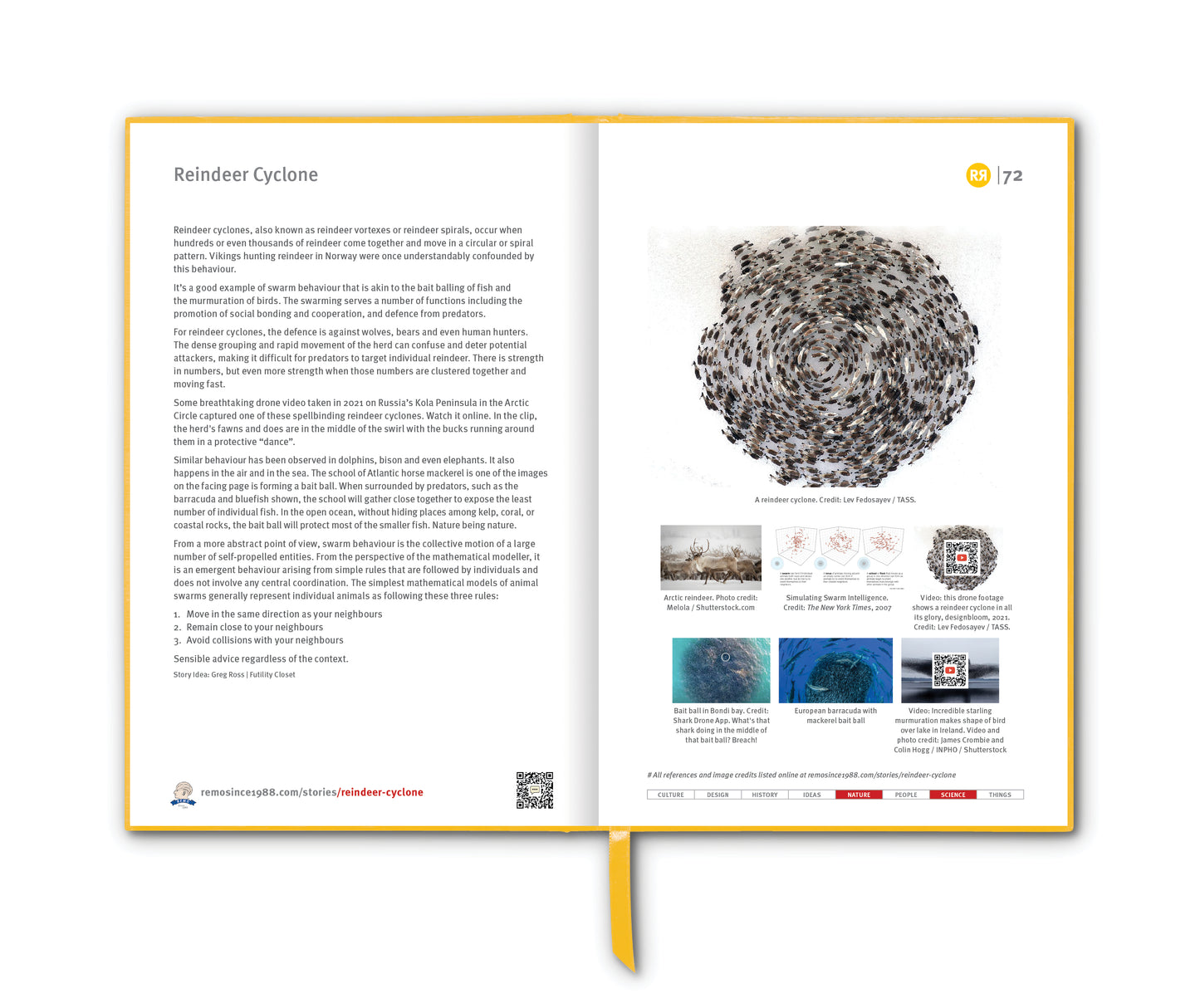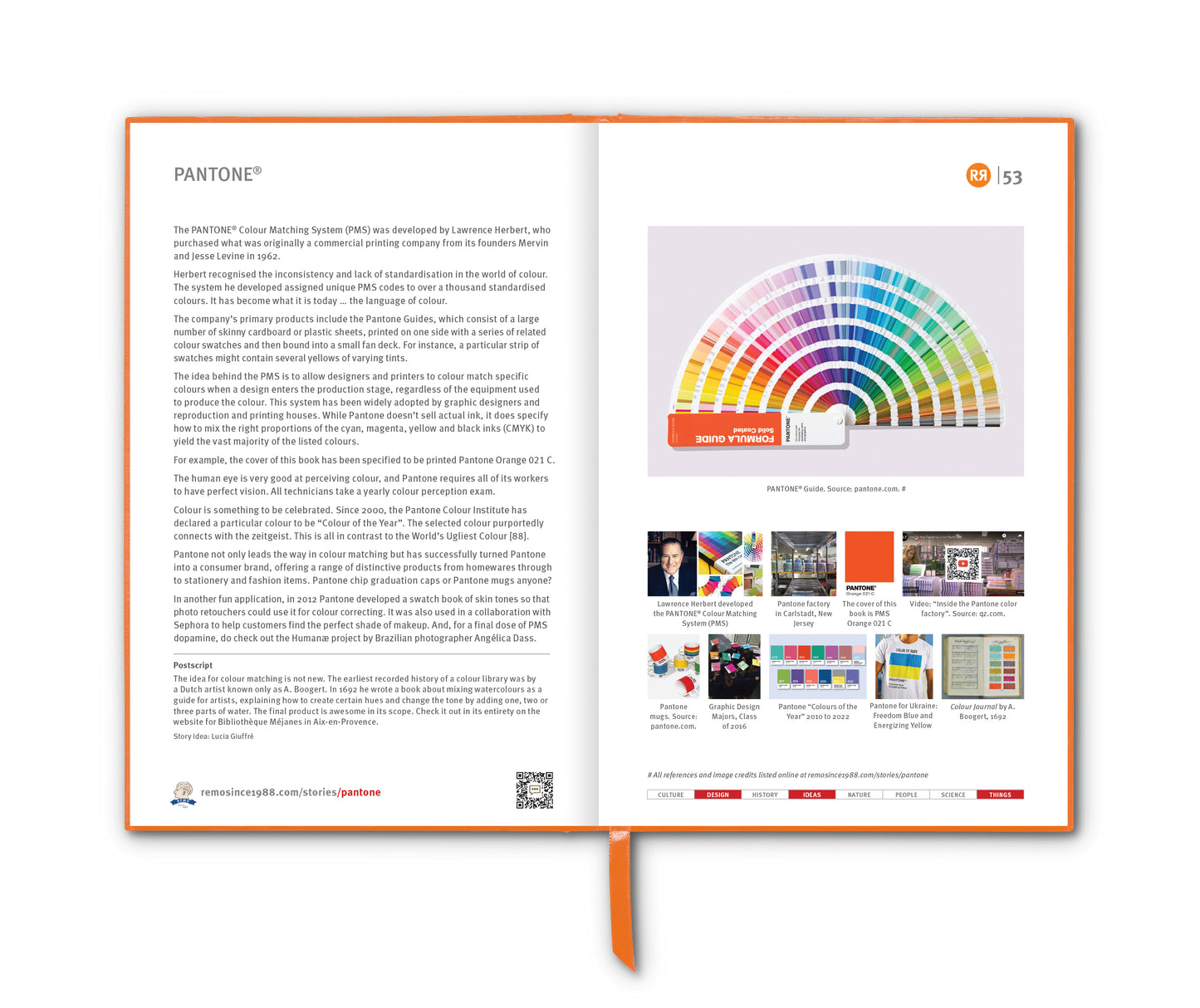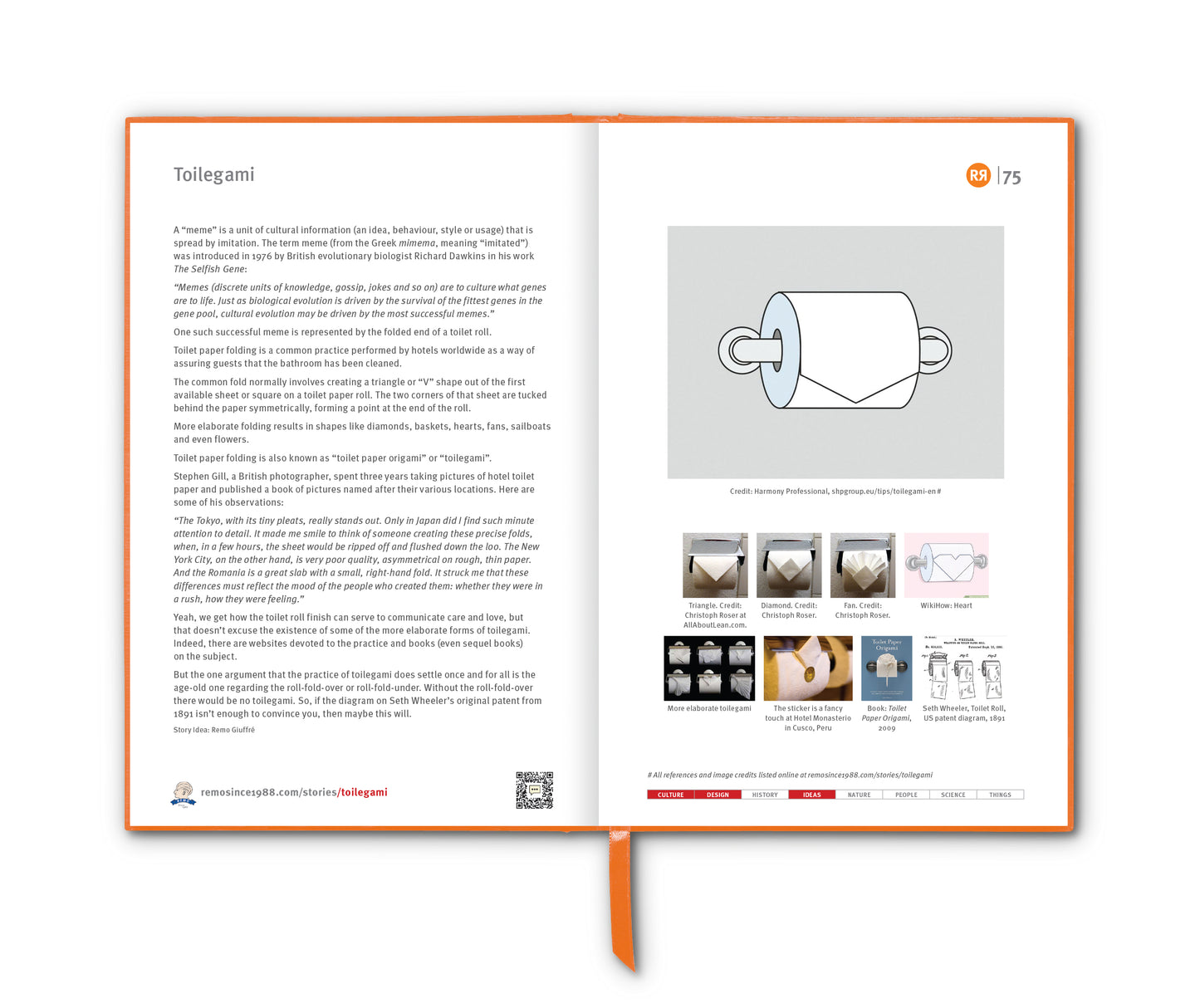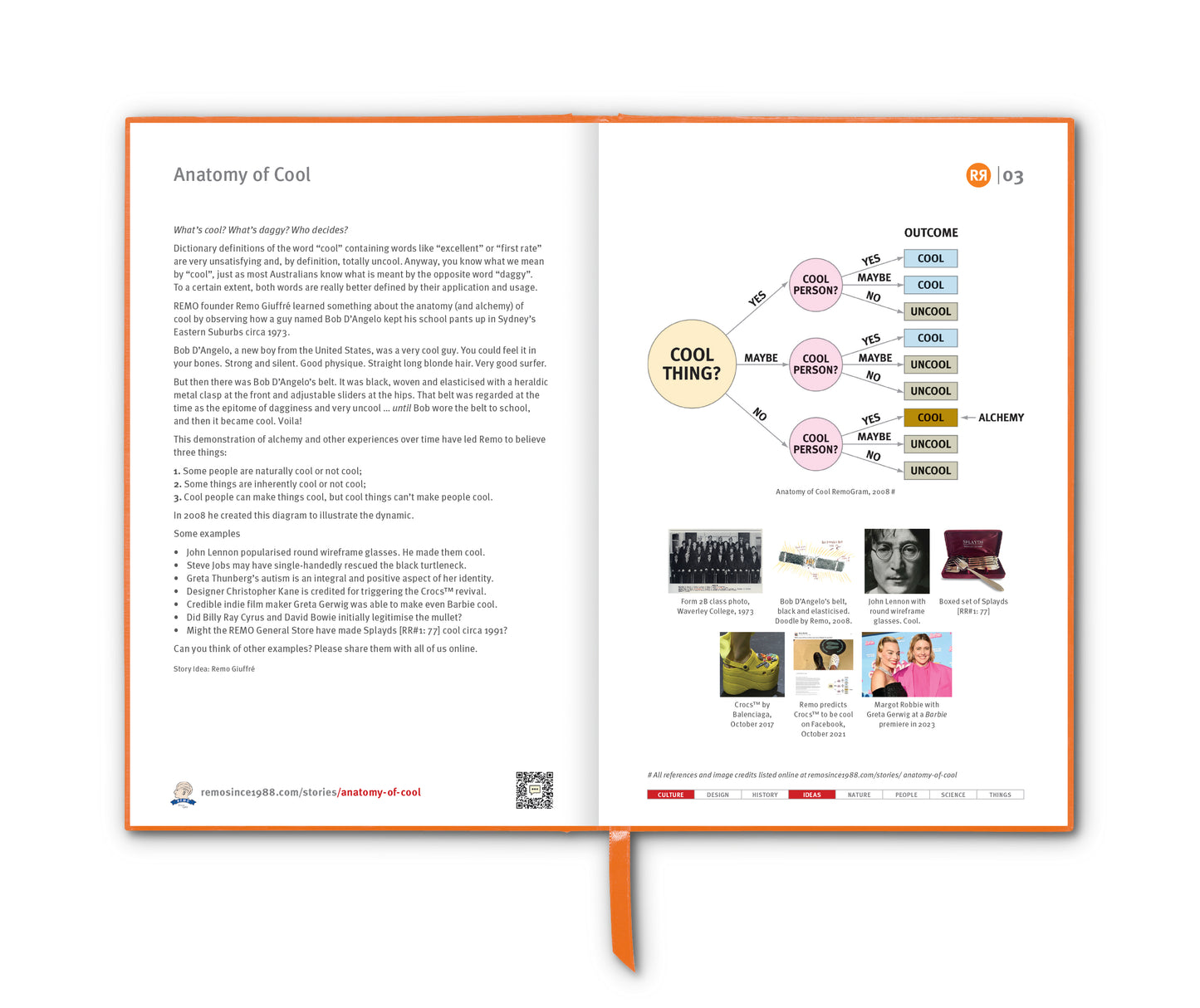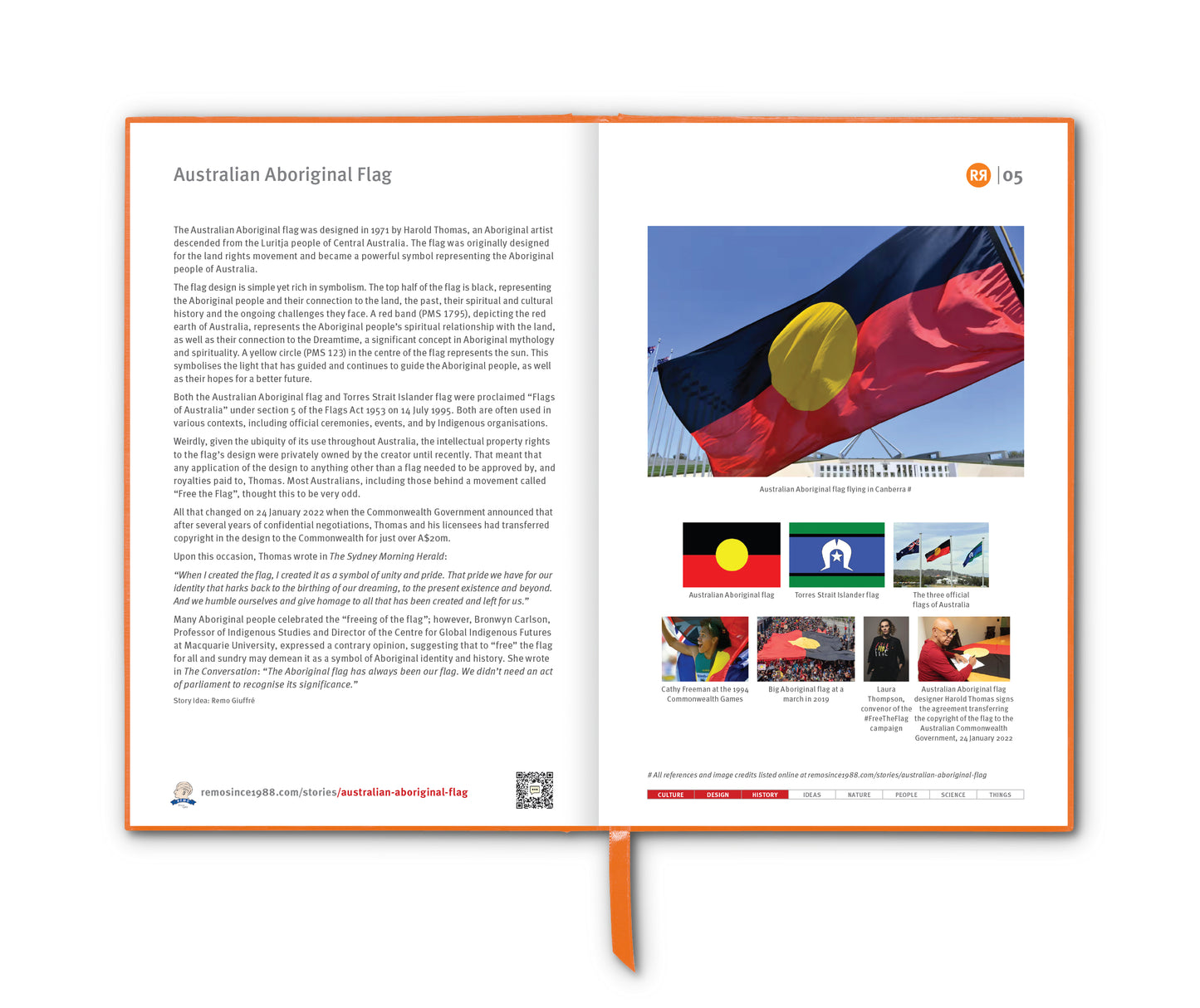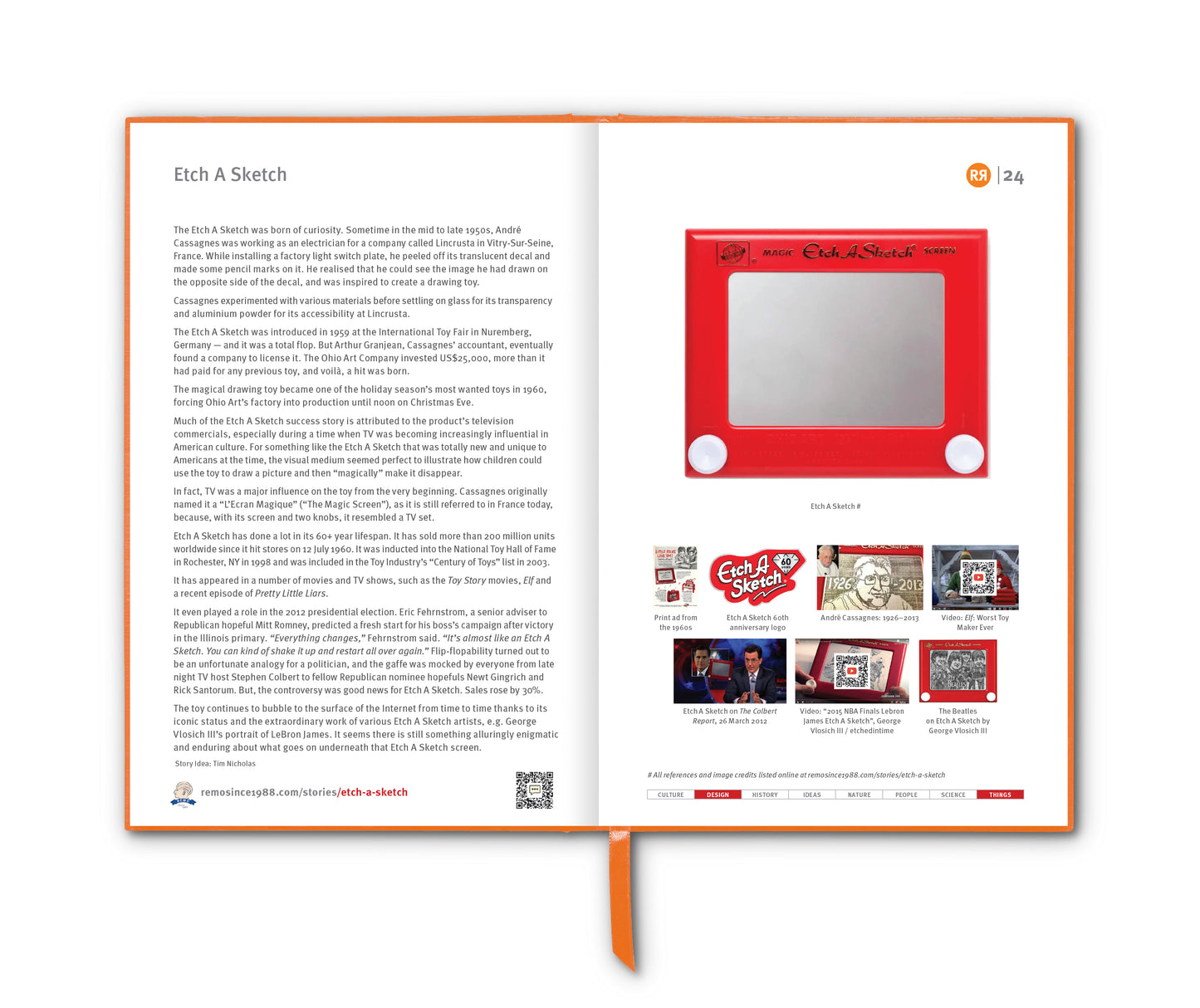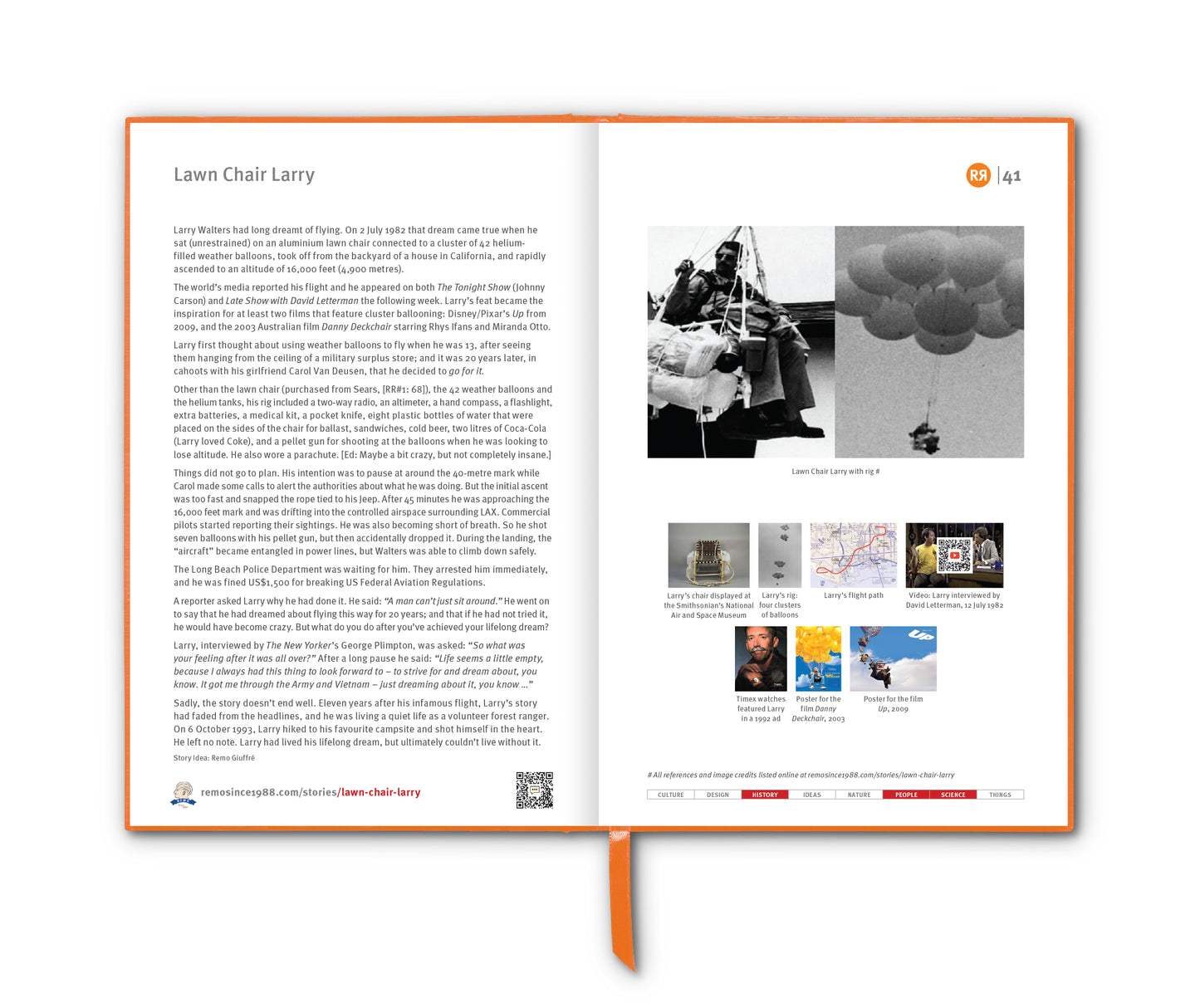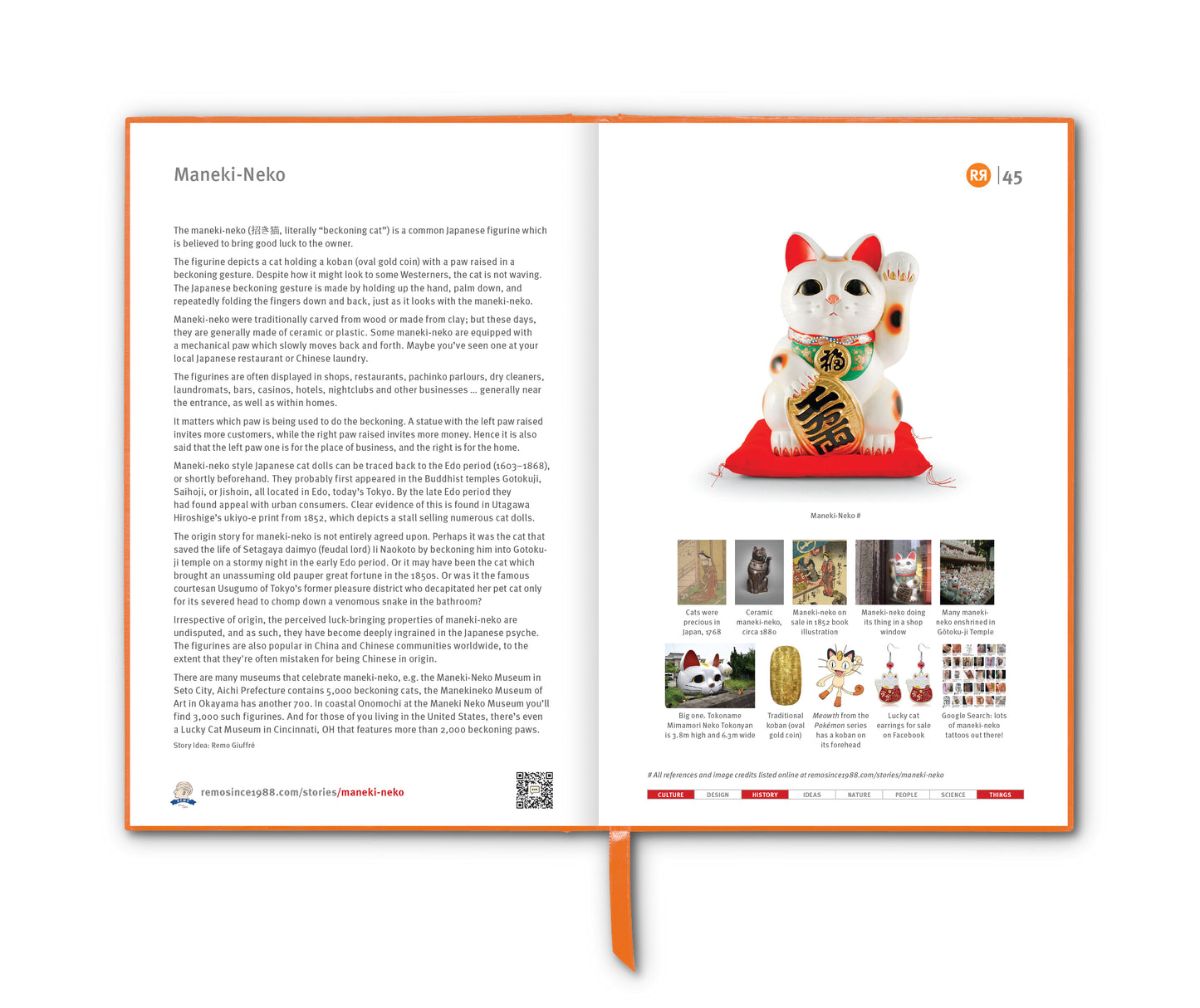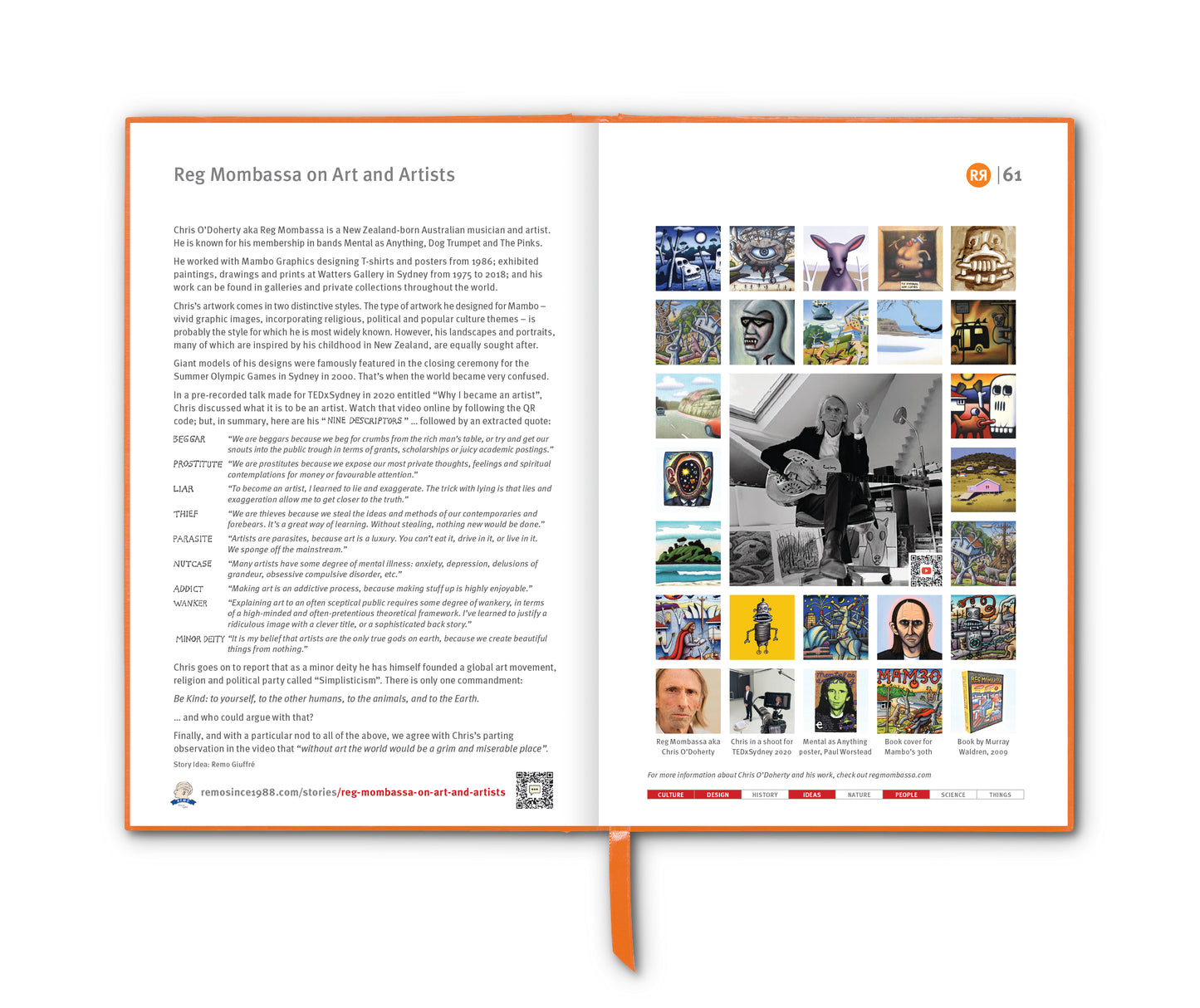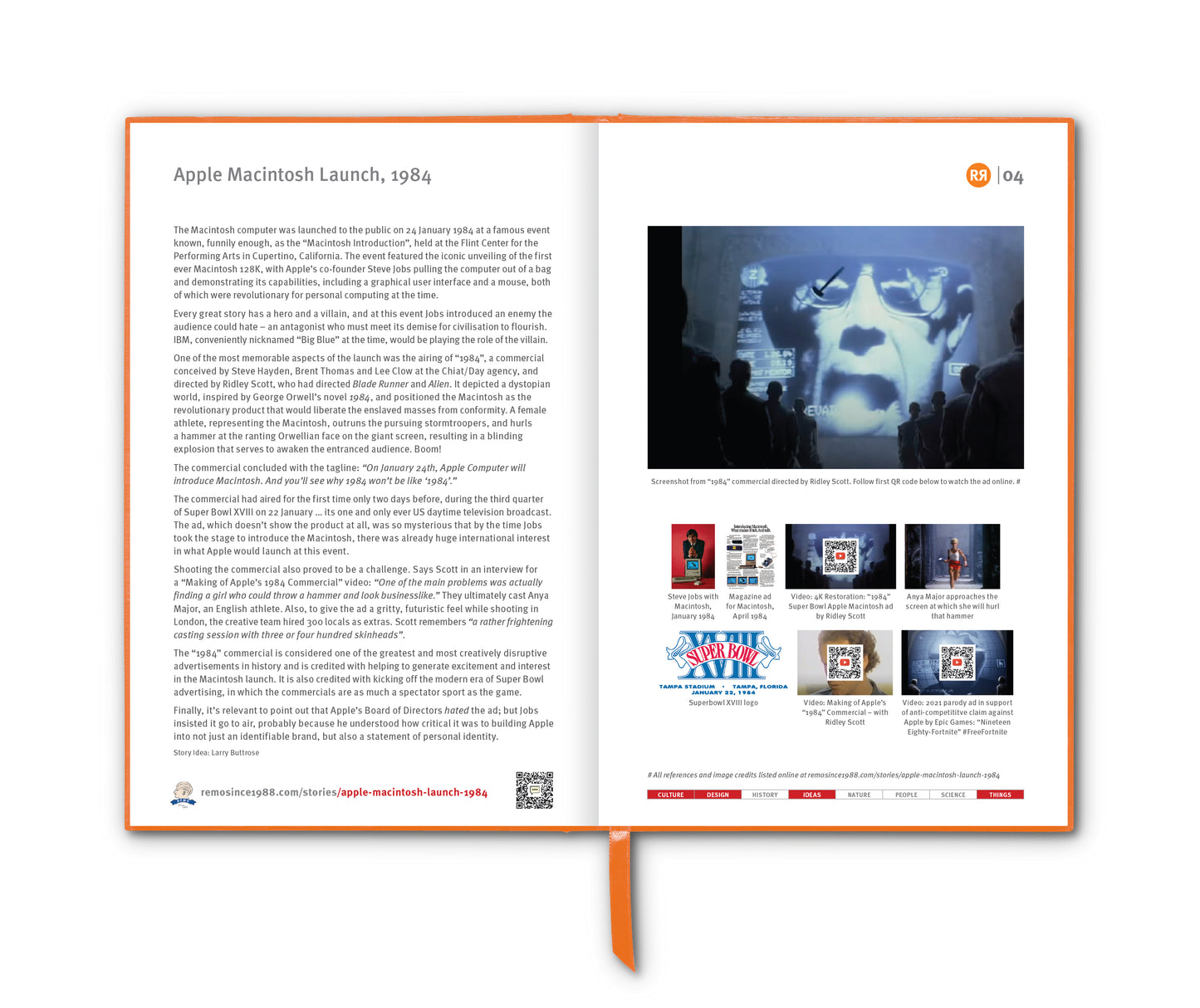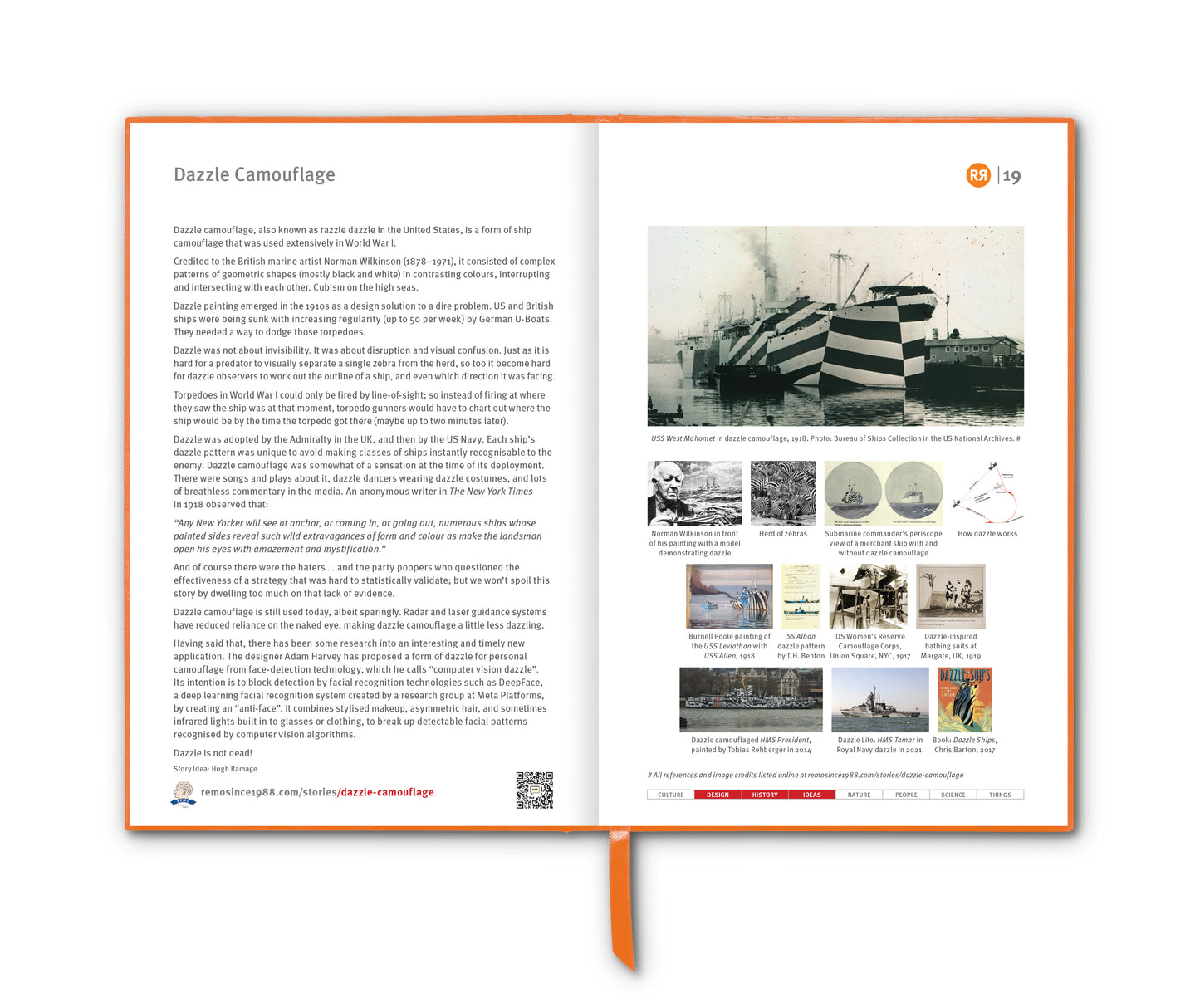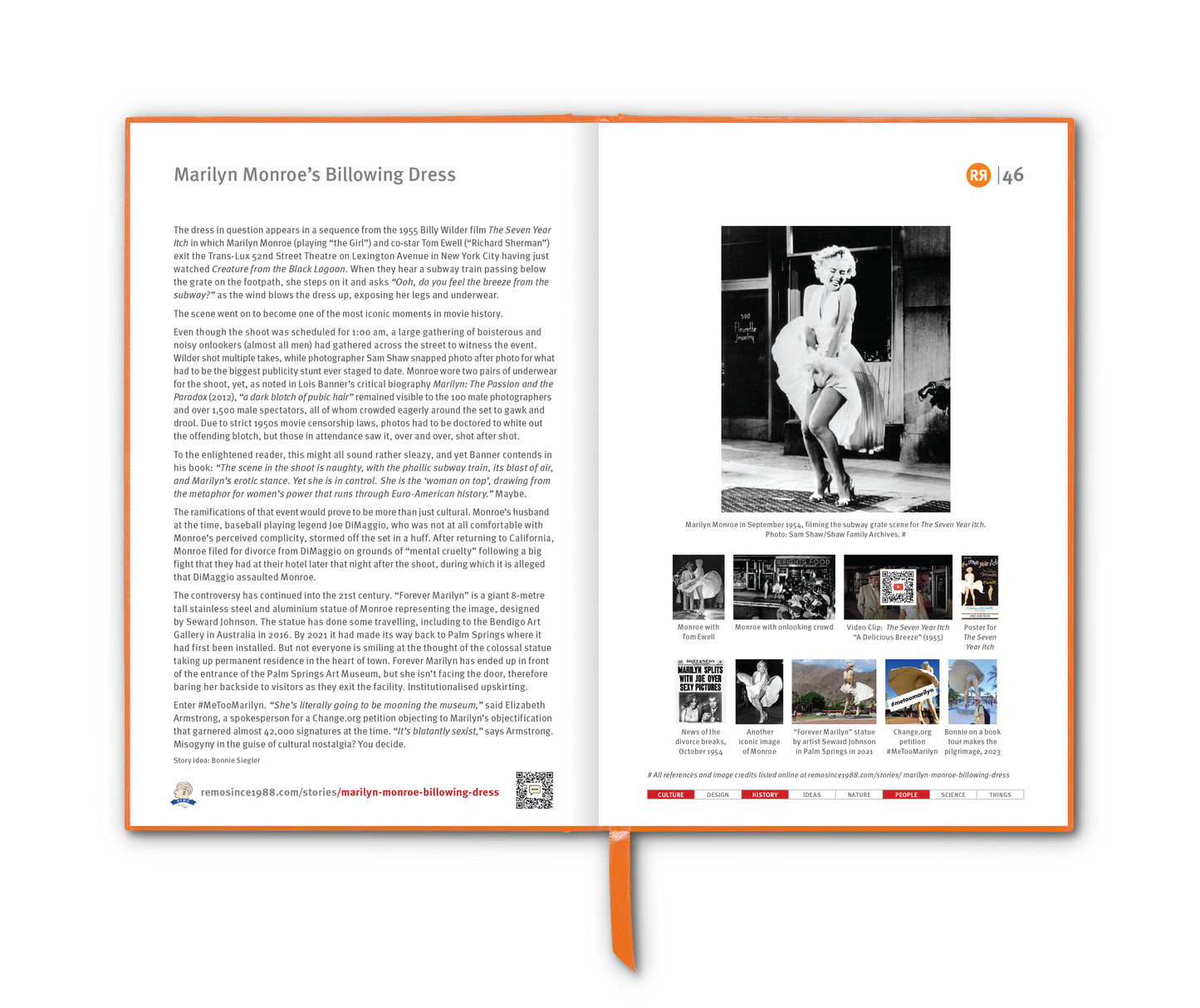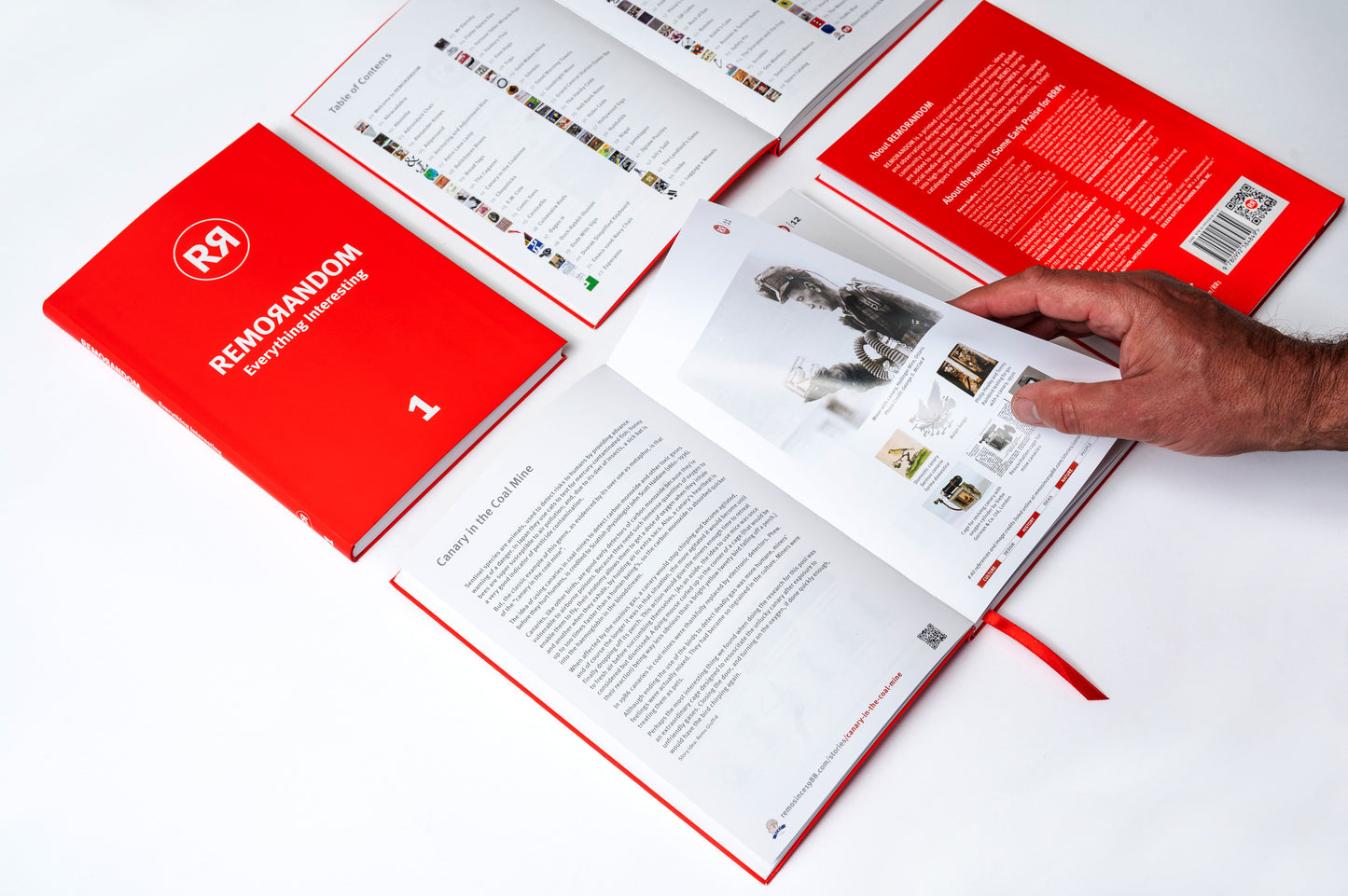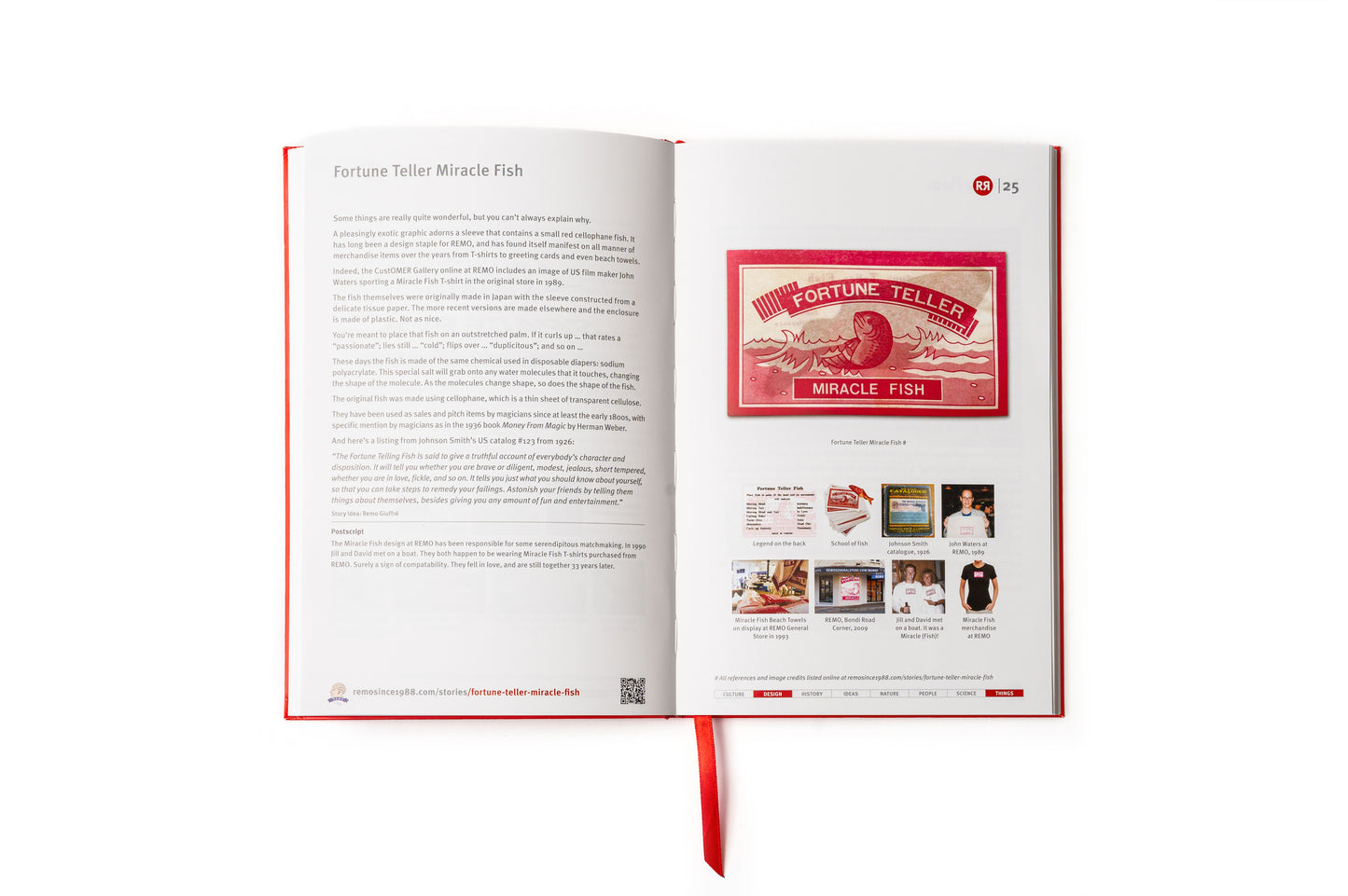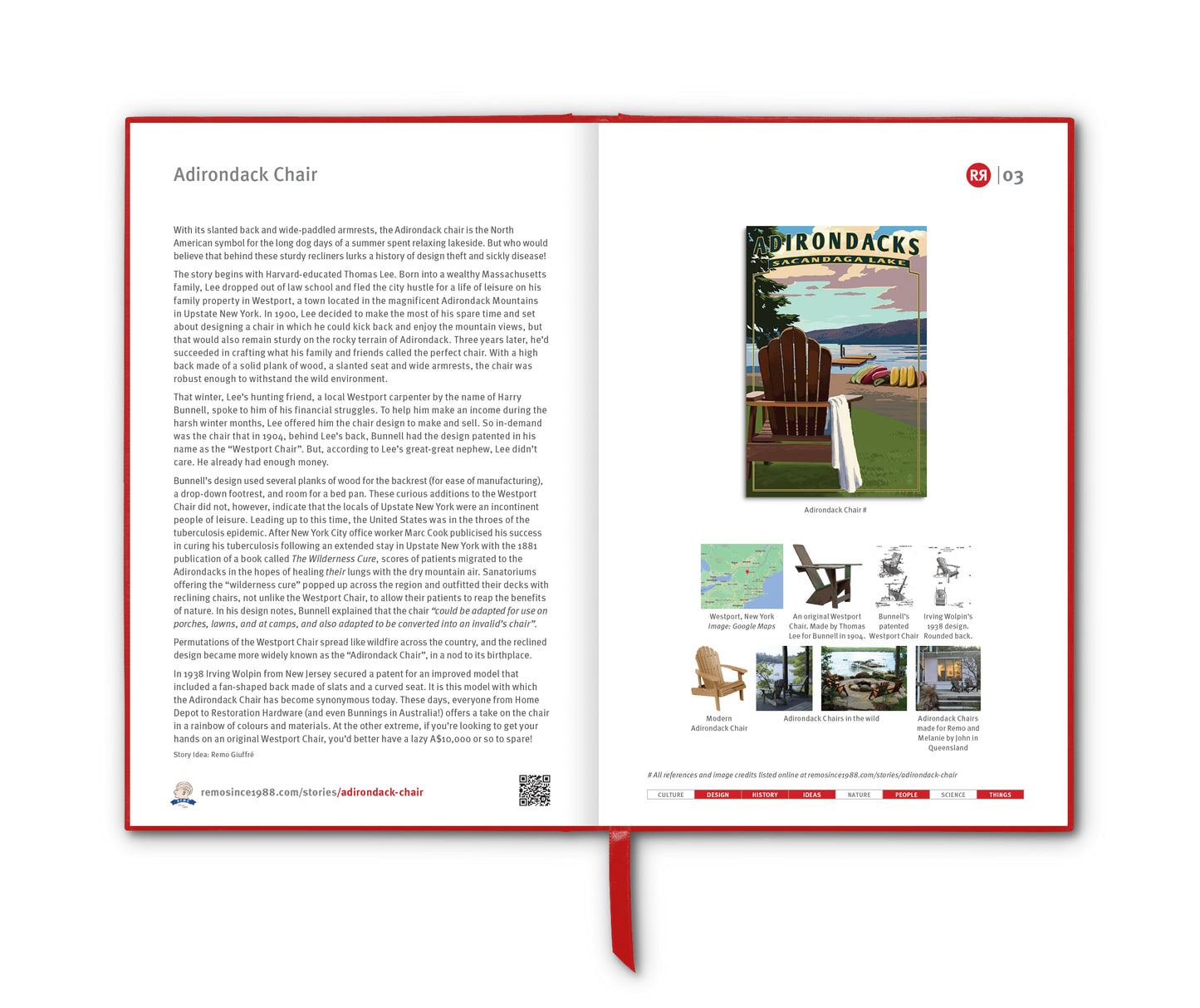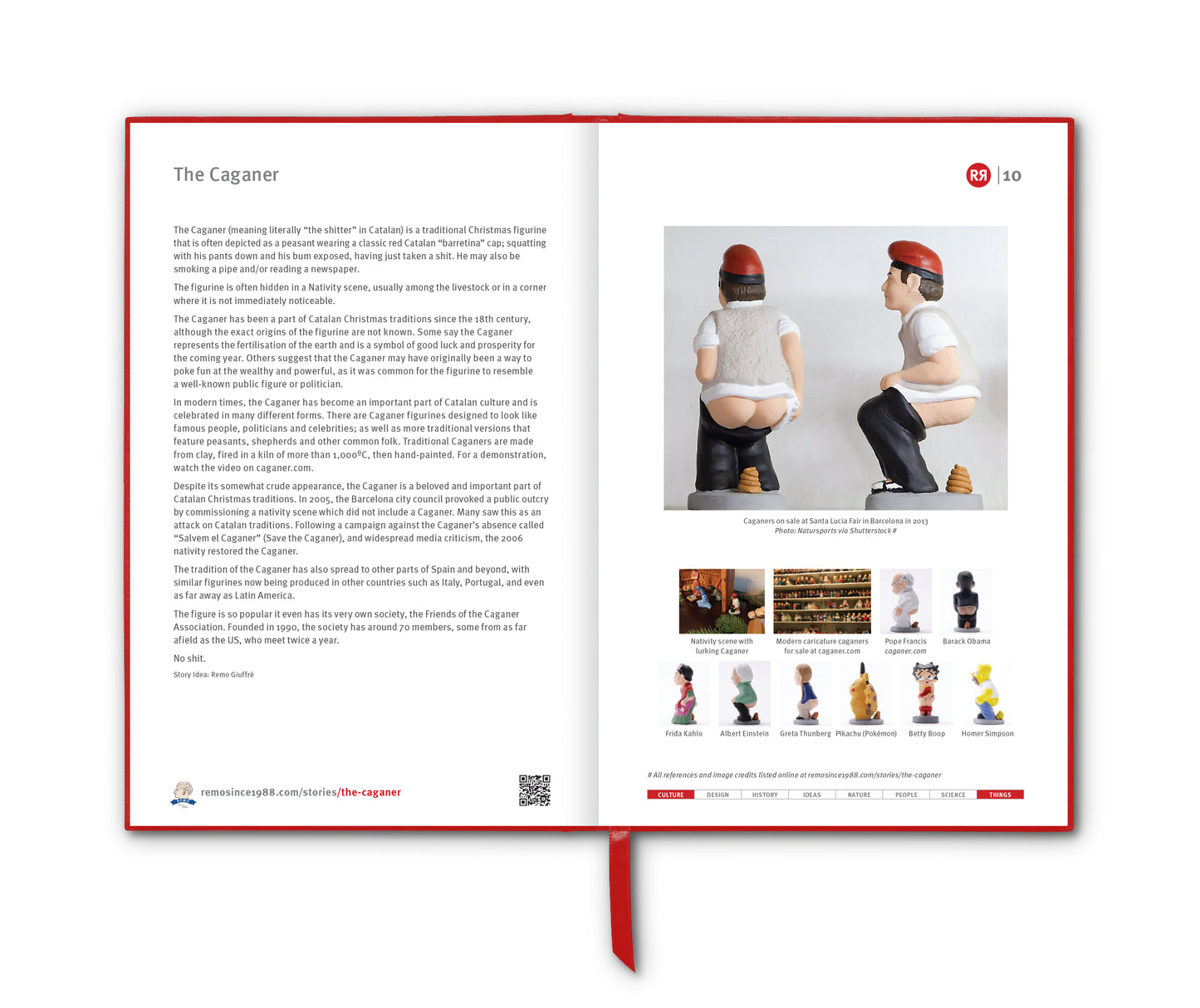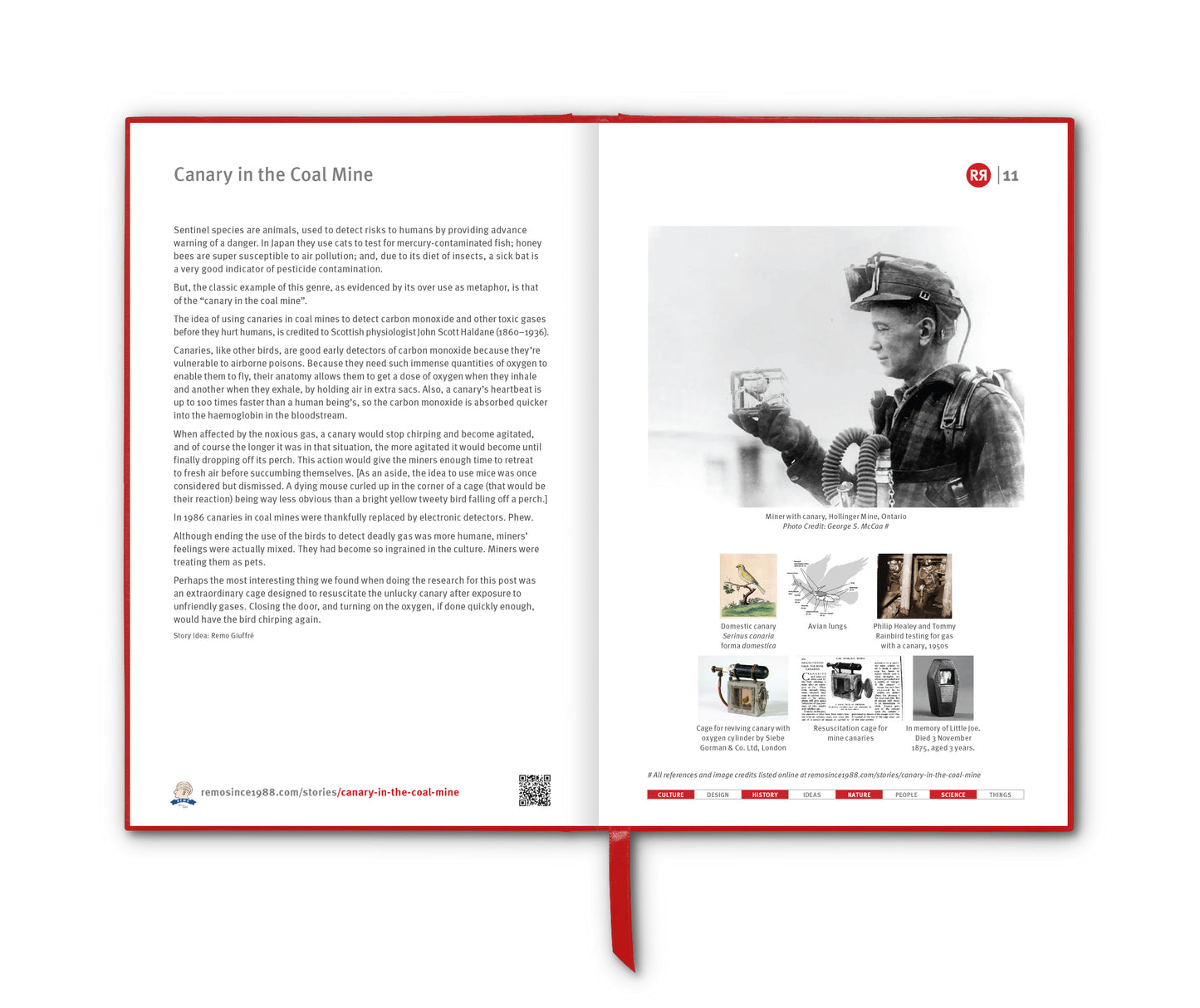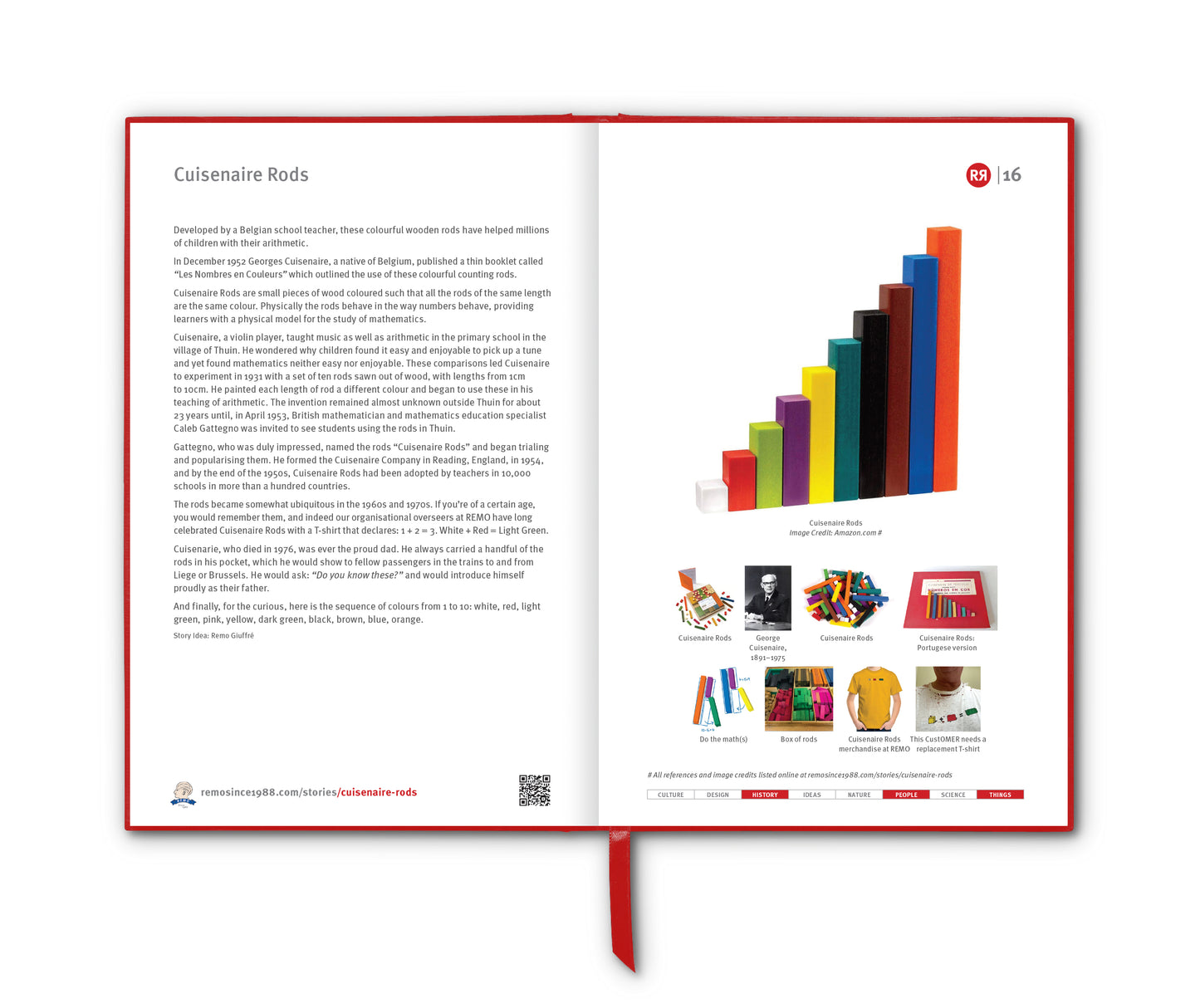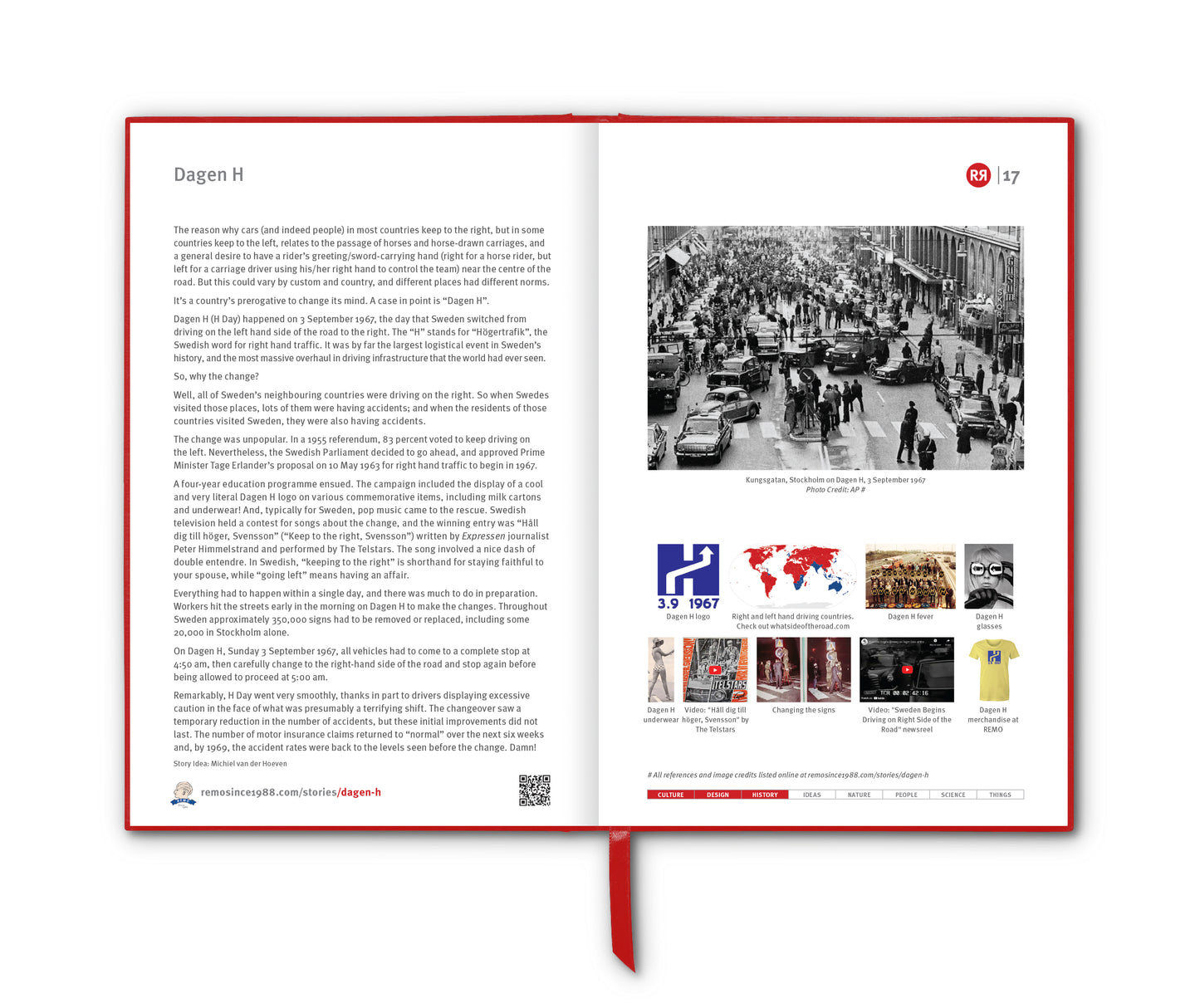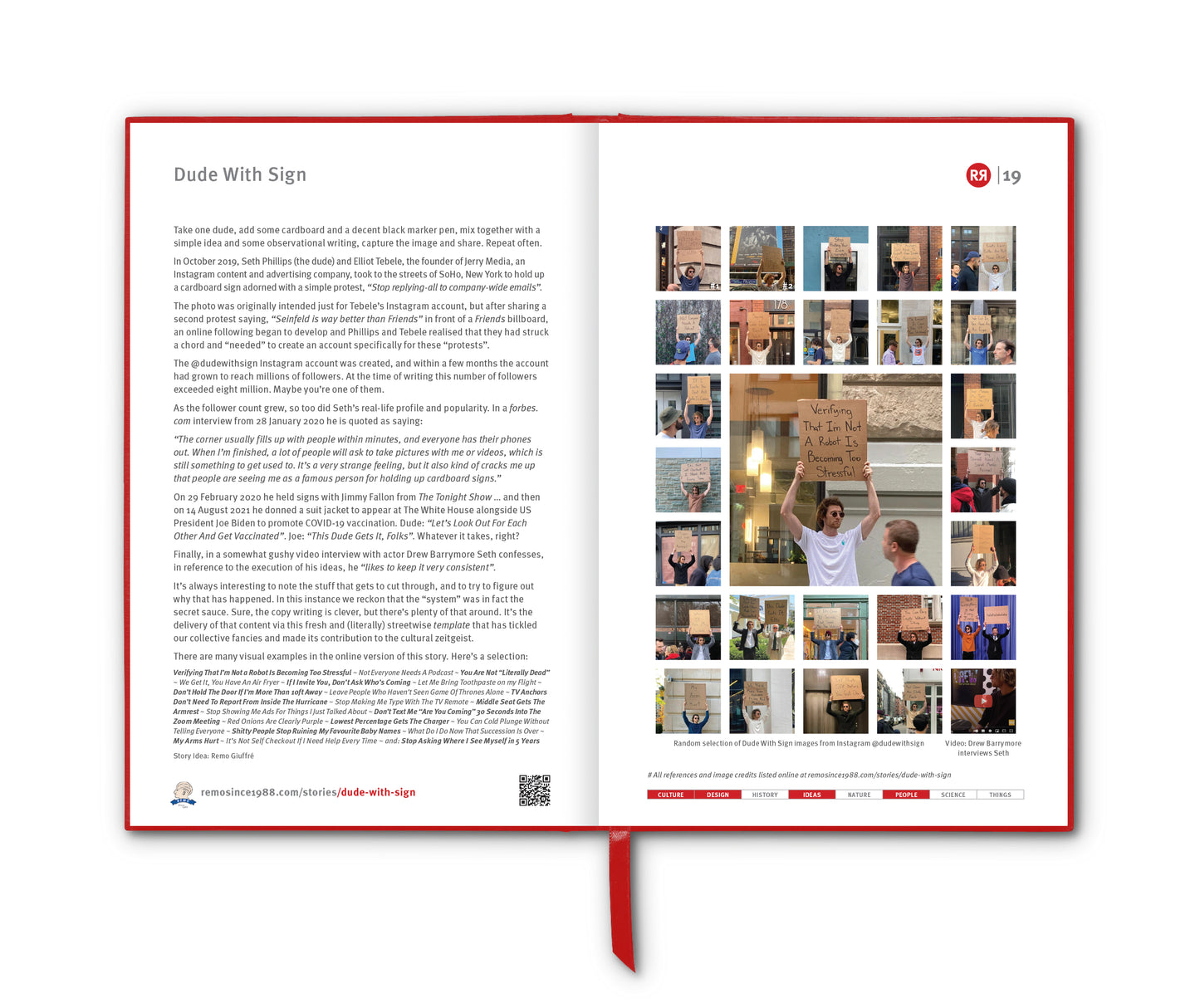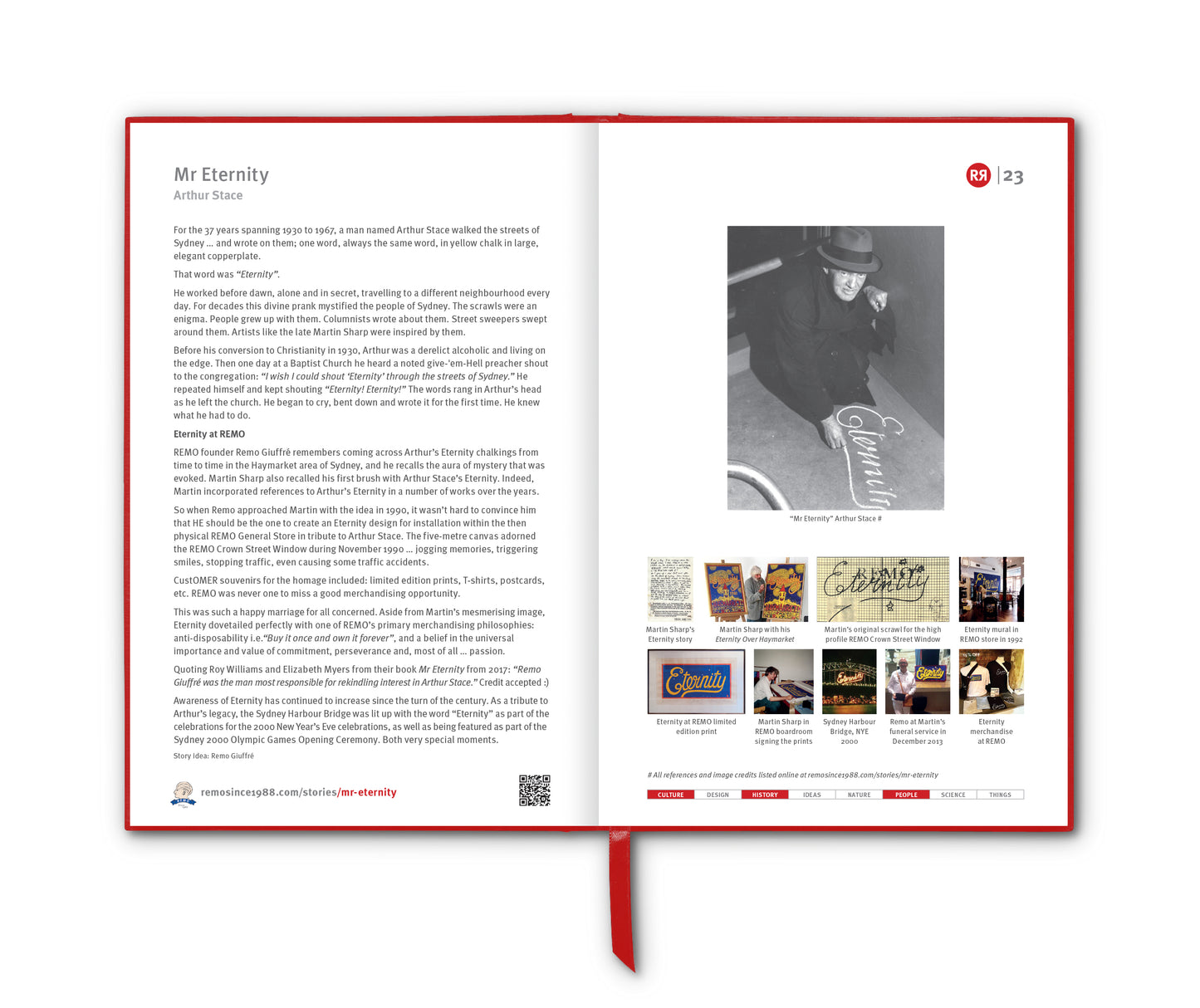

Carbon is the only element we know of that can create both life and diamonds.
Known by the chemical symbol C and atomic number 6, carbon is the backbone of life on Earth and the foundation of countless technologies, industries and systems.
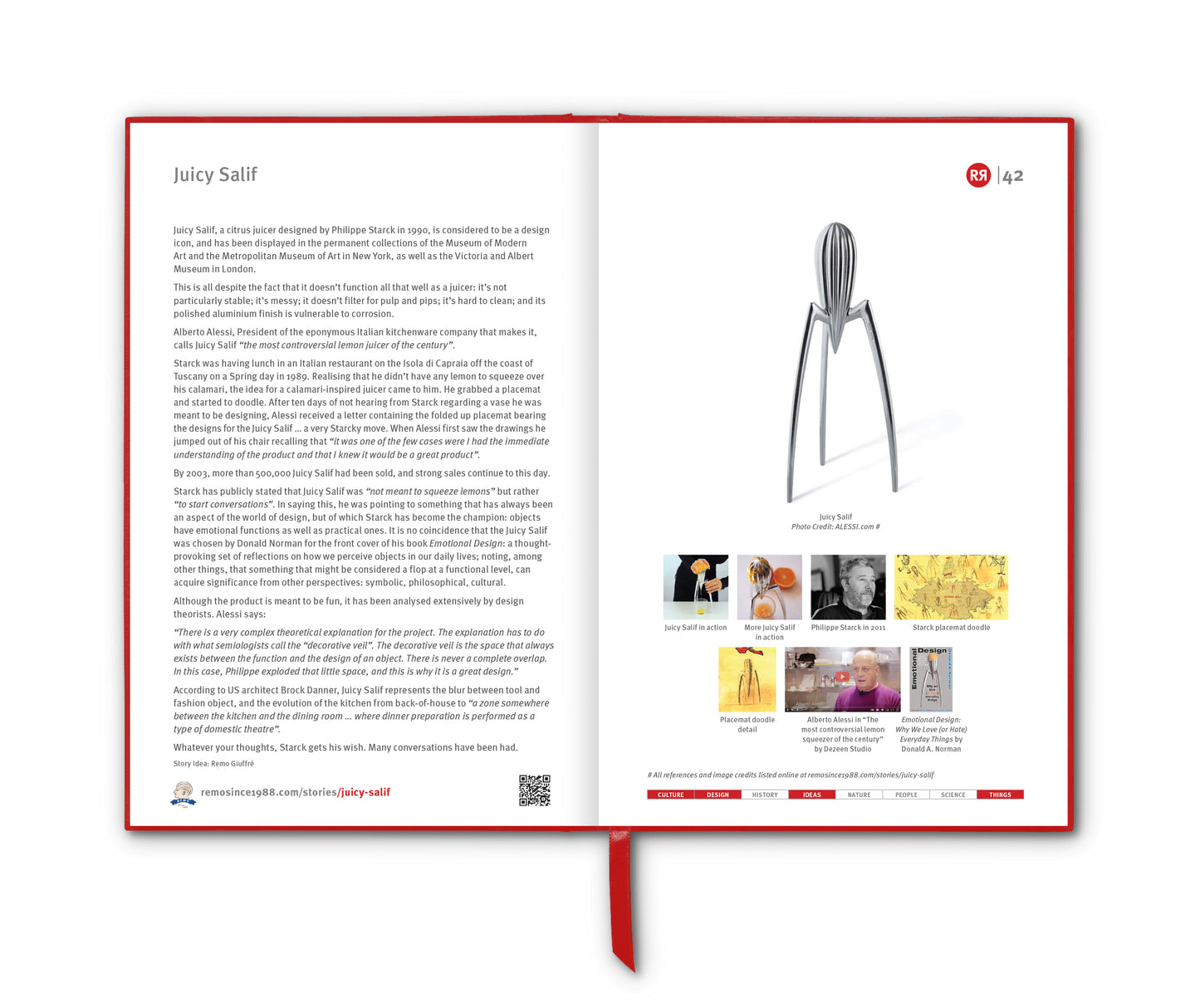
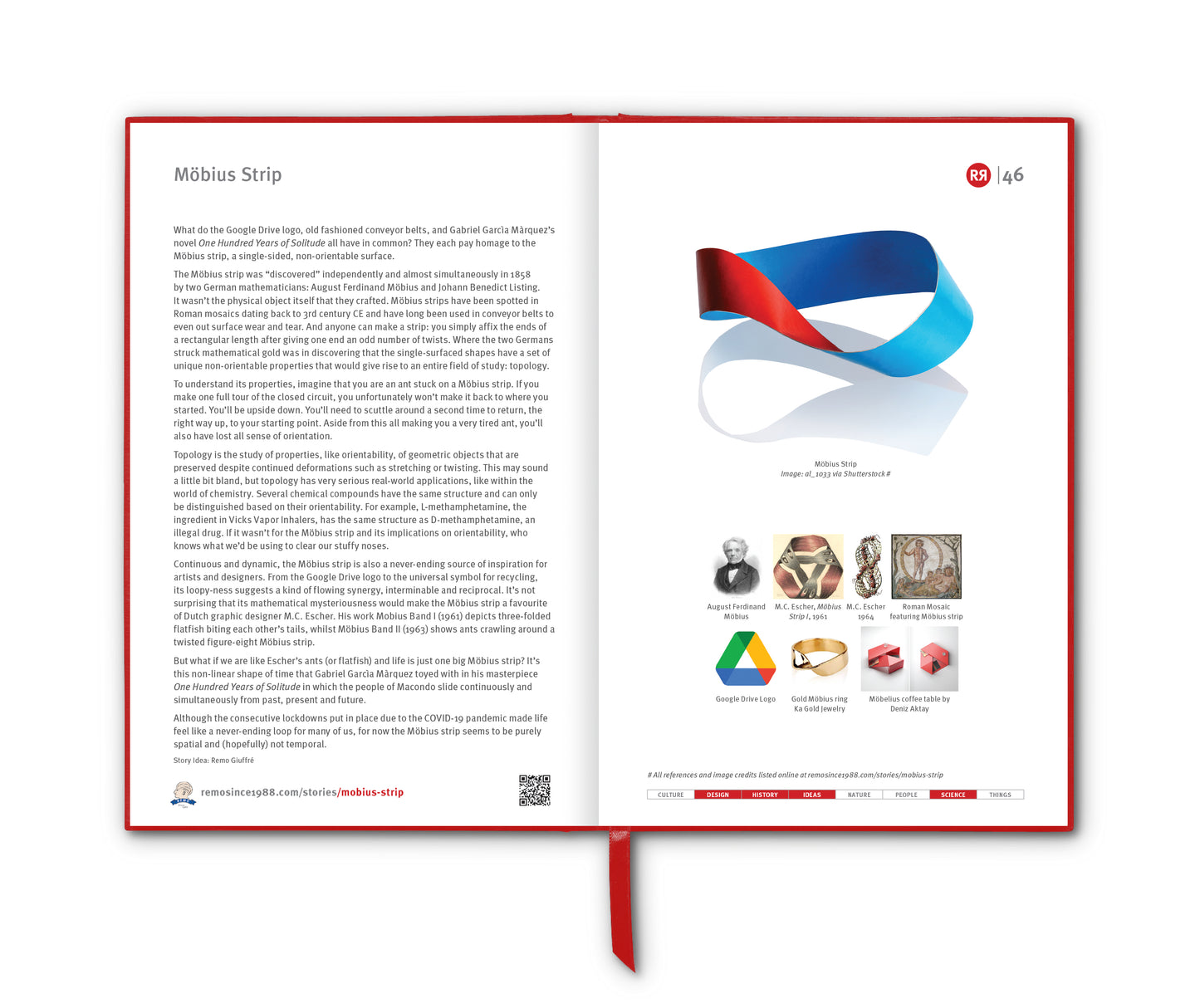
Carbon formed billions of years ago inside ancient stars. Through nuclear fusion, stars created heavier elements from lighter ones, and when those stars exploded as supernovae, carbon was scattered across the universe. Every carbon atom in your body was forged in a star long before the Earth existed.
What makes carbon remarkable is its ability to form stable bonds with up to four other atoms simultaneously. This versatility allows it to create an astonishing variety of molecules, from simple methane gas to the complex proteins and DNA that make life possible. The scientific field of organic chemistry is essentially the study of carbon compounds, and there are millions of them.
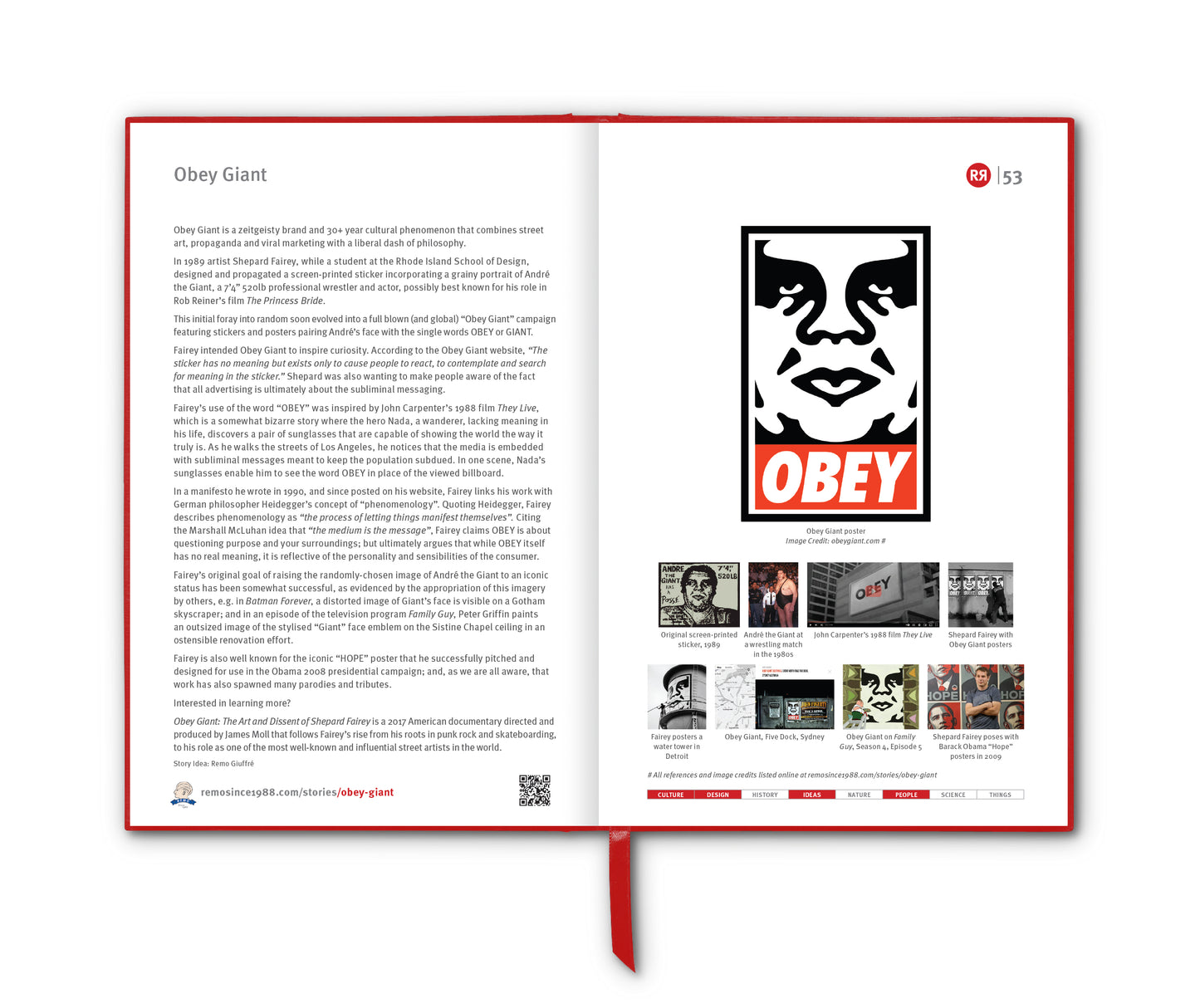
Carbon appears in several dramatically different forms, known as allotropes. The most familiar are graphite and diamond. Graphite, used in pencil “lead”, is soft and slippery because its atoms are arranged in flat sheets that slide over one another. Diamond, by contrast, is one of the hardest substances known, with carbon atoms locked into an extraordinarily strong three-dimensional structure. The fact that a pencil tip and a precious gemstone are made of the same element is one of chemistry’s great curiosities.
In the modern era, scientists have discovered even more exotic carbon structures, including buckminsterfullerenes – nicknamed “buckyballs” – and graphene, a sheet of carbon just one atom thick. Graphene is extraordinarily strong, lightweight, and conductive, leading many researchers to believe it could transform electronics, energy storage and materials science.
Carbon has also played a decisive role in human history through coal, oil and natural gas. These carbon-rich fossil fuels powered the Industrial Revolution, enabling unprecedented economic growth and technological advancement. Steam engines, railways, factories, automobiles and aircraft all owe their development, directly or indirectly, to humanity’s ability to harness stored carbon energy.
Yet carbon has a complicated legacy. The combustion of fossil fuels releases carbon dioxide into the atmosphere, contributing to climate change. As a result, carbon has become a central character in one of the defining challenges of the 21st century. Discussions of “carbon footprints”, “carbon neutrality” and “decarbonisation” now influence politics, economics and personal lifestyles around the globe.
Story Idea: Adam Spencer
See also: Carbon Dating [RR5:13]
_______________________________________
References
https://en.wikipedia.org/wiki/Carbon
https://www.britannica.com/science/carbon-chemical-element
http://www.caer.uky.edu/carbon/history/carbonhistory.shtml
Images
1. Carbon manifest in charcoal and as a diamond
2. Crab Nebula, a six-light-year-wide expanding remnant of a star's supernova explosion
3. We are made from star dust. Credit: Tasnim Promi for dreamstime.com
4. Diamond and graphite shown side by side, for illustrating carbon
5. Vintage French school poster
6. Some allotropes of carbon including: (a) diamond and (b) graphite
7. Buckminsterfullerene. Credit: Benjah-bmm27
8. Organic chemistry is the study of carbon-containing compounds
9. The carbon cycle