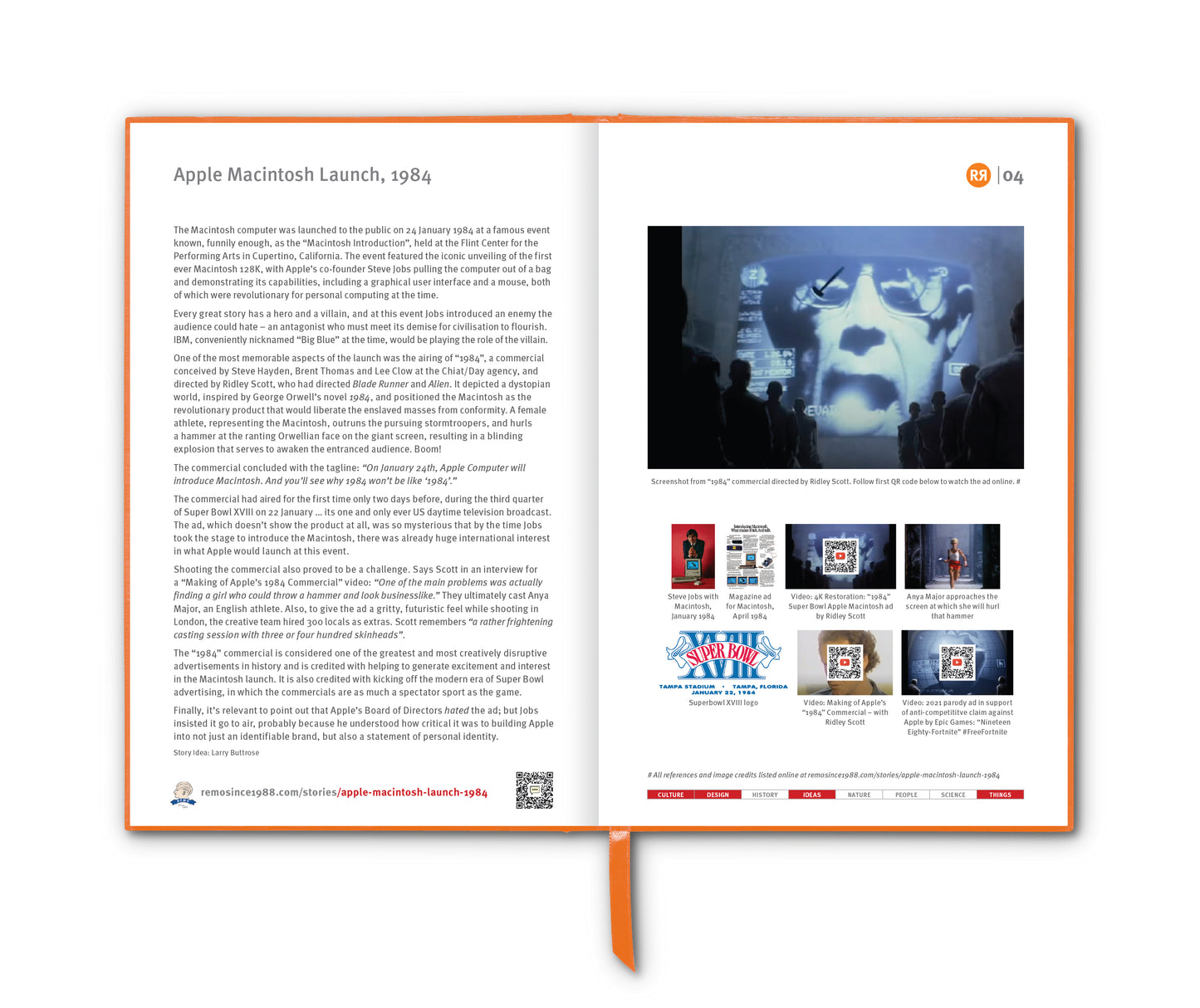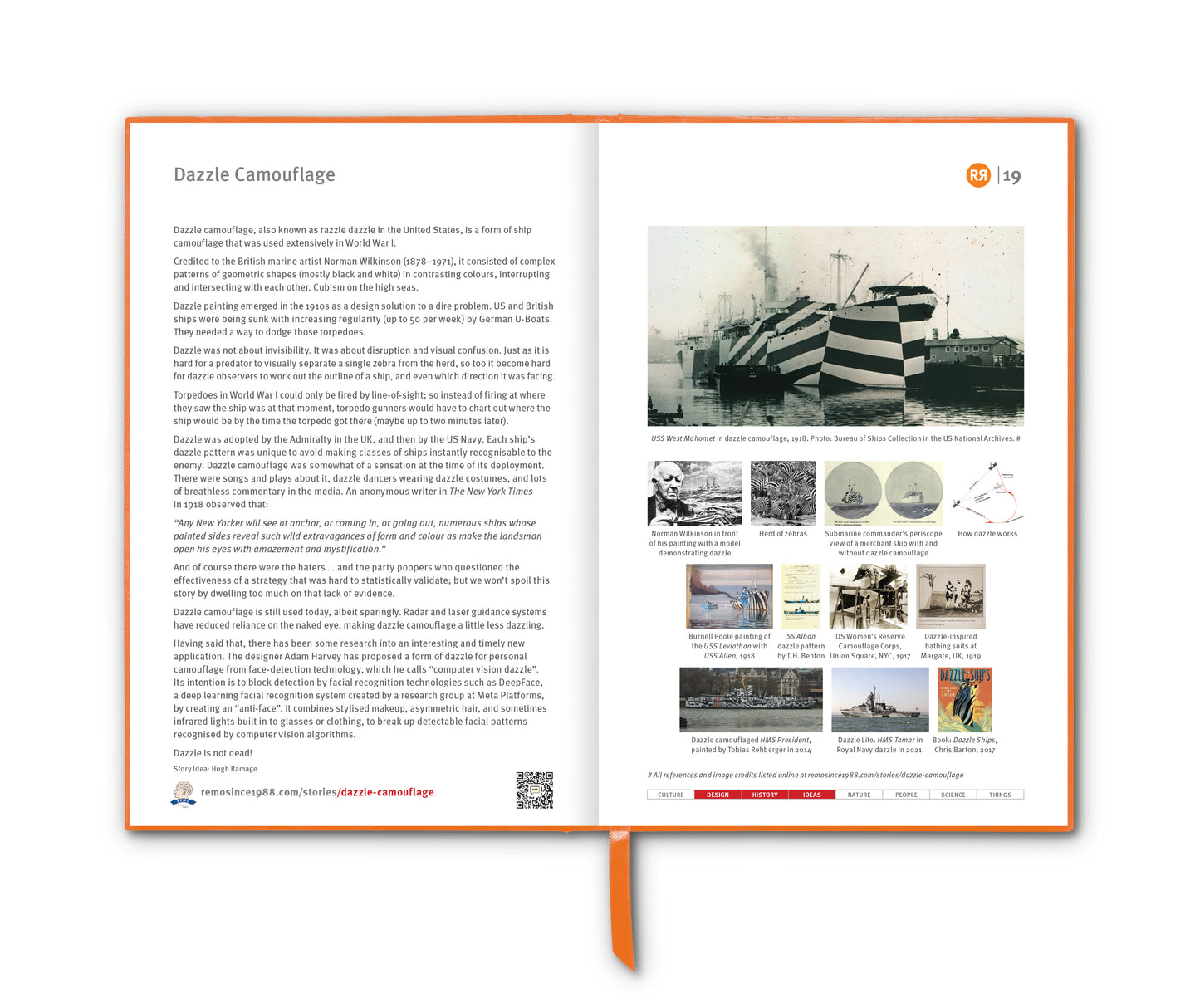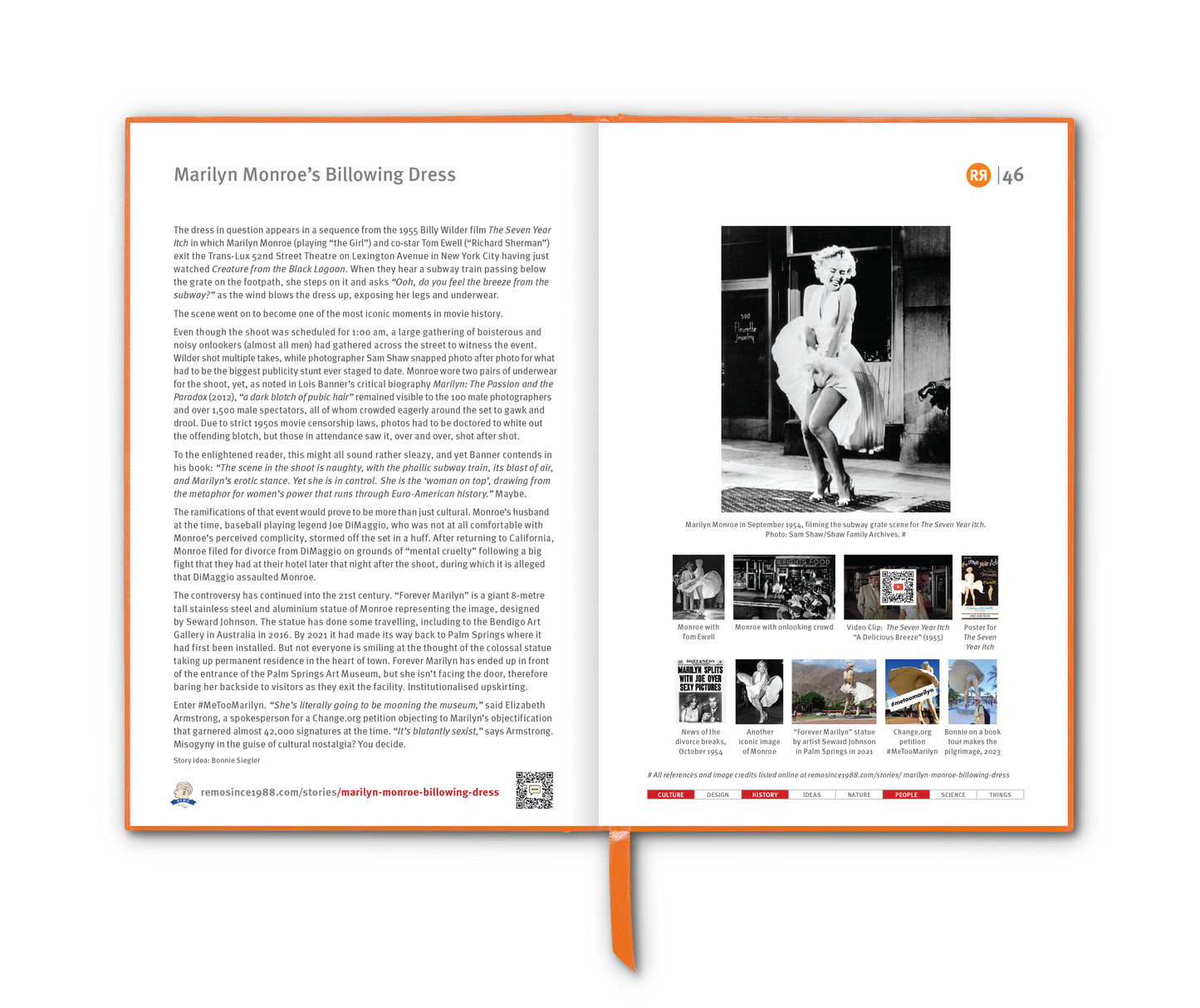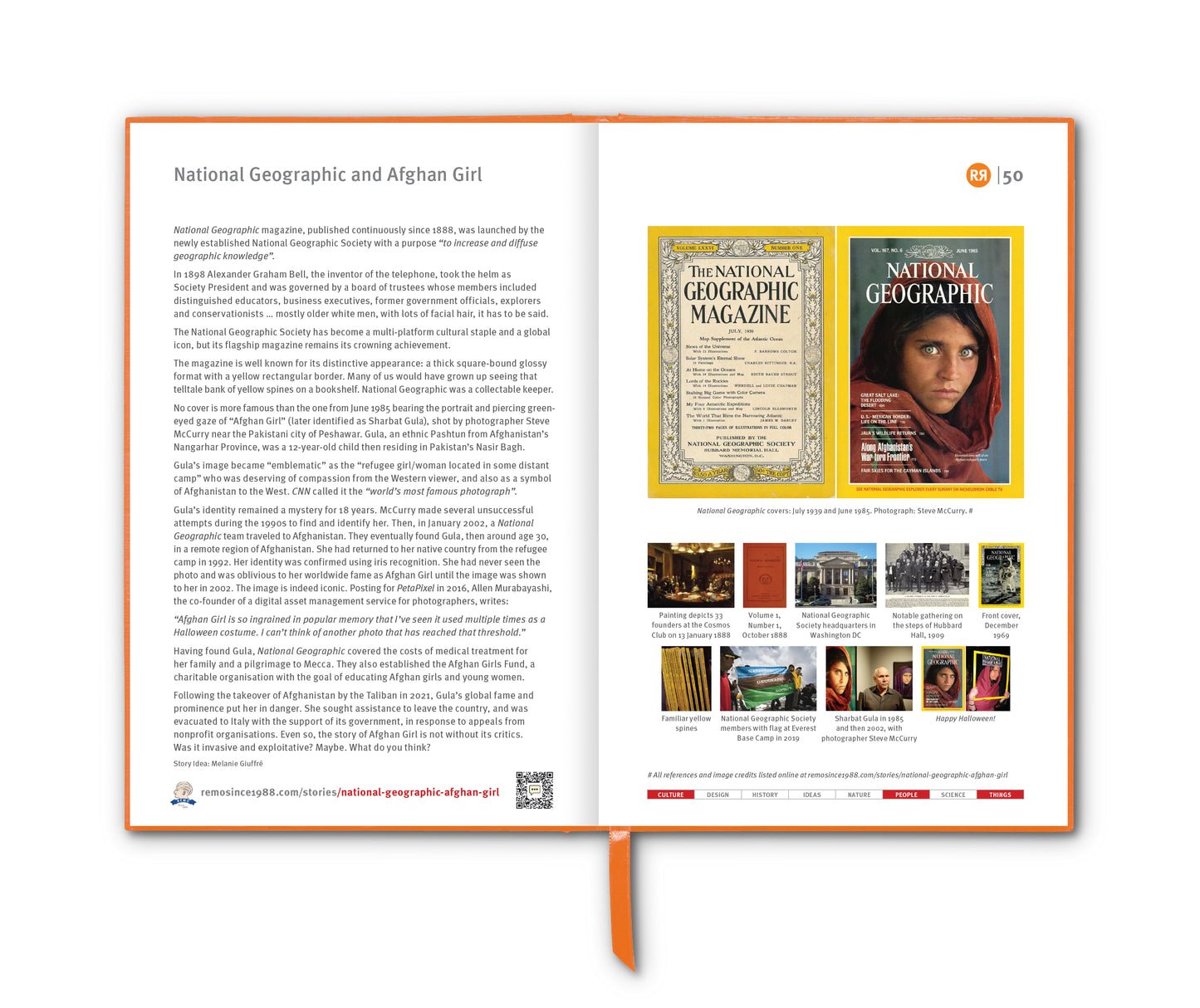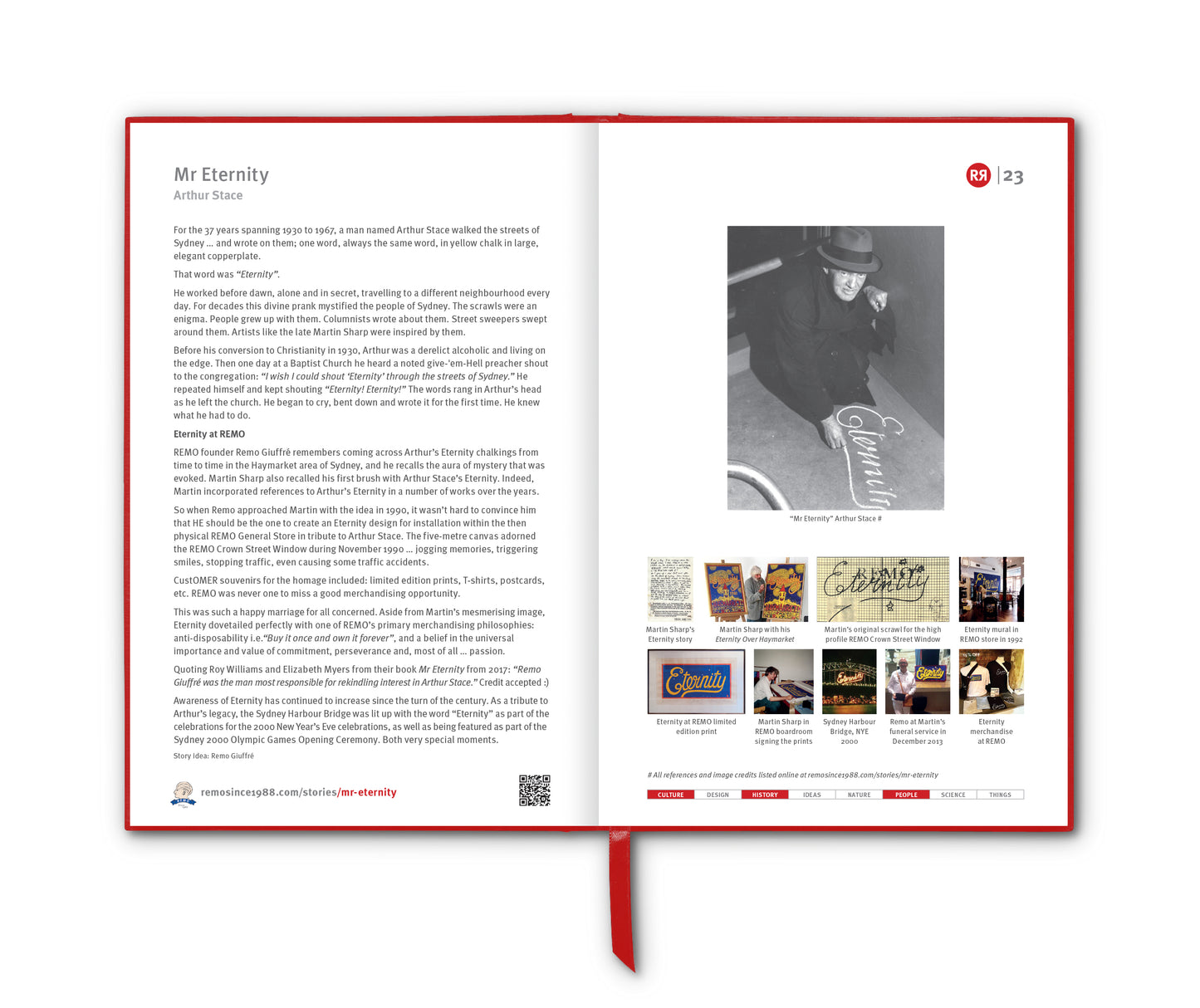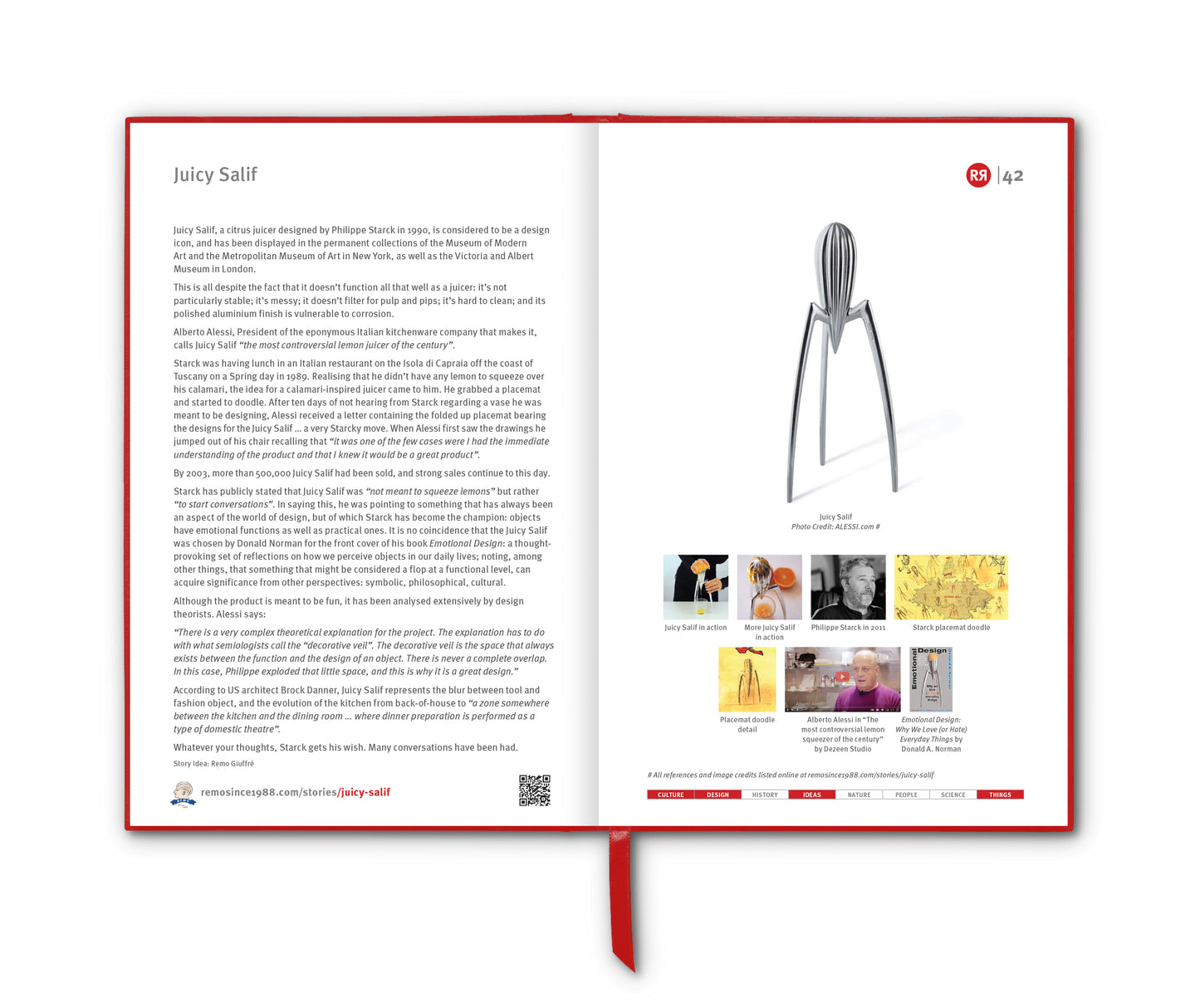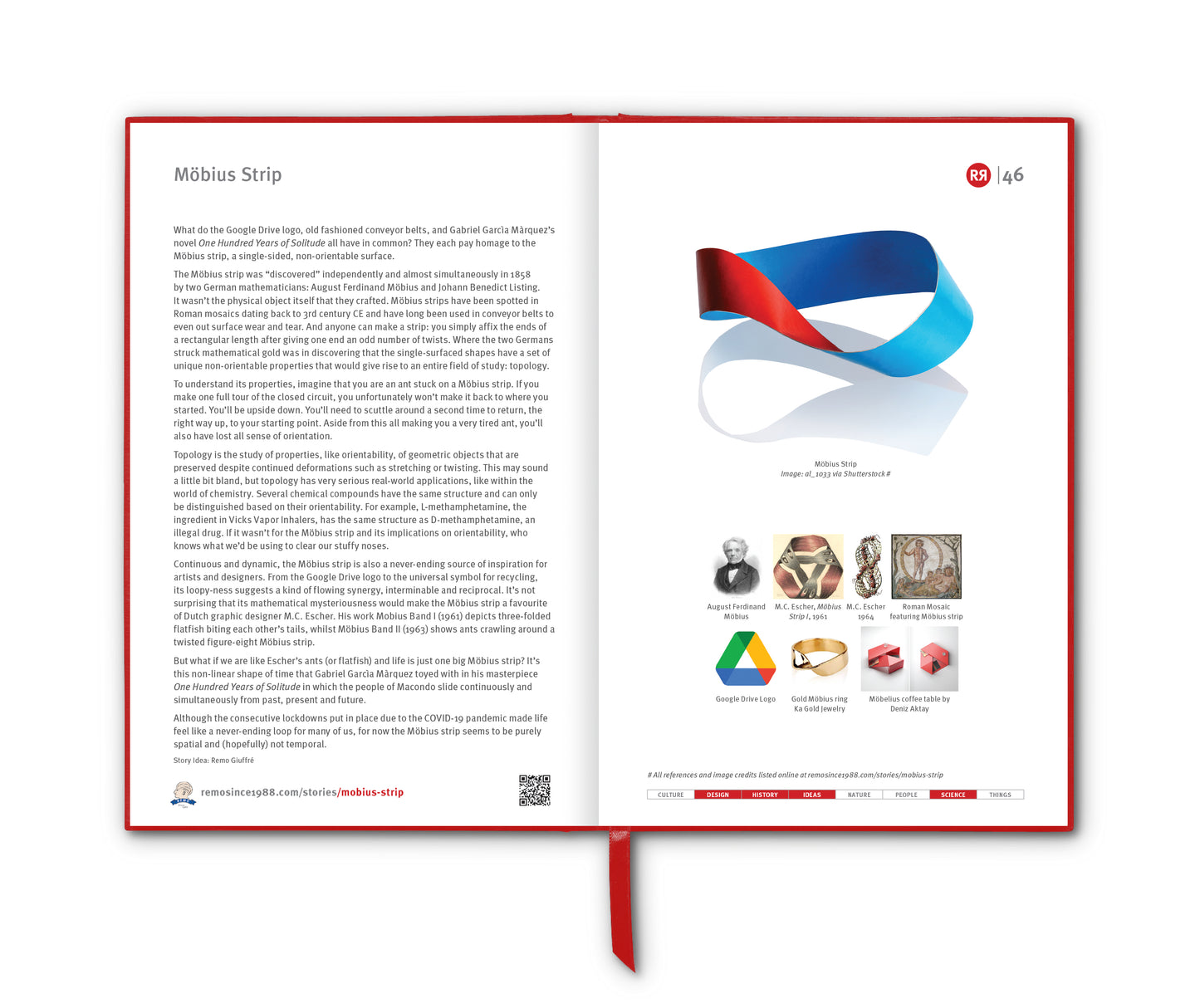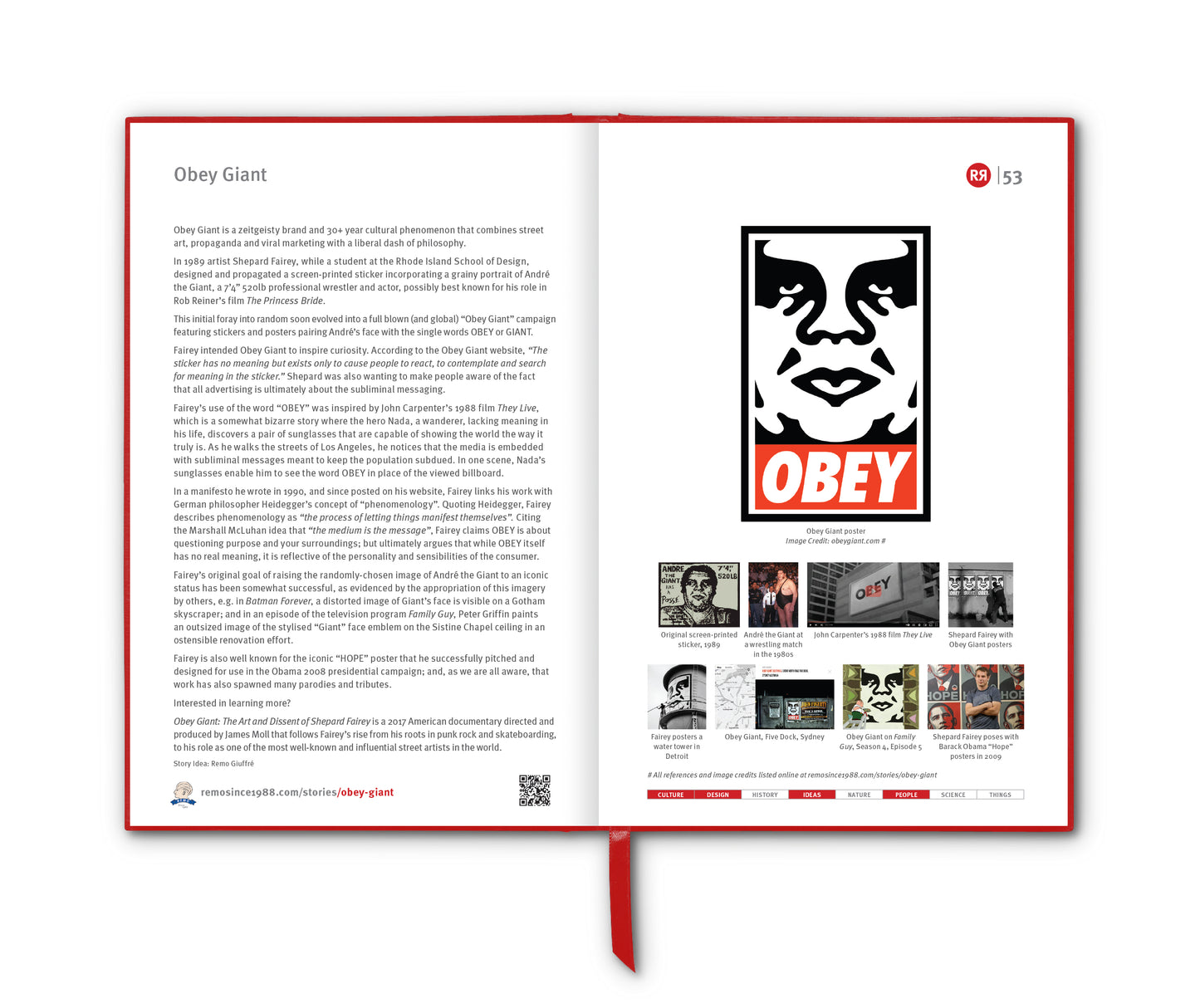

Climbing Mount Everest has long escaped the literal and become a metaphor for ultimate ambition – the thing that sits at the outer edge of possibility, demanding sacrifice, obsession and risk. Indeed, Mount Everest itself – known in Nepali as Sagarmāthā (“Forehead of the Sky”) and in Tibetan as Qomolangma (“Holy Mother of the World”) – has always existed at the edge of human imagination.
Long before it became a sporting objective, it was a sacred presence. For centuries, local Sherpa and Tibetan communities revered the mountain as the home of deities, not something to be “conquered” but respected. Ironically, the Western name “Everest” comes not from local tradition but from British colonial cartography, after Sir George Everest, who never actually saw the mountain.
The first serious attempts to climb Everest began in the early 20th century, driven by imperial curiosity and national pride. British expeditions in the 1920s pushed human limits at extreme altitude with rudimentary equipment. The most haunting of these was George Mallory, who disappeared with Andrew Irvine in 1924 near the summit ridge. Mallory’s famous reply to why he wanted to climb Everest – “Because it’s there” – became one of the most quoted lines in exploration history. Whether Mallory reached the summit remains one of mountaineering’s great unanswered questions.
The first confirmed ascent came on 29 May 1953, when Sir Edmund Hillary, a New Zealand beekeeper, and Tenzing Norgay, a Sherpa climber of extraordinary skill, reached the summit via the South Col route. Their success was not just a personal triumph but a symbolic one: proof that humans could survive and function in the so-called “death zone” above 8,000 metres, where oxygen is insufficient to sustain life for long.
Everest has since become a stage for remarkable victories. Climbers have summited without supplemental oxygen, soloed routes, skied down from near the top, and climbed it multiple times in a single season. Figures like Reinhold Messner redefined what was possible, stripping climbing back to speed, endurance and purity. At the same time, Sherpa climbers – once relegated to footnotes – have gradually gained recognition as elite mountaineers in their own right, with records that dwarf those of most Western climbers.
But Everest is equally defined by tragedy. More than 340 people have died on its slopes, victims of avalanches, altitude sickness, exhaustion and sudden storms. Disasters such as the 1996 storm, popularised in books and films like Into Thin Air, exposed the deadly consequences of overcrowding, poor decision-making, and commercial pressure. Bodies, preserved by cold, remain visible along popular routes – grim landmarks with tell-it-like-it-is names like “Green Boots”.
In the modern era, Everest faces new challenges. Climate change is destabilising ice and rock, increasing avalanche risk, while mass tourism has turned parts of the mountain into traffic jams above 8,000 metres – as evidenced by a famous image snapped by 14-peaks speed climber Nirmal Purja that went viral in 2019.
Ethical questions loom large: who gets to climb, at what cost, and who bears the risk? Yet Everest’s pull endures. It remains a symbol of ambition, obsession, humility – and the thin line between human achievement and human fragility.
_____________________________
References
wikipedia.org/wiki/Mount_Everest
nytimes.com/2019/09/18/sports/the-everest-climber-whose-traffic-jam-photo-went-viral.html
Images
1. This May 2019 photograph showing heavy traffic at the top of Mount Everest went viral. Photo credit: Nirmal Purja, Project Possible
2. Map of Nepal and Tibet
3. Photogravure of George Everest, 1866
4. British reconnaissance expedition team in 1921
5. Tenzing Norgay and Edmund Hillary after successfully completing the first ascent of Mount Everest on 29 May 1953
6. Reinhold Messner in 1985. Photo credit: Jaan Künnap
7. Everest Base Camp. Photo credit: Daniel Oberhaus
8. Climber at the summit wearing an oxygen mask. Photo credit: Igomezc
9. 2010 photo of "Green Boots", an Indian climber who died on Everest in 1996. Credit: Maxwelljo40