
Few products on Earth are surrounded by as much mythology as Coca-Cola. Its recipe is supposedly locked inside a vault in Atlanta. Only a tiny number of employees are said to know the full formula. For more than a century, the company has carefully cultivated the idea that Coca-Cola is not merely a soft drink, but one of the world’s great secrets.
In 1886, Atlanta pharmacist John Pemberton created a caramel-coloured tonic that he claimed could relieve headaches and fatigue. Like many “patent medicines” of the era, the original drink contained stimulants – including caffeine from kola nuts (four times the current level) and small amounts of cocaine derived from coca leaves. It was sold at soda fountains for five cents a glass.
What transformed Coca-Cola from local curiosity into global icon was not just the drink itself – but the branding. By the early 20th century, the company was presenting its formula as something mysterious and irreplaceable. Rumours spread about a hidden ingredient known as “Merchandise 7X”. Stories circulated that the recipe was stored in a bank vault and transported in secret briefcases. Whether entirely true or not, the mythology worked brilliantly. Coca-Cola became the world’s most recognised beverage.
Over time, Coke embedded itself deeply into popular culture. During World War II, company president Robert Woodruff promised that every American soldier could buy a Coke for five cents, wherever they were stationed. The company built bottling plants around the world to make it happen, helping spread Coca-Cola across the globe.
Advertising campaigns linked the drink with youth, happiness and Americana. Even the modern image of Santa Claus – rosy-cheeked and dressed in bright red – was heavily popularised through Coca-Cola advertising in the 1930s.
Then, in 1985, came the unthinkable.
Facing growing competition from PepsiCo, whose sweeter drinks were winning blind taste tests, Coca-Cola executives decided to change the famous formula. After extensive research, the company launched “New Coke”, replacing the original recipe entirely. Executives believed that consumers would embrace the smoother, sweeter flavour.
Instead, they triggered one of the greatest consumer backlashes in business history. Customers flooded the company with angry letters and phone calls. Some hoarded old cans of Coke in basements and garages. Protest groups emerged demanding the return of the original formula. The outrage baffled executives: in blind tests, many people had actually preferred the taste of New Coke. But Coca-Cola had underestimated something far more powerful than flavour – nostalgia. After just 79 days, the company surrendered and brought back the original drink under the name “Coca-Cola Classic”.
Ironically, the fiasco garnered enormous attention and strengthened the brand. The emotional reaction proved how deeply attached people were to Coca-Cola, and sales surged after the original formula returned. The story of New Coke became a cautionary tale – evidence that some products are more than products. They become part of culture itself.
________________________
References
https://en.wikipedia.org/wiki/Coca-Cola
https://www.coca-colacompany.com/about-us/history
https://www.nytimes.com/1985/07/12/business/coca-cola-s-big-misjudgement.html
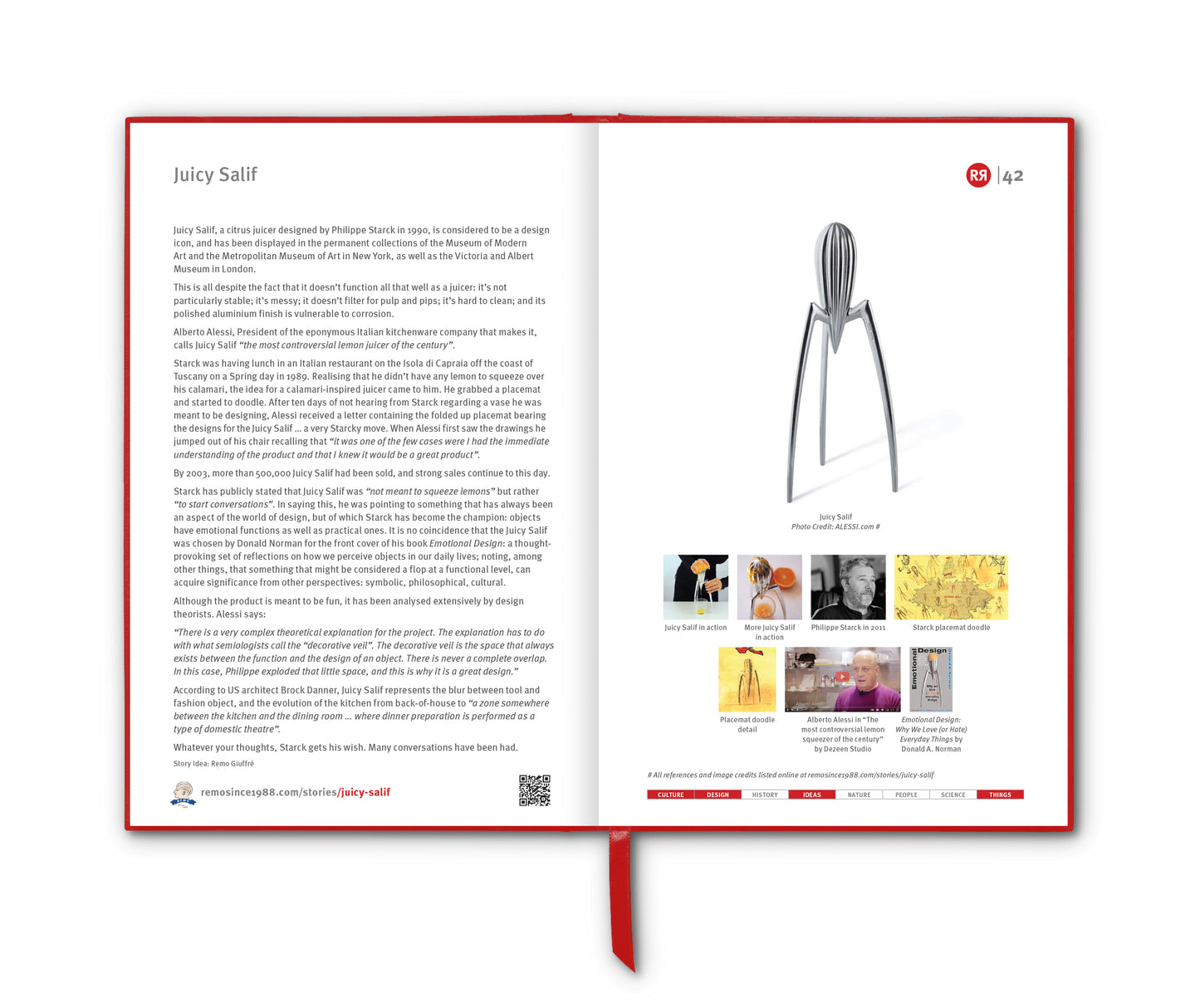
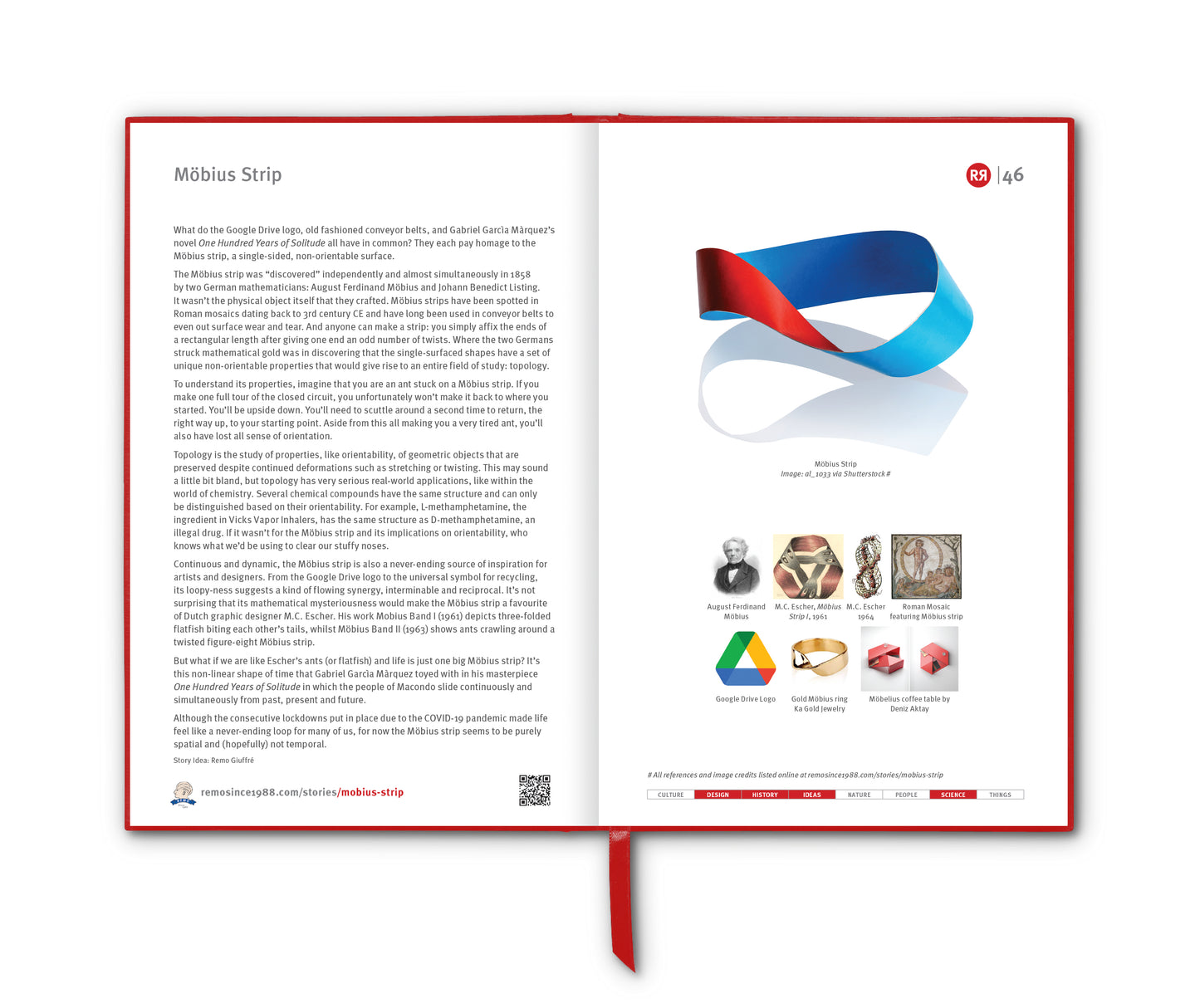
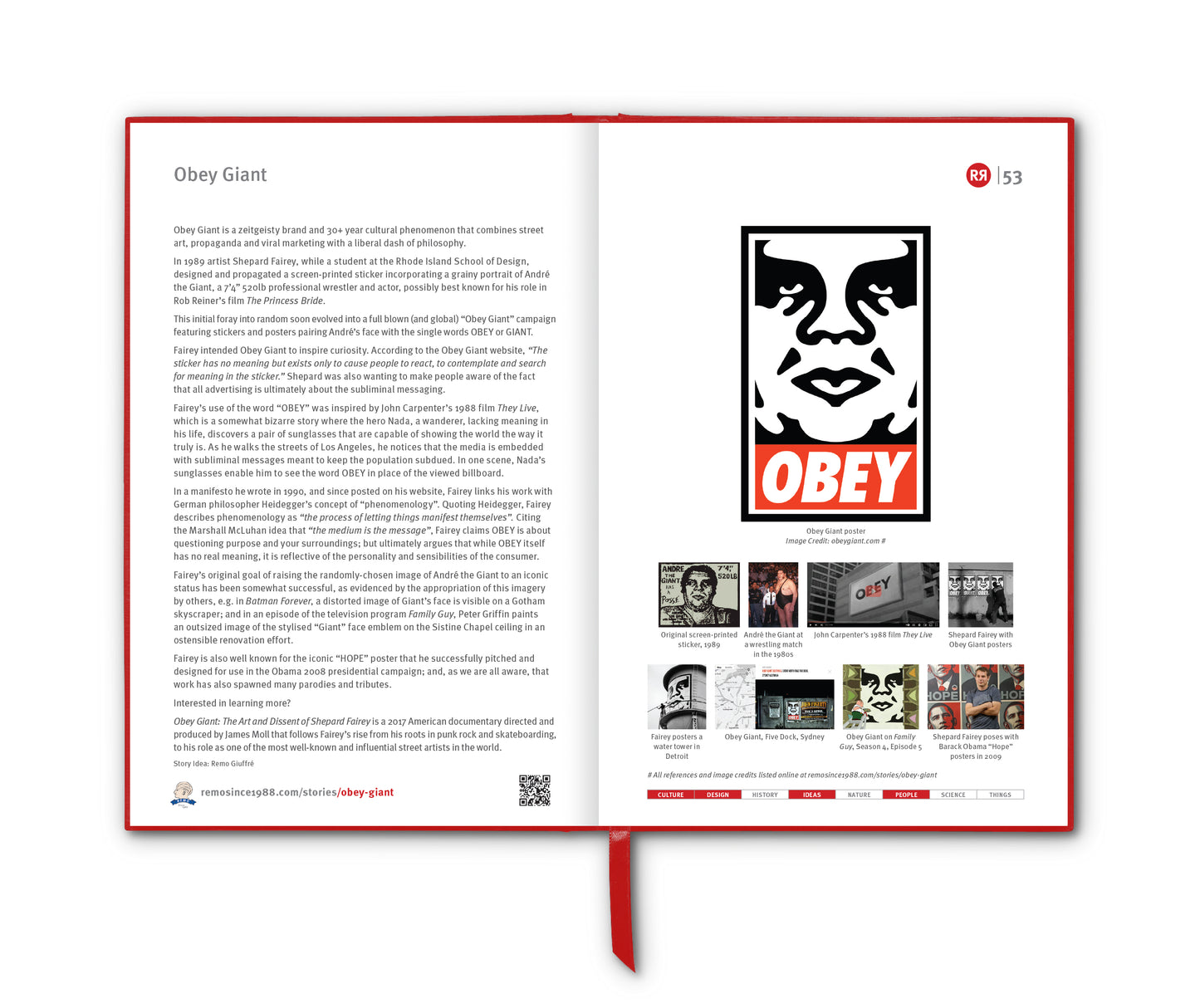
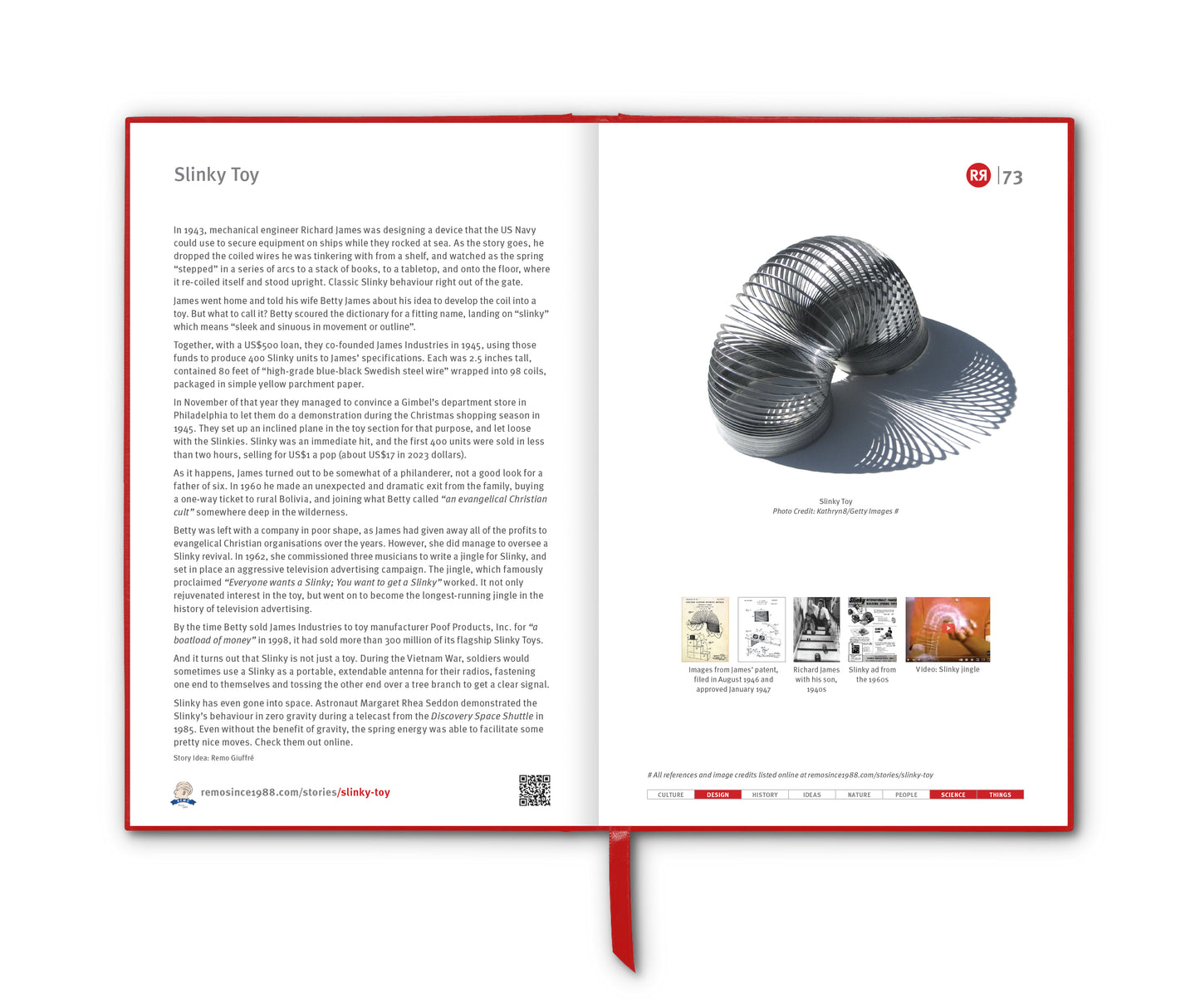
Images
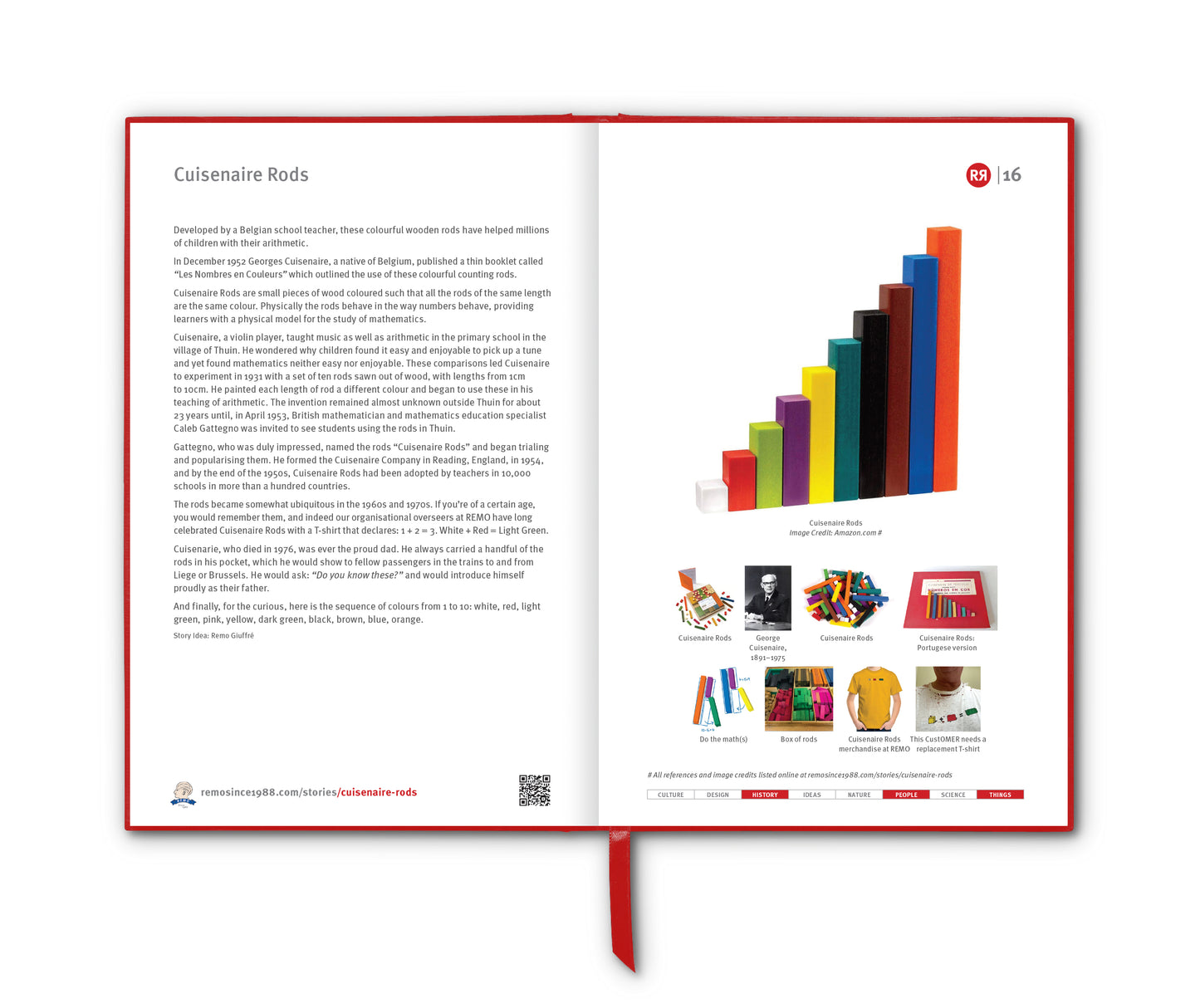
1. John Pemberton, the original creator of Coca-Cola
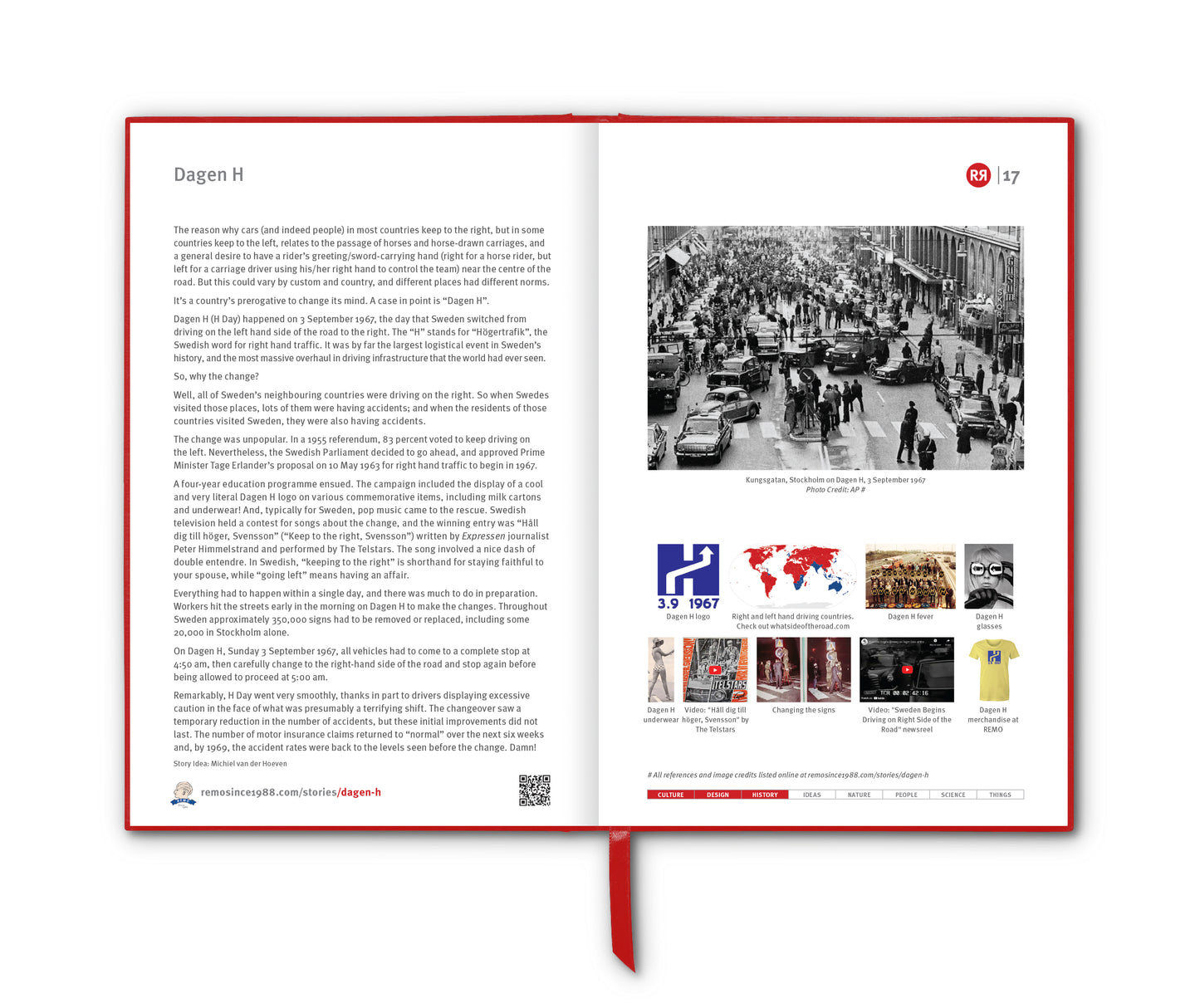
2. First ever coupon from 1888 to help promote the drink. By 1913, the company had redeemed 8.5 million tickets.
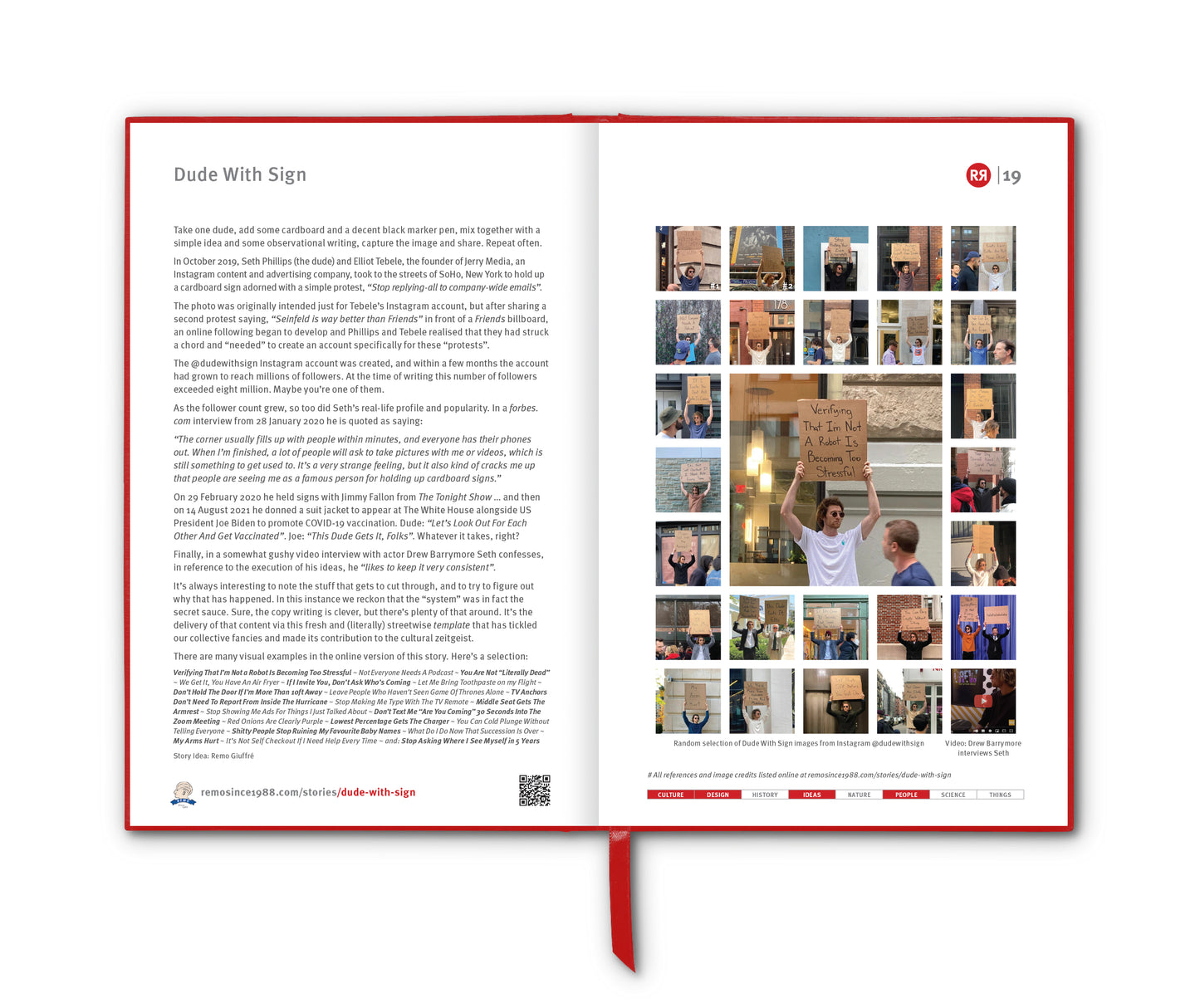
3. An 1890s advertisement featuring model and operetta star Hilda Clark
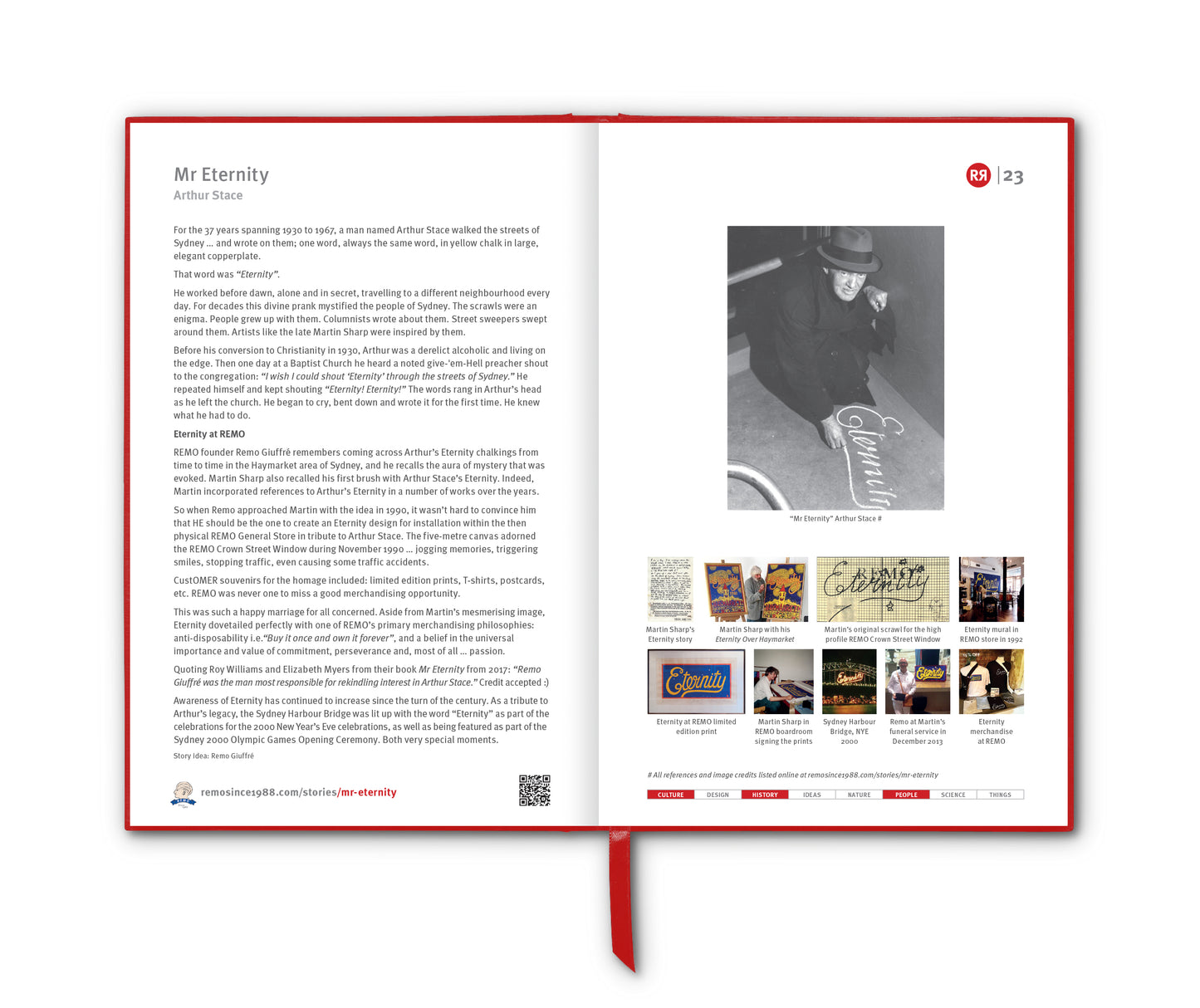
4. Refurbished Coca-Cola advertisement from 1943 on display in Minden, Louisiana
5. "Boat Motor" styled Coca-Cola soda dispenser, Fleeman's Pharmacy, Atlanta, Georgia, 1943
6. Coca-Cola bottles over the years
7. Bottling plant of Coca-Cola Canada Ltd., 1941, Montreal, Canada
8. Roberto Goizueta (left), Chairman and CEO of the Coca-Cola Company, toasting the launch of New Coke with COO Donald Keough, 1985
9. The New York Times, 12 July 1985