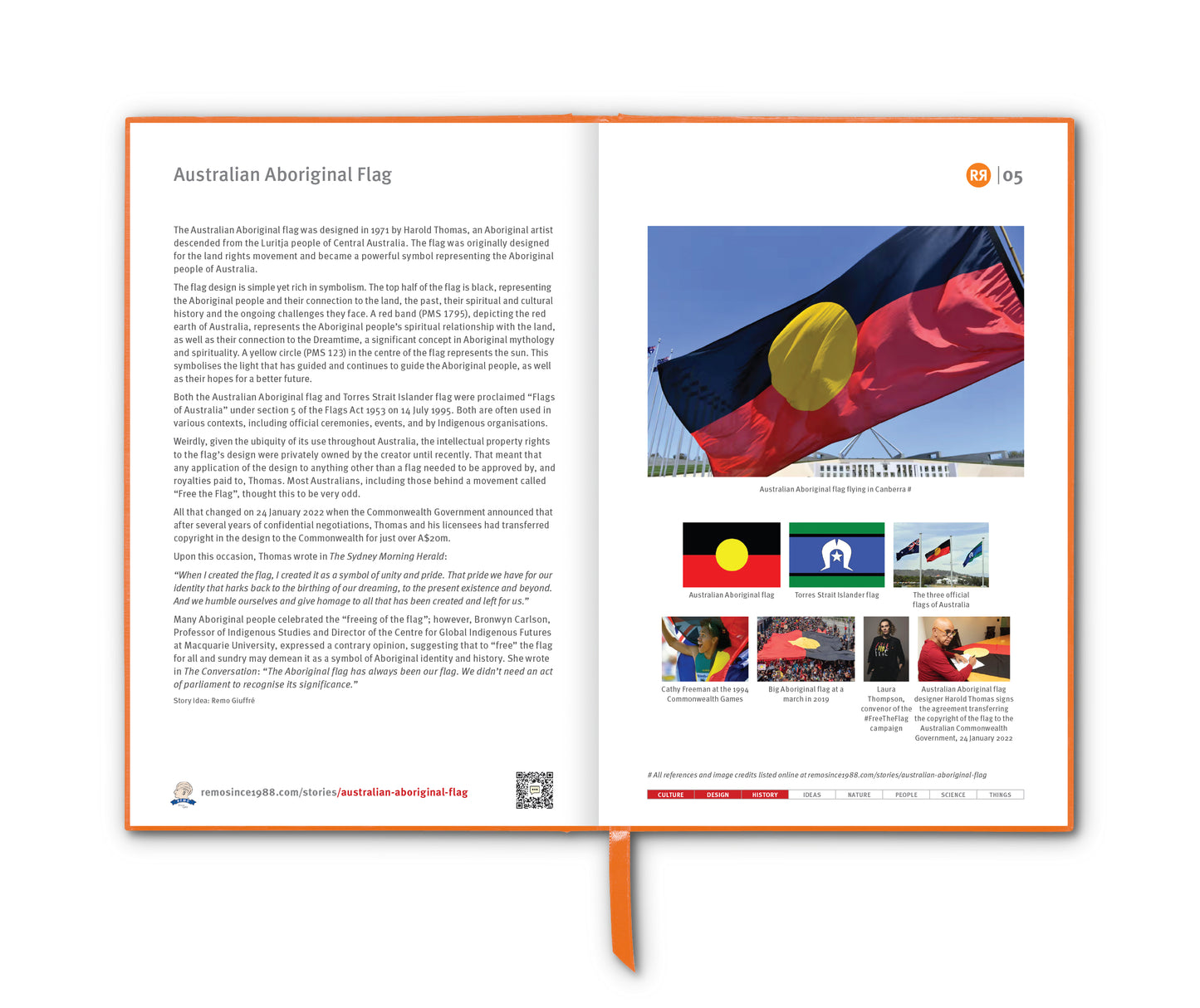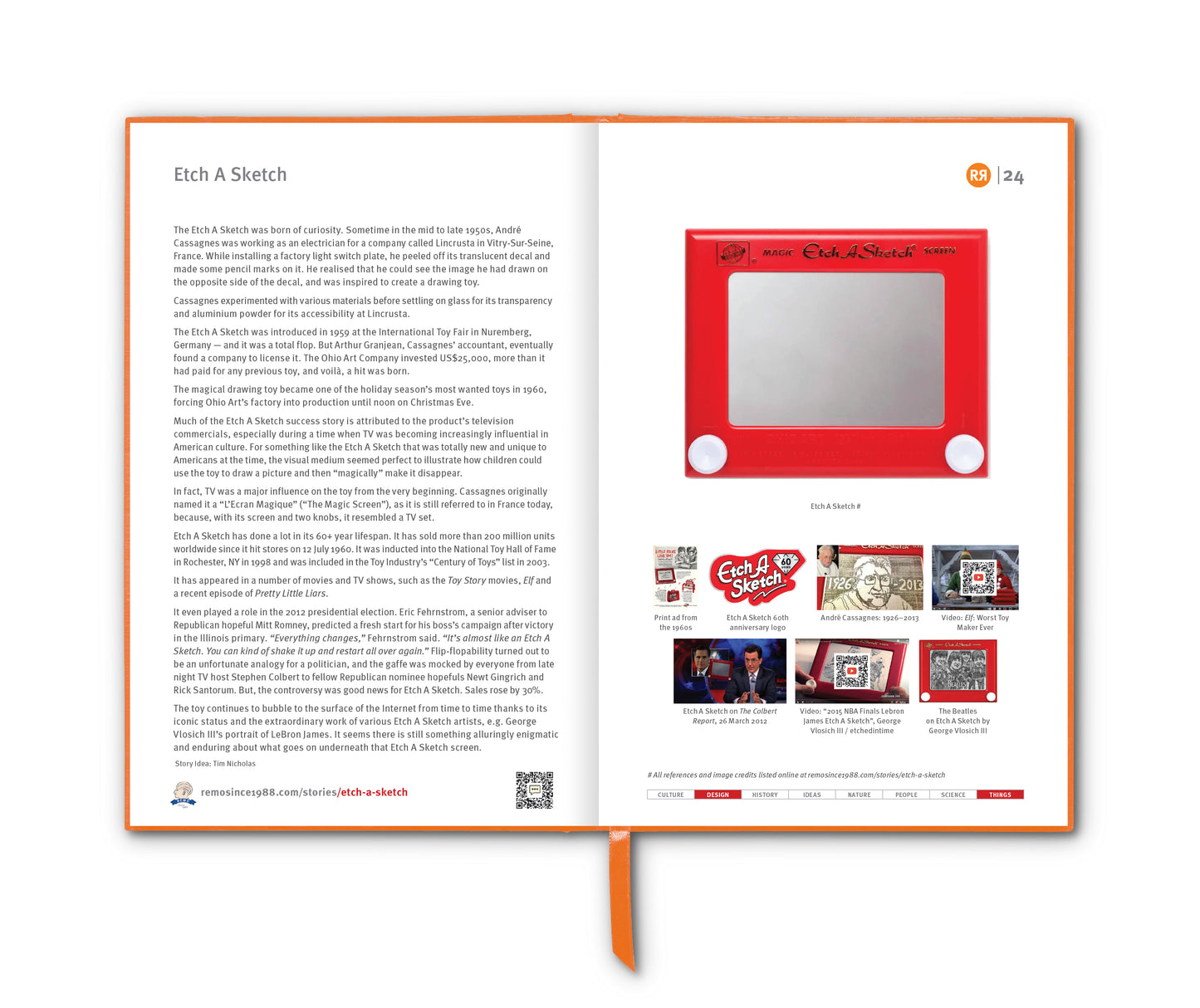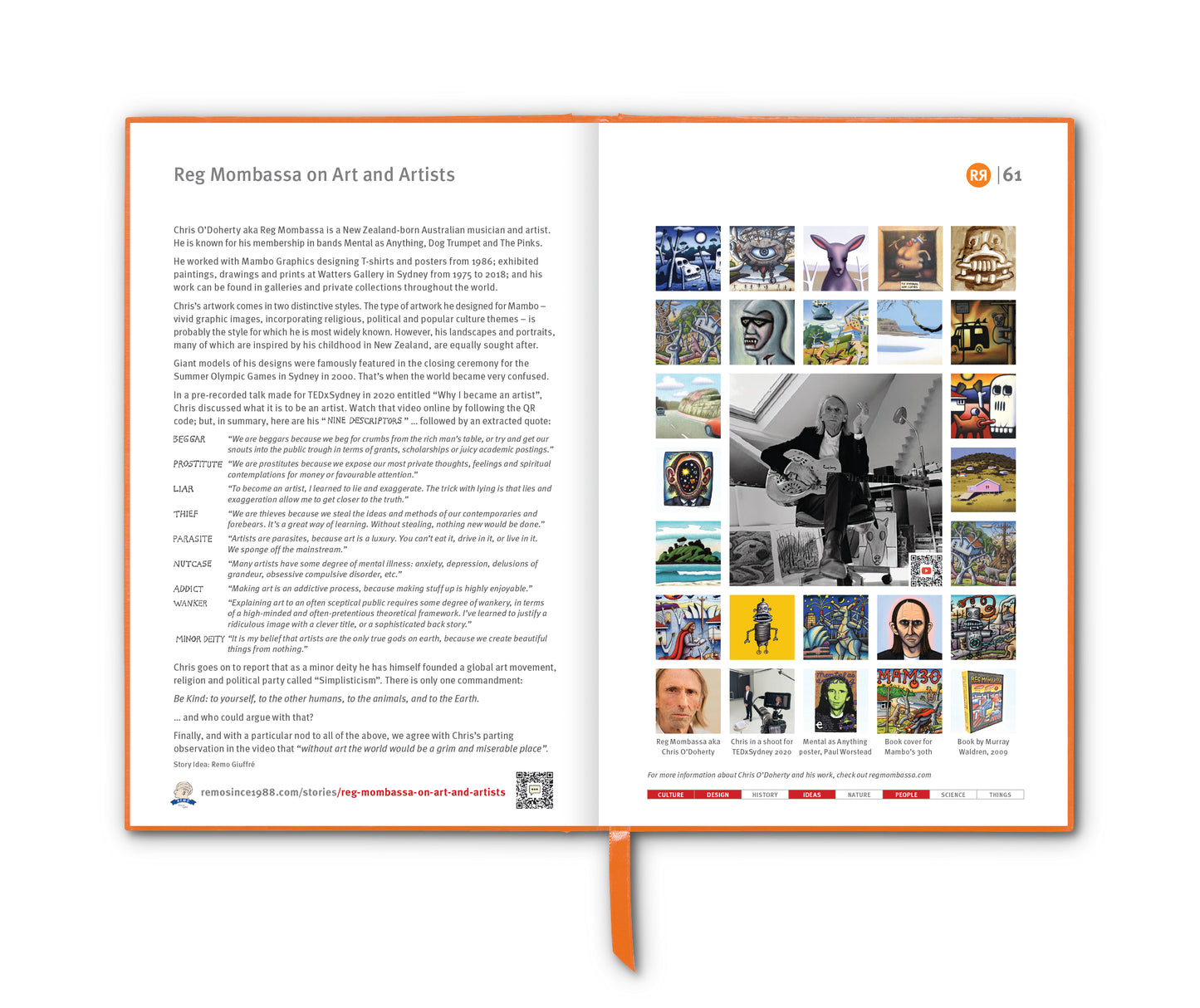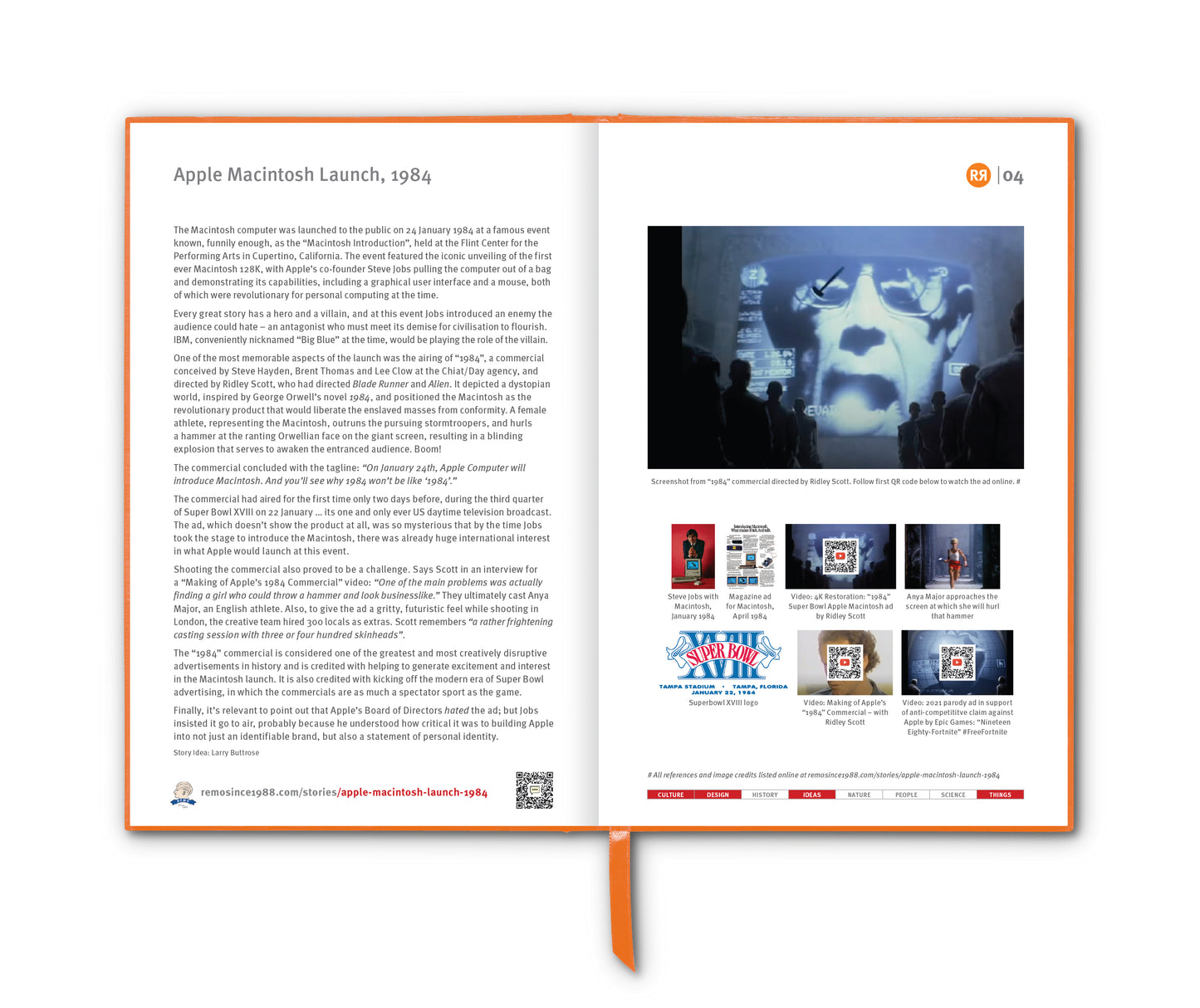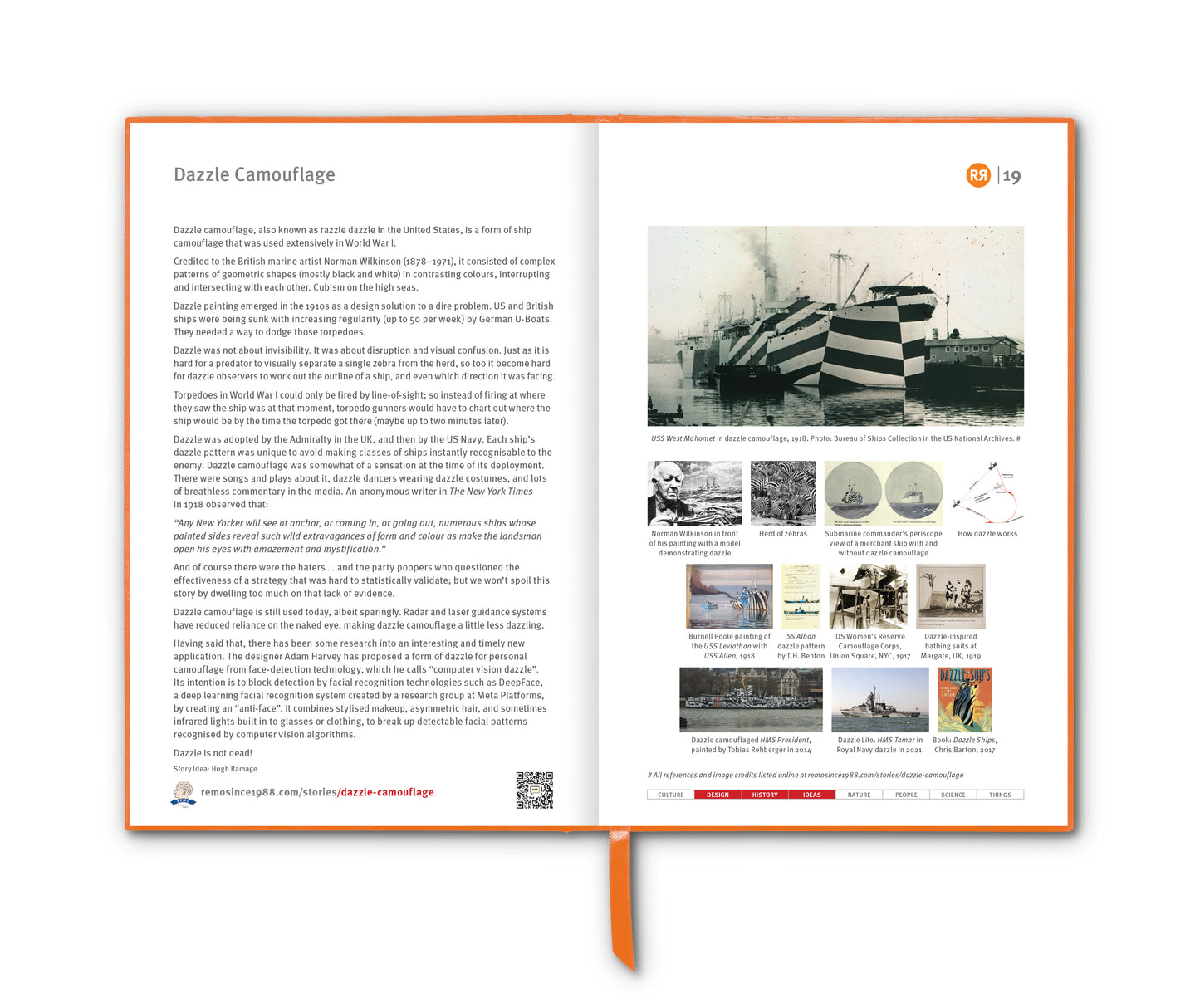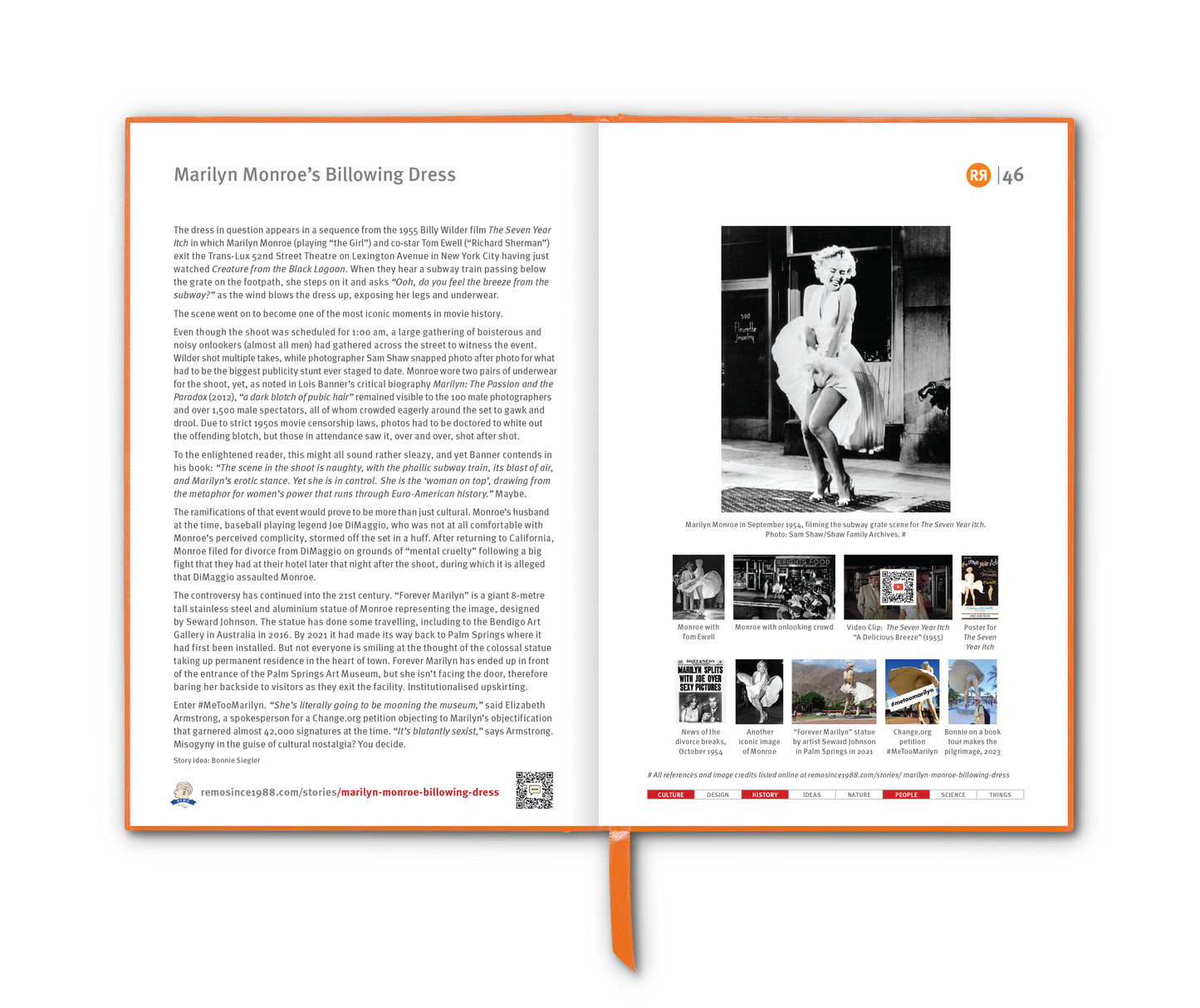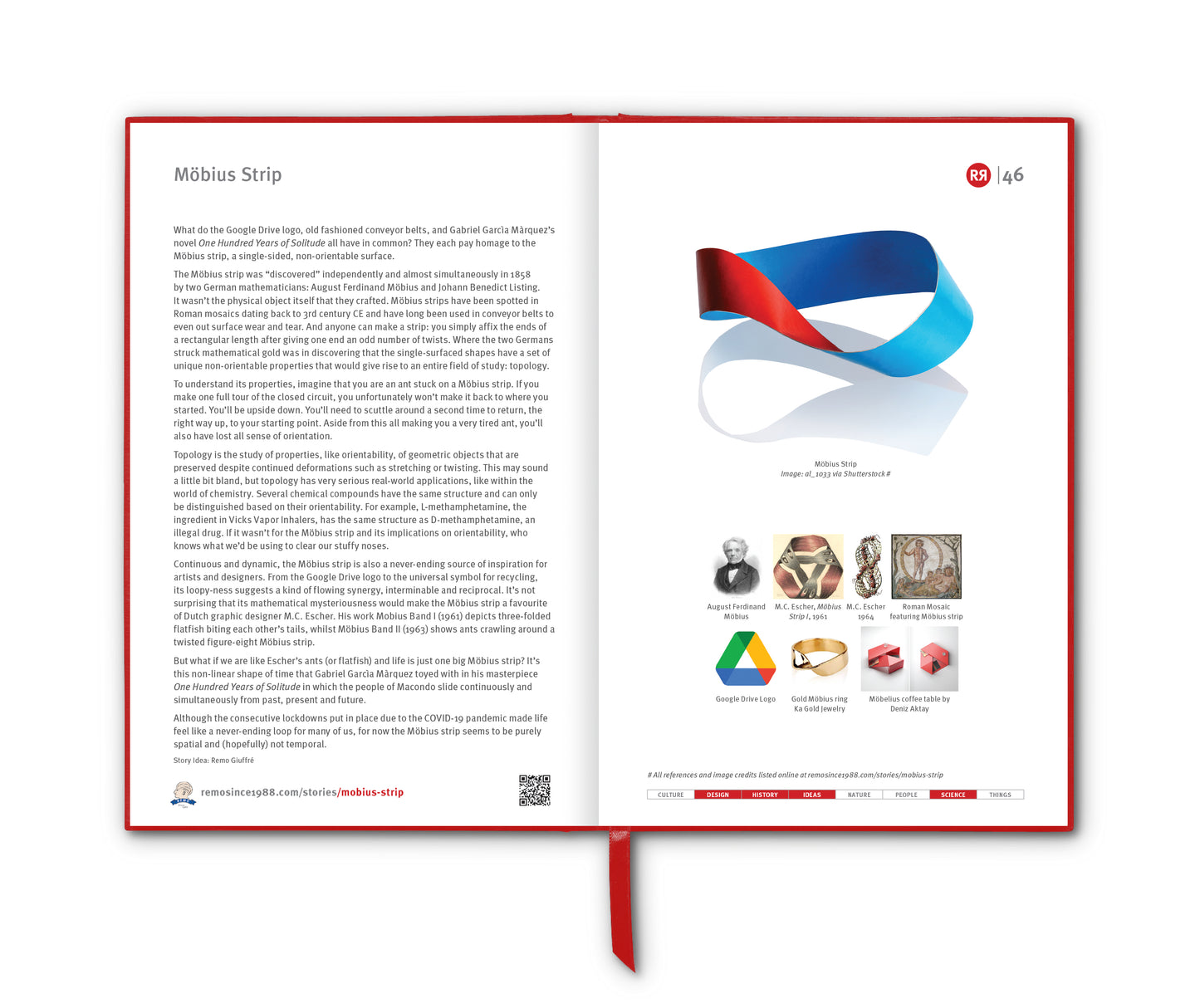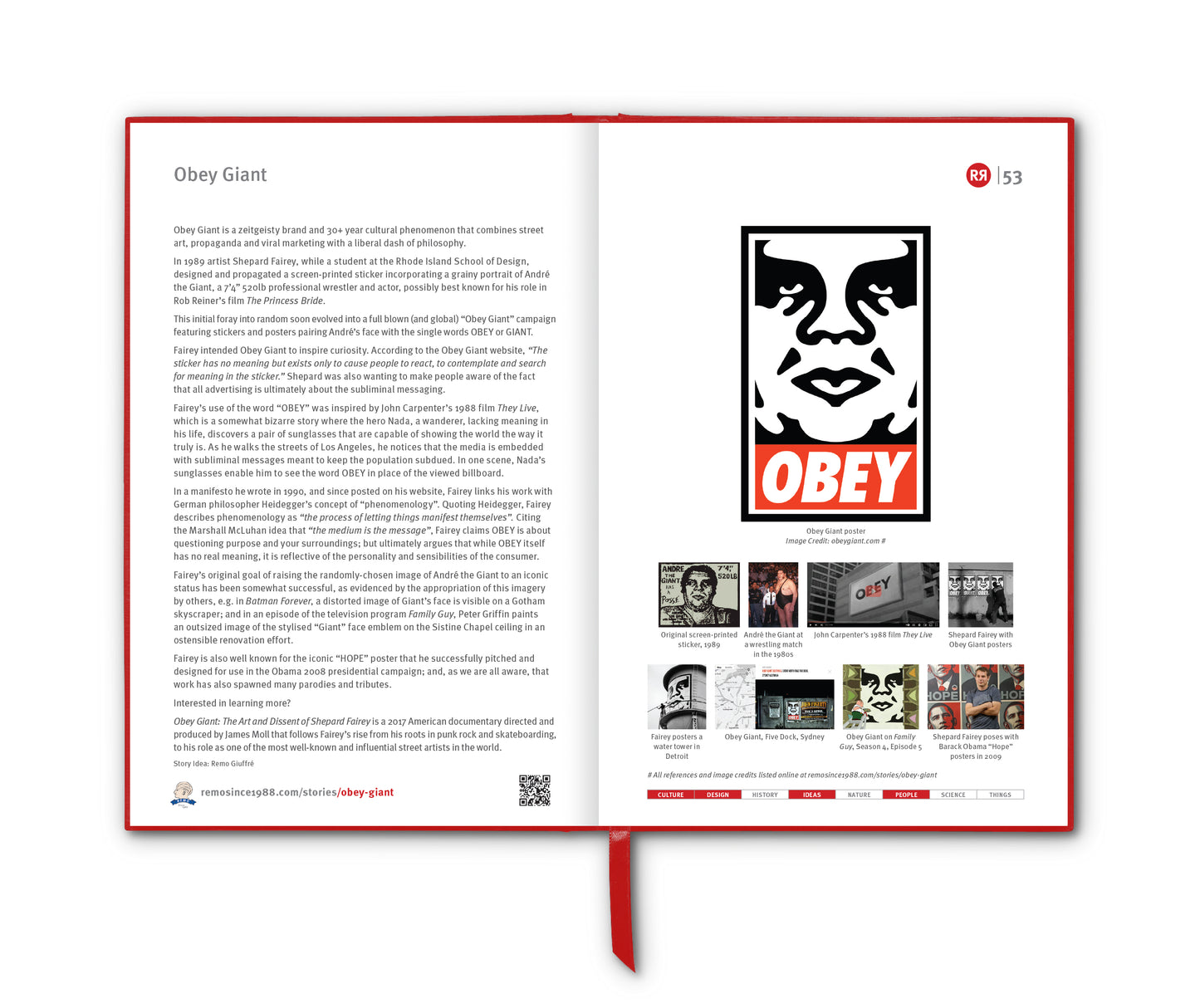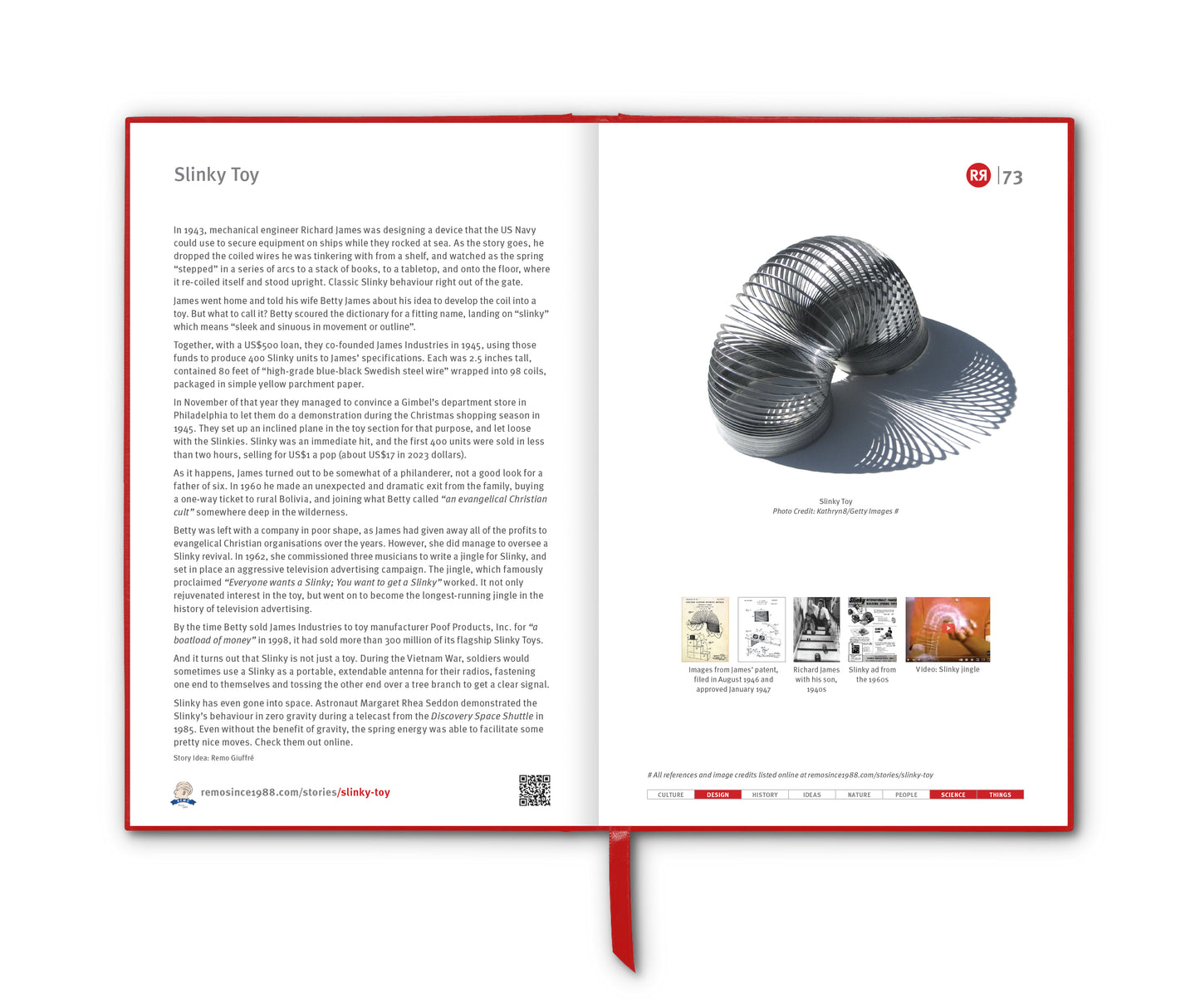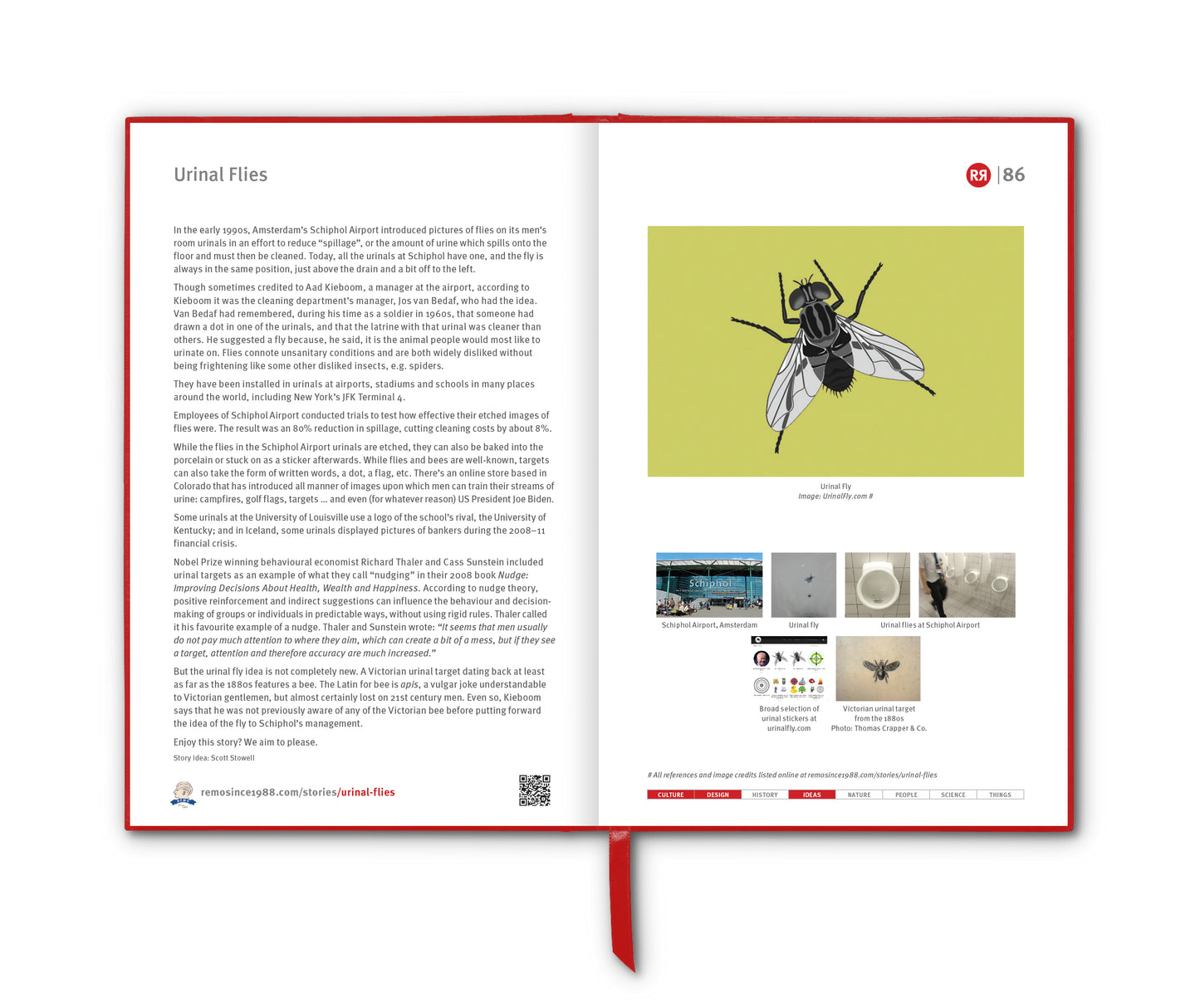

The COVID-19 pandemic (also known as the coronavirus pandemic) will be remembered as the first global crisis of the digital age experienced simultaneously by billions of people – just about all of humanity. Caused by a novel coronavirus – later named SARS-CoV-2 – the outbreak was first detected in late 2019 in Wuhan, China. Within months it had spread almost everywhere on Earth, prompting the World Health Organisation to declare a pandemic on 11 March 2020. What followed was a strange period in which the rhythms of everyday life were abruptly rewritten.
One of the most remarkable features of COVID-19 was the near-instant global experiment in human behaviour. Words like “lockdown”, “social distancing”, and “flatten the curve” entered common language. Entire populations were asked to stay home. Air travel collapsed. City centres fell silent. Satellite images even showed temporary drops in air pollution. Rarely before had governments attempted such synchronised restrictions on movement outside of wartime.
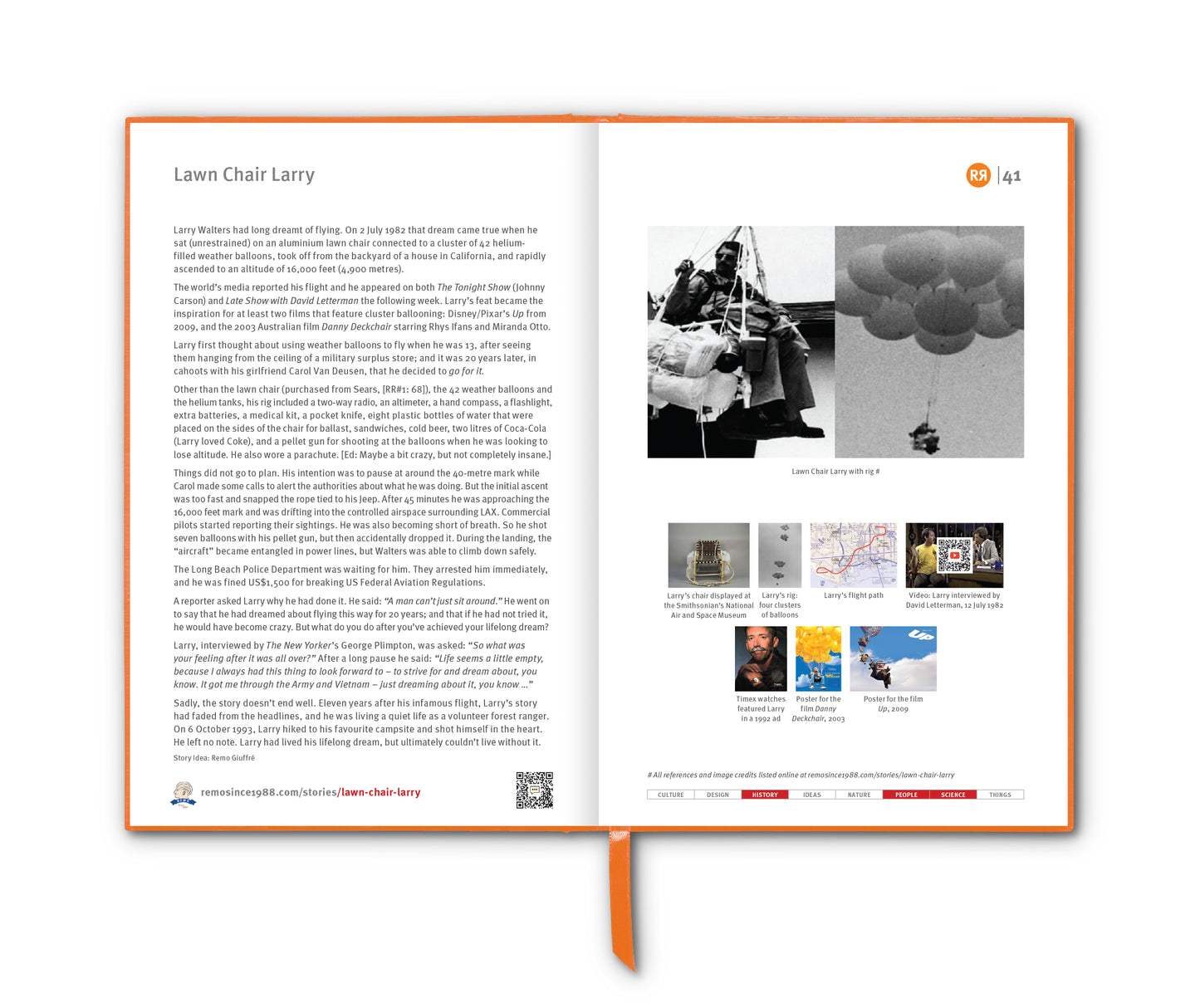
Daily rituals emerged that would have seemed odd only weeks earlier. People washed their hands to the length of “Happy Birthday”, wiped groceries, bumped elbows and became amateur epidemiologists – scanning charts of infection curves. Masks – common in parts of Asia but rare in the West other than back in the late 1910s when the Spanish flu was a thing – became everyday objects and, in some places, political symbols. Lines painted on supermarket floors and “sit here” dots on trains or buses quietly reorganised human spacing.
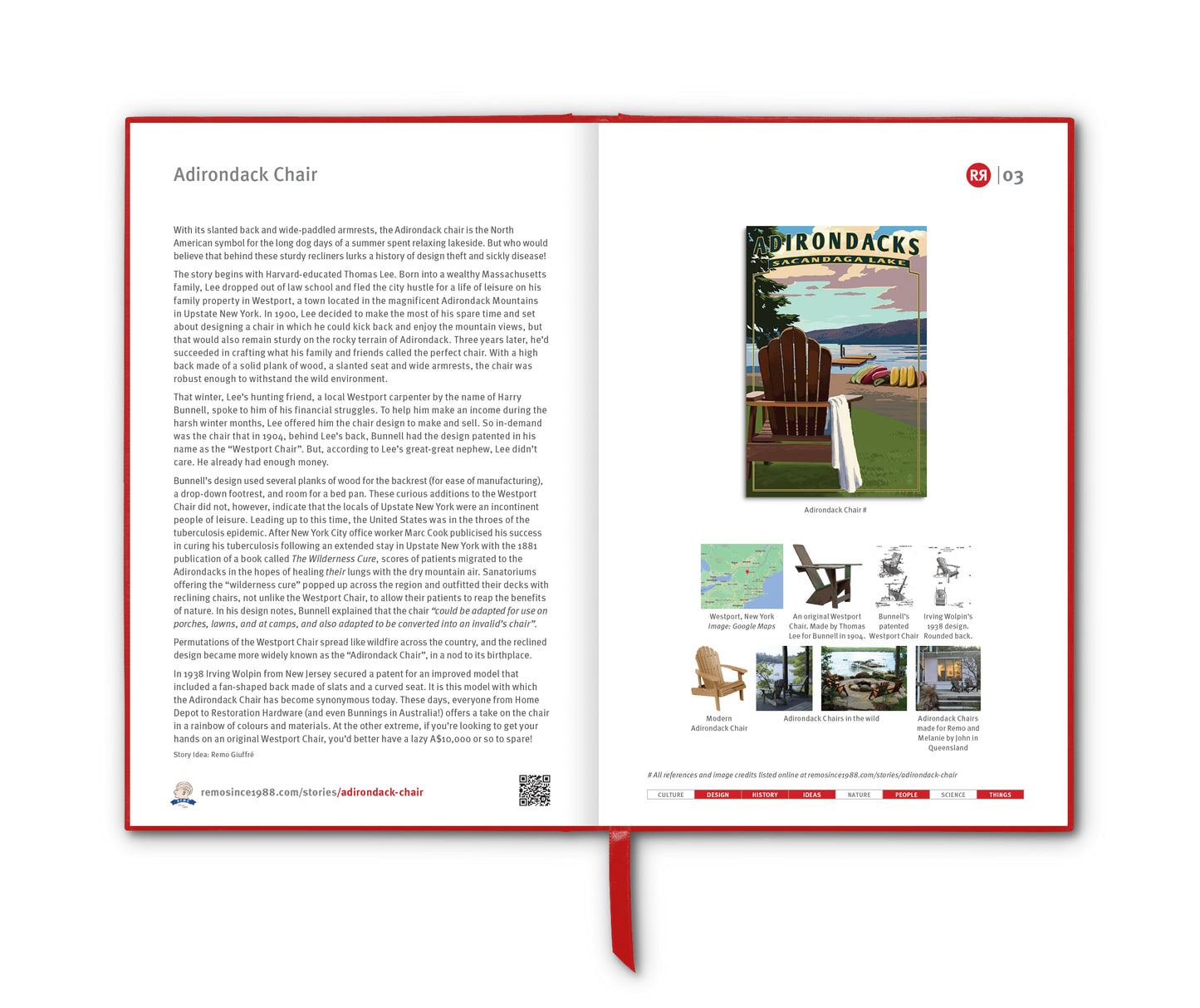
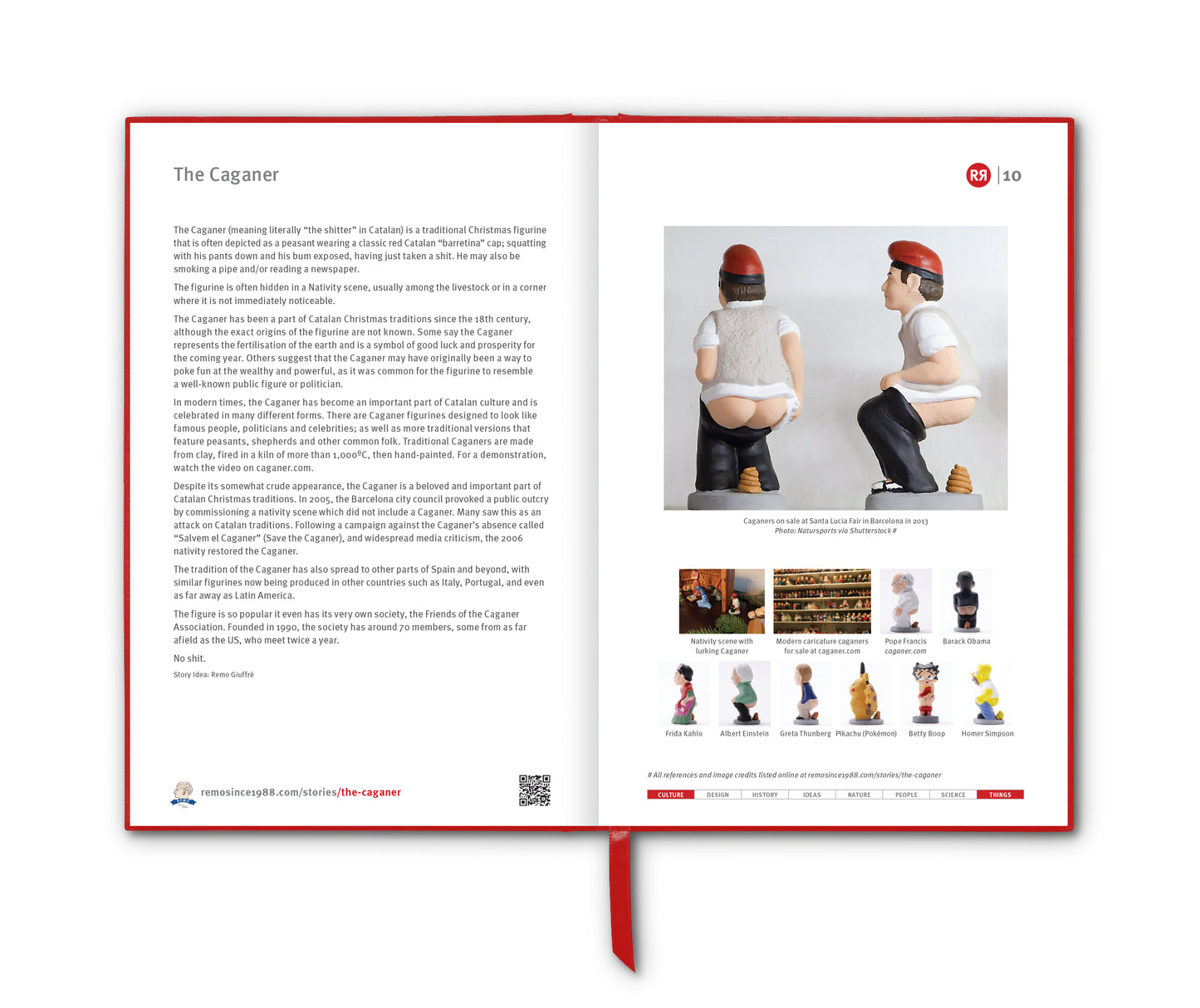
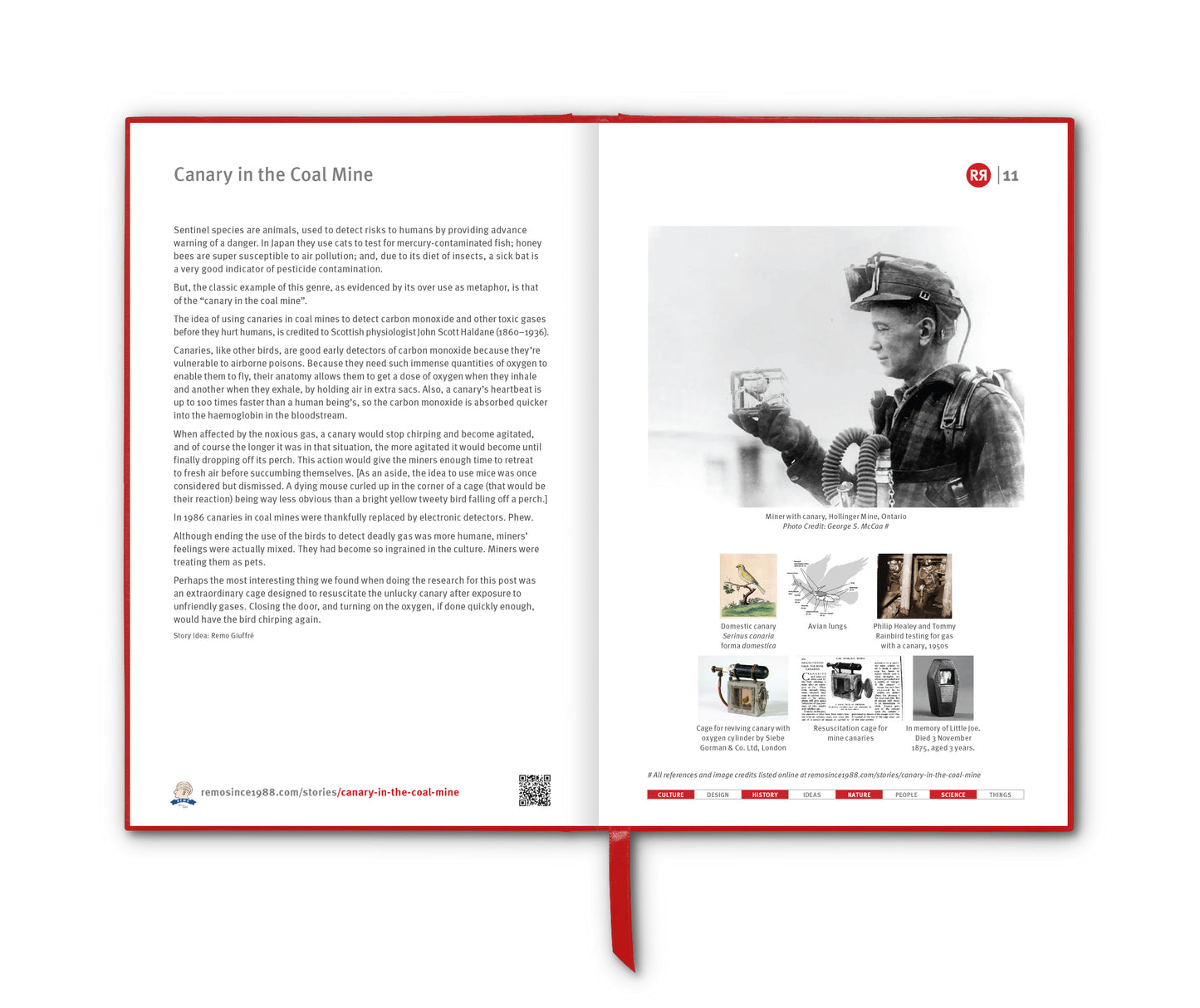
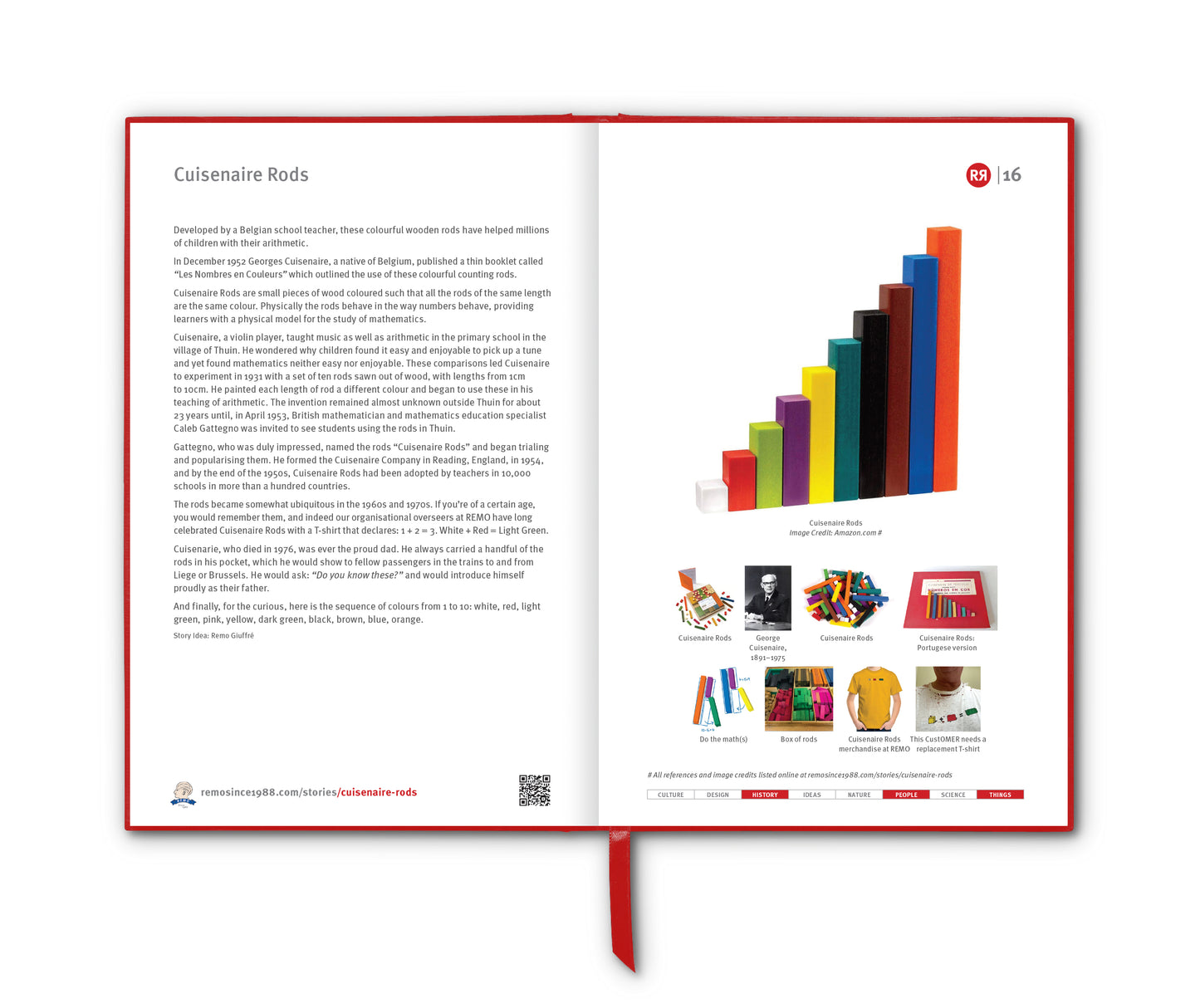
Meanwhile the internet became humanity’s waiting room. Video calls replaced meetings, classrooms and birthday parties. The video-conferencing platform Zoom became a verb almost overnight. Livestreamed concerts, remote pub quizzes and balcony sing-alongs filled social feeds. For many office workers the commute shrank to a few steps between bed and laptop, while millions of others – health workers, delivery drivers, supermarket staff – became newly visible as “essential”: the new superheroes.
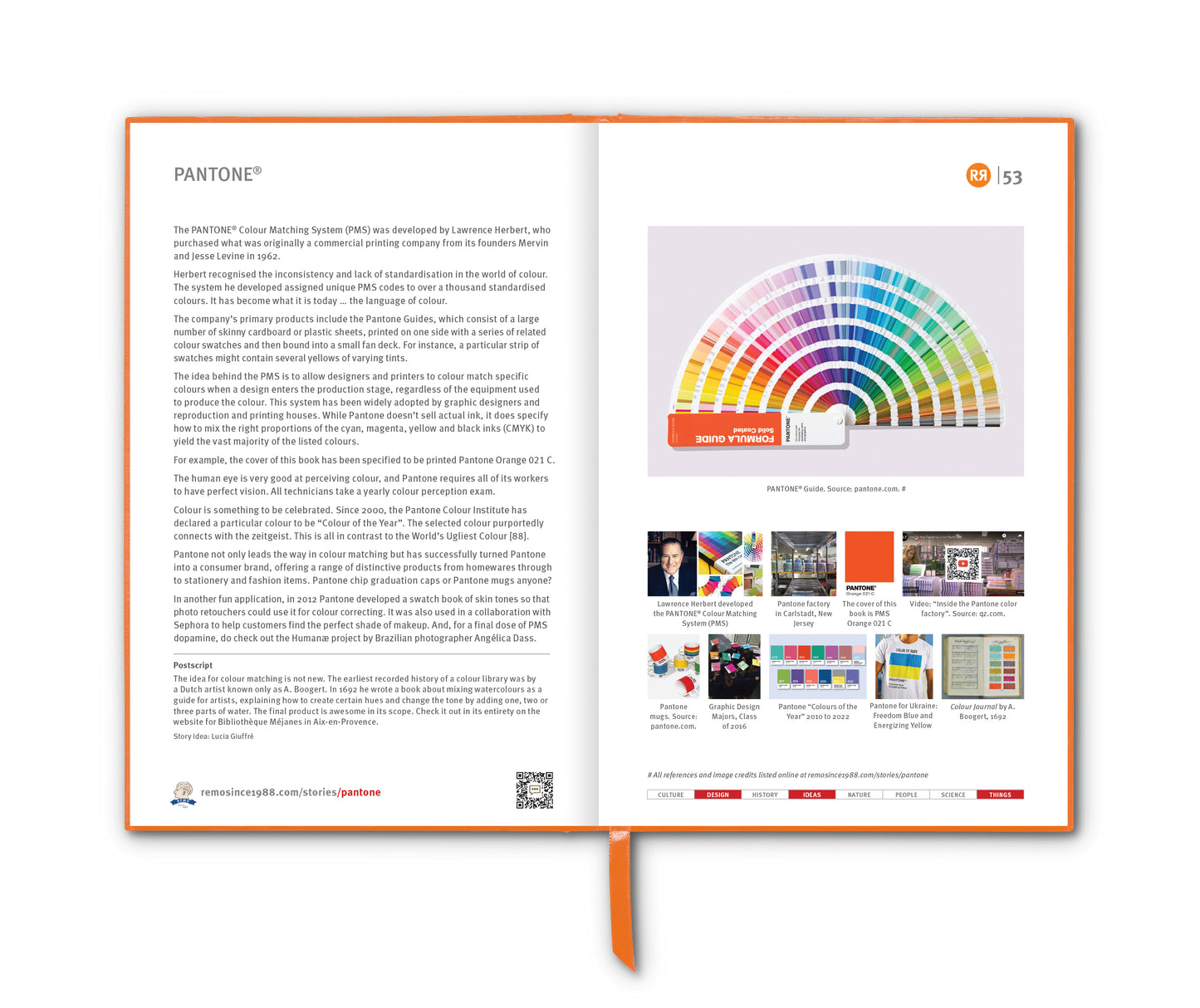
The pandemic also produced a wave of peculiar shortages and obsessions. Toilet paper [RR2:75] briefly became a symbol of collective anxiety in countries including Australia, where supermarket aisles were stripped bare. Sourdough baking turned into a global hobby as people nurtured jars of fermenting starter on kitchen benches. Sales of jigsaw puzzles [RR1:41], exercise bikes and home office furniture surged.
Science, usually slow and methodical, suddenly moved at breakneck speed. Vaccines were designed, tested and approved in under a year – something previously thought nearly impossible. New mRNA vaccines from Pfizer and Moderna grabbed headlines, while more traditional approaches also played a major role. The vaccine developed by the University of Oxford and produced by AstraZeneca became one of the most widely distributed in the world, partly because it could be stored in ordinary refrigerators. Between them, these scientific efforts led to billions of doses being administered worldwide in a remarkably short time.
Yet the story of COVID-19 is not just medical; it is cultural. New etiquette evolved around coughing, handshakes and personal space. Phrases like “you’re on mute” became universal. People developed oddly intimate relationships with graphs and case numbers. Governments held daily press briefings that many citizens watched like serialised drama.
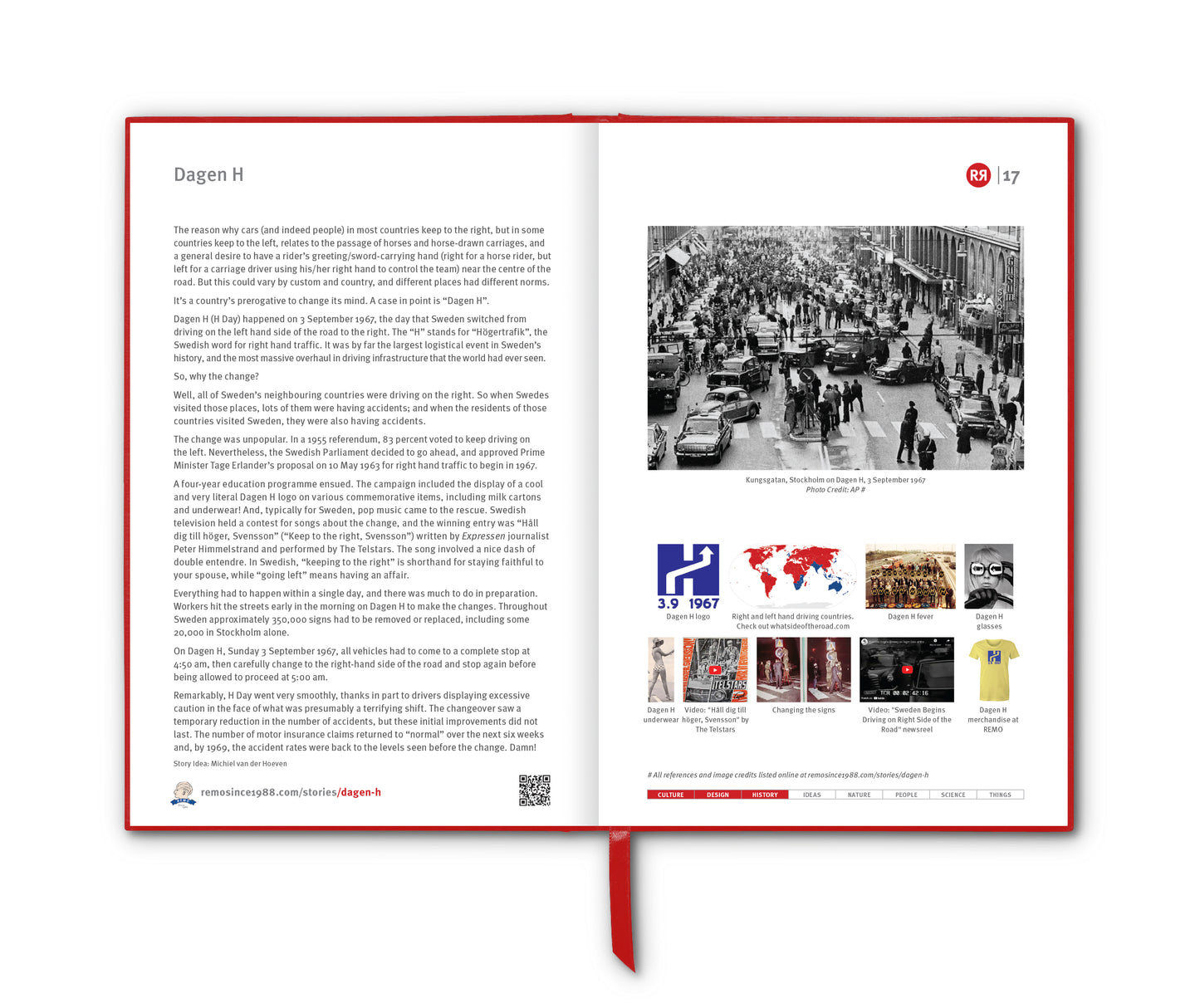
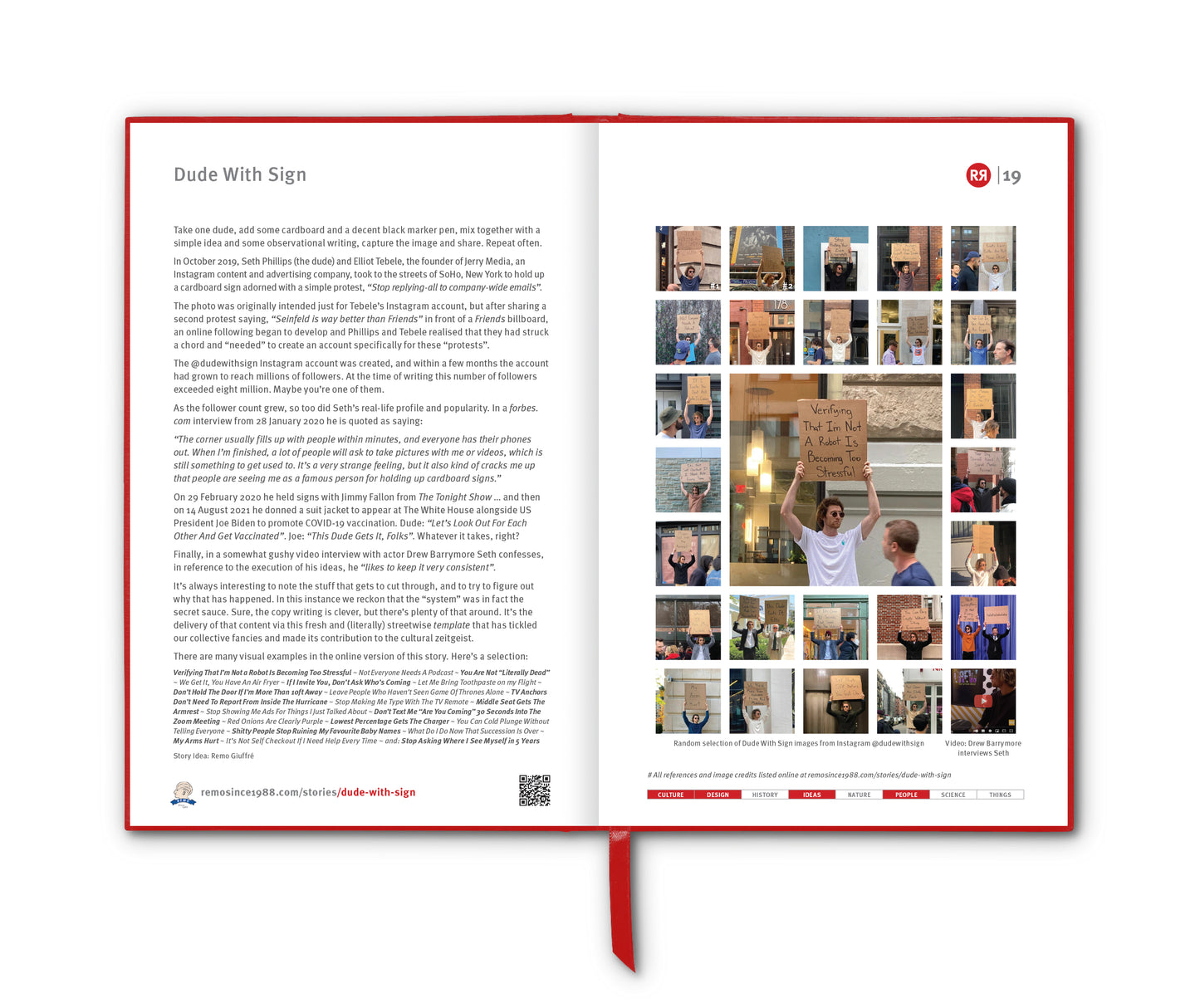
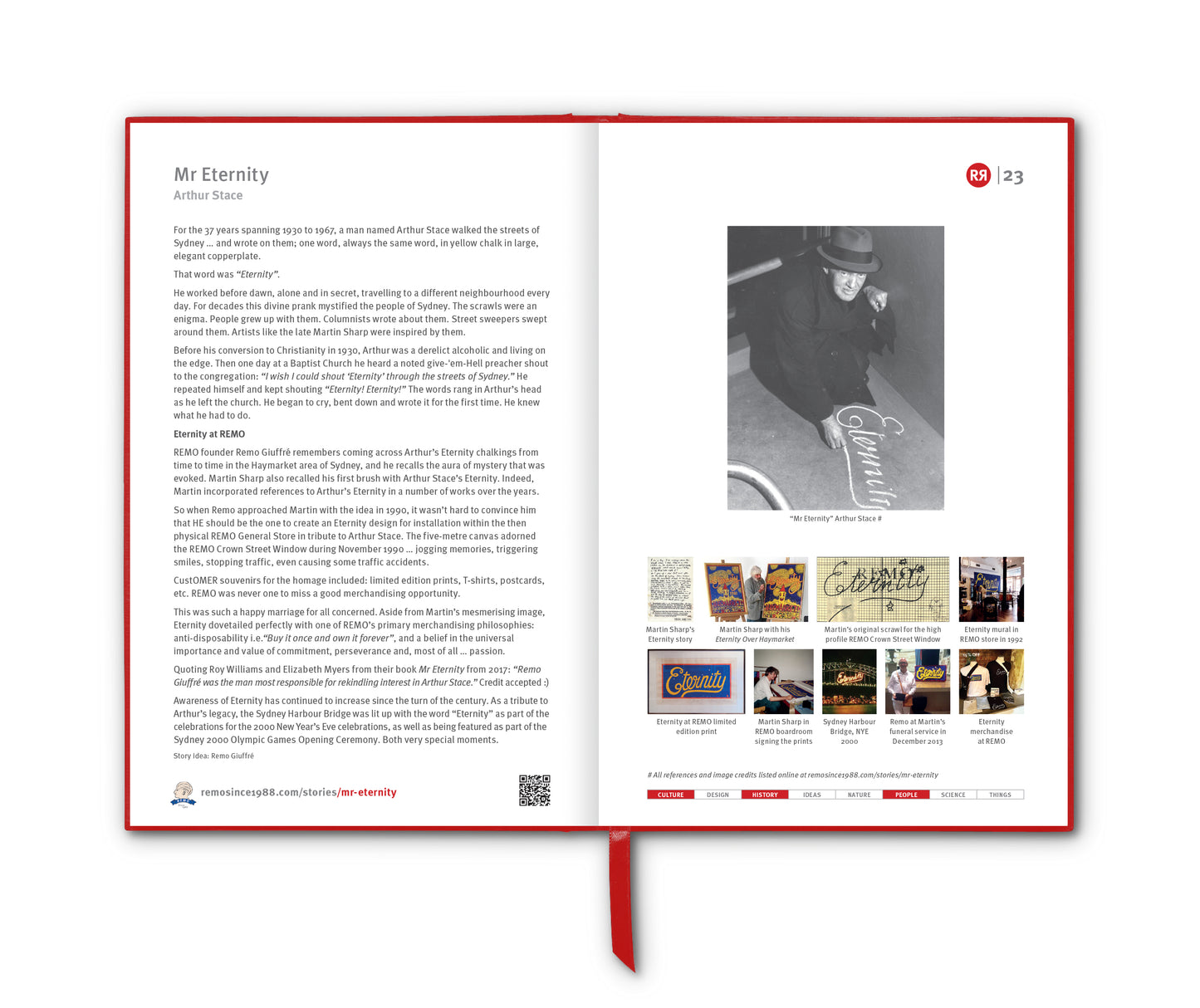
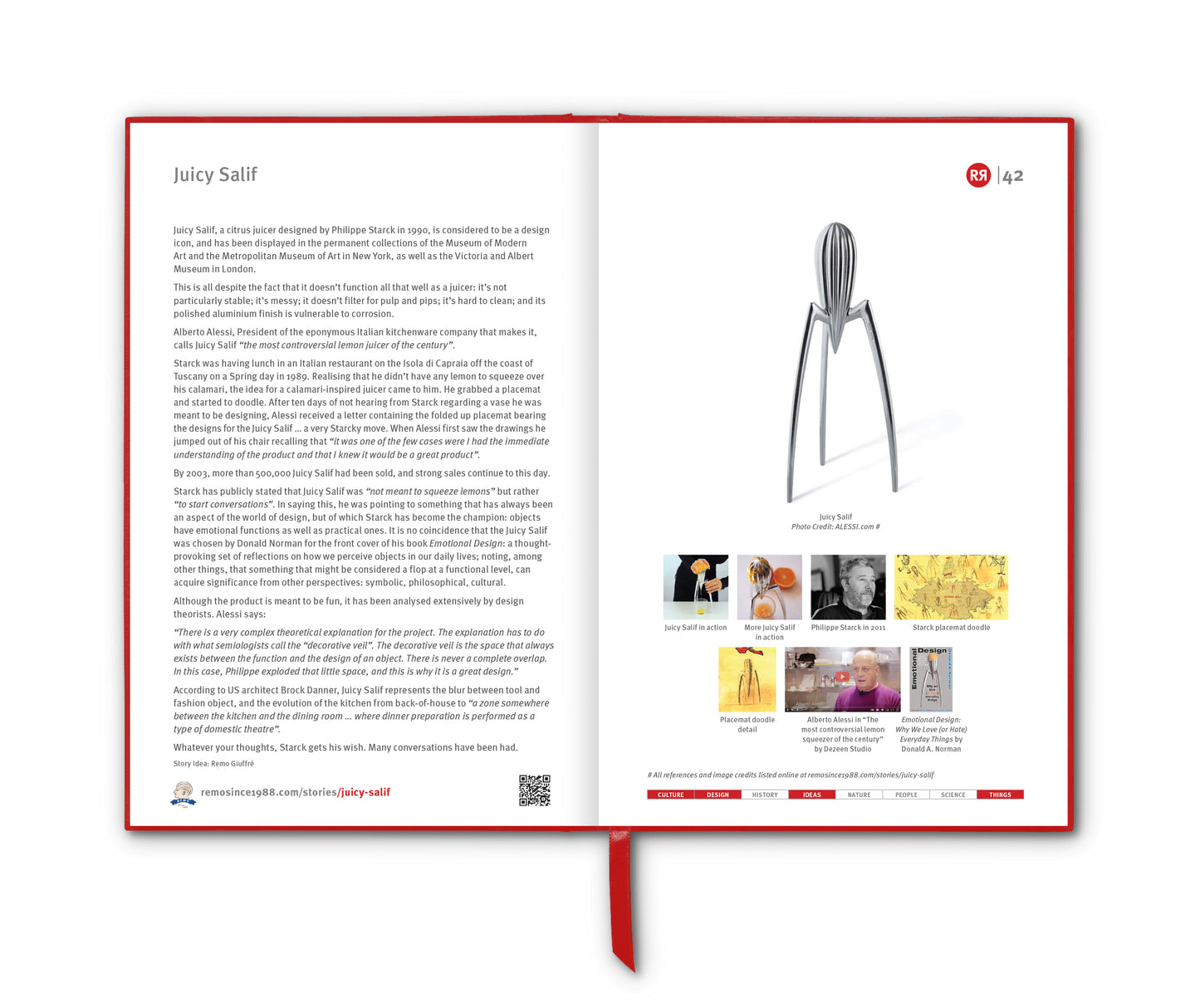
Future historians may be fascinated by the collective psychology of the period: the sudden baking craze, the hoarding, the conspiracy theories, the applause for healthcare workers, the quiet streets, the rediscovery of neighbourhood walks. It was the great hiatus, a moment when humanity paused – unevenly, imperfectly, sometimes chaotically – but everyone together.
In that sense, COVID-19 was not only a pandemic. It was the first truly shared global experience of not just the digital age – but maybe ever. It reminded us that we all live and are inexorably connected on this Pale Blue Dot [RR1:56] we call Earth.
_____________________
References
wikipedia.org/wiki/COVID-19_pandemic
Images
1. Scientifically accurate atomic model of the external structure of SARS-CoV-2. Each "ball" is an atom. Credit: Alexey Solodovnikov
2. The Wuhan Institute of Virology in Wuhan, China. Photo credit: Ureem2805
3. A group of mask-wearing citizens in California during the flu pandemic of 1918. Photo credit: Raymond Coyne. Courtesy of Lucretia Little History Room, Mill Valley Public Library.
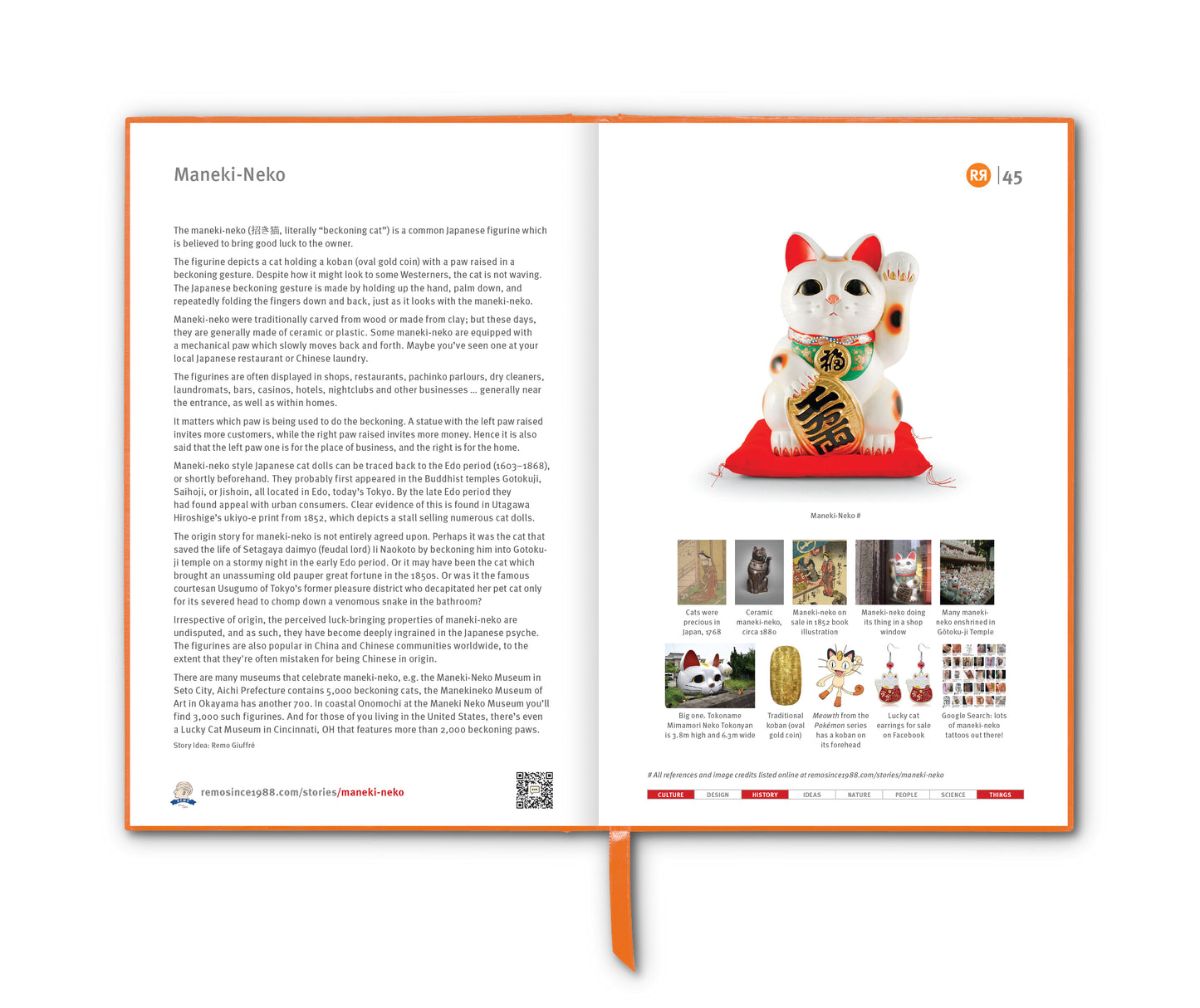
4. A medical team care for critically ill COVID-19 patients in the ICU of the Vila Nova Cachoeirinha hospital, in the north of São Paulo. Photo credit: Gustavo Basso
5. Masked New Zealanders. Credit: stuff.co.nz
6. The "Wee Annie" statue in Gourock, Scotland during the pandemic. Photo credit: Dave Souza
7. The ubiquitous zoom meeting.
Photo credit: Lucas Law on Unsplash
8. The hospital ship USNS Comfort arrives in Manhattan on 30 March 2020
9. Front page of The New York Times lists the first 100,000 US lives lost, 24 May 2020
10. Bumping elbows. Credit: Shutterstock
11. The Zoom wall audience at TEDxSydney 2020
12. TEDxSydney 2020 coronavirus lapel pin
13. Art by Banksy [RR7]