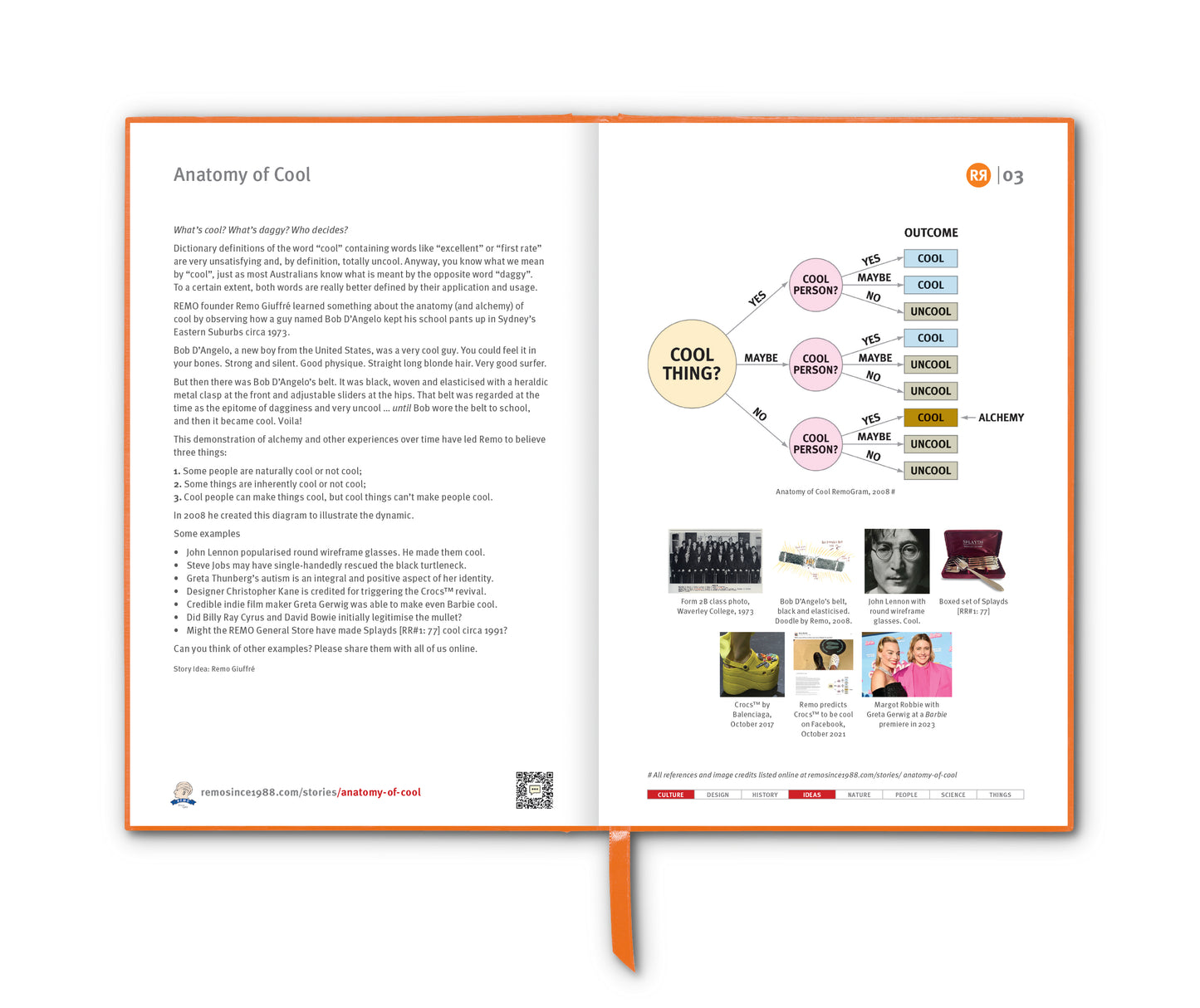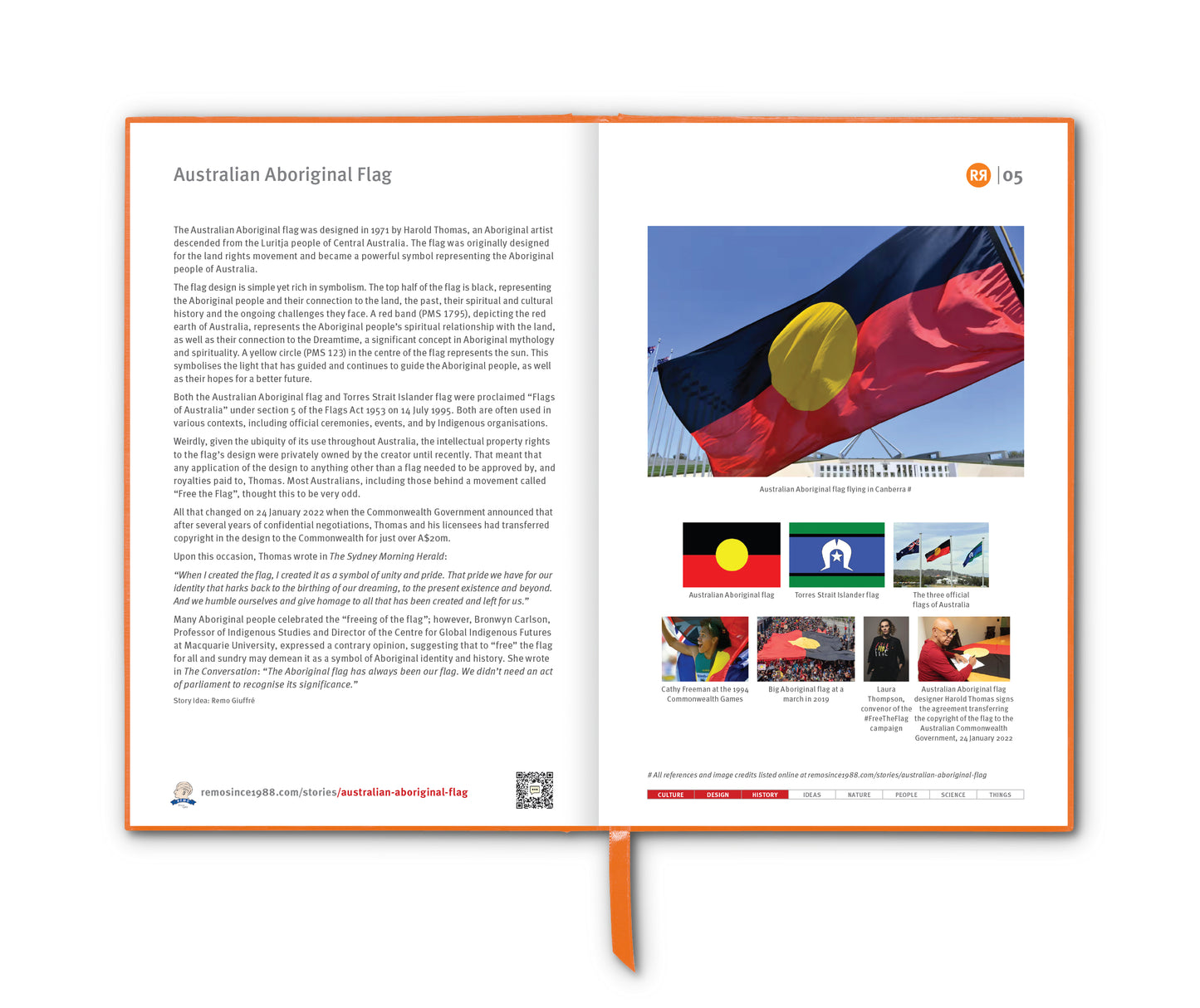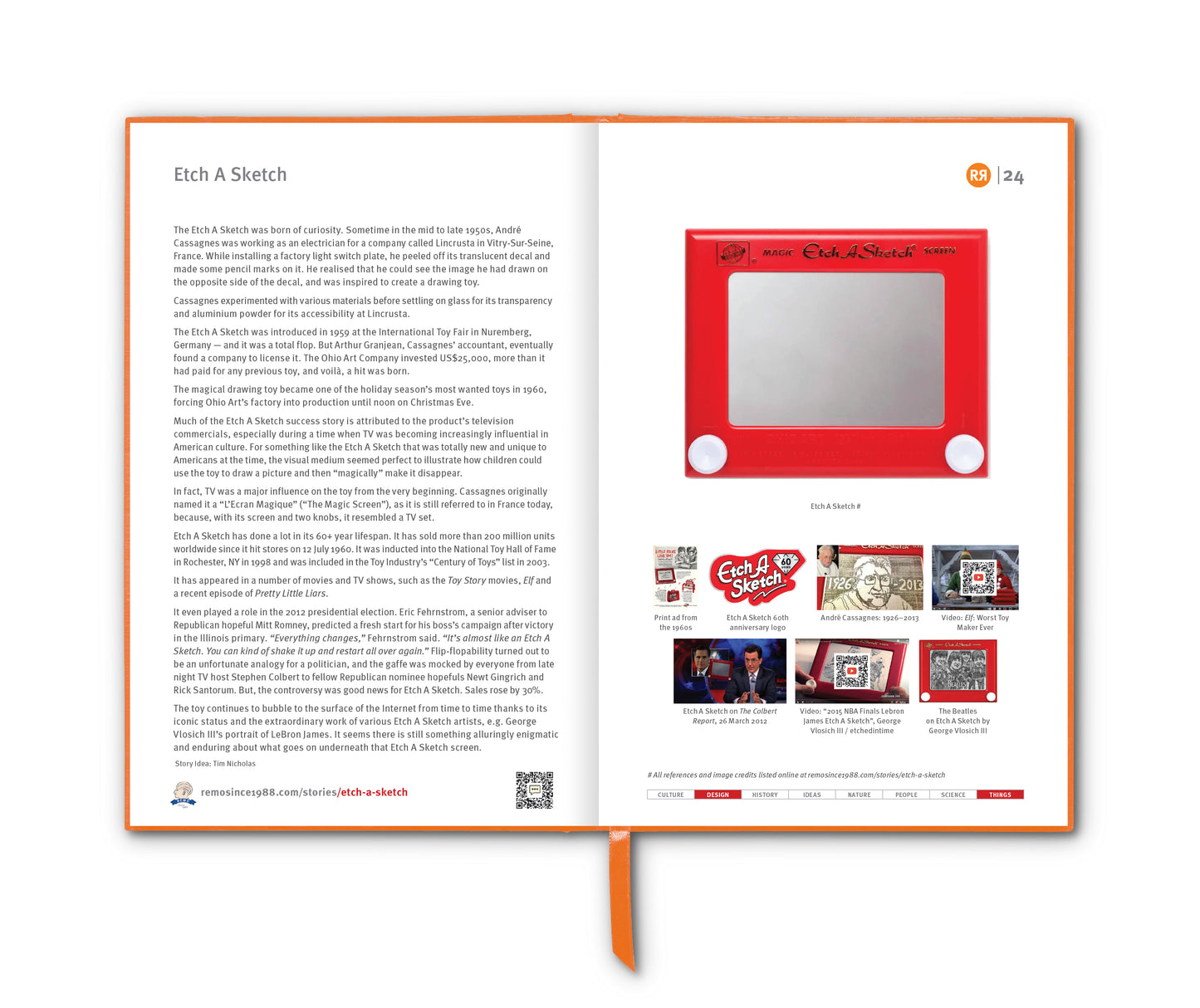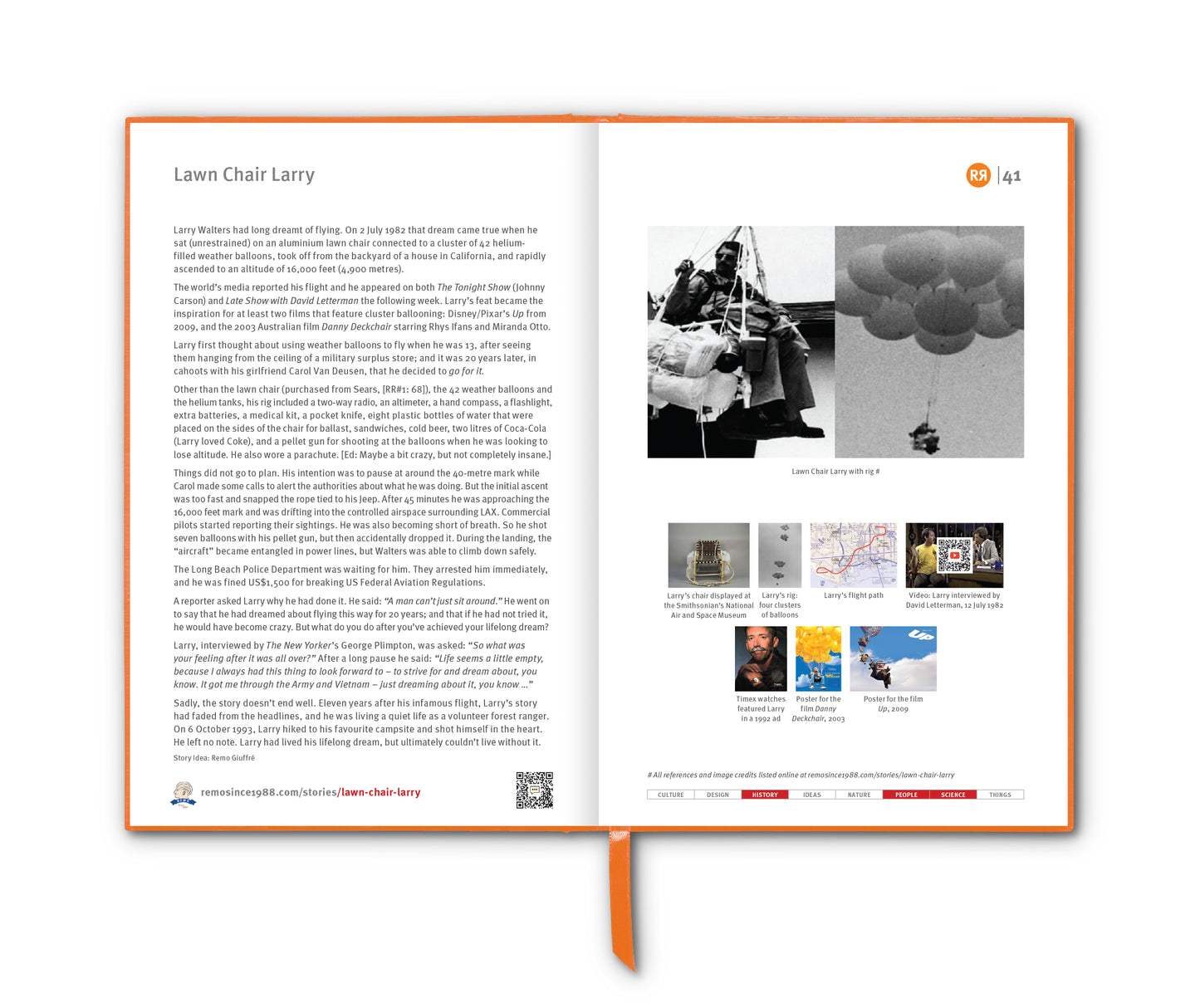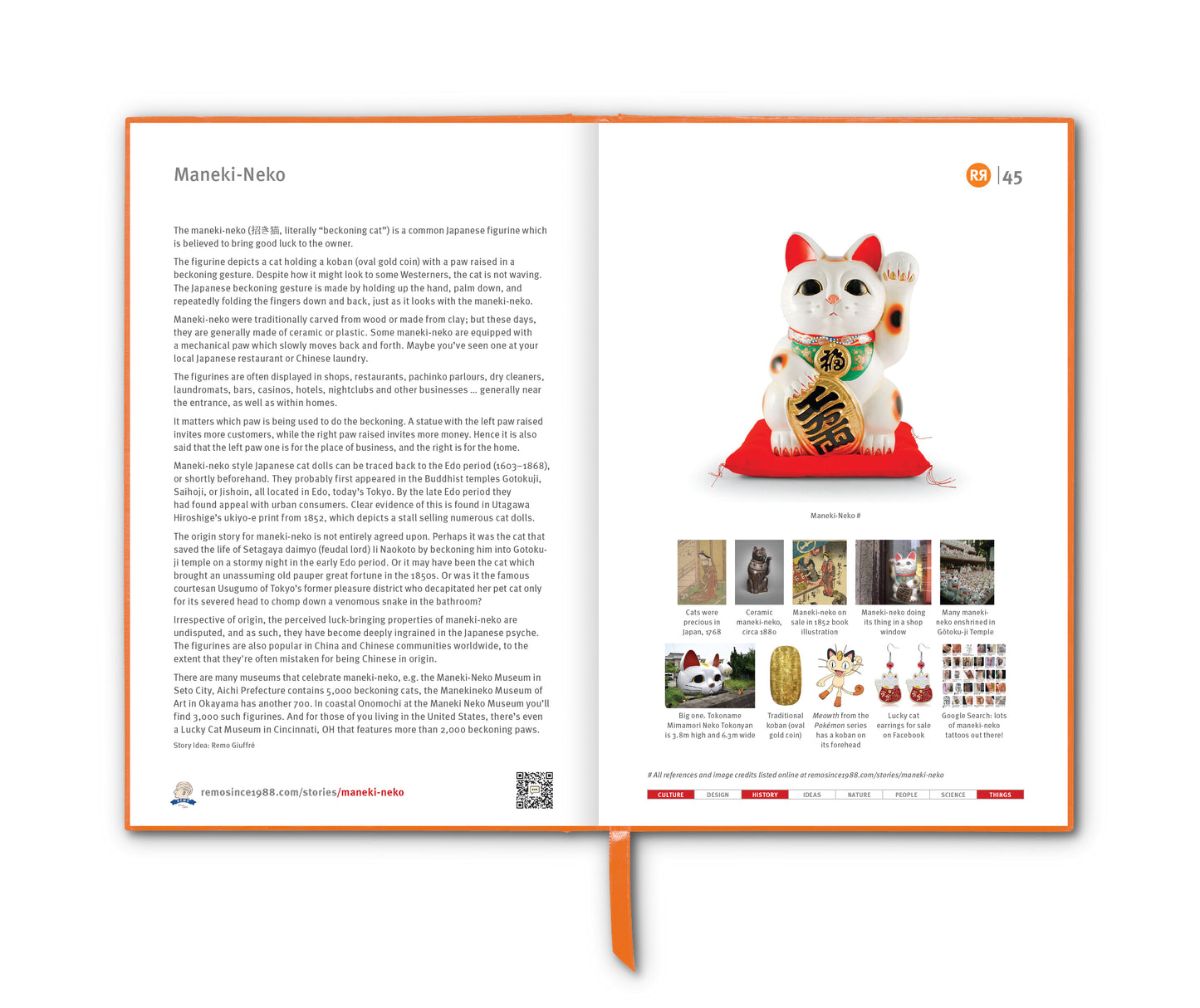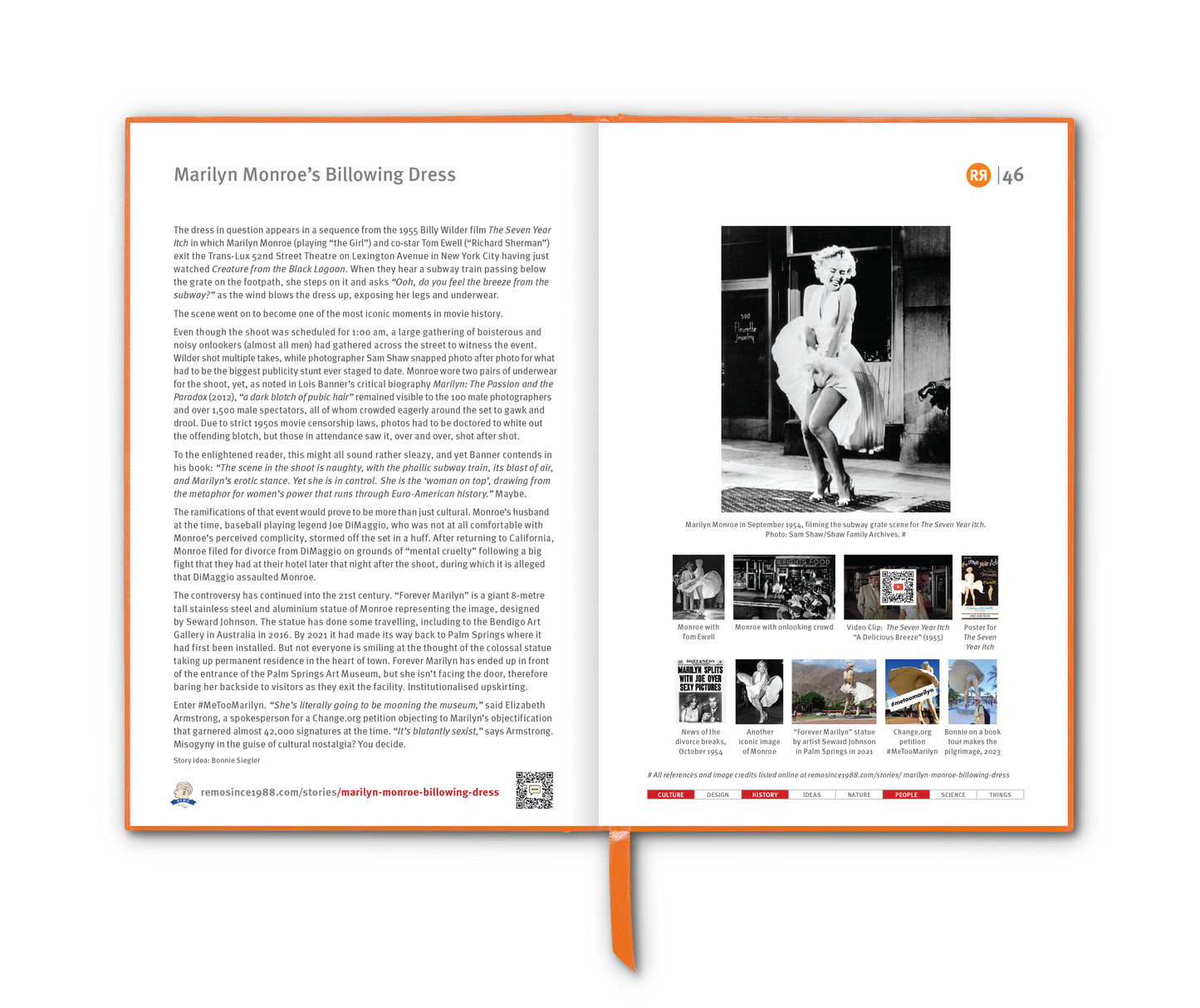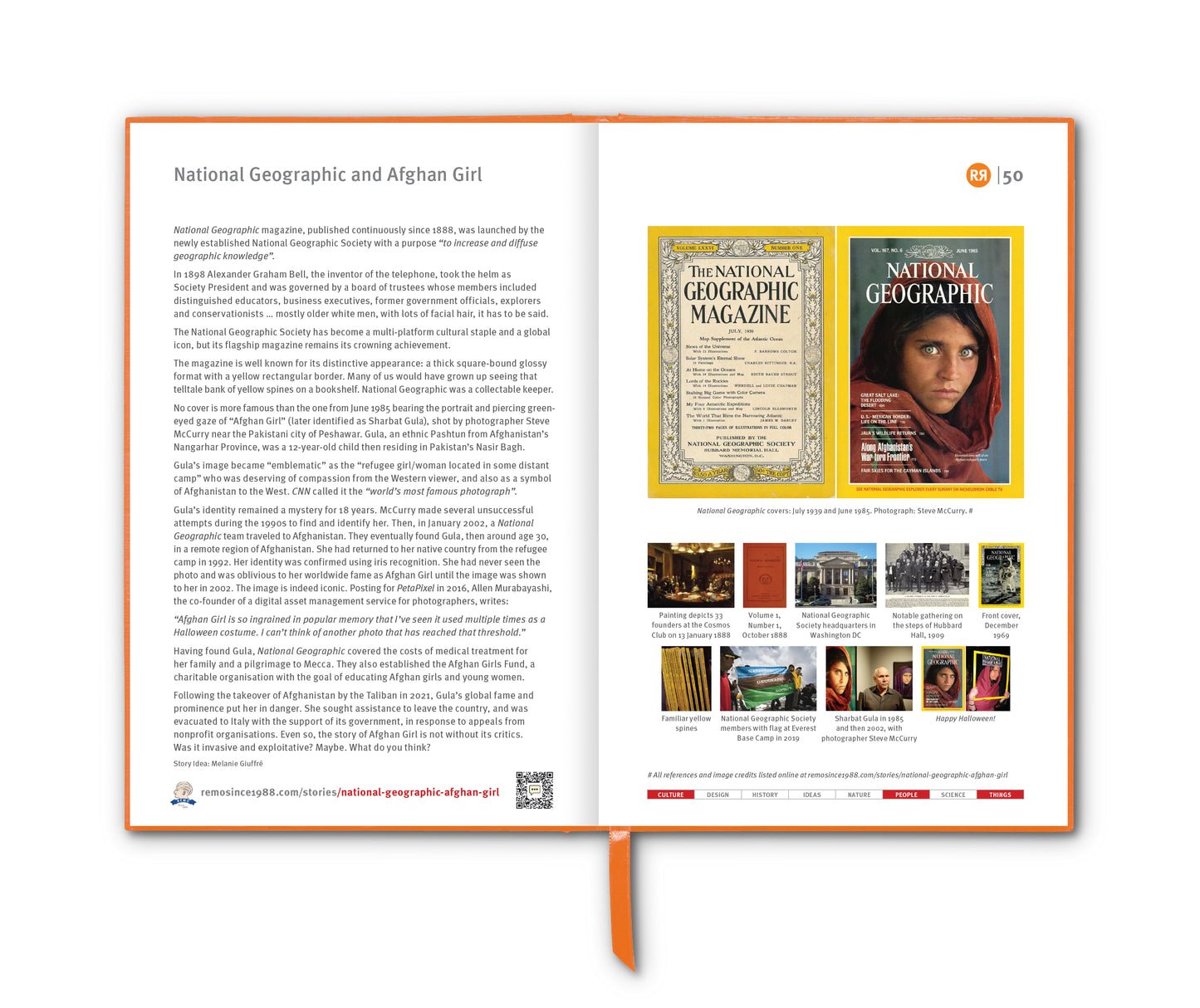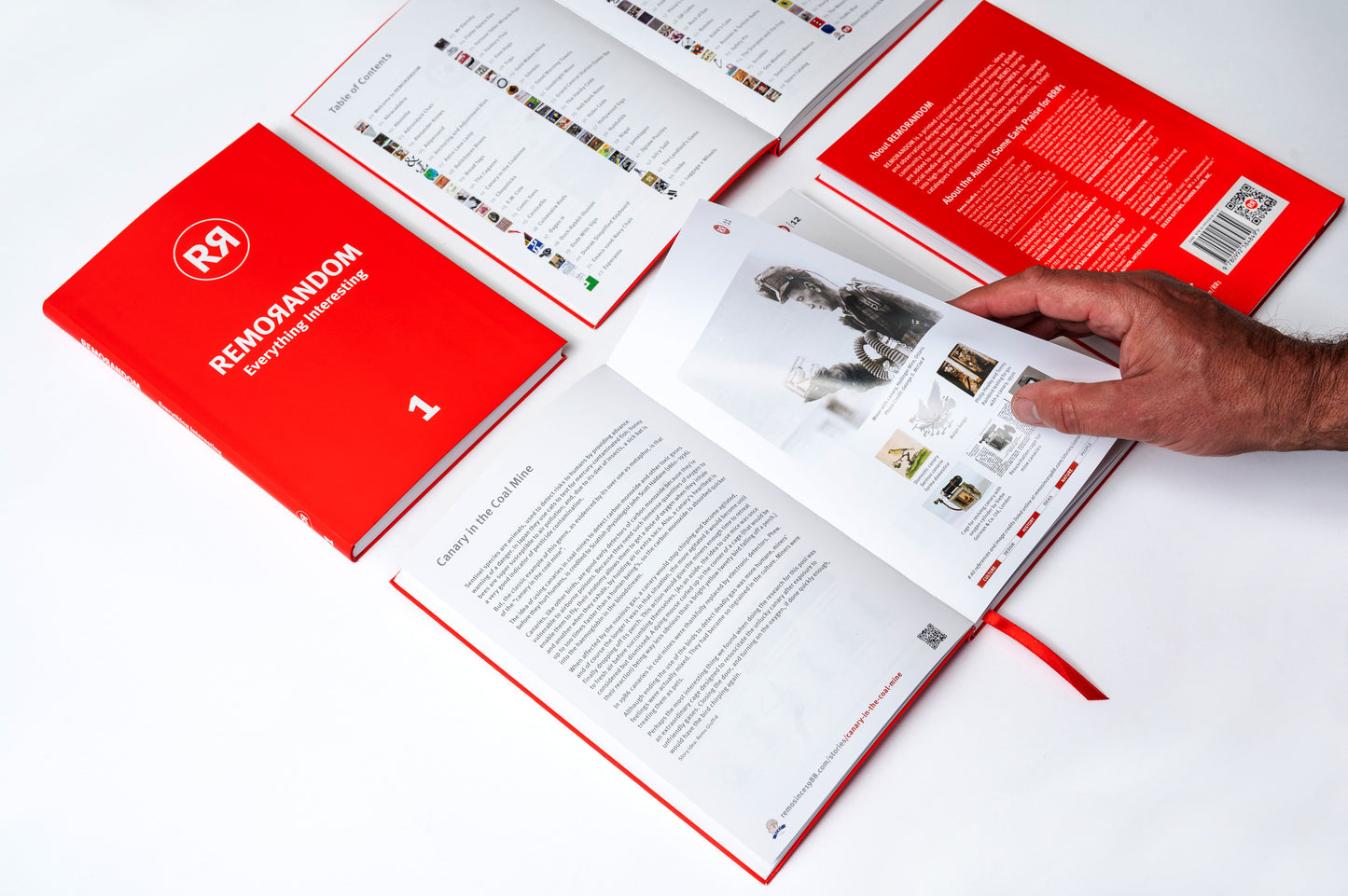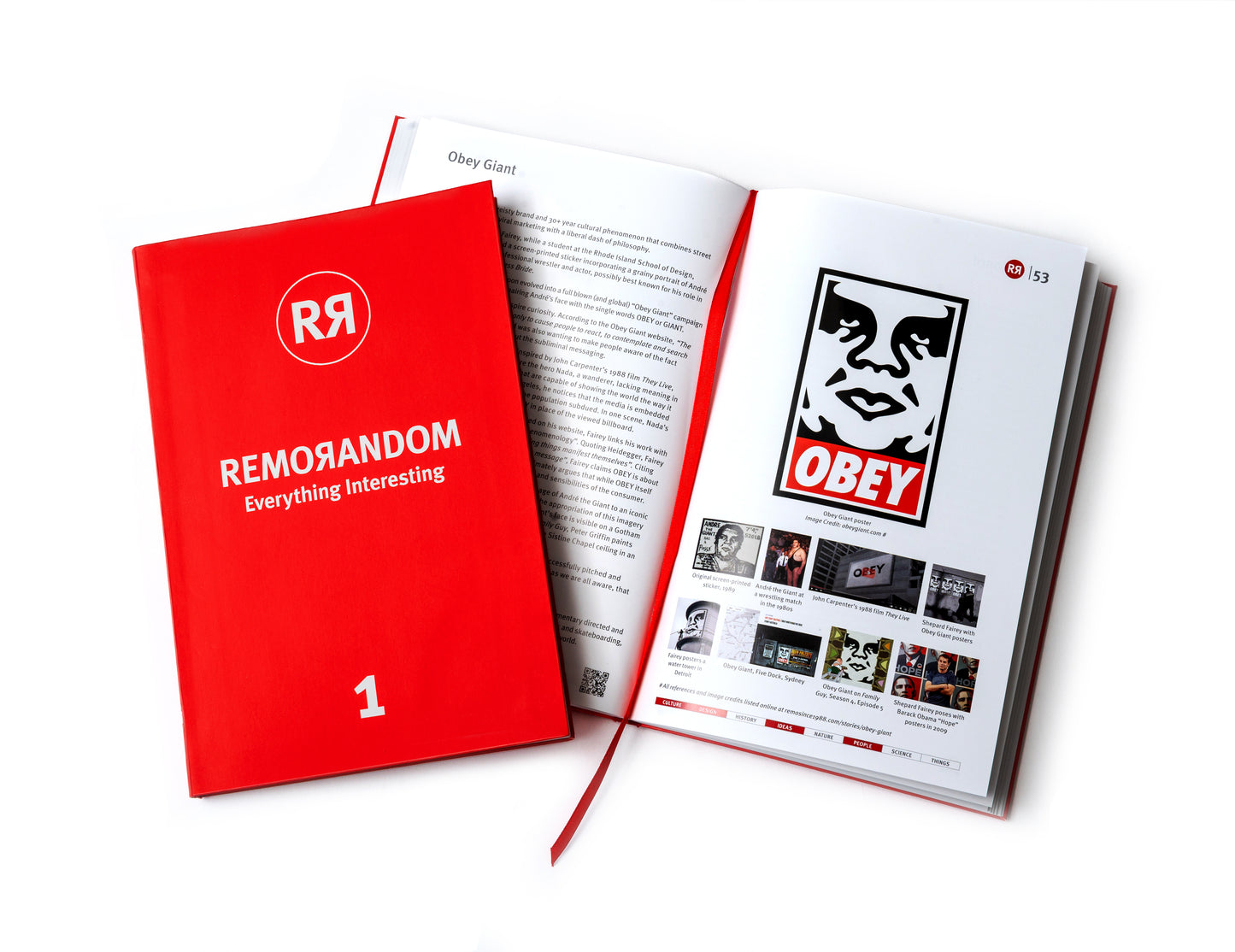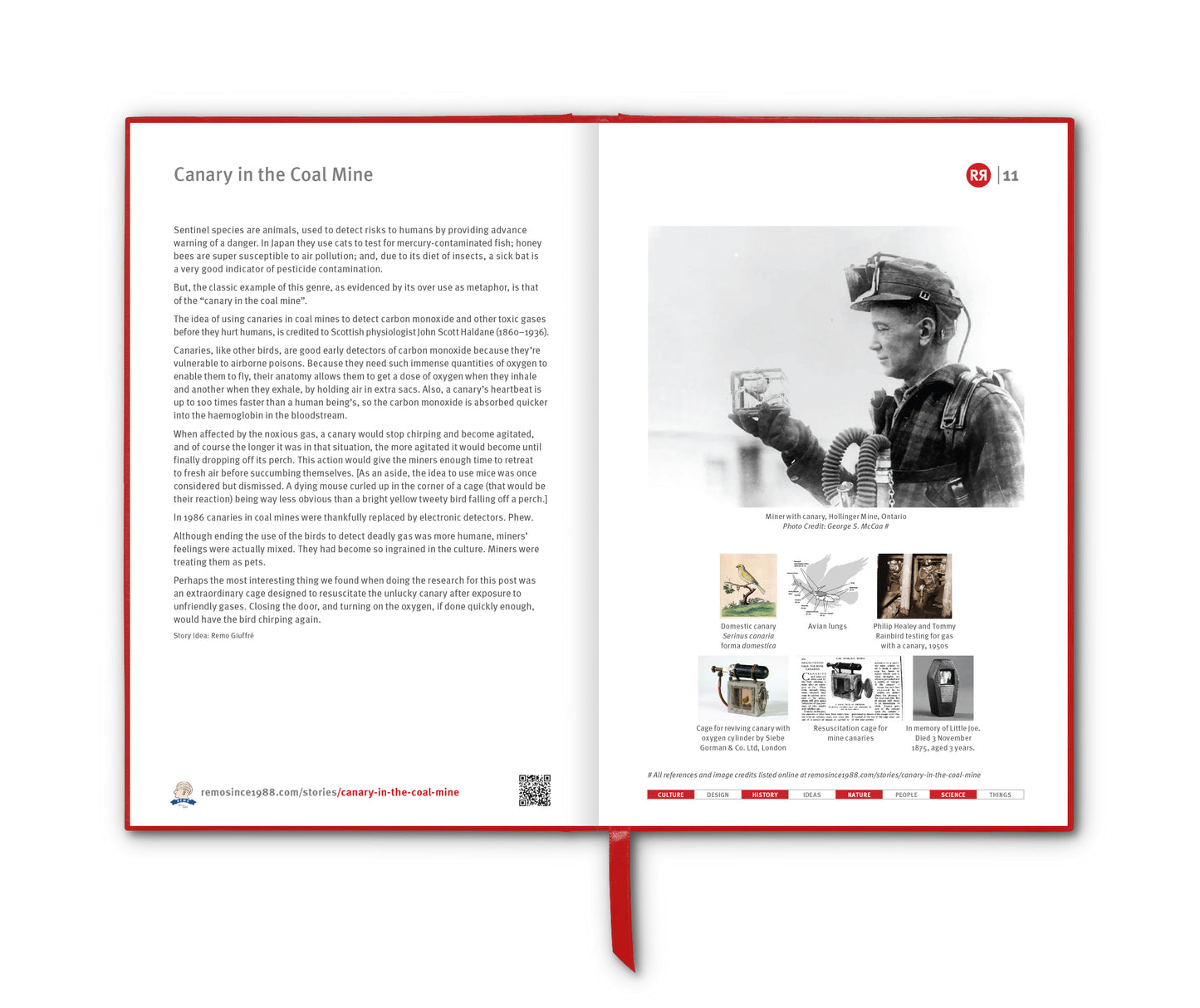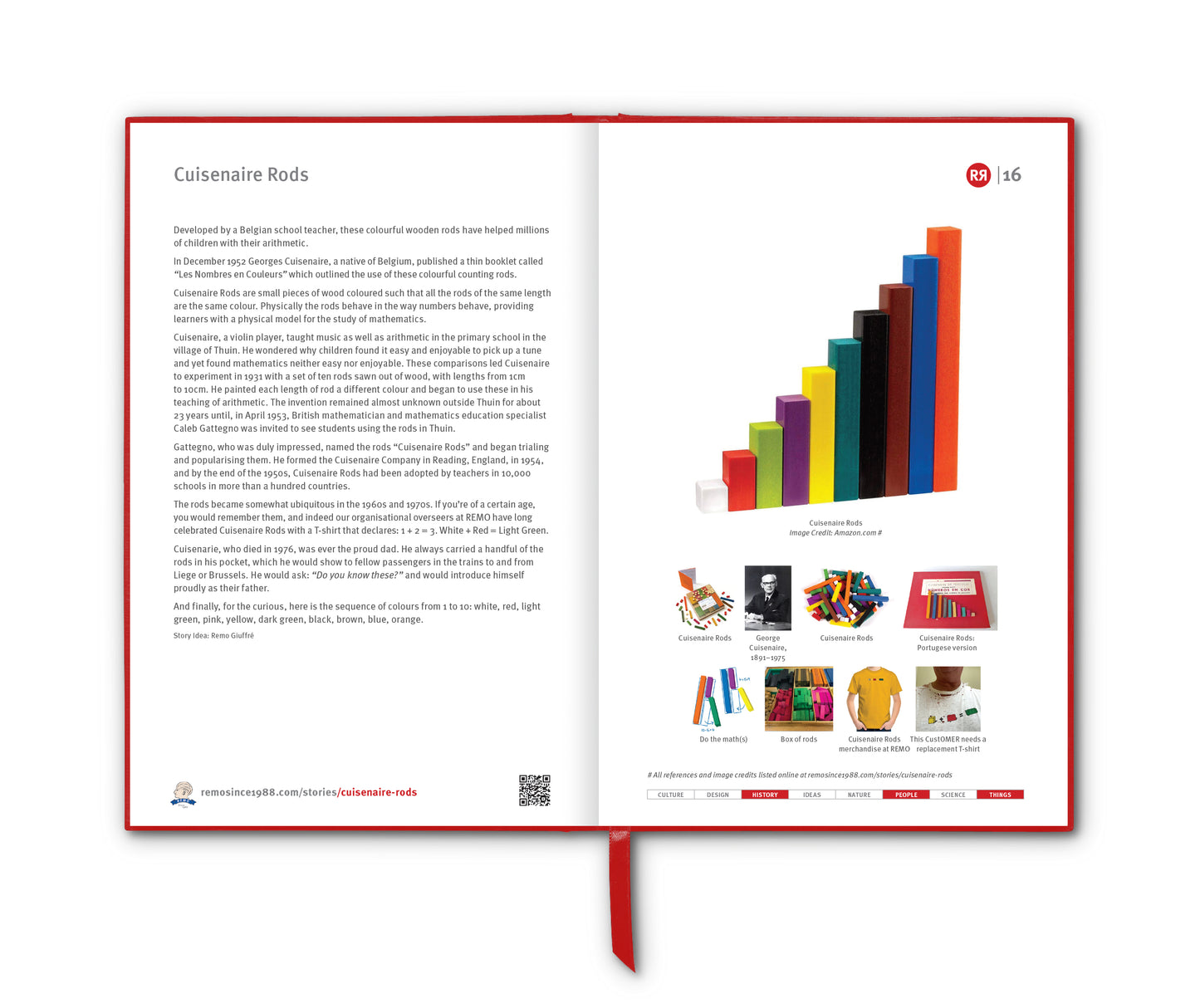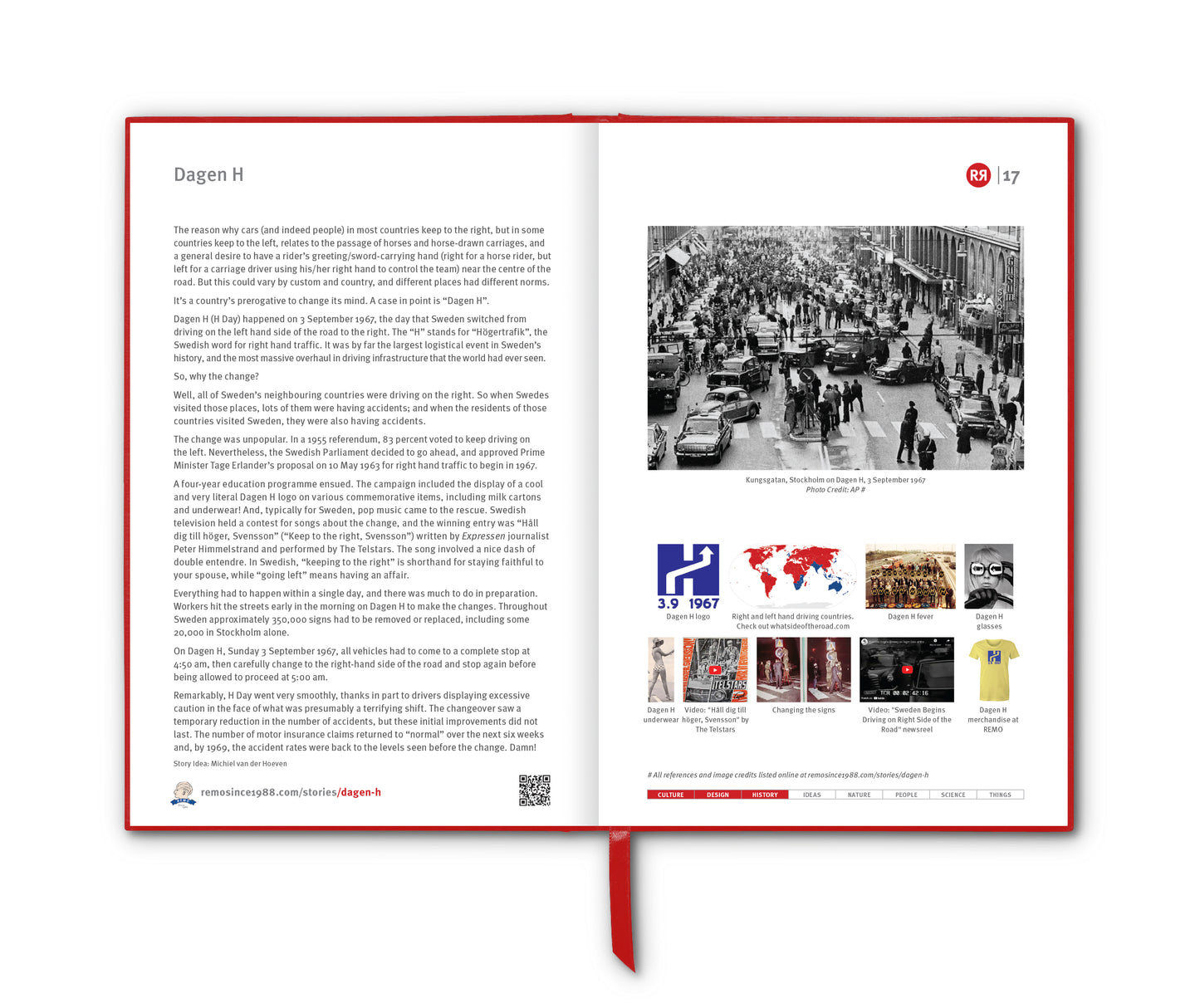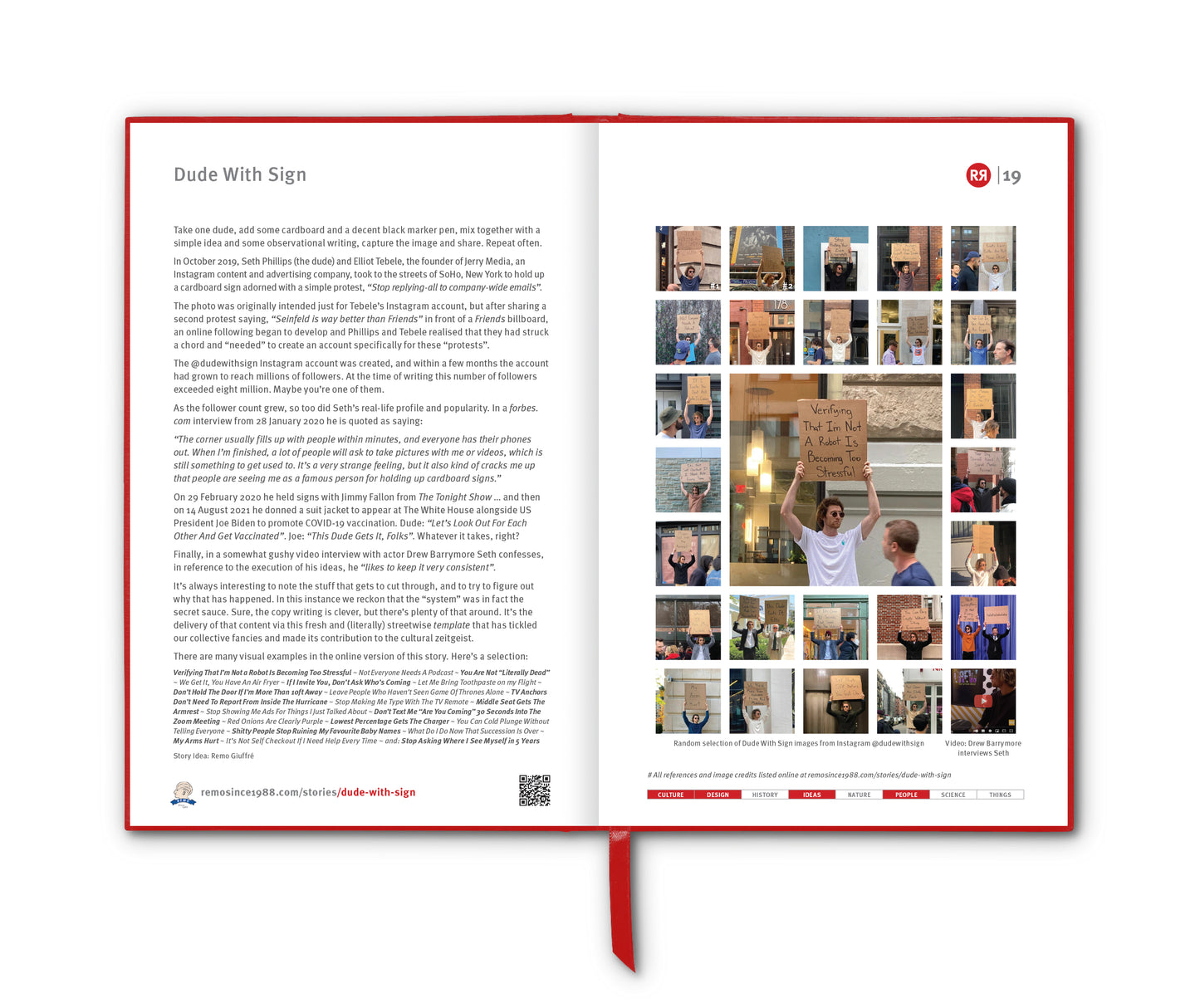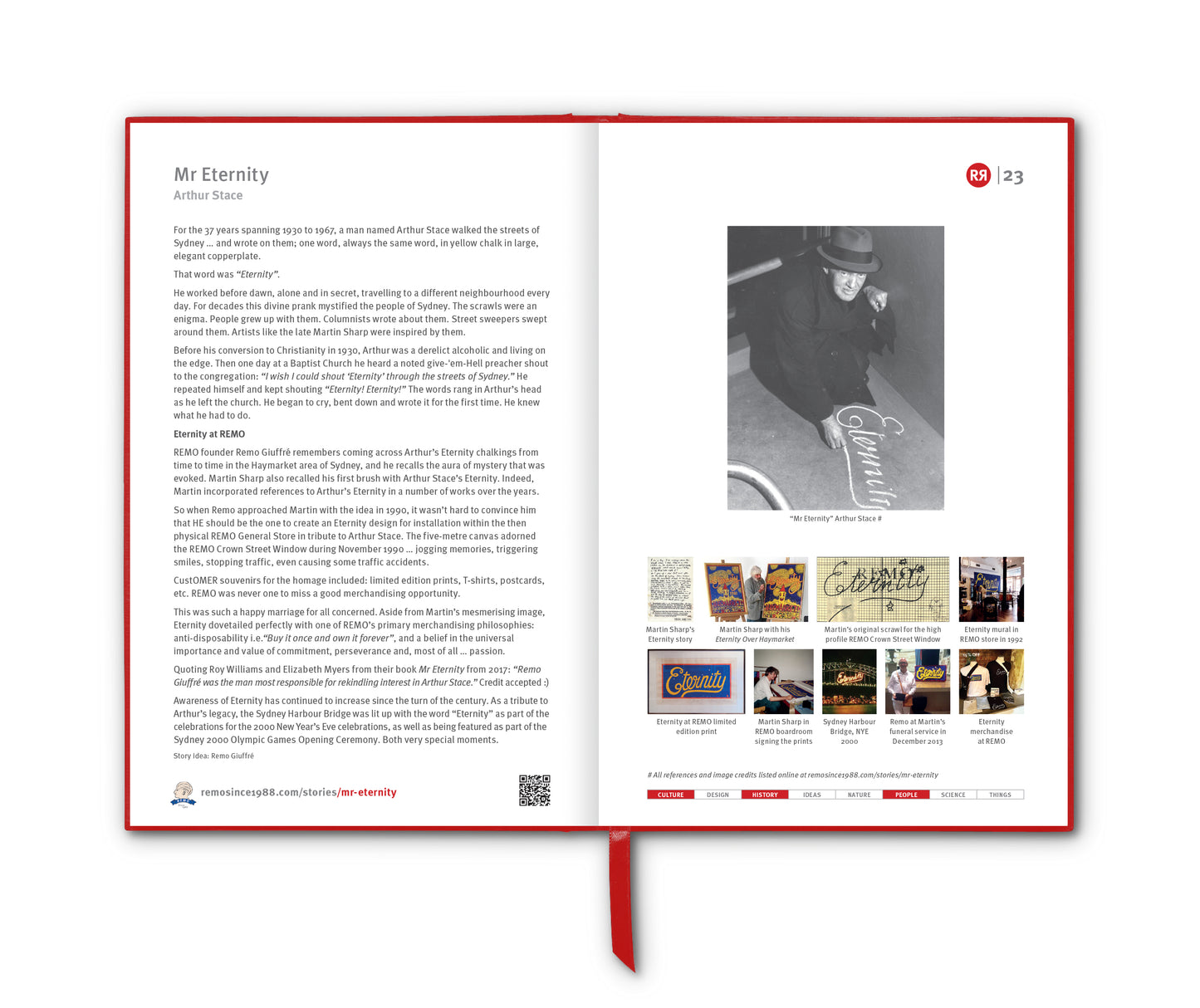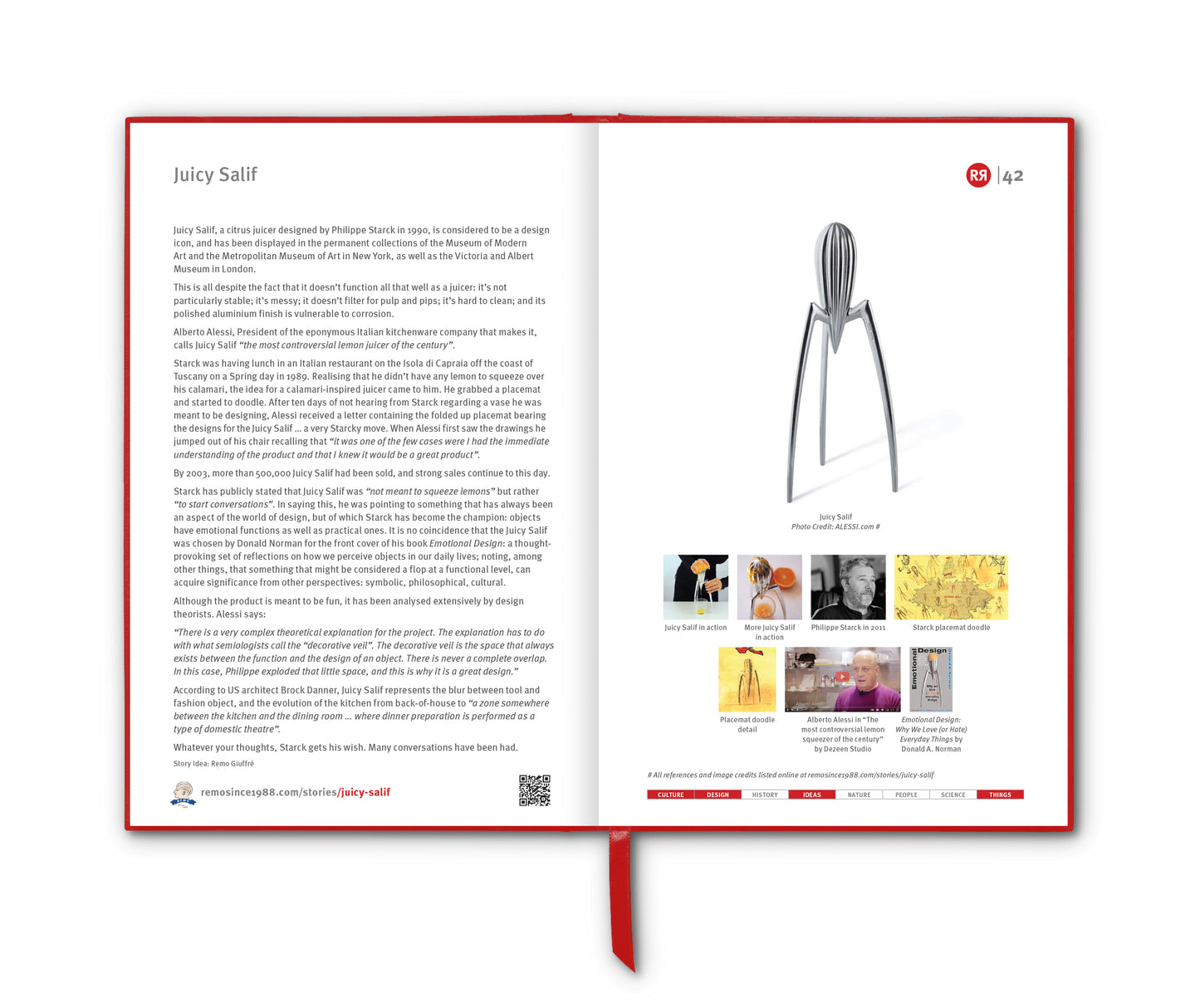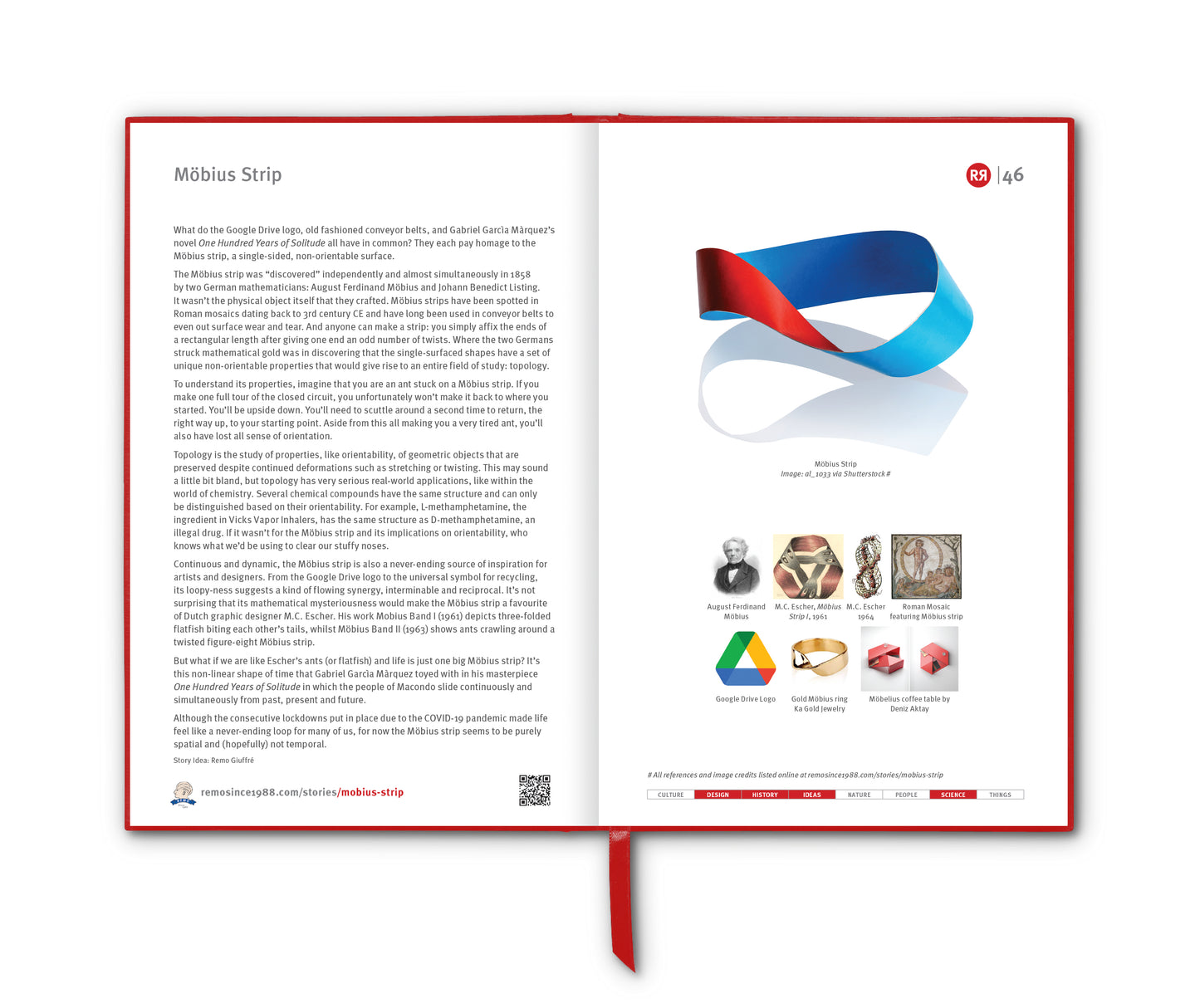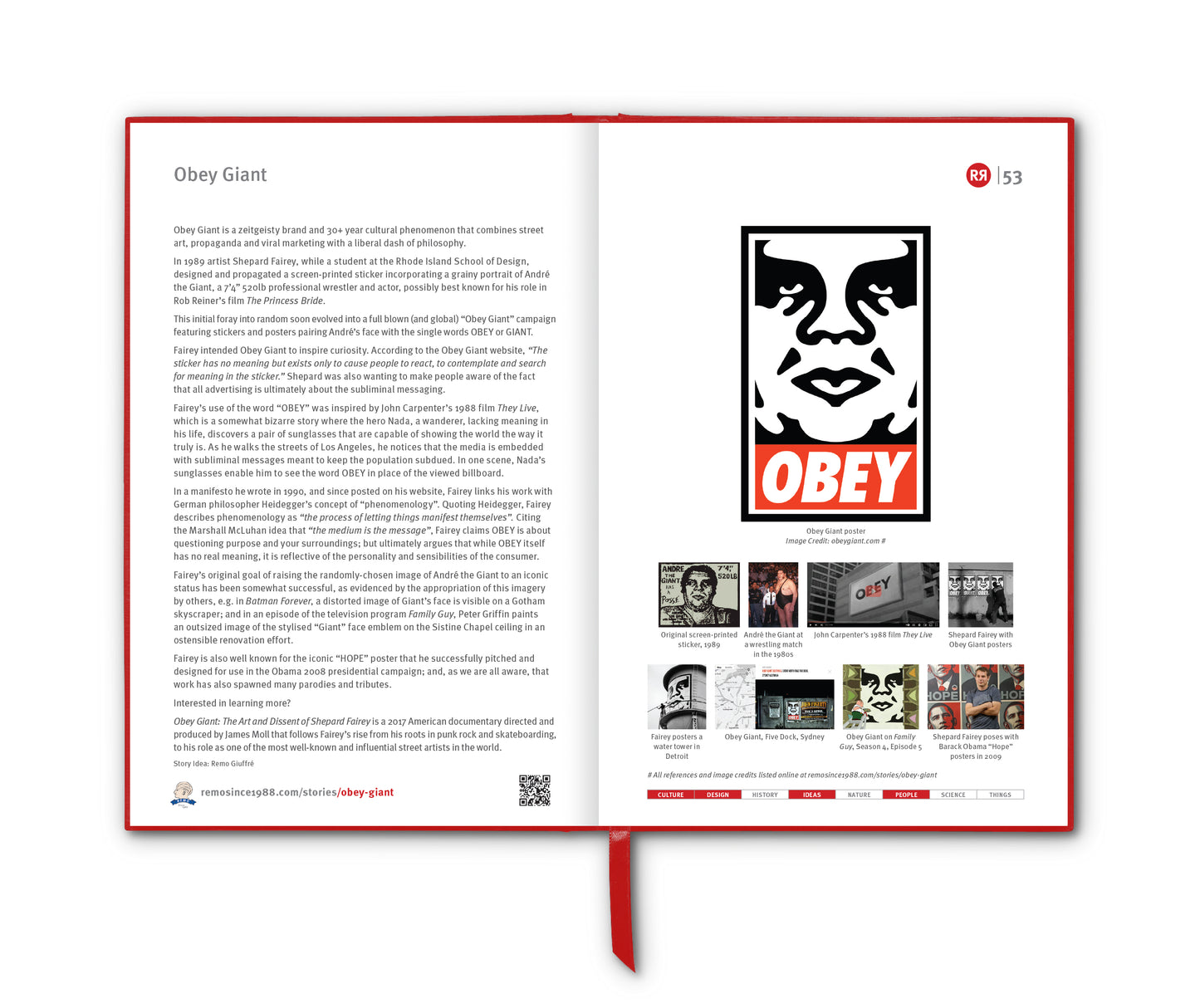

Who doesn’t love a secret handshake … or what Freemasons refer to as the “grip”?
The history of Freemasonry offers us a striking lesson in the power of mystery. It is one of the world’s oldest and most enigmatic organisations. “The Craft”, as members call it, was based on a fraternal bond created by ritual, symbol … and indeed secrecy.
Its exact origins remain debated, but most scholars trace its roots to the stonemason guilds of the Middle Ages in Europe. These guilds, composed of skilled builders, were responsible for constructing cathedrals and castles and operated under a system of apprenticeships, secret handshakes and codes to protect trade knowledge and identify legitimate craftsmen.
The transition from operative masonry (actual stonework) to speculative Masonry (a philosophical and moral fraternity using the language and symbols of building) began in the 16th and 17th centuries. By then, individuals who were not stonemasons [Ed: Let's face it, that's most of us] were being admitted into Masonic lodges. These “accepted” Masons adopted the tools and metaphors of the trade to explore themes such as morality, brotherhood and the pursuit of truth.
A pivotal moment came in 1717, when four London lodges united to form the Grand Lodge of England, marking the formal birth of modern Freemasonry. This helped standardise rituals and governance and facilitated the spread of Freemasonry throughout the British Empire and beyond. By the late 18th century, Freemasonry had reached France, Germany, North America and the Caribbean, often appealing to Enlightenment thinkers and revolutionaries who valued its principles of liberty, equality and fraternity.
Freemasonry’s core structure includes local units called “lodges”, overseen by regional or national “Grand Lodges”. Members, known as Freemasons or Masons, advance through a series of degrees – typically three: Entered Apprentice, Fellow Craft and Master Mason – each marked by elaborate ceremonies and allegorical teachings. [Ed: That’s a lot of handshakes to remember.]
To be a Freemason requires one to believe in a higher being or what Freemasons would call the “Great Architect of the Universe” (GAOU) … although the identity of that being can be personal to you. [Ed: I have three words to add here: “Flying”, “Spaghetti” and “Monster”. See RR2:25]
The secrecy surrounding Freemasonry has long invited suspicion and conspiracy theories. In the 19th and 20th centuries, anti-Masonic sentiments flared periodically, with critics accusing the fraternity of undue influence in politics, religion and business. The Catholic Church officially condemned Freemasonry in 1738, a stance it maintains due to doctrinal conflicts.
Despite the secrecy, many well-known historical figures have been Freemasons, including George Washington, Benjamin Franklin, Mozart and Winston Churchill. Lodges have often supported charitable causes, hospitals and education, especially through Masonic philanthropic arms such as the Shriners in the United States.
In recent decades, Freemasonry has faced declining membership, particularly in the West, as societal interest in fraternal organisations wanes. In response, many lodges have become more transparent, opening museums, hosting public events and demystifying their practices.
Today, Freemasonry remains a global organisation with millions of members in diverse cultural and religious contexts. Though it no longer builds cathedrals, it continues to attract those drawn to its blend of ritual, ethics, fellowship and historical intrigue.
Story Idea: Dom Knight
________________________
References
https://en.wikipedia.org/wiki/Freemasonry
https://www.britannica.com/topic/Freemasonry
https://metro.co.uk/2018/02/08/freemasons-definitely-do-have-a-secret-handshake-but-they-wont-tell-us-what-it-is-7295849/
https://time.com/5877435/freemason-secrecy/
Images
1. Credit: freemasonrycommunity.life
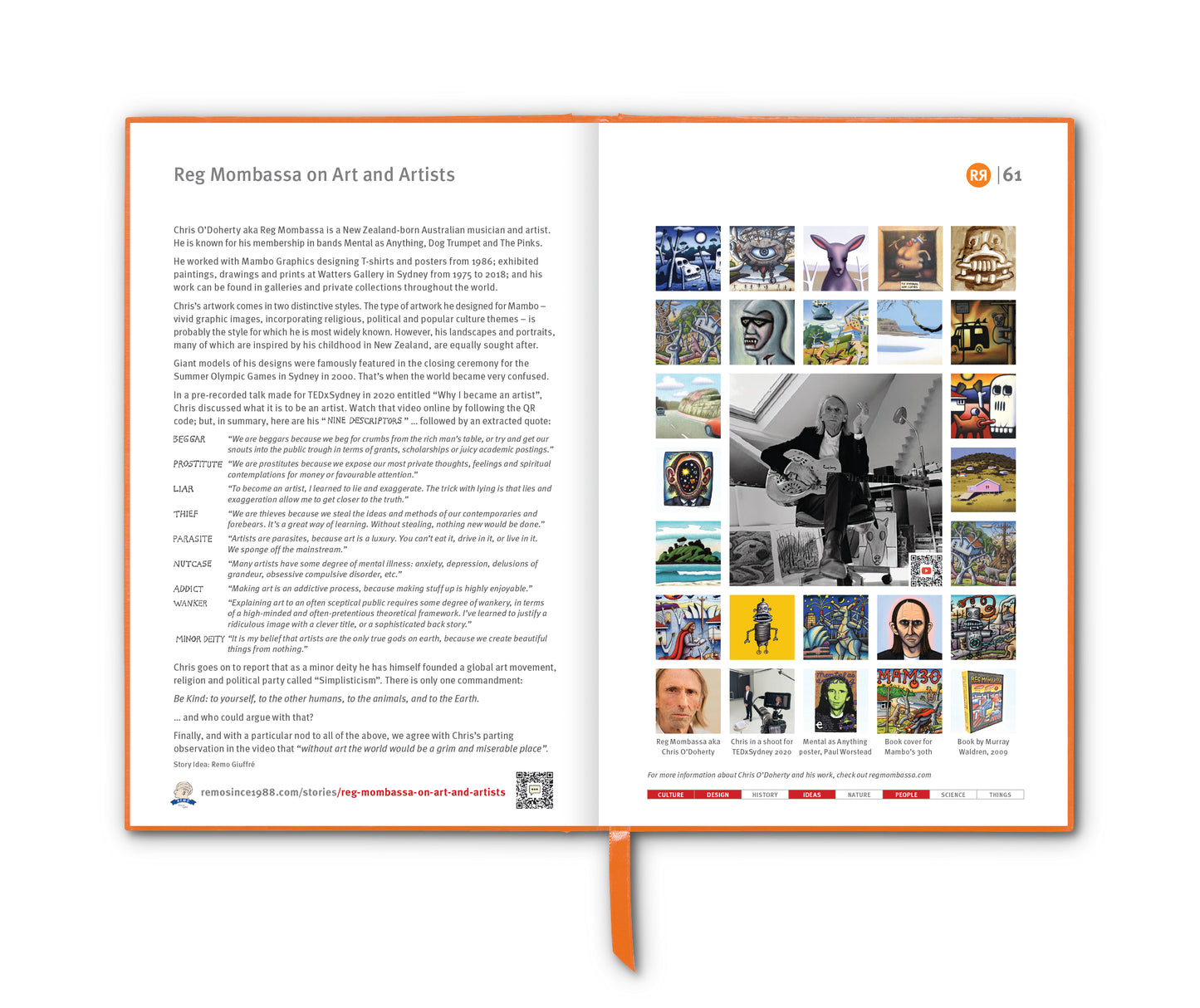
2. Masonic symbol: square, compasses and the letter G … for God? Geometry? Gnosis?
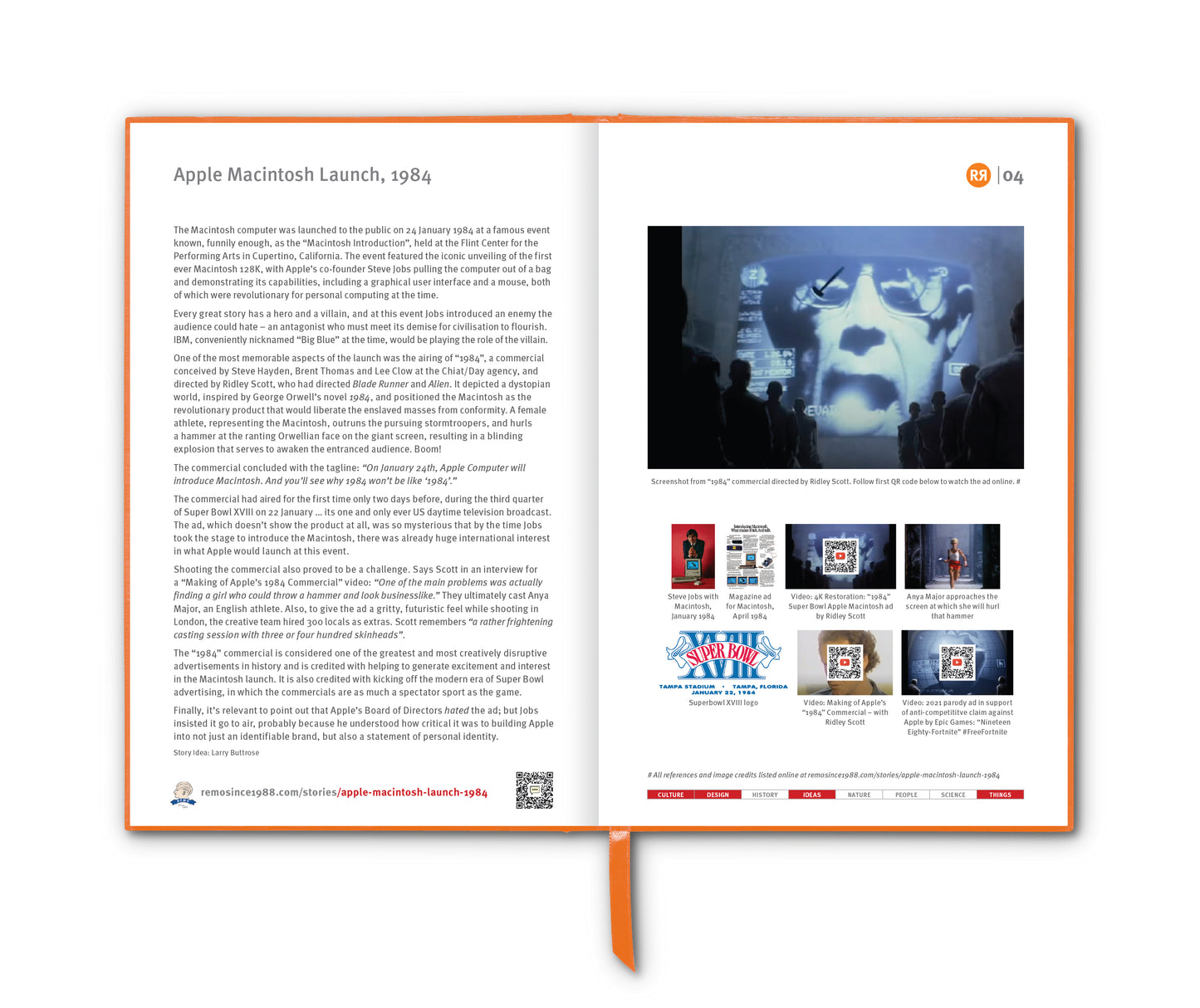
3. Masons at work in the "three globes Lodge" in Berlin, circa 1740
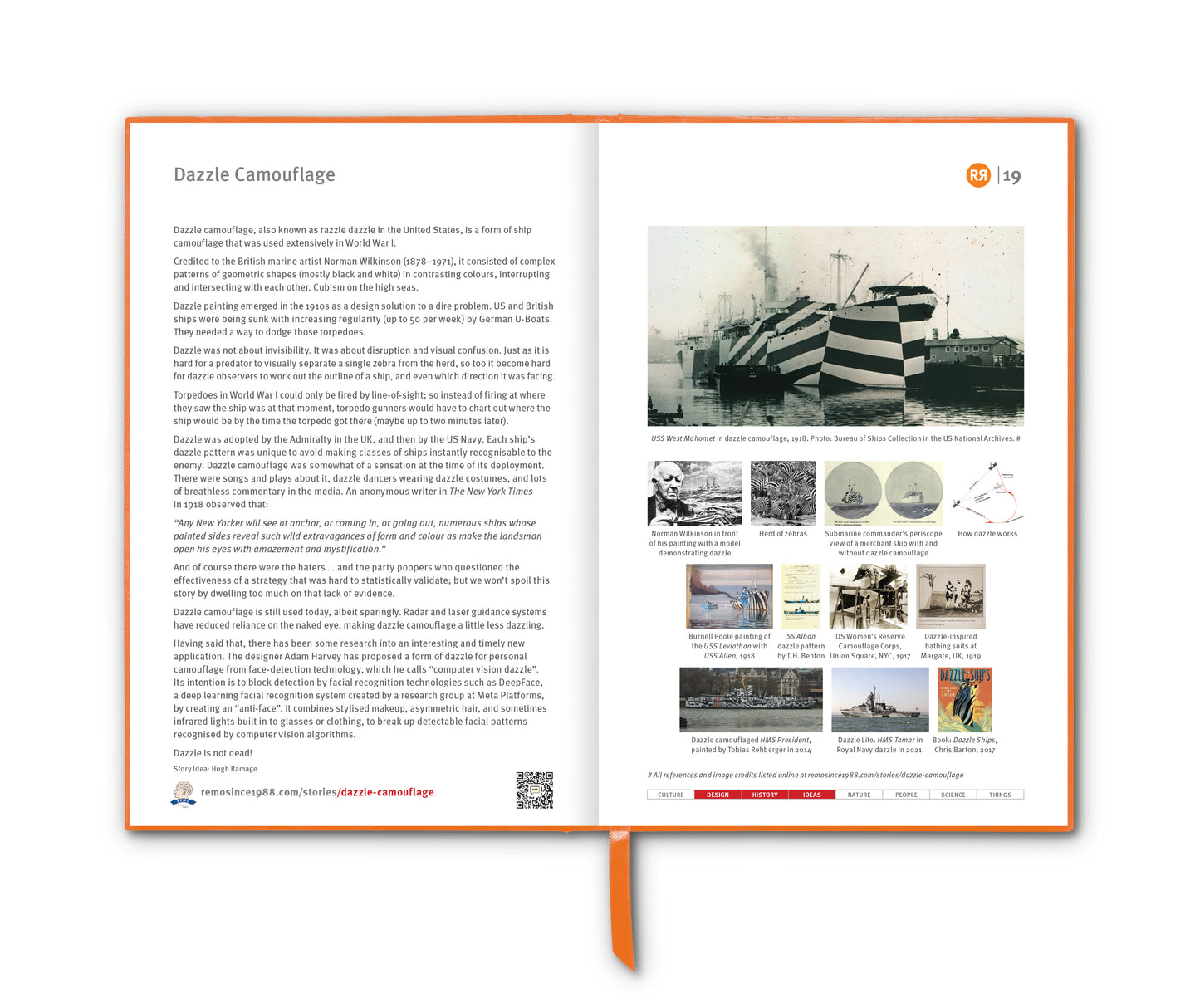
4. A masonic initiation in Paris, 1745
5. Emblematic structure of Freemasonry. Credit: shroomery.org
6. Print from 1870 portraying George Washington as Master of his Lodge
7. Secret Masonic handshakes. Credit: gnosticwarrior.com
8. A group of Freemasons in ceremonial dress, 1902. Credit: Library of Congress
9. Illuminati button badge at REMO. Illuminati merchandise HERE.
10. Sydney Masonic Centre, 2004
11. Freemasonry parody: In the "Homer the Great" episode of The Simpsons, Homer joins an ancient secret society known as the Stonecutters.