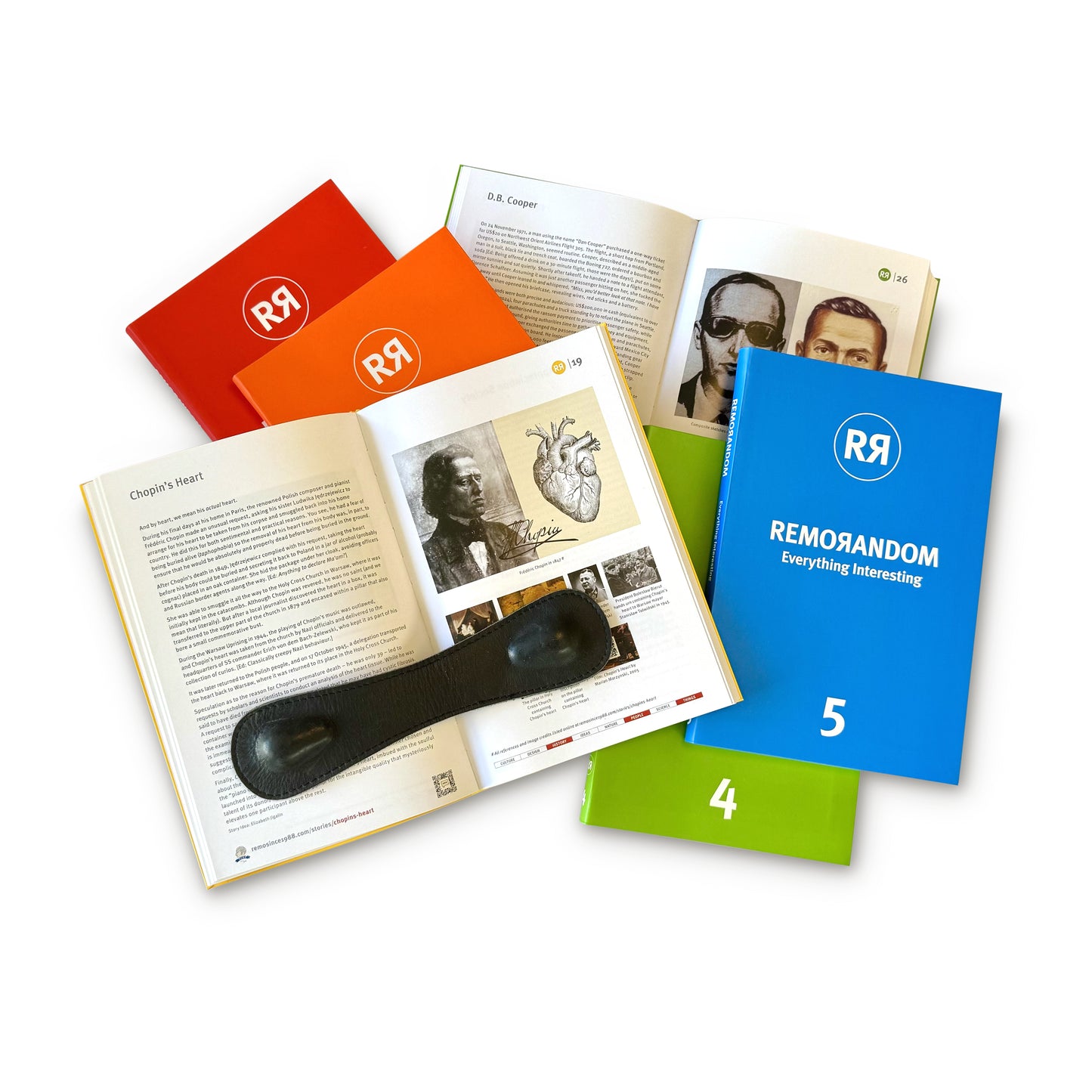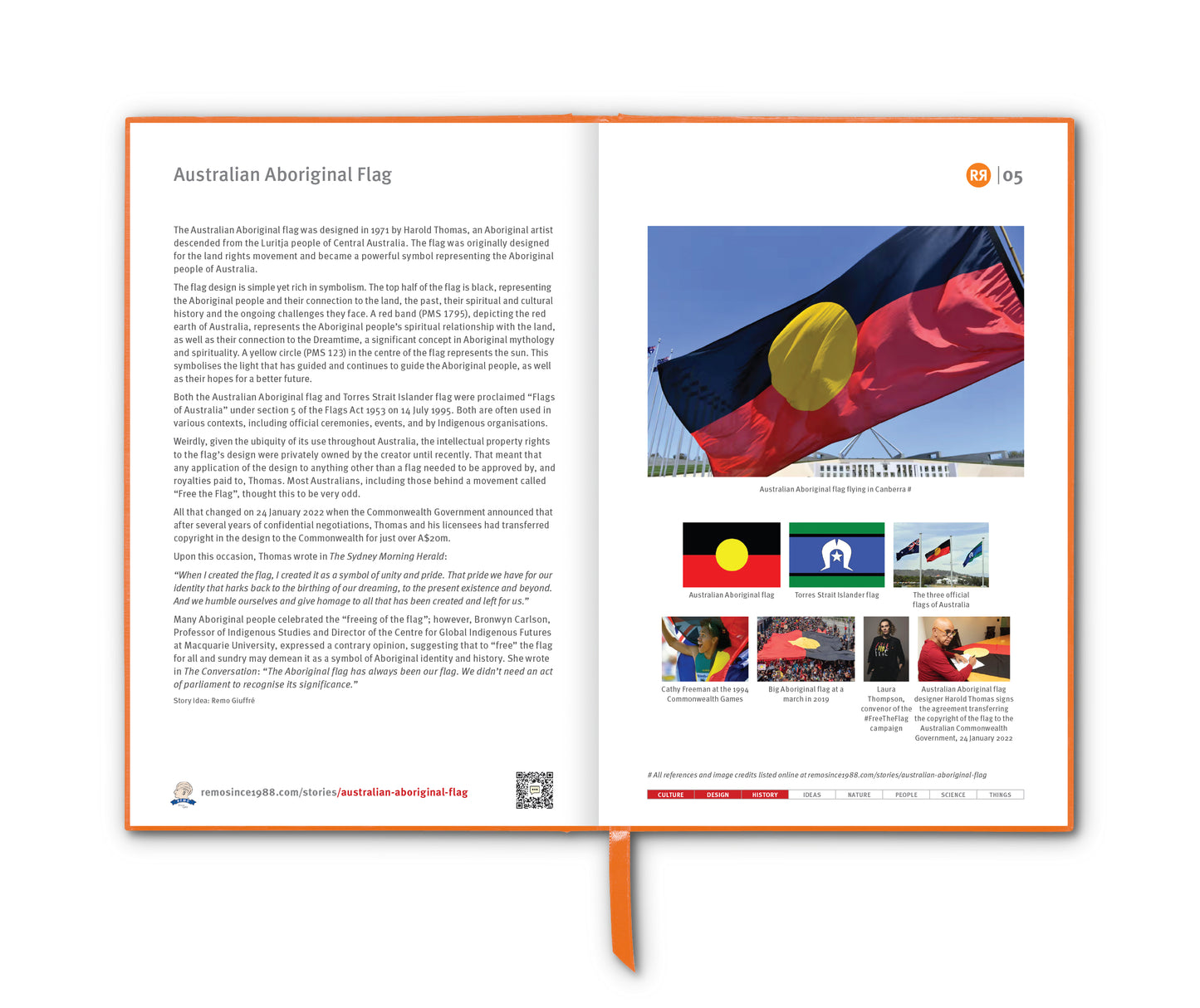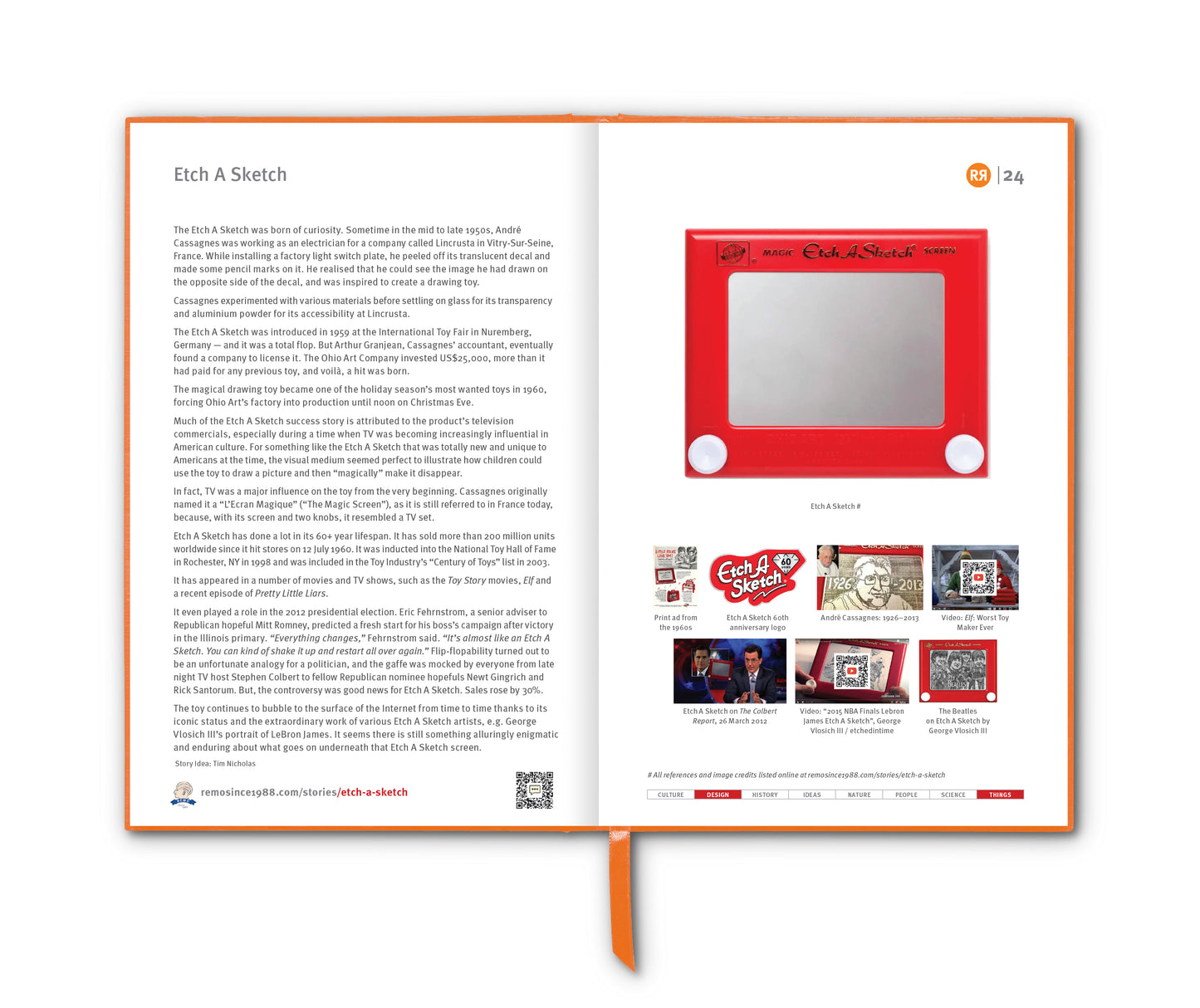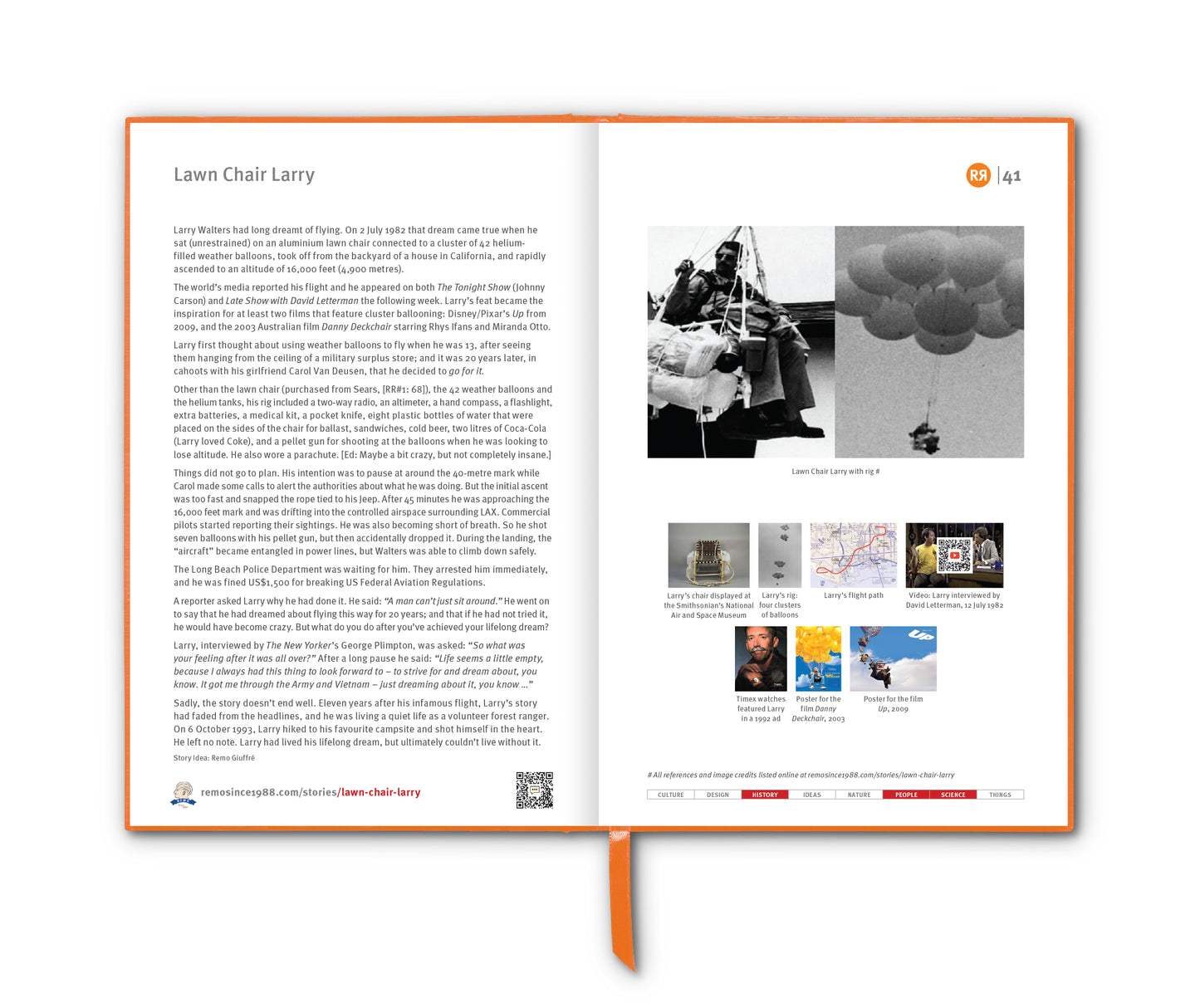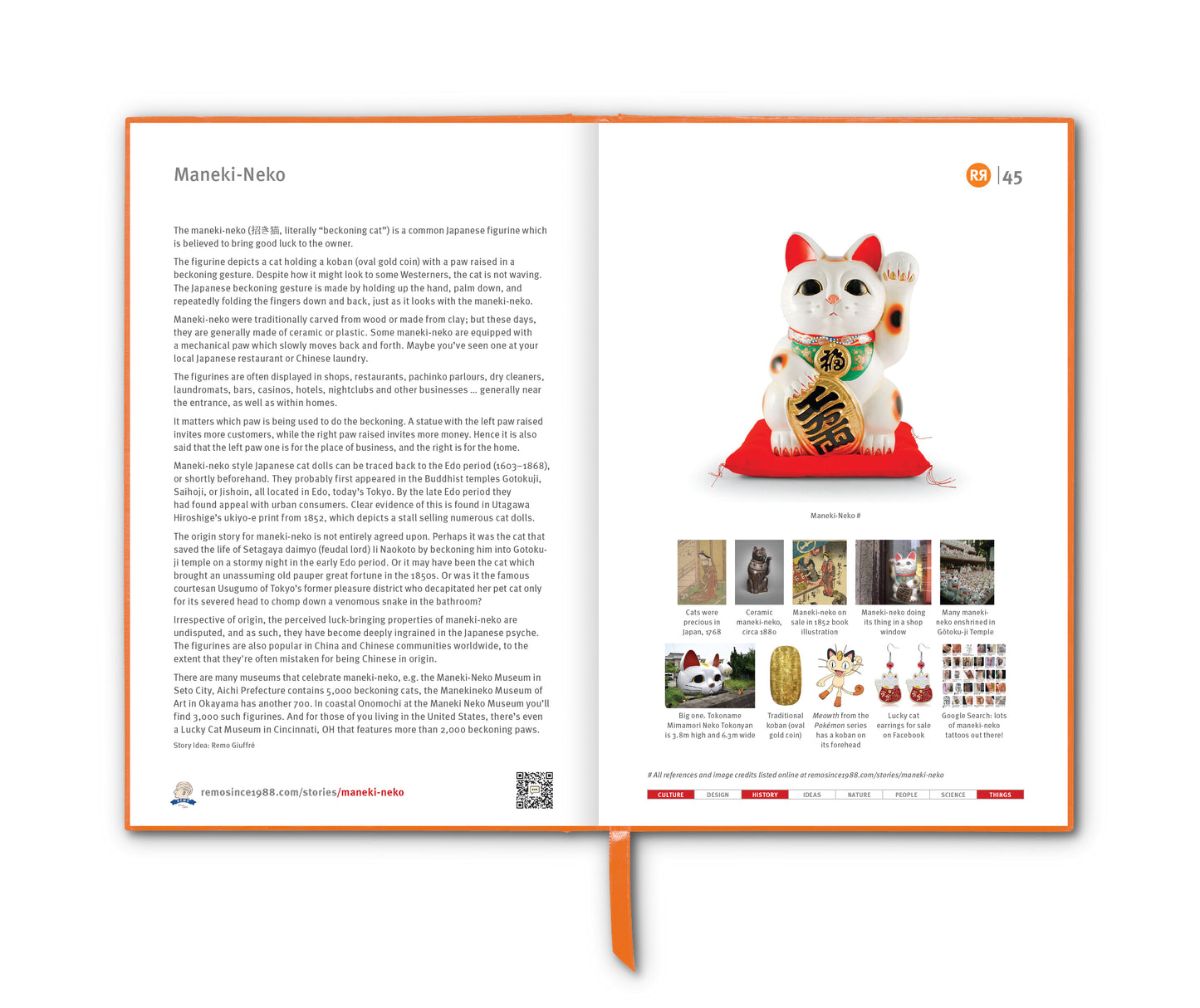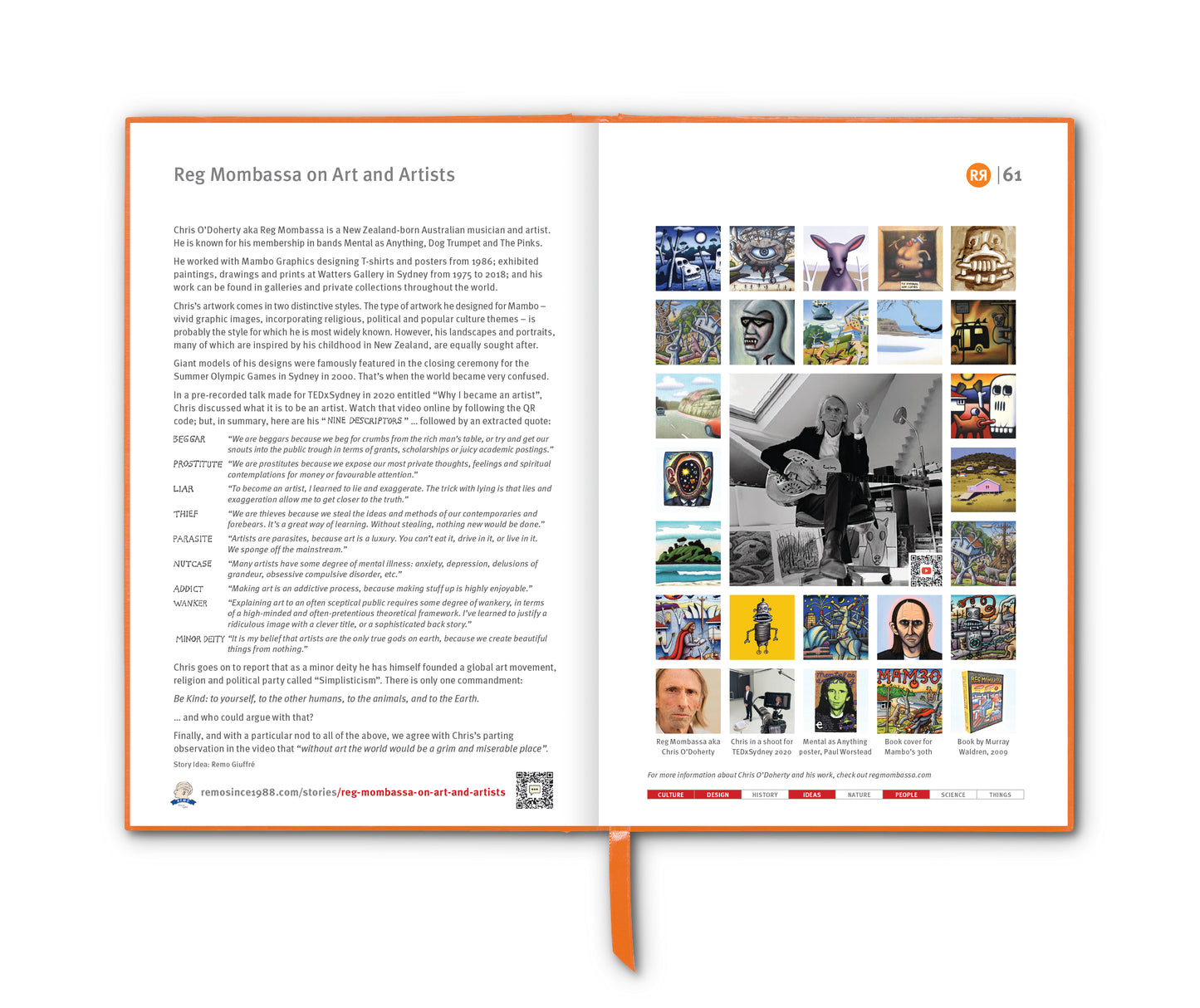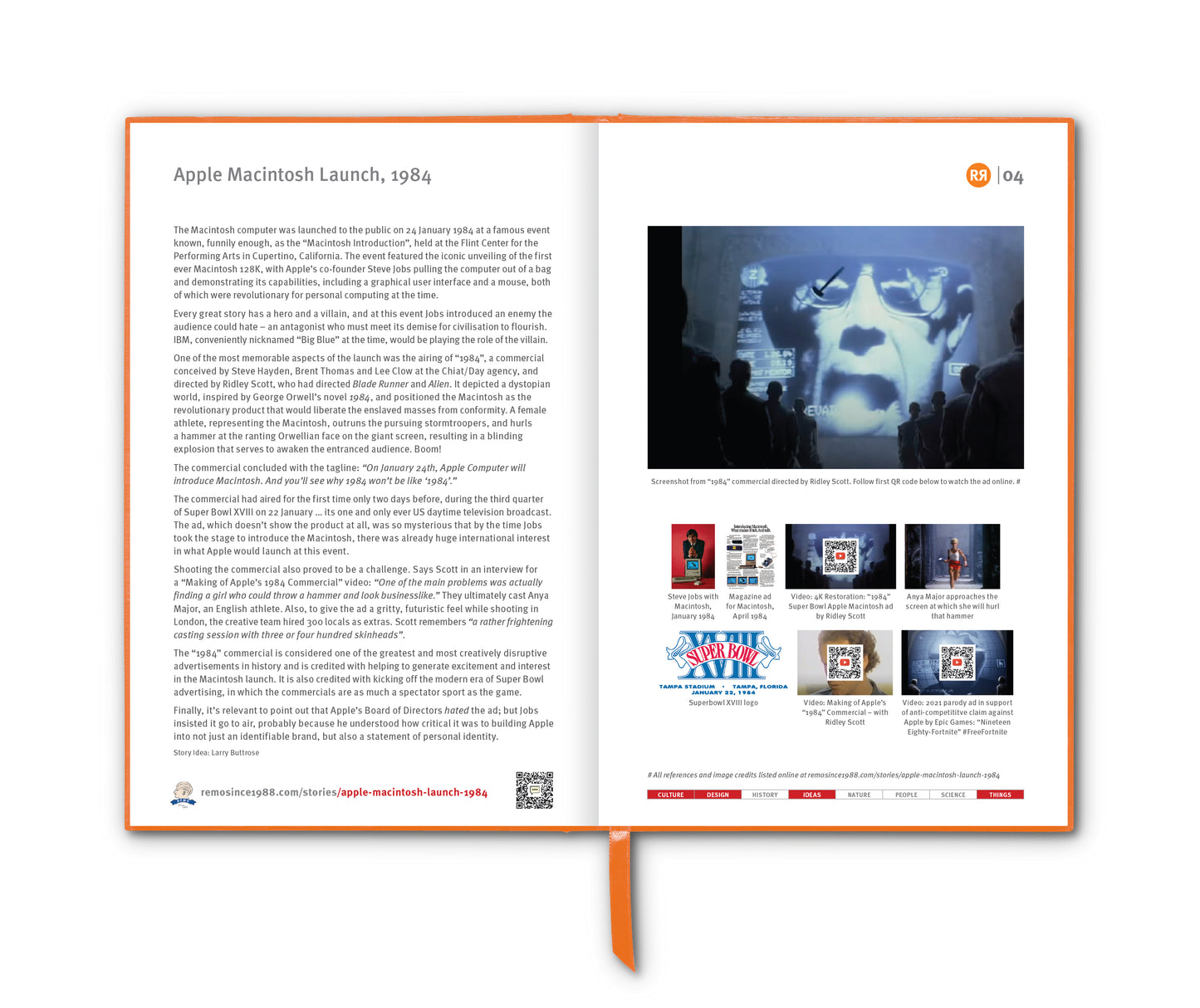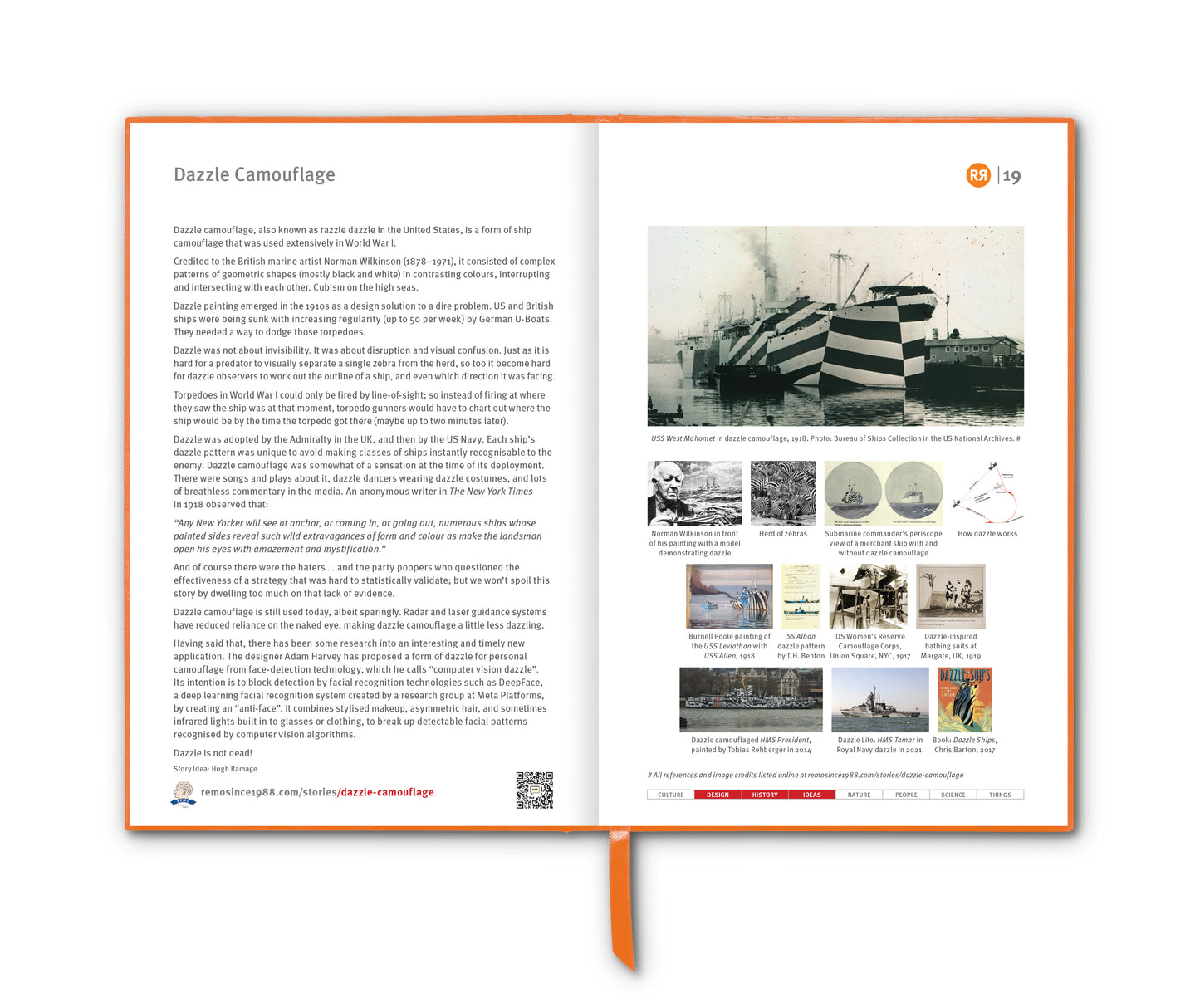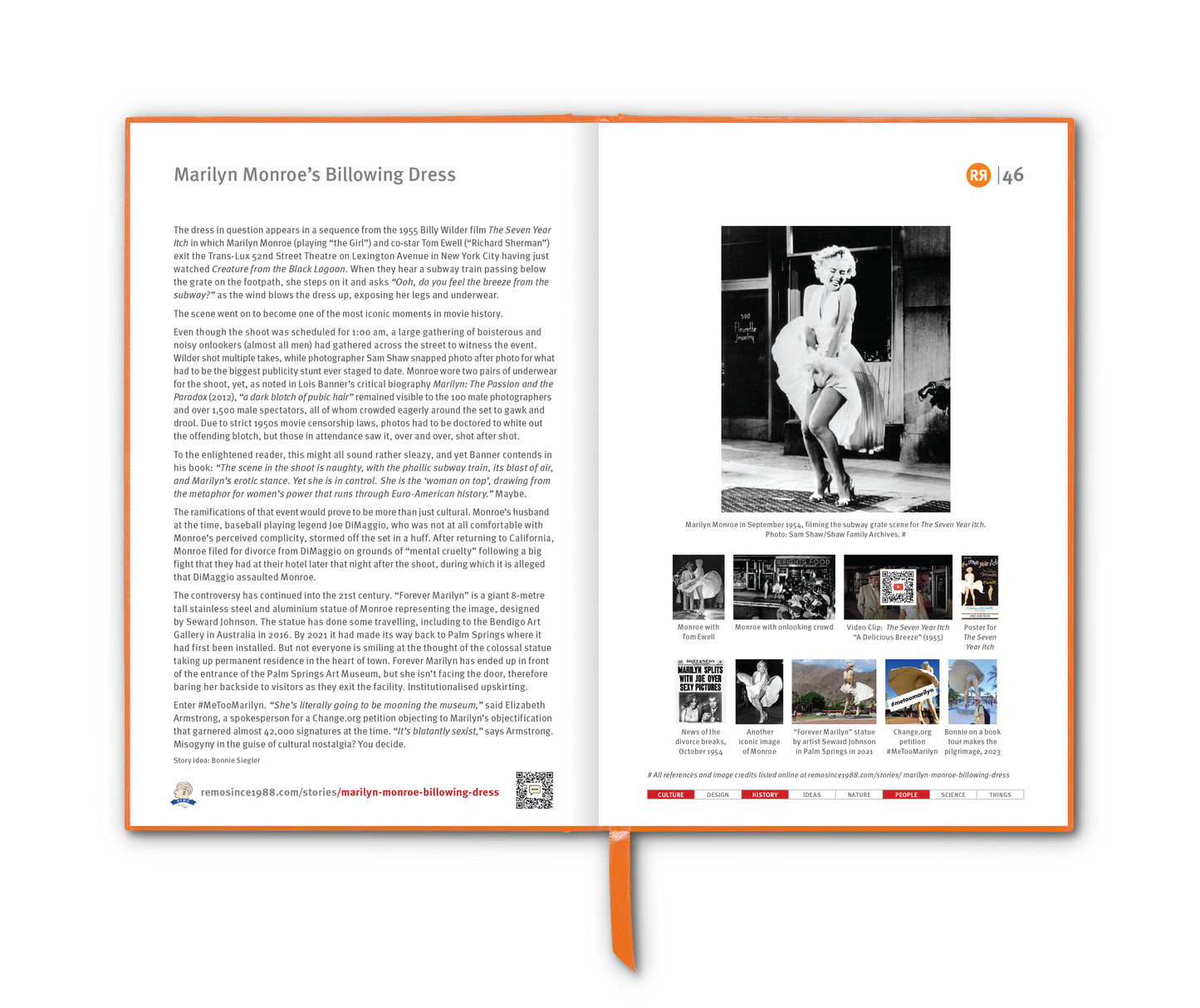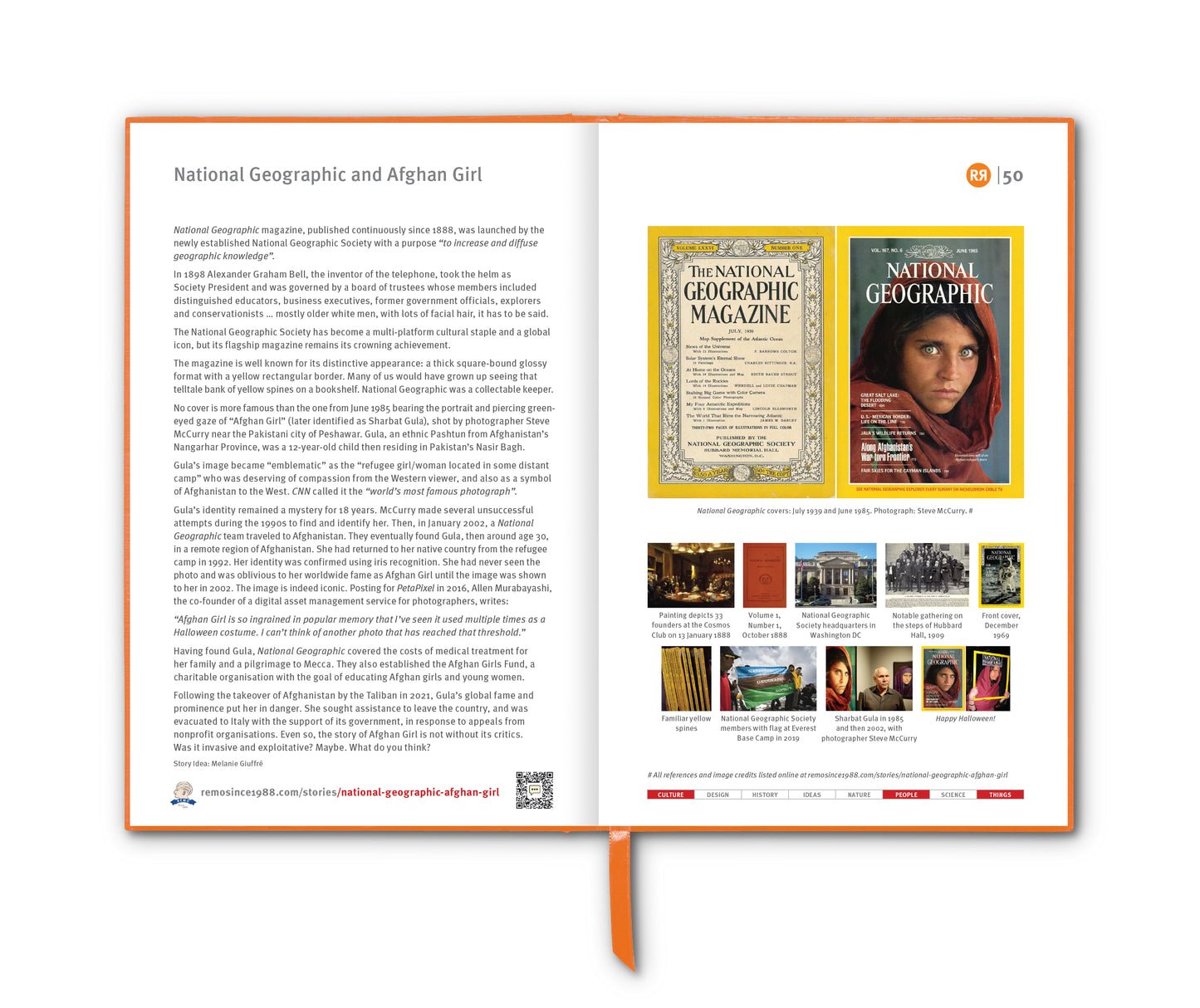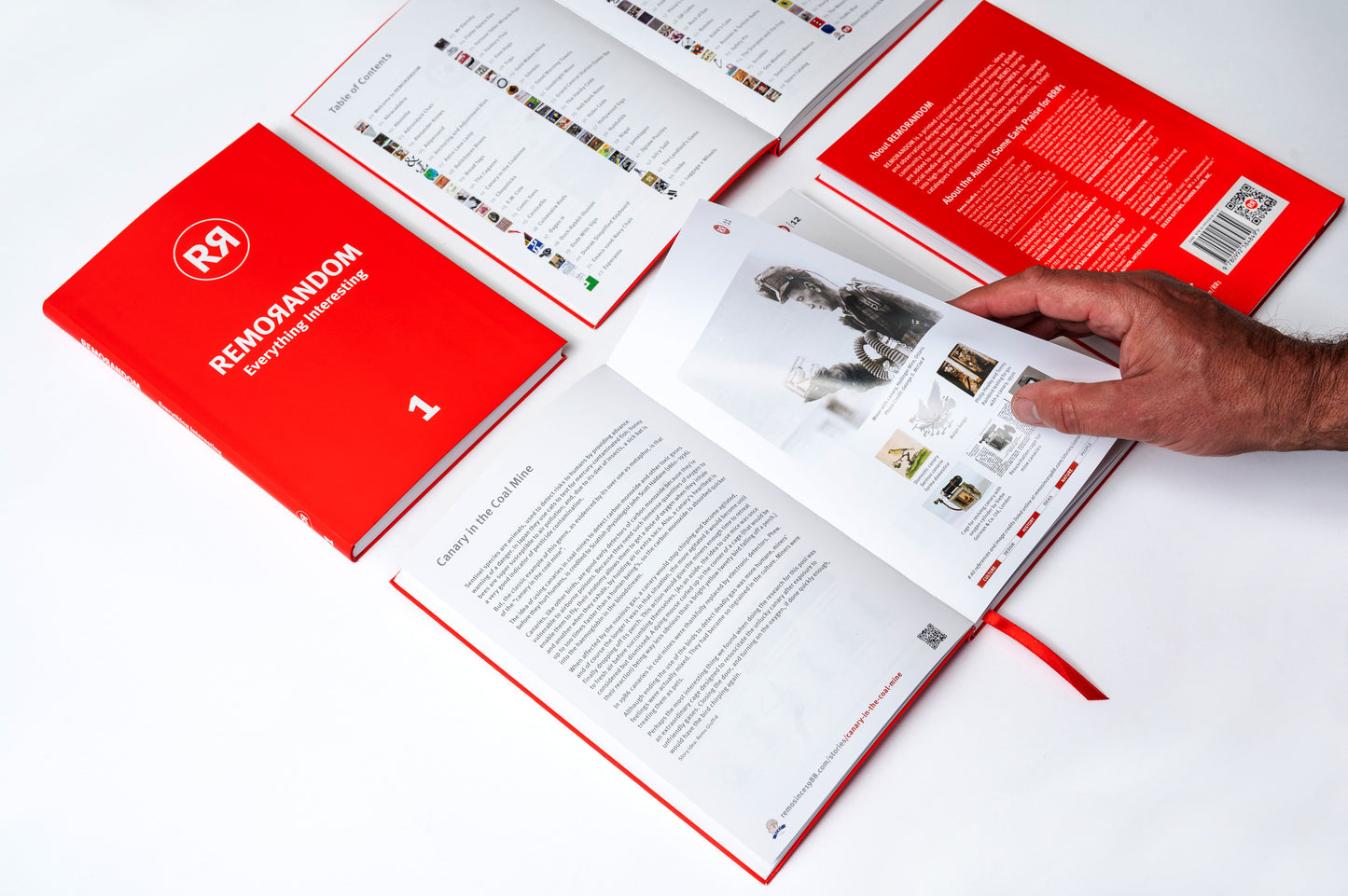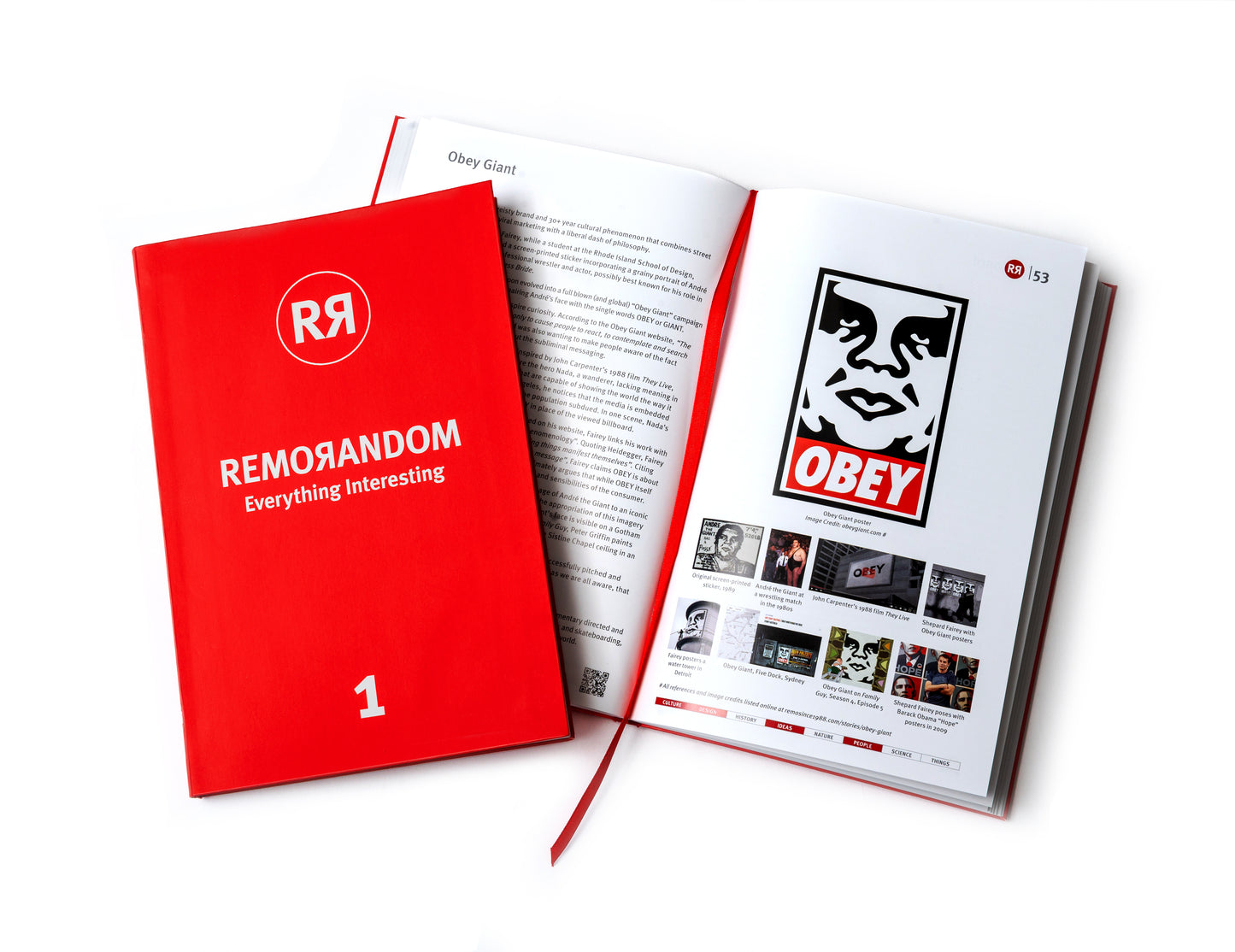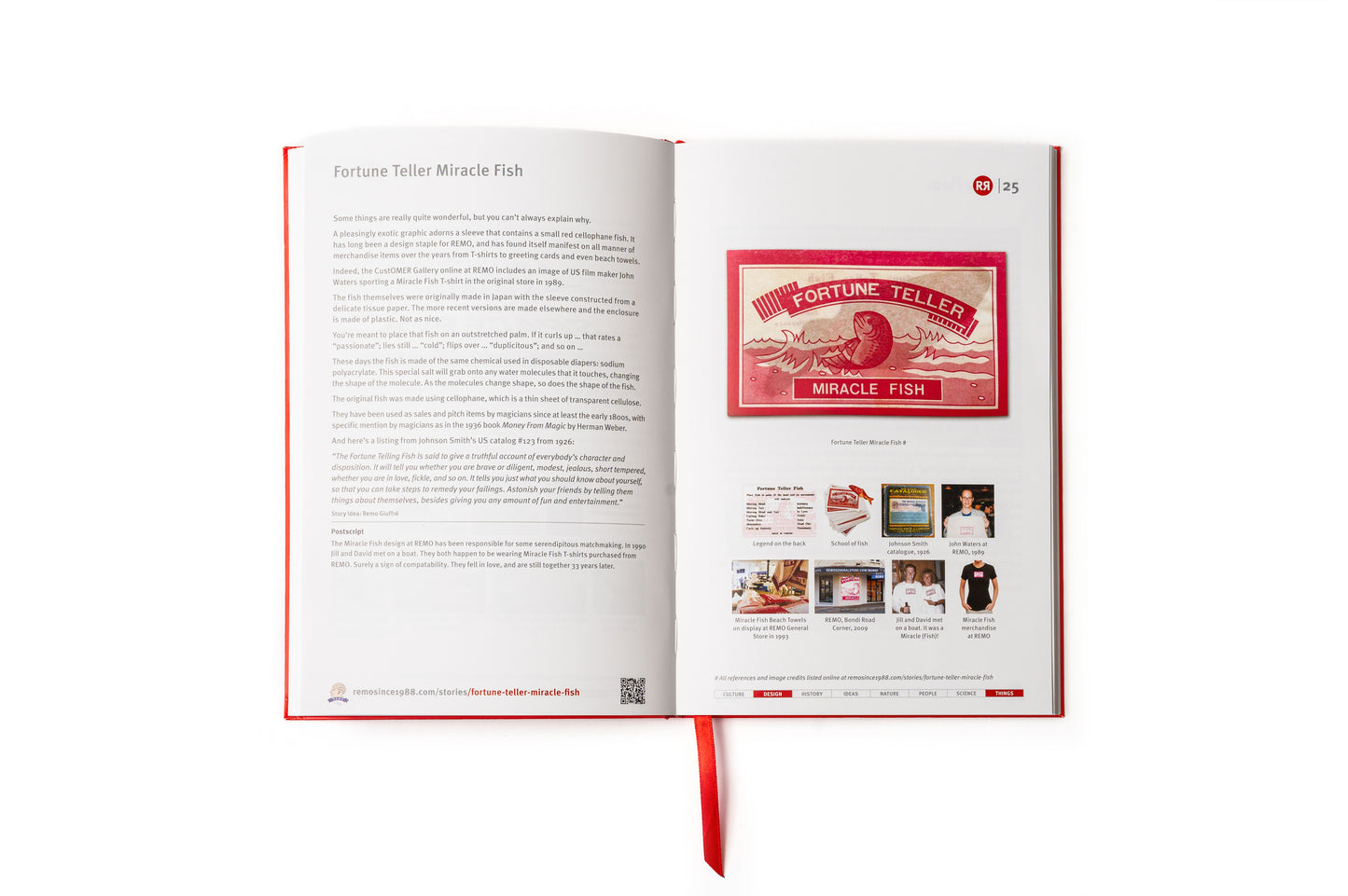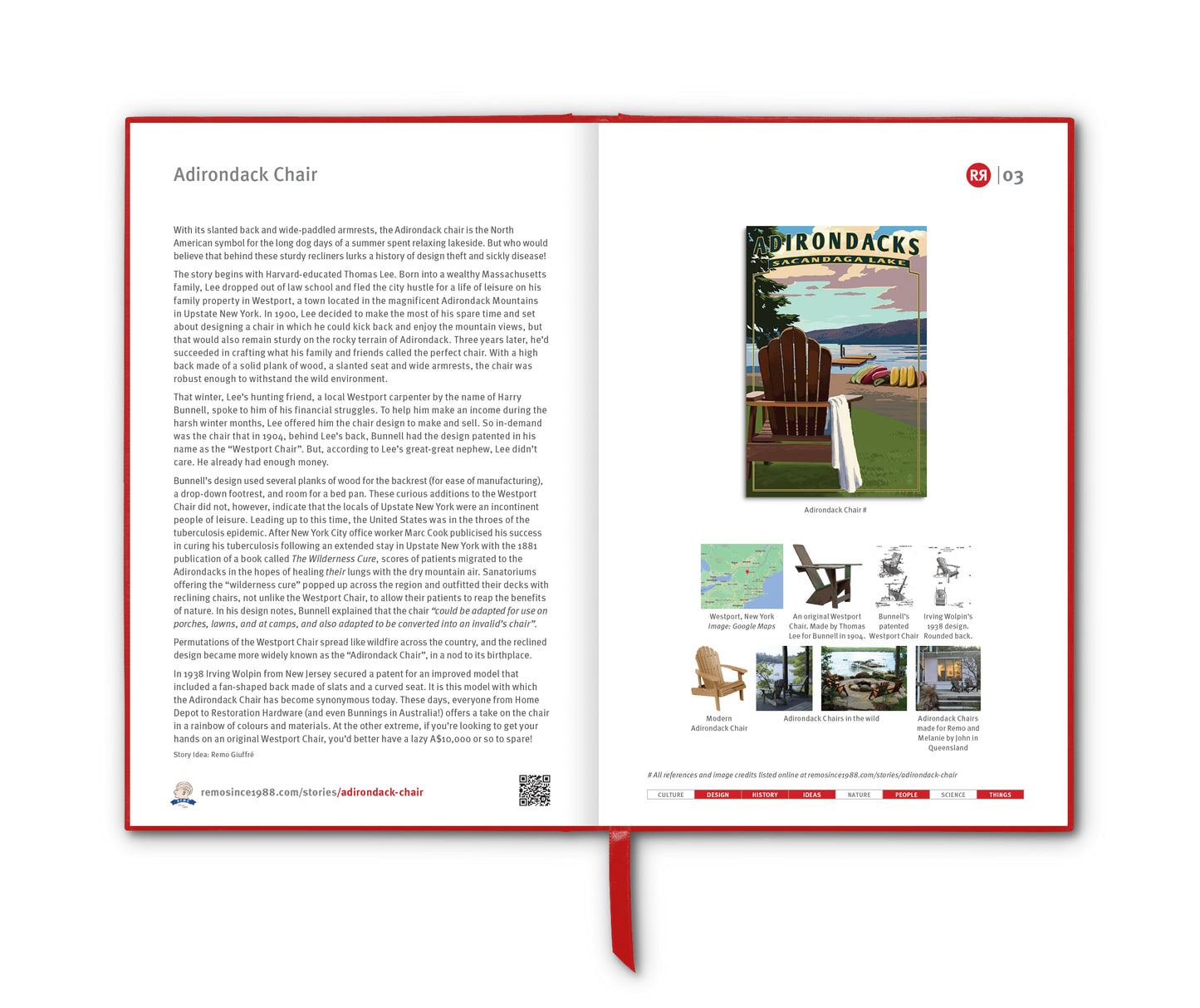

Gender reveal rituals – the practice of announcing the biological sex of an unborn baby in a dramatic or ceremonial way – are a recent phenomenon in their current form. However, they draw inspiration from older Western customs surrounding birth and family pride.
For most of history, the sex of a child was discovered only at birth. This moment carried extra cultural weight in patriarchal societies where lineage, inheritance and labour were gendered. Still, celebrations traditionally happened after the baby arrived rather than before. In the United States through much of the 19th and early 20th centuries, expectant parents avoided big displays during pregnancy due to superstition and high maternal/infant mortality rates. Announcements were understated; the real celebration came post-delivery.
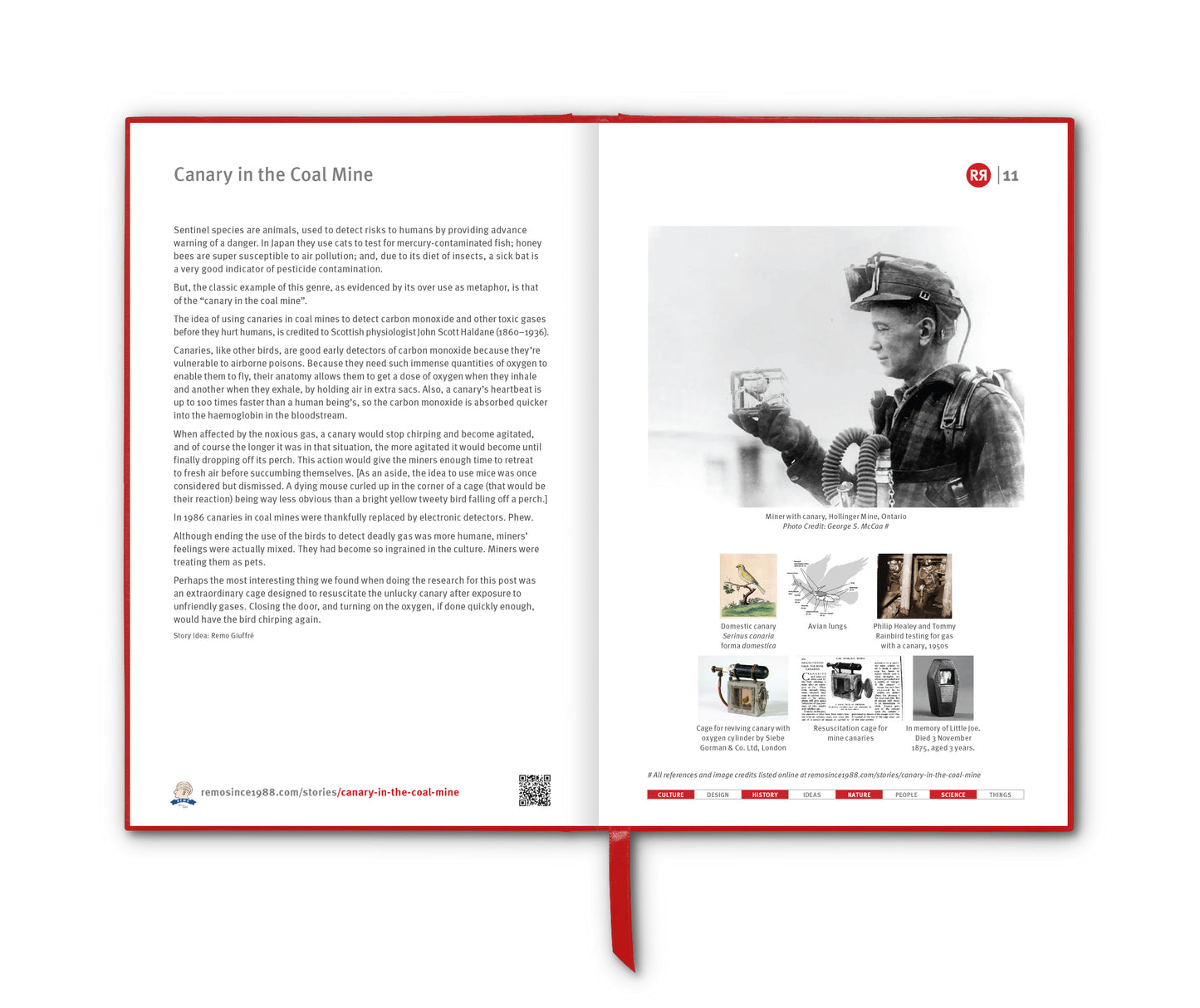
One enduring tradition was that of fathers handing out cigars to friends and colleagues after the birth. The origins of this custom date to the late 19th century, when cigars were symbols of masculinity, wealth and status. A new father gifting cigars signalled pride and success – a subtle “It’s a boy!” or “It’s a girl!” moment before the advent of pastel-coloured marketing. By the mid-20th century, this practice evolved with novelty cigars like El Bubble bubble gum cigars in blue (for boys) and pink (for girls), making the ritual playful and accessible to nonsmokers and kids. [Ed: REMO used to sell these El Bubble bubble gum cigars along with matching “It’s a boy!” And “It’s a girl!” T-shirts for babies.]
All of these pastel-coded gestures helped cement the colour-gender association that persists today – although see the postscript below.
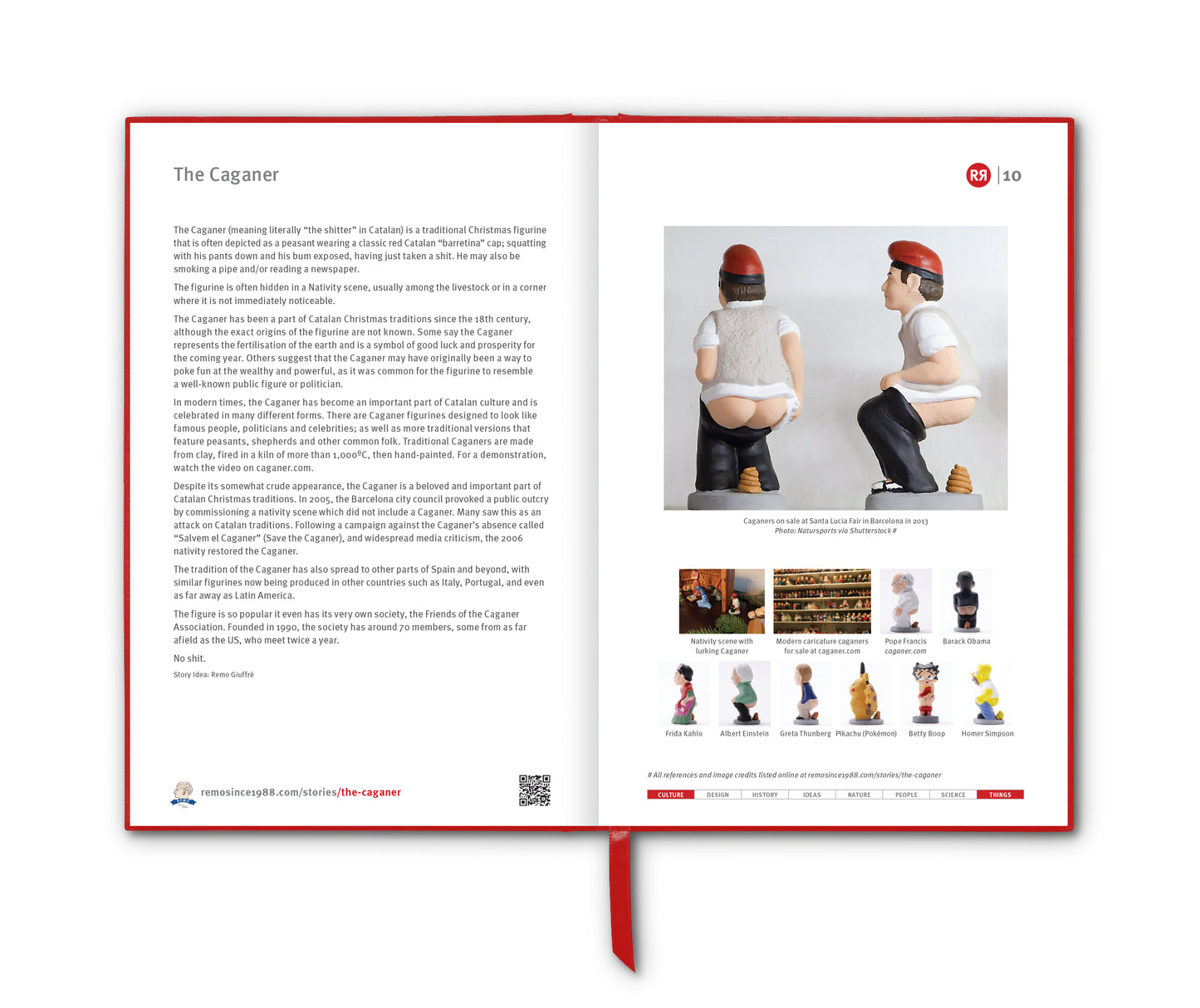
The technology that changed everything arrived in the late 20th century: ultrasound imaging. First widely used in obstetrics in the 1970s and 1980s, ultrasound allowed parents to know a baby’s sex before birth. Initially, this was purely clinical, but by the 1990s, some parents started turning the reveal into a moment of private or semi-public celebration. Baby showers sometimes included small gender hints, but there was no major cultural script for pre-birth announcement – well, not just yet.
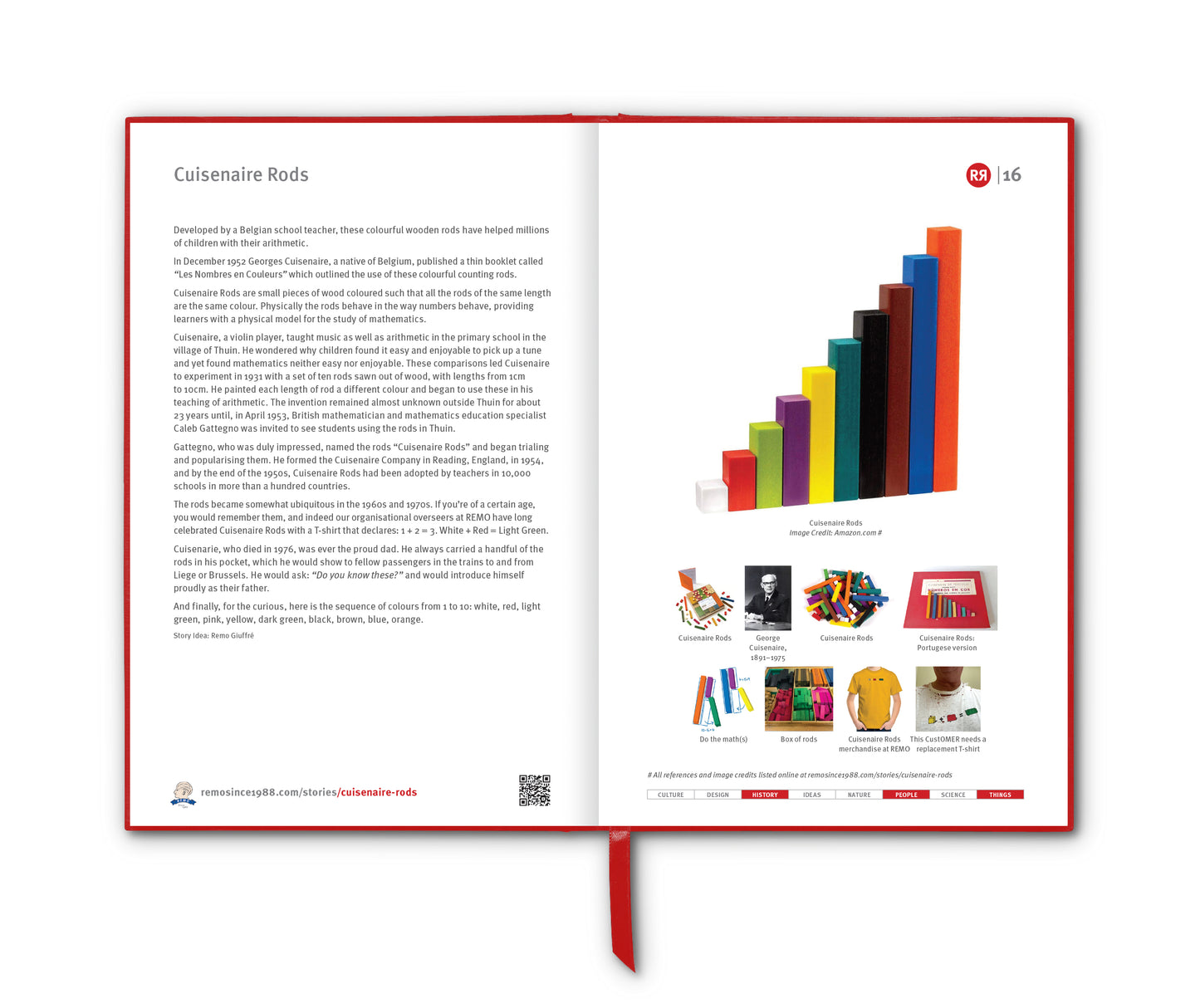
That changed in 2008 when US blogger Jenna Karvunidis hosted what is widely credited as the first gender reveal party, revealing “girl” with a pink cake inside neutral frosting. She posted about it on her blog, and the concept exploded in the social media era. Pinterest and Instagram turned gender reveals into viral content, escalating both creativity, and in some cases stupidity, i.e. from balloons and cakes to smoke bombs and fireworks. By the mid-2010s, gender reveal videos were a cultural phenomenon.
But the rise of these rituals coincided with a shift toward “shareable milestones”. Gender reveals became highly performative, blending private family news with public spectacle. This has sparked criticism, with detractors noting that the practice reinforces outdated binary gender assumptions and has occasionally caused environmental disasters – like the 2017 Arizona wildfire started by a pyrotechnic reveal.
Despite backlash, the impulse behind gender reveals isn’t new: the human desire to mark life’s transitions with ceremony. Today’s filmed powder explosions are the digital descendants of those bubble gum cigars – a modern twist on old rituals, amplified by technology and the spotlight of social media.
Postscript: Why Pink for Girls and Blue for Boys?
Interestingly, the colour code that we now take for granted is a relatively modern invention. In the early 1900s, many department stores and baby fashion guides actually suggested pink for boys (a strong, bold color) and blue for girls (soft and dainty). It wasn’t until the 1940s that the current convention reversed and standardised, thanks to aggressive marketing by clothing manufacturers and retailers. By the 1950s, the new blue-pink divide was firmly entrenched in Western society – and de facto, due to Western influence, in many other cultures as well.
See also: Gender Symbols [RR2:26]
______________________
References
wikipedia.org/wiki/Gender_reveal_party
theguardian.com/lifeandstyle/2020/jun/29/jenna-karvunidis-i-started-gender-reveal-party-trend-regret
Images
1. Gender Reveal. Photo by Bri Tucker on Unsplash
2. Ultrasound imaging the unborn fetus. Credit: healthline.com
3. El Bubble bubble gum cigars
4. An uncut gender reveal cake decorated ambiguously. Photo credit: Mack Male
5. Male gender revealing blue burnout in Victoria
6. Environmentally oblivious Brazilian couple dye an 18 metre (60 foot) waterfall. Credit: smalljoys.tv
7. Gender reveal explosion starts wildfire in Arizona that burns 46,991 acres, 2017
8. The 2020 El Dorado Fire in California was also ignited by gender reveal pyrotechnics.