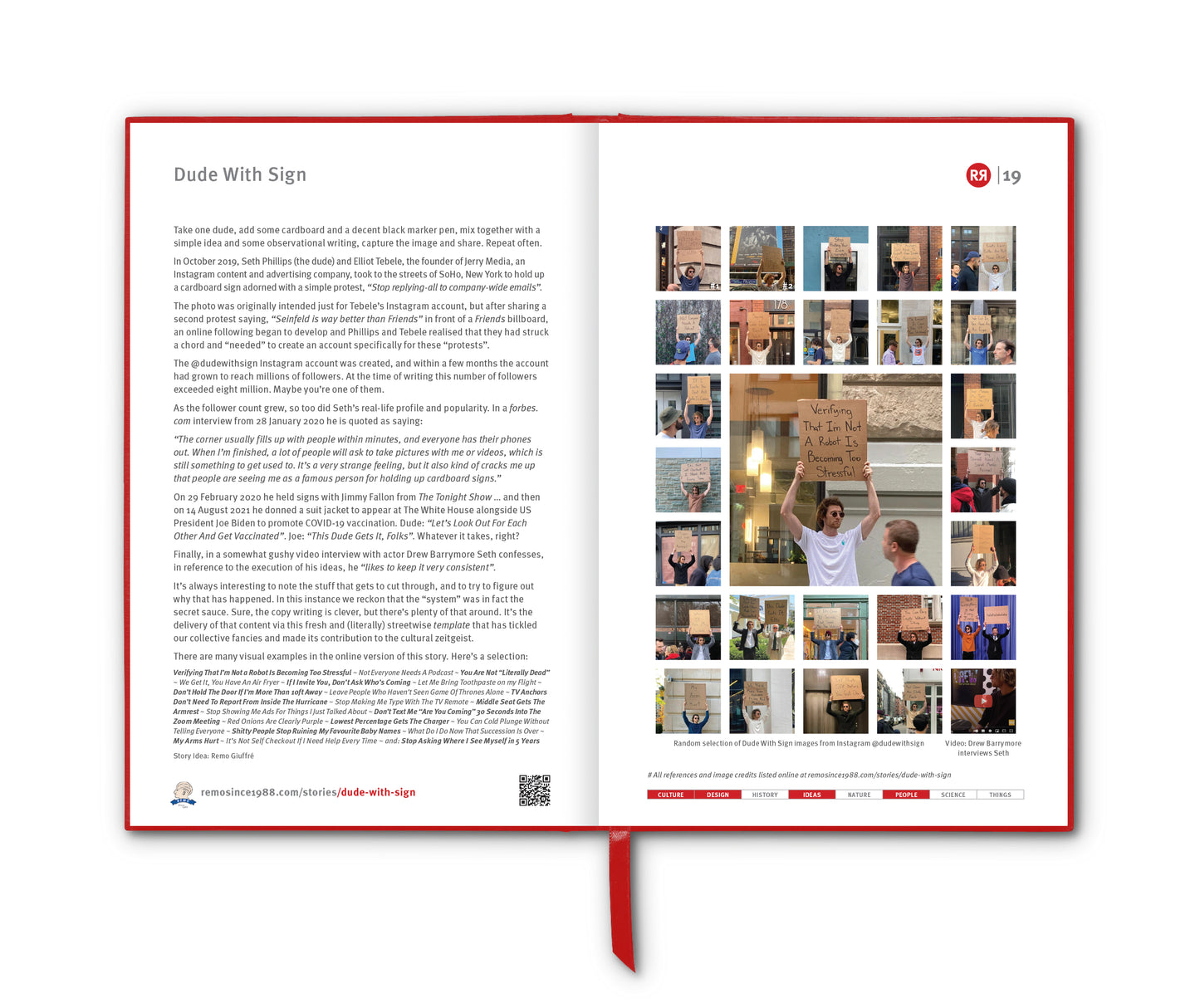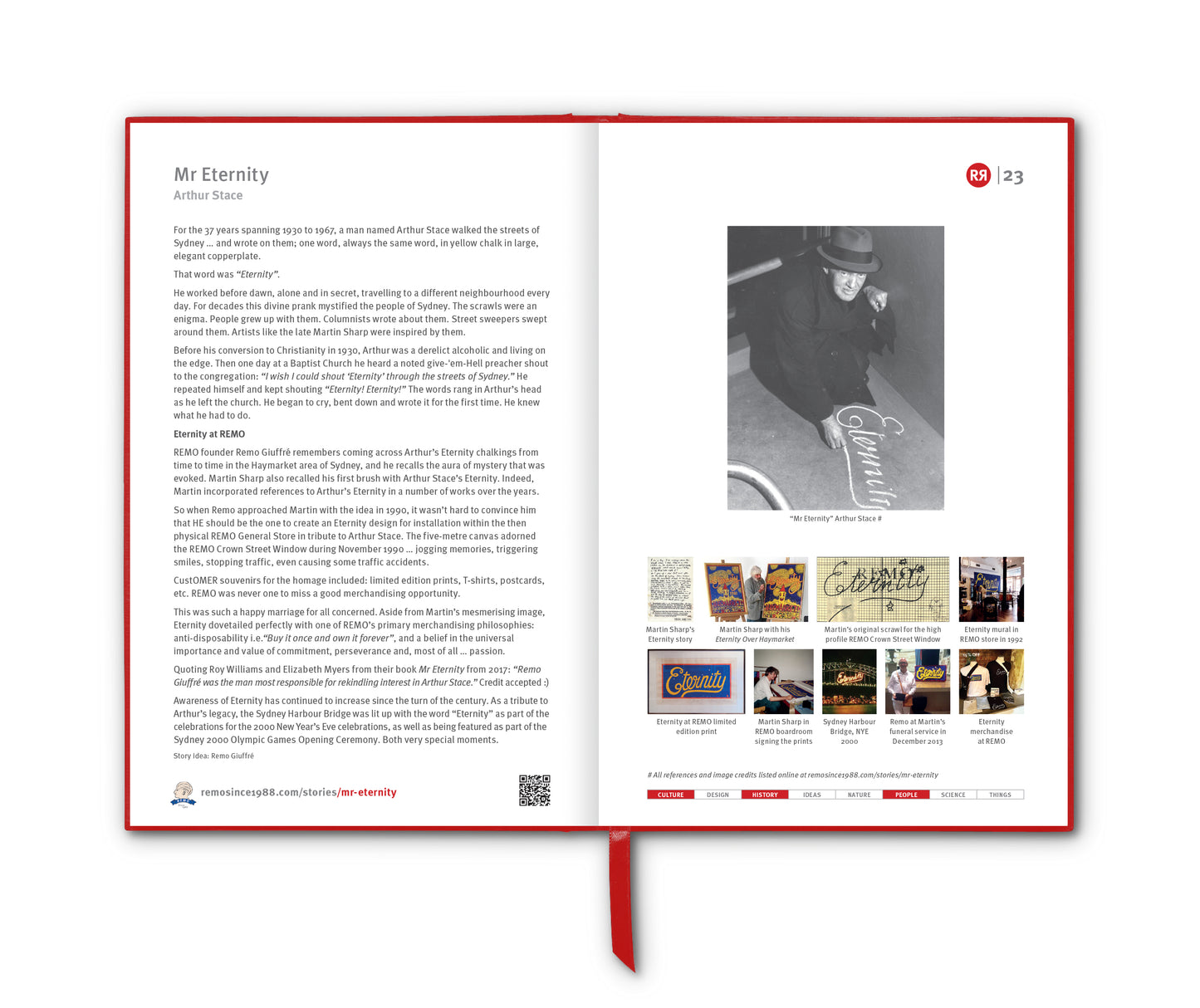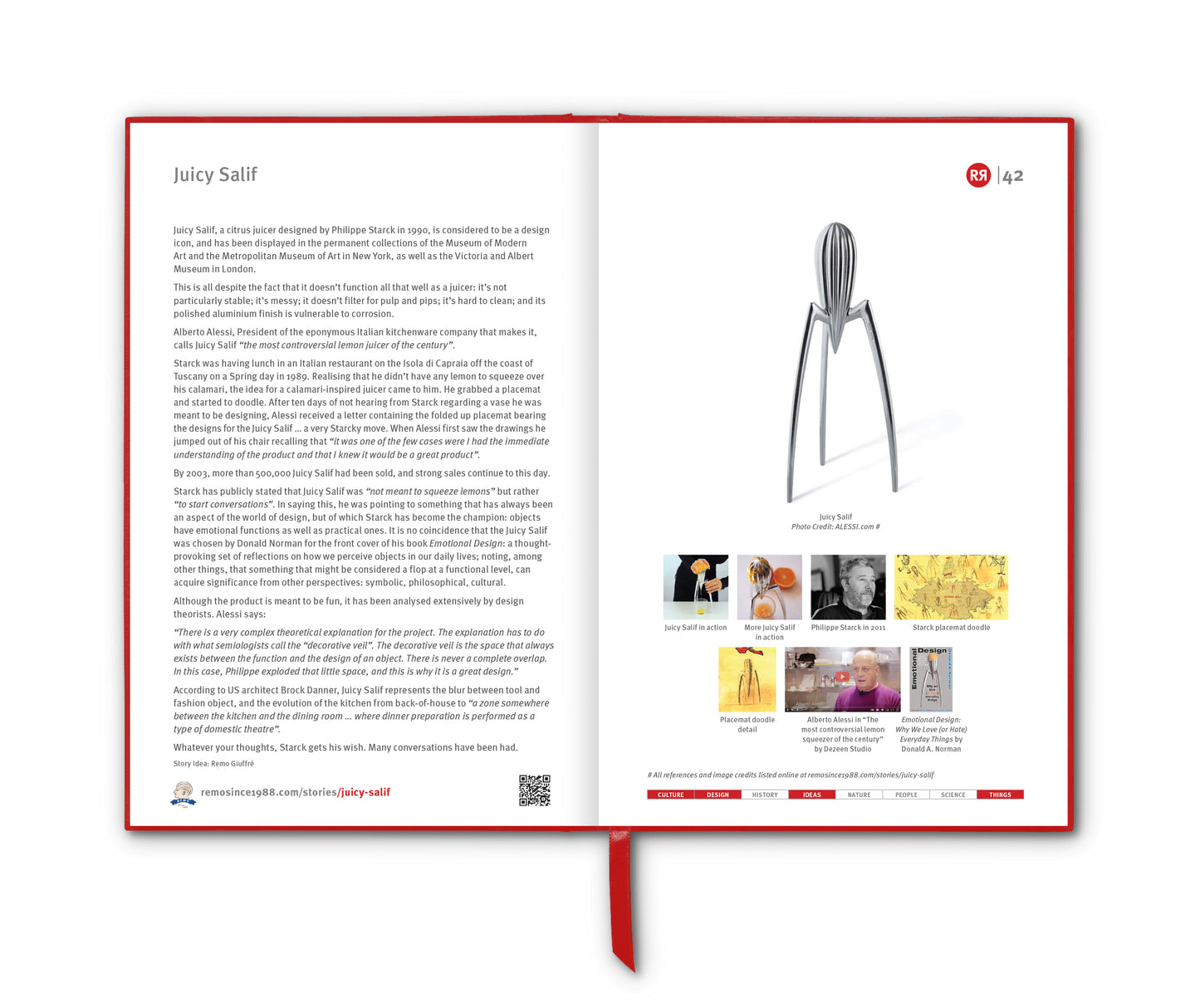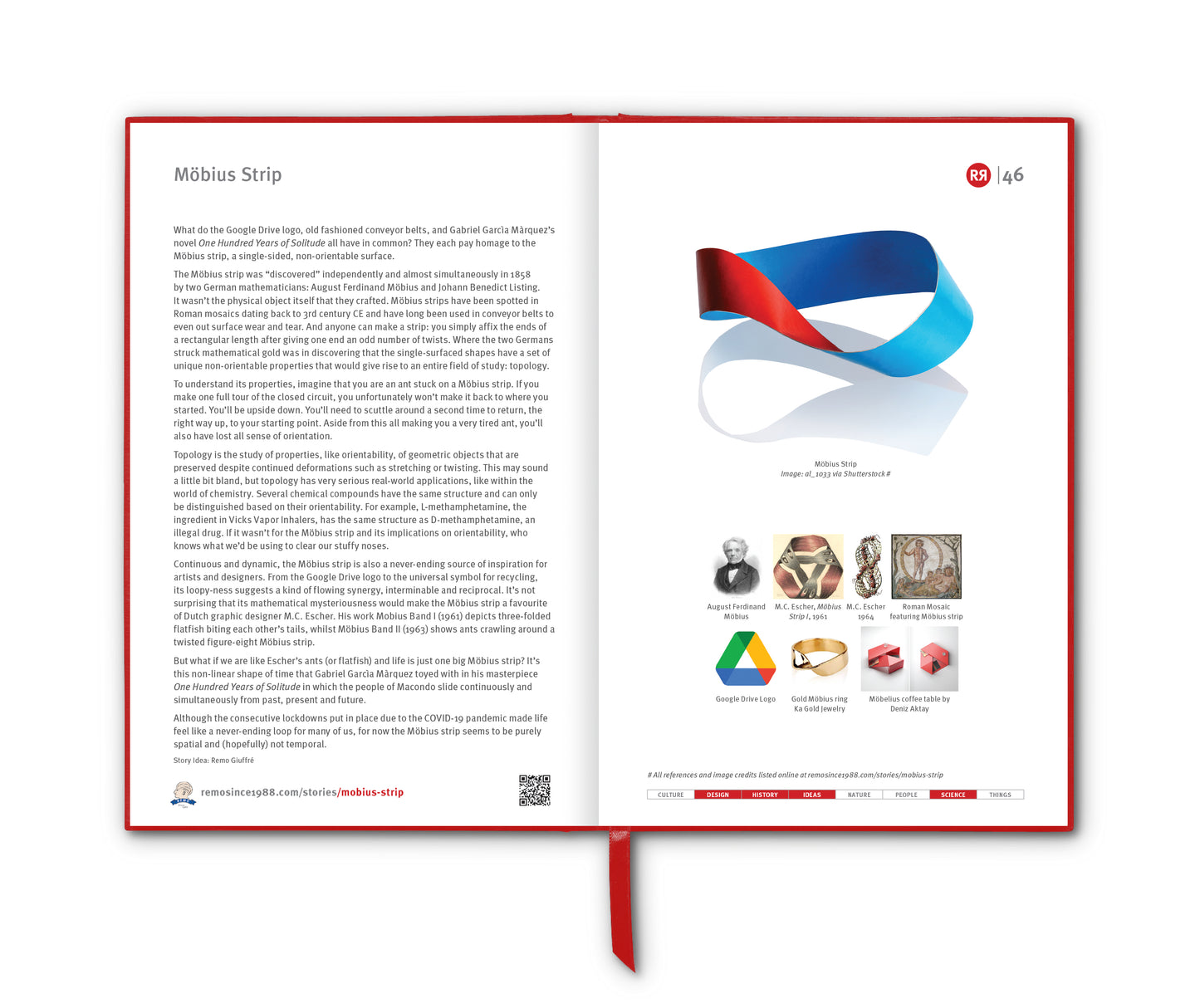

Groundhog Day is a tradition observed regionally in the United States and Canada on 2 February 2 each year. It derives from the Pennsylvania Dutch superstition that if a groundhog emerges from its burrow on this day and sees its shadow, it will retreat to its den and winter will go on for six more weeks. If it does not see its shadow, spring will arrive early. In 2026, the shadow was seen by Punxsutawney Phil, auguring six more weeks of winter.
The custom blends European folklore, immigrant culture along with a liberal dose of showmanship.
The story begins in medieval Europe. The 2nd of February was already a significant day on the Christian calendar – Candlemas – when candles were blessed in churches to symbolise light returning after winter. Over time, weather lore attached itself to the date. In Germany, a popular saying suggested that if the day was sunny and animals cast shadows, winter would continue. If it was cloudy, spring would arrive early. In some regions, the forecasting animal was a hedgehog.
When German immigrants settled in Pennsylvania in the 18th and 19th centuries, they brought these traditions with them. There were no hedgehogs in the region, but there were plenty of groundhogs. The substitution worked perfectly.
The tradition became formalised in the town of Punxsutawney, Pennsylvania, where locals began gathering at a place known as Gobbler’s Knob in the late 1800s. The event gained national attention thanks to newspaper editor Clymer Freas, who enthusiastically promoted the celebration. By 1887, the town had declared its resident groundhog – Punxsutawney Phil – the official weather prophet.
According to local legend, Phil is no ordinary groundhog. Organisers claim he is the same animal who has been making predictions for more than a century, kept alive by a magical “elixir of life”. In reality, several groundhogs have played the role over the years, but the myth is part of the fun. Each 2 February, Phil is brought before a crowd at dawn, and members of the Punxsutawney Groundhog Club interpret his “prediction”.
Accuracy, however, is another matter. Studies of Phil’s forecasts suggest they are correct less than half the time. But precision is not really the point. Groundhog Day functions more like a midwinter festival – a lighthearted ritual that breaks up the long cold stretch between New Year and the northern spring.
The holiday might have remained a regional curiosity if not for the 1993 comedy Groundhog Day, starring Bill Murray. In the film, a cynical weatherman sent to cover the Punxsutawney ceremony finds himself trapped reliving the same day over and over again. The movie became a cultural phenomenon and turned “Groundhog Day” into shorthand for any endlessly repeating situation. Indeed the phrase is recognised by dictionaries under two definitions: the holiday itself and "a situation in which events are or appear to be continually repeated”,
Ironically, the film was not actually shot in Punxsutawney but in Woodstock, Illinois. Nevertheless, it transformed a small-town American tradition into something recognised around the world. Today, crowds still gather in the cold Pennsylvania dawn, waiting to see whether a groundhog – shadow or no shadow – can offer a hint of spring.
___________________
References
wikipedia.org/wiki/Groundhog_Day
wikipedia.org/wiki/Groundhog_Day_(film)
soundingsjohnbarker.wordpress.com/2016/01/31/clymer-h-freas-and-the-creation-of-punxsutawney-phil-americas-most-famous-groundhog-weather-prognosticator/
nationalgeographic.com/science/article/100202-groundhog-day-punxsutawney-phil-pictures
Images
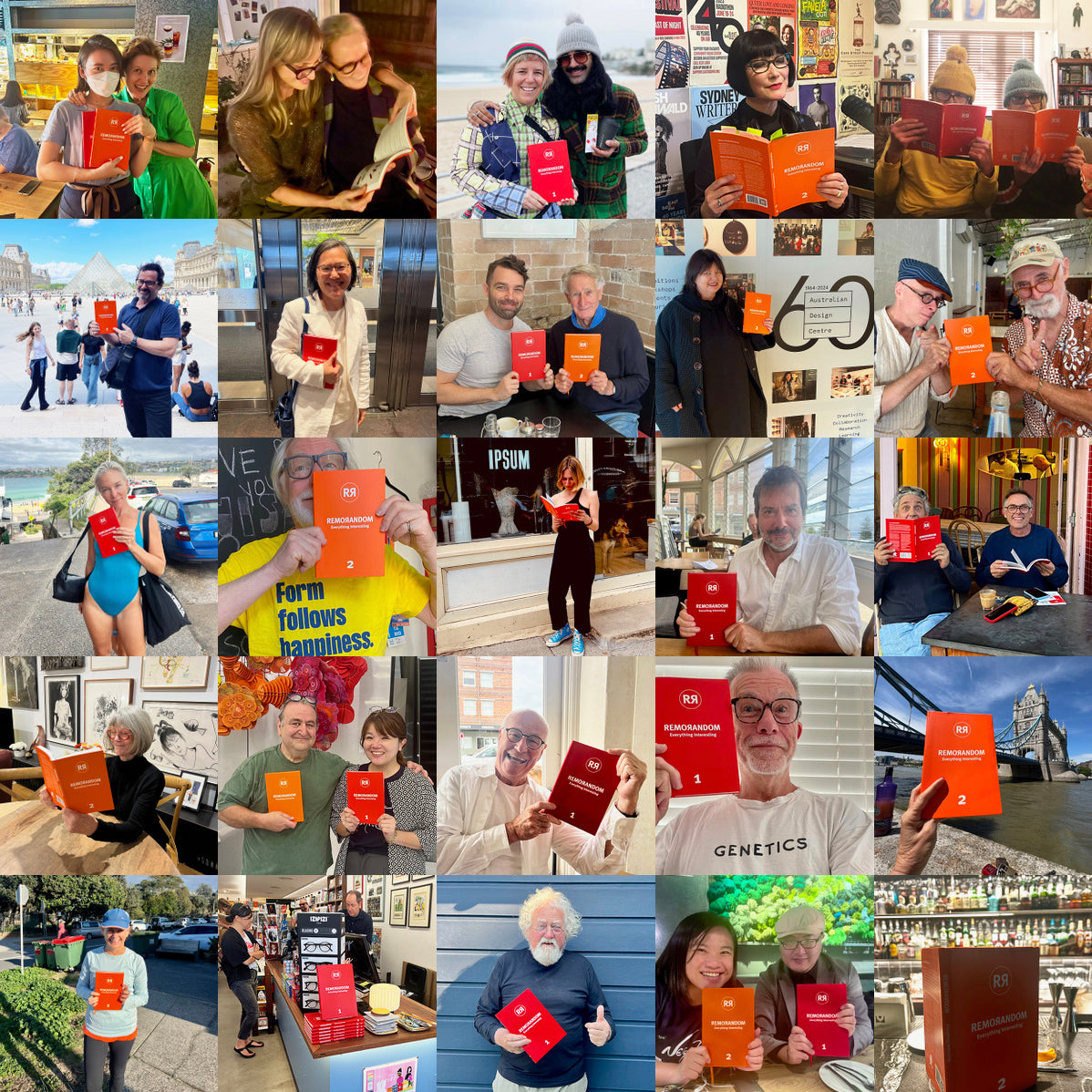
1. Punxsutawney Phil on Groundhog Day in Pennsylvania, 2022. Photo credit: Anthony Quintano via Flickr
2. Illustrated map of Pennsylvania. Credit: SepiaLepus
3. Punxsutawney cartoon
4. Groundhog Day in 1963. Photo credit: Bettman/Corbis
5. Gobblers Knob. Photo credit: Bill Dillard via visitpago.com
6. Film poster for Groundhog Day (1993)
7. A floor-positioned plaque in Woodstock, Illinois, commemorating the pothole that Bill Murray's character steps in during Groundhog Day