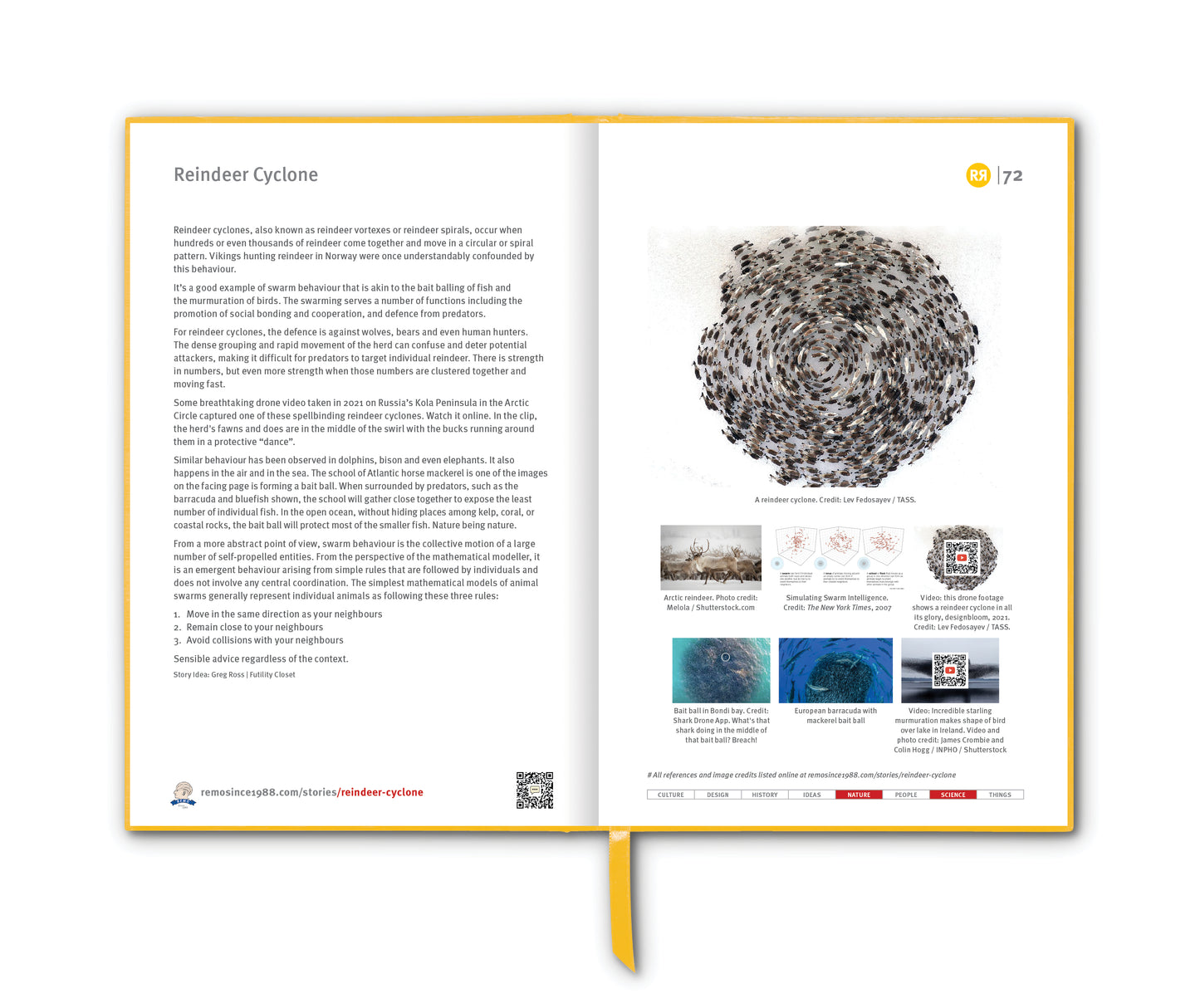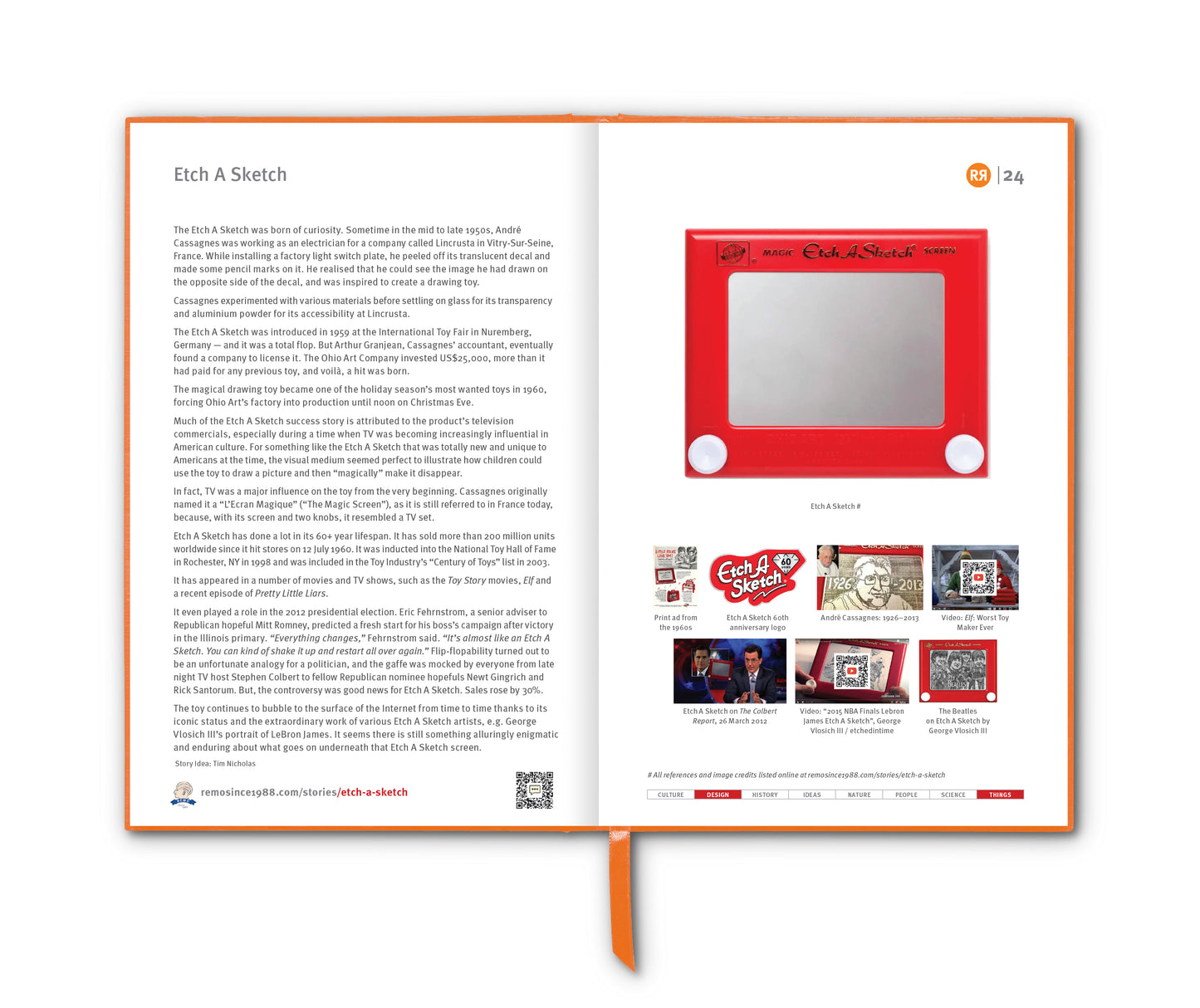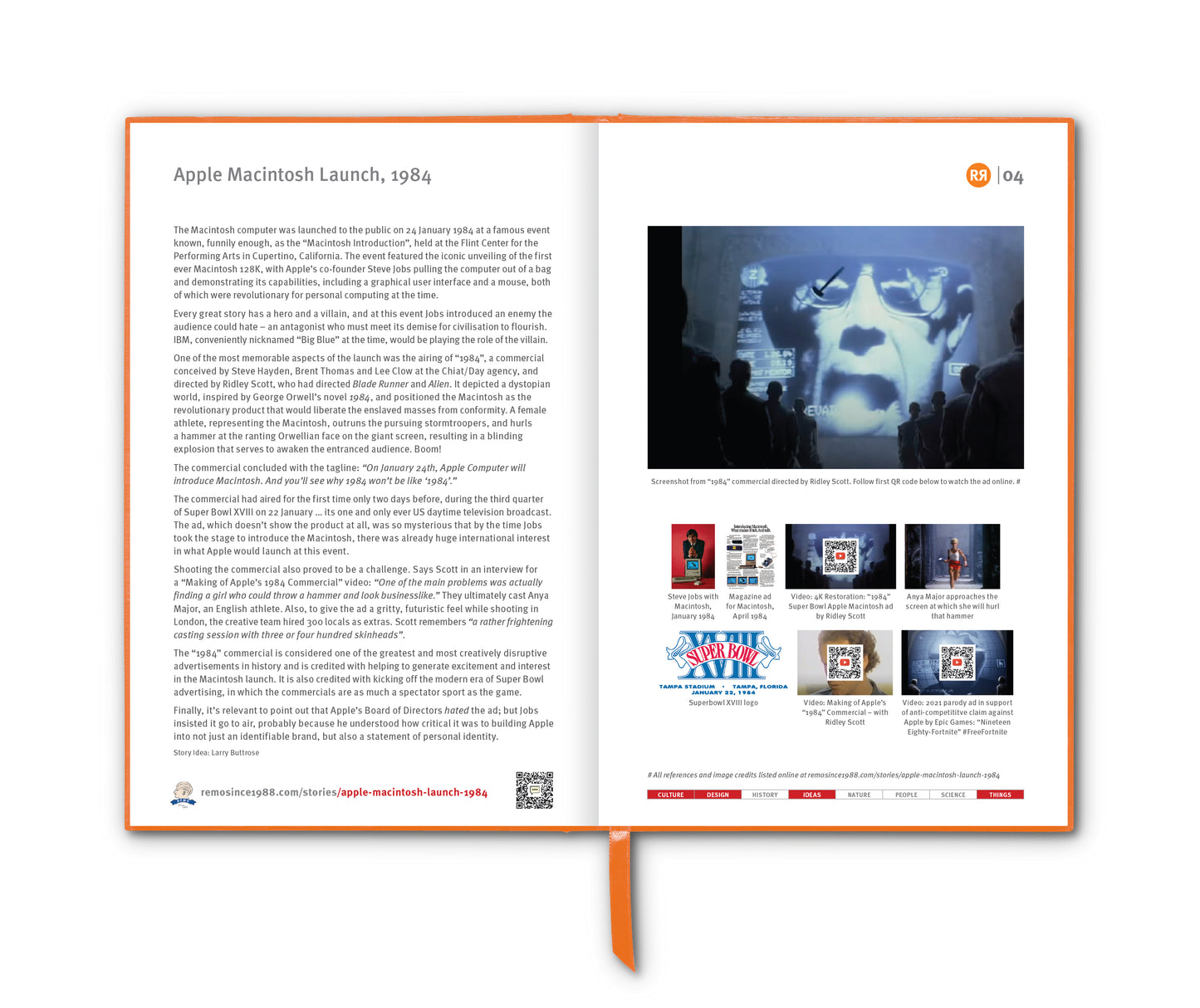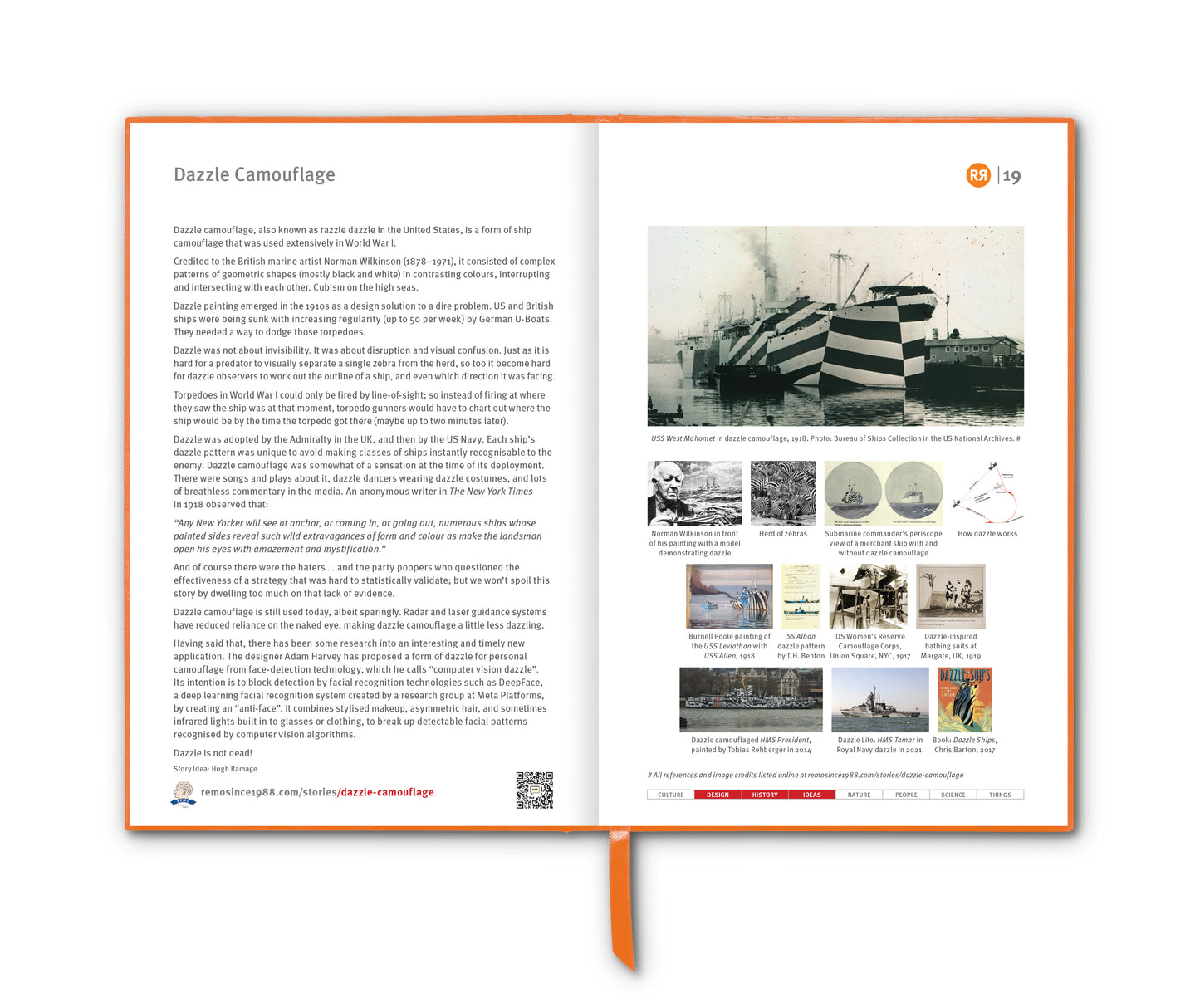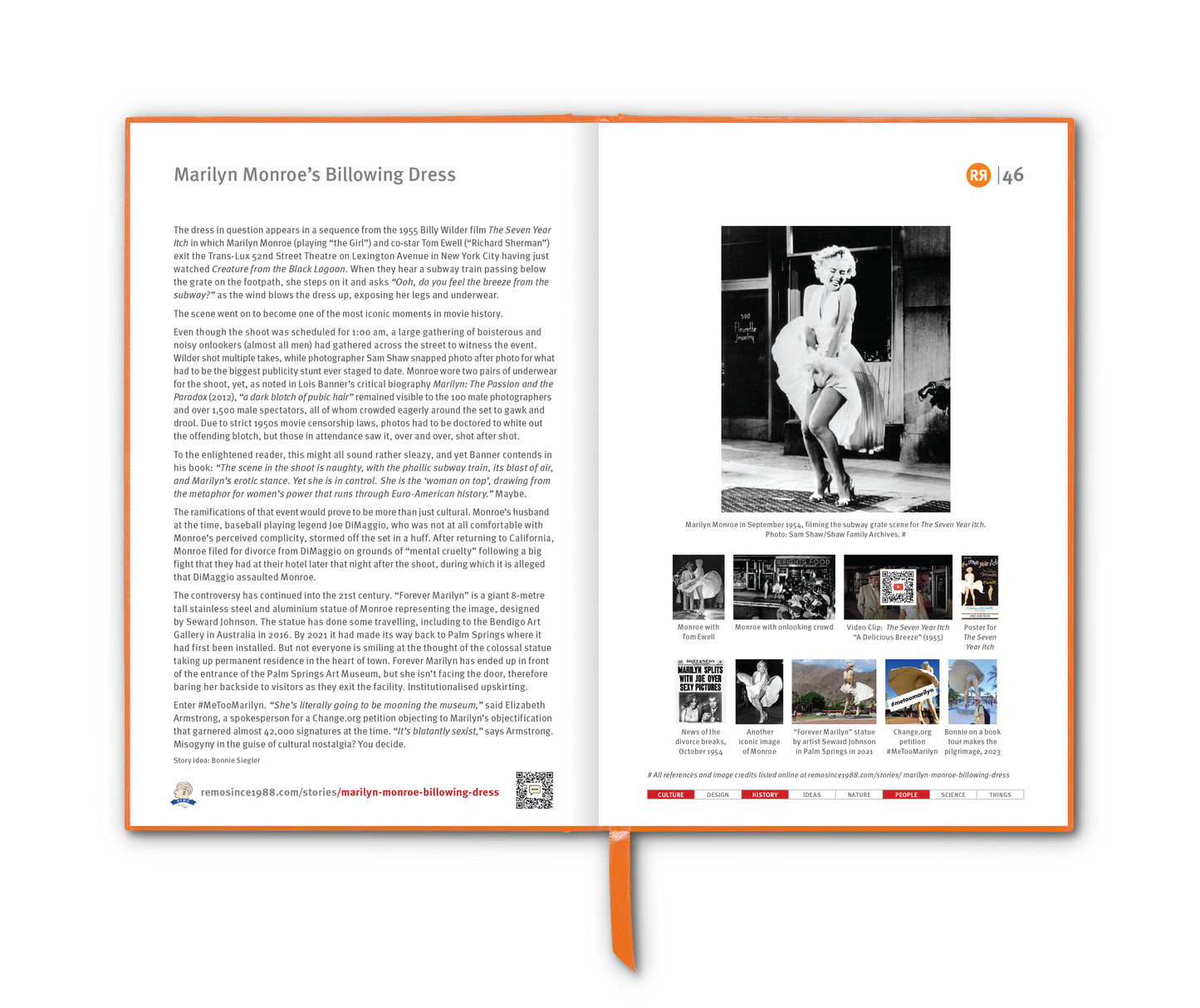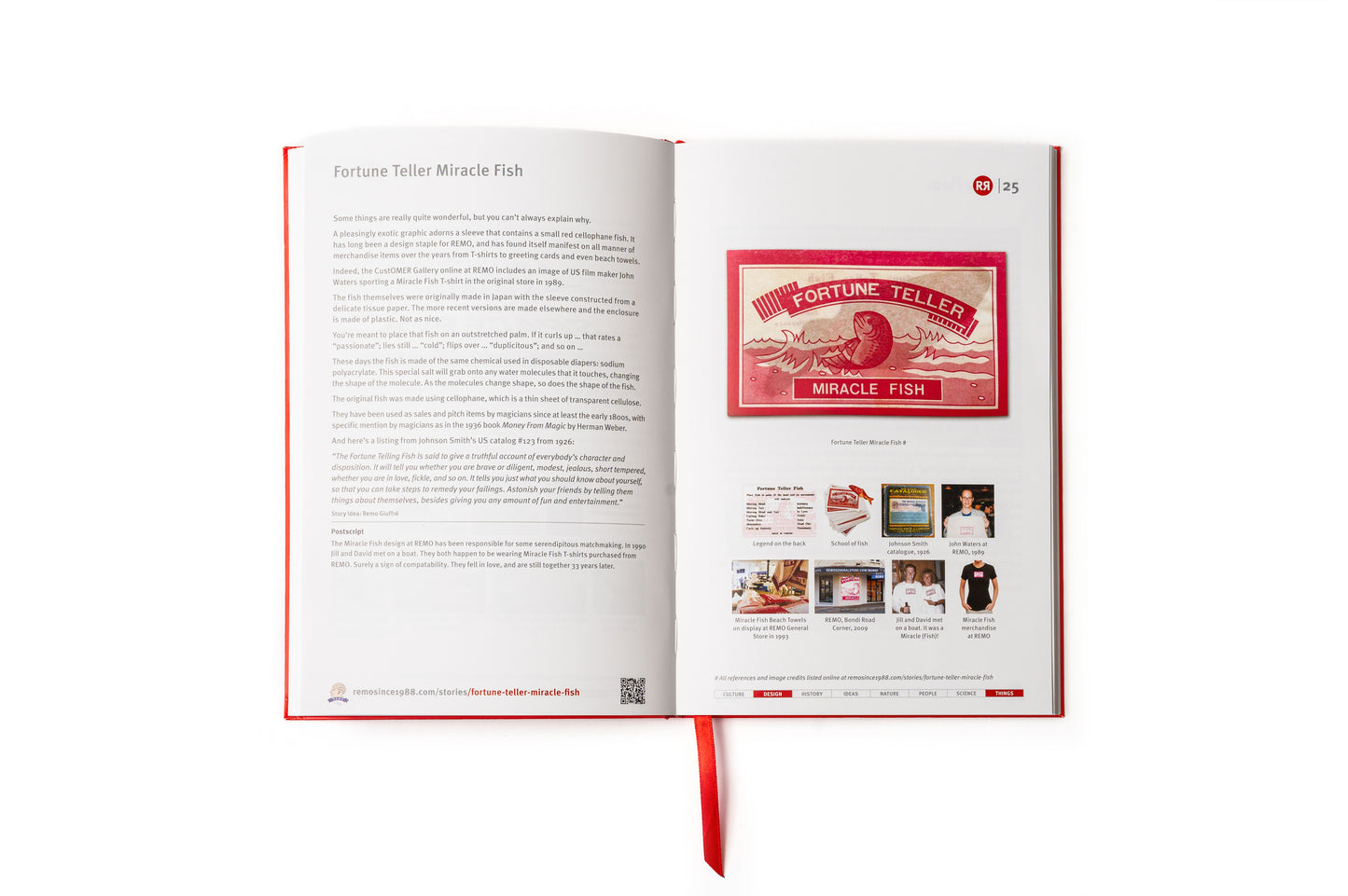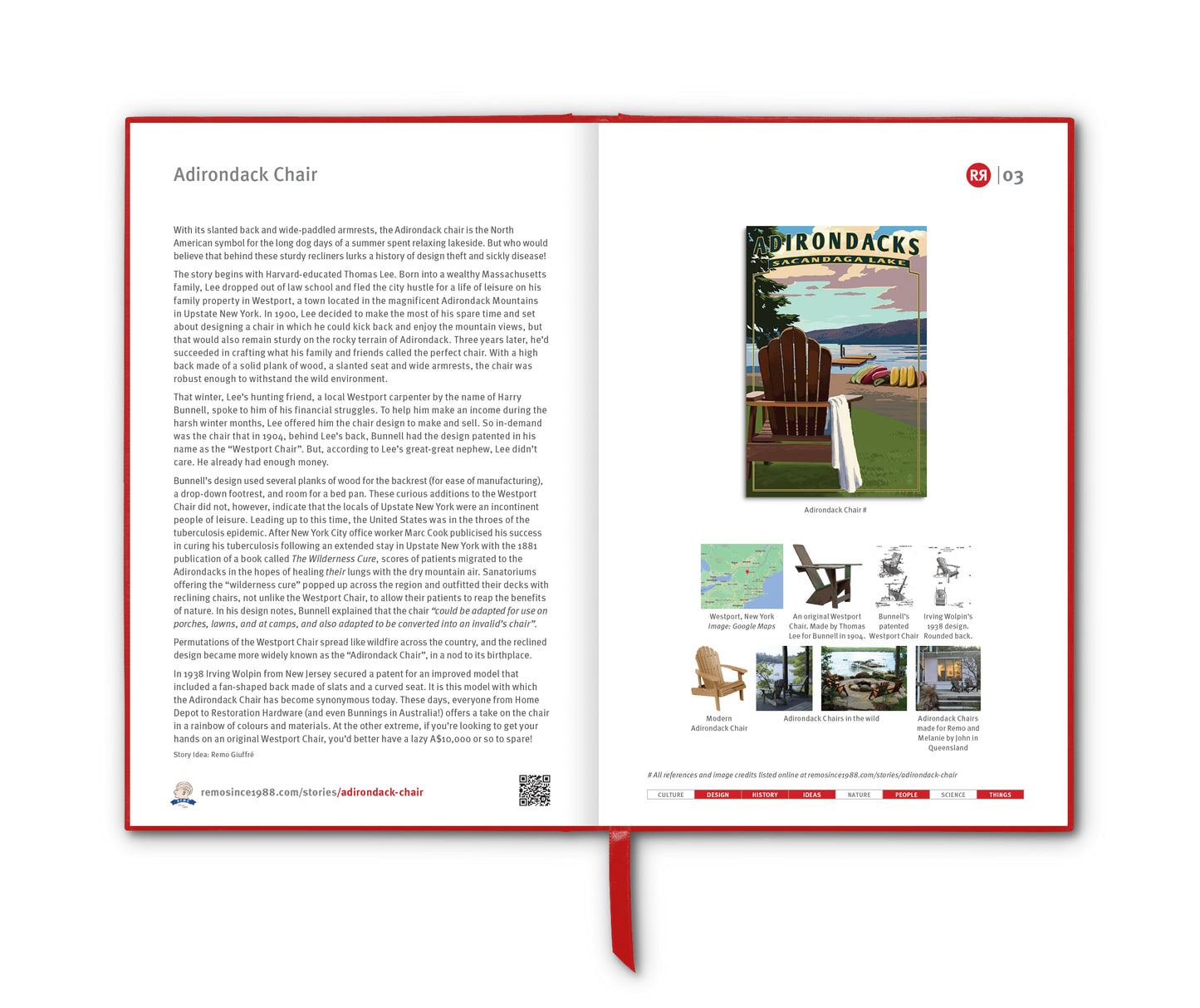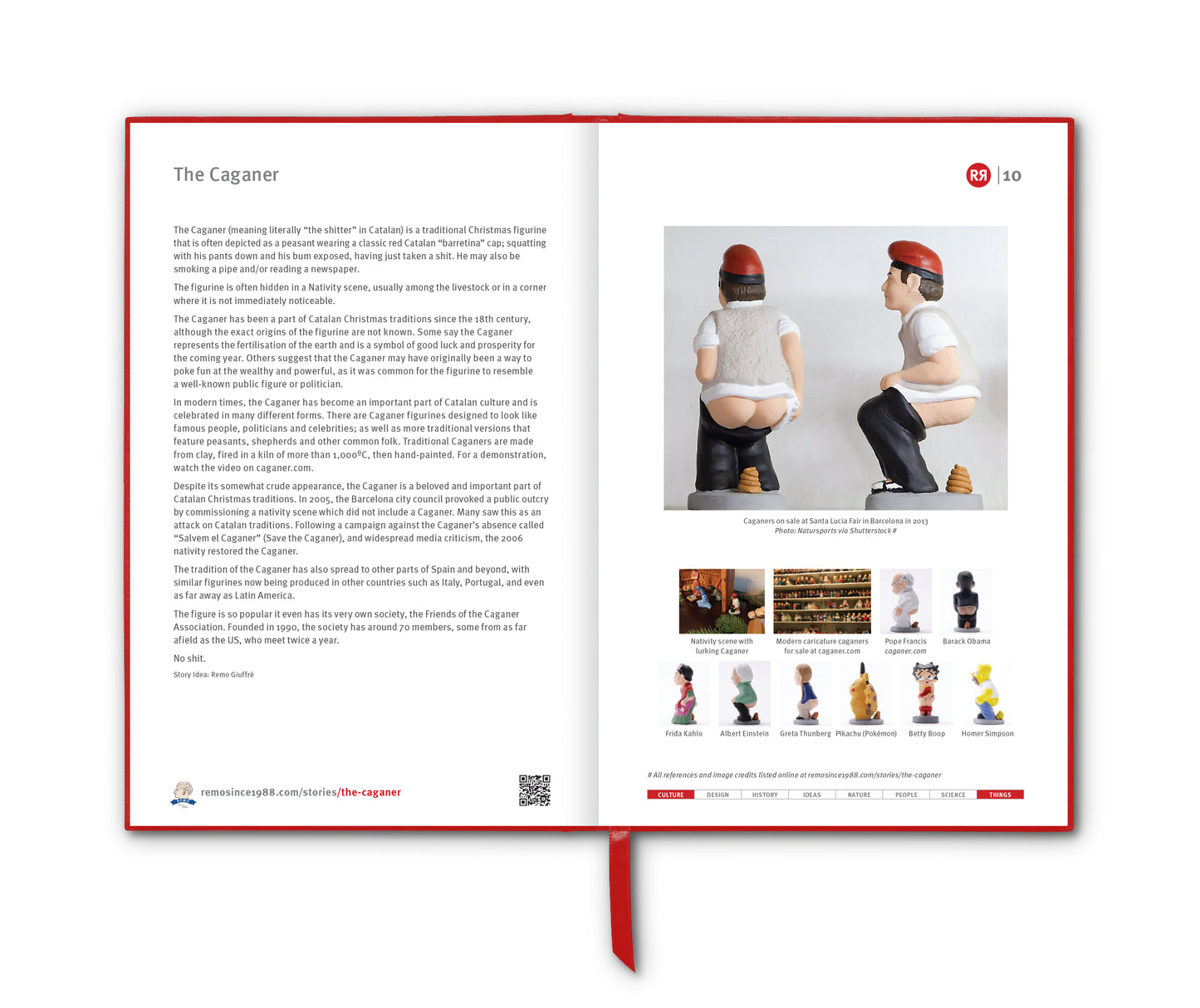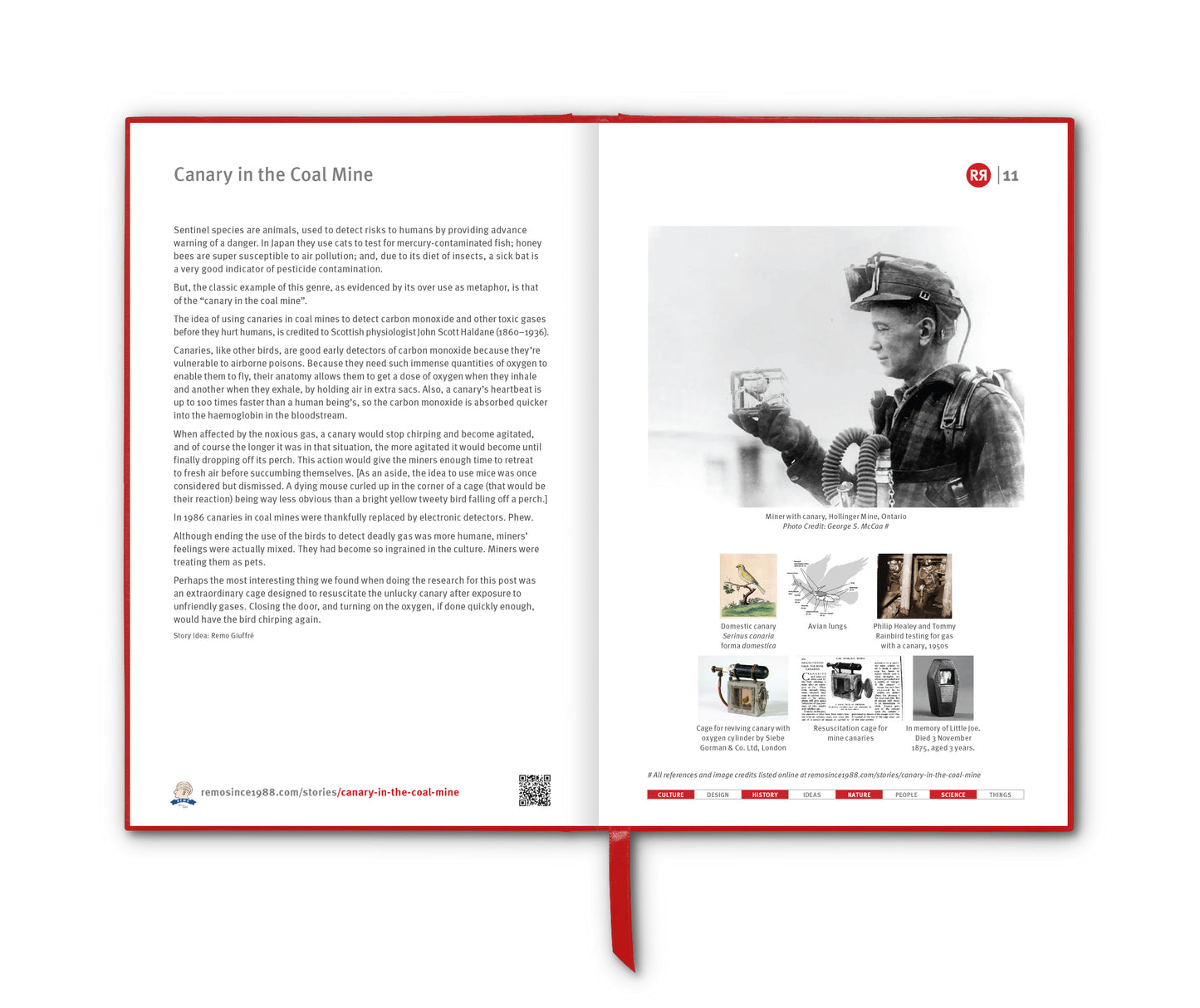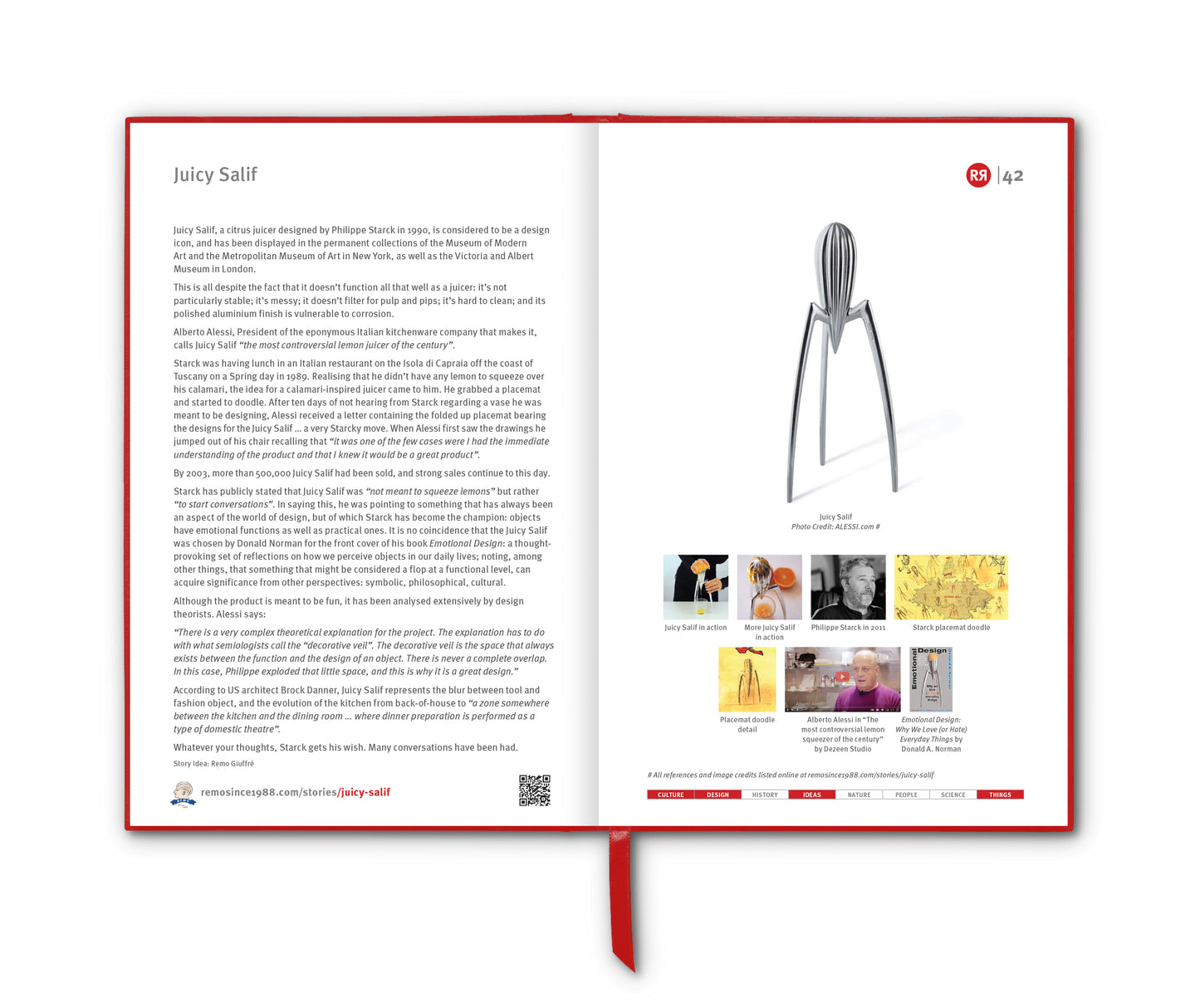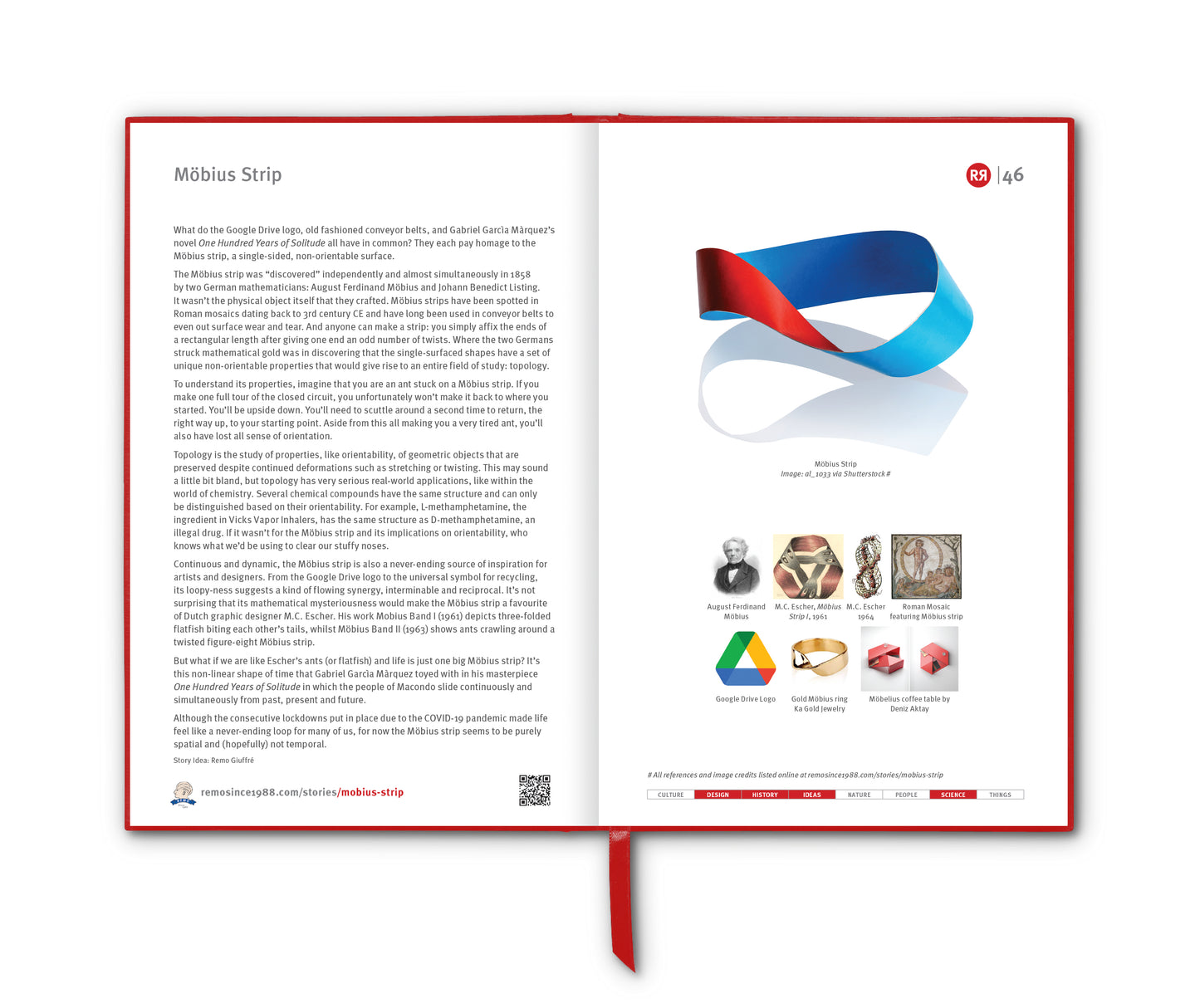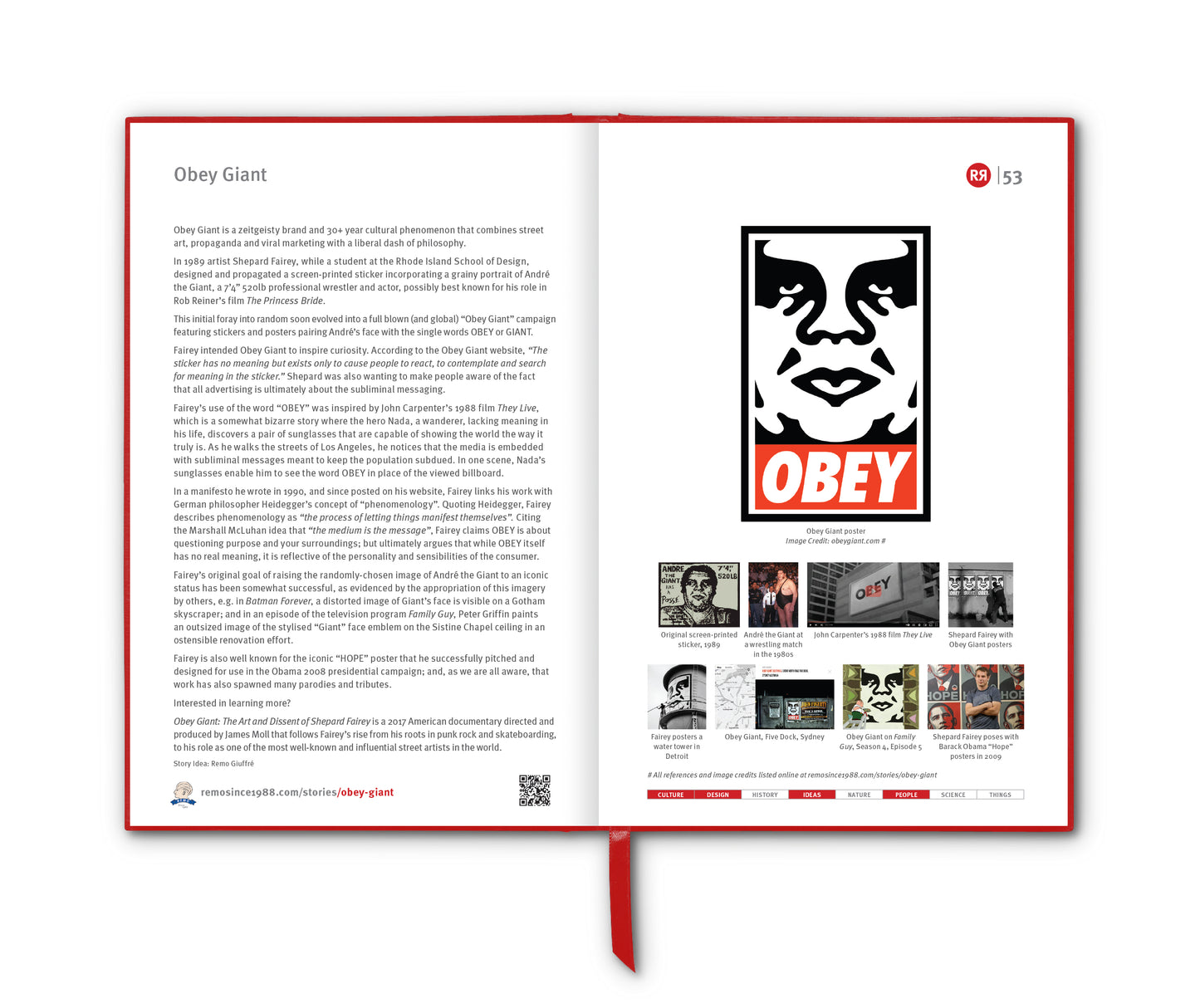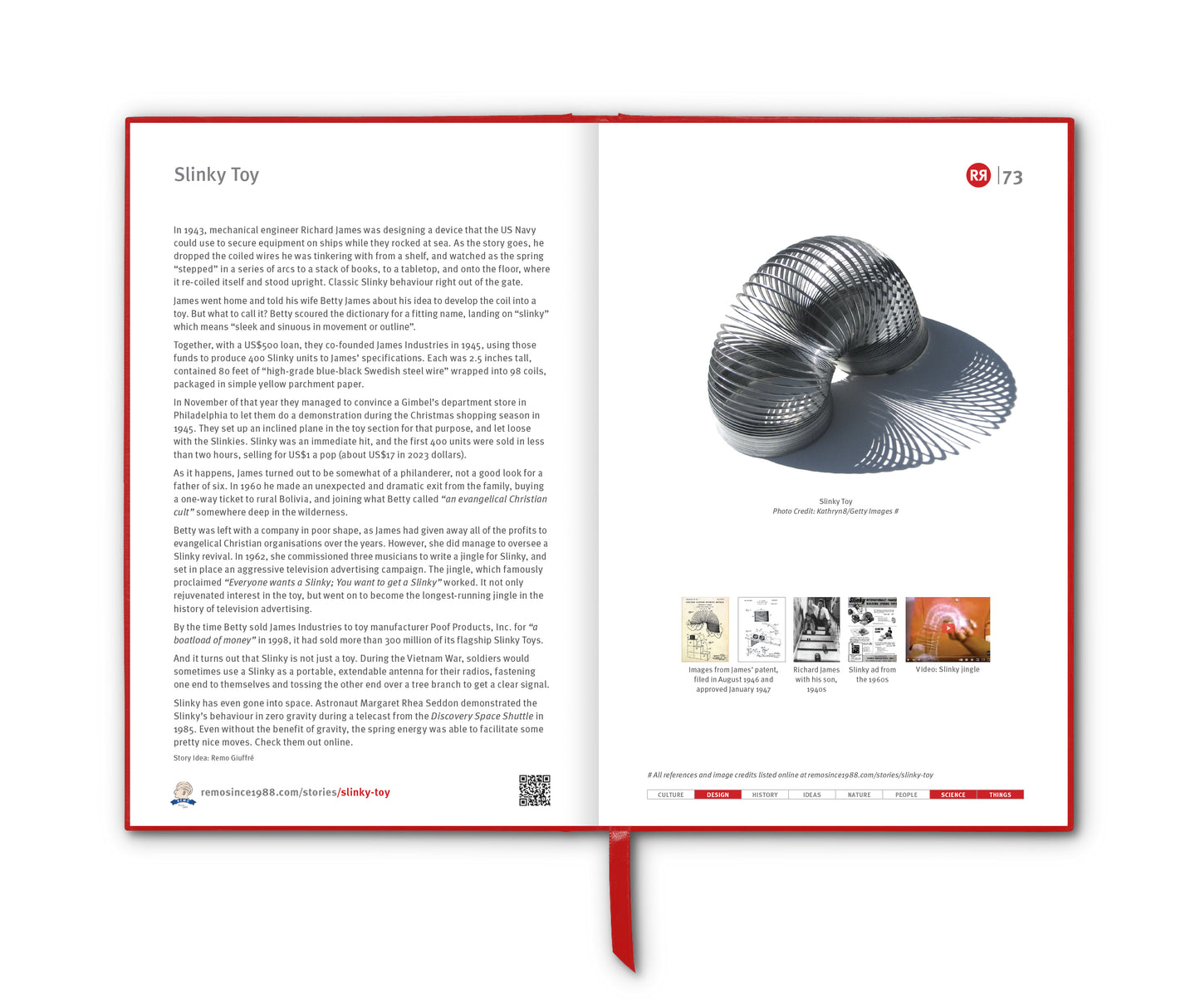

A guillotine is an apparatus designed for effectively carrying out executions by beheading. The device consists of a tall, upright frame with a weighted and angled blade suspended at the top. The condemned person is secured with a pillory (two beams of wood) at the bottom of the frame, holding the position of the neck directly below the blade. The blade is then released, swiftly and forcefully decapitating the victim with a single, clean pass. The head falls into a basket or other receptacle below. Et voilà!
Although decapitation as a form of execution predates the guillotine by millennia, the machine itself emerged in late 18th-century France as a supposed instrument of humane justice. Its development was rooted in Enlightenment ideals and an effort to eliminate the brutal disparities in how people were executed depending on their social class.
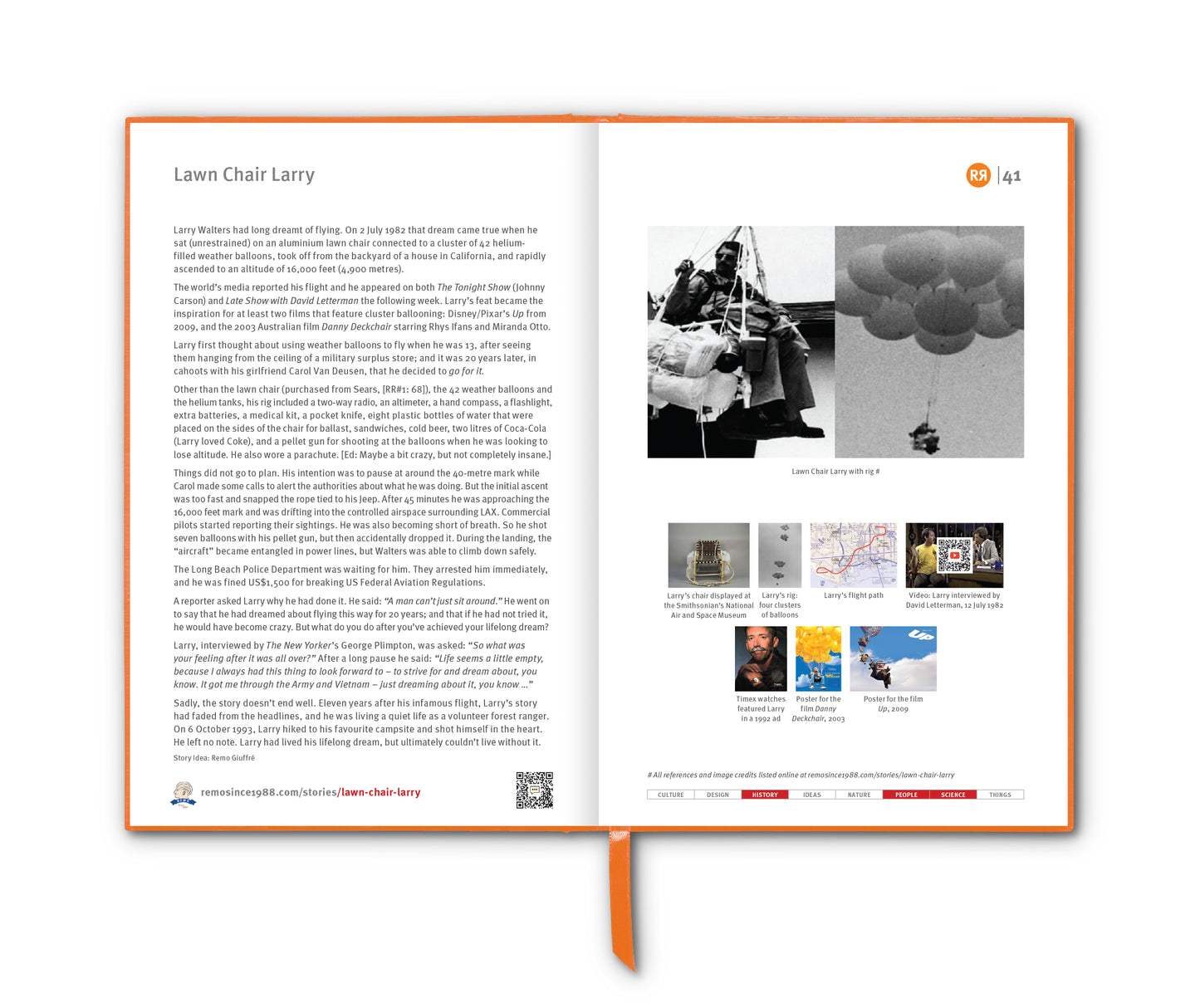
Before the guillotine, methods of execution in France varied wildly. Aristocrats were often beheaded with a sword or axe, while commoners were hanged, burned or broken on the wheel – often in prolonged, agonising displays. The call for a more egalitarian, efficient, and painless method of capital punishment gained traction among reform-minded thinkers and physicians. Dr Joseph-Ignace Guillotin, a physician and member of the National Assembly, did not invent the device but advocated for its use, believing that a mechanical decapitation would be both swift and equal in application.
The actual design was refined by Dr Antoine Louis, secretary of the Royal Academy of Surgery, and built by a German harpsichord maker named Tobias Schmidt. Initially called the “Louisette” or “machine à décapiter”, it eventually became popularly known as the “guillotine,” much to Dr Guillotin and his family’s lasting dismay. The first execution by guillotine took place in Paris on 25 April 1792, when a highwayman named Nicolas Jacques Pelletier lost his head to the falling blade.
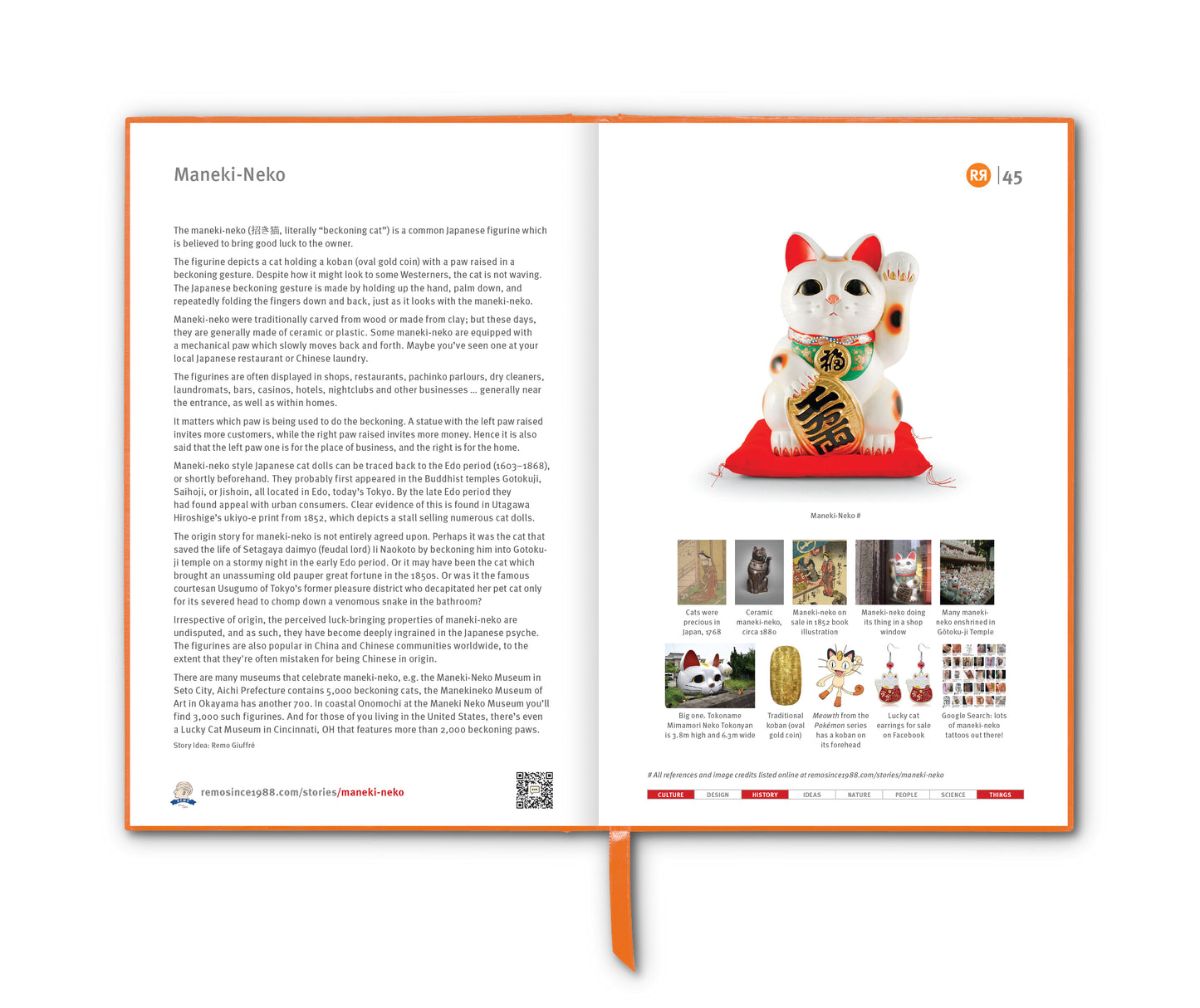
During the Reign of Terror (1793–1794), the guillotine became a central figure in the French Revolutionary justice system. It was used extensively by the radical Jacobins, led by Maximilien Robespierre, to eliminate enemies of the Revolution. The Place de la Révolution in Paris (now Place de la Concorde) became the grisly stage for the machine, where tens of thousands – including King Louis XVI, Queen Marie Antoinette and Robespierre himself – met their grisly end.
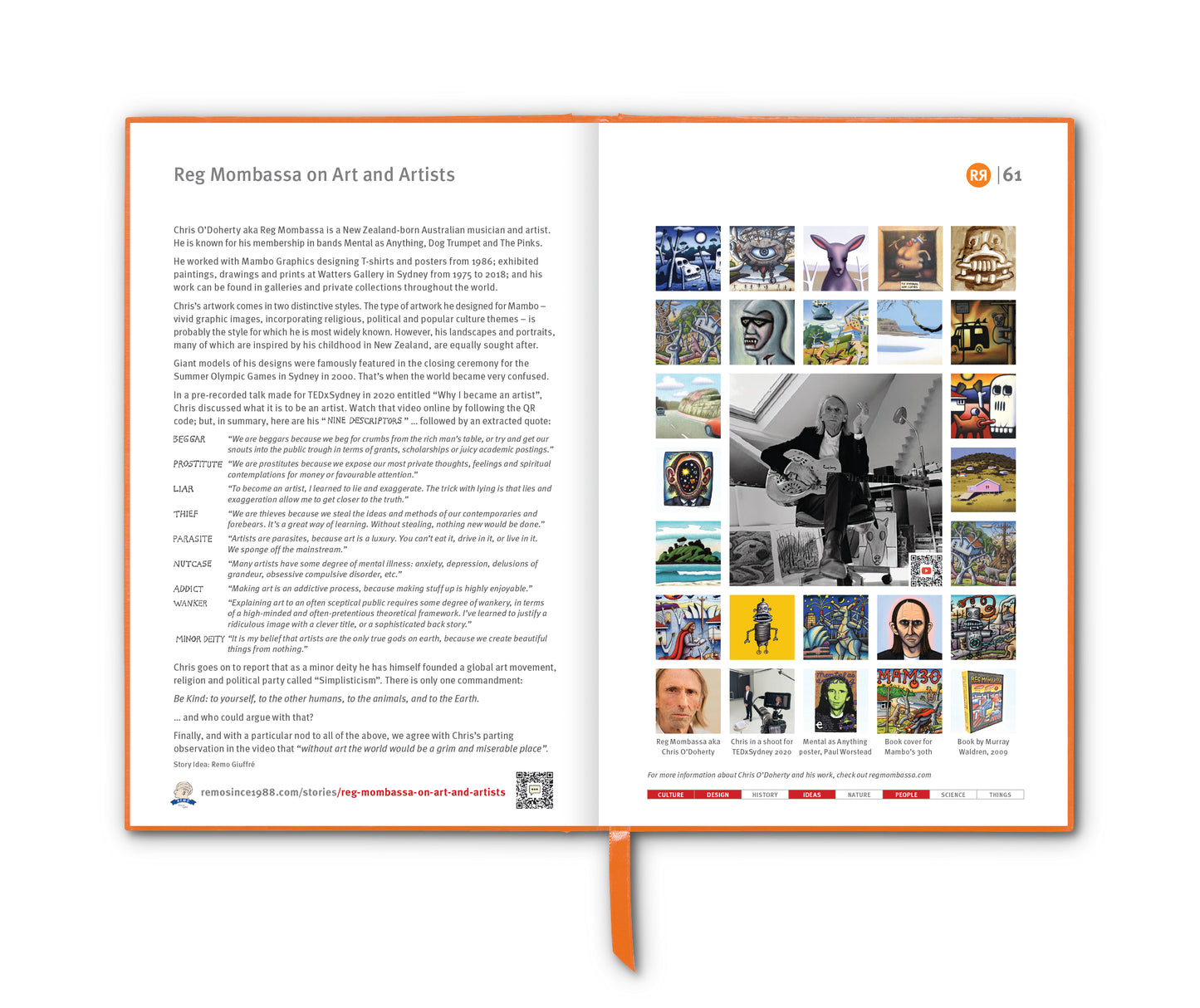
Despite its origins as a humane reform, the guillotine became a symbol of state terror and mob justice. Its efficiency and public visibility lent it an almost theatrical presence, drawing large crowds and fuelling both fascination and horror. After the fall of the Jacobins, the frequency of executions declined, but the guillotine remained the legal method of execution in France well into the 20th century. On 10 September 10 1977, the last execution by the (so called) “National Razor” took place in Marseilles, France, when a Tunisian murderer Hamida Djandoubi was beheaded.
The guillotine is most famously associated with revolutionary France, but it may have claimed just as many lives in Germany during the Third Reich. Adolf Hitler made the guillotine a state method of execution in the 1930s and ordered that 20 of the machines be placed in cities across Germany. According to Nazi records, the guillotine was eventually used to execute some 16,500 people between 1933 and 1945, many of them resistance fighters and political dissidents.
Finally, the question of whether a severed head remains conscious after decapitation has fascinated and disturbed people for centuries. There is a tiny window of around 4 seconds during which the brain is still technically alive. This raises the possibility – not proof – of a fleeting moment of awareness. There are several anecdotal accounts, mostly from the French Revolution, of heads displaying facial movements – such as blinking, eye movement or expressions – after decapitation. Most neuroscientists and physicians today are skeptical of any meaningful post-decapitation awareness. Facial twitches, eye movements, or muscle contractions are typically interpreted as reflexes – automatic reactions caused by residual nerve activity, not signs of conscious thought or feeling. Let’s hope.
_________________________
References
wikipedia.org/wiki/Guillotine
theatlantic.com/technology/archive/2016/03/the-man-behind-the-guillotine-opposed-the-death-penalty
thoughtco.com/history-of-the-guillotine
history.com/articles/8-things-you-may-not-know-about-the-guillotine
Images
1. Print of a double guillotine, Museum of the French Revolution
2. Guillotine predecessor, the "Maiden", introduced in 1564 and used until 1716. Credit: National Museum of Scotland, Edinburgh
3. Portrait of Joseph-Ignace Guillotin after whom the guillotine was named
4. Marie Antoinette's execution on 16 October 1793 at the Place de la Révolution
5. Public execution by guillotine in France in front of the prison of Lons-le-Saunier, 1897
6. Last public execution by guillotine in France, outside the prison Saint-Pierre in Versailles on 17 June 1939
7. Hamida Djandoubi
8. Bart brought Lisa a guillotine from his stay in France as a souvenir, Credit: Reddit
9. Gothic guillotine pendant earrings. Credit: Retro Creative via Shein