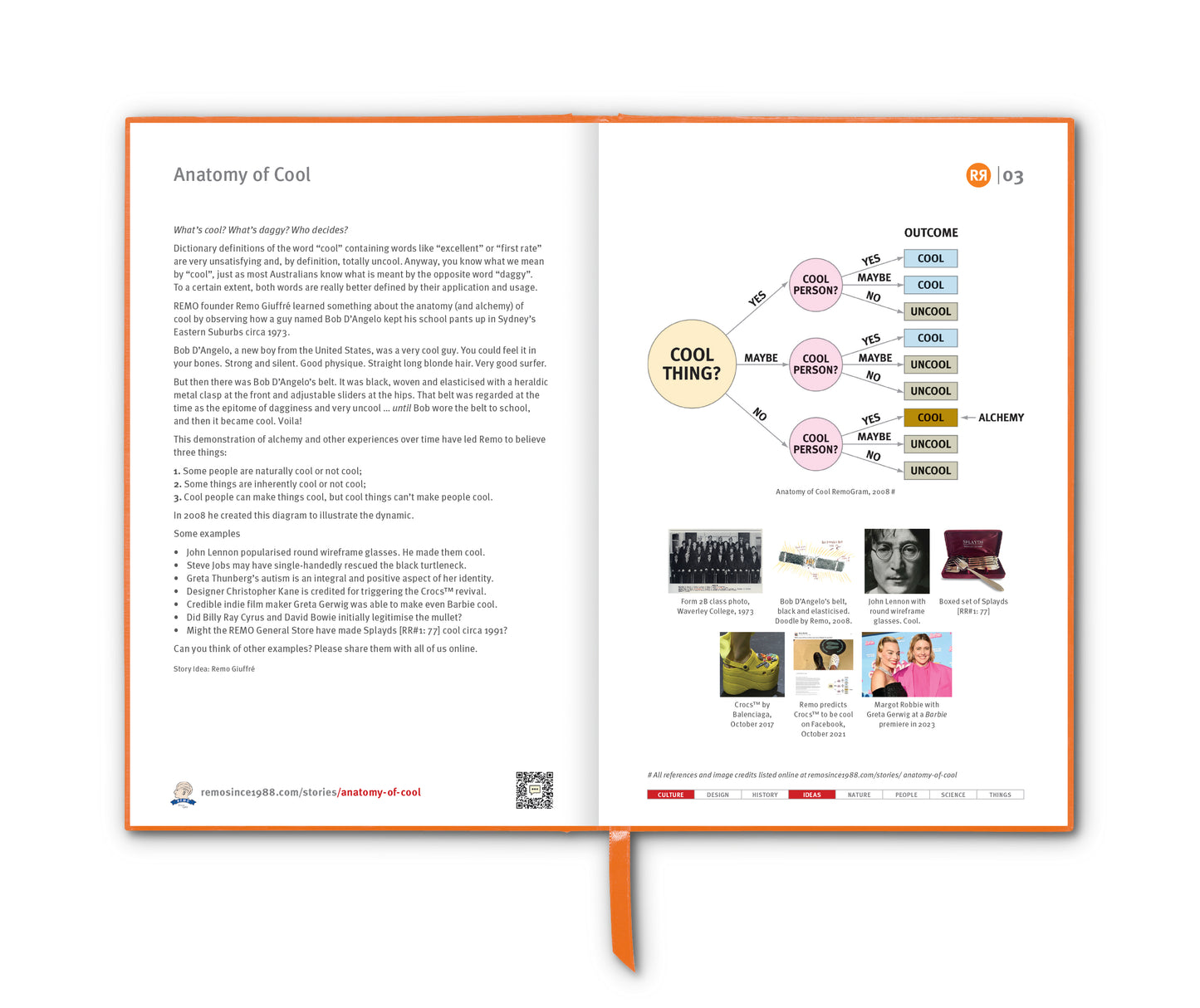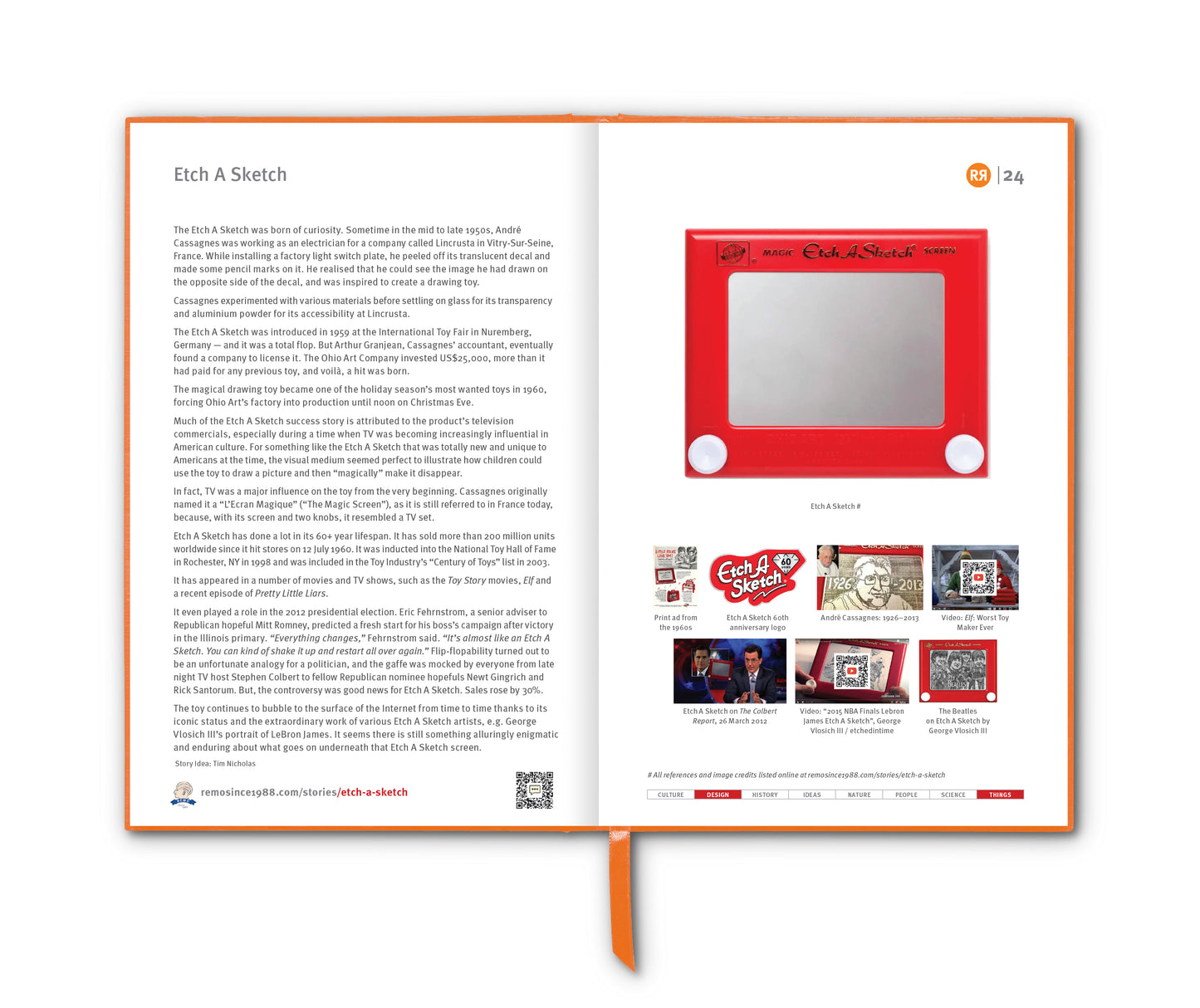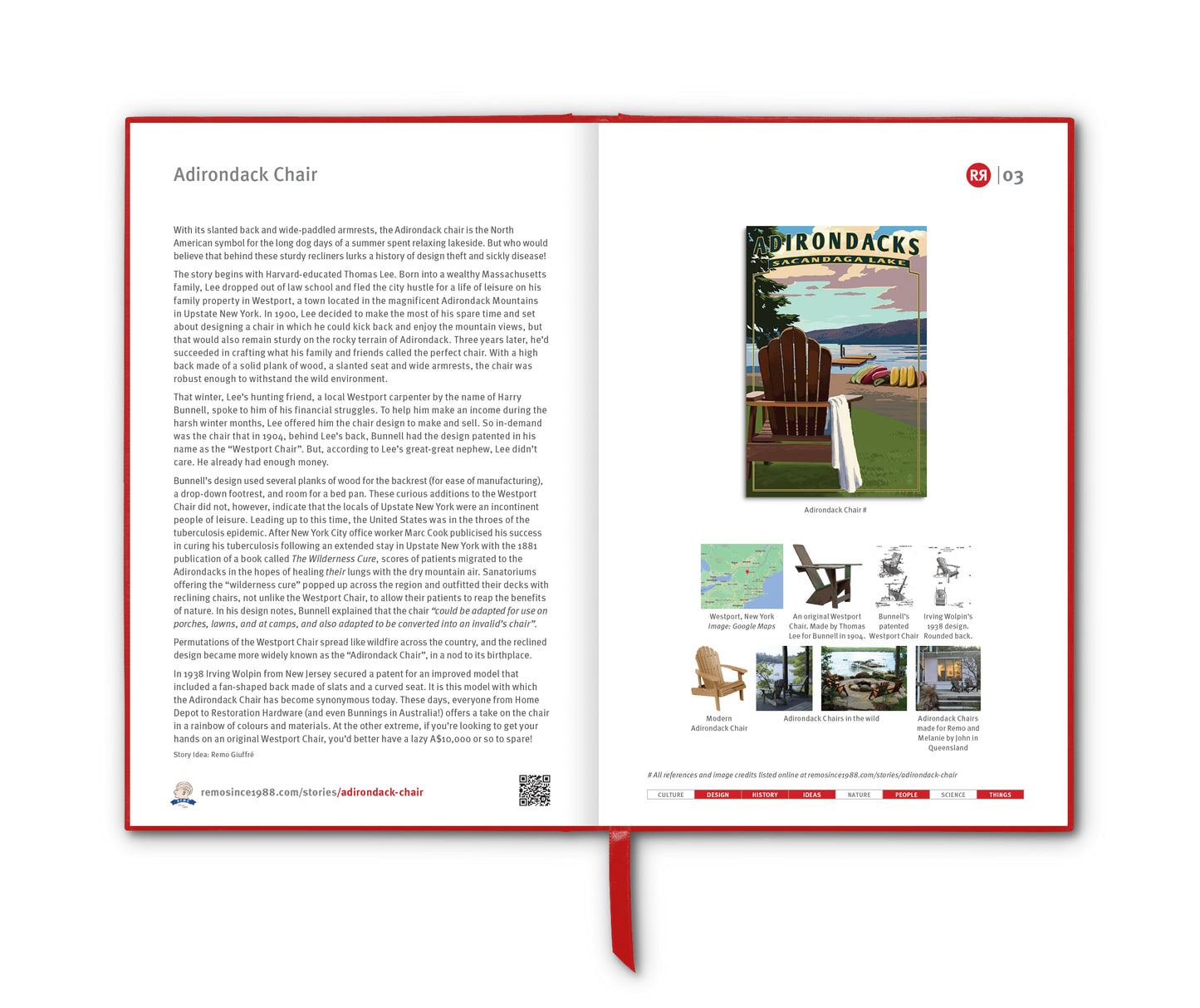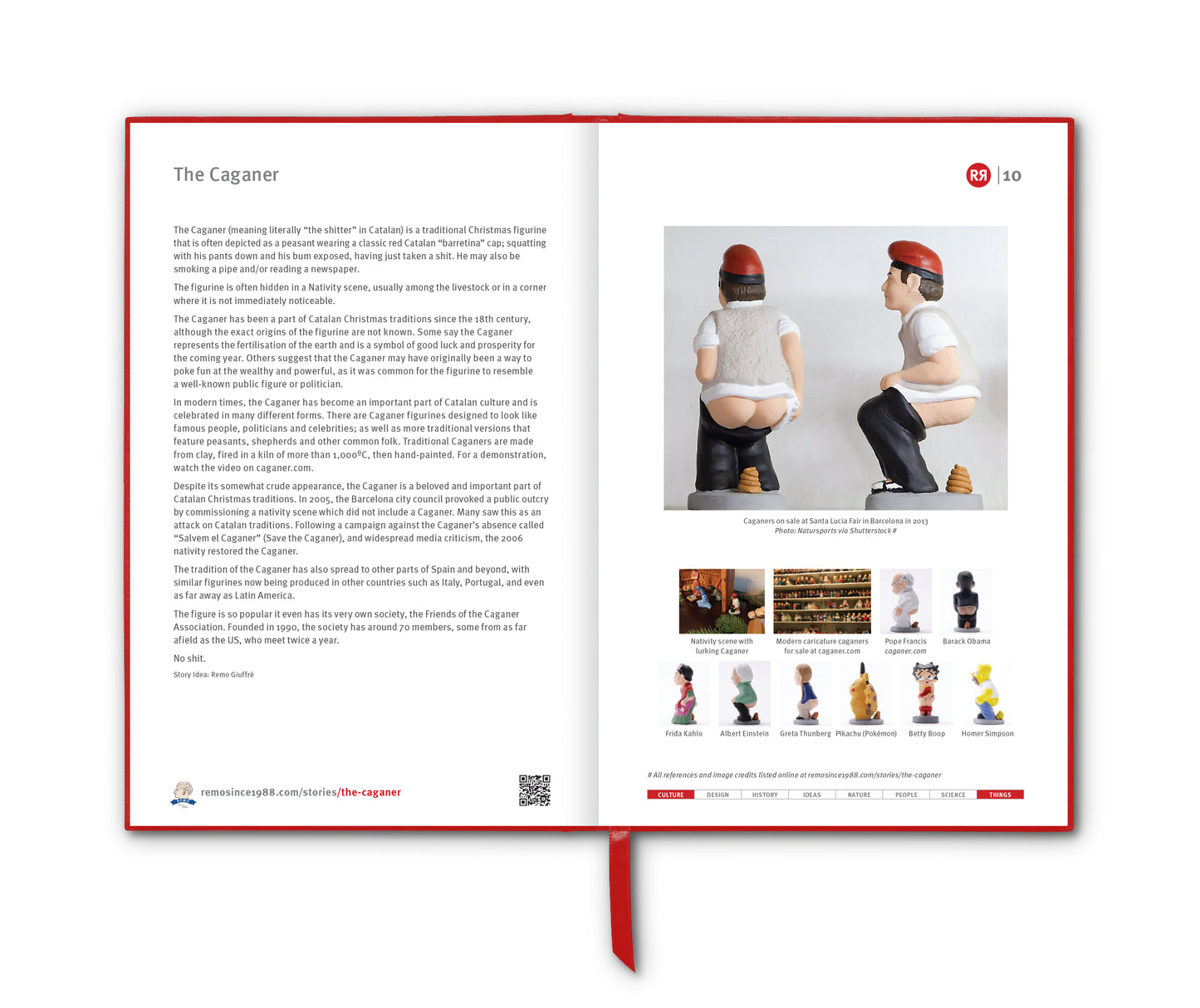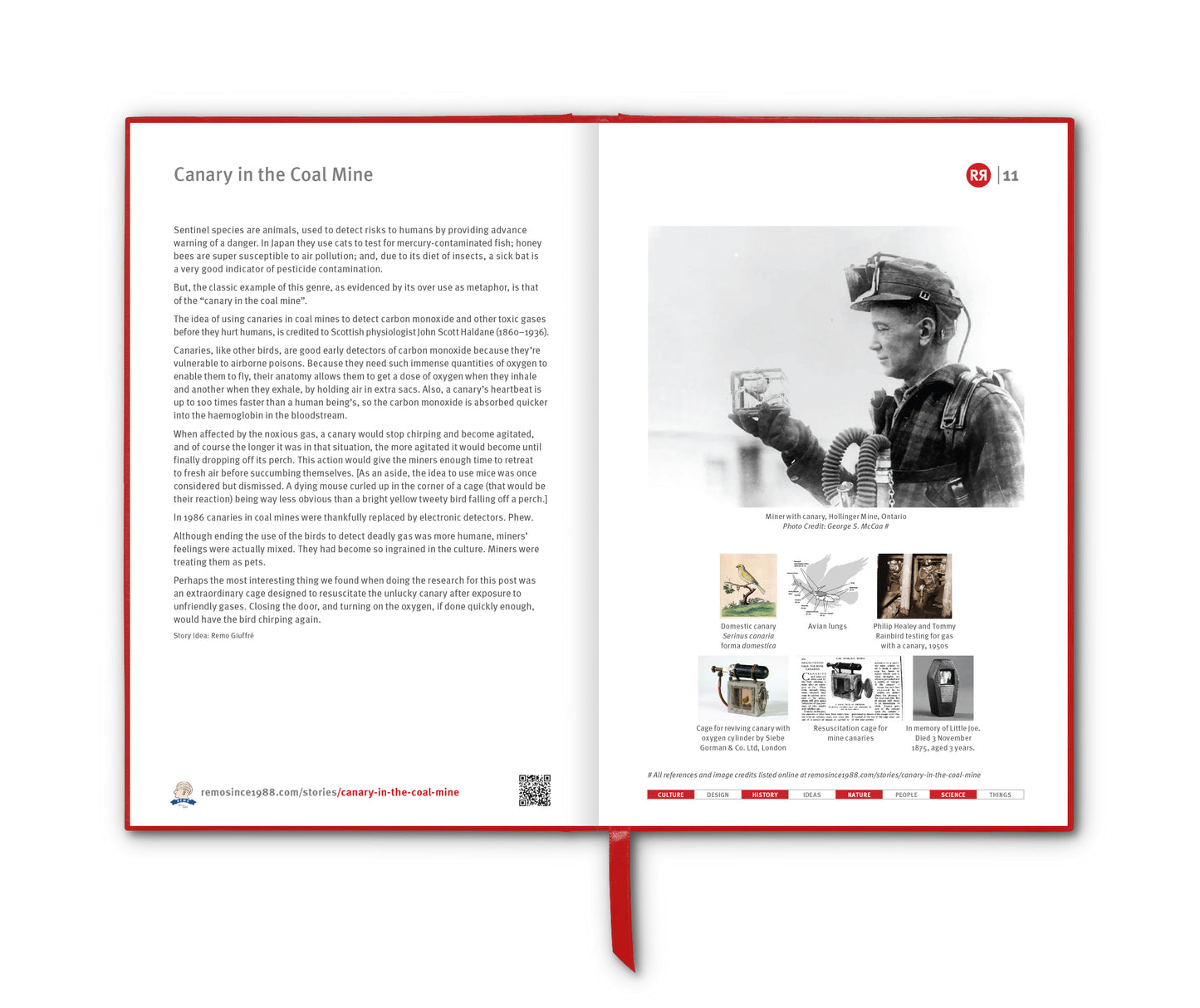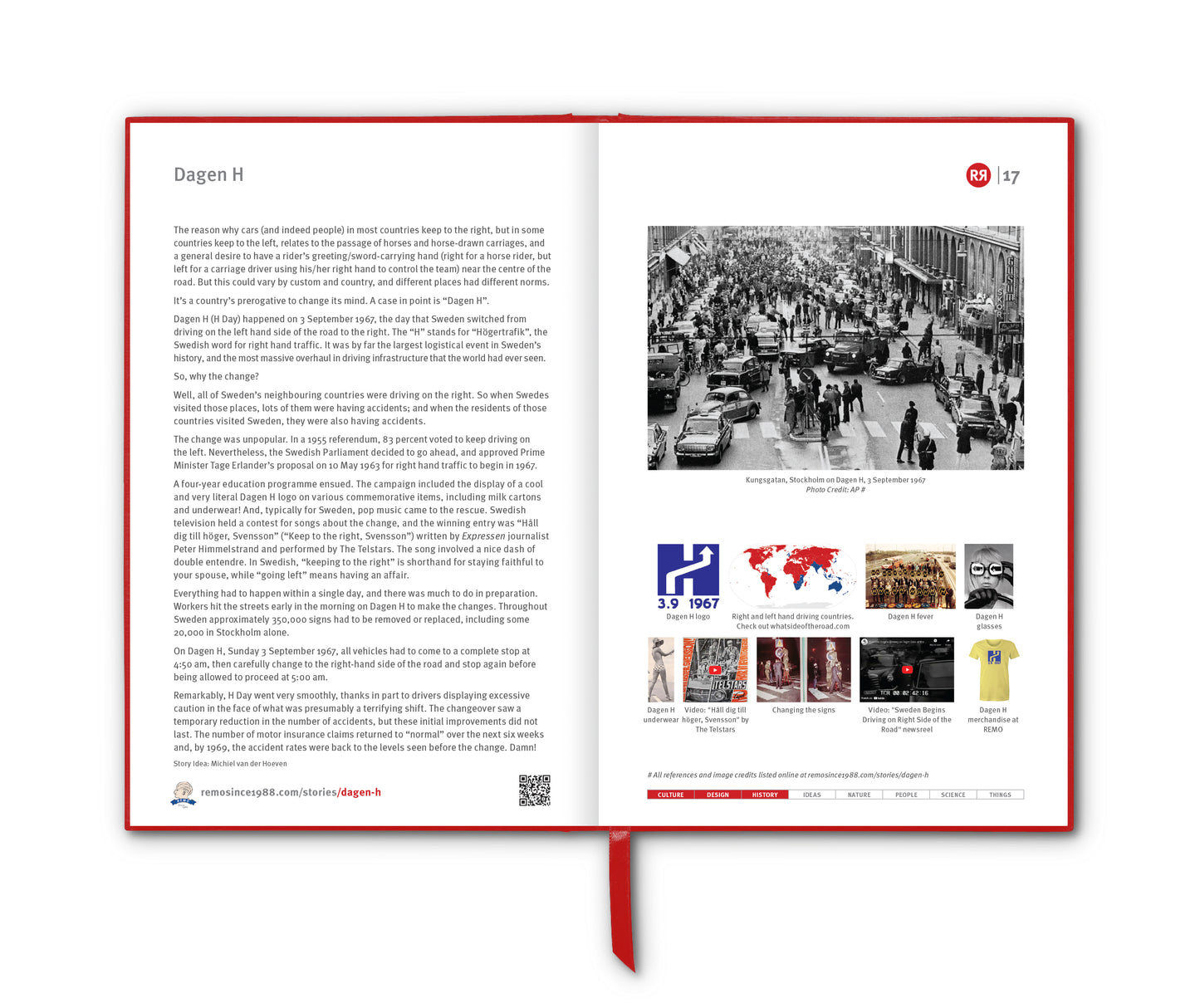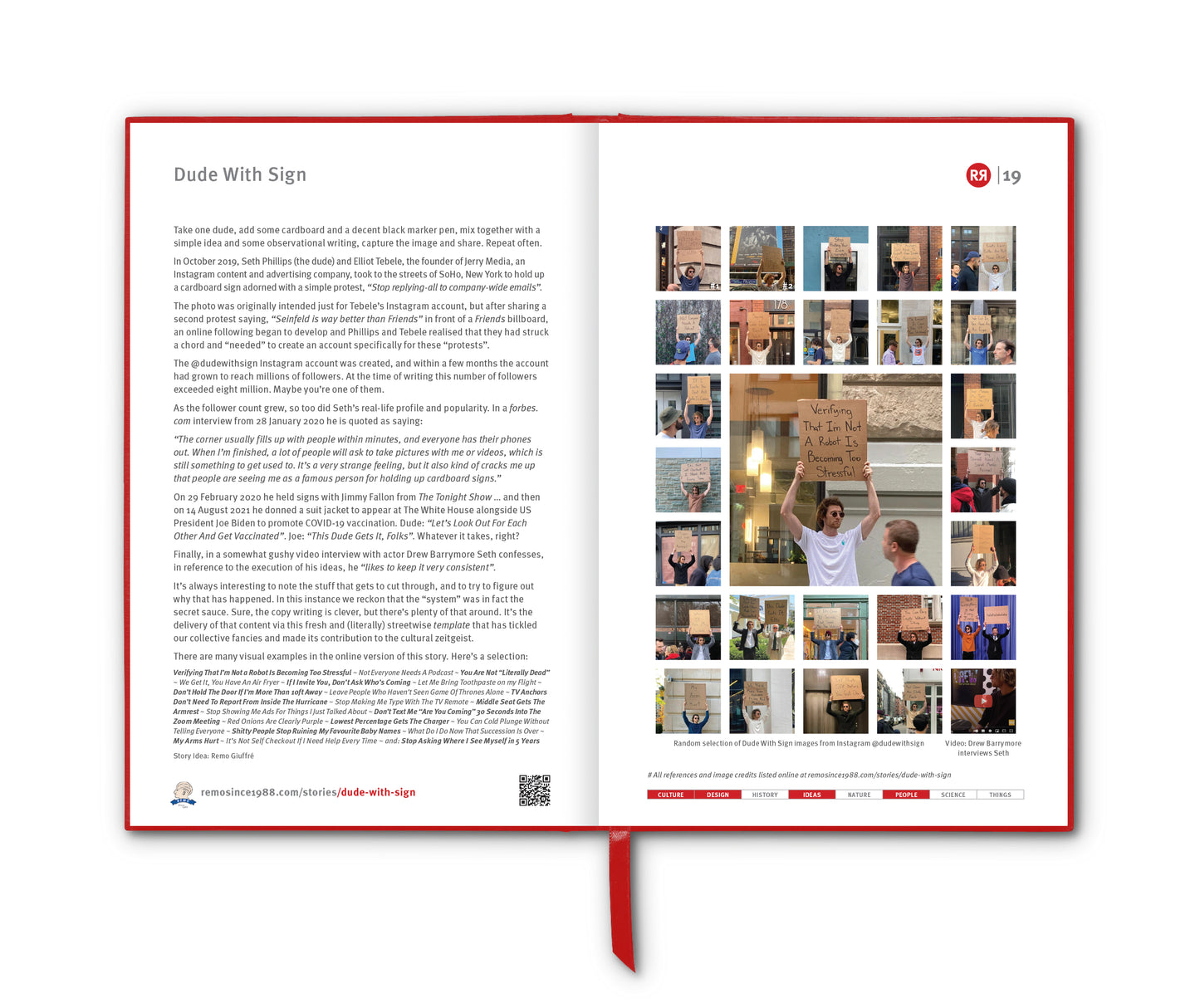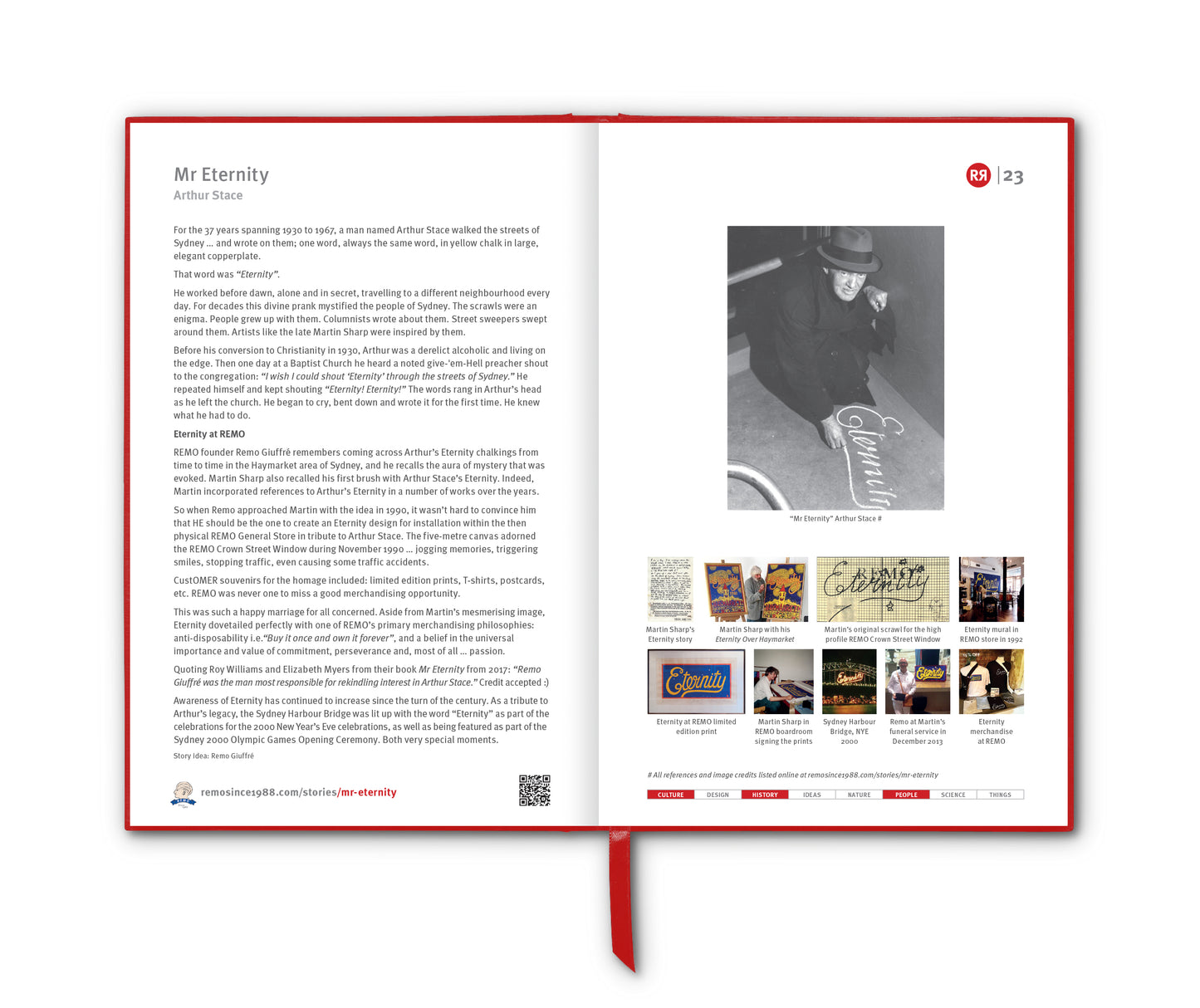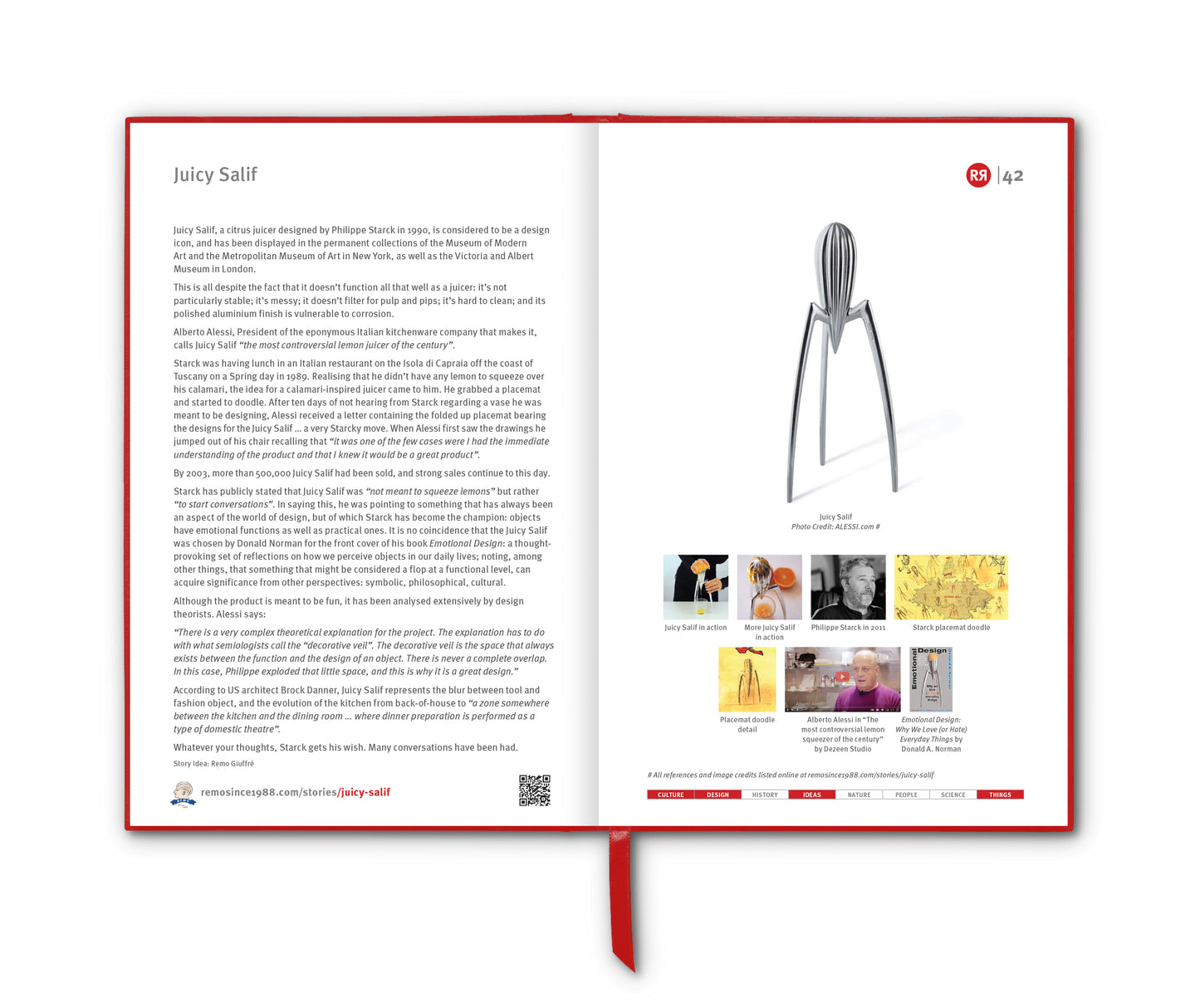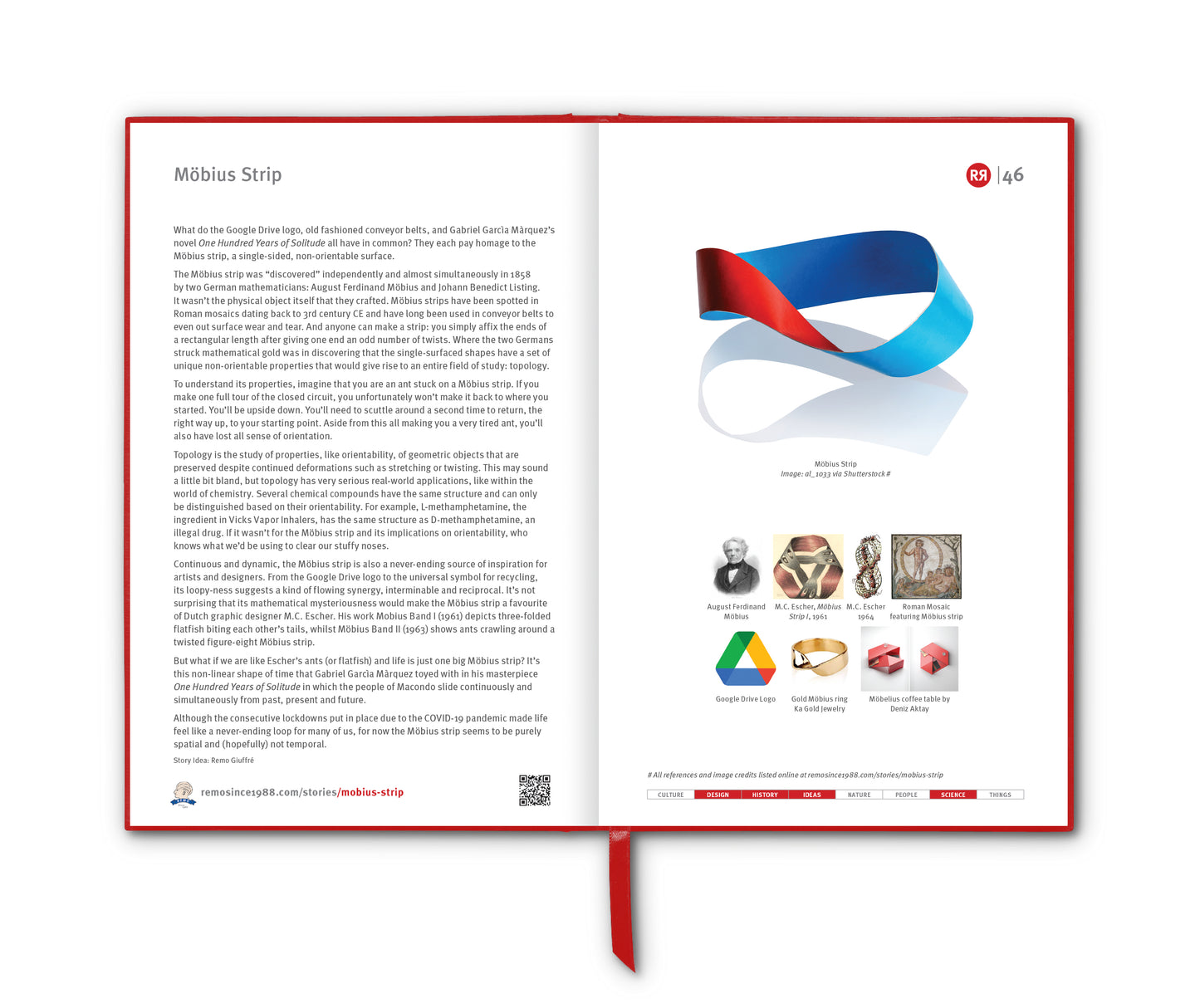

A profoundly devoted dog has become the symbol of loyalty for an entire nation, and the hero of a story that has touched the whole world.
In the bustling heart of Tokyo, amid the chaos of commuters and neon lights, stands a bronze statue that has become one of Japan’s most beloved landmarks. The statue depicts a dog – alert, tail curled in loyalty – waiting patiently. Its name is Hachikō, and behind that quiet monument lies one of the most enduring stories of devotion in modern history.
Hachikō (ハチ公) was born in 1923 in Japan’s Akita Prefecture, a region known for its hardy, thick-coated dogs bred to withstand cold northern winters. As a puppy, he was sent to Tokyo to live with Professor Hidesaburō Ueno, a gentle academic who taught agricultural engineering at the University of Tokyo. The professor adored the pup, naming him Hachikō – “Hachi” for the number eight, a lucky symbol in Japan, and the honorific “kō” to express affection.
The pair soon fell into a comfortable routine. Each morning, Hachikō would accompany his master to Shibuya Station, watch him board the train, and then return each afternoon to greet him upon his return. Rain or shine, the faithful dog appeared at the same time each evening, tail wagging among the crowd of passengers.
Then, one May afternoon in 1925, the professor suffered a fatal cerebral hemorrhage while lecturing at the university. He never returned to the station. Hachikō, of course, did not know this. That evening, and every evening thereafter, he waited.
For the next nine years, Hachikō kept up his daily vigil. Each afternoon, as trains arrived at Shibuya, he would trot to the platform, scanning faces for the one he would never see again. At first, commuters thought little of the dog, but station workers soon noticed the regularity of his appearances. They began to feed him scraps, and his quiet loyalty became a familiar sight.
The story might have remained a local curiosity, but in 1932, a former student of Professor Ueno published an article about Hachikō in the newspaper Tokyo Asahi Shimbun. The story captured the nation’s imagination. Letters poured in. People began traveling to Shibuya just to see the faithful dog. Hachikō became a living symbol of chūken (“faithful loyalty”) and a model of devotion in a rapidly modernising Japan.
Before his death in 1935, Hachikō had become a national hero. When he died, still waiting outside the station, newspapers announced it across the country. His remains were preserved and placed on display at the National Museum of Nature and Science, while his statue – unveiled a year earlier, with Hachikō himself present at the ceremony – became a place of pilgrimage. During World War II, the original bronze was melted down for the war effort, but the statue was recast and reinstalled in 1948, where it stands to this day.
Nearly a century later, Hachikō’s story continues to resonate. It has inspired children’s books, two films, including Hachi: a dog’s tale (2009) staring Richard Gere and directed by Lasse Hallström, along with countless social media tributes. But beyond sentimentality, it endures because it touches something elemental: the bond between humans and animals, and the idea that loyalty – unconditional and pure – still matters and resonates in a world of fleeting connections.
Every year on 8 April, a memorial service for Hachikō is held outside Shibuya Station. His statue is often decorated with scarves, Santa hats and, most recently, a surgical mask.
_________________________
References
https://en.wikipedia.org/wiki/Hachik%C5%8D
https://www.bbc.com/news/world-asia-65259426
https://www.atlasobscura.com/places/hachiko-hachi-shibuya-station
Images
1. Hachikō
2. Hidesaburō Ueno, circa 1923
3. Recently deceased Hachikō with station staff in mourning in Tokyo on 8 March 1935
4. Second statue of Hachikō in 1954
5. Statue of Hachiko and Hidesaburo Ueno
6. Poster for Hachi: a dog’s tale, 2009
7. Statue of Hachikō in Woonsocket, Rhode Island, the location of the 2009 film