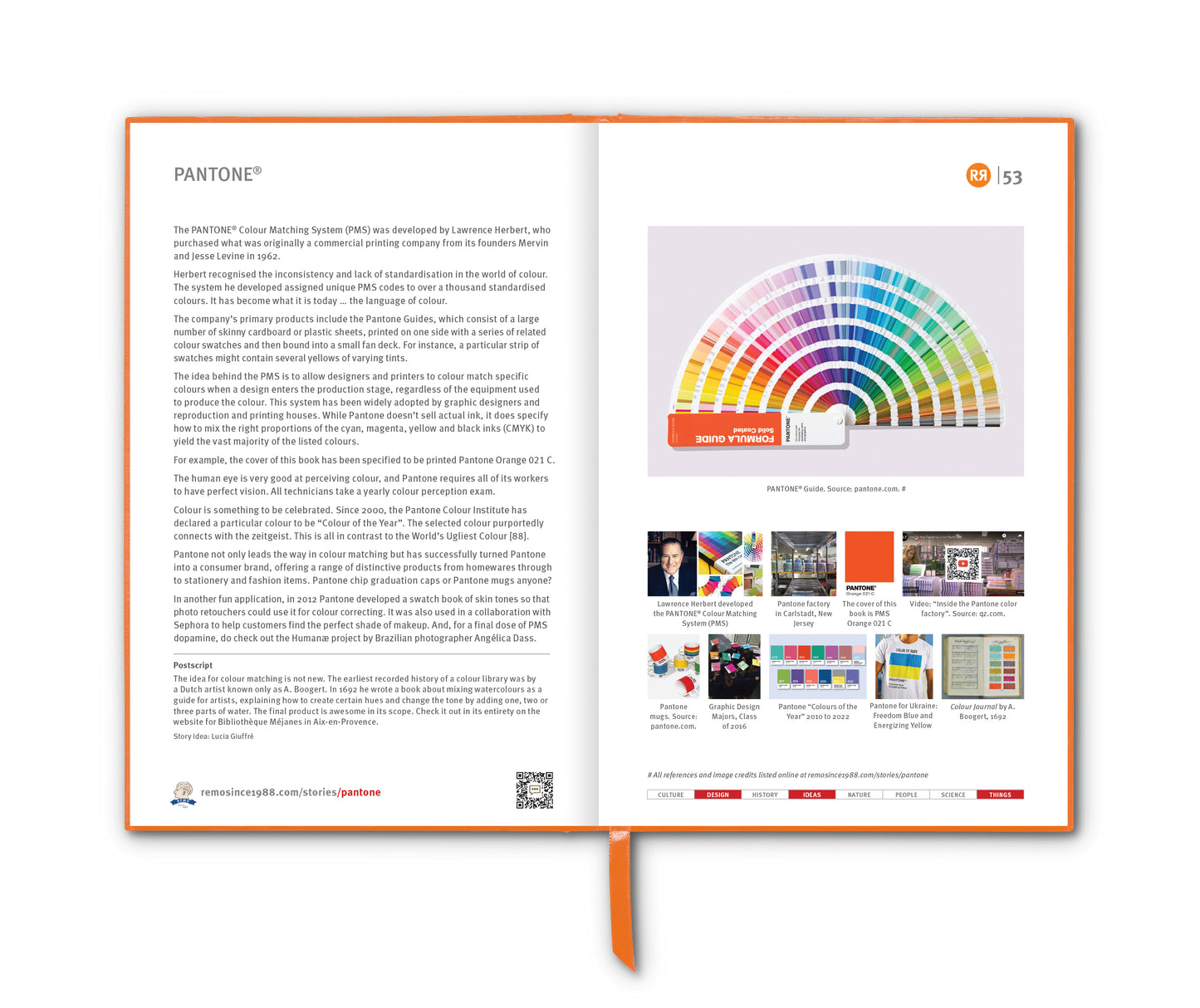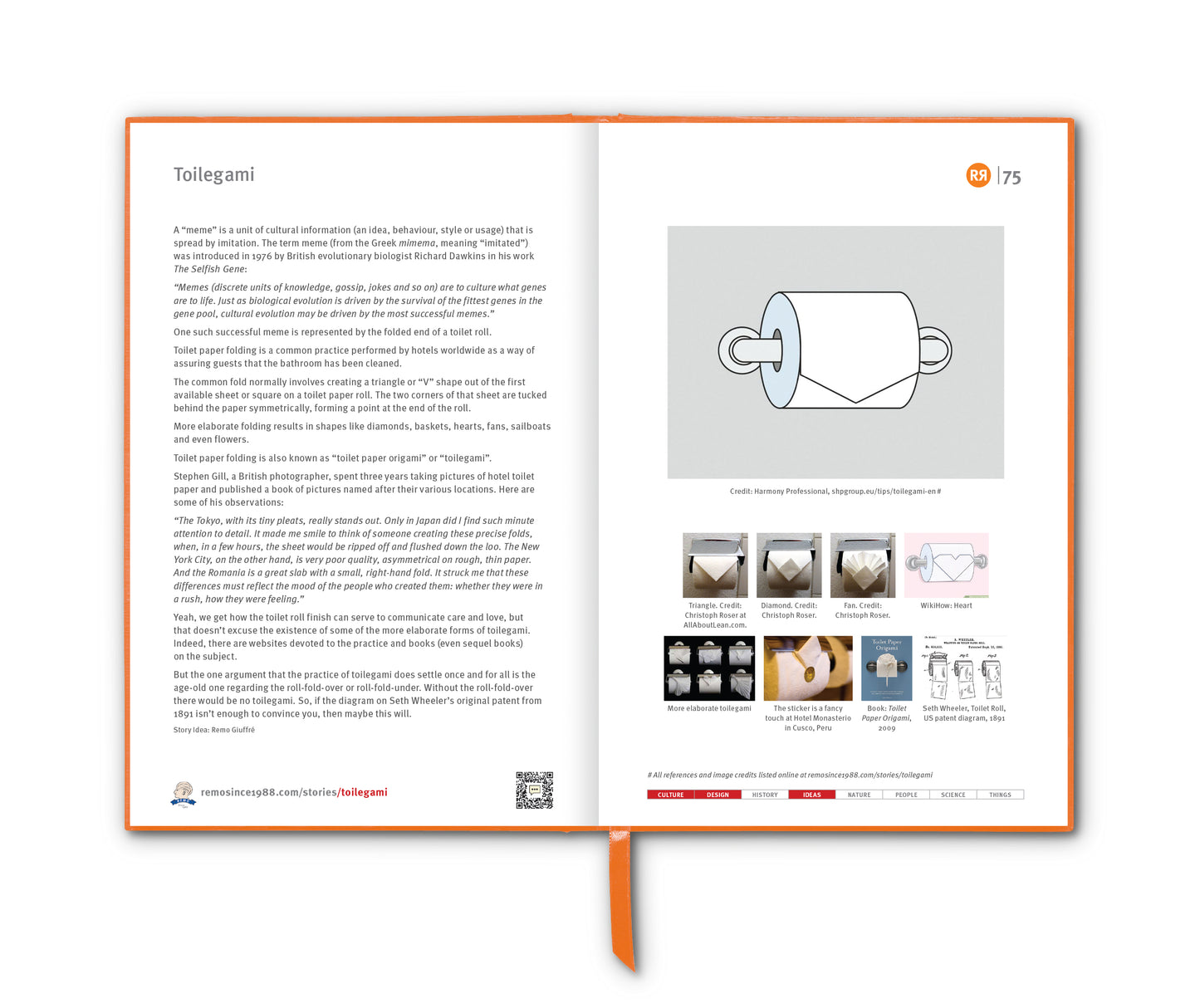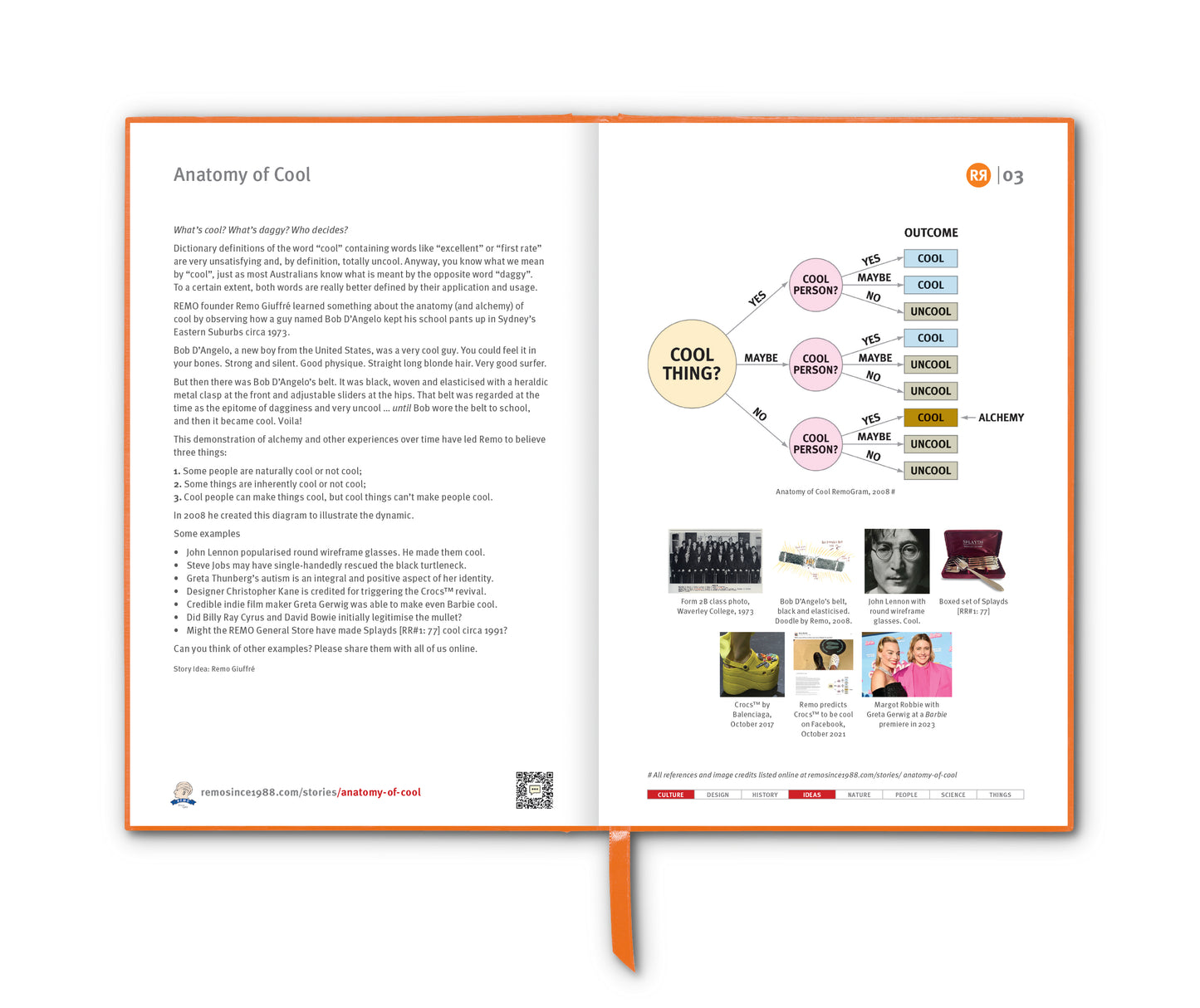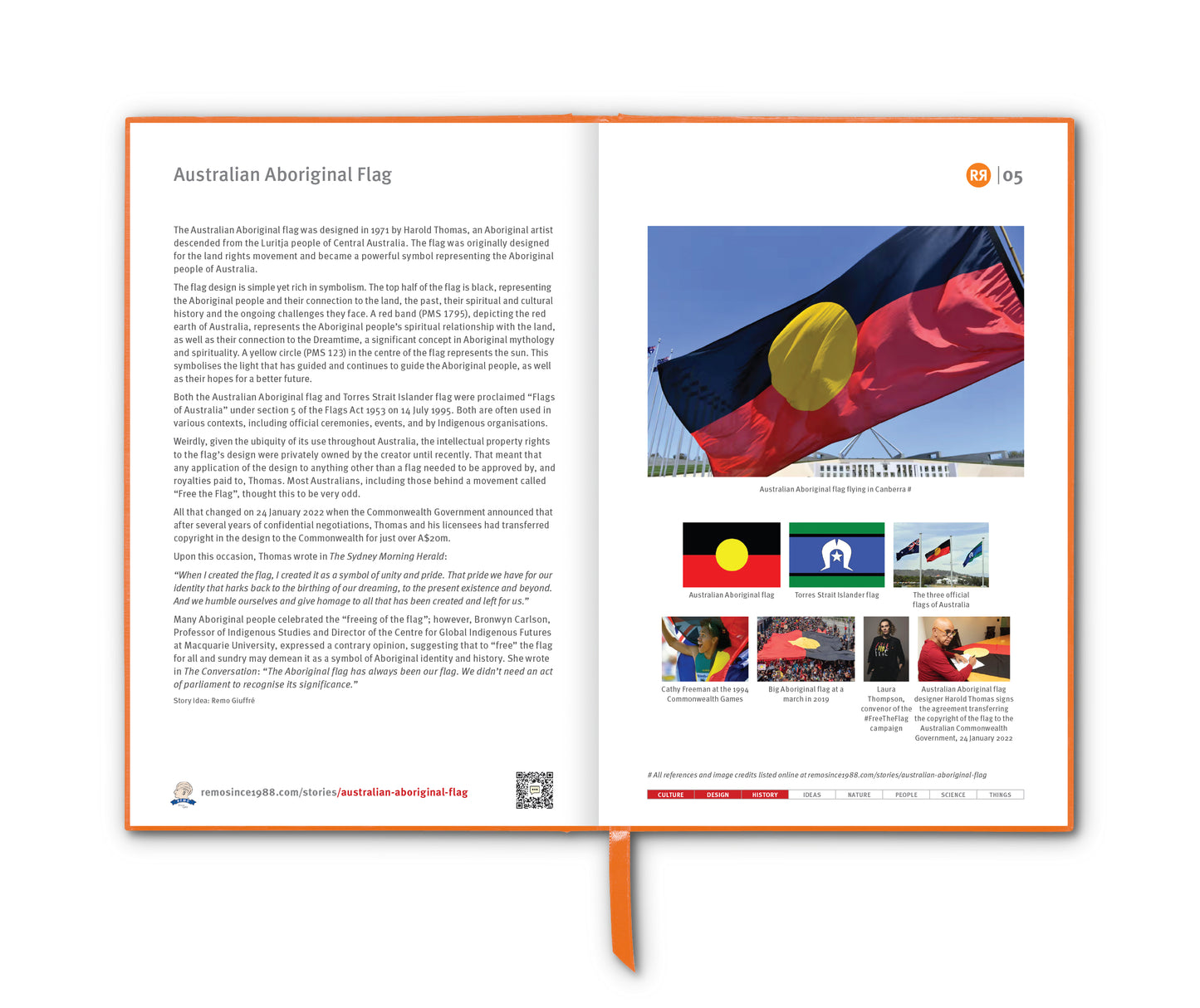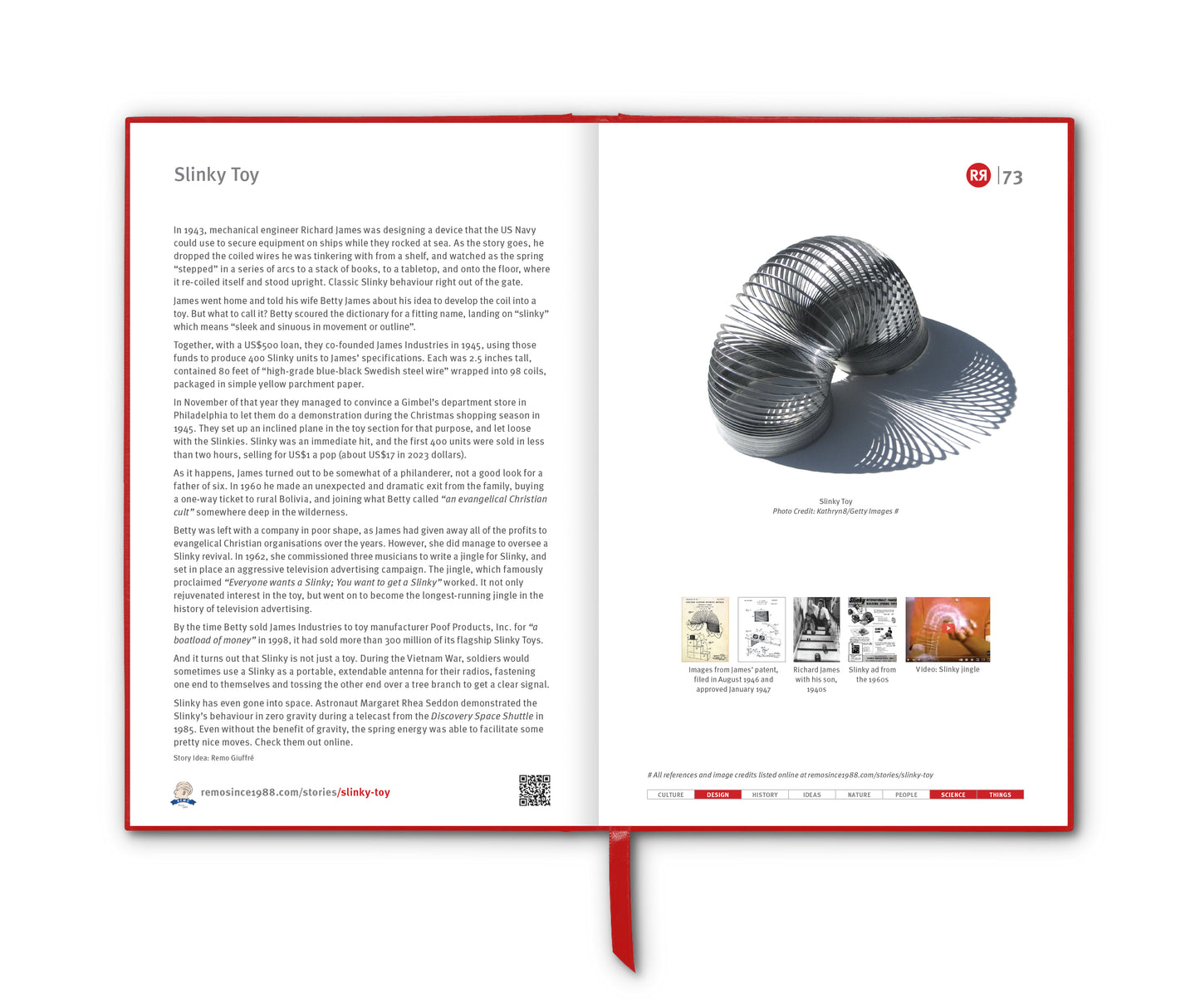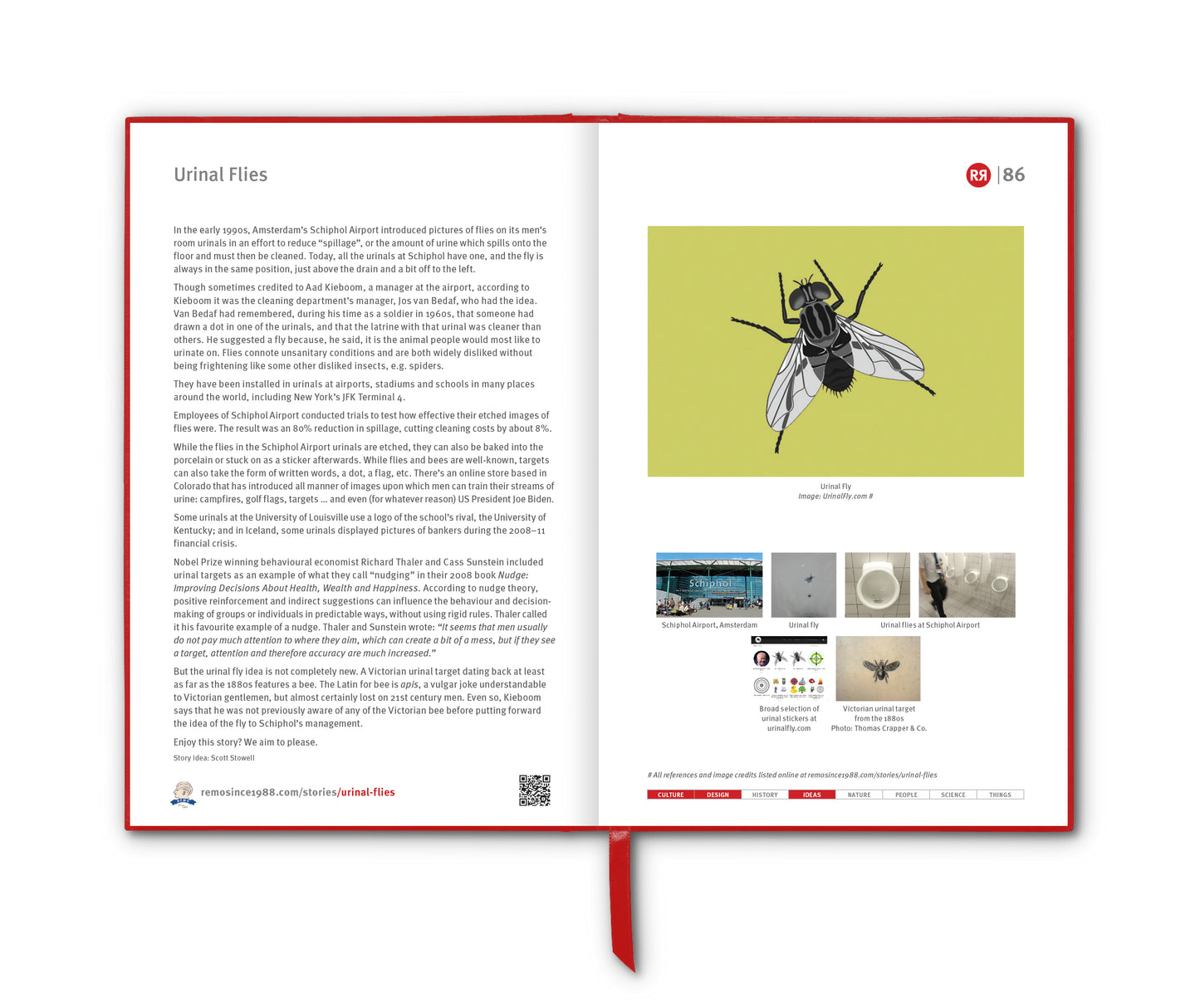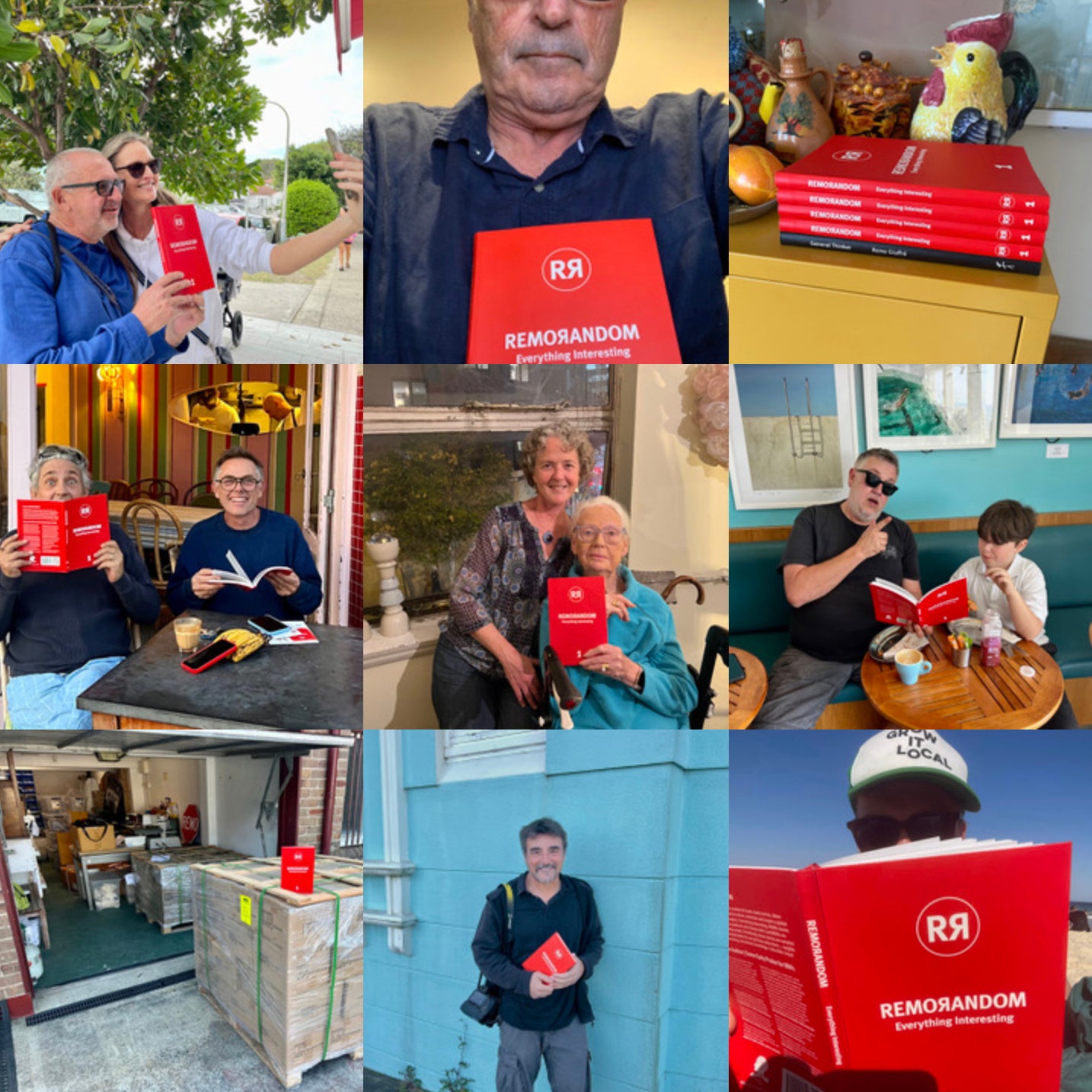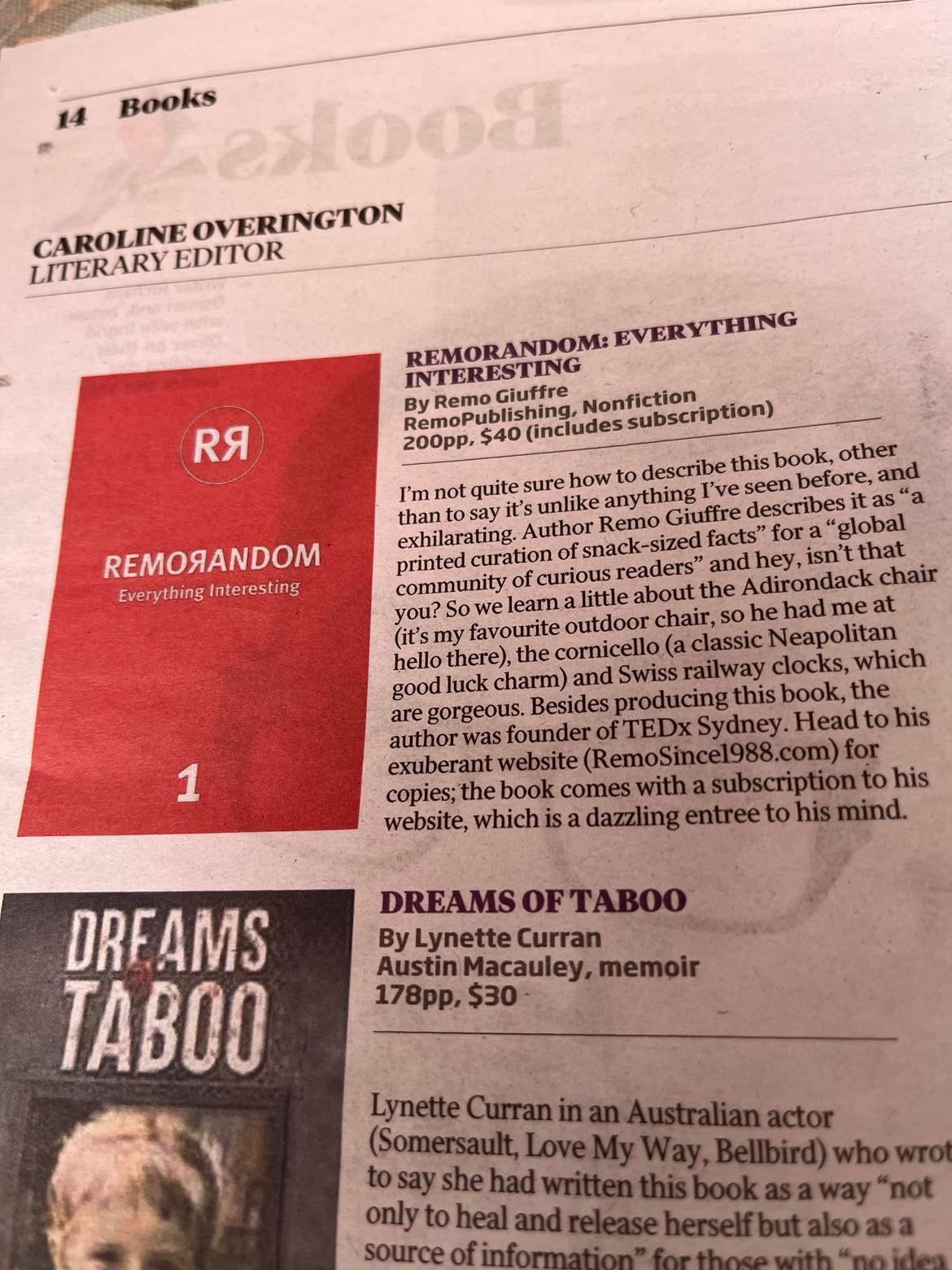

Here are 10 examples of discoveries that were happy accidents – serendipitous breakthroughs that occurred while the discoverers were looking for something else entirely:
Penicillin: Alexander Fleming, 1928
While studying bacteria, Fleming noticed that mould (Penicillium notatum) had accidentally contaminated one of his Petri dishes, and was killing the surrounding bacteria. This chance observation led to the development of antibiotics.
Microwave Oven: Percy Spencer, 1945
Spencer, an engineer at Raytheon, was working on radar equipment when he noticed a chocolate bar in his pocket had melted. His curiosity led him to invent the microwave oven.
X-rays: Wilhelm Roentgen, 1895
Roentgen was experimenting with cathode rays when he accidentally discovered a new kind of invisible ray that could pass through solid objects and create images of bones. See X-Rays [RR4:87].
Post-it Notes: Spencer Silver and Art Fry, 1974
Silver was trying to create a super-strong adhesive, but instead created a low-tack glue. Years later, Fry used it to make bookmarks that wouldn’t fall out of his hymnal. Thus, the Post-it Note was born. See Post-It Notes [RR2:58].
Teflon: Roy Plunkett, 1938
Plunkett was attempting to develop a new refrigerant when he noticed a gas cylinder had stopped working. Inside, he found a waxy, non-reactive substance: Teflon, now widely used for non-stick cookware.
Safety Glass: Édouard Bénédictus, 1903
Bénédictus knocked a glass flask off a shelf, but it didn’t shatter. It had contained cellulose nitrate, which left a thin film inside the flask, holding the broken glass together—leading to the invention of laminated safety glass.
Slinky: Richard James, 1943
James, a naval engineer, was working with tension springs to stabilise ship equipment. One fell off a shelf and “walked” across the floor. He and his wife turned it into a toy classic. See Slinky Toy [RR1:73].
Purple: William Henry Perkin, 1856
Perkin failed in his experiment to synthetically produce quinine. His beakers were left with a dirty brown sludge. When cleaned out with alcohol this produced a bright purple dye. See Purple [RR3:66].
Saccharin (Artificial Sweetener): Constantin Fahlberg, 1879
While working on coal tar derivatives at Johns Hopkins University, Fahlberg forgot to wash his hands before dinner and noticed his bread tasted unusually sweet. He traced it back to a chemical compound he’d been working with.
Laughing Gas as Anaesthesia: Crawford Long, Horace Wells, et al, 1840s
There was a time when recreational “laughing gas” parties were popular. Observers noticed that people under the influence didn’t feel pain from injuries. Doctors eventually explored this for medical use. See also General Anaesthesia [RR3:32].
The lesson? Stay curious and keep your mind open. As the American physicist Joseph Henry once noted: “The seeds of great discoveries are constantly floating around us, but they only take root in minds well prepared to receive them."
____________________________
Images
1. Montage: Slinky Toy patent and Spencer Silver
2. Professor Alexander Fleming in his laboratory at St Mary's, Paddington, London, 1943
3. Percy Spencer and microwave oven
4. First medical X-ray by Wilhelm Röntgen of his wife Anna Bertha Ludwig's hand. Photo taken on 22 December 1895
5. Roy J. Plunkett from New Carlisle who invented Teflon. Credit: Dayton Daily News, 1985
6. Ad for safety glass
7. Vial of original purple "mauveine"
8. Ira Remsen (Left) with Constantin Fahlberg (Right). Photo credit: Science Meets Faith
9. Nitrous Oxide aka "Laughing Gas"