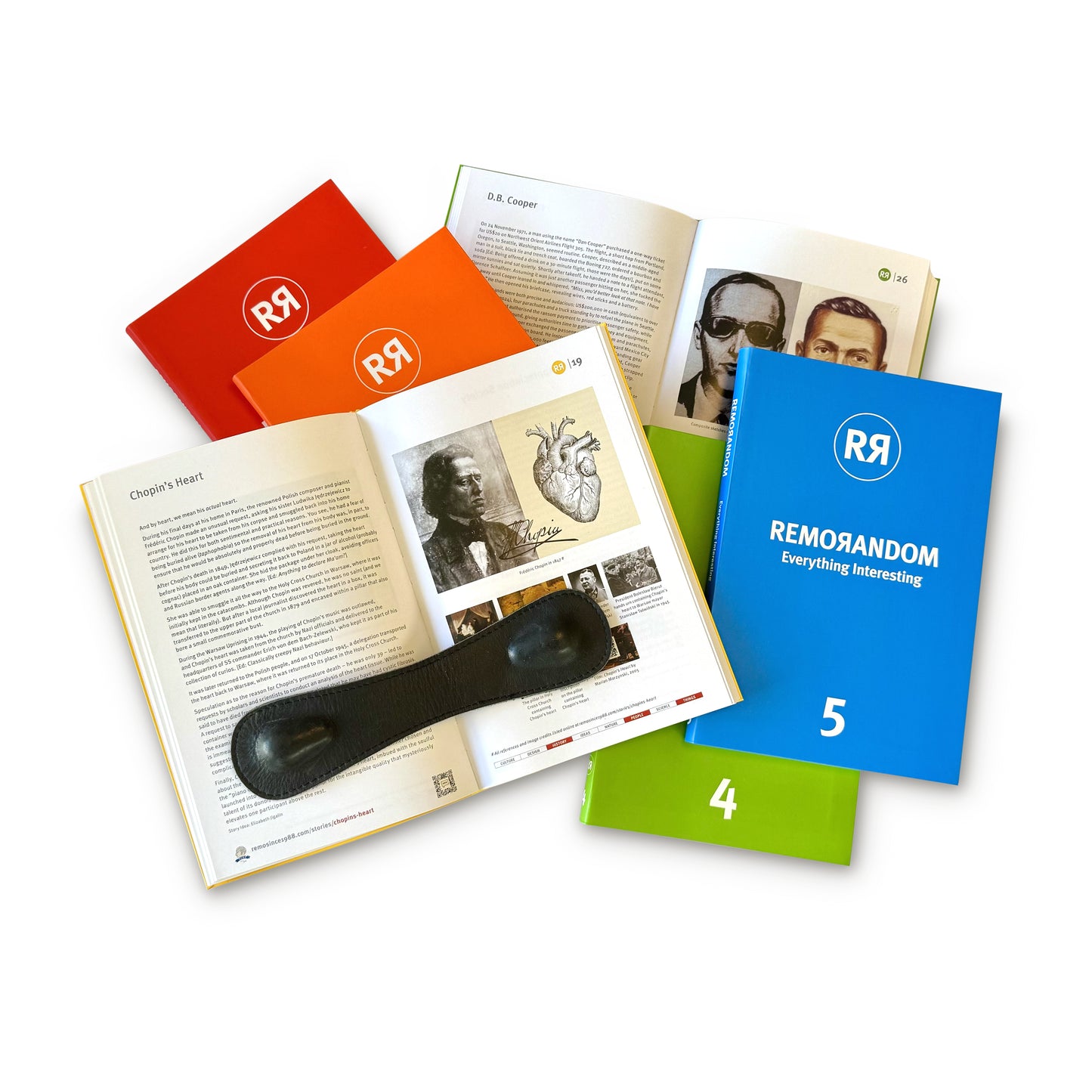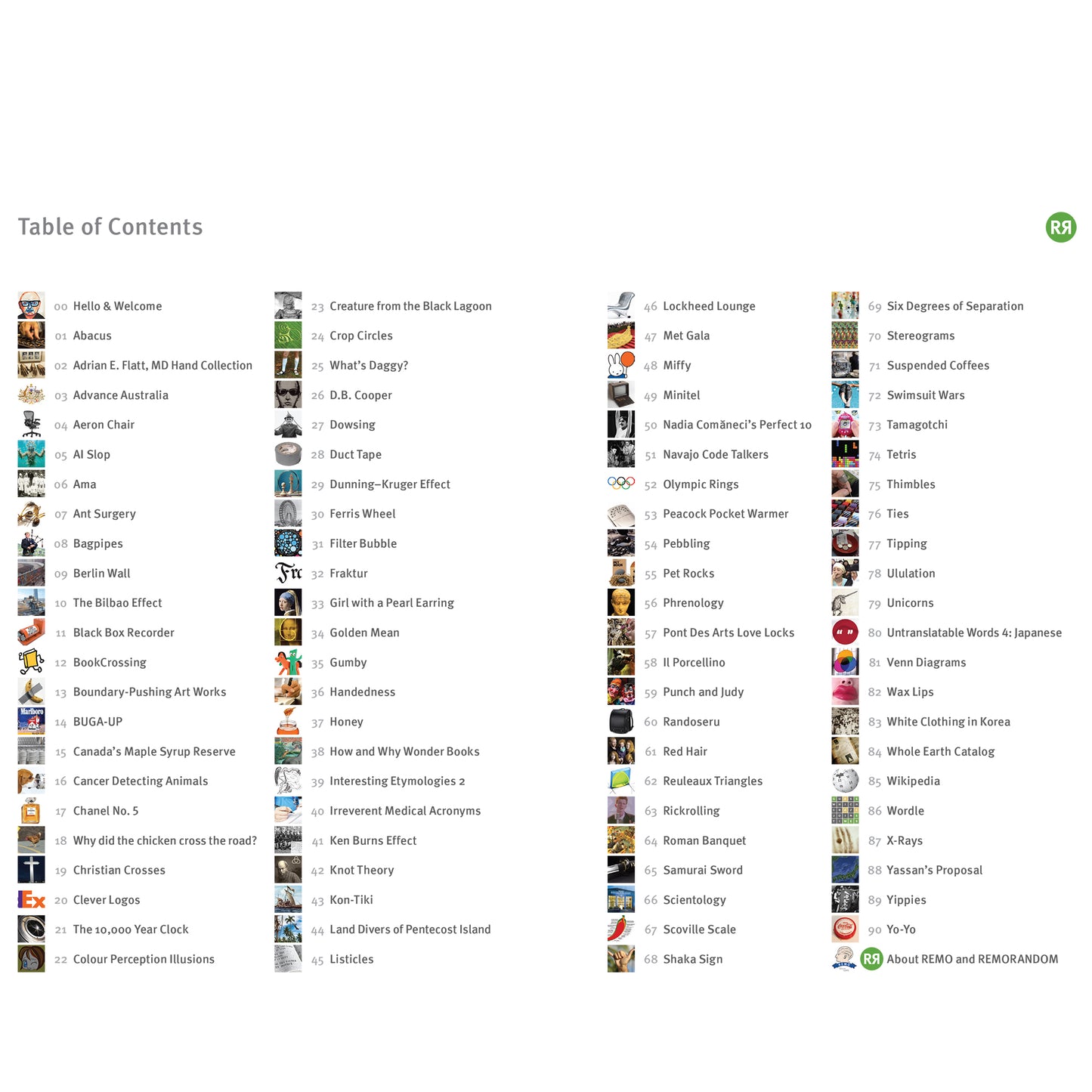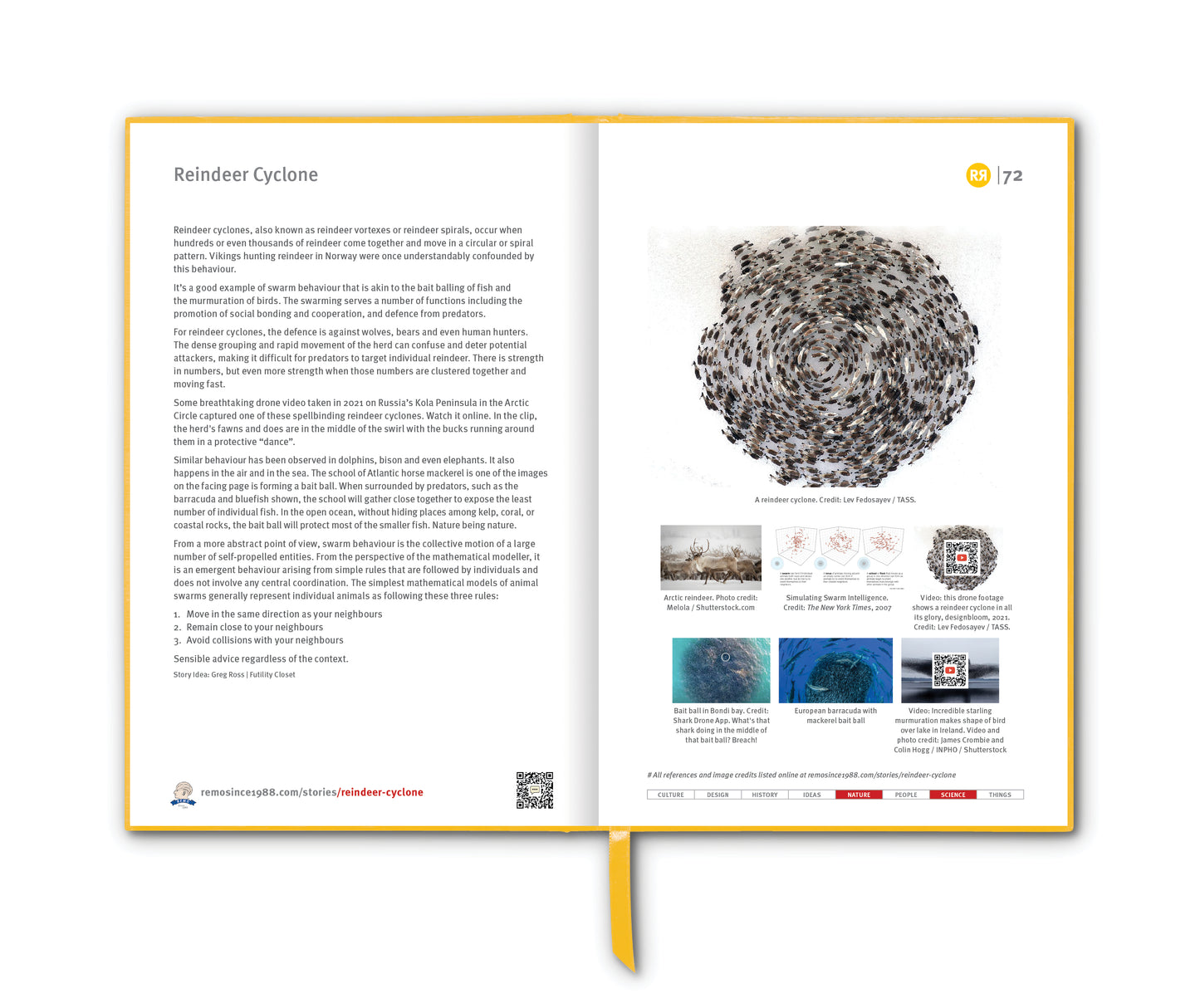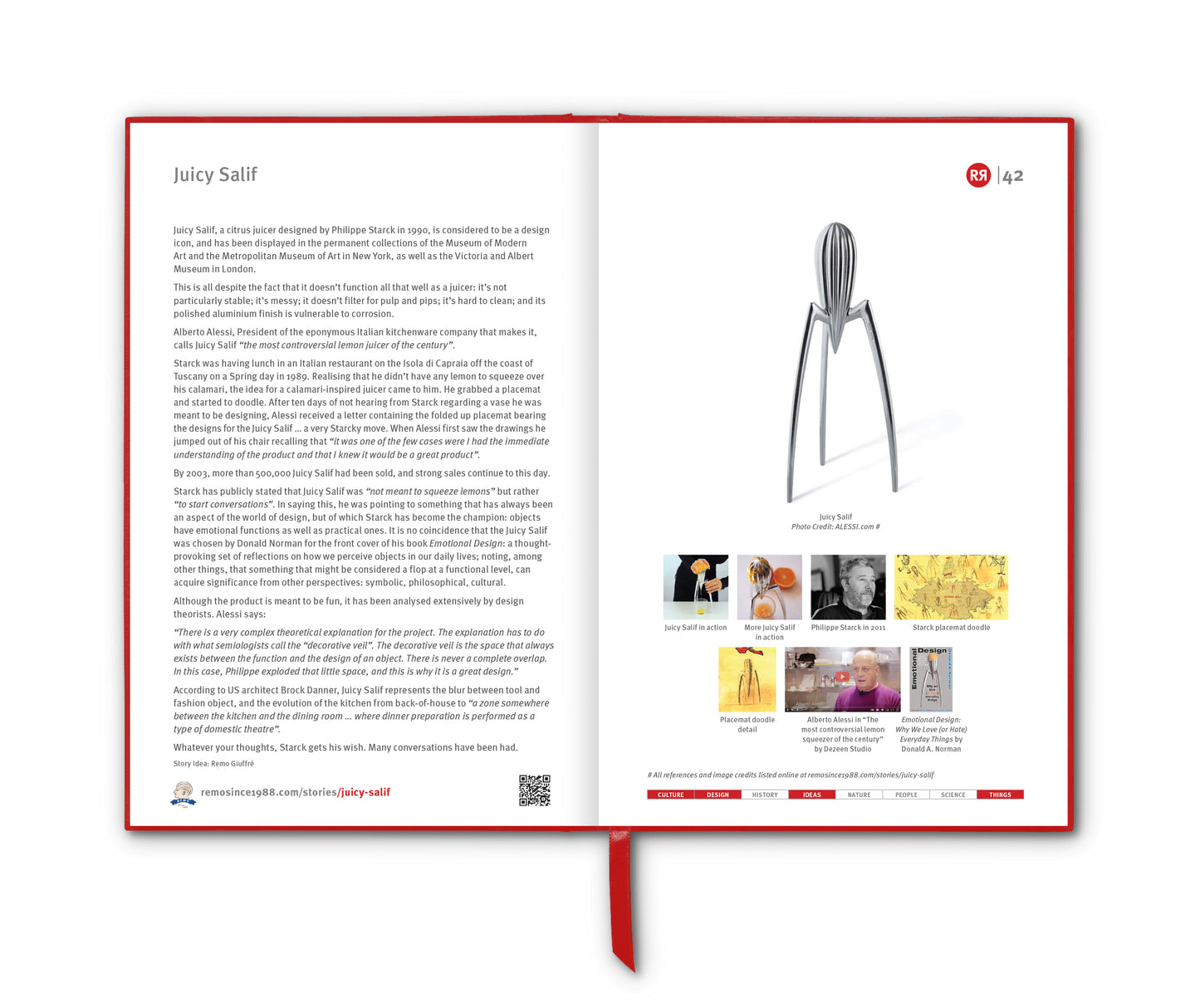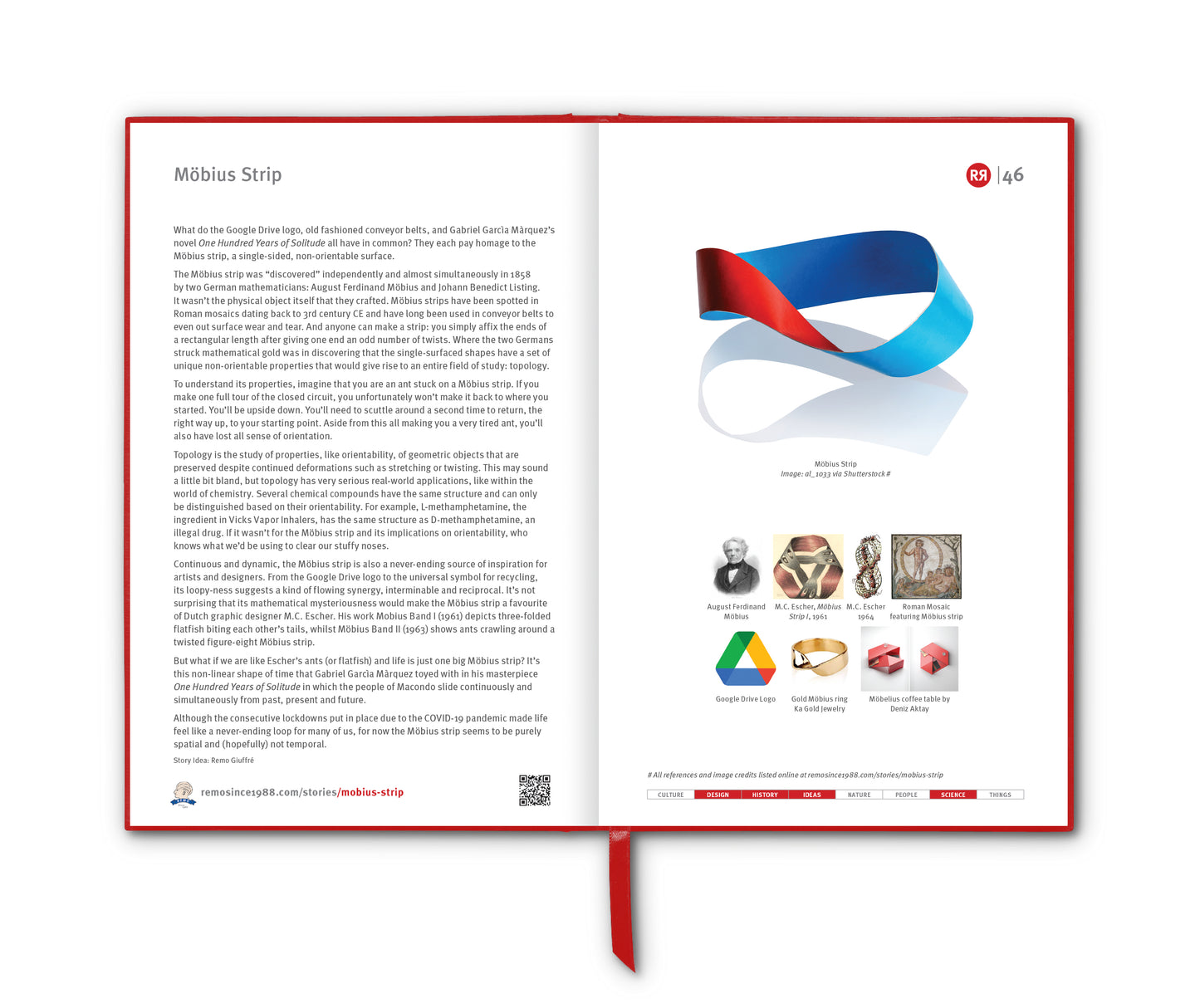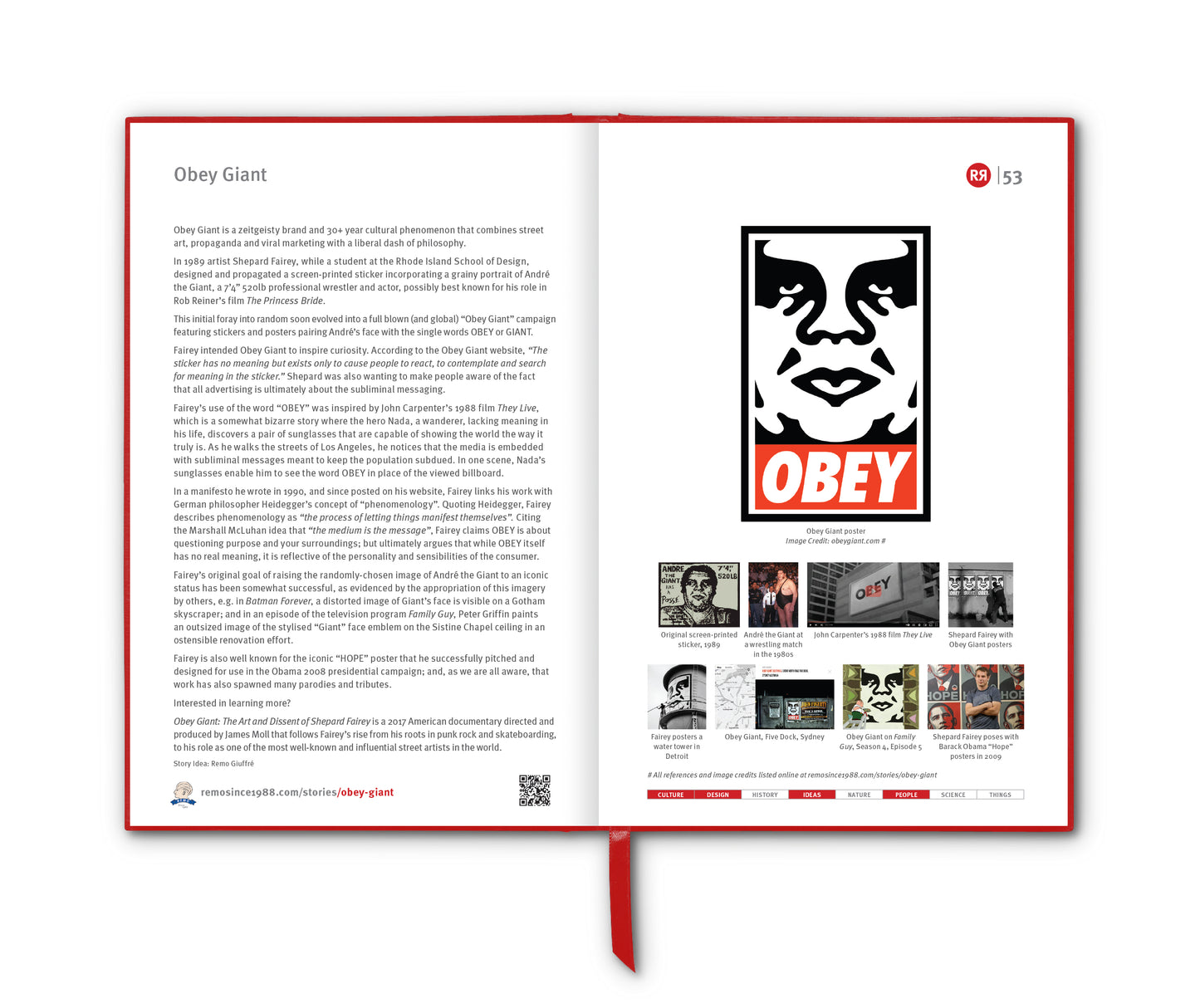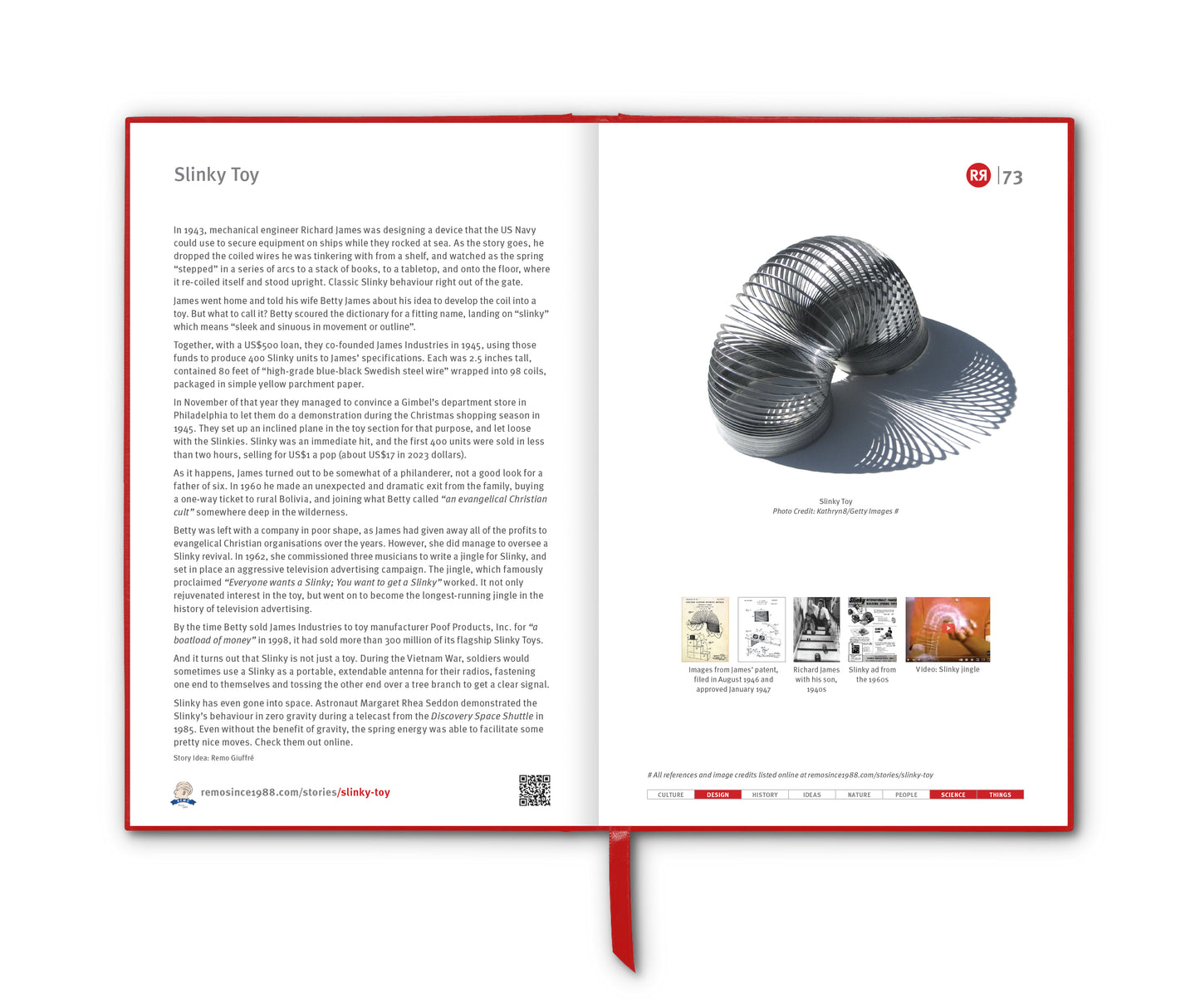

The number sign – variously called the hash, pound sign, octothorpe or simply “#” – is a typographic survivor. Long before it became the organising principle of internet culture, it lived several quieter lives in commerce, telephony and computing.
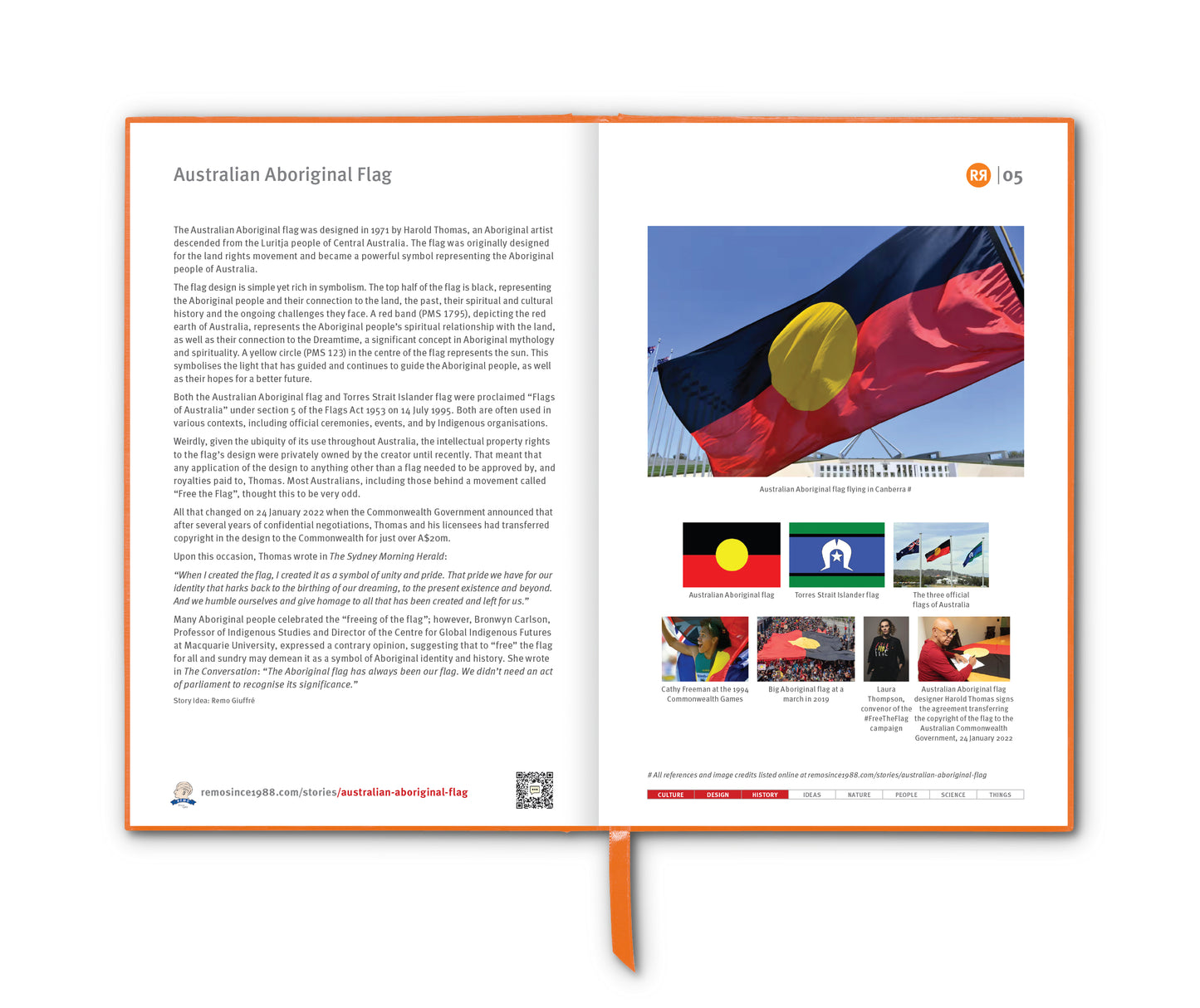
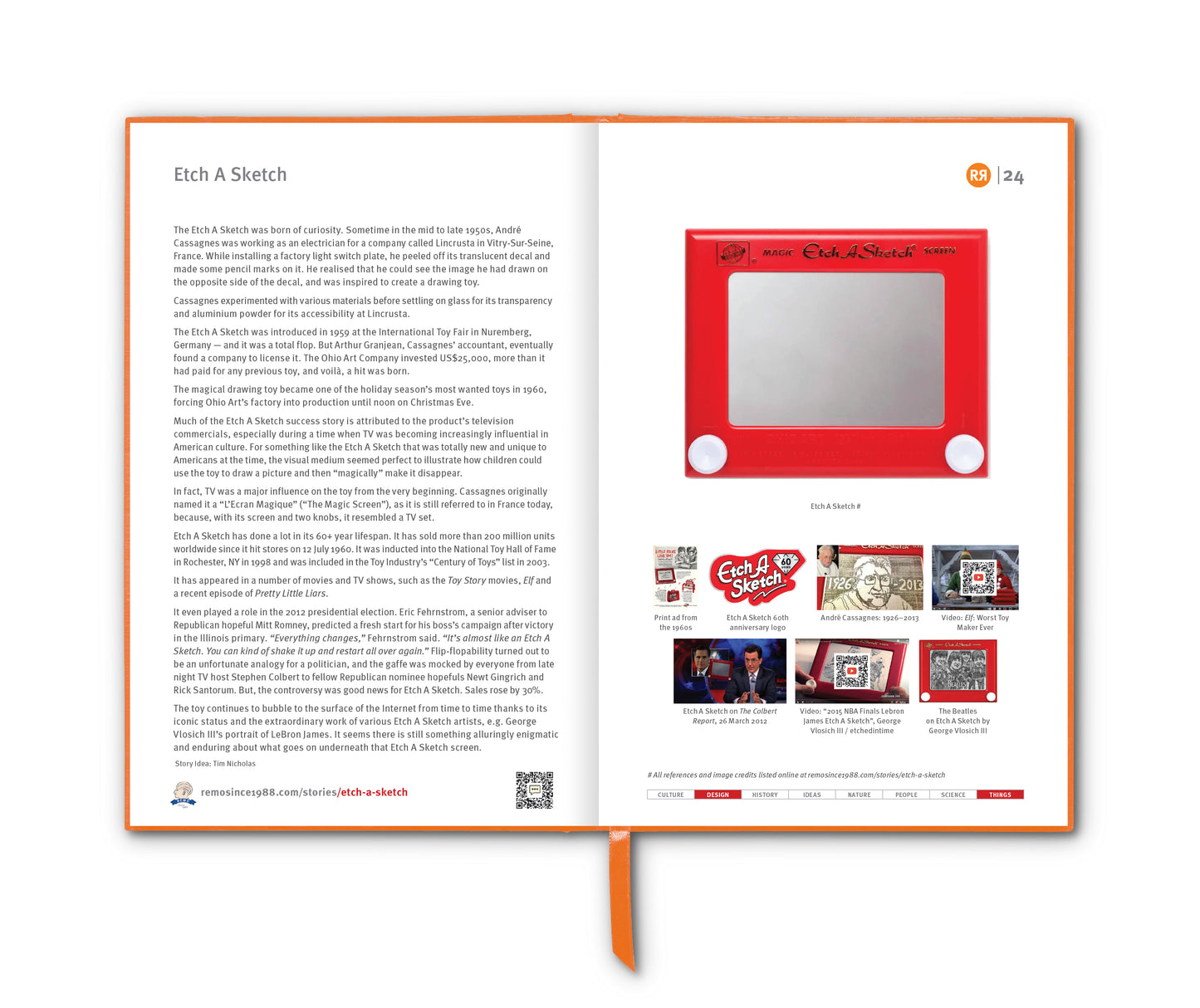
Its roots likely stretch back to medieval scribes abbreviating the Latin libra pondo (pound weight). Over time, a stylised “lb” mark evolved into a crossed symbol resembling today’s #. By the 19th century in the United States, the character was widely used to mean “number”, as in “#2 pencil”. Printers and typesetters called it the “number sign”. In Britain and other Commonwealth countries, it became known as the “pound sign” (not to be confused with £).
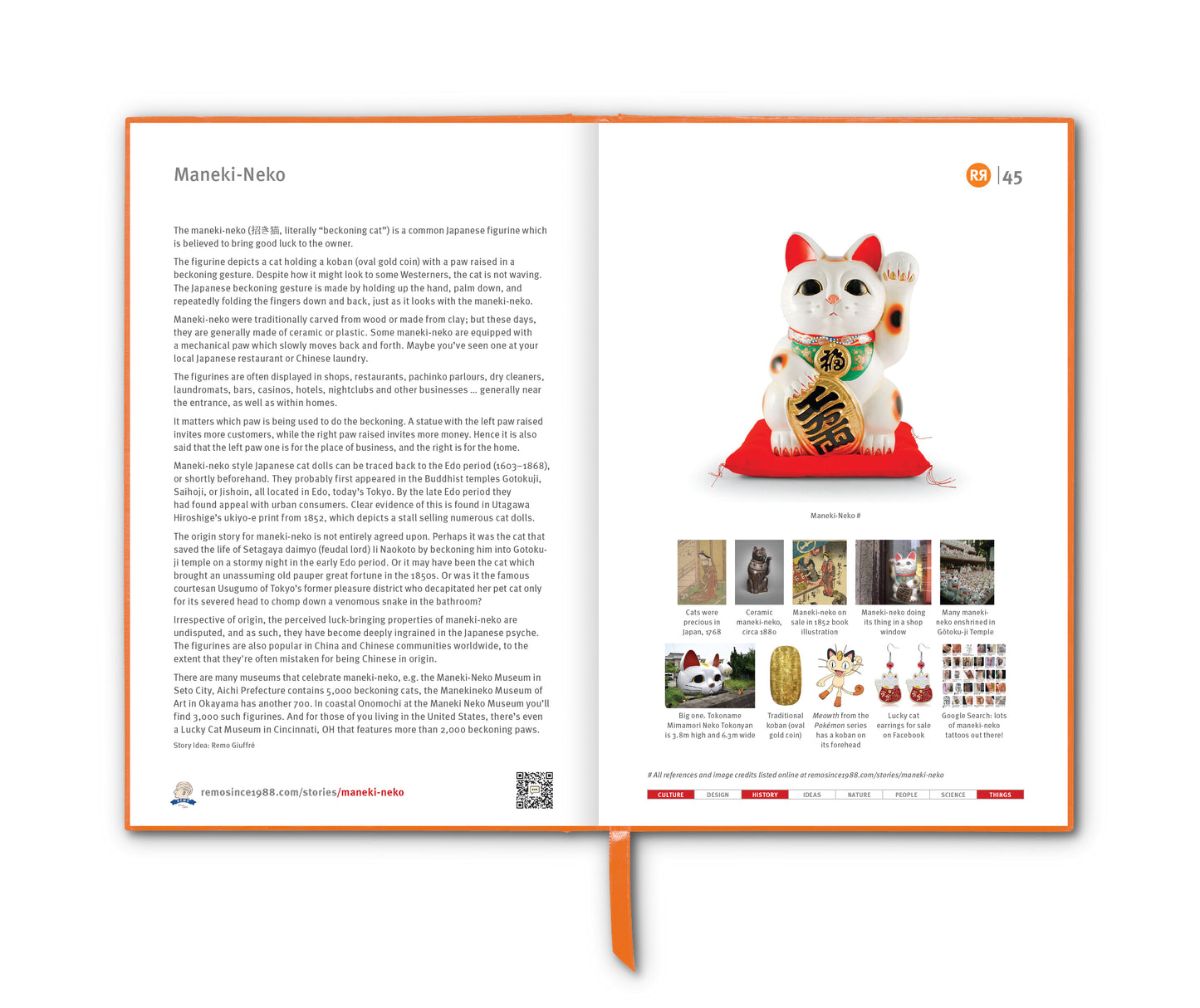
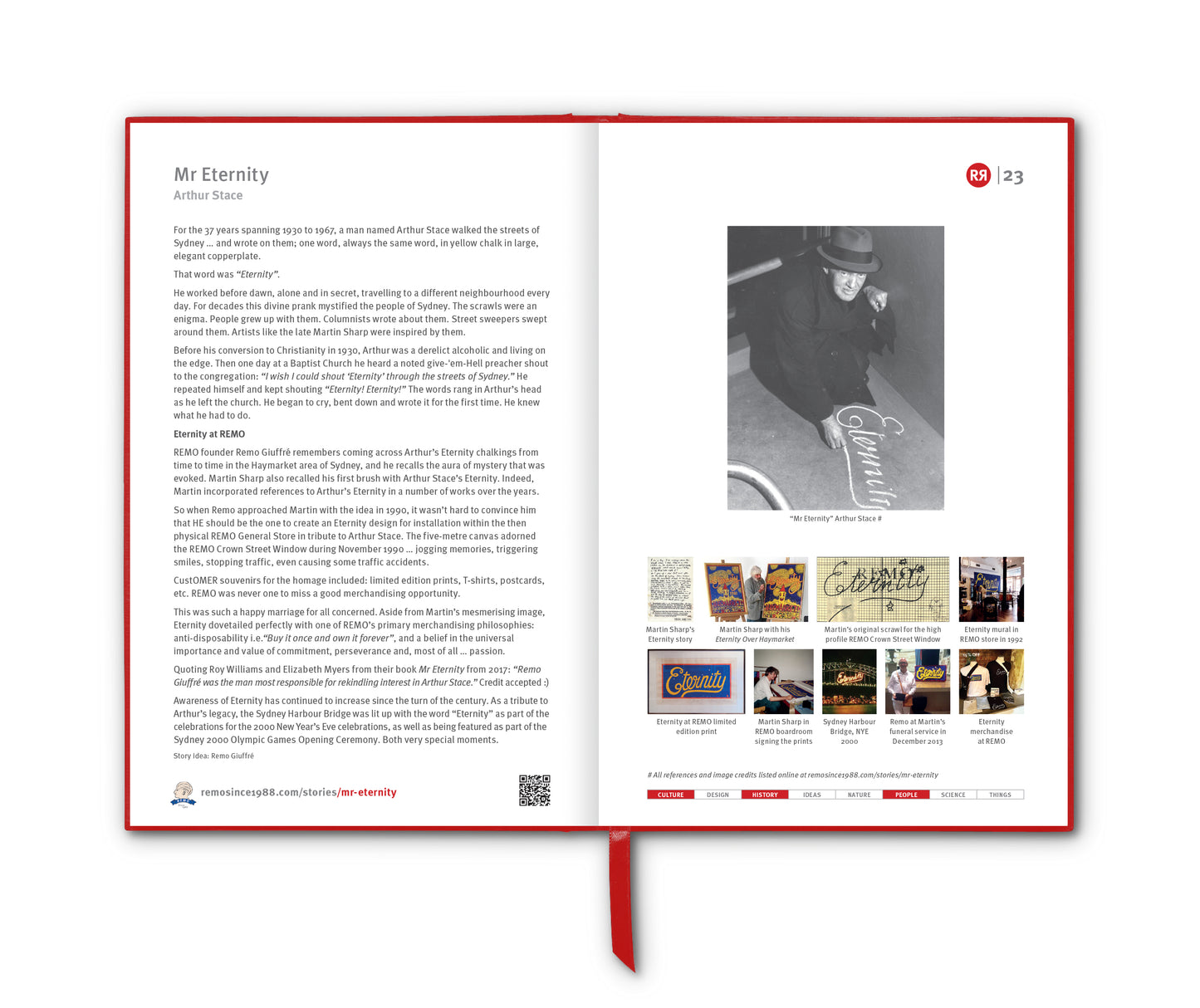
In 1963, when Bell Telephone Laboratories designed the touch-tone telephone keypad, the symbol was added alongside the star key. Engineers needed two extra function keys for automated systems; they chose “*” and “#”. Internally, some at Bell Labs jokingly dubbed the # the “octothorpe” – “octo” for its eight points, and “thorpe” a playful suffix, the true origin of which remains debated – possibly a reference to US Olympic medallist Jim Thorpe. From then on, the symbol became embedded in interactive voice response systems: “Press the pound key.”
The computing world adopted it early. In programming languages like C programming language, it denotes preprocessor commands (#include, #define). In Unix shells, it marks comments. On IRC (Internet Relay Chat) in the late 1980s and 1990s, channels were prefixed with #, e.g. #music, subtly foreshadowing its future as a conversational label.
The great rebadging came in 2007. On 23 August that year, former Google developer Chris Messina proposed on what was then Twitter that users adopt the # symbol to group conversations: “how do you feel about using # (pound) for groups. As in #barcamp?” It was a simple, user-driven convention – no new buttons, no software update required. Twitter initially resisted, but users embraced it during crises such as the 2007 San Diego wildfires, where #sandiegofire helped aggregate real-time updates. By 2009, Twitter had formalised hashtags into clickable links. Other platforms – from Instagram to Facebook and TikTok – followed.
Hashtags also changed language itself. They function as metadata and as rhetoric. A hashtag can be earnest (#ClimateAction) or ironic (#FirstWorldProblems). It can extend a sentence with commentary (#justsaying) or create a rallying cry. In marketing, the hashtag became a campaign anchor; in activism, a banner. In everyday texting, it became a punchline.
Here’s a selection of famous hashtags to date: #MeToo #BlackLivesMatter #IceBucketChallenge#ThrowbackThursday (often #TBT) #ArabSpring #JeSuisCharlie #LoveWins #StayHome #OscarsSoWhite #WorldCup. Each illustrates a different dimension of our culture – activism, charity, nostalgia, revolution, solidarity, public health, media critique and global sport – proof that the humble number sign now organises much of our collective conversation.
Postscript: It’s 2026. Are hashtags passé?
In a 5 April 2025 Sydney Morning Herald opinion piece, cultural reporter Thomas Mitchell argues that the use of hashtags is a generational tell, observing that boomers use them earnestly, whereas younger users use them ironically or not at all. Although Mitchell exaggerates his argument for comic effect, there is some truth in this. Today, the social feeds on TikTok, Instagram, and X are dominated by AI recommendation engines. So, we’ve moved from folksonomy (people tagging things) to algorithmic inference (machines deciding what things are about).
_______________________
References
wikipedia.org/wiki/Number_sign
wikipedia.org/wiki/Hashtag
smithsonianmag.com/smart-news/decade-ago-hashtag-reshaped-internet
smh.com.au/national/the-one-thing-that-separates-old-and-young-people-online-20250404
evolvemymedia.co.uk/blog-posts/do-hashtags-still-matter-on-social-media-in-2026
Images
1. The abbreviation written by Isaac Newton, showing the evolution from ℔ toward # (shown in the Copperplate font)
2. A stylised version of the abbreviation for libra pondo ("pound weight")
3. Bell System logo used from 1939 to 1964
4. Bell Labs designed touch-tone telephone keypad complete with #
5. Chris Messina. Credit: chrismessina.me
6. Chris Messina tweet: 23 August 2007
7. Demonstrators supporting the #MeToo movement at a rally for International Women’s Day in Seoul, South Korea, in 2018. Photo credit: AP
8. Stencil graffiti promoting the hashtag #OccupyForRights
9. Video: "#Hashtag" with Jimmy Fallon and Justin Timberlake, Late Night with Jimmy Fallon, 25 September 2013