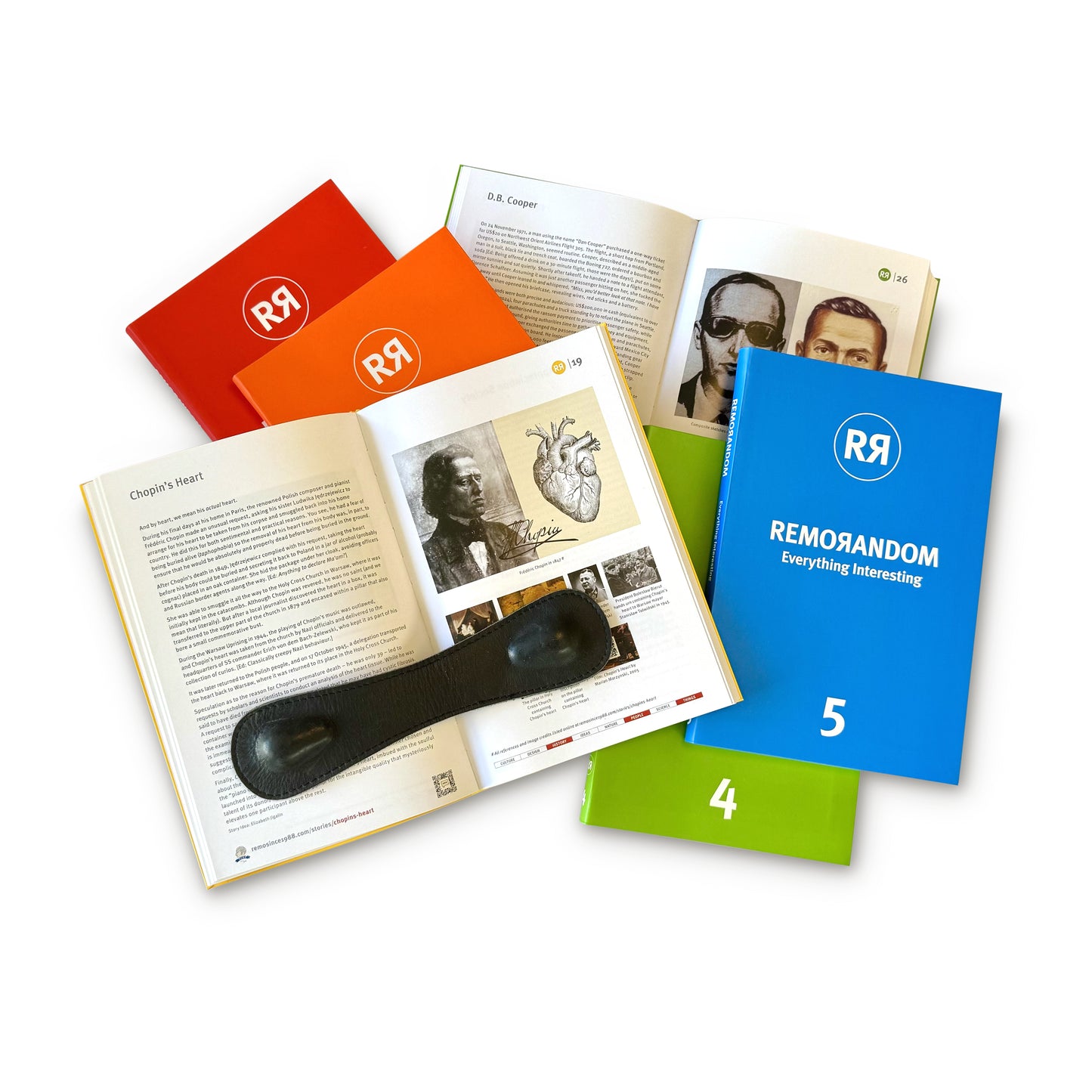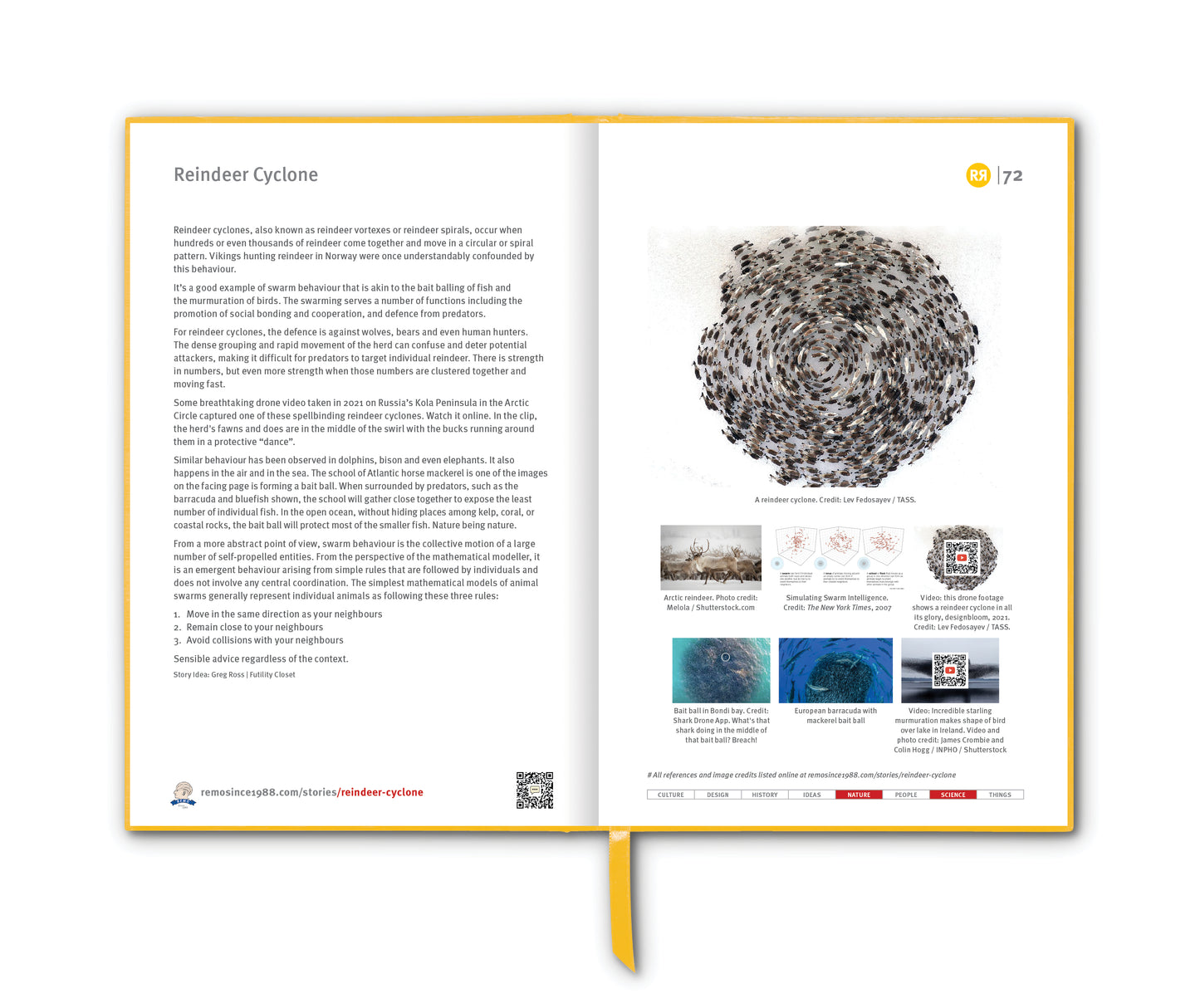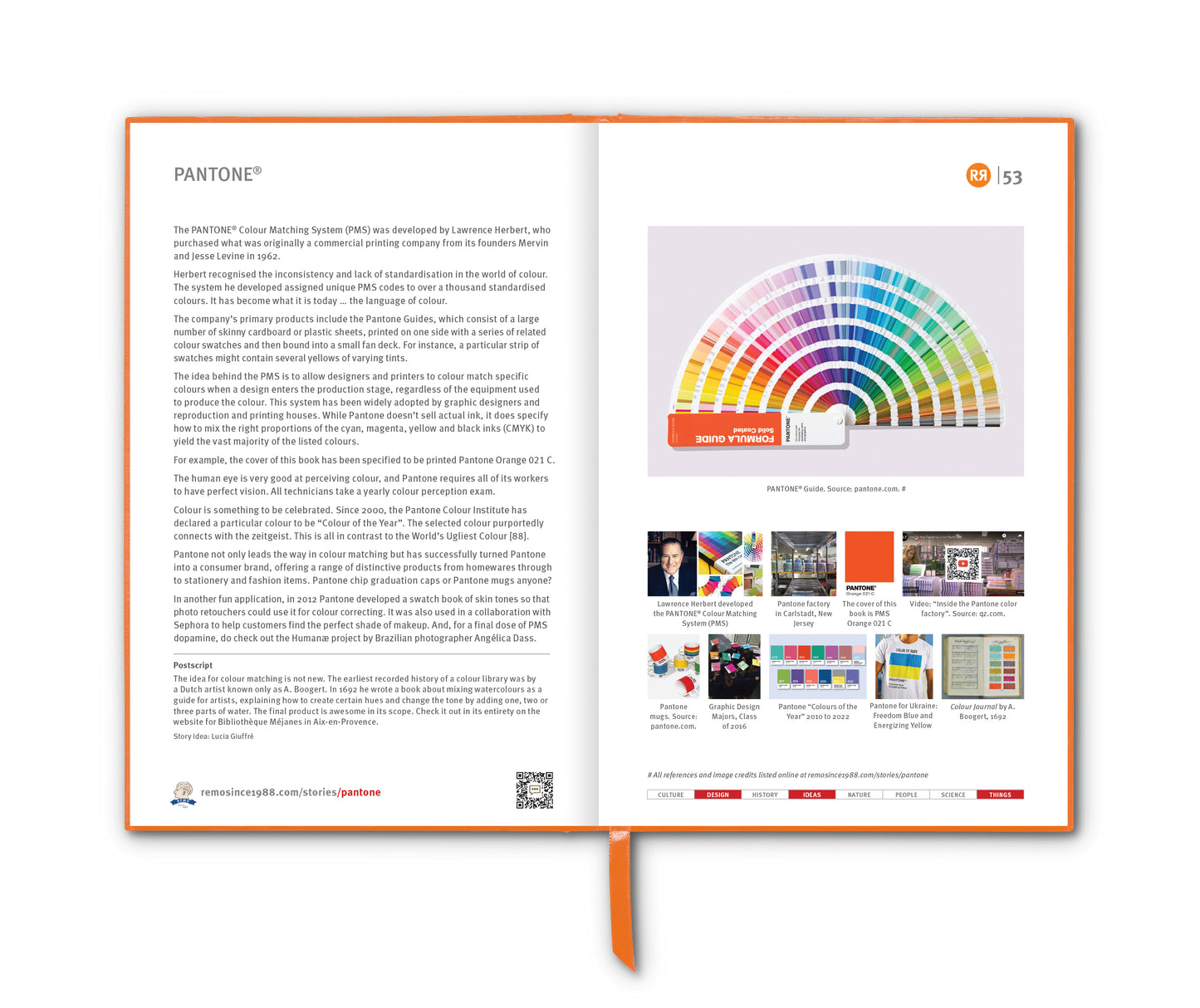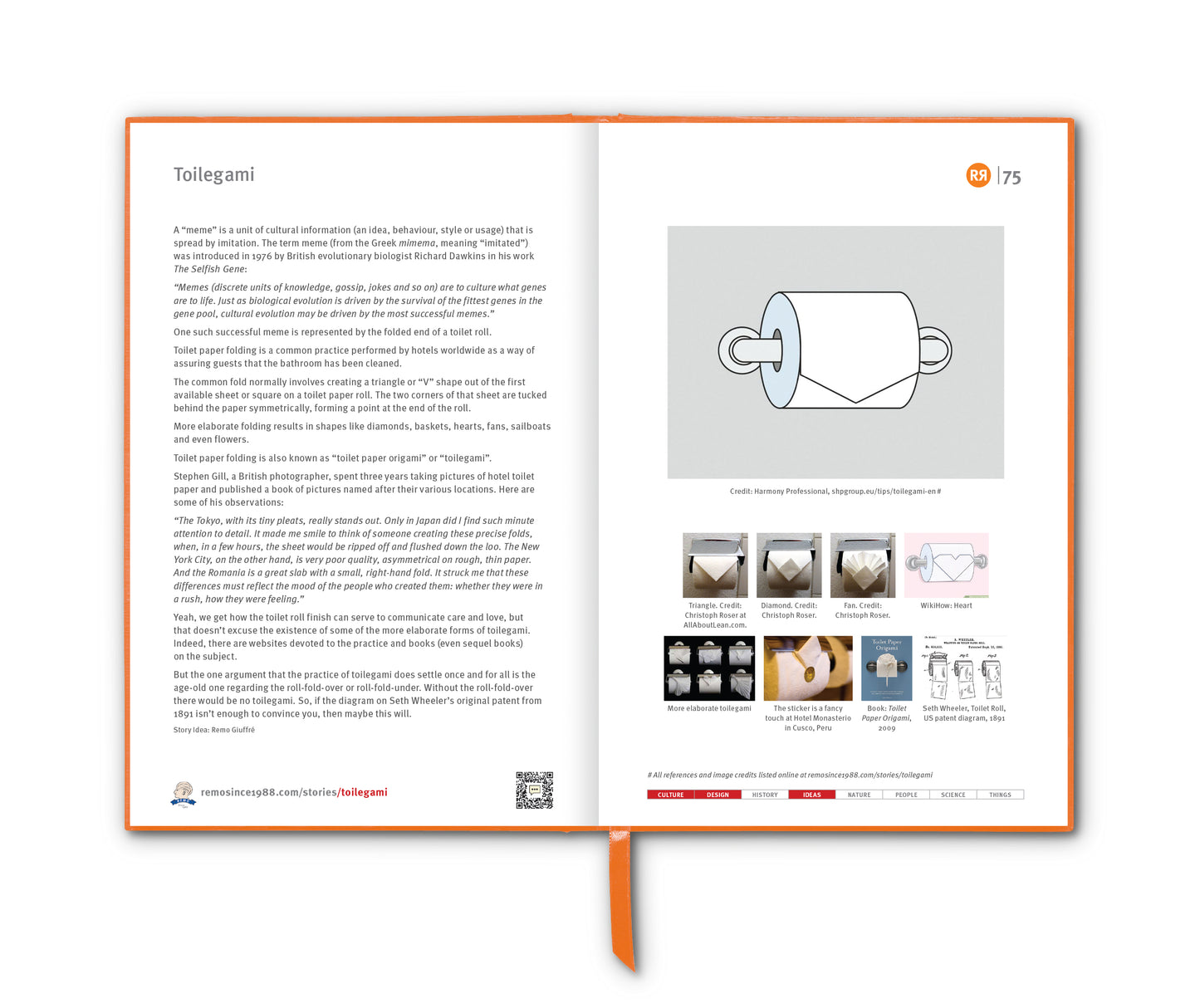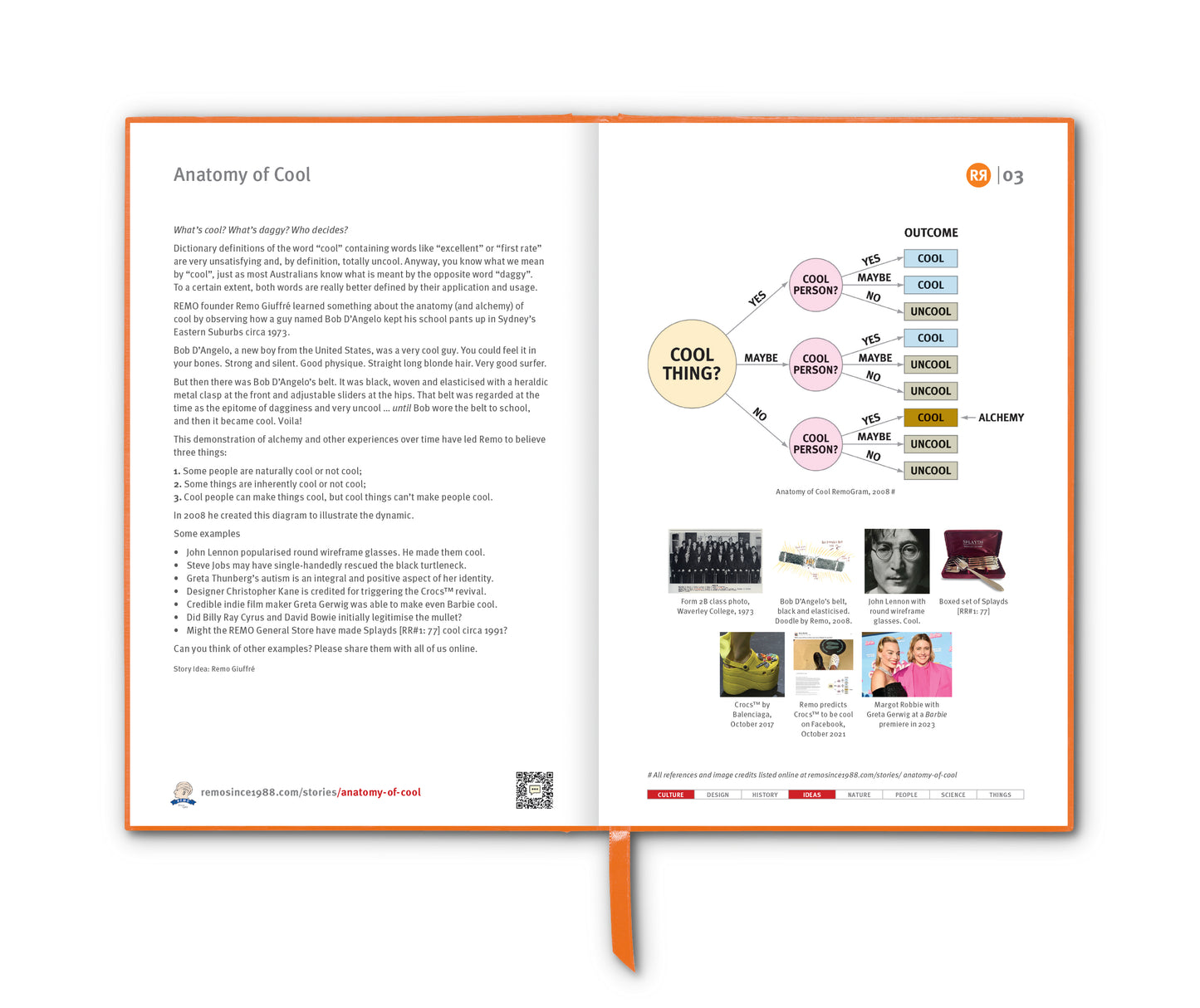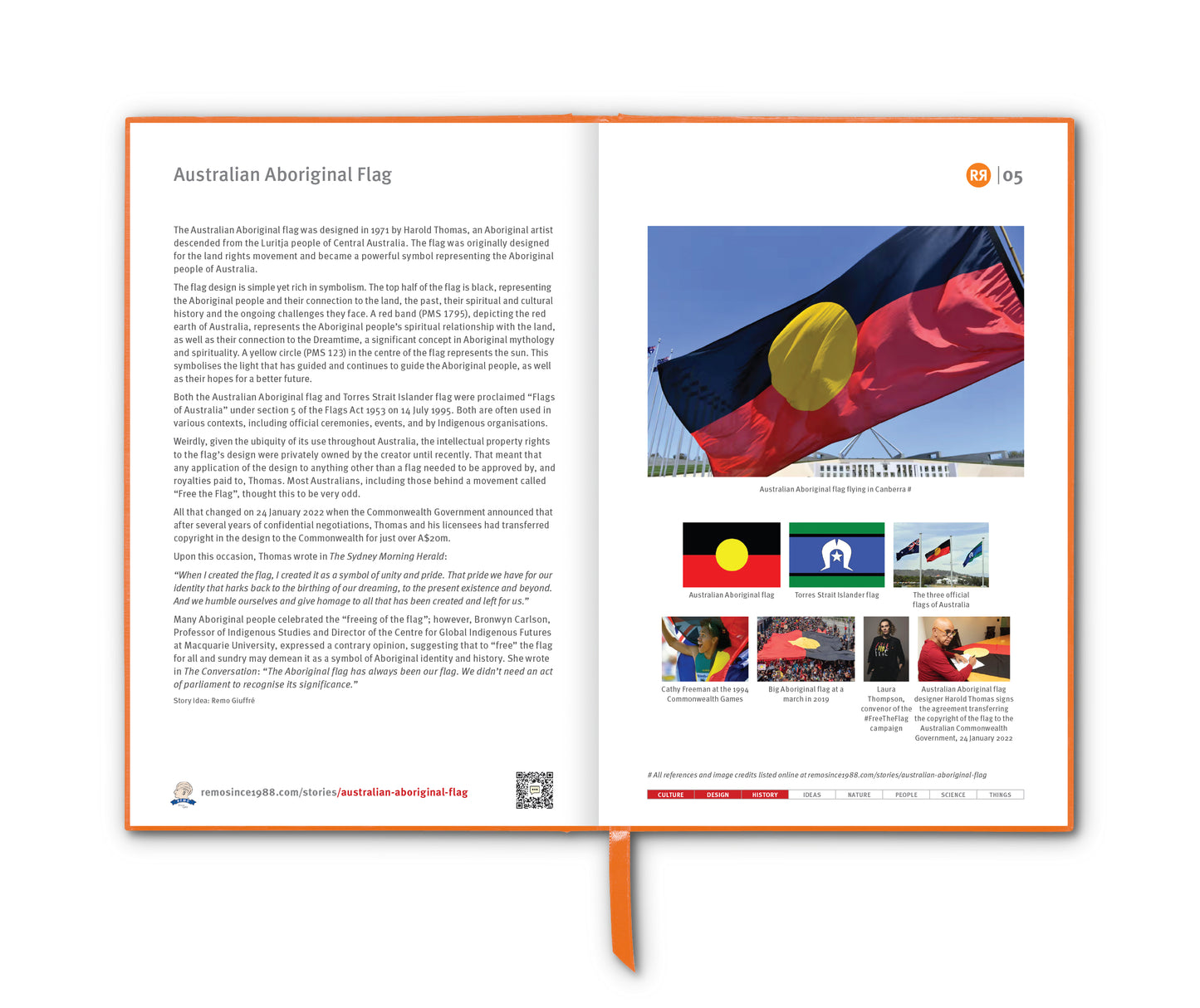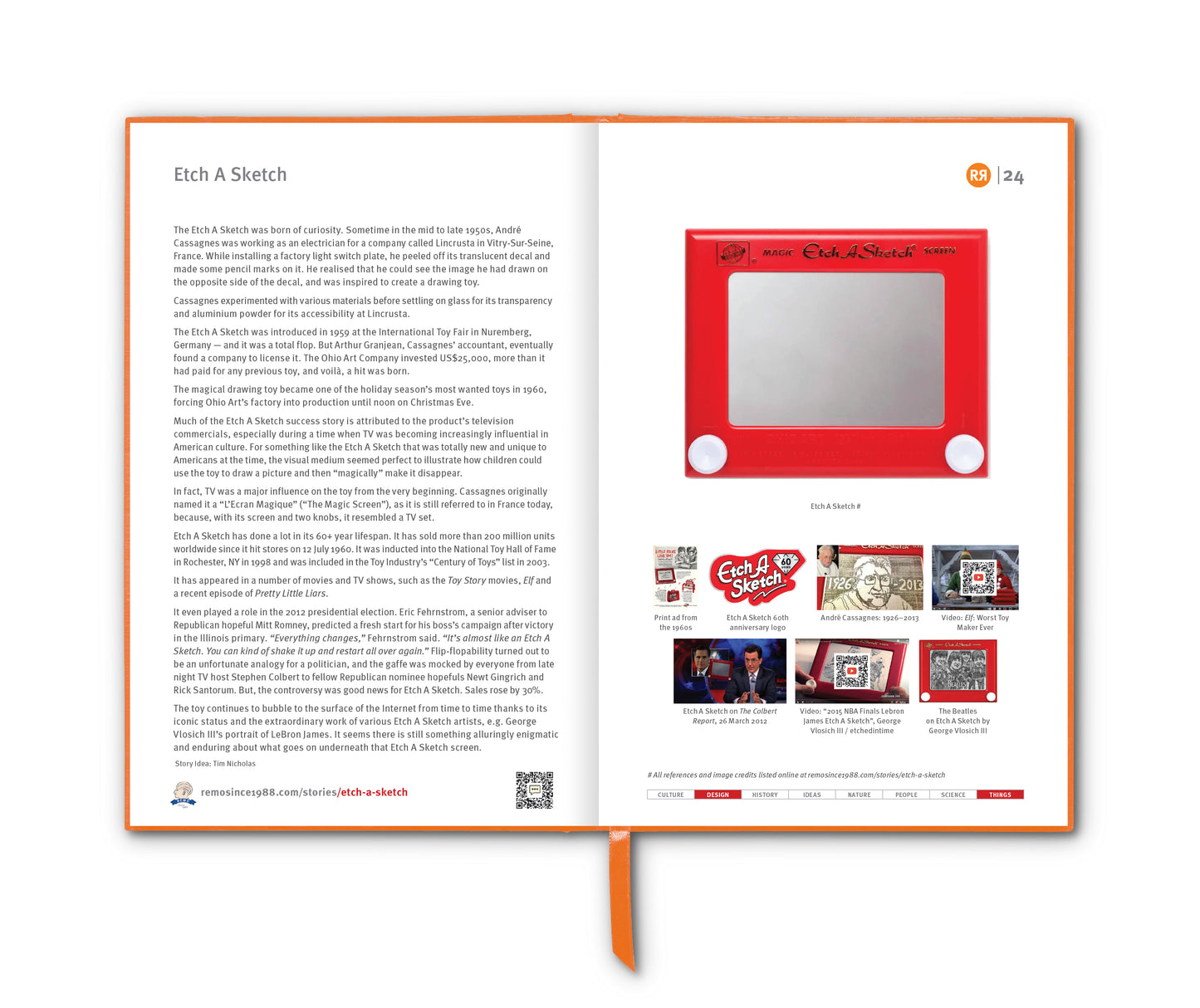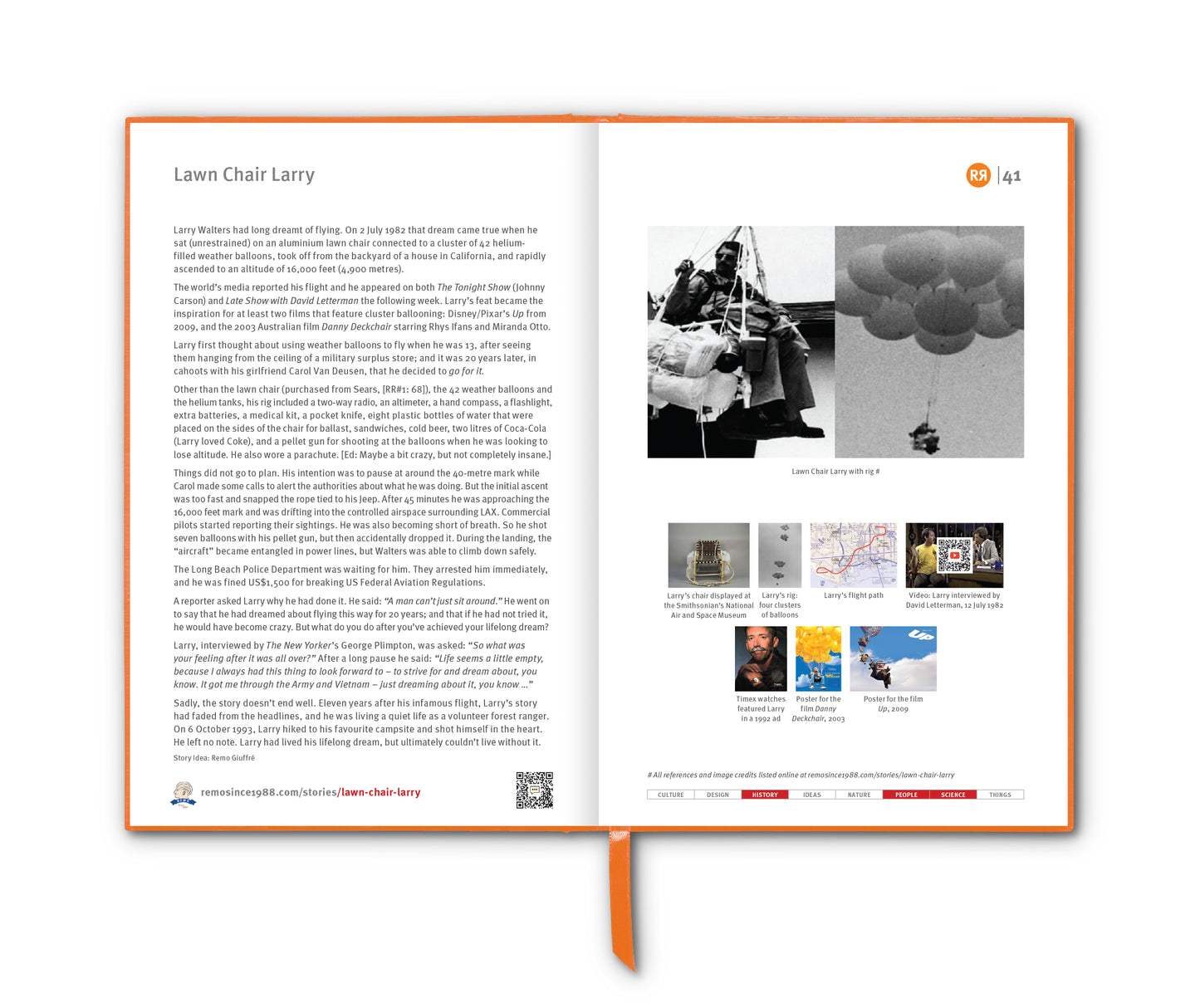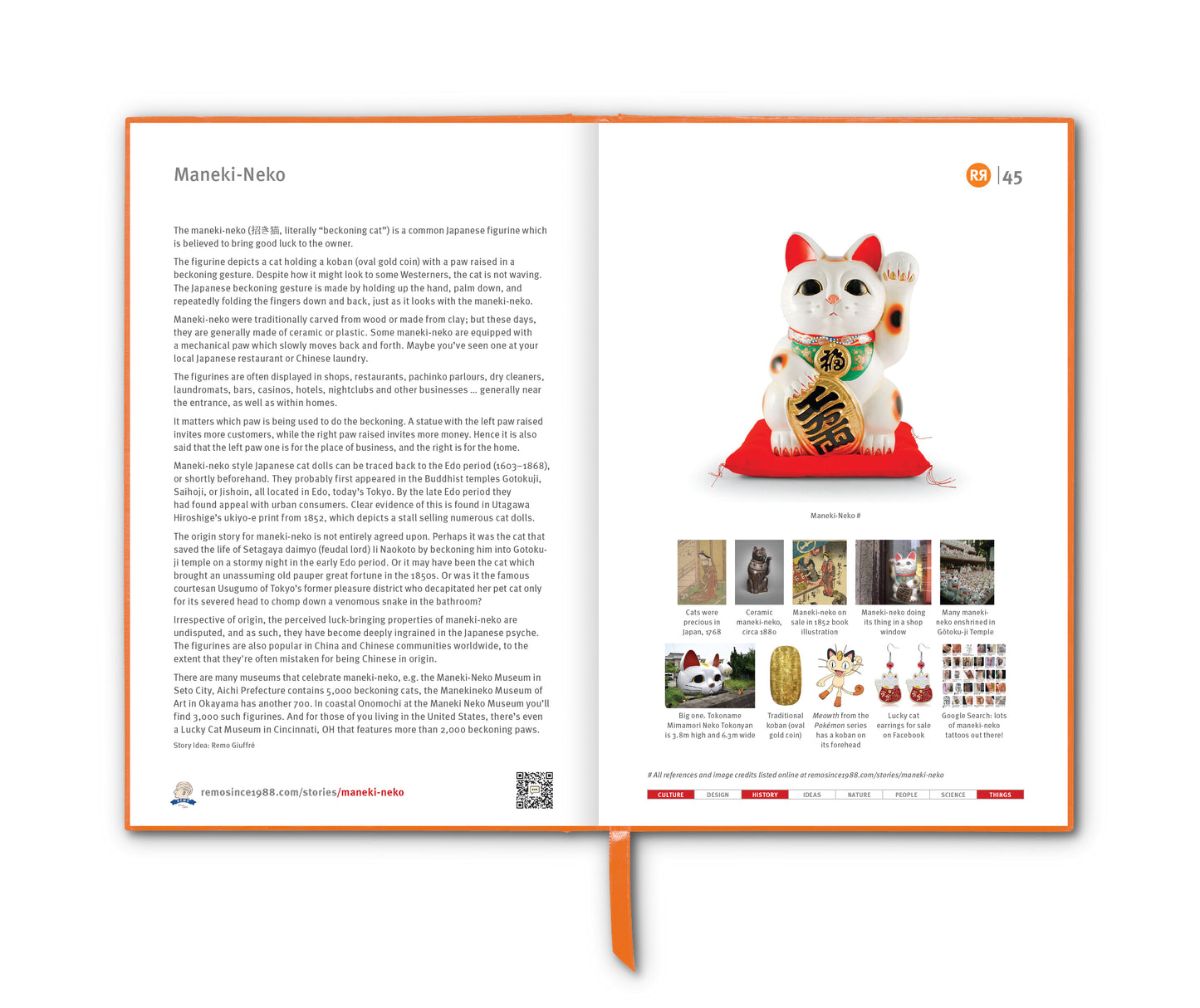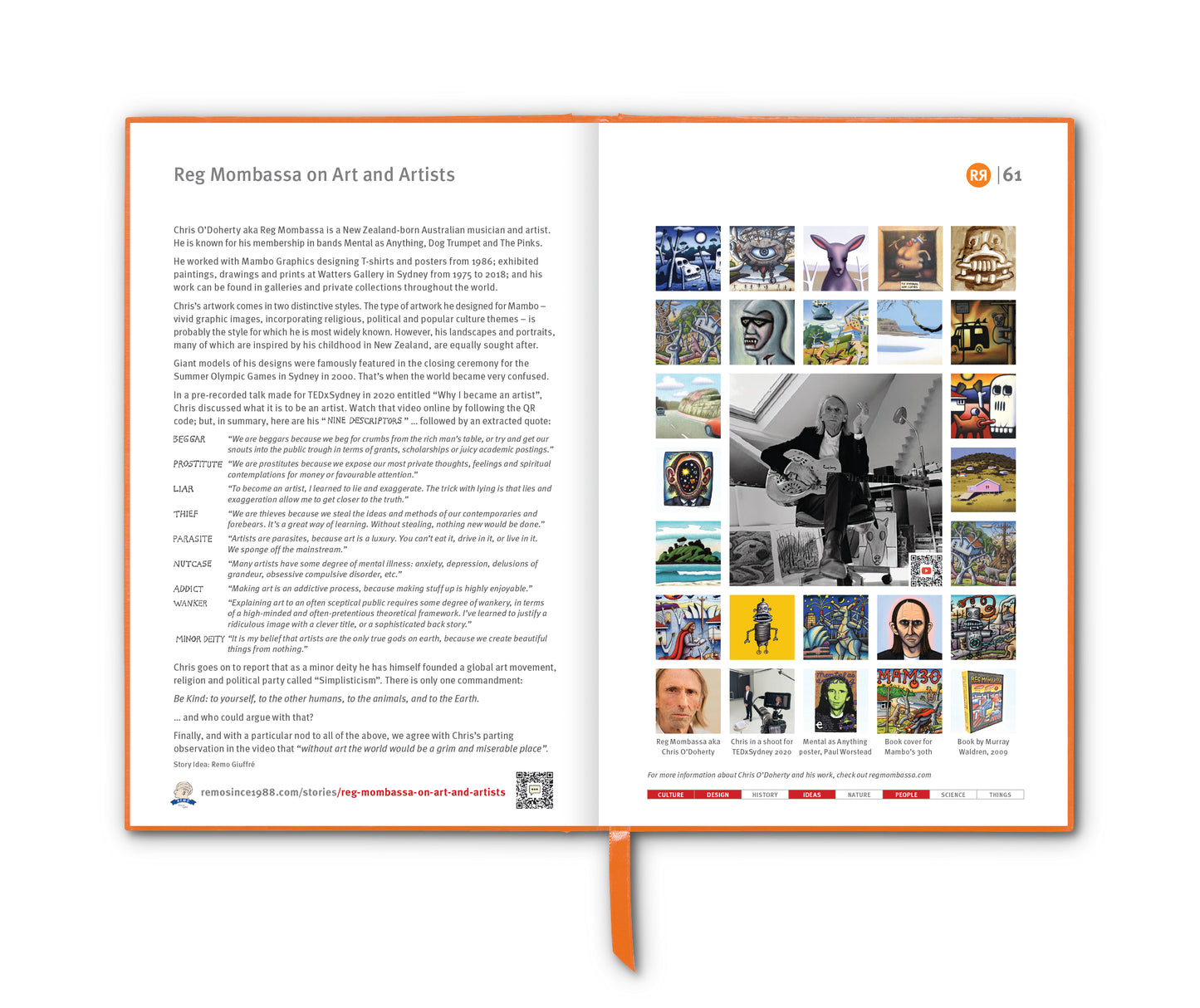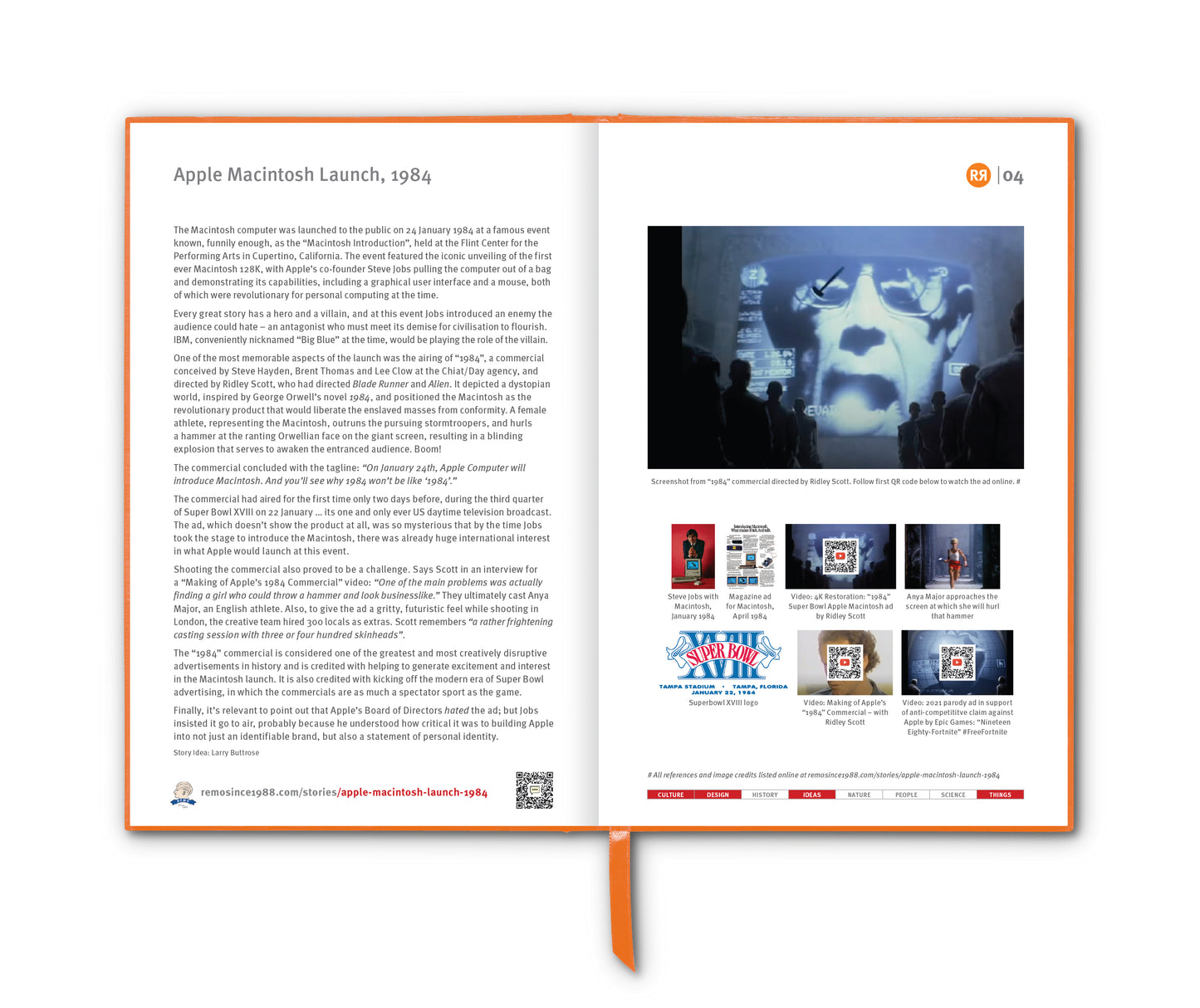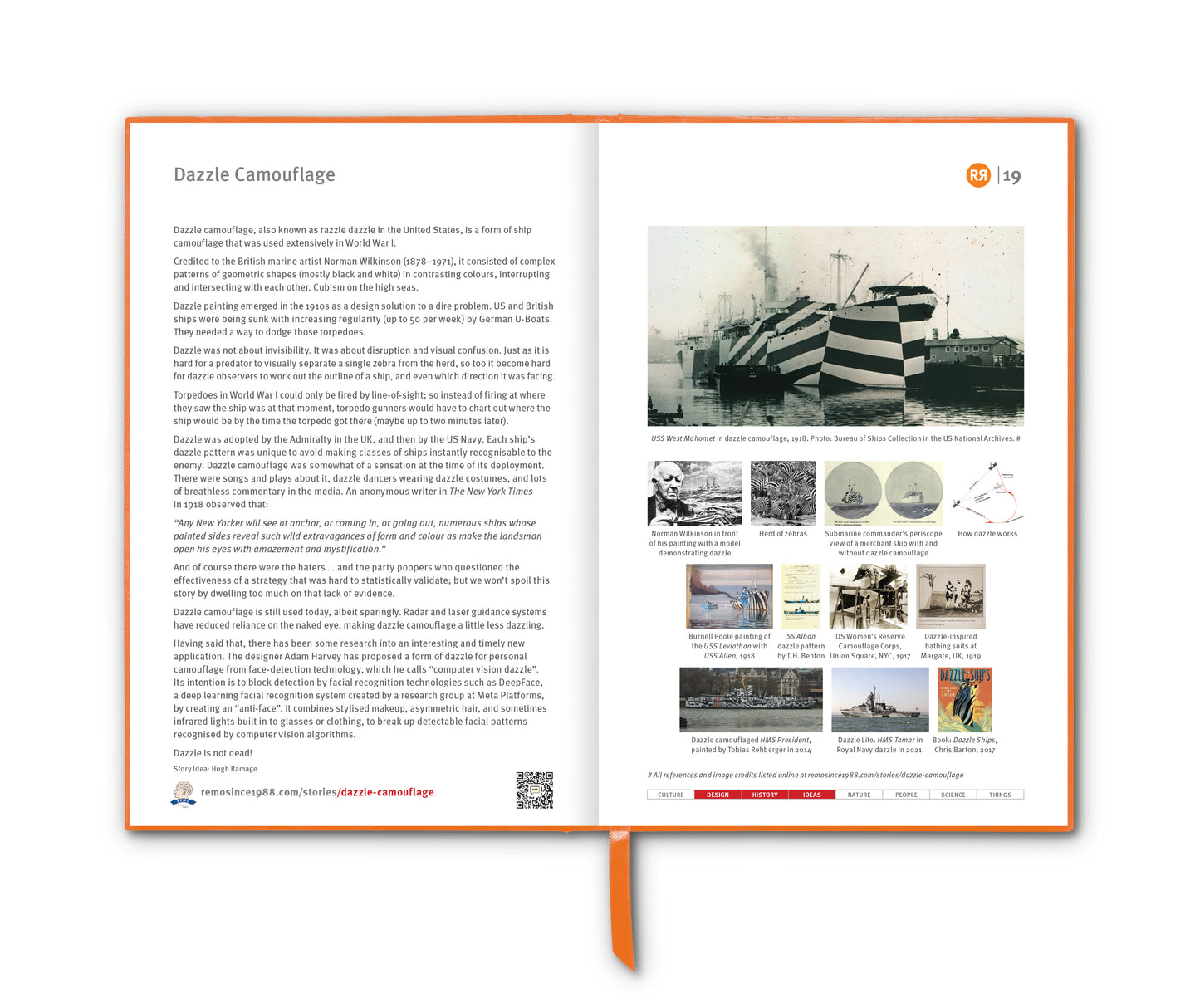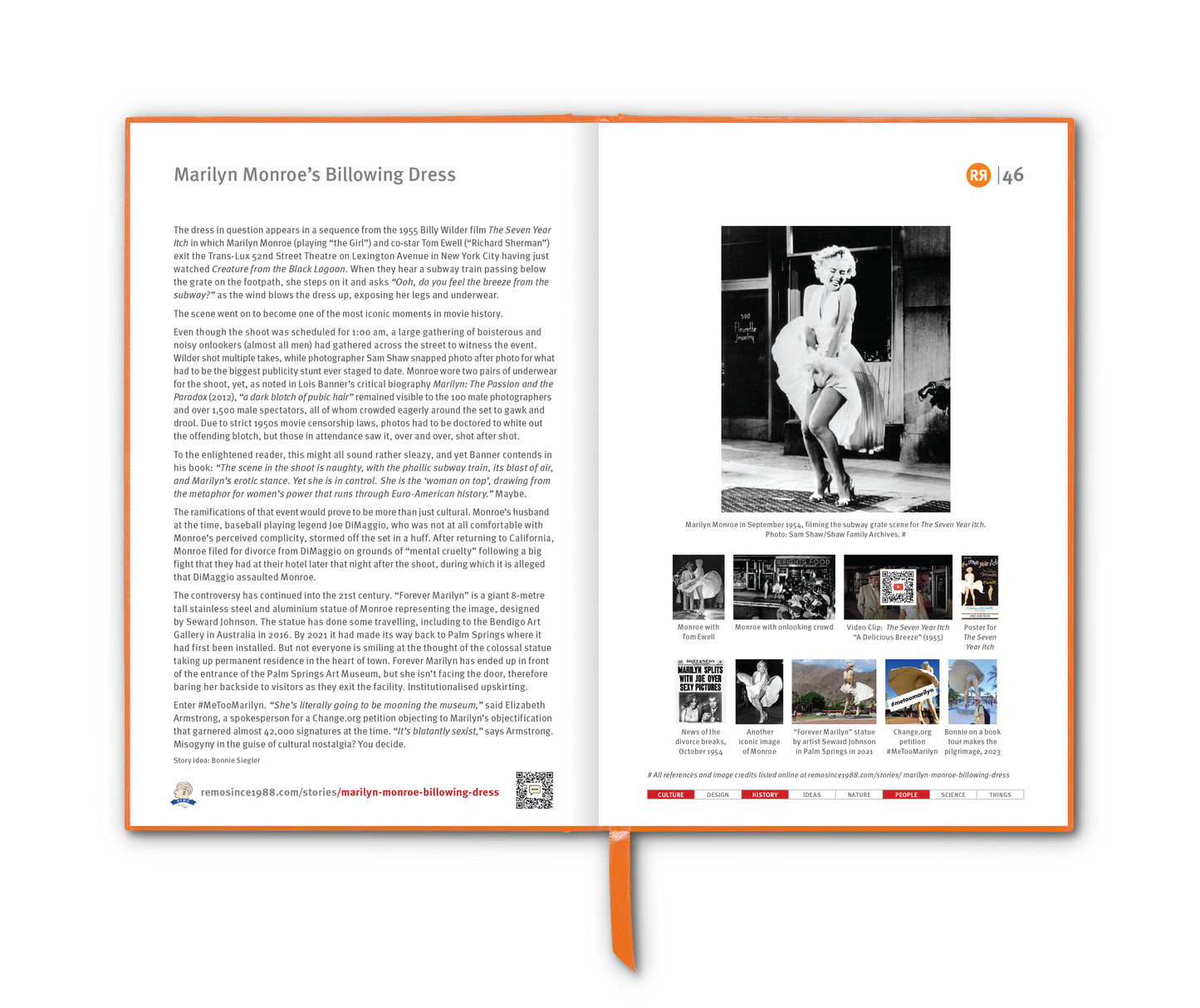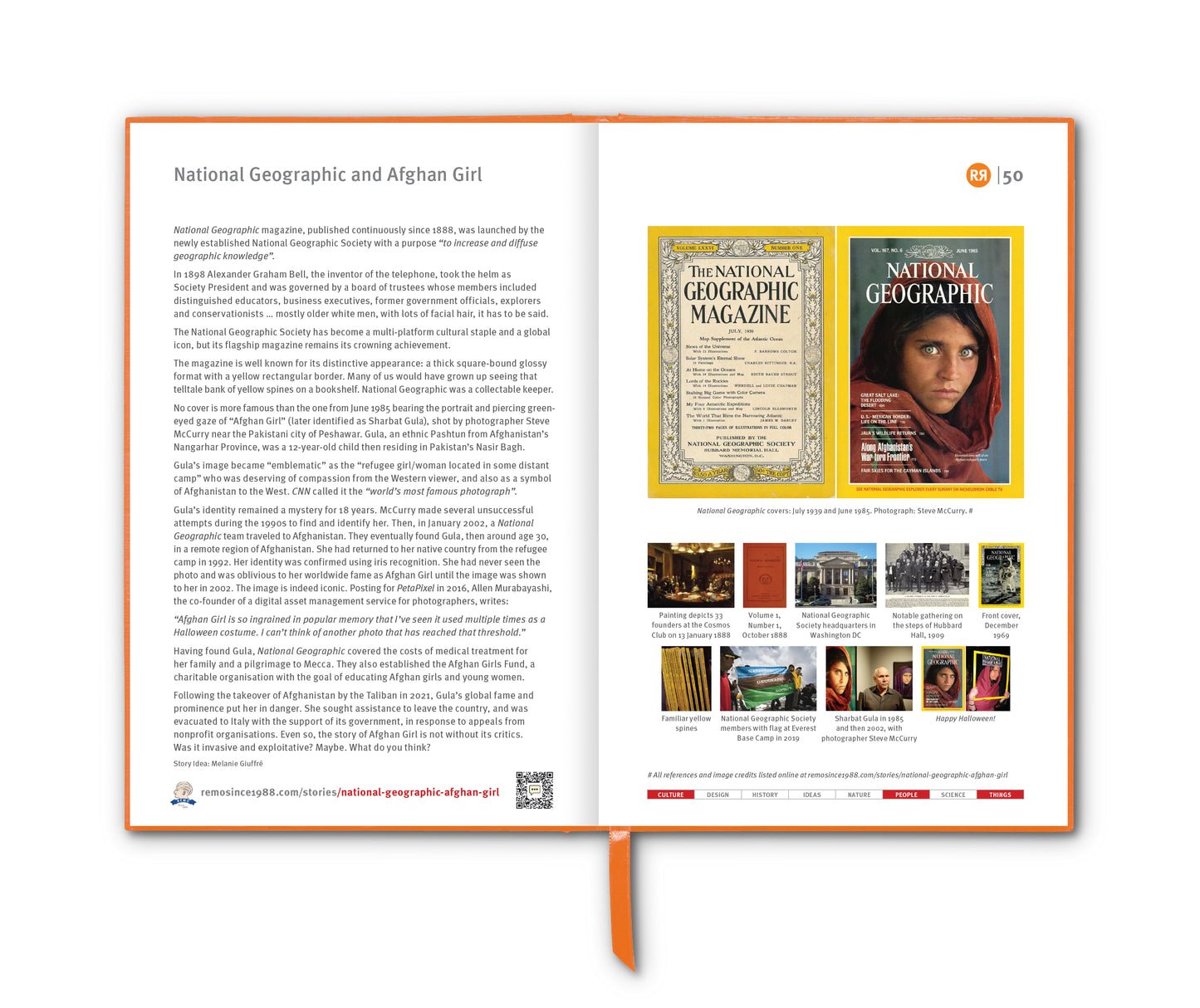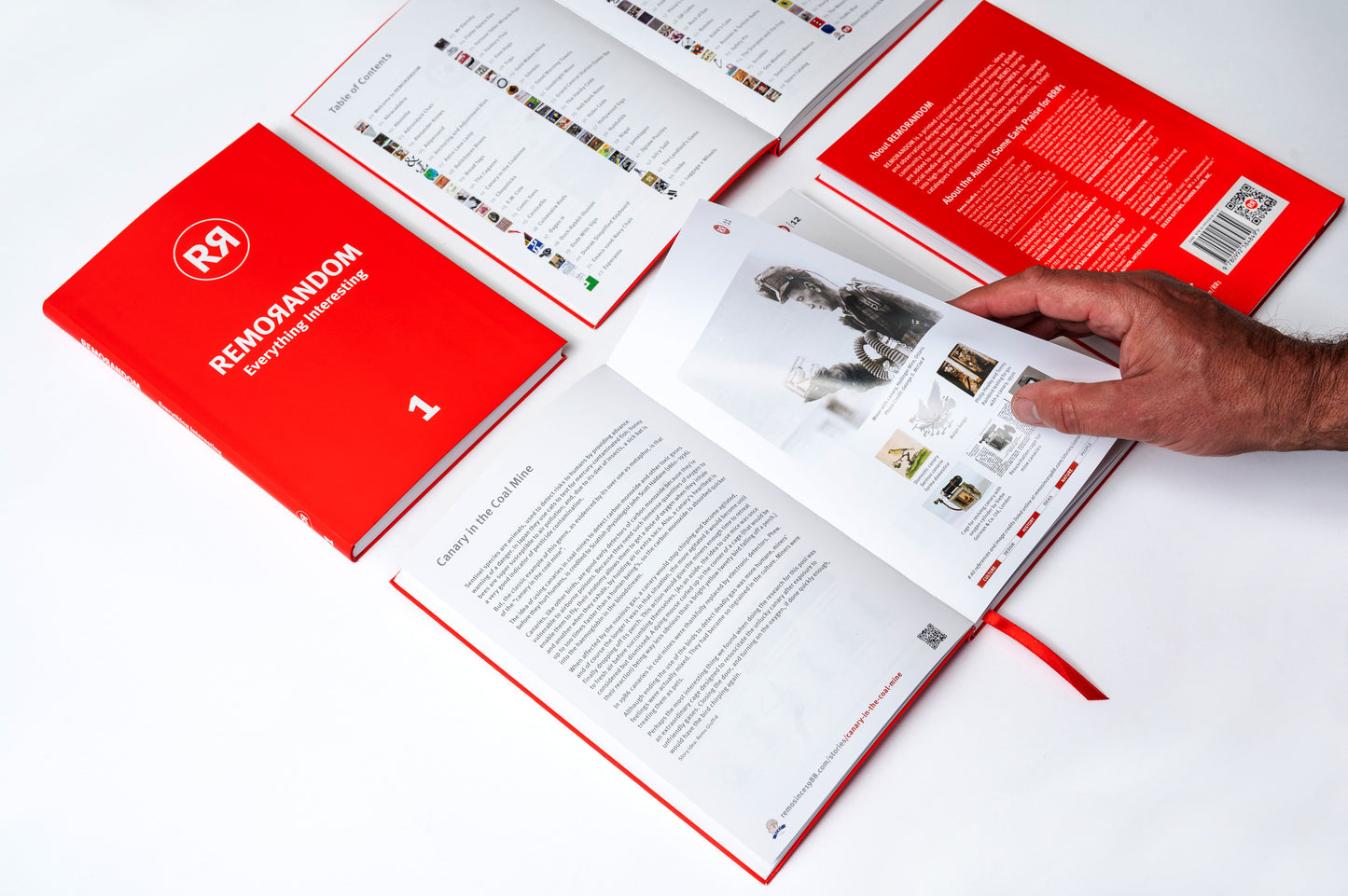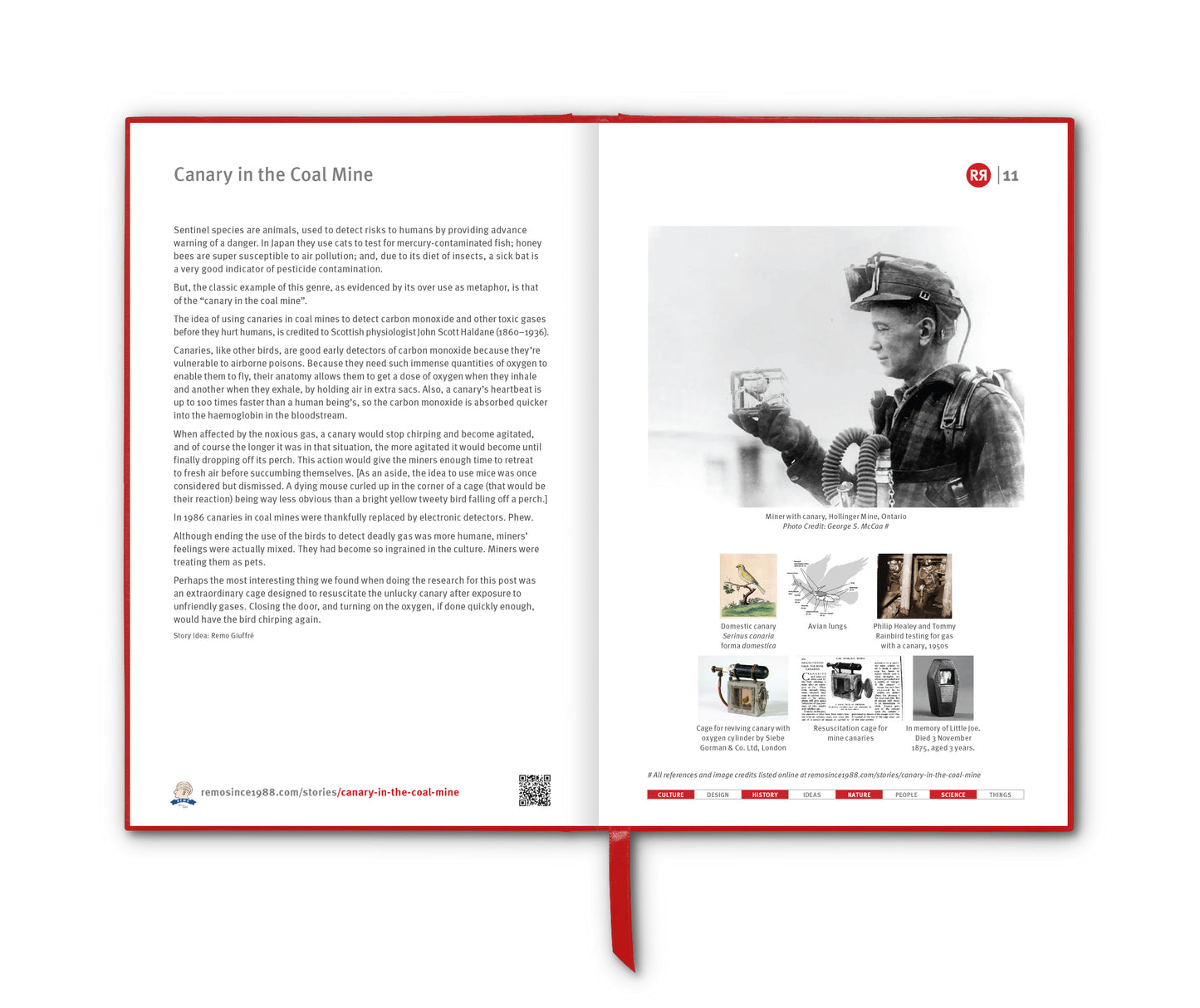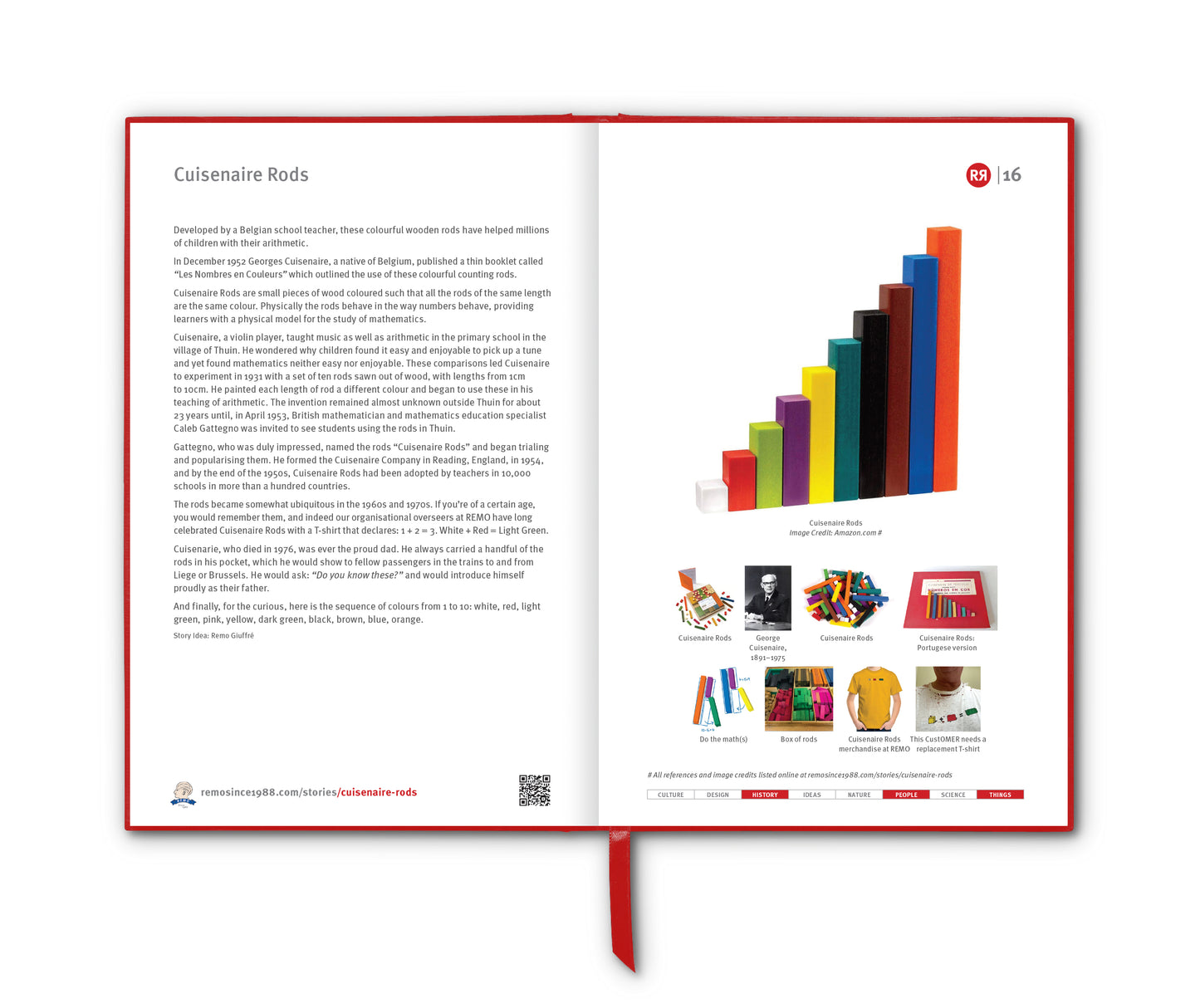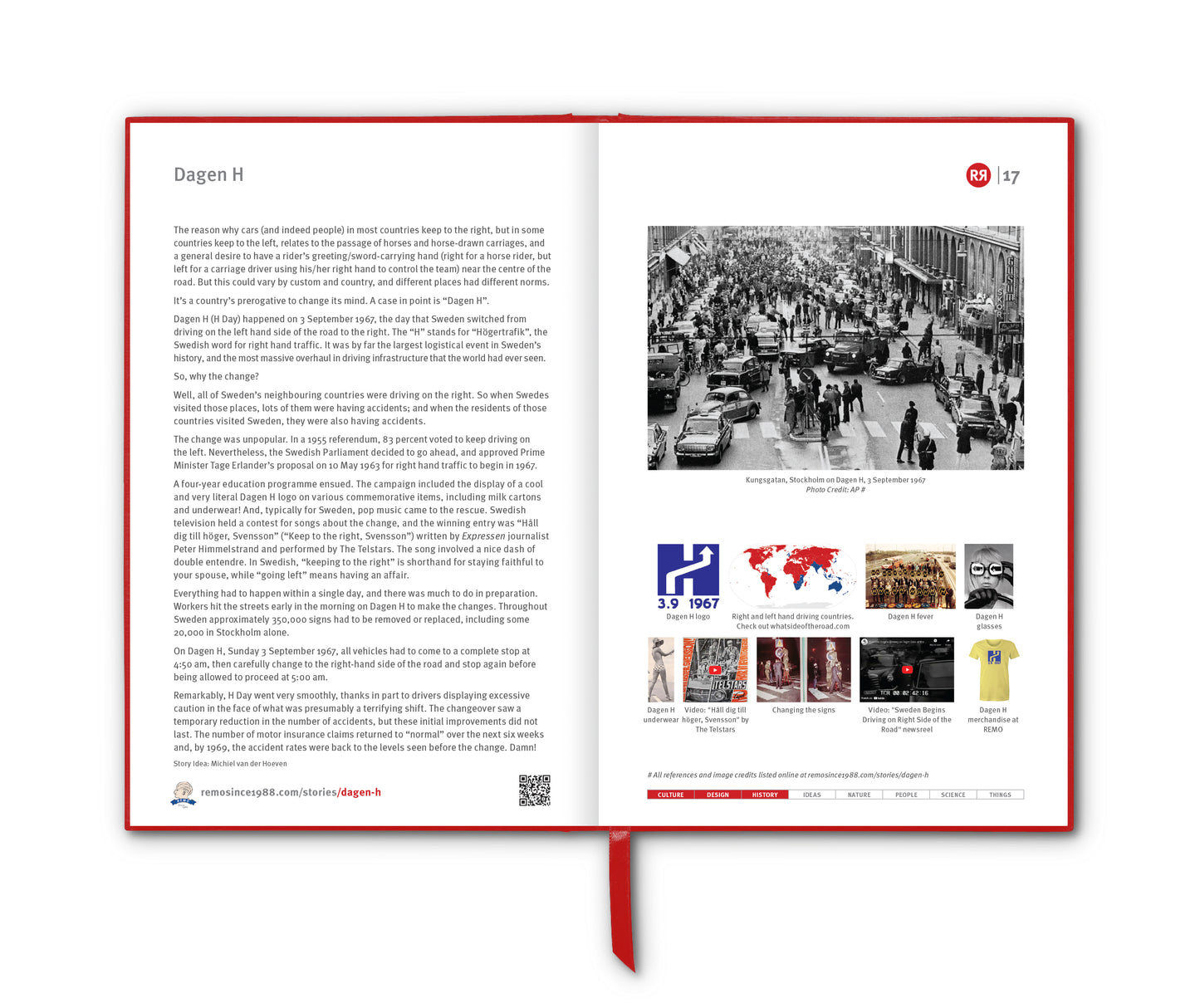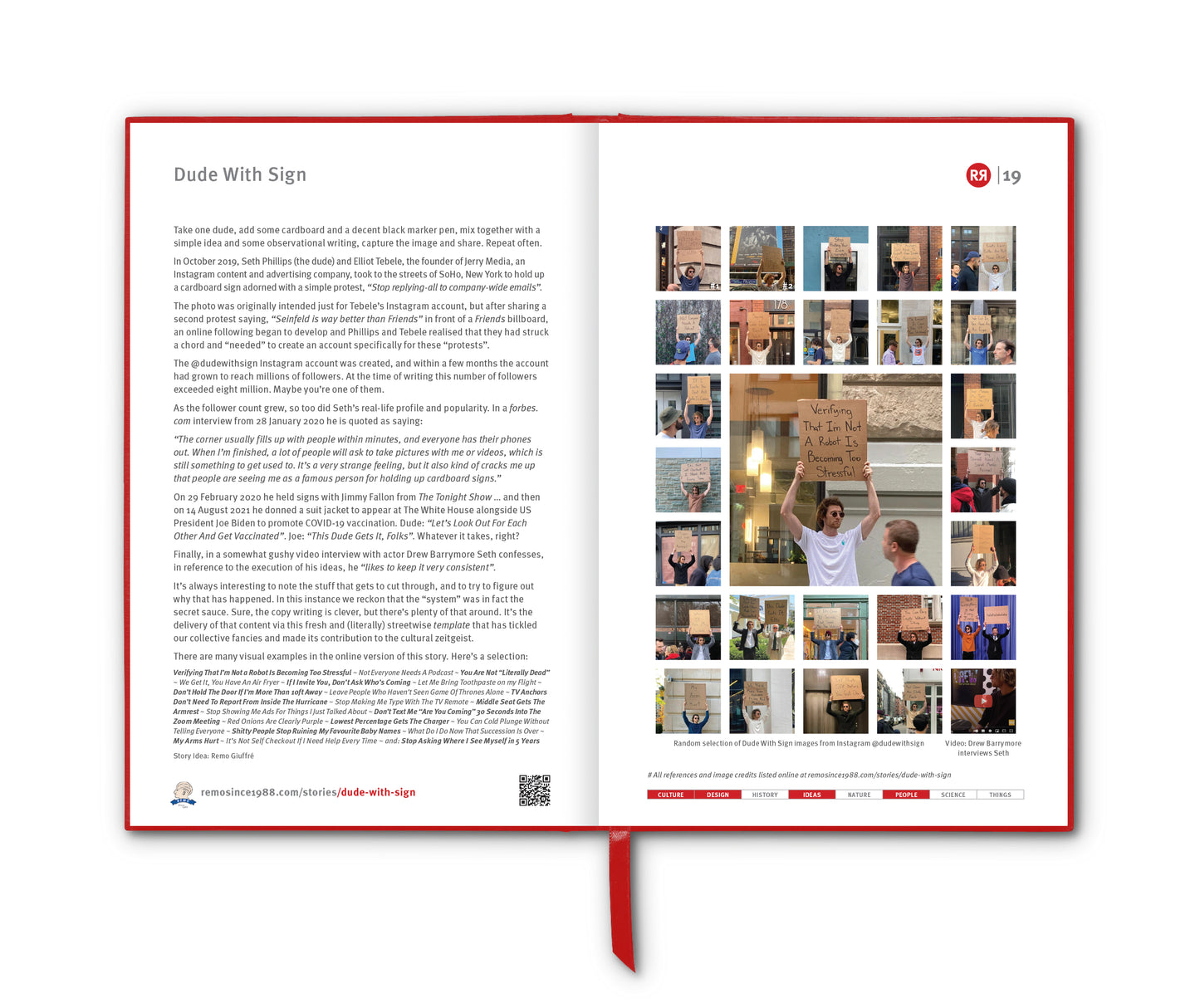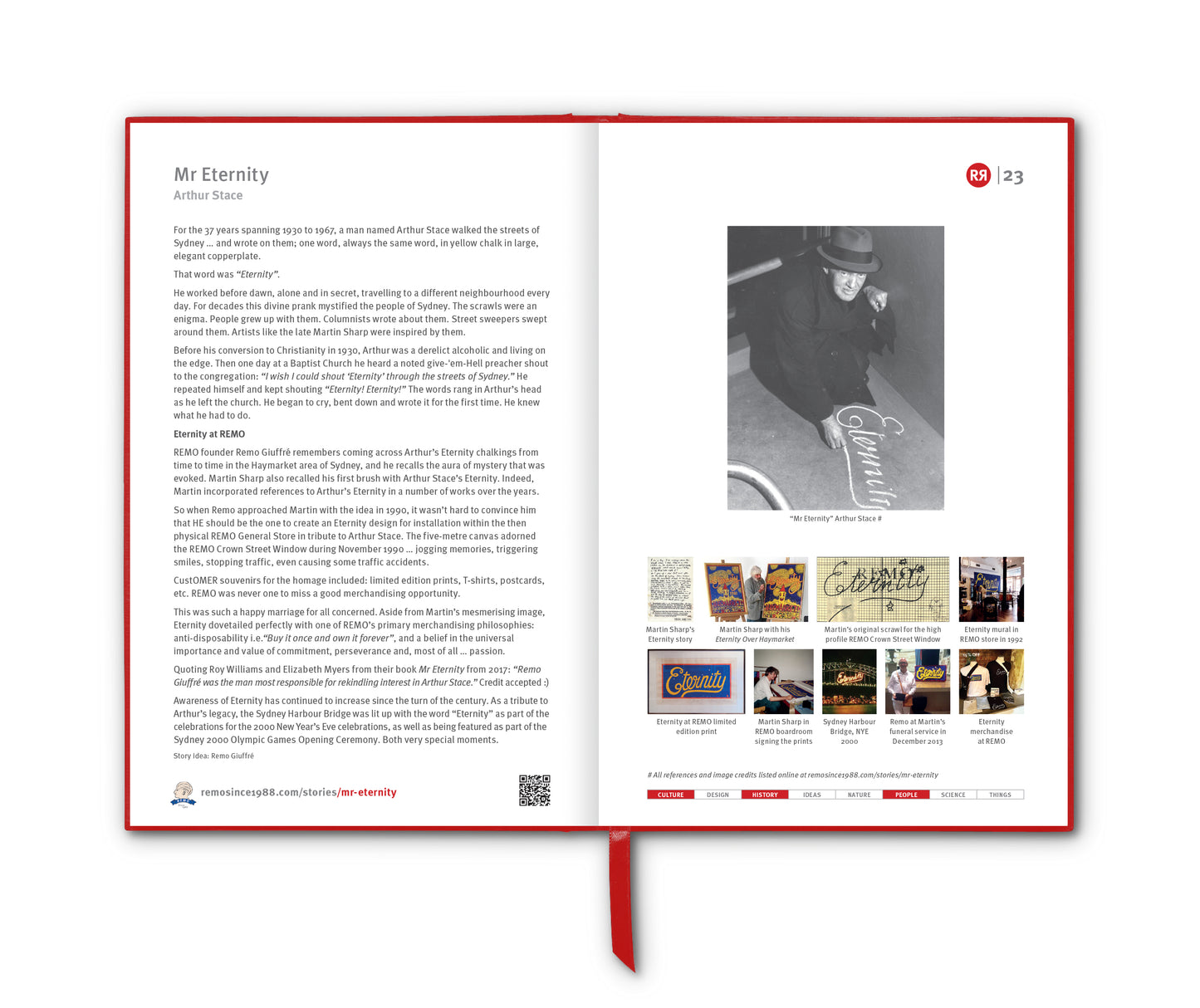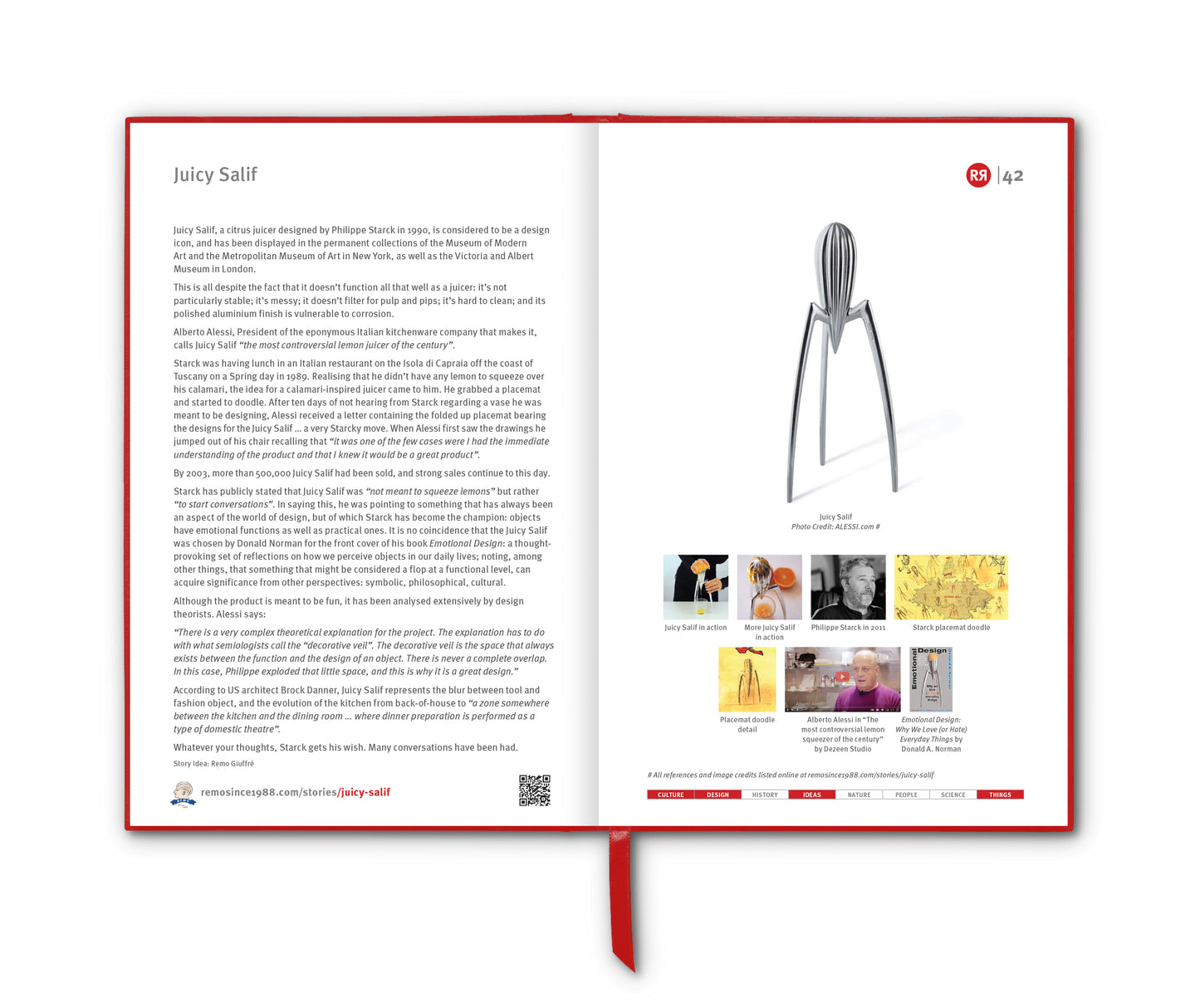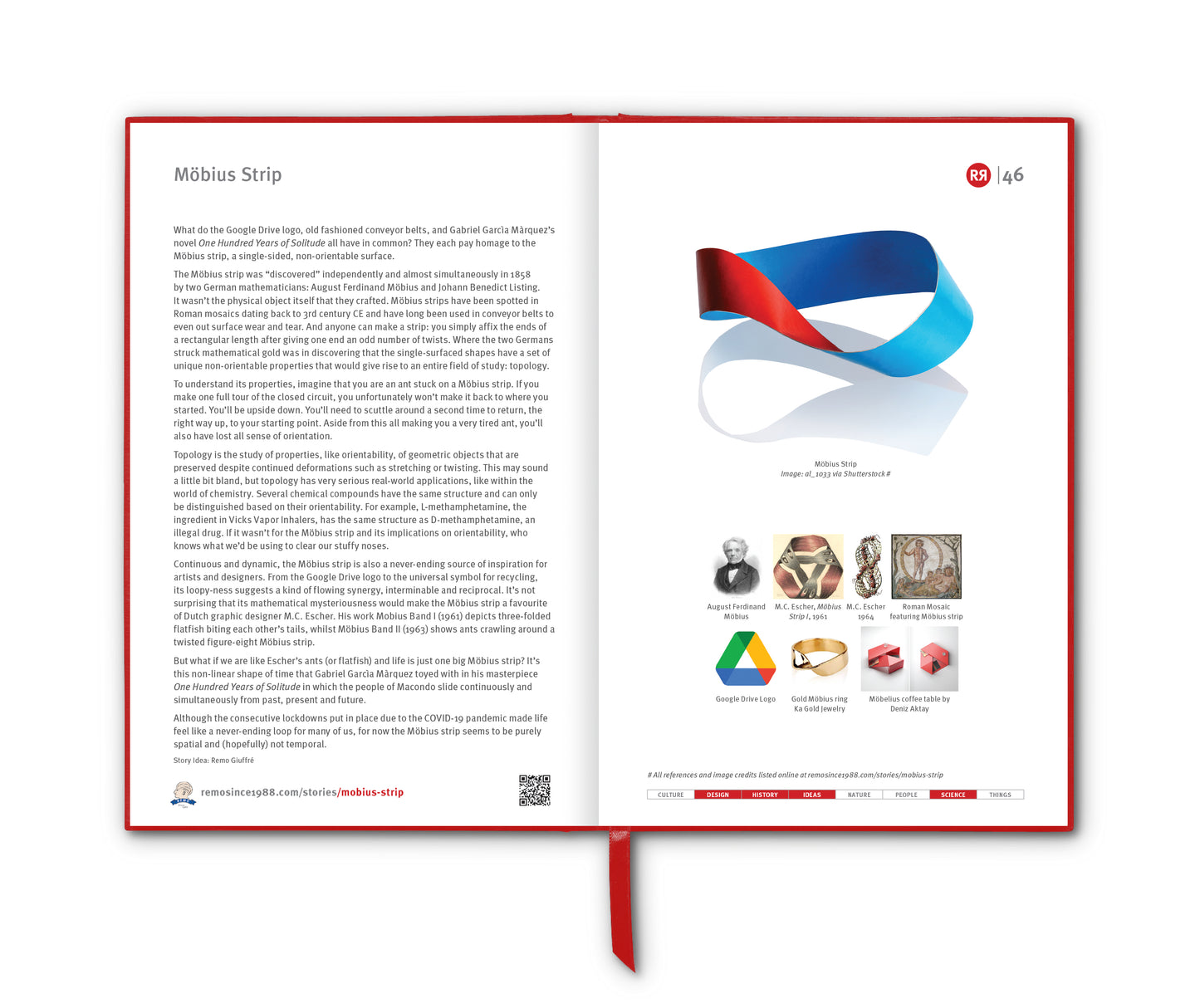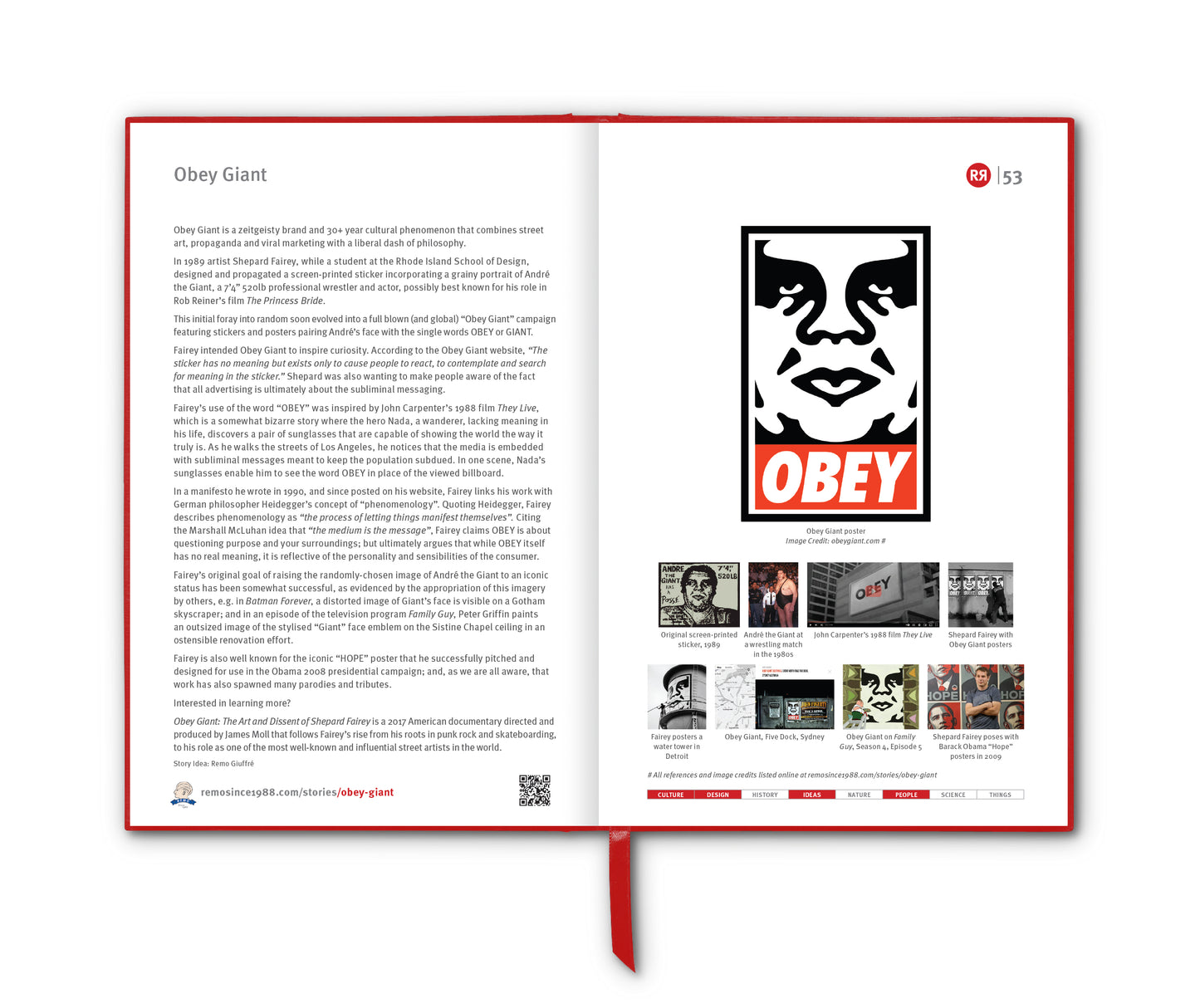

Simple free-reed instruments that emerged in Europe in the 19th century were likely descended from much older Asian instruments (e.g. the Chinese sheng) imported during the 18th century. In 1857 a young clockmaker named Matthias Hohner, inspired by an existing firm (Christian Messner & Co.), established a harmonica workshop in the German town of Trossingen. At the time, harmonicas were still a relatively new invention, and Hohner was the first to recognise their mass market potential as affordable instruments for ordinary people. His first year of production yielded only a few hundred harmonicas. Within decades, however, the company was manufacturing millions.
A key factor in Hohner's success was timing. The late 19th century was an age of mass migration, and millions of European emigrants carried harmonicas with them to the Americas. Small enough to fit in a pocket, inexpensive to buy and requiring no formal musical training, the harmonica became the ideal travelling companion. By the early 20th century, Hohner was exporting vast quantities to the United States, where the instrument found fertile ground in rural and working-class communities.
The harmonica became especially important in the development of the blues. African American musicians embraced the instrument and transformed it into something far beyond its European origins. Players such as Sonny Boy Williamson II, Little Walter and Junior Wells developed expressive techniques that made the harmonica wail, moan and sing in ways that rivalled the human voice. The iconic Hohner Marine Band model, introduced in 1896 and made in Germany on a wood comb, became a favourite among blues musicians and remains in production today. The Blues Harp, another iconic Hohner harmonica, has been around since the early 1970s.
The instrument also became deeply embedded in popular culture. Bob Dylan made the harmonica an essential part of the folk revival of the 1960s, often performing with a harmonica mounted in a neck holder while playing guitar. In rock music, artists including Neil Young, Bruce Springsteen and Mick Jagger helped keep its distinctive sound alive. The harmonica has also appeared in countless film scores, westerns and television soundtracks, often used to evoke loneliness, travel or wide-open landscapes.
Today, Hohner remains the world's best-known harmonica manufacturer and has produced over one billion of them. Many are imported from China, but Hohner makes its higher-end harmonicas in Trossingen with wood from local trees. To this day, the town's residents simply say die Firma – “the firm” – to refer to Hohner, the company that has employed thousands of locals for much of the 19th and 20th centuries.
Postscript
On 16 December 1965, a Hohner harmonica became the first musical instrument to be played in outer space. Approximately five hours after the successful manoeuvering of two spacecraft to within 15cm of each other, Gemini 6 astronauts Walter "Wally" Schirra and Tom Stafford, pretending to be a UFO called Santa Claus, played "Jingle Bells" using a bell and a miniature “Little Lady” Hohner harmonica that they had smuggled aboard.
__________________________
References
hohner.de/en/company/heritage
greatbigstory.com/the-history-of-the-harmonica
harmonica.com
smithsonianmag.com/history/industrial-espionage-and-cutthroat-competition-fueled-rise-humble-harmonica
Images
1. Hohner "Marine Band" 1896
2. Man playing sheng outdoors, Beijing. Photo credit: Anagoria
3. Matthias Hohner (1833–1902)
4. Map of Germany showing Trossingen
5. Hohner billboard
6. Vintage Hohner poster. Credit: Christopher Cormack/CORBIS
7. Hohner harmonicas
8. Harmonica playing steel workers perched on a girder on the 22nd storey of the Murray Hill building, New York, circa 1930. Photo credit: General Photographic Agency/Getty Images
9. Bob Dylan with harmonica, recording his first album in November 1961. Photo credit: Michael Ochs Archives/Getty Images
10. Hohner "Little Lady" harmonica
11. Ad for Hohner in space, 1965