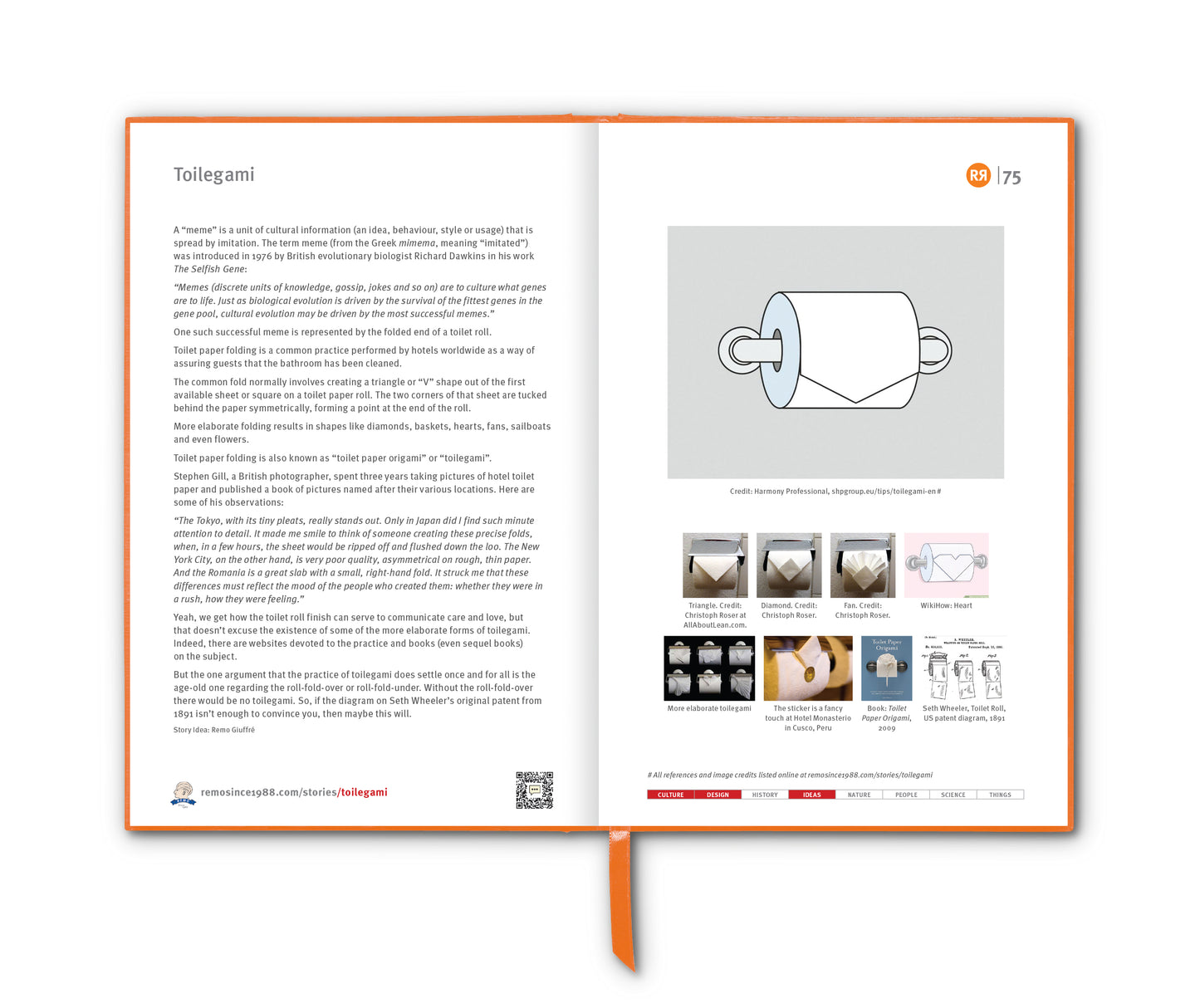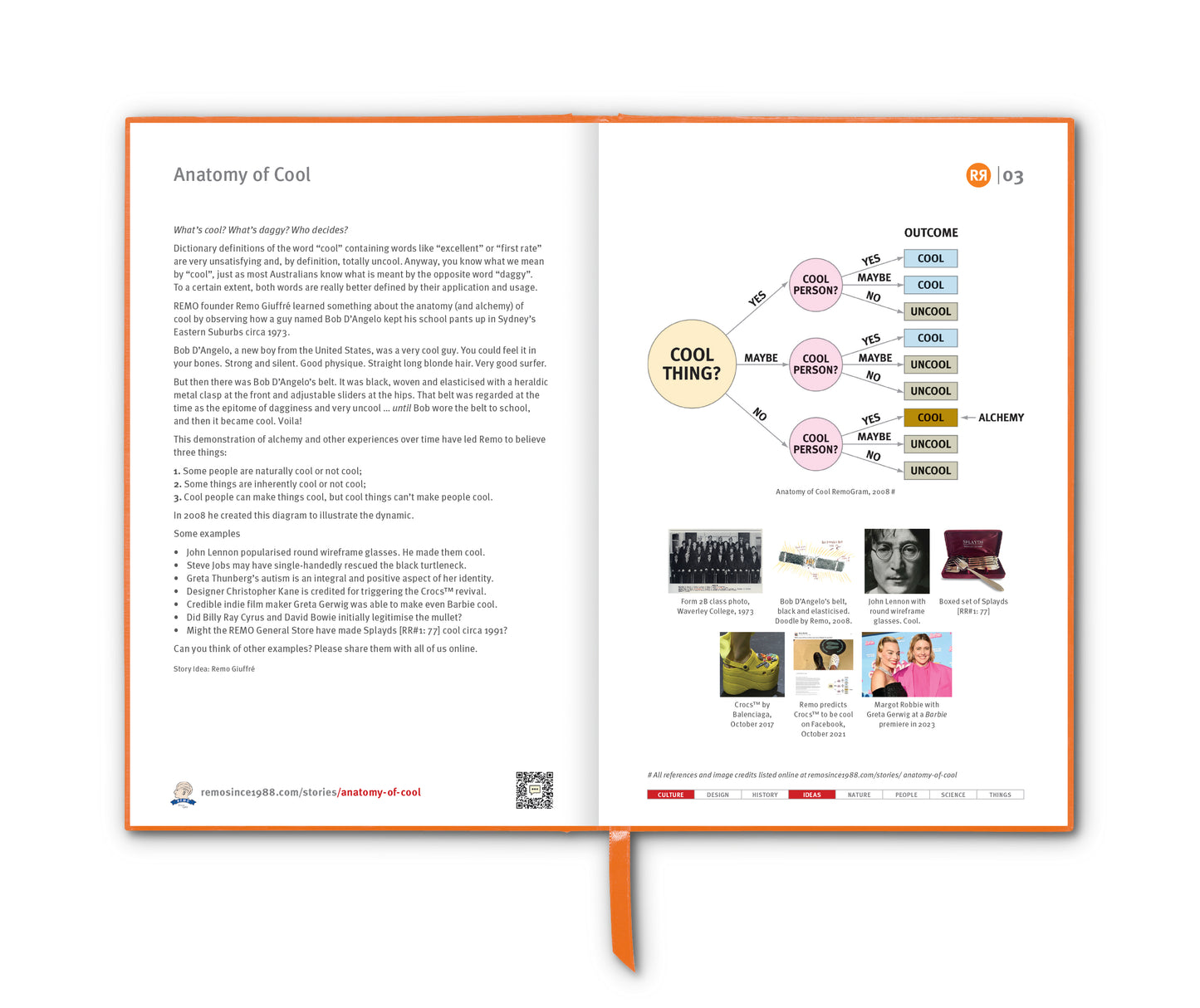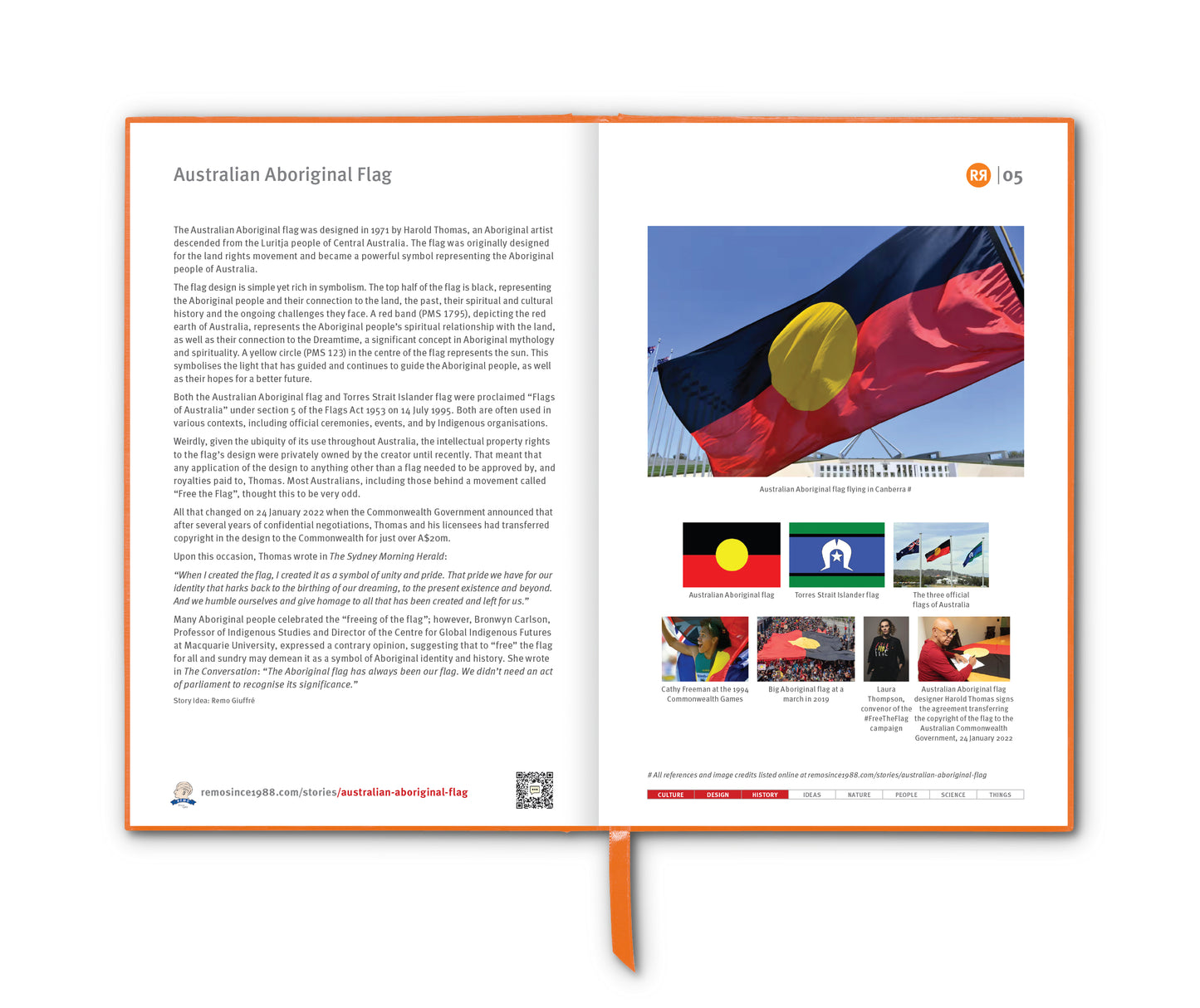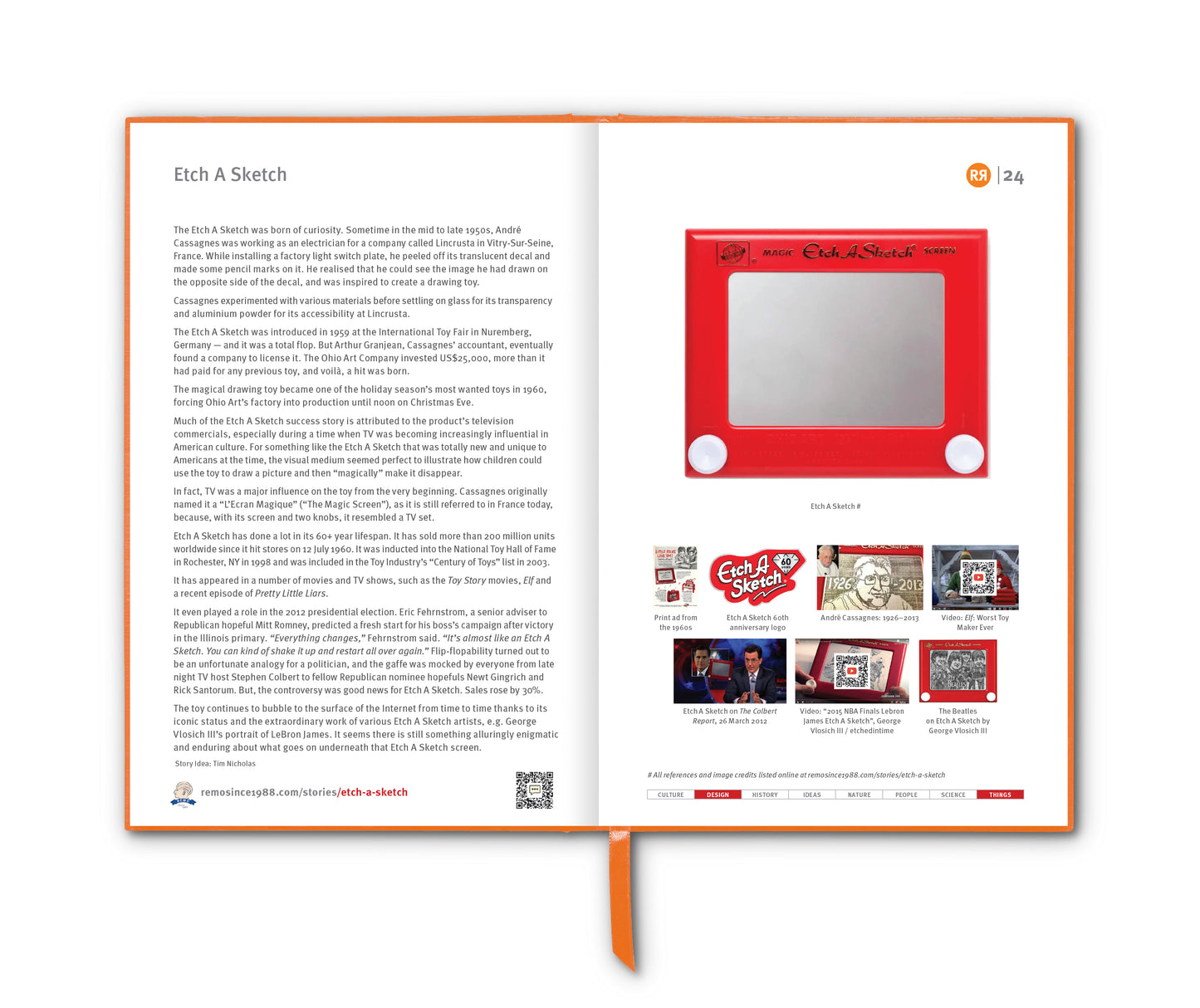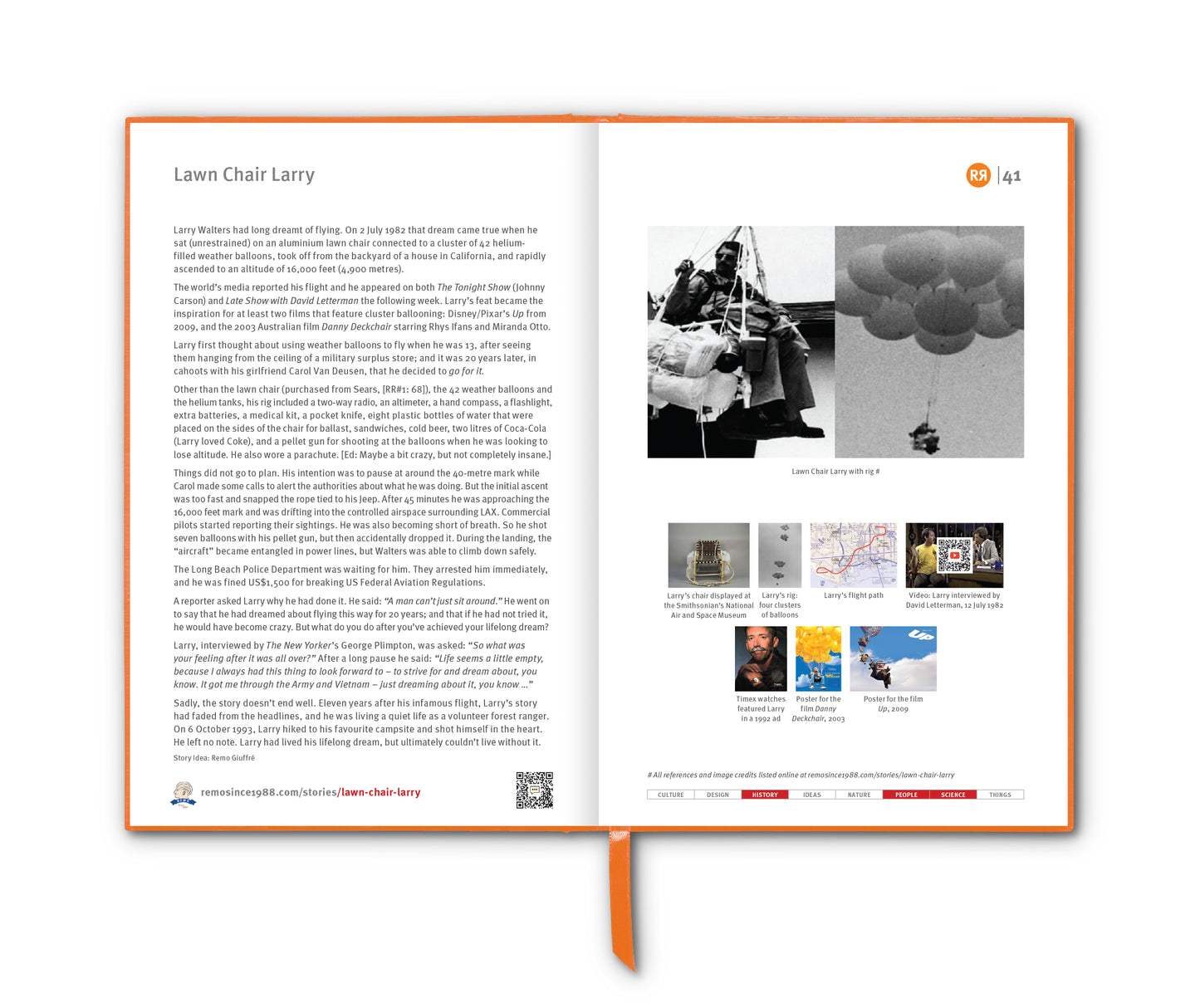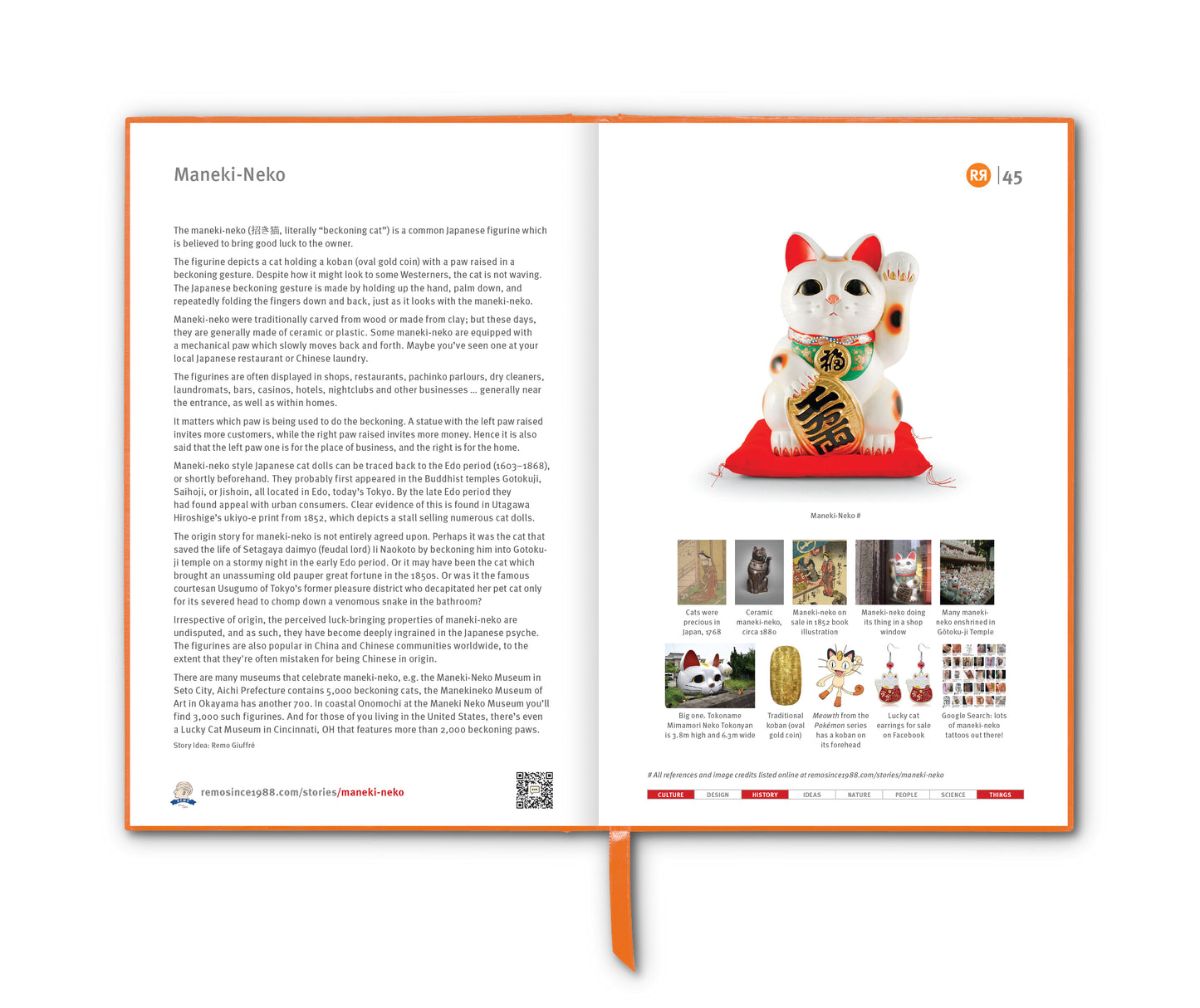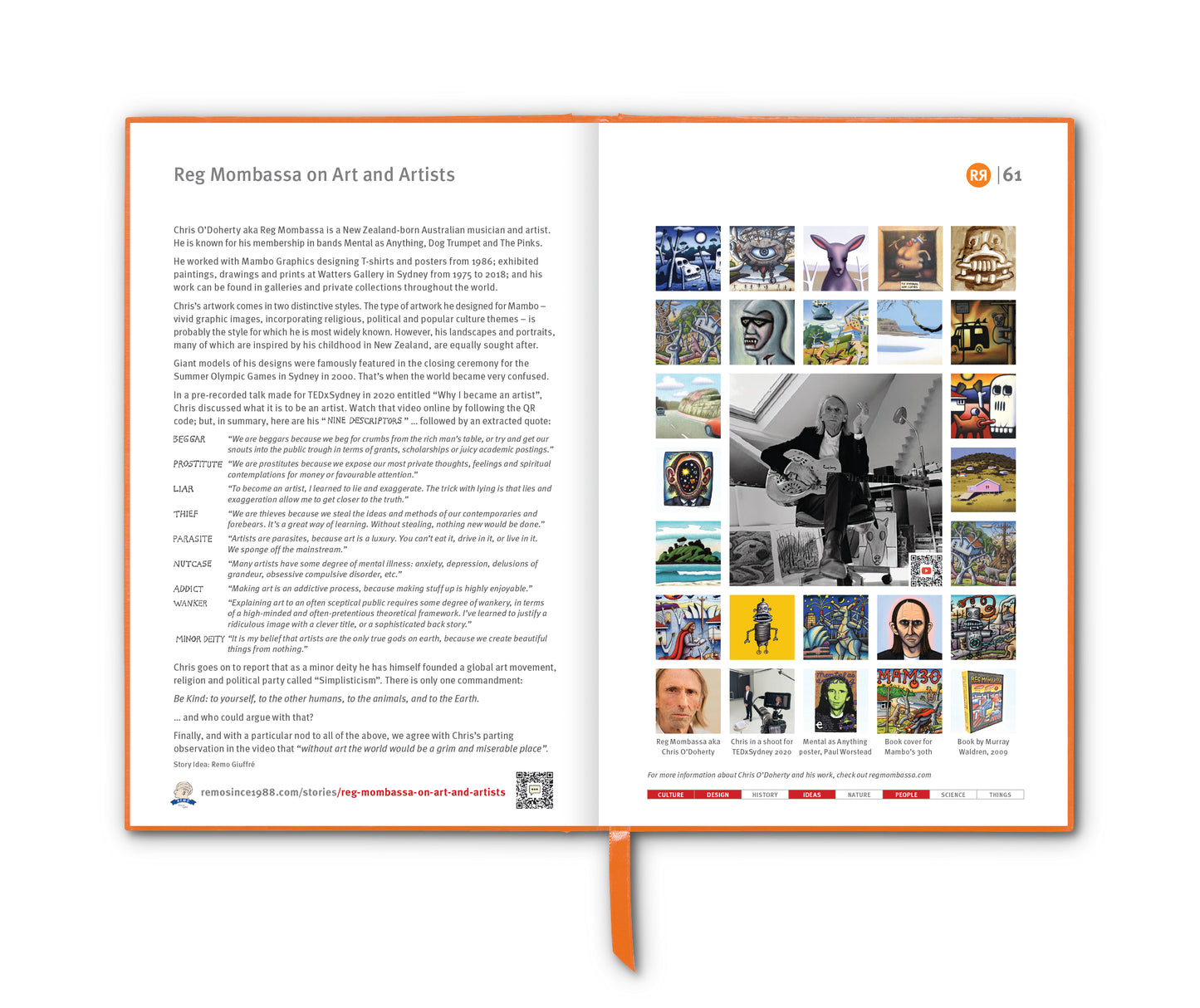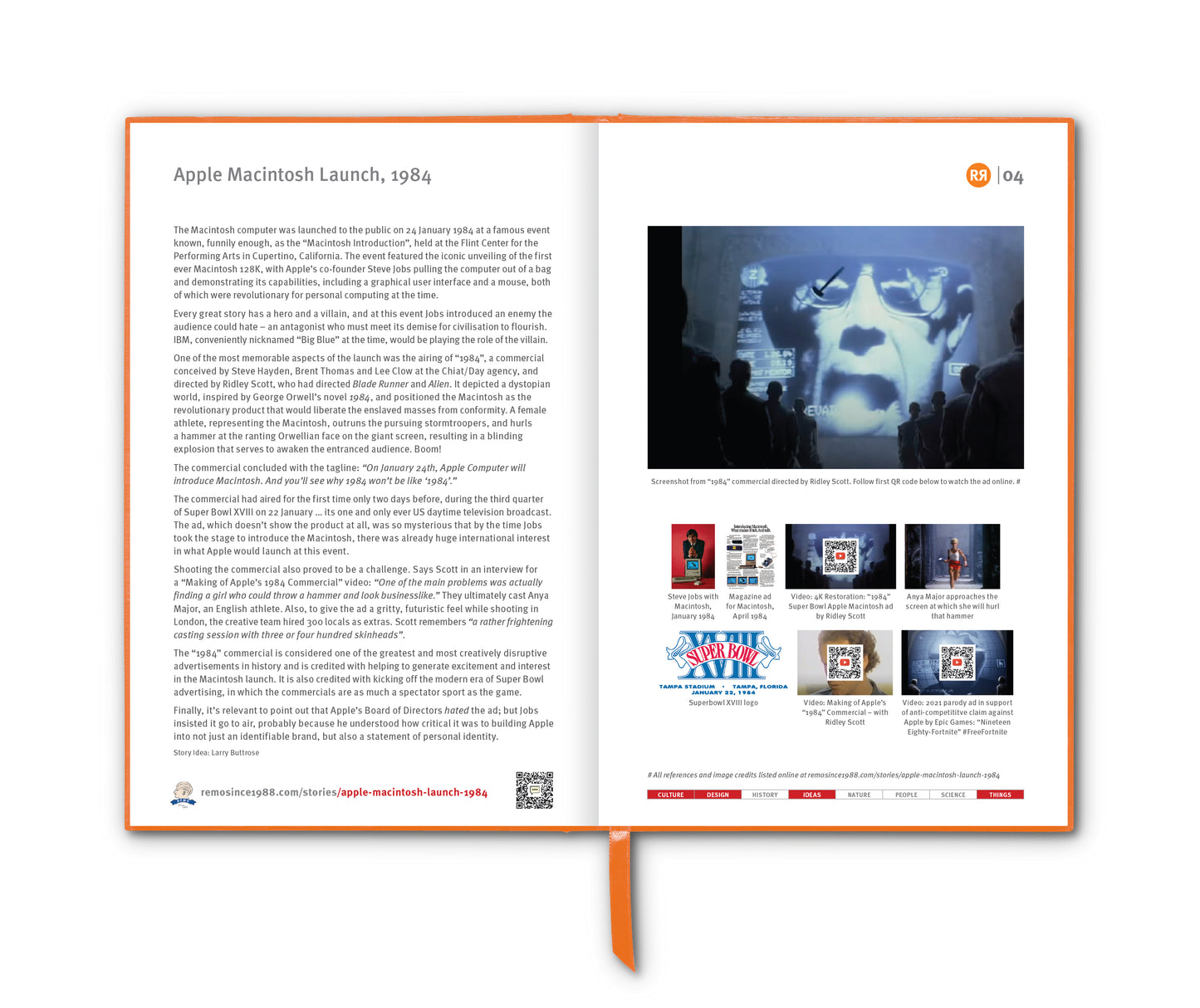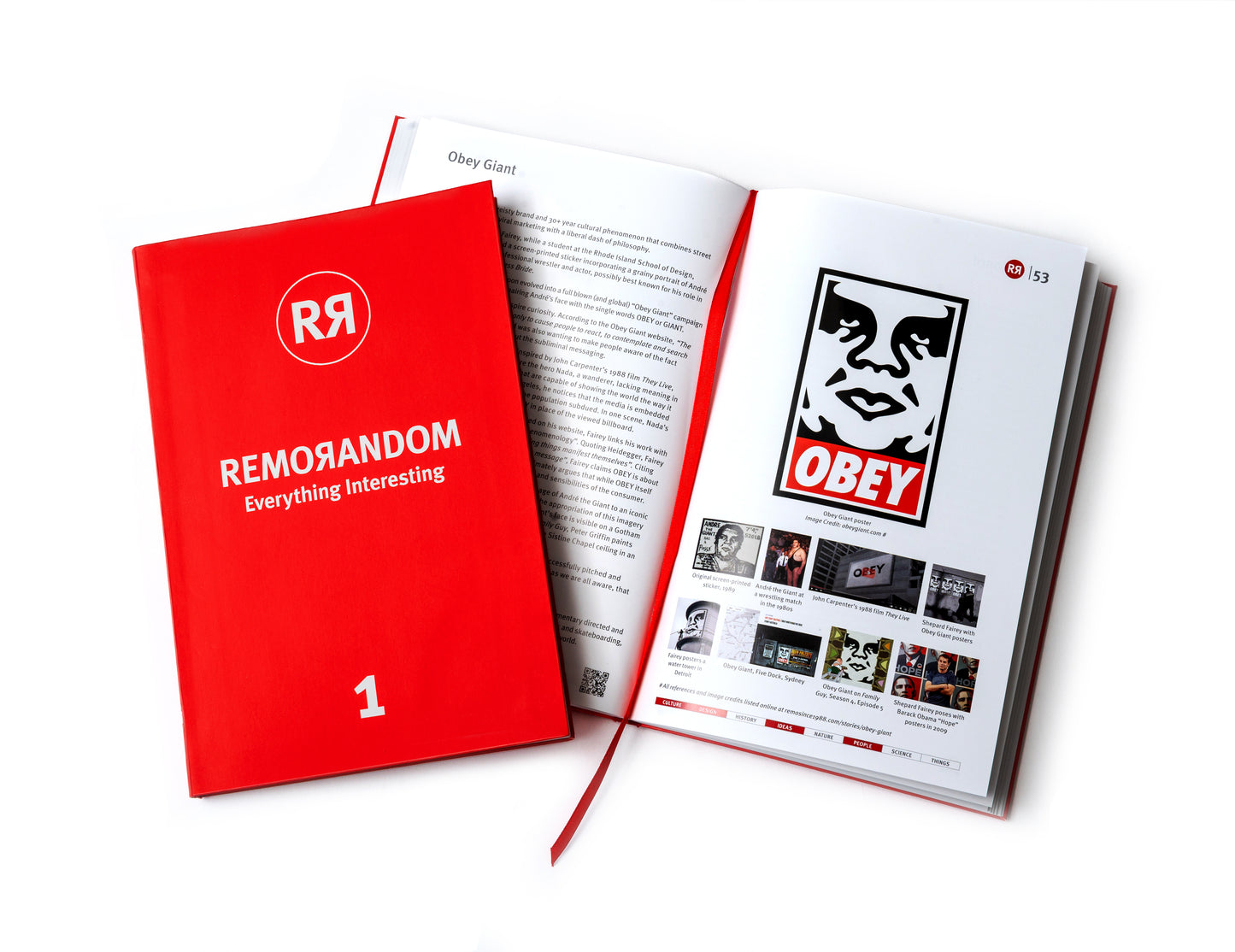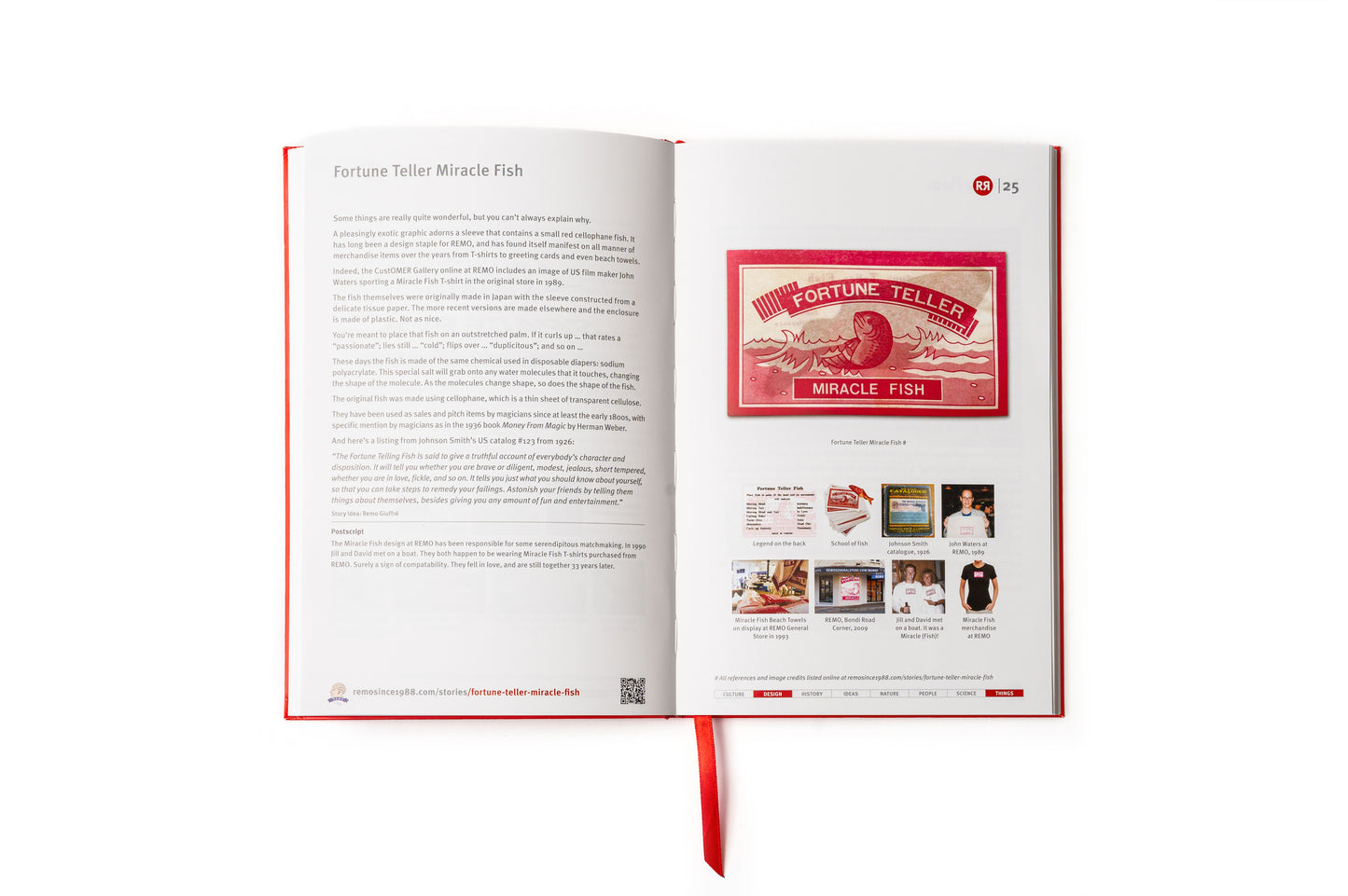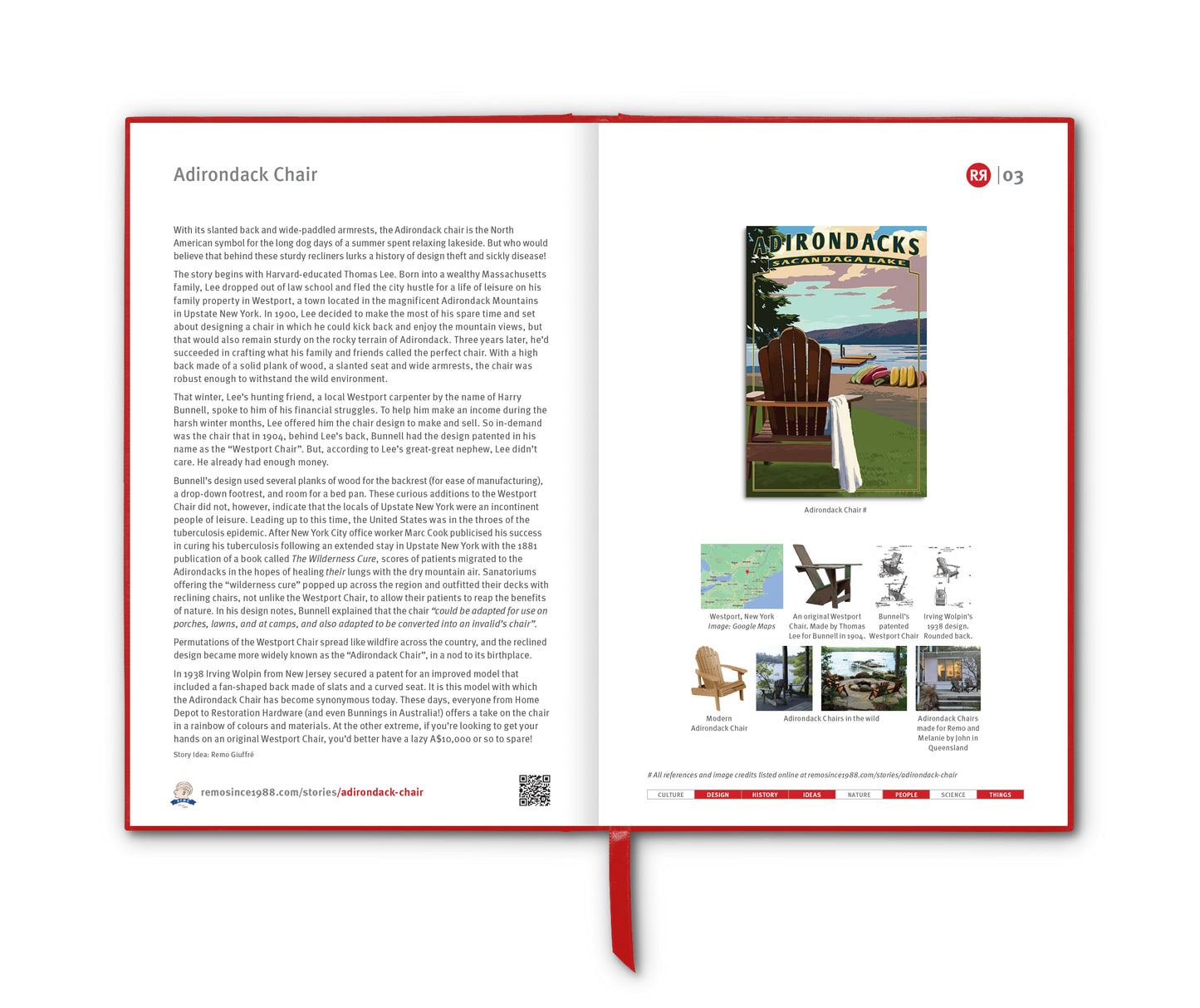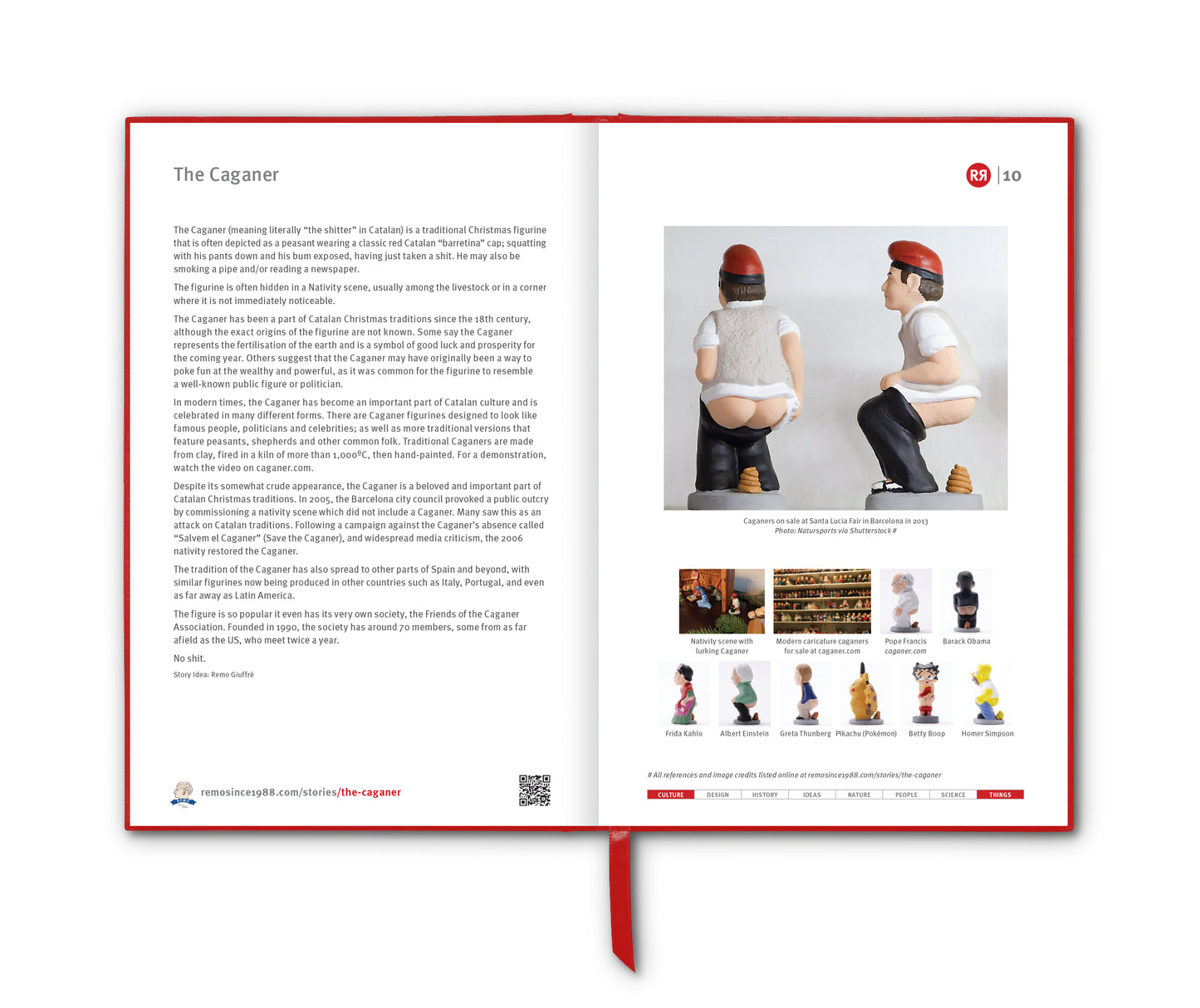

Kaiju (怪獣, かいじゅう; literally “strange beast”) is a term used in film and media for a genre of monster films produced in Japan known as kaiju eiga (monster films). Films of the genre typically involve giant monsters stomping through cities and battling each other. Unlike Western monster films, kaiju eiga have often incorporated social and political commentary that reflected the times.
The kaiju phenomenon emerged from the ashes of WWII. In 1954, less than a decade after the atomic bombings of Hiroshima and Nagasaki, Japanese audiences were introduced to Godzilla – a towering prehistoric creature awakened and mutated by nuclear testing. The original film was dark, tragic and political, reflecting the anxieties of a country still traumatised by nuclear devastation. Godzilla’s destruction of Tokyo echoed memories of wartime firebombing and radioactive fallout. What looked like a monster movie was really a cautionary tale about science, warfare and human arrogance.
The success of Godzilla unleashed a flood of increasingly imaginative giant creatures. Soon there were colossal moths, giant turtles, enormous insects, robotic monsters and three-headed space dragons. Kaiju films became their own strange ecosystem of recurring heroes and villains. Some monsters fought to destroy humanity; others evolved into unlikely protectors of Earth. By the 1960s and ‘70s, many of the films had become colourful, chaotic and surprisingly family-friendly, featuring elaborate monster wrestling matches staged among collapsing miniature cities.
Part of the charm of classic kaiju cinema lies in how it was made. Before computer graphics, filmmakers relied on “suitmation”: actors wearing enormous rubber monster suits while stomping through painstakingly constructed miniature sets. Entire city blocks, trains and military bases were built at small scale simply to be smashed apart on camera. The special effects may seem quaint today, but they created a tactile realism that still has devoted admirers. The sight of a sweating actor battling another sweating actor inside heavy latex costumes somehow became cinematic magic.
Kaiju culture eventually spread far beyond Japan. The genre influenced Hollywood disaster movies, superhero films and franchises like Pacific Rim. Giant monsters became global pop-culture icons, spawning toys, comic books, anime series, model kits and fan conventions. Dedicated kaiju enthusiasts collect rare figurines, debate the relative strengths of monsters and celebrate the artistry of vintage practical effects.
What makes kaiju endure is that the monsters are never really just monsters. They are physical embodiments of various cultural anxieties: nuclear war, environmental collapse, technological overreach or alien invasion. Each generation reshapes them according to whatever society fears most.
In a way, kaiju stories are ancient myths wearing modern costumes. Instead of dragons terrorising villages, radioactive beasts level skyscrapers.
Story Idea: Kent Vaughan
_____________________________
References
wikipedia.org/wiki/Kaiju
wikipedia.org/wiki/Godzilla
hollywoodreporter.com/movies/movie-features/godzilla-monsters-ranked-best-worst
g-festcon.com
Images
1. Suit fitting on the set of Godzilla Raids Again (1955)
2. Still from Godzilla (1954). Credit: Toho Company Ltd
3. Illustration from Camille Flammarion’s Le monde avant la création de l’homme ("The world before man’s creation") 1886
4. Japanese King Kong "suitmation"
5. Atomic bombing of Nagasaki, 9 August 1945
6. Teizō Toshimitsu sculpting a prototype for Godzilla's design
7. All Monsters Attack (1969) Credit: Everett Collection
8. The X from Outer Space (1967)
9. Godzilla looks over Shinjuku in Tokyo. Photo credit: David Callan via iStock.com
10. Toho Studios in Tokyo. Photo credit: Gregory Lane
11. Godzilla's star on the Hollywood Walk of Fame. Photo credit: ayustety
12. G-FEST is the largest kaiju convention in the world