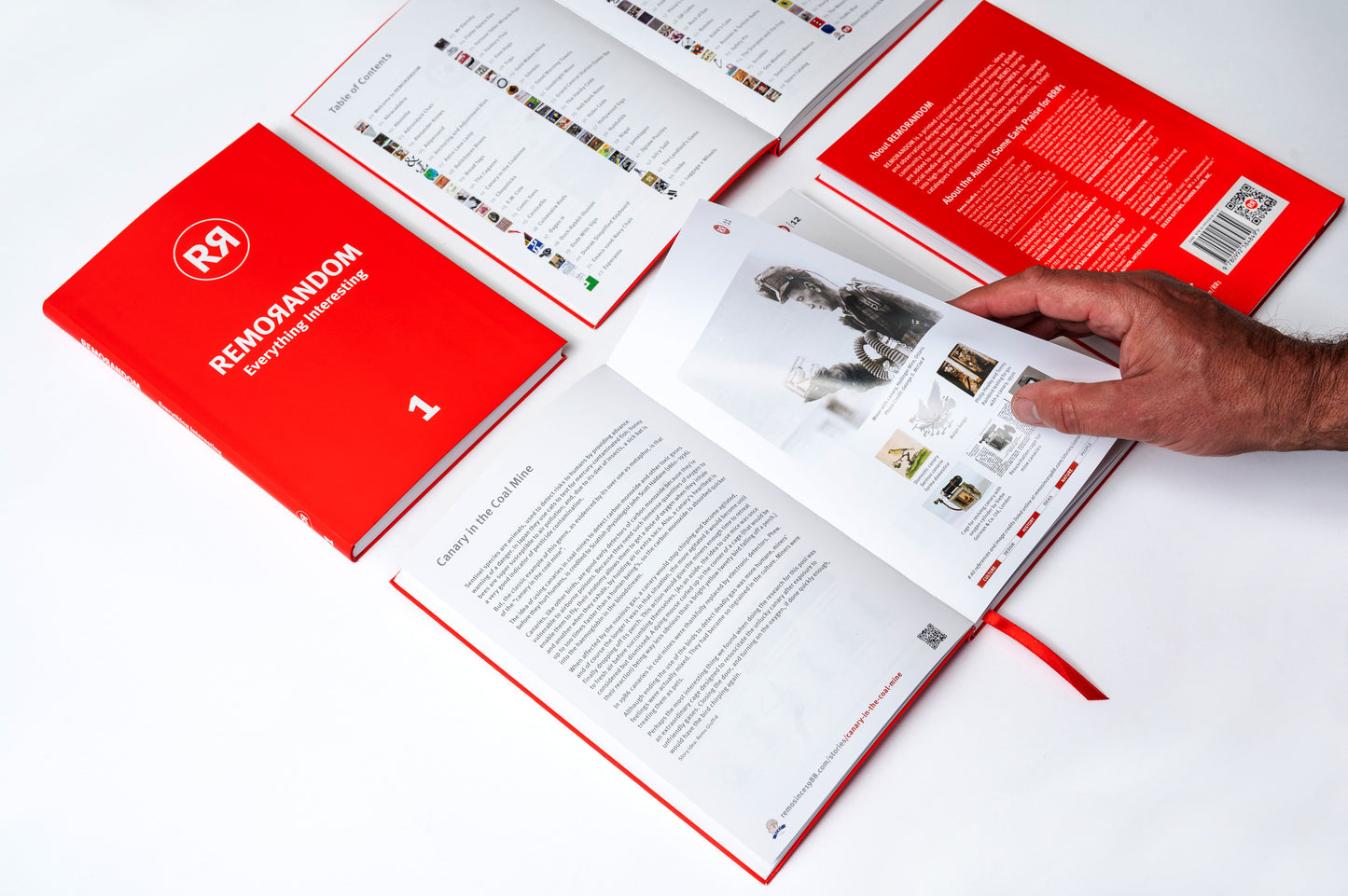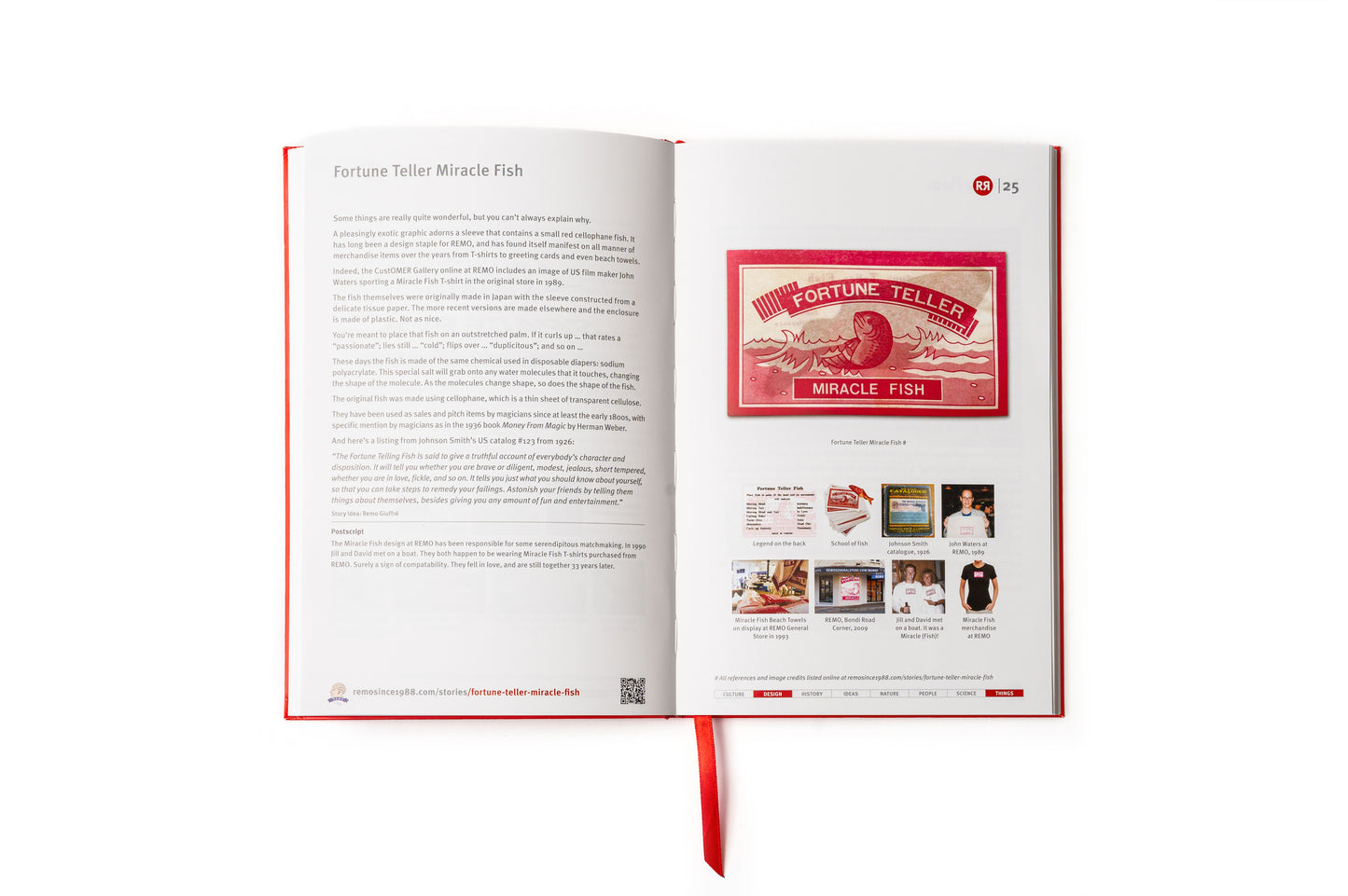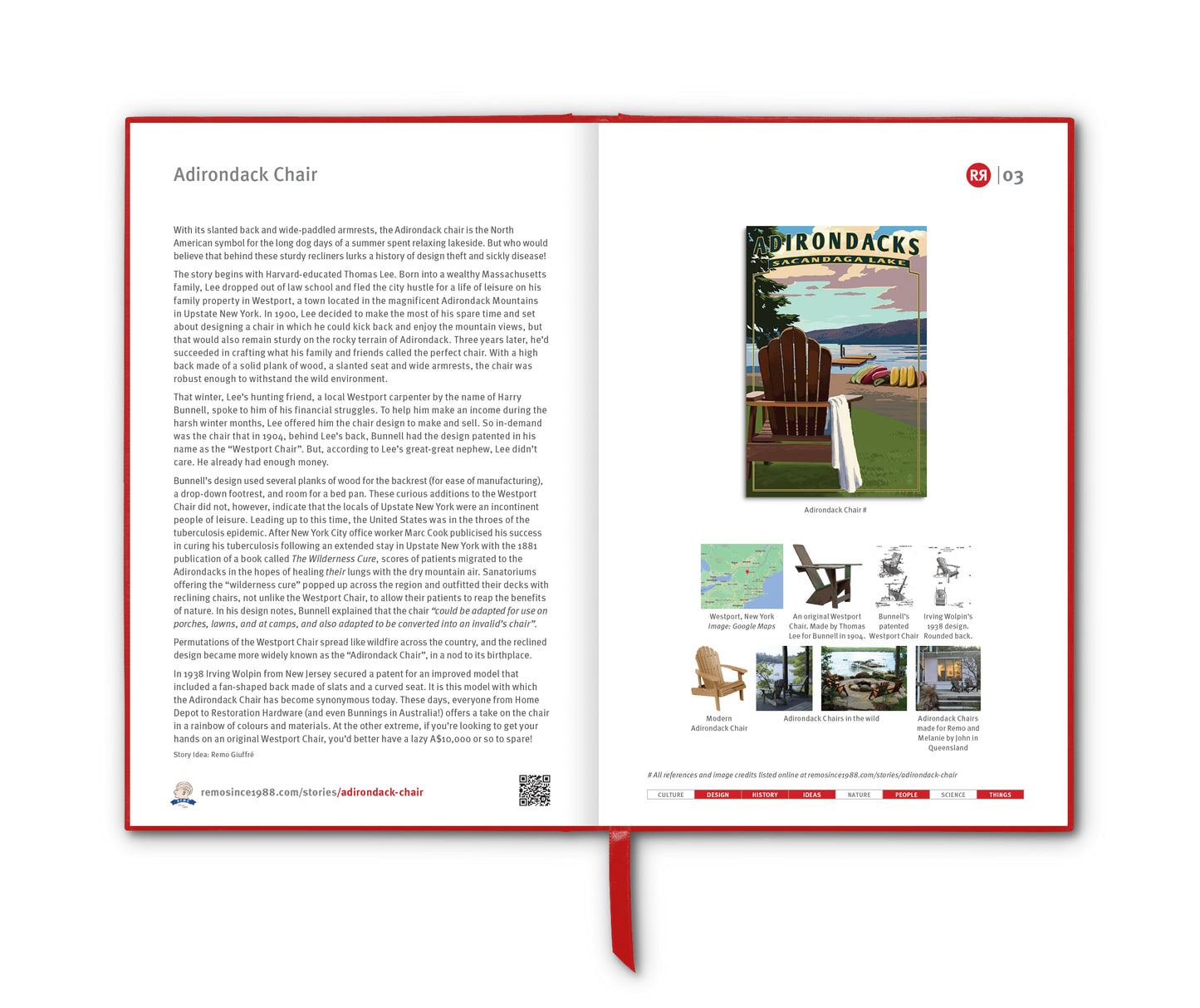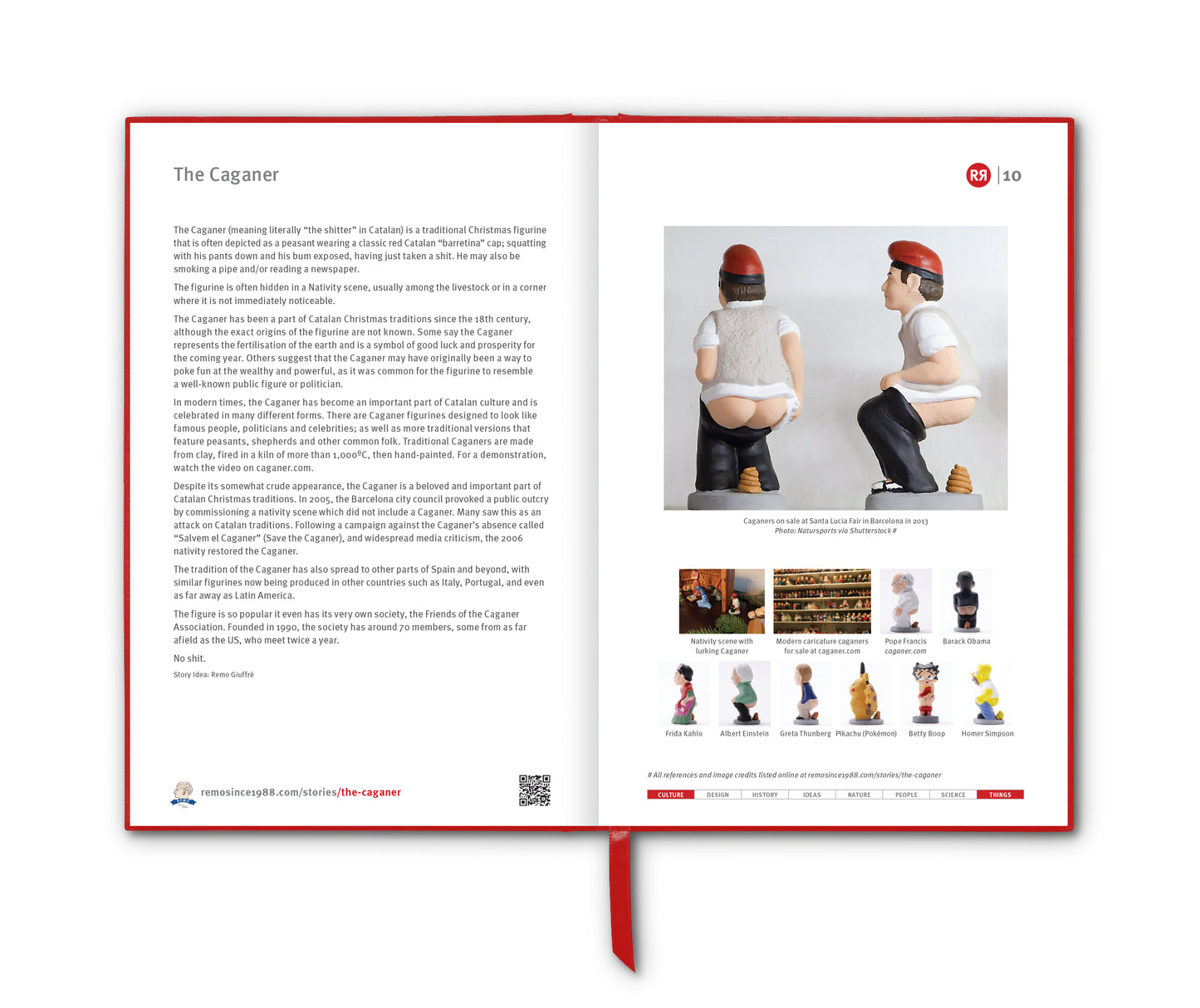

What could be more terrifying than facing a lethal attack from an enemy willing (and indeed fully intending) to die in the process?
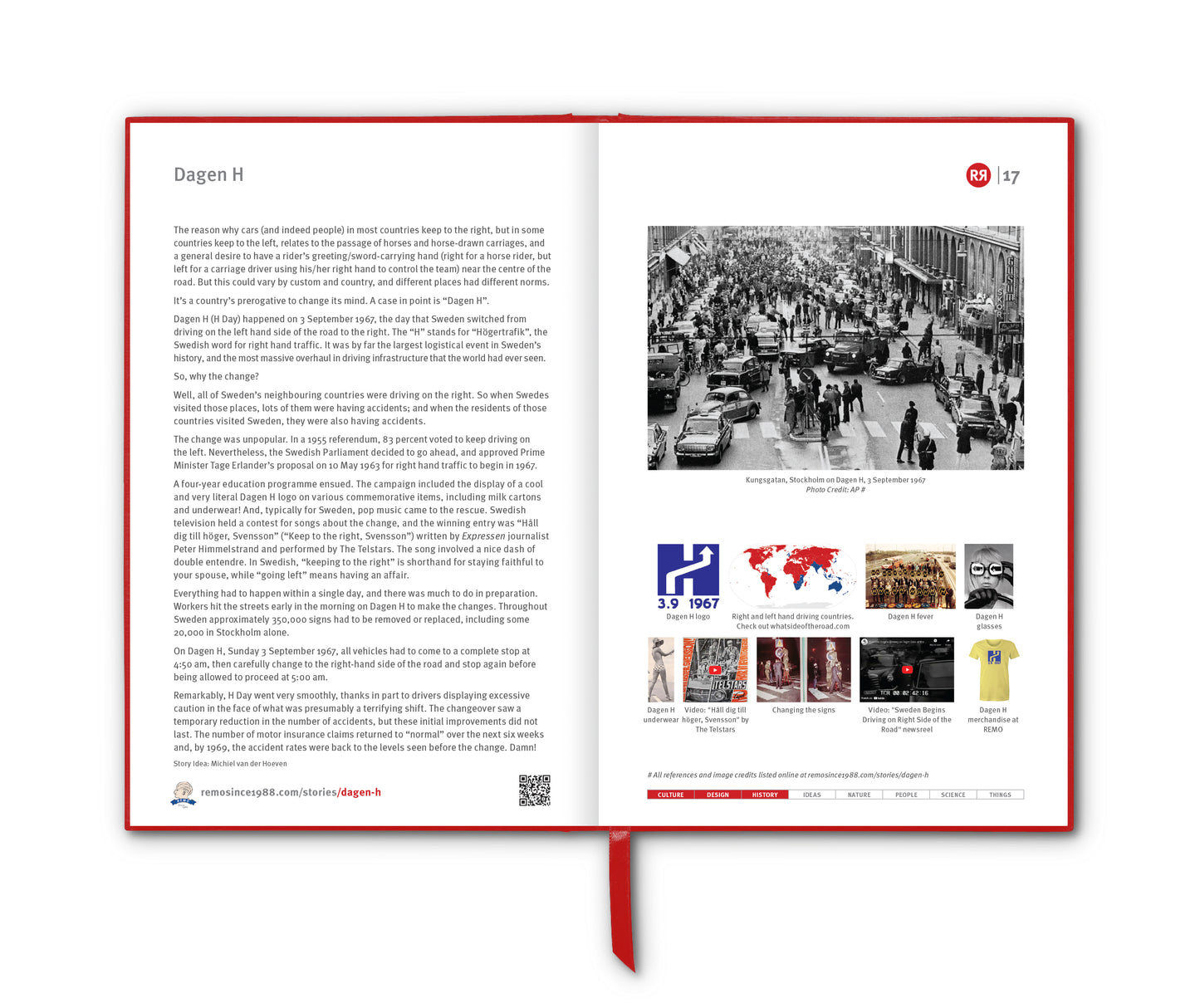
The word kamikaze (神風) literally means “divine wind”. Its origins go back to the 13th century, when typhoons twice destroyed Mongol fleets sent by Kublai Khan to invade Japan. To the Japanese, these storms were acts of divine intervention, winds sent by the gods to protect their islands.
Centuries later, in the desperate final stages of World War II, that word was repurposed to describe a very different kind of wind: the pilots of suicide missions, young men ordered to crash their planes into enemy ships.
By 1944, Japan’s military situation was dire. After years of expansion across Asia and the Pacific, the tide had turned. The Allies were advancing island by island, and Japan’s naval and air forces were badly depleted. Faced with overwhelming American industrial power, some Japanese commanders proposed a radical solution: if a conventional fight could not stop US warships, perhaps men who were willing to die could. Thus was born the tokubetsu kōgekitai (特別攻撃隊), usually abbreviated to tokkōtai (特攻隊) – the “special attack units” – better known in the West as the kamikaze.
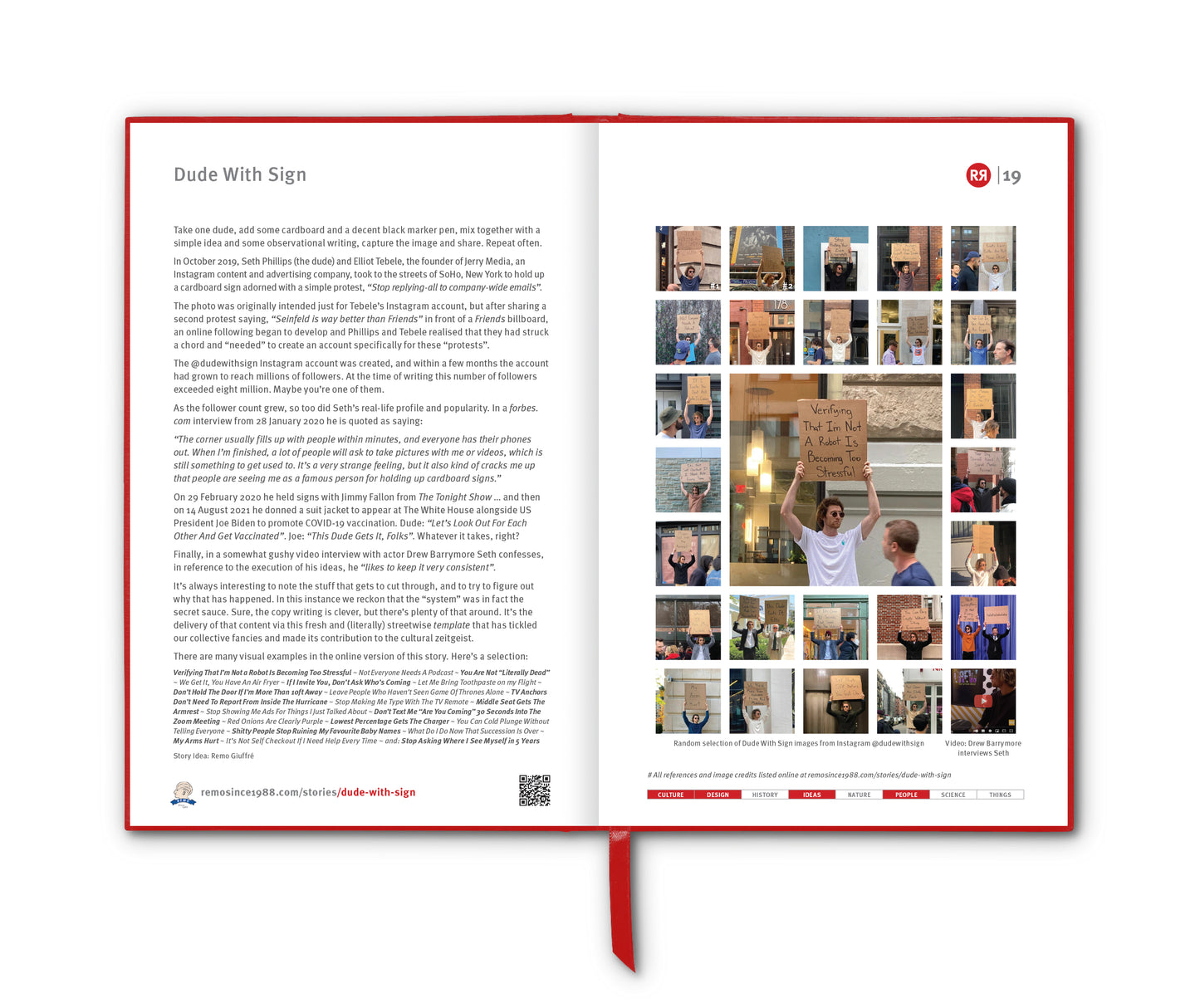
The first organised kamikaze attacks took place during the Battle of Leyte Gulf in October 1944, a massive clash in the Philippines. Pilots flying outdated or lightly armed aircraft deliberately dove into American ships, aiming to inflict maximum damage. The tactic shocked the Allies. For sailors, the sight of a plane aiming straight for the deck was terrifying, not least because the attacker would not break off. Even when riddled with bullets, kamikaze planes often kept coming, their human pilots guiding them to the end.
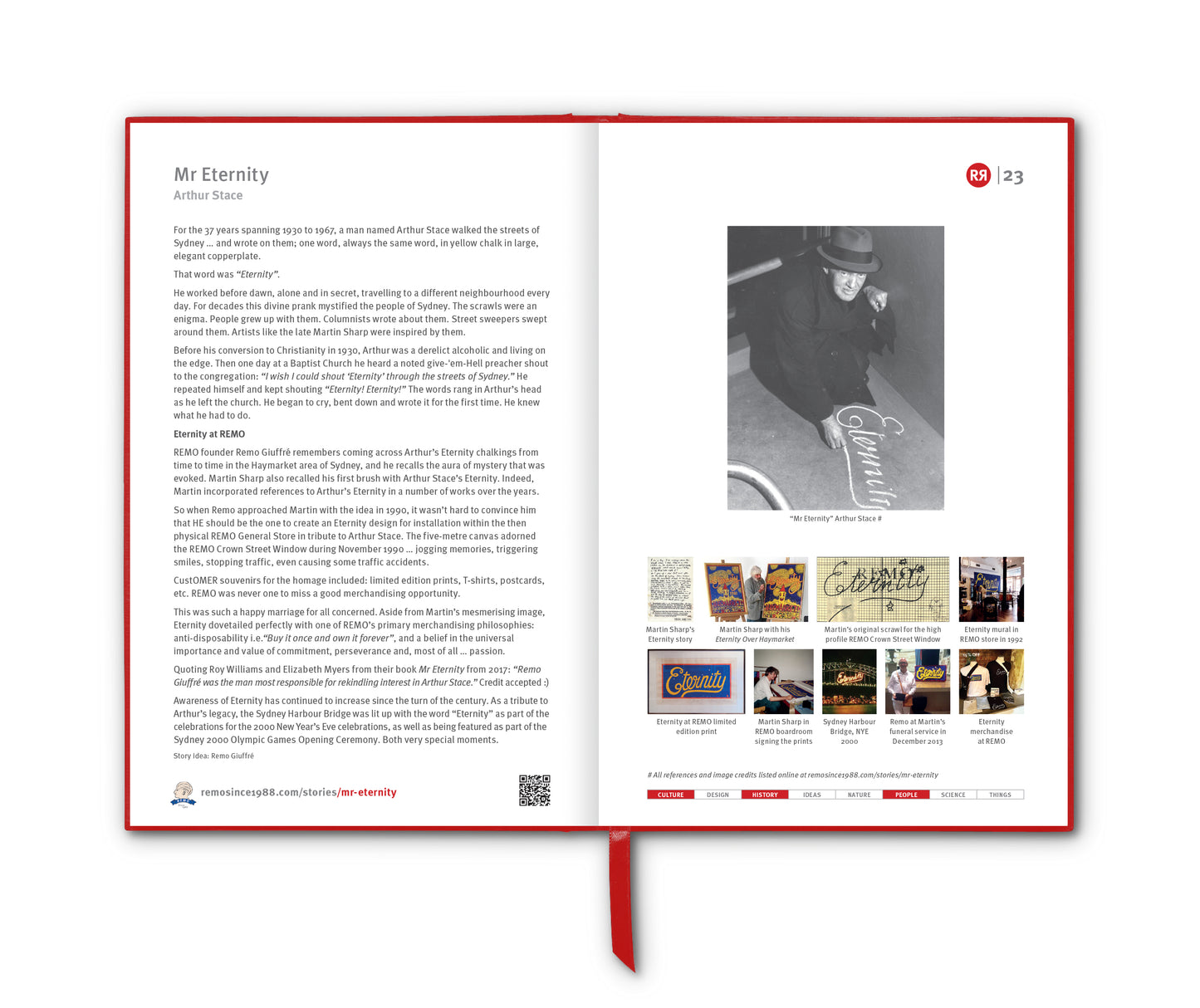
Kamikaze missions were framed in Japan as acts of ultimate sacrifice for emperor and country. Propaganda extolled the pilots as heroes, likening them to cherry blossoms falling at the height of their beauty. Many were in their late teens or early twenties, barely trained, and often torn between duty and a desire to live. Diaries recovered later revealed deep ambivalence: some expressed pride, others sorrow, and many wrote farewell letters to mothers, fiancées or friends.
The attacks proved devastating. By war’s end, roughly 3,800 Japanese pilots had died in kamikaze missions, sinking more than 30 Allied ships and damaging hundreds more. The worst single strike was against the USS Bunker Hill in May 1945, when two planes crashed into the carrier in quick succession, killing nearly 400 crew members. Yet the tactic did not change the outcome of the war. Instead, it underscored Japan’s desperation as its defences collapsed under sustained Allied pressure.
Culturally, the kamikaze legacy has been fraught. For some in Japan, the pilots remain symbols of tragic patriotism; for others, they are reminders of the militarist regime that exploited youthful devotion for impossible ends. Internationally, “kamikaze” has entered the language as shorthand for reckless self-destruction, far removed from its sacred origin as a divine wind.
Postscript
Kiichi Kawano (1926–2021) was a Special Attack Force pilot who dedicated much of his life to honouring the kamikaze with an archive museum housed in the basement of his home containing about 3,000 artifacts. The Yokaren Museum closed in 2024 with its contents donated to Oita City’s Gokuku Shrine. Watch a guided tour from Kawano HERE.
_______________________
References
wikipedia.org/wiki/Kamikaze
yokaren.net
japannews.yomiuri.co.jp/society/general-news/20231225-157809
theguardian.com/world/2015/aug/11/the-last-kamikaze-two-japanese-pilots-tell-how-they-cheated-death
abc.net.au/listen/programs/earshot/my-father,-kamikaze/6697160
Images
1. A Japanese Kamikaze aircraft diving on the US Navy light cruiser USS Columbia on 6 January 1945, during the Lingayen Gulf operation. The plane and its bomb penetrated two decks before exploding, killing 13 and wounding 44.
2. Mongol Invasion by Kikuchi Yōsai, 1847. Ink and water colors on paper. Tokyo National Museum. Shows the destruction of the Mongol fleet in a typhoon.
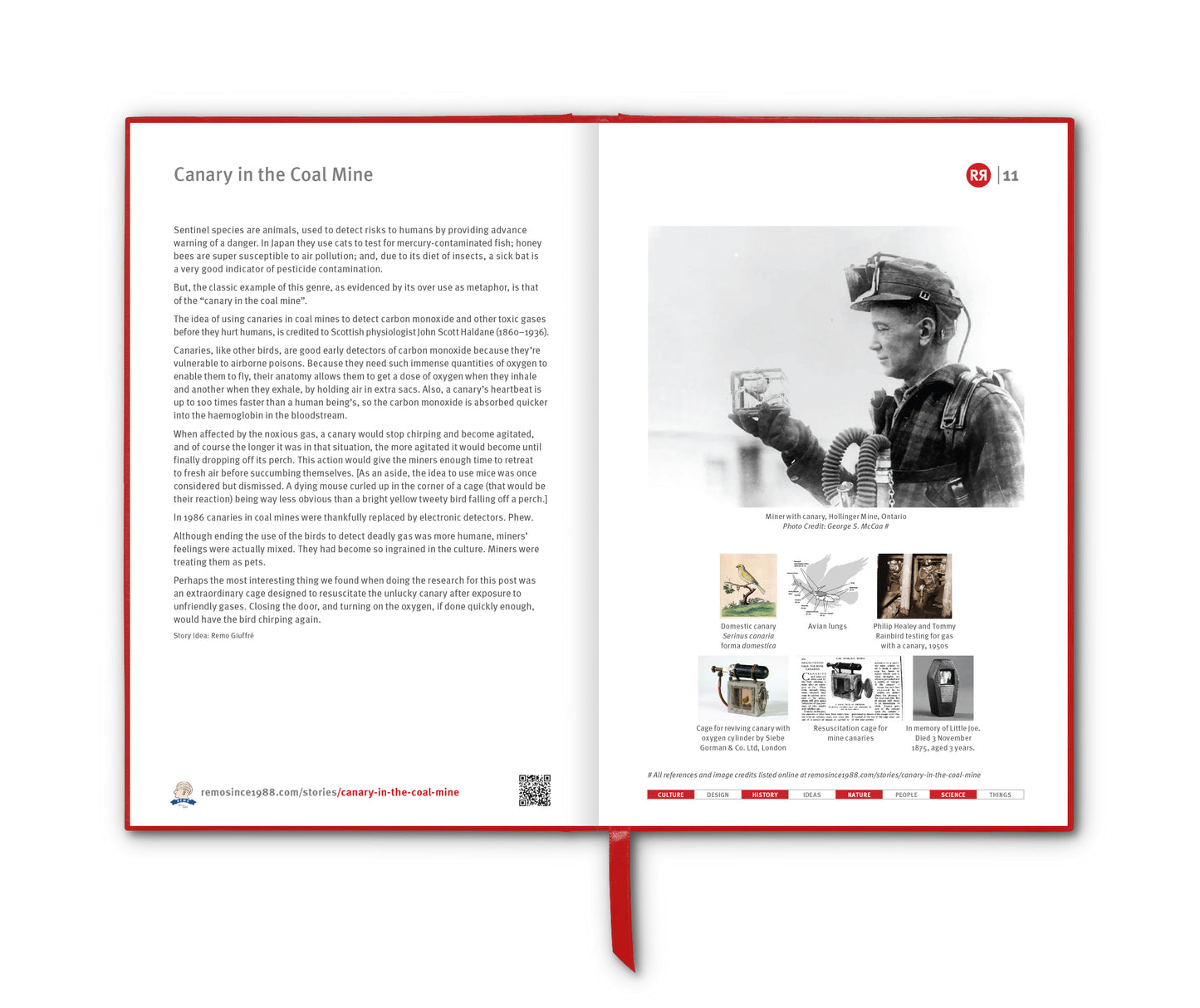
3. Kamikaze pilots at Chōshi airfield, Japan, 1944. Only one of the 18 men in the photo, Toshio Yoshitake, survived the war after his aircraft was shot down by an American fighter aircraft. Image: Wikimedia
4. Corporal Yukio Araki, holding a puppy, with four other pilots of the 72nd Shinbu Squadron at Bansei, Kagoshima on 26 May 1945. Araki died the following day, at the age of 17, in a suicide attack on ships near Okinawa.
5. The anatomy of a Mistubishi A6M2. Image credit: historynet.com
6. Mitsubishi Zero A6M5 Model 52c are sent back from Korea to Kyushû island, to take part in a Kamikaze attack (early 1945).
7. Chiran high school girls wave farewell with cherry blossom branches to departing kamikaze pilot
8. USS Bunker Hill, an aircraft carrier, was hit by two kamikazes on 11 May 1945, resulting in 396 personnel dead or missing and over 260 wounded.
9. Yokaren Museum interior
10. Video: Ex-kamikaze pilot Kiichi Kawano in his Yokaren Museum